SPIONs (Synthesis, Coating & Cancer Targeting)
Learning Goal: Synthesizing and functionalizing superparamagnetic iron oxide nanoparticles (SPIONs) for targeted cancer drug delivery, covering co-precipitation synthesis, biocompatible polymer coating, chemotherapy drug loading, and in vitro magnetic-targeting assays.
- Prerequisites: Basic college-level general chemistry (stoichiometry, precipitation reactions), introductory physics (magnetism, thermal energy), and basic cell biology concepts (cell viability, cancer therapeutics).
- Estimated Total Study Time: 16 Hours
Module 1: Foundations of Nanomedicine & Superparamagnetism
This module covers the core physical and biological concepts that make Nanotechnology a paradigm shift in oncology. You will learn how magnetism transitions at the nanoscale, specifically why materials like iron oxide lose their permanent magnetic behavior (coercivity and remanence) below a critical domain size, turning into highly responsive superparamagnetic systems. This physical property is what enables magnetic steering and local heating without the risk of spontaneous nanoparticle aggregation in the blood vessel network.

- Why this video is valuable: It provides a comprehensive medical-focused introduction to magnetic nanoparticles (MNPs). It explains how nanoscale sizing allows these structures to function dynamically as targeted drug delivery systems, MRI contrast agents, and diagnostic biosensors.
- Knowledge Checkpoint:
- Explain the structural size definition of a magnetic nanoparticle and how it interfaces with biological systems.
- Describe the dual role of MNPs as both diagnostic contrast agents (MRI) and therapeutic vehicles.

- Why this video is valuable: This academic lecture breaks down the solid-state physics of superparamagnetism. It details how ferromagnetic or ferrimagnetic materials transition into single-domain particles below 100 nm, where thermal fluctuations overpower the magnetic anisotropy barrier.
- Knowledge Checkpoint:
- Explain why single-domain nanoparticles possess zero coercivity and zero remanent magnetization.
- Define the relationship between thermal energy () and magnetic anisotropy energy () in superparamagnetic transitions.
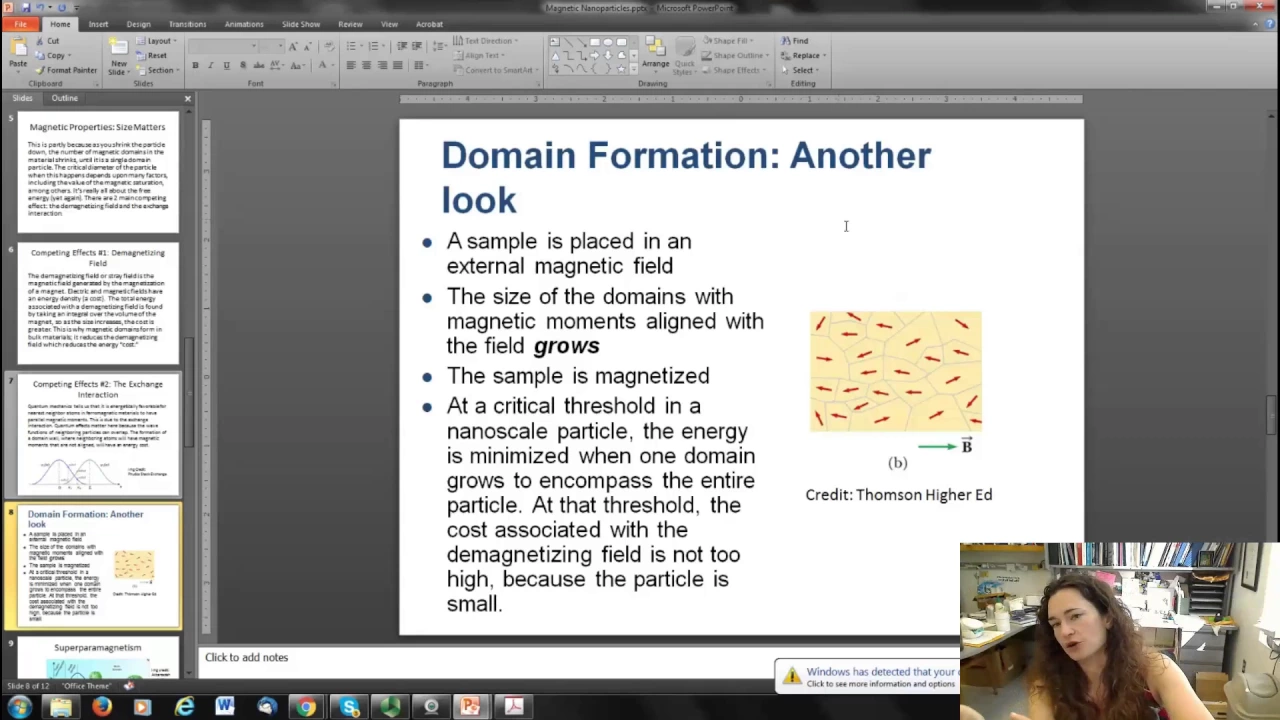
- Why this video is valuable: A concise overview of MNP behavior under external fields, explaining the random orientation of magnetic moments upon field removal. This is critical for understanding why SPIONs do not clump in biological fluids.
- Knowledge Checkpoint:
- Describe what happens to MNP magnetic alignment when an external magnetic field is applied versus when it is removed.
- Articulate why zero remanence prevents vascular blockages (embolisms) in clinical setups.

- Why this video is valuable: This video highlights modern clinical translations of MNPs, specifically illustrating the transition from multi-domain to single-domain systems and how this shift enables physical-biological interactions.
- Knowledge Checkpoint:
- Distinguish between multi-domain and single-domain magnetic structures.
- List two clinical applications of single-domain SPIONs beyond standard drug delivery.
Module 2: Synthesis of SPIONs via Co-Precipitation
This module transitions from theory to practical laboratory work. You will learn the chemical mechanism of synthesis via alkaline co-precipitation. By mixing divalent () and trivalent () iron salts in a precise 1:2 stoichiometric ratio under basic conditions, you will force nucleating crystal growth of magnetite () nanoparticles.
This section emphasizes stoichiometry control, inert-atmosphere maintenance (to prevent oxidation to maghemite, ), and magnetic separation washing protocols.
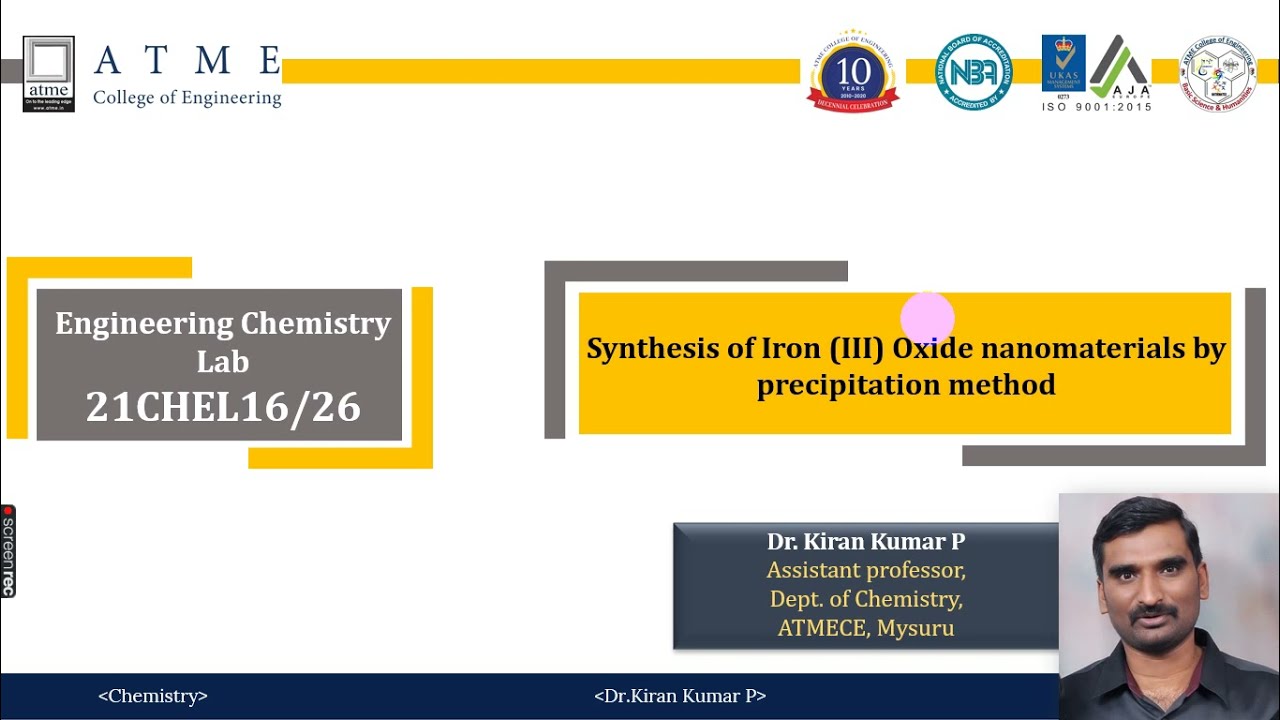
- Why this video is valuable: This video is a step-by-step wet-lab demonstration of synthesizing iron oxide nanoparticles using ferrous sulfate, ferric chloride, and ammonium hydroxide. It details chemical addition speeds, physical observation of black precipitates, and phase separation.
- Knowledge Checkpoint:
- Recreate the chemical equation for the formation of from and precursors.
- Detail the role of ammonium hydroxide as the precipitating base and explain the significance of maintaining alkaline pH.

- Why this video is valuable: Hosted by a world-class chemistry communicator, this video provides excellent close-up, practical lab handling instructions on stoichiometric mixing (approximately 2:1 ferric to ferrous), temperature adjustment, and the rapid color change associated with formation.
- Knowledge Checkpoint:
- Calculate the correct mass ratio of to to yield a 2:1 molar ratio.
- Explain why rapid, high-shear mixing is essential during base addition to control nanoparticle crystal size.
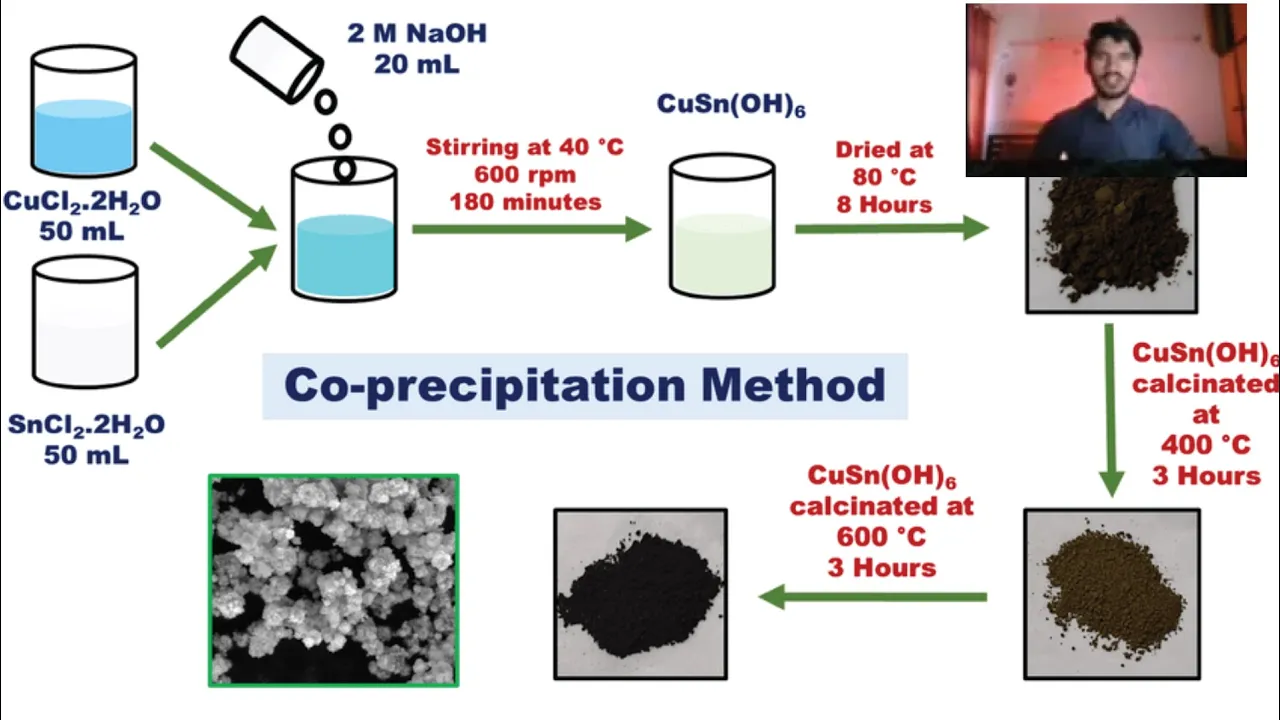
- Why this video is valuable: This video reviews the physical chemistry behind the co-precipitation method, discussing nucleation vs. growth, kinetic controls, and the practical advantages/disadvantages of this synthetic route compared to thermal decomposition.
- Knowledge Checkpoint:
- Explain the difference between homogenous nucleation and crystal growth phases in precipitation.
- State two main disadvantages of aqueous co-precipitation (e.g., polydispersity) and how to minimize them.
Module 3: Polymer Coating & Surface Functionalization
Bare SPIONs synthesized in aqueous media are thermodynamically unstable. High surface area-to-volume ratios combined with magnetic dipole-dipole attractions cause severe aggregation. Furthermore, bare iron oxides are rapidly opsonized by serum proteins and cleared by the reticuloendothelial system (RES).
This module covers Surface Modification/PEGylation, introducing biocompatible polymers (such as Polyethylene Glycol - PEG or Chitosan) to provide steric hindrance, prevent protein adsorption, and extend bloodstream half-life.
  [ Bare MNP Core ] (Aggregates easily, recognized by macrophages)
         │
         ▼  + Hydrophilic Polymer (e.g., PEG, Chitosan)
  [ Coated MNP Core ] (Steric stabilization, "Stealth" shield)
⚠️ Pragmatic Learning Note: The video library contains limited detailed wet-lab protocols for the direct polymer coating of SPIONs. To successfully coat your nanoparticles in the lab, you must supplement these resources by searching academic protocols for:
- "PEGylation of iron oxide nanoparticles protocol"
- "Chitosan-coated SPION synthesis via crosslinking"
Characterization of successful coating must be validated using FTIR (to observe C-H, O-H, and C-O ether bonds of PEG) or TGA (to calculate the mass percentage of organic polymer burned off the mineral iron core).

- Why this video is valuable: This video provides a comprehensive historical and chemical review of PEG (Polyethylene Glycol). It details how its hydrophilic nature attracts water molecules (2-4 per ether oxygen), generating a hydrated "stealth" layer that blocks macrophage recognition.
- Knowledge Checkpoint:
- Define PEGylation and explain why the hydration layer of PEG prevents opsonin binding.
- Explain the structural difference between linear and branched PEG chains regarding surface coverage density.
- Why this video is valuable: A concise lecture segment reviewing surface modifications of biomedical nanoparticles using polymers (PEG, Hyaluronic Acid) to reduce protein adsorption and ensure biocompatibility.
- Knowledge Checkpoint:
- List three natural or synthetic polymers used for biomaterial surface coating.
- Explain how surface charge (Zeta Potential) shifts when a bare MNP (typically negative/neutral) is coated with cationic polymers like Chitosan or neutral PEG.
Module 4: Chemotherapy Drug Loading & Release Mechanisms
Once the SPION is synthesized and coated with a polymer shield, it must be loaded with a therapeutic cargo (such as the anthracycline chemotherapeutic Doxorubicin). This module teaches the physics and chemistry behind drug entrapment, ionic/hydrophobic bonding to polymer shells, and calculations of delivery kinetics.
   Encapsulation Efficiency (EE %) = [(Total Drug - Free Drug) / Total Drug] * 100
   Drug Loading Capacity (LC %)    = [Mass of Loaded Drug / Total Mass of Nanoparticles] * 100
To determine these parameters, you will separate loaded SPIONs from free unencapsulated drug via magnetic precipitation or membrane dialysis, analyze the supernatant using UV-Vis Spectrophotometry (Doxorubicin absorption peak at ~480 nm), and apply the equations above.
⚠️ Pragmatic Learning Note: Because direct videos on loading chemotherapy agents onto inorganic SPION cores are limited in the provided pool, use the liposome loading and lipid nanoparticle encapsulation videos below to master the core concepts of drug loading efficiency, dialysis release assays, and concentration math. To adapt these models specifically to SPIONs, search independently for:
- "Doxorubicin loading on magnetic nanoparticles protocol"
- "Drug release kinetics from SPIONs under acidic tumor pH"

- Why this video is valuable: It reviews the mathematical formulas for calculating drug entrapment and loading efficiency. This exact algebraic methodology is used for polymeric and magnetic nanoparticle evaluation.
- Knowledge Checkpoint:
- Write down the formula for Drug Entrapment (Encapsulation) Efficiency.
- If you start with 10 mg of Doxorubicin and find 2 mg of free drug in the supernatant after magnetic pelleting, what is the Encapsulation Efficiency (EE%)?
- Why this video is valuable: This brief overview defines and contrasts two critical pharmacological parameters: entrapment efficiency (the fraction of starting drug successfully wrapped) versus loading capacity (the ratio of drug mass to carrier carrier mass).
- Knowledge Checkpoint:
- Explain why a formulation can have 99% Encapsulation Efficiency but only 2% Drug Loading Capacity.
- Discuss how high loading capacity reduces the total dose of iron oxide nanoparticles that must be administered to a patient.

- Why this video is valuable: Explains the physical chemistry of loading Doxorubicin. It shows how transmembrane pH gradients (or electrostatic attractions in polymer coats) drive amphiphilic drugs inside or onto nanostructures.
- Knowledge Checkpoint:
- Describe how pH gradients control the protonation state and solubility of Doxorubicin.
- Explain how carboxylic acid groups (-COOH) on polymer-coated SPIONs can electrostatically bind positively charged amine groups on Doxorubicin molecules.
Module 5: In Vitro Magnetic-Targeting & Cell Assays
The final stage of the workflow evaluates the therapeutic efficacy of your drug-loaded SPIONs on cell cultures. This module covers In Vitro validation, utilizing cell viability colorimetric assays (MTT Assay) to evaluate cytotoxic performance. It also details how cell systems respond to magnetic attraction.
  [ Cell Viability MTT Assay Mechanism ]
  Yellow MTT Reagent ──(Active Mitochondrial Dehydrogenases)──> Purple Formazan Crystals ──(Dissolve in DMSO)──> Read Absorbance at 570 nm
⚠️ Pragmatic Learning Note: While the MTT cell viability assay protocols below are exceptionally detailed, the video pool lacks a direct video showing the physical laboratory setup of a magnetic targeting assay in culture plates. To implement this in the lab, place small, strong Neodymium-Iron-Boron (NdFeB) permanent magnets directly underneath specific wells of a 24-well plate containing your cancer cell monolayer. Add SPIONs, allow incubation, and wash away unattached particles. To see a dynamic simulation under fluidic flow conditions, search independently for:
- "In vitro magnetic targeting experiment cancer cells flow chamber"
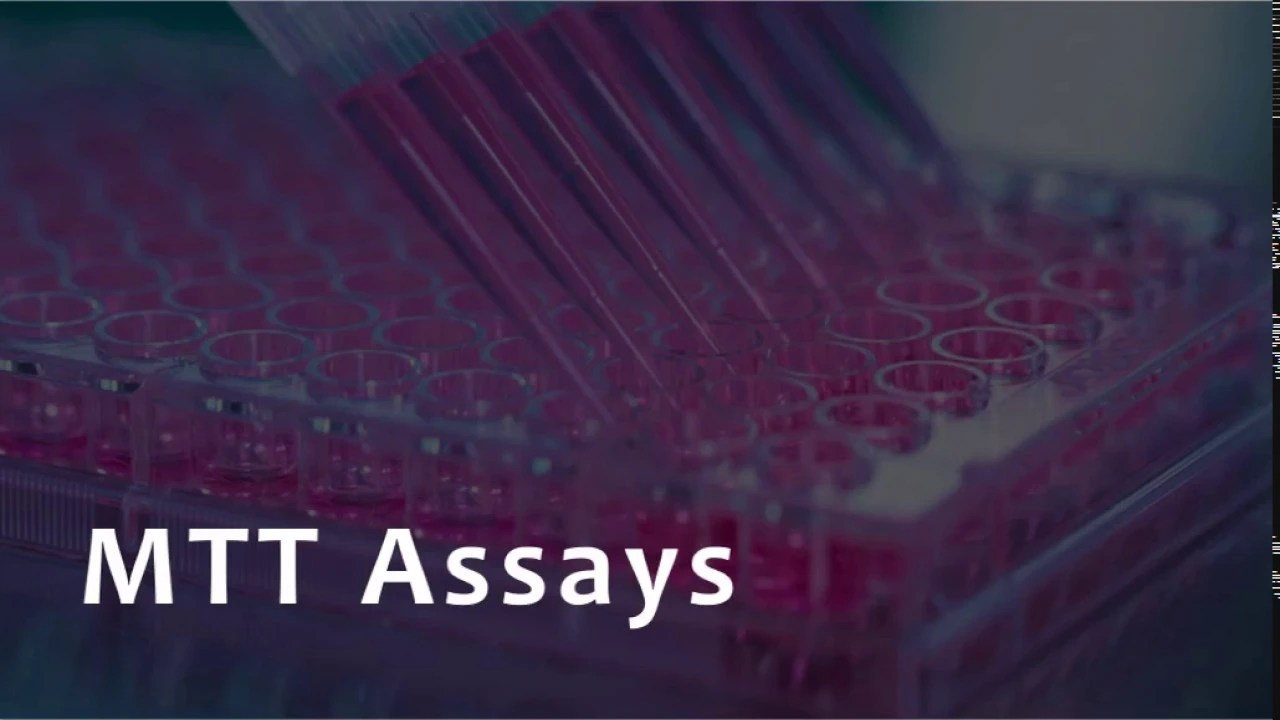
- Why this video is valuable: An incredibly thorough, masterclass-level demonstration of the MTT assay. It covers step-by-step plate design, media extraction, MTT reagent addition, incubation, formazan crystal dissolution using DMSO, and microplate spectrophotometer measurements.
- Knowledge Checkpoint:
- Detail the biochemical reaction that converts yellow tetrazolium salt (MTT) into purple formazan. Which organelle is responsible for this?
- Explain why washing steps and careful pipetting are crucial when removing supernatant to avoid losing precipitated formazan.

- Why this video is valuable: A concise, protocol-focused look at cell viability tracking. It is ideal for laboratory execution, emphasizing the exact aspiration and handling steps needed to generate high-reproducibility cell viability curves.
- Knowledge Checkpoint:
- State the incubation time and temperature requirements for the MTT reagent conversion in human cell lines.
- Describe how to troubleshoot incomplete dissolution of purple crystals.
- Why this video is valuable: Visually demonstrates how external magnetic systems are leveraged to hold a carrier loaded with magnetic components at a localized biological target zone.
- Knowledge Checkpoint:
- Conceptually explain how an external magnetic field gradient exerts an attractive force () on superparamagnetic particles.
- Why is a uniform magnetic field insufficient for magnetic targeting? (Hint: Think about why a gradient is required to produce a net translation force).
Course Map
This flowchart maps out the modules, critical steps, and recommended progression of this curriculum:
Key People Index
- Dr. Robert S. Langer (MIT) — Pioneer in biomaterials and controlled drug delivery systems. His early breakthroughs established how coating hydrophobic nanoparticles with hydrophilic stealth polymers (such as PEG) prevents opsonization and rapid clearance by tissue macrophages.
- Dr. Paula Hammond (MIT) — Leading researcher in nanotechnology and electrostatic layer-by-layer polymer assembly, widely recognized for formulating multi-functional polymeric coatings for targeting aggressive tumors.
- Dr. Nguyen TK Thanh (University College London) — World-leading expert in the physical chemical design, synthesis, and characterization of magnetic nanoparticles for clinical imaging and hyperthermia therapeutic applications.
- Dr. Joy Wolfram — Renowned nanomedicine scientist focused on tailoring nanoparticle surfaces to bypass immune checkpoints and optimize therapeutic accumulation at tumor targets.
Final Self-Assessment
Complete this checklist to verify your mastery of the SPION targeted drug delivery curriculum:
- Explain the physical mechanism of superparamagnetism and distinguish it from standard ferromagnetism.
- Determine the mass stoichiometry required to prepare magnetite () via co-precipitation using and precursors.
- List two methods to prevent oxidation of to during wet-lab synthesis.
- Describe the thermodynamic forces (dipole-dipole attraction, surface energy) that cause bare SPIONs to aggregate in aqueous environments.
- Explain the biological mechanism of opsonization and how PEGylation prevents opsonin binding.
- Identify the characteristic infrared absorption bands (FTIR) that confirm successful polymer functionalization of an iron oxide core.
- Calculate the Encapsulation Efficiency (EE%) and Loading Capacity (LC%) of a SPION formulation given starting and free drug masses.
- Explain how Doxorubicin is quantitavely measured in supernatant solutions using UV-Vis spectrophotometry at 480 nm.
- Replicate the cell preparation, reagent addition, and absorbance reading steps for a 96-well plate MTT cell viability assay.
- Define the mathematical parameter and explain how to calculate it using cell viability curves under magnetic-targeted vs. non-targeted conditions.