
























Magnetic nanoparticles are single-domain particles whose unique magnetic properties emerge at the nanoscale, enabling diverse clinical applications including targeted drug delivery, gene therapy, and cancer heat treatment; however, translating these technologies into clinical practice requires overcoming significant challenges such as achieving precise control over particle size and distribution, developing multi-disciplinary approaches spanning physics, chemistry, and biochemistry, and recognizing that different applications demand vastly different particle sizes (4-5 nm for MRI contrast enhancement versus 20-30 nm for therapeutic heating), with widespread clinical adoption expected within approximately five years.
Magnetic Nanoparticles in Biomedicine: Clinical Applications Explained
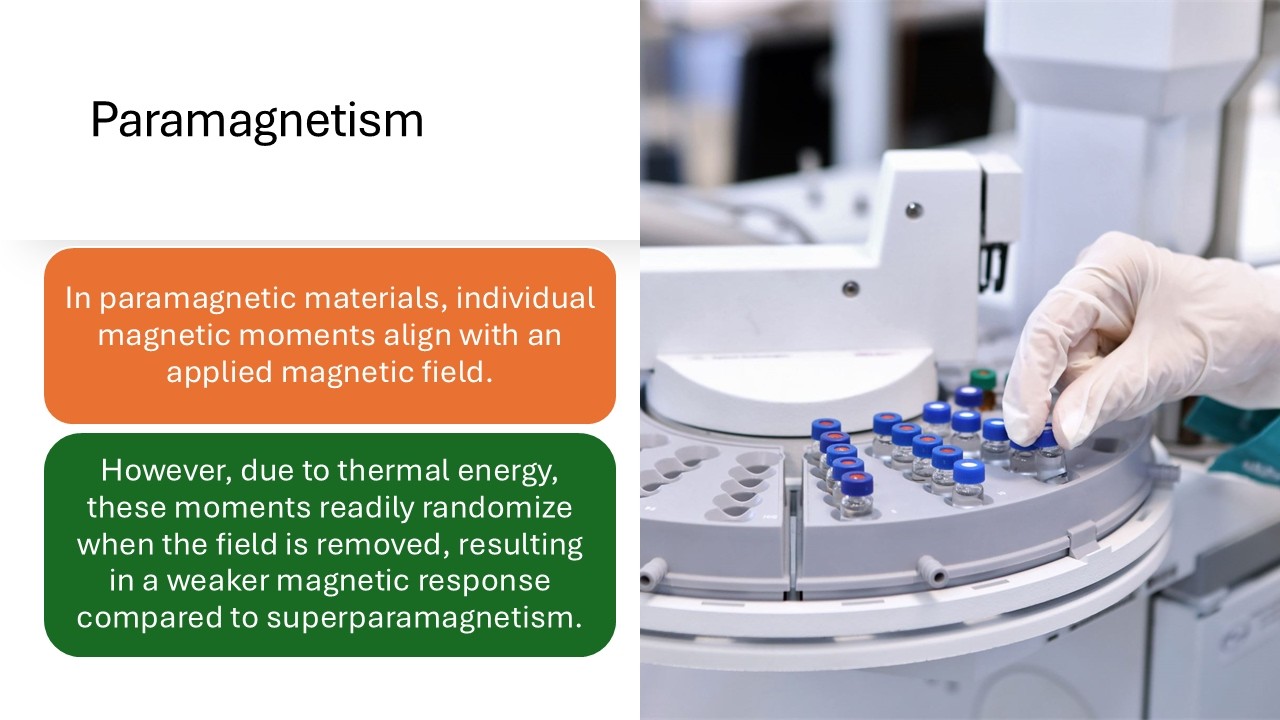
Added:Basic principles of magnetism, including magnetic fields, magnetic moments, and the concept of superparamagnetism at the nanoscale.
Fundamentals of nanotechnology, specifically how physical and chemical properties of materials change at the nanometer scale.
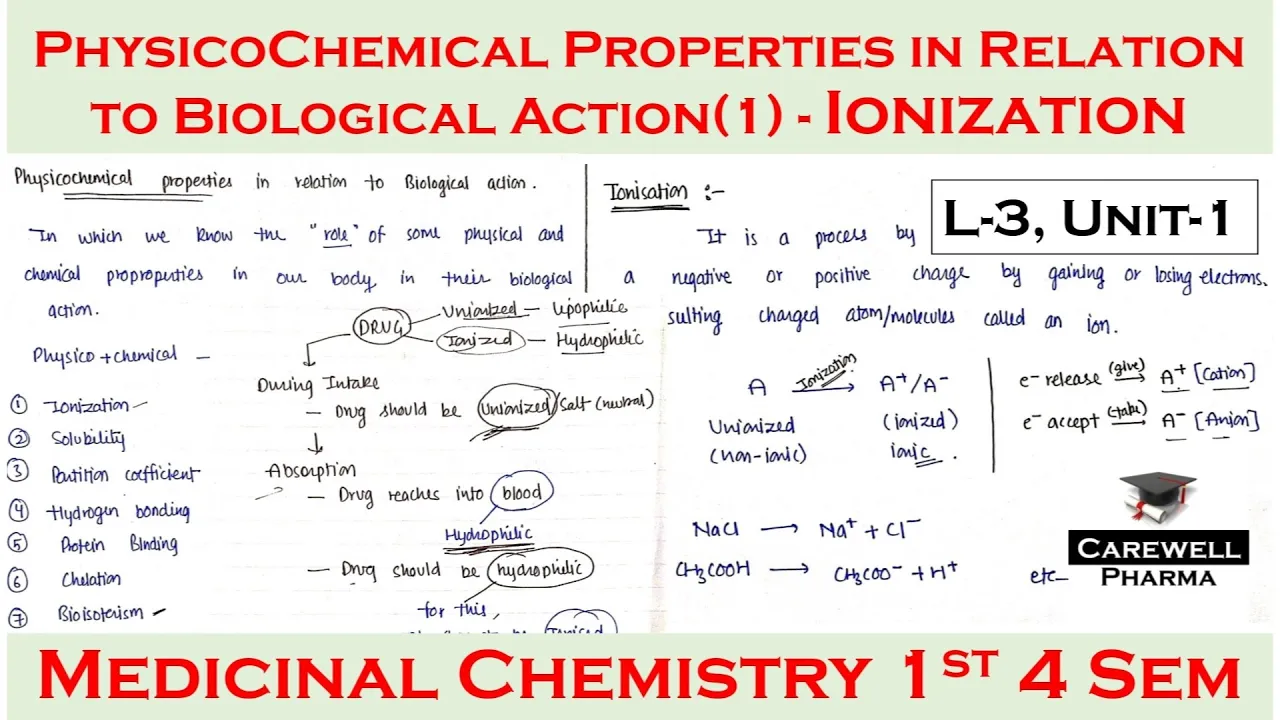
Introduction to cell biology and pharmacology, particularly how drugs are absorbed, distributed, and targeted within the human body.
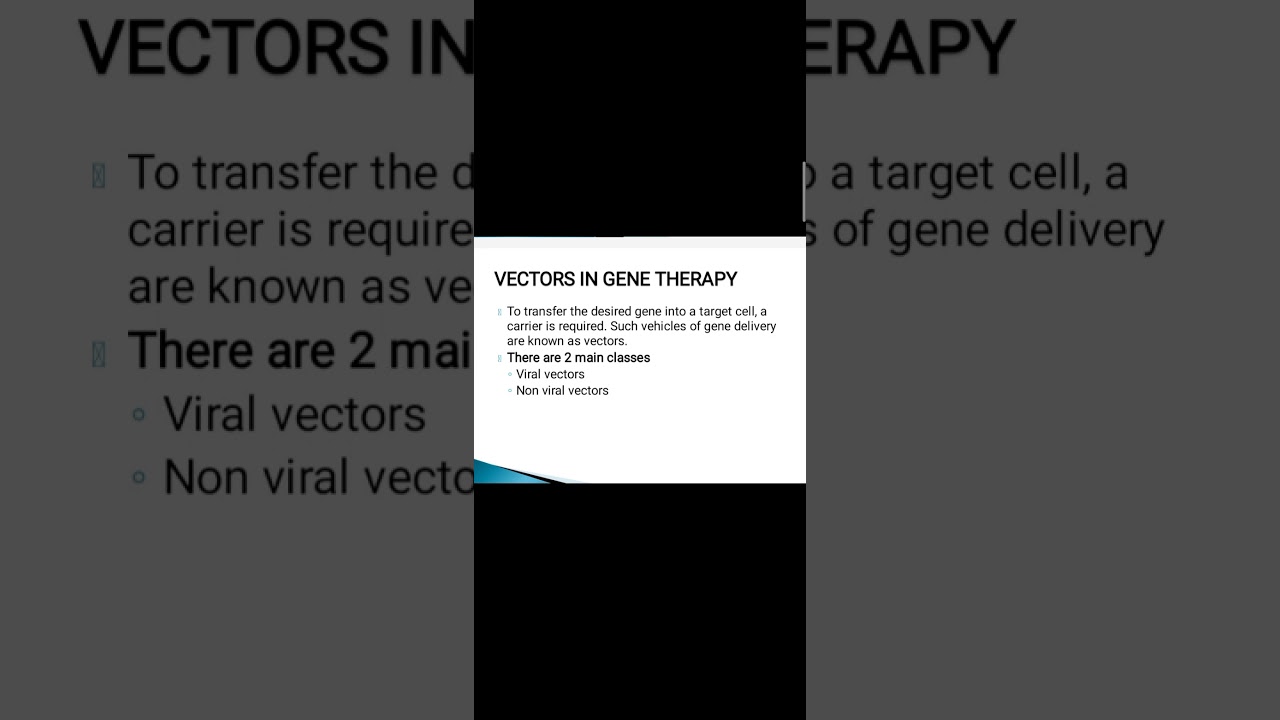
Basic understanding of gene therapy, including how genetic material is delivered into host cells using vectors.
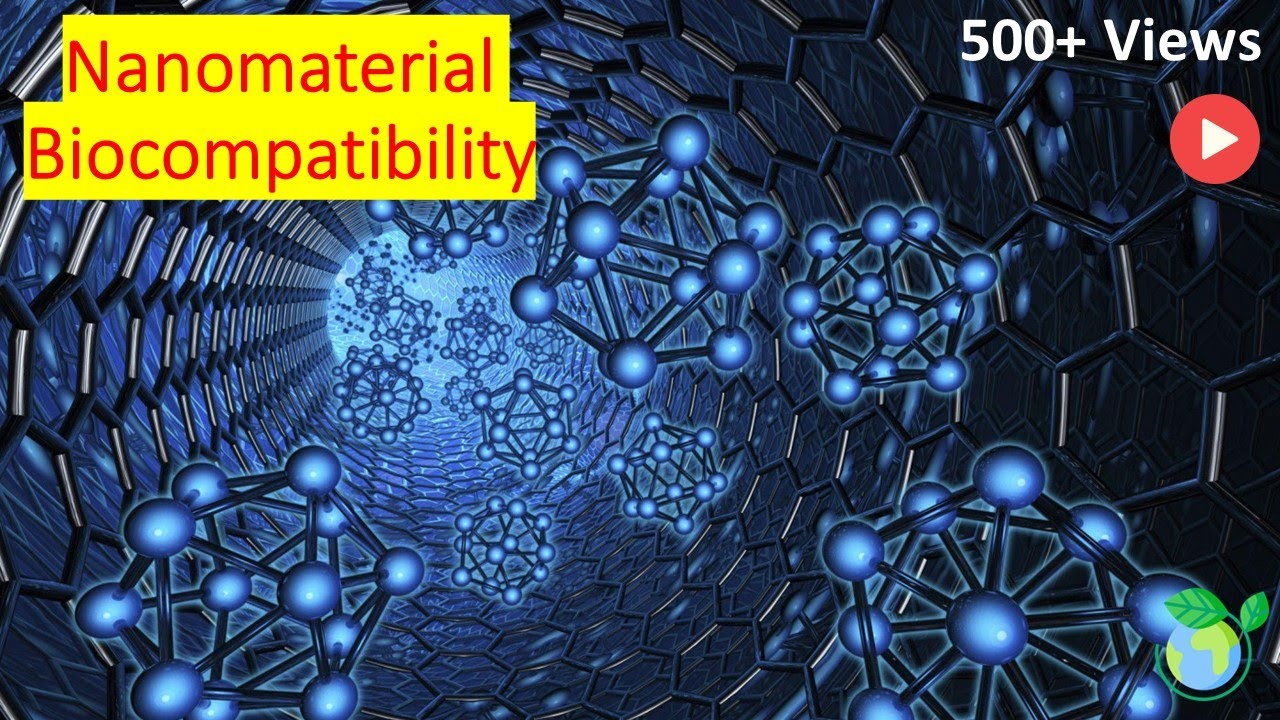
Biocompatibility and nanotoxicology: Analyzing how the human body processes, clears, and reacts immunologically to foreign nanoparticles.
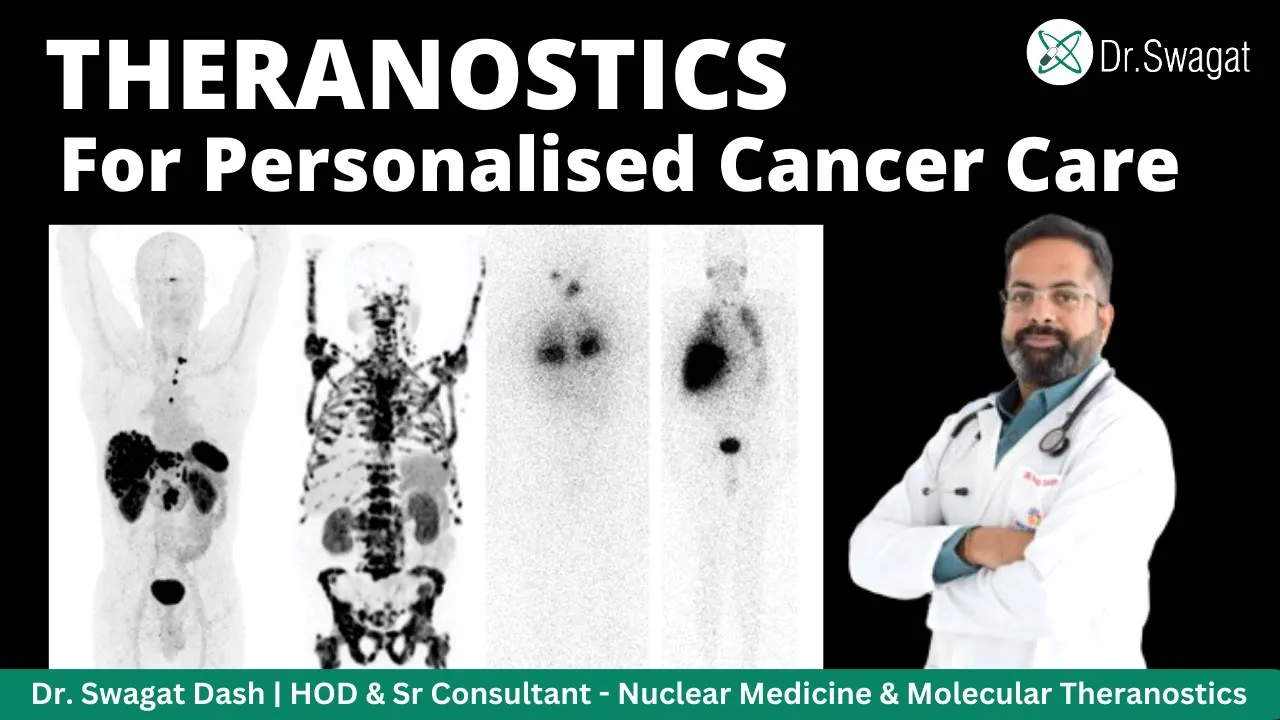
Theranostics: Exploring the dual use of magnetic nanoparticles for both therapy and diagnostic imaging (such as MRI contrast enhancement).
Surface chemistry and functionalization: Studying how to conjugate ligands, antibodies, or polymers (like PEG) to nanoparticle surfaces for active targeting.
Clinical translation and regulatory challenges: Investigating the path of nanomedicines from laboratory research through FDA approval processes.
9.2K views39likes8:08Original Release: 2009-11-12
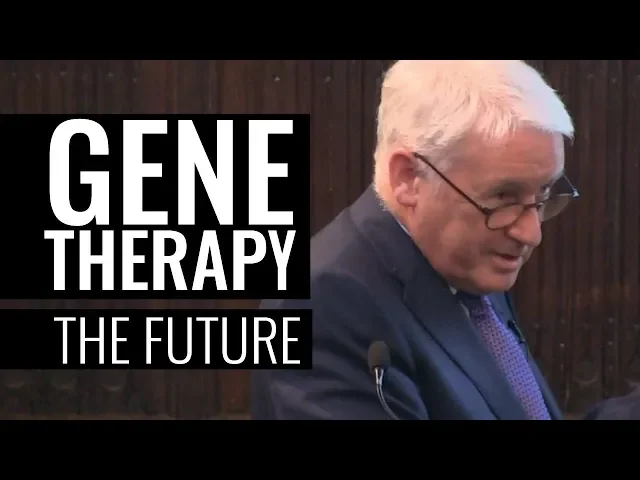
magnetic nanop particles might be small but they have been touted by many commentators as the next big thing for all manner of commercial applications clinical science is a case in point here greater knowledge of how magnetic nanoparticles behave and why is furthering a raft of Investigations into promising biomagnetic Technologies for applications like targeted drug delivery gene therapy and heat treatment of cancerous tumors to name a few I'm Joe Mackenzie group editor at Institute of physics publishing and I'm here today in London to find out more about this fast moving field of research with Kevin O'Grady professor of physics at the University of York UK and a specialist in magnetic materials let's let's start with the fundamentals um what are magnetic nanop particles and more specifically what what are the properties that make them useful in a clinical context magnetic nanoparticles have been around for a very long time you can actually argue that magnetism was the first nanot technology if you go back to when you and I were much younger you can find out that the little digital compact cassettes that were used contained magnetic nanoparticles they were nanometric elongated particles of magmite and ion oxide which stored the information that we all deafened ourselves within our cars in the 70s and 80s so this is not new technology per say what is happening is new applications of existing technology occur the reason that magnetic nanoparticles are used in this way and have been for 40 years is the fact that when you make a magnetic particle very small you change the domain structure to go from the normal domain structure you'd find in a chair leg for example where you've got a lot of domains that move and you have just a single domain so these particles are correctly called single domain magnetic nanop particles there's been an explosion of R&D activity in this field over the last decade what would you rate as the biggest advances in terms of the fundamental science the biggest single Advance is the fact that we now have better control over not only the chemistry of how to make them and control them in terms of the fact that you not only want to control the particle size but to have clinical applications you need to control the size distribution and that's a significantly greater challenge than was ever the requirement for magnetic tape applications or the magnetic inks that you find on the back of your Railway ticket how important is a multi-disciplinary approach to the R&D effort on magnetic nanop particles and especially the development of new Diagnostic and therapeutic applications it's absolutely critical the problem that you face is that when you make a single domain magnetic particle it has a permanent Magnetic Moment so in essence it's like a nanobar magnet and we all know that if you had a bag and filled it with bar magnets they'd all stick together so now what you need to do is you need not only to make the particles and to understand the physics of their magnetic properties and understand how to control them more to the point but then you need chemistry because you need to separate the particles so that they can act individually to provide the functionality that you're trying to achieve and then to add a further level of complexity you actually need to make the nanop particle perform in Vivo or in vitro in the way you want it to perform you probably want the particle to attach to one type of cell but not to another type of cell and so therefore you need to What's called functionalize the magnetic nanoparticle and that takes you immediately into the Realms of biochemistry rather than simply chemistry or one step back into the Realms of physics so perhaps in this area as in many areas of biomedical technology you need the full complement of skills and there can't be any boundaries in this kind of science okay go going forward what are the main challenges that scientists must overcome to create commercially viable and and clinically relevant maget magnetic nanoparticle Technologies and what sort of time frames are we looking at okay the first thing that that one has to realize is that now we've developed the chemical Technologies and the physical understanding you're not going to find the position where one size fits all for certain applications for example M contrast enhancement which is already in clinical use you need very very small particles down to about four five nanometers and that's probably the limit at which you have a crystallographically coherent material if you want to do other applications such as therapeutic heating of materials for example either to destroy cells in a tumor or even to enhance the effects of chemotherapy by heating then you need very much bigger particles you need particles that are 20 to 30 NM and remember that the volume of those particles is depending on their Cube so you're talking about things that have a volume a thousand times the particles used in MRI contrast enhancement we are now in the process of developing these materials and also understanding both the underlying physics the chemistry of how to make them and the biochemistry of how to functionalize them to enable tailor made or if you like designer n magnetic nanoparticles to be produced for the range of clinical applications that are possible time scales there are reports in the literature of actual clinical use of these particles mainly in the major research hospitals you're not going to find these in your local hospital yet but probably in the next next 5 years you will the rate of progress in the last 5 years has been dramatic in terms of tailoring customizing and functionalizing the particles you can expect to see a similar rate of progress in the next 5 years in terms of applying them in real clinical environments you've just completed work on a special issue of Journal of physics D summarizing the state-ofthe-art in magnetic nanoparticle research tell me more about the coverage that you've lined up this is a a rather long story about uh 10 years ago there were discussions in a small way at the major conferences of this possible application of magnetics technology and about five years or six years ago there started to be an increased level of interest and at that point the Journal of physics D commissioned three review articles on the subject because if you're covering the range of topics from physics to bio chemistry the one person who can write an article covering that breadth of science has not yet been born those articles little bit of luck were very timely and what happened was that there was an explosion of Interest heavily focused on these three articles it's actually quite remarkable to think that a journal of Applied Physics can actually publish papers on biochemistry and chemistry as well as physics itself and that again shows the degree of multidisciplinarity that's required since then the field has exploded and we now have these materials being used in in the human body it therefore seems very timely and it is timely to publish a 5-year update now we've been very fortunate that the three original authors Quentin panker from UCL poeta Morales from the cono in Madrid and Katherine Barry from the center for cell and tissue engineering in Glasgow University have all agreed to write the five-year updates and so we're very pleased to be publishing these in November 2009 thanks for joining us Kevin you're welome welcome
Up Next
25:43
MTT Assay Protocol: Cell Viability & Proliferation Guide
@ahmed-lab
120.4K views•2020-05-26

12:54
Triumph of Orthodoxy Icon: Byzantine Art & History Explained
@BenCallan
2.1K views•2024-08-06

9:49
FastAPI vs Flask vs Django: Choosing the Right Python Web Framework
@TechWithTim
302.5K views•2024-05-26

1:42
Game of Thrones Opening Credits: A Cinematic Analysis
@gameofthrones
46.3M views•2011-04-18
Related Study Plans & Knowledge Roadmaps
Structured learning paths in General & Interdisciplinary Studies
general-studies
Elevator Engineering: History, Physics & Cities
01From Hoists to Safety Brakes: The Dawn of Vertical Lift
02Hydraulic vs. Traction: The Engineering Physics of Elevators
03Modern Speed, Safety, and Algorithms
+ 2 more learning modules
12h5 modules
Explore Roadmap
general-studies
Rubber: Material Science, History & Geopolitics
01Origins of Natural Rubber & Mesoamerican History
02The Chemistry of Natural Rubber & Vulcanization
03The Geopolitics of the Rubber Boom & Colonization
+ 2 more learning modules
12h5 modules
Explore Roadmap
general-studies
Containerization: Evolution, Logistics & Trade
01Ancient Trade & Bulk Cargo: Amphorae to Barrels
02The Industrial Revolution & Cardboard Packaging
03The Containerization Revolution: Malcom McLean
+ 2 more learning modules
12h5 modules
Explore Roadmap
general-studies
Textile Tech: Evolution, Labor & Global Impact
01Pre-Industrial Textiles: Handloom & Cottage Industry
02Mechanization: The Spinning Jenny to the Power Loom
03The Factory System & Global Labor Transformation
+ 2 more learning modules
10h5 modules
Explore Roadmap