

![Cell & Tissue Culture [Part 1]: The Basics](https://i.ytimg.com/vi/6HfRlAmtc6I/maxresdefault.jpg)







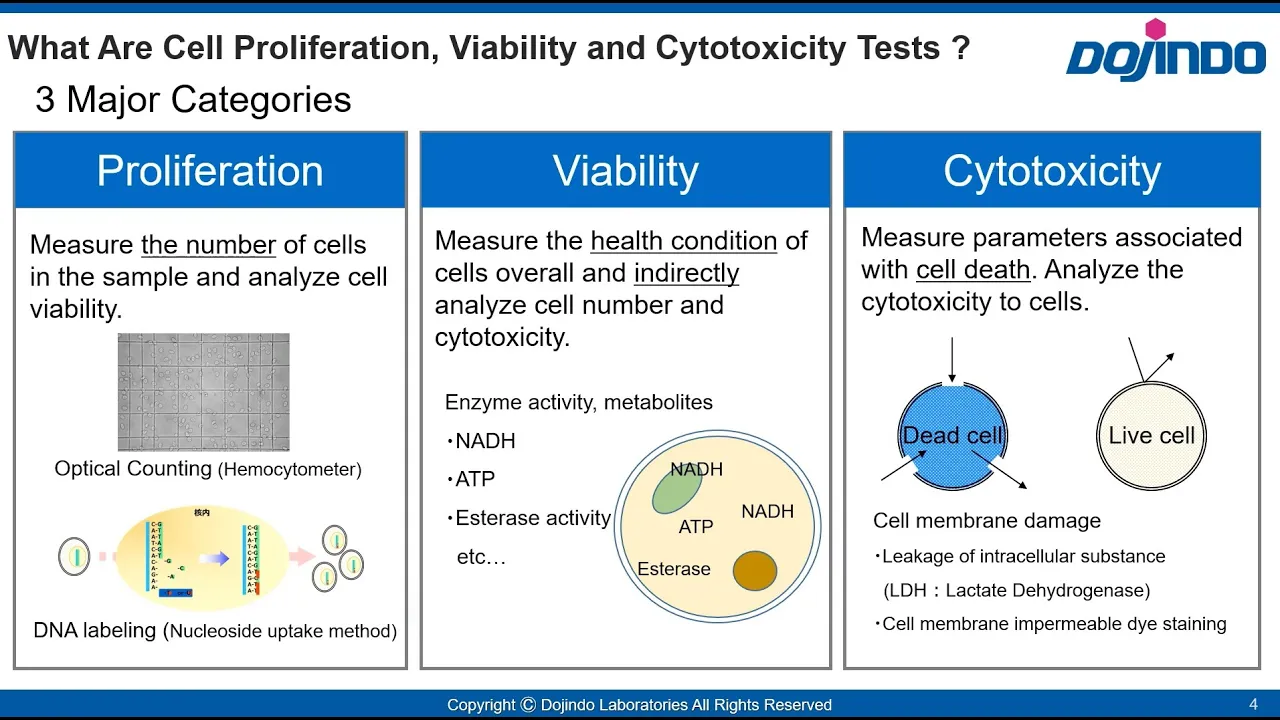
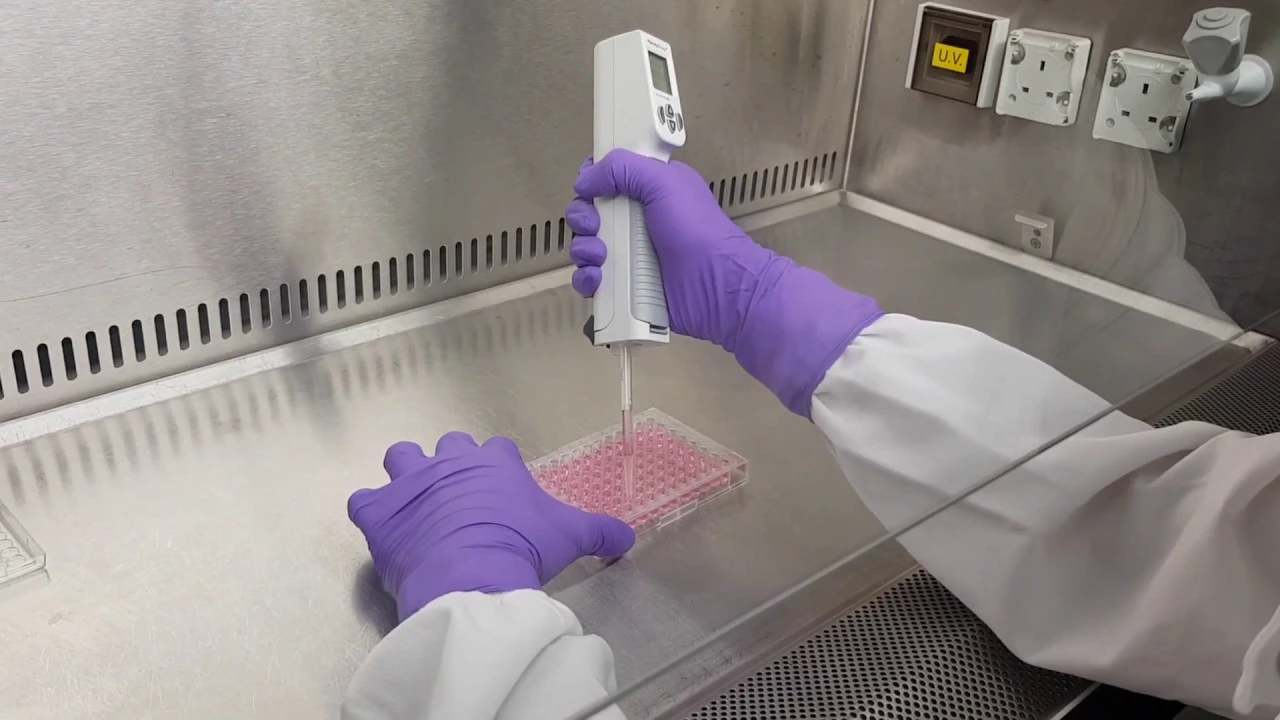
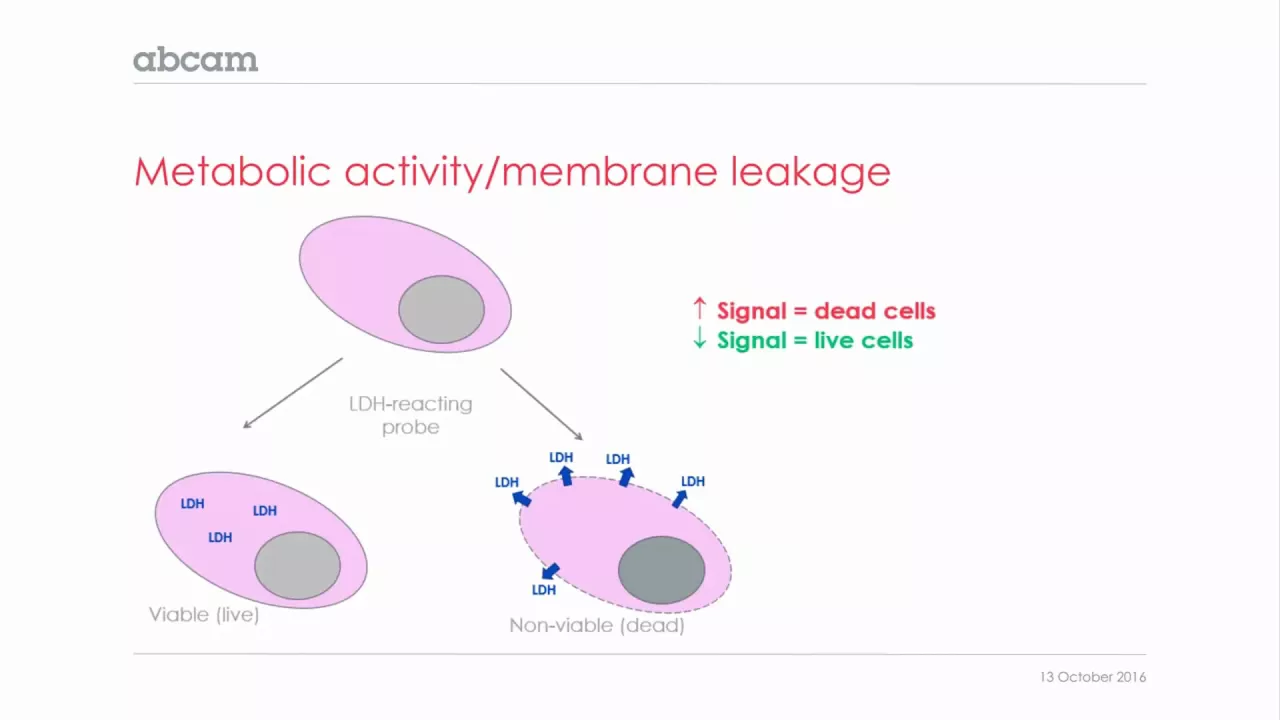

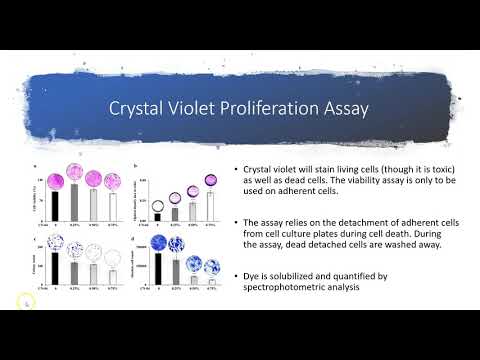


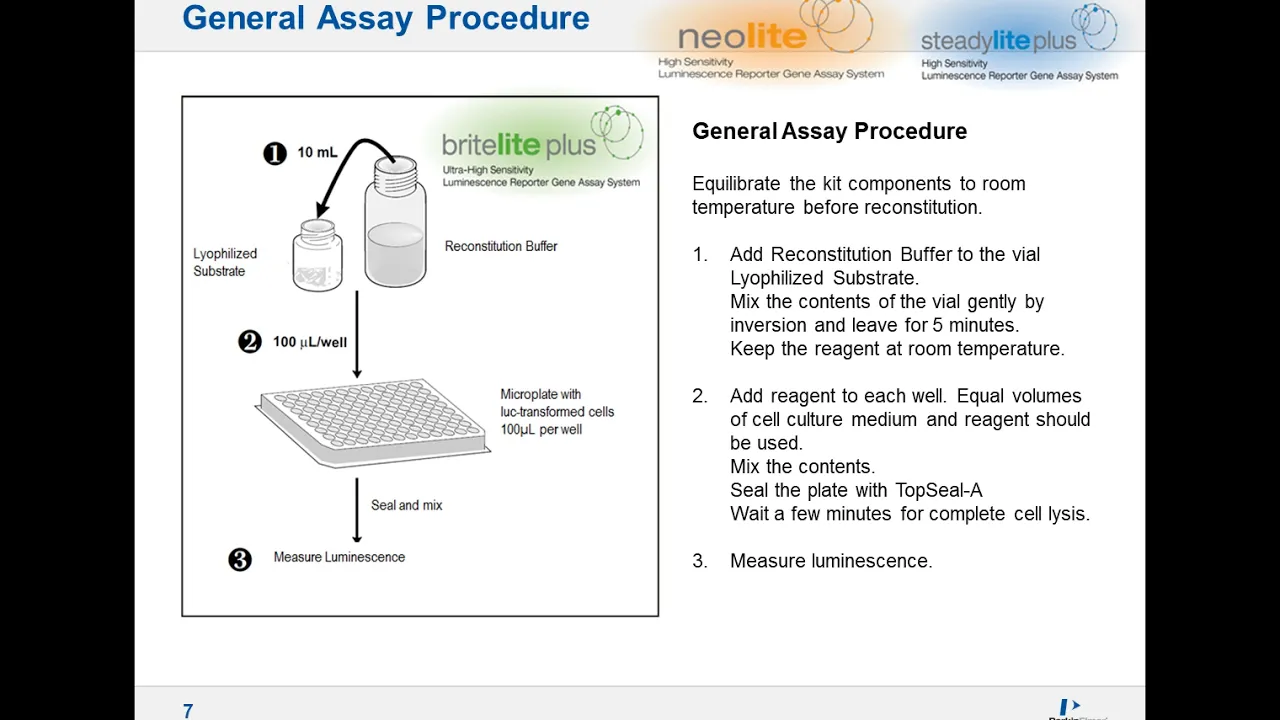









The MTT assay measures cell viability and proliferation by detecting metabolic activity; viable cells reduce the yellow MTT reagent to purple formazan crystals, which are dissolved in DMSO and quantified by absorbance at 550-600 nm, with percent viability calculated by normalizing experimental values against positive and negative controls using the formula: [(Experimental - Background)/(Control - Background)] × 100%.
MTT Assay Protocol: Cell Viability & Proliferation Guide
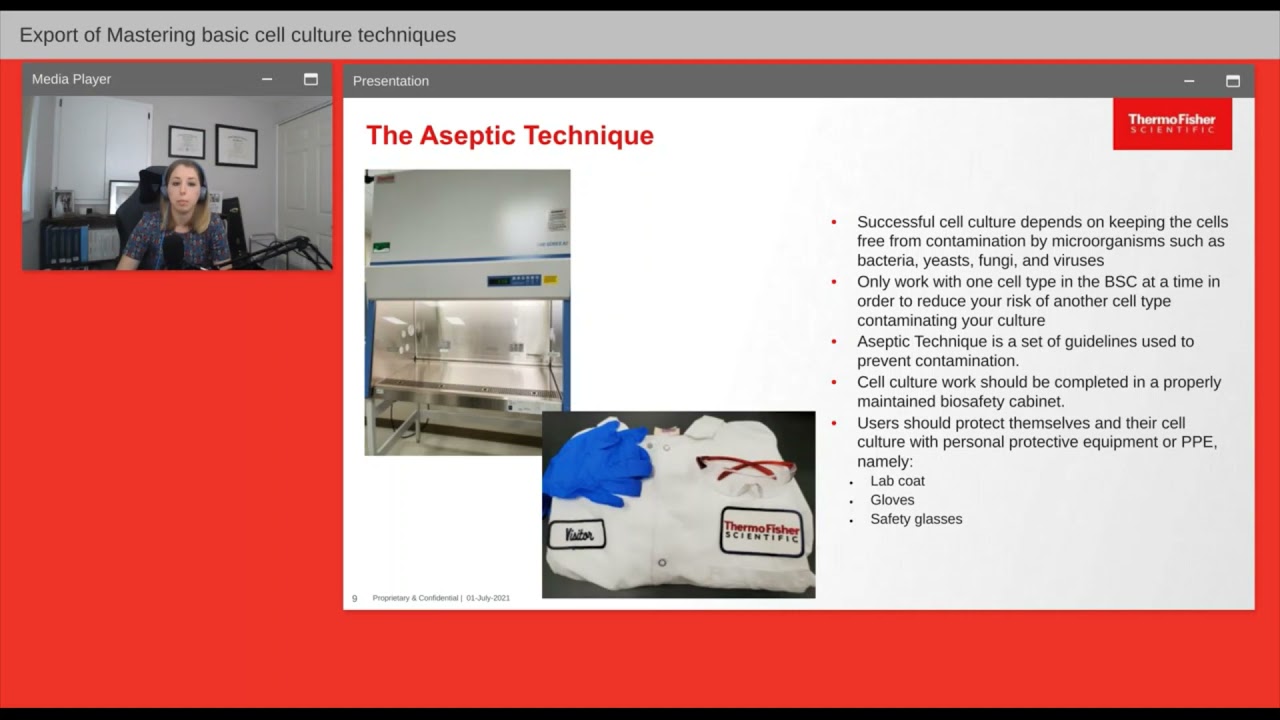
Added:Basic cell culture techniques, including sterile handling, media preparation, and seeding cells in multi-well plates.
The role of mitochondria in cellular metabolism, specifically how mitochondrial dehydrogenase enzymes function in living cells.
Principles of spectrophotometry and colorimetry, including the relationship between light absorbance, optical density, and concentration.
The conceptual distinction between cell viability, cell proliferation, and cytotoxicity.
Comparison with alternative cell viability assays, such as MTS, XTT, CCK-8, and ATP-based luminescent assays, to understand their pros and cons.
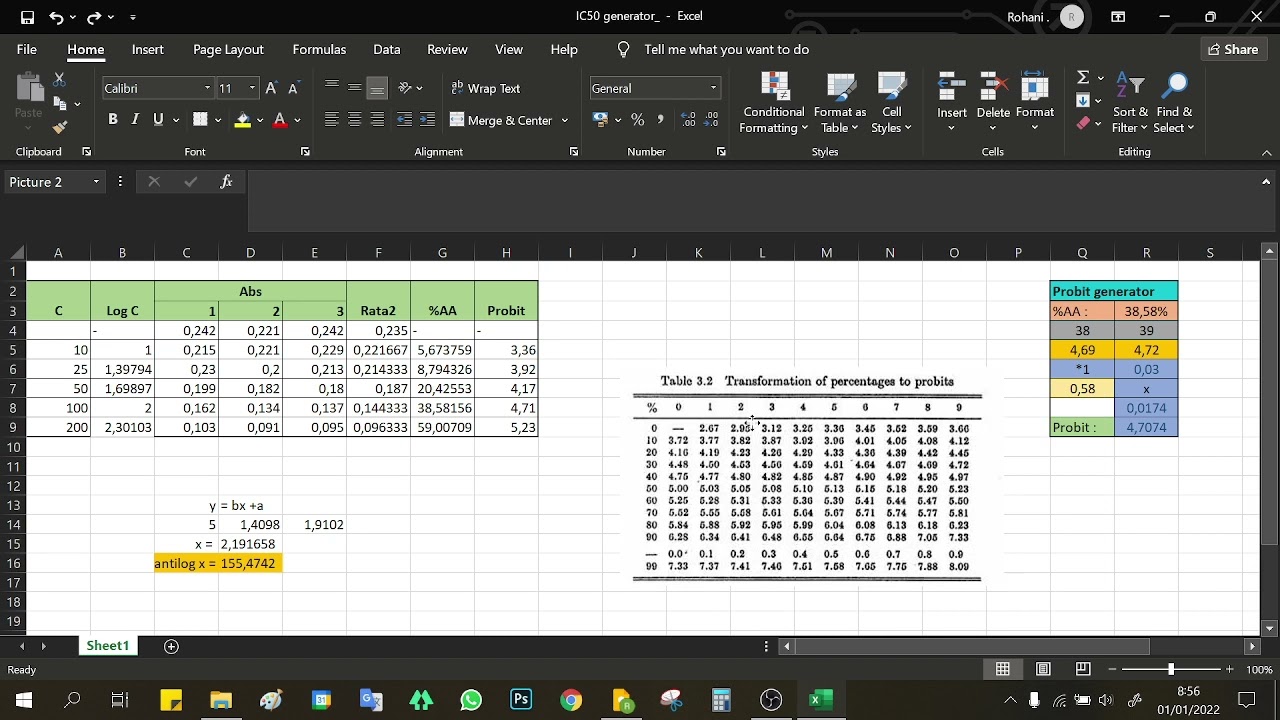
Methods for calculating and interpreting IC50 (half-maximal inhibitory concentration) values using dose-response curves.
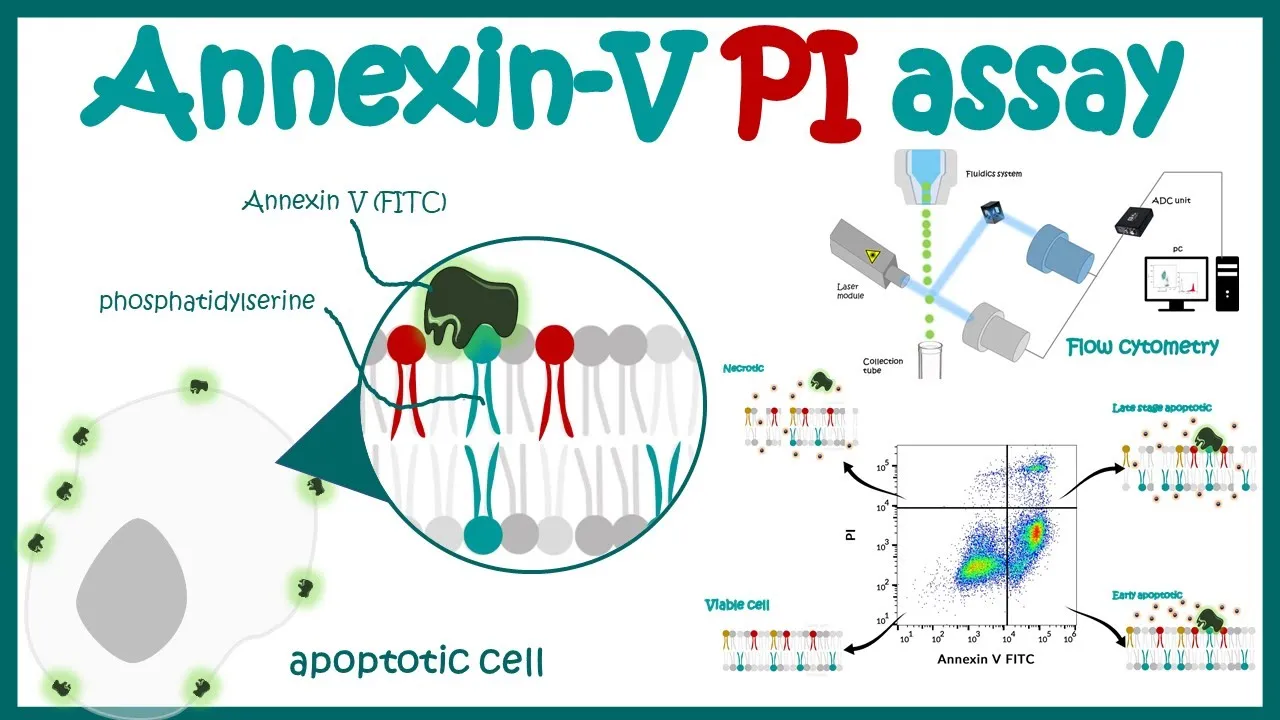
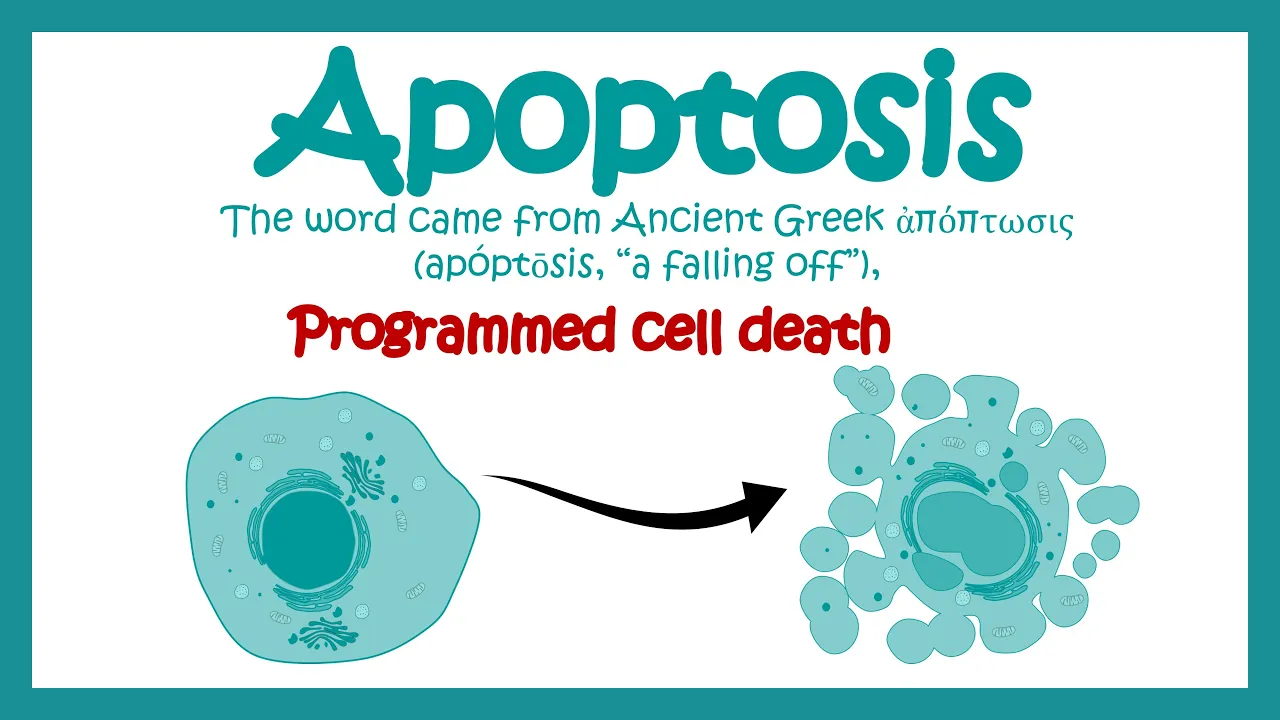
Assays designed to determine specific mechanisms of cell death, such as apoptosis (e.g., Annexin V/PI staining) and necrosis.
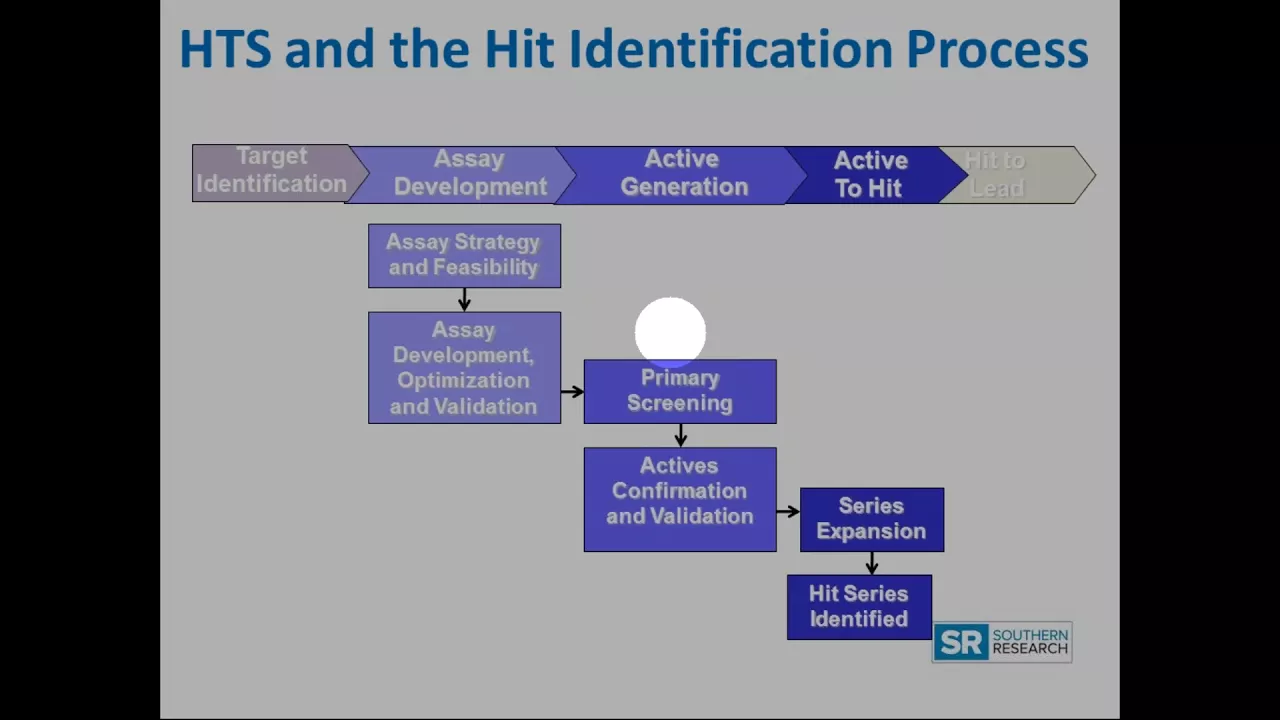
The integration of cell viability assays into high-throughput drug screening (HTS) workflows in pharmacology and toxicology.
120.4K views2.4Klikes25:43Original Release: 2020-05-26
in this video we're gonna talk about MTT assays these assays are very simple assays that are designed to allow you to see viability and proliferation of cells so let's start with a simple overview of how this assay works so as I just said it's an assay that provides a readouts of cell viability and growth and it works by measuring cell metabolic activities so the idea is that if your cell is live and if it's growing then it must be metabolizing and if we measure that metabolic activity we can indirectly say that they're alive and they're growing so MTT is a soluble powder reagent that is added to cells and incubated with the cells and this is very very cheap and easy to obtain and so this is a very popular assay to do for that reason so and this powder is added to the cells it's incubated with the cells in regular media and any viable or proliferating cells will contain NADPH dependent enzymes and these enzymes will naturally reduce MTT it's just a side effect of their normal function and when they reduce MTT it will generate these insoluble crystals known as form ashan and these are purple crystal it's a form on the bottom of your plate so now after my incubation period once these crystals have formed if I remove the media off of my cells really carefully and now I dissolve these crystals in DMSO because remember they're insoluble then I will soluble eyes them and I will get a purple solution and this purple solution will change color its purpleness intensity will change based on how viable those cells were and how many crystals were formed so if only very few crystals reformed and the cells are really mostly dead or not growing then you have 0% viability and if they are growing very well then you sort of could call you control condition a 100% viability based on how purple it is so this is the basic idea behind the assay now of course now that I've told you this it's easy to see that there are some very obvious pitfalls for the same so the cells have to be actually metabolizing for this assay to work and there are some cells that metabolize but they just don't metabolize very fast or they're not growing very fast where they don't have the same reduction activity and so you'll get sort of a false negative rate out with your MTT so that is something to watch out for and there are other assays like cell titer glow or you can get these live dead viability stains or you can do faxes like flow cytometry for a live dead and those are all also ways to readout viability of the cells and see how they're doing you can do brdu which is sort of a growth marker and do flow cytometry for that to assess growth there are many other ways to do this but we're talking about this because it is although it has its pitfalls it is really simple it is very cheap to do you can do it in a very high throughput way and sometimes assuming that your cell is metabolized and assuming that the conditions are met it's actually a pretty good way to get a quick result that you can then verify with maybe one of these other methods so now that we've talked about the assay let's talk about the actual protocol so it's a simple assay and the protocol is fairly simple basically you would want to start by sieving yourselves that you are going to do an MT T on so you would use a 96-well plate for this usually because you don't need so so many cells to be able to see a purple MTT solution you only need a few that are metabolizing so usually 3000 5000 cells is sufficient you can do even less if you have very highly proliferating cells but the important thing is that every well must have the same number of cells because it is affected by the number of cells so you cannot change the number of cells unless it's actually your experimental condition to change the number of cells MTTs also require a lot of replicas to get good error bars so you should make sure you have like six to eight replicates for each condition and you should also make sure as always that you have an appropriate control because without a control your MTT is not going to be able to be analyzed and then finally before you actually add in the MTT reagent you ourselves do need to attach to your plate so if you've seated them one day you need to wait at least 24 hours and then you would do any treatment so you're interested in doing and then you would perform your MT T so at this point we're assuming that you've seated the cells you would let them attach you've done any treatments you want to do and you're ready to do your MT T so at that point you would make your mt t stock and mt t stock should be made at this concentration so five milligrams per ml in sterile PBS because remember you're doing all of this in the tissue culture hood and it's all sterile seems to be in sterile PBS from this you will dilute your mt T 1 to 1000 in appropriate culture medium for yourself and this will give you a concentration of 5 micrograms per ml and then you will add a hundred and ten microliters per well of MTT media solution and it's always good to do all of this with a multi-channel it just makes it a much much easier to get through the volumes and the pipetting and to be consistent so once you've done that and you've mixed you know pipette it up and down mixed it in you're going to incubate for four to six hours at 37 degrees and one important point to note that I didn't make is that when you add in this 110 per well you do need to make sure that you are he aspirated the previous media in the cell and that ideally you've sort of aspirated by pipetting it up and down once to wash up any debris or you've aspirated then you've added PBS to wash and then you've added this MTT media solution so you're not adding the MTT maybe a solution on top of any existing media so once you've done that you've replaced the media with your MTG solution you're then going to incubate for four to six hours sort of in your standard TC incubator so all of this has to have been sterile so you have to make sure that everything you do is in the TC hood up until the readout points once you've incubation for those four to six hours you're gonna carefully remove the media with a pipette so here do not aspirate if you aspirate you will remove all of the crystals at the bottom so instead pipette very gently and pipette up-and-down once so that you sort of wash any debris and then remove and then add a hundred microliters of DMSO per well and you're gonna pipette this really really well to mix it with the crystals because now you want the crystals to come into solution so you wanna pipette very aggressively to get all the crystals to come into solution whereas here you could even not pipette up-and-down once if you were worried you really don't want to disturb the crystals at that point so if you just carefully remove everything that is sufficient you don't you don't want to mess with the crystals there but here you do want to mess with them here you want to get as strong with the pipetting as you can and then you can incubate some people say you can incubate ten minutes at room temperature others say that you want things to get really into solutions you should wait 24 hours and put it overnight in the incubator I personally for most sellers find the ten minutes at room temp is more than sufficient but if you feel like you're not getting good solubilization and you want to you can wait up to 24 hours and put it back in the incubator so again you must be sterile to put it back into the incubator because you don't want to put anything non sterile into thank you Bader with all your cells and then finally you will read out the results and so you'll use a micro plate reader it reads an absorbance of 550 to 600 nanometers and then you analyze your plate which we'll talk about in a second so make sure this makes sense it's a simple protocol but there are some key points that are important to keep in mind so one of those key points is your plate design and so a good way to design your plate is to keep all of your replicates going down so since the plate has eight well as going down this gives you 8x replicants which is good to have and then each column will be a condition so these could be increasing numbers of cells these could also be increasing or decreasing amounts of drugs because you're wanting to do a dose response and see how much drug it takes to kill off cells if it is a drug it's important to do these in a log scale so you don't want to do like 10 20 30 instead you want to do something that jumps a little so it's tight around the range that you're expecting and then sort of loosens up as you go up so for example if I thought that TMZ killed cells at 10 then maybe my scheme would be something like 10 5 to 1 20 50 100 500 and so something like this where it's not exactly going in a sequential linear order it's more like it's doubling or 2.5 in every single time I move up you also want to be sure to include the appropriate positive and negative controls and so your positive control in a drug situation would be that there is no drug so zero nano molar of drug because in the presence of no drug you would expect your cells would grow totally normally and have 100% viability and your negative control would be I didn't even put cells in this it's just DMS L without any cells and obviously that should have like 0% viability there should be no growth there are no crystal formation there so that's sort of your background or negative control subtraction so you want to make sure you have both of those controls and then you have ten wells left to do whatever range you would like to do and then of course you can do multiple plates if you need to and so you can always extend your range up or do multiple cell lines or multiple drugs whatever you need to do but anything that is a control for a plate or anything that's going to be compared on one graph should ideally be in one plate and then some other key considerations to keep in mind is that as we said everything should be done in a sterile TC hood until the reading stopped because you might put it batting it back in the incubator and it needs to be sterile the entire time you should use a multi-channel pipette I find that just makes it much easier to be consistent and to pipette the amount that needs to be pipette it be very careful with your crystals when you're removing media but then suspend very thoroughly when you soluble eyes and think very carefully about your plate design before you seed yourselves so before you do even the first step where you're seeding cells into a plate make sure you've thought about the design and how many wells you're gonna need and how many plates you're gonna need because once you see those cells and you do the treatments you're not really gonna be able to go back and add any more replicates or add any more conditions so be careful here and always seed exactly the same number of cells in every single well because this assay is very affected by the number of cells so thus urine is an example and you can see that as the cell number goes up we have an increase in our absorbance and so if you plated some cells around 15k and some cells around 3k it would look like there was a difference in viability but sure there's just a difference in the cell number so the cell number has to be the same the only time when that does not hold as if your experiment is actually to look at how the absorbance changes based on cell number in that case of course you could change the song number and then make sure you waited at the correct absorbance setting microplate readers offer a range of different absorbances and you want to make sure you have the right one to get actual results and then very quickly i'm just a quick hint the easiest way in my opinion is get the same number of cells is to count them very carefully and then make sort of a master mix of cells for your plate so if you are adding let's say 3000 cells to every single well and you know that you have 96 vowels 2 pi pads then you might make enough for a hundred wells right because we talked about how you always make extra and you would just make three thousand times 100 so you make 300 K cells in this solution plus 200 microliters times 100 which is approximately 20 ml and you would just make the solution makes it really really well in a tube and then pipette out 200 microliters into every well using your multi-channel and that way all your wells get the exact same amount of cells everything is totally controlled and so then when you do your MTT you don't have to be worried that maybe I messed up my cell count or maybe one of these wells doesn't have enough cells and that's why it's off you know that you're gonna get exactly the same number of cells across the board so now let's talk about analysis so you're a plate reader is going to give you an output that is an absorbance measure and once you have that this is the formula are going to use you're going to subtract out for every experimental well you're going to subtract out the mean of the negative control or the background so this is your DMS so only right so should have no readout but in reality it usually something around like point zero four point zero zero something so you want to subtract out any background and then you're gonna divide by the mean of the positive control and that essentially means that you're setting your positive control at a 100 percent viability because again just like you PCR this is a relative measure so you are deciding that there is something that is considered your 100 percent or control and then you're measuring viability and proliferation over that control so then you multiply by 100 to convert it to percent and you end up with a percent viability measure so to make that concept a little clearer I wanted to walk through an example so let's say that you ran a plate and this was your MTT data and obviously in reality you would have 8 x replicates not just four and you'd probably have more conditions but this is just a pretend plate this would be our positive control so no treatment and this would be our negative control and you can see that this would probably end up being this pale pink color and this would be bright purple and when we look at our plates and then all of our treatments range somewhere in between so you can see that our treatments are slowly killing off ourselves so to analyze this let's say we start with this number we want to analyze this number and say converted to a percent viability we're gonna first calculate the averages of our control so this is the average of all of the positive controls and this is the average of all of the negative controls and then we're going to take this point eight nine four five and we're going to subtract out this background so it's gonna be 0.89 minus point O four and that's going to give us something like point eight five so that's this top part and then we're gonna divide by the mean of the positive control which is 0.87 so we're basically doing point eight four over 0.87 and that gives us 96 point six five once we multiply by a hundred so this is about 96 percent viable so make sure that calculation makes sense and then once it does you can just do this next and it's very easy to put in the formulas and just extend it across your whole table and then you won't get all of the different viability percentages for the nose cells you can see that our numbers are very strange its negative and positive and that's because of course we don't expect this to actually show any viability so it doesn't really surprise us that the numbers are kind of weird and this is something that we would never show on a graph either because the numbers are kind of weird and because it's really just meant to be a background subtraction you're saying that in the absence of cells this is what the assay still reads out so I have to take that out and then I have to divide by my 100% control in order to get a percent viability so you can think of this like how we subtract out gap th or how we always compare to Acton you're just sort of taking out the like basic background that's on every single a sample and then you're calculating the rest so as we've said um this formula will give a viability for every control well that should average to 100 because you're normalizing against the controls average it will also give you a percent by ability for every experimental low and then you would take all of these replicates to the stack of four you would take this and put it into prison and that would generate your graphs with error bars and typically we show this on a line plot so it will look something like something like these are your percent by abilities here and then these are your doses and this one will probably look like let's see zero has like a 90 percent viability and 30 has like a 30% viability or probably something like that would be where your graph looks like and then typically as I said we show the positive control but we will not show the negative control because it is just a background subtraction but you have to show the positive control to show that you have a control otherwise everyone's first question will be well what did you normalize against where is the control like how do we know where your 100% is so that's the basic analysis and then remember your conditions don't have to be drugs they can be time you could do like I did 10 micromolar drug concentration and I looked at her 1 2 3 and 4 days you could do you could do cell number you could do different types of drugs you could do drugs and combinations of drugs so there's really no end to what you can do with this it's whatever condition you want as long as there's an appropriate control so now that you have those replicates and you've put them into prison let's talk briefly about presentation interpretation so for presentation all the usual things apply you want to have clear labels clear error bars clear explanations of anything on your plots and like I said we usually show this as a line graph with percent viability on the y axis and then an x axis of our drug conditions and usually if it is treatments it's in a log scale so sort of that like 1 2 5 10 where you're like constantly doubling rather than being a linear scale so here this one is one example of an MTT assay and in this they did drugs and then drug combinations and you can kind of see how the curve shifts and then usually the thing of interest is the IC 50 so that is where 50 percent of the cells are dead and so here they've calculated their IC 50 and that's what they're interested in and IC 50s can tell you something about how strong drugs are or what they're doing and so that's usually the number that people go after and then here you can see that this person has actually varied the number of cells per well and so they're showing how well cells proliferate in cultures based on cells per well all treated with this drug for a certain number of time so again you can kind of see absorbance and how the cells look so two different ways to do it one is sharing cell death one is sharing growth but both are reasonable analyses of an MTT alright so I would like to end with some example experiments to think about so for the first one what does of TMZ should I use for experiments on PBX lines this is a very relevant question right because we use TMZ for experiments all the time when we want to know what what TMZ is doing to the cells and one way to choose this would be to just look into the literature for what those human cells are probably experiencing in the brain but that would be a little bit hard to find you might find some estimates but it would be hard to pin down exactly what dose of TMZ every human cell sees so maybe you just want to know you know what's the ic50 of TMZ what's a good place where I'm stressing the cells enough that like you know 50 60 % of them are dying but 50% of them are surviving and maybe I can see what factors play into resistance or something like that so you want to know a reasonable dose so to do this experiment you might design an empty tea plate right with a range of doses and like we talked about you would have a positive control here which has zero dose and a negative control here which just has no cells and then here you might range from like 0.1 to a hundred of TMZ and this would be your 8x replicants and then perhaps you'd have a plate for every cell line you were interested in so maybe you could do forty threes and sixes and fives and you two five ones those might be cells that you're interested in looking at and then you would analyze this and you would be able to generate nicey 50 for every line and that ic50 would tell you how sensitive every line is to TMZ so 43 is have a really high I see 50 that says that it takes a lot of drug to kill 43 and maybe they're really resistant to TMZ whereas maybe fives are really sensitive and they die really easily so it is useful to know for every cell line what the TMZ effect is and then the second one I'll leave for you as practice but you could imagine that you would compare a knockout in a control sample and graph that out to see how cell proliferation might change so this is some real data from a paper it's referenced here and you can see that different cell lines have different I see 50s so for example this GBM 12,000 are dead is maybe somewhere around here whereas for these others they don't hit their ic50 until like somewhere over here so we'd probably say that GBM 12 is more sensitive to TMZ than any of these other cell lines these are more resistant because even at high doses of TMZ they're not really dying very much and so we could probably treat some of these cells with even a hundred and forty micro molar of TMZ if we wanted to but if we did that with GBM 12 we'd end up with only 20% viable cells and so that would be a problem so this would help you pick a reasonable dose for all your cell lines or help you pick a reasonable dose that is cell line dependence and then you can see that they've compared and done the statistics for all the different cell lines which is also very good to have so that's a quick overview of MTTs both how they work and how they should be analyzed and presented I hope that that was helpful if you have any comments or questions you can feel free to contact me or contact the lab thank you so much for listening and feel free to subscribe to our channel to see more similar content
Up Next

14:12
Gastroretentive Drug Delivery Systems: Principles & Types (Part 1) | M.Pharm
@SAIEDUPHARMAA
4.1K views•2024-09-24

12:54
Triumph of Orthodoxy Icon: Byzantine Art & History Explained
@BenCallan
2.1K views•2024-08-06

9:49
FastAPI vs Flask vs Django: Choosing the Right Python Web Framework
@TechWithTim
302.5K views•2024-05-26

1:42
Game of Thrones Opening Credits: A Cinematic Analysis
@gameofthrones
46.3M views•2011-04-18
Related Study Plans & Knowledge Roadmaps
Structured learning paths in General & Interdisciplinary Studies
general-studies
Elevator Engineering: History, Physics & Cities
01From Hoists to Safety Brakes: The Dawn of Vertical Lift
02Hydraulic vs. Traction: The Engineering Physics of Elevators
03Modern Speed, Safety, and Algorithms
+ 2 more learning modules
12h5 modules
Explore Roadmap
general-studies
Rubber: Material Science, History & Geopolitics
01Origins of Natural Rubber & Mesoamerican History
02The Chemistry of Natural Rubber & Vulcanization
03The Geopolitics of the Rubber Boom & Colonization
+ 2 more learning modules
12h5 modules
Explore Roadmap
general-studies
Containerization: Evolution, Logistics & Trade
01Ancient Trade & Bulk Cargo: Amphorae to Barrels
02The Industrial Revolution & Cardboard Packaging
03The Containerization Revolution: Malcom McLean
+ 2 more learning modules
12h5 modules
Explore Roadmap
general-studies
Textile Tech: Evolution, Labor & Global Impact
01Pre-Industrial Textiles: Handloom & Cottage Industry
02Mechanization: The Spinning Jenny to the Power Loom
03The Factory System & Global Labor Transformation
+ 2 more learning modules
10h5 modules
Explore Roadmap