

![Image Based Questions [PHYSIOLOGY] by Dr. Soumen Manna | IMP for INI-CET' 23](https://i.ytimg.com/vi/ZuyLN8RKMy8/maxresdefault.jpg)



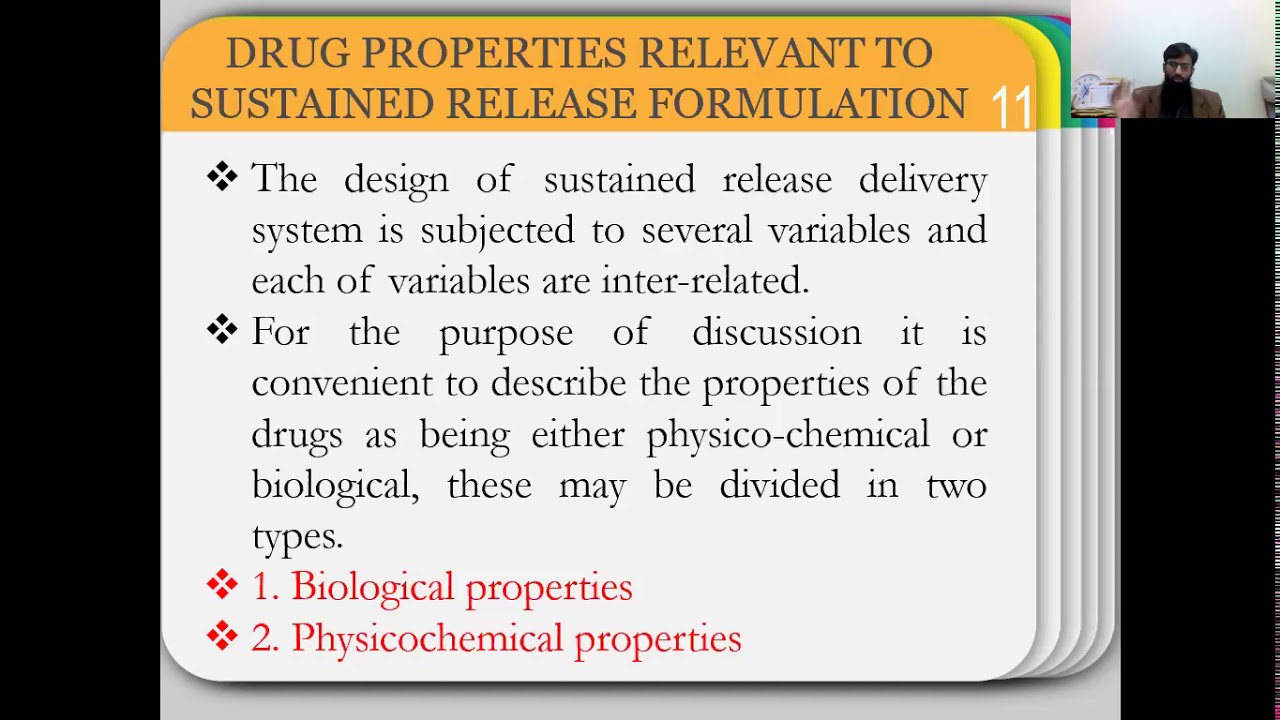







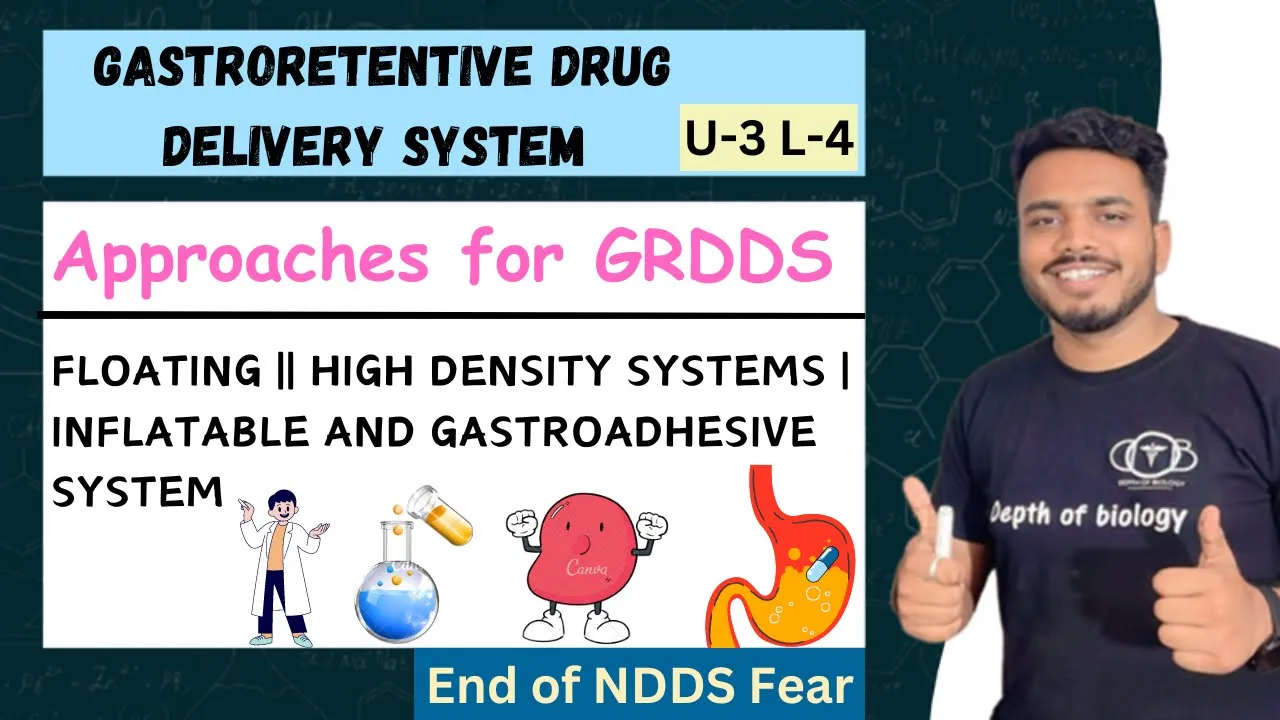


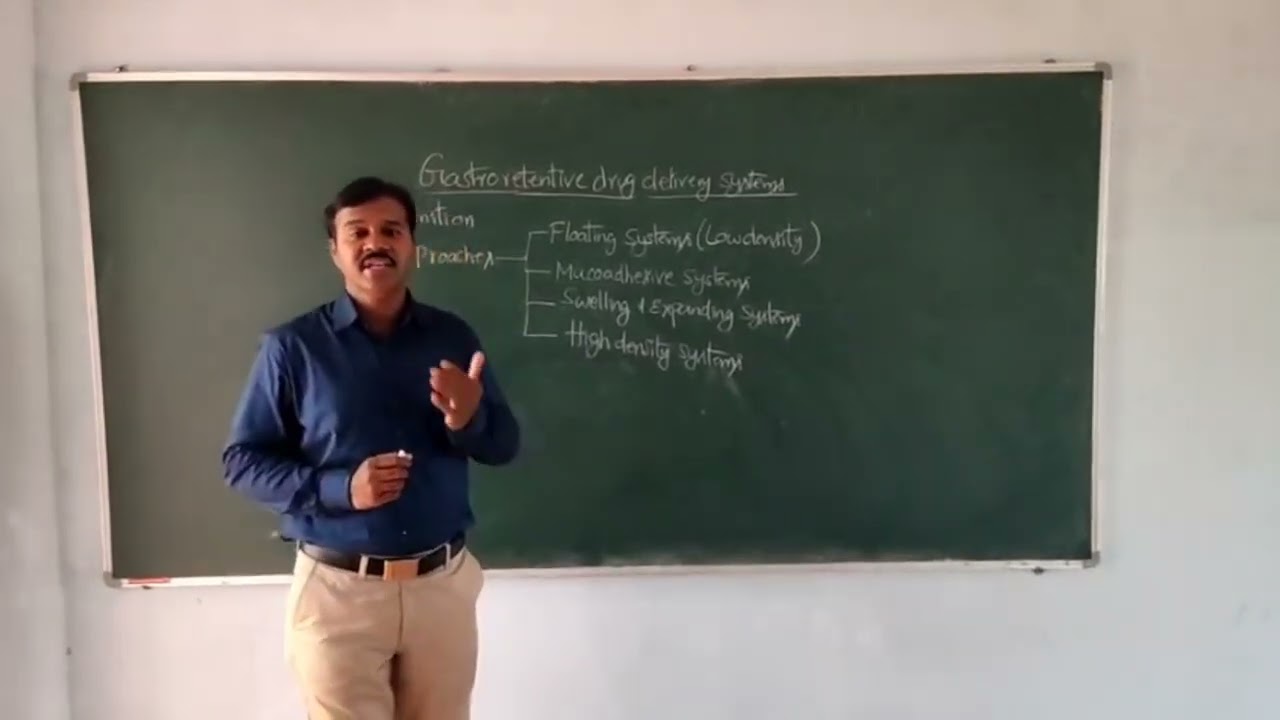



Gastroretentive drug delivery systems (GRDDS) are advanced dosage forms designed to prolong drug retention in the stomach, thereby enhancing bioavailability and therapeutic efficacy for drugs with narrow absorption windows in the upper gastrointestinal tract. These systems operate based on five key principles: buoyancy/floating systems that float on gastric fluids using low-density polymers or effervescent agents; mucoadhesive systems that adhere to gastric mucosa using polymers like carbopol or chitosan; swelling/expandable systems that physically block the pylorus by expanding in gastric fluid; high-density systems that remain in the stomach via gravitational force using heavy excipients; and magnetic systems that use external magnetic fields for retention. GRDDS offer significant advantages including improved drug absorption, sustained release profiles, reduced dosing frequency, minimized side effects, and site-specific delivery. However, challenges include physiological variability among individuals, patient-related factors affecting gastric conditions, design complexity, and ensuring formulation stability in the harsh gastric environment. GRDDS are particularly applicable for drugs absorbed in the stomach (e.g., albuterol), drugs unstable at intestinal pH (e.g., ranitidine, metformin), poorly soluble drugs (e.g., furosemide, dapoxetine), and drugs requiring narrow window targeting (e.g., riboflavin, loxapine).
Gastroretentive Drug Delivery Systems: Principles & Types (Part 1) | M.Pharm
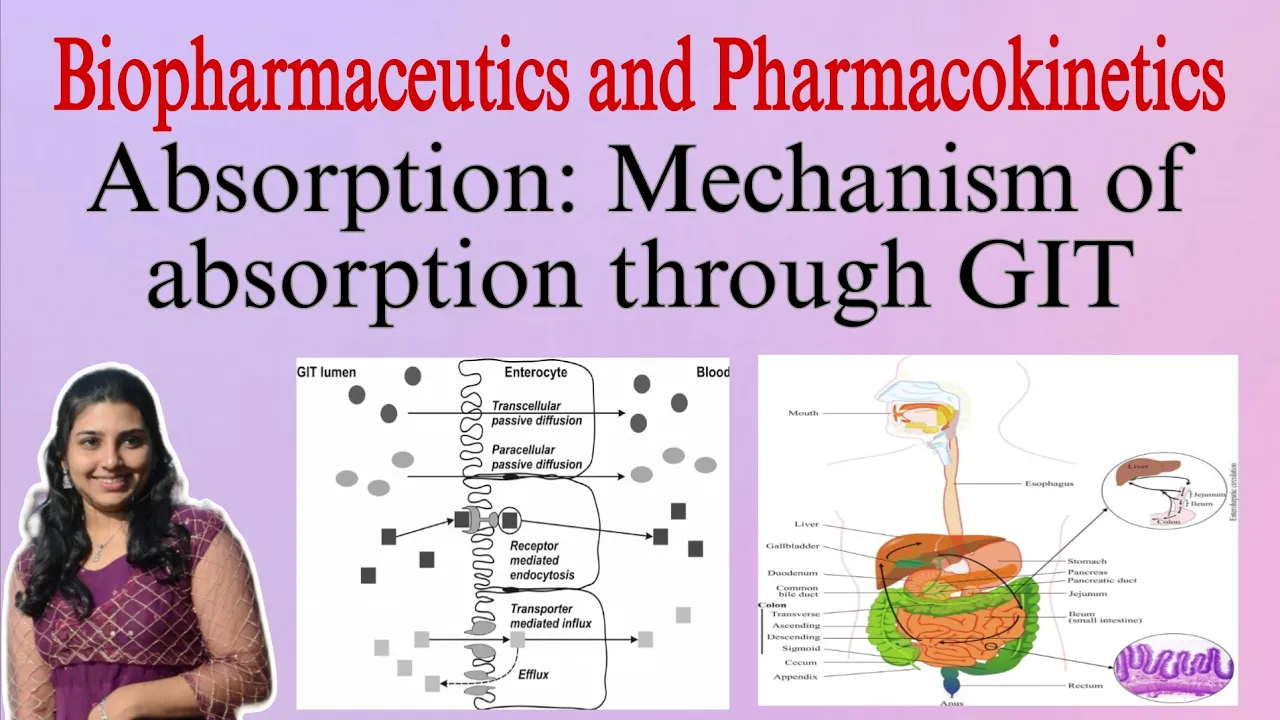
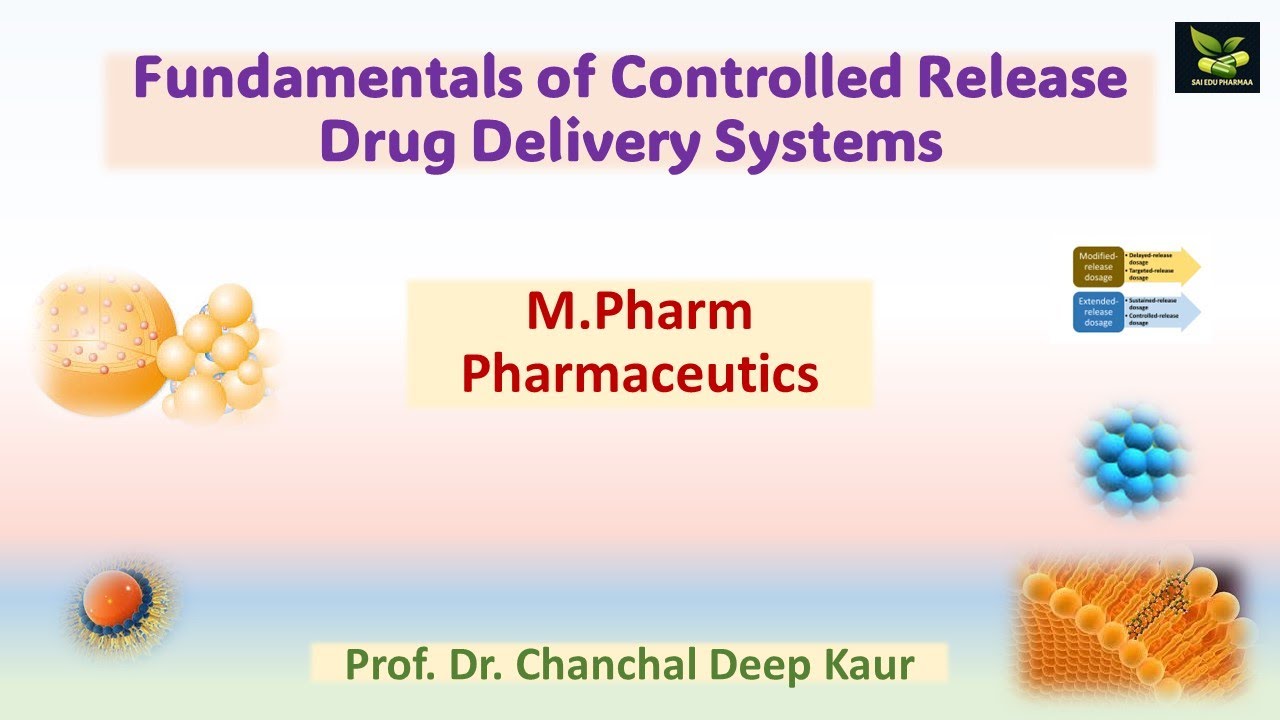
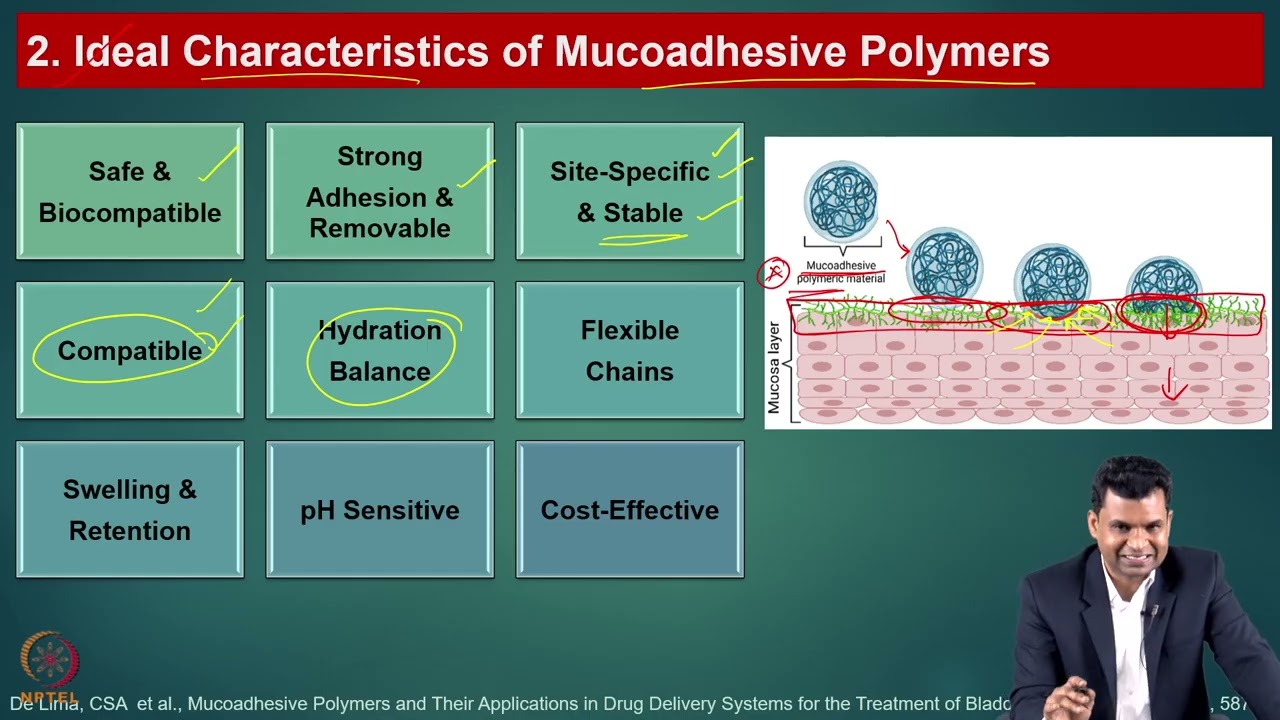
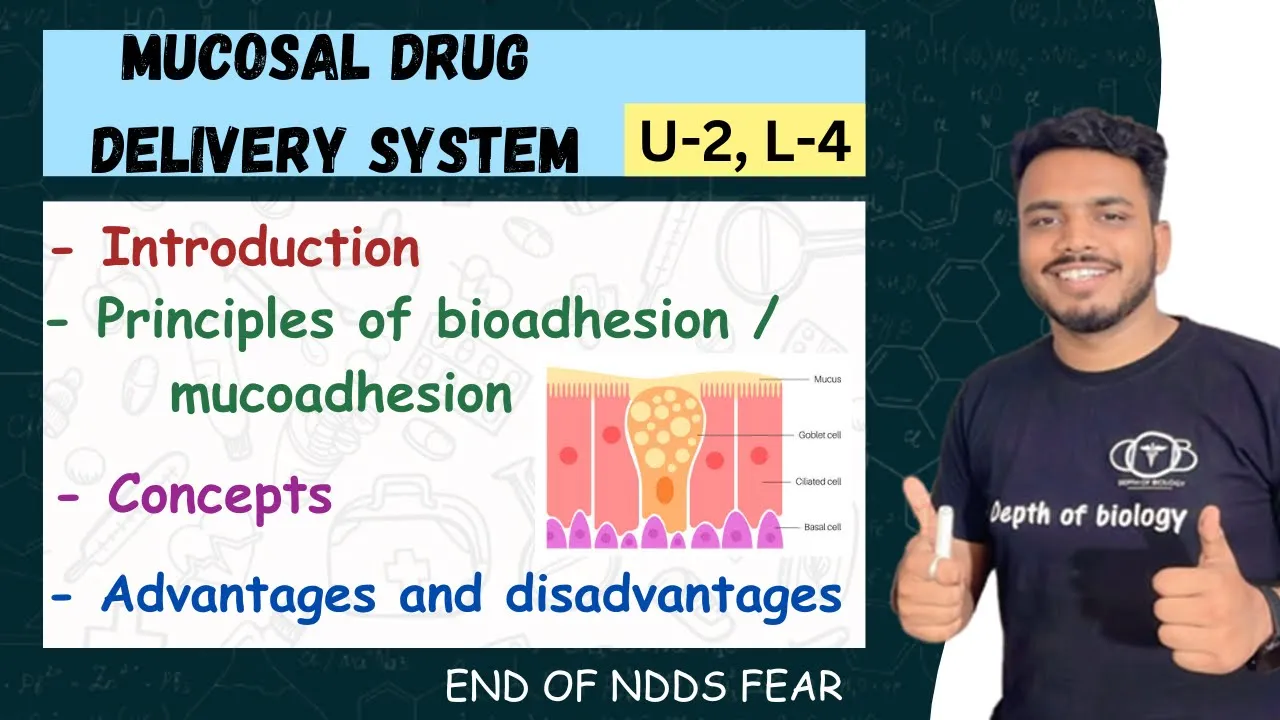
Added:hi Welcome to our YouTube channel s andu Pharma today we are going to discuss gastro retentive drug Delivery Systems and it is unit three of mam first sem drug Delivery Systems subject so the syllabus of this unit is we have to discuss principles Concepts advantages and disadvantages and modulation of GI Transit time approaches to extend GI Transit so first of all we will discuss what are these gastro retentive drug Delivery Systems so they are basically designed to prolong the retention time of a dosage firm in the stomach so by increasing the retention time the bio availability will be increased and the therapeutic efficacy of the drugs will also be enhanced with an absorption window primarily in the stomach or upper part of the small intestine and they are basically useful for drugs which are poorly soluble or which are unstable in the intestinal or colonic environment or for drugs that have a very narrow absorption window in the upper gastrointestinal tract so before going ahead we will just discuss schematic view on the anatomy of stomach stomach is basically divided into two parts first is this proximal stomach and second part is distal stomach and proximal stomach includes this portion which is cardia fundus and body this is body and the lower portion which is distal stomach it includes pyloric spinter andrum here you can see the fundus and body they primarily act as reservoirs for undigested food and this is antrum and it acts as a pump to assist in gastric emptying by a propelling action now we will see what is migrating my electric complex it is also called as MMC it is a cyclic pattern of electrical and mechanical activity which occurs in the stomach and small intestine during fasting and the main function of MMC clearing the digestive tract it clears the stomach and small intestine of undigested food secretions cells and propels them to the colon second is maintaining bile salts circulation it helps to maintain the electr hyic circulation of bols so these are important phases of migrating myoelectric complex though here we have written four phases but it basically they have three phases phase one is quent period with rare contractions and the duration is 30 to 60 Minutes phase two is intermittent Action potentials and contraction that gradually increases es in intensity and frequency as the phase progresses and this is for 20 to 40 minutes phase 3 short periods of intense large regular contractions this phase is termed as housekeeper wave because it enables all undigested materials to be swept out of the stomach and down to the small intestine and the duration is 10 to 20 minutes there is one more phase which is Phase 4 or it is called transition phase it occurs between phase three and phase one of two consecutive Cycles in a brief transitional phase it is of duration 0 to 5 minutes so this is very important to know about migrating myo electric complex it works efficiently in fasting stage now what is the pattern of gastric emptying gastric emptying occurs in both fed and fasted state but the pattern of gastric emptying varies in all in both these states first in the fasted State an interdigestive sequence of electrical events follows in a cyclic manner through both the stomach and small intestine every 90 to 120 minutes but during the interdigestive phases the diameter of the pylorus increases up to approximately 19 mm and as a result the particles which are smaller than the diameter of pyloric spincter can easily evacuate from the pylorus to the dorum during the interdigestive phase then comes fed State when we have taken food the motor activity is generated 5 to 10 minutes after injection of a meal and continues as long as food remains in the stomach and it can delay the gastric emptying rate now we will see what are the key Concepts first is is prolonged gastric retention so the important feature is that we have to extend the time a drug remains in the stomach and these drug Delivery Systems gastro retentive drug Delivery Systems can enhance drug absorption and improve viability by prolonging this gastric retention second is controlled drug release they provide a sustained release of the drug ensuring a consistent therapeutic effect and reducing dozing frequency third is targeted delivery it ensures that drugs are released at the desired site within the gastrointestinal tract which can be particularly beneficial for the localized treat now comes key principles of gastroen systems the key principles are bianc or floating systems then mation swelling or expandable systems high density systems and itic systems and on these principles only further we will be seeing various types of gastroen systems first principle is bioen or floating system here the mechanism is that these systems are designed such a way that they float on gastric fluids due to their lower density compared to the fluids here we can see the system it has drug plus polymer plus effervescent agent and when it goes here in the fluid then it floats because of the polymers which help in bioy they include low density polymers or effervescent agents that generate gas to keep the dosage from bient there are of two types non-effervescent floating systems and effervescent floating systems and the examples are like floating tablets capsules and beats here we will seeing in detail what are non effervescent floating system and water effervescent basically in non-effervescent highly swellable cellulose derivatives or gel forming polymers are used and the nonent systems include hydrodynamically balance system and single and double lay floating tablets and micro balloons and Hollow microspheres in effervescent as the name suggests it includes a gas generating agent and volatile liquids and this approach Ro has been applied for single and multiple unit systems and in these the important effervescent agents used are like sodium bicarbonate calcium carbonate tetric acid and citric acid they are used in combination with hydrophilic polymers next comes mucco adition these systems adhere to the gastric mucosa thus resisting the natural clearance process of the stomach here you can see drug plus mucco adesive polymer and it goes and sticks to the mucosa we use bioadhesive polymers in it in its design that can form hydrogen bonds electrostatic interactions or wonderand wall forces with the mucosal surface so they stick to the surface so the clearance is avoided and the example of polymers used are carbopol Chosin sodium alate hpnc hpmc polythylene glycol or polyacrylic acid and example of systems are tablet and patches coated with muc materials beads microspheres films and capsules are used for preparing these type of systems next is expandable systems or swelling systems they are also called plug type system because they block the pyloric Sprinter like a plug and the mechanism is that these system sys swell in the presence of gastric fluid increasing their size to a point where they cannot pass through the pyus here you can see drug plus vable polymer when it goes in the fluid it comes in contact with the fluid and it expands incorporation of super disintegrants or hydrophilic polymers are used that swell significantly there are they are of two types one is swelling and second is unfolding example is swellable tablets and hydrogels next comes high density systems as the name suggests it will be having drug plus high density excipient these systems are formulated to have a higher density than gastric fluids ensuring that they remain in the stomach by gravitational force so in this the materials used are which have high specific gravity like medium sulfate zinc o oide or titanium dioxide example includes high density tablets and pellets next principle is of magnetic systems the systems use an external magnetic field to hold the dosage form at a specific location in the stomach here you can see the drug plus internal magnet plus polymer is used and they will be going here and the external magnet is also present which will help help to hold it in the surface of the stomach so incorporation of magnetic materials into the drug formulation is used and tablets or capsules containing magnetic particles are the examples what are the important advantages of these type of systems because of the enhanced absorption of drugs that are Prim absorbed in the stomach or upper small intestine the bio availability is improved second is they provide a sustain and control release of the drug over long period leading to better therapeutic outcomes third is reduced dosage frequency and because of this the patient compliance is enhanced or improved next is minimized side effect better localization of the drug action in the stomach can reduce systemic side effects which can be beneficial for conditions like peptic culis then the avoid dose dumping of medicines the improved therapeutic efficacy of the drugs which have short half life then site specific delivery of the medications is achieved and enhanced residence time of drugs at the absorption site is achieved now what are the important challenges or limitations are the important considerations that we have to take care of while preparing the systems first is physiological variability as we know that the body of each and every person is different and there is difference in gastric motility pH G gtic emptying rate among the individuals and they can affect the performance of these type of systems then patient related factors they include food intake posture gastric pH fed or fasted State and the presence of certain diseases which can influence the retention and effectiveness of these systems third is design complexity developing an optimal system requires careful consideration of drug properties delivery system design and patient specific factors and next is formulation stability we have to ensure the stability of the dosage form in the harsh gastric environment so these are the considerations that we have to take care of while preparing these systems now what are the important applications so they AR suitable for those drugs which are absorbed from the stomach example albuterol then leile at alkaline pH example ranitadine and metformine then poorly soluble at alkaline pH example furosemide and daop pal having a narrow window of absorption example riboflavin and lopa antibo biotics example emo amoxicilin for helicobacter p infection then an acids example aluminium hydroxide anti-diabetic drugs example metformin and drugs for treating peptic like sual fit these are suitable for uh these are uh the important applications related to these systems so thank you so much stay connected with Sarma this was the part one in next part we'll be discussing critical factors affecting grdds efficacy then types of gastral systems and marketed products and evaluation parameters of these systems hope you have subscribed channel do write in the comment section how you are liking our videos and go to the playlist and watch other videos uploaded related to mam no so pharmaceutics subject
Up Next

Drive: The Surprising Truth About Motivation - RSA Animate
@rsaorg
20.1M views•2010-04-01

Triumph of Orthodoxy Icon: Byzantine Art & History Explained
@BenCallan
2.1K views•2024-08-06

FastAPI vs Flask vs Django: Choosing the Right Python Web Framework
@TechWithTim
302.5K views•2024-05-26

Game of Thrones Opening Credits: A Cinematic Analysis
@gameofthrones
46.3M views•2011-04-18
Related Study Plans & Knowledge Roadmaps
Structured learning paths in General & Interdisciplinary Studies