







![लोक प्रशासन, "टेलरवाद" [वैज्ञानिक प्रबंधन] RAS/UPSC में हमेशा पूछता है || RAS mains 2026](https://i.ytimg.com/vi/niBjcJlCqEU/maxresdefault.jpg)





















Research from MIT and other institutions reveals that monetary rewards and punishment-based motivation systems fail for complex, creative tasks; instead, autonomy (self-direction), mastery (desire to improve), and purpose are the three key factors that drive better performance and personal satisfaction in work and life.
Drive: The Surprising Truth About Motivation - RSA Animate
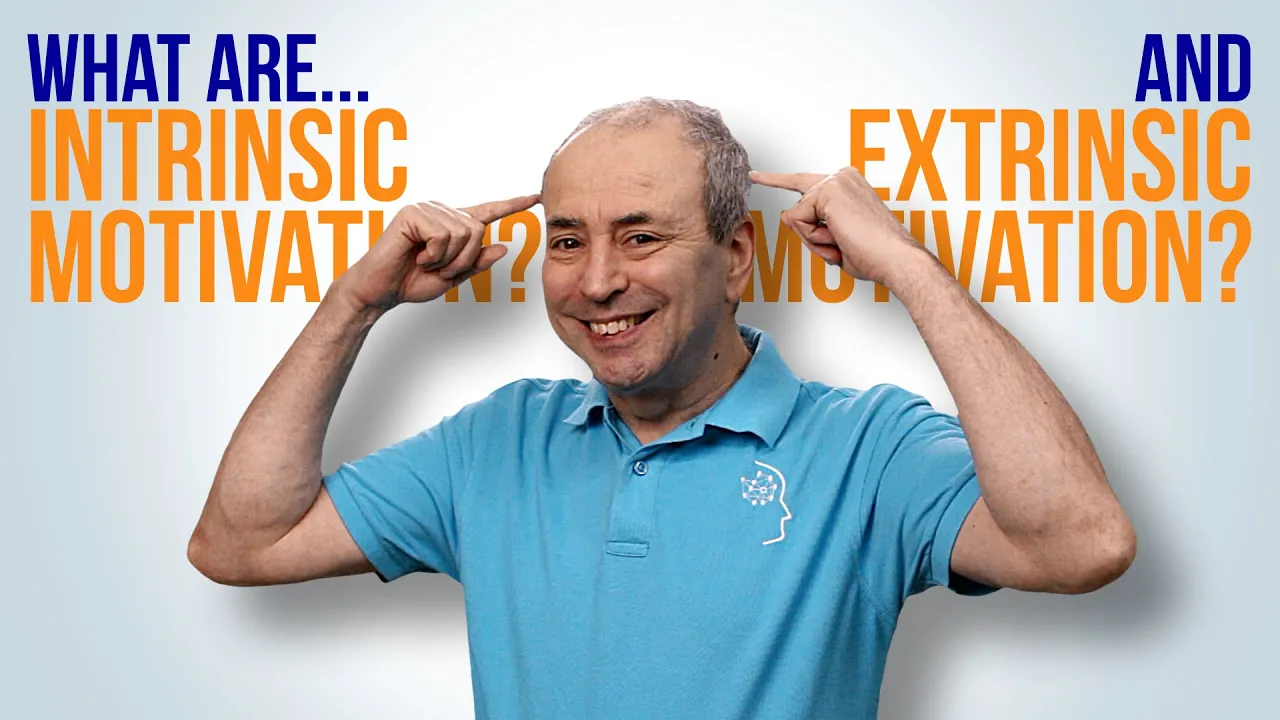
Added:The basic distinction between intrinsic motivation (driven by internal satisfaction) and extrinsic motivation (driven by external rewards like money or grades).
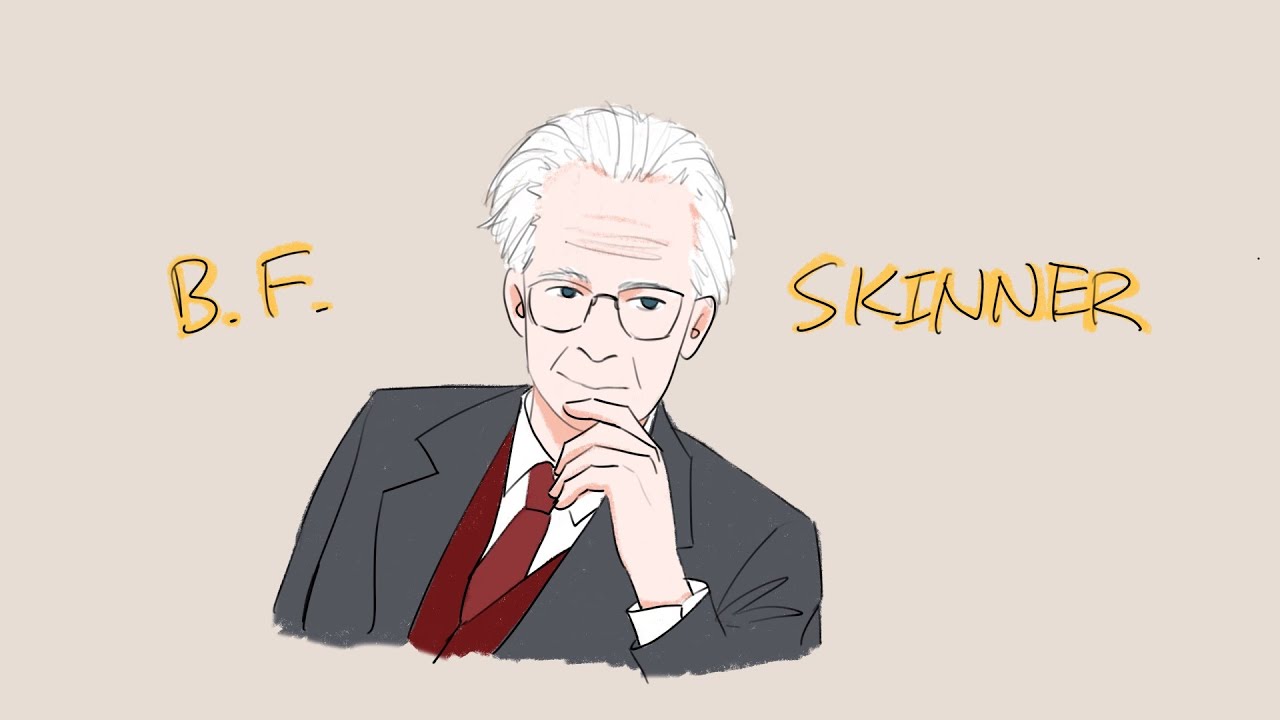
The fundamentals of Operant Conditioning (B.F. Skinner), specifically how positive reinforcement and 'carrots and sticks' have historically been used to shape behavior.
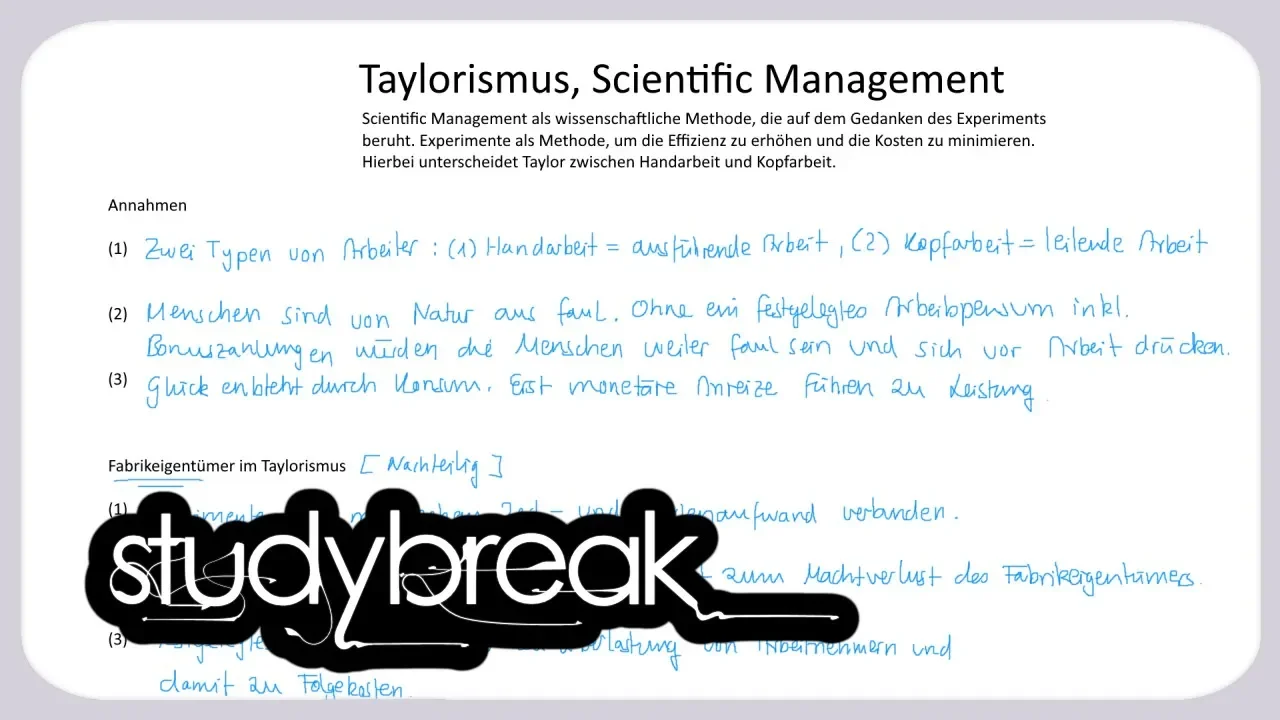
The historical context of Scientific Management (Taylorism), which viewed workers as cogs in a machine requiring close supervision and financial incentives.
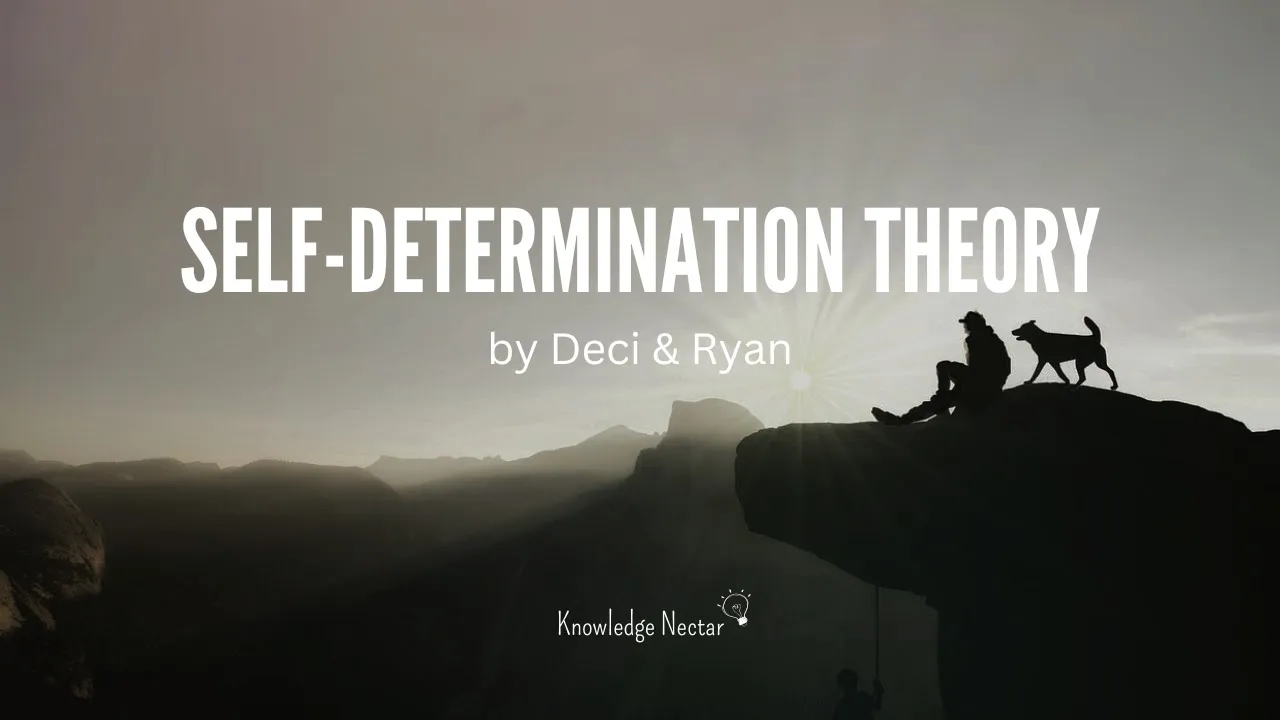
An introductory understanding of Self-Determination Theory (SDT) by Deci and Ryan, which serves as the psychological foundation for Pink's work.
The Overjustification Effect: Exploring the psychological research on how introducing extrinsic rewards can unexpectedly diminish a person's intrinsic interest in a task.
Practical applications of Autonomy, Mastery, and Purpose in modern organizational design, such as 'FedEx Days', '20% Time', and self-managing teams.
Compensation theory and the 'pay-enough' paradox: How to structure baseline financial compensation to remove money as a stressor, allowing intrinsic motivators to flourish.
The differentiation between algorithmic (rule-based) and heuristic (creative/problem-solving) tasks, and why traditional incentive systems fail for the latter.
Redesigning educational and learning environments using the principles of Drive to foster student-led, mastery-based learning rather than test-driven performance.
20.1M views142.4Klikes10:48Original Release: 2010-04-01
you our motivations are unbelievably interesting I mean I find I've been working on this for a few years and I just find the topic still so amazingly engaging and interesting so I want to tell you about that the science is really surprising the science is a little bit freaky okay if we are not as endlessly manipulable and as predictable as you would think there's a whole set of unbelievably interesting studies I want to give you two that call into question this idea that if you reward something you get more of the behavior you want if you punish something you get less of it so let's talk let's go from London to the mean streets of Cambridge Massachusetts in the northeastern part of the United States and let's talk about a study done at MIT Massachusetts Institute of Technology here's what they did they took a whole group of students and they gave them a set of challenges things like um memorizing strings of digits solving word puzzles other kinds of spacial puzzles even physical tasks like throwing a ball through a hoop okay they gave him these challenges and they said to incentivize their performance they gave them three levels of rewards okay so if you did pretty well you got a small monetary reward if you did medium-well you've got a medium monetary reward and if you did really well if you were one of the top performers you've got a large cash prize okay we've seen this movie before this is essentially a typical motivation scheme within organizations right we reward the very top performers we ignore the low performers and the other folks kind of in the middle okay you get a little bit so what happens they do the test they have these incentives here's what they found out one as long as the tasks involved only mechanical skill bonuses worked as they would be expected the higher the pay the better their performance okay that makes sense but here's what happens but once the tasks call for even rudimentary cognitive skill a larger reward led to poorer performance now this is strange right a larger reward led to poorer performance how can that possibly be now what's interesting about this is that these folks here who did this are all economists at two at MIT one at the University of Chicago one at Carnegie Mellon okay the top tier of the economics profession they're reaching this conclusion that seems contrary to what a lot of us learned in economics which is which is that the higher the reward the better their performance and they're saying that once you get above rudimentary cognitive skill it's the other way around which seems like this kind of the idea that these rewards don't work that way seems vaguely the left-wing and socialist doesn't it it's kind of this kind of weird socialist conspiracy for those of you who have those conspiracy theories I want to point out the so the notoriously left-wing socialist group that financed the research the Federal Reserve Bank so this is the mainstream of the mainstream coming to a conclusion that's quite surprising seems to defy the laws of behavioral physics so this is strange it's strange funny so what do they do they say let's this is this is freaky let's go test it somewhere else maybe that fifty dollars a sixty dollar prize isn't sufficiently motivating for an MIT student right so let's go to a place where fifty dollars is actually more significant relatively all right so we take the experiment we're gonna go to mathura india rural india where $50 $60 whatever the number was is actually significant sum of money so they replicated the experiment in india roughly as follows small rewards the equivalent of two weeks salary i'm sorry small performance low performance two weeks salary medium performance about a month salary high performance about two months salary okay so there's a real good incentives okay so you're gonna get a different result here well what happened though was that the people offered the medium reward did no better than the people offered the small reward but this time around the people offered the top reward they did worst of all higher incentives led to worse performance what's interesting about this is that it actually isn't all that anomalous this has been replicated over and over and over again by psychologists by some extent by sociologists and by economists over and over and over again for simple straightforward tasks those kinds of incentives if you do this then you get that they're great for the task that our algorithmic set of rules where you have to just follow along and get a right answer if then rewards carrots and sticks outstanding but when the task gets more complicated when it requires some conceptual creative thinking those kinds of motivators demonstrably don't work fact money is a motivator at work but in a slightly strange way if you don't pay people enough they won't be motivated what's curious about there's another paradox here which is that the best use of money as a motivator is to pay people enough to take the issue of money off the table pay people enough so that they're not thinking about money and they're thinking about the work now once you do that it turns out there are three factors that the science shows lead to the better performance not to mention personal satisfaction autonomy mastery and purpose autonomy is our desire to be self-directed to direct our own lives now in many ways traditional notions of management run afoul of that management is great if you want compliance but if you want engagement which is what we want in the workforce today as people are doing more complicated sophisticated things self-direction is better let me give you some examples of this almost radical forms of self direction in the workplace that lead to good results let's start with this company right here Atlassian an Australian company it's a software company and they do something really cool once a quarter on a Thursday afternoon they say to their developers for the next 24 hours you can work on anything you want you can work on it the way you want you can work on it with whomever you want all we ask is that you show the results to the company at the end of those 24 hours and this fun kind of meeting not a Star Chamber session but this fun meeting with beer and cake and fun and other things like that it turns out that that one day of pure undiluted autonomy has led to a whole array of fixes for existing software a whole array of ideas for new products that otherwise had never emerged one day now this is not an if-then incentive this is not the sort of thing that I would have done three years ago before I knew this research I would have said you want people to be creative and innovative give them a freaking innovation bonus if you could do something cool I'll give you $2,500 they're not doing this at all they're essentially saying you probably want to do something interesting let me just get out of your way one day of autonomy produces things that had never emerged let's talk about mastery masteries are urged to get better at stuff we like to get better at stuff this is why people play musical instruments on the weekend you got all these people who are acting in ways at sea irrational economically they play musical instruments on weekends why it's not gonna get them a mate it's not gonna make them any money why are they doing it cuz it's fun cuz you get better at it and that's satisfying go back in time a little bit imagine I imagine this if I went to my first economics professor a woman named Mary Alice Shulman and I went to her in 1983 and said professor Shulman can I talk to you after class for a moment yeah just I got this inkling I got this idea for a business model I just want to run it past you here's how it would work you get a bunch of people around the world who are doing highly-skilled work but they're willing to do it for free and volunteer their time 20 sometimes 30 hours a week okay she's looking at you somewhat skeptically there oh but but I'm not done and then what they create they give it away rather than sell it it's gonna be huge I mean she would have she truly would have thought I was insane okay it seemed to fly in the face of so many things but what do you have you have Linux powering one out of four corporate servers and fortune 500 companies Apache powering more than the majority of web servers Wikipedia what's going on why are why are people doing this why are they why are these people many of whom are technically sophisticated highly skilled people who have jobs okay they have jobs they're working at jobs for pay doing challenging doing sophisticated technical technological work and yet during their limited discretionary time they do equally if not more technically sophisticated work not for their employer but for someone else for free that's a strange economic behavior economists would look into it why are they doing this it's overwhelmingly clear challenge and mastery along with making a contribution that's it what you see more and more is a rise of what you might call the purpose motive is that more and more organizations want to have some kind of transcendent purpose partly because it makes coming to work better partly because that's the way to get better talent and what we're saying now is in some ways when the profit motive becomes unmoored from the purpose motive bad things happen bad things ethically sometimes but also bad thing just like not good stuff like crappy products like lame services like uninspiring places to work that when the profit motive is is is paramount or when it becomes completely unhitch from the purpose motive it's just people don't do great thing more and more organizations are realizing this and sort of disturbing the categories between what's profit and what's and what's purpose and and I think that that actually heralds something interesting and I think that the companies that organizations that are flourishing whether they're profit for profit are somewhere in between are animated by this purpose motor let me give you a couple of examples here's the founder of Skype he says our goal is to be disruptive but in the cause of making the world a better place pretty good purpose here's Steve Jobs I want to put a ding in the universe all right that's the kind of thing that might get you up in the morning racing to go to work so I think that um that we our purpose maximizers not only profit maximizers I think the science shows that we care about mastery very very deeply and the science shows that we want to be self-directed and I think that the big takeaway here is that if we start treating people like people and not assuming that they're simply horses you know slower smaller better smelling horses if we get past this kind of ideology of carrots and sticks and look at the science I think we can actually build organizations and work lives that make us better off but I also think they have the promise to make our world just a little bit better you
Up Next

10:46
Meditation for Peak Creativity: Thinkitation & Brain States
@BeInspiredChannel
1.5M views•2018-11-07

12:54
Triumph of Orthodoxy Icon: Byzantine Art & History Explained
@BenCallan
2.1K views•2024-08-06

58:38
Carol Dweck: How to Help Every Child Fulfil Their Potential
@rsaorg
19.3K views•2013-07-08

1:42
Game of Thrones Opening Credits: A Cinematic Analysis
@gameofthrones
46.3M views•2011-04-18
Related Study Plans & Knowledge Roadmaps
Structured learning paths in General & Interdisciplinary Studies
general-studies
Elevator Engineering: History, Physics & Cities
01From Hoists to Safety Brakes: The Dawn of Vertical Lift
02Hydraulic vs. Traction: The Engineering Physics of Elevators
03Modern Speed, Safety, and Algorithms
+ 2 more learning modules
12h5 modules
Explore Roadmap
general-studies
Rubber: Material Science, History & Geopolitics
01Origins of Natural Rubber & Mesoamerican History
02The Chemistry of Natural Rubber & Vulcanization
03The Geopolitics of the Rubber Boom & Colonization
+ 2 more learning modules
12h5 modules
Explore Roadmap
general-studies
Containerization: Evolution, Logistics & Trade
01Ancient Trade & Bulk Cargo: Amphorae to Barrels
02The Industrial Revolution & Cardboard Packaging
03The Containerization Revolution: Malcom McLean
+ 2 more learning modules
12h5 modules
Explore Roadmap
general-studies
Textile Tech: Evolution, Labor & Global Impact
01Pre-Industrial Textiles: Handloom & Cottage Industry
02Mechanization: The Spinning Jenny to the Power Loom
03The Factory System & Global Labor Transformation
+ 2 more learning modules
10h5 modules
Explore Roadmap