








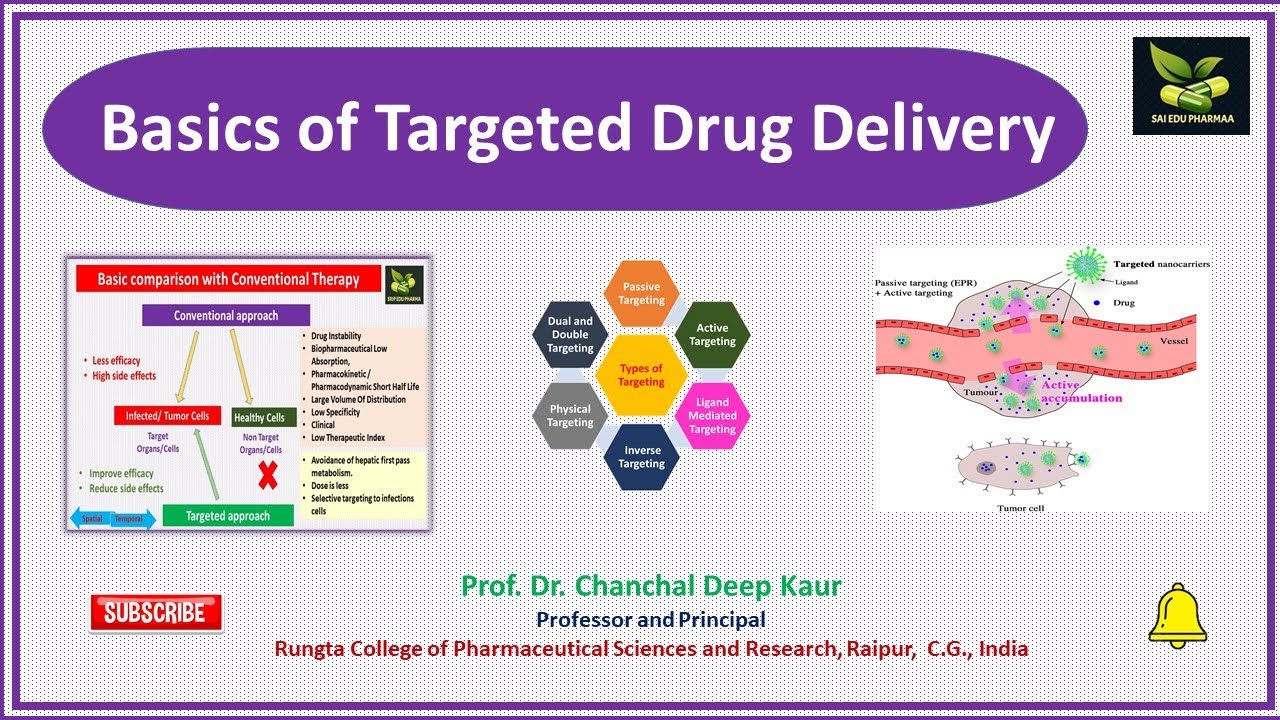
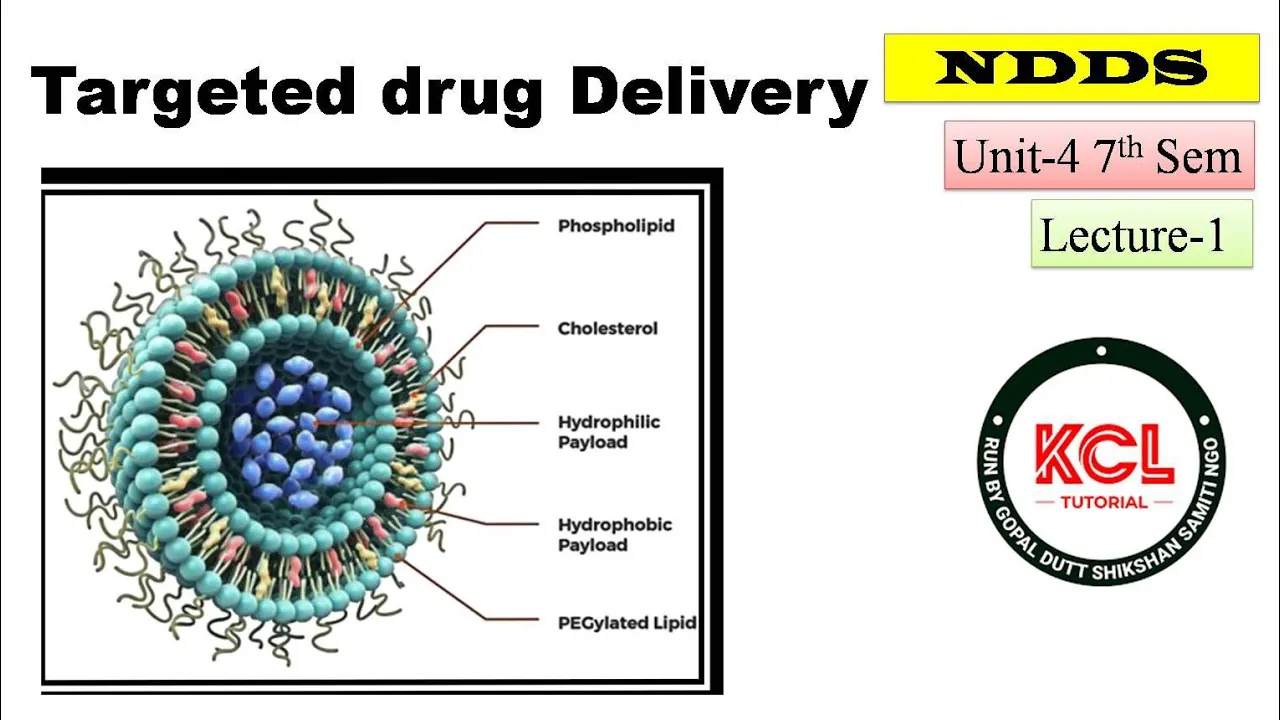
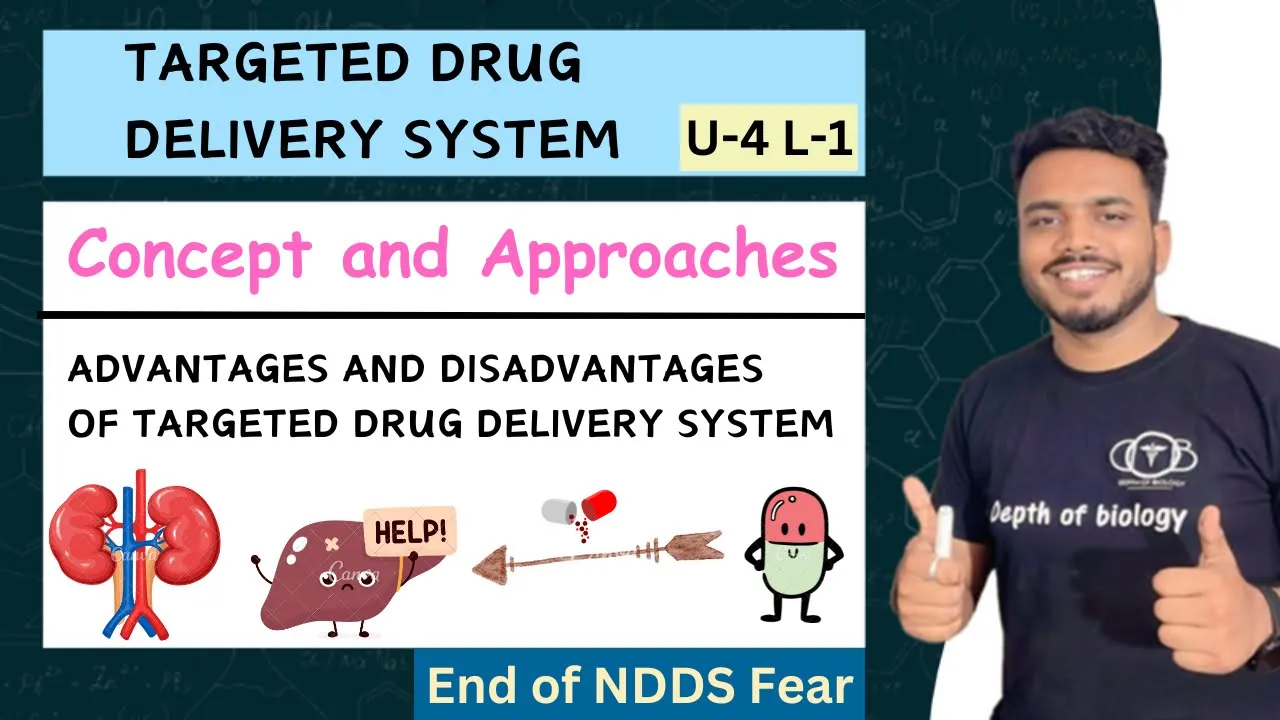


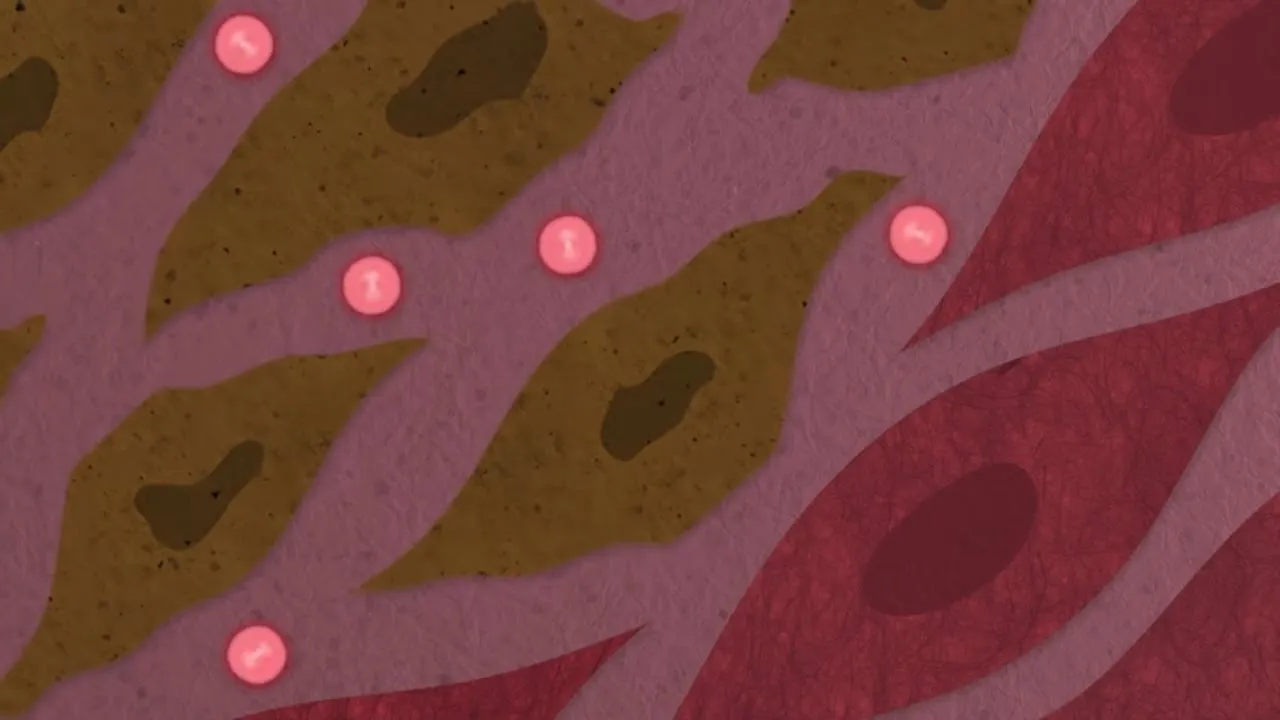
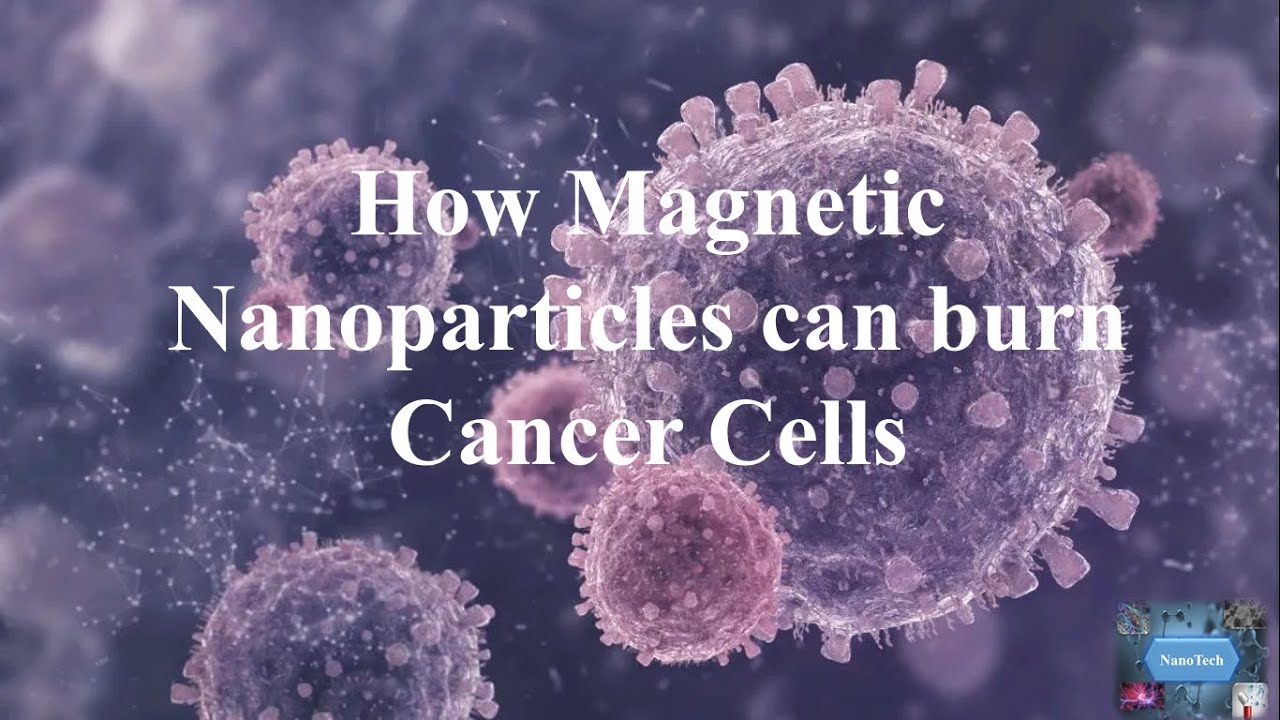


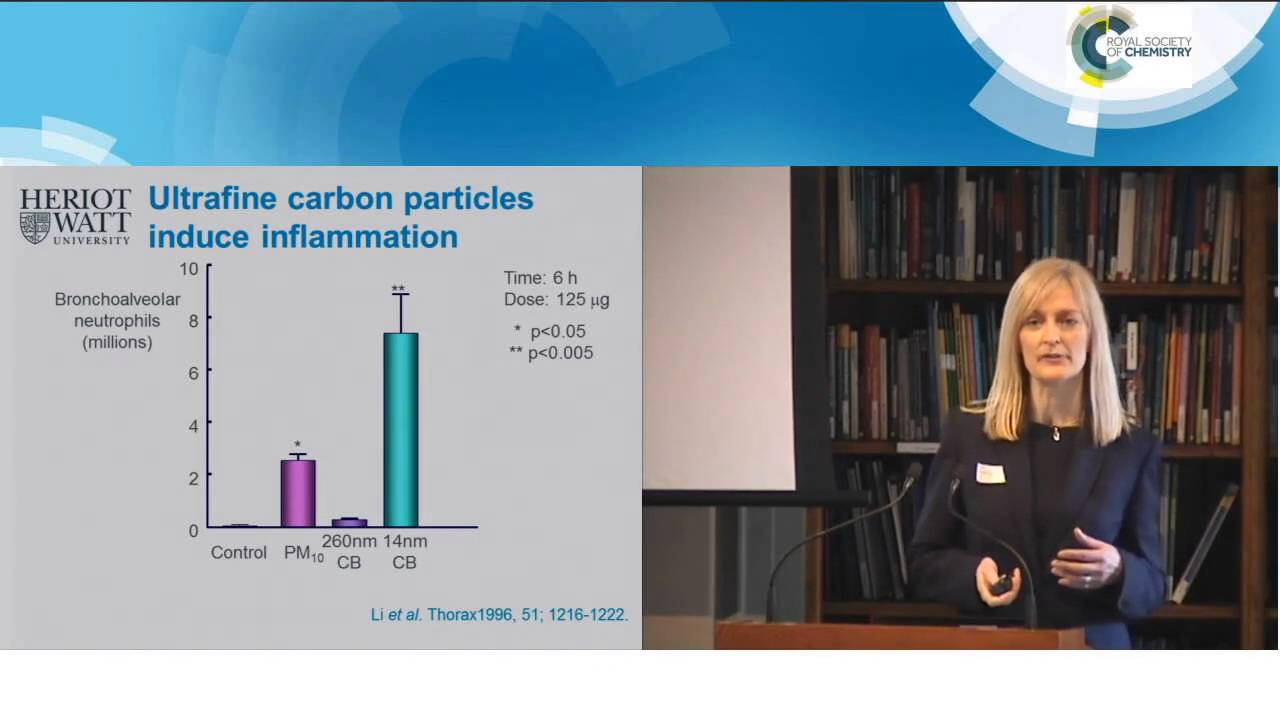



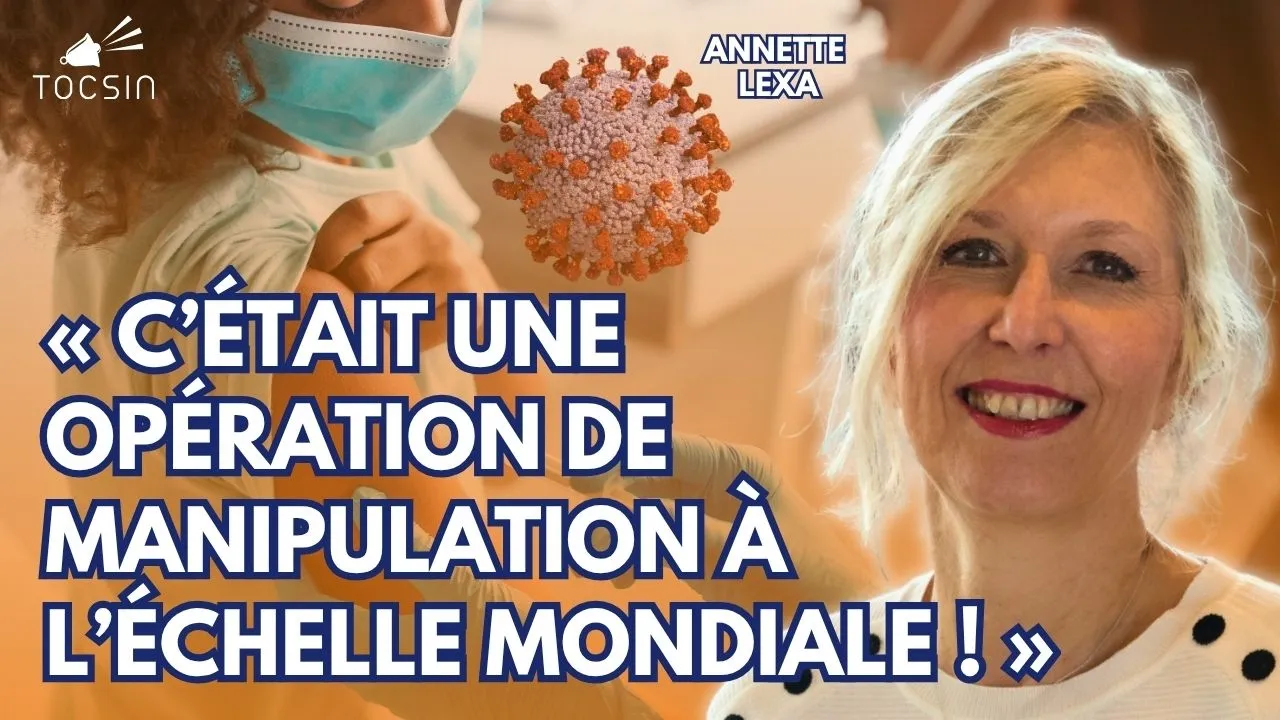
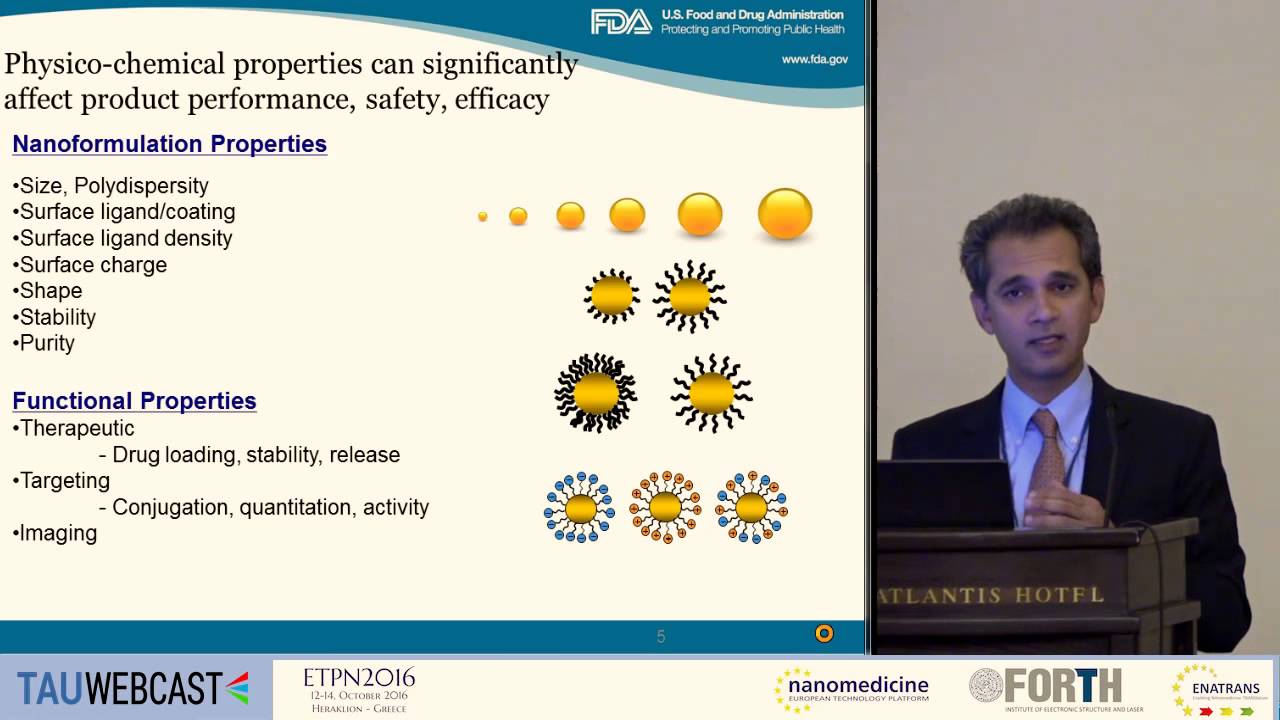


Magnetic nanoparticles (MNPs) are nanoscale particles (approximately one billionth of a meter) used in medical applications as drug delivery systems, contrast agents for MRI imaging, and biosensors for disease diagnosis; however, they pose potential health risks including chronic inflammation, fibrosis, blood coagulation issues, and possible reproductive system effects, as the body does not naturally eliminate these non-organic particles and long-term studies are still lacking.
Magnetic Nanoparticles in Injections: A Scientific Review of Their Function and Risks
Added:Fundamental principles of nanotechnology, specifically how physical properties change at the nanoscale (1-100 nanometers).
Basic magnetism and electromagnetism, particularly the concept of superparamagnetism in nanoparticles.
Introductory human immunology, including how the body's immune system identifies foreign substances and initiates inflammatory responses.
General principles of drug delivery systems and pharmacokinetics (how substances move through the body).
Advanced drug targeting mechanisms, such as ligand-receptor interactions and active versus passive targeting.
Magnetic Hyperthermia Therapy (MHT), which utilizes magnetic nanoparticles to thermally destroy cancer cells under alternating magnetic fields.
The field of Nanotoxicology, focusing on the molecular pathways of nanoparticle-induced cellular damage and chronic inflammation.
Regulatory science and safety standards for translating nanomedicine from laboratory settings to FDA-approved clinical trials.
99K views7.9Klikes15:50Original Release: 2021-06-01
oh today i want to discuss something that has made its way slightly into the mainstream media although many of you may already be well aware of the many videos of people sticking magnets to their arms at the site of the new injection now when we see video footage of things like this come out because of a habit we tend to lean towards it being a hoax or we become very skeptical about its authenticity mainly because people can do some amazing things on camera you know we have technologies that are many many many years ahead of what we have available to us to the public whenever they present you with some new medical technology or weapon technology or vehicle technology or communications technology they've done it already those clones you didn't want them to make too late i bet they're still pissed off about all the nukes they made for no reason they have technologies that far surpass that now when they started to present the idea of nanotechnology many decades ago they achieved that back then now we have super advanced nanotechnology and what we once thought was micro science fiction is now a reality so what's going on why are magnets sticking to people's arms after receiving an injection with what are widely known to have nanoparticle technology in them well there may be an answer to that and they are called mnp's magnetic nanoparticles and the madness continues [Music] there is important information here so here we go let's go slow there it is biochemical functionality of magnetic particles as nano sensors how far away are we to implement them into clinical practice well apparently we've implemented it this was published back in may of 2019 in a the journal of biotechnology there's no magnet sticking to people's arms those are fakes fat chet yeah yet the science behind magnetic bionano technology has been out there and has been used before in several applications magnetic nano sensors have become attractive instruments for the diagnosis and treatment of different diseases they represent an efficient carrier system in drug delivery or in transporting contrast agents contrast agents i love it they absolutely love to throw people off with that oh contrast agents don't know what that is doesn't sound like a big deal won't bother to look that up you know what go research dr kerry mudday and she will explain to you how you can take a substance with this type of nanotechnology in combination with bioluminescent technology you could possibly create a marker in a targeted part of the body and use imaging equipment to scan and detect the marker they've made it known already radio contrast agents what are radio contrast agents radio contrast agents are substances such as iodine or barium compounds administered to a patient using imaging technology to increase the contrast of an image now with this new injection the contrast agent would be luciferase which is what they used in lab animals for the imaging purposes so yes they can put these particles into the body direct them to a specific location in the body and then later image those particles that have concentrated in that part of the body so look it says here and this is very interesting concerning in vivo applications which means uh whole living organisms drugs are attached to mnps and carry to a specific location a process called drug delivery in other individual system magnetic nano sensors as contrast agents are available to convert a biochemical information through radiation into an analytic signal in magnetic resonance imaging or mri so you see they are already using this technology the extracorporeal approaches such as blood purification magnetic nano sensors are used to bind and collect specific biochemical or cellular entities that on the top allow for detailed analysis or diagnosis after recovery of the sensors blood purification with magnetic nano sensors can be considered similar to a dialysis device whereas no sensor particles are allowed to reach the body after the purified blood is redirected to the patient and you should also know folks that in this article i believe they discuss about how difficult it is once these nanoparticles are introduced into the body how difficult it is to get rid of them in fact uh in a lot of the cases they've failed in many attempts to get rid of these nano particles um after in vivo applications so what they are saying is that these particles can pick up and deliver they can also deliver radiation to a tumor site releasing just enough radiation to stop the growth of the tumor this technology is also used in chemotherapeutic applications folks they can put these magnetic nanoparticles into the body they can then take a magnet and direct and move those particles to any part of the body they want think about how big a meter is or yard imagine how big that is now imagine something 100 million times smaller than that meter well these particles are ten times smaller than that one billionth of a meter and that is why this can be done because these particles are so small they can just pass through tissue the next part of the document discusses materials and synthesis understand that these nanoparticles once they enter the body the body recognizes these particles as foreign and therefore attacks them so what they do is they coat them with carbon or with polyethylene glycol now listen you're probably at some point going to hear about spions which don't sound good but according to this they can build biodegradable nanoparticles which is a plus i guess when it comes to getting these particles out of the body biodegradation of spions is dependent on coating and coating material as well as on size coding influences biodegradation due to partial hindered access to the metal oxide core concerning biodegradation very small particles will be quickly eliminated in the body by the kidneys whereas on the other hand large nanoparticles will be filtered in the liver and spleen these are important aspects when aiming at an in vivo application of the nanoparticles i want you all to try and keep this in mind when it comes to spions magnetic nano sensors as a carrier system drug delivery magnetic nanoparticles are considered ideal candidates for drug delivery for several reasons their large surface to volume ratio allows for a high loading with active substances moreover these m p's can be directed by a magnet and facilitate targeted delivery of drugs finally stable dispersions and fast transportation and fluids can be realized due to the small size of the nps and of course this is an image of how you can carry chemotherapeutic drugs to a target organ using a magnet now if such nanoparticles were injected into let's say the arm does that injection have enough magnetism to have a small magnet stick to the injection site and the answer is they can charge these nanoparticles to make them super magnetic now here's the issue with these particles and they explain this in a section called risk assessment of mnp's or clinical applications and what it says is that initially when experimenting with nanoparticles in vivo they thought that they would have little or no adverse effects until later on see a nanoparticle is not organic nor is it a chemical or like a heavy metal toxin it's not like that so therefore your body doesn't just get rid of them they say that these particles could trigger inflammation and over time being trapped in the tissue can create chronic inflammation and fibrosis they suggest that it can also cause cancer but the long-term studies are missing they say these particles can influence blood pressure and they are engineered to influence the coagulation system of the blood and then that's what you end up with and the cells want to clump together to form these strands of blood cells and you've got stringy blood that's not good look at this nanoparticles once present in the body may target various systems there are effects of nanoparticles found on the circulatory system where nanoparticles indirectly influence for example blood pressure important to note when looking at the circulatory system is the fact that nanoparticles are engineered to influence the coagulation system of the blood at the same time mnp's designed for any other indication may evoke or unwanted pro or anticoagulant effect in the blood are you freaking kidding me and they keep saying they don't know why people are coming down with blood clots after the injection are you getting this folks please do not let this information go to waste i am presenting this to you for a reason i'm sure you have heard of people reporting strange menstrual cycles and even miscarriages that they are trying to blame on the injection well guess what the reproductive system is another target of nanoparticles with possible detrimental effects upon in vivo applications nanoparticles may accumulate in reproductive organs where they have direct effects on germ cells with reduced cell count or activity in both female and male germ cells when they say germ cells they're talking about our reproductive cells they're talking about sperm and the eggs furthermore nanoparticles are able to alter or damage dna and cells which would be especially problematic in germ cells in a recent in vitro study uptake of coded spions and granulosa cells was tested it was found that depending on the coding no or only low uptake and toxicity of spions was observed so there you have it and this is just a single document and i have dozens i'm going to talk more about this in episode 2 of the experiment which will be up on woodward entertainment.com so stay tuned and look for that there is more to come very soon everyone i hope you all enjoyed your memorial day weekend in spite of our dictators and as always my friends stay awake stay aware stay safe and i'll talk to you all soon [Music] [Music] you
Up Next
7:25
Coprecipitation Synthesis of Nanoparticles: Process, Advantages, Disadvantages
@MohsinCyanide
4.2K views•2024-10-01

20:32
Microbial Degradation and Upcycling of PET Plastic | Research Talk
@appliedmicrobiology
1.5K views•2021-10-18

23:33
Microbial Degradation of Plastics: Biodegradation Pathways & Sustainability
@majeedhammad
2.9K views•2021-04-11

16:04
CRISPR and Genetic Engineering: How Gene Editing Works and Why It Matters
@kurzgesagt
30.5M views•2016-08-10
Related Study Plans & Knowledge Roadmaps
Structured learning paths in Biotechnology
biotechnology
PETase Evolution: Library Design & Kinetics
01Foundations of Enzymes and Plastic Biodegradation
02Recombinant Protein Expression in E. coli
03Directed Evolution and Mutant Library Generation
+ 3 more learning modules
36h6 modules
Explore Roadmap
biotechnology
AAV Production: Transfection, Prep & qPCR
01Introduction to Gene Therapy and AAV Biology
02Mammalian Cell Culture: Suspension HEK293 Cells
03Upstream Bioprocessing: Triple-Transfection Optimization
+ 2 more learning modules
18h5 modules
Explore Roadmap
biotechnology
Building Gut-on-a-Chip: PDMS, Cells & TEER
01Foundations of Microfluidics and Gut Anatomy
02Cleanroom Fabrication & PDMS Soft Lithography
03Epithelial Cell Culture and On-Chip Seeding
+ 2 more learning modules
26h5 modules
Explore Roadmap
biotechnology
Optimizing CFPS: E. coli Extract & Yield
01Fundamentals of Molecular Biology and Translation
02Introduction to Cell-Free Protein Synthesis (CFPS)
03Preparing E. coli Crude Lysate (The Extract)
+ 2 more learning modules
19h5 modules
Explore Roadmap