















![[샤로잡다] 한반도를 덮친 기후위기, 블루카본 갯벌에 주목해야할 이유? | 김종성 교수](https://i.ytimg.com/vi_webp/qhaFpQQHNiI/maxresdefault.webp)










Algae offer significant potential as a renewable fuel feedstock due to their ability to convert sunlight and CO2 into biomass through photosynthesis, with some species capable of storing carbon as oil when stressed by nitrogen limitation; however, commercial viability requires addressing challenges such as high production costs ($15-200/gallon currently versus $3-5/gallon for fossil fuels), temperature sensitivity of current strains, and evaporative losses in production systems, which researchers are tackling through directed thermal evolution and adaptive selection to develop heat-tolerant, high-lipid-producing strains suitable for regional biofuel production.
Algae Biofuels: Harnessing Microalgae for Renewable Energy
Added:The biochemical process of photosynthesis, specifically how photosynthetic organisms convert sunlight, water, and carbon dioxide into chemical energy and biomass.
The fundamental differences between fossil fuels (hydrocarbons extracted from geological formations) and first-generation biofuels (derived from food crops like corn and sugarcane).
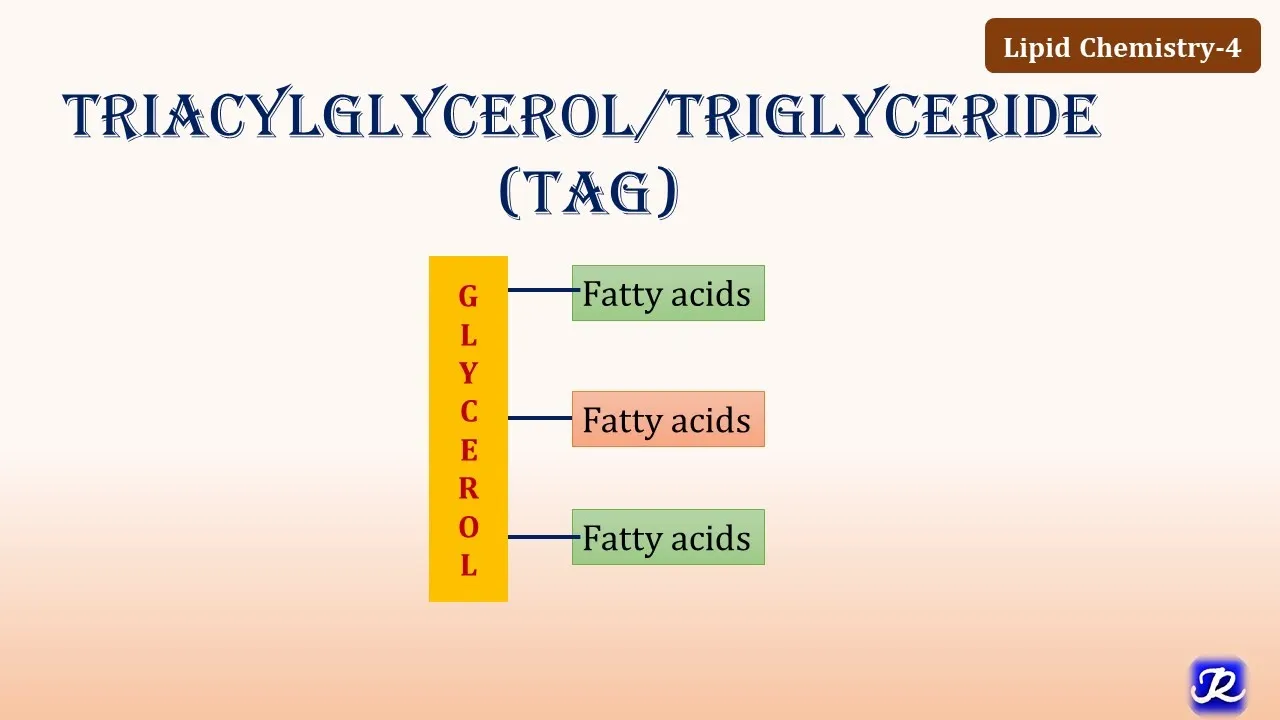
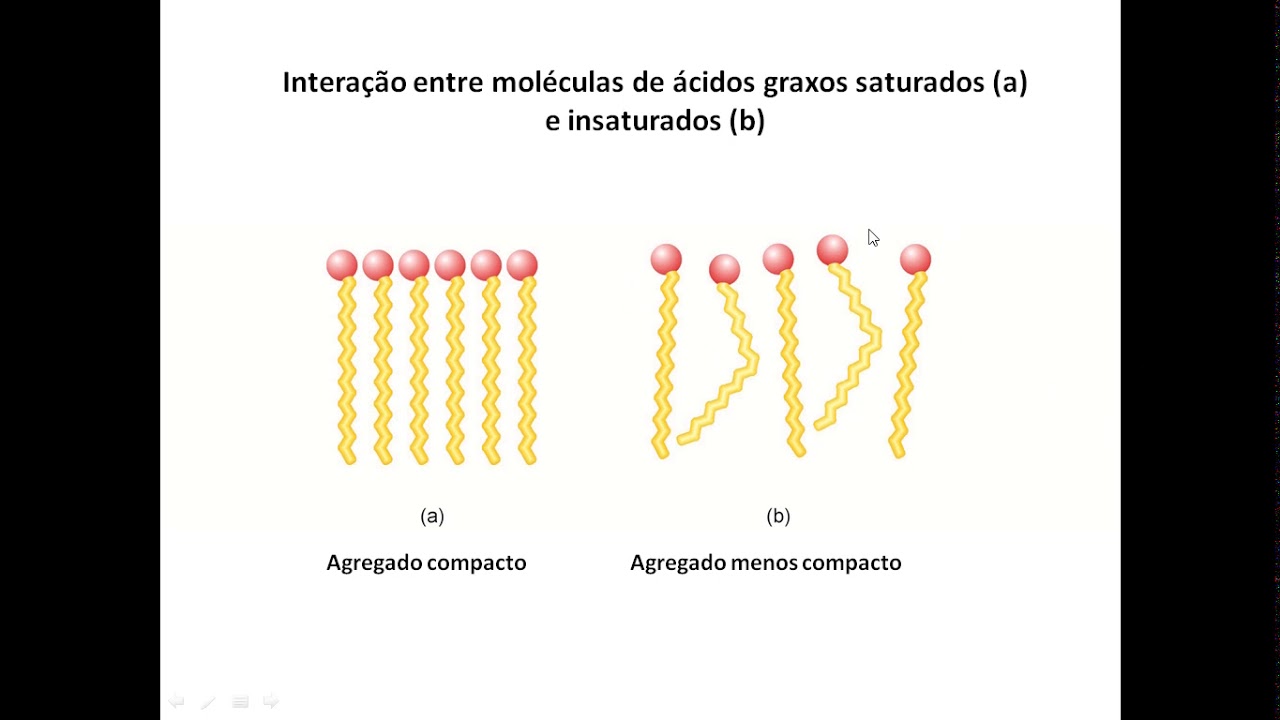
Basic cellular biology of lipids, particularly triacylglycerols (TAGs), and how microalgae store energy in the form of oils.
The concept of carbon neutrality and the dynamics of the global carbon cycle.
The chemical process of transesterification, which is used to convert extracted algal lipids into usable biodiesel.
Comparison of algae cultivation systems, specifically open raceway ponds versus closed photobioreactors (PBRs), including their respective yields and operational costs.
Genetic and metabolic engineering techniques aimed at modifying microalgae strains to maximize lipid production and growth rates.
Techno-economic analysis (TEA) and Life Cycle Assessment (LCA) of algal biofuels to evaluate their commercial viability and overall environmental footprint.
623 views0likes56:23Original Release: 2020-12-03
thanks linda for having me and thanks to all of you for coming and giving me an opportunity to to talk about our work at the laboratory um so as you know um the bioscience division is actually very it's a small component of the laboratory but we are a dedicated uh group and many of us are focused on bringing renewable fuels to the marketplace and what i'd like to do is really try and give you uh some you know probably you know break the ice a little bit at the beginning and then um talk about some basic algal biology and evolution and kind of give you an algae biology 101 lesson and then present the case for algae why we think algae is potentially a good source as a renewable fuel feedstock and then we're going to dig much deeper into some of our current work or the work of many of my colleagues and talk about a couple case studies with three different species of algae that we're currently studying all right so let's start from the beginning so um we're here so what really are photosynthetic algae so there are many different types of algae some are photosynthetic some are not but the ones of interest to us are the ones that actually conduct photosynthesis so um just like i said we're going to back up here so photosynthesis for those of you aren't familiar you take energy from the sunlight and you use that energy to capture carbon dioxide from the atmosphere and convert those carbon dioxide molecules into longer chain carbon molecules and from that carbon dioxide these particular algae can form all the biomass in their cell you add a few nutrients you throw them in water and out and out comes organic material and then of course they evolve oxygen the pictures at the bottom indicates our show images of several different types of algae so algae are multicellular and unicellular so they have single cells and they can form very complex structures so this is a type of green algae this is a red algae and this is a brown algae properly i mean named in the past of course because of the way they look these are also algae so this is a volvox it is a a simpler form of algae but it is multicellular and then algae go all the way down to these single cell types which um are the topic of interest and these are the types of cells that we actually are using as our biofuel feedstock um i i wanted to mention here so if we're going to go down this rabbit hole we have to understand if we're trying to understand where algae actually come from there's a few terms we have to learn here so algae are eukaryotes can i get a show off hands if anybody in the room knows what a eukaryote is couple okay so the biologists in the room know what a eukaryote is right so a eukaryote is a particular type of cell okay and if we look at the tree of life this is a very simplified version of all of the organisms on the planet and what we know based on the genomic and dna content of these organisms that there are three different types of cells we have bacteria we have archaea and we have eukarya or eukaryotes okay so you and i uh fall in this portion of the tree along with algae plants all the types all animals fungi etc and then we have bacteria up here in our key over here but if we focus in on a particular portion of the bacterial part of the tree of life we see two interesting components right we see a chloroplast and we see a mitochondria so if you study evolutionary history what you know is that the chloroplast and the mitochondria right are descendants of very primitive bacteria and how this occurred and how algae evolved it occurred in several steps so there were two what we call primary endosymbiotic events so an endosymbiotic event basically is one cell decides to engulf another cell and to form a new species so millions billions actually billions of years ago there was some type of a pro form or an early form of this eukaryotic cell and at one time it engulfed what we know today is an alpha proteobacteria so we know it's an alpha protein bacteria because even in modern cell types we still have dna in our cells that indicate that this is an alpha proteobacteria so this process occurred like i said many years ago and it formed what we know today is a modern eukaryotic cell and then many many generations later um that cell has evolved to form humans and plants our humans and fungi and animals now and as far as we know this obviously this and this remnant or this particular remnant of the prophylproteobacteria is what we know today is the mitochondria now this only occurred once in evolutionary history as far as we know but there was a second event where this pro form or this pro year krxl it actually happened again but in this time it didn't it didn't engulf a party of bacteria it engulfed the cyanobacteria so cyanobacteria are a little bit different in that they are actually photosynthetic as well and so you get a secondary engulfment and that photo that ancestor of what we know today is the chlorobus was actually a cyanobacteria and then once again many many generations and billions of years later we get what today we have is modern plants and algae um so um well from that point i mean it's pointing to stress here what we're talking about is these are the primary events this didn't just happen once well the engulfment of bacteria into a eukaryotic type cell only happened twice but these eukaryotic cells started engulfing each other over the billions of years and what's what led to the this massive diversity that we currently see today and so when we go back and look at the common names for algae we've named them red green brown yellow and it really has to do with the pigmentation and how they look to us um physically but in actuality they're the lineages look a lot different if you just look at the evolutionary phylogeny so most of those organisms are all if you've if you see a red algae or green algae brown these are those what we call true algae but once in a while you'll see this term called blue-green algae and it's really not algae at all what these really are is they are cyanobacteria that have been around for a long time and they continue to be cyanobacteria now algae are grown for many different reasons of many different purposes we currently use them in aquacult many aquaculture we feed them to fish we use them in nutraceuticals as nutrient sources so i actually bought a bottle of juice from from smith's a couple hours ago and if you turn the bottle over i need a volunteer von's here i'm not going to ask you to drink it just read so um read the two the top two uh ingredients on that bottle um yes chlorella and spirulina okay so those are actually quote unquote algae so chlorella is a true algae and spirulina is not really an algae it's actually a cyanobacteria so there's pr there's probably precedence you know in industry to use these materials uh for human consumption but we're trying to use them in a different way right we're trying to use them and grow them for biofuels which presents uh some challenges and i'll get into those in a little bit all right so this is the eukaryote tree of life so we simplified it we're not going to talk about the bacteria in the archaea we're just going to focus in on the eukaryotes and it really is the same version of this just represented a little bit differently and what i've done is i've you know just to orient you um i've highlighted uh with stars different types of algae that are currently candidates for biofuels that we're going to use to convert into biofuels and if as you'll see here humans you know are located on this portion of the tree and plants are located over in this portion of the tree so in academic circles they study only a small fraction of algae and in particular they've most they've most in the past they've mostly focused on this you know this lineage of green algae over here now we some of those green algae are actually pretty good candidates for biofuel production but what these stars are supposed to help you indicate is that there's a very there's a large diversity of algae out there and they all have specialized and individual functions and so we and others in the field are trying to understand the differences and how these different types of algae grow and we're actually trying to harness the abilities of all these algae depending on conditions to optimize production well um so how does this really work um if we if we first consider oil right so we're taking oil uh fossil fuels we're pumping out of the ground it goes through an extraction and conversion process it gets refined and it gets converted into jet fuel diesel and gasoline so in the case of algae we're all we're trying to do really is you know change the front end of that system so we can't pump it out of the ground we have to actually grow them so that's really the only difference we're trying to harvest you know you take the energy from sunlight trying to recapture some of the co2 from from emissions or in the atmosphere and convert that energy and carbon dioxide in these open production systems into into algae and we're interested in all different components of the algae so we're interested in the total biomass you know how many cells can we actually grow we're interested in the fat content um and the carbohydrate content and the different types of lipids and fats that the algae have will influence what type of biofuel you get in the end so some people are really interested in making jet fuel others want to make gasoline others want to make diesel so if you're interested in one particular downstream product you're probably going to you know select and grow different types of algae so what what makes algae special why do we why are they good candidates for biofuels well the first reason is they can store a lot of carbon so what this image is this is a nanochloropsis algae and the image the top represents you know very blown up images of these algae under normal growth conditions so they're they're presented with plenty of food they're growing happily and we can easily see we were talking about the chloroplast here's the mitochondria in these cells and you'll see a few what we're calling here is oil bodies or lipid bodies inside the cell and then if you starve the cell you remove the nitrogen from the medium or the content the cells basically cannot grow but they still want to be able to store carbon when nutrients become available again so they're basically hedging themselves they're saying okay let's well if i can't grow let me just start to store some of that carbon material and so you starve them for nitrogen and lo and behold what they start doing is filling up their cells with oil and so it's this component that actually we're using to convert into biofuels okay so we're utilizing what it exists in nature it's a natural it's a natural event that occurs we're just inducing it in an artificial setting in a production setting the second reason algae are uh good candidates is that they really can throw they can uh grow and thrive in a diverse amount of habitats so you can find algal blooms in arctic seawater you can find them up in alpine freshwater lakes you can algae grow in this is a picture of some algae growing in yellowstone national park in some very acidic thermal hot springs and algae definitely grow in ditches there's lots of runoff in farm environments and all those nutrients are in there just selects for algae and they can grow and bloom quite nicely and then here's some images of algae growing inside coral i don't know if you actually know that but actually the color you see in coral is actually coming from a symbolic event between the coral and the algae and when you get bleaching of the chlorine they all turn white what's happening is all the algae are dying and that's why you're left with the white uh calcified material so this is this is good good news for us right so no matter what type of climate you're growing in if you want to grow algae in the upper parts of the united states or you want to grow them in the southwest here there are particular types of algae that can grow in different regions um so the other thing that really well does this really make sense in terms of land mass right because we have to actually use land to grow these algae and it's let's see how much land does that actually take so this estimate was completed by anthony markazi at colorado state university and what he uses as a as a standard as a benchmark is 21 billion gallons per year of advanced biofuels so in 2007 congress passed a bill which that sets our renewable fuel standard at approximately 10 percent of u.s consumption of uh 10 of us consumption of liquid fuels needs to come from a renewable fuel source so if we were to take if we were to you know generate that 21 billion gallons per year from let's just say soy diesel which is currently being utilized uh across the united states that would require a land mass approximately the size of alaska so it's not really practical to think that soy diesel in and of itself is going to be a a long-term solution but what's the case for algae so we can with a land mass about the size of connecticut we can produce that same amount of oil and this is as much more reasonable considering that we can also grow these algae on non-arable lands we don't have to compete for agricultural lands we can grow them for example in the desert if there is a source for water and then there's a couple other advantages i'd just like to quickly highlight algae grow very fast in fact they can they grow 10 times faster we can generate biomass from algae 10 times faster than land plants as i mentioned they are non-competitive with agriculture so we can use non-arable lands to grow the algae on we can also grow them in all different types of water we don't have to basically we don't have to compete for fresh water sources so we can use wastewater streams we can use saline and brackish water there are some companies in new mexico that are actually looking at using produced waters so waste waters from the oil and gas industry itself to grow the algae in and i think the biggest benefit one of the biggest benefits is that it plugs into our existing infrastructure so we're continuing to to convert these algae and all of the materials inside the algae into existing fuels and so it'll fit into the downstream refining processes that are already in place so let's bring it closer to home so why do we really want to cultivate algae in new mexico this image is a picture of a test facility that sapphire energy currently has in southern new mexico and columbus and it's this is just to give you an idea of scale this is a hundred uh acre build out of a bit of a of a pilot program and um what you'll see here it represents nicely there's lots of flat land so we we grow the algae in very very shallow ponds so 10 centimeters so we do that because we want the light to penetrate the entire pond depth we don't want you know a large reservoir body of water where the light isn't penetrating we're not going to get any growth so that means we have to spread these ponds out horizontally across large land masses and other good thing about new mexico is relative to the other places in the united states we have a larger growing season so especially in southern new mexico they don't have as many freezing nights we have sunshine and more constant constant temperatures and then of course we have access to brackish water so down in southern new mexico if you go into the aquifers it's very it's saline water it has a lot of salt in it so we can't use it for drinking water but we can actually grow algae in it so i told you all the good things but now i have to be to balance this out and talk about the bad things or what's limiting us in the field what are the current challenges right now that we're facing and the biggest thing is it's just it costs too much it's really hard to compete with fossil fuels which are just pumping out of the ground versus something you actually have to grow from scratch that takes time it takes energy it takes infrastructure and it really that's really the only thing that's impeding it it's not that we can't do the downstream conversions and make the fuels that's kind of already been taken care of it really is we need to bring the costs down so i was a part of a large consortium called the national alliance for advanced biofuels and bioproducts and this particular consortium was run out of los alamos national laboratory and as a part of that project we the the techno economic analysis team led by james richardson megan downes at texas a m and mexico state they they took some of the improvements we were seeing in all of our studies and created several different scenarios so we look at our baseline here and we you know say okay if we have our this is current you know capital expenditures and operation expenditures what that leads to is a really large range of fuel costs in the end fifteen to two hundred dollars a gallon all right so this is really not feasible no one's going to pay 200 a gallon for a gallon of gasoline or a gallon of diesel but if they started implementing these improvements with various different improvements at different stages of the process in the harvesting and the extraction of the of the oils out of the algae in the cultivation and in the biology we see these numbers start to decrease so if we were actually able to implement all of the different technologies we've actually developed at a small scale and implemented them together we start to get actually into that range where we can be cost competitive with fossil fuels so um but that there in lies the challenge right we can do we can do some of these technology improvements in a flask in the laboratory but that doesn't translate to growing them at large scale outside in southern new mexico so they're really the goal currently now the nav the snap program of the national alliance prevents biofuels and bioproducts kind of set the baseline of the feasibility now what we're trying to do is moving on and the department of energy is funded actually scale-up studies so now we've we've demonstrated this in the lab let's see how we can actually grow this outside and you know take on the next set of challenges all right so i cover the two expensive part but the other part that's really kind of bad is that really it's just too dry in new mexico so i mentioned that these ponds are 10 centimeters deep all right so we think about evaporation that means that a lot of that water is going to evaporate really quickly and what happens then is that it becomes you turn a saline environment into a hyper saline environment and a lot of algae don't really like that and so you have a lot of evaporative losses so uh the the test pilot ponds that i showed you from sapphire were all open systems right so they're exposed to the exposed to the environment you get a lot of evaporative losses so pete lammers at new mexico state university started to grow these um insulin and mexico and enclosed systems okay well so it kind of takes care of evaporative loss problems you still get um water being evaporated but we can recapture that if you enclose the system and what you'll notice here is that these systems are particular so what what you can see inside here is a is a mini raceway it's just a circle of algae that are being floated around inside covered by a cylindrical tube of plastic and here's a little more advanced version of this in a little bit longer this is really as advanced as the systems are going to be because like i said we're trying to compete with a commodity we're trying to compete with fossil fuels we need to keep the infrastructure as cheap as possible but this presents a problem as soon as you do this what happens it heats up yeah so it's like a little greenhouse so we've taken care of the evaporative loss problem but now what happens is we've caused the temperatures in this in this environment to increase so this represents you know annual cycles of temperature inside similar types of what we call photobioreactors or a production system and the maximum temperatures we're seeing in those production systems are 55 degrees going down to 25.
so this these lines these upper these lower and upper boundaries are kind of the limits of growth for some of the early algal strains that we were playing with so they don't like to grow they can survive at this temperature but they don't actually grow and when you you factor in these lower and higher regions what this means is loss in productivity and half of your year is basically you're operating your production facility under sub-optimal conditions and what this figure demonstrates is really you know we decided well let's see how well this particular type of algae can grow at a range of temperatures so what th what the the what the y-axis indicates is maximum specific growth rate so how fast are these cells dividing and growing and then looking at that growth rate at different temperatures so what we'll see is that chlorella seroquenia one of the one of our putative production strains actually grows quite well until you hit about 35 and then rapidly declines and so what we realize is that while this strain may grow very well in the winter in southern new mexico it's not going to survive and give us any kind of productivity in the summertime so we needed a new strain um so we turned back to the environment well most of the ones most of the algae that we've played with so far have been pretty intemperate regions right so they're in fresh water then in the ocean you don't get a lot of change in temperature in ocean water in the open ocean but there are environments that actually do select for algae that like to grow in hot environments and this is the type of you know environment that most closely mimics our production system so even though you know nature has done its job and is occupied this algae occupied virtually every niche of the planet we're introducing yet a new type of environment this production system that we're trying to optimize these algae to growing and so we're starting with you know let's just say the closest thing we have to what may potentially grow in this type of environment so let's go back to our evolutionary tree so so this particular type of algae is a red algae it's a galdi area and this algae was it grows in yellowstone national park and we um and pete lammers decided to grow it in southern new mexico and see if we could actually get it to thrive and what's unique about gald the area if we consider the temperature limits of ph and life that this thing grows at near ph of zero or less than one so not many things can grow at ph 1 this is a good thing for us because it helps select and decrease the contamination in the system and it optimize production for the strain of interest and what we see is that these are also mesophilic and they can grow up to 55 degrees just about the same temperature that we're looking for so over last year last summer dr lammers you know got a hold of a culture strain of gold the area sulfur area and decided to grow it in one of their closed raceway systems and this is a what's considered a typical three week production cycle we start the cultures we watch them grow for three weeks and then we harvest the red lines indicate the fluctuation in temperature over that three weeks and what we see is that the low temperatures in the summertime down in las cruces are around 25 degrees and then inside they max out over 55.
and what this black line indicates is the level of growth and over time you know the algae really seemed to thrive at that 55 degrees so over the last year we've added a new strain of algae that we're considering to use as a biofuel production strain but the problem with this particular algae is that while it handles the high temperature when you try and harvest the material out for biofuels as a feedstock you only get about half as much feedstock as you do from growing it with chlorella so we have we kind of have a problem here we have chlorella that grows really well at ambient normal mesophile temperatures and it grows very well and then we have another string that doesn't grow quite as fast or we can't get us extract as much lipids from it and the other strain so really what we like is to you know take the best of each algae and put all of those traits together so uh we started uh amanda berry and dr sayer at los alamos national laboratory and the new mexico consortium started a directed thermal evolution study so they decided to take one of our best biofuel candidates chlorella cerro kenyana and see if we could adapt it to higher temperatures and what we're doing is taking advantage of normal evolutionary processes so others in the field in algobiology and evolution have been studying the mutation rates of algae and these particulated algal strain on average generates 100 000 mutations every day so if we force these particular algae to grow under higher temperatures under different increments and we subject them to this type of selection can we actually select for mutations that improve its growth at higher temperatures so this particular project was started last fall and amanda and dr sayer started growing in at 39 degrees and what you'll see down here these are what we call photobioreactors and these mimic growth inside our production systems so the pond so the depth here can simulate growth up to 20 centimeters so we we grow them at the same depth the light is coming from the top and these are all hooked up in cereal and you'll see these tubes coming across the different photo bioreactors so this one is set up at 39 this one is set up at 41 43 and so on and we have these two degree increments and the algae are allowed to pass between each one of these different types of reactors and over time what we've seen after a couple of months we started to see algal growth at 43 degrees and then after three months of growth we started to see growth at 45.
so to make a long story short what's happened now currently is that we're starting to see them max out we haven't seen much improvement beyond 47 to 49.
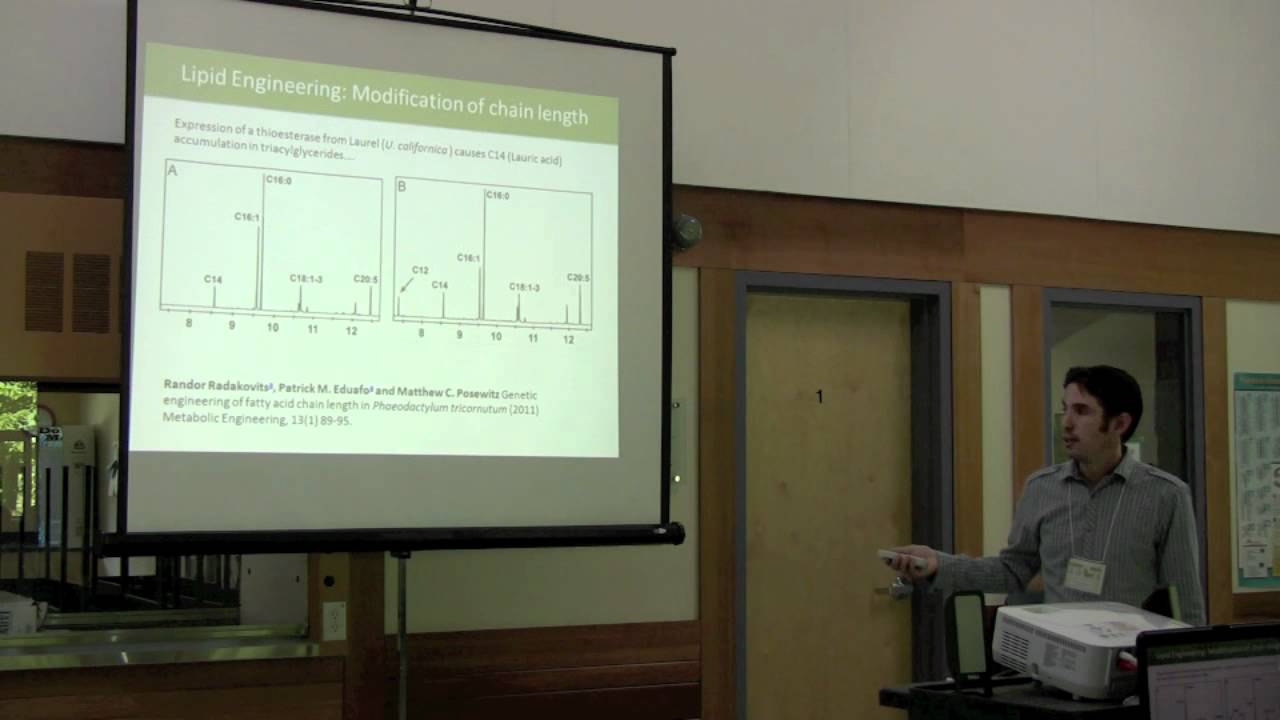
sometimes they'll show up at 47 and 49 and then they'll go away so we haven't seen a stable mutation that gives us good growth at these higher temperatures so the next tactic really is to do what we call chemical mutagenesis so in this particular sense we're just letting the cells evolve and mutate naturally but if you add a chemical mutagen in the laboratory you can actually get them to evolve faster and those studies are ongoing so we're trying to increase the rate at which they're creating mutations in the cell so we can select for algae that actually grow at higher temperatures okay the last case study i want to talk about is adaptive evolution of a green algae called picoclorum and this work is led by scott torre and tara cadale in the bioscience division so all this what these images represent is the the lipid content of the cells are all stained so the bright green means that there's a lot of lipids inside those cells uh whereas in these other types of cells there's a lot less there's a lot less lipid content is lower and this is actually very normal so in a in a culture despite the flat despite the fact that you start with a a single cell and you let it grow and propagate in that in that environment you get this heterogeneous mix of different types of or different of algae with different amounts of lipids and if you if you analyze all of the different types of algae inside that culture what you'll see is a distribution of lipid content and we run these cells through through a flow cytometer and actually analyze every single cell and here's the distribution of those cells so you have this average but within that average we actually have high lipid producers and low lipid producers so terrica decided well what if we take only those high lipid producers and we throw away the rest okay so we're going to we're going to run these through our fancy flow cytometer and sort out and keep only the ones that are highly producers and then grow those up and then we do that again we go through run them through cytometer select only the highest lipid producers and regrow them again so we're constantly selecting for a high lipid-producing phenotype and so we've done we've we did this four times and the next few slides are going to refer to a couple different types of organisms the high four which means it went through four rounds of selection and then this is and then also we're always comparing it to our wild type or the native population the heterogeneous population that we started with okay a lot of graphs here so once again the the graph on the right here is indicating nitrate content so this is our nitrogen source so if you if you think back to the very beginning when we starve these um algae for nitrogen they actually start to induce lipid formation so these lines here represent the nitrogen consumption in these cultures over time within the first four days and what you'll see is they consume all the nitrogen about that same time what you see is an up increase in the lipid content so this is the lipid content in the hi-4 and this is the lipid content in the wild type and what we'll see is that those those algae actually produce a lot more lipids almost twice the amount of lipids that we've seen in our wild type culture so we're actually just by doing this sorting and selecting the highest producers we can double the amount of lipids that we're producing which directly relates to a halfing of the cost of production downstream and this is done without with very little loss in in biomass so we get a doubling of lipids but we only lose a little bit of the biomass so um the basic scientists in us really want to know is like how is this why is this occurring and how is this happening and so i'm my job at the laboratory is to study the genomes and transcriptomes of algae so if we what we did is we harvested the dna from that high four selected population and we harvest the dna from the wild type or from that native population and compare the genomic content and we looked at every single base in the genome so this genome is 15 million bases and we compared each position of that genome and look for differences so these is the sum this is the list the comprehensive list of all the mutations that we saw in that high four genome so many of these are at the repetitive regions at the end of what we call a con tig that's just an assembly of a long piece of dna and it's these repetitive regions exist in all eukaryotic cells and so it's really hard to determine really what that really means if there's any function whatsoever but what we noticed is that there was a mutation in a regulatory gene so it's a particular type of a gene in a system that controls the expression of thousands potentially thousands of genes in this particular type of algae and so it's a very very important gene and this single and this particular single base mutation may actually account for what we for that phenotype with the high lipid producing strain so we not only looked at the genomes but we also looked at the transcriptomes so back to our biology 101 the genes the genes in our system they encode all the information to generate all the things we have in our cell and so that information gets translated into transcript first before it gets converted into proteins so we looked at the entire transcript of the genes of this particular uh high for and compared to wild type and what we see is that a lot of these genes are expressed very differently and even over time we see a lot of genes that are over expressed in a lot of genes that are underexpressed and you can and if you compare it um if you look particularly at the genes that are involved in synthesizing all of these lipids what we saw is that all of these genes are expressed much faster in our high four population compared to our wild type now we don't really know why yet so the genomic mutation gives us an indicator that potentially what we our current working hypothesis is is that these particular algae are sensing a nitrogen limitation earlier than the wild type and so they're in do they basically think they're starved when they're not and so they start storing away all this all the lipids earlier than the heterogeneous population and this population and this i should say that this uh sub population has been very stable we've continued to grow it in the laboratory and it still maintains this particular phenotype and so what we're doing now is basically following up on this and trying to identify a mechanism we're doing uh knockout studies what we call we're doing we actually took this particular organism we substituted this particular base in its genome and we're going to see if we can reproduce that phenotype okay i'm going to stop and open the floor for questions but before i do that i wanted to acknowledge all of my co-workers and co-authors on this work so the picoclorum adaptive evolution work um is led like i said by scott torre and tara cadale with assistance on the biochemistry from cliff uncover and these are all staff scientists in the bioscience division the galdia work with the red algae and the chlorella growth studies are done primarily by pete lammers and wayne venvories at new mexico state university and one particular study was completed by michael hoosiman at pacific northwest national laboratory the thermal evolution studies of chlorella this project is run by richard sayer and amanda berry and when we get to that particular point to study the genomes we're also interested in the genomes of these thermal evolved studies then that's when i come in and do the work but they pretty much are running this project and then i have to thank my current and former students because i wouldn't have time to put talks together if there wasn't actually somebody working in the lab jennifer quan is currently at the nih and tumpa who is a student at unm now and julia ohan who's at the laboratory currently and funding for this work comes from two sources so lanl itself pumps money into this to continue to develop this research we get research dollars from laboratory directed research and development funds and the energy efficiency and renewable energy office funds the majority of this work and that comes from the department of energy thank wow that you absolutely fascinating really great stuff very exciting like hard to imagine the future um but maybe we can who has questions for sean yes yeah so the coal beds we have deep down we know that that's basically compacted plant material there are particular types of algae i didn't actually talk about them here that have very similar lipid profiles of our current crude oil and there they have basically demonstrated now that that's that some types of algae are some that crude oil is actually deposition of old ancient algae so the ones we're growing right now may not exactly be the same type of algae but because that they are ancestors of those algae they do produce similar types of you know i would say related lipid profiles that we can actually just change the refining a bit to select for the right the right carbon molecules to convert into transportation fuel this is a company called cyanotech and they grow spirulina okay so the sign of bacteria they actually grow algae they grow cyanobacteria and this is their production facility in hawaii and they harvest the cyanobacteria for different nutrients nutraceuticals kind of like the same stuff i was drinking in that in that juice drink but they you know you can buy the little pills and then a lot of algae are actually grown for beta-carotene you know you can consume a lot of the you know your vitamins that beta-carotene actually comes from from algal production facilities the second question was the enriched lipid algae that you're working on what's what do you see as a future possibility for uh that so can you be a little more specific what research are you gonna do in the next year i guess okay so i i kind of alluded to this so it really is trying to demonstrate at scale what we've seen in the laboratory so we can if you work all the numbers and you and if you translate the densities and the type of lipid production that we're seeing in the lab scale you extrapolate out to large hectare farms or actually can be very cost competitive you know with with fossil fuels or with crude oil but making that transition is is very difficult and it's a challenge so there's it's not just an easy jump to grow it at scale so we're really focused on understanding how we need to grow the cultures you know at these intermediate scales so we can we can expand the system the second thing that we're working on is a lot of genetic engineering so dr sayer at the mexico consortium has is doing so has several different strategies to re-engineer or basically combine interesting traits um in a focused way in a targeted way to to further improve the production the growth and the lipid content of the algae right so right now it's it's a little high it depends on what technology you talk about and which part which technological improvement you actually implement so if we were able to implement at scale all the technological advances that were created over the last three years we would be cost competitive with fossil fuels but the big assumption is can you do it at scale oh they wanna like okay i had a couple questions sure um first of all uh when you talk about the 10-inch pool depths yeah um so algae grows within that full depth and then you skim it off in harvesting every three three weeks three months how often so the production cycles it depends on the company you work with or what what their thoughts are some run what you would consider a continuous culture so you would only take a fraction of that material off every time and so the algae just continue to grow in that system and you're always just siphoning off a little bit so you don't have to reseed it so you want to reseed it okay right some people like to do an inoculate every single time so it's like almost like a batch system you inoculate you grow it up you harvest everything and then you start over okay so there are advantages in that way because you're only the longer you leave the the cultures running the more chances are you're going to contaminate with with predators or other types of algae or other creatures you don't want you know in your crude and so that there's advantages you know both ways okay because with the batch type system is there any uh thoughts on running like a summer batch and a winter batch that are more specifically adapted to yeah temperature similar to that so it's a crop rotation okay so that's really the current working strategy is if we can't improve you know if we can't make gold the area grow better in the winter or we can't make chlorella grow better in the summer then yes we'd have to do you'd switch out the strains you'd go grow gal the area when it's hot in the summer and then you grow chlorella when it's cooler and then overall you average out that biomass or that productivity you're going to actually improve so that is a definitely a strategy that we're considering okay and then one last question um i've forgotten a lot of the differences with lipids versus carbohydrates but yeah i guess in my understanding the photosynthesis creates the simple sugars carbohydrates but then the cell converts that to fats yes so the conventional fossil fuels that we usually use are long chain carbons yeah how how long are these fats and does that take a lot of energy for the cell to then switch from sugars to fats in kind of a starvation mode so can you describe that at all yeah um very complex answer so depending on what type of algae you're growing different algae make different types of starches carbohydrates and they make different types of lipids some prefer to store their carbon as starch others like to dump it all into lipids and then within that lipid pool different algae make different types of lipids so a particular strain of algae called nanochloropsis is actually grown right now and we harvest it for very very long carbon chain molecules eha and dha what's and what ends up in baby formula it's these long fatty acid molecules these healthy fats that that the algae make so they make very long ones but then they also can make very very short they make shorter triacylglycerides around carbon chains 14 to 18.
so there's really no simple answer it depends on what type of algae depends how you grow it some of the algae that we that primarily convert a lot of that co2 into starch we found out how to actually make them switch over and convert it all into lipids um so there's all different ways all different things you could consider but once it's a lipid you can burn it oh yeah so the lipids the lipids and those themselves right so the lipids um make a better starting material to convert it into biodiesel so there's a carbon backbone for these tri isoglycerides you knock off that carbon backbone and you have these long carbon chains which are readily you know convertible into into diesel if you're interested and then there's another person in the laboratory who's really interested in converting all the starches and directly into gasoline so he's figured out a way how to you know make that conversion actually quite easily how much algae do you need to make a gallon of gasoline uh let's see so the algae get so you remove most of the water content of the algae and it gets compacted into kind of a paste i should have put a couple slides in there and that's what becomes our bio crude and then what we what we do is we put that through a process called hydrothermal liquefaction that's just a really a fancy term for a big pressure cooker so you heat it up to high temperature and pressure and what it does is it simplifies all the complex molecules in the system and you get out different fractionations and it becomes your you know it moves it from crude into kind of a a pre-refined product and you get a water phase and you get an oil phase an intermediate phase where all of the proteins and stuff that didn't break down during that hydrothermal liquefaction process so i i've never depending on how efficient that how much how much how much lipids are in your initial system and what particular fuel you're after that that varies so um i can't really i can give you a large ballpark range i can't tell you for let's say we had a uh like that sapphire yeah a plant how much area of that of that plant might require might be required do you think roughly to make a gallon of gasoline i might provide you with a better number uh it's just the ballpark idea that's all yeah i hesitate to even say i don't want to be wrong it really is dependent on the system what you're at what fuel you're after um yeah i can't there was a question the front here yeah well it won't pick it up on um with your enclosed systems do you need to replace the carbon dioxide that gets used up and then the second question is what do you consider at scale how many acres of algae of you know what would you consider in order to get down to that low price for fuel yeah so if you if you remember if you recall one of the earlier slides that i had i'll answer the second question first let's see here so kind of the gold standard here is to you know make algae use algae to meet this renewable fuel standard so ten percent of the constant consumption of u.s fuel in the united states and if we were to grow algae and convert all that algae into biodiesel to meet that 21 billion gallons that's the land mass approximately take currently so that easily could fit within you know the regions of southern new mexico that we're considering to grow these algae so it's very in that sense it's very feasible now your first question right replace would you need to replace the carbon dioxide that gets consumed in an enclosed system yeah so uh and it's not completely enclosed so we do we can pump carbon dioxide into that system it's just not open to the air and we can ex we can through a filter you can add more air into that environment and that is done you can't cut them off completely right now the federal government subsidizes a lot of corn growing for gasoline additions area-wise and percentage-wise do you know what how the corn production compares to algebra yeah so if you're there's two two things to consider um if you're using the kernel to make ethanol or if you're using the the stock uh or the cya elastic material in that plant to convert it into ethanol for example so in the case of in the case of using the kernel your land mass is about the same here okay it'll take that much land mass to you know to make that much fuel uh when you consider cellulosic sources that square gets compacted to about a third so if you notice that that's still much larger than um than our estimates for algae so it is an improvement by moving away from the kernel and just using the stock you'll hear this term cylostic ethanol production but it really goes it boils down to growth rate of plants so algae grow 10 times faster than plants do and it takes a lot longer time to grow that material and so you're you're always going to be at a disadvantage just based on growth rates better politicians can't buy votes no they sure can't you know so you're fighting against the long well so the department of energy has pumped a lot of money over the last 20 years into biofuels from ethanol and cellulosic ethanol sources and so they want to see a return on that investment um so we are kind of at the fourth we're just kind of getting started again you know we've really been they've been pumping money in for the last you know three to five years and so if they can if they would fund you know this is my biased opinion out of the laboratory anybody else if they would fund alga research at the rate that they're funding cellulosic research i think this is very doable and you know i'm going to say 20 years we'd be ready to roll sean who else is doing research on this either here in the country or around the world and is it a tremendously competitive research environment to get to the answers that you're trying to get to um we so the united states is actually lagging behind in dollar for dollar research towards algal biofuels the so china and korea australia the european some of the european countries are pumping a lot more money into algal biofuels research than the united states is so yeah there are everybody around the world there i mean there's a lot of researchers that are interested in it there's but there's no you know there's no silver bullet yet and my i guess my take on it is we need to be focused on growing algae in the region and those algae are going to grow the best in new mexico and we're going to select for strains and adopt and optimize those strains for growth here now that they may not grow the same in australia or or korea and so i think they're focused on their own industry in their own local climates and my thought is you're going to have regional solutions and so i don't really feel like there's a lot of competition outside of what's happening here you know catch fire no um no well no more so then you know once you get to the refining state then you're in the same boat as you know fossil fuel crude you know refining of crude oil but in in the ponds no you're not at risk of flames no not going to start up combust so what's the downside in terms of pollutants that might be produced by this anything so in order to qualify as an advanced biofuels it means you need to reduce your carbon emissions by 50 um over current production of you know fossil fuel sources so based on current estimates algae meet that criteria so we're at least going to be reducing carbon emissions by half and what we're trying to you'll never be net carbon neutral but you're trying to reduce the amount of carbon that you uh basically waste in the process so i was just wondering whether that process of selecting for a the perfect strain that would grow in that particular part of new mexico can be simplified by just like doing this cycle several times in exactly that area and then in the end you're gonna basically and then see stuff that grows um easily and then see the next crop with the with whatever grows easily and go on just naturally in such a way that you reproduce exactly the condition that you want but because it seems to me that like what what has been done so far is like you know compartmentalized so there's like maybe taraka is doing uv irradiation to induce mutation dr sayer is doing like only temperature whereas over there you have temperature you have salinity you have i don't know contaminants um you have those like you know uh covers that hiny bits allows a certain amount of light through so i was just wondering whether it wouldn't be easier to just like do it naturally like that yeah so so have you for example like compared the genome of the starting population to the genome of the population that has evolved over time for example so i think i think you're thinking around the right lines and i i think the exact same way a lot of research dollars have been wasted with playing with various algal strains in the laboratory that don't pan out once you move them into a production facility and but to me though the resources aren't available to do the types of studies you're indicating at scale outside and so to me there's always going to be a balance between what's happening the small scale studies in the laboratory and then the larger the the studies outside you know at scale or at some type of a larger scale in a more real-world setting but so we are actually focused on moving algae both directions so we're growing the algae down in new mexico right now we're trying to get a handle on how it grows and let develop a stable population outdoors and then understand what that population looks like and then use that particular strain and move it back inside and then try and you know involve it with more you know targeted you know improvement methods so we're kind of working both ways and um our collaborators at michigan state university have done a really good job trying to simulate what's happening in those outdoor production facilities so they built this particular photo those photo bioreactors that were using the laboratory to mimic as closely as possible what's happening outside i mean with some limitations and so our focus is always on well what's you know how do we you know how do we make sure that we get the most bang for our buck with our our lab work um but i think it's really a combination of the two that's gonna you know make us successful in the end and with that thank you very much sean that was really interesting thank you
Up Next
3:19
Cell-Free Protein Expression: An Introduction to TXTL Systems
@thescientistcreativeservic699
14.9K views•2020-07-16
14:12
Quantitative Real-Time PCR (qPCR): Principle, Method & Data Analysis
@animatedbiologywitharpan
129.2K views•2023-09-06
23:33
Microbial Degradation of Plastics: Biodegradation Pathways & Sustainability
@majeedhammad
2.9K views•2021-04-11

16:04
CRISPR and Genetic Engineering: How Gene Editing Works and Why It Matters
@kurzgesagt
30.5M views•2016-08-10
Related Study Plans & Knowledge Roadmaps
Structured learning paths in Biotechnology
biotechnology
AAV Production: Transfection, Prep & qPCR
01Introduction to Gene Therapy and AAV Biology
02Mammalian Cell Culture: Suspension HEK293 Cells
03Upstream Bioprocessing: Triple-Transfection Optimization
+ 2 more learning modules
18h5 modules
Explore Roadmap
biotechnology
Building Gut-on-a-Chip: PDMS, Cells & TEER
01Foundations of Microfluidics and Gut Anatomy
02Cleanroom Fabrication & PDMS Soft Lithography
03Epithelial Cell Culture and On-Chip Seeding
+ 2 more learning modules
26h5 modules
Explore Roadmap
biotechnology
Optimizing CFPS: E. coli Extract & Yield
01Fundamentals of Molecular Biology and Translation
02Introduction to Cell-Free Protein Synthesis (CFPS)
03Preparing E. coli Crude Lysate (The Extract)
+ 2 more learning modules
19h5 modules
Explore Roadmap
biotechnology
Haematococcus PBR: Design, Stress & Astaxanthin
01Biology and Life Cycle of Haematococcus pluvialis
02Bench-Scale Photobioreactor (PBR) Design and Engineering
03Culture Media Formulation and Inoculation
+ 2 more learning modules
15h5 modules
Explore Roadmap