Cell-free protein expression systems enable rapid protein production (within hours) by using crude extracts containing cellular transcriptional and translational machinery, combined with essential components like NTPs, amino acids, and ATP regeneration systems, allowing direct protein synthesis from DNA templates without the lengthy cellular cultivation process required in traditional expression methods.
Cell-Free Protein Expression: An Introduction to TXTL Systems
Added:Deep Dive
The Central Dogma of Molecular Biology, specifically the biochemical mechanisms of transcription and translation.

𝐁𝐢𝐡𝐚𝐫 𝐁𝐨𝐚𝐫𝐝 𝐂𝐥𝐚𝐬𝐬 𝟏𝟐 𝐁𝐢𝐨𝐥𝐨𝐠𝐲 𝟓 𝐌𝐚𝐫𝐤𝐬 𝐐𝐮𝐞𝐬𝐭𝐢𝐨𝐧𝐬 𝐌𝐚𝐡𝐚 𝐌𝐚𝐫𝐚𝐭𝐡𝐨𝐧 𝟐𝟎𝟐𝟔 | 𝐁𝐢𝐨𝐥𝐨𝐠𝐲 𝐋𝐨𝐧𝐠 𝐐𝐮𝐞𝐬𝐭𝐢𝐨𝐧𝐬 𝐋𝐞𝐚𝐤𝐞𝐝 🔥
65.2K
The central dogma (DNA → RNA → Protein) describes genetic information flow. Transcription copies DNA to RNA: Initiation (RNA polymerase binds promoter), Elongation (RNA synthesized 5' to 3' using template strand), Termination (reaches terminator). Transcription unit includes promoter, terminator, template strand, and coding strand. In RNA, adenine pairs with uracil (U) instead of thymine. Eukaryotic pre-mRNA undergoes modification: capping, polyadenylation, and splicing (removing introns, joining exons). Translation synthesizes proteins at ribosomes: Initiation (mRNA attaches, initiator tRNA binds), Elongation (amino acids added via peptide bonds), Termination (stop codons: UAA, UAG, UGA). The ribosome is the 'protein factory' reading mRNA codons and recruiting tRNAs with specific amino acids.
Click to watch →
TEMA 19: TRANSCRIPCION Y TRADUCCION
177
The central dogma describes how genetic information flows from DNA to RNA to protein. DNA and RNA are composed of phosphate groups, carbohydrates, and nitrogenous bases (A, G, C, T/U). Transcription occurs in the nucleus, where RNA polymerase reads DNA templates to synthesize mRNA through initiation (promoter binding), elongation (nucleotide addition), and termination (release). The genetic code uses codons (triplets) to specify 20 amino acids. Translation occurs in the cytoplasm at ribosomes, where mRNA is decoded by tRNA molecules carrying amino acids. The process involves initiation (start codon recognition), elongation (peptide bond formation), and termination (stop codon recognition). Post-translational modifications complete protein maturation.
Click to watch →
![CENTRAL DOGMA OF MOLECULAR BIOLOGY [ BY– Vishakha Ma'am ]](https://i.ytimg.com/vi_webp/3e5elTxbfJA/maxresdefault.webp)
CENTRAL DOGMA OF MOLECULAR BIOLOGY [ BY– Vishakha Ma'am ]
8.2K
Transcription is the process by which genetic information from DNA is copied into RNA molecules. Translation is the process by which RNA molecules are used to synthesize proteins. These two processes are the key steps in the Central Dogma where genetic information flows from DNA to RNA to protein.
Click to watch →

Transcrição e Dogma Central da Biologia - Gabmed
161
The Central Dogma of Molecular Biology describes the flow of genetic information in cells: DNA undergoes transcription to form RNA, and RNA undergoes translation (also called transduction) to form proteins. Transcription is the process of synthesizing an RNA molecule from a DNA template. Translation is the process of producing a protein molecule from an mRNA molecule. These three processes are interconnected because the nucleotide sequence of DNA determines the nucleotide sequence of mRNA, which in turn determines the amino acid sequence of the protein.
Click to watch →

Class 11th to 12th Moving Students! Master Biology Basics | UP Board 2027 Bridge Course
604
The Central Dogma describes the flow of genetic information: DNA → RNA → Protein. Transcription is the process where DNA transfers its genetic information to RNA. Translation is the process where RNA uses this information to synthesize proteins. These three processes (replication, transcription, and translation) together form the Central Dogma of molecular biology and are essential for understanding how genetic information is stored, copied, and expressed.
Click to watch →
Deep Dive
The structure and function of essential molecular machinery, such as RNA polymerases, ribosomes, tRNAs, and translation factors.
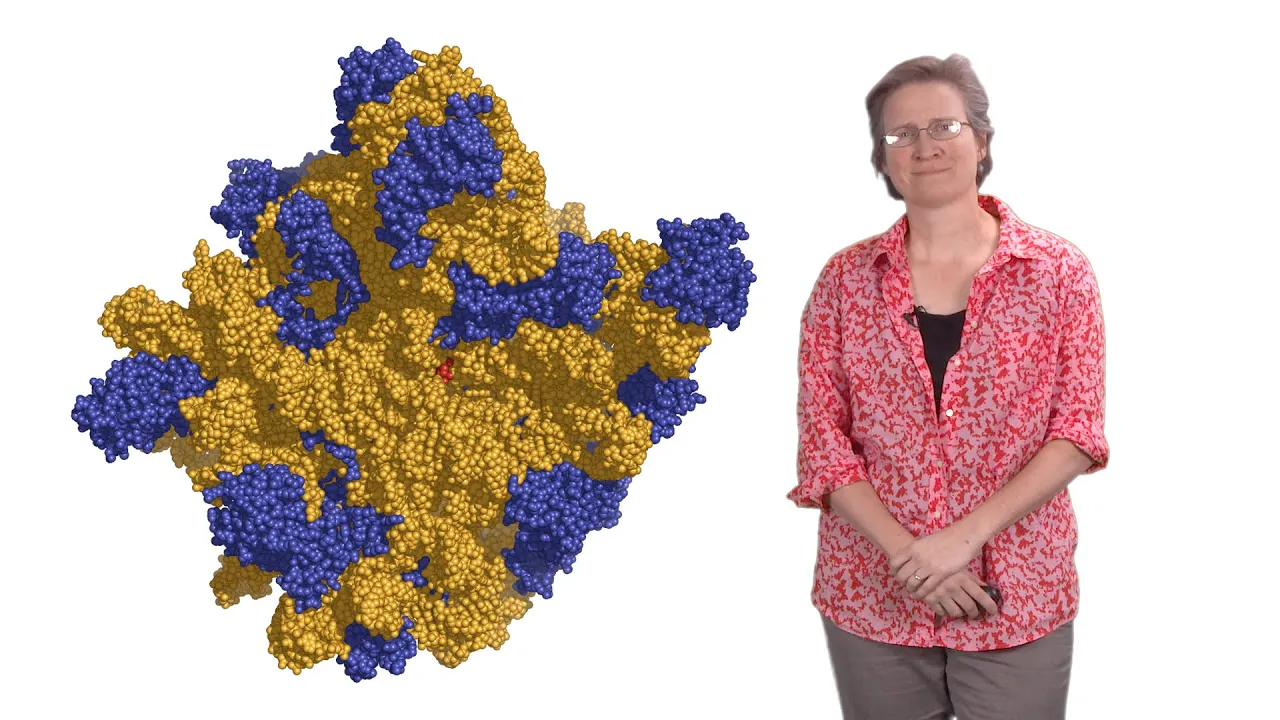
Rachel Green (Johns Hopkins U., HHMI) 1: Protein synthesis: a high fidelity molecular event
97.8K
Messenger RNAs differ fundamentally between bacterial and eukaryotic cells. Bacterial mRNAs are typically polycistronic with Shine-Dalgarno sequences guiding ribosome positioning, while eukaryotic mRNAs are monocistronic with 5' caps and 3' poly(A) tails. The ribosome, composed of two subunits with approximately two-thirds RNA mass, contains three tRNA binding sites (A, P, E) and catalyzes peptide bond formation through its peptidyl transferase center. Translation factors facilitate initiation, elongation, and termination, with core factors conserved across domains while eukaryotic systems show additional complexity. This molecular machinery represents billions of years of evolutionary refinement, achieving remarkable precision in converting genetic information into functional proteins.
Click to watch →

NEET 2023 | Molecular Basis of Inheritance | वंशागति का आणविक आधार | अनुलेखन | Class 11
97.7K
This segment explains RNA polymerase structure and function. RNA polymerase is a protein enzyme responsible for transcription, consisting of five polypeptide chains: two alpha (α) subunits, one beta (β) subunit, one beta prime (β') subunit, and one sigma (σ) factor. The sigma factor helps RNA polymerase recognize and bind to the promoter region of DNA. The beta and beta prime subunits form the catalytic core of the enzyme. The alpha subunits help with DNA binding. The sigma factor is essential for promoter recognition but dissociates after transcription initiation.
Click to watch →

Structure and types of RNA || Structure of m-RNA || t-RNA || r-RNA || BSc || MSc || PGT Biology
112K
Translation requires three key components: mRNA, tRNA, and ribosomes. The genetic code is nearly universal, with 64 possible codons specifying 20 amino acids and 3 stop codons. Transfer RNA (tRNA) brings specific amino acids to the ribosome, with a characteristic cloverleaf structure containing an anticodon that base-pairs with the complementary codon on mRNA. Each tRNA is specific for a particular amino acid, ensured by aminoacyl-tRNA synthetases. Ribosomal RNA (rRNA) is the most abundant RNA (80% of total), combining with ribosomal proteins to form ribosomes. Ribosomes consist of small and large subunits with three binding sites for tRNA: A site (aminoacyl), P site (peptidyl), and E site (exit). rRNA genes are located in nucleolar organizer regions (NORs) and transcribed by RNA polymerase I. The ribosome catalyzes peptide bond formation between amino acids, extending the polypeptide chain until a stop codon is reached.
Click to watch →

حل كتاب الامتحان احياء 3ث 2024 RNA وتخليق البروتين
93.6K
RNA polymerase is the enzyme responsible for synthesizing RNA from a DNA template during transcription. Translation requires mRNA, ribosomes, tRNA molecules, amino acids, and energy (in the form of GTP). Translation occurs in the cytoplasm of the cell. Eukaryotic cells have three types of RNA polymerase: RNA polymerase I transcribes most rRNA, RNA polymerase II transcribes mRNA, and RNA polymerase III transcribes tRNA and other small RNAs.
Click to watch →

RNA Polymerase || 3rd Semester Zoology || Sumit Rana Sir
45K
RNA polymerase is a multi-subunit enzyme that catalyzes transcription by synthesizing RNA from a DNA template. It consists of five subunits: two alpha (α) subunits (36 kDa each), one beta (β) subunit (150 kDa), one beta prime (β') subunit (155 kDa), and one omega (ω) subunit (smallest). The core enzyme (α₂ββ'ω) performs RNA synthesis, while the holoenzyme (core + sigma factor) recognizes promoter sequences and initiates transcription. Sigma factor binds to the core enzyme, recognizes DNA promoter regions, and initiates transcription by unwinding the DNA helix. After initiation, sigma factor dissociates, and RNA polymerase continues elongation. In eukaryotes, three types of RNA polymerase exist: RNA pol I synthesizes rRNA, RNA pol II synthesizes mRNA, and RNA pol III synthesizes tRNA and other small RNAs.
Click to watch →
Deep Dive
Traditional in vivo protein expression methodologies (e.g., using E. coli or mammalian cell culture) and their associated limitations.
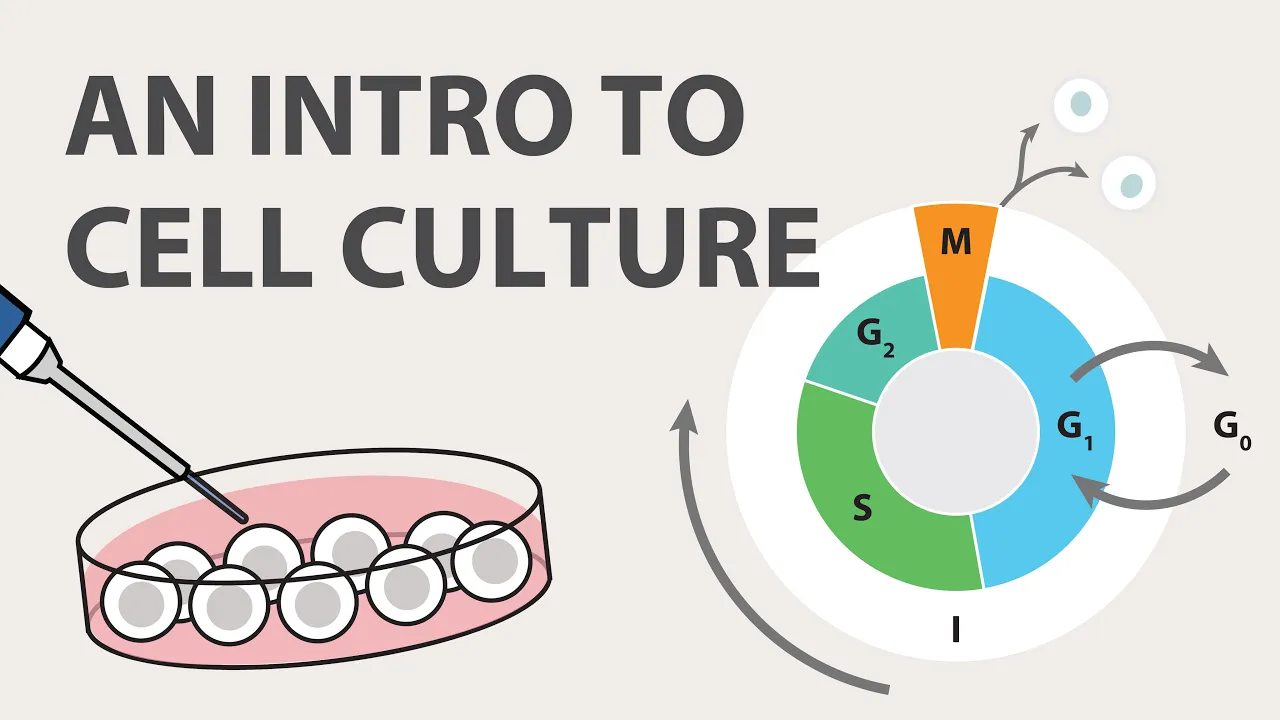
1) Cell Culture Tutorial - An Introduction
389.5K
In the 1970s, mammalian cell culture was used to create properly folded and glycosylated proteins such as interferons and antibodies. These proteins were impossible to make in prokaryotic E. coli cells because E. coli cells lack post-translational modifications necessary for proper protein folding and function.
Click to watch →

DNA2 0:Science Webinar Clip 5
101
Cell-free protein expression systems can produce different results compared to in vivo systems, with some proteins showing higher expression levels in cell-free environments; this suggests that initiation limitations may not be the primary constraint in all cases, and other factors such as ribosome availability or cellular constraints may be limiting expression in vivo.
Click to watch →
QMUL Science Alive: Protein expression and purification
87.8K
This video demonstrates the complete workflow for expressing and purifying recombinant proteins in E. coli bacteria, including bacterial transformation using electroporation, protein expression induced by IPTG, purification via nickel ion affinity chromatography using poly-histidine tagging, and analysis using SDS-PAGE gel electrophoresis to verify protein expression and purity.
Click to watch →

Unidad 5. Tema 5.3. Sistemas procariotas de expresión heteróloga de proteínas. (CLASE 2)
252
Protein production can be performed either in vivo (inside living cells) or in vitro (outside living cells). In vivo production uses expression plasmids to express proteins in host cells (bacteria, yeast, mammalian cells). In vitro production uses cell-free systems where plasmid DNA is used to synthesize proteins in a test tube. The choice depends on the application: in vivo production is suitable for large-scale protein production, while in vitro production is useful for rapid protein synthesis or when the protein is toxic to cells. For SARS-CoV-2 detection, Cas9 protein can be produced in vitro and combined with synthetic guide RNAs for diagnostic applications.
Click to watch →

Expression of recombinanat proteins I
297
E. coli is the most widely used bacterial expression system due to its simple genetic system, well-established methods, easy handling, and short doubling time. The process involves: (1) transformation of competent E. coli with the gene of interest, (2) selection and expansion of positive clones using selectable markers like antibiotics, (3) isolation of recombinant plasmid DNA, (4) scaling up of transformants, and (5) protein isolation. Disadvantages include the presence of toxic pyrogens in the cell wall, requiring extensive testing before protein release. Shuttle vectors are commonly used, allowing initial cloning in E. coli before transfer to the appropriate expression system.
Click to watch →
Deep Dive
Basic recombinant DNA technology, particularly how promoters, ribosome binding sites (RBS), and terminators regulate gene expression.

Chris Voigt at the 2013 Genomics of Energy & Environment Meeting
2.4K
Promoter and ribosome binding site libraries are used to control gene expression levels. In the nitrogen fixation system, phage polymerases are used with promoters of different strengths. The challenge is that in multi-gene operons, the first ribosome binding site matters most, while downstream sites have minor effects. Breaking operons allows more precise control of individual gene levels. When assembling genetic systems, junctions between parts create new DNA sequences that may contain hidden regulatory elements (promoters, terminators). Computational tools scan for these elements and attempt to remove them. However, some elements (like transposon insertion sites) can still appear and cause problems. Recombination is a challenge when genetic systems contain repetitive sequences, such as multiple terminators (about 200 base pairs each) that can be chewed up by recombination in certain host strains.
Click to watch →

Taller 5: Circuitos genéticos
942
Promoters are DNA sequences where RNA polymerase binds to initiate transcription. Constitutive promoters are always active, while inducible promoters require transcription factors (activators or repressors) to function. RBS sequences facilitate ribosome binding for translation, with strength determining protein production rates. Terminators stop transcription by signaling RNA polymerase release. These components exist naturally in organisms and can be added synthetically to create new functions. The lac operon exemplifies natural repressor systems activated by allolactose.
Click to watch →

أدوات تقني الجينات 3 (العلامات الجينية) و المحفزات الوحدة 3 أحياء كامبردج 12 الفصل الدراسي الأول
23.9K
Promoters perform three key functions: enabling RNA polymerase binding, helping identify the template DNA strand, and containing the transcription start site. The recombinant DNA technology process involves: isolating the gene of interest, creating double-stranded DNA, adding sticky ends with restriction enzymes, cutting plasmids, ligating DNA fragments, introducing recombinant plasmids into host bacteria, allowing bacterial replication, and harvesting the recombinant protein. Key enzymes include DNA ligase (forms phosphodiester bonds), DNA polymerase (synthesizes DNA strands), restriction enzymes (cut DNA at specific sequences), and reverse transcriptase (synthesizes cDNA from mRNA).
Click to watch →
BIOL2421 Chapter 6 – Microbial Regulatory Systems
6.3K
A typical bacterial gene consists of four main structural elements: (1) The promoter is a DNA region upstream of the gene where RNA polymerase binds to initiate transcription; (2) The ribosomal binding site (RBS) is a conserved sequence where ribosomes attach to begin translation; (3) The structural gene contains the coding sequence that will be transcribed into mRNA and translated into protein; (4) The terminator signals the end of transcription. These elements work together to control gene expression at both transcriptional and translational levels.
Click to watch →

Genetic Technologies. ENTIRE Topic 19 for CIE A-level
8.3K
Before inserting a DNA fragment into a vector, promoter and terminator regions must be added. A promoter region is a DNA sequence at the start of the gene that serves as the binding site for RNA polymerase, enabling transcription to occur. A terminator region is added at the end of the gene and causes RNA polymerase to detach and stop transcription. This ensures only one gene at a time is copied into mRNA, preventing multiple genes from being transcribed simultaneously.
Click to watch →
Prerequisite Knowledge
- Concept 01The Central Dogma of Molecular Biology, specifically the biochemical mechanisms of transcription and translation.
- Concept 02The structure and function of essential molecular machinery, such as RNA polymerases, ribosomes, tRNAs, and translation factors.
- Concept 03Traditional in vivo protein expression methodologies (e.g., using E. coli or mammalian cell culture) and their associated limitations.
- Concept 04Basic recombinant DNA technology, particularly how promoters, ribosome binding sites (RBS), and terminators regulate gene expression.
Subsequent Learning
- Step 01Designing and prototyping synthetic gene circuits and genetic logic gates in cell-free environments.
- Step 02Applying TXTL systems to high-throughput screening, protein engineering, and directed evolution of enzymes.
- Step 03Techniques for incorporating non-canonical amino acids into proteins to expand chemical functionality.
- Step 04Real-world deployment of freeze-dried, paper-based cell-free systems for point-of-care diagnostics and on-demand therapeutic production.
Cell-Free System
Platform Features
Cell-Free System
0:00Playing Section
- 1
Introduces cell-free protein expression as a rapid alternative to traditional cell-based methods.
- 2
Highlights key components like crude extracts, energy sources, and open-system flexibility.
- 3
Details advantages such as hours-long production and support for linear or plasmid DNA templates.
The In Vivo Advantage: Scalability and Post-Translational Limitations of Cell-Free Systems
While cell-free TXTL systems offer rapid prototyping and bypass cell-toxicity limitations, traditional cell-based (in vivo) expression remains the indispensable gold standard for large-scale biomanufacturing and complex proteins. Cell-free systems face significant challenges regarding scalability, largely due to the prohibitive cost of reagents, energy sources, and specialized extracts at industrial volumes. Furthermore, TXTL systems typically struggle with complex post-translational modifications (PTMs), such as proper folding, disulfide bond formation, and glycosylation, which are essential for the therapeutic efficacy of eukaryotic proteins. Because cell-free platforms often lack the organized compartmentalization of living cells, they cannot fully replicate the physiological environment needed for high-fidelity protein maturation. Consequently, cell-based expression systems (such as yeast, mammalian, or insect cultures) remain superior for producing complex biopharmaceuticals, suggesting that TXTL is a valuable tool for rapid screening rather than a universal replacement for traditional cell-based production.
Deep Dive
Designing and prototyping synthetic gene circuits and genetic logic gates in cell-free environments.
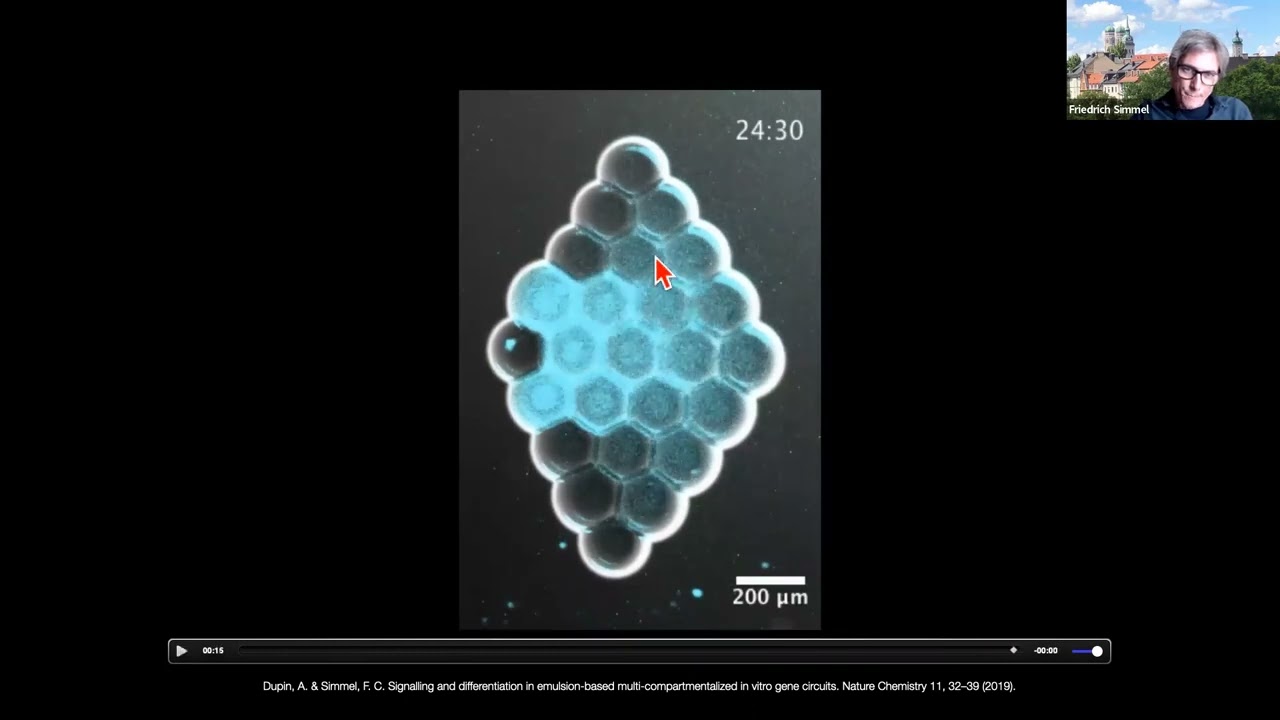
Build-a-Cell seminar Friedrich Simmel: Cell-free gene circuits
403
Synthetic gene circuits implemented in cell-free systems require non-equilibrium conditions to achieve robust positional information and complex dynamics; closed compartment systems suffer from finite cell extract lifetimes that prevent feedback loop completion, whereas microfluidic reactors maintaining continuous exchange enable sustained oscillations, pattern formation, and period-doubling phenomena that demonstrate the potential for synthetic cell-like behaviors.
Click to watch →
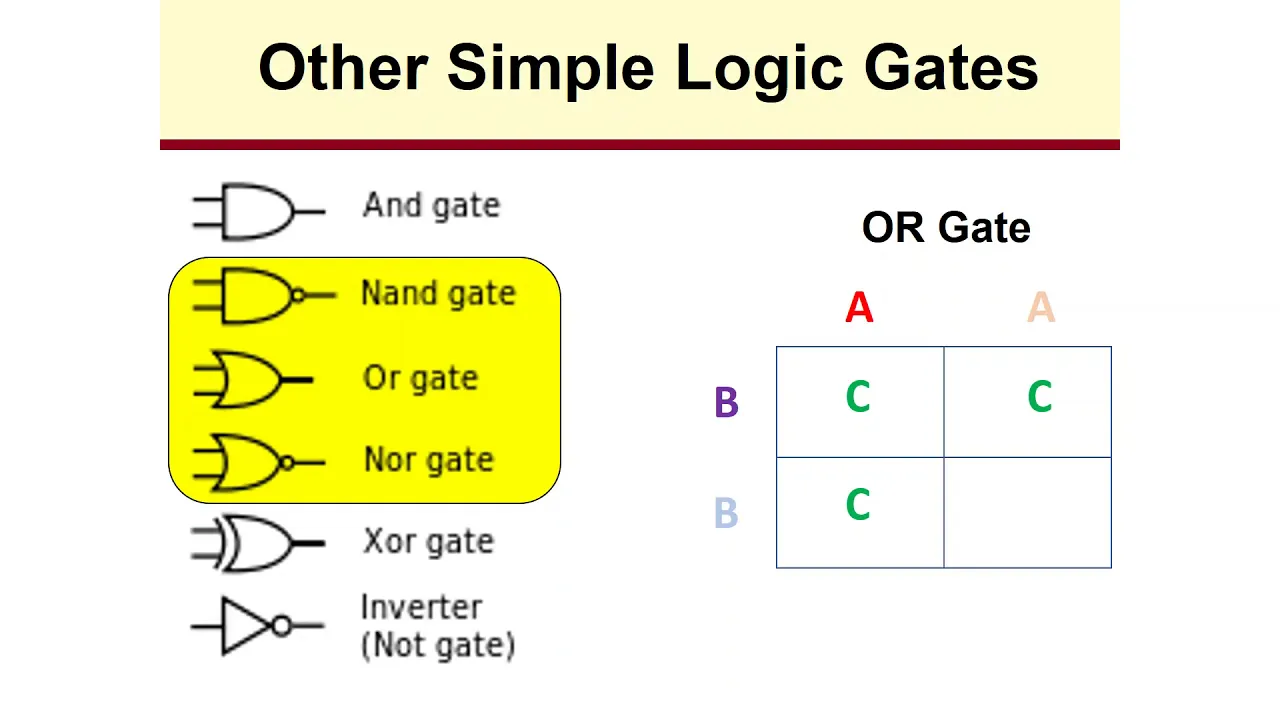
Genetic Circuits
10.4K
Genetic circuits in synthetic biology use standardized DNA parts called BioBricks to program cell behavior through engineered logic gates, where input molecules regulate gene expression through activators and repressors; common circuit motifs include inverters (which flip activation to repression), AND gates (requiring two inputs), OR gates (requiring one or more inputs), and XOR gates (requiring exactly one input), while feed-forward loops filter signals based on timing dynamics and incoherent feed-forward loops generate pulse responses to detect changes rather than steady states.
Click to watch →
Ron Weiss: Synthetic Biology, Gene Circuits and Programmable Therapies | Frameshifts Episode #2
175
The NOT gate represents the simplest non-trivial building block for digital logic circuits in cells. It takes one input protein and produces an output protein that is its inverse: high input leads to low output, and vice versa. This is achieved using repressor proteins that block gene expression. More complex gates like AND gates can be constructed by connecting multiple NOT gates in series, where intermediate repressors control the final output. Once you have a universal gate (like the NOT gate), you can theoretically build any digital logic circuit, enabling sophisticated cellular programming.
Click to watch →

2022 JGI Annual Meeting: Jenn Brophy
458
Logic gates generate new spatial patterns by combining known expression patterns. Synthetic transcriptional activators (DNA binding proteins fused to activation domains) and repressors (DNA binding proteins without activation domains) form the basic building blocks. AND gates require both input transcription factors to activate output genes. Testing uses transient expression in Nicotiana with Agrobacterium delivering different plasmid combinations. Researchers have constructed and tested 14 out of 16 possible two-input logic gates, demonstrating diverse circuit functionality for controlling gene expression patterns.
Click to watch →

SynBYSS with Dr. Martina Siwek at Office of Naval Research Global & Prof. Jeong Wook Lee at Postech
1.6K
Modern genetic circuit design integrates computational modeling with experimental validation. The workflow begins by defining desired input-output relationships in truth table format, then uses adapted electronic design software to generate logical representations. Each biological gate's response characteristics are empirically measured using fluorescence outputs, establishing parameter sets for predictive modeling. For non-model organisms, CRISPR-Cas systems serve as alternative transcription factors, with methods developed to generate guide RNA libraries for screening. Cell-free transcription systems enable rapid promoter evaluation without transformation, correlating well with in vivo measurements. Machine learning approaches combine generative models trained on RNA sequencing data with predictive models to design and rank novel promoter candidates efficiently.
Click to watch →
Deep Dive
Applying TXTL systems to high-throughput screening, protein engineering, and directed evolution of enzymes.

Accelerating High-Throughput Protein Engineering Workflows
786
Cell-free expression systems like myTXTL combined with high-fidelity gene fragments enable rapid protein production from DNA within hours rather than days, eliminating traditional cloning and cell culture steps; this approach allows researchers to screen protein libraries, analyze metabolic pathways, and test gene circuits efficiently by directly synthesizing proteins in an open reaction environment without requiring living cells.
Click to watch →

Engineering highly active and diverse nuclease enzymes by ML and high-throughput screening
1.6K
Combining machine learning with ultra-high-throughput screening enables more effective protein optimization than traditional directed evolution methods, as demonstrated by achieving a 19-fold improvement in nuclease activity compared to 12-fold improvement from directed evolution after three rounds of optimization, along with greater diversity in the designed enzyme variants.
Click to watch →

Build-a-Cell seminar, Vincent Noireaux Constructive and quantitative biology by cell-free expression
527
The All-E. coli TXTL system can express up to 4 mg/mL GFP in batch mode without feeding, reaching 150-160 micromolar concentration. Expression kinetics show protein accumulation followed by plateau at chemical equilibrium. The system recapitulates the entire sigma factor transcription scheme from E. coli, with all sigma factors specific to their promoters. Performance has improved dramatically: Toolbox 1 (2012) achieved ~1 mg/mL GFP, Toolbox 2 (2016) ~2 mg/mL, and Toolbox 3 ~4 mg/mL. For T7 phage expression, improvement from 10^8 to 10^14 PFU represents a 1000-fold increase. TXTL systems can be developed from various bacteria including Gram-positive and Gram-negative species from Proteobacteria, Actinobacteria, and Firmicutes. Using fluorescent aptamers and next-generation sequencing, researchers can characterize hundreds to 1000 different regulatory elements in a single tube. CRISPR technology works effectively in TXTL for prototyping, allowing determination of on-off ratios of guide RNAs at any location on target genes. TXTL can express very large gene sets including entire phage genomes: MS2 (small RNA phage), 5x174 (11 kb), T7 phage (40 kb, 60 genes), and T4 phage (169 kb, almost 300 genes).
Click to watch →
SynBYSS with Prof. Vincent Noireaux at Univ. of Minnesota & Prof. Xuejun Zhu at Texas A&M Univ.
1.1K
Cell-free transcription-translation (TXTL) systems enable protein synthesis outside living cells by providing purified cellular machinery including transcription and translation components, ATP regeneration systems, amino acids, and cofactors. The workflow involves preparing DNA templates and mixing them with reaction components, then incubating for several hours to produce proteins. TXTL enables three main applications: prototyping gene circuits and pathways, biomanufacturing proteins and viral particles, and creating synthetic cells. Advanced applications include synthesizing complete viral genomes (up to 289 genes for T4 phage), engineering phage genomes through in vitro assembly and selection, and developing synthetic cells using liquid-liquid phase separation or liposome encapsulation. Microfluidic chips enable spatial organization of gene circuits for studying pattern formation and communication between neighboring cells. This technology accelerates genetic circuit design, enables rapid prototyping of CRISPR components, and provides a platform for exploring synthetic biology without requiring living host cells.
Click to watch →
UKRI P3EB Hub webinar
147
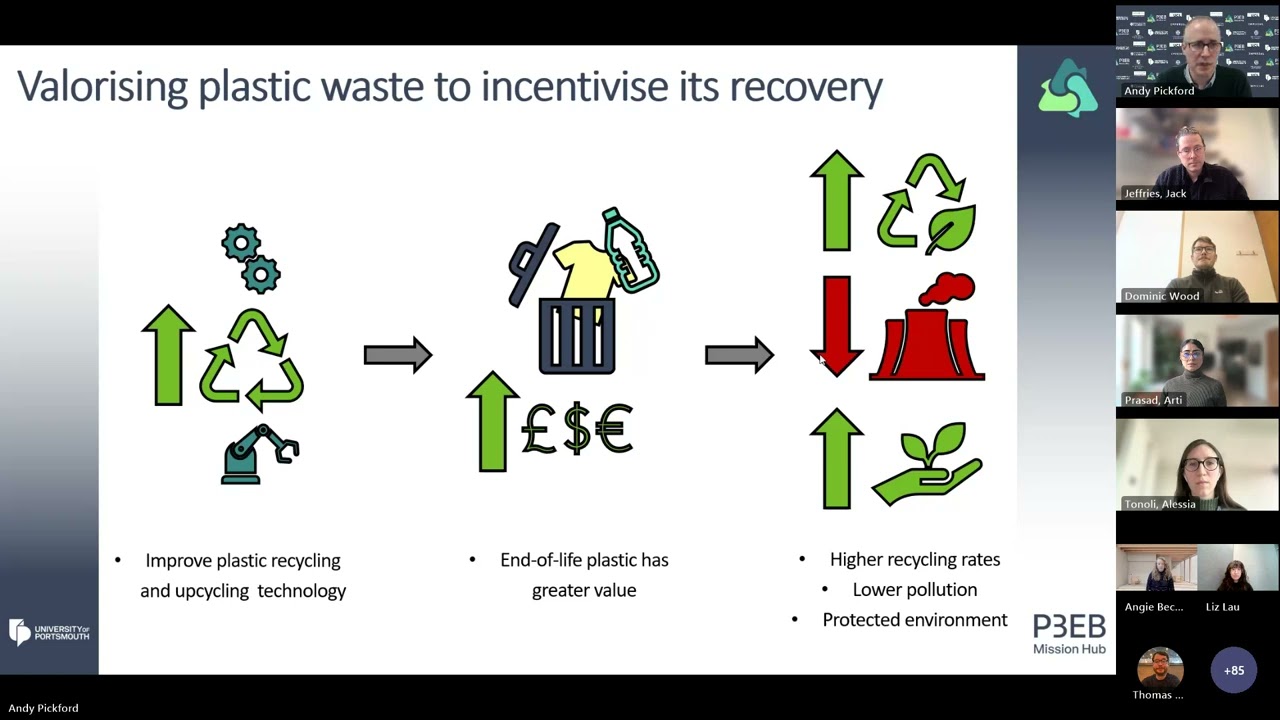
Wild-type enzymes have varying characteristics (temperature tolerance, solvent resistance, activity levels) that may not suit industrial processes. Enzyme engineering modifies DNA sequences to change amino acid order, defining protein shape, activity, and stability. Two approaches exist: random mutation (screening many variants for improved activity) and rational design (using structural knowledge to target specific amino acids). Directed evolution mimics natural evolution: mutations are created, enzymes are produced and tested, and beneficial mutations are selected for further rounds. High-throughput screening is essential due to the large number of mutants required. Cell-free systems and microfluidics enable rapid screening of thousands of enzyme mutants by encapsulating enzymes in oil droplets at micrometer scale, allowing reactions to be monitored and active droplets sorted electronically.
Click to watch →
Deep Dive
Techniques for incorporating non-canonical amino acids into proteins to expand chemical functionality.

Science behind the scenes | SoBLA Journal Club | Leon Islas
105
Non-canonical fluorescent amino acids like ANAP can be incorporated into proteins using amber suppression techniques. This involves co-expressing a tRNA synthetase that recognizes amber codons (UAG) and the target protein with an amber codon. The technique allows site-specific incorporation of non-canonical amino acids at defined positions within the protein structure. This method has been adapted for use in Xenopus oocytes and other cell types, enabling researchers to place fluorescent probes at specific locations within membrane proteins like H+ channels. The technique provides a powerful tool for studying protein structure and function at the molecular level.
Click to watch →

L6 || Amino acids I (2025)
148
Non-standard amino acids include selenocysteine and pyrrolysine, which are incorporated into proteins during translation through unique mechanisms. Selenocysteine is encoded by the UGA stop codon and contains selenium instead of sulfur. Pyrrolysine is encoded by the UAG stop codon and is found in certain methanogenic archaea. These amino acids require specific tRNA and release factors for incorporation. Additionally, beta and gamma amino acids have the amino group attached to the beta or gamma carbon respectively, rather than the alpha carbon. These non-standard amino acids expand the chemical diversity of proteins beyond the 20 standard amino acids.
Click to watch →
Week 11- Protein Engineering Lecture 11: Non-Natural Amino Acids
6.1K
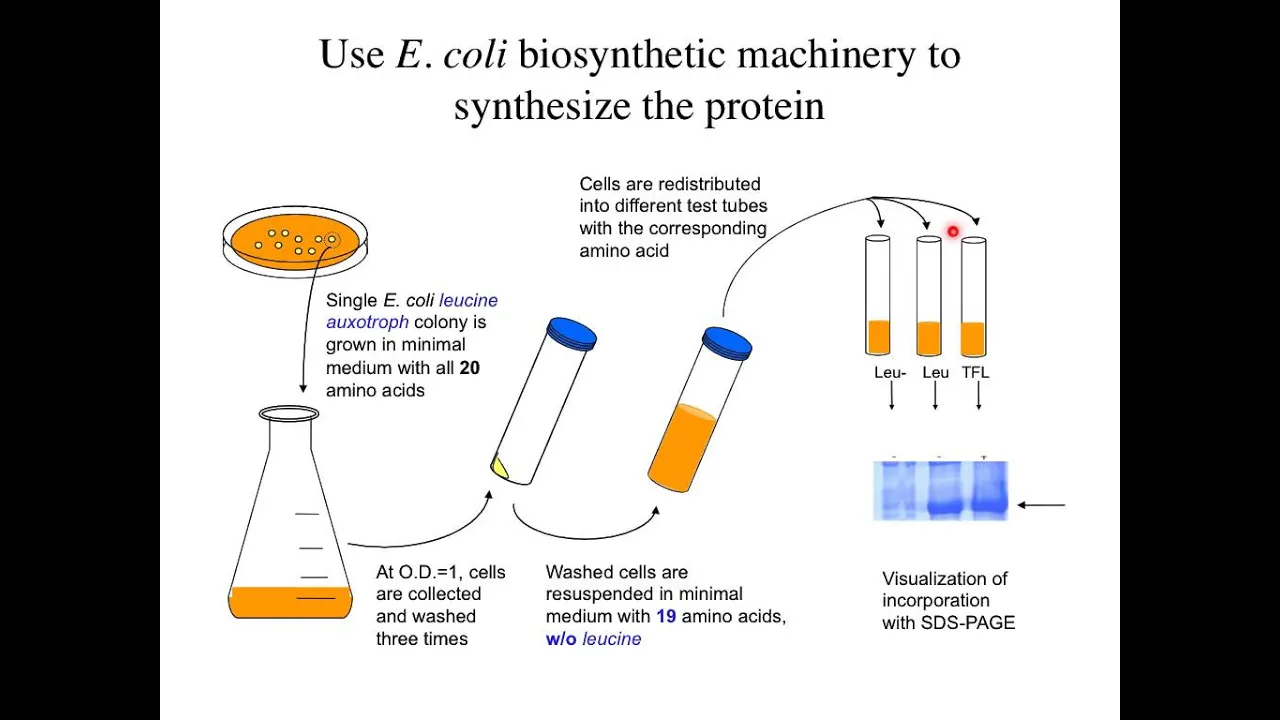
This section establishes the foundational concepts of incorporating non-natural amino acids into proteins. Three primary approaches exist: total chemical synthesis (limited to 30-50 residues), native chemical ligation (forming traceless amide bonds via thioester exchange), and post-translational modifications. Biological methods offer advantages for longer proteins and site-specific placement. The core challenge is creating a placeholder codon and attaching non-natural amino acids to tRNAs. Nonsense suppression using stop codons as placeholders was pioneered by Bailey and Schultz, involving chemically aminoacylated suppressor tRNAs. In vitro methods use translation mixtures, while in vivo approaches inject mRNA and tRNAs into Xenopus oocytes. Key limitations include restriction to L-alpha amino acids, tRNA as limiting reagent, and competition between termination and suppression at stop codons.
Click to watch →

Shahir S. Rizk and Maggie M. Fink, "The Color of North"
294
While 20 amino acids are sufficient for most proteins, nature sometimes uses extra chemical diversity through vitamins and other molecules. Scientists can incorporate non-natural amino acids into proteins to add new chemical properties and functions. This expands the possibilities for protein engineering beyond the natural 20 amino acids.
Click to watch →
Ola Wlodek - Focus on programmable biology
121
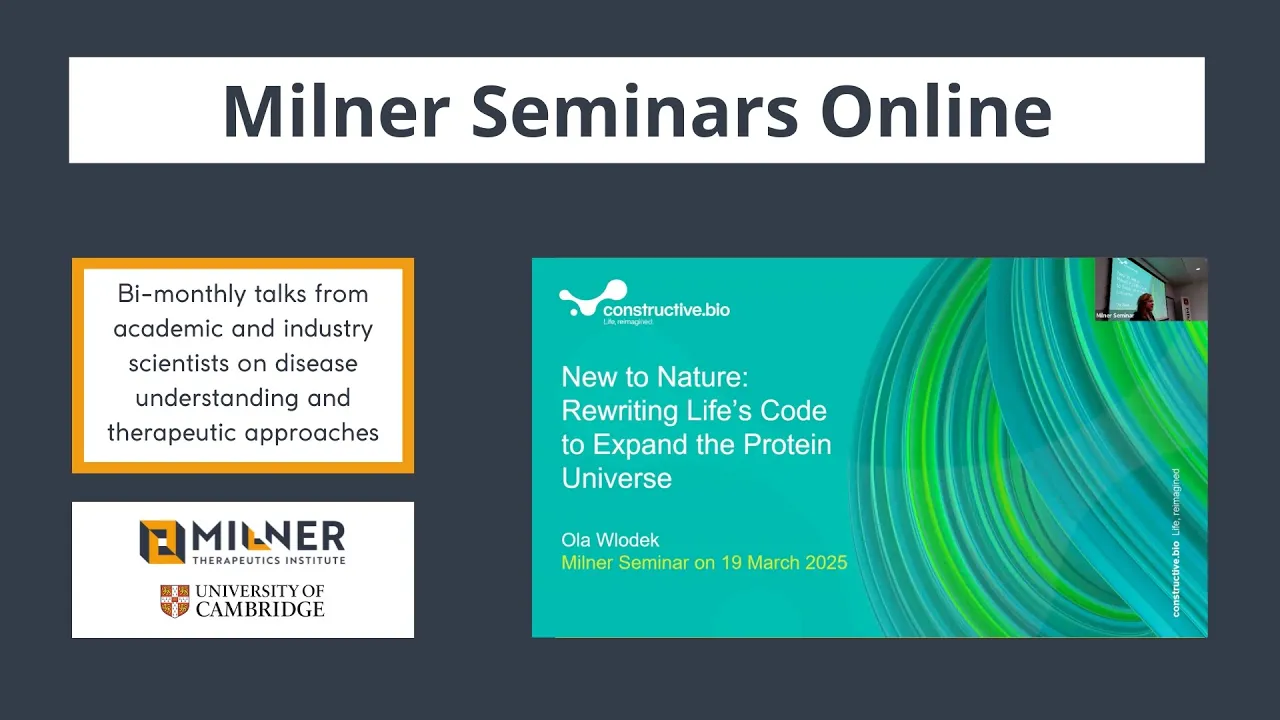
Beyond the 20 canonical amino acids, chemists have access to thousands of potential non-canonical amino acid chemistries with diverse properties. These building blocks offer features not available through natural amino acids, including novel catalytic activities for bond formation and reactions that are orthogonal (independent) to nature's evolved life processes. This expansion opens possibilities for creating proteins with entirely new functions and properties.
Click to watch →
Deep Dive
Real-world deployment of freeze-dried, paper-based cell-free systems for point-of-care diagnostics and on-demand therapeutic production.

Build-a-Cell seminar Mark Styczynski: Sensing and communication using protocells
135
Cell-free biosensing uses lysed bacterial extracts containing transcription and translation machinery to detect biomarkers. This platform addresses limitations of traditional clinical testing by enabling finger-stick blood collection, low-cost assays (pennies per test), and deployment in resource-limited settings without electricity or specialized equipment. Polymer-based two-phase systems (dextran/PEG) enable compartmentalization of reactions into separate droplets, allowing simultaneous detection of nucleic acids, proteins, and small molecules from the same sample. Freeze-dried colorimetric reporters (X-gal/lacZ) provide visually interpretable readouts suitable for point-of-care applications.
Click to watch →
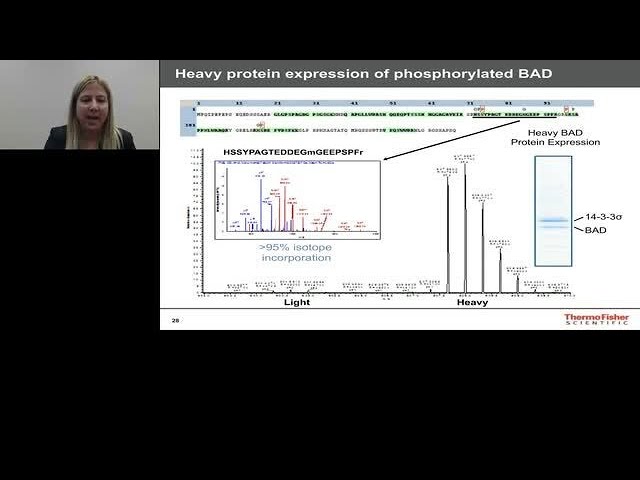
Cell Free Methods for producing protein microassays
927
DARPA initiated a program to develop on-demand therapeutic manufacturing for forward-deployed medical providers, requiring: generic platform capable of producing diverse protein therapeutics, portability allowing production within 24 hours, complete end-to-end manufacturing chain including purification, and production of FDA-approved biologics with consistency matching hospital-grade injectables. Cell-based systems were deemed impractical due to minimum 24-hour timelines. Conventional manufacturing involves complex multi-stage processes: master cell bank storage, cell expansion through multiple stages, large-scale reactor cultivation, recovery/purification steps, stabilization, formulation, and shipping. The proposed paradigm shift moves manufacturing to the point of care using compact modular systems. Cell-free IVT systems eliminate living cells and cold chain requirements, enabling raw materials to be stored lyophilized and reconstituted on demand. Early studies produced FDA-approved therapeutics like arthropoietin at single-band purity in less than two days, and streptokinase with high potency. Producing single-dose biologics requires manufacturing conditions with precision comparable to electronics manufacturing. Generic purification strategies use inteins—self-cleaving polypeptide sequences that respond to pH or temperature switches to release pure tagless protein.
Click to watch →

NEB TV Ep. 30 - Cell-free Protein Synthesis
8.9K
Cell-free protein expression is a powerful biotechnology that extracts cellular machinery (transcription and translation enzymes) from living cells to synthesize proteins in vitro, offering advantages over traditional cell-based methods including faster workflow, elimination of transformation steps, and the ability to produce toxic or difficult-to-express proteins; this technology has three main applications: protein production for research and therapeutics, functional genomics studies to understand biological systems, and point-of-care diagnostics where freeze-dried cell-free systems can be embedded in paper or pellets for portable, decentralized healthcare applications.
Click to watch →
2017 Summer Symposium: James Collins
3K
Cell-free synthetic biology enables the creation of stable, portable diagnostic platforms by freeze-drying biological components onto paper, allowing rapid detection of pathogens (such as Ebola, Zika, antibiotic-resistant bacteria, HPV, and cancer-related biomarkers) without requiring living cells, specialized equipment, or refrigeration, with detection limits reaching femtomolar concentrations and costs as low as two cents per test.
Click to watch →

Peter Nguyen Interview | TEDxBeaconStreet 2017
124
This technology enables on-demand manufacturing of protein-based drugs by freeze-drying cellular machinery that can produce therapeutic molecules when activated with water, allowing for compact, room-temperature storage of drug production capabilities rather than pre-made drugs, with potential applications in disaster areas and remote locations.
Click to watch →
Cell-Free System
Platform Features
Cell-Free System
0:00- 1
Introduces cell-free protein expression as a rapid alternative to traditional cell-based methods.
- 2
Highlights key components like crude extracts, energy sources, and open-system flexibility.
- 3
Details advantages such as hours-long production and support for linear or plasmid DNA templates.
The In Vivo Advantage: Scalability and Post-Translational Limitations of Cell-Free Systems
While cell-free TXTL systems offer rapid prototyping and bypass cell-toxicity limitations, traditional cell-based (in vivo) expression remains the indispensable gold standard for large-scale biomanufacturing and complex proteins. Cell-free systems face significant challenges regarding scalability, largely due to the prohibitive cost of reagents, energy sources, and specialized extracts at industrial volumes. Furthermore, TXTL systems typically struggle with complex post-translational modifications (PTMs), such as proper folding, disulfide bond formation, and glycosylation, which are essential for the therapeutic efficacy of eukaryotic proteins. Because cell-free platforms often lack the organized compartmentalization of living cells, they cannot fully replicate the physiological environment needed for high-fidelity protein maturation. Consequently, cell-based expression systems (such as yeast, mammalian, or insect cultures) remain superior for producing complex biopharmaceuticals, suggesting that TXTL is a valuable tool for rapid screening rather than a universal replacement for traditional cell-based production.
The Central Dogma of Molecular Biology, specifically the biochemical mechanisms of transcription and translation.
The structure and function of essential molecular machinery, such as RNA polymerases, ribosomes, tRNAs, and translation factors.
Traditional in vivo protein expression methodologies (e.g., using E. coli or mammalian cell culture) and their associated limitations.
Basic recombinant DNA technology, particularly how promoters, ribosome binding sites (RBS), and terminators regulate gene expression.
Designing and prototyping synthetic gene circuits and genetic logic gates in cell-free environments.
Applying TXTL systems to high-throughput screening, protein engineering, and directed evolution of enzymes.
Techniques for incorporating non-canonical amino acids into proteins to expand chemical functionality.
Real-world deployment of freeze-dried, paper-based cell-free systems for point-of-care diagnostics and on-demand therapeutic production.
14.9K views168likes3:19@thescientistcreativeservic699Original Release: 2020-07-16
[Music] [Music] imagine the potential of producing proteins in a matter of hours for therapy and diagnostic uses without laborious workflows involving multiple days with cell free protein expression systems that potential is reality traditional protein expression and cellular systems requires generating a construct transformation clonal selection and finally culturing of the cells to express the desired protein this eats up valuable time in a discovery process and makes achieving higher throughputs complicated to manufacture cell free systems laboratories culture harvest and life cells to create a crude extract containing the natural transcriptional and translational machinery of the selected organism they then add other essential elements instrumental for protein synthesis such as ntps amino acids cofactors and salts also energy rich molecules and an ATP regeneration system are needed before the components can begin churning out protein cell-free transcription translation or TX TL makes protein production much faster typically hours rather than weeks and takes place in an open system which facilitates simple optimization manipulation and customization of the reaction substrates or folding helpers can easily be added as needed the open system makes sampling and processing easy cell-free TX TL supports both plasmids and linear DNA as drivers for expression including PCR products and gene fragments higher throughput discovery and processing is readily achievable using automated liquid handling technology my TX TL is such a cell-free protein expression platform versatile and easy to use my TX TL master mixes harness eco lies core RNA polymerase and is primary Sigma factor 70 to initiate transcription but are also compatible with t7 promoter DNA constructs with the mighty --xtl platform it's as simple as mix and go protein production begins when the template whether plasmid or linear is combined with the master mix DNA transcription and RNA translation take place right in the tube incubate for minutes or hours as desired with typical maximum protein concentrations of up to 2 milligrams per milliliter achievable my TX TL has been extensively validated for a wide range of applications including production of soluble and membrane proteins assay development in particular for CRISPR technologies generating bacteriophages and studying artificial cells the system is extremely safe and user-friendly making it ideal for state-of-the-art laboratories as well as a resource in the classroom for more information on cell free gene transcription translation and mighty XTL please visit our bure biocide comm slash my TX TL
Up Next
20:56
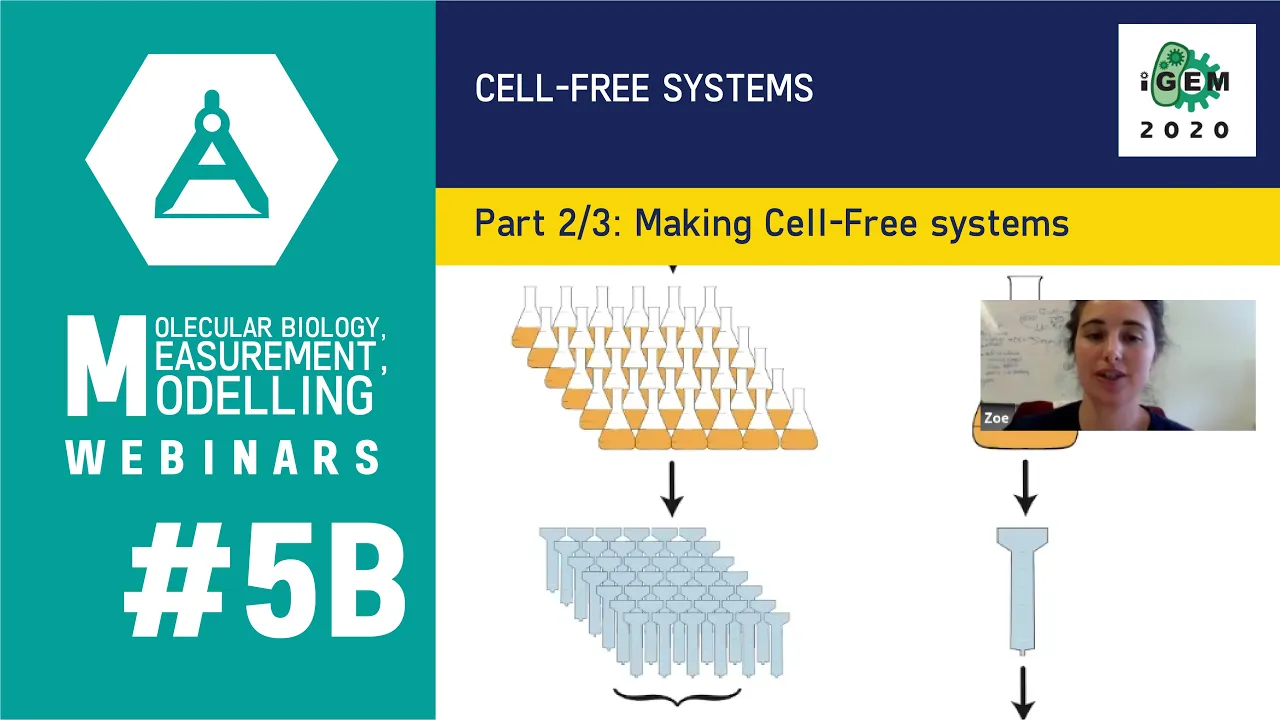
Making Cell-Free Systems: E. coli Lysate Protocol Guide
@iGEMFoundation
781 views•2020-09-04
14:12
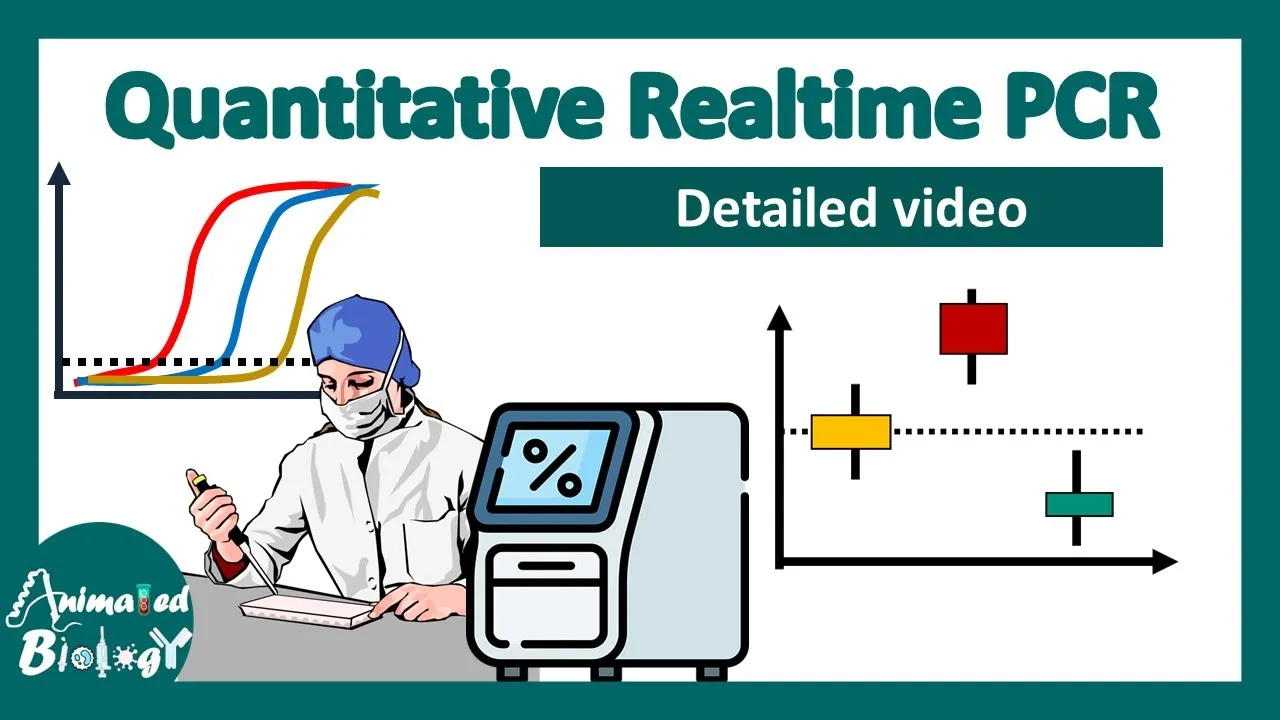
Quantitative Real-Time PCR (qPCR): Principle, Method & Data Analysis
@animatedbiologywitharpan
129.2K views•2023-09-06
23:33
Microbial Degradation of Plastics: Biodegradation Pathways & Sustainability
@majeedhammad
2.9K views•2021-04-11
16:04
CRISPR and Genetic Engineering: How Gene Editing Works and Why It Matters
@kurzgesagt
30.5M views•2016-08-10
Related Study Plans & Knowledge Roadmaps
Structured learning paths in Biotechnology
biotechnology
AAV Production: Transfection, Prep & qPCR
01Introduction to Gene Therapy and AAV Biology
02Mammalian Cell Culture: Suspension HEK293 Cells
03Upstream Bioprocessing: Triple-Transfection Optimization
+ 2 more learning modules
18h5 modules
Explore Roadmap
biotechnology
Building Gut-on-a-Chip: PDMS, Cells & TEER
01Foundations of Microfluidics and Gut Anatomy
02Cleanroom Fabrication & PDMS Soft Lithography
03Epithelial Cell Culture and On-Chip Seeding
+ 2 more learning modules
26h5 modules
Explore Roadmap
biotechnology
Optimizing CFPS: E. coli Extract & Yield
01Fundamentals of Molecular Biology and Translation
02Introduction to Cell-Free Protein Synthesis (CFPS)
03Preparing E. coli Crude Lysate (The Extract)
+ 2 more learning modules
19h5 modules
Explore Roadmap
biotechnology
Haematococcus PBR: Design, Stress & Astaxanthin
01Biology and Life Cycle of Haematococcus pluvialis
02Bench-Scale Photobioreactor (PBR) Design and Engineering
03Culture Media Formulation and Inoculation
+ 2 more learning modules
15h5 modules
Explore Roadmap