













![2 ครอบครัวเผชิญหน้าล่าเงินแสน | GARNIER วิทย์ตี้ Academy Field Trip EP.1 [Eng Sub]](https://i.ytimg.com/vi/KJo0ZfX1Vjo/maxresdefault.jpg)







![DECODE - Circular Economy [Episode 3]](https://i.ytimg.com/vi_webp/UjUEnejl-Gw/maxresdefault.webp)
Microbial degradation of PET plastic using engineered bacteria offers a promising solution to plastic pollution, as these microbes can break down PET into reusable monomers (ethylene glycol and terephthalic acid) at lower energy costs than traditional recycling methods, potentially enabling a circular economy for plastic waste.
Microbial Degradation and Upcycling of PET Plastic | Research Talk
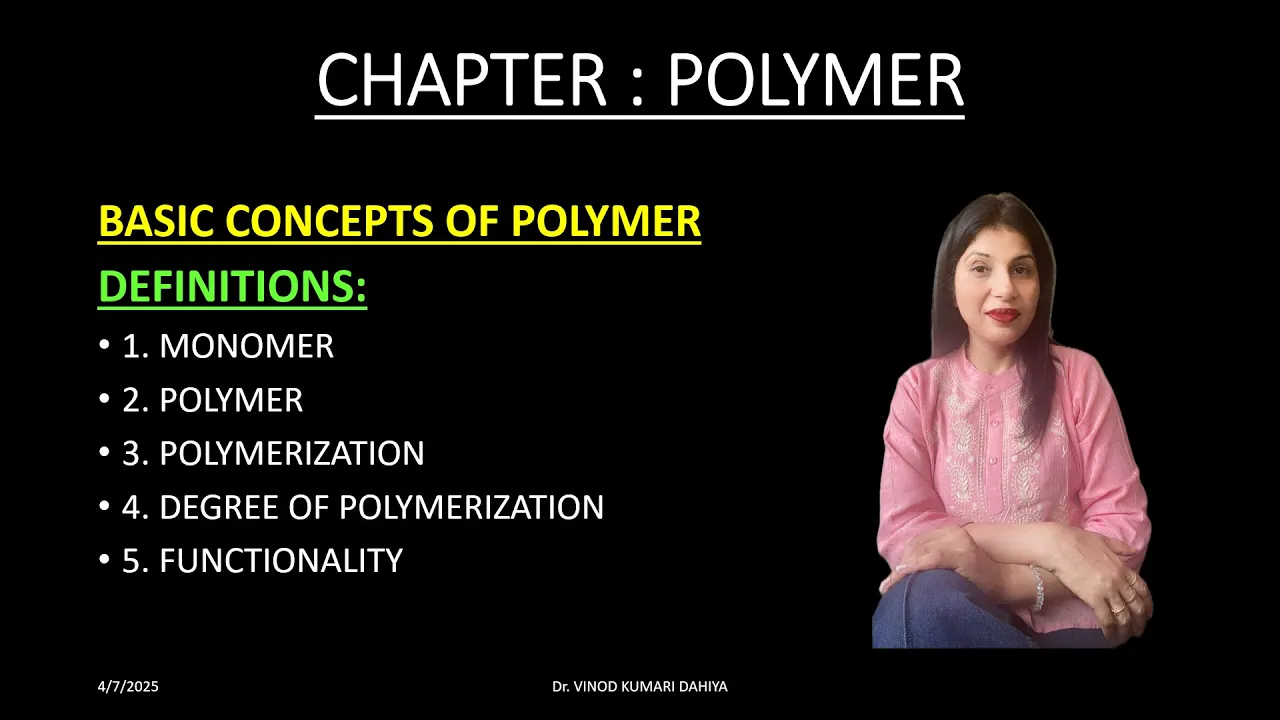
Added:Basic Polymer Chemistry: Understanding the chemical structure of PET (Polyethylene Terephthalate), including ester bonds and monomer units (terephthalic acid and ethylene glycol).
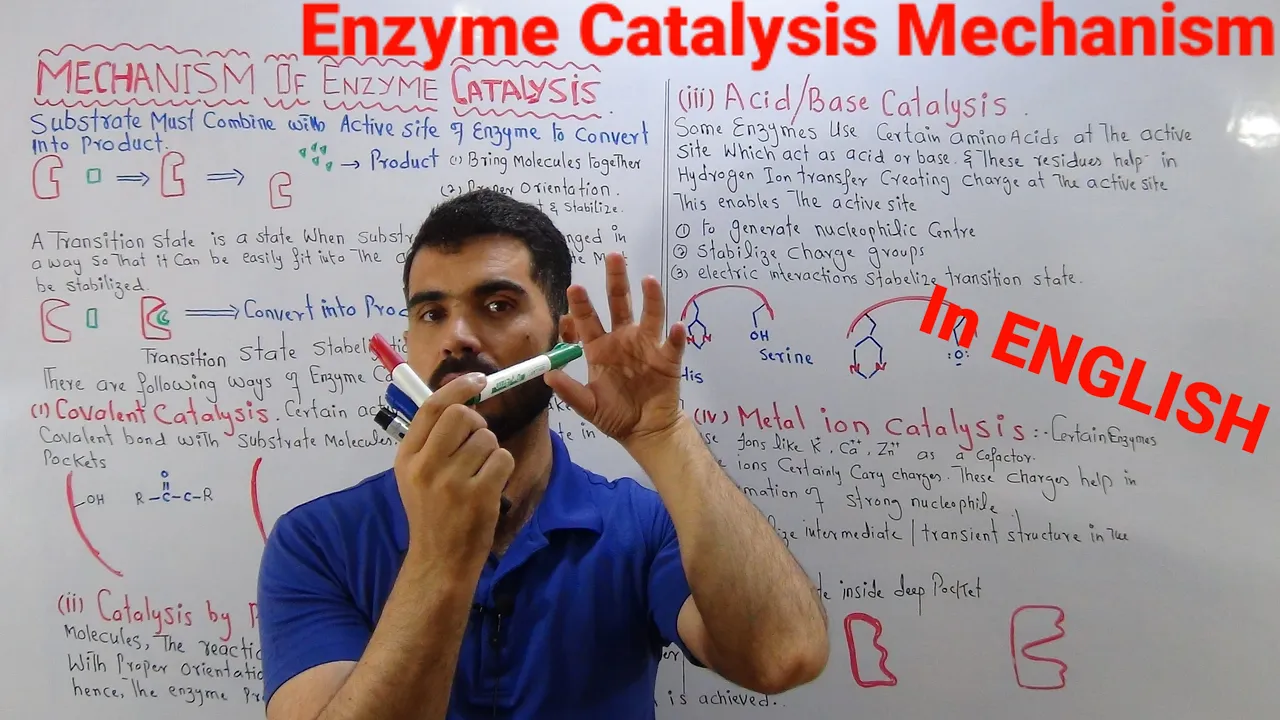
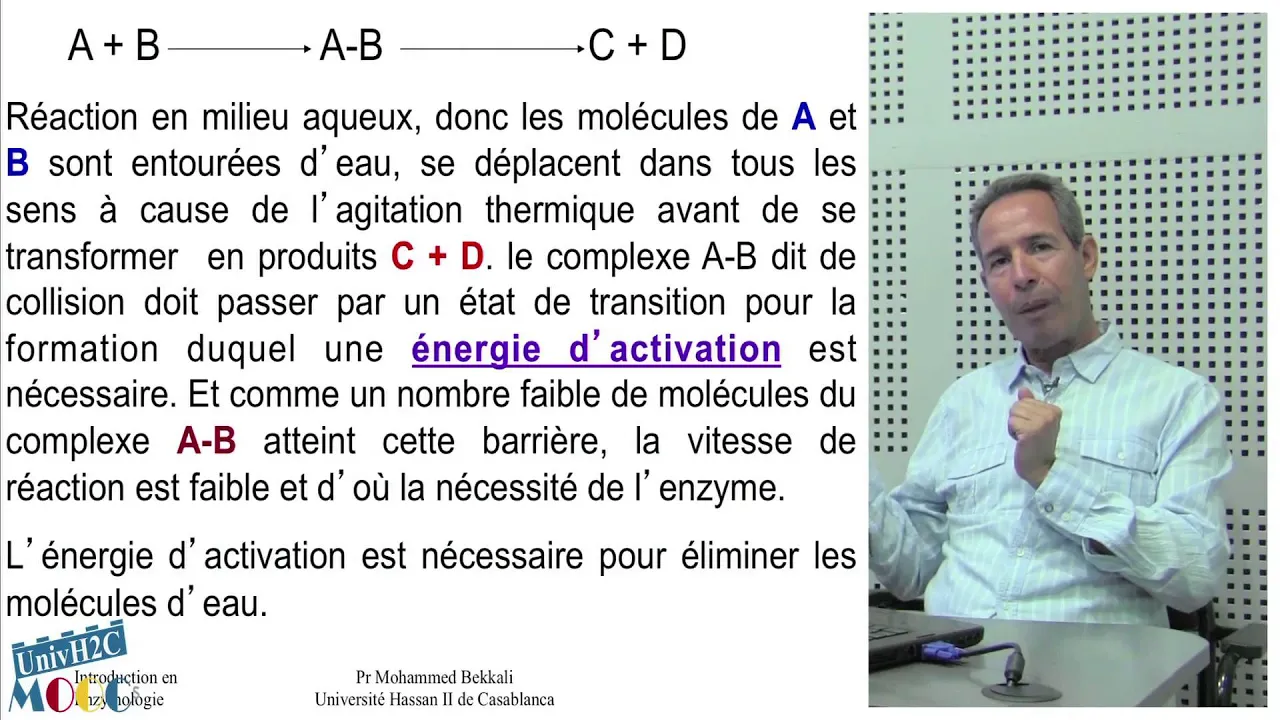
Fundamentals of Enzymatic Catalysis: How enzymes function as biological catalysts, specifically hydrolases, to break down complex molecular bonds.
Microbial Metabolism: An understanding of how microorganisms utilize carbon sources for energy and growth, and how foreign substrates are integrated into metabolic pathways.
Concepts of Waste Management: Familiarity with traditional mechanical and chemical recycling methods, along with their thermodynamic and economic limitations.
Metabolic Engineering and Synthetic Biology: Exploring how host strains like Escherichia coli or Pseudomonas putida are genetically modified to optimize PET degradation and pathway flux.
Biochemical Upcycling Pathways: Investigating the specific bioconversion pathways that turn PET monomers into high-value compounds like adipic acid, vanillin, or PHA (polyhydroxyalkanoates).
Bioprocess Engineering and Scale-Up: Analyzing the design of bioreactors, mass transfer limitations, and downstream processing required to make microbial upcycling commercially viable.
Life Cycle Assessment (LCA) and Circular Economy: Evaluating the net environmental impacts, energy balances, and economic feasibility of bio-recycling systems compared to virgin plastic manufacturing.
1.5K views43likes20:32Original Release: 2021-10-18
[Music] hello i'm dr alice banks from imperial college london and today i'm going to be presenting some of the work that we're doing on microbial degradation and upcycling of polyethylene terethalate known as pet plastic so today's use of plastics has become a global problem and in recent years the impact that plastics are having on the environment has received significant media attention here we can see some of the more frightening statistics relating to global plastic use which have been compiled by the un and if major steps are not taken to address this crisis then we're likely to face really devastating environmental consequences in the not so distant future polyethylene terephthalate also known as pet is one of the most widely used types of plastics and it's therefore one of the major contributors to plastic waste and subsequent plastic pollution pet is a relatively new material it was initially produced in the 1940s and was then adopted more widely by the food and drinks industry in the 1960s the wide use of pet stems from its great versatility as a durable and long-lasting polymer and these desirable material properties have led to the widespread use of pet as a packaging material particularly in the food and drinks industry and it's also commonly used in single-use packaging products additionally pets is a common material in the manufacture of carpets and fibers and other clothing materials the structure of pets is comprised of ethylene glycol and terethalic acid repeating monomer units and if these monomers can be recovered from post-consumer pet waste then they could be channeled into a range of different applications and these may include the production of new bioplastics or use as an alternative carbon source unfortunately the desirable properties that make pets such a versatile material also cause its long-term persistence in the environment and natural degradation of pet is estimated to take many hundreds of years for this reason it's imperative that efforts are made to reduce the amount of pet waste that enters the environment but one benefit of pet is that it is highly recyclable and the recycling process is less energy intensive than producing new materials derived from crude oil however local refuse collection and recycling services are not always set up to ensure that all pet waste enters the recycling stream as it should and the recycling process can be further complicated if plastic products are made from a mix of polymers for example if additives or plaster sizes or dyes have been included into these materials so for example here we have meats packaged in two different types of plastic packaging one's black and one is clear the black packaging is much more difficult to recycle it is actually commonly used to package meat products as it disguises the color of blood but the same product packaged in a clear packet is far easier to recycle although it may be perceived as less appealing to the consumer but as a result of inadequate recycling a high proportion of post-consumer pet waste ends up as landfill and this contributes to the pollution found in lands and in the ocean there are several ways in which the use and disposal of pet impacts climate change and as i mentioned previously the use of mixed plastics and inadequate recycling practices result in a considerable amount of pet waste ending up in landfill it's not uncommon for landfill to be burnt as a means to generate energy and this burning process causes the release of toxic gases which are both harmful to human health and also key contributors of climate change any plastic waste which fails to be recycled or to enter landfill is likely to end up entering the environment plastics which are found polluting the land and oceans have direct impacts on the structure of these ecosystems and the flora and fauna are inhabiting them but an added concern is that long-term exposure to sunlight causes plastics to degrade and to release greenhouse gases which are widely acknowledged to contribute to climate change despite this there can be some advantages to using plastics when compared to alternative materials for instance the production process is less energy intensive and using plastics as a building material particularly in vehicles results in a lighter weight structure which requires less fuel and therefore creates lower emissions in this project we're aiming to use microbes and microbial consortia for the efficient degradation of pet plastic additionally we aim to use the resulting degradation products as a microbial feedstock to generate products of added value to achieve this we have several objectives to meet firstly to engineer microbial strains to produce enzymes which are capable of pet degradation secondly to characterize the activity of these strains to select the most efficient candidates and next to investigate the potential benefits of multi-strain or multi-enzyme systems with the aim of designing effective microbial consortia additionally we're testing microbial strains for the ability to use pet degradation products as a sole carbon source and finally we're using active lab directed evolution to promote the evolution of desirable traits the expected benefits of our approach over existing methods currently used to process pet waste include the ability to carry out a recycling process at a mesophilic temperature which is suitable to permit microbial growth these lower temperatures will have a lower energy requirement compared to other methods that require heat for the recovery of pet and therefore making it the end process less energy intensive we're also aiming to use the monomers resulting from plastic degradation as a microbial feedstock to provide a carbon source for microbial growth and in turn microbes will convert degradation products from waste plastics into higher value products with a longer lifespan for example insulating materials or waterproofing materials which will have additional environmental benefits microbial strains can be engineered to produce a range of beneficial products including medicines novel materials and bioplastics and finally by employing microbial consortia tasks can be divided amongst different individuals within a community which will reduce the metabolic burden this opens up the possibility to use microbial consortia as a means to process mixed plastic waste which is usually unsuitable using the existing chemical recycling methods pet is a relatively new to nature material and as a result naturally occurring mechanisms to degrade pet are scarce however in 2016 a bacterium was discovered in a recycling plant in japan in soil which was heavily contaminated with plastic waste this strain is known as edenello sacchiensis and it's a mesophilic organism with the ability to degrade pets and to utilize pet as a whole soul carbon source for growth the genes responsible for this process have become popular candidates for enzymatic pet degradation however although edenella is capable of degrading pet the process is not hugely efficient due to the relatively low growth temperatures that the organism can withstand pet has a glass transition temperature in excess of 65 degrees centigrade and at temperatures above this polymer strands become softer and more viscous and that then that makes them more accessible for enzymatic degradation however these high temperatures are too extreme to permit the growth of eating elections and therefore enzymes which perform at a higher temperature are also desirable for this process another source of enzymes for microbial degradation of pets are the thermophilic organisms specifically those that are found in decomposing plant material organisms found in these environments are tolerant of high temperatures and they also produce cutinase enzymes which are capable of degrading the waxy cuticles found in plants these enzymes are capable of hydrolyzing ester bonds that are found in plant cuticles but they've also been shown to have activity to grade estebans found in pet due to the similarities and structure of these two materials in this work we're using a range of mesophilic and thermophilic enzymes as well as some engineered variants the candidate microbial strains which we're working with were isolated from several environmental locations at the university of surrey campus and strains were selected for their ability to utilize pet monomers and growth at higher temperatures all isolates have been sequenced to determine their strain identity and we've also screened the genomes for gene clusters or genes of interest that relate to pet monomer metabolism and bioplastic production we're also interested in genes that relate to antibiotic sensitivity so that we can assess the risk posed by these isolates we want to ensure that the isolates we're working with do not have extremely high levels of antibiotic resistance as it makes them less safe and also more difficult to engineer so the first step was to engineer isolates to express enzymes for pet degradation we used a secretion leader that we fused to the n-terminus of a hydrolase genes that we're interested in to permit the secretion of expressed proteins from the cell genes have been cloned into a broad host range plasmid and they've been delivered to our environmental isolates using conjugation can state strains we've engineered plasmids with this range of genes from different sources and for different intended purposes we then to assess the activity of these engineered strains and initial activity screens have been performed to evaluate the activity of candidate enzymes we developed assays which could be performed in a high throughput format using a 96 well plate and initially we tried to look at the degradation effects on two different proxies for pet one is polycarprilactone and the other is p-nitrophenol butyrate initial screening looked at the activity of enzymes that were secreted by e coli against these two proxy substrates so that we could get an idea of the relative activities and we looked to compare the activity across different substrates between different enzymes and across a temperature range in both assays we observed that there was greatest activity from thermophilic enzymes although there was little temperature defendant effects were observed polycarp prolactone is um creates a cloudy appearance so as the polymer is degraded we can see a reduction in absorbance p-nitrophenol butyrate on the other hand creates a yellow colour as a result of esterase activity so in this instance we're looking for an increase in absorbance to indicate greater activity polycarp prolactone is not recognized as a substrate by the edeonelli pertaises due to a lack of an aromatic ring so we were unable to see activity in the pcl assay when we look at the egynellopetases and the modified versions however p-nitrophenol butyrate assays were able to detect this esterase activity in both the edenellipetes and some of the engineered variants following initial analysis of enzyme activity using proxy substrates we moved on to excess in vitro degradation using pet films selected environmental isolate was chosen and this was tested using strains which were expressing each enzyme of interest our strains were grown in minimal medium with the addition of glucose as a soul carbon source but also squares of pet film were added to the culture tubes these cultures were then monitored over a two-week period and we were able to monitor the um accumulation of pet degradation products so when pet is broken down it forms four potential monomers these are known as bet net ta and eg and due to the presence of these aromatic rings we're able to detect their accumulation by taking absorbance readings we'll also examine the pet films further using scanning electron microscopy and hplc to look for evidence of surface degradation and the presence of monomers respectively the results of these assays indicated that there was some accumulation of an aromatic release in some of the cultures that are expressing hydrolases particularly the thermophilic enzymes which are tf cop2 tca and lcc we saw an increased absorbance over the two-week period of which these were monitored we saw activity in the ginella variants to a far lesser extent and no activity in our wild-type strain which was untransformed the pet degradation however was quite weak and we still had pet films present at the end of two weeks although there was evidence that these have been degraded to a certain extent we also may have observed some potential spontaneous degradation as can be observed in this tf cup 2 mutant strain which is an inactivated version of the t f 2 gene so we're still working to further optimize this particular protocol another consideration of this work is whether or not microbial consortia may allow more efficient degradation of pet the rationale here is that tasks are shared between individuals to reduce the metabolic burden and this may involve multiple strains producing different enzymes to allow pet degradation or even the division of pet degradation and subsequent monomer consumption between different individuals which can establish stable cooperation work by greg beckham's group last year demonstrated the benefit of combining pettases and metases to enhance pet degradation activity so we attempted to combine metas with the different petases of interest and repeated the two assays using proxy substrates in this instance we observe little benefit to including metas in addition to our other pet hydrolases in these conditions and we potentially observed a dilution effect in the p-nitrophenol butyrate assay where we actually saw less activity when metazetes was included so further work is ongoing to investigate combining different enzymes and also to optimize these assays further additionally we're interested in sharing the roles of the pet degrader and monomer consumer so we've also investigated the ability of environmental isolates to utilize pets monomers as a sole carbon source for growth if strains can grow using pet monomers as a soil carbon source then pet degradation products can serve as a microbial feedstock in the synthesis of new products and this process is key in establishing a system to upcycle pet waste pet degradation results in four monomer compounds so we tested the growth of our environmental isolates using each of these four individual carbon sources our results indicate that the growth on pterathalic acid is relatively common amongst environmental isolates however growth on the remaining three monomers was not observed it's possible that um if we were to test our transformation expressing enzymes then they may be able to utilize these particularly those that are expressing a meta's enzyme we're also using active lab directed evolution also known as ale to promote the evolution of desirable straits specifically microbial growth on pet monomers this is the experimental setup we use whereby we've taken a strain that lacks the ability to degrade pterothalic acid and we've introduced it to a culture medium which has terathalic acid as a soul carbon source we're then subculturing this in three day intervals and this should allow the strain to become more adapted to terethalic acid and evolve the ability to use this as a soil carbon source so we've established cultures with prolonged exposure to terephthalic acid and tested them for their growth rates and we can see that cultures which have undergone further exposure shown here in dark green has a higher growth rate than the less adapted strain so successive rounds of subculturing have improved growth on this particular carbon source so to summarize our results and conclusions to date we've isolated candidate microbial strains and engineered these to express pet hydrolysis enzymes we've carried out activity screens and compared the performance of different enzymes and we've also begun to investigate the possibility of using dual enzyme systems to enhance degradation activity we've also identified strains which are capable of using pets monomers as a sole carbon source and we've used active lab directed evolution to evolve the presence of desirable traits so we conclude that environmental sources provide very promising strains for engineering for these applications and isolates can be modified so that they can secrete enzymes for the degradation of pets strains can utilize pet monomers which will allow them to permit upcycling of degradation products and we can ultimately um result in an approach which combines engineering and evolution which can then be applied to the circular pet economy so we envision that there is several impacts of this work which will relate to climate change firstly if pet waste can be processed using a mesophilic microbial system this will reduce the energy requirement significantly compared to current pet recycling methods secondly this work will enable the conversion of pet waste into products of added value including those with further environmental benefits such as waterproofing or insulation materials microbial systems would also be capable of processing mixed plastic waste which would allow materials which are currently entering landfill to be recycled and for valuable constituents to be recovered and reused and finally by reducing the amount of pets entering the environment there will be less release of greenhouse gas emissions resulting from incineration and degradation resulting from sunlight exposure i'd like to end by thanking my supervisor dr jose jimenez members of the myplace project and the students who have contributed data in this presentation i'd also like to thank the society for applied microbiology for the opportunity to present in this webinar series and finally thank you very much for listening [Music]
Up Next

6:37
pET Vector Expression: T7 Promoter & Lac Operator Guide
@DrDavidSmith
53.9K views•2017-02-03

4:01
PETase Enzyme: Biodegradation of PET Plastic Explained
@AstroCryptic
1.5K views•2020-03-29
23:33
Microbial Degradation of Plastics: Biodegradation Pathways & Sustainability
@majeedhammad
2.9K views•2021-04-11
16:04
CRISPR and Genetic Engineering: How Gene Editing Works and Why It Matters
@kurzgesagt
30.5M views•2016-08-10
Related Study Plans & Knowledge Roadmaps
Structured learning paths in Biotechnology
biotechnology
PETase Evolution: Library Design & Kinetics
01Foundations of Enzymes and Plastic Biodegradation
02Recombinant Protein Expression in E. coli
03Directed Evolution and Mutant Library Generation
+ 3 more learning modules
36h6 modules
Explore Roadmap
biotechnology
AAV Production: Transfection, Prep & qPCR
01Introduction to Gene Therapy and AAV Biology
02Mammalian Cell Culture: Suspension HEK293 Cells
03Upstream Bioprocessing: Triple-Transfection Optimization
+ 2 more learning modules
18h5 modules
Explore Roadmap
biotechnology
Building Gut-on-a-Chip: PDMS, Cells & TEER
01Foundations of Microfluidics and Gut Anatomy
02Cleanroom Fabrication & PDMS Soft Lithography
03Epithelial Cell Culture and On-Chip Seeding
+ 2 more learning modules
26h5 modules
Explore Roadmap
biotechnology
Optimizing CFPS: E. coli Extract & Yield
01Fundamentals of Molecular Biology and Translation
02Introduction to Cell-Free Protein Synthesis (CFPS)
03Preparing E. coli Crude Lysate (The Extract)
+ 2 more learning modules
19h5 modules
Explore Roadmap