













![Introdução à Engenharia Genética [ Com Certificado Grátis ]](https://i.ytimg.com/vi/BpRiJxf_JT4/maxresdefault.jpg)


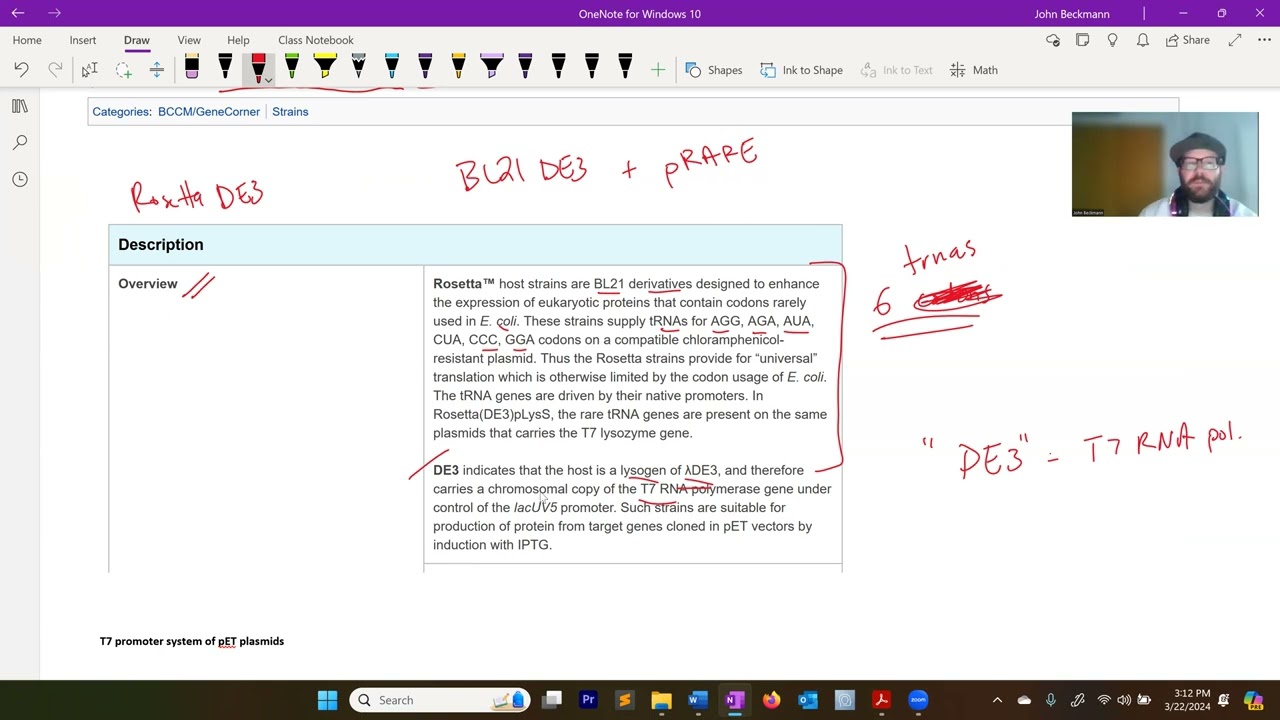
The pET expression vector uses the T7 promoter from a bacterial phage, controlled by the Lac operator system, to produce proteins in E. coli cells; the DE3 cassette provides the T7 RNA polymerase under Lac repressor control, and adding IPTG (an inducer similar to lactose) causes the Lac repressor to detach from the operator, activating T7 RNA polymerase which then transcribes the gene of interest inserted into the vector's multiple cloning site.
pET Vector Expression: T7 Promoter & Lac Operator Guide
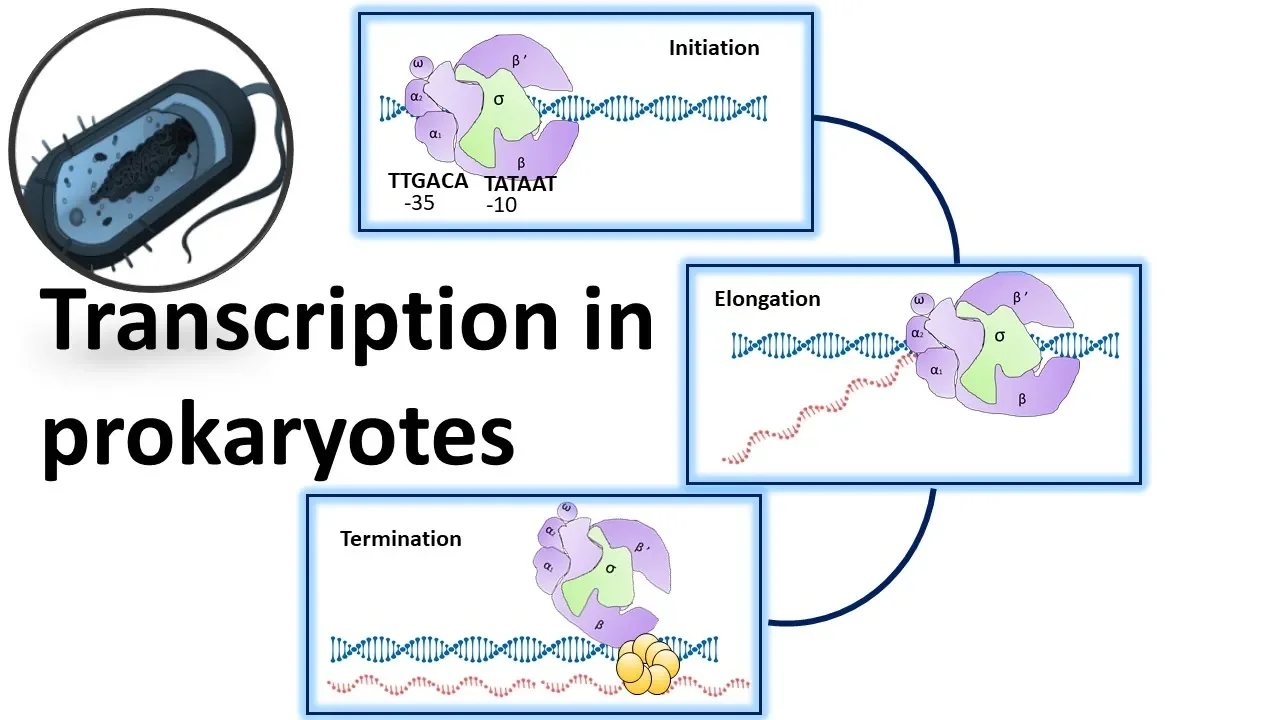
Added:Fundamental understanding of the Central Dogma of molecular biology, specifically prokaryotic transcription and translation processes.
The structure and function of bacterial plasmids, cloning vectors, and basic recombinant DNA techniques.
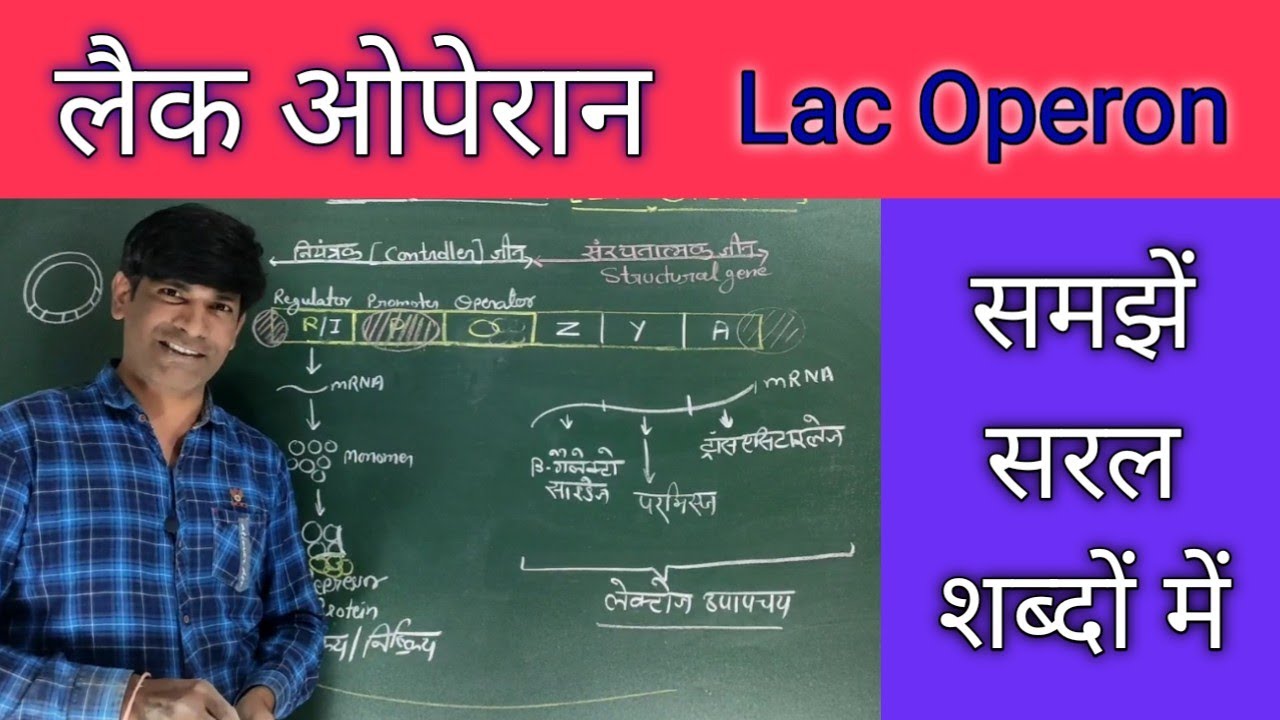
The classical Lac Operon model in Escherichia coli, including the roles of the repressor, operator, promoter, and inducer molecules like IPTG.
Selecting and engineering specific expression host strains (such as BL21(DE3) or pLysS) to control T7 RNA polymerase expression.
Strategies for optimizing recombinant protein yield and solubility, including temperature adjustments and preventing inclusion body formation.
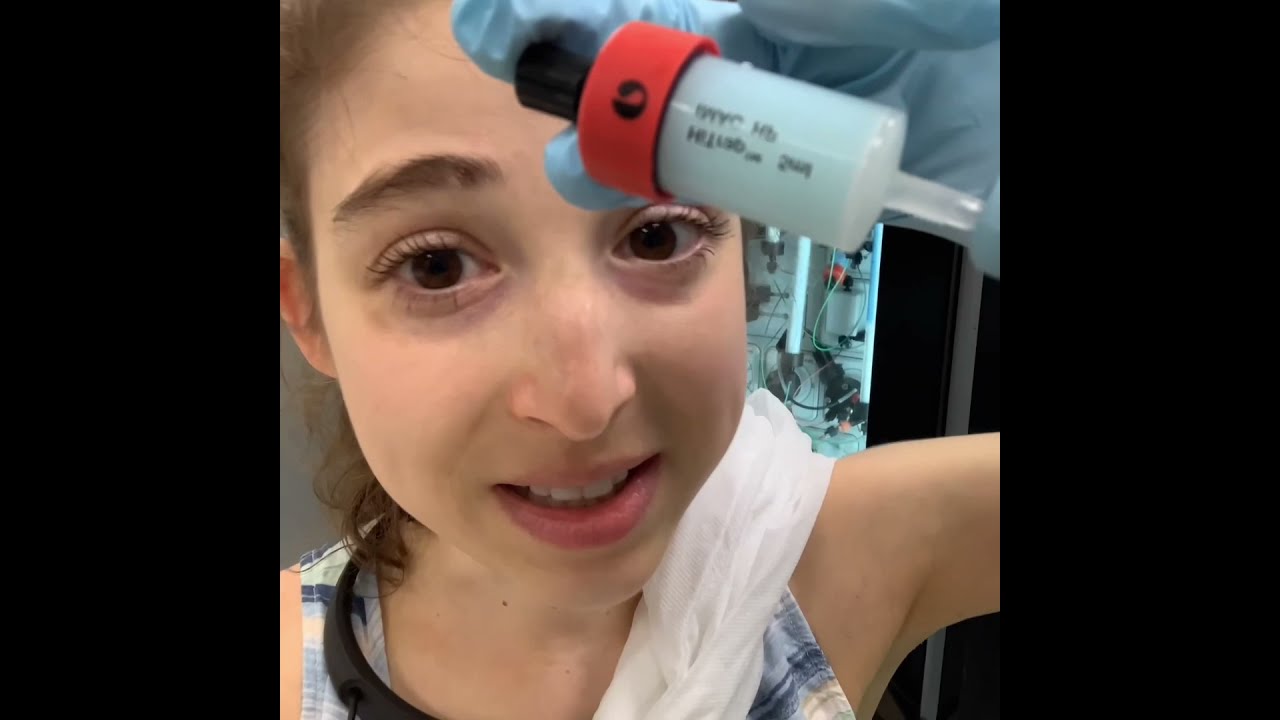
Downstream protein purification techniques, such as immobilized metal affinity chromatography (IMAC) utilizing vector-encoded His-tags.
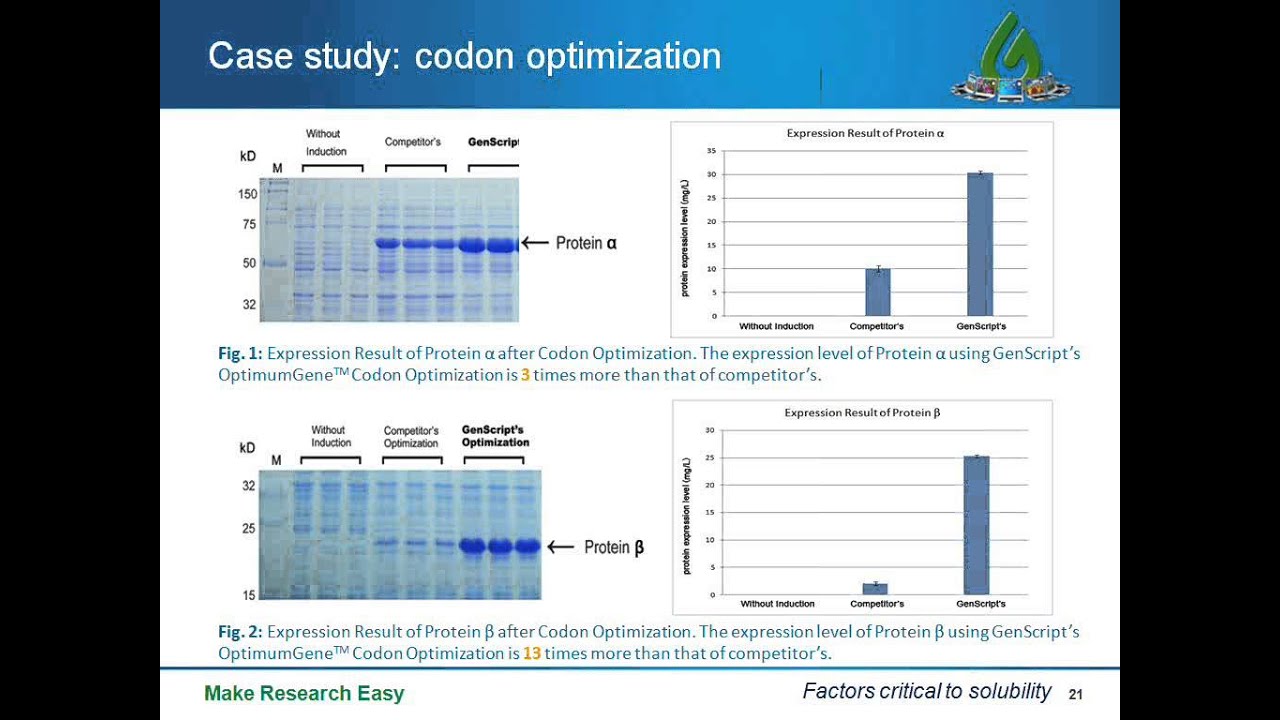
Addressing codon optimization and metabolic load when expressing eukaryotic proteins in bacterial systems.
53.9K views793likes6:37Original Release: 2017-02-03
hello this little video is going to go through the expression of proteins from a bacterial pet Vector um we created another video earlier that talked about how to do subcloning but what we're going to do now is to talk about how we use the genes that we've subcloned into our Vector to produce a protein now the vector that we're going to use is a pet Vector we are going to be using a t7 promoter now the t7 promoter has come from a bacteria Fage and a bacteria Fage is a virus that affects bacterial cells it's normally denoted on our plasmid vectors with the t7 and here we've got a little arrow that points the direction in which it's going just as a recap of the other type of features you'd find on a vector we often find we have the laxed gene now we're going to talk about the laxed gene again in a moment but what we use the laxed gene 4 is to turn our bacterial cells blue if the gene is AB absent if the gene is inserted into our Vector at the multiple cloning site shown here in Orange it will break the LA Zed Gene up and prevent it from operating and breaking down and turning our cells blue so it's a way of selecting to see whether or not our Gene has been subcloned into our Vector now the multiple cloning site is shown here at the top and it's collection of sites for type two restriction enzymes type two restri enzymes break open our bacterial vector and allow us to liate in our DNA insert we also have on here an F1 origin of replication that we can use to create single stranded DNA we have an ampicillin resistance Gene that we can use to select only those bacterial cells that have taken up our plasmid and we have an origin of replication in this case it's a low copy number origin of replication and that will maintain the plasmid Within within the cytool of our bacterial cell so in subcloning we cut open our Vector using restriction enzymes in this case restriction enzymes A and B we cut our cdna with the same restriction enzymes or compatible ones in this case A and B and then we use DNA ligase to ligate the two together giving us our Vector with our Gene of Interest inserted into it shown in red now once it's in we need to get that Gene expressed to do that we're going to use a version of the lack operator now the lock operator is one of the first genes that was fully characterized we have the Lac inhibitor that creates the Lac repressor protein this repressor protein binds to the operator and prevents the promoter from transcribing the genes Downstream in this case like Zed lack Y and Lac a when this repressor is bound to the Lac operator these genes cannot be expressed in the presence of lactose however this repressor drops off and the genes and the promoter can be activated and any Gene Downstream can be turned on now it's a little bit more complicated than that if glucose is present the repressor will stay on if you really want to go up and read more on the lack operator I'll put a link in the description to this video so once the repressor drops off the Lac operator shown here anything Downstream of the promoter will be transcribed what we do with these vectors is we use a type of eoli cell which has in it a gene construct denoted de3 the de3 construct is promoter for the lack inducer which produces the Lac repressor which will bind to the lack operator now in this instance the downstream genes have been replaced by the t7 RN polymerase notice the t7 t7 is the bacterial phage RNA polymerase this enzyme is going to recognize the t7 promoter and produce mRNA from it now when we're working with this promoter we use an inducer which is an analog of lactose called ipg ipg binds to the Lac repressor and causes it to drop off the Lac operator so ipg is an inducer it is structurally similar to lactose but this sulfur atom creates a chemical bond which is nonhydrolyzable by the cell and so causes the lacro pressor to drop off permanently in this instance anything then Downstream will be transcribed and translated and that will be the t7 RNA polymerase this construct is called the de3 cassette and you'll find it inside the Genome of our producing ing cells our bacterial expression cells so what do we have we're going to have a strain of eoli that strain of ecoli will contain the de3 cassette which has on it the relac repressor bound to the lack operator Downstream of that is the RNA polymerase we'll let our cells grow when they reach a given point we will put in the inducer the inducer causes the Lac oress to drop off the operator once that's dropped off the promoter here can start producing RNA t7 RNA polymerase that polymerase will recognize the t7 promoter the only place we're going to have the t7 promoter within these cells is on the vector that we have transformed into the bacterial cells so that RNA poly arays will then bind to the t7 promoter the only place we find that t7 promoter is on the pet Vector that will then cause the production of mRNA and the expression of our protein if you look again at our pet Vector here you'll see that the t7 promoter is located here and is straddled either side by lock operators so there are two locations to which that repressor can bind in this way we have control over the production of proteins within our bacterial cells
Up Next
20:32
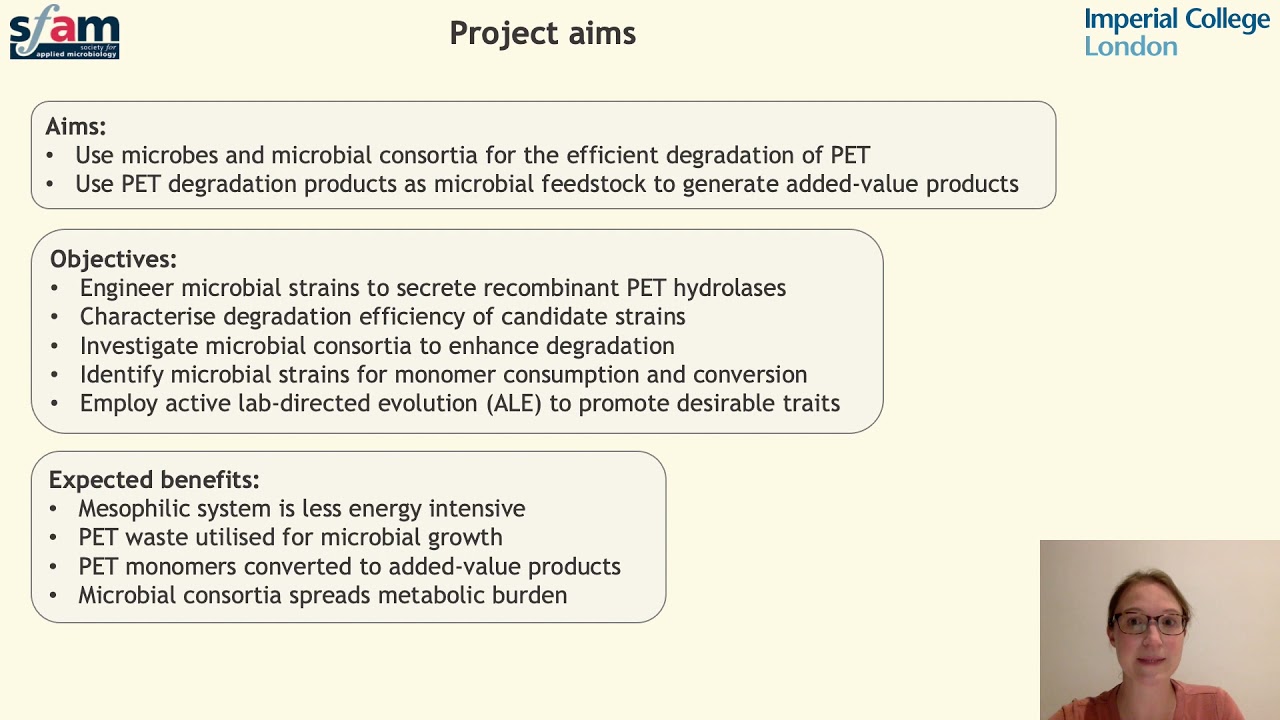
Microbial Degradation and Upcycling of PET Plastic | Research Talk
@appliedmicrobiology
1.5K views•2021-10-18

4:01
PETase Enzyme: Biodegradation of PET Plastic Explained
@AstroCryptic
1.5K views•2020-03-29

12:58
Plasmid Vectors Explained: Features, Cloning & Protein Expression
@DrDavidSmith
93.2K views•2017-05-06
16:04
CRISPR and Genetic Engineering: How Gene Editing Works and Why It Matters
@kurzgesagt
30.5M views•2016-08-10
Related Study Plans & Knowledge Roadmaps
Structured learning paths in Biotechnology
biotechnology
PETase Evolution: Library Design & Kinetics
01Foundations of Enzymes and Plastic Biodegradation
02Recombinant Protein Expression in E. coli
03Directed Evolution and Mutant Library Generation
+ 3 more learning modules
36h6 modules
Explore Roadmap
biotechnology
AAV Production: Transfection, Prep & qPCR
01Introduction to Gene Therapy and AAV Biology
02Mammalian Cell Culture: Suspension HEK293 Cells
03Upstream Bioprocessing: Triple-Transfection Optimization
+ 2 more learning modules
18h5 modules
Explore Roadmap
biotechnology
Building Gut-on-a-Chip: PDMS, Cells & TEER
01Foundations of Microfluidics and Gut Anatomy
02Cleanroom Fabrication & PDMS Soft Lithography
03Epithelial Cell Culture and On-Chip Seeding
+ 2 more learning modules
26h5 modules
Explore Roadmap
biotechnology
Optimizing CFPS: E. coli Extract & Yield
01Fundamentals of Molecular Biology and Translation
02Introduction to Cell-Free Protein Synthesis (CFPS)
03Preparing E. coli Crude Lysate (The Extract)
+ 2 more learning modules
19h5 modules
Explore Roadmap