PETase is a bacterial enzyme that degrades PET plastic by breaking ester bonds into smaller building blocks (MHET, BHET, TPA, and EG), which bacteria can absorb as carbon sources; this enzyme technology enables sustainable plastic recycling by converting non-renewable petroleum-based plastics into reusable monomers, offering a promising solution to global plastic pollution.
PETase Enzyme: Biodegradation of PET Plastic Explained
Added:Deep Dive
Basic polymer chemistry, specifically the structure of synthetic plastics like Polyethylene Terephthalate (PET) and the relationship between polymers and monomers.
Revisão Enem 2025 | Química
3.5K
This segment explains the structure and formation of polyethylene terephthalate (PET), a common plastic used in packaging. PET is a polyester polymer formed by the condensation reaction between terephthalic acid and ethylene glycol. The video explains that PET is classified as a copolymer because it is formed from two different monomers. The polymer contains ester functional groups (-COO-) that link the monomer units together. The instructor explains that each monomer has two reactive sites, allowing them to connect in a chain with each monomer linking to two other monomers. The resulting polymer has repeating ester units along its backbone.
Click to watch →

Important Polymers structure and monomer units बहुलक और उनकी सरंचनाए तथा मोनोमर इकाईया
114
PET is formed from terephthalic acid (HOOC-C6H4-COOH) and ethylene glycol (HO-CH2-CH2-OH). The polymer is formed through condensation polymerization where water molecules are eliminated as the monomers join together. The process involves removing H2O molecules from the functional groups of both monomers to form ester linkages in the polymer chain.
Click to watch →
JEE: Polymers L2 | Class 12 | Unacademy JEE | JEE Chemistry | Anupam Gupta
60.8K
Polyethylene terephthalate (PET) is formed from ethylene glycol and terephthalic acid. The repeating unit contains ester linkages connecting the monomer units. PET is widely used in beverage bottles and textiles.
Click to watch →

Polymers and P Block | 40 NEET Chemistry MCQ | Crash Course NEET 2023 Preparation | Arvind Arora
31.3K
Polyethylene terephthalate (PET) is a polyester formed by the condensation polymerization of terephthalic acid and ethylene glycol. The polymer has the repeating unit -[O-CH2-CH2-O-CO-C6H4-CO]n-. PET is widely used in beverage bottles, food containers, and textiles due to its strength, clarity, and chemical resistance.
Click to watch →

O QUE SÃO POLÍMEROS?
148
Polyethylene is a homopolymer made from ethylene monomers through addition polymerization, classified as synthetic and thermoplastic (recyclable). Polyethylene terephthalate (PET) is a copolymer formed from terephthalic acid and ethylene glycol through condensation polymerization, producing ester linkages and water. PET is also thermoplastic and recyclable, commonly used for beverage bottles. Both polymers demonstrate how monomer structure and polymerization type determine material properties and applications.
Click to watch →
Deep Dive
Fundamentals of enzyme kinetics and biocatalysis, including how enzymes act as biological catalysts to accelerate chemical reactions.
Enzyme als Biokatalysatoren einfach erklärt - Was sind Enzyme? Enzymaktivität - Stoffwechselbiologie
484.7K
Enzymes are proteins that act as biocatalysts by accelerating chemical reactions through lowering activation energy; they exhibit substrate-specificity (only working with specific substances) and effect-specificity (performing only one type of reaction), following the lock-and-key principle where enzymes bind to substrates at their active site to form an enzyme-substrate complex, and unlike heat which can denature proteins irreversibly, enzymes can be reused after each reaction cycle.
Click to watch →
Enzymes - Catalysts
312K
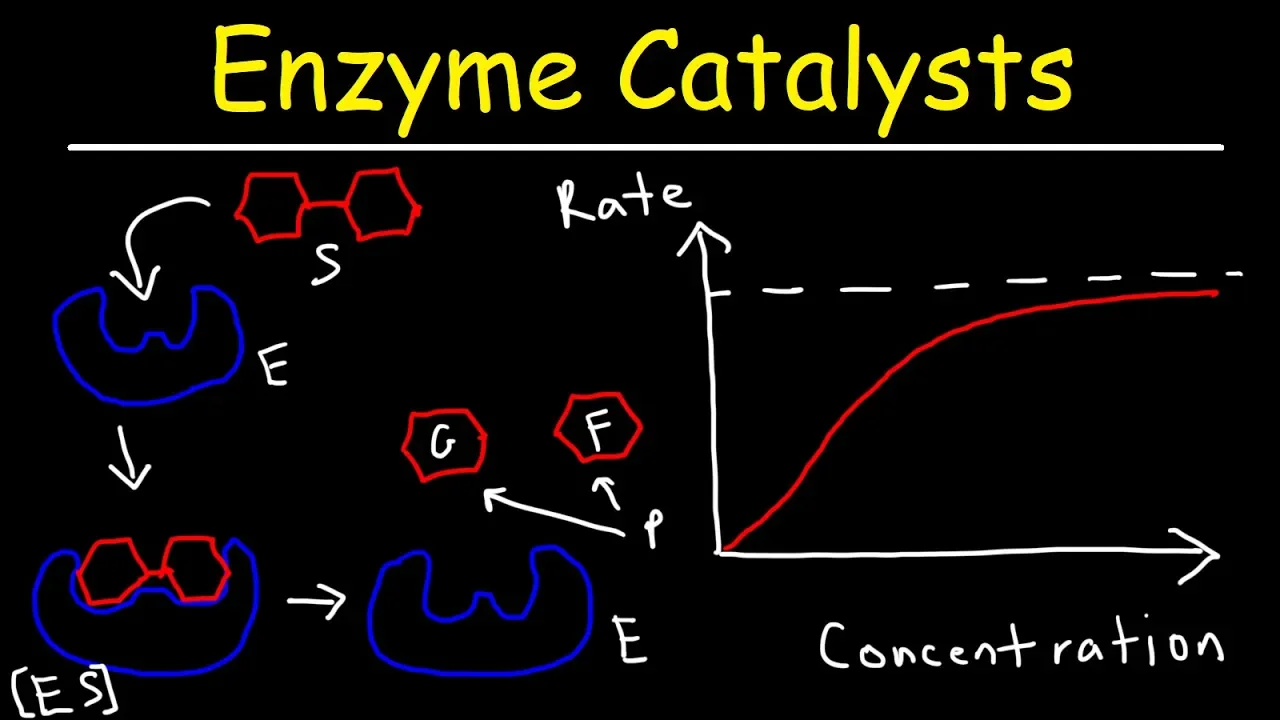
Enzymes are protein-based biological catalysts that accelerate chemical reactions by lowering the activation energy required for the reaction to proceed, forming an enzyme-substrate complex that converts substrates into products without being consumed in the process; they operate through specific binding mechanisms including the lock and key model and induced fit model, and their activity is influenced by factors such as pH, temperature, substrate concentration, and the presence of inhibitors or activators.
Click to watch →

3 Jam Bacain Kamu Materi TKA Biologi Sampai Bisa!! (Sumber ada di deskripsi)
146.6K
Enzymes are specialized proteins that act as biological catalysts. They speed up chemical reactions in living organisms without being consumed in the process. Without enzymes, metabolic reactions would proceed too slowly to sustain life. Enzymes are essential for all biochemical processes in cells.
Click to watch →

Score High in CSIR NET Life Science Dec 2023 with IFAS Exam Mapping Series | Lecture-1
71.6K
This comprehensive section covers enzyme kinetics fundamentals. Catalysts are substances that participate in reactions without being consumed, increasing reaction rates by lowering activation energy. Enzymes are biological catalysts, mostly proteins, that are substrate-specific and stereospecific. They accelerate reactions by stabilizing the transition state through binding energy. The Michaelis-Menten equation (V₀ = Vmax × [S] / (Km + [S])) describes the relationship between substrate concentration and reaction velocity. Km is defined as the substrate concentration at which reaction velocity equals half of Vmax, representing the dissociation constant of the enzyme-substrate complex and indicating enzyme affinity. A lower Km indicates higher affinity. Vmax is directly proportional to total enzyme concentration, expressed as Vmax = kcat × [E]total. The turnover number (kcat) represents the maximum number of substrate molecules converted to product per enzyme molecule per unit time. Catalytic efficiency is defined as the ratio kcat/Km, representing how efficiently an enzyme converts substrate to product at low substrate concentrations. The maximum theoretical value for kcat/Km is approximately 2 × 10^8 M⁻¹s⁻¹, limited by substrate diffusion to the enzyme's active site.
Click to watch →

6) TYT Biyoloji - Enzimler - Zeliha YÜCEL - 2026
91.2K
Enzymes are protein-based biological catalysts that accelerate chemical reactions by lowering activation energy without being consumed in the process. They are synthesized in ribosomes according to genetic code and function through specific active sites that bind substrates via lock-and-key mechanism. Enzyme activity is influenced by temperature (optimal range), pH (specific for each enzyme), substrate concentration, and environmental factors like water content. Enzymes work in sequences where products of one enzyme become substrates for another, regulated by negative feedback mechanisms. Key factors affecting enzyme activity include temperature (optimal range), pH (specific for each enzyme), substrate concentration, and water content (minimum 15% required).
Click to watch →
Deep Dive
The chemical mechanism of hydrolysis, which is the process of using water molecules to cleave chemical bonds within organic compounds.

Hydrolysis | Macromolecules | Biology | Khan Academy
156.4K
The hydrolysis mechanism involves a water molecule breaking the glycosidic bond between two glucose units. First, a water molecule donates a hydrogen ion to the oxygen atom at the bond site, creating a positively charged intermediate. This oxygen becomes a good leaving group. A second water molecule then attacks the carbon atom, breaking the bond and reforming the original glucose molecules. The net result is that one water molecule is consumed to break one glycosidic bond, releasing two separate glucose molecules. This same mechanism applies to breaking down disaccharides like maltose or sucrose into their component monosaccharides.
Click to watch →

Inorganic Chemistry | P - Block Hydrolysis (L-01) by Saran Sir
26.9K
Hydrolysis is a chemical reaction where water molecules break down compounds. The term combines 'hydro' (water) and 'lysis' (breaking down). In this reaction, water molecules add to compounds, breaking their bonds and forming new compounds. The mechanism involves water attacking specific sites on compounds, breaking existing bonds, and forming new bonds with water. This process can occur spontaneously under certain conditions and is fundamental to understanding many chemical reactions in both organic and inorganic chemistry.
Click to watch →
IB Chemistry SL Option B Biochemistry B.1 Introduction to biochemistry
11.7K
Hydrolysis is the process of breaking polymers into monomers. Water molecules (H-O-H) are used to break the bonds between monomers. The water molecule splits, with the H+ ion attaching to one monomer and the OH- ion attaching to another monomer. This process requires water to go into the bond to break it, and the term 'hydrolysis' literally means 'breaking up with water' (hydro = water, lysis = breaking).
Click to watch →

الكيمياء 11 - الدرس السادس الاستبدال النيوكيلويفيل - المواد الإثرائية 2024
230
The mechanism of hydrolysis with water involves: (1) Water attacks the electrophilic carbon atom, donating its lone pair of electrons; (2) The carbon-halogen bond breaks heterolytically, with the halogen taking the bonding electrons; (3) A second water molecule attacks the protonated alcohol intermediate; (4) The protonated alcohol loses a proton to the second water molecule, forming the neutral alcohol and hydronium ion.
Click to watch →
NO WATER DAMAGE! An Anti-Hydrolysis Agent for Polymers
304
Hydrolysis frequently occurs in organic compounds, especially those containing oxygen atoms. When a water molecule approaches a vulnerable region such as a carbonyl group, the chemical bond becomes weak enough to break. The water molecule then reacts with both ends generated by the broken bond.
Click to watch →
Deep Dive
An understanding of plastic persistence, specifically why crystalline PET is highly resistant to natural environmental degradation.

Meet The Plastic-Eating Worms | Planet Fix | BBC Earth Science
4.2M
Plastic resists natural degradation because it consists of long chains of polymers with very strong chemical bonds. In nature, most substances decompose when bacteria break down the chemical bonds holding them together. However, plastic is a relatively new material that nature has never encountered before, meaning bacteria and enzymes have not evolved specific mechanisms to break down these synthetic polymers efficiently.
Click to watch →
What Would A World Without Plastic Look Like?
125.5K
Plastic resists natural decomposition because it is an artificial human-made material not found in nature. The manufacturing process creates carbon-carbon bonds that are extremely strong and difficult for microorganisms to break down. Unlike organic materials that can be decomposed by bacteria and fungi, plastic sits in the environment like an artificial rock that persists indefinitely. While abiotic factors like water, wind, and sun can break plastic into smaller pieces over time, true biodegradation never occurs. This resistance stems from humanity's original motivation for creating plastic—to make durable, long-lasting materials—but now creates persistent environmental contamination.
Click to watch →

Ação e Meio Ambiente - Coleta Seletiva - parte 4
116
PET plastic is one of the most durable materials of the 21st century, remaining intact for several hundred years—approximately 450 years. This extreme durability is by design, as PET bottles are engineered to withstand pressure and maintain their cylindrical shape during transportation and storage. The material's resistance to degradation means that once discarded, PET bottles persist in the environment indefinitely, accumulating as persistent waste rather than breaking down naturally.
Click to watch →

Hepinize Çok Tanıdık Gelecek Cassandra Sendromu - Yılmaz Özdil
265.9K
Different plastic materials persist in nature for vastly different time periods: PET bottles last 600 years, plastic plates last 500 years, plastic pipes last 1,000 years, and polystyrene foam lasts 5,000 years. This extreme persistence makes plastic pollution a permanent environmental problem that cannot be easily remediated.
Click to watch →
PGM 46 - Ponto Org - Eco Garopaba - 13/04/20
350
PET (polyethylene terephthalate) plastic is highly durable and resistant to moisture and chemicals, which causes it to take a minimum of 100 years to decompose in the environment. This persistence makes it a significant environmental concern when discarded improperly.
Click to watch →
Prerequisite Knowledge
- Concept 01Basic polymer chemistry, specifically the structure of synthetic plastics like Polyethylene Terephthalate (PET) and the relationship between polymers and monomers.
- Concept 02Fundamentals of enzyme kinetics and biocatalysis, including how enzymes act as biological catalysts to accelerate chemical reactions.
- Concept 03The chemical mechanism of hydrolysis, which is the process of using water molecules to cleave chemical bonds within organic compounds.
- Concept 04An understanding of plastic persistence, specifically why crystalline PET is highly resistant to natural environmental degradation.
Subsequent Learning
- Step 01The synergistic role of MHETase, the complementary enzyme that further breaks down mono-(2-hydroxyethyl) terephthalate (MHET) into the final monomers.
- Step 02Protein engineering and directed evolution techniques used to optimize PETase for higher thermostability and faster degradation rates (such as FAST-PETase).
- Step 03Industrial biorecycling processes, including the scaling of enzymatic degradation in bioreactors and its integration into the circular economy.
- Step 04Metabolic engineering of microorganisms (such as Ideonella sakaiensis) to upcycle PET monomers into other high-value bioproducts.
Wandering & Discovery
Plastic Solution
Wandering & Discovery
0:00Playing Section
- 1
Nate journeys across the ocean, feeling lost and weak.
- 2
A crash leads to the Pacific Garbage Patch encounter.
- 3
Friends reveal plastic pollution harming marine life.
Economic, Energy, and Scalability Limitations of Enzymatic Recycling
While PETase-mediated biodegradation offers a promising technological avenue for recycling, critics and environmental scientists argue that it is not a silver bullet for the plastic crisis. A major limitation is scalability; PETase struggles to break down highly crystalline PET (such as that used in beverage bottles) without energy-intensive and costly thermal pre-treatment. Currently, the process remains economically uncompetitive compared to the low cost of producing virgin, fossil-fuel-based plastics. Furthermore, some experts caution that focusing on enzymatic 'end-of-pipe' solutions can create a false sense of security, potentially greenwashing the continued mass production of single-use plastics. They argue that technological recycling methods should not distract from more critical, systemic efforts, such as reducing plastic production at the source, transitioning to reusable packaging, and developing truly compostable materials.
Deep Dive
The synergistic role of MHETase, the complementary enzyme that further breaks down mono-(2-hydroxyethyl) terephthalate (MHET) into the final monomers.

This Mutant Super-Enzyme Can Eat Plastic Waste Within Days
309.7K
MHETase is a second enzyme produced by the same Japanese bacterium that further breaks down the intermediate product created by PETase. Specifically, MHETase converts mono(2-hydroxyethyl) terephthalate into terephthalic acid and ethylene glycol, which are the fundamental building blocks of PET. This two-step enzymatic process allows plastic to be broken down into its original chemical components, enabling theoretical infinite recycling without petroleum dependency.
Click to watch →

Natural Sciences (Physics, Chemistry, Biology)
681
Enzyme turnover rate describes how quickly an enzyme converts substrate to product per unit time. Higher turnover rates indicate more efficient catalysis. In the proposed plastic-degrading system, the combination of PETase and MHETase enzymes works synergistically, with PETase breaking down polyethylene terephthalate into mono(2-hydroxyethyl) terephthalate (MHET), which MHETase then further degrades. The overall reaction rate depends on both individual enzyme activities and their cooperative interaction.
Click to watch →
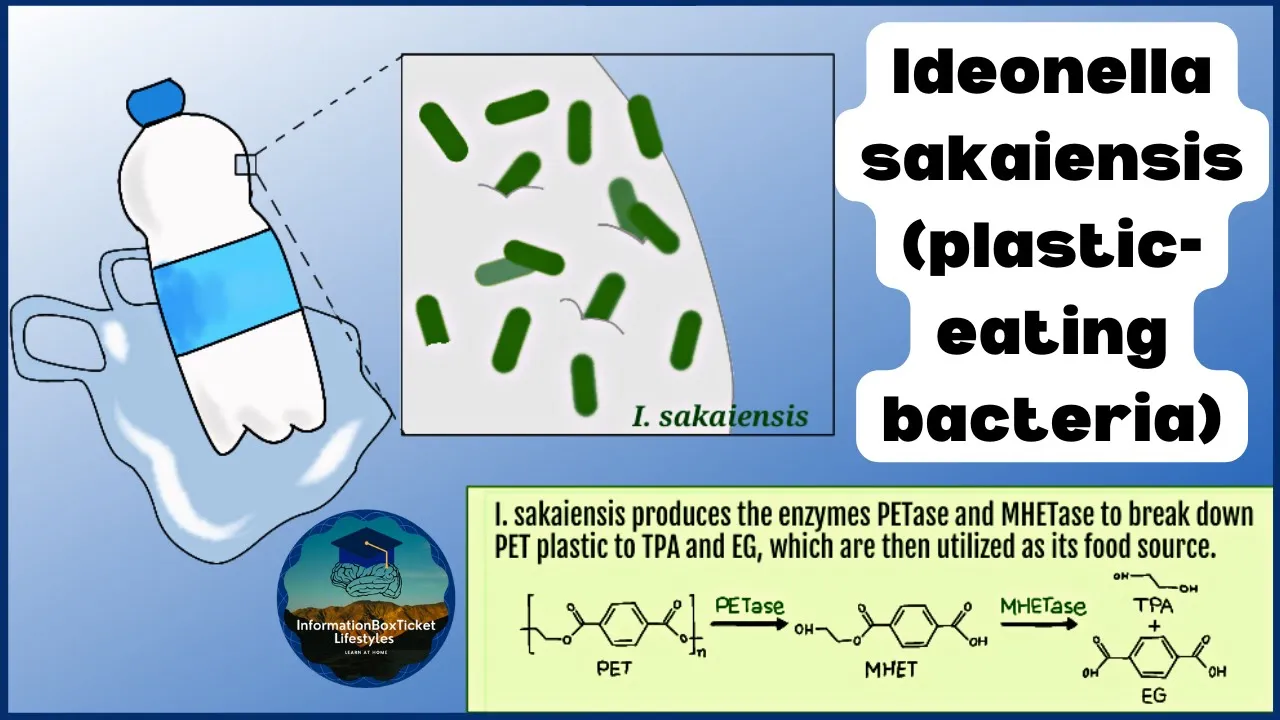
Ideonella sakaiensis: Plastic-Eating Bacteria for Bioremediation
2.2K
Ideonella sakaiensis degrades PET through a two-step enzymatic pathway. First, PETDase (PET hydrolase) breaks PET ester bonds into mono(2-hydroxyethyl) terephthalic acid (MHET), a heterodimer of terephthalic acid and ethylene glycol. Second, MHET hydrolase degrades MHET into its monomeric components. This enzyme consists of a lid domain providing substrate selectivity and a hydrolytic domain containing catalytic residues. The bacterium assimilates these monomers for energy production, ultimately converting PET into CO2 and water. This system represents one of the most effective PET hydrolysis mechanisms known, offering potential for biological recycling technologies.
Click to watch →
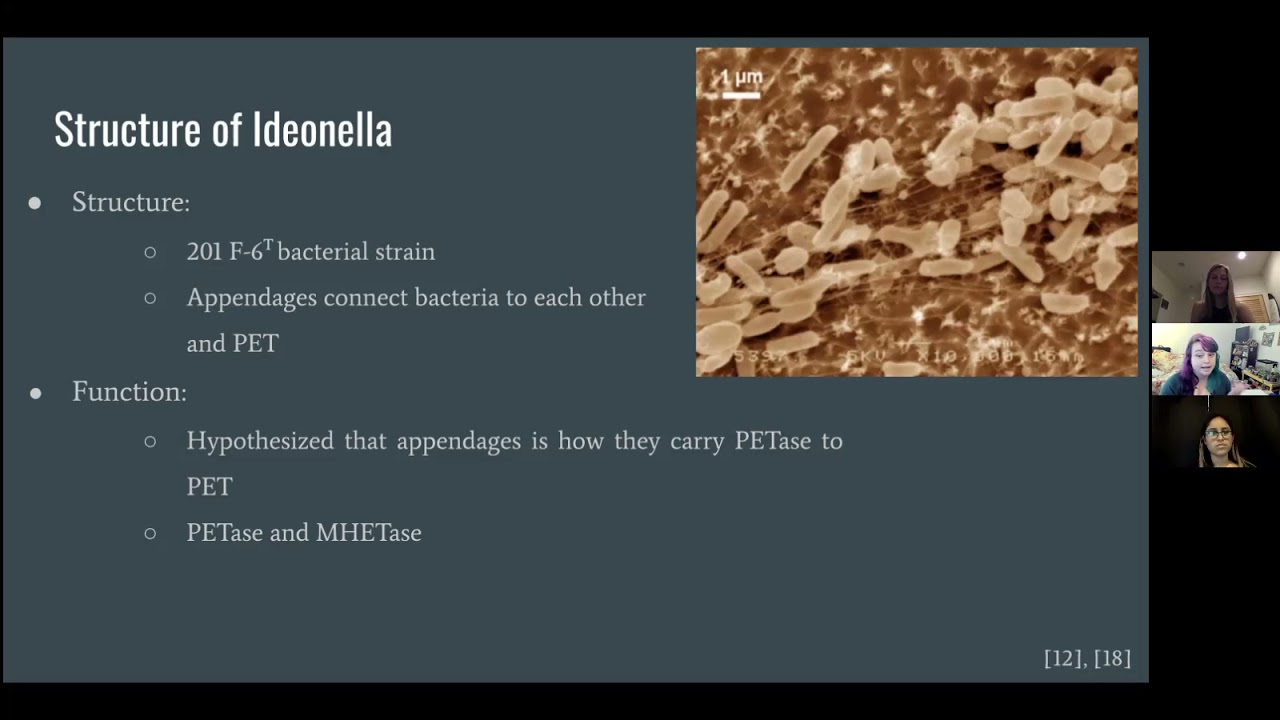
Ideonella sakaiensis degradation of Polyethylene Terephthalate
771
MHETase (mono(2-hydroxyethyl) terephthalate hydrolase) completes PET degradation by hydrolyzing MHET into terephthalic acid and ethylene glycol. These breakdown products are then converted by the bacterium into usable carbon sources that promote cell division and support other cellular processes. This two-step enzymatic process (PETase followed by MHETase) completely breaks down PET into simpler compounds that can be metabolized by the organism.
Click to watch →

Prof. John McGeehan
177
PETase works at plastic surfaces while MHETase operates in solution, creating a kinetic bottleneck where MHET accumulates and inhibits PETase activity. Mixing both enzymes synergistically overcomes this limitation. More effectively, physically linking PETase and MHETase into chimeric enzymes eliminates the diffusion barrier between them, resulting in dramatically faster degradation rates than either enzyme alone or their mixture. This demonstrates how protein engineering can overcome fundamental limitations in multi-enzyme systems.
Click to watch →
Deep Dive
Protein engineering and directed evolution techniques used to optimize PETase for higher thermostability and faster degradation rates (such as FAST-PETase).

Can Enzymes Revolutionize Plastic Recycling? Exploring Biodegradation
540.7K
Building on initial successes, researchers developed increasingly sophisticated enzymatic solutions. Combining PETase and MHETase in engineered systems achieved six-fold speed improvements over single-enzyme approaches. The University of Texas created FAST-PETase with five mutations, enabling operation between 30-50°C and degrading 51 different PET-based products within days. These advances demonstrate how iterative mutation strategies can systematically improve enzyme performance, bringing enzymatic plastic degradation closer to practical industrial implementation.
Click to watch →
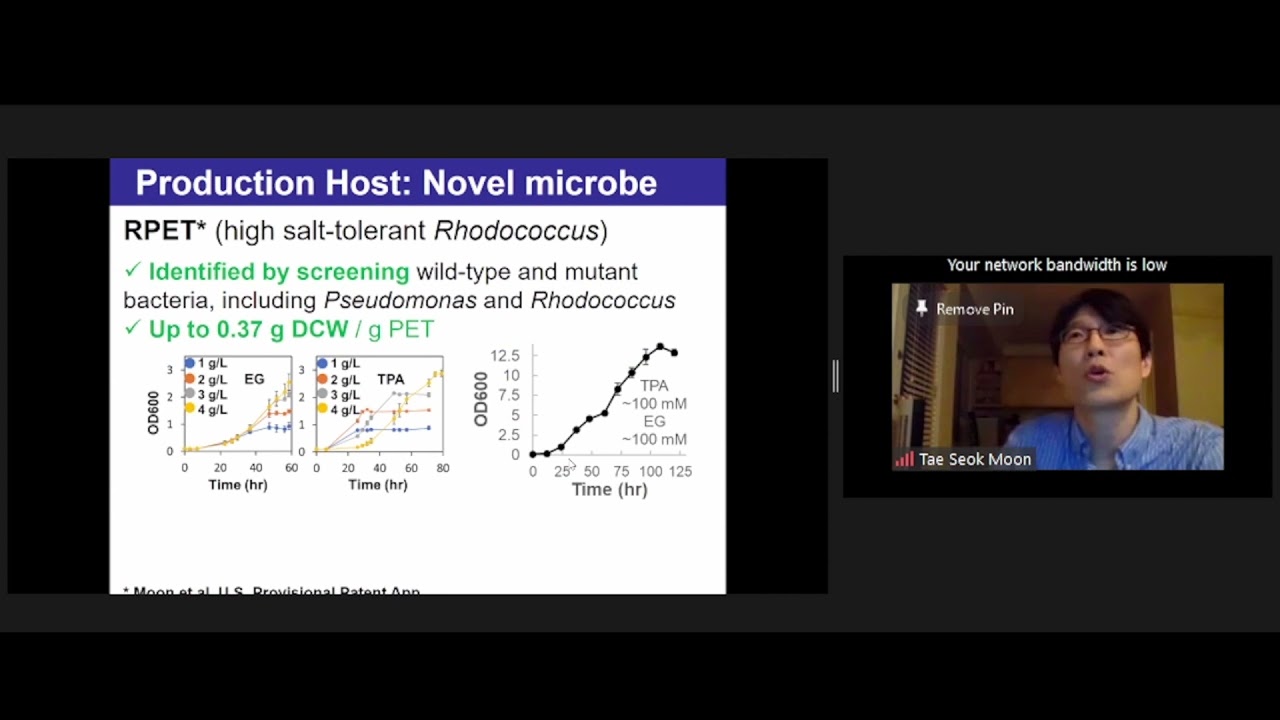
Prof. Tae Seok Moon: Systems & SynBio to build Programmable Cells and Sustainable Bioeconomy | SBA.1
112
This section covers the validation of metabolic maps through growth experiments on multiple compounds as sole carbon sources. Metabolic modeling based on omics data enables product portfolio expansion. Protein simulation-assisted directed evolution is used to engineer PET degradation enzymes in Thermus and Thermoplasma species, complementing NaOH hydrolysis. PETase-containing rice starch supported test growth, and mutation targets for improved PETase activities were identified at ambient and high temperatures. The research demonstrates that high-value keratin can be produced from PET hydrolysis products, advancing sustainable plastic upcycling through integrated metabolic engineering approaches.
Click to watch →
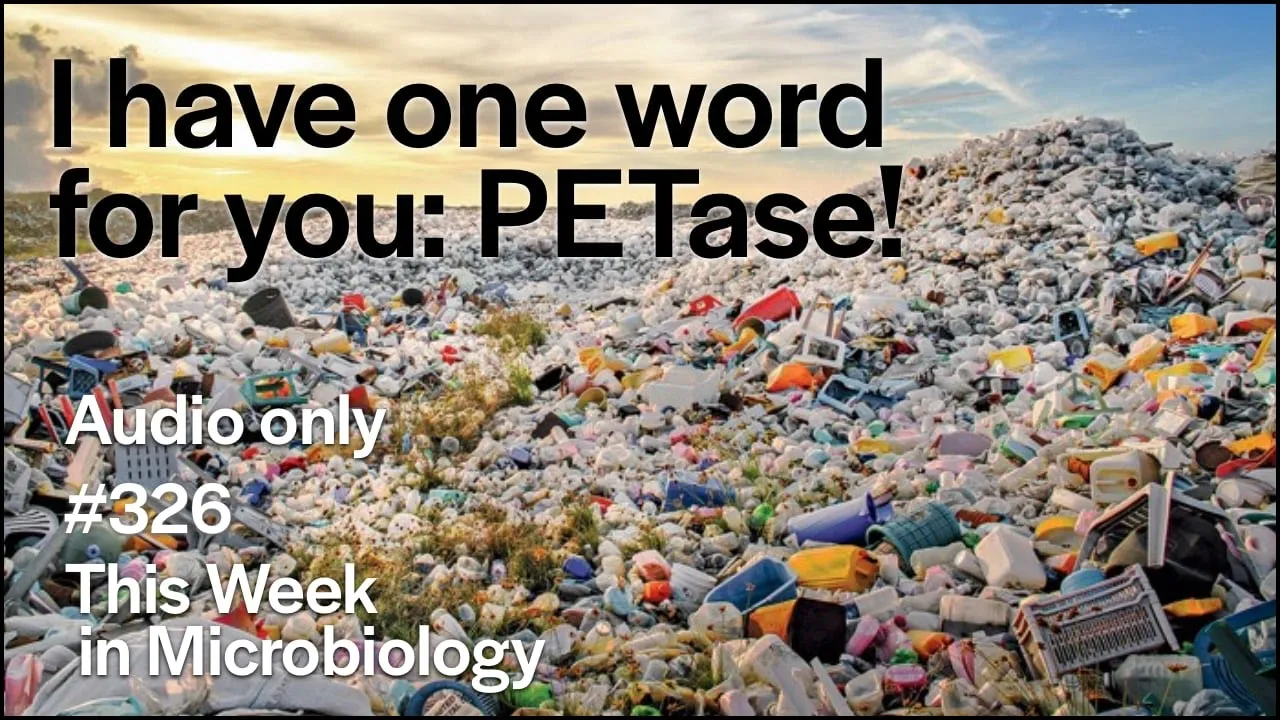
TWiM 326: I have one word for you: PETase!
1.6K
A Korean research team developed an engineered PETase enzyme (QBPm12) that can degrade PET plastic by depolymerizing 90% of PET within 8 hours at temperatures up to 70°C, demonstrating a systematic bioinformatics approach to identifying and engineering enzymes for industrial plastic waste remediation applications.
Click to watch →
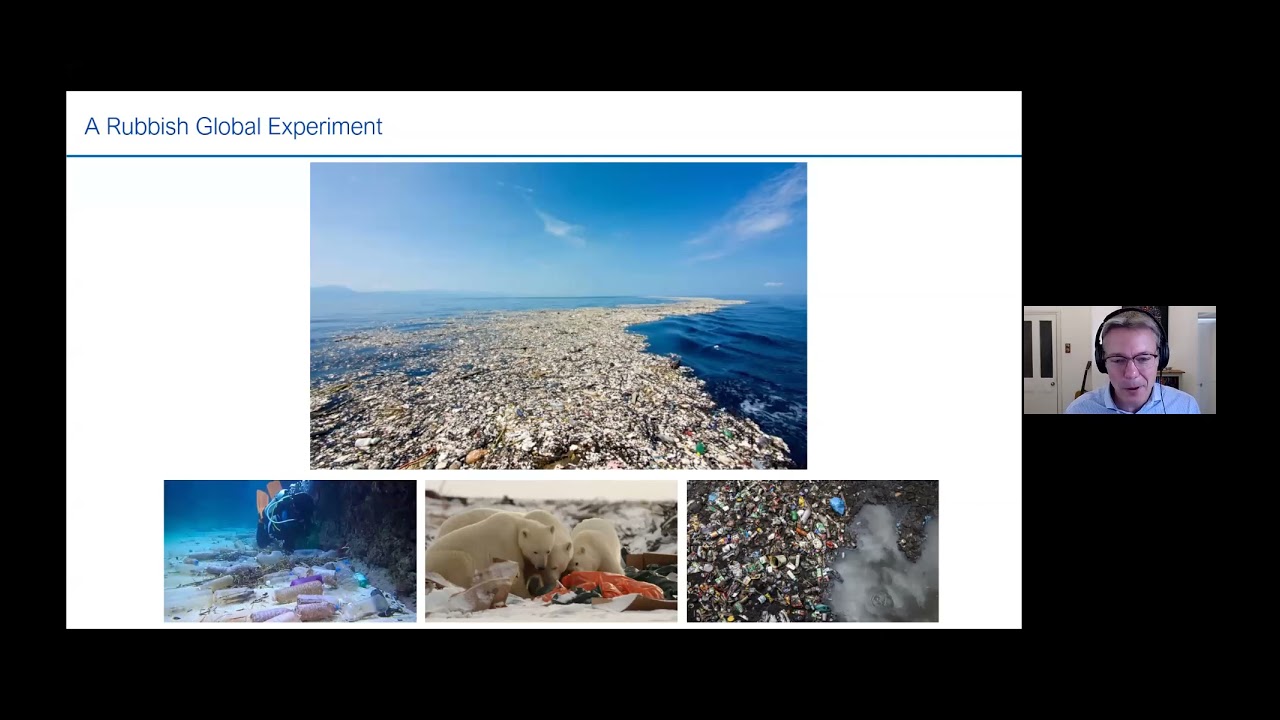
Enzyme Biocatalysis for the Circular Recycling of Plastics with Prof. John McGeehan (Portsmouth)
716
This section details strategies for improving PET degradation through enzyme engineering. Experiments with PETase and MHETase combinations revealed significant synergy—adding small amounts of MHETase dramatically increased PETase activity through product inhibition relief and proximity effects. Tethering the two enzymes together using flexible glycine-alanine linkers produced chimeric enzymes working three times faster than individual enzyme cocktails. Critically, placing MHETase first followed by PETase yielded optimal results. Current research focuses on engineering thermo-tolerant variants, as current PETase denatures around 40°C while PET's glass transition temperature is 70°C. Understanding the molecular rules governing thermostability requires combining activity measurements with structural analysis and molecular dynamics simulations.
Click to watch →
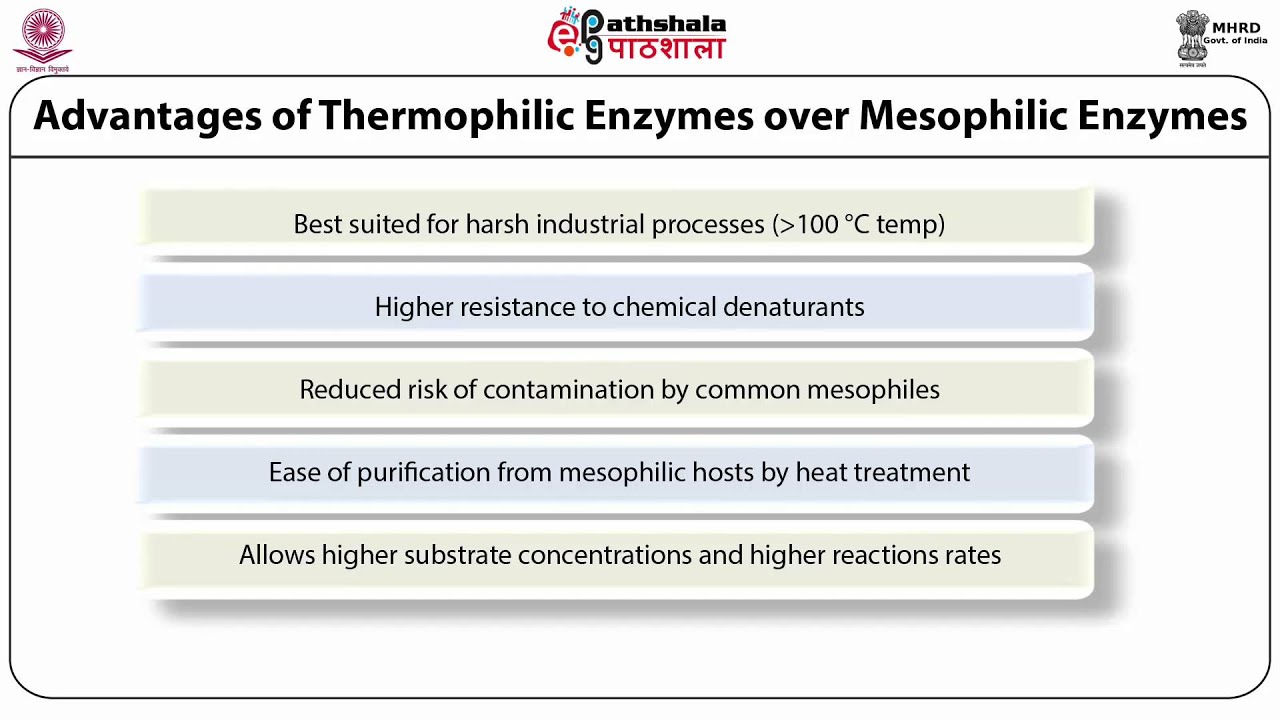
Engineering thermostable and cryostable Enzyme and Site directed mutagenesis
658
Advanced protein engineering techniques enable precise modification of enzyme properties through directed evolution and site-directed mutagenesis. Directed evolution can simultaneously improve both activity and stability, as demonstrated by lipase B from Candida antarctica, where half-life increased from 8 to 11 minutes and activity from 84 to 1900 U/min, challenging the traditional trade-off between stability and activity. Site-directed mutagenesis enables introduction of specific mutations at desired sites through three primary methods: (1) Primary extension method uses mutated primers with single-stranded templates, generating heteroduplex DNA that transforms into homoduplexes in E. coli, followed by colony screening; (2) Gene editor system employs two primers—one introducing the mutation and another enhancing antibiotic resistance, enabling selection of recombinants at higher antibiotic concentrations; (3) DpnI-based PCR method requires methylated templates, amplifies linear mutant DNA, digests contaminating wild-type plasmids with DpnI, purifies the linear mutant, religates, and retransforms for analysis. These techniques enable incorporation of thermostability characteristics from thermophilic enzymes into mesophilic enzymes, or modification of substrate specificity and activity in target proteins for research, diagnostics, and therapeutic applications.
Click to watch →
Deep Dive
Industrial biorecycling processes, including the scaling of enzymatic degradation in bioreactors and its integration into the circular economy.
Prof. John McGeehan
177
Translating enzyme discoveries into industrial applications requires overcoming significant barriers. PETase works at plastic surfaces while MHETase operates in solution, creating kinetic bottlenecks where MHET accumulation inhibits PETase. Mixing both enzymes synergistically overcomes this limitation, but physically linking them into chimeric enzymes eliminates diffusion barriers, achieving dramatically faster degradation rates. The research team partnered with GSK's fermentation experts to produce enzymes at industrial scale, addressing challenges of expressing difficult marine proteins. Comparative lifecycle analysis shows enzymatic PET recycling achieves cost competitiveness with virgin production while reducing energy consumption by 80% and greenhouse gas emissions by 40%. This circular economy approach breaks plastics back to monomers for repolymerization, avoiding the downcycling losses inherent in mechanical recycling. The path forward involves expanding these approaches to more challenging plastics like polyethylene and polypropylene through interdisciplinary consortia efforts, with current research focusing on enzymes operating at elevated temperatures (around 70°C) where plastic becomes more amenable to enzymatic attack.
Click to watch →

Dieses Enzym frisst Plastik – Bald kein Müll mehr im Meer?
98K
Companies like French chemical company Carbios have developed industrial-scale enzymatic recycling processes. Using genetically engineered enzymes, one ton of plastic can decompose into its constituent parts by 90% within ten hours. The resulting terephthalic acid and glycol are processed into new pellets for producing meat packaging, bottles, and clothing. A demonstration plant near Lyon was scheduled for operation in 2021, representing commercialization of this breakthrough technology.
Click to watch →
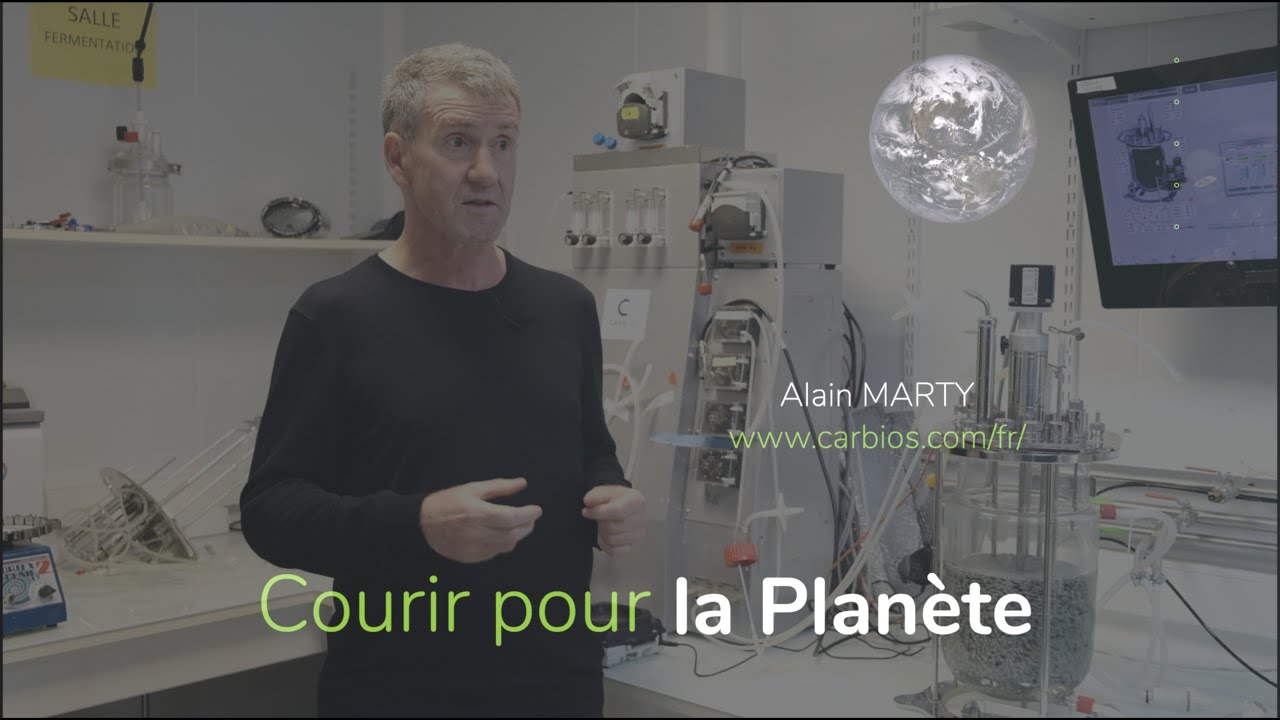
#Courirpourlaplanète épisode N°11 Alain MARTY #CARBIOS
246
Enzymatic recycling uses biological catalysts (enzymes) to break down plastic molecules, functioning like molecular scissors that cut between monomers. This process enables converting colored bottles into clear ones or transforming old t-shirts into new bottles, creating an infinite recycling loop. The circular economy concept eliminates the need for new raw materials by continuously reusing materials. Carbios developed this technology through seven years of research, combining polymer science with enzymatic science, and is now building demonstration facilities to scale this solution globally.
Click to watch →
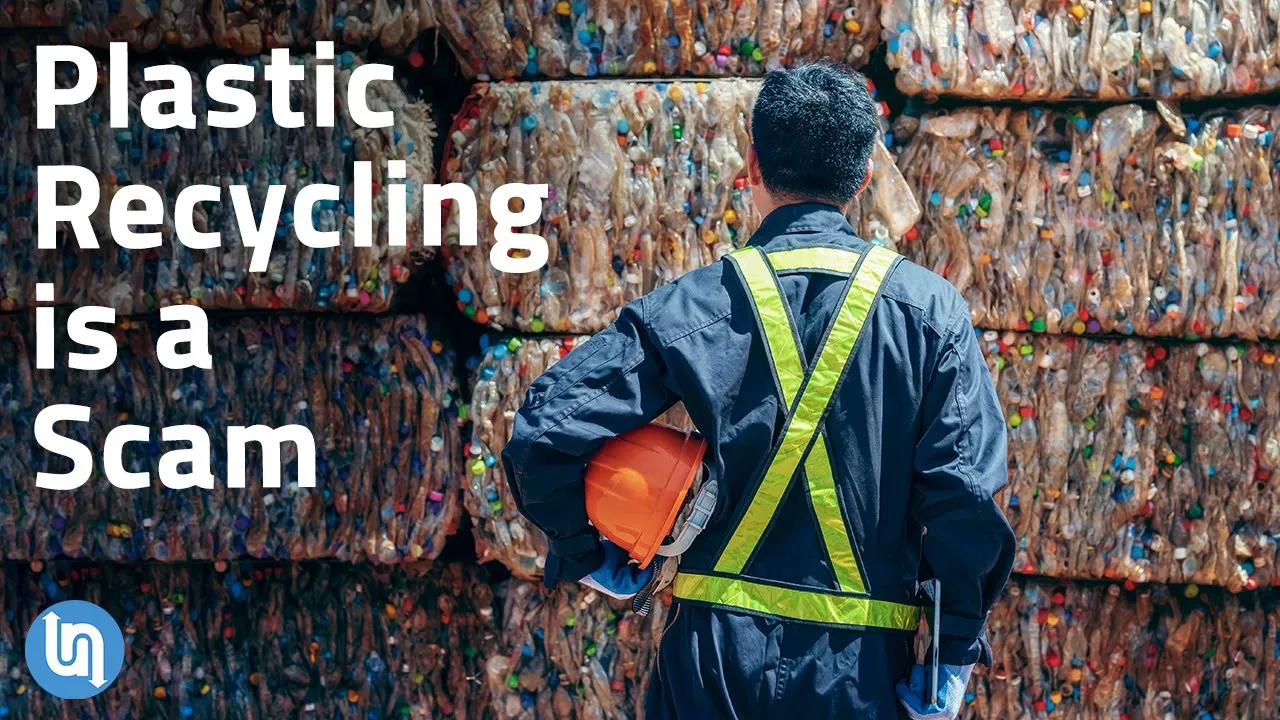
The Truth About Plastic Recycling ... It’s Complicated
689.4K
The French company Carbios launched a pilot plant in September to demonstrate upcycling of PET waste into new PET bottles using enzymatic degradation technology. While enzymes currently work only within narrow temperature ranges and scale-up remains challenging, this industrial demonstration shows progress toward practical solutions. The future of plastic pollution management appears to belong to upcycling methods and plastic-free materials like mushroom and algae-based products rather than traditional recycling approaches.
Click to watch →
Epoch Biodesign: Engineering Plastic-Eating Enzymes
110.5K
Scaling biological recycling requires systematic progression from laboratory discovery to industrial implementation. Epoch progressed from small lab spaces in Liverpool to purpose-built Central London labs, then to North London pilot facilities processing tens of kilograms, and now to West London warehouses demonstrating large-scale operations. Pilot facilities enable stress-testing processes before full industrial deployment, identifying problems before encountering them at larger, more expensive scales. This progression unlocks customer partnerships and advances the business case. The ultimate goal is building factories 100 times larger, with plans to construct facilities worldwide to create circular material flows rather than linear pollution patterns.
Click to watch →
Deep Dive
Metabolic engineering of microorganisms (such as Ideonella sakaiensis) to upcycle PET monomers into other high-value bioproducts.
Prof. Tae Seok Moon: Systems & SynBio to build Programmable Cells and Sustainable Bioeconomy | SBA.1
112
This section covers the validation of metabolic maps through growth experiments on multiple compounds as sole carbon sources. Metabolic modeling based on omics data enables product portfolio expansion. Protein simulation-assisted directed evolution is used to engineer PET degradation enzymes in Thermus and Thermoplasma species, complementing NaOH hydrolysis. PETase-containing rice starch supported test growth, and mutation targets for improved PETase activities were identified at ambient and high temperatures. The research demonstrates that high-value keratin can be produced from PET hydrolysis products, advancing sustainable plastic upcycling through integrated metabolic engineering approaches.
Click to watch →
6 Bacteria With Wild Superpowers
809.7K
Bacteria have evolved diverse metabolic strategies to survive in extreme environments. Geobacter metallireducens generates energy using electrical current through iron and manganese reduction via pili structures, while Deinococcus radiodurans survives extreme radiation through antioxidant production and multiple genome copies. Ideonella sakaiensis breaks down PET plastic using specialized enzymes. These examples demonstrate how bacteria adapt their metabolic pathways to exploit unique environmental niches, from deep sediments to radioactive waste sites.
Click to watch →

Gabaritando NATUREZA - SAS 5 2025 - parte 2
6.3K
The bacterium Ideonella sakaiensis can degrade PET plastic by breaking it down into its monomers (terephthalic acid and ethylene glycol). The presenter explains that these monomers can then be used by the bacteria as carbon sources to produce ATP through cellular respiration. This represents a potential solution to plastic pollution, as the bacteria can use plastic as their sole carbon source. The presenter connects this to broader topics of biotechnology and environmental sustainability.
Click to watch →

Catalysts for Polymer Degradation: Progress and Potential - Bruce Lichtenstein
580
PET (polyethylene terephthalate) is a homopolymer of terephthalic acid and ethylene glycol units. In 2016, Ideonella sakaiensis was discovered to express two enzymes capable of breaking PET into monomers. These cutinase-family enzymes function through dynamic mechanisms forming tetrahedral intermediates, with water activation as the rate-limiting step. They show elevated activity near PET's glass transition temperature and nanomolar surface affinity but fundamentally cannot degrade crystalline PET, which dominates commercial products. The Center for Enzyme Innovation addresses this through an integrated pipeline: Discovery teams search for novel organisms in natural environments; Engineering teams improve functions through rational design and directed evolution; Deploy teams scale reactions to industrial volumes; Apply teams complete circular economy cycles by re-polymerizing degraded monomers. This systematic approach bridges organism discovery through industrial implementation.
Click to watch →

ISIBio 2022: Environmental Sustainability (Day 1)
417
PET (polyethylene terephthalate) degradation by Ideonella sakaiensis relies on two key enzymes: PETase and MHETase, which sequentially break down PET into terephthalic acid and ethylene glycol. Engineering efforts focus on improving thermal stability and secretion efficiency through synthetic biology approaches, including mutated signal peptides (pelB with amino acid position 20 altered). Recombinant expression in E. coli BL21(DE3) using pET22b vectors enables scalable production. The workflow involves gene synthesis, cloning, induction at OD 0.8 for 5 hours at 37°C, and recovery of extracellular, periplasmic, and intracellular fractions. For insoluble proteins forming inclusion bodies, solubilization with urea followed by refolding with L-arginine sarcosine restores enzymatic activity, yielding functional PETase suitable for industrial plastic recycling applications.
Click to watch →
Wandering & Discovery
Plastic Solution
Wandering & Discovery
0:00- 1
Nate journeys across the ocean, feeling lost and weak.
- 2
A crash leads to the Pacific Garbage Patch encounter.
- 3
Friends reveal plastic pollution harming marine life.
Economic, Energy, and Scalability Limitations of Enzymatic Recycling
While PETase-mediated biodegradation offers a promising technological avenue for recycling, critics and environmental scientists argue that it is not a silver bullet for the plastic crisis. A major limitation is scalability; PETase struggles to break down highly crystalline PET (such as that used in beverage bottles) without energy-intensive and costly thermal pre-treatment. Currently, the process remains economically uncompetitive compared to the low cost of producing virgin, fossil-fuel-based plastics. Furthermore, some experts caution that focusing on enzymatic 'end-of-pipe' solutions can create a false sense of security, potentially greenwashing the continued mass production of single-use plastics. They argue that technological recycling methods should not distract from more critical, systemic efforts, such as reducing plastic production at the source, transitioning to reusable packaging, and developing truly compostable materials.
Basic polymer chemistry, specifically the structure of synthetic plastics like Polyethylene Terephthalate (PET) and the relationship between polymers and monomers.
Fundamentals of enzyme kinetics and biocatalysis, including how enzymes act as biological catalysts to accelerate chemical reactions.
The chemical mechanism of hydrolysis, which is the process of using water molecules to cleave chemical bonds within organic compounds.
An understanding of plastic persistence, specifically why crystalline PET is highly resistant to natural environmental degradation.
The synergistic role of MHETase, the complementary enzyme that further breaks down mono-(2-hydroxyethyl) terephthalate (MHET) into the final monomers.
Protein engineering and directed evolution techniques used to optimize PETase for higher thermostability and faster degradation rates (such as FAST-PETase).
Industrial biorecycling processes, including the scaling of enzymatic degradation in bioreactors and its integration into the circular economy.
Metabolic engineering of microorganisms (such as Ideonella sakaiensis) to upcycle PET monomers into other high-value bioproducts.
1.5K views20likes4:01@AstroCrypticOriginal Release: 2020-03-29
[Music] once upon a time a little water Nate or two had gone for an adventure the happiness warm across the ocean day I'm looking for his dream however after an endless journey the sea he could not find himself and started to dream on I have been streaming here for treatment I do know where and I go away I feel so lost and weak ouch - endless adventure as now faced climax for two who had a crashed off to the ocean the Pacific Garbage Patch he was so surprised to see his friends here waka who know hey so excited to meet you here whoa what happened what's wrong my friends Bokke who knows expression is frightening what happened ah there's something biting me oh no something is eating bottle-blowing oka what happened to them boo - loose body got digested look what's that tiny little blue thing on a torus body plastic material grid-view it's been all the plastic water here let's have a look inside this even little bacteria there is a circular DNA which contains the PDA sequence the PDA sequence in the bacterial DNA undergoes transcription and translation to produce B ETS the PE T is is an enzyme that breaks down the PE T plastic by splitting the ester bonds in PE T plastic polymers smaller building blocks such as MH e t bh e t-- and t-- p EI and EJ are formed where the P et s breaks down the PE T the MHC t is splits the MH e t produced into two basic precursor building blocks of the PE T the TPA and eg the bacteria will absorb the small molecules and use the carbon in the molecules as their source of food technically the idea Nellas occurrences its plastics the plastic degrading enzymes are produced in the industry by inserting the gene that codes for the PEP is and mhm et is into a vector which later is transformed into the competent bacterial cells the production of PE T is enzyme enclosed by technological cycles breaks down PE T pluses into their basic building blocks the PE T plastics are recycled in a closed sustainable production and recovery cycle the production of PE T plastics no longer dependent on crude oil which is non-renewable resource the PE T is enzyme can be a long-term solution to the plastic pollutions one of the worst biggest environmental problem [Music]
Up Next
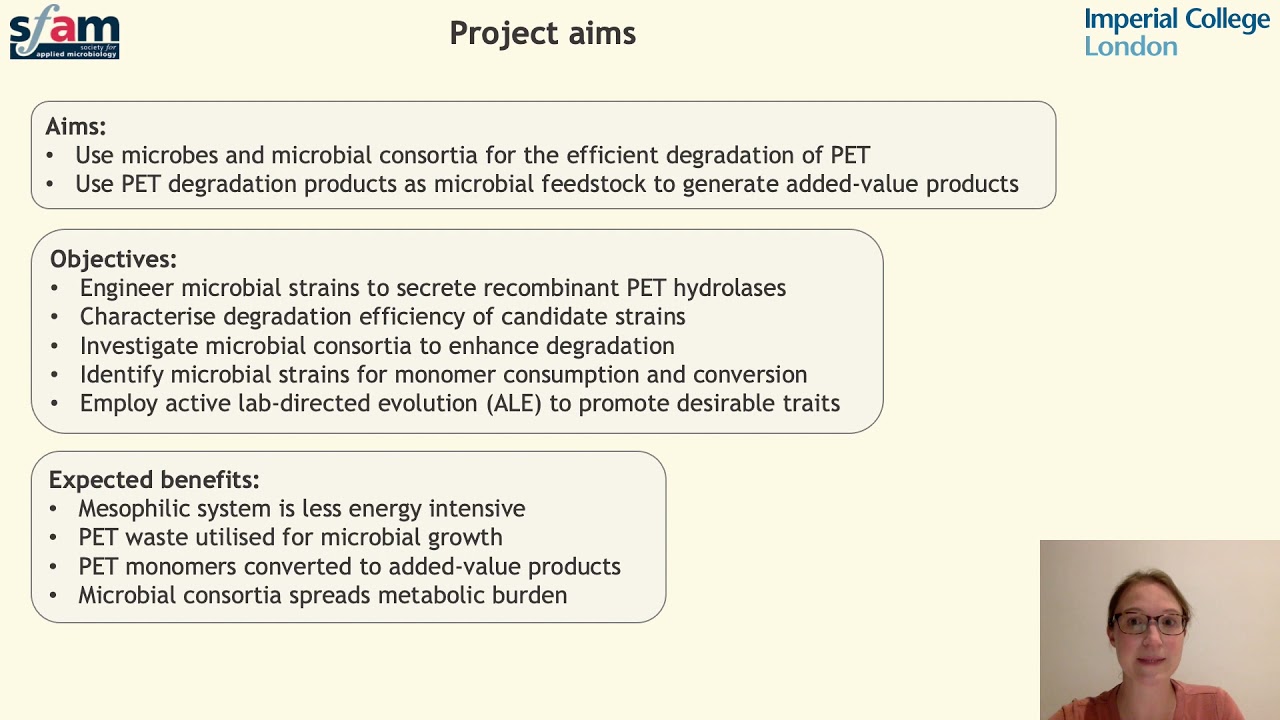
20:32
Microbial Degradation and Upcycling of PET Plastic | Research Talk
@appliedmicrobiology
1.5K views•2021-10-18

6:37
pET Vector Expression: T7 Promoter & Lac Operator Guide
@DrDavidSmith
53.9K views•2017-02-03
23:33
Microbial Degradation of Plastics: Biodegradation Pathways & Sustainability
@majeedhammad
2.9K views•2021-04-11
16:04
CRISPR and Genetic Engineering: How Gene Editing Works and Why It Matters
@kurzgesagt
30.5M views•2016-08-10
Related Study Plans & Knowledge Roadmaps
Structured learning paths in Biotechnology
biotechnology
PETase Evolution: Library Design & Kinetics
01Foundations of Enzymes and Plastic Biodegradation
02Recombinant Protein Expression in E. coli
03Directed Evolution and Mutant Library Generation
+ 3 more learning modules
36h6 modules
Explore Roadmap
biotechnology
AAV Production: Transfection, Prep & qPCR
01Introduction to Gene Therapy and AAV Biology
02Mammalian Cell Culture: Suspension HEK293 Cells
03Upstream Bioprocessing: Triple-Transfection Optimization
+ 2 more learning modules
18h5 modules
Explore Roadmap
biotechnology
Building Gut-on-a-Chip: PDMS, Cells & TEER
01Foundations of Microfluidics and Gut Anatomy
02Cleanroom Fabrication & PDMS Soft Lithography
03Epithelial Cell Culture and On-Chip Seeding
+ 2 more learning modules
26h5 modules
Explore Roadmap
biotechnology
Optimizing CFPS: E. coli Extract & Yield
01Fundamentals of Molecular Biology and Translation
02Introduction to Cell-Free Protein Synthesis (CFPS)
03Preparing E. coli Crude Lysate (The Extract)
+ 2 more learning modules
19h5 modules
Explore Roadmap