
![高分子計算の基礎の基礎[PET]](https://i.ytimg.com/vi/PkZpJtAOtKk/hqdefault.jpg?sqp=-oaymwEmCOADEOgC8quKqQMa8AEB-AH-CYAC0AWKAgwIABABGBEgZyhyMA8=&rs=AOn4CLAp5M9ZRRkuRyChh3L-UkN_P-VgWQ)







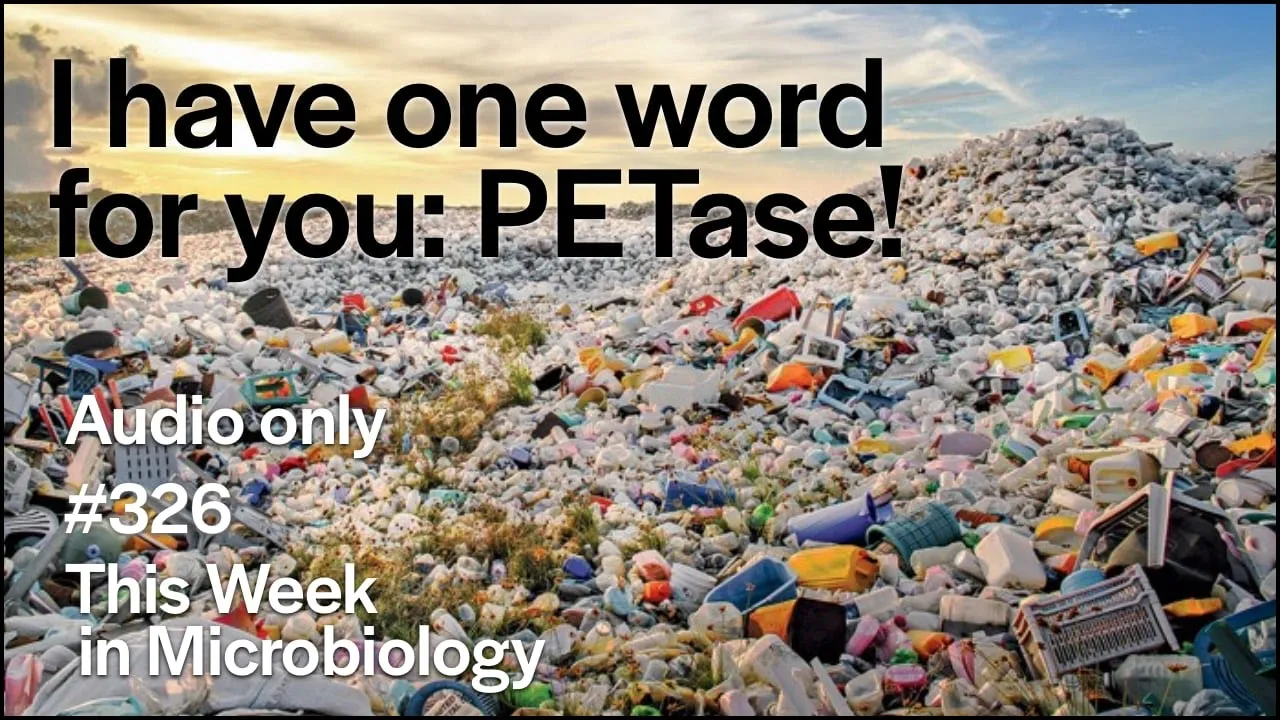







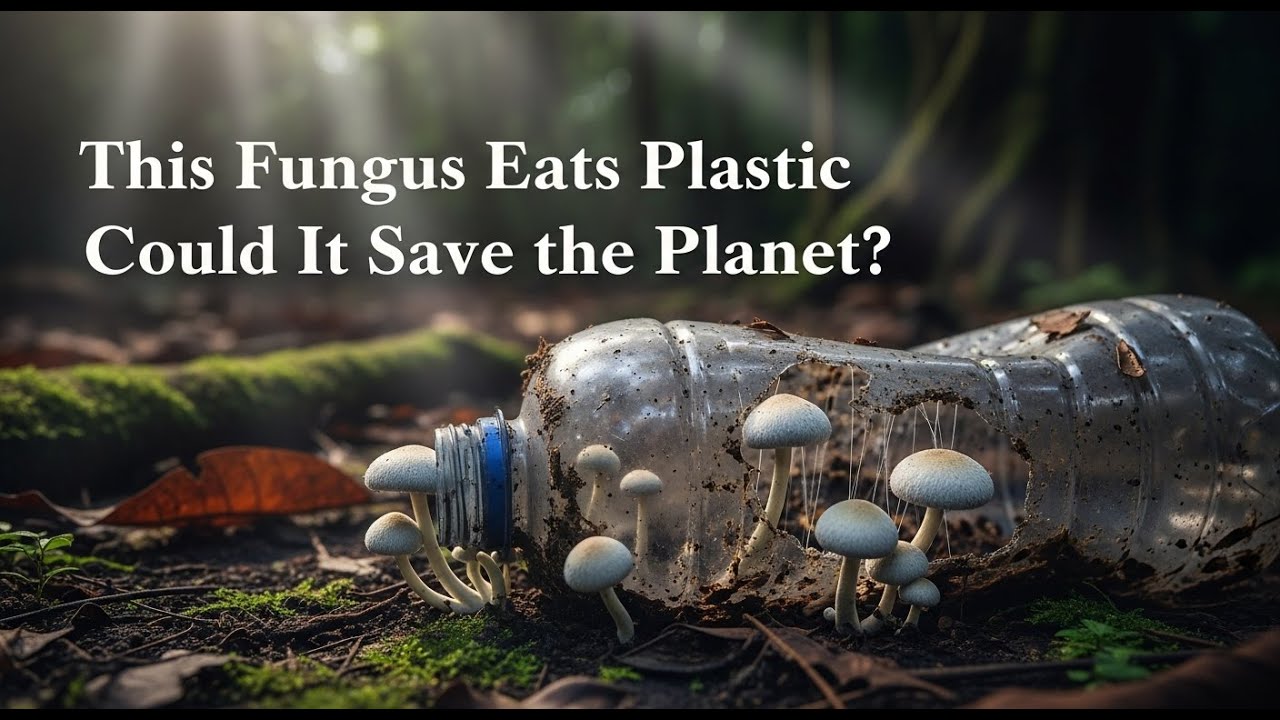

Ideonella sakaiensis is a newly discovered gram-negative, aerobic bacterium that can degrade polyethylene terephthalate (PET) plastic through a two-enzyme system: PETase, which hydrolyzes PET into mono(2-hydroxyethyl) terephthalate (MHET), and MHET hydrolase, which further breaks down MHET into terephthalic acid and ethylene glycol; this bacterium converts plastic into carbon dioxide and water, offering promising applications for biological recycling and addressing the global plastic pollution crisis.
Ideonella sakaiensis: Plastic-Eating Bacteria for Bioremediation
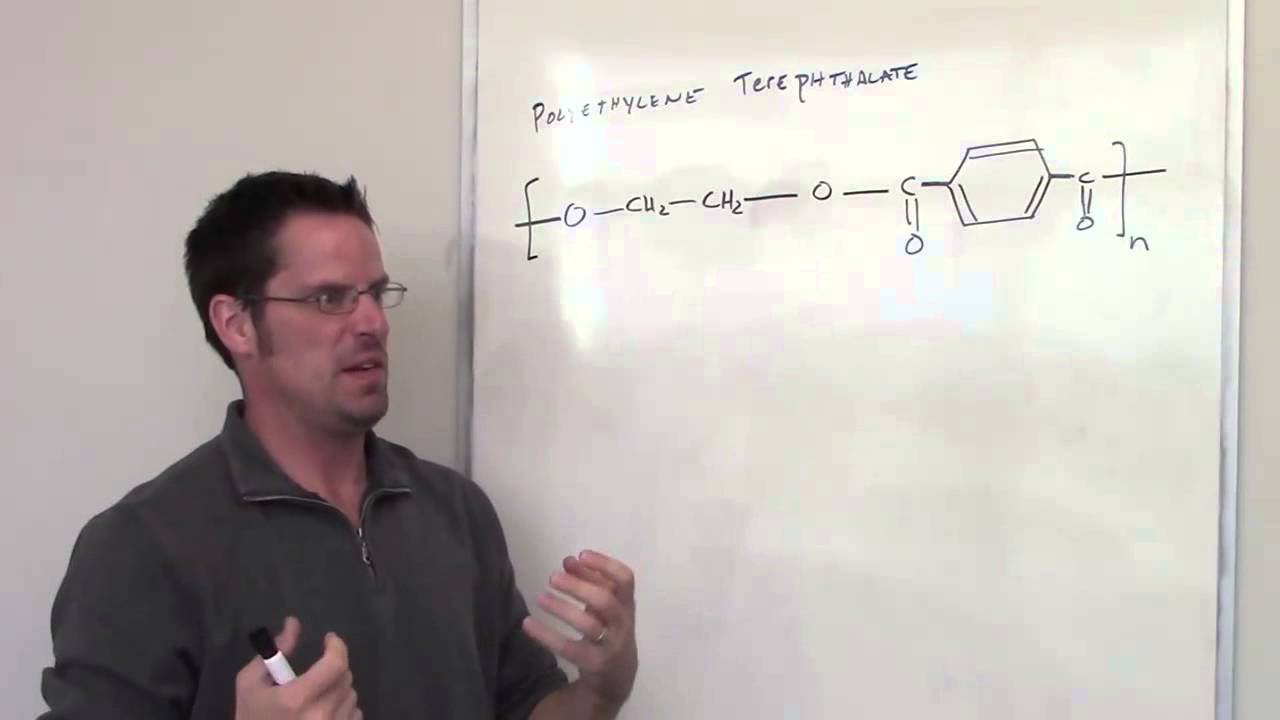
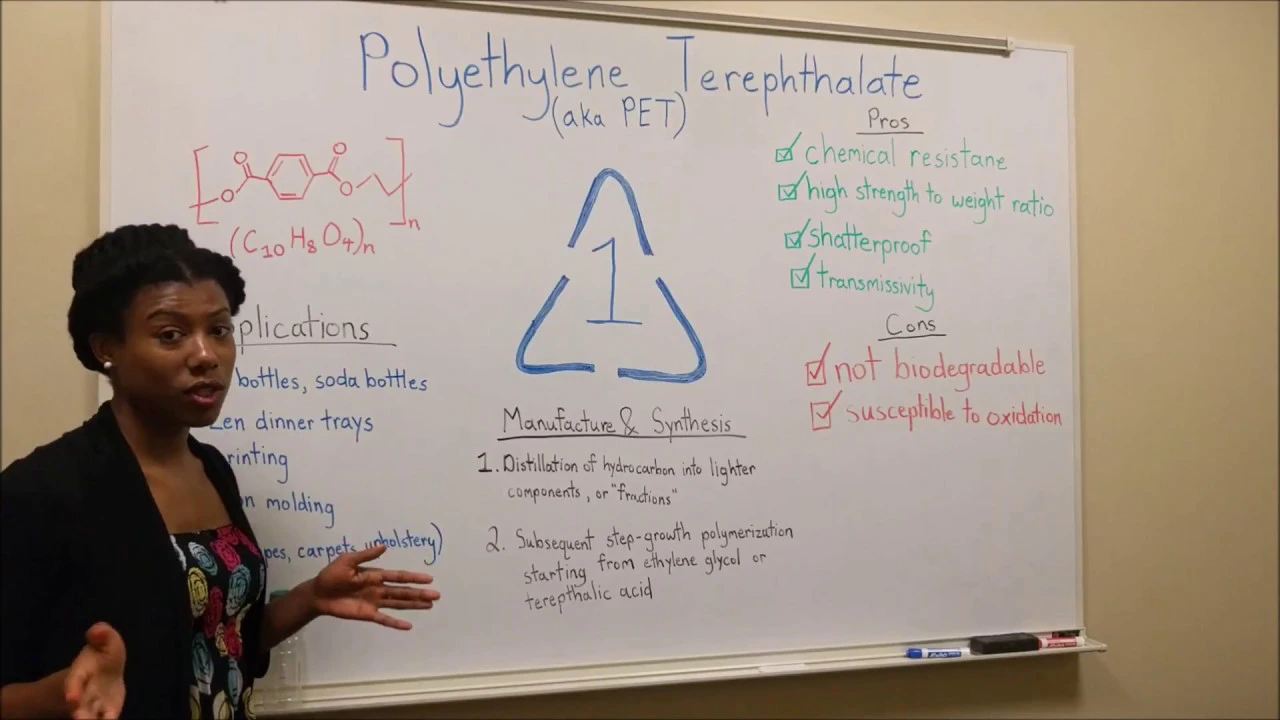
Added:Understanding the chemical structure of polymers, specifically Polyethylene Terephthalate (PET) and its monomer components.
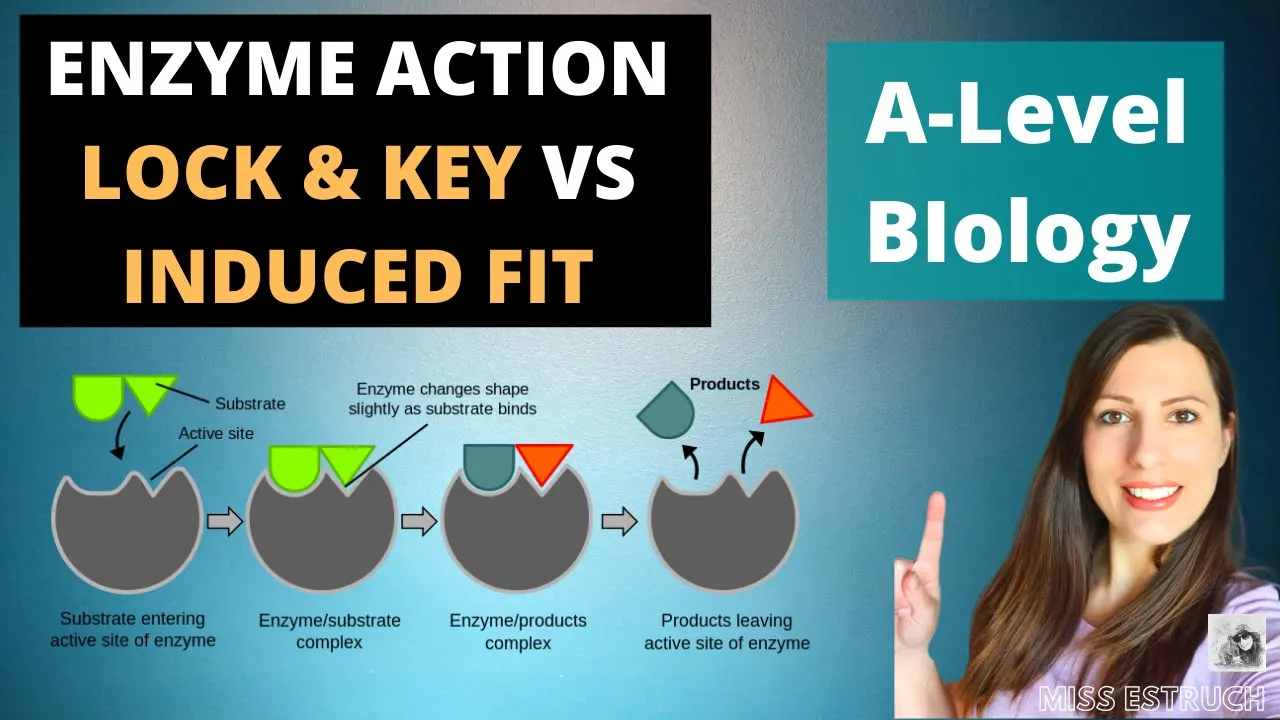
Basic principles of enzymology, including how biological catalysts lower activation energy and the lock-and-key model of enzyme-substrate specificity.
Bacterial metabolic pathways and how microorganisms utilize external carbon sources for energy and growth.
The fundamental concept of bioremediation and how biological organisms are used to neutralize or remove environmental pollutants.
Protein engineering techniques, such as directed evolution and rational design, used to optimize PETase and MHETase for faster degradation rates.
Industrial biotechnology applications, including the design and scaling of bioreactors for commercial-scale plastic recycling.
The chemical upcycling of degraded plastic monomers (terephthalic acid and ethylene glycol) into high-value bioplastics or other compounds.
Exploring the biodegradation of other synthetic polymers (such as polyurethane, polystyrene, and polypropylene) by other specialized microbes.
2.2K views51likes15:46Original Release: 2022-11-05
hello everyone information box ticket Lifestyles brings you biotechnology topic on plastic eating bacteria and unella securities but before starting this video don't forget to like this video subscribe to my channel and press the Bell icon button so you don't miss any of my videos let's get to know the plastic eating bacteria at unella secondices a new species of Janus at unella called an unella synchronizes is a rod shaped when positive aerobic bacteria it is also known as bacterium that consumes plastic plastic may serve as a key source of carbon and energy for growth for bacteria that consume it with Leo back inland's invention of paid 1907 the era of plastics begin the creation of a broad variety of synthetic polymers has led to their widespread use and Lead both everyday life and tragically the environment in 2015 there were 5000 MD of plastic garbage in landfills and other places that amount might increase into 1200 MP by 2050 numerous hydrolytic enzymes May hydrolyzed the Ester ponds that bind the monomers of poly ethylene tetraphetalide because there is no known enzymes that directly break their CC bonds pet is potentially more prone to spontaneous deterioration than polyover Leaf in the Genome of edunella secondices was sequenced and this led to the discovery of an enzyme that hydrolyzes pet the hydrolysis products are discharged into request environment and the surface of an amphobious pet film develops fitting that resembles factors the adrenella secondices enzyme was given the name p hydrolase because when compared to other phes it displays the greatest catalytic preference for pet at ambient temperature pts this bacteria converts pet into carbon dioxide and water using it as a main source of carbon and energy so let's see what we will learn in this lecture first we will get to know about its discovery classification habitat of the bacteria morphology sculptural characteristics biochemical characteristics mode of action lab diagnosis and potent applications let's begin how did we discover adrenal last second Isis a team of researchers led by kohi Aura of coyote Institute of Technology and Kenji Miyamoto of Geo University reported that they had isolated a noble bacterium and unella synchronizes 201 F6 from environment among 250 samples from magnitude environment including sentiment soil Wastewater and activated sludge close to a plastic bottle recycling site using these samples the search for bacteria that could strive preferently on low crystallinity 1.9 percentage paid film are being cultivated in one sentiment sample a separate microbial consortia formed on the pet film resulting in morphological changes and Union are second is CCC that belongs to the adenologians the bacteria gots its name since it was fine in sekai a Japanese City a collection of microorganisms in the soil sample which also included protozoa and cells that resemble yeast the to the first isolation of bacterium on the film and in the cultural fluid appendages connecting the cells were visible these were shorter pendant have may asserted in Deliverance created enzyme to the film between the cells and the film the paid film had undergone substantial deterioration and was almost destroyed after six weeks at 30 degree Celsius classification of adrenal secondices adrenal secondices are both adrianella of a family Como nadesia was discovered clastic in response to the hunt for biological system that could degrade plastic waste better proteobacteria 16s ribosomal RNA priorogeny members of the coma monarchists family are found together in pylogenic cluster here we have the classification of bacteria irony seconizes at phylum it belongs to pseudomona DotA class better proteome bacteria order berhalderials family coma Mona de Asis genus adonella species adenola secondices habitat it may be found in a range of both natural and artificial environments and they don't care if a place is clean or dirty soil fresh and groundwater activated sludge in water used in industrial processes are a few examples of these ecosystems the physical and psychological trade of the distinct feature of the general vary widely within the species itself as a result of large diversity of environments highly don't forget to like this video And subscribe to my channel morphology it is a gram negative aerobic and broad-shaped bacteria they are between 0.6 and 0.8 amp wired in between 1.2 and 1.5 M long the cell's polar flagellum enables movement you can thrive in the range of pH 5.5 to 9.0 and temperature of 15.42 degree celsius Optimum is 28 degree celsius and pH 7 to 7.5 is ideal G plus C concentration in genomic DNA was 17.4 mole percentage three percent weight by volume and ACL is fatal for this bacteria it may attach to paid surfaces and grow there by holding on with its delicate 10 drills these extensions could provide enzymes to paid film that degrade faith characteristics of edunella synchronizes culture because it consumes pet as its only source of carbon and energy for development adenos akinesis is a great candidate for growth in settings with high concentration of accumulated Plastics the agar which is used is agar nbrc number 802 in this egg we see clonies wear 0.5 1.0 mm in diameter round elevated transparent with an entire Edge and non-figmented or cream after two days of incubation at 30 degree Celsius here is the biochemical characteristics the following table list at unila's biochemical trades number one gram staining is negative shape is Rod score is negative LED it is more time nitrate reduction it is negative catalase shows positive oxidase is positive indole formation is negative and lastly pigmentation is negative fermentation of sugars it shows glucose negative and maltose positive its enzymatic reactions are it shows galactositis enzyme so let's understand the mechanism of action number one the enzyme pdas p-a-t is broken by bacterial enzyme Pat hydrolase or phase creating mono two hydroxide retrobletic acid mhed a heterodimer consisting of tetripletic acid tpan ethyl glycol EG granola synchronizes BTS breaks down the Easter linkage in pet by hydrolyzing them mhet hydrolyze is in different enzyme that utilized since adenola cyclinosis and many other bacteria cannot use PPA but can rarely absorb and use ethyl glycol among the products in other words what chemicals produce from the beat are used by the cell to create energy and form metabolic functions this system in particular ranks among the most effective paid hydrolysis known to exist at home from richer in terms of speed breakdown efficiency carbon is assimilating May ultimately memorize into carbon dioxide and Theory the environment number two mhed hydrolase the adrenal second assist genius has another Chinese family enzyme involved in feet metabolism this enzyme hydrolyzes two hydroxyl ethyl tetraphyletic acid mhed the main phyrol is product of pts into BPA and EG to its strong activity in act for mono to hydroxyl ethyl tetraphy mhed this enzyme was given the name mhet High release mhet is but it has a modest hydrolytic impact on base 2 hydroxyl ethyl DPA bhet and a number of other substrates it consists comprises a lead domain in a hydrolyzed domain was indisclosed by the crystal structure while the Hydraulics domain has the amino acid residues required for catalase the lead domain provides substrate selectivity this enzyme degrades the resultant mhet into its true monomeric components and is lipid anchor to the bacterial cells outer membrane there are petrylic acid DBA is more resistant to break down in this situation and is transported into the cell through the tetraphytic acid transporter protein once the aromatic tetrophilatic acid molecules is entered the cell can fletic acid 1 2 deoxygenase n12 dehydrates 3 5 cyclohexadinene one four D carbolic dehydrogenase oxidized it into a Catey call intermediate CA 3 4 d oxygenase breaks down the categicore ring before the chemical reaches other metabolic pathway like this DCA cycle ensuring that no dangerous or toxic metabolites are left in the environment show your support to this channel by subscribing to it Daniela secondizes lab diagnosis at the cell shape parents and results culture on nvrc number 802 are complete as well as their morphological and cultural properties the existence of flagella in cells culture in nvrc number 802 brought at 30 degrees Celsius was examined transmission electron microscope additionally it was visible to S certain the biochemical characteristic of casein sqln and starch as well as catalase it is mrvp and other enzymes polymase Chain Reaction PCR is further to use to conform species the effective uses for adenola secondices are the discovery of adenyla secondices may have important implications for a degradation of pet polymers only a few bacteria and fungi such as fuserium Solani were previously known pet degraders and no species were defensively known to utilize pet as the principal source of carbon and energy by using adenola secondices directly or its bet hydrolyzing enzymes through metabolic engineering or other organisms the discovery of adenola's econosis and its capacity to assimilate bet through hydrolysis followed by Downstream material with monomers may offer a potential remedy for biological recycling of pet a crucial breakthrough technology for a circular economy management of sustainable development goals may be ongoing biodegradation of pet for the creation of several possible uses at a second and other organisms together with hydrolyzing enzymes would be necessary the future of edunella second Isis considering that meat makes the bulk of water bottles polyester clothes and dinner trays scientists anticipate being able to harness the bacterial species to promote broadbiotic radiation if used in commercial settings the microbe able to degrade more than 50 million tons of plastic garbage annually worldwide by creating items you may turn plastic into a resource many individuals also believe that if more study is done to comprehend this new classification of bacteria it will be simpler to locate more germs with comparable plastic degrading characteristics genetic modification the enzyme ptas from ideologicalysis which also degrades pef polyethylene furenonates polymers May genetically modified and coupled with mhets to degrade pet more readily and rapidly so that's it for today try to conserve water and avoid plastic as much as you can because only we human and nature can Digest thank you so much for watching till the end don't forget to show your support to this channel by subscribing and liking this video and sharing with other people as well thank you so much
Up Next

268:12
Biotechnology in One Shot: Principles & Processes Class 12 WBCHSE/NEET
@pwbangla
15.1K views•2023-02-25
14:12
Quantitative Real-Time PCR (qPCR): Principle, Method & Data Analysis
@animatedbiologywitharpan
129.2K views•2023-09-06
23:33
Microbial Degradation of Plastics: Biodegradation Pathways & Sustainability
@majeedhammad
2.9K views•2021-04-11

16:04
CRISPR and Genetic Engineering: How Gene Editing Works and Why It Matters
@kurzgesagt
30.5M views•2016-08-10
Related Study Plans & Knowledge Roadmaps
Structured learning paths in Biotechnology
biotechnology
AAV Production: Transfection, Prep & qPCR
01Introduction to Gene Therapy and AAV Biology
02Mammalian Cell Culture: Suspension HEK293 Cells
03Upstream Bioprocessing: Triple-Transfection Optimization
+ 2 more learning modules
18h5 modules
Explore Roadmap
biotechnology
Building Gut-on-a-Chip: PDMS, Cells & TEER
01Foundations of Microfluidics and Gut Anatomy
02Cleanroom Fabrication & PDMS Soft Lithography
03Epithelial Cell Culture and On-Chip Seeding
+ 2 more learning modules
26h5 modules
Explore Roadmap
biotechnology
Optimizing CFPS: E. coli Extract & Yield
01Fundamentals of Molecular Biology and Translation
02Introduction to Cell-Free Protein Synthesis (CFPS)
03Preparing E. coli Crude Lysate (The Extract)
+ 2 more learning modules
19h5 modules
Explore Roadmap
biotechnology
Haematococcus PBR: Design, Stress & Astaxanthin
01Biology and Life Cycle of Haematococcus pluvialis
02Bench-Scale Photobioreactor (PBR) Design and Engineering
03Culture Media Formulation and Inoculation
+ 2 more learning modules
15h5 modules
Explore Roadmap