Phage Cocktails: Isolation, Safety & Stability
Learning Goal: Designing and characterizing a therapeutic bacteriophage cocktail to target multidrug-resistant bacterial pathogens, covering environmental isolation, host-range profiling, genomic safety screening, and formulation stability testing.
- Prerequisites: Basic microbiology laboratory skills (aseptic technique, bacterial culturing, micropipetting) and an introductory understanding of molecular biology.
- Estimated Total Study Time: 24 hours
Module 1: Foundations of Bacteriophages and Antibiotic Resistance
This module introduces the fundamental biology of bacteriophages (phages) as viral predators of bacteria. You will explore their structures, replication dynamics (specifically contrasting the lytic and lysogenic lifecycles), and their historical and modern clinical relevance as target-specific weapons against the growing global threat of multidrug-resistant (MDR) bacterial pathogens.
Recommended Videos

- Why this video: This highly visual animation provides a rapid, high-yield overview of bacteriophage morphology (icosahedral head, tail, and fibers) and shows how these specialized nano-machines physically bind to and inject their genetic material into bacterial targets without harming human tissue.

- Why this video: Understanding replication pathways is key for therapeutic design. This video illustrates the differences between the destructive lytic cycle (ideal for therapy) and the integrative lysogenic cycle (which must be avoided during therapeutic cocktail selection).
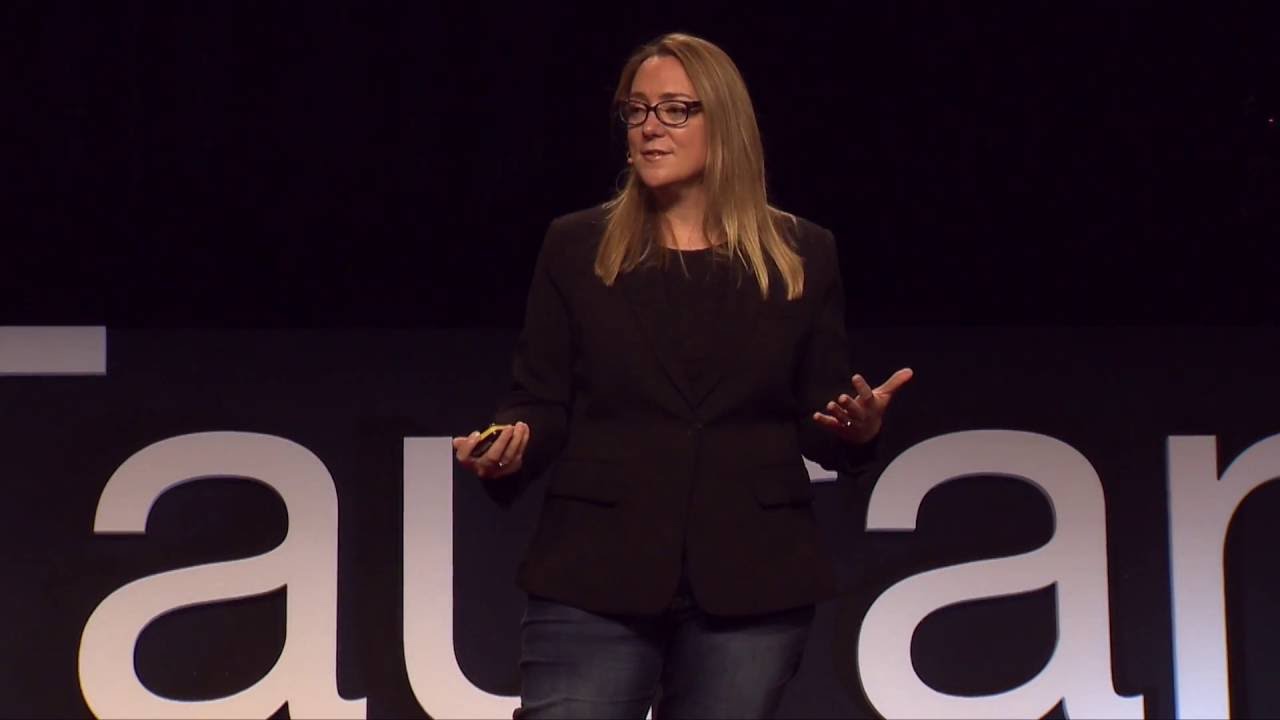
- Why this video: This talk connects basic phage biology to the clinical emergency of antibiotic resistance. It frames the necessity of phage therapy in a post-antibiotic era, focusing on the host specificity of phages as an advantage over broad-spectrum antibiotics.
Knowledge Checkpoint
- Diagram a bacteriophage, labeling the icosahedral head, capsid, tail sheath, and tail fibers.
- Contrast the lytic cycle with the lysogenic cycle, detailing how phage DNA behaves in each.
- Explain why lysogenic (temperate) phages are generally excluded from therapeutic cocktail designs.
- List two physiological advantages that bacteriophages have over conventional broad-spectrum antibiotics in treating localized infections.
Module 2: Environmental Isolation and Purification of Phages
Before a cocktail can be designed, candidates must be sourced. This module covers environmental prospecting for novel bacteriophages from reservoirs like wastewater or soil, performing enrichment cultures, and isolating clonal phage lines using double-agar plaque assays and physical plaque-picking protocols.
Recommended Videos

- Why this video: This video details the mechanical steps of direct environmental isolation, including buffer selection, sample agitation to break electrostatic interactions between phages and soil particles, and filtration to isolate the viral filtrate.

- Why this video: This long-form protocol provides a highly detailed walkthrough of plating environmental filtrate with susceptible host bacteria, showing how to execute the double-agar overlay assay under aseptic laboratory conditions.
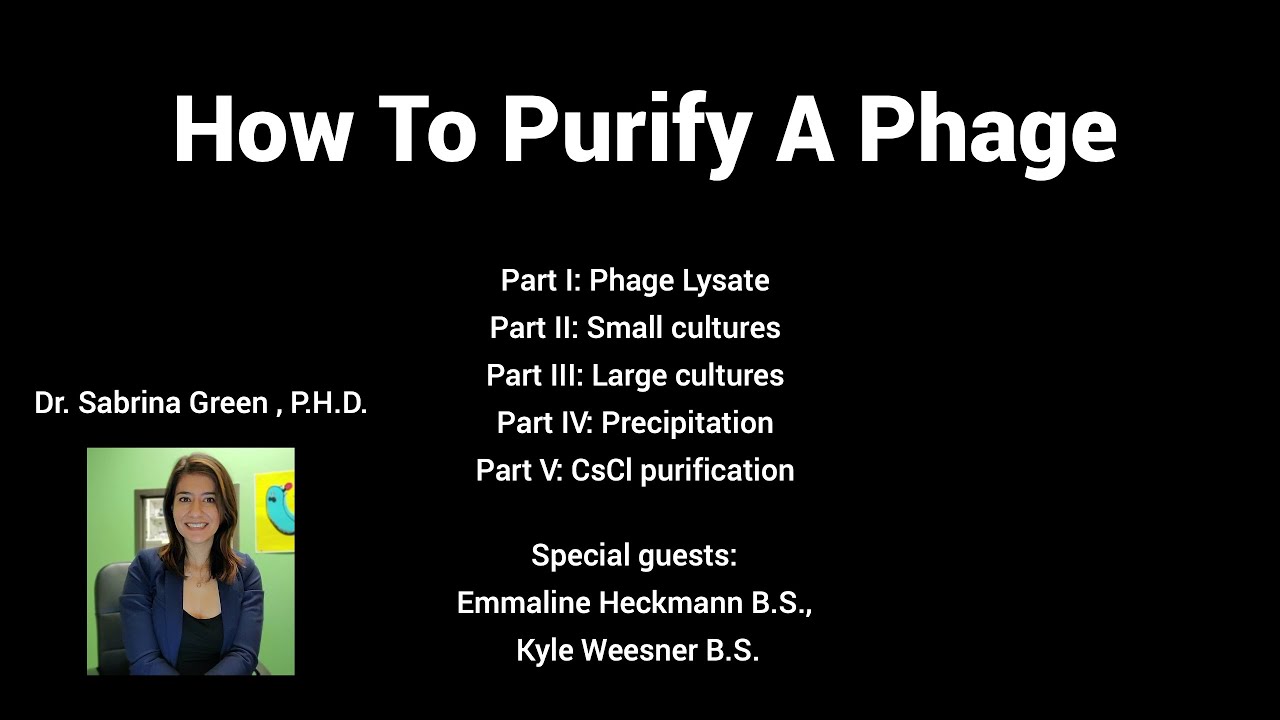
- Why this video: Once phages are isolated, they must be highly purified for genomic and clinical evaluations. This demonstration covers the use of Cesium Chloride (CsCl) density gradient ultracentrifugation to separate pure viral particles from host cell debris, endotoxins, and proteins.
Coverage Gap Supplementation
Review Note on PEG Precipitation: While CsCl gradient centrifugation is covered, simpler concentration protocols like Polyethylene Glycol (PEG 8000) precipitation are highly common for scaling up phage yields. If you need a lower-cost alternative to ultracentrifugation, research standard protocols online using search terms like
"Bacteriophage purification and peg precipitation protocol".
Knowledge Checkpoint
- Outline the process of isolating a phage from a soil or wastewater sample, from filtration to host inoculation.
- Explain the purpose of using a "top agar" (semisolid) overlay rather than standard solid agar in a plaque assay.
- Describe how to pick a single plaque to establish a genetically clonal phage lysate.
- Detail the physical principles of Cesium Chloride (CsCl) gradient centrifugation in separating phage particles from bacterial endotoxins.
Module 3: Host-Range Profiling and Cocktail Design
To build an effective therapeutic cocktail, you must determine which bacterial strains your isolated phages can kill. This module focuses on host-range profiling, plaque characterization, determining the Efficiency of Plating (EOP) to measure infectivity across diverse clinical isolates, and the principles of designing a synergistic, resistance-resistant cocktail.
Recommended Videos

- Why this video: This video demonstrates how to run a rapid phage spot test. This micro-volume protocol (using 3 microliters of phage lysate) is the primary method for high-throughput screening of a phage's host range against a panel of target bacterial strains.

- Why this video: This video provides a step-by-step tutorial comparing spot dilution titering and whole plate titering. It is essential for learning how to calculate the exact concentration of active viral particles (Plaque Forming Units, or PFU/mL) in a stock suspension.

- Why this video: This short summary highlights how Efficiency of Plating (EOP) determines adaptative capacity and explains the therapeutic strategy of exploiting synergy—combining phages with low EOP or pairing them with antibiotics to prevent resistance.
Coverage Gap Supplementation
Review Note on EOP & Cocktail Mechanics: While the spot test is straightforward, calculating EOP requires quantitative comparisons. To calculate EOP: An EOP indicates high efficiency, while indicates low efficiency. For a deeper step-by-step calculation protocol, independently search for:
"Efficiency of plating EOP phage assay tutorial". For designing synergistic cocktails (targeting different bacterial surface receptors to prevent mutational resistance escape), search for:"Phage cocktail formulation receptor synergy principles".
Knowledge Checkpoint
- Describe how to set up a host-range screening plate using a host panel and spot assays.
- Differentiate between a zone of lysis caused by "lysis from without" (high concentration of non-replicating phage killing cells) vs. a true productive phage infection.
- Calculate the PFU/mL of a stock solution if 10 microliters of a dilution yields 45 plaques on a whole-plate assay.
- Explain why targeting different bacterial cell surface receptors (e.g., LPS vs. outer membrane proteins) with different phages in a single cocktail prevents rapid bacterial resistance.
Module 4: Genomic Safety Screening & Bioinformatics
Before administering any bacteriophage to a patient, its genome must be sequenced and thoroughly vetted. This module teaches how to analyze phage genomic sequences to ensure they do not carry virulence factors, toxin-encoding genes, antibiotic resistance genes, or lysogeny-mediating integrases that could inadvertently modify the bacterial pathogen.
Recommended Videos
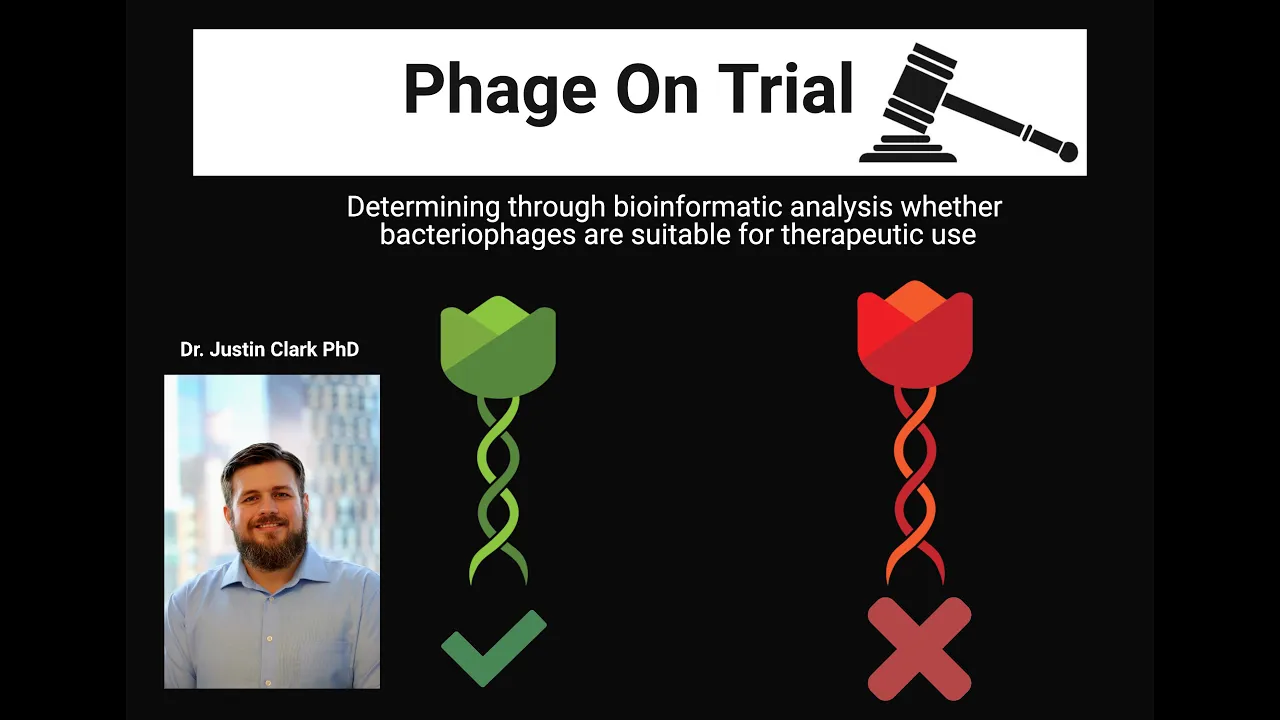
- Why this video: This is a comprehensive, highly specialized seminar outlining the exact bioinformatics workflow required to clear a phage genome for therapeutic use. It covers checking for toxins, antibiotic resistance genes (ARGs), and lysogeny markers like integrases and recombinases.
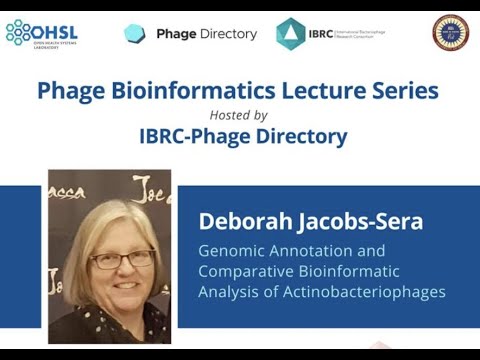
- Why this video: Annotating a phage genome is essential to identify the function of predicted genes. This video covers the practical execution of annotation strategies using community tools (such as PhagesDB and DNA Master) to identify protein functions.

- Why this video: This lecture explains the core algorithms and computational strategies behind predicting open reading frames (ORFs) and other genetic elements within a newly sequenced genome, which is the foundational first step of safety annotation.
Coverage Gap Supplementation
Review Note on Bioinformatic Screenings: To screen your phage sequences for undesirable traits practically, utilize established databases:
- Use BLASTn/BLASTp against the NCBI database to check general identity.
- Submit FASTA sequences to ResFinder (for antimicrobial resistance genes) and VirulenceFinder / VFDB (for bacterial toxin genes).
- Search specifically for conserved domains of integrase, recombinase, exonuclease, or excisionase to rule out temperate (lysogenic) phage lifestyles. To practice this pipeline, search for:
"How to screen phage genomes for virulence and resistance genes bioinformatics tutorial".
Knowledge Checkpoint
- List three genetic elements that, if discovered in a phage genome annotation, would immediately disqualify the phage from therapeutic human use.
- Explain how a temperate phage could contribute to the spread of antibiotic resistance in a clinical environment via transduction.
- Describe the difference between structural gene annotation (finding ORFs) and functional gene annotation (assigning biochemical roles).
- Define the role of an "integrase" gene and describe its typical location within a phage genome relative to replication or structural modules.
Module 5: Formulation, Stability, and Therapeutic Delivery
A successful cocktail must remain stable under storage and clinical delivery conditions. This module covers the pharmaceutical preparation of phage cocktails, testing their viability under temperature, pH, and mechanical stresses, and understanding how formulation methods like lyophilization (freeze-drying) protect phage structural integrity.
Recommended Videos

- Why this video: Lyophilization is the standard method for converting liquid phage cocktails into stable, long-term dry powder formulations. This deep-dive webinar covers the three phases of freeze-drying (freezing, primary drying via sublimation, and secondary drying via desorption) and the importance of using protective excipients (lyoprotectants).

- Why this video: This video introduces clinical delivery challenges, specifically aerosol/nebulization delivery for pulmonary infections. It highlights how mechanical shear forces (such as those from jet nebulizers) can rupture phage tails, compared to gentler vibrating mesh nebulizers.

- Why this video: This segment introduces the physical parameters tested during phage stability assays: identifying viable ranges across diverse pH levels (typically 3 to 12), temperatures (such as room temperature vs. refrigeration), and UV light exposure.
Coverage Gap Supplementation
Review Note on Stability Protocols: To test stability in a lab setting, phages are incubated in buffers of varying pH (e.g., pH 2.0 to 10.0 using hydrochloric acid or sodium hydroxide adjustments) or exposed to target temperatures (e.g., 4°C, 25°C, 37°C, 55°C, 70°C) for a series of time intervals (e.g., 1 hour, 24 hours, 7 days). Post-incubation titers are then measured via plaque assays to determine log-reduction. To research exact step-by-step assay recipes, search for:
"Bacteriophage stability testing temperature and pH protocol".
Knowledge Checkpoint
- Define the term "sublimation" and describe how it applies to the lyophilization process of biologic therapeutics.
- Why are lyoprotectants (like sucrose or trehalose) added to phage preparations prior to freeze-drying?
- Explain how shear stress during mechanical nebulization can render tailed phages inactive.
- Design an experimental assay to test whether a novel phage candidate can survive exposure to human gastric acid (pH 2.0).
Course Map
Key People Index
- Felix d'Herelle & Frederick Twort: Sourced and described early bacteriophages (1915–1918) and developed the foundational "plaque assay" used to visualize phage lysis.
- Alfred Hershey & Martha Chase (1952): Utilized bacteriophages labeled with radioactive isotopes ( and ) to definitively prove that DNA, not protein, is the physical carrier of genetic material.
- Deborah Jacobs-Sera: A leading researcher in phage comparative genomics and annotation methodologies, highly active in the SEA-PHAGES program and PhagesDB system development.
- Julie Segre: Senior Investigator at NHGRI, a pioneer in applying high-throughput genomic sequencing technologies to analyze bacterial pathogens, multi-drug resistance plasmids, and human microbiome dynamics.
Final Self-Assessment
Complete this assessment after finishing all five modules to verify your readiness to design and characterize a therapeutic bacteriophage cocktail:
- Explain the molecular difference between a lytic and lysogenic phage, and why only lytic phages are safe for clinical use.
- Describe the complete step-by-step laboratory workflow for isolating a bacteriophage from raw sewage, starting with collection and ending with a high-titer plaque lysate.
- Draft a host-range profiling protocol, demonstrating how to use a micro-volume spot assay on a panel of 10 distinct clinical bacterial isolates.
- Calculate the Efficiency of Plating (EOP) of a target phage, identifying whether its infection efficiency on a resistant strain is therapeutically viable.
- Detail the receptor synergy strategy: explain why combining a phage that targets OmpA with another that targets LPS reduces the likelihood of bacterial mutational escape.
- Run a hypothetical bioinformatic screening pipeline: outline how to check a newly assembled phage genome for integrase genes, antibiotic resistance genes, and shiga-like toxins using online databases.
- Explain the physics of lyophilization and outline why adding trehalose or sucrose acts as a stabilizer to preserve the structural integrity of phage capsids.
- Design a simple thermal-stability and pH-stability assay, detailing how to measure and plot the inactivation kinetics (log-reduction) of a purified phage sample over time.