



















Therapeutic phages must undergo rigorous bioinformatic screening to ensure safety, including checking for antibiotic resistance genes, virulence factors, lysogenic cycle markers (like integrases), and confirming they are strictly lytic phages; this involves genome assembly, taxonomic classification, gene family analysis, structural and functional annotation, and lifestyle prediction using multiple computational tools to prove beyond reasonable doubt that the phage will not cause harm in patients.
Bioinformatic Analysis of Therapeutic Phages for Phage Therapy
Added:Understanding of bacteriophage biology, specifically the structural and functional differences between the lytic and lysogenic life cycles.
Fundamental knowledge of genomics, including DNA sequencing technologies (NGS), genome assembly, and basic annotation concepts.
Familiarity with basic bioinformatic sequence alignment tools and public databases, such as NCBI BLAST and UniProt.
An understanding of bacterial virulence factors, antibiotic resistance genes, and the mechanisms of horizontal gene transfer.
In vitro validation methods, such as host range determination, plaque assays, and confirming the lack of lysogenic conversion in the wet lab.
Genetic engineering of phages, including the use of CRISPR-Cas systems to remove toxic genes or expand host range synthetically.
Regulatory requirements and safety guidelines (e.g., FDA or EMA frameworks) for approving personalized and cocktail-based phage therapies.
Metagenomic and ecological analysis of the human microbiome to monitor phage-host dynamics and evolutionary resistance development in vivo.
3.5K views106likes54:52Original Release: 2021-05-03
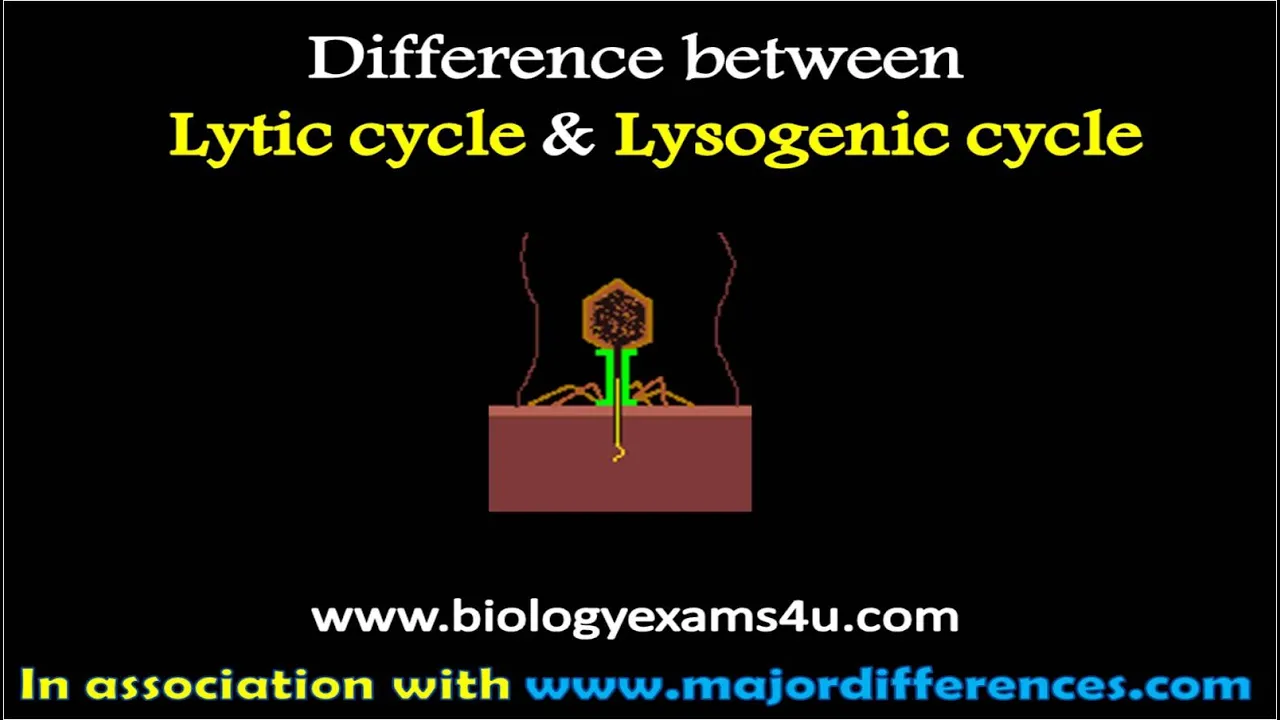
hi everyone thank you for checking out our video my name is justin clark and i'm going to talk to you about the bioinformatic analysis of therapeutic phages so if you are on twitter i'm sure you know sabrina greene the mother of phages our director of research and development if you've seen some of these other videos you might have seen some of our other members um like austin turinger the director of operations but here at taylor we are a bacteriophage initiative at service center at the baylor college of medicine in the texas medical center in houston now we specialize in single-use patient cases basically patients who have no other options but have a chronic creeping infection so what generally happens is a doctor will get up with us because they think they have a patient who can benefit from what we do they send us a sample we go through our library which is always growing and try to look for something that will infect and kill that bacterial strain we don't have it we will search for things locally and try to find new phages or evolve phages or even engineer phages once we have a collection of phages that can attack that bacterial strain we go through a whole list of preparation to try to make sure that that phage is suitable for use in a patient we of course do the basics the lytic parameters sterility testing we also do something called um we make something called centigrams which look for antibiotic synergy between phages and antibiotics but we also sequence the phage and sometimes impossible the host to make sure that the phages that we will be putting into a patient are suitable for human use so that's really what i'm going to talk to you about today is what do we look for and what do we consider to be a red flag so first of all if you're here you might already know about phages but i always like to give a little bit of background on it first why do we like phages for treating antibiotic resistant infections well they're easy to discover nature is almost a limited source of them they're relatively cheap they're evolvable which is really important with antibiotics one of the main concerns is it takes all this time and money to create an antibiotic and then maybe just one or two mutations later a bacteria can be resistant and then your back your antibiotic becomes much less effective with phage we have the advantage of being able to evolve counter evolve those bacteria will involve resistance against phage but the phage can then in turn evolve around that and that's just a sampling of some of the reasons why we like therapeutic phage what do we look for though um when possible we look for high virulent sympathy something that can infect rapidly kill rapidly make a lot of itself whenever possible we'd love to have phages that can target virulence factors or things that make the bacteria able to survive within a host like lps or some kind of adhesion maybe the rationale there is that if a bacteria evolves around the phage the easiest thing to do might be just to lose the virulence factor if they lose a fearless factor they can resist the phage then they can no longer infect as well we also like non-transducing phage and lytic phage and i'll talk about this in the rest of this presentation and if possible we would like to resistance to be rare and for the high cost of resistance we had a recent paper by keiko salazar i will bring up a couple of times because it's a really cool paper that just came out this past week and it also kind of targets some of the things we're going to talk about for example she looked at the bacteria that involved resistant to phage and then involving phage against those bacteria that became resistant and found that a lot of the time when they evolved around the phage bacteria evolved around the phage they lost something important that they needed for uh bacterial infections like lps and they were truncated uh attenuated rather so they can cause infection but as bioinformatics biometricians are data scientists we're here and this is where we're going to focus today so you may be familiar with the lytic cycle the lysogenic cycle i just want to briefly touch on this too so the lytic cycle is really what we think of when we think about a viral what most people think of when they think about a viral infection or a phage infection that is the phage injects its dna or its rna in some cases into the bacterial cell it replicates this dna it starts making a bunch of proteins these proteins get put together into a new phage and makes a whole bunch of itself that burst out and the cycle starts over again this is a virulent phage through the lysogenic cycle the other other possible life cycle is lysogenic cycle this is when the back the bacterial phage are um yeah the bacterial phage injects its dna or rna into a bacteria and instead of immediately killing that bacteria making more of itself it kind of hides out and becomes part of the bacteria it's like a mobile element we generally think of this as being something that inserts itself into the genome or the chromosome so it'll take its dna using integrase to put itself actually physically into the bacterial genome replicate with it through maintenance that's what that's called until it gets a signal called induction where it will then switch to the lytic cycle phages that can go undergo the lytic and the lysogenic cycle are called temporophages and that's what we don't want for therapeutic use we want phages that can only go undergo the lytic cycle i just want to note that people generally think of like the lysogenic cycle as being phages that put their dna physically into the chromosome but that can they can actually exist in other forms such as a free-form plasmid or even linear dna which is rarer in these cases they act just like something an extra chromosome will an extra chromosomal element where they replicate as the bacteria replicates until they get that signal and then they go through the lytic cycle again now the reason we want to avoid temperatures is because they're known to carry antibiotic resistance genes in fact one method of moving mutations in one strain in the lab to another strain involves making a mutation in one strain that has an antibiotic resistance gene and then using transduction to move that antibiotic resistance uh cassette to a new gene or to a new strain so that's been done for oh my god decades and another reason we don't like temperatures is get they can carry virulence factors and toxin genes some very famous toxins are actually carried on phage including shigella toxin if you've ever played oregon trail you're probably familiar with dysentery that is caused by a toxin found on a phage it's also the same um toxin that's found in inner hemorrhagic e coli ex if you remember the famous outbreaks in europe and the us at some fast food chains and other places it can also carry things like the lamb adhesin which causes increased binding of bacterial cells to surfaces now people this is kind of like the surface surface rationale for not wanting tempurpages these are reasons enough not to want to temper phage but there are some more abstract reasons why you wouldn't like it for therapeutic either for example a temporophase can induce phage immunity meaning that when a bacterial cell gets infected with their with a temporary phage it can now be resistant to other phages obviously something we don't want when we're treating the patient and even kind of a more abstract idea is that once the phage integrates into the genome or the chromosome of the bacteria it now has selective pressure to keep the bacteria alive so it instead of wanting to kill the bacteria and not caring about their health it actually wants to kind of promote their health as long as it can because it's beneficial to them now briefly touching on transduction this is something we see with all phages called generalized transduction now generalized transduction is really just when there's a mistake in the dna packaging of the phage what happens is the phage inserts its dna it goes into the lysogenic cycle and it gets a trigger some kind of stressor that causes it to be induced and when it comes out and starts making more of itself it makes a bunch of these um oh actually i should mention this is the lysogenic analytic cycle when so even the lytic cycle can um i've jumped ahead to specialized transduction in generalized transduction lytic and um phages can undergo this it's just when they make more of themselves they make more of their phage capsule all the proteins that actually make up the phage and then package dna in sometimes they can accidentally grab a piece of bacterial dna when that happens this phage goes out and it can still infect because the dna that's inside the phage doesn't actually cause it to bind or to inject the dna so all the proteins are there to cause it to put that dna into a new cell and then that dna from a bacteria goes into another bacterial strain or another bacterial bacterium this uh this is not great but it's also pretty limited and it's pretty limited with the damage it can do because it's possible to transfer an antibiotic resistance or a virulence gene something some kind of deleterious gene this way but it's rare and it will only go between strains that are very closely related that the phage can both infect and it doesn't propagate itself it's like a one-off event so once it injects that dna now it's bacterial dna that's in that new cell so it can't make more of itself a little more concern is specialized transduction this only happens with lysogenic phages are through the lysogenic cycle this is when a phage integrates into the genome and when it comes back out instead of making itself only sometimes it grabs a piece of the bacterial dna as well if this happens it can package that with its own dna into the phage and now this is an infectious particle that can carry bacterial dna and reproduce itself this doesn't happen as often as you would think and that's it's partially limited by the amount of space that's in a phage capsid a phage capsid is involved only have a certain amount of space and that space is basically um evolved to carry the amount of dna that it has so when it picks up a piece of bacterial dna it generally has to lose some of its own dna from some other part of this genome probably the other end if that happens and it loses something important then it's no longer infectious it can no longer replicate if those genes aren't important then it can continue the cycle and become something that can infect a lot of cells make more of itself which is much less than ideal there is some debate about whether or not phages that undergo specialized transduction are really bad because there's some concern that you can move antibiotic resistance genes or virulence genes to other species or to other strains which is important especially if you're treating something that's very virulent you can move some of the things that make it virulent to new strains but at the same time we don't know how often this happens in the human and it also may not be a huge deal if we're looking at like an isolated infection say like a hip infection so you have a joint infection you add phage to it even if specialized transduction is going on the phage may not be able to get to enough other strains or other bacteria to actually do anything but to be safe since this is a newer field and we're still learning a lot we're still avoiding uh transducing phages and so that's recommended now some of the questions we want to answer once we get our sequencing data back is first and foremost do we have a phase genome sometimes it will happen if there was a mistake in the lab or a mistake with the sequencing core or the mistake with the company you use you can get mostly bacterial dna this has happened once before and we with us and we pulled out actually uh staph epidermidis which is a strain that's found on the skin it was probably just an innocent mistake with someone putting a cap on or making um taking dna out in a piece a skin piece of uh dead skin fell in or something like that so it happens but that's obviously your first step right make sure you have a face genome then we want to start asking questions that i went over like does the genome contain antibiotic resistance genes does it contain virulence genes does it contain markers for the lysogenic cycle and also this kind of touches on the point i talked about before do we have bacterial contamination and the bacterial contamination one's kind of easy to answer it's really how many of the reeds you get back map to bacteria versus phage so i'm not really going to talk about that much in this video but there's a couple things i want you to remember going forward with this presentation and with your work one the phages on trial we can't prove a negative right so we can't ever say for certain that this phage under the right conditions do not enter the lysogenic cycle so in this way the phage is more on trial and we're trying to prove beyond a reasonable doubt beyond all reasonable doubt that this phage cannot do these things we don't want in a therapeutic phase so in that way we act as more judges than scientists the second thing i want you to remember is that redundancy is good whenever you do something one way it's always best to do it a second way with a different method if possible so the general next generation sequencing analysis is pretty pretty straightforward if you work with next-gen sequencing you have to under you have to follow basically this same pipeline to get an annotated phage or an annotated genome you won't you undergo quality control you make sure your reads have good quality you trim out bad greens you um trim out small rings you firm out low quality reads things like that you assemble these reeds together into a con tag you then you take that content and you annotate it and look for genes and of course there are a lot of different things that go into each of these steps depending on what you're doing what what uh technology you're using what you need it for so we're not going to go over the next gen sequencing analysis this is something you probably get a better overview of with other videos or somewhere else and this is really just best practices right so we're mostly going to focus on what we do after we get an assembly so you have an assembly awesome now what what do you do with that dna sequence the first thing i always recommend is taxonomy at the very least i blast the sequence there are there are other programs other software that are better for this to get a more accurate picture of what you're actually looking at but the very least some kind of database search to look and see what is closely related to your phage this allows you to ask some really pertinent questions to what you're doing for example do these similar phages have similar sizes to your assembly if you get a 50 kb phage contig and you compare it to you know it's 10 closest relatives and they all are 45 to 55 kb it's pretty good indication that you probably have all the dna of that phage instead the 10 most closely related sequences are all really closely related but they're all you know 175 kb then you need to go back and look at your assembly and your reads and see if you've missed anything see if there's been any mistakes the other thing you can do is once you have a list of closely related phages you can start investigating those through literature search and ask questions like excuse me like do are the most closely related phages lytic or tempered are there any red flags in those stages that would cause you to not want to use that phage in a patient for example if you had phage conte you blasted it you found that the five most closely related phages all contain a toxin that would make the bacteria more deadly to a human that's kind of a red flag and that means you can zero in on this toxin in particular and see if it's in your phage it doesn't necessarily mean that you can't use your phage just because related species have something like that but it does mean that you should look more closely and you should zero in on that and make absolutely sure that that's not also in your finch and just to give you an example of this um one of our phages just uh for a patient we pulled out and looking doing a literature are doing a blast search for relatives we found the most closely related relative was about 70 coverage with 94 identity and doing a literature research on that we found that this was a klebsiella pneumoniae phage and salmonella phage and actually the researchers who isolated and sequenced that did kind of the analysis we're talking about today to look for integrases and toxin genes and things that we wouldn't want in a patient and in this case they found that the that their phage that's related to our phage didn't contain any of those things which is good news for us it's obviously it obviously doesn't mean we need to go take our phage and put in a patient now but it does mean that we're not seeing any red flags yet the next thing i like to do is a gene family analysis and again this can at bare minimum to be done with something like blast some kind of alignment algorithm but the question we're trying to answer here is are there any antibiotic resistance or virulence factors in the sequence that we put together our phage sequence so you can like i said you can take an alignment algorithm of any kind something like blast and you can use databases such as the bigger the siders database victor virulence factors the patrick villains fighters database there are several publicly available databases like this you can use to make sure that your sequence nothing in your sequence matches anything in those databases there are a couple of specialized algorithms you can use like shortbread um which optimizes uh which is the black search is optimized for like shorter sequences uh but in general you'll be doing this in multiple ways and maybe even through your annotations so i start with the gene family analysis with just the nucleotides but i also do it with the annotation again this idea of doing it more than one way i also like to use blast but also shortbread because again two ways are better than one now once you're done with that you can move on to the assembly there's some other things you can do with your nucleotide um your content like if you have a lot enough reads you can do a variant analysis which i do like to do but that's not something that's universally done not something you really have to do i like doing it because if i have the reads i like to use them and i also like to know just how many variants how many mutations are found in the reads for my content in general we do really deep sequencing we send our phage off for standard bacterial sequencing so when we get back you know several million reads which are enough to give 10 000 x plus coverage on our phase genome if we use that to map to our de novo contig we can then do a variant analysis and look for really rare variants in that population and i generally don't find um you know more than a handful of one or two snips which is expected but what i'm really looking for are insertions or rearrangements or something like that that would kind of give me pause but at the very least you want to do the things i've laid out here so you don't actually have to do a variant analysis it's just something i like to do and i would recommend looking into if you have the time and the expertise to do it after we're done with this though after we've got our assembly checked out we want to do the annotation when people talk about annotation they're really talking about structural and functional annotation generally structural annotation is just gene calling basically looking for open reading frames on your assembly on your content the functional annotation is the next step okay we have these open reading frames what do they do and that's done with like homology search so looking at what is closely related to that and seeing if we can predict the function from closely related proteins um i'm not going to get really into the nuts and bolts of doing of making sure you have good structural annotation there are some videos through texas a m center for phage technology a really great center with a lot of videos i'm gonna add them at the end talk a little bit about their pipeline but um i would check out them and some other guides specifically on going through genomes and making sure that you have good high quality structural annotations all right and again um not the harp on this but at least two different different methods are recommended i don't like using just one one set of annotation software or one annotation um software there are several free ones that are widely available and widely used glimmer 3 gene mark s phenotate which the phage directory has recently done a video on with the maker i believe that's a phage specific gene color i would recommend now with functional annotation i really really like rast and oh actually i guess i should put this at the beginning of video but uh none of these guys none of these companies are none of these software makers are paying me just going through and talking about my experiences so my opinions are my own i probably should put that at the beginning of video but anyway um rasdk i do like the rasp pipeline it does have some additional add-ons that make it um make it better for phage annotation i believe it uses the um phantom database as well which is one a database that may have been um i'm not sure if it's still being kept up but it does use that and i also use proca proco's bacterial genome functional annotator but you can also use it for phages i will say one more thing about rast it does a gene family analysis so that kind of takes care of looking at your open reading frames and your coding regions to make sure there's no antibiotic resistance genes or various factors there too so that's very convenient there's also multiphate two which recently came out multiphate one came out a few years ago and multifate two i believe was released just a few months ago late 2020 or early 2021 it kind of does all of this for you and the those researchers state that they actually tried to make it for people who didn't have a data scientist on staff to do this themselves to go through like every step and put all these pipelines together what it does basically is uses all the software that i point out here or a lot of it i pointed out here and then compares them and runs it through and then gives you an output of gene comparison so i would recommend checking that out if you're just getting into this and looking for something that may make your life a little easier some other software you can use for functional annotation this is more on the manual side of functional annotation it really depends on what your phage is used for if it's going to be a phase it's going to be used a lot something that may go into multiple patients or may go into a lot of research it's recommended to go through and try to figure out what some of the hypothetical annotations are because if you have a phage that isn't closely related to some of the more well studied phages it's not uncommon for seventy percent of the genes you annotate to be considered hypothetical genes or phage genes if you want to resolve those here's a list of software to kind of get an idea about what those things could do it's not guaranteed that you're going to be able to pull out a function but it is possible to maybe get a better idea maybe look for domains for example you may find some hypothetical proteins that have a dna binding domain that may give you an idea about what it does and i'm going to have all of these software up at the end when i talk about some questions i had from the last time i gave a seminar like this now lastly one thing you would want to look at is phase lifestyle this is also done in the lab doing like mitomycin-c inductions to look for temperance um or lysogenic phages but there are a handful of software to try to predict this de novo the ones that use nucleotide inputs are phage ai phage artificial intelligence this is a software that is web-based and it it looks supposedly uses or it does use machine learning to look for association between temporary analytic phages using um available known lyndic and temporary phages so it gives it predicts where your phage is and what it's mostly closely related to and then it uses that to try to get an idea of its lifestyle another one that recently came out was backflip and the side of the university of texas at allston i haven't tried this myself but it is brand new and i know that some people already started using it with good success so i'd recommend checking that out especially once it's done with the peer review process now the original phage lifestyle predictor was facts this one's been out for a while people have really good luck with it it uh i believe i believe the phage trader also did a seminar on facts and with the people who uh designed that software this is amino acid based so you take your coding reaches you pull out your features and then you load it through this they also have a web server but i believe they also have a local a local version you can run and lastly i do an annotation based search for markers for lysogeny such as integrase if you have something that's annotated as an integrase in any of your annotations it's a huge red flag probably means it's a temporary phage that inserts itself into the bacterial genome and you're not going to be able to use it you also want to look for mobile elements because these can also tip you off for things like that or at the very least it can reorganize in the bacterial genome excuse me the other thing some people look for are recombinases but you have to be careful with recombinases recombinases aren't necessarily integrases or something bad in fact um an example of this is from our two we isolated a phage k like phage that was very similar to the known phage k and phage k is a lytic phage that's well characterized and it infects staph aureus but iron annotation of our phage k like phage pulled out a recombinase in it but it turns out this is actually probably a wreck a recombinase a and others have annotated this as a dna repair enzyme that's probably what it's doing so if you get a recombinase i always recommend looking into it more but it doesn't necessarily mean that you have an integrase there there are some other things you can look for too like attachment science uh faster uh software program that looks for prophages and bacterial genomes but can also be used with um phages kind of like an all-script thing you can put a phage in and and they do a blast annotation and look for attachment sites they don't have all attachment sites of course but um they do have some of the more well-known ones so you can look for them that way um there are also things that are are also proteins that are indicative of lysogeny like resolve aces are um uh i forgot what the other one is it's a terminus something like that they can be indicative of the lysogenic cycle but there's not enough known about them to try to predict them yet but that is definitely something to keep your eye on going forward to see if we can get a better idea and can better predict life audrey so now i'm just going to go over a couple of web-based software that i found useful again i'm not affiliated with any of these any of these labs or any of these websites so i can't speak for them at all but i can tell you that i've used them and i like them and i i can recommend you looking into them at least one is patrick this is probably one of the easiest to use it's geared more towards bacterial bioinformatics but it does have a lot of software to analyze next-gen sequencing with pre-processing assemblies several options for assemblies and annotation it does the rast it uses rast annotate which means that it does the gene family analysis as part of that it can also do a variant analysis and it can classify your context there's not a lot of options for customization it's more it holds your handle on which is not necessarily a bad thing especially if you're starting out or if what you're doing is pretty pretty standard but it's also very the learning curve is not very steep on it it's very easy to use to get into the next one i would recommend is edge bioinformatics they uh are they're a lot like patrick they are a web-based bioinformatics suite they they have more options and more graphical outputs and more things you can do with it including metagenomics although i believe um patrick may also do metagenomics but don't quote me on that they have a little bit higher learning curve because they have so many more options but they do have a lot of really good software here um you can process most of your next-gen sequencing data through this through they have several assemblers for mapping they also you also can annotate with proka or rat they do have a gene family analysis and their gene family analysis uses short the shortbread algorithm to search that i mentioned earlier so i would recommend checking them out as well i really really like their uh taxonomic classification they are really in-depth classification uh setup that i recommend looking into and the last one i'm going to talk to about i'll talk to you about is the galaxy server from the center for phage technology this is something they've been working on for years and they just released a paper about this and plus computational biology i've been checking out this gives you a lot of options and this i really like the galaxy software um the galaxy platform it's web-based so it's easy to get into you don't need command line experience but it lets you do a whole lot of things and you can also add command line programs to it if you have enough experience but you really can set up a lot of complex pipelines to annotate your phage the learning curve is a little steeper than the others but it i think it's worth it because it kind of scales with your knowledge you can start with it you can learn it and then as you get better and more confident with what you're doing it kind of grows with you and so you can even set up your own server locally and just run on your own computer um since they are the center for phage technology they have they're more geared towards phage annotation so they have a lot more um they have a lot more software geared specifically torch phage like phage term which looks at the reed mapping to see if it can figure out what type of packaging the phage uses like um well you just look into it it also has a lifestyle prediction facts and backflip as i mentioned earlier and you can pretty much do everything i mentioned before except gene family analysis they don't have that integrated yet but i believe they may be working on it since you really only need the algorithm and the databases but again i'm not affiliated with them so i can't really speak for what they're doing or where they're going just recommend checking them out as far as tutorials goes um everything i just mentioned the center for effects technology edge and patrick they all have guides they'll have video guides that you can check out which makes it pretty easy there's also the sea phages biomatic guy which is a really in-depth bioinformatic guide i would recommend it's a little daunting at first but it is definitely worth it there's also a famous paper that came out a few years ago that i really like um called categorizing phase genomes for therapeutic use this is from the u.s naval research institute i believe and they kind of laid out a lot of what i talked about today and they use the uh clc which is i believe thermoscientifics commercial bioinformatics software and the edge platform which is actually this is actually where i learned about the edge platform and i really really like that so of course this is an academic video so i got to give my acknowledgements thank you everyone in the moreso lab and the founders of taylor but if you want to follow us here's our information down at the bottom and i definitely recommend also following sabrina green on twitter mother mother of phages and i'm going to leave this software list up as i go through some questions from the last time i gave a similar seminar just hopefully it'll help and maybe answer some of the questions you may have that you can't i can't answer for you right now but as far as the software list goes most of these are free i recommend uh checking them out learning more about them if you're interested in using them so feel free to look into that all right some of the questions i had from the last time i gave a similar seminar my printer's a little uh screwed up right now so i might give me a little bit to read some of these lines all right have you ever have you created a script to automate all of these steps connecting all the various software tools or do you do it manually i would say i do it semi-manually if that's not a cop-out there are a lot of checks i do along the way so i i tend to bundle things together and then check them as i go um for example the assembly i have that automated so i have it to where i can process all that and then i check my assembly before moving forward then i have the assembly automated and then i have the finishing part automated is sequencing required for therapeutic phage use this is a tough one i believe it depends on a lot of factors not the least of which is how um how available sequencing is to you and your lab in some places sequencing is very available um where we're at we are very fortunate to have a very good biome from our sequencing core right down the hallway from us and connections at some companies we can use other people are not so lucky and phage have been used for decades especially in the former soviet union without doing sequencing so i'm hesitant to say that you absolutely have to do sequencing for therapeutic phase use i don't want to gatekeeper especially if it's beneficial to people in areas that don't have easy access to sequencing so it really it really depends i think mostly more than anything on your local regulatory agency and what the standard of care is there do you select phages of different families of phages when you're making cocktails no um we really we really only exclude phages based on how related they are if the sequence is almost identical or identical the reason for this is that even a few snips can change how a phage bind an example of this is from keiko salazar's paper that i mentioned earlier she looked at phage and bacteria and how they evolve and counter evolve in a mouse and in the lab and she found that bacteria will actually often truncate their lps to get around phage but this makes them a virulent but then the bacteria the phage can evolve to infect those bacteria and what she did um was sequence the phage and i put this together the phage that can infect the resistant bacteria bacterium what we found was that among other snips the two that were probably most important were snips and adjacent codons in the tip of the tail fiber it just changed two amino acids right next to each other and those appeared to be able to make it bind and kill that bacteria that was resistant to the original phage so just two snips could be the difference between resistance and binding so if we have two very closely related phages but we have a few differences in them depending on other factors like how many other phages we have in the cocktail how well each of those phages affect things like that it's kind of a judgment call we don't exclude things from the same family to answer the question let's see um can we predict the receptor binding protein of the phage from genome annotation and what is the best strategy to do that as far as i know not yet maybe if it's the uh tell the phage tail or the tail spike is completely identical to gnome phages that have been studied it's probably very unlikely but if they are 100 identical in the amino acid level it's possible to say they probably in fact they probably bind the same receptor but again as i mentioned earlier how the a few snips in those regions can can vastly change how the binding works as far as predicting the phage binding the receptor without like additional information or homology information i would say that that's probably impossible right now and it comes down a lot to our inability to predict the um the structure of these tail fibers in fact phase tail fibers are used in part to judge how well de novo structural predictions do like different software do there's um i can't remember what's called right now but various structural prediction software uh do this competition every year where they look to see which one which software can best predict the structure and the hardest one is i believe always a phage tail fiber and it's because a lot of these tail fibers are trimers are homodimers where they wrap in on themselves in a specialized environment and that produces the 3d structure they need to bind a certain receptor so it's very hard from this to predict what the uh what the receptor is just just from the sequence excuse me now um let's see where we're at if you were looking for a phage against the strain it will if we just sent a bunch of sequences all from all over the world from just the sequence how confident would you be that the phage would work against the strain not really confident at all again a few changes can have a real huge impact on what a phage can affect like the related phage i talked to you about earlier the club ciel and ammonia and salmonella phage uh does that affect e coli does it affect shigella two i honestly can't say and that may be even harder than predicting receptors because just because of phase combined doesn't necessarily mean it can affect it's still got to be compatible with the internal machinery of the bacteria so right now i wouldn't be very confident there may be some cases again with homology that we could use for example if some of those phages were known to infect um like e coli sequence types 131 and we were looking at a sequence type 131 let's say okay if we have 20 of those some of them may bind some of them may work again this work against this st-131 but even studies we've done in the lab and others have done show that a phage that can affect an st-131 can affect all st-131s and we still don't know all the reasons why for this yet so again i wish i give a better answer or a more optimistic answer with this but as of now no not really let's see is it possible for a phase to a periolitic in the lab but sequencing suggests that it is a temperature yes actually this is not super uncommon because it's both methods are not foolproof to look for lysogeny in the lab you kind of you infect the bacteria and then you stress it out mitomys and c treatment is a really popular one there's also uv there's antibiotics there's um i believe even hydrogen peroxide but don't quote me on that one basically you try to stress out the sale and then you see if any of your fades come out after infection this indicates that your initial infection even if it lies some of the cells some went lysogenic and now they're popping out when stressed the problem is obviously the phase don't always respond to every stressor and it's not really practical it has every phase against every possible stressor you can what if some unknown stressor pulls it out at the same time bioinformatic predictions are based on what is already known and so that's built on what we know in the lab we have um things like for example temporophagelytic phages can actually be really closely related even more related than like lytic phages together because they can be from different families or different genuses or different uh subfamilies whereas lytic and temperatures can be in the same family are in the same genus so it's really hard to predict and those are also all made based on associations as far as i know i double check on backflip but facts and phage ai are based on basically taking what is known like lytic phages and temporophages and then seeing what your fate just more closely related to does it cluster with tempurpages as a cluster with lytic phages that's the very basics of it um so that again is built on what we know in the lab there's also the potential for those to be wrong even if the data they're built on is correct say for example you have a phage that was temperate and all the ones that are similar to it are temperate so if you put in one of these programs it's going to cluster with temperatures but then what if it's lost something that's neat it needs to go into the lysogenic cycle such as an integrase if it's lost its integrase it may not go into the lysogenic cycle it may just perform the lytic cycle because recall that lysogenic phases can undergo both the lytic and the lysogenic cycle you cut off one it can still do the other cycle but it may look because of what it's closely related to but it can still do both cycles so yeah this is again this goes back to the idea that the phage are on trial we're saying beyond a reasonable doubt this phage is not going to do this or doesn't contain this okay is it possible oh that's the last question there was a 2017 isme paper which says that phages rarely encode antibiotic resistance gene what's your comment i i know the paper you're talking about and this is not quite my field because i believe it's more based on the metagenomics of phages but my understanding of the debate right now is that initially when microbiome really took off 10 12 years ago they were looking at the phage they pulled out of guts and they found a lot of antibiotic resistance genes in those and it might have also been other sources like soil and water but they were finding a lot of antibiotic resistance genes and that metagenomic data now i believe we understand kind of better what we're doing and there's some questions about whether those techniques and the analyses that were used are best for trying to predict antibiotic resistance and it may have actually been bacterial contamination that was giving us the um the antibiotics genes again this is just kind of my my surface knowledge of this issue so my understanding is that at first we thought they carried a lot of antibiotic resistance genes and now we're saying ah maybe not i can say that the dozens of phages that we've put together in the last few years we haven't seen antibiotic genes in any of them which obviously are our um screens made by us we may be biasing against that so i can't say for sure i can't say if it's universal but i don't think uh i i think it's still been there that's the answer to the question i i think we don't know to what extent bacteria phages carry antibody resistance genes i know if i'm going to speculate though because this is my video and i can i would say that uh if there's slight pressure for it the phages will do it eventually somewhere they'll do it the question is how widespread is it bacteria gain an advantage from from having antibiotic resistance so it stands to reason that phages that infect them may also gain an advantage to carry antibiotic resistance genes if they're temporary phages so it i i definitely think it's possible i definitely think it's something we should always look for but as well how common it is i can't i can't speak to that okay have you gone back and done genome analysis of phages already used in human therapy you know that is a great idea i would love to do that if i had time it would be very interesting to see which phages that now may be lytic or maybe predicted to be tempered or we now know our temperate are carry something that we would normally say oh that's a red flag we shouldn't give that to people whether or not those actually worked and how well they worked i will say that there is some danger of kind of like uh the acetaminophen problem you know when that was when i first went through the fda standards were lower so it was safe but i've heard from many people that that's a medication that given the side effects wouldn't make it through the pipeline to become a medication now so even though they work back then it doesn't necessarily mean that if that we should ignore the red flags now just because they worked back then so it would be an interesting study though just to see especially i think with temper phages to see how well they worked and next is there any pipeline or prediction method to screen phages in silico for target of a picture particular bacteria strain i think i've touched on this um yeah i think i think i've already already kind of gone over this the answer is no not really not yet soon hopefully particularly with machine learning um maybe that can pick out patterns that we haven't picked out uh how and there's additional parts of this question how do you see the future of phage engineering with bioinformatics methods in this context ooh wide open really i like i said i think artificial intelligence may pick out patterns that we don't see that are going to be very helpful i also think bioinformatics are going to allow us to critique phages a little more going forward for example we may learn that certain proteins certain genes are not great for therapeutics may interfere with it we may learn more about how they make decisions for lysogyny versus uh the lytic cycle yeah i just i think i think the field's wide open i think i think bioinformatics is going to play a huge part going forward and it's going to allow us to get a much better grasp on using phage therapeutics if you had a limited choice would you use phages with a lysogenic pass but behaving as lytic with deleted repressor or other elements yes if i had no other choice and again this is something for your local regulatory committee but me personally if i had no other choice to treat myself i would be comfortable with a lysogenic phage that had good lead parameters that had things deleted in it like like an anti-repressor or um integration something like that i would be okay with that whether or not regulatory agencies agree with me with that on that is that's a little different i think there's also um i think it's also about assessing risks all the things i talked all the reasons i talked about that you want to avoid temper phages are because the transduction are because of the selective pressure those are those are minor relatively minor risk when you're looking at a life-threatening infection so if you have to choose between the possibility of limited transduction or the possibility of the phage giving some kind of selective advantage to the bacteria versus someone for certain dying of an infection to me that seems like an easy and an easy decision to make but again there's a lot of factors for example if you gave a temper phage because that's all you had to someone who had no other choice are we worried about antibiotic resistance or virulence moving from that bacteria to other bacteria in them or to other bacteria in the wild and then this is going to depend on where the infection is too for something like a gut infection or like a skin infection that phage may have access to a lot of other strands and the environment if we're talking about something internal like an organ infection or like a joint infection excuse me then i think the danger is less and this is just my opinion if those phages those lysogenic phages picked up something nasty and then you um excreted them which you will do eventually they're not going to be many of them and then one of the chances that they're going to get to something else and cause something that's that couldn't happen in nature i i think that's very i think the chance of that happening are very low so i would feel more comfortable in cases like that but again this is these are the conversations that we're going to be having for the next few years it's all about risk assessment what should be the study path for master students to carry out research in this area what courses and skill sets should they look to acquire this is a tough one because i'm i'm it's not really in my field to build obviously these educational systems um in my personal opinion i would focus more on the phage biology and good practices and where to find more information about the phage simply because you can't learn everything right no matter if you're a master student or a phd student so you've got to go out and learn yourself and i have found that since i was a molecular biologist i was a bench scientist in grad school before i moved over analytics at the end i have always found it easier to get information about the computational side of things the programming the coding than the biological side of things that makes sense right if you need to learn um if you need to learn python there are videos there are tons of videos to learn this tons of there's apps there's games to learn this not so much for the phage biology those are much more specialized so in my just my personal opinion i believe that if your time is limited i would focus more on the things that are going to be harder to learn on your own there are some published lyric phages but according to faster and facts database those are tempered why so i think this goes back to what i was talking about before with just we can't be certain with either the lab methods or the bioinformatic methods [Music] basically losing one gene can change what you see in the lab uh having one snip can change what you see in the lab and that can get propagated into the training set when we're doing when people are putting together these lifestyle prediction software it's not necessarily because someone made a mistake or someone did something wrong or someone was trying to hide something it's just because it's messy and there's a lot of uncertainty i would say that probably what happened is that the lytic phages were mischaracterized are well i guess this is just repeating what i said because it's possible that they were mischaracterized in the lab but it's also possible that they were mischaracterized in biomathematic methods because they actually are lytic because they lost something but they're related closely related to temporary phages so the bioinformatics software thinks they're temperate lab methods say they're lytic could also be the other way around they could be lysogenic and temperate but the lab methods didn't catch the stressors really to cause them to be able to find the bacteria or the bacteriophage to cause it to come out so it may be going lysogenic but they don't see in the lab because it needs some weird exotic stressor to make it pop out and you can only really see it as far as i know when it when it's induced then it comes out of the bacteria so the people in lab may say okay well this is lytic we've done these tests and it looks like so they call it but then bioinformatically it's related to other phages that are temporary and it turns out to be temperate so again phaedra on trial i think we're down to our last two questions and i cannot read the first one determining one oh actually no the last one if anti-repressor genes or resolve aces are present can we consider a lytic phage so they're talking about other genes that are indicators for like lysogeny glycogenic cycle i didn't talk much about them because not a lot known um i tend to not pay attention to those if i get something that's annotated as an anti-repressor or a resolve ace i check it out but they're much harder to predict because we don't know nearly as much about them as we do with the integrases so i would say again we're not sure if i saw a resolve base or an anti-repressor in my genome i would it would be a red flag to me that would require like additional additional research to double check that phage and this kind of goes back to why i said that my my pipeline isn't automated are manual it's kind of semi-automated i get these things i'm like okay before we move forward we see something like this we need to go back and figure out what it is and look more into literature and closely related genes so that is all of my questions from the last seminar and if you have any questions feel free to email me our taylor labs and i hope you will follow us on twitter or facebook or well i guess our no i think those are the only two i guess our youtube videos aren't up but you're here so subscribe anyway hope everyone has a good day you
Up Next
92:16
Phage Genome Annotation: Bioinformatics for Actinobacteriophages
@phagedirectory
2.5K views•2021-02-19
14:12
Quantitative Real-Time PCR (qPCR): Principle, Method & Data Analysis
@animatedbiologywitharpan
129.2K views•2023-09-06
5:49
Bacteriophage Purification via Cesium Chloride Gradient
@BCMTAILORLabs
14.2K views•2021-02-23
16:04
CRISPR and Genetic Engineering: How Gene Editing Works and Why It Matters
@kurzgesagt
30.5M views•2016-08-10
Related Study Plans & Knowledge Roadmaps
Structured learning paths in Biotechnology
biotechnology
AAV Production: Transfection, Prep & qPCR
01Introduction to Gene Therapy and AAV Biology
02Mammalian Cell Culture: Suspension HEK293 Cells
03Upstream Bioprocessing: Triple-Transfection Optimization
+ 2 more learning modules
18h5 modules
Explore Roadmap
biotechnology
Building Gut-on-a-Chip: PDMS, Cells & TEER
01Foundations of Microfluidics and Gut Anatomy
02Cleanroom Fabrication & PDMS Soft Lithography
03Epithelial Cell Culture and On-Chip Seeding
+ 2 more learning modules
26h5 modules
Explore Roadmap
biotechnology
Optimizing CFPS: E. coli Extract & Yield
01Fundamentals of Molecular Biology and Translation
02Introduction to Cell-Free Protein Synthesis (CFPS)
03Preparing E. coli Crude Lysate (The Extract)
+ 2 more learning modules
19h5 modules
Explore Roadmap
biotechnology
Haematococcus PBR: Design, Stress & Astaxanthin
01Biology and Life Cycle of Haematococcus pluvialis
02Bench-Scale Photobioreactor (PBR) Design and Engineering
03Culture Media Formulation and Inoculation
+ 2 more learning modules
15h5 modules
Explore Roadmap