










![Bacterial Transduction [Generalized & Specialized] – Horizontal Gene Transfer Part – III](https://i.ytimg.com/vi_webp/M3qPV0soD5Q/maxresdefault.webp)






![[LIVE] Learn Genetic Engineering - Part 1: How does it work?](https://i.ytimg.com/vi/E_TAHxPBqKY/hqdefault.jpg?v=63839add)

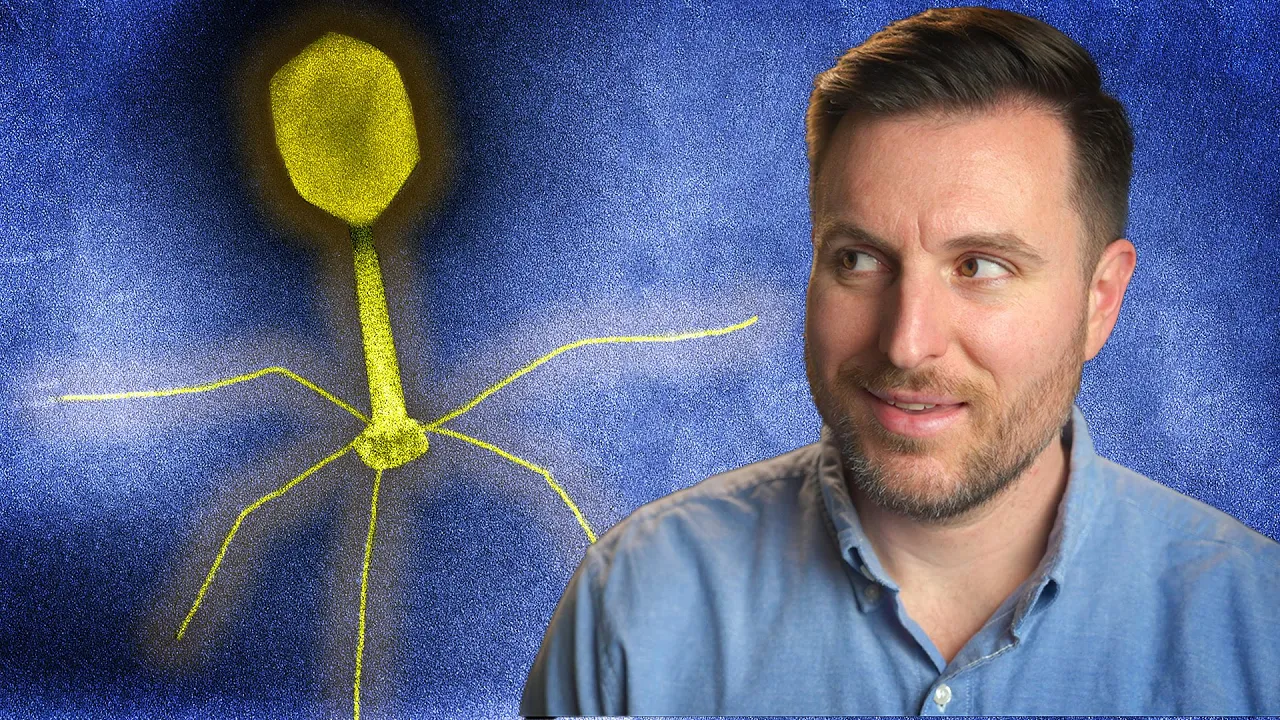
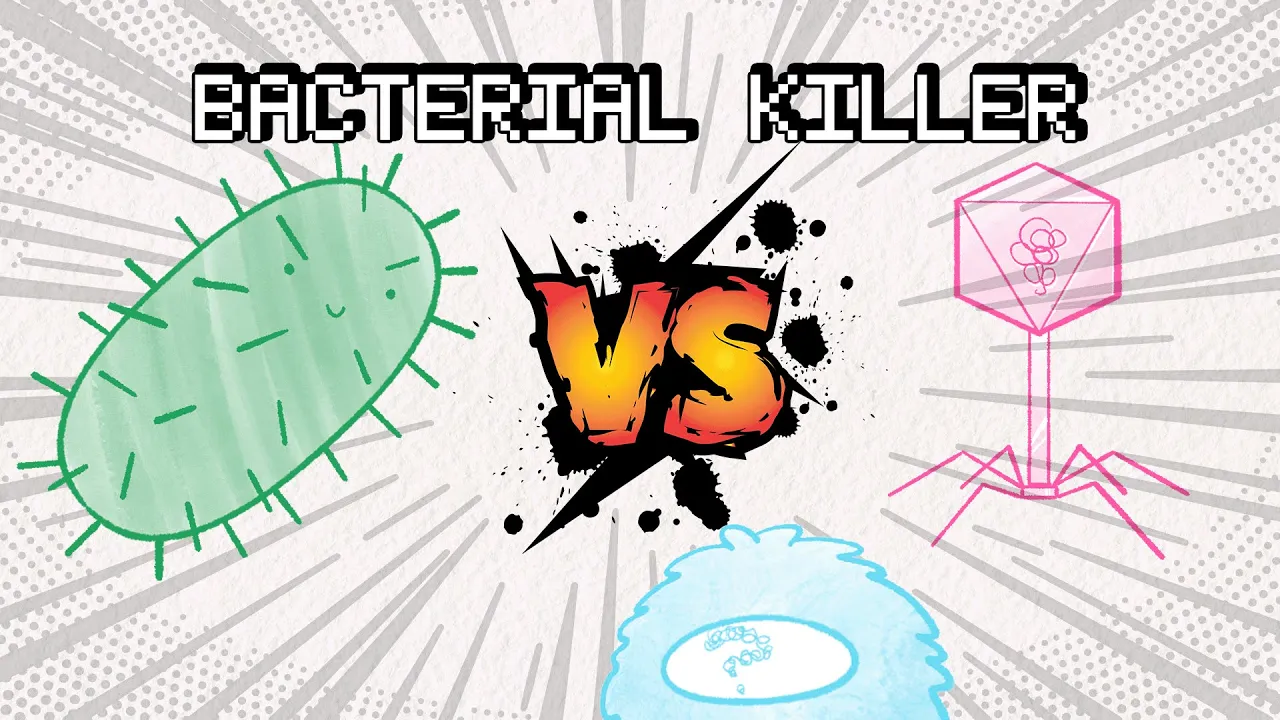
Bacteriophages (viruses that infect bacteria) reproduce through two distinct cycles: the lytic cycle involves immediate destruction of the host bacterium as viral DNA takes over cellular machinery to produce new viruses that burst out, while the lysogenic cycle involves integrating viral DNA into the bacterial chromosome (forming a prophage), allowing the virus to replicate passively through bacterial cell divisions until environmental stress triggers conversion to the lytic cycle.
Lytic vs Lysogenic Cycles of Bacteriophages | Viral Reproduction Explained
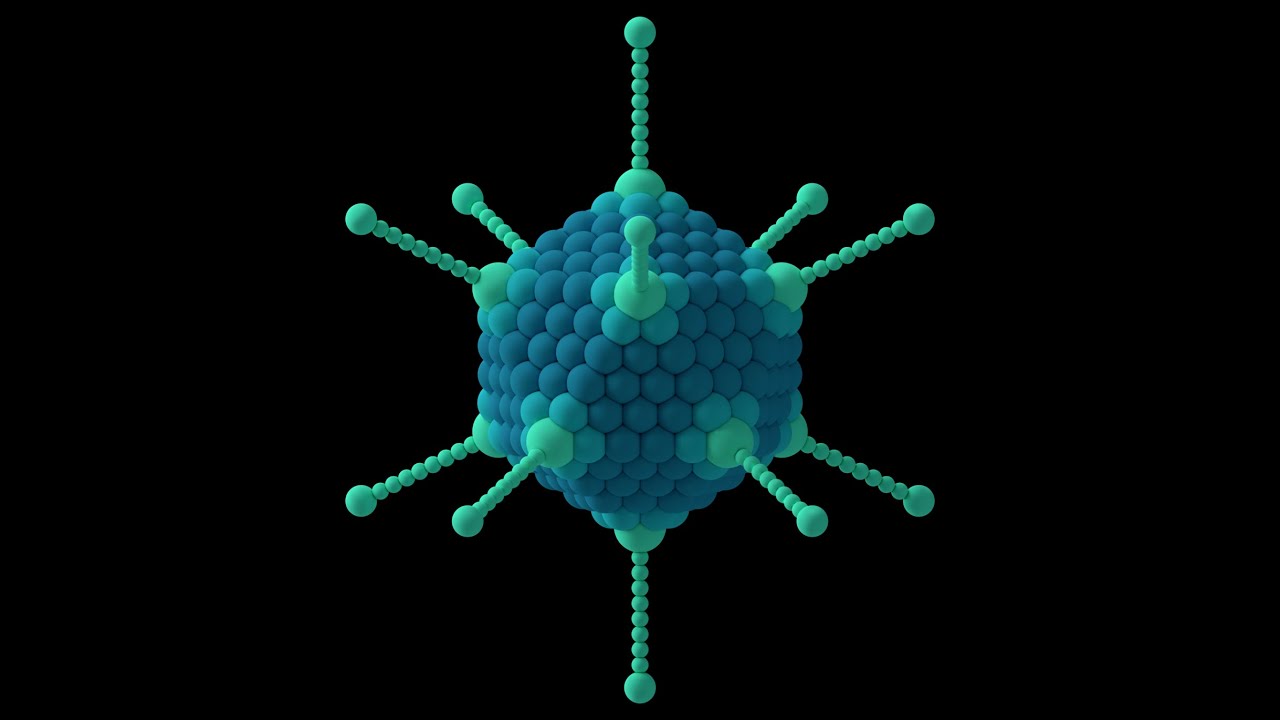
Added:Basic structure of a virus, specifically the anatomy of a bacteriophage (capsid, nucleic acid core, and tail fibers).
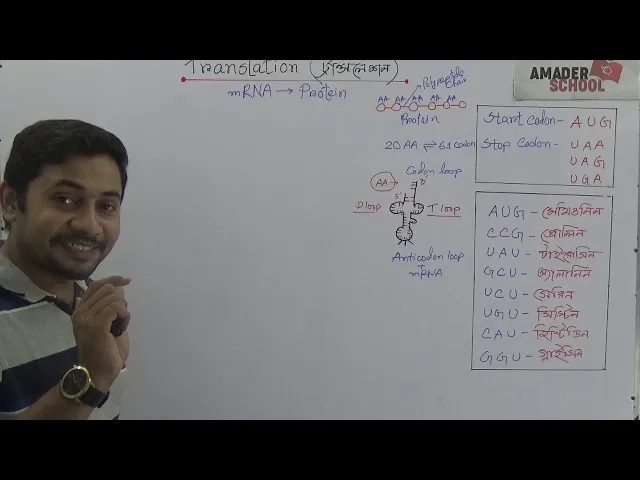
The Central Dogma of molecular biology, specifically how host cell machinery is used for transcription, translation, and DNA replication.
The structure of prokaryotic cells, including the bacterial cell wall, plasma membrane, and genomic DNA.
The concept of genetic recombination, specifically how foreign DNA sequences can be inserted into a host genome.
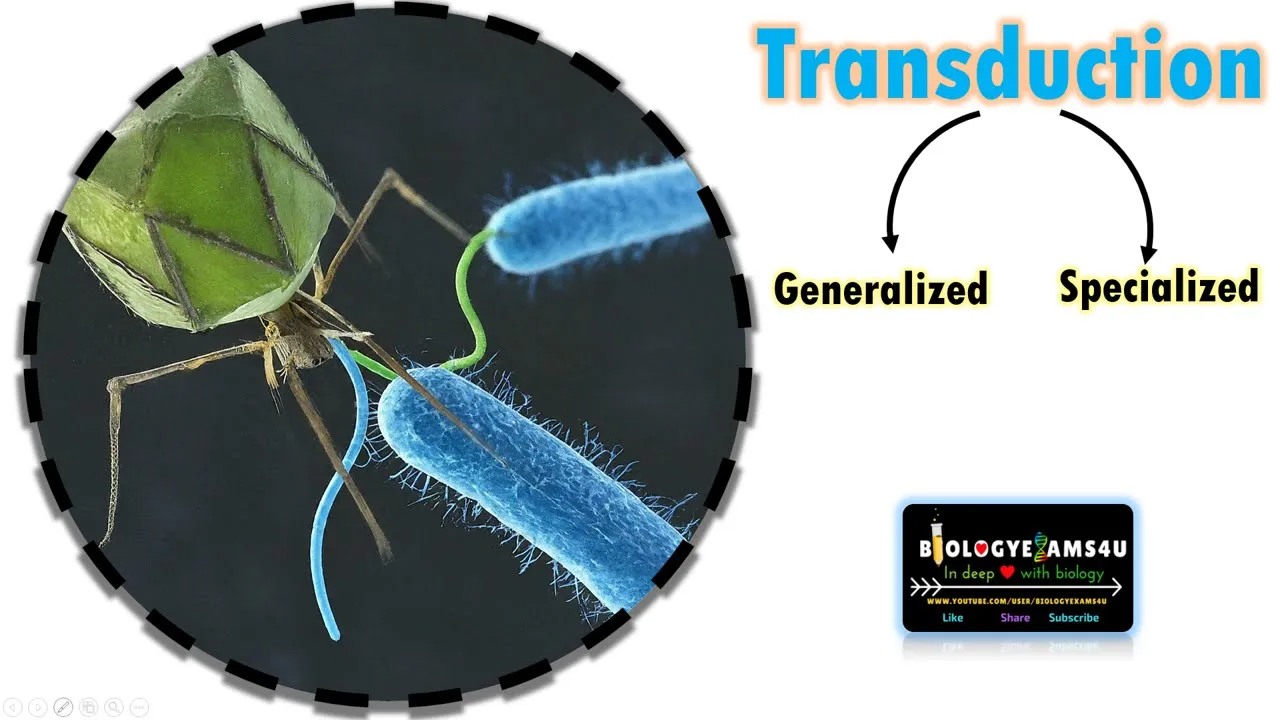
Bacterial transduction (generalized and specialized) and its role in horizontal gene transfer.
Lysogenic conversion, exploring how prophages carry genes that alter the phenotype and increase the virulence of host bacteria (e.g., in Diphtheria or Cholera).
The evolutionary arms race between bacteria and phages, including the bacterial CRISPR-Cas9 defense system.
Phage therapy as a modern medical application utilizing lytic phages to combat antibiotic-resistant bacterial infections.
799.8K views10.6Klikes4:22Original Release: 2016-10-04
hey guys how you doing this is a video to show you the difference between the litic and lysogenic Cycles uh of how bacteria phases can reproduce um just remember that this process or both these processes have only to do with bacteria phases which is viruses that attack bacteria um it doesn't happen in animal viruses like the flu and other things so basically um to kind of give you a sense of what's going on here we see that here we have a bacteria so this is the bacteria right here and this is the chromosome of the bacteria and this would be a bacteria phase this is the virus that attacks the bacteria so if we kind of see what's going to go on here um this particular virus is going to as you can see inject its DNA um into the actual bacteria and so now this BAC has its own DNA and it has the DNA from the actual uh bacteria and so if we see what happens from this point on we'll now see that the host DNA has been destroyed the base of the Fage DNA the genes in the Fage DNA directed The Host DNA to fall apart and so now the only DNA that's left in the actual bacteria is the DNA from the virus and I'm sure you can figure out what's going to happen from this point on um now of course the the ribosomes of the bacteria are going to be um producing proteins these proteins are viral proteins and as you can tell here um the Fage DNA is g to now code for the production of more viruses and of course now these viruses are going to at some point um explode from the cell and that is basically the litic cycle and of course liic means to lice or it means to cut or break open um so this results in the destruction of the bacteria and that is basically the liic cycle so now we're going to go through the lysogenic cycle so now this is the lysogenic cycle and this uh differs in a couple ways and I'll talk about them after um so the first part of this is the same that basically a virus is going to attack the bacteria and so what they didn't show here is that the virus would have landed here it would have Incorporated its DNA exactly the same as it did in the litic cycle but here's now the difference in the lysogenic cycle we see that instead of the DNA from the virus destroying the host DNA it actually integrates itself into the chromosome of the host DNA so now the difference is that you know there is no destruction yet so the beautiful thing for the virus is that well basically you know it's not going to be making a lot of its babies for lacer better word um or offspring immediately but this cell is going to start to divide and it's going to divide zillions of times and every time it divides as you can see that little teeny piece of DNA from the Fage um is going to it's basically referred to as propas DNA is going to be carried from generation to generation so now you have potentially Millions if not hundreds of millions of bacteria that all have this little piece of viral DNA so at some point when this host cell um becomes either um stressed or exposed to you know ultraviolet light or some kind of chemicals a system called phage induction happens and basically what happens you'll see here that that little piece of viral DNA pops out and now basically the cell goes through the liic cycle so the second half of the lysogenic cycle is basically the litic cycle so what's going to happen it's going to destroy the host DNA it's going to start making the proteins and there we go so the difference between these uh systems is that in a lysogenic cycle um the chromosome or the nuclear DNA material from the virus incorporates into the actual phase DNA um and is car generation to generation so the bacteria doesn't make it or the virus does not make as many offspring as quickly but it is incorporated its DNA into many many more cells and thus giving the ability to potentially make much more offspring over a longer period of time and so uh that is basically the difference between the litic and lysogenic and I hope you uh enjoyed it
Up Next
7:08
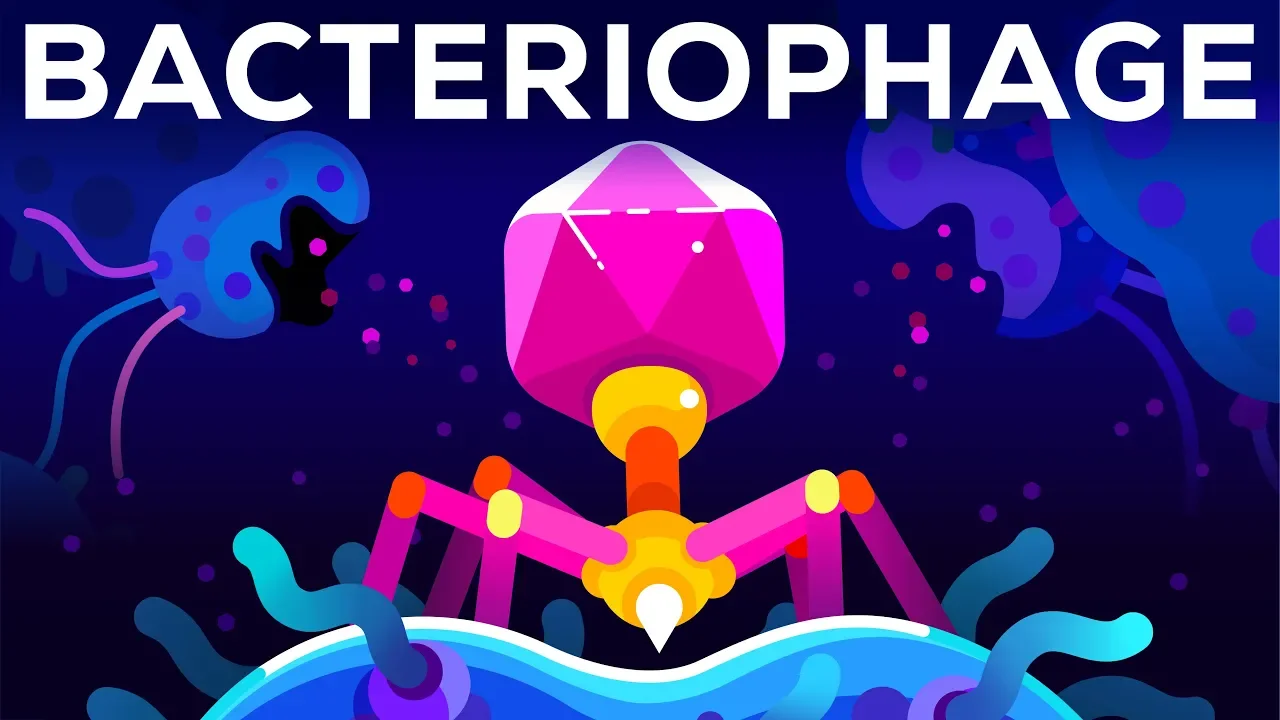
Bacteriophages: Earth's Deadliest Killers and Future Antibiotics
@kurzgesagt
34.6M views•2018-05-13
50:12
Bacterial Communication: Quorum Sensing and Biofilm Formation Explained
@JHUAAP
12.6K views•2011-06-28

5:35
Enteric Nervous System Explained: The Gut's Brain | Neurobiology Lecture
@alumniu6029
438 views•2018-09-12
2:42
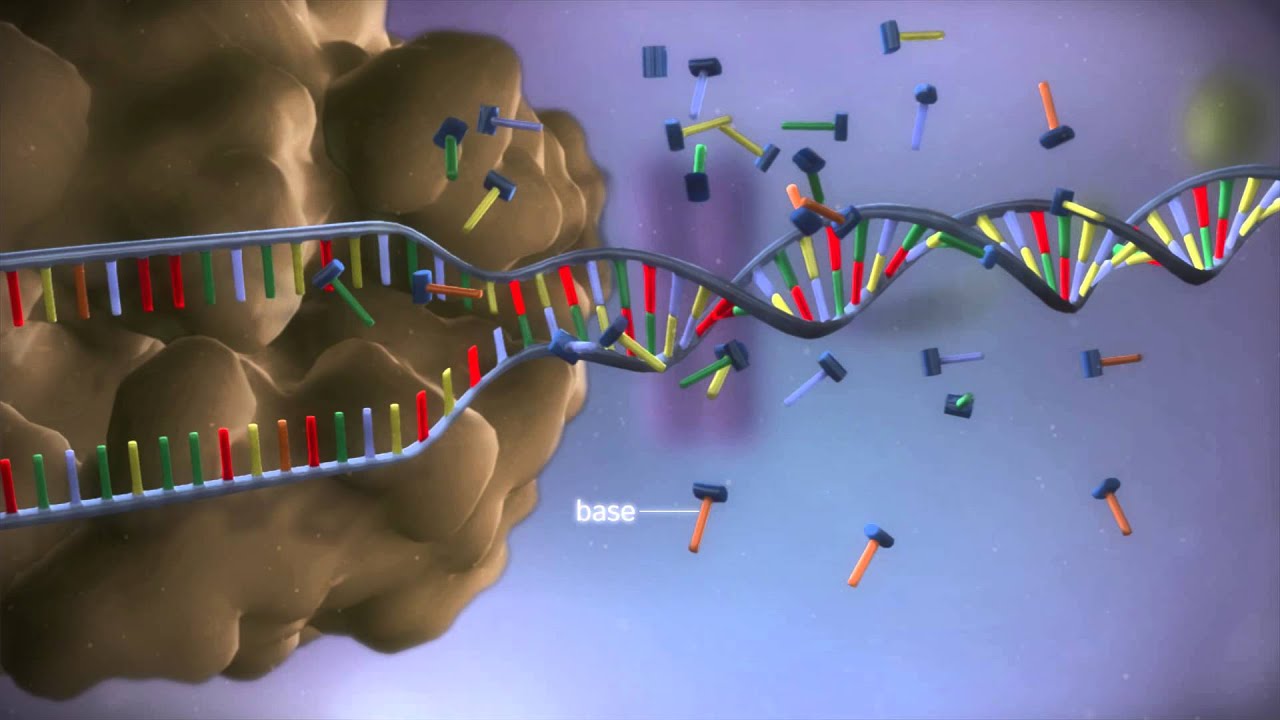
Protein Synthesis From DNA to Protein — 3D Molecular Animation
@yourgenome
22.8M views•2015-01-07
Related Study Plans & Knowledge Roadmaps
Structured learning paths in Biology
biology
RNAi: Biogenesis, RISC & Gene Silencing
01Molecular Biology Foundations: DNA to Protein
02Introduction to RNA Interference (RNAi)
03Molecular Biogenesis of miRNA and siRNA
+ 2 more learning modules
10h5 modules
Explore Roadmap
biology
Mycorrhizae: Signaling, Biophysics & Ecology
01Foundations of Mycorrhizal Symbiosis
02Molecular Signaling and Root Colonization
03Biophysics and Bioenergetics of Nutrient Exchange
+ 1 more learning modules
11h4 modules
Explore Roadmap
biology
Circadian Clocks: TTFL, SCN & Periphery
01Foundations of Molecular Biology & Gene Expression
02Introduction to Chronobiology and Actograms
03The Core TTFL: Molecular Architecture of the Clock
+ 3 more learning modules
14h6 modules
Explore Roadmap
biology
Population Genetics: Math, Drift & Selection
01Genetic & Probability Foundations
02The Hardy-Weinberg Principle and Baseline Models
03Mathematical Modeling of Natural Selection
+ 3 more learning modules
18h6 modules
Explore Roadmap