








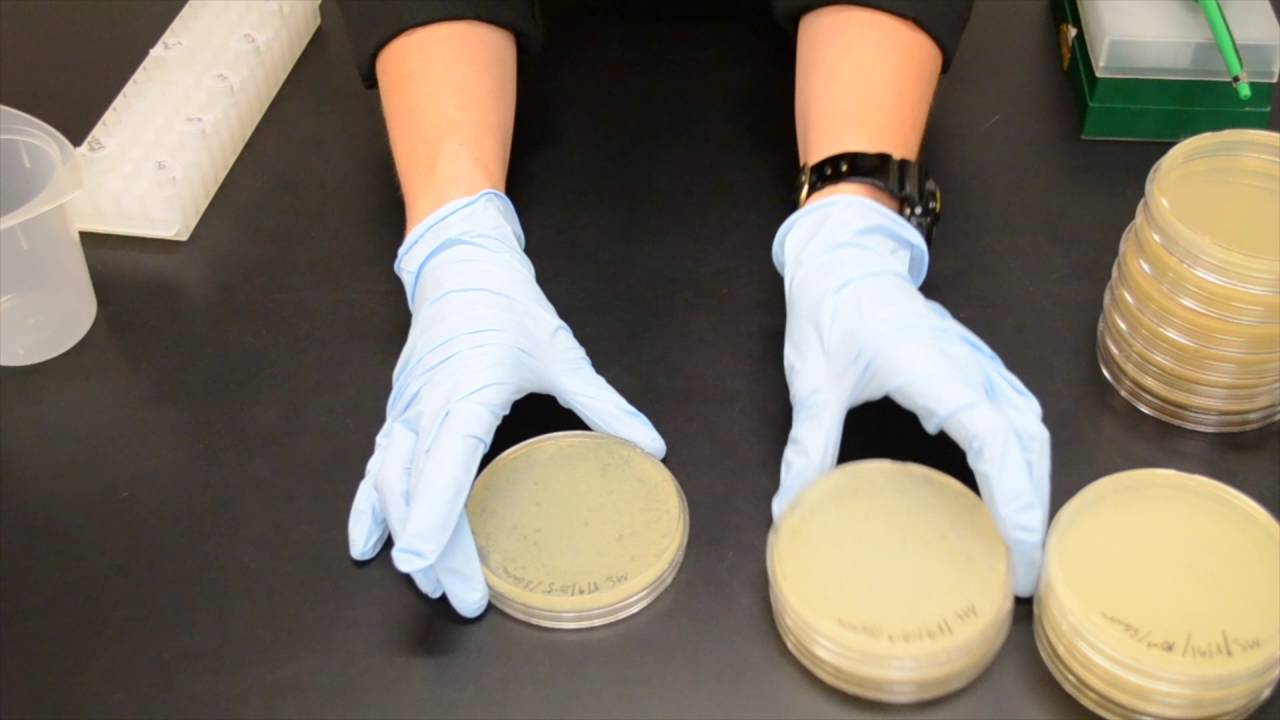


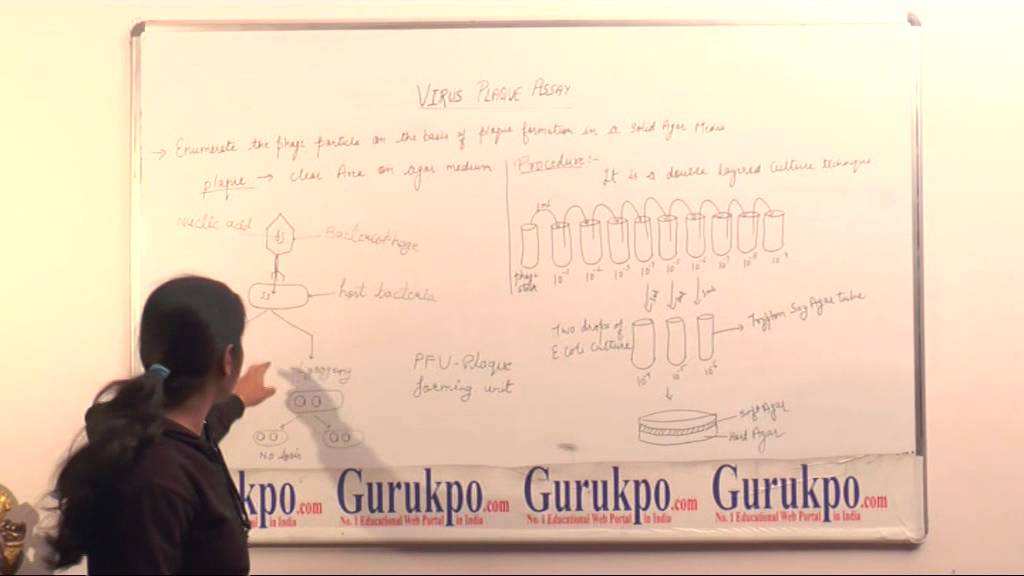
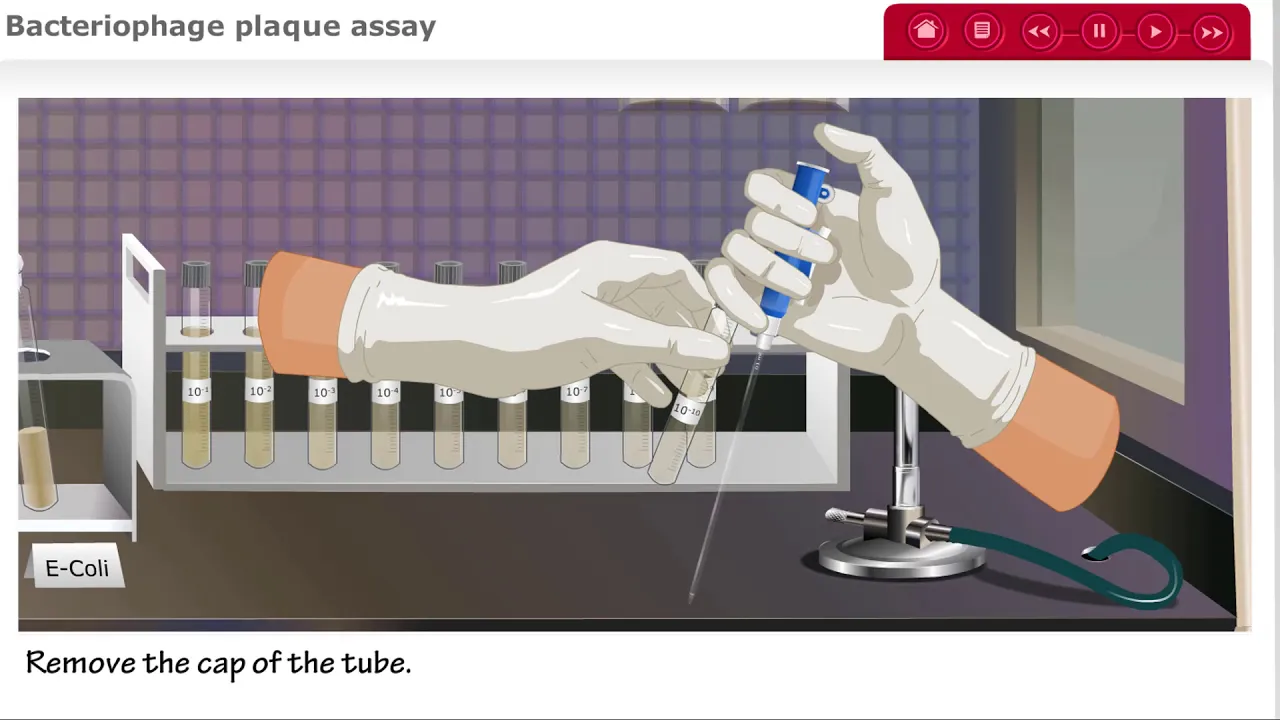






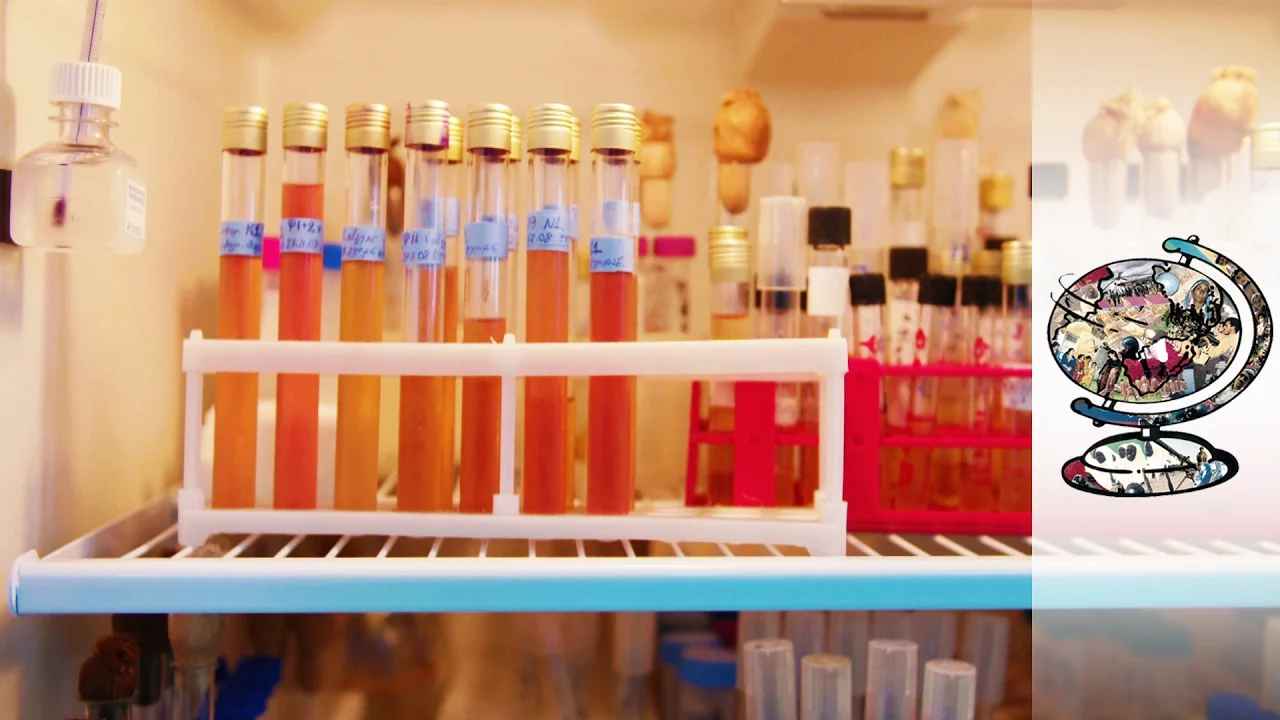
The Direct Isolation protocol is a method for isolating bacteriophages from environmental samples by first adding Fage buffer to the sample and shaking it for 1-2 hours to dislodge phages from their bacterial hosts, then filtering the mixture through a 22-micron filter to separate viruses from larger particles, followed by incubating the filtrate with microbacterium for 10 minutes to allow phages to bind to bacteria, and finally mixing this suspension with top agar and pouring it onto a labeled plate to grow overnight and observe phage plaques.
Direct Isolation of Phages from Soil | Protocol 5.2 Demo
Added:Fundamentals of bacteriophage biology, including viral structure and the differences between lytic and lysogenic life cycles.
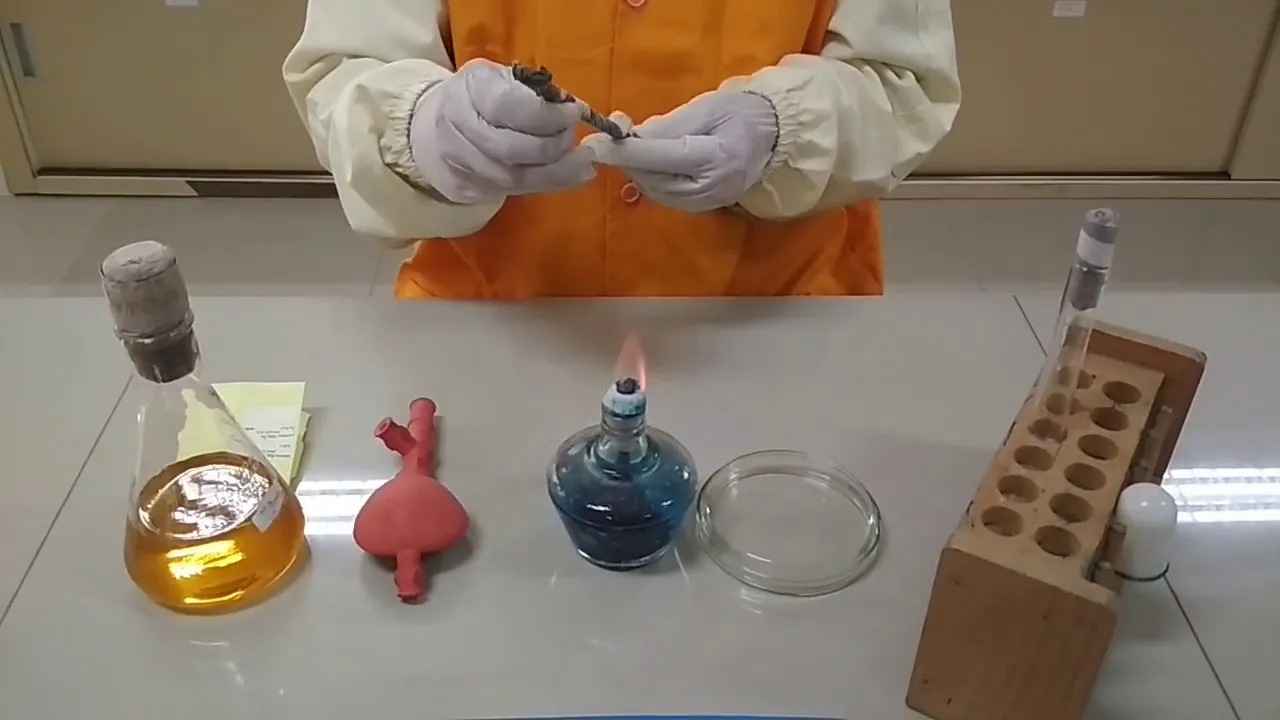
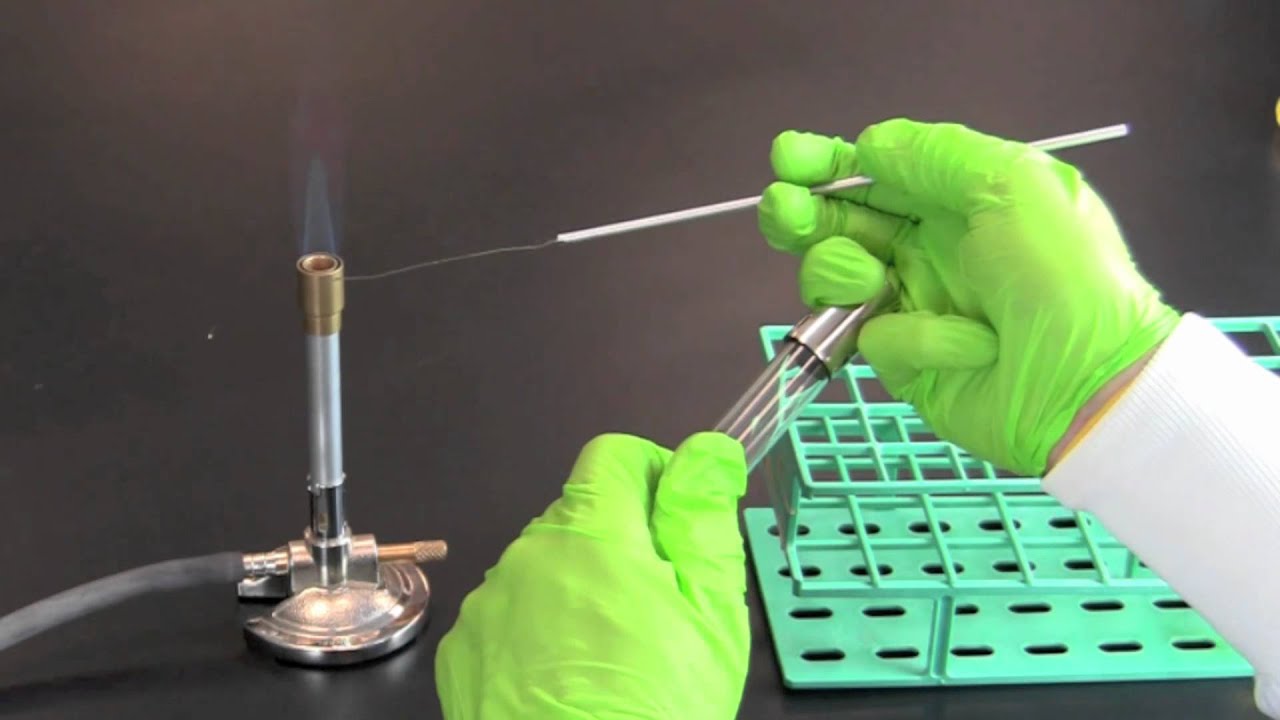
Aseptic techniques in microbiology to maintain sterile conditions and prevent cross-contamination in the laboratory.
The physical principles of microfiltration, specifically how pore sizes are used to separate larger bacterial cells from smaller viral particles.
Basic bacterial culturing concepts, such as preparing nutrient media and understanding host-pathogen specificity.
Plaque purification protocols to isolate distinct clonal phage lines from the mixed soil extract.
Quantitative plaque assays (such as the double-agar overlay method) to measure phage concentration in Plaque Forming Units (PFU).
Host range determination experiments to test the infectivity of the isolated phage against various bacterial species and strains.
Downstream characterization techniques, including Genomic Sequencing (DNA extraction) and Transmission Electron Microscopy (TEM) to classify the phage.
The translation of phage isolation to biotechnology, specifically phage therapy as an alternative to antibiotics and phage-based biocontrol in agriculture.
14.8K views160likes7:24Original Release: 2016-08-09
so once you have obtained your sample from the environment you are going to need to filter out the unnecessary materials that are with it so since I'm in the lab I have my lab coat on my gloves my clothes toe shoes my hair po back and my table has been aseptically clean I have my soil sample and it might look a little different than yours might because um we need the for example since mine was found in soil it needed to have um fagee buffer added added to it once I came into school came into the lab and it gets shaken for uh 1 to 2 hours so once you collected your sample you'd come back to school you would add the Fage buffer to it and then it' be put in a rocker where would actually be shaken out so that way we could dislodge the bacterial Fage from their bacteria that they naturally dwell with and so we can have the sediment the soil separate down from the liquid from the Fage buffer so sometimes you might have trouble with that and it had might have to be centrifuged like mine did so that way it could be spun down and the force of the gravity would separate the two so now that I have my sample I have my filter and my syringe and I have a empty conle tube so this is protocol 5.2 and you could follow along if you need to but let's see it's pretty simple I'm going to open up my filter careful to not take it out of the package because it's sterile and we don't want to contaminate remember we're trying to be a septic I'm going to remove the plunger from my syringe I'm going to take my syringe and I'm going to if you guys can see that screw it on tightly to the filter not too tight you don't want to break it and I'm actually going to set this here to make my life a little easier and I'm going [Music] to open up this chicle tube [Music] open up this one just a bit and I actually want to pick this up now and place it in here I want to pour my liquid into this syringe right here so this is what should contain the bacterial Fage that have been shaken off by The Rocker cover that up and so the filter that we're using is actually special for this um type of protocol it is a 22 sized micron filter which means anything that's bigger than 22 microns will be filtered from going into my collection that I'll have of my fil straight which means hopefully only viruses actually pass through and if there's viruses in here they will pass through and then we'll get to look at them we hope um so what I'm doing now is I'm pressing down this plunger and it's going to feel pretty um you're going to feel a lot of resistance it might be a little difficult but it's going to go through you just got to push and be persistent and I'm just going to try and get every last drop that I can in [Music] okay and then I C this and these all can become trash and now I have my discarded swirl sample I no longer need my syring in filter I no longer need and now I just have my collection to filtrate from my soil sample so with my soil sample now I mean my filtrate sample from my soil we'll place it into my micro bacterium and let this sit for 10 minutes while the viruses adhere to the bacteria all right so now I've had my filtrate sample sitting in with the microbacterium for 10 minutes letting the virus Bine to the bacteria and now I am going to take that sample add it with my top augur and put it onto my plate that I have already labeled with my name what it is in the date also for example since my sample was soil I rot soil so I am going to now take my sample make sure my microp pipe header is at the correct setting and I am going to take this add it to my top auger that has been sitting in the hot water water bath you should always have a bin to dispose of your dirty tips and give that a slight swirl and I'm going to pour this barely opening my lid so that way I don't contaminate and I'm going to give this a slight swirl so that way it covers the bottom of the plate completely and I'm going to set it aside so that way the top augur can solidify and then that'll be grown overnight and that is how you do a total uh direct isolation filter filter and so we have taken our soil added the Fage buffer put it in the rocker for a couple hours and then we came back we took a22 size micron filter we filtered our uh soil sample into a new conle tube we took the conle tube filtrate and we took a portion of that mixed it with the microbacterium let that sit for 10 minutes so the virus adhere to the bacteria then we mixed it with top auger poured it onto our plate that was labeled already and set that aside so that way it can solidify and grow overnight
Up Next

6:56
Nernst and Goldman Equations: Calculating Equilibrium Potential
@NonstopNeuron
41.2K views•2023-08-07
50:12
Bacterial Communication: Quorum Sensing and Biofilm Formation Explained
@JHUAAP
12.6K views•2011-06-28

4:45
Spot Test Protocol 5.6 | Phage Isolation Lab Demo
@melodyscrudato
18.8K views•2016-08-10

7:08
Bacteriophages: Earth's Deadliest Killers and Future Antibiotics
@kurzgesagt
34.6M views•2018-05-13
Related Study Plans & Knowledge Roadmaps
Structured learning paths in Biology
biology
RNAi: Biogenesis, RISC & Gene Silencing
01Molecular Biology Foundations: DNA to Protein
02Introduction to RNA Interference (RNAi)
03Molecular Biogenesis of miRNA and siRNA
+ 2 more learning modules
10h5 modules
Explore Roadmap
biology
Mycorrhizae: Signaling, Biophysics & Ecology
01Foundations of Mycorrhizal Symbiosis
02Molecular Signaling and Root Colonization
03Biophysics and Bioenergetics of Nutrient Exchange
+ 1 more learning modules
11h4 modules
Explore Roadmap
biology
Circadian Clocks: TTFL, SCN & Periphery
01Foundations of Molecular Biology & Gene Expression
02Introduction to Chronobiology and Actograms
03The Core TTFL: Molecular Architecture of the Clock
+ 3 more learning modules
14h6 modules
Explore Roadmap
biology
Population Genetics: Math, Drift & Selection
01Genetic & Probability Foundations
02The Hardy-Weinberg Principle and Baseline Models
03Mathematical Modeling of Natural Selection
+ 3 more learning modules
18h6 modules
Explore Roadmap