

















Phage-antibiotic synergies exploit evolutionary fitness costs, where bacteria developing resistance to one agent become more susceptible to another, making combined treatments more effective than monotherapies for disrupting antibiotic-resistant biofilms; optimal treatment requires simultaneous administration rather than sequential approaches, and serum can inhibit phage efficacy on certain bacterial species.
Phage-Antibiotic Synergies in Biofilm Infections | Research Webinar
Added:Structure and composition of bacterial biofilms, including the role of extracellular polymeric substances (EPS) in mediating antibiotic tolerance.
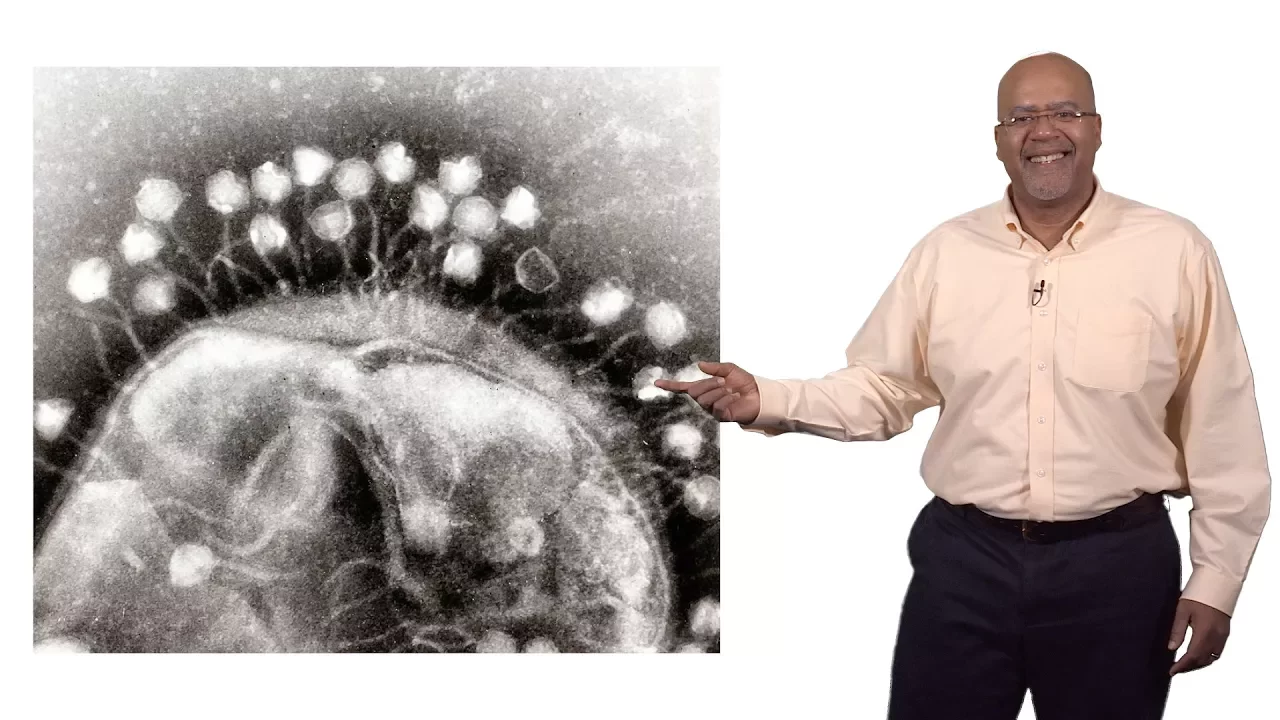
Fundamental bacteriophage biology, specifically the mechanism of the lytic cycle and host specificity.
Standard mechanisms of action for major antibiotic classes and the physiological basis of bacterial antibiotic resistance.
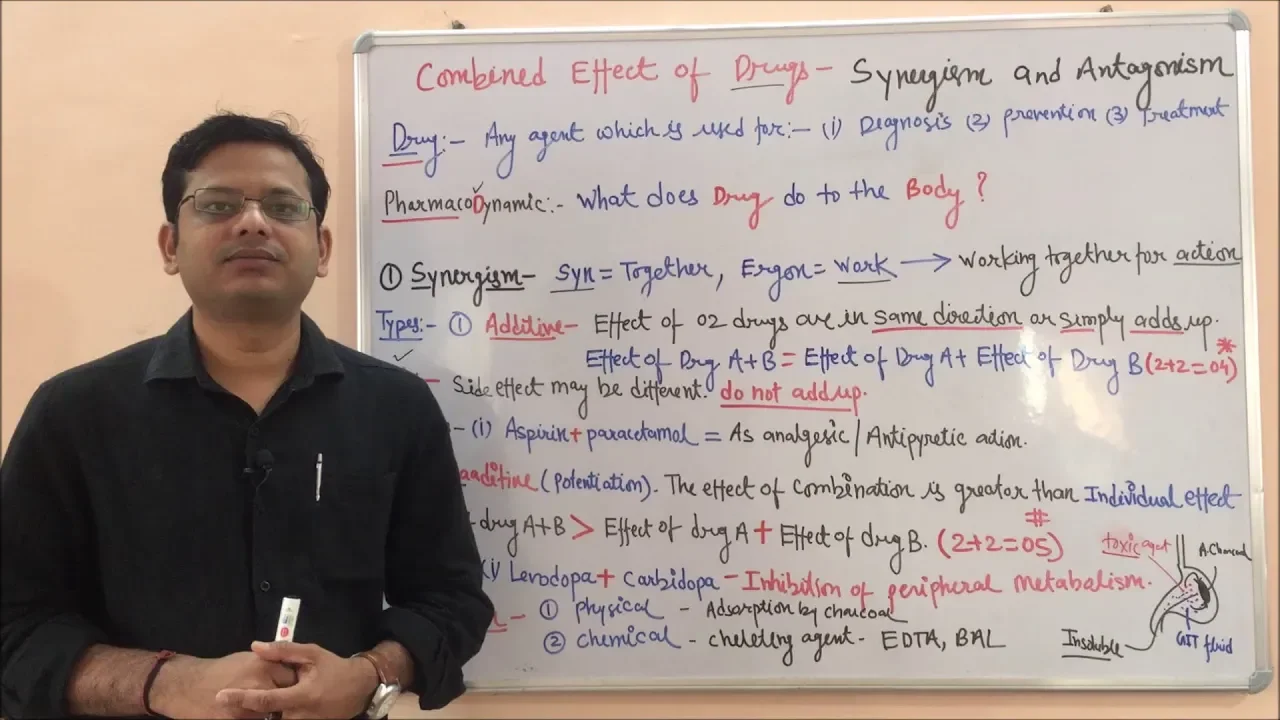
Pharmacological principles of drug interaction, specifically the definitions of synergy, additive effects, and antagonism.
Mechanisms of bacterial resistance to phages and the evolutionary trade-offs that can resensitize bacteria to traditional antibiotics.
Genetic engineering of synthetic phages, such as those engineered to express biofilm-degrading depolymerase enzymes or deliver CRISPR-Cas payloads.
Translational and regulatory hurdles in phage therapy, including FDA/EMA approval pathways, GMP manufacturing, and standardized formulation.
Clinical trial design challenges for personalized medicine, specifically matching phage-antibiotic combinations to patient-specific bacterial isolates.
232 views5likes55:41Original Release: 2023-02-17
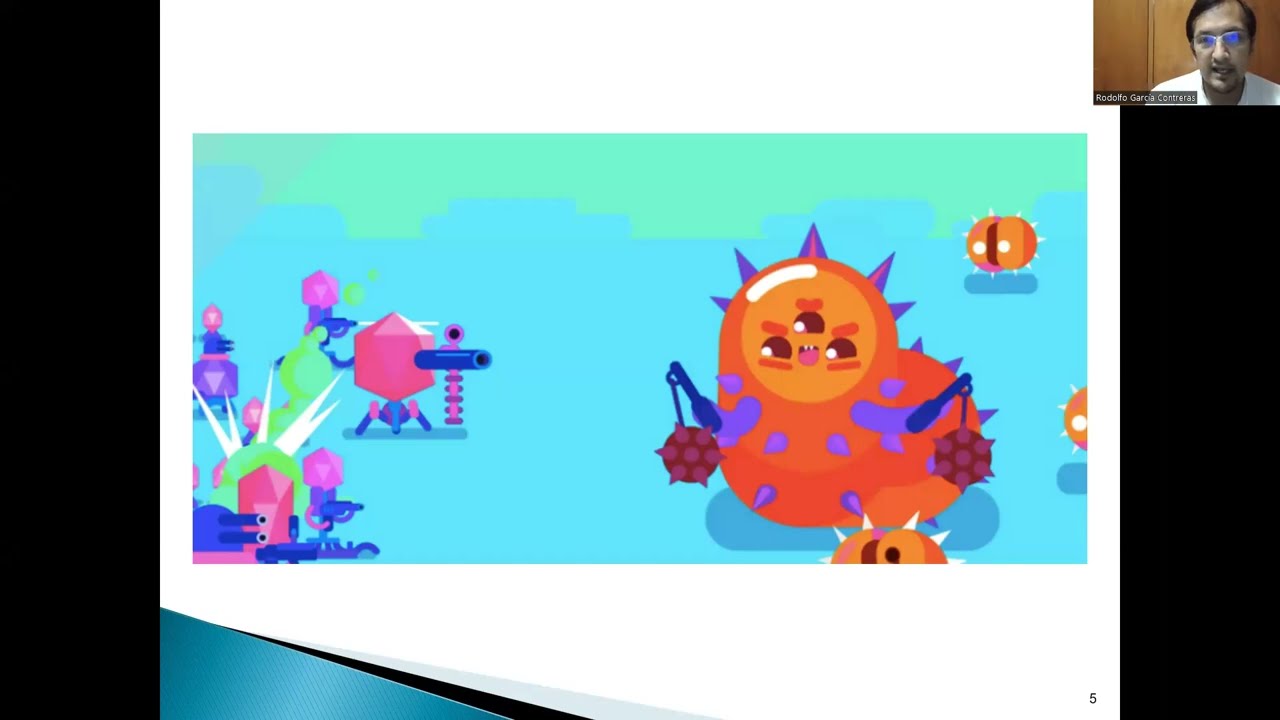
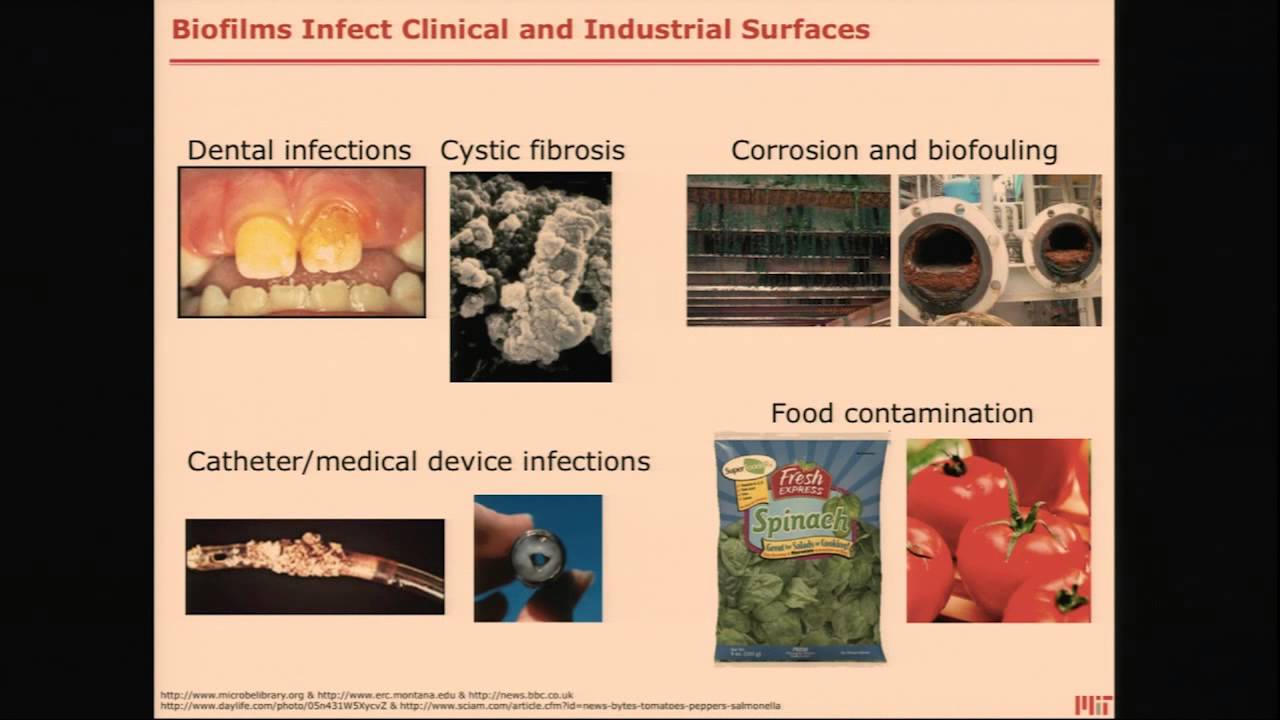
yep perfect okay go ahead well just and jump into it I'll put on the pointer here yeah here we go Okay so well good morning everyone uh um first of all thanks e for organizing this webinar and making it possible and giving me the opportunity to speak with the great Jeremy Barr um but we already had the introduction so maybe it's good to immediately dive in and I wanted to start off a bit with explaining as to why we would use phage antibiotic combinations and well first it's very important to keep in mind that in most parts of the world phages are not incorporated as routine practices they're used under the Helsinki convention meaning when nothing else is working or as a last resort so a lot of the patients you're treating already have like very extensive antibiotic treatment so it's very important to understand these interactions you can have between pages and antibiotics but secondly we also want to try and exploit the concept of evolutionary Fitness costs and to try and explain this in the clearest way possible you can try and think of monkeys and humans well monkeys have evolved muscles which are much longer than we as humans have so it's making them making it possible for them to hang in trees for four to five hours without having any problems well we as humans we have evolved a very more uh shorter muscles and precise the muscles make it possible for us to throw a very precise pitch but the other way around it's not working we are not able to hang four or five hours in trees and this is what we can exploit with age and antibiotics as well because imagine a bacteria incorporating more pouring structures in its cell membrane to become resistant towards any sort of antibiotics well if you then use a phage which is adhering to this points then you could use this evolutionary process to your benefit and if we have a very reflective treatment then we would limit the resistance development against both active agents and this would mean that we get lower the concentrations of antibiotics used and this is generally a good thing however there are some interesting papers indicating that low antibiotic concentrations often even stimulate bacterial growth so that's something that we really got to keep in mind as well when using lower antibiotic concentrations and if you look a bit more into my project into what I'm doing I'm working mostly in the orthopedic setting and here on the left you can see infect infected tibia fracture and on the right apostatic joint infection of the knee and needless to say these are very complicated infections not only due to the fact that you have a lot of antibiotic resistance but also due to the fact that you have biofuel information on these Orthopedic implants and for those of you not working in the field or what is a biofilm well a biofilm is presented here and you can see you can Define it sort of as a micro community of different microorganisms which are living together in in this self-produced Matrix polymeric substances and while forming this biofilm bacterial cells will undergo a metabolic switch becoming dormant or metabolically inactive cells and this will make these cells very much less sensitive towards antibiotics when pieces of this biofilm are slawed off and come into the circulation they can cause recurring infections and indeed why is this so prevalent in Orthopedic infections well when you put in an orthopedic implant it's important to know that bacteria can adhere almost 10 000 times better towards these towards the implant material than compared to the native tissue it's about 80 percent of all clinical infections which are having these biofilm components so it's very important high-end new treatments um treatments for these biofilms so for my project what I'm trying to do is looking to see if I can isolate some phages and test them in combinations with antibiotics to try and disrupt this biofilm structure so for my project when I started the first thing I needed to be doing was isolating phages and as I wanted to have orthopedically relevant pages and water samples or the easiest sampling sources I thought okay Hospital sewages would seem to be the best sampling source so of course at that time it was still covert time so you can imagine it wasn't always easy trying to call up these Hospital hospitals asking if I could go and get some viruses out of their sewages but eventually you can see a list here of all the hospitals we visit multiple times and for those of you thinking that these are the phase students are kind of a tropical destination well my intern here which you can see on the right um of which I added a lot a lot of help always join me for these page isolations and just really taking a ball with you and descending into sewages so not only did we use hospital sewages but I was always this weird guy with empty water bottles in his car and every time I passed the Ponder lake or Park I tried to collect some environmental samples as well um additionally as I'm working with pseudomona's original and stop Ruiz for stepharie is an epidermis as some of you may know it's way more difficult to find bacteriophages you have to be a bit inventive with the sampling sources that you can use you need to try and find sampling sources where you would find your host bacteria as well and as staphylococcus is often found in oh I have to see my ah here it is uh is often found in the nose of people I managed to get my hands on some nasals nasal and skin swaps which were used for MRSA testings and I also used a nasal washing device and you can see my brother-in-law here because I asked my entire family to wash the nose so I could recuperate the water afterwards um but we also mentioned a sample some human breast milk samples and some wound compresses coming from infected patients and interestingly in human rescue examples and the wound compresses we isolated bacteriophages and this entire process resulted in a collection of about 80 phage clones active against pseudomonas originals and about 10 page clones active against stavrius and stuff epidermis so these were all produced in high tires to get to give them long-term stability and the next thing I needed to do once I had my phages was go and test them on biofilms so what I started doing off was I grew pH of one's originals are pa1 biofilms in 96 wall plates and after 24 hours I obtained a mature biofilm and once I had these mature biofilms I added different combination of phase and antibiotics to look at biomass cfus and metabolic acids and when we look at the results very interestingly as I already said before biofilms are known to be very much less sensitive towards antibiotics so I wanted to perform some essays and I want to show you the ones that I did with only one time the mic of antibiotics where we can see in black always a positive control the wide with the bars is always the antibiotic and every color represents a phage with the purple being with h cocktail every time in the collar with the bars is always the phage antibiotic combination and what we see here is that when we use monotherapies of phages or antibiotics we're only slightly reducing our biofilm however when we use phage antibiotic combinations most efficient biofilm disruption and destruction is seen for both biomass as for cfus and this wasn't only the case with fluxacin but we also tested it with your mirror penem and again here this is what I tell you guys about lower antibiotic concentrations which could even stimulate biofilm growth or bacterial growth while while when adding a combined phage antibiotic treatment we were able to see reductions in biomass or bias accountable countable cells and with septic again we had similar characteristics with the phage cocktail combination with ceftazidine was proven to be the most effective but in general phage antibiotic concentrations were most effective and so we didn't only want to use biomass and see a few essays but we also wanted to see what was really going on with the viable cells in our biofilm so these results represent metabolic acid where I grew first biofilms and then when I added my treatment I added the long a die which is converted by viable cells and it's the converted die that we will transform in a signal and in graphs as you can see here and interestingly again what you can see here this time we increased the antibiotic concentrations a bit is that the combined treatment represented in blue with either ciprofloxacine mirror open them or Seth as a Deen was seen to be again the most effective in reducing biofilm respiratory rate or metabolism in this case and we also wanted to know like what's really going on with the biofilm in your Orthopedic setting on the biofilm itself so what we did was we grew some po1 biofilms on titanium coupons representing or mimicking the implant material and here on the left you can see a untreated PA on biofilm and this is what it looks like under a microscope and if we add either phages or phages in combinations with antibiotics you can see a clear reductions of pao1 cells were obtained on these coupons and if we look into or Zoom it into a bit more in detail this is what it looks like like here under left you can see an untreated pa1 biofilm while on the biofilm treated with phages and a lot of these certain ones I already know the cells are eliminated from the titanium coupon but most interesting results were obtained when we want to look what would be the most effective form of treatment a combined treatment or would it be a sequential treatment because literature indicates that when you use first phages to maybe cut open a bit your biofilm and then reactivate these bacterial cells to regain the target for antibiotics that would seem to be the most effective so what we did we did this with 48 out treatments where we added first a phage then an antibiotic or vice versa or 48 Hours the combine treatment and what we saw was very interesting when we did sequential treatments we did have significantly the vast decreases in biomass and entertainment bonds but in between these biofilm islands let's say you can still find a lot of paon cells indicate with these red arrows however when we use a simultaneous treatment or combined treatment for 48 hours this was no longer the case and when when you zoom in even further this becomes even more clear because here you can left a lot of one cells still residing on titanium coupons well when we did a 48 hour simultaneous treatment this was no longer the case and so this wraps up a bit the results I had with pseudomona's original and I'm also working with Starburst so after these results I was very very optimistic and dove into the next experience and Fade Into product Synergy essays on strawberries and epidermis as well but then first results were quite demotivating because every time I used phage antibiotic combinations for strawberries biofilms I didn't have good results and then I tried everything I tried doing those metabolic essays again but again here you could see only the Fate just having slight effect on my biofilms but phage antibiotic combinations did not so we could observe some slight decreases but there were no overwhelming biofilm distractions to be observed so let's start to get me thinking a bit on what I was doing for my project and the the slide is moving in so then I started thinking well what I'm doing for my project is I'm making a multi-species biofilm model and I'm using a I'm incorporating a Candida albicans which I'm first growing for 24 hours and then I'm adding a strawberryism pseudomona's original to the mix however if you're working with multi-species models you have to know that sometimes and especially in this case with pseudomonas originosa and step reads is that the Samoans originals are tends to overgrow and even push out the stafferies from the biofilms so then at first I had a very useful tip from the other Radio Lab in Portugal saying that if you add serum to the media you can balance out these inhibitory effects of pseudomonas originosa and that's what we saw here we managed to get a stable three species biofilm up until seven to two hours when we added serum to the media but although I still had bad results with discoveries biofilms I thought something might must be up here and then advanced in Portugal this summer I came across a poster saying that serum might be the God's Defector somehow ended up inhibiting the effect of my phages so straight when coming back I thought okay let's give this a try and do exactly the same as if you would and see if you when you remove the serum something happens and these are the results I obtained when I added serum to the media but look what happens when the serum in my media was just removed and everything else was the same it was just a 10 serum that I removed from the media all of a sudden my phage is almost entirely disrupting my biofilm in my nine music soil plates so it was very interesting and then I started repeating this on a larger scale and this was repeatable as well so every time I remove the serum my pages became somehow more potent and so I was very interested in this page and we had it sequenced and at first it was a bit difficult to try and try and know what information I could get out of this faster files but I had a lot of help from irune wagmans and the team of Rob Levine as well as the team in Portugal and they managed to help me find a the polymerase in this stage as you know so what I did was I used a depolymerase prediction tool and I added sequence of my page and I found a very nice hit so then I was looking more into detail what the polymerases were and I came across this paper from um the team in Portugal ah here it is um and I saw the name of yu-giolivera so I can't contact him and he said okay a deep polymerase must be something from the tail of your page and it has to have a peptide liaise domain and he sent me to a database where I could go and look for it and indeed we identified affected lies domain and I was thinking oh but it's still three neck appendix protein maybe I should do a bit more research about this and interestingly I the first paper I found was by Diana Gutierrez and our host of today Eve Brewers um and this was a very funny coincidence to sort of end a bit my presentation as I was also trying to see if we could do some phage immobilization uh essays or protein immobilization essays on Orthopedic implants so I contacted Eve this week not only for the presentation but also to see if we could maybe um produce these deep polymerase and see what we can do with it on our biofilm models so to wrap up with my presentation um during my project I've been isolating a large collection of bacteria phages and when I tested them on biofilms these phase enabled essays clearly showed the highest biofilm removal um interestingly when we did a combined treatment it was seen to be most more efficient than any sequential monotherapy we tested and then last but not least serum supplementation somehow is inhibiting the effects of the phages on staphylococcal biofilms and this really needs further elucidating especially with clinical application of these pages in mind and I'm happy to wrap off and say that after two weeks of spending on faster files and bioinformatics tools that we managed to identify an interesting deep polymerase so with this I've came to the end of my part and I think Jeremy if you are already can take control of the presentation again thank you very much Stephen so all attendees can put their questions in the chat box we will deal with them afterwards and the chairman can take over the screen we continue with the second part of the webinar awesome thanks Steven thanks Eaves uh really honored to be here I wanted for the invitation so thank you and um to Stephen like great talk that was really exciting to see results and data um and very humbled and honored to be speaking here today so thank you both so Stephen I think you have to stop sharing yeah and then Jeremy can take over okay I'll stop sharing only I think we're still seeing your screen okay I might be able to stop share there we go okay let me get set up all right can people see my slides okay yep it's perfect okay well thank you everybody it's um real pleasure to be here um very honored for the invitation thank you Stephen thank you Eaves uh and thanks everyone for coming along and I I really like Eve your introduction to the session sort of normalizing Science and talking about how difficult it is to do research and I and I want to maybe preface that and say with this talk you know I'm going to present about 20 minutes of research but would sit down this has been about three and a half years of work um it's still ongoing it's still not published it's it's never smooth sailing there's always things that that go wrong and um there's a lot of challenges and resiliences in in pursuing the science so what I'm going to tell you today is about uh an enterobacter Fage cocktail that we've been building to sort of combat nosocomial infections and I'm going to jump right in the deep end and talk about uh nosocomial infections so these are Hospital acquired infections typically patients who are already in hospital already sick uh they're immunocompromised they're typically on antibiotics immunos address suppressive drugs they may have complex wounds or other pathologies and it's in this situation that they unfortunately can pick up bacterial infections that are residing in the hospital these can be natural carriage in plumbing piping surfaces sometimes carried by the hospital staff and these infections can be very virulent and they can also have a lot of antimicrobial resistance determinants they're very very nasty infections we've also got up here Anton palix so Anton is a big collaborator of ours Anton is the head of infectious diseases at the Alfred which is one of the biggest hospitals in Melbourne it treats a lot of very complex infectious disease cases and so what Antonin is our team at the Alfred have done is they've sort of documented and outlined an ongoing outbreak of nosocomial infections caused by these enterobacteria this big family of gram-negative pathogens with many of the common names that I'm sure you will recognize these are Hospital acquired infections they're typically highly drug resistant and highly virulent this is a little snapshot of the number of nosochromial AMR infections that have been isolated from bloodstream infections from patients from the Alfred over the last sort of 10 to 15 years roughly seeing about 20 infections per year but you'll notice particularly over the last three to four years how much this is spiked and this has all been driven by an outbreak of these carbop enemies producing plasmids that are highly mobile and transferred and causing big problems in the hospitals these infections typically have high mortality rates upwards of 20 percent uh they're driven by AMR and there's very limited treatment options available for these infections now the Alfred and Antonin and his team have been documenting these infections for over 15 years now these isolates are stored they're cultured they're typically hold genome sequenced and so we have a really good database of all of these isolates and I want to particularly emphasize this big green cluster that's really become prominent over the last three to four years and these are caused by enterobacter cloacier complex it's a group of seven bacterial species that we group together in this complex and I'm simply just going to refer to them as ECC for short and at the time we started this study Anton and team had over 150 clinical isolates that have been found from the Alfred that all resulted from bloodstream infections so we had this great starting sample set to begin to build and try and build a phage treatment for this ongoing problem so um this sort of a promise life for Dinesh he's a postdoc in our groups and with us for about three to four years and he's really LED all of this work and this has been his major project in our lab is designing and developing this fate cocktail sort of redefining how we you can use biology and construct these cocktails to met this on submit this unmet clinical need and so we had a few design principles that we wanted to implement when using a cocktail I think the term cocktail is very overused and I realize that I'm propagating that right now uh but there's not a lot of real principles and so we wanted to set how are we going to design and develop this cocktail so I said we had about 150 isolates that we could begin with we decided that that was too many we felt too many to start with so instead we chose a subsection of 37 isolates these were representative of the most pathogenic and prominent St types or sequence types but we also took a very diverse collection of sequence types and these are shown in these colored bars here so we've got our three most prominent sequence types causing infection at the top but a large diversity of other genetically distinct clades uh in this ECC population we also only selected phages with high lytic activities for anything that didn't propagate well form small inconsistent plaques we didn't bother take for taking forward and we made the decision that each phage in our cocktail had to Target a unique receptor on the bacterial host surface and the reason for this is that we felt that that would increase our Host range and would also limit the cross resistance or the cross emergence of phage resistance for each phage in the cocktail we also wanted to work with the minimum number of phages with the broadest first range coverage to limit the size of our cocktails every phase that we add increases the sort of production and complexity and I'll touch on that at the end of The Talk so these are our uh this is our initial three-phage cocktail so encos 7 15 and eno2 we've got a lot of information about these phages we've got some beautiful TM pictures we've got whole genome information these are closed genomes that we've annotated and we can pull out a lot of biology from these we've got one step growth curve so we can determine the burst size latent period and other uh fundamental characteristics of the phage we've also got some very long-term stability data so here we've stored these three phages at 37 degrees at four degrees in room temp and you can see 37 degrees fairly rapid degradation over maybe a three to four month period but room temp and four degrees these phages are extremely stable we've got up to 18 months now and we see no drop at four degrees so that's that's a big plus particular one we're thinking about producing and storing and transporting this cocktail so also mentioned that we wanted to Target different receptors and this is something that I I really passionate believe in when we're characterizing phages is trying to identify the phage receptor because it tells us so much information about how the phage behaves and how we can utilize this phage and so to do this really simply we grow the phage and the host and the growth curve certain in this black line here and I'm sure many of you have seen this very quickly in lab conditions you see the emergence of phage resistant mutants these are mutant phages that have typically loss of function mutations in the receptor genes and by isolating these phages and sequencing them we can find loss of function mutations or Snips or Gene deletions in key genes which gives us a hint that that might be the receptor and so this is a a little bit of a complex schematic of the gram-negative cell wall with our inner membrane peptidoglycan layer outer membrane and LPS units our first phage we found a loss of function mutation in a glycosal transferase gene that was associated with attaching glycan residues to the inner core in the LPS structure our next phage we found a loss of function in this UTP transferase it's quite a broad glycosal transferase that's associated with adding different sugars onto biological components it is associated with the peptidoglycan but it's also associated with the outer outer chain of the or the outer antigen of the LPS so it's potentially modulating and changing two different aspects of the bacterial cell surface and our third page we actually found two cognate receptors the first was in the O antigen and the second was actually an outer membrane protein this ompw which is associated with iron uptake in import and this plays an important role in virulence with this bacterial host so each of the phages targeting a different receptor or a different aspect at least of this LPS outer core and then in addition to this um we complement the wild type Gene back in on all of these loss of function mutations and their and confirmed phage infectivity this is a short and easy way to sort of confirm that that Gene was the phage receptor for these we also looked at the efficiency of plating or EOP um and so while these three phages could plaque and infect across the vast majority of these isolates they didn't so very well in all of them so in Erp of one showing that this phage has quite high infectivity on the given host you can see that there's a couple of phages down here that have an Erp around one percent compared to an additional host and so while this page may be able to infect a given strain it doesn't do so very well so it wasn't very well adapted I'm going to come back and touch on this Erp in a few slides time so we wanted to start to build a sort of invite your own in Vivo model to sort of test the effect of this cocktail so we chose our three phages and we found a single host in our collection uh this AP 507 strain that all three phages could infect at an Erp of one and we thought this was a good uh single strain that we could begin to do some in vitro and amiivo models so here we're looking at growth curve so in Orange we've got the host on its own over about a 48 hour period in purple red and blue we've got each of the three phages on their own and in Black we've got the phage cocktail in combination you'll notice that all three phages we see an initial drop in lytic activity uh in enc15 and 07 we see the emergence of page resistant which is not uncommon in lab conditions but eno2 we didn't see phage resistant emerge at least in lab conditions and of course the cocktail together we had the greatest antimicrobial inhibition no emergence of the resistance which was probably driven by eno2 but undoubtedly also contributed by the other two phages in the cocktail and so we took this in vitro model and we started to translate this into an in Vivo model our lab set up this bacteremia model it's quite an acute infection so typically 12 to 16 hours here we IP inoculate 5 mice per group with the host and then one hour later we give the phage cocktail at an Moi of one uh 12 hours later we euthanize the mice and then we collect blood liver spleen and kidney and we perform cfu and pfu counts on all of these organs and this is what we find here so this is looking at bacterial load you can see the average in the control we had very high bacterial load upwards of 10 to the nine grams uh sorry colonies per gram of tissue these mice were very very sick and hit their Humane endpoint and our phage treated groups we saw a four to six log reduction in bacterial colonization so a really really strong antimicrobial effect in Vivo this is broken down in organs you can see we almost had complete eradication of the bacteria and blood we do have some bacterial persisters in the organs but these would likely be naturally cleared in these in these mice interestingly with our phages we saw all three phages propagating in the host we didn't see a significant difference between any of the phages there was a slight preference not significantly different for enao2 which is our phage that didn't show the emergence of resistance but all three phages were replicating in all our organs and locations of the animal and so at this point we felt we had a pretty good phage cocktail three phages built on this 37 isolate collection and we felt Now's the Time let's go back to the Alfred let's go back and test it against their whole entire clinical collection and so this is what we did and this is a spot test assay across that clinical Library it's a bit messy but really I want you to focus on this one row this is the activity of the cocktail red shows complete lysis the sort of orange yellow is partial lysis and blue being no lysis and our cocktail performed okay we had about 65 coverage against the library not as high as we would have liked and you can see that there's a number of problematic STS that we didn't have very good coverage against we had low coverage and low activity for that three-phage cocktail so we went back to the lab we wanted to do better we felt 65 wasn't good enough to move this into the hospital and so we did two approaches the first approach is the obvious One is using targeted isolation so we chose those problematic STS that we didn't have good coverage against we fished in series just like Stephen Stephen did in his talk before and we isolated a few novel Pages we found two phages here to keto and poki uh that had good coverage against our low coverage STS and they also were very broad Host range for ages they have strong lytic activity and these are great candidates and we've characterized these we have receptors for them and a lot of information and including them in a five-phage cocktail but we also wanted to improve our original three-phage cocktail and so we used a feature training a phage Evolution approach to see if we could increase the effectiveness of this phage cocktail now there's a lot of emerging literature and Page training um the genetics and evolution of these phages and there's a lot of different approaches and subtle changes in the method can really influence and impact your outcomes in your training approach and so what we wanted to do is we felt that we had a good initial three phages but we knew that there was this problem where a number of the phages had a very low EOP they infected a host but not very well and so what we aim to do is to evolve our phages on those low Erp hosts to see if we could increase their infectivity so we're not trying to increase Host range we're really trying to boost the infectivity of those phages against those low Erp hosts and this work was done by Riley who is an honors student now in our lab and she did a relatively simple phage training experiment we did this Multiplex 96 World plates we had the host we had the ancestral phage and these were incubated overnight 37 degrees and shaking the next day we add chloroform to clear up and remove the bacteria and so we're just left with our phage population we centrifugal this and then we isolate and collect the evolved phage and that's a population of phage we then take that population of phage and put it back onto the ancestral host and we repeat this and we repeat this for 10 days many different populations many different phage combination host pairs and I want to take a segue here and touch on a really at least what I think is an important point when we're talking about phage training and experimental Evolution and that is that when we're training a phage we do this iterative uh Evolution revolving a population we have many many different phage genotypes that are leading to different benefits and increase in host Fitness but for phase therapy at least looking at the regulatory landscape at the moment we need to have a defined phage product and a phage cocktail in order to treat a patient we can't simply dose a patient with hundreds and thousands of different fold page populations we might be able to but I don't think that's the best approach and so what we did is we after we evolved the phages we went back and we picked single plaques they were double purified and then we are screening these so we're actually screening a single genotype that was selected from a population of of all phages and I do think that's an important distinction when we're talking about phage training and evolution I'm just going to show you one of our old phages in this talk so this is our evolved encr7 phage and this is what I'm going to show you comparisons between the ancestor the non-evolved or the wild type compared to the evolved phage and this is on one of the one of these hosts ah17 and here you can see that the Evolve or the ancestor phage was already plating at a relatively High EOP and we saw not really much of an increase we didn't really see much of an increase for the evolved phage but importantly this fade was already well adapted to that host and when we looked at how this phage behaved on low EOP hosts we actually saw between a one to two log increase in Erp or the effectiveness of that phage so that phage was able to increase its Effectiveness on low EOP hosts but we didn't see really much of an increase on these high Fitness hosts we weren't improving the high Fitness leader capacity any further we screen this across all our library I don't you expect you to take in this here but um this is really just to make the point that we didn't see any decreases in Erp so these evolved phages we only saw an increase we didn't see any statistically significant decrease in EOP across that library with that evolved phage that's not to say it doesn't happen at least in our screening we didn't see any evidence of that and because we have a single phase genotype we can go in and we can characterize that given phage genetically and phenotypically and so what I'm showing you here is a one-step growth curve a single phage replicative cycle and we're looking at the ancestor in blue and the evolved phage in pink and we saw no change in the latent period we saw no change in the burst size but we saw this huge increase in phage absorption so we saw more phages able to infect and bind or absorb to a phage over a single step uh compared to that ancestor we're also able to sequence these phages and we found a number of snips and mutations in the tail fiber genes and using Alpha full we can predict the locations and we found these mutations falling in the tail fiber domains again fitting with this adaptation leading to that increased absorption of that evolved page now as a side effect we also saw that these evolved phages had an expanded Host range we didn't train our Pages for this but we saw this as an additional step um so in and CR7 we didn't see too big of an increase in The Host range but for two of our other phages that we evolved we did see a slight increase and when combining this in the cocktail we got about an extra 10 in host coverage for Host range even though we didn't specifically evolve those phages to broaden their Host range in this approach and so summary of this little section we saw an increased infectivity for low EOP hosts it was driven by an increase in absorption and we also saw as a side effect an increase in phage Host range and so at this point we felt that we had a good cocktail and we wanted to go back to the hospital so we took our three of all phages plus out two new phages that we isolated we went back and we screened and this collection had grown over this number of years so I think it was up to about a 170 ECC clinical isolates and we tested a range of different phage cocktails you don't expect you to take this in this was all um double blinded so we had eight different cocktails that really consisted of different combinations of the original and the evolved lost our two new phages red showing complete lysis yellow showing partial lysis and blue being no lysis um I'm really just going to focus on cocktails seven and eight uh scoring was double blinded so we the person who made the cocktails and then three people who scored them didn't know which cocktail was which um and the scores are qualitative so we gave the phage a two for complete lysis a one for Hazy and a zero for no license and based on that score we came up with this qualitative percentage prediction and so what we found was that cocktail ate had an 87 score meaning that it hit all of our isolates in the clinical collection uh with either complete or partial lysis and that gave a score of 87 so if every phage had complete license the score would be 100 um both importantly both cocktails seven and eight which were a five page cocktail had 100 Coast coverage across that Library if we're factoring in partial license and we see this weird phenomenon where the Evolve phage is worse right it's 87 versus 85 percent to the evolve to the original plus the two new phages so was it worse I I don't believe it was and I'll give two reasons for it this is a qualitative assay so this is just a spot assay can it infect yes or no and I think we're seeing a very slight difference I wouldn't say that's statistically significant and I'll also come back to the point of how we train the phages we train the phages to increase their EOP and not broaden their Host range so while this suggests that the post range of the spot assay didn't increase for the Evolve age we've got strong evidence that these evolved age are much better and have a stronger lytic activity than the original phages so we're now going ahead and producing this the goal is to produce this as a Frontline therapeutic this cocktail has activity against all of the Alfred clinical icelands for ECC isolated to date we've also screened so far three clinical isolates one from the UK one from Queensland in Australia and one from a different hospital in Melbourne and our phage cocktail could infect all of those three isolates which is great signs and so we're in the process of producing this and this is in collaboration with page Australia which is a big National aggregate of fade researchers and clinicians trying to professionalize and move phage therapy into the hospital and so for the last minute or two I'm kind of over time so I'll go pretty quickly but I want to run through how we're producing these phages and so we're using these single bag production systems these are sealed end-to-end single-use bags that were able to inoculate media we can add in our host it's oxygen and temperature controlled and so we can maximize the growth and the lytic production of phages and we can produce uh these in between one to three liter volumes we then run through a sequential depth filtration followed by sterilizing grade filtration so what you're seeing here is this product's already gone through depth filtration to remove the bacterial host we then go through dual stage sterilizing filtration to a sealed bottle and here we have our raw sterilized phage product this is then moved into a separate sort of clean room facility where we go through a dilution of washing events we dilute that product about 10-fold in a buffer and then we concentrate it using this machine here which is a pump with the tff filter and we can concentrate that product down to about 100 to 200 mils and you can see that's clean we've removed all the bacterial media and we've got a concentrated wash product we then go through an endotoxin removal step if required and then finally we package these into single-use vials in syringe accessible format and these are passed off to the Alfred um to treat patients we're right now in the process treating our first patient from a phage that we've isolated produced and treated or here in in Melbourne Australia so wrap up give a big thanks to my lab photos a little bit out of date now particularly to Dinesh but also Fernando Rosine Riley and Issa uh big shout out and thanks to Anton pelic his lab the Alfred Hospital our funders and for the last sort of 30 seconds a minute I want to give a plug for viruses and microbes 2024 I think it's amazing you have a Belgian Society vom events happening and we would love to see you at vom24 in beautiful Cairns in Australia for those who don't know Cairns is situated all the way up here in northeastern uh sorry Northeastern Queensland it sits right on the on the edge of the Great Barrier Reef right next to the daintree rainforest it's going to be a great meeting don't want to give too much away but we are hoping that we're going to have opportunities for conference attendees to feed a kangaroo and maybe Pat and get a photo with a koala but um stay tuned I hope to see you all there um thanks for listening and I'll pass back over the eaves yeah thank you very much Jeremy Brooks uh exciting at the moment 2024 and also thank you very much for this interesting talk thank you for highlighting at the beginning that is also took three and a half years and that it was condensed in the 20-minute talk um in the meantime we got some interesting questions in the chat box um let's go again to the chat box a first question for you um Stephen what's coming from uh Dimitri pukarts and he asked you which prediction tool you use for the predicting the the deepon race yeah I saw a question coming in and then I had like some troubles like trying to find how I could really identify it but then I went to Galaxy and you have a phage DPO 2 and that's a tool which gives you a prediction of possible defolimerating in the genome and then I use that to go really more in that search with the protein sequence itself and used HH pret with a pfam database and that is the one giving you the peptide liase domains and showing you really if it would be a deep polymerase so that those are the ones that I've been using another interesting question came from Alvin Han uh he was wondering if you filtered or heated the the serum that you used because he noted there are few reports that people have found at the CrossFit is contaminating the serum and he was wondering if that would have caused maybe a weird competition or interaction with your face that could be a possible explanation I only did it once with heat inactivated serum and that showed similar results that's what I had today and I also redid those pages of biotic Synergy I said onto the moana's original but then leaving the serum out and from pseudomonas originosa that was not a big difference there was no statistically different effects being observed so I think it could possibly be kind of protective layer which is formed by the serum around your staphylococci making page maybe not as easy as it would be without the serum so it has to be investigated further but I haven't got time to do everything already in detail but very interesting yeah that you got this feedback um another question from akhana uh what could be the possible reason Stephen for simultaneous search and antibiotic treatment to be more effective than the sequential treatment I in my opinion I think if you're using the combined treatment then you're putting higher pressure on these bacteria and then you're that evolutionary Fitness cost that we discussed a bit in the beginning I think that's what you're reporting then because those bacteria will try and become resistant towards both your antibiotics and your phage and this pressure can be so high that the effects are better when you use them together instead of when you use a sequential model where you give the bacteria time to first become or form resistant mutants towards a phage or an antibiotic and then another step and I think if you do this sequentially then this becomes more difficult than when you put on a high evolutionary pressure let's say um now let's move to the next question from my copy nut um uh it's related to the antibiotic Sage Synergy and the question is besides meropenem and ciprofloxacin are you testing the Synergy between different classes of antibiotics and sages and do you think the Synergy could very variety according to the the antibiotic types and clauses now that's a very good question because I am testing a whole wide rate of variety of antibiotics depending on bacterial species that I'm using but what I saw as well was that when I'm using for example protein inhibitor antibiotics these energies were no longer observed and this could be explained in a logical way because your phage needs to the protein factory of your bacteria to reproduce itself and if you're gonna get rid of this with your antibiotic then your phage will no longer have the Machinery to reproduce itself so you're not only going to have synergies between phages and antibiotics you also have this synergies and that's why it's important to do it with a whole wide variety of antibiotics in different classes to try and understand what's going on in the clinic because this could explain why phage therapy is often or sometimes not working or working better than expected so it has to be done with a whole wide variety of antibiotics in my opinion yeah exactly is still a lot of work to do there to to map this parametric um uh another question came from between assassins For You Stephen um and it also links maybe a bit to what Jeremy was telling us what are the clinical implications of serum inhibition of sages which wasn't maybe an unexpected finding yeah it was a bit unexpected but then if you go think about clinical application the what you want to do is get your face to the side of infection and if you'll be doing I IV infusions of your face well there is serum there so somehow this could cause any interactions and this could explain maybe why we had it sometimes already in the lab that you were testing your phages and solutions for Fargo grams to see if you had potential Therapeutics for a patient that they seem to be working perfectly in the lab while you add it you give them to a patient the infection was not that much limited or reduced so this could explain maybe a bit why this was happening but again I think a lot of there's a lot of unknowns again still on why this inhibition is happening and what's really causing it so I think once we'll understand this a bit more it will be easier to know what's really going on in the clinic with patients as well you know yeah that brings me to the questions for Jeremy uh maybe recording this here in the vision during your talk I was wondering whether this uh the training unit in citro if it would give another result when you do it in Vivo or in the same condition yeah it's a great question and we've thought about this in the lab and I I don't know the answer we haven't done it we've thought about ideas could we do this experimental evolution in Viva and would we select for um better phage phenotypes um I don't know I have no idea what the icon I think it would be a very interesting experiment to do yeah another question is coming for you from patreon assassins do you ask is it a coincident that all three phages are approximately the same genome signs aside and are they just from the same type but having totally different receptors yeah it's a great question uh I should know the answer this and I don't think that I do off the top of my head I probably have to go to Dinesh who's done all of the comparative genomics they are distinct phages they all are my Verde so they do share sort of a t4-like genome architecture and structure uh from my memory they are distinct I wouldn't be able to tell you the exact um a i op homology score between those pages but um something we should look at a bit closer yeah uh a question coming from a Dimitri bucharts I ask you why is EOP an important thing to look at as it is relative anyway if they chose Periscope evolve over time right um so Erp is a really useful measure and I think it's especially important in this context where we're building a phage cocktail so we're working with three to five phages and the goal here is to produce these at the highest concentrations we can but we don't necessarily know what host those phages are going to infect um so we do look at Absolute Tighter and we try to reduce that at the highest concentration that we can but again that is going to be relative depending on the host that we we use that phase to infect so if we're infecting a host and that phage can only affect it at 0.1 percent Erp and we've got a much lower effective Hider than our absolute number so I think it's it's a very important measure when you're comparing a phage across multiple different host strains yeah next question comes from German she asked you about the stability and you showed data on the face stability of 37 and 4 degrees and it's asking you about your experience when storing them at -20 or minus 80 degrees yeah I I don't have um long-term stability data at -20 and minus 80.
we've started storing our phages in multiple locations now because we had a fridge with the left ages that lost its temperature and that was a disaster so now we've got multiple backups and we've started storing in -20 and minus 80.
we've done both glycerol stock we do see a large reduction upon freezing you'll break up in your capsids but they are fairly stable although we haven't really assayed them too closely um we are doing some infections so now we'll infect the host and we'll just sort of freeze that Horus and glycerol and that seems to be another good way to sort of do the long-term storage so I think item high frequency we're still at four degrees in in high salt buffers but if we want to keep something for a number of years um I think minus 20 minus 80 is a good good idea but you will lose tighter on that initial freeze yeah uh the next question is coming from Coconut uh he or she asked given the evolved Sage can attach to the bacteria better do you think it would out complete the parent of age presence in present in the cocktail as well interesting question uh I don't know if we're completely out compete because I think you would get into all sorts of ecological dynamicses and fluxes and as one phage you know crashes that strain if the other phage is able to infect you you know you may see emergency resistance and then the other phage will come in so I don't think it will completely out compete um but I think there's some really interesting ecological dynamics that would happen there um yeah it's an interesting interesting thought yeah there are a few more interesting questions um in the chat box but I propose we we deal with them uh in the chat box as well um and I would like to save the last minute to chat a bit about uh this webinar format I think Jeremy might be have been very flattening when you got this email from Stephen if uh identified as a hero uh but I guess as a junior researcher you likely also had your Heroes absolutely yep um you know I've had many Heroes throughout my careers and many many mentors I think I've been really fortunate to have uh work with some great scientists some great phage biologists and that was even more fortunate that most of my heroes I think I had a chance to work with um you know forest forest row was my post-doc supervisor and he's he's one of my biggest Heroes he's you know such an amazing thinker he really challenged me and and was a great mentor and um we're working under him for five years was was was amazing um maybe maybe another hero for me was Rai Young Who Um ran the Texas A M group and I remember during my postdoc uh Rai actually came over to our lab in San Diego and he did about a three to four month sabbatical with us and sort of sat in the office just across the hallway and just having that opportunity to you know informally bump into him have a coffee have those sort of hallway chats and I was is still in it and in ore about you know how much knowledge he had uh of the phage field and I think I learned a lot from rye and he was someone that I uh really looked up to and uh yeah wanted to emulate in a lot of little ways that he approached science and just his personality as well so that's that's sort of two of my heroes yeah it's always great to have much contact with them if you you are on our senior researcher but once you were a junior and I guess you also faced a lot of trouble uh trouble and with experiments that they're not all successful not at all uh can you share your some advice or experience or an anecdote with the junior scientists listening today absolutely um I could share a lot um one of one of my PhD students all PhD students of Marion is in the audience and I think you'll be able to tell you you know one of the things I always say in the lab is is nothing works ever right everything fails everything goes wrong first time you do an experiment it's it's not gonna work if it does you've probably not analyzed it properly and so I think so much of science is you know resilience and creativity and and I'd say um you know first point being resilience 90 of what we do is is failing um and that can be really hard right whether that's experiments failing whether that's papers being rejected um grants being rejected when you start to get into that and so much of science is is that failing but I think it's important to build that resilience and it's how do you overcome that failure how do you push through how do you think about your network use the people around you use those ideas around you and I think that comes to the the creativity point and I think science is one of the most creative careers you can do because it's it's constant troubleshooting it's problem solving it's taking that time to think about why something's not working and how can you how can you get it to work um and maybe one short little anecdote from my career to emphasize this um started my PhD I ran these big big reactors looking at bacterial communities in Wastewater and I took over a reactor that a student had been running for three years and within a month of me taking it over it died it completely crashed it failed you know worst PhD student ever and we studied it we kept looking and we found that it was a phage we found TMS of a phage we found proteomics of aphage and I kept those samples and we put them back in a new reactor and we studied and we showed that phage got in and crashed the reactor and that's how I fell into phage I got into phage from being a terrible student but being resilient and being creative um and finding a way to make a story that where I wasn't at fault so that was um yeah yeah thank you thank you for sharing this anecdote what happened to um and your advice I think these are nice words to to end this uh webinar I really enjoyed this webinar and the back-to-back seminar space Stephen and Jeremy I hope you like it too thank you for your participation and and all your
Up Next
54:52
Bioinformatic Analysis of Therapeutic Phages for Phage Therapy
@BCMTAILORLabs
3.5K views•2021-05-03
14:12
Quantitative Real-Time PCR (qPCR): Principle, Method & Data Analysis
@animatedbiologywitharpan
129.2K views•2023-09-06
23:33
Microbial Degradation of Plastics: Biodegradation Pathways & Sustainability
@majeedhammad
2.9K views•2021-04-11
16:04
CRISPR and Genetic Engineering: How Gene Editing Works and Why It Matters
@kurzgesagt
30.5M views•2016-08-10
Related Study Plans & Knowledge Roadmaps
Structured learning paths in Biotechnology
biotechnology
AAV Production: Transfection, Prep & qPCR
01Introduction to Gene Therapy and AAV Biology
02Mammalian Cell Culture: Suspension HEK293 Cells
03Upstream Bioprocessing: Triple-Transfection Optimization
+ 2 more learning modules
18h5 modules
Explore Roadmap
biotechnology
Building Gut-on-a-Chip: PDMS, Cells & TEER
01Foundations of Microfluidics and Gut Anatomy
02Cleanroom Fabrication & PDMS Soft Lithography
03Epithelial Cell Culture and On-Chip Seeding
+ 2 more learning modules
26h5 modules
Explore Roadmap
biotechnology
Optimizing CFPS: E. coli Extract & Yield
01Fundamentals of Molecular Biology and Translation
02Introduction to Cell-Free Protein Synthesis (CFPS)
03Preparing E. coli Crude Lysate (The Extract)
+ 2 more learning modules
19h5 modules
Explore Roadmap
biotechnology
Haematococcus PBR: Design, Stress & Astaxanthin
01Biology and Life Cycle of Haematococcus pluvialis
02Bench-Scale Photobioreactor (PBR) Design and Engineering
03Culture Media Formulation and Inoculation
+ 2 more learning modules
15h5 modules
Explore Roadmap