
















Bacteria achieve antibiotic resistance through four fundamental mechanisms: (1) Inactivation physically destroys antibiotics before they can work, such as beta-lactamase enzymes breaking down penicillins; (2) Alteration of the binding site leaves antibiotics without a target, exemplified by MRSA modifying penicillin-binding proteins; (3) Alteration of metabolic pathways completely bypasses antibiotic action, like bacteria scavenging folic acid instead of synthesizing it; and (4) Reduction of accumulation keeps intracellular antibiotic levels low through decreased membrane permeability or efflux pumps that pump antibiotics out of the cell.
Antibiotic Resistance Mechanisms Explained | Bacterial Defenses
Added:Basic bacterial cell anatomy and structures, including the peptidoglycan cell wall, cell membrane, ribosomes, and metabolic pathways.
The general mechanisms of action of major antibiotic classes, such as beta-lactams, tetracyclines, and fluoroquinolones.
Fundamental concepts of molecular biology, specifically gene expression, protein synthesis, and enzymatic function.
The principles of natural selection and genetic mutation as drivers of evolutionary change in microbial populations.
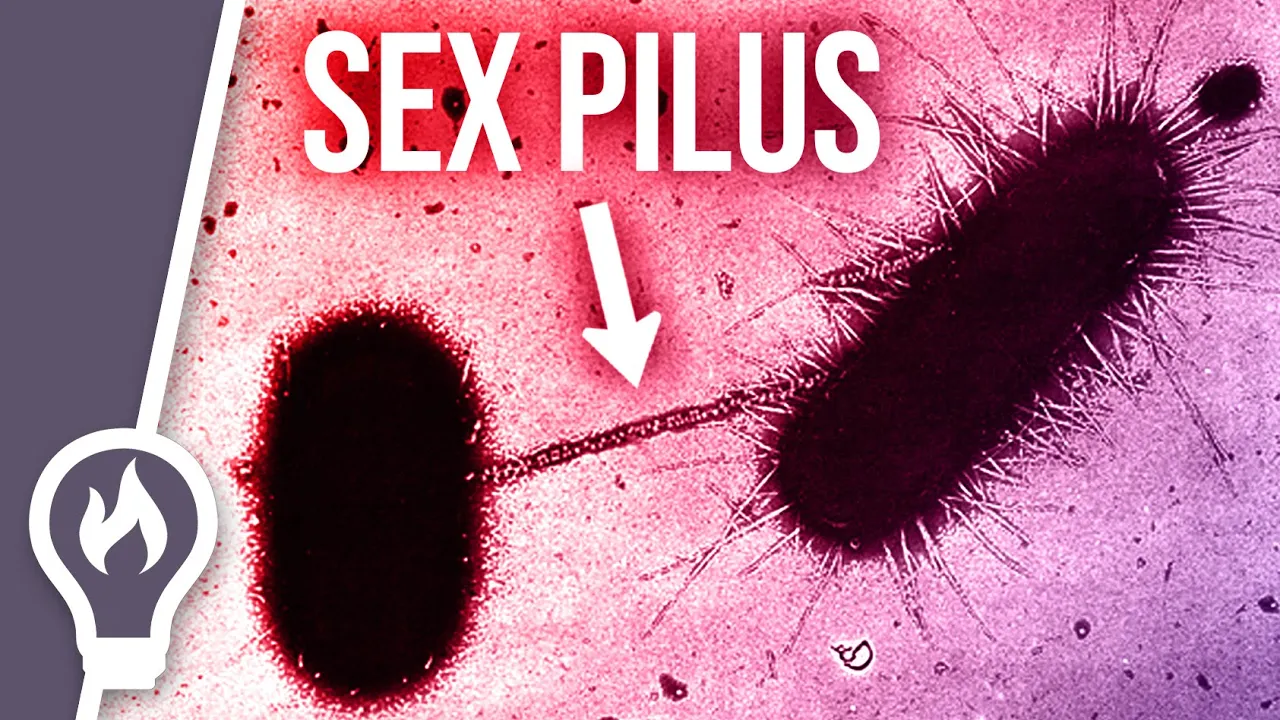
Horizontal Gene Transfer (HGT) mechanisms, including conjugation, transformation, and transduction, which facilitate the spread of resistance genes between bacteria.
The clinical impact of multidrug-resistant (MDR) pathogens, often referred to as 'superbugs' (e.g., MRSA, VRSA, and CRE).
Modern therapeutic strategies to bypass resistance, such as the use of enzyme inhibitors (e.g., clavulanic acid) and bacteriophage therapy.
The concept of antibiotic stewardship and global public health policies designed to reduce the acceleration of resistance.
141.6K views2.2Klikes4:06Original Release: 2023-11-30
the discovery of antibiotics is one of the most important advancements in clinical medicine and public health it's laid the foundation for a number of other advancements including the ability to perform surgeries more safely and the reduction of infant and maternal mortality rates many antibiotics are derived from either bacteria or fungi for example penicillin which is secreted by the fungus penicillium can kill bacteria this is because microbes use antibiotics to fight off other microbes but the use of antibiotics and more broadly antimicrobials which include medications that Target not only bacteria but also viruses and fungi has exploded in recent years antimicrobials have been used on an industrial scale partially because of over prescription in humans high but more so because of routine use in farm animals in fact a good number of antimicrobials are excreted from humans and animals unchanged and these get flushed into Wastewater which allows pathogens to be perpetually exposed to antimicrobials in response to this enormous selective pressure many pathogens have become highly resistant to antimicrobials now when it comes to bacteria generally speaking there are four mechanisms for how they become resistant to antimicrobials the first mechanism is antibiotic inactivation or modification which is where bacteria develops specific enzymes that destroy and inactivate antimicrobials one example is beta-lactamase which is a bacterial enzyme that destroys antimicrobials that contain a beta-lactum ring like penicillins and cephalosporins as a result bacteria that produce beta-lactamases are immune to the action of many beta-lactam antibiotics the second mechanism is the alteration of a Target or binding site an antibiotic that can't bind anywhere is rendered useless one example is a methicillin-resistant staphylococcus aureus or MRSA which modifies its penicillin binding locations making them unable to be bound by any antibiotics in the penicillin family the third mechanism is by bypassing metabolic inhibition for example some antibiotics such as sulfonamides disturb the metabolic pathway that synthesizes folic acid which is vital to dna-based organisms but to get around this some bacteria are able to scavenge for folic acid from the environment completely circumventing the action of sulfonamides the fourth mechanism relies on preventing antibiotic accumulation one way that bacteria do that is by decreasing the permeability of their membrane to the antibiotic the other way is to create efflux pumps which pump the antibiotic out of the bacteria both actions result in lower intracellular antibiotic concentrations which reduces or even negates the effect now these mechanisms work in different organisms against different antibiotics it's an ongoing challenge for every new antibiotic that's identified pathogens rely on selection pressure to find a mutation that somehow allows them to thrive in the presence of that antibiotic alright as a quick recap bacteria can achieve antibiotic resistance through four fundamental mechanisms inactivation physically destroys the antibiotics before they can do their job alteration of The Binding site leaves the antibiotic without a binding site and therefore unable to work alteration of the metabolic pathway completely bypasses the activity of the antibiotic finally reduction of accumulation keeps the intracellular levels of antibiotics low
Up Next
9:09
Antimicrobial Resistance: Mechanisms and Genetic Transfer Explained
@US_FDA
184.1K views•2017-11-09
50:12
Bacterial Communication: Quorum Sensing and Biofilm Formation Explained
@JHUAAP
12.6K views•2011-06-28
7:50
Resting Membrane Potential: Definition and Nernst Equation
@osmosis
851.9K views•2016-12-13
7:08
Bacteriophages: Earth's Deadliest Killers and Future Antibiotics
@kurzgesagt
34.6M views•2018-05-13
Related Study Plans & Knowledge Roadmaps
Structured learning paths in Biology
biology
RNAi: Biogenesis, RISC & Gene Silencing
01Molecular Biology Foundations: DNA to Protein
02Introduction to RNA Interference (RNAi)
03Molecular Biogenesis of miRNA and siRNA
+ 2 more learning modules
10h5 modules
Explore Roadmap
biology
Mycorrhizae: Signaling, Biophysics & Ecology
01Foundations of Mycorrhizal Symbiosis
02Molecular Signaling and Root Colonization
03Biophysics and Bioenergetics of Nutrient Exchange
+ 1 more learning modules
11h4 modules
Explore Roadmap
biology
Circadian Clocks: TTFL, SCN & Periphery
01Foundations of Molecular Biology & Gene Expression
02Introduction to Chronobiology and Actograms
03The Core TTFL: Molecular Architecture of the Clock
+ 3 more learning modules
14h6 modules
Explore Roadmap
biology
Population Genetics: Math, Drift & Selection
01Genetic & Probability Foundations
02The Hardy-Weinberg Principle and Baseline Models
03Mathematical Modeling of Natural Selection
+ 3 more learning modules
18h6 modules
Explore Roadmap