




![Sinalização e comunicação celular [Ensino Superior]](https://i.ytimg.com/vi/ccSIa3kNtWA/maxresdefault.jpg)


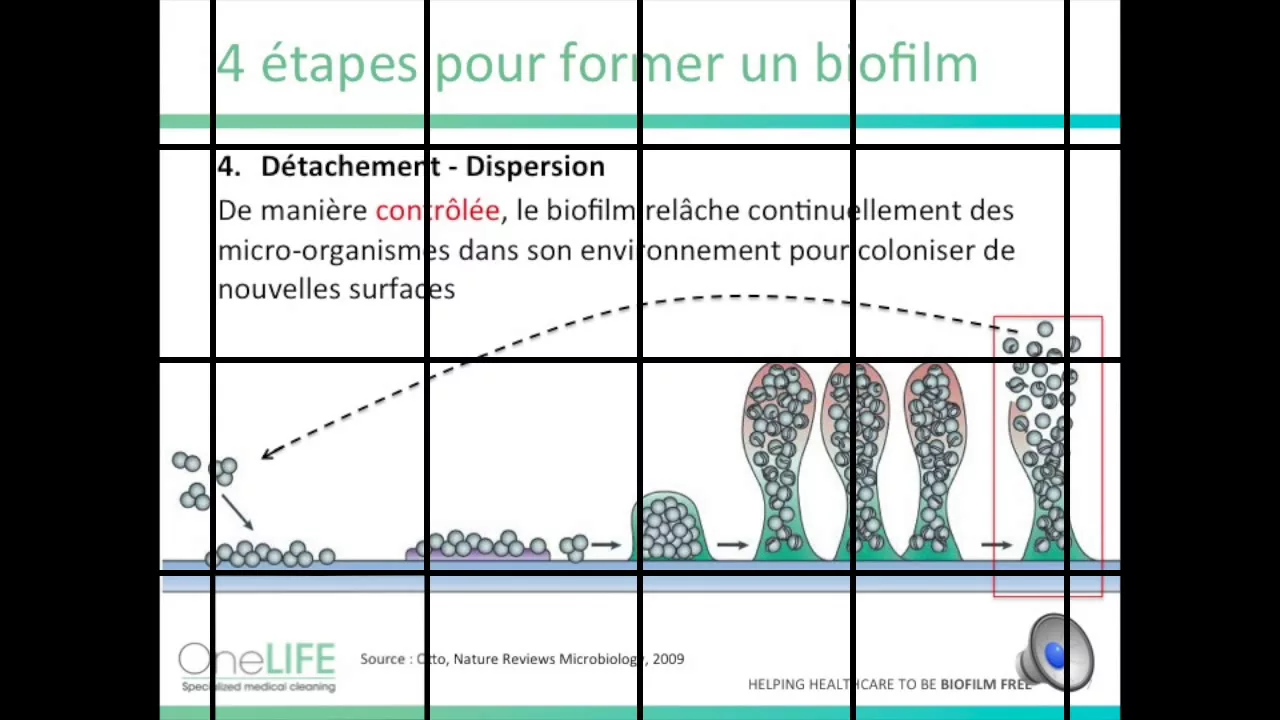





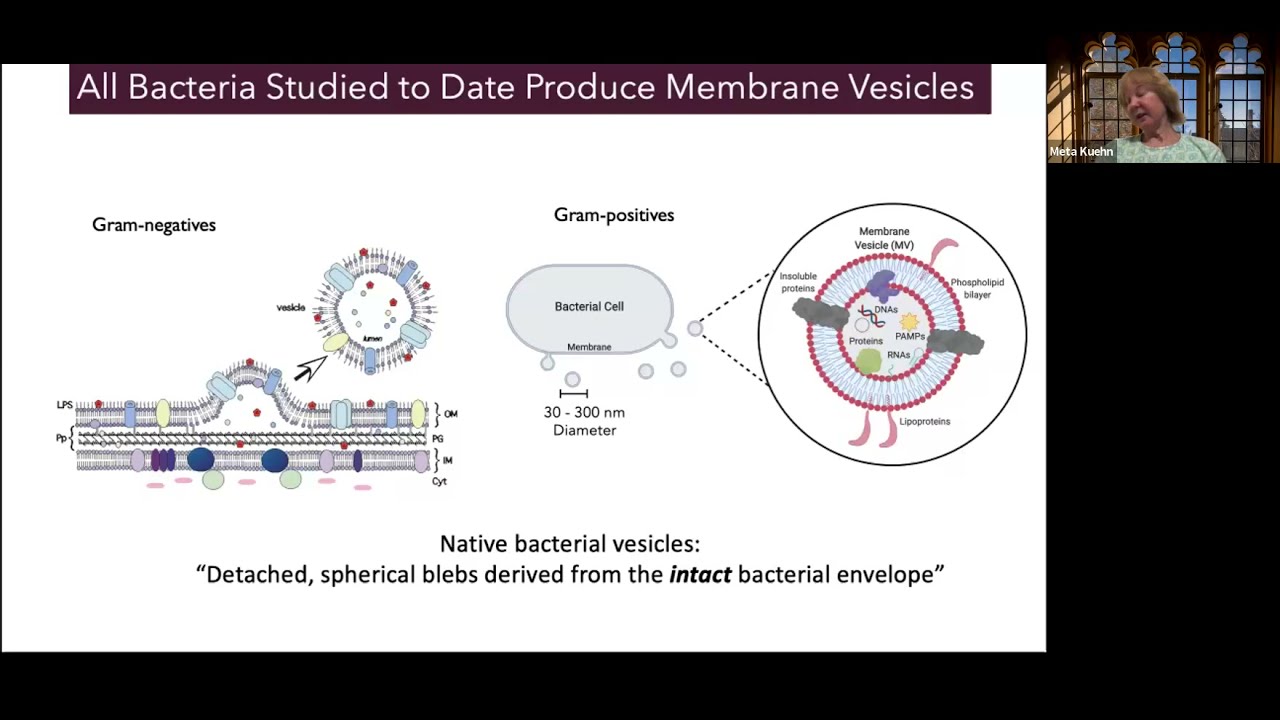



Bacteria communicate with each other through chemical signals called autoinducers to coordinate group behaviors, a process known as quorum sensing. This communication allows bacteria to distinguish between being alone and being in a community, enabling them to perform tasks collectively that would be impossible for individual cells. Gram-negative bacteria use homoserine lactones as their primary signaling molecules, while gram-positive bacteria use peptides. This communication system controls various bacterial behaviors including bioluminescence, virulence factor production, and biofilm formation. Understanding quorum sensing has led to new therapeutic strategies that aim to disrupt bacterial communication rather than kill bacteria directly, potentially offering novel approaches for treating infections.
Bacterial Communication: Quorum Sensing and Biofilm Formation Explained
Added:You guys, thanks for coming. And I just want to say to the committee, thank you for inviting me. This is the very last thing that I'm going to be doing as the ASM president. And so, it's bittersweet to be here. Yeah. But but I'm really glad I'm really glad it's this because I think of all the amazing things that the ASM does, what you guys are doing is branding the future and making a bright future for this nation, right? And so I just think it has been incredibly inspiring me for me to work for the last two years with Neil and Amy and the committee, but it's just an amazing chance for me to get to come here and see you guys in action. And so I've really enjoyed talking to as many of you as I could and going to the posters and seeing all the fantastic outreach and education mechanisms, new education mechanisms that you're using and I hope you'll let me be your volunteer going forward. So anyway, so thank you for having me and thank you for coming and just thank you for making science in this country what it's going to be in the future. Okay. And so I'm not allowed to talk about pedagogy today. I'm here to bet with as a scientist. And so I'm really glad to get to tell you actually about some new science that we're doing in my lab with the kids that you guys sent to me. And so um I want to give you an introduction about what we work on and then tell you about our newest experiment and see what you think. Okay.
So, um, it's ridiculous to start with this slide in this crowd, but, you know, I think about bacteria, you know, and I think about, you know, all of these different personalities that they have, which you guys know, you know, so they do all these awful things that we hear about in the newspaper, but then this enlightened audience, of course, knows that they do all this miraculous thing, these miraculous things on earth like make the earth be possible, make us be healthy, make us be alive, you know, and so the question that my lab had and a lot of other labs had and this started really started about 20 years ago was, you know, given that these critters are so incredibly small and so presumably primitive, you know, that they just divide in half and each guy goes out and does its own thing, how can it be that bacteria can accomplish all of the terrible things they do and all of the miraculous things they do if they're acting as individuals? They're just too small to have a bang for their buck. So the question that we had is how could it have been that bacteria have made the world, right? And so we wanted to think about that and we I' we've spent our lives in my gang thinking about that.
And of course what I'm going to try to convince you guys of those of you who haven't heard of this is that bacteria hardly ever act as individuals. They act as groups. They talk to each other. They coordinate gene expression. They coordinate behavior and they carry out tasks in unison that allows them to accomplish feats that they could never accomplish if they simply acted as individuals. And so that's where we're going with this. And um what I thought I would do for today is to sort of tell you how this field started because it came from a really goofy observation that was made almost 50 years ago by Woody Hastings. So he was a scientist at Harvard and he used to go to Woods Hole in the summer and he loved bioluminescent organisms in the ocean and he particularly liked bioluminescent bacteria and he liked the associations that they had with ukareotic hosts. And so one of the ones that he was interested in is this animal. Um this is the Hawaiian bobtail squid. And the reason that he liked these bioluminescent bacteria and these animal associations is because in this case the squid and the bacteria have a onetoone pristine interaction which is that the bacterium lives as a symbiant with the squid and there's no other bacteria there. There is simply this one bioluminescent bacteria named vibriopicery. So he was very curious both about the bioluminescence and also about this this amazing one-toone symbiosis. And so before I tell you about it from the bacterium's perspective, let me first tell you about it from the host's perspective. So this is the animal host, the Hawaiian bobtail squid. And so what you're looking at is a host that's been put in an aquarium during the day. And so the the animal looks kind of It looks kind of goofy. And that's because it's a nocturnal animal. It can't stand being out during the day. So it looks a little bit uncoordinated, but if we give it some sediment, this is what the animal does in its real life is during the day it sleeps. And so it buries itself in the sand to hide from predators. And so that's what it's doing. You know, we've given it the sediments. It sees that it's the day. So it knows it's supposed to go to [Laughter] sleep. and it's thorough.
Okay? And so then it retracts those tentacles. And so of course, if I showed you this aquarium, you wouldn't know that there's a squid in that aquarium.
Well, that's very important for the squid to stay alive during the day. And I have to stop right here and just tell say one pedigogy thing. So the first time I ever really got involved in doing something that was at a national level in pedigogy was with this movie. So, I worked with Howard Hughes and Margaret McFall who's an ASM member um to to make this movie. And just so you know, and I don't want to be selling things, you got it. It's in your if you want this movie, if you like it, and as we get going, if you think this is good for your kids, it's in your bag. And then the new one that made me mad that they didn't just stop after me. The new one that they made, which is on viruses, they have over the these are free. I mean, you guys already know the Howard Hughes site, they're all on there, but just go over there. I made them bring extra boxes of this one today. But anyway, so so anyway, so we so this movie got made for that and there's tons of good animations that were literally we made this for the teachers, but now I show it in every seminar because it turns out you're not allowed to be a human being and not like that squid. So anyway, so so I use it all the time. So anyway, so but now back to my but but go get these because they right for your kids. Okay.
So anyway, and plus you know I'm on it and so and so anyway. So anyway, so but so back to the real story of how this field started. So Woody knew about this squid and that it had this symbiosis with this bioluminescent bacterium vibrio fishry.
So the squid sleeps in the sand during the day. It's buried that keeps it safe from predators during the day. The issue for the squid is that at night it has to come out to hunt. And so the squid lives just off the coast of of California, of Hawaii, of the east coast. And so it just lives in a couple feet of water.
And so on bright nights when the squid comes out to hunt, since it's in just this shallow water, the light of the starlight or the moonlight can penetrate the depth of the water the squid lives in. And so if the squid was just swimming around at night, that light could could c could hit the squid's back and cast a shadow. So that's where the bacterium comes in, it turns out. So what the squid has evolved is a light organ. It's it's um a specialized light organ that's under the mantle or the body of the squid. And so that's shown to you in this picture. I hope what you can see are these are two loes. The squid's been turned on its back. And these are two loes of this specialized light organ that houses this vibrial fishery bacterium. So it lives in this light organ at like something like 10 to the 11th or 10 to the 12th cells per mill. We have no idea how the squid grows the bacteria to that high number, but they're jam-packed in there and they're making bioluminescence. And so the way the symbiosis works is when the squid comes out at night, it has a um a shutter. It's just its ink sack that it can open and close over this light organ. And then it has detectors on its back so it can sense how much starlight or moonlight hits its back and then it opens and closes the light organ. So the light coming out of the bottom, which is made by the bacteria, exactly matches how much light hits a squid's back. And so it uses the light from the bacteria to counter illuminate itself in this anti-predation device that keeps the squid safe at night. So animals that would see it shadow, calculate its trajectory and eat it can't do it. So this is like the stealth bomber of the ocean. It cloaks itself in this invisible device and stays away from predators during the day and during the night. So but now if you think about it from the bacterium's point of view, the bacteria are in there and they're making these photons of light. And the interesting part from the bacterium's point of view, which will be the next 55 minutes, is that they only make light when they're inside the squid, not when they're free living in the ocean. And the reason is because they talk to each other. So what happens is that the bacteria inside this light organ, they make and release a small molecule that you can think of like a hormone or a pheromone. And we call it an auto-inducer. And so what happens is since the bacteria are inside this enclosed environment, that auto-inducer reaches a high concentration level that it wouldn't out in the ocean. And that's the signal, the extracellular signal that tells the bacteria to make light.
So they perceive that auto-inducer. It says you have neighbors around and they all turn on light. And then the squid uses the light. And then the more the last part of the symbiosis is every morning when the squid's going to go back to sleep, it can't maintain this 10^ the 12th cells per mill culture. So every morning the the sun comes up, the squid buries itself in the sand and it's got a pump that's attached to its circadian rhythm and then it pumps out like 95% of this bacteria. So it just leaves this little inoculum. So now the bacteria are dilute and that little molecule is gone. So they're not making light. But of course the squid doesn't care. It's asleep in the sand. Then as the day goes by the bacteria grow and double and grow and double and then they're all making this molecule. So the molecule accumulates in proportion to cell number. And so at night the molecule has hit the right amount. It says there's enough guys here. Everybody should make light. And so it's like a squid chemistat. And this is how the squid keeps the culture fresh for the entire life of the squid and doesn't waste the light during the day when it doesn't need it. And so the reason to tell you that story besides the obvious cheap theatrics involved is because this is where this field started from. I mean I don't need to tell you you know things that bacteria do are invisible. What was so cool about vibriopicery is you could just see the light that it made and you could see that it only made light at high number. And so Mike Silverman wanted to bring the tools of molecular biology to to this to this circuit and say how do bacteria know when they're alone or when they're in groups. And so he simply made mutants and used bioluminescence as the readout, right?
To be able to find the first genes involved in this cell communication circuit.
So just to go one more time through what's happening from the bacterial perspective, right? And that is that at low cell density when the bacteria are alone, they don't want to make light, but they do make this molecule, this auto-inducer that's supposed to be these red triangles that diffuses away. So if the bacteria are outside of the squid, they don't they can't perceive that molecule. So that means no light. That means have the program of gene expression going. That's for going it alone. But then as the bacteria grow and divide, everybody makes the auto-inducer, right? So the auto-inducer increases in strict proportion to cell number. When it hits a certain amount, that's how they count. They all turn on light together. Right? So by doing this, Silverman could just make mutants that were like this but weren't making light.
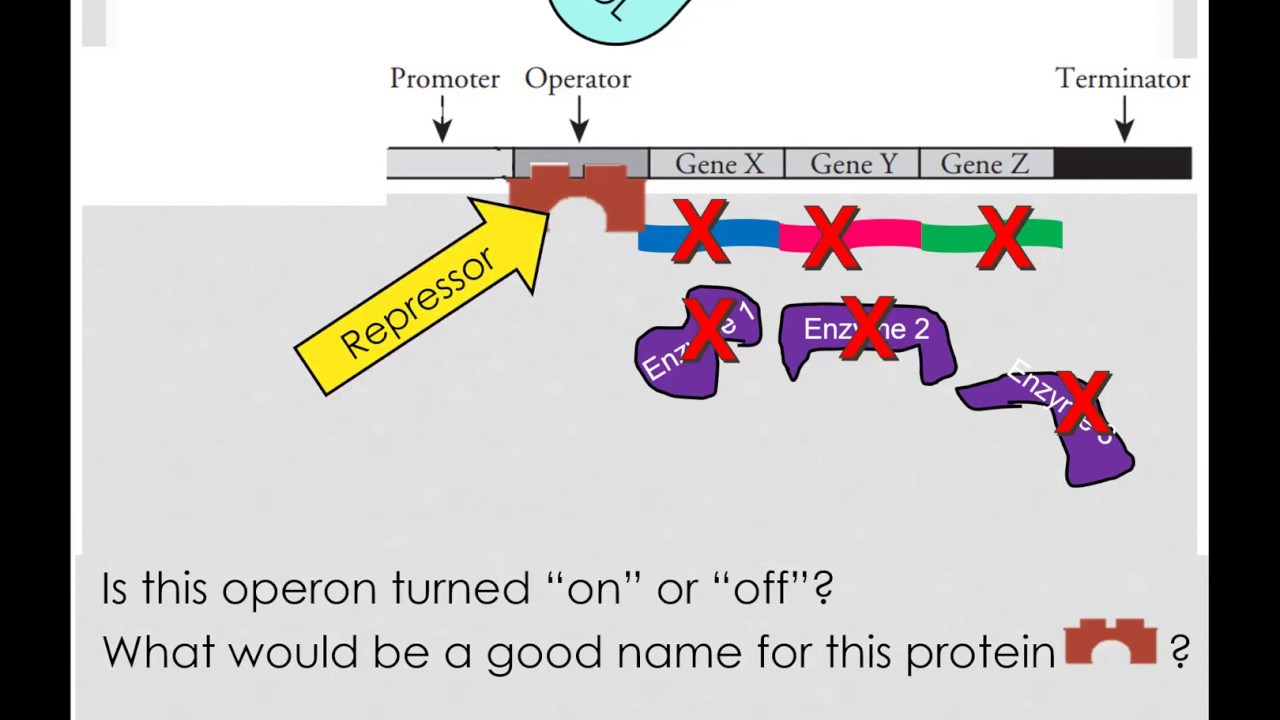
And ask what were those genes? And so he did that experiment and this is what he found. There were two really important genes. And everything today is named Lux for Luxor, the god of light. So there was a gene and an enzyme that he named Lux I for the inducer. So this is the synthes that makes the auto-inducer molecule and that's freely diffus diffusible in and out of the cells. So the more cells there are the more of that stuff there is and then at high cell density enough of that molecule can accumulate that it can interact with the partner protein that he named lux for regulation. So luxar is a transcription factor and so when the auto-inducer binds to the luxar protein, it unmasks the DNA binding domain so that this complex can sit on the promoter of the genes of the bioluminescence operon and just turn on the genes that make the enzymes that make light. So it's a really simple circuit. The more cells there are, the more of this gunk there is at a particular cell number. Luxar finds that mo the ligan, binds the promoter and turns on light. And the reason that um I get to be here is because this is not just some ridiculous anomaly from the ocean. In the last couple of decades, the field has found hundreds and hundreds of these luxur circuits. So these are all over the place in gram negative bacteria. And so now what we're starting to understand is that all bacteria have to be able to distinguish times when they're alone from times when they're in a community.
So they can do different things based on those situations. And so the way they do this is with these chemical languages.
So we know now that gram negative bacteria all big word many have luxi enzymes that make an auto-inducer.
There's always a partner luxar protein around and then together these complexes turn on hundreds of genes in each species of bacteria that they need for acting in a community. Right? And it came from this being able to see the light. But now we see they do all these other things as well. So that's how it works. We also know a lot about the molecules. So of course the first one that was um purified was the one from vibriopiceride just because we've known that one the longest. And so in my other slides these were the triangles. But this is the molecule of the word that vibriopiceride talks with. It's a homoyeran lactone. And then as people in the field started to purify more and more of these. What I've simply done is put a smattering of different gram negatives on this slide and the molecule that each one uses as its word. And what should be obvious to you is that all of the molecules are related. So they're all homoyerin lacones. So the left hand part has the lacone ring and then these asil side chains are a little bit different in every single species of bacteria. And so what that does is to confer exquisite species specificities to each of these molecules. So each of these molecules interacts with its partner lexar protein and no other. And so what I mean by that is if we take the vibriopicery molecule and put it on agroacterium nothing happens. Likewise the aggroacterium molecule has no effect on vibriopicery. So what we understand now is that the homoerian lacones allow intraeies communication. These are private secret conversations that bacteria have with their brothers and sisters so they can decide to do something as a group. And now we also have a fancy name for this whole process. We call it quorum sensing. The bacteria vote with these chemical votes.
The vote gets counted and everybody responds to the vote. We also now have learned in the past couple decades that grandpositive bacteria also have quorum sensing. So the idea is exactly the same. They're measuring the buildup of an extracellular chemical, but they use a slightly different system. So grandpositive bacteria use peptides as their words. And so the way that this works then is of course since these are peptides, they have to be encoded by genes. And so typically what happens is that a long protein gets synthesized.
There's machinery to process the protein to clip out a small part that's going to be the signal. These have to be secreted by a dedication. So these peptides get secreted out and then they actually get detected outside. So these are detected by receptors that are called two component proteins. And so these are a family of ubiquitous proteins and bacteria that sit on the cell membrane that have their nose in the outside to detect something. in this case the peptide and then information comes in by a phosphorilation cascade. So the bottom line is some transcription factor gets phosphorolated. It sits on the promoters of the genes that are under quorum sensing control and the bacteria turn on all these group genes based on in this case the peptide. We know what these molecules are and again I just put a smattering of them here. They can just be the naked peptide. So five amino acid peptides. They can have bells and whistles like lipid moyes. Sometimes they can be cyized so they have you know sort of flourishes but but the rule is exactly the same. These peptides for example are each different by one amino acid and they are exquisite in their specificity. So there's these onetoone relationship between the homosan lacones and their receptors and the peptides and the receptors. So this is about knowing who your brothers and sisters are. And so now that's how it works. We also know a lot about the behaviors. And so I told you in detail how this works for vibriopiceride to make bioluminescence.
Um but now we've learned a lot about a lot more bacteria and the bottom line for sort of where the field is going is that it's virilence and bioformmation that are controlled by these processes.
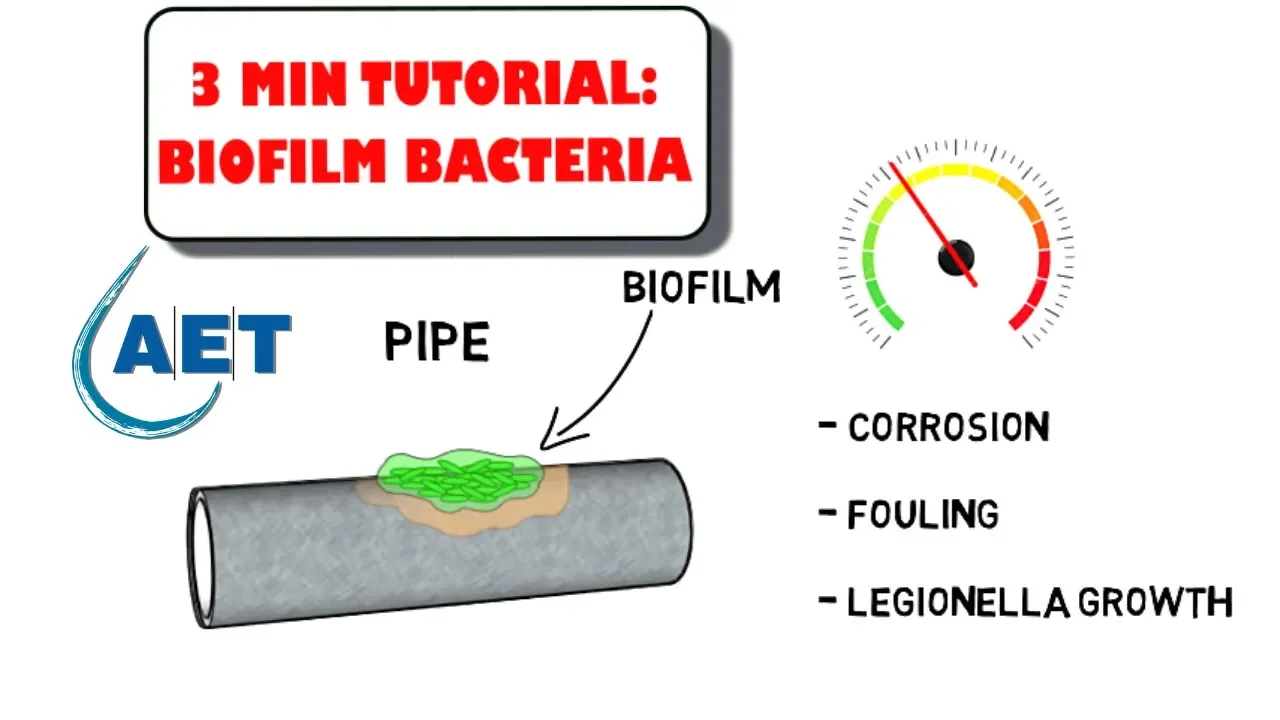
It's much more than that but of course the field immediately turned to pathogenesis you know because it wasn't in vogue back then to study all the beneficial things that bacteria do. So now we have hundreds of clinically relevant bacteria that use quorum sensing to control the com the communitywide secretion of virulence factors or the production of a biofilm.
And so just to give an example you know sudamonus origigenosa you guys know this is this bacterium that lives in the dirt. We're it's completely innocuous to us unless you have cystic fibrosis. So you guys know that people who have CF have a genetic mutation in their lungs.
So they can't clear their lungs. They have this polyicrobial infection. What happens is typically when a kid is in his or her teens for reasons that we don't understand they become permanently colonized by sudamonus origigosa and that's what kills people that have CF they die of a sudamonet infection and the reason is because it has quorum sensing so the bacterium gets in there and as a community it sits down on the surface of the lungs makes a bofilm it covers itself with this goop that makes it impervious to antibiotics and then in unison they all start releasing toxins and proteases and things that merate the lung tissue. And so, of course, you know, we're usually used to thinking about this from the human point of view. It is a devastating disease, but you guys won't mind thinking about this from the bacterial point of view. It's a brilliant strategy. You know, the last thing pathogens want to do is to get in and immediately release all of their virulence factors. First of all, they can't have an effect. And second of all, that's why our immune system evolved.
It's to hunt down bacteria and get rid of them. So the better strategy is to wait to count yourself with these small molecules recognize when you have the right number and then if everybody launches this attack together they're going to be successful right so this list goes on and on and on it is not only virilence virilence has been the focus of the field but I think the way to think about it is whenever a bacterium is going to give something away to the outside world it never has a prayer of getting its own product back it's only when the group does it as a collective that these kinds of traits it's become beneficial. So those are the kinds of things that are controlled by quorum sensing. So once we got that far, then we started to think about what I now understand is one of the fundamental principles uh that every student should know. This isn't how bacteria live, right? It's a fantastic life if you're vibriopicerai and you have this beautiful symbiotic host with the onetoone with the squid. But most bacteria of course live in bofilms as we were talking this morning with in mixtures of hundreds or thousands of other species, right? And so you know if you're really living in the wild west out there, if these molecules really are about counting your brothers and sisters, the question we had was how can it possibly work for bacteria that encounter other species, right? And so we wondered, couldn't there be a way for bacteria to to take a census of other species in the environment? And so my gang wanted to study that. And so what we decided to do was to use a different bioluminescent bacterium named vibrio hararvi. So vibrioharvi is very closely related to vibriopicery. It's a bioluminescent marine bacteria. We knew it had quensing. It only turned on light at high cell number, but it lives free living in the ocean. So we thought this guy has to have a much more sophisticated circuitry possibly because it has to deal with the world of the ocean. It doesn't get this free ride in the squid. And so of course then the the other reason and this is sort of the thing if you guys want to use this stuff in your classes, right? What's so fantastic what you're looking at this is just an Erlin Meyer flask and a person from my lab holding this flask of the bacteria, right? We haven't done anything to them. This is simply the light they they make. I took the picture from the light the bacteria are making.
And so, of course, we're microbial geneticists in my group. And so, just like Silverman did, we could just make mutants, plate the mutants out, turn the lights off in the room, and look for guys that weren't glowing when they should be or were glowing when they shouldn't be. And just by doing that easy trick, we could find the components of the quorum sensing circuit in this free-living bacterium. Right? So, it's very fun to work on and visual, right?
But and it's a it's a fantastic readout of the bacteria talking. So, we did that experiment. We just made mutants and then figured out, you know, by sequencing and cloning what's wrong with them. And so what we found out is that indeed vibrio harvei had an intraspecies communication system. So it had a homosan lacone. I actually showed it to you a couple slides ago that it uses for intraecies communication. So it had an enzyme that we named lux m that makes that molecule and then it was sort of a hybrid between these gram negative and gram positive systems. The receptor was on the surface. It was one of these two component C cir uh receptors that that detects the homoerine lacone on the outside and sends information in by a phosphorilation cascade. But when we knocked that system out, there was still quorum sensing. And so what we realized was that there was a second system. And so we found the genes for that, there was a second enzyme that we named lux s that made a second auto-inducer that was that got outside that was um detected by its own receptor called lux Q. This receptor is called lux n. So both of these molecules send information into the cell to tell the cells to turn on light and hundreds of other genes that we're not measuring. You know, we're only measuring light. But in fact, they were detecting two different molecules.
And so the question we had at that point is, well, why are there two? If these two molecules don't encode different pieces of information, having two isn't better than having one. And so to try to think about that, what we did was we just collected up all the bacteria we could get our hands on. And what's so fantastic about corsensing is that the bacteria put the molecules on the outside. So we could just collect up bacteria, spit them down, take the soups and squirt them on different reporter strains of vibrio harve and ask who could turn on light. And what we found was there was never another bacterium that made a molecule that turned on light through this first circuit. And that should make sense to you. That's the homosian lacone. It's the vibriel harvi language. But essentially every bacterium we tested made the molecule that turned on light through the second circuit. And so our interpretation of that experiment is that these are two different languages. The homoyeran lactone language is the language of intraecies communication. But this second molecule seemed to be generic. It seemed to be made by everybody. So we thought this is like the trade language or the bacterial espiranto that allows bacteria to talk across species. And consistent with that, we cloned and sequenced the Lux S gene. That gene is in everybody's genome. We also purified the molecule that's that we call auto-inducer 2. And this is it. It's a fivecarbon molecule. It's made from ribos. And the only thing that's important about it for today is that all the bacteria make exactly the same molecule. So lux s the synthes does one thing and that is to make this molecule from ribos. And so we do now think that the way bacteria lots all bacteria have to be built is that they at least have to be bilingual. They have to have something a homosine lactone a peptide probably tons of other molecules that the field hasn't found yet but something that's specific that says me and then they use this molecule auto-inducer 2 to say other.
And so I think that the computation that bacteria do is the following. The first thing that they do is that they simply ask, "Am I alone or am I in a group?"
And so they sort of scan the environment for a molecule and that starts to set this program of gene expression that has hundreds of genes in it based on whether you're going it solo or you're going to be part of a group. But then I think the more sophisticated question the bacteria ask is they ask is it me or is it you?
And so in a number of steps that I'm not showing you, there are all these beautiful engineering feats, feedback loops, amplification loops, noise reducing filters. There's all kinds of other stuff that helps them to measure the ratio of these two signals. And so then what they do by measuring the ratio, they say, am I in the minority and you in the majority or is it the reverse? And then they absolutely tailor this program of gene expression on the bottom based on who's winning or who's losing in any given environment exactly the way we would do it, right? And so that's sort of what we're thinking about now is that they can actually measure both the molecules and then the ratios of the two molecules. And so we think that all bacteria have to be built like this. We know that there's a set of molecules we know nothing about. Those are the molecules that say who the other guy is. When we look at these biofilms, they are architected. You know, these bacteria are not willy-nilly. You know, they have neighborhoods, right? There has to be a set of molecules that say who the other guy is. My field has not found those yet. But that's good because I need a job when I go home tomorrow in 28 days. I need another job. Yeah. Okay.
So anyway, so that's the big background for you guys and hopefully a lot of you know about all that. And so what I thought I would do for the second half of my talk is tell you about our brand new experiment. It's not published yet.
And so you can let me know what you think. Um so what's been happening is that so now we get the bacteria talk. we get that these molecules are very involved in beneficial associations, but they're very involved in pathogenic associations too. And so I don't need to tell this group, you know, we need new kinds of antibiotics, blah blah blah blah blah, right? And so the question is, can you start to think about treating bacteria in a new way? And that is, do we have to kill bacteria or stop their growth or is it possible to do behavior modification?
Could you make bacteria that can't talk or can't hear? And those could be new kinds of therapeutics. So, if you could antagonize quorumsensing in the bad bacteria, could you make it so they think they're alone and they don't turn on these virilence programs and would that be enough? And of course, I'm not going to be able to answer that question. I don't know. But I'll tell you the steps that we have taken to try to start to think about whether or not this is a viable strategy. Okay. So, we've done it with both of these molecules with the homosin laconeses and with auto-inducer 2. And I have the auto-inducer 2 story is already out there. And so I have a brand new story on the homos lactose. And so I thought I would tell you about the strategy that we're taking. So I just want to remind you that there's actually two different ways that bacteria detect homoserin lacones. So I already told you this a second ago. So in the marine vibrios there's an enzyme called lux m that makes the homoerine lactone and then the lacone gets detected on the outside by the luxend protein and then information comes in by a phosphorilation cascade.
There's hundreds of species of gram negative bacteria that make a homoserine lactone and then the auto-inducer comes back in and gets detected by the luxar protein and then that complex sits directly on DNA to turn on genes. Right?
So I already told you this two seconds ago, right? So the signals get detected externally or internally and information can come in either by a phosphorilation cascade or a DNA binding event. And so the question is can you make antagonists to shut those steps down? And so we wanted to try to do that. This was Lee Swam, a former posttock in the lab. And so, of course, he started with this set, this system because of this. I mean, we only do one thing in my lab. That's make bacteria that shouldn't glow glow and make bacteria that glow not glow. So, we knew we had this fantastic readout, right, of from Vibrio Harvey, right? So, he had us a a mutant that only had one quensing system. So, it made the auto-inducer turned on light. And just to remind you, this is the auto-inducer.
It's a fourcarbon side chain homoerine lacone. Right? So what he wondered is could he just go screen these big chemical libraries and look for molecules that for whatever reason make the bacteria not make light. Right? So totally simple screen. We got our hands on the NIH library of molecules. He screened through a couple hundred thousand molecules and then we had secondary screens in place to make sure that they were working through this circuit. And so sure enough that actually worked fine. he could get some few dozen molecules that were that were competitive um antagonist, right? So, we knew that they bound in the ligan binding site because they worked competitively. And then he picked one that was his favorite molecule. The most potent antagonist he got is this molecule. And what you're supposed to notice, right, is that this part over here, this is a tholone, right? If this was an oxygen, it really would be an auto-inducer, right? So it really is an ant an analog of an auto-inducer with this big bulky group on the other side, right? So it's obvious why he would get this molecule. It kind of looks like the real liant. And so we do a lot of chemistry in my lab um besides microbiology. So we started with this molecule which was a microar inhibitor.
And then we teamed up with Marty Semlhack who's a molecule maker. And Lee made about a hundred molecules based on this original molecule that he got from the screen and just asked using the same assay, do any of them work better? And so of course most of these were duds, but he did get a couple molecules that were better. And it turns out that if we make two changes, so if we change the theolactone to a homosan lacone. So now this really is the exact part of the signal that helped. And if we take this methyl group off the ring, right, to make this molecule, which from here forward I'll call the chloroactone. This is a nanomolar inhibitor. So it's a nanomolar competitive inhibitor. It's kind of po it's pretty potent, right?
And so we can probably make this molecule better, but we haven't done that. We we wanted to just look at how this works before we go forward with with with actually refining it anymore.
So this is the molecule I'll talk about for the rest of the talk. Okay. So the question is how does it work? Right? So somehow the real auto-inducer slots into this transmembrane domain and makes a phosphorilation cascade happen and the analog the chlorolactone slots into that domain and stops the phosphorilation cascade. So we want to know how they're doing what they do and the issue for us and for everyone who works on this kind of protein is that these proteins are extremely intractable because they have very complicated transmembrane domains.
So luxen has nine transmembrane spanning domains. So you can't purify it. You can't, you know, reconstitute it in vitro. You can't do the regular, you know, lovely biochemistry that one would like to do. So we knew we couldn't do that. And so what Lee thought he could do is maybe he could take a genetic strategy to understand how these lians do what they do. So he teamed up with Danielle Swim, a master student in my lab. And what they did was they did two mutagenes. They cloned the region that that um contained the transmembrane sensory domain and just mutagenizenized it like crazy and made a library of mutants and looked for ones this will be obvious to you that when they mutated it now when you give the real lian they don't make light you know so ask what mutants could you get that now couldn't respond to the agonist and then they did the reciprocal screen we have this antagonist that shuts down light can you mutagenize the receptor and get ones that now use that as an auto-inducer answer right so those does anybody feel I'm repeating myself right so anyway right that's you know it's what we do so anyway so they did those two mutagenes and then we just sequenced the winners right and what was really cool was that they all clustered and so now what you're looking at this is the membrane topology of luxen right so the kynise domain would be this is the cytoplasm all of the mutants in red so all the mutants that had a problem either interacting with the real liant or with the antagonist clustered to these couple transmebr membrane domains all on the outside region. So that makes sense, right? The molecule gets then detected. So what we have managed to do with this experiment is to define the ligan binding pocket, right? And we could narrow it down to just this little region. We assume that that wraps up into these transmembrane helyses into the ligan binding site. And and so all the amino acids that you see in red, whether you're an agonist or an antagonist, that's required for detection. And that should make sense.
They're competing for the ligan binding site. So they need the same amino acids whether you're going to turn on or off the receptor. But there was one special amino acid, this isolucine right here.
If we mutate this guy, it responds perfectly fine to the auto-inducer, but it cannot be antagonized. So this is the amino acid that we presumed the chlorolactone touches maybe directly, right, to say be an antagonist, right?
So that's somewhere in that binding pocket. That's the place that's the Achilles heel, you know, that allows you to shut down the receptor. So this I thought this was a pretty good um experiment because we could narrow down the ligan binding site. We know what special amino acid is required for antagonism, but for Lee and Danielle, it was a little bit um unsatisfying because they really wanted to have a molecular look at what are these molecules doing to turn on or turn off the receptor. and we couldn't you know really look at it at an atomic level because of this ridiculous transmembrane domain. So that's when Lee had this other idea. We knew about this, right? That there are these two mechanisms for detecting homoyeran lacones, right? So what if you're following the logic of this talk and I assume that it's still logical at this point, right? Was he got the antagonist in this context, but we know there's hundreds of these luxar proteins that also bind homoerin lacones and sit on DNA. And these proteins because they're in the cytoplasm are very well-behaved soluble proteins that one can actually do reasonable biochemistry on. So what he wondered is could he take the antagonist that he got that that shut down luxen from the outside and find ones that actually can shut down the lux R proteins from the inside. Right? So what he decided to do, right? So so you have to remember these proteins have nothing in common. They did not evolve one from the other. One of them detects a molecule on the outside, one on the inside. one the output is phosphorilation, the other the output is a DNA binding event. The only thing they have in common is that they bind a similar ligant. Right? So somehow for reason Lee thought this would still work. And so what he decided to do to test his idea is to use a different bacterium um called chromobacterium violac. So this bacterium has a CVI enzyme that makes the homoserin lactone and the CVI protein that binds it and turns on genes. And the reason that Lee picked this guy as the test case, there are actually three reasons. The first reason is because of the signal. So if I you remember I told you the Vibrio Harvey molecule has four carbon chain.
This has a sixcarbon chain. So if Lee is right and that these lian binding domains are similar, he didn't want to pick one that had a lian binding domain for something with a 14 carbon tail. He wanted to pick one that liked medium-sized homos lacones, hoping that his antagonist that he got from here could antagonize over here. So that was the first reason. The second reason is because this is a pathogen. And so I'm been telling you right that the where this field is going is to ask whether or not we can use these anti-cormensing molecules to shut down pathogenicity. So I have been shutting down bioluminescence for 20 years. And it occurs to me that no one cares. But if we could shut down pathogenesis, they might care more. And so he picked this guy because quorum sensing controls virulence. That's the second reason. And the third reason is because one of the quorum sensing readouts from this guy.
So this bacterium is called violacium chromobacterium violacium because it's purple. So it makes a secondary metabolite that's a beautiful purple pigment. No one knows why it makes this one. And it's controlled by quensing. So it only makes this purple stuff at high cell density. So if you knock out either the receptor or the auto-inducer production, the bacterium is white. So in my lab, if you don't have bioluminescence, purple is the second prettiest thing. And so we could basically do the same thing that we've always done, which is to simply look if these molecules could make the bacterium go from purple to white. Right? So it's a really nice readout that was built into this bacterium the same as vibrio harve. Okay, so Lee got this guy and then he wanted to test whether his antagonist, the chlorolactone, could shut down quensing in this lexir strain.
And so here's the actual real experiment. What one can do you can just extract the purple pigment from the supernent. So this is purpleeness. So he made a bacterium that doesn't have the CVI. It doesn't make its own homoserine lactone. Right? So that bacterium's white. We can synthesize these molecules in the lab. So if we add back that six carbon homosan lactone, purple turns on.
If we add that back and then we add 10 microar of the chloroactone, it shuts down quorum sensing. So indeed this molecule that we got by working from the outside can actually get into cells, slot into this receptor and shut them down. Obviously I wouldn't tell you this if it hadn't worked. Right? Goes through his whole things. Right? So now right so we got the molecule originally here. Now we have an inhibitor of this protein and so now Lee and Danielle were in business. They have a soluble cytoplasmic receptor. We can purify it.
We can do biochemistry. We can make mutants. We can do all the things one would like to do. And so indeed they did a number of experiments on this including crystallizing this molecule with the auto-inducer and with the liant and we did this in collaboration with Fred Houston who's a crystalallographer that I've um that I've inter um collaborated with for a decade. So here's Lee's structure. All of these Luxar proteins are dimers. And so what I've done is to color the DRS in purple and in gold. And I hope what you can see in pink this is that chlorolactone sitting in the ligan binding domain. And so if I show you a cartoon of our structure, what you can see is it has this cross-domain confirmation where the ligan binding domain from one monomer is sitting on top of the DNA binding domain from a different monomer. Right? So that was our structure. And so how do you make sense of that? Well, it turns out that there's one other crystal structure of one of these Luxar type proteins that was made by a friend of mine, Steve Winens, who's at Cornell. So he crystallized his favorite Luxar protein bound to the auto-inducer, bound to DNA.
And so if I take his his data and make a cartoon of them, this is what he found.
He found that the ligan binding domains of each monomer sit right on top of the DNA binding domain from the same monomer. So if we compare that to our experiment, the reason that our guy is antagonized is because these DNA binding domains are 60 anstroms too far apart to fit into the grooves of the DNA. Right?
So somehow this antagonist makes this new surface that locks up these DNA binding domains and that's why it's an antagonist. And we did a number of biochemical experiments to show that this was correct. For example, there's a trison site right here. We can show that his protein or our protein bound to the auto-inducer is trison sensitive. This protein isn't. We have a little fret assay now that tells how far apart those two domains are. We did a lot of boring biochemistry that I won't bother you with to prove that this structure um is correct. And so now what we've also been able to do knowing that is to make a series of molecules that have increasing potency. And what we now understand about how this works is that these proteins under normal circumstances they kind of exist in an equilibrium where the DNA binding domains are like this or like this, right? And most of the time and especially when there's an auto-inducer there, they predominantly sit like this. And so they can sit on DNA and turn on transcription. But what we can tell by making molecules that have more and more and more potency as antagonists is that the more potent a molecule you have, the more time it spends in this confirmation. So in fact, potency absolutely tracks with how much time the protein spends locked up like this. So what we think we found is sort of the generic Achilles tendon Achilles tendon Achilles heel for this molecule because for this kind of protein because in fact we've tried this now with three or four different of these Luxar proteins and that chlorolactone is an inhibitor of all of them. So we think this is a generic strategy for shutting down this kind of protein. And what we're trying to do now is to look for molecules that bind alossterically. So find molecules that don't have to compete with the liant, but that force this confirmation onto the protein because those really could be nice therapeutics if you didn't have to compete with the naturally made autoinducer. So we think we know how that works now. And then just to tell you one more thing about this, if you remember how we got this right, Lee got the molecule because it inhibited luxen phosphorilation. Then he found out his molecule inhibits DNA binding. We now know why because it locks up this DNA binding domain. And now knowing that we can make more and more and more potent molecules and every time we do that they're more potent over here and that we totally don't understand. So somehow even though the output in one case is phosphorilation the output in the other case is DNA binding somehow evolution has conserved that liant binding event with the signaling to the output.
whatever the output is, that's conserved. And so that is just a gift these bacteria gave us because we can mess around in a rather sophisticated way over here, study these molecules and be really confident that they're still antagonists of this transmembrane receptor even though we don't know why.
I mean, they're certainly not binding a DNA DNA binding domain into this cross domain doesn't have one. So we don't understand the mechanism, but somehow the event is conserved. And so that's really nice for us because these tend to be very non-specific inhibitors of homosan lacone corn sensing. Okay, so that's what we know about the molecular mechanism. And to finish the sort of put your money where your mouth is, right? I'm going on and on like, oh, we can shut this down. We can shut this down. Well, can you really? That's fine. We can I mean, you can see I can make them white and I can make them dark, right? But can you actually shut this down in the context of an infection? And so these molecules are simply the first derivatives that came out of these screens. So they're not refined. They are not drug-like. I don't want to pretend that. But we thought before we go on to do a lot more chemistry on this molecule, we should test whether this strategy can even work in any, you know, at all. So we have this molecule, the chlorolactone. I told you it's a nanomolar inhibitor. And so the question is, you know, can we shut down a bacterial infection? And you'll also remember that we picked chromobacterium because it's a pathogen.
And so what Lee decided to do for sort of a proof of principle experiment is to use nematodes. And so of course we all know nematodes because they're these fantastic systems for development or neurobiology. But the really good thing about nematodeses is that they eat bacteria for a living. And so what the way people grow nematodes is they put them on this innocuous, you know, um, bacterium and that's what they consume to get calories. But if you put them on a pathogen, they have to eat the pathogen and they get infected and they get killed, right? And so Leech wanted to Lee picked chromobacterium. This per this worm is purple because it's all full of chromobacterium and it's dead.
It's not dead because of the pigment, right? There are 50 other genes, toxins, hydrogen cyanide, all these other virulence factors that are controlled by quorum sensing in chromobacterium in addition to the purple gunk that kill the worm. And so he wondered, could he save the worm with this molecule? So here's the last two experiments you have to see. So what one does is you do a survival assay. So this is the percent survival of the worms over time. And what you need to know is that worms live two weeks. So wild type worm has a twoe lifespan. So if we put the wild type excuse me the worm on wild type chromobilacium, right? So they have quorum sensing. They're pathogens. All the worms die in two days. If we knock out either the receptor or the synthes so that the bacteria are alive but there's no quorum sensing. What you see is the worm lives two weeks. Right? So it's just using them as calories. They can't kill it if they don't have cornsensing. So the question is, can we use this bacterium that has corsensing give the chlorolactone and save the worm? And the answer is yes, pretty well. So what you can see again, if you put the worms on wild type bacteria making wild type levels of autoinducer, they die in two days. If you put 20 microar antagonist there, in fact, we can greatly extend the lifespan of the worm. We can't get it out to the 15 days yet. You know, it's a complicated strategy because the worm is eating the bacteria for calories and it's getting infected. So, this was supposed to be our simple proof of principle experiment. It gave us some confidence that we should go forward. We should refine the molecule. And the experiment that we're doing now that I do not have the answer to is this one. There's a really good pseudomonus um infection model for cystic fibrosis where the bacteria in the lungs you can deliver the mole. Remember, this isn't a drug so it doesn't get where we want it to go.
you know, it's not a drug yet, but you can deliver the drug straight to the lungs with the bacteria. So, we know that sudamonus requires um luxurens to kill the mouse. And so, the question is, can we put the chlorolactone in there and get the mouse to live? We've just got mice up and we've never actually worked on animals before. So, we just now have this mouse column up and working. We have the the um we've established the infection. It's a very well um known infection model. And so, this is experiment that we're trying to do with the chlorolactone. And then at the same time, of course, we're trying to make that molecule look a lot more drug-like, you know, in the event that this doesn't work. But so I don't know the answer to this right now. The worms look pretty good, but we have to move this into a mammal. And so that's where we are with um that new experiment to see whether or not we could do something practical by um working on quensing. And so let's see. I have to tell you what I told you again. I hope you I'm a teacher, right?
I hope you I should give you guys a clicker. Anyway, so I you know so what I want to know what I want you to think right some let's see what did you call so long lasting principle what did you guys what are they the enduring principles right bacteria talk to each other right I mean you guys already know this so bacteria talk to each other and of course we think their languages are predominantly chemical I think besides you know I don't have to convince you people to like this stuff because you're microbiologists but I think what else is useful about this this work is we hope that like what we're also learning learning by studying how these circuits work is how multisellularity evolved on Earth. We think bacteria invented that four billion years ago. We think by studying these circuits and the feedback loops and stuff like that, we're going to be able to say something that helps our colleagues that work on higher organisms to think about how their multisellular organisms interpret information. I hope you think that with the two molecules that I showed you that bacteria can distinguish self from other. We know there's lots of more molecules out there to find. But I think at the simplest level, bacteria also invented that. And again, we hope that when people try to think about how higher organisms work and why like your or you know, kidneys don't get all mixed up with your heart cells, it's because they we have all these hormones running around. We think that maybe this stuff will be useful for those colleagues as well. And so, of course, there's a big sort of applied part to this happening right now, which is to develop strategies to impede the pathogens. But of course, you know, most of us know that most bacteria are really, really good. And the and what we know is that your commensal bacteria are chitchatting like crazy, you know, and so we're also saving agonists because maybe the real way forward in therapeutics is going to be to stop even messing around with the bad bacteria and simply beef up the conversation of the commensal, the beneficial bacteria. And so we don't know which way is the best, but we're also saving the potent agonist that we get out of these screens. And we're starting now to work on bactaroides to look at how these commensils do quorum sensing and whether we can make that conversation better. And then the final thing to do is to end with a confession which is you know once we and lots of other labs started to think about this antagonizing quensing you know we thought well gez you know the bacteria had to think that up four billion years ago and the idea that you know myself and two 22-y old chemists are going to make a molecule that's better than what the bacteria have tried over four billion years of evolution is ridiculous. And so maybe what we should just do is go out there and see what's there. And so lots of people in my field are doing that. They're digging up the dirt. They're taking up the seawater.
And there'll be one guy talking with the homoyer lacone. And the guy next to him in the dirt is cutting the ring off the chain. And so one guy's be talking, the other guy's making it mute. They eat each other's auto-inducers. They make antagonists. It's all out there. And the ones that we can find, you know, are the winning strategies. And so lots of people in the field are after those because maybe those are the the strategies that we should be copying to tinker with instead of just trying to think it up, you know, from scratch. And so I think that that's a really fun part of the field as well because they're all brand new molecules. Okay. And then to finish, here's my dynamic duo. You might have noticed that their names, their last names were the same. This is Lee Swim who is a postoc Danielle Swim who is a master's student. Um I gave you a biochemistry talk. I tried tried tried to teach them genetics in my lab. This is the only genetics that they did while they were with me. And so I told you what they do during the day. I'm showing you what they do at night. Right? And so these was my they did all the work that I told you. They've been they were high school sweethearts. So they've been together forever and they made two new sweethearts in my lab. They're both now at Janentech because they really want to make a therapeutic. I have a long-standing collaboration with Fred Houston. He's the crystalographer. Joe Chen was a posttock that worked with Lee on that. I also have a longtime collaboration with Martin Sumlack. He's a molecule maker and Lark Perez worked with Danielle to make all the molecules that I showed you. Um, and so I really want that. So those two are great. I have a fantastic, you know, amazing group of young people. We also make art, um, kid art. And so I want to say there's New York City. I hope you guys I'm right outside New York. I hope you guys will come visit me, right? And I want to thank Amy and Neil and the committee again. It's such an amazing opportunity and a delight for me to get to come be inspired by you and get to tell you about what I do sometimes. So, thanks
Up Next

Capturing Emergence in Bacterial Biofilms | Research Lecture
@ias_uva
221 views•2020-06-08
Bacterial Biofilms, Chemical Communication & Nanoparticles | Prof Alan Decho
@mastscot
463 views•2015-11-27

Enteric Nervous System Explained: The Gut's Brain | Neurobiology Lecture
@alumniu6029
438 views•2018-09-12
Bacteriophages: Earth's Deadliest Killers and Future Antibiotics
@kurzgesagt
34.6M views•2018-05-13
Related Study Plans & Knowledge Roadmaps
Structured learning paths in Biology