


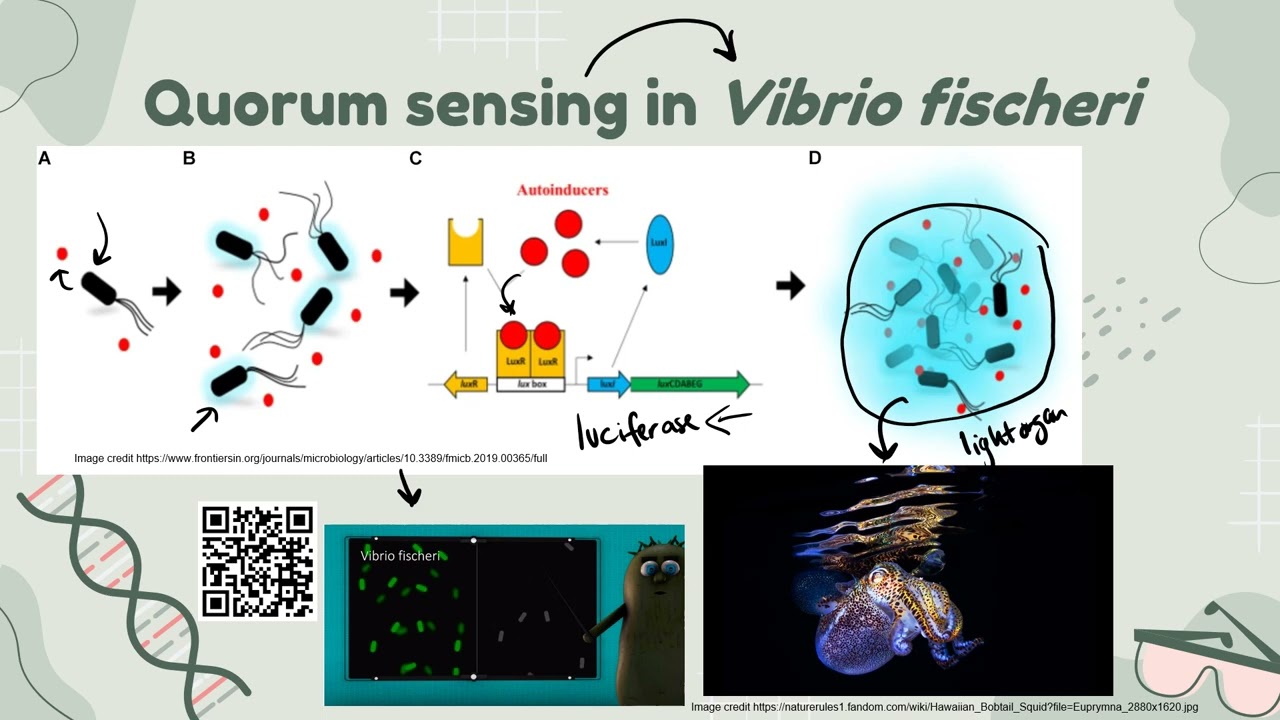








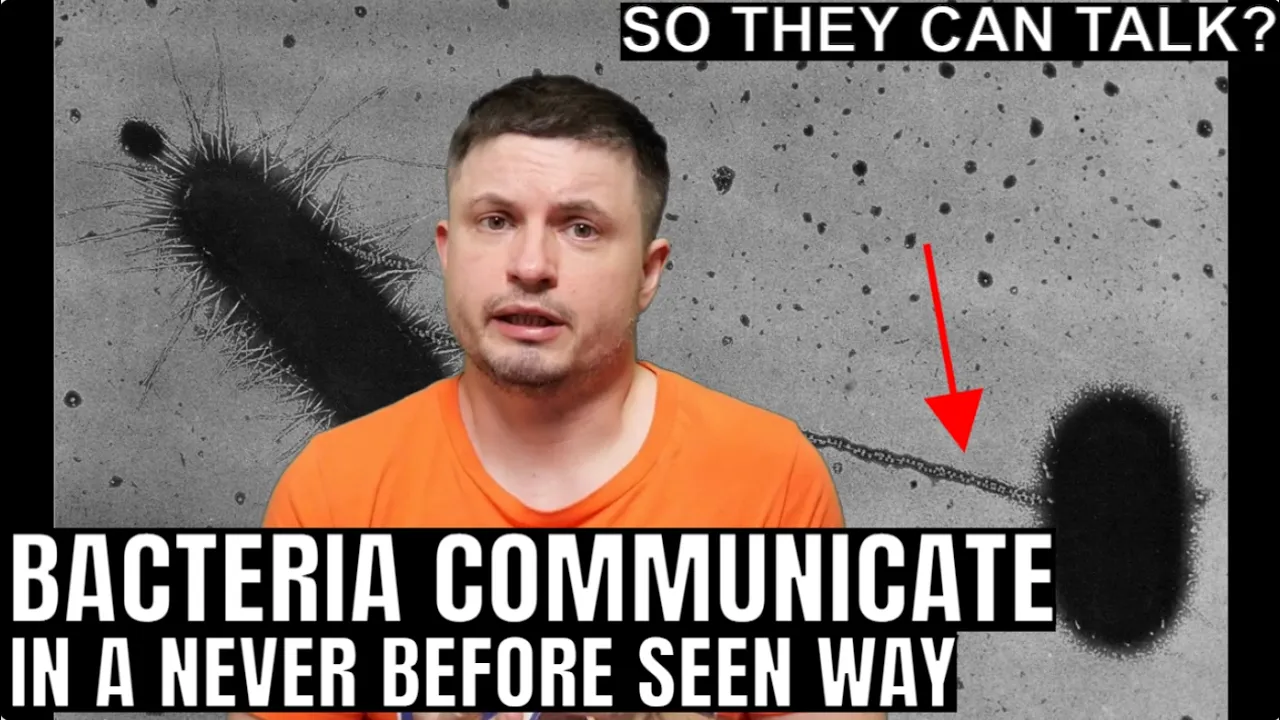



Bacteria communicate with each other using chemical signals called autoinducers, a process known as quorum sensing, which allows them to coordinate group behaviors such as virulence only when they reach sufficient population densities; this discovery has led to the development of new antibiotic strategies that disrupt bacterial communication rather than killing bacteria directly.
How Bacteria Talk: Quorum Sensing Communication | Bonnie Bassler TED
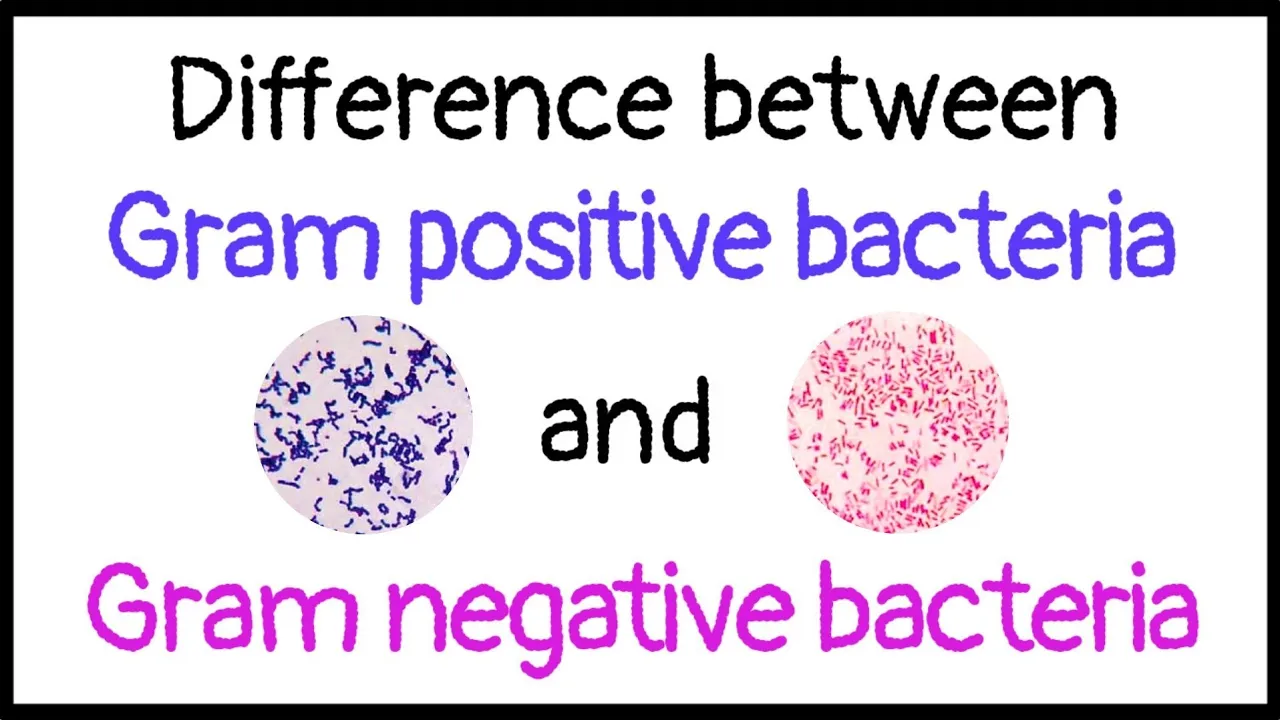
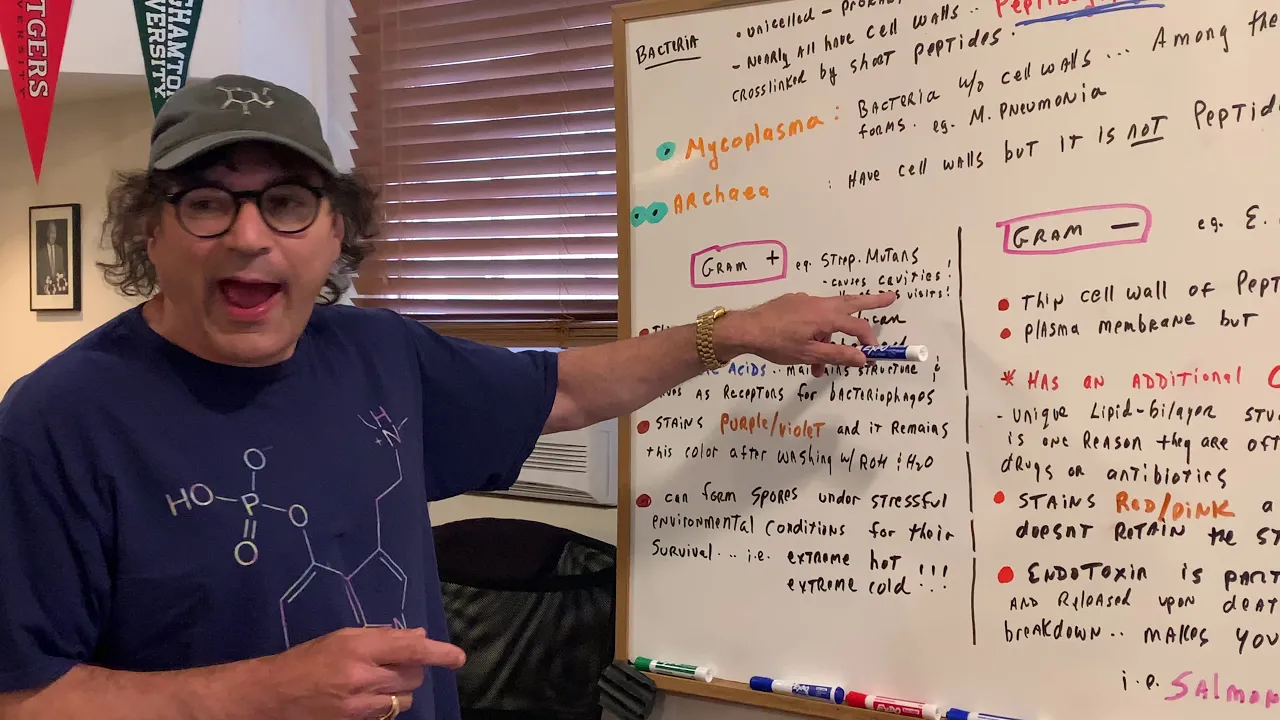
Added:Basic bacterial anatomy and the fundamental differences between Gram-positive and Gram-negative bacteria.
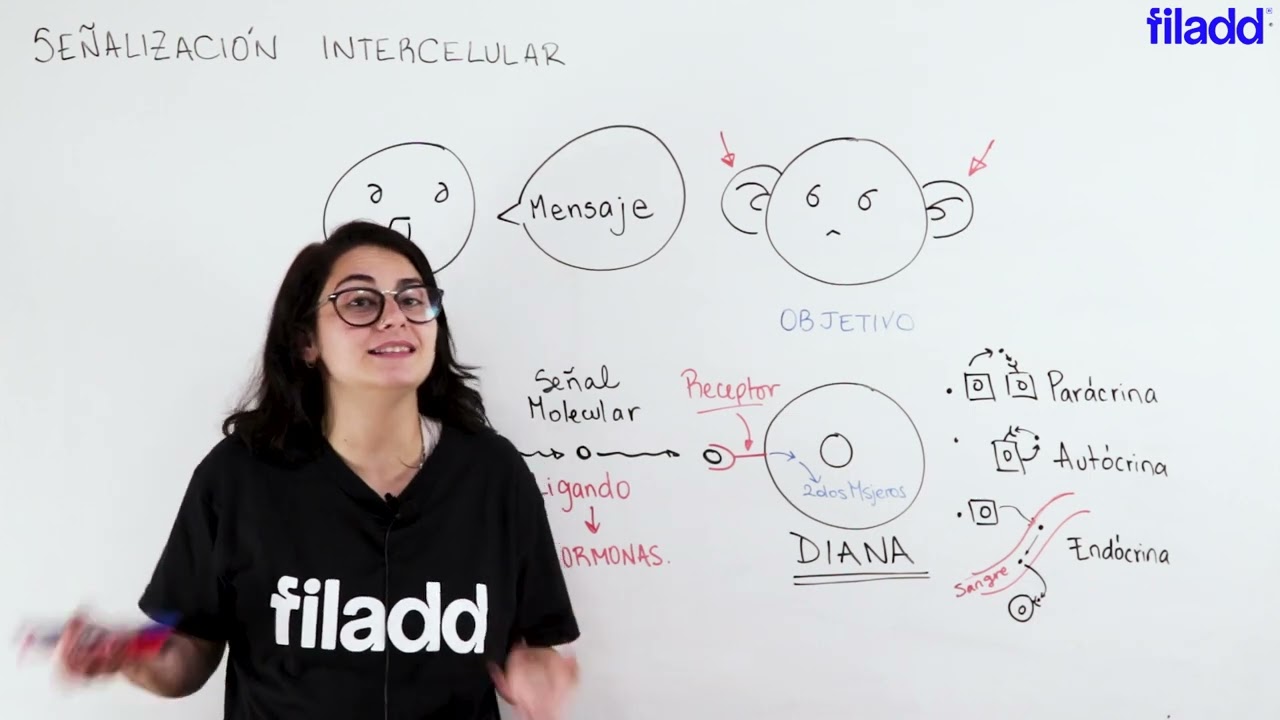
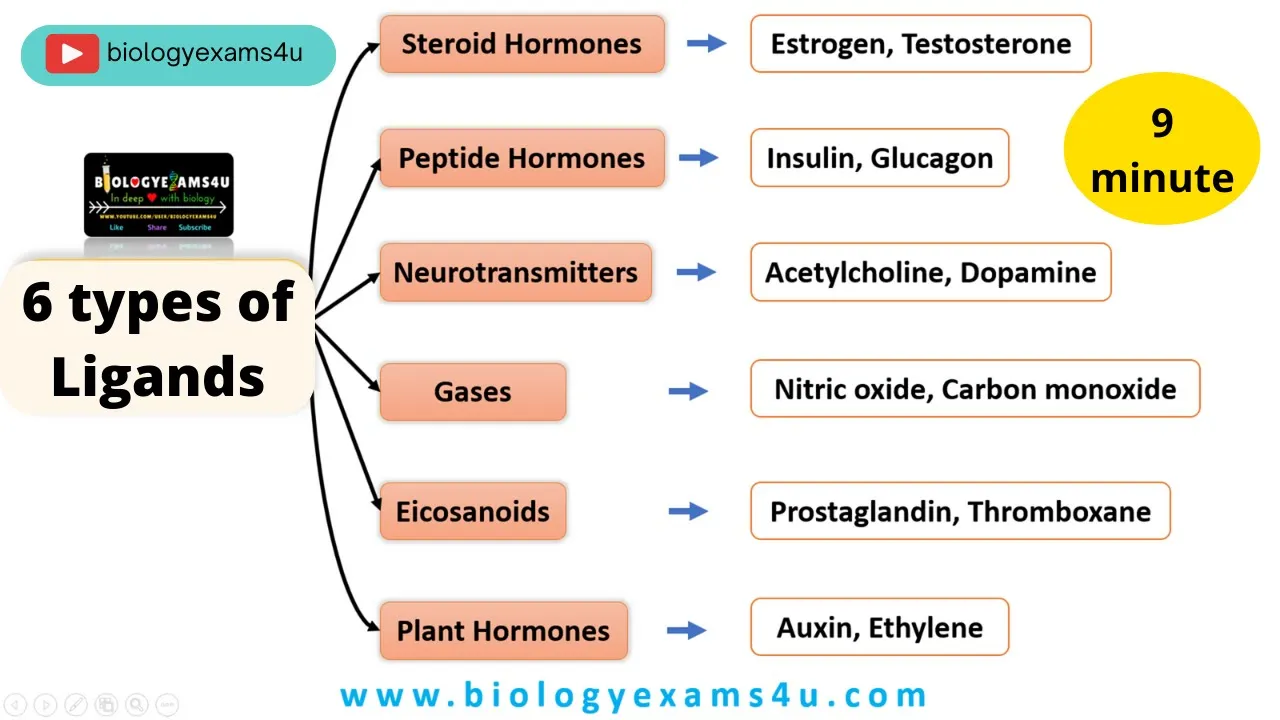
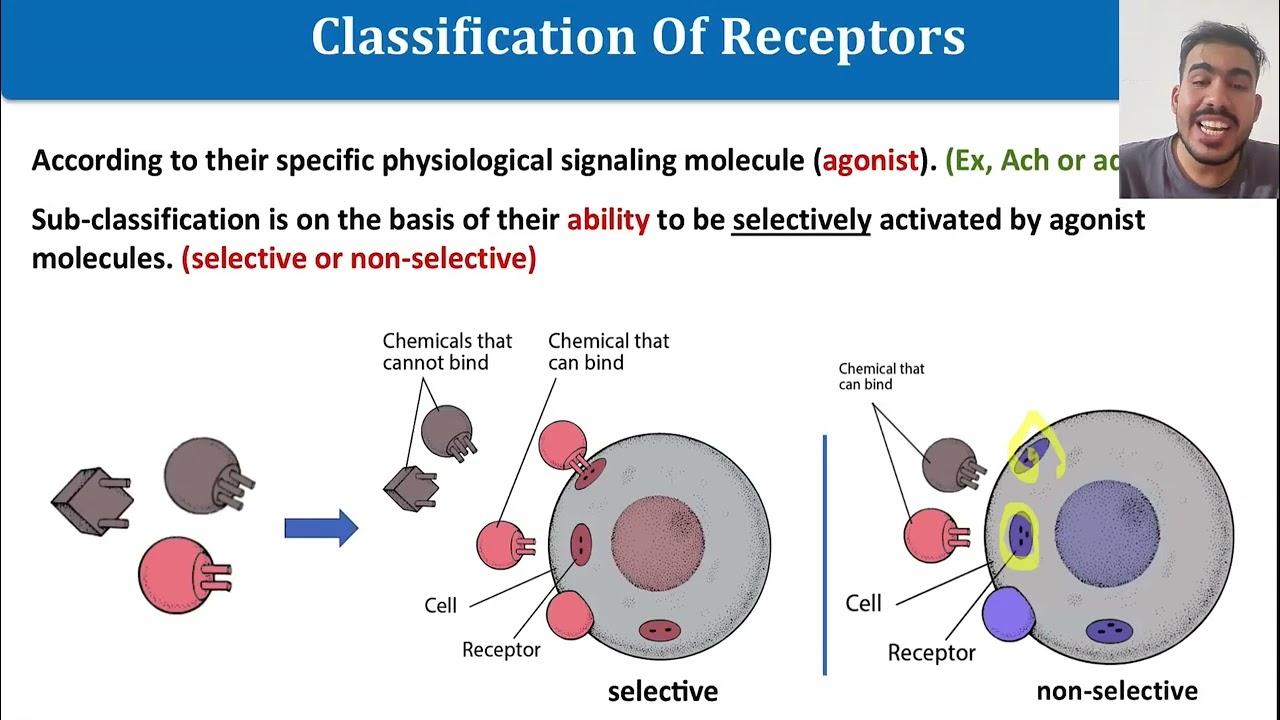
The core concepts of cellular communication, including how chemical signals (ligands) bind to specific cellular receptors.
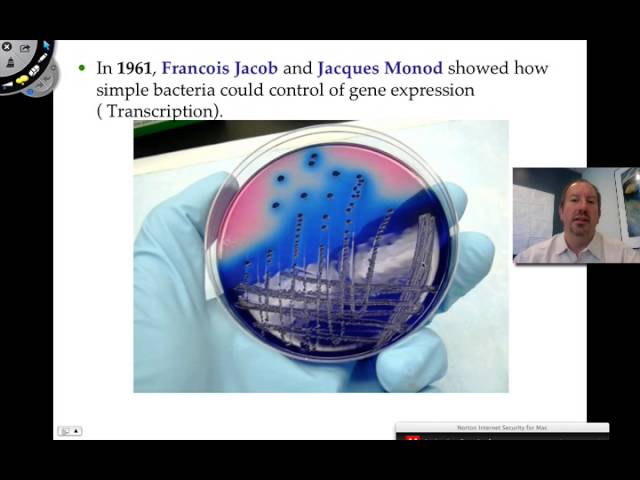
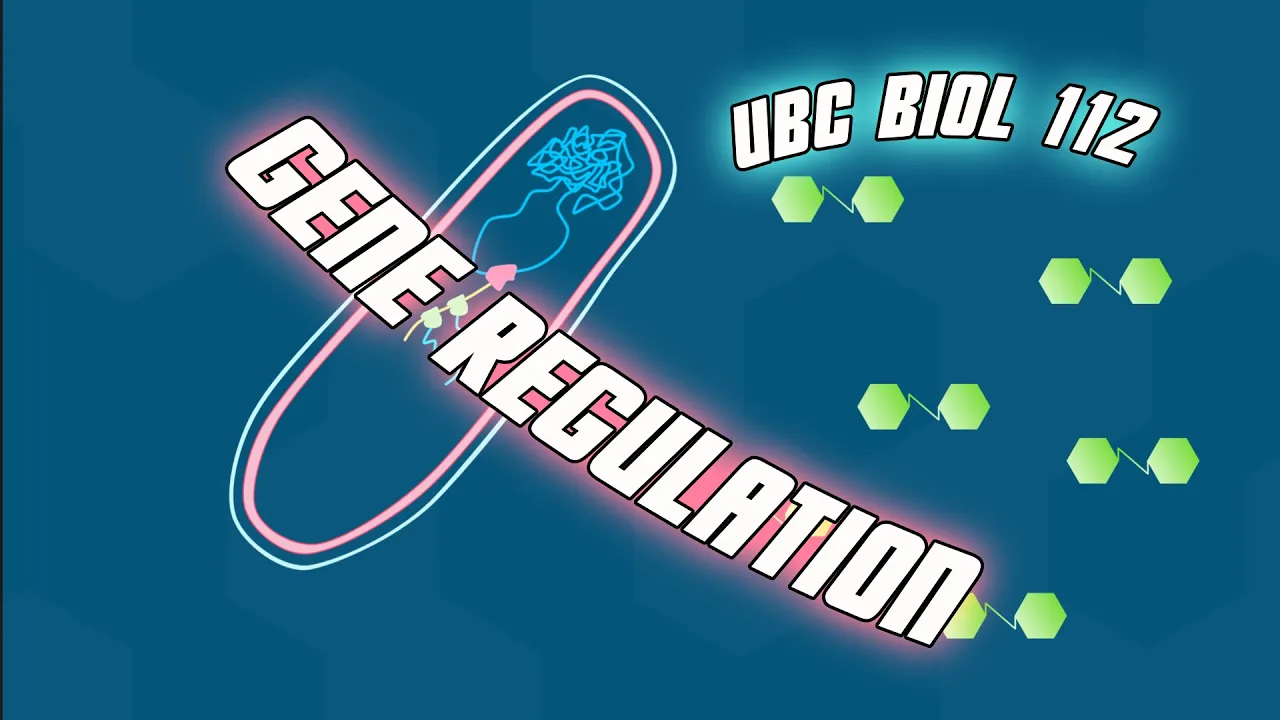
An understanding of gene regulation and expression, specifically how bacteria alter their protein production in response to environmental cues.
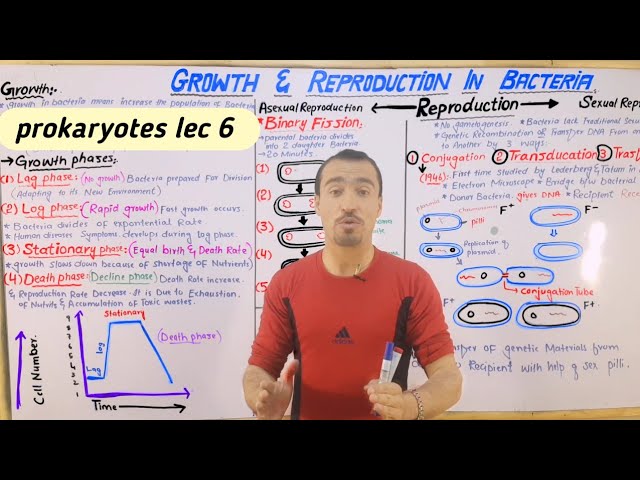
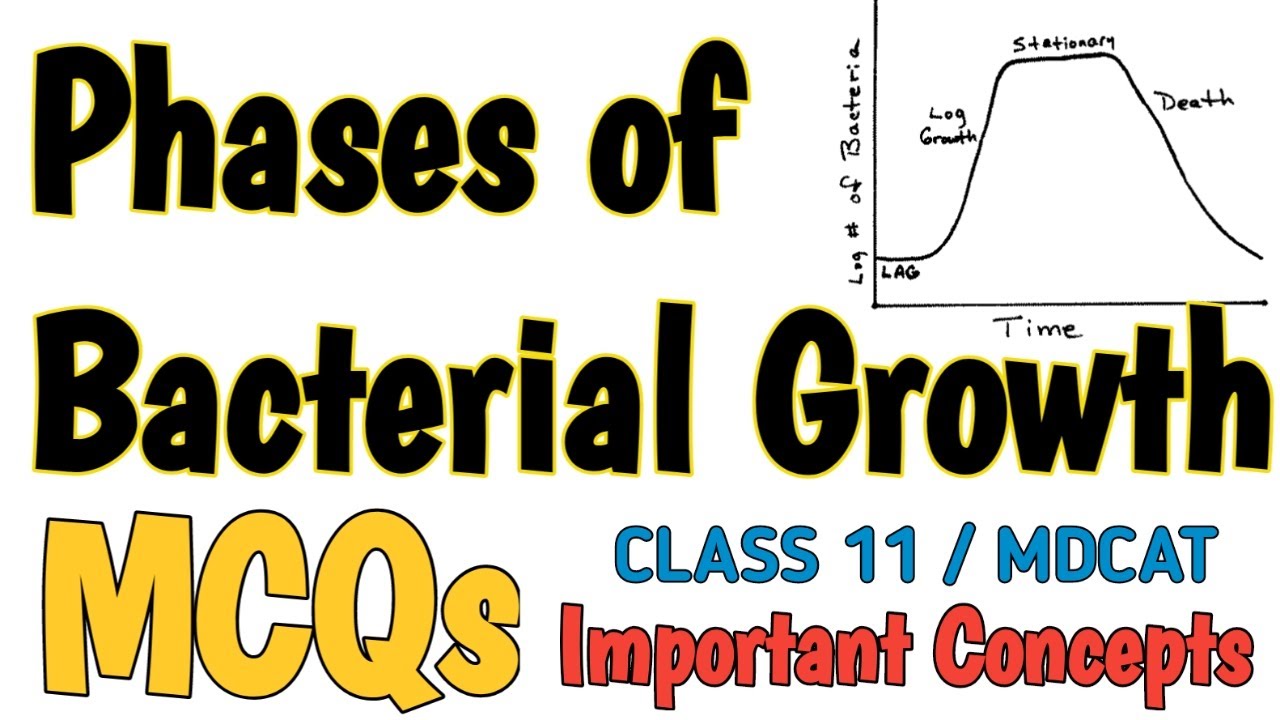
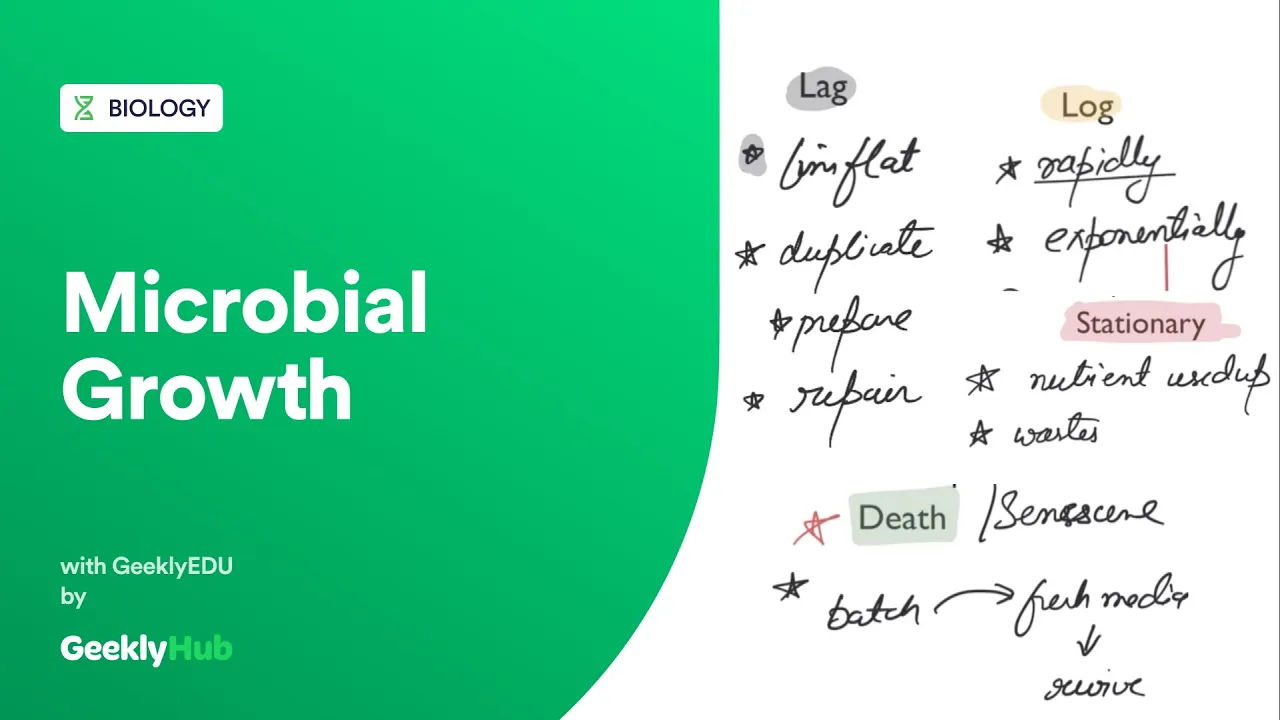
The basics of bacterial growth phases, population density, and how single-celled organisms replicate.
The concept of 'quorum quenching' (anti-quorum sensing) and how disrupting bacterial communication serves as a novel alternative to traditional antibiotics.
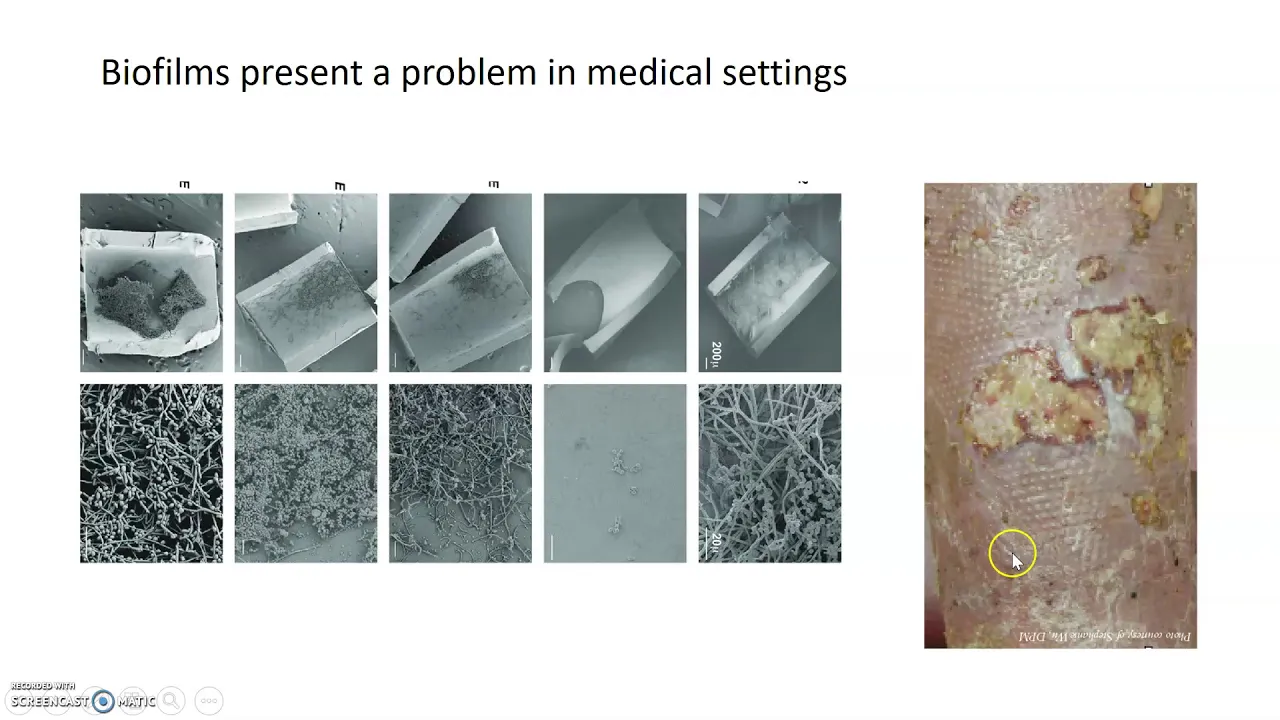
The role of quorum sensing in biofilm formation, which contributes to antibiotic resistance and persistent infections on medical devices.
The chemical differences between intraspecies communication (private languages) and interspecies communication (universal bacterial Esperanto) via autoinducers.
Applications of quorum sensing in synthetic biology, such as engineering bacterial circuits for bioremediation or targeted drug delivery.
707.9K views9.4Klikes18:11Original Release: 2013-02-09
[Music] [Music] bacteria are the oldest living organisms on the earth they've been here for billions of years and what they are are single cell microscopic organisms so they're one cell and they have the special property that they only have one piece of DNA so they have very few genes and genetic information to encode all of the traits that they carry out and the way bacteria make a living is that they consume nutrients from the environment they grow to twice their size they cut themselves down in the middle and one cell becomes two and so on and so on so they just grow and divide and grow and divide so kind of boring life except that what I would argue is that you have an amazing interaction with these Critters I know you guys think of yourself as humans and this is sort of how I think of you and so this man is supposed to represent a generic human being and all of the circles in that man are all of the cells that make up your body so there's about a trillion human cells that make each one of us who we are and able to do all the things that we do but you have 10 trillion bacterial cells in you or on you at any moment in your life so 10 times more bacterial cells than human cells on a human being and so of course it's the DNA that counts so here's all the ATS G's and C's that make up your genetic code and give you all your Charming characteristics so so you have about 30,000 genes well it turns out you have a hundred times more bacterial genes playing a role in you or on you all of your life and so at the best you're 10% human you're more likely about 1% human depending on which of these metrics you like so I know you think of yourself as human beings but I think of you as 90 or 99% bacterial and these bacteria are not passive Riders these are incredibly important they Keep Us Alive they cover Us in an invisible body armor that keeps environmental insults out so that we stay healthy they digest our food they make our vitamins they actually educate your immune system to keep bad microbes out so they do all these amazing things that help us and keep and are vital for keeping us alive and they never get any press for that but they get a lot of press because they do a lot of terrible things as well so there's all kinds of bacteria on the earth that have no business being in you or on you at any time and if they are they make you incredibly sick and so the question for my lab is whether you want to think about all the good things that bacteria do or all the bad things that bacteria do the question we had is how could they do anything at all I mean they're incredibly small you have to have a microscope to see one they live this sing sort of boring life where they grow and divide and they've always been to considered to be these asocial reclusive organisms and so it seemed to us that they're just too small to have an impact on the environment if they simply act as individuals and so we wanted to think if there couldn't be a different way the bacteria live and the clue to this came from another Marine bacterium and it's a bacterium called vibrio fisheri and so what you're looking at on this slide is just a person from my lab holding a flask of a liquid culture of a bacterium a harmless beautiful bacterium that comes from the ocean named Vio ferai and this bacterium has the special property that it makes light so it makes bioluminescence like fireflies make light so we're not doing anything to the cells here we just took the picture by turning the lights off in the room and this is what we see and what was actually interesting to us was not that the bacteria made light but when the bacteria made light what we noticed is when the bacteria were alone so when they were in dilute suspension they made no light but when they grew to a certain cell number all the bacteria turned on light simultaneously and so the question that we had is how can bacteria these primitive organisms tell the difference from times when they're alone and times when they're in a community and then all do something together and what we figured out is that the way that they do that is that they talk to each other and they talk with a chemical language so this is now supposed to be my bacterial cell when it's alone it doesn't make any light but what it does do is to make and secrete small molecules that you can think of like hormones and these are the red triangles and when the bacteria is alone the molecules just float away and so no light but when the bacteria grow and double and they're all participating in making these molecules the molecule the extracellular amount of that molecule increases in proportion to cell number and when the molecule hits a certain amount that tells the bacteria how many neighbors they are they recognize that molecule and all of the bacteria turn on light in synchrony and so that's how bioluminescence Works they're talking with these chemical words and the reason that vibrio fisher is doing that comes from the biology so again another plug for the animals in the ocean Vio fish frry lives in this squid what you're looking at is the Hawaiian bobtail squid and it's been turned on its back and what I hope you can see are these two glowing loes and these house the vibal feriz cells they live in there at high cell number that molecule is there and they're making light and the reason the squid is willing to put up with these Shenanigans is because it wants that light and so the way that this symbiosis works is that this little squid lives just off the coast of Hawaii so just in sort of shallow kneee water and the squid is nocturnal so during the day it buries itself in the sand and sleeps but then at night it has to come out to hunt and so on bright nights when there's lots of Starlight or Moonlight that light can penetrate the depth of the water the squid lives in since it's just in those couple feet of water and what the squid has developed is a shutter that can open and close over this specialized light organ housing the bacteria and then it has detectors on its back so it can sense how much Starlight or Moonlight is hitting its back and it opens and closes the shutter so the amount of light coming out of the bottom which is made by the bacterium exactly matches how much light hits the Squid's back so the squid doesn't make a Shadow so it actually uses the light from the bacteria to counter illuminate itself in an anti-predation device and so it so predators can't see its shadow calculate its trajectory and eat it and so this is like the stealth bomber of the ocean but then if you think about it this squid has this terrible problem because it's got this D ing thick culture of bacteria and it can't sustain that and so what happens is every morning when the sun comes up the Squid goes back to sleep it buries itself in the sand and it's got a pump that's attached to its circadian rhythm and when the sun comes up it pumps out like 95% of the bacteria and so now the bacteria are dilute that little hormone molecule is gone so they're not making light but of course the squid doesn't care it's asleep in the sand and as the day goes by the bacteria double they release the molecule and then light comes on at night exactly when the squid wants it and so first we figured out how and this bacterium does this but then we brought the tools of molecular biology to this to figure out really what's the mechanism and what we found so this is now supposed to be again my bacterial cell is that vibrio fishery has a protein that's the red box it's an enzyme that makes that little hormone molecule the red triangle and then as the cells grow they're all releasing that molecule into the environment so there's lots of molecule there and the bacteria also have a receptor on their cell surface that fits like a lock and key with that molecule these are just like The receptors on the surfaces of your cells and so when the molecule increases to a certain amount which says something about the number of cells it locks down into that receptor and information comes into the cells that tells the cells to turn on this Collective behavior of making light and why this is interesting is because in the past decade we have found that this is not just some anomaly of this ridiculous glow-in-the-dark bacterium that lives in the ocean all B have systems like this so now what we understand is that all bacteria can talk to each other they make Chemical words they recognize those words and they turn on group behaviors that are only successful when all of the cells participate in unison and so now we have a fancy name for this we call it Quorum sensing they vote with these chemical votes the vote gets counted and then everybody responds to the vote and what's important for today's talk is that we know that there are hundreds of behaviors that bacteria carry out in these Collective Fashions but the one that's probably the most important to you is virulence so it's not like a couple bacteria get in you and then they start secreting some toxins you're enormous that would have no effect on you you're huge but what they do we Now understand is they get in you they wait they start growing they count themselves with these little molecules and they recognize when they have the right cell number that if all of the bacteria launch their virulence attack together they're going to be successful at overcoming an enormous host so bacteria always control pathogenicity with chorum sensing and so that's how it works we also then went to look at what are these molecules so these were the red triangles on my slides before and so this is the vibal fisheri molecule this is the word that it talks with and then we started to look at other bacteria and these are just a smattering of the molecules that we've discovered and what I hope you can see is that the molecules are related so the leftand part of the molecule is identical in every single species of bacteria but but the right hand part of the molecule is a little bit different in every single species and what that does is to confer Exquisite species specificities to these languages so each molecule fits into its partner receptor and no other so these are private secret conversations these conversations are for intas species communication each bacteria uses a particular molecule that's it Lang its language that allows it to count its own siblings and so once we got that far we thought we were starting to understand that bacteria have these social behaviors but we started what we were really thinking about is that most of the time bacteria don't live by themselves they live in incredible mixtures with hundreds or thousands of other species of bacteria and that's depicted on this slide this is your skin so this is just a picture a micrograph of your skin anywhere on your body it looks pretty much like this and what I hope you can see is that there's all kinds of bacteria there and so we started to think if this really is about Communication in bacteria and it's about counting your neighbors it's not enough to be able to only talk within your species there has to be a way to take a census of the rest of the bacteria in the population so we went back to molecular biology and started studying different bacteria and what we found now is that in fact bacteria are multilingual so they all have a species specific system they have a molecule that says me but then running in parallel to that is a second system that we've discovered that's generic so they have a second enzyme that makes a second signal and it has its own receptor and this molecule is the trade language of bacteria it's used by all different bacteria and it's the language of inter species communication and so what happens is that bacteria are able to count how many of me and how many of you and they take that information inside and they decide what tasks to carry out depending on who's in the minority and who's in the majority of Any Given population and so then again we turn to chemistry and we figured out what this generic molecule is so that was the pink ovals on my last slide this is it it's a very small five carbon molecule and what the important thing is that we learned is that every bacterium has exactly the same enzyme and makes exactly the same molecule so they're all using this molecule for interspecies communication so this is the bacterial espiranto and so once we got that far we've started to learn that bacteria can talk to each other with this chemical language but what we started think is that maybe there's something practical that we can do here as well so I've told you that bacteria do have all these social behaviors that they communicate um with these molecules and of course I've also told you that one of the important things they do is to initiate pathogenicity using corm sensing so we thought what if we made these bacteria so they can't talk or they can't hear couldn't these be new kinds of antibiotics and of course you've just heard and you already know that we're running out of antibiotics bacteria are incredibly multi- drug resistant right now and that's because all of the antibiotics that we use kill bacteria so they either pop the bacterial membrane they make the bacterium so it can't replicate its DNA we kill bacteria with traditional antibiotics and that selects for resistant mutants and so now of course we have this Global problem in infectious diseases so we thought well what if we could sort of do Behavior modifications just make these bacteria so they can't talk they can't count and they don't know to launch virulence and so that's exactly what we've done and we've sort of taken two strategies the first one is we've targeted the intras species communication system so we've made molecules that look kind of like the real molecules which you saw but they're a little bit different and so they lock into those receptors and they Jam recognition of the real thing and so by targeting the red system what we are able to do is to make species specific or disease specific anticor sensing molecules we've also done the same thing with the pink system we've taken that Universal molecule and and turned it around a little bit so that we've made antagonists of the inter species communication system and these the hope is that these will be used as broadspectrum antibiotics that work against all bacteria and so to finish I'll just show you the strategy and this one I'm just using the inters species molecule but the logic is exactly the same so what you know is that when that bacterium gets into the animal in this case a mouse it doesn't initiate virulence right away it gets in it starts growing it starts secreting its corn sensing molecules it recognizes when it has enough bacteria that now they're going to launch their attack and the animal dies and so what we've been able to do is to give these virulent infections but we give them in conjunction with our anti-m sensing molecules so these are molecules that look kind of like the real thing but they're a little bit different which I've depicted on this slide and what we now know is that if we treat the animal with a pathogenic bacterium a multi-drug resistant pathogenic bacterium in the same time we give our anti-m sensing MO molecule in fact the animal lives and so we think that this is the next generation of antibiotics and it's going to get us around at least initially this big problem of resistance so what I hope you think is that bacteria can talk to each other they use chemicals as their words they have an incredibly complicated chemical lexicon that we're just now starting to learn about and of course what that allows bacteria to do is to be multicellular right and so in the spirit of Ted they are doing things together because it makes a difference right so what happens is that bacteria have these Collective behaviors and they can carry out tasks that they could never accomplish if they simply acted as individuals and and what I would hope that I could further argue to you is that this is the invention of multicellularity bacteria have been on the year uh on the earth for billions of years humans couple hundred thousands so we think bacteria made the rules for how multicellular um organization works and and we think by studying bacteria we're going to be able to have insight about multicellularity in the human body so we know that the principles and the rules if we can figure them out in these sort of primitive organisms the hope is that they will be applied to other human diseases and human behaviors as well I hope that what you've learned is that bacteria can distinguish self from others so by using these two molecules they can say me and they can say you and again of course that's what we do both as mole in in a molecular way and then also in an outward way but I think about the molecular stuff this is exactly what happens in your body it's not like your heart cells and your kidney cells get all mixed up every day and that's because there's all of this chemistry going on these molecules that say who each of these groups of cells is and what their tasks should be and so again we think that bacteria invented that and then you've just evolved a few more bells and whistles but all of the ideas are in these simple systems that we can study and then the final thing is again just to reiterate that there's this practical part and so we've made these anti form sensing molecules that are being developed as new kinds of Therapeutics but then to finish with a plug for all the good and miraculous bacteria that live on the earth we've also made proor sensing molecules so we've targeted those systems to make the molecules work better and so remember you have these 10 times or more bacterial cells in you or on you keeping you healthy what we're also trying to do is to beef up the conversation of the bacteria that live as mutualists with you in the hopes of making you more healthy making those conversations better so bacteria can do things that we want them to do by in better than they would be on their own and then finally I want to just show you this is my gang at Princeton New Jersey everything I told you about was discovered by someone in that picture and I hope when you learn things like about how the natural world works I just want to say that whenever you read something in the newspaper you get to hear some talk about something ridiculous in the natural world it was done by a child so science is done by that demographic they all of those people are between 20 and 30 years old and they are the engine that drives scientific discovery in this country and it's a really lucky demographic to work with I keep getting older and older and they're always the same age and it's just an a crazy delightful job and I want to thank you for inviting me here it's a big treat for me to get to come to this conference thanks than
Up Next

64:37
Bacteria Structure and Function | Microbiology Lecture
@NinjaNerdOfficial
930.5K views•2021-10-04
50:12
Bacterial Communication: Quorum Sensing and Biofilm Formation Explained
@JHUAAP
12.6K views•2011-06-28

5:13
How Whales Sing: The Science Behind Their Songs
@TEDEd
1.5M views•2016-11-10
7:08
Bacteriophages: Earth's Deadliest Killers and Future Antibiotics
@kurzgesagt
34.6M views•2018-05-13
Related Study Plans & Knowledge Roadmaps
Structured learning paths in Biology
biology
RNAi: Biogenesis, RISC & Gene Silencing
01Molecular Biology Foundations: DNA to Protein
02Introduction to RNA Interference (RNAi)
03Molecular Biogenesis of miRNA and siRNA
+ 2 more learning modules
10h5 modules
Explore Roadmap
biology
Mycorrhizae: Signaling, Biophysics & Ecology
01Foundations of Mycorrhizal Symbiosis
02Molecular Signaling and Root Colonization
03Biophysics and Bioenergetics of Nutrient Exchange
+ 1 more learning modules
11h4 modules
Explore Roadmap
biology
Circadian Clocks: TTFL, SCN & Periphery
01Foundations of Molecular Biology & Gene Expression
02Introduction to Chronobiology and Actograms
03The Core TTFL: Molecular Architecture of the Clock
+ 3 more learning modules
14h6 modules
Explore Roadmap
biology
Population Genetics: Math, Drift & Selection
01Genetic & Probability Foundations
02The Hardy-Weinberg Principle and Baseline Models
03Mathematical Modeling of Natural Selection
+ 3 more learning modules
18h6 modules
Explore Roadmap