















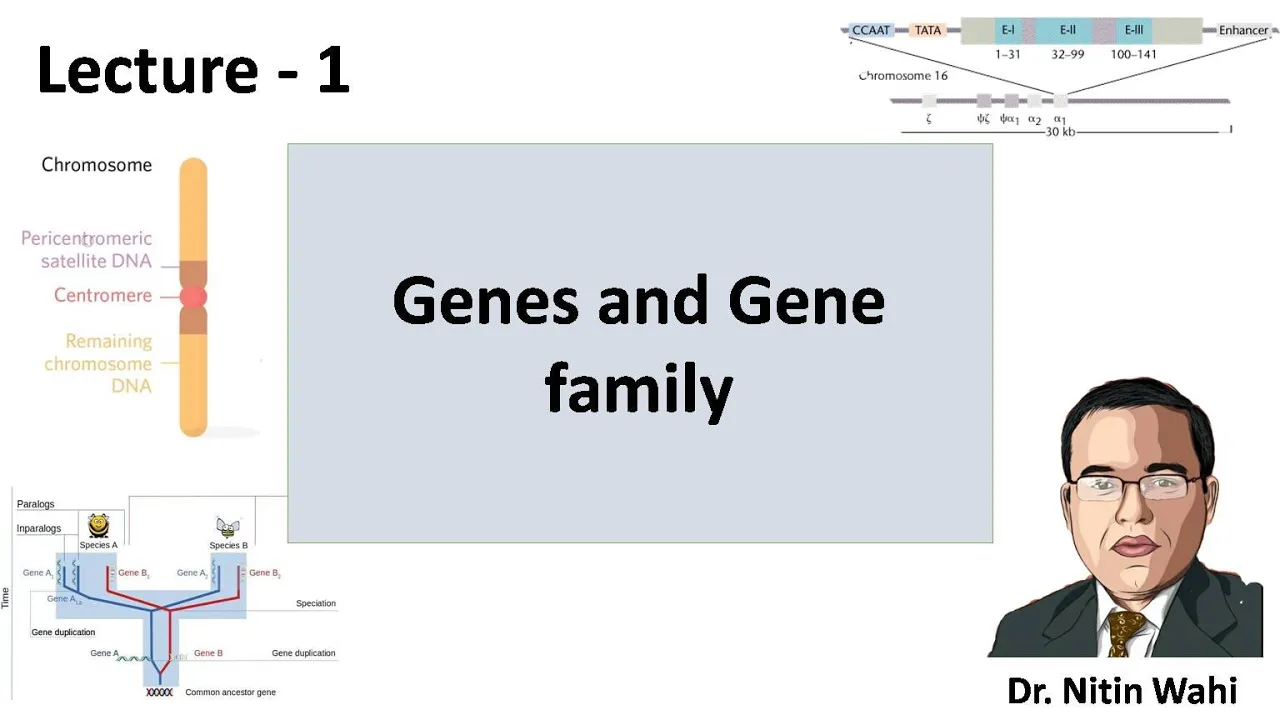







Genes originate from multiple sources: some existed since the earliest life forms 4 billion years ago, while others emerged through evolutionary processes including gene duplication (when cells accidentally copy DNA twice, creating extra gene copies that may accumulate mutations and develop new functions), and de novo gene birth (when random sequences of non-coding DNA mutate into functional genes). These mechanisms explain how species acquire novel genetic material over time, with examples including snake venom evolution from pancreatic genes and human olfactory receptor diversity arising from duplicated genes.
The Origins of Genes: Mutation and Duplication Explained
Added:The basic structure of DNA and the Central Dogma of molecular biology (how DNA is transcribed to RNA and translated into proteins).
The concept of a gene as a functional unit of heredity and how genetic variation naturally occurs in populations.
Fundamental principles of natural selection and Darwinian evolutionary theory, including adaptation and genetic drift.
An understanding of basic mutation types, such as point mutations, insertions, and deletions, and their general impact on protein function.
The concepts of neofunctionalization and subfunctionalization, which describe the specific evolutionary fates of duplicated genes.
How gene families (such as the Hox gene family or globin genes) arise through duplication and drive the evolution of complex anatomical structures.
The study of molecular phylogenetics, including using sequence alignment to identify orthologous and paralogous genes.
The evolutionary biochemistry of novel traits, specifically how physiological systems (like digestive enzymes) are co-opted to evolve complex venoms.
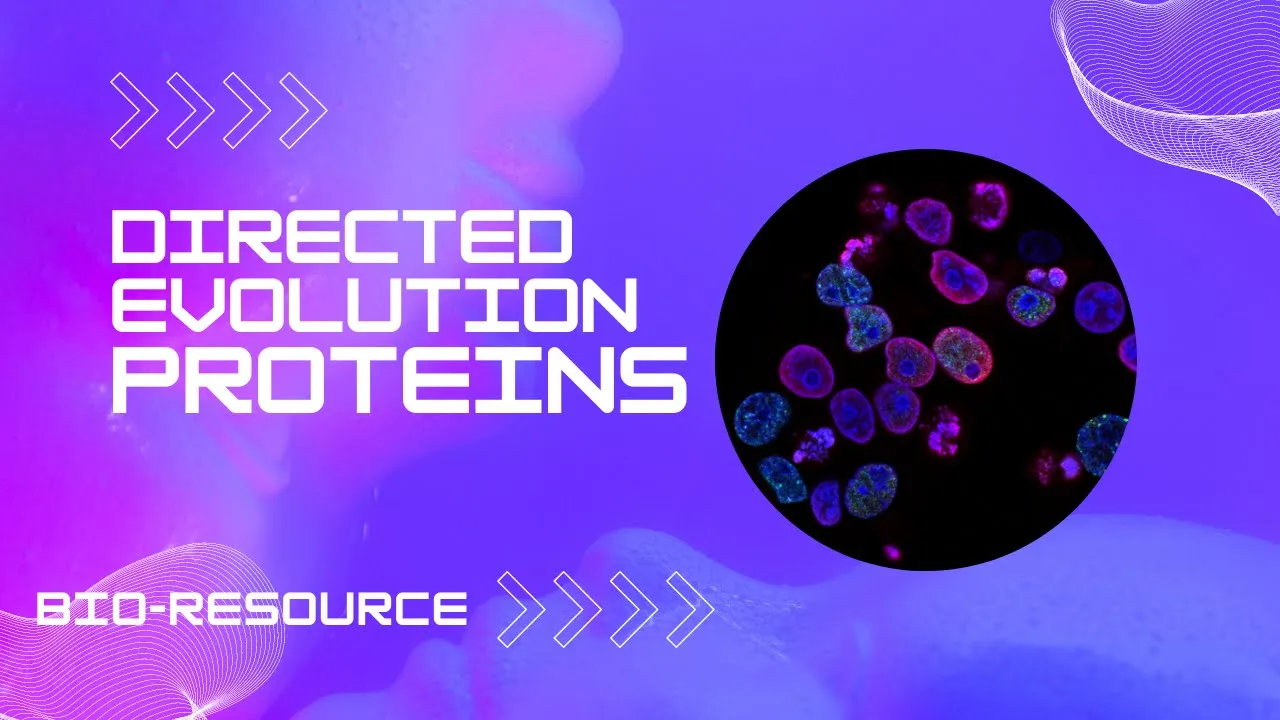
Applications of directed evolution in biotechnology, which uses principles of mutation and selection to engineer novel proteins in the laboratory.
1M views12.5Klikes4:23Original Release: 2014-09-22
You have about 20,000 genes in your DNA.
They encode the molecules that make up your body, from the keratin in your toenails, to the collagen at the tip of your nose, to the dopamine surging around inside your brain.
Other species have genes of their own.
A spider has genes for spider silk.
An oak tree has genes for chlorophyll, which turns sunlight into wood.
So where did all those genes come from?
It depends on the gene.
Scientists suspect that life started on Earth about 4 billion years ago.
The early life forms were primitive microbes with a basic set of genes for the basic tasks required to stay alive.
They passed down those basic genes to their offspring through billions of generations.
Some of them still do the same jobs in our cells today, like copying DNA.
But none of those microbes had genes for spider silk or dopamine.
There are a lot more genes on Earth today than there were back then.
It turns out that a lot of those extra genes were born from mistakes.
Each time a cell divides, it makes new copies of its DNA.
Sometimes it accidentally copies the same stretch of DNA twice.
In the process, it may make an extra copy of one of its genes.
At first, the extra gene works the same as the original one.
But over the generations, it may pick up new mutations.
Those mutations may change how the new gene works, and that new gene may duplicate again.
A surprising number of our mutated genes emerged more recently; many in just the past few million years.
The youngest evolved after our own species broke off from our cousins, the apes.
While it may take over a million years for a single gene to give rise to a whole family of genes, scientists are finding that once the new genes evolve, they can quickly take on essential functions.
For example, we have hundreds of genes for the proteins in our noses that grab odor molecules.
The mutations let them grab different molecules, giving us the power to perceive trillions of different smells.
Sometimes mutations have a bigger effect on new copies of genes.
They may cause a gene to make its protein in a different organ, or at a different time of life, or the protein may start doing a different job altogether.
In snakes, for example, there's a gene that makes a protein for killing bacteria.
Long ago, the gene duplicated and the new copy mutated.
That mutation changed the signal in the gene about where it should make its protein.
Instead of becoming active in the snake's pacreas, it started making this bacteria-killing protein in the snake's mouth.
So when the snake bit its prey, this enzyme got into the animal's wound.
And when this protein proved to have a harmful effect, and helped the snake catch more prey, it became favored.
So now what was a gene in the pancreas makes a venom in the mouth that kills the snake's prey.
And there are even more incredible ways to make a new gene.
The DNA of animals and plants and other species contain huge stretches without any protein coding genes.
As far as scientists can tell, its mostly random sequences of genetic gibberish that serve no function.
These stretches of DNA sometimes mutate, just like genes do.
Sometimes those mutations turn the DNA into a place where a cell can start reading it.
Suddenly the cell is making a new protein.
At first, the protein may be useless, or even harmful, but more mutations can change the shape of the protein.
The protein may start doing something useful, something that makes an organism healthier, stronger, better able to reproduce.
Scientists have found these new genes at work in many parts of animal bodies.
So our 20,000 genes have many origins, from the origin of life, to new genes still coming into existence from scratch.
As long as life is here on Earth, it will be making new genes.
Up Next

16:58
Why Cone Snail Venom Is Deadly: Neurotoxin Science
@OfficialBeyondTheBlue
234.7K views•2025-08-08
41:46
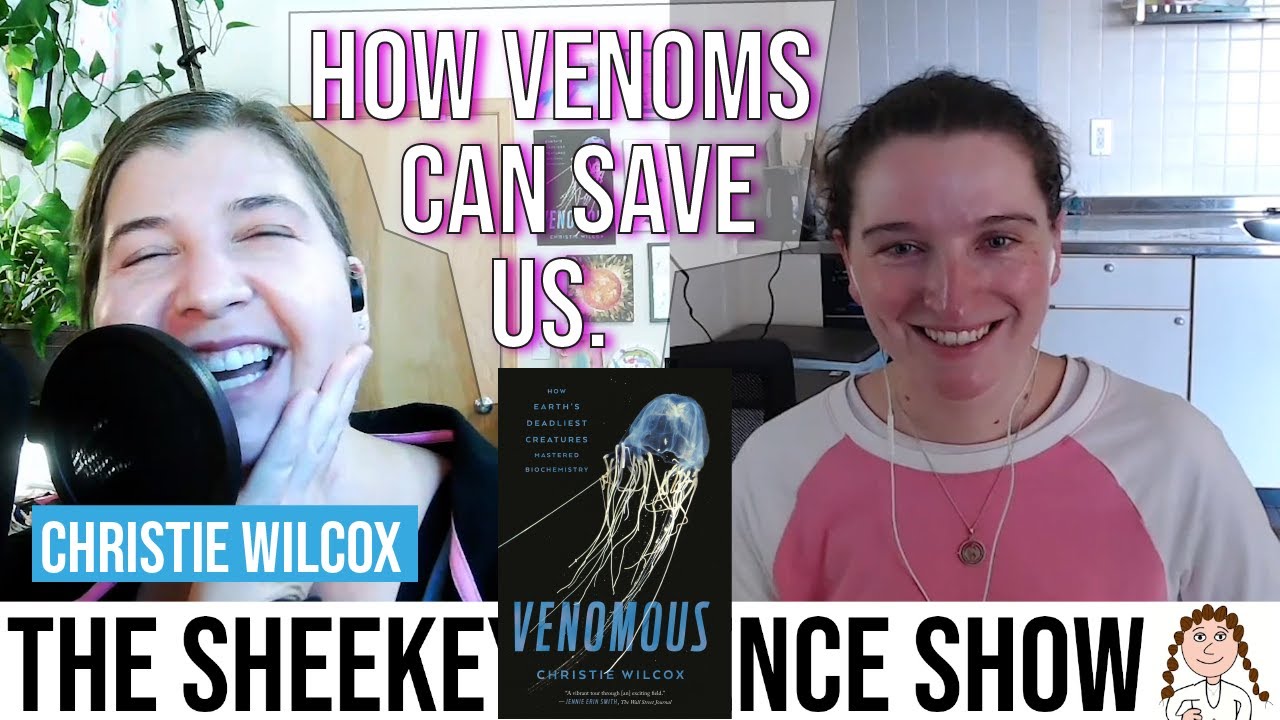
Venom Biochemistry: Therapeutics from Nature's Toxins | Expert Interview
@TheSheekeyScienceShow
1.3K views•2024-08-31

18:11
How Bacteria Talk: Quorum Sensing Communication | Bonnie Bassler TED
@TEDEd
707.9K views•2013-02-09

7:08
Bacteriophages: Earth's Deadliest Killers and Future Antibiotics
@kurzgesagt
34.6M views•2018-05-13
Related Study Plans & Knowledge Roadmaps
Structured learning paths in Biology
biology
Analyzing Animal Venoms: Genetics & Pharma
01Molecular Biology & Physiology Foundations
02Venom Evolution & Toxin Gene Recruitment
03Neurotoxins & Ion Channel Pharmacology
+ 2 more learning modules
18h5 modules
Explore Roadmap
biology
RNAi: Biogenesis, RISC & Gene Silencing
01Molecular Biology Foundations: DNA to Protein
02Introduction to RNA Interference (RNAi)
03Molecular Biogenesis of miRNA and siRNA
+ 2 more learning modules
10h5 modules
Explore Roadmap
biology
Mycorrhizae: Signaling, Biophysics & Ecology
01Foundations of Mycorrhizal Symbiosis
02Molecular Signaling and Root Colonization
03Biophysics and Bioenergetics of Nutrient Exchange
+ 1 more learning modules
11h4 modules
Explore Roadmap
biology
Circadian Clocks: TTFL, SCN & Periphery
01Foundations of Molecular Biology & Gene Expression
02Introduction to Chronobiology and Actograms
03The Core TTFL: Molecular Architecture of the Clock
+ 3 more learning modules
14h6 modules
Explore Roadmap