


















![[줌 인 피플] 치명적인 복어 매력에 빠지다…전중균 교수 / YTN 사이언스](https://i.ytimg.com/vi/xKXukZdkl6w/hqdefault.jpg)

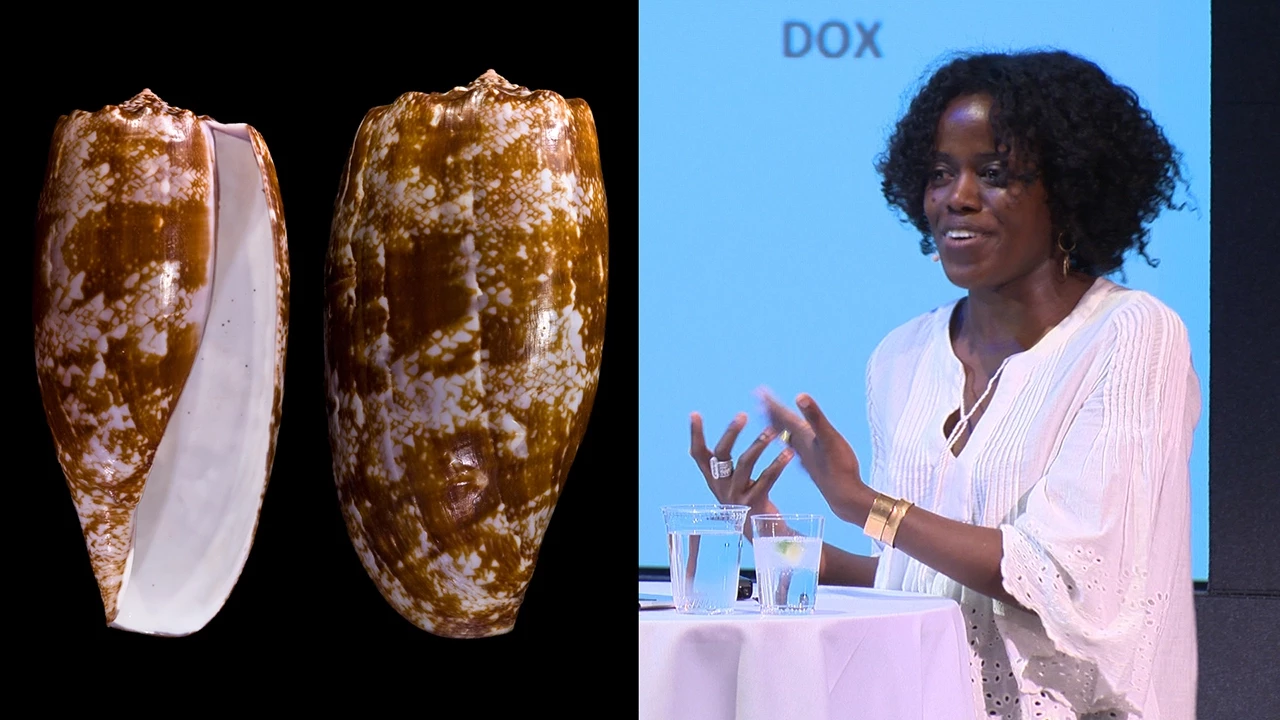
Cone snails possess one of the deadliest venoms on Earth, with a single drop containing enough conotoxins to kill over 20 humans, yet this same venom has become a molecular gold mine for medicine, yielding breakthroughs like ziconotide (a non-addictive painkiller) and novel insulin variants for diabetes treatment, demonstrating how nature's combinatorial chemistry evolved for predation can be harnessed for human health.
Why Cone Snail Venom Is Deadly: Neurotoxin Science
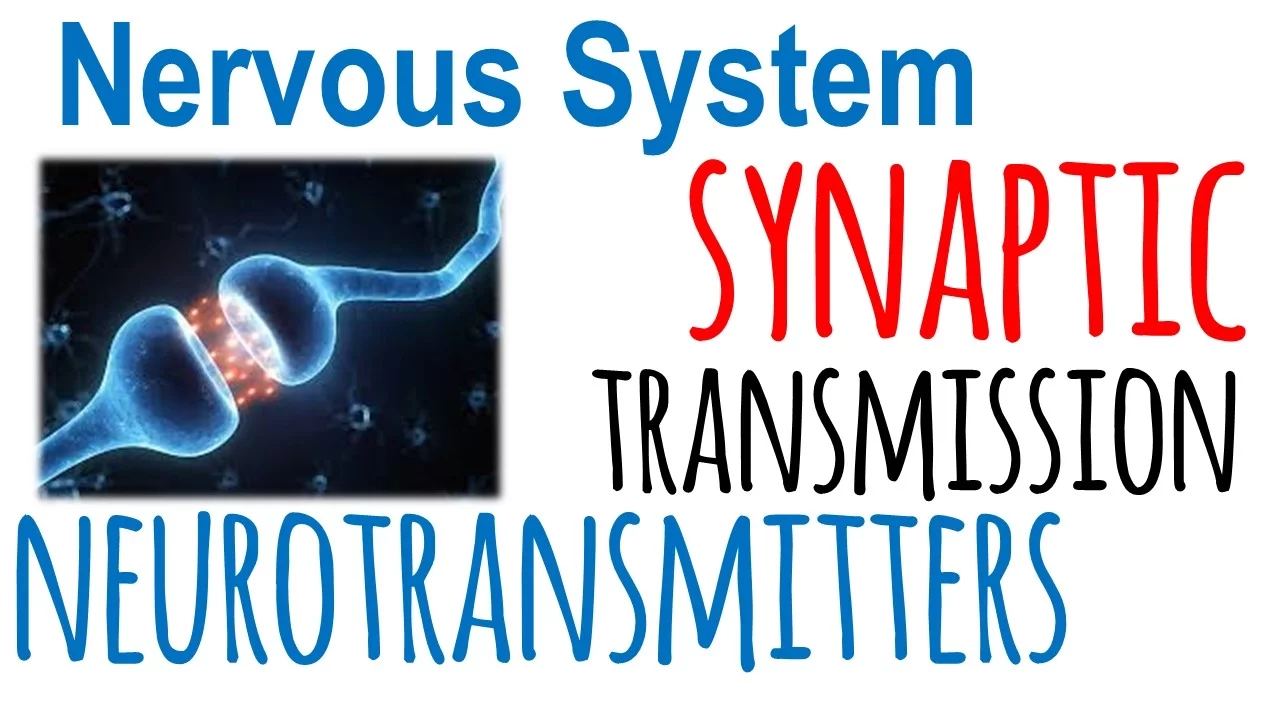
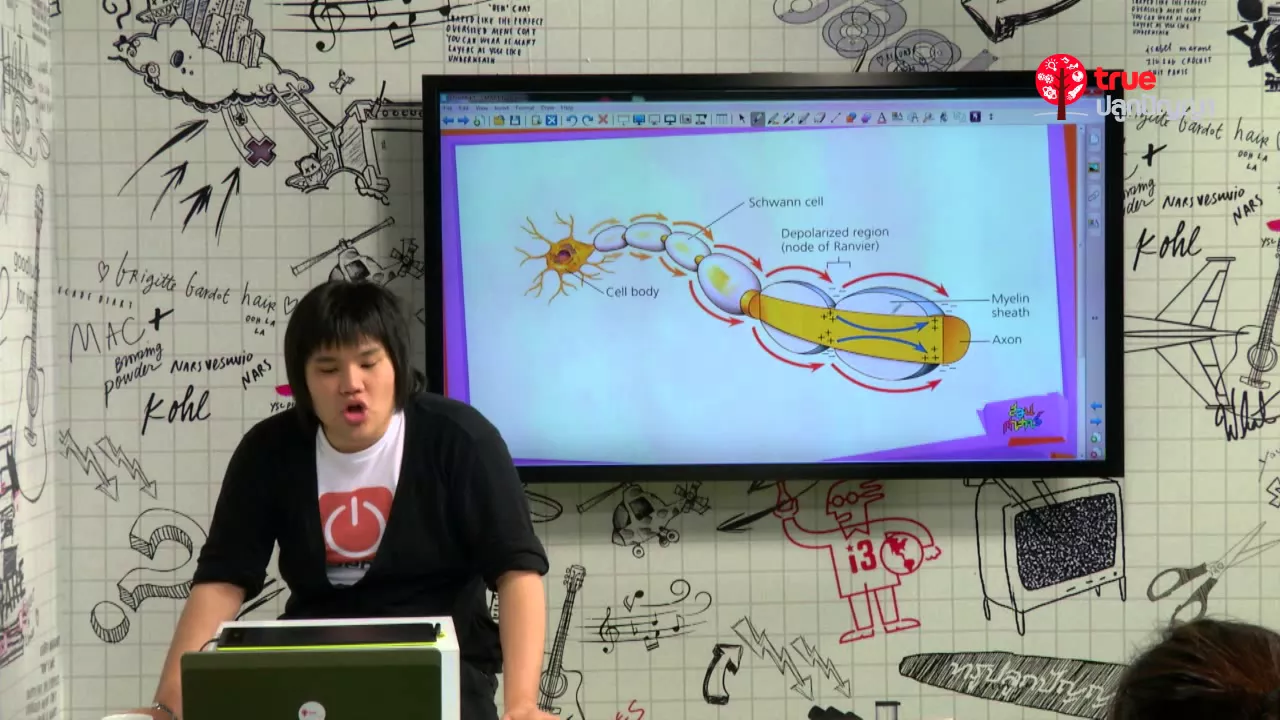
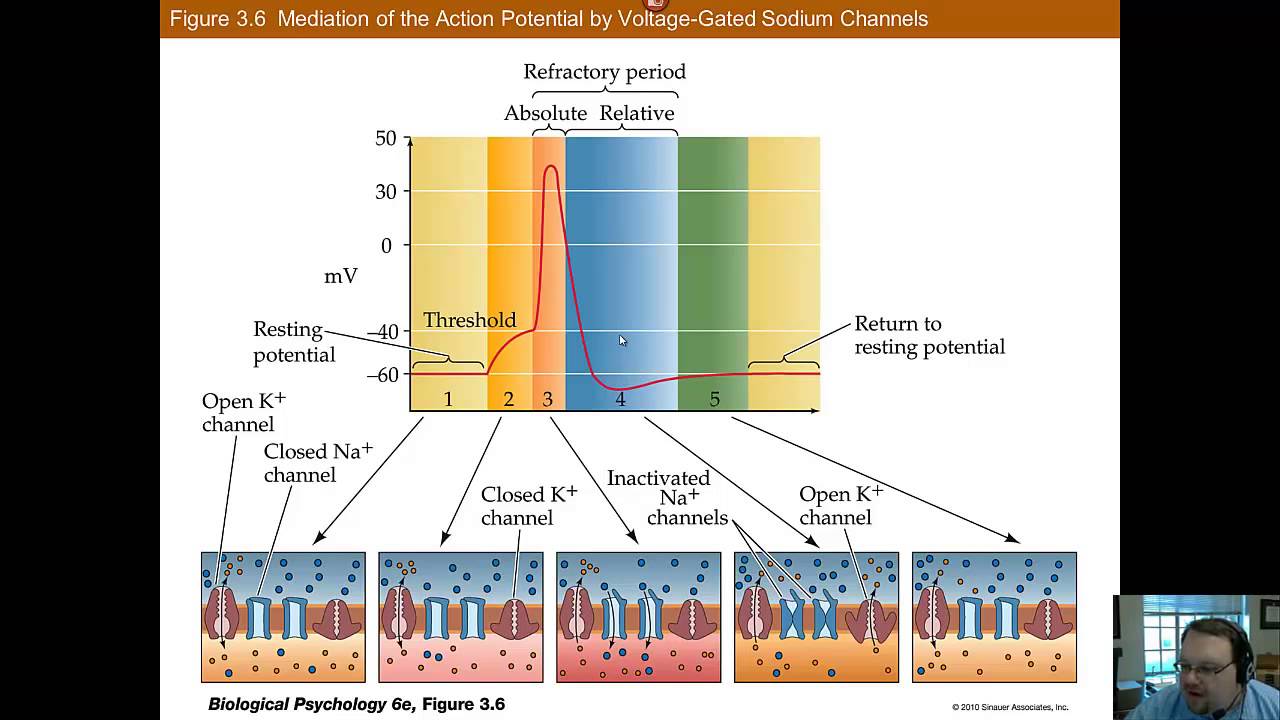
Added:Fundamentals of neurobiology, particularly action potentials, synaptic transmission, and how neurotransmitters facilitate cellular communication.
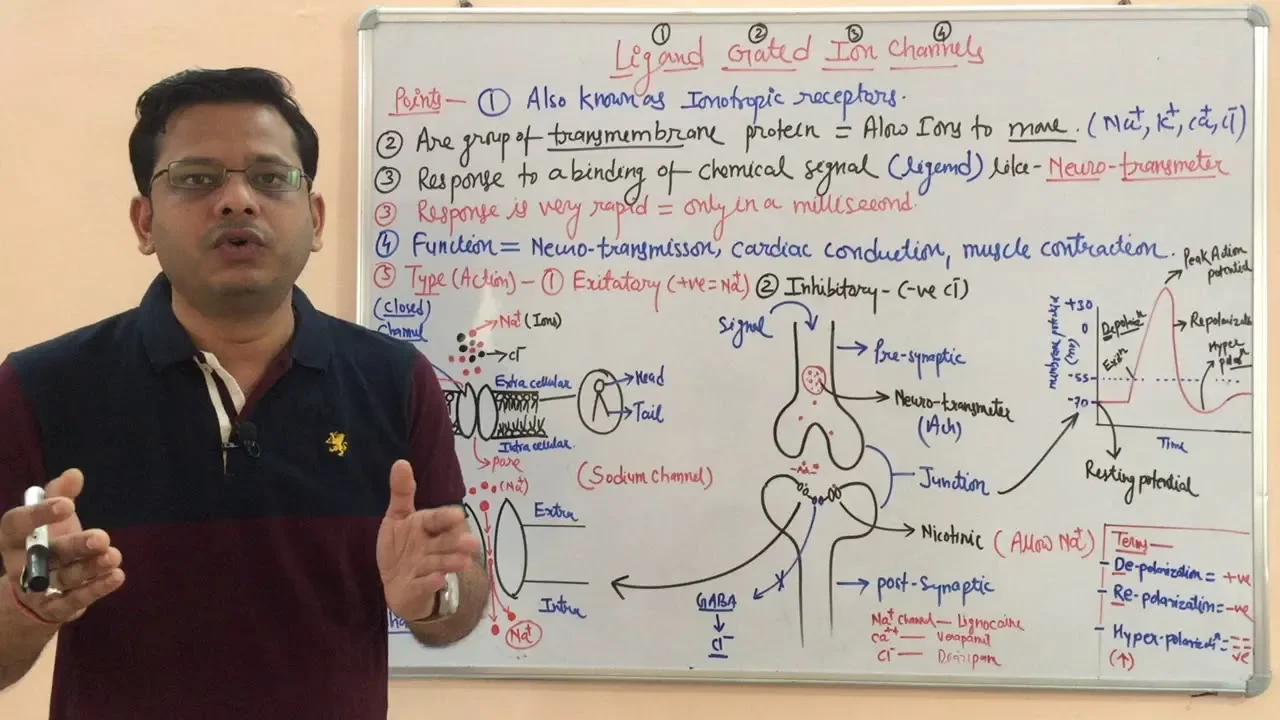
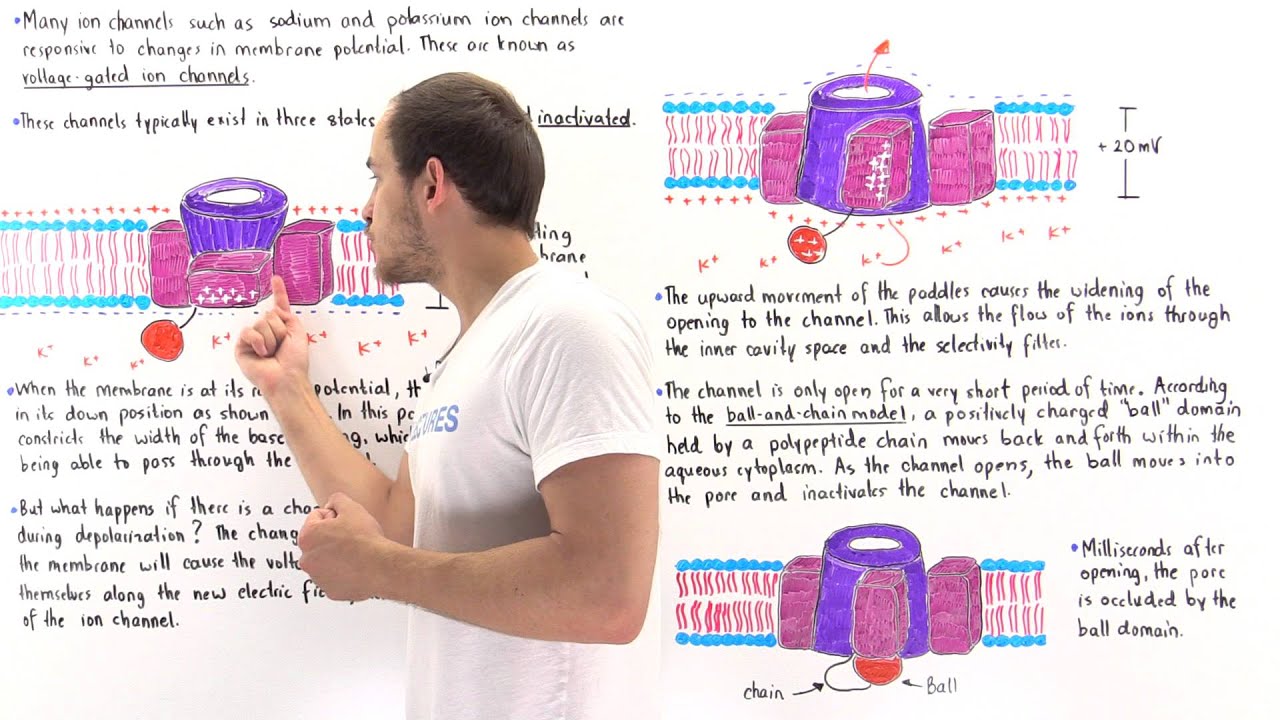
The structure and function of cellular membrane proteins, specifically voltage-gated ion channels (sodium, potassium, and calcium) and ligand-gated receptors.
Basic principles of toxicology, including how ligands and toxins bind to specific receptor sites to act as agonists or antagonists.
An introduction to peptide chemistry, specifically how amino acid sequences and disulfide bonds stabilize the three-dimensional structures of small proteins.
The pharmacology of Prialt (ziconotide), a non-opioid chronic pain medication derived directly from cone snail conotoxins.
Advanced methodologies in marine bioprospecting, including high-throughput screening of animal venoms for novel biochemical compounds.
The study of channelopathies (diseases caused by dysfunctional ion channels) and how conotoxins are utilized as precise molecular probes in laboratory research.
The immunological challenges of developing antivenoms for low-molecular-weight peptide toxins, and the potential of synthetic antibody alternatives.
234.7K views3.6Klikes16:58Original Release: 2025-08-08
The ocean floor is still when you see a small, beautiful shell while waiting through the shallow water. You don't know yet, but this shell can and will kill you. And this isn't a metaphor for some drawn out illness or infection it carries. It will happen within minutes.
The cone snail is one of the most dangerous animals on the entire planet.
And while I didn't think I would ever have to actually be afraid of a snail, just a single drop of cone snail venom contains enough conotoxin to kill over 20 full-grown humans. Which means about 0.029 mg of this venom is enough to stop your heart. For reference, this is how big that amount is compared to a grain of table salt. You're cooked. Even the world's most venomous snake, the inland Taipan, has an antivenenom. There's nothing for the cone snail venom, which means if you get stung badly, the clock just ticks. Why did evolution make cone snail venom so deadly? Why is there still no antivenenom or cure for its sting? And could nature's most exact death tool on the nervous system actually be the key to saving lives?
To understand how cone snails are so deadly, we have to first understand how they hunt. A cone snail can strike its prey in just 200 to 500 milliseconds, about half the time it takes you to blink. This little clown fish here barely noticed the snail when it was hit. It twitched for a second before getting swallowed by the snail.
It may look like a quick kill, but in reality, there's a whole mess of biology working behind that splitsecond shot. At first glance, cone snails seem to be like any other ordinary land of sea snail. They're slow, about 6 in long and tucked inside a pretty spiral shell. You might spot one half buried in the sand and think nothing of it. Just another harmless grazer minding its business.
But that's where the resemblance ends.
Because unlike other snails, cone snails aren't herbivores. They're carnivores and simultaneously assassins. Their entire body is built for one thing, catching fish. Their shells are hard and smooth, kind of like a tiny submarine hole. It protects the snail from getting eaten and lets it hide out of the sand without much fuss. It acts as a snail's fortress, and it's shaped to fit snugly into crevices and bury itself almost completely. This way, the snail stays out of sight like a sniper waiting in a foxhole.
Like most snails, the cone snail moves by sliding along on a big flat muscle called the foot. is not exactly a racehorse, more like a slow crawler. It glides across the ocean floor at around a couple of centimeters/ second. That might sound like a snail's pace. Well, because it is, but it's enough to quietly sneak up on prey without spooking it. Looking at its head, the snail has two little eye stalks sticking out. Don't get your hopes up, though.
These eyes don't do much. The snail can tell light from dark, but it can't really see anything in detail. So, how does it actually know when a fish is nearby and available to inject with venom? The snail uses a little tube called a siphon. Sort of like a snorkel, but it's the snail's secret weapon. It breathes through it, sure, but more importantly, it uses the siphon like a super sensitive nose. The snail sucks in water and tastes it for chemicals, picking up the faintest hint of fish swimming nearby. This sniffing ability is how it finds its prey without seeing it. When the cone snail locks onto a target, usually a fish hiding near rocks or coral, it gets ready to strike with its builtin harpoon. It's a tiny venom loaded radular tooth that works like a hypodermic needle on a spring called a proboscus. When the snail's ready to attack, it shoots the tooth out at lightning speed. The tooth is barbed like a fish hook designed to pierce through the scales and skin. The moment it hits, it injects a powerful venom cocktail that paralyzes the fish in seconds. And this venom isn't just any poison. It's a carefully mixed blend of dozens of different toxins that mess with the fish's nervous system, making it impossible to move. So, even though the snail can't chase the fish down, it doesn't need to. The fish basically freezes, helpless, stuck in place. Once the fish is immobilized, the snail reels it in by pulling back the probiscus like winding in a fish line. Then it slowly devours its prey, all while staying mostly hidden under the sand. The siphon still sticks out. A quite warning sign.
Don't come any closer. Honestly, just thinking about the poor fish makes me want to scoop them up into an aquarium.
It's a scary world for them down there when even the snails are trying to eat you. The net feeding clone snail plays a very different and frankly way more terrifying game. Look here. It may seem like a simple snail with something like a net sticking out of its mouth and a fish just sucking into it, but what's actually happening here is a full-blown biological warfare. Instead of launching a direct attack, it releases a chemical cloud into the water, a mix of venom compounds scientists called the Nana Cabal. Sounds peaceful, but it's basically a fish stunning gas. The moment nearby fish breathe it in, their muscles stop cooperating. They get sluggish, confused, and just kind of vibe there. It's not full paralysis, but more like someone hit pause on their reflexes. That's when the snail makes its move. It stretches out the proboscus almost like a slowmoving vacuum hose and just scoops the fish in. The fish can't even swim away, so there's not even a chase or a fight back. And then once the fish is close enough, the snail still finds its classic harpoon to finish the job. Paralysis kicks in fully, and the fish is toast. The whole thing is less hunt and kill and more stun the whole crowd and pick off whoever's floating by. And honestly, it works disturbingly well. But these are just small fish.
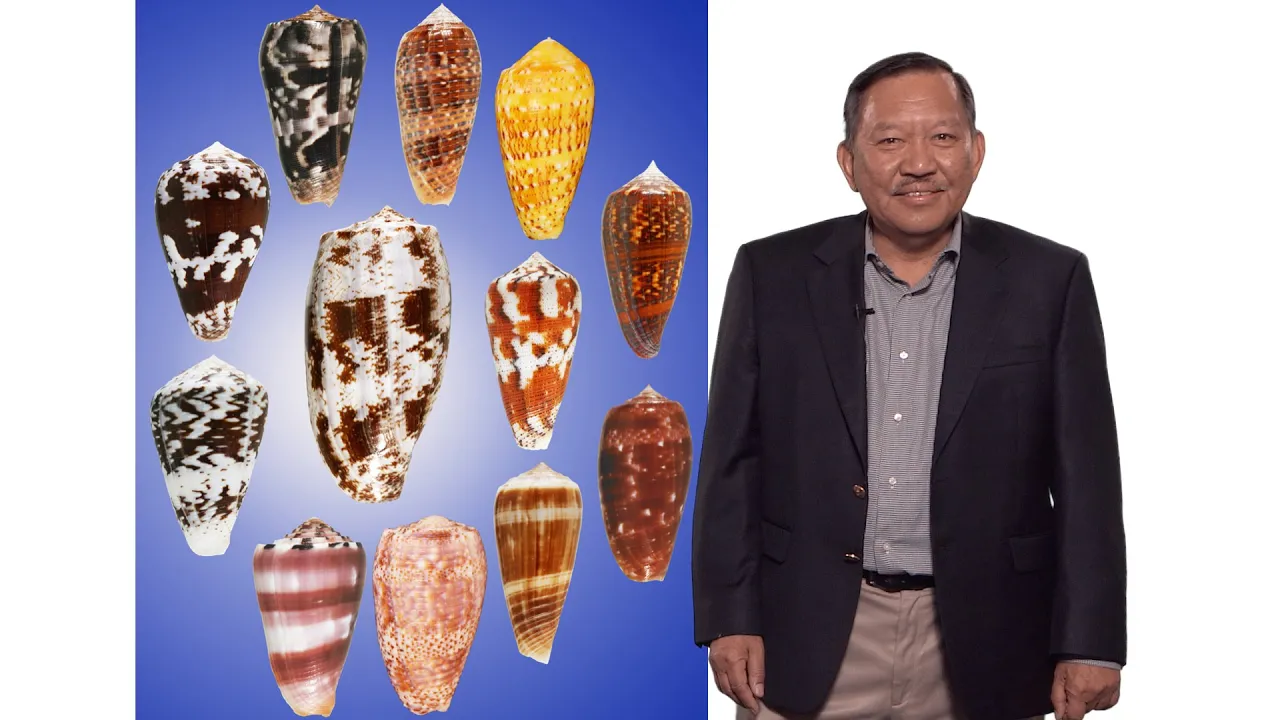
Which cone snails are the ones actually capable of hurting us? Turns out scientists have identified over 800 species of cone snails. And that's just the ones we've named so far. Some say the real number might be closer to a thousand. All of them belong to the genus conus. And every single one of them produces venom. Every single one.
But not all of them are built to kill fish. Some cone snails stick to hunting marine worms or other slowmoving snails.
These guys still use venom and harpoons, but their venom is specialized for small, softbodied prey. They don't pack enough punch to hurt humans, unless maybe you've got a shellfish allergy and decide to lick one. Don't do that. Out of the 800 plus species, only about 10 to 20 are built to go after life fish.
These are the ones you don't want to find hiding in your dive glove. Their venom is fast acting, neurotoxic, and extremely efficient, designed to stop fish mid swim. And unfortunately, it works just as well on humans. The most infamous of these is Konus Geographus, also called the geography cone. This is the one with actual documented human deaths linked to it. It's big, beautiful, and armed to the teeth, literally. Geographus is also the best known net feeder, meaning it can take down multiple fish at once before firing the kill shot. That makes it not just dangerous, but kind of terrifying on a design level. Other heavy hitters include Konus Chilipa, Kona Striatus, and Konus Magus. All are fish specialists and all carry venom strong enough to seriously mess you up. And it's not just about the harpoon. Some of these cone snails, like the geographers, use that navana cabal strategy we talked about earlier, releasing a venom cloud into the water to sedate multiple fish.
It's chemical warfare with zero warning signs. One second you're a fish, the next you're sliding backwards into a mouth. Most species are found in tropical and subtropical waters, especially in the Indo-Pacific region.
Think Philippines, Indonesia, Papa New Guinea, Northern Australia. If it's sunny, salty, and full of coral, chances are there's a cone snail nearby. Some live in the Caribbean or along East Africa. A few can be found as far north as the Mediterranean. But the most dangerous ones, they hanging out where you'd book a snorkeling tour. And if you get stung, pray the doctors know what they're doing. Because that's the most frustrating part about connail venom. We don't fully understand it. We're not even close. Cone snail venom isn't your average animal venom. It's not like a snake bite where you rush to the hospital, they inject a known antivenenom and you're on your way to recovery. But with cone snails, there is no antivenenom. If one stings you, there's nothing to neutralize the poison directly. So doctors focus on supportive care. Basically keeping you alive while your body fights the venom. That usually means helping you breathe with a ventilator if the venom paralyzes your diaphragm, monitoring your heart, and managing symptoms like pain or muscle weakness. Eventually, the venom breaks down and gets flushed out. And until then, all the medical staff can do is hold your line.
It's not that scientists haven't tried, it's that the venom itself is just almost evil. See, con snail venom isn't a single poison. It's a cocktail of them. A mix of dozens, sometimes hundreds of small proteins called konotoxins. Each conotoxin is like a precision engineered molecular weapon.
Some target nerves, some block calcium channels, others shut down muscle contractions or paralyze the diaphragm so you stop breathing. Even more troubling is the fact that every species of cone snail makes its own custom blend. That means over 800 different species, each with a different venom recipe with different targets in the body and in different combinations.
Scientists estimate that across all cone snail species, there could be over 100,000 unique venom compounds. You just can't make one antivenenom for all cone snails. You need hundreds, maybe even thousands of antidotes, each tailored to one specific mix of proteins. And we don't even know what most of these proteins are. Some of them degrade in minutes. Others are so small and so complex that they fly under the radar of current lab tests. And even when we do isolate one, figuring out what it does and how to counteract it is a whole separate nightmare. It's a puzzle with thousands of moving parts and the pieces keep shifting. This is called nature's combinatorial chemistry. The cone snail doesn't just evolve new venom over time.
It reshuffles its molecular deck constantly, producing slightly different toxins for different situations. Some are meant for fish, some for worms, some terrifyingly seem to work on mammals, including humans. But how does a snail decide which venom cocktail to use on its prey? Why does one species paralyze instantly while another shuts down organs slowly over hours? Turns out the answer might be even stranger than the question. There's growing evidence that some species can vary the cocktail depending on the situation. A fastmoving fish might trigger a quick acting paralytic response, a slower crustation, something more methodical, maybe even a toxin that numbs the area so the prey doesn't struggle while it dies. We still don't know how cone snails regulate this. We don't even know if it's conscious, automatic, or triggered by prey type alone. What we do know is that no other venomous animal on Earth seems to wield this level of pharmacological precision. Cone snails don't just kill, they tailor the kill. The most notorious of them is, of course, Conus geographers. Locals call it the cigarette snail because, according to legend, if it stings you, you'll only have time to smoke a cigarette before you're dead.
And it's not far off the truth as well.
So far about 36 deaths have been linked to cone snails, mostly conus geographers. One sting and there is no chance for you. It's one of the most venomous animals on Earth. The worst part is you probably won't feel a thing at first. No pain, no sting, just a weird tingle. That's the venom already doing its job. So where does that leave us? Modern antivenenom research works best when there's a clear single toxin with a known target like cobra venom which is dangerous but relatively well studied. Cone snail venom is more like a shotgun blast of biochemical tricks. You don't know what hit you. You don't know what to counter and by the time symptoms appear. You may already be fading. Some researchers have tried developing antivenenoms for a specific cone snail species with limited funding. After all, how often do people get stung by Konis Geographers? But then something caught the expert's eye. Navana Cabal. Yes, remember how net feeding snails like Konis Geographus release a venom cloud?
That cloud also contains a unique form of insulin. Unlike ours, it's fast acting and ultra compact evolved to cause immediate hypoglycemic shock in fish. But in humans, that same property might be a breakthrough for managing type 1 diabetes. Scientists are now studying synthetic versions of the snail insulin, hoping it can deliver rapid glucose control with fewer complications than current insulin therapies. And this isn't just theoretical. It's already in pre-clinical development. What started as a desperate search for antivenenom turned into something bigger, a possible clue to diabetes treatment. But that doesn't just stop there. Cone snail venom is a molecular gold mine. Take Conus Magus, the magician's cone snail.
It venom gave us zonotide, marketed as pelt, a powerful painkiller used for patients with severe chronic pain. We're talking next level stuff. Unlike opioids, zakonotide doesn't cause addiction. It doesn't build tolerance, and it doesn't affect the reward centers of the brain. But it does have one big catch. It must be injected directly into the spinal cord. Not exactly over-the-counter treatment. Still, it's a start. Researchers have since identified hundreds of conotoxins, each targeting specific neural pathways with surgical precision. Some bind to ion channels that control pain. Others interrupt muscle signals or shut down involuntary reflexes. It's like nature reverse engineered the nervous system.
And now we're trying to copy it. Some chronotoxins are being tested for epilepsy, aiming to silence the abnormal firing patterns behind seizures. Others are being explored for Parkinson's where selective neural modulation might help restore motor control without the side effects of traditional drugs. But the real excitement lies in how targeted these compounds are. Cone snails don't use brute force toxins. They use elegant modular chemistry. As I told you guys earlier, each species has its own blend.
Each venom is a customtailored molecular cocktail that makes konotoxins perfect candidates for precision medicine, especially for diseases involving the nervous system where broadspectctrum drugs tend to cause more problems than they solve. There's even talk of using cone snail peptides for cardiac disorders, autoimmune diseases, and targeted cancer therapy. One compound under investigation blocks specific calcium channels linked to chronic inflammation. Another might help regulate neurotransmitters in patients with severe anxiety. None of this was designed for us. Con snails evolved this chemistry to kill fish, not cure humans.
But the overlap, how closely their peptides match the receptors in our bodies, is what makes them so valuable.
Their venom acts like a cheat code for bioengineering. Of course, turning a marine neurotoxin into a safe human drug takes years, maybe decades. But every clinical trial moves the needle. Every peptide mapped is a potential cure. So, while this still is the deadliest snail in the world, it just might be the snail to save us. If you enjoyed this one, check out this video about a starfish duplication infestation.
[Music]
Up Next

74:09
Molecular Genetics II: Mutations and Evolution | Stanford
@stanford
1M views•2011-02-01
41:46
Venom Biochemistry: Therapeutics from Nature's Toxins | Expert Interview
@TheSheekeyScienceShow
1.3K views•2024-08-31

5:35
Enteric Nervous System Explained: The Gut's Brain | Neurobiology Lecture
@alumniu6029
438 views•2018-09-12
7:08
Bacteriophages: Earth's Deadliest Killers and Future Antibiotics
@kurzgesagt
34.6M views•2018-05-13
Related Study Plans & Knowledge Roadmaps
Structured learning paths in Biology
biology
Analyzing Animal Venoms: Genetics & Pharma
01Molecular Biology & Physiology Foundations
02Venom Evolution & Toxin Gene Recruitment
03Neurotoxins & Ion Channel Pharmacology
+ 2 more learning modules
18h5 modules
Explore Roadmap
biology
RNAi: Biogenesis, RISC & Gene Silencing
01Molecular Biology Foundations: DNA to Protein
02Introduction to RNA Interference (RNAi)
03Molecular Biogenesis of miRNA and siRNA
+ 2 more learning modules
10h5 modules
Explore Roadmap
biology
Mycorrhizae: Signaling, Biophysics & Ecology
01Foundations of Mycorrhizal Symbiosis
02Molecular Signaling and Root Colonization
03Biophysics and Bioenergetics of Nutrient Exchange
+ 1 more learning modules
11h4 modules
Explore Roadmap
biology
Circadian Clocks: TTFL, SCN & Periphery
01Foundations of Molecular Biology & Gene Expression
02Introduction to Chronobiology and Actograms
03The Core TTFL: Molecular Architecture of the Clock
+ 3 more learning modules
14h6 modules
Explore Roadmap