


![Genetik [Einführung / Zusammenfassung, 1/2] - Abitur [Biologie, Genetik, Oberstufe]](https://i.ytimg.com/vi/qK-tg7K7jVg/hqdefault.jpg)
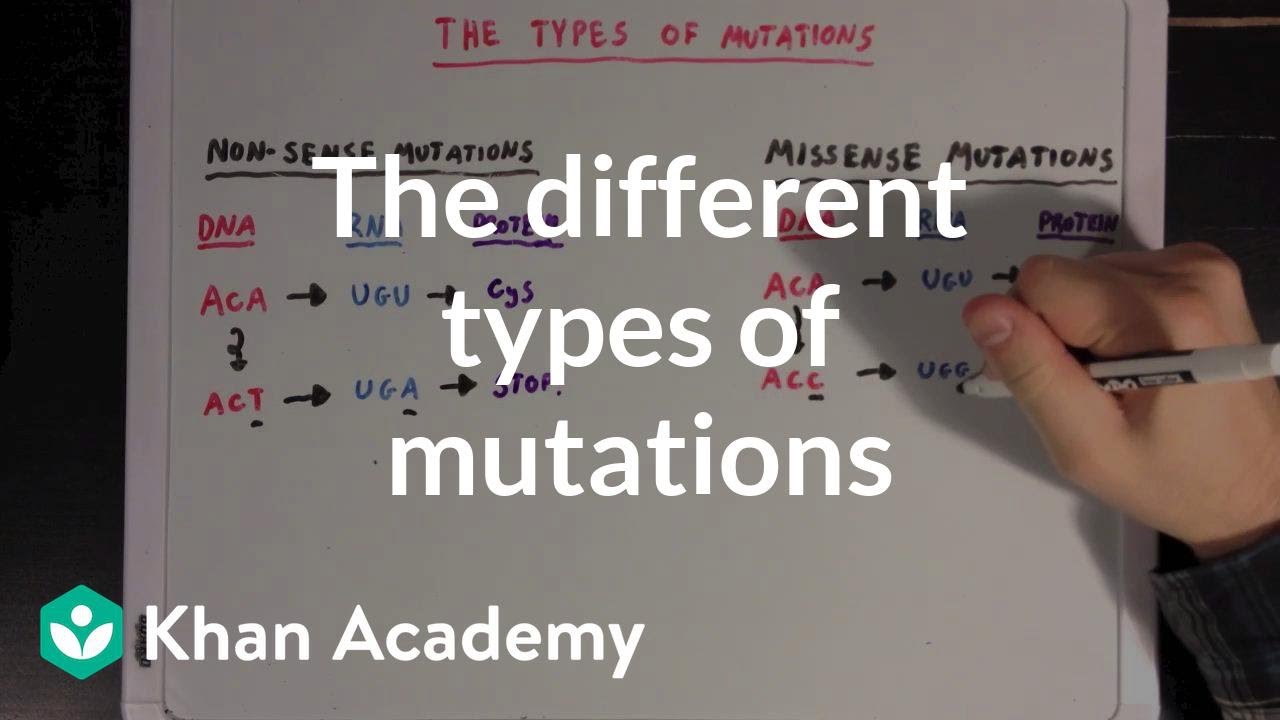



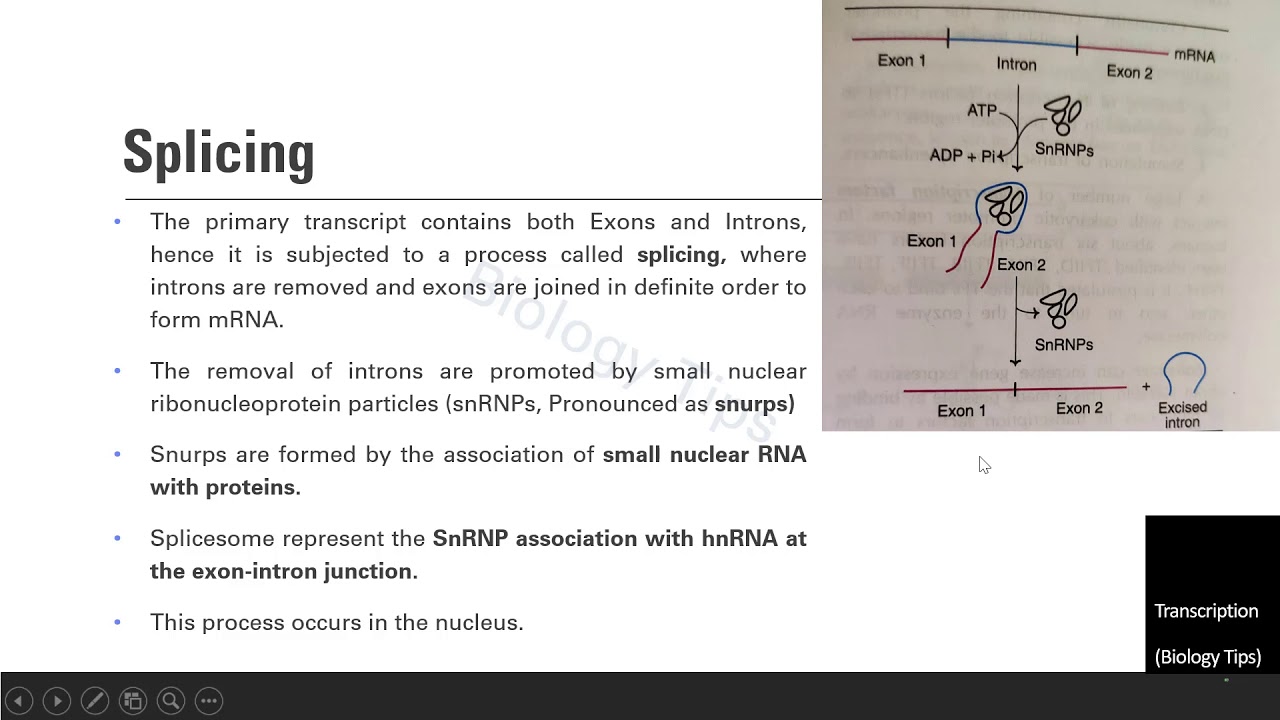




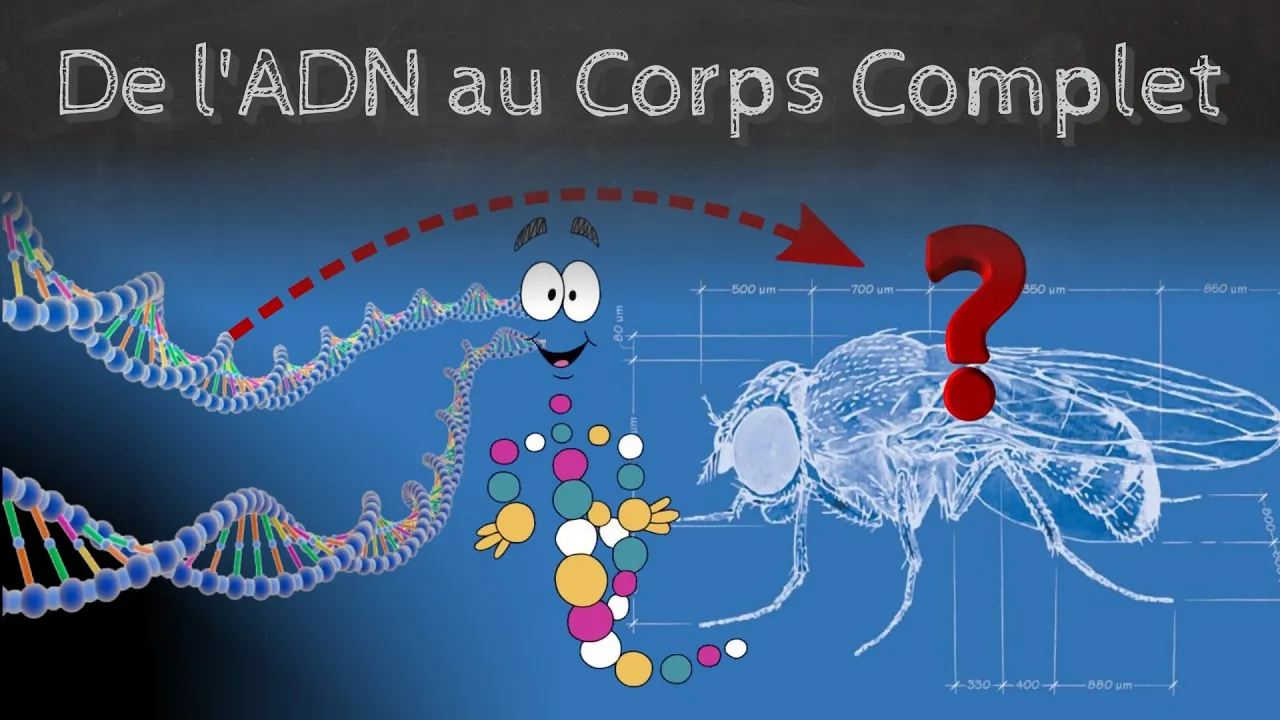





Macroevolutionary changes occur through molecular mechanisms that differ fundamentally from microevolution: while microevolution involves gradual changes in protein function through point mutations, macroevolution arises from regulatory changes in promoters, transcription factors, splicing enzymes, and transposable elements that can invent entirely new proteins, gene networks, and 'if-then' regulatory clauses, with these innovations typically occurring during evolutionary bottlenecks when only individuals carrying beneficial macro-mutational changes survive.
Molecular Genetics II: Mutations and Evolution | Stanford
Added:The Central Dogma of Molecular Biology: Understanding the flow of genetic information from DNA to RNA to functional proteins.
Basic Evolutionary Theory: Familiarity with natural selection, adaptation, and microevolutionary processes.
Types of Genetic Mutations: Knowledge of basic DNA-level alterations such as point mutations, insertions, deletions, and frame-shifts.
Fundamental Gene Structure: Understanding promoters, transcription factors, coding regions (exons), and non-coding regions (introns).
Evolutionary Developmental Biology (Evo-Devo): Investigating how changes in developmental gene regulation (e.g., Hox genes) drive major morphological evolution.
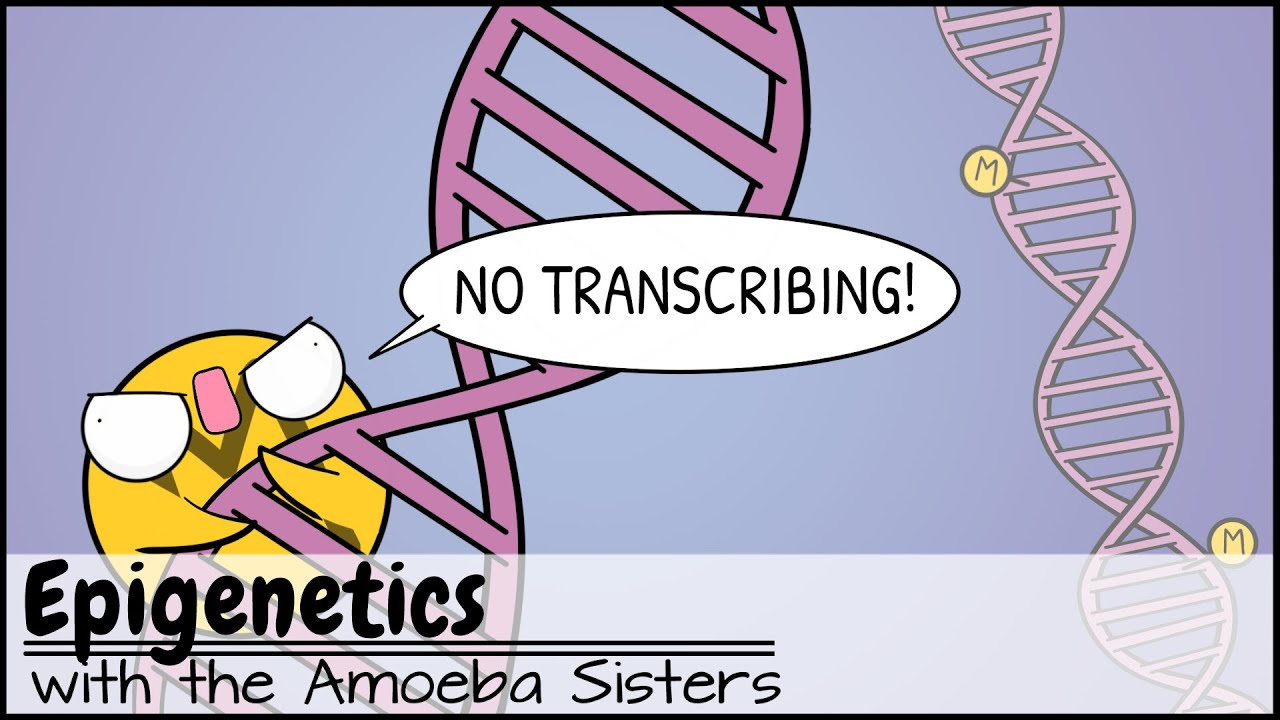
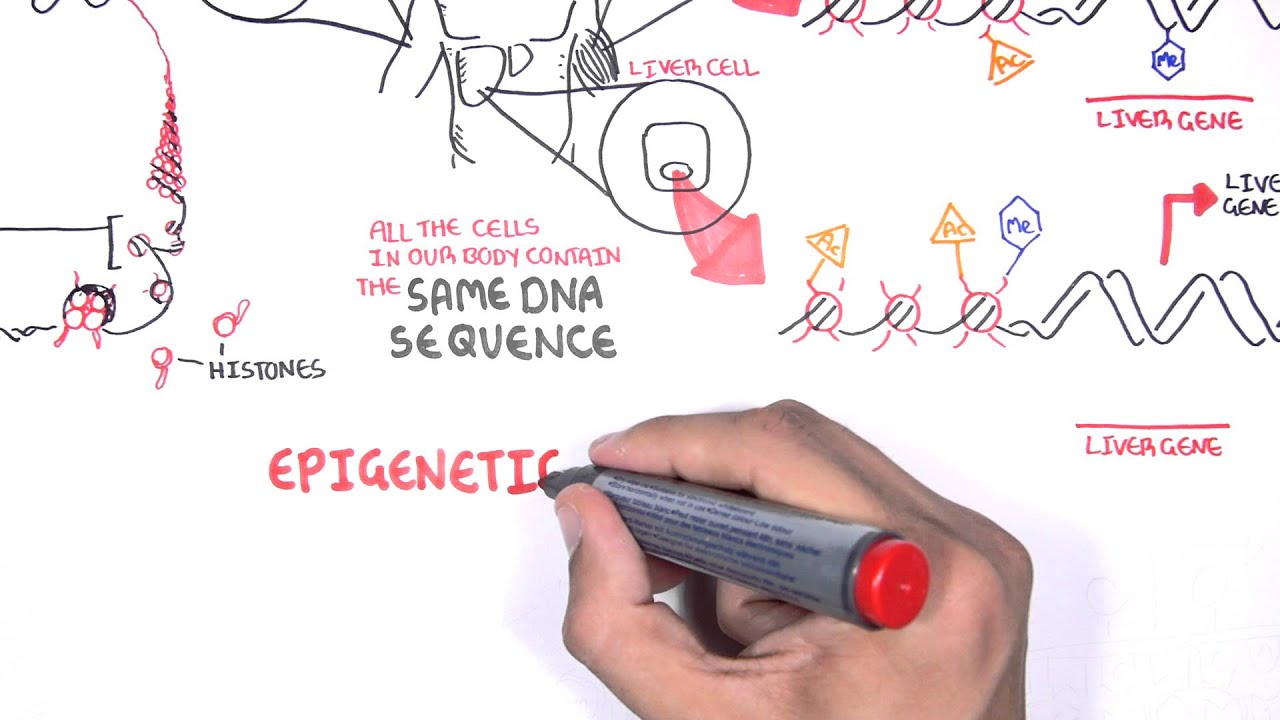
Epigenetics: Exploring how environmental influences modify gene expression and phenotype without changing the underlying DNA sequence.
Behavioral Genetics: Analyzing how molecular mutations and gene-environment interactions shape complex animal and human behaviors.
Speciation and Macroevolutionary Models: Deepening study into the fossil record, cladistics, and the ecological triggers of punctuated equilibrium versus gradualism.
1M views13.1Klikes1:14:09Original Release: 2011-02-01
[Music] Stanford University let's see various announcements uh I am out of town tomorrow so no office hours uh I managed effortlessly to confuse a whole bunch of people Monday about positive selection versus stabilizing selection all of that um on the Q&A part of the course works I've pulled out the paragraphs from the extended readings that explain that coherently as opposed to what happened here and Monday Monday I discovered that somebody sitting in this room who I cannot spot at the moment has a spectacular tattoo illustrating the central dogma of life from D or at least one person if there's two there's really something so amazing demonstration of DNA to RNA to protein so if the person doesn't have a class afterward he will be standing up on top of this counter here displaying it for everybody's educational purposes okay so besides finding about that guy what else happened Monday Monday we introduced two concepts and with great dramatic foreshadowing started to trash both the first one being this huge emphasis in all of the preceding lectures on the evolution of behavior not only this emphasis on adaptation not only this emphasis on inferring a genetic basis through that roundout about here's a story and until you make up a better one I win but also that emphasis on gradualism that slow evolutionary change what we focused on there was what would be the mechanisms the molecular mechanisms for classic gradualist evolutionary evolutionary change microevolution the whole world of point mutations deletion insertion all of that the whole world of mutations potentially being big news knocking a protein completely out of business and suddenly you got a different gender than you actually are chromosomally but a world nonetheless where for our sign sound bite micr mutations are affecting how readily a protein does its job how strongly how potently how long what its job is all of that that as sort of the Grist for the microevolutionary change what we then transitioned to was the huge huge attack on the gradualism that came with this view of punctuated equilibrium this notion that most of the time nothing exciting was happening long periods of stasis and then sudden dramatic change proposed by Gould other evolutionary people and what we saw was the huge implication there was if most of the time nothing interesting is happening in terms of evolutionary shift there goes gradualism there goes the emphasis of every bit of adaptation is going to make a difference longterm every opportunity to compete compete and dominate is going to make a difference all of that goes down the drain if 99% of the time there is instead equal lium stasis what we saw were the wildly infused attacks upon it along the grounds of that stasis and Rapid change for paleontologist there's no resemblance to what the world is like for an evolutionary biologist paleontologists can only see the evolution of boring stuff morphology you miss the entire world of what's going on inside that morphology and the most damning sort of complaint show me some molecular mechanisms for these macroevolutionary changes what we then transitioned to was seeing all the ways in which the picture of the structure of genes and DNA is completely wrong along the lines of there's the intervening sequences the intron Exon organization of genes suddenly the opportunity to mix and match combinatorial abilities for one gene or at least one stretch of DNA to specify a whole bunch of different proteins depending on the function of the splicing enzymes and those splicing enzymes differing in different parts of the body under different circumstances we then saw that flabbergasting business about 95% of DNA not coding for proteins not being genes but instead the instruction manuals the promoters the switching on and off leading to that critical notion of transcription factors transducing events going on out there out there outside the nucleus outside the cell outside the organism into changes in DNA and thus the incredibly important role of transcription factors promoters their lock and key interactions all that sorts of stuff introducing the second critical concept if microevolution is about sort of changing the function of a protein stuff promotion uh changes occurring at the level of transcription factors the promoters those are about changing the context for which proteins are functioning when genes are expressing what they are about are introducing if then Clauses if this is happening outside the nucleus cell Universe whatever then if that results in this Gene being activated then you will see that in response what came along sort of defao with that the second major thing that we thus trashed was DNA as the central starting point the dogma of Life DNA is the only one who knows what's going on out there DNA commands RNA commands protein commands all of life and what we saw was DNA genes are just a readout and most of what it's about is environmental regulation of when genes activate finally we began to see all sorts of ways of futzing around with gene expression that has nothing to do with the sequences of DNA but instead has to do with things like access of transcription factors to the DNA changing accessibility permanently that whole world of epistatic epigenetic changes coming up with that sound sound bite fertilization is about genetics development is about epigenetics all of that combining to show number one genes are not such a hot deal in terms of them knowing what's up number two in addition to mechanisms known for microevolutionary change we left just on the cusp of seeing how all of this stuff can set you up for some Big Time macroevolutionary Changes first example of it first way in which that could occur so back to the modular construction of genes we've got our introns exons all of that and what we learned the other day is here we've got a gene coded for with three exons you produce a messenger RNA that encompasses all of these plus the introns Along Comes a specific splicing enzyme knocks out these parts and here is the mature protein so that's great what if you have a mutation in your splicing factor in your splicing enzyme and as a result instead of clipping here it ignores those and clips here inste what do you get you get two completely novel proteins that never existed before in this cell in this individual what you've got there is not some sort of little microevolutionary change this is not a protein working a little bit better or a little bit more sluggish this is the invention of entire L new proteins so what we see here is splicing factors working differently and this is a major change if whatever went on in the outside world that causes the then of this being made if you've got that mutation in the SP splicing factor you've just made an entirely new if then if whatever is going on in the outside world happens to activate this you produce these two novel proteins so we've suddenly got the potential for producing all sorts of novel y there splicing enzymes enzymes proteins thus there are genes coding for the splicing enzymes as a result suddenly a very different type of consequence Yeah question great question how often do they make their way out of the what was it I do they have any function okay that's a critical question wait about an hour and 17 minutes and you will get the answer to it the answer being not very often oops I gave it away the answer being not very often and we're going to see why that's real critical to punctuated equilibrium okay so we see one realm of major consequence and intrinsic in that is wait a second okay so if splicing enzymes enzymes are genes there's a gene for the splicing enzyme and that Gene has its promoters and that Gene maybe is in a number of exons and thus it needs a splicing factor and we're rolling all the way down there recursive regulation so one splicing Factor big consequence next realm where you can have a big consequence is now you got a mutation in a promoter a whole world of a mutation in a non-coding part of your DNA and you can immediately run with that one have a different promoter and it's going to interact with a different transcription factor and we go back to that business about typically a promoter the same version of it multiple copies of that promoter appear Upstream of various different genes promoter mediating expression of entire networks of proteins change that promoter and you're going to change the network change that promoter in only some of the places where it occurs and now you've created a completely novel Network a network consisting maybe of half of the proteins that you would have made in the unmutated version mutate every single version of it and maybe it's an entirely different transcription factor that interacts with that promoter And Thus We've made an entirely new if then Clause not just a new if then make never seen before protein now it's an if this happens then make a network of proteins that have never existed before a combination of these that have never occurred before what we're beginning to see here is a theme of amplifying effects huge major consequences instead of one little protein which thanks to one little base pair changing is 1 and A2 degrees more folded this way instead of that way and 1 and a half% better at binding this or that hormone that's the M that's the microevolutionary change this is setting up for big Network changes novel genes novel Networks novel if then Clauses third range okay an example of why promoters and promoter mutations are interesting later on the course we are going to hear about one of the all-time interesting differences that you can have in one of your promoters if you happen to be a V and increasingly it's turning out equally interesting if you happen to be a human this is a promoter Upstream of a gene having to do with the hormone vasopressin do not panic or care if you haven't heard of this yet but you will have in more detail within a few weeks vasopressin is this hormone which has something or other to do with social affiliative behavior in males and all sorts of interesting stuff with that and naturally it being a hormone out there is a Vaso presentant receptor and thus there's a Vaso presentant receptor Gene and there's a promoter Upstream of that Gene which turns out to come in a couple of different flavors and you look at vs which are little old hamster thingy sort of things and there's all sorts of different V species and there's ones in the mountains and there's ones in the plains and there's ones in the you know from California to the New York islands and there's all these different species and it happens some of them happen to be monogamous some of them happen to be polygamous we're often running with the social biology of that and how many imprinted genes and all that they're going to have but a critical difference in monogamous V species there's a different promoter Upstream of the vasor pressent receptor Gene than you find in the polygamous ones and go and mess around with them use gene therapy techniques to change the promoter to modify it and you could convert a polygamous male v into a resoundingly monogamous one and I don't know if this counts as gene therapy like curing a disease or just Gene transfer sort of stuff but what you've got here is change your promoter and you suddenly have a different pattern of expression which parts of the brain it winds up in suddenly you have made a major shift in Behavior you're not causing a change in a gene you're causing a change in its promoter you've just changed a major if then Clause another example of it there's a gene that codes for a hormone neurotransmitter that has something to do with pain perception called dorphin it's broadly related to things like morphine and such and it's got a dorphin gene it's a little more complicated than that but there's a promoter upstream and Recent research is showing that the number of copies of that promoter in different rats predicts something about how readily they become addicted to various drugs and that winds up being pertinent oh back for a second back to the Vasa pressent Gene and the Vasa pressent reporter Gene and its promoter in the last couple of years a number of studies come out one for example in a very credible Journal by a great group showing that if you happen to be a human male which version of that promoter you have gives you a certain significant predictive power over how stable your social relationships are going to be get a low to that one and that one is coming later on whoo have a different type of promoter and statistically you are more likely to get divorced down the line okay back to that first lecture Free Will stuff there is so much more to come along those lines we will look at the Vasa pressent system much more in the sex lectures but again that's not a difference in a gene that's a difference in a promoter next next domain we've now seen changes subtle changes dramatic changes in splicing enzymes and the genes underlying them changes in promoters next obvious domain where you can get a macro macro change is a mutation and a gene for a a transcription Factor obviously do that and you're going to have completely different networks once again you will have changed if then contingencies dramatically transcription factors are very very important obviously one measure of this when you look at the human genome versus the chimp genome and we will eventually do that in some detail and say okay 98% of our genes in common which is kind of accurate and you remember from the other day how that different level of explanation than you sharing 50% of your genes with your full sibling all of that back to us sharing 90% 98% of our DNA with chimps what are the differences and there's going to be some really interesting differences we're going to focus on down the line but one of the patterns that come out of that is a disproportionate share of the genetic differences between humans and chimps are genes that code for transcription factors and that makes perfect sense you get a change in some Gene coding for some structural protein and maybe your muscles will like bend a little bit this way instead of that way or who knows what you get to change in the gene coding for transcription factor and you will have invented all sorts of Novel networks so a disproportionate share of what has gone on in evolution differentiating us from chimps are changes in transcription factors this was a big Triumph big support for review that came out in the 80s they were a pair of scientists Berkeley King and Wilson and this iconic set of studies they did they were the first persons people to come up with a 98% business there and using very primitive molecular techniques that have since been affirmed and they also came up with a prediction a purely theoretical one which is the most interesting changes that will occur in evolution are in regulatory parts of DNA rather than in the coding parts for protein and everything since then has supported that including things like you want to turn a ancestor of a human and a chimp into something that will look a whole lot different from a chimp turned into us change stuff with regulation transcription factors promoters Etc what you see with that is this is endlessly networks for amplifying effects for macro changes and there's a new person in the department biod Department Hunter Frasier new Professor who works in this area showing just how much evolutionary change is being driven by changes in regulatory parts of the DNA World rather than the genes itself changing a little bit about how this protein works that's okay changing if then Clauses for entire networks that's hugely important another interesting Factory there's now been the genomes of I don't know about 100 different species sequenced and ranging from really short genomes with I don't know how many how many genes in there to the longest ones when you pile them up and you look at them as a function of how long their genomes are the more genes you find in a species the greater the percentage of those genes of those genes are that are transcription factors and this makes wonderful sense as well some you know you got one Gene and you only need one transcription Factor you got two genes and you could milk maximal information out of them with three transcription factors you transcribe a or b or AB you've got three genes and there's seven and the equation is 2 to the nus one or whatever but what you see is by four genes you're up to 15 by five genes you're up to three you're having an exponential a dramatic increase in the number of transcription factors you need to take advantage of all the possible combinations of networks of gene expression the larger the number of genes you find in an organism the greater the percentage it is of transcription factors in other words get tiny little micro micro changes in DNA coding for transcription factors splicing enzymes promoters and you're going to have big major consequences so over and over here we see this contrast microevolution is about the function of proteins macro evolution is about which proteins when networks if then Clauses far more consequential okay one additional domain of we're not talking about a tiny little micr change in one base pair one additional domain a highly revolutionary one that came some years ago that also has lots of implications for thinking about macro stuff and evolution and this revolved around one of the great irresistible like musical dramas that have ever come out to the history of science ones that is you know there's got to be a musical somewhere in the future of this having to do with a scientist named Barbara mclintoch Barbara mclintoch if you are sort of a modern molecular sort of person at some point or other you will have to have like sacrificed the goat at the altar of Barbara mclintoch she is so amazing and she has such a stirring story as to what happened with her one which actually is so okay Barbara mcclint talk was born I don't know about 1900 or so and was a plant geneticist and was sort of off doing genetics of plants and doing something or other with maze whatever those people do and she was extremely successful she was wildly successful I think at age 40 or so in the late 1930s she was already a member of What's called the National Academy of Sciences which is like the most honorific science club you can belong to in this country 40-year-old women in 1940 were not becoming members of the National Academy of Sciences 110-year-old white guys with shiny foreheads were becoming members of the National Academy for her to have been elected at that point she was an amazing scientist one of the absolute leaders in the field so she's cruising along there being renowned and one day she made a discovery that completely destroyed her career so she's sitting there one day and she studies beloved corn maze and patterns of inheritance based on colors of kernels genes molecular biology like non-existent none of the stuff available now all you could do in terms of making sense of what is being inherited patterns of inheritance is just looking at the phenotype looking at the appearance peas and whether they're wrinkly or not people and whether they're wrinkly or not corn and what the colors are of the various kernels there that was cutting edge molecular sort of genetics at the time okay so she's working in that domain and she's seeing a result she's seeing a pattern of inheritance which keeps popping up in certain circumstances and you go through all of the inferential math that was available and you crunch through everything and you if you were Barbara mcclint talk pursuing this you come up with a conclusion that's totally nutty the only way to explain how this change was occurring was if genes were picking up and moving around on the DNA if genes were jumping around if genes were mobile moving around and out of this she came up with a proposal that there are such things as transposable genes transposable genetic elements transposons all of the people who spent decades afterward mocking her in various ridiculing tones of voices soon refer to these as jumping jeans and the general consensus in the field was that bar rooma clintar had gone out of her mind yeah Jean's jumping around yeah right I'll show you the Brooklyn Bridge after that if you that's ridiculous that's ridiculous and Barbara mclintoch having a certain stoic self-esteem sort of based personality of one that was basically said you know what this is what I see you want to believe it believe it you don't want to believe it don't believe it leave me alone I want to go back to my experiments and she essentially disappeared from the field and just sat out in her cornfield at a lab in Long Island called Cold Spring Harbor lab and just chugged Along on her own for decades afterward she wrote papers about it that were incomprehensible to people because no one could believe anything this ridiculous and she was developing this whole story about genes that move transposable genetic elements everybody ignored her she was mocked she was pillared she was burned at the stake all of that and then finally somewhere in the 1980s molecular techniques caught up enough to show she was absolutely right and these things now are called called transposons transposable genetic elements genes really do pick up and move around and this was an amazing Landmark Discovery the entire world went crazy about barara mclintoch at the time she was on the cover of like post weedy boxes of cereal there were Barbara mclin talk like lines of like you know dance clothes and exercise videos and recipe books and all of that and bar and somewhere along the way they gave her her Nobel Prize and she was in her late 80s at the time and showing exactly the stuff she was made out of she said well that's nice thanks for the Nobel Prize but you know what I didn't really need to have gotten it this is what I saw you want to believe it yes or no you believe it now that's nice leave me alone let me go back to work and she continued to work in her corn fields doing experiment up until about a week before her death in the early '90s this is a totally cool amazing figure in the history of Science and lonely pioneer as it turned out she wasn't that lonely of a Pioneer and people didn't think she was quite that crazy and apparently a lot of her papers were ignored because she could not write and her papers were incomprehensible but nonetheless the general picture was she discovered all of this on her own staked her career on this and most people thought she was out of her mind and eventually Vindicated totally cool sort of piece of the history of science really really inspirational person and I met her once and got to like see her with her corn and she was like a remark she was like 90 at the time and a remarkably like nice lowkey person um where after about 13 and 1 12 seconds it was obvious that what she mostly wanted was for me to get the hell out of there so she can go back to her corn which was her response to everybody there but very heroic figure so she discovers this entire new world of these transposable genetic elements and people have been studying it since these jumping genes the first thing that has become clear as the field is matured is she picked the right species to study she never would have discovered transposable genetic elements if she was out there alone in her corn field studying you know sperm whales or something um you know separate of the funding problems in the logistics she would not have found it she did it in the right organisms which were plants okay think about it you are an animal and one of the things you can do is when the going gets tough you can get up and run away or you can crawl away or fly away or whatever sort of animate animal type things can do if you're a plant you're stuck there you can't run away and if you're going to survive a challenge you're going to have to have something more subtle going for you than ooh let's run and get out of here and it turns out all sorts of Realms of plant stress responses are in just the avanguard of molecular biology plants have to have fancier tricks than all sorts of boring animals because plants Don't Run Away what they do instead among their various defenses when a challenge a pathogen a climate change whatever it is comes along one of the things they do is there's Realms of their DNA where they move genes around where they Shuffle stuff around in the hopes of stumbling onto something novel and useful to get them out of that mess plants have inducible events of genes moving transposable genetic elements they tend to induce them when the plant is under some sort of challenge a cellular stress response and the way that's done is by activating an enzyme called transposes and those of you who are new to the business enzymes tend to have ASE at the end of the word lactase sucra transposes and what you've got there is this is defense on the part of the plant juggle some of its DNA prudently and see if you could come up with something to help you make a copy of the Gene and then go plunk it down somewhere else and see if you've stumbled into something useful and it was only in the aftermath that people started to look at the same issue in animals and vertebrates and mammals and shockingly to everyone except sort of people who hung out with her was the fact that we've got them too we've got transposable genetic elements we animals we've got them where they were first discovered made a lot of sense as well okay you are some scientist and you've just invented in your lab some pathogens some toxins some who knows what that has never been seen before in the history of the planet you've synthesized it and you inject it in a whole bunch of people and they get totally sick and miserable and then you come back 2 weeks later or two months later and they will have made anti antibodies against that thing their body their immune systems will have made antibodies against some invasive pathogen thingy that never existed before in the history of the planet and a staggering challenge is how does the immune system come up with this vast variability for dealing with novel pathogens making antibodies that will recognize them and people soon discovered one of the tricks was splicing up gen relevant to making antibodies and juggling them around inducible transposable events in the hope of making a gazillion new types of antibodies in a remarkable filtering process that goes on in the immune system spotting are any of them good against this new thing that just showed up that's where you had a lot of transposable events in the vertebrate immune system in response to novel pathogens turns out we weren't the only ones doing that because they were other things that could be happening there were all sorts of the pathogens that could do the same exact thing there's one tropical parasite tranos which is one you do not want to get and tranos myasis is the inflammatory disease you get from a tranos this parasite and it shows up in your body and your body does this inducible trick and thank God comes up with some antibodies that could begin to Target it and attack it but trypanosomes also worship at the altar of Barbara Mento what they do is a couple of weeks into it they take away the surface proteins on their surface and they juggle some of the relevant DNA and come up with a novel version of it so just as you've got the antibodies online you can't recognize the thing with those antibodies you got to start the process all over again and thus trypanosomes are always a couple of steps ahead thus the immune system has to have evolved better ways of juggling coming up with novel stuff co-evolutionary races that but the Cornerstone of it is inducing movable genetic elements and what people have learned since then is it occurs outside of just the immune system and under interesting circumstances one really amazing one which I was going to tell you later but I will tell you now because I just can't wait there's one transposable element that's very predominant in Prime H and there's a certain cell type and a certain time of life when it is is most mobile when it moves around the most which is the cells in your brain that are going to be making you new neurons neural progenitor cells at the time that they start proliferating and making new neurons there is an inducible event at that time where you increase the movement of that one genetic element what are you doing you're making some new neurons and as it turns out in The Fairly controlled realm of your DNA you decide to shuffle the deck a little bit just because you want to get interesting novel sort of things that neurons can do this is totally amazing this is totally amazing because among other things what this tells you is the cells in your body that have the greatest thing to do with making you who you are are the least constrained by genetic determinism because right when these types of cells neurons are first being generated they're doing more shuffling of genetic cards than any other cell type in the body that takes away the power of genes a lot when it comes to the nervous system these transposable events make a whole lot of variability some of which is wonderful some of which is not and that's coming back to the question that was asked before are these disastrous in most of the cases yes but in a few minutes we'll see exactly why it is not likely that when you randomly shuffle a bunch of cards they're going to come out in a perfect you know sequence of numbers or some such thing it is a long shot to get something interesting out of it nonetheless this is a mechanism for doing this what this allows you to do by moving parts of DNA around making a copy of this stretch and then moving it and I think I don't know the field that well but I think at least in most cases the notion is it plunks down randomly somewhere else in the genome by moving stuff around you can have big macro consequences for example suppose you've got by now an if then Clause introducing this concept already if then clause and we can translate this totally primitively into Worlds of promoters and worlds of the actual Gene okay so you've got an if then Clause suppose you are dehydrated if you were dehydrated Translating that into actual biology I don't know your htic crit or how wrinkly your kidneys are getting or some such thing then tell your k kidneys to start doing something or other that kidneys do to retain water which I once understood for a final but no longer do but you wake them up and they have some response so we've got an if then Clause if you are getting dehydrated then make your kidneys work in a way that increases water retention this is ridiculous there is no if you're getting dehydrated promoter there is no Gene that is equivalent there's networks though there's networks and there's ways in which your kidney monitors that and other outposts in your body so we have a rough if then Clause wouldn't take a whole lot of imagination to turn that into real biology now suppose you have some transposable event suppose whatever it is the promoter world of that picks up and moves and the if you were dehydrated part of the if then Clause floats around it gets plunk down Upstream from the genes that say go and ovulate what have you just invented what does this allow you to do so now you've got an if then Clause a promoter that responds to dehydration and it turns on genes related to ovulation what does that get for you any ideas oh come on ovulate really frequently ovulate really frequently really frequently okay it depends on your threshold if like you should be skip orange juice in the morning does that mean you're dehydrated enough to ulate okay you could set it at a very low threshold like that you could do that you could do something else though what else yeah that way DEH okay you're about to die of dehydration and that gives you one last chance for around to passing on copies of your jees if you could find some guy who isn't dehydrated to a dramatic blood flow extent okay that's a possibility what else can you do seasonal mating yes seasonal mating that that's what it's mostly used for certainly possibilities here but what this allows you to your species where 6 Months of the Year it's dry and 6 Months of the Year it's wonderful wet and Lush and exactly the time you want to be having a baby and you've got like a six-month gestation period what do you want you want your body to know when it's the dry season and that's the signal to mate because you want to give birth during the rainy season and then there's species where you know you are pregnant for 2 weeks or so and what you want to have there as a rule is oh my God if it's the dry season don't ovulate because I'm going to give birth to kids who are going to starve or some such thing let's wait until I get a signal that I'm totally wet and hydrated then UL you introduce novel if then Clauses and for certain species this would be how you would do seasonal mating how to know you should ovulate at a time of year where given your gation length it's going to set you up for giving birth at the time of year when you're Offspring or most likely to survive unless you will have passed on copies of your genes all of that so that's great another example and this one's immediately accessible and is a first crude way of beginning to approach some of this stuff that just flows seamlessly and cheaply in the forms of theories from last week's stuff okay so you have some if then element in there and a promoter which in some way can tell this individual near me smells like me and we will see by next week exactly how that translates into genetics but this individual kind of smells a lot like me and it has an if then clause which immediately shuts down transcription of all sorts of things related to fertility and you don't mate with relatives some sort of incest taboo runs through a gazillion species out there individuals smelling like you if you are a hamster make you much less likely to mate with them so a very logical if then clause all of that works great and now you've had a transposable genetic event and you plunk down the if it smells like me then into Upstream of the gene that says cooperate and what have we just invented the starts of kin selection and you could see all sorts of rules like if you have more promoters you could begin to have subtleties of saying if they really really smell a lot like me like if a whole all these promoters are going off at once then really really really cooperate if they smell only somewhat like me only somewhat cooperate you could begin to fine-tune that what if you just invented a way of taking sensory information about degree of relatedness and turning that into your extent of sacrificing for one sibling or eight cousins so you could begin to see how you invent new if then Clauses obviously this is ridiculous obviously this Bears no relationship to what's going on in the real world this would be happening in nose cells this is occurring down and the ovaries it's you know there is no promoter that responds to ooh somebody here is smelling like me but there's some that do stuff not all that far from that you could begin to imagine turning this into real biology how you could program for this and once you got genes moving around you've plunked a promoter down someplace else you've just made a new if then CLA now the possibilities of transposable genetic elements also in raises the possibility of moving around parts of genes not just parts of regulatory elements moving around parts of genes how would you do that how would you move a part of a gene exons that's that modular construction of genes again where if you get a transposase that comes and does its thing there and in making a copy of this moves this stretch around you're now moving copies of parts of genes around and you create new genes for example here we have the basic mechanism of action of steroid hormones you guys who need an introduction to that we'll get it in a week or two steroid hormones hormones like estrogen progesterone testosterone glucocorticoids all of these they work as follows steroid hormones can enter a Target cell and they bind to their receptor yes indeed lock and key all that it happens steroid hormones are not made of amino acids they have a different structure but nonetheless each has a dis distinctive shape and each type of receptor for a type of steroid hormone has a distinctive shape driven by its amino acid sequence and thus Gene code all of that so you got a specific type of steroid hormone fitting into its specific type of receptor estrogen into an estrogen receptor that sort of thing and what it does as a result is it activates this receptor complex and on the other side of it is a confirmation which recognizes a particular promoter down on the DNA a in this case what would be called an estrogen responsive promoter so what have you got there you've got events going on in the outside world you are like reading the right parts of some novel and suddenly you're secreting certain hormones that weren't there before and you're changing genomic effects shortly afterward this is environment regulating genes like crazy what is this requiring one part of the receptor recognizing the hormone specifically and one part of the receptor recognizing its specific appropriate promoter so now Along Comes one of those transposable events and it happens steroid hormones this would be called the hormone binding domain and this would be called the DNA binding domain and steroid receptor genes those are in different exons and suppose Along Comes A transposable event and you clip this part off and you stick in a different hormone binding domain so you've just made a completely different if then Clause if this hormone is around then do this now suddenly instead it's if this hormone is around then do this new if then Clause here would be one possibility okay one of the class of steroid hormones glucocorticoids which eventually you will come to love because you will hear endlessly about it and that zebra with glucorticoids their stress hormones human version hydrocortisone for our purposes right now what's interesting about them is they suppress the immune system these are steroidal anti-inflammatories when you're taking nonsteroidals you're taking things that work like glucorticoids on the immune system but they don't have some of the side effects glucocorticoids suppress the immune system it is very well understood and glucocorticoids come in and bind to the hormone binding domain of the glucorticoid receptor and this translocates to a glucocorticoid responsive promoter that's it whole thing so now you have gotten a transposable event and what you've done instead is plunked down the hormone binding domain from the progesterone receptor so suddenly you got an if then Clause that's novel instead of if there are glucorticoids around suppress immunity now instead you've got if there's progesteron around suppress immunity what do you think you've just invented any uses for that sort of you happen to know sort of what progesterone is about and where that might have been a great invention to come up with any speculations during pregnancy during pregnancy okay progesterone which is progestational okay so you suppress your immune system during pregnancy how come why is that a clever thing to do your body yeah instead did you just say so your body doesn't eat your baby okay well there you go um I don't know what your family is like but I won't speculate but yeah you do that so your body won't eat your baby so your body doesn't do that so that you don't have an immune reaction against it and that's a whole world of having to decide this thing belongs here instead of this thing having invaded My Placenta back to that word that was used by gyne is talking about last week the imprinted genes male derived imprinted genes making for more potent Invasion into the placenta all of that yeah this is a great way to now do that deal of you suppress immunity during pregnancy you are less likely to have some weird immune attack on your fetus and that was a great invention that was a wonderful thing to have come up with there's an interesting consequence of that though one that pops up in medicine often which is okay so you are immune supressed because you're pregnant and then you give birth and you stop being immune supressed the progesterone disappears for the most part you're off into a very different endocrine world at that point your immune system comes back to where it was beforehand but there's a potential problem which is your immune system is so wiped out and you're so distracted changing diapers and like having no sleep whatsoever and S of your immune system is a little bit out of control what if it recovers from this pregnancy immune suppression and instead of coming back to where it was before it overshoots a little bit what have you gotten at that point okay your immune system shoots into being more active than it should be at that point what class of diseases are you set up for now autoimmune disease whoa that's as good as the lock and key everybody knowing that one you are set up for an autoimmune disease then there's a whole realm of autoimmune diseases that tend to have either initial onset or flare up in the postparturition period for women and in fact there's some autoimmune diseases a very serious form say of Lupus women really should not get pregnant because they are going to get such a burst of Lupus sort of flareups afterward so this is a clever thing during pregnancy as usual you don't want to overdo it our main point here though is by doing some transposable event moving one Exon around and sticking it to to another Exxon that never existed before you've made up a completely novel if then Clause okay so where have we gotten so far we are worlds away from the dull gradualist world of microm mutational stuff from the other day of one protein working differently you have the capacity to invent completely novel proteins through splicing enzyme changes through transposable events you have the opportunity to make completely novel networks with mutations and promoters with mutations and transcription factors what all of this means is there's going to be major changes and thus after 5 minute break we will come back to your question there of what are the odds of these changes actually being good for you okay so 5 minute break sometimes you will find a gene will be duplicated there will be an extra copy of the gene there will be two copies one after the other Gene duplication sometimes you can have even a a larger expansion of the number of copies of a gene or you can have duplication of a whole stretch of genes and this is falling into this new area that people refer to calling it copy number variant and ranging from one extra copy of one gene to massive duplication of whole stretches of chromosomes and no surprise you wind up getting interestingly different things going on at that point but we'll see later on in the course is there's more and more evidence that the disease schizophrenia involves mutations in copy number variants and here this is not a mutation in one base pair this is not a mutation in one transcription this is like extra copies of genes sitting there this can have some very interesting implications in some cases the second Gene can function as a backup if something goes wrong in the first one there's a second one there doing its job and there's some suggest question that something like that is occurring in some subsets of Alzheimer's disease or what you can have is the number of copies of the gene you make has something to do with how much of the protein you make and there's recent studies showing that when you compare Japanese populations with Western European ones on the average Japanese populations have more copies of a gene that has multiple copies more copies of a gene that makes an enzyme related to carbohy hydrate digestion I have no idea what the implications would be of that but this is not a populational difference in a DNA sequence or in a this is simply the number of copies of a gene what a second copy with a duplication also allows you to do in the most metaphorical sense is experiment with one of the copies because the other one is there taking care of whatever the function is that's critical what you will see is you get faster Evolution going on with genes that you have duplicated where one of them is the one that in a sense is freed to have more dramatic movement and what you then see is it's more likely to stumble into some great use without sacrificing the initial use in the process and there's a guy University of Oregon named Joe Thornton who's done really interesting work on the evolution of genes for steroid receptors and what he has shown from ancestral genes is that's exactly what's occurred lot of what are now two different genes for two different types of steroid receptors were once duplicates of the same gene and one was allowed to float and eventually in at least some cases stumbled into something useful while the other one held into place in passing what that phenomenon does is help explain one of the Endless frustrating exasperating irritating things that people who attack the notion of evolution bring up which is the famed sound bite that they have of the problem of ir irreproducible irreducible complexity it always runs the same way which is saying Evolution can't possibly exist because what good is half of an eye you've got to have those intermediate forms and what could is you couldn't have invented an eye Evolution could not have produced an eye in one mutation one generation and thus it would have to be in a series of steps and what good are the series of steps they can't can't exist there can't be anything such as Evolution off you go Hallelujah so what you get here in these cases is a demonstration instead by having extra copies of genes one of which is freed to be evolving you don't have to have a rapid transition from one to the other you can have this thing moving along stumbling along until it just happens to come up with a shape of a receptor that just happens to be able to bind a hormone that stumbled its own way into existence 10,000 Generations earlier which because it was duplicated it didn't matter that one copy was now of a form where there was no receptor on Earth for it until it happened to stumble into that and there's more and more evidence that duplicated genes have have a way of describing these intermediate states where you don't necessarily have half an eye but instead you have the pieces ready in place there when one thing suddenly pops up which completes the picture in fact you can have as it turns out sort of half an eye Russ fernald in the biology department has done really cool research on the evolution of eyes and you should read about it sometime to read basically how eyes evolved from like a single layer of cells on the surface of some ancient Proto something and you sure do can have half an eye in a gazillion intermediate forms nonetheless this business of multiple copies allowing you the freedom to have looser evolving of single genes at a time critical mechanism okay so now we've got all of our pieces in place changes in splicing enzymes and promoters and transcription factors and transposable elements and number of copies of genes number of copies of whole stretches of genes what wind up being the consequences of this back to the question brought up before so what we saw the other day is sometime futs around with one single base pair of one single Gene and you've got somebody who's going to be dead at 3 months of age PKU phenol ketonuria one single Gene could be a total utter disaster my God instead now thanks to these macro evolutionary changes you change one single base pair and as a result you change one two three seven different genes no not seven but you change more than one gene you have one single base pair change and if it's an Exxon that's used in a lot of different combinatorial ways you've now produced mutated versions of a whole bunch of different proteins one single change in the transcription factor and you've invented an entirely new network of expression what are the odds of stumbling into something there that is going to suddenly be great and wonderful in all those different areas of consequence it's really unlikely what have we just seen here this is a very stabilizing mechanism for equilibrium equilibrium long periods of stasis what we've got is if a single base pair change is going to affect half a dozen different proteins or affect through a transcription Factor entire networks the odds are pretty lousy that you are just going to happen to stumble into one that works in all those domains or at least Works in enough of them that it doesn't do you in in others most of these macr mutational chain Es are going to be bad news most of the time in other words there is stabilizing selection against macrom mutational changes so what have we just gotten we've just gotten a straight line we've just gotten long periods of stasis so when do the changes come when you have some circumstance that is Extreme enough that it doesn't matter that if this mutation you've made 110 new types of proteins and minus one of them are not great news and the final one used to kill you if the final one now is the trait that is going to save you it is going to carry the weight of all the other proteins that are changed if you get what is called an evolutionary bottleneck if you get a circumstance of such severe selection for such a tiny subset of traits that basically the rule is it doesn't matter if you have that trait it doesn't matter how much of a network you've changed you're going to be one of the ones who come through and everybody else does not and The evolutionary record is full of all sorts of circumstances where there have been selective bottlenecks where like 1% of a population comes out the other end of it because of some rare trait that they had which carries all the macro consquences of that for example there was clearly some sort of bottleneck of selection that went on with cheetahs about I don't know a couple of thousand years ago or so people have estimated more accurately because all cheetah are so genetically similar to each other that you can transplant tissue you can graph tissue from any cheetah on Earth onto another one and there will not be rejection all of the chetah on Earth are closely related descendants of what had to have been fairly recently couple of thousand years a tidy Remnant population that now is highly inbred and you had some sort of selective bottleneck that went on at that time similarly I can't remember when in homant history but the suggestion was at at least a couple of points in homant evolution there have been points of selective bottlenecks where glaciers or comets or who knows what where only a small subset of individuals with some traits that have been up until then neutral or unlikely to be useful because of these big macro consequences suddenly only the folks who had it came out the other end what are we beginning to describe here circumstances of Rapid change circumstances of punctuated radical change there circumstances that begin to make conceivable punctuated equilibrium so intrinsic in this huge complexity of macro evolutionary change in DNA because of the structure all of it intrinsic in it are two critical things one is the vast majority of the time make a change which changes some whole network and it's going to be a disaster the majority of the time there's going to be stasis and also intrinsic in that is the ability to have massive macro changes any of these examples we've had here where in periods of selective bottlenecks you're going to get something like that happening so Gould and friends are absolutely right all of that not necess necessarily because again this radical rapid change period that's for paleontologists for biologists that's thousands of generations in some cases again what counts as very rapid in one scientific discipline may not be the same for the biologist at the other end nonetheless this winds up being a mechanism for long periods of stasis and very rapid change okay so that suggests that where we have these mechanisms so how does one begin to resolve the microevolutionary picture of gradualist sociobiology from last week and the macro picture of punctuated equilibrium drama all of that how do you begin to put the pieces together okay a number of ways that it could be done let me just see here yes a number of ways it could be done one is thinking again about micr mutational changes are about changes in the function of pre-existing proteins macrom mutational changes are about the invention of new proteins new networks new if then Clauses all of that serving different functions back to the difference in the genome between humans and chimps when you look at the micro versus the macro differences for example in the domain of the immune system most of the differences between humans and chimps genetically have to do with microevolutionary differences and that comes down to clinical pictures that you see humans are much more resistant to tuberculosis than chimps are chimps are much more resistant to malaria than humans are nonetheless it's the basic nuts and bolts of the immune system there one of these guys has a little bit better of this one has worse of that this is within a realm of gradualist change the genetic differences that explain that are microevolutionary ones where are the macro evolutionary differences between humans and chimp genomes those are the ones that have to do with development and those are ones that amplify differences big time get one tiny little difference and you get an organism that's going to look as different from a chimp as a human does the other way around some systems their evolution is much more built driven by micro changes some much more than macro some of the most interesting macro stuff is going to be developmental blueprints developmental trajectories okay what else what else in terms of resolution there are plenty of fossil histories by now for some line that are complete enough that it is very clear they look like this and the majority of fossil pedigrees that are that detailed enough support a punctuated model nonetheless there are plenty that are understood with as many time points in here that follow gradualist models so evidence for both nonetheless mostly punctuated evidence the biggest problem though in debating all of this is it is impossible for the most part to see gradualism going on because it's gradual because it's hard to spot that it's hard to show whether changes are incremental or changes are rapid but by now there are a few examples where people have actually been able to observe evolutionary changes in organisms and ones that can count as fairly rapid one first example for reasons I cannot begin to understand people in Chicago I don't know if it's in the Chicago Field Museum or the mayor's office or something have all sorts of carcasses around from rats killed in Chicago in the 1880s key to the city souvenirs who knows what Chicago Centennial but those are around stored someplace and a few years ago researchers were able to look at the genomes of those beasts compared to rats that are being taken these days off the streets of Chicago current ones and showing over the course of a century a lot of the genome has evolved there are a lot of differences over the course of a century I don't know what is that maybe 500,000 Generations or so there has been significant change over that time Darwin's finches for those of you Darwin history fans that started the whole thing all sorts of different species of fines found in the Galapagos Islands and people have been studying them for half a century 3/4 of a century Gene distributions are changing Gene distributions for traits like the size of your bill and thus what kind of food you could break into in response to environmental shifting there that is being documented that's going on what else another one that is really interesting and important and critical for lots of us which is the evolution of resistance to diabetes this is a very interesting phenomenon diabetes comes in two forms juvenile onset diabetes that's the one where you need insulin the diabetes that's instead becoming an epidemic is adult onset diabetes which is when you have a body which is all built out of like lean homed history to store away lots of calories and all of that and you throw in a westernized diet and you get the increasing westernized problem of obesity and you then wind up getting diabetes for our purposes right now it doesn't matter what diabetes looks like the main thing is it is driven by food excesses in westernized diets so there's been a whole literature by now of people studying populations that have had rapid shifts from traditional diets to westernized diets a lot of Pacific Islanders have been studied all sorts of other populations the group that is like the iconic one to study is native American group in Arizona called the Puma Indians and what's very convenient about them is about half of them live in the United States and about half in Mexico and there has been very rapid changes in diet in the American side less so in the Mexican one far more traditional and one of the things that soon emerged once westernized sort of typical processed food became the predominant food eaten by people in the Arizona side is like 90% diabetes rates by the time you're 30 years old the exact same thing in some of the Pacific Islands that have been studied in NAU and Samoa and some of these other places astronomically High rates of diabetes another population where it's been studied are populations of Jews who were living in Yemen and who I think in the 60s or 70s moved to Israel switching from a very traditional diet to a very westernized one diabetes rates absolutely through the roof what that's doing very quickly was killing off all sorts of folks very early in their reproductive life history periods suddenly you got the people who are most vulnerable to diabetes when suddenly given a westernized diet they're leaving fewer copies of their genes and it's been in the last decade or so some of the Pacific island populations that have been studied the diabetes rates are beginning to go down in other words there has been the selection that went into Western European populations I don't know a century ago or so which is the folks who have the most efficient metabolisms and can store away all of those dozens of Hershey bars effortlessly they're dead and they died before they left copies of their genes you were now selecting for human populations that have sloppier metabolisms and this is within the course of a century another example here's a totally totally cool Irresistible One this is one of the great genetic stories okay as you can see or not uh this pure white screen tells you that this is research that went on in Siberia okay actually these were siber okay so this was a famous study done by this uh Soviet geneticist starting I don't know about 50 years or so where you have these Siberian silver foxes and that's what they look like and for all sorts of reasons who knows what it is highly valued to have clothing made out of their bodies and thus highly valuable wild animals tough to get and this guy decided Well what we need to do is start some Siberian Silver Fox domestication farming stuff so he did a very logical thing he started selectively breeding them for tameness he would have a bunch of captive foxes that were wild Born and most of them totally feral and crazed and he would see is there a subset 5% 10% of them that I could get relatively closer to that were calmer in humans proximity only let those ones breed now take their offspring and only take the 10% or so that are most calm most easily tamed and it took about 35 Generations or so to get foxes that were as tame as dogs are something else totally amazing so he's breeding them for only one trait a behavioral trait which is the ability to get close to them if you're a human calmness on their part whatever you might describe it as breeding entirely based on that trait and when you spend 35 Generations breeding a wild animal like a fox so that it's the ones who are most able to function in the role of domesticated animals it's not just the behavior that changes this is what the adults look like 35 Generations later oh give me one give me one give me a 100 I want yes give me give me they're Ador they're adorable can you believe how great they look what's going on here they were selecting for a behavioral trait and they are Fox puppies they've got big Roundy ears and these cute little short muzzle things and they wag their tails when humans show up and these are not dog descent into wolves this was 35 generations to turn something on the left into something looking at the right very interesting thing we will come to in the ethology lectures basically what you're breeding for when you are breeding a wild animal to be table you're breeding for the ones that behave more childishly the ones who are acting more like developing animals who are more dependent on other individuals you're breeding them for infantile traits this is what a baby fox looks like this is what these domesticated adult foxes look like totally amazing that this happened ironic ending Department you will notice that the coat has changed from the ones on the left to these wonderful coats that you just want to have made into underwear and hats and all of that sort of thing and on the right they look like you know spot and Rover and all those guys there it is called a pie baled coloration pattern somehow also you can't get the domestication without that happening ironic ending nobody wants to wear clothes that look like that they would have been killing dalmati for years if that were desirable in the process of breeding them they became useless economically nonetheless totally amazing demonstration 35 de 35 generations and you turn something on the left into something looking like that on the right who will wag its tail at you and your face and bring your chewed up slippers back to you this is very rapid change final example this is one that is also quite con consequential and one possibly even more so than diabetes which is if this type of evolution keeps occurring at the rate that it's happening all of us are going to have dramatically shortened life expectancies antibiotic resistance and various bacteria Evolution going on there what we see in all sorts of cases is evolution is not just occurring over the course of glacial lengths of time it could be occurring very rapidly and what we see here also is in some cases it's going to leave a different sort of skeleton changing how good your kidneys and pancreases a dealing W westernized food that's not going to make for a different fossil breeding for antibiotic resistance and bacteria is not going to make for a different F actually can bacteria even make fossils does anybody know yes okay so it's going to make bacterial fossils that look exactly all of this interesting amazing stuff going on and it's stuff that no punctuated radical dogmatic paleontology type would ever be able to pick up okay so what are we heading to here we are heading to a wonderful heartwarming resolution of these different schools of thought which is can't we all get along and can't we all have means of having different types of evolution happening so almost certainly harking back to what mentioned before microevolutionary changes the immune system in chimps versus Humans macro evolutionary changes development you don't have to choose vanilla or chocolate they could be going on at the same time and they could be going on at the same time in a very important resolving way which is okay so you've got evidence for a punctuated change of some trait and single traits don't evolve at a time they come in whole packages packages making you wag your tail and such so there's some other punctuated thing going on and that's its pattern happening there and then meanwhile you've got some other trait moving evolving in a punctuated Manner and guess it doesn't go down but it's looking like and you put enough of these together and have enough punctuated events happening and on a whole population level you've just invented gradualism you don't have to choose you can have it all you can have it all so a resolution there both are almost certainly happening okay so what does this set us up for now now that we have finished this bucket we are now ready on Friday what is today Wednesday we are now ready on Friday to move to the next bucket which is a very different world of trying to make sense of the genetics of behavior last week's version you make up stories built around individual selection kin selection group selection Etc and come up with the best story around to show me something more predictive and you win this week's version showing actual genetic changes over the course of time what patterns of evolutionary change will those code for with what consequences for understanding the evolution of behavior competition reproductive strategies all of that by the end of this week switching over instead to the world of behavior geneticists where they try to understand what's going on by looking at so somebody gets adopted do they share a trait more with their adoptive parents or their biological parents you look at identical twins versus non-identical ones you look at identical twins who were adopted into different families right at Birth put them back together a whole world of trying to make sense that way and what we'll see is the same deal is with this what counts as finishing coming up with an explanation last week's sociobiological approaches this version of this is the starting point for the next discipline okay so we will pick up on that on Friday oh my God he let us for more please visit us at stanford.edu
Up Next

13:15
Cottonmouth Venom Effects on Human Blood: A Scientific Analysis
@MyWildBackyard
757.7K views•2025-04-12
41:46
Venom Biochemistry: Therapeutics from Nature's Toxins | Expert Interview
@TheSheekeyScienceShow
1.3K views•2024-08-31

96:57
Behavioral Evolution: Human Sociobiology and Kin Selection
@stanford
7.5M views•2011-02-02
7:08
Bacteriophages: Earth's Deadliest Killers and Future Antibiotics
@kurzgesagt
34.6M views•2018-05-13
Related Study Plans & Knowledge Roadmaps
Structured learning paths in Biology
biology
Analyzing Animal Venoms: Genetics & Pharma
01Molecular Biology & Physiology Foundations
02Venom Evolution & Toxin Gene Recruitment
03Neurotoxins & Ion Channel Pharmacology
+ 2 more learning modules
18h5 modules
Explore Roadmap
biology
RNAi: Biogenesis, RISC & Gene Silencing
01Molecular Biology Foundations: DNA to Protein
02Introduction to RNA Interference (RNAi)
03Molecular Biogenesis of miRNA and siRNA
+ 2 more learning modules
10h5 modules
Explore Roadmap
biology
Mycorrhizae: Signaling, Biophysics & Ecology
01Foundations of Mycorrhizal Symbiosis
02Molecular Signaling and Root Colonization
03Biophysics and Bioenergetics of Nutrient Exchange
+ 1 more learning modules
11h4 modules
Explore Roadmap
biology
Circadian Clocks: TTFL, SCN & Periphery
01Foundations of Molecular Biology & Gene Expression
02Introduction to Chronobiology and Actograms
03The Core TTFL: Molecular Architecture of the Clock
+ 3 more learning modules
14h6 modules
Explore Roadmap