









![인간, 유전자 폭정에 저항하다 [이기적 유전자] 2부 | 전중환 교수 | 알릴레오 북's 49회](https://i.ytimg.com/vi/6mQF03_ocPU/maxresdefault.jpg)



![[유시민 작가의 학술발표] -윤석열 정부 미래에 대한 생물학적 고찰-](https://i.ytimg.com/vi_webp/y1RQX_-lM0I/maxresdefault.webp)



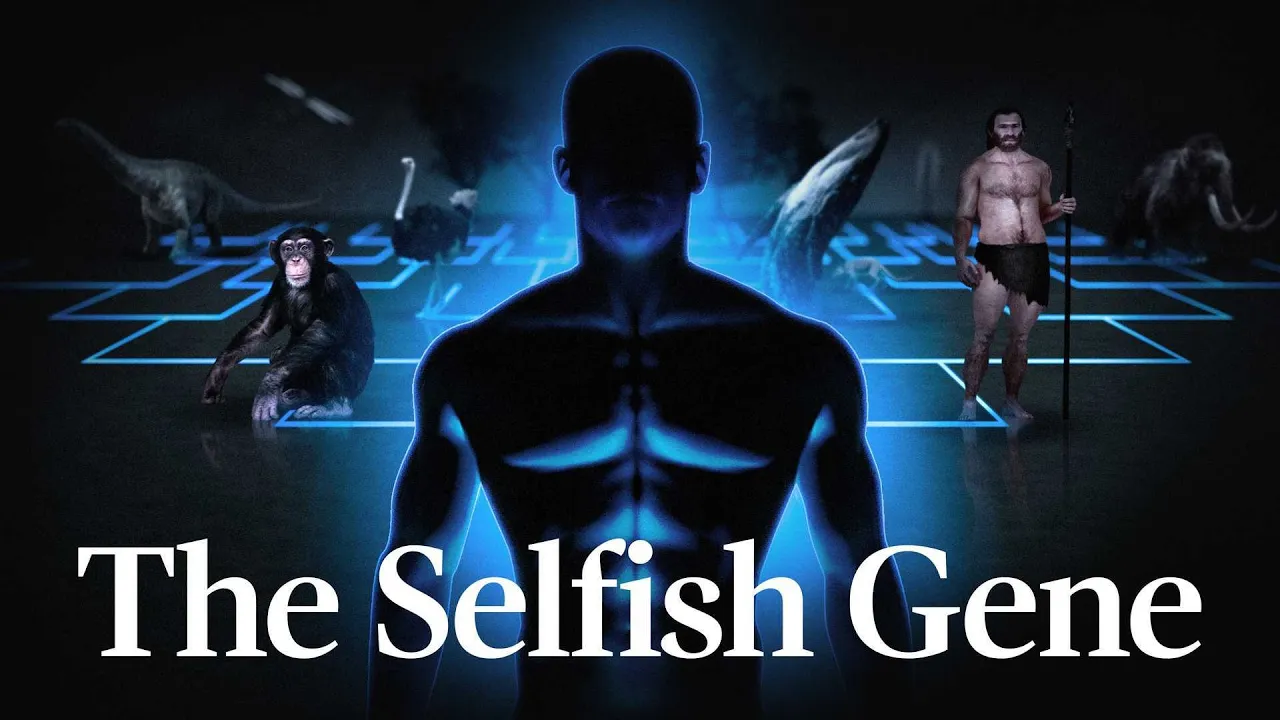
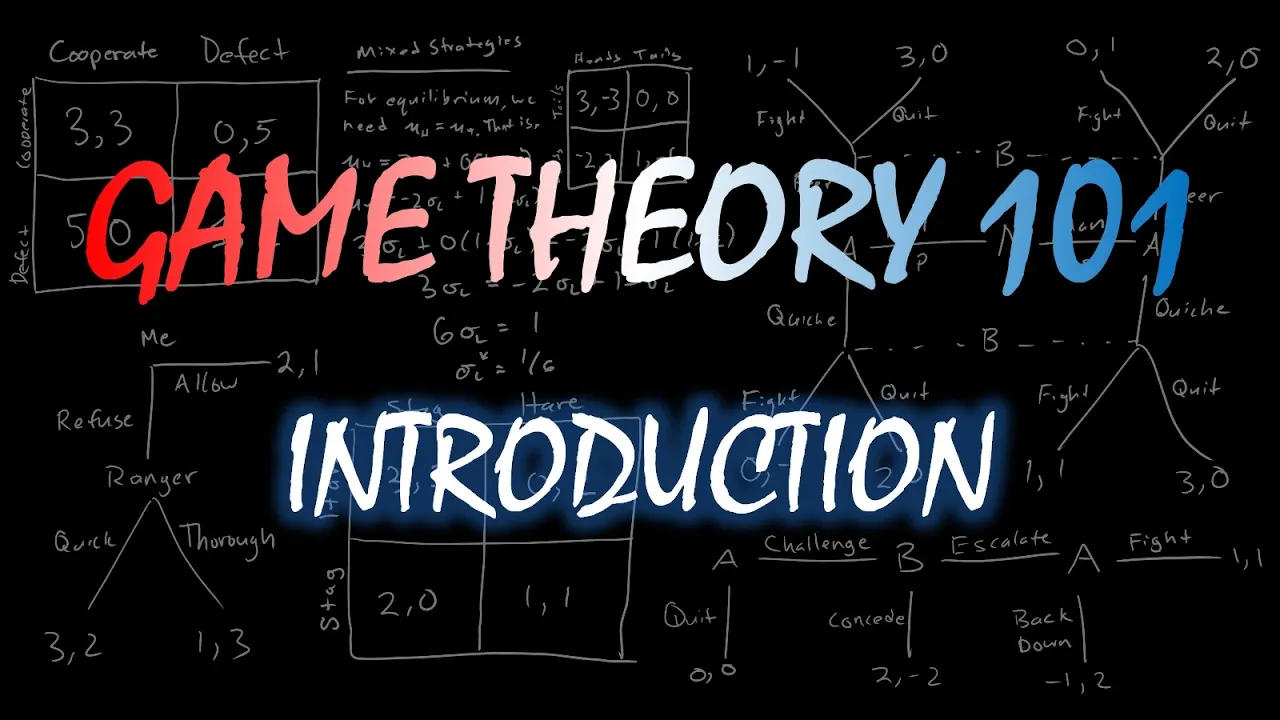
Evolutionary behavioral analysis is built on three fundamental principles: (1) Individual selection, where organisms maximize their own reproductive success by passing on as many gene copies as possible; (2) Kin selection, where organisms help relatives because shared genes make this evolutionarily equivalent to self-reproduction, with mathematical precision determining optimal altruism levels (e.g., one is willing to die for two brothers or eight cousins); and (3) Reciprocal altruism, where cooperation among non-relatives emerges when benefits are mutual and reciprocated, requiring intelligence, longevity, and social structure to maintain trust-based relationships. These principles, formalized through game theory (particularly the Prisoner's Dilemma and Tit-for-Tat strategy), explain diverse animal behaviors from vampire bat blood-sharing to stickleback fish territorial cooperation, and predict broader patterns like the dichotomy between tournament species (high sexual dimorphism, male competition) and pair-bonding species (low dimorphism, shared parenting).
Behavioral Evolution: Human Sociobiology and Kin Selection
Added:[Music] Stanford University often asked question what's the difference between bio 150 bio 250 and is it humbio 160 no difference it's exactly the same so like the same requirements same units so take whichever one makes your life easiest let's see any other procedural stuff well the answer are back from Monday's questionnaire and a uh variety of interesting answers not surprisingly given the size of a group why have you taken this course uh really want to know about animal behavior but willing to deal with humans uh because I'm substituting it for Bio 43 which I don't want to take my dad used to make me read books about human behavior in biology is punishment that doesn't make any sense I know one of the TA so I figure that guarantees me an A okay guys it's in new yourk court uh one I really liked because I want to be a filmmaker after college yay interdisciplinary um what else my first grade teacher is making me Tom mcfaden told me to I'm a hyper oxygenated diletant um I wanted to somewhat correctly pointing out why have you taken this class I haven't taken it yet a number of people reporting that in fact that was the correct answer and my favorite why have you taken this course yes okay relevant background relevant background I'm human I'm human and I often behave I'm human and I have biology uh 19 years of being confused about human behavior uh not really sort of uh seeing crazy behavior as an RA and an all Frost dorm and I date a biologist let's see there was also the question on there of did the thing on the board look more like an A or a b and just to really facilitate that one I forgot to put the A and the B up um but that Taps into a cognitive something or other which maybe I'll get back to at some point telephone numbers reading them off accuracy dramatically tanked as soon as the three number four number Motif went down the tubes and when it came back briefly accuracy came back a little bit finally uh let's see all of you guys conform to a standard frequent gender difference which is everybody was roughly equally by gender roughly equally likely to see dependent as the opposite of independent a small minority went for inter interdependent um however one finding that has come up over and over is that far more females are interested in peace than males males are more interested in Justice okay have you taken the bio cor quote no way Jose uh somebody pointing out quite correctly don't settle for peace or Justice then of course there was the person who responded to that question by writing those words are just symbols need to know assumed meeting okay uh there was one questioner that was carefully signed and something approaching calligraphy it was so beautiful and was otherwise blind uh for years running the course the uh subject that most people really want to hear and most people really don't want to hear is about the biology of religiosity and for 22 years running now Stanford students are more interested in depression than sex okay so we start off I keep telling Hennessy about this but nothing gets done okay we start off we start off if I can open this which is something you could do if you have a certain type of training if you're some osteologist or whatever these folks are called if you are presented those two skulls and told this one's a female this one's a male you can begin to figure out stuff like how heavy how large the body was of that individual what diseases they had had they undergone malnutrition had they given birth a lot of times a few times were they bipedal all sorts of stuff you could figure out from just looking at these skulls what today's lecture and Friday's is about is the fact that with the right tools under your belt you could look at these two skulls and know that information you're a field biologist and you've discovered this brand new species and you see that this one nurses an infant shortly before leaping out of the tree leaving only the skull and this one has a penis shortly before leaving leaping out of the tree and leaving leaving a skull so all you know is this is an adult female and adult male and if you've got the right tools there you can figure out who's more likely to cheat on the other is the female more likely to mess around or is the male how high are the levels of aggression does the female tend to have twins or one kid at a time do females choose males because they have good parenting skills or because they're big hunky guys what levels of differences in life expectancy do they live the same length of time you would be able to tell whether they have the same life expectancy or if there's a big discrepancy between the two all sorts of stuff like that merely by applying a certain piece of logic that dominates all of this okay so you're back reading those time life nature books back when and there was always a style of thing you would go through which is they describe some species doing something absolutely Ely amazing and unlikely and it go like this the giraffe the giraffe has a long neck and it obviously has to have a big heart to pump all that blood up there and you lock up a whole bunch of biomechanics people with you know slide rules and out they come out with this prediction as to how big the giraffe heart should be and how thick the walls and you go and you measure a giraffe heart and it's exactly what the equations predicted and you say isn't nature amazing or you read about some like desert rodents that drink once every three months and another bunch of folks have done math and figured out like how many miles long the renal tubules have to be and somebody goes and studies it and it's exactly as you expect it isn't nature wonderful no nature isn't wonderful you couldn't have giraffes unless they had hearts that were that big you couldn't have rodents living in the desert unless they had kidneys that worked in a certain way there is an inevitable logic about how organisms function how organisms are built how organisms have evolved solving this problem of optimizing a solution and what the next two lectures are about is you can take the same exact principles and apply them to thinking about the evolution of behavior the same sort of logic where just as you could sit there and with logical principles come to the point of saying a giraffe's heart is going to be this big you can go through a different realm of logic built around evolutionary principles and figure out all sorts of aspects of social behavior and we already know what's involved in say optimizing what's the optimal number of whatever is in your kidney what's the optimal Behavior strategy or something all of us as soon as we got like some kid sibling learned how to do the optimal strategy and Tic-tac-toe and so that you could never lose and it's totally boring but that's a case of figuring out the optimal solution to behavior reaching what is called the Nash equilibrium and actually I have no idea what I just said but I like making reference to Nash because it makes me feel quantitative or something so that is called the Nash equilibrium the Nash equilibrium and what the entire Point here is the same sort of process of figuring out what are the rules of optimizing Tic Tac Toe Behavior can be built upon the principles Evolution to figure out all sorts of realms of optimized social behavior and broadly this is a field that's known as sociobiology emerging in the late 1970s mid 1970s or so and by the late 1980s giving birth to another discipline known as evolutionary psychology the notion that you cannot understand behavior and you cannot understand internal psychological States outside the context of evolution had something to do with sculpting those behaviors and those those psyches so to start off with that basic song and dance about Darwin just to make sure we're up to speed on this Darwin just to get some things out of the way Darwin did not discover Evolution people knew about Evolution long before that Darwin came up with the notion of a mechanism for evolution natural selection and in fact Darwin isn't the inventor of that there was another guy Alfred Russell Wallace the two of them and for some reason Wallace has gotten screwed historically and Darwin gets much more attention but starting off with a darwinian view of how Evolution works first thing being that there is evolution traits in populations change over time traits can change enough that in fact you will get speciation new species will form and the logic of darwinian evolution is built on just a few couple of very reasonable steps first one is that there are traits that are heritable traits that could be passed on one generation to the next traits that we now can translate in our modern Paran into traits that are genetic and we will see soon how that's totally not correct to have said that but traits that are heritable the next thing is that there is variability among those traits there's different ways in which this trait can occur and they're all heritable the next critical thing some versions of those traits are more adaptive than others some versions work better for you for example giraffe who wind up with hearts the size of like a tomato that's not an optimal version amid the range of variability some will carry with them more Fitness more adaptiveness than others and that translates into another sound bite that's got to be gotten rid of all of this is not about survival of the most adapted it's about reproduction of something we will come to over and over again it's about the number of copies of genes you leave in the next Generation so you've got to have traits that are heritable there's got to be variability in them some of those traits are more adaptive than others some of those traits make it more likely that that organism passes on copies of its genes into the Next Generation and throw those three pieces together and what you will get is evolution in populations changing frequencies of traits and when you throw in one additional piece which is every now and then the possibility to have a random introduction of a new type of trait in there modern Paran a mutation from that you could begin to get actual large changes in what a population looks like okay so these are the basic building blocks of Darwin and it is easy to apply to giraffes hearts and kidneys of Desert Rats and everything we think about in the world of physiology Anatomy in the context of evolution so how do you apply it to behavior and the basic notion for folks who want to come from this Darwin in Tradition into thinking about behavior is you do the exact same thing there are behaviors that are heritable types traits classes of behaviors they come with a certain degree of variation among individuals some versions of them are more adaptive than others over time the more adaptive versions will become more commonplace and every now and then you can have mutations that introduce new variability totally logical absolutely unassailable and what we're going to spend an insane amount of time in this class on is one simple assumption in there which is that certain behaviors are heritable that certain behaviors have genetic components and as you'll see this one is just going to run through every lecture wrestling with that issue there this is a big incendiary issue there as to how genetic and that's not the same thing as saying how genetically determined how genetic behavior is okay so that's going to be a issue we come back to again and again so now transitioning into how you would apply these darwinian principles first thing before starting a caveat you're going to wind up in order to think about all of this most efficiently hopefully do some personifying personifying as in you'll sit around and saying well what would a female chimpanzee want to do at this point to optimize the number of copies of her jees in the Next Generation what would this Brian shrimp want to do to deal with this environmental stressor what would this you know cherry tree do they're not planning they are not conscious they're not taking classes in evolutionary biology what would this organism want to do is just a shorthand for something sculpted by the sort of exigencies of evolution and producing the optimal they wanted do this this is just going to be a shorthand throughout once you get past the Apes nobody is wanting to do any of these optimization things so just getting that sort of terminology out of the way okay so we start off with what's the first building block of applying darwinian principles to behavior something that is absolutely critical to emphasize because the first thing we all need to do is unlearn something we all learned back when on all those National Geographic specials and that would consist instantly teach us something about this aspect of evolution and would always teach it to us wrong here's the scenario so you're watching and there's this Wildlife documentary it's it's Dawn on the Savannah and you see there's a whole bunch of lions on top of some big old dead thing some Buffalo or something and they're chewing away and having a fine time so something happens at that point which is they have to deal with how they divvy up the food or let me give you another example another standard sort of endless vignette that comes up in these films once again now you're back on the Savannah it's not dawn this time but you are looking at one of the Magnificent things of the natural world which is the migration of zebras throughout East Africa a herd of two million of them migrate around following a cyclical pattern of rains so they're always going where the grass is greener so you've got this wonderful herd of 2 million wilderbeast and there's a problem which is there's some great field right in front of them full of grass and bummer there's a river in between them in the next field and especially a bummer a river teaming with crocodiles just ready to grab them so what are the wilderbeast going to do and according to the National Geographic type specials we would get out would come a solution there's all the wilderbeast hemming and ha in this agitated state by the end edge of the river and suddenly from the back of the crowd comes this elderly wilderbeast who pushes his way up to the front stands on the edge of the river and says I sacrifice myself for you mind Kinder and throws himself into the river where immediately the Crocs get busy eating him up and the other two million wilderbeast could tiptoe around the other way across the river and everybody's fine and you're then saying why' this guy do this why did this guy fling himself into the river and we would always get the answer at that point the answer that is permeated as like the worst Urban myth of evolution whatever why did he do that because animals behave for the good of the species this is the notion that has to be completely trashed right now animals behaving for the good of the species really came to the Forefront a guy in the early 60s named win Edwards hyphenated win Edwards some hyphenated Brit zoologist Who pushed most strongly this notion of of that animals behave for the you know good of the species he is reviled throughout every textbook wi Edwards and group selection that would be the term selection for the good of groups for the selection for the good of the species win Edward and group selection I'm sure the GU did all sorts of other useful things and anyone who really is has any depth to them would find out but all I know is that the guy is the one who came up with group selection animals behave for the good of the species this isn't the case at all animals behave for passing on as many copies of their gen as possible and what we'll see is when you start looking at the nuances of that sometimes it may look like behaving for the good of the species but it really isn't the case so animals behave in order to maximize the number of copies of genes they leave in the next Generation remember not survival with the fittest reproduction of the fittest so first thing you need to to do is go back to that vignette and saying uh so what's up with the wilderbeast there and what's up with the elderly guy who jumps in the river and finally when you look at them long enough instead of the camera crew showing up for 3 minutes when you study this closely enough you see something that wasn't Apparent at first which is this elderly wilderbeast is not fighting his way through the crowd this guy is being pushed from behind this guy is being pushed from behind because all the other ones are saying yeah yeah get the old guy on The River sacrificing himself my ass this guy is getting pushed in by everybody else he is not sacrificing himself for the good of the species he does not like the idea of this whatsoever so he gets pushed in because the old weak guy none of this group selection stuff what came in by the 70s as a replacement a way to think about this is this notion of animals including us behaving not for the good of the species of the group but to maximize number of copies of genes left in the Next Generation and what you see is three ways in which this could occur three building blocks the first one being known as individual selection the first one built around the notion that sometimes the behavior of an animal is meant to optimize the number of copies of its genes that it leaves in the Next Generation by itself reproducing the drive to reproduce the drive to leave more copies of one's genes this was one summ mzed really sort of turly as sometimes a chicken is an egg's way of making another chicken no that's backwards sometimes a chicken is an egg's way of making another egg okay ignore that sometimes what the guy said is sometimes a chicken is an egg's way of making another egg all this Behavior stuff and all this animate sort of social interaction is just an EP phenomenon to get more copies of the genes into the Next Generation individual selection a subset of way of thinking about this is selfish genes what behavior is about is maximizing number of copies of genes in the Next Generation and sometimes the best way to do it sometimes the way that animals maximize is to get as many copies by way of reproducing themselves it's not quite equivalent to a selfish Gene but for our purposes individual selection and this can play out in a number of Realms and bringing in sort of a big dichotomy and thinking about evolutionary pressures Darin in the theory of natural selection what natural selection is about is processes bringing about an organism who is more adaptive what we just went through Darwin soon recognized there was a second realm of selection which he called sexual selection and what that one's about is this is selecting for traits that have no value whatsoever ever in terms of survival or anything like that traits that carry no adaptive value but for some random Bizarro reason the opposite sex likes folks who look this way so they get to leave more copies of their genes and suddenly you could have natural selection bringing about big sharp antlers and male moose and they use that for fighting off Predators or fighting with the male that would be natural selection sexual selection might account for the fact that like the antlers or green paisley patterns all over for that and for some reason that looks cool to female moose mooses and what you wind up getting as a mechanism for sexual selection is as long as individuals prefer to mate with individuals with some completely arbitrary traits those traits will also become more common so this dichotomy of natural selection for traits driven by traits that really do Aid leaving copies of genes outside the realm of just sheer sexual preference sexual selection and sometimes they can go in absolutely opposite directions you can get some species where the female fish prefer male fish that have very bright coloration and that's advantageous then to have the bright coloration by means of sexual selection but the bright coloration makes you more likely to get predated by some other fish natural selection pushing against bright coloration in males very often often you've got the two going against each other having to balance so how would that be applied in this realm of individual selection this first building block sometimes an egg damn sometimes a chicken is an egg's way of making another egg sometimes what behavior is about is one individual trying to maximize the number of copies of their genes in the Next Generation a natural selection manifestation of it being you're good at running away from predators selection for speed for certain types of muscle metabolism for certain s sensory systems that will tell you there's somebody scary around that would be the realm of that individual selection selecting in the realm of sexual selection to have more of whatever those traits are that are attractive so this first building block it's not group selection it's not behaving for the good of the species it's behaving to maximize the number of copies of one's genes in the Next Generation and the most straightforward way is to behave in a way to maximize the number of times you reproduce yourself second building block which is there's another way of accomplishing the same thing that you just did with individual selection as follows one of the things that could be relied upon in life is that you are related to your relatives and what you get is the more closely related you are the more genes you share in common with them on a statistical level identical twins share 100% of their genes full siblings 50% half siblings 25% this is exactly something that's going to be covered in the catchup section this week if you're not comfortable with this stuff this sort of thing will be reviewed in more detail okay so the closer a relative is to you the more copies of G the more genes they share in common with you so suddenly you've got this issue you're an identical twin and your identical sibling has the same genes that you do individual selection you will be just as success UC f as passing on copies of your genes into the Next Generation if you forego reproducing to make it possible for your identical twin to do so because on a level of just sheer numbers of copies of genes in the Next Generation they are equivalent and sometimes you will thus get Behavior which really decreases the reproductive success of an individual in order to enhance the success of a relative but you've got a constraint there which is all of your relatives don't share all your genes with you they have differing degrees of relatedness and what that winds up producing is another Factor another observation one of the great like witty geneticists of all time a guy named haldane who apparently once in a bar was trying to explain this principle to somebody and came up and said I will gladly lay down my life for two brothers or eight cousins and that's the math of the relatedness you passing on one copy of your genes to the next generation is from the sheer mathematics of just how evolution is going to play out over the generations is exactly equivalent as giving up your life for eight cousins to be able to each pass on a copy of their genes because you share 1/8 with each of them and it winds up being a whole or and it's that math and out of that you get something that makes perfect sense instantly which is evolution selects for organ isms cooperating with their relatives something along those lines and thus we have the second building block known as kin selection Inclusive fitness kin selection first building block individual selection passing on copies of your own genes as a way to maximize future success second version helping out relatives helping out relatives in terms of increasing their reproductive success with this vicious mathema iCal logic which is you know one identical twin two half SI two full siblings eight cousins and so on as a function of degree of relatedness and what this begins to explain is a whole world in animal behavior of animals being obsessed with kinship animals being fully aware of who is related to who and what sorts of ways animals being utterly aware of you cooperate with relatives but as a function of how closely related they are animals put us in Social anthropology and kinship terms and could you marry the daughter of your uncle's third wife or whatever to shame in terms of how much a lot of social animals deal with relatedness so Inclusive fitness kin selection here would be evidence for it here's one example very cool study done some years back by a couple sa farth and Cheney University of Pennsylvania looking at veret monkeys and these were veret monkeys out in Tanzania I believe and what they did was a whole bunch of these vervent monkeys were sitting around and they the researchers had made really high quality record recordings of various vocalizations from the monkeys over time so they had the sound of each animal giving an alarm call giving a friendly gesture call giving a whatever and what they would then do is hide a microphone inside some bushes and play the sound of one of the infants from the group giving an alarm call so what does the mother of that infant do she instantly gets agitated and looks over at the bush that's her child all of that how to know that everyone else in that verid group understands kin selection what does everybody else do they all look at the mother that's whoever's mother what is she going to do next they understand the relatedness and they understand what the response will be all the other vervets look at the mother at that point Point whoa I'm sure glad that's not my kid giving an alarm call from the bushes they understand kinship another version of that that came out in these studies so you've got two females each of whom has a kid a daughter or whatever and female a and female B and one day female a does something absolutely rotten to female B and later that day the child of female B is more likely than chance to do something rotten to the child of female a they keeping track of not only Revenge but not revenge on the individual who did something miserable to you but displaced by one degree of reproduction keeping track of kinship animals can do this all sorts of primate species can do this and as we'll see all sorts of other species can do this also there's that caveat again all sorts of other species want to figure out who their cousins they don't want to figure out Evolution has sculpted an ability to optimize Behavior along lines of relatedness in all sorts of species so how would natural selection play out in this realm of kin selection I will lay down my life for eight cousins and that's just sort of obvious there by now how would sexual selection play out in this realm I am willing to expend great amounts of energy to convince people that my sibling is incredibly hot and with any chance then passing on more copies of jeans that would be Inclusive fitness kin selection in both cases decreasing your own reproductive potential by way of being killed by a predator to save the eight cousins or having to spend so much time haranguing about your sibling doing that in order to increase the reproductive success of relatives where you were willing to give up more energy and potential on your part the more closely related the individual is so you throw those two pieces together and you're suddenly off and running with explaining a lot of animal behavior individual selection none of this for the good of the species maximizing the number of copies of your own genes and the easiest way the most straightforward is you yourself maximizing reproduction Foundation number two to the whole thing kin selection Sometimes the best way of leaving more copies and genes in the next generation is using up your own reproductive potential for going to help relatives as a function of degree of relatedness okay that's great so now the third piece the third final building block of making sense of social behavior in the context of real contemporary evolutionary theory the third block here which is you look at animals and they're not all just competing with non-relatives and things animals like forgo competition at certain points animals would have the potential to be aggressive to other other animals and they will foro doing so and there's one circumstance in which that can happen where you get what is called a rock paper scissor scenario you've got animals a b and c a has a means of damaging B but it costs a B has a means of damaging C but it costs b c can damage a but it costs a and you get the right distribution of individuals with one of those traits in a population and you will reach a rock scissors paper equilibrium where nobody is doing anything rotten to each other great example totally cool example that got published some Years Ago by a guy named Brendan Bohanan who was assistant professor in the department here at the time he was studying something or other about bacteria showing a rock paper scissor circumstance you had three different types three different versions of this bacteria in this Colony he had made the first one could generate a poison but it cost it had to put the effort into making that poison and protecting itself from that poison all of that the second type was vulnerable to the poison it happened to have some transporter on its membrane that took up the poison and that was bad news but it had an advantage which is the rest of the time that transporter took up more food the third one the third one the good thing going for it is that it didn't have the bad thing was it didn't have poison the good good thing going for it was it didn't have to spend energy on a poison and it didn't have that transporter so each one of those has a strength each one of those has a vulnerability they're like I know Pokemons or something and you put them all together there and you get a rock paper scissors scenario where you get equilibrium where they are not attacking each other because note if I am a and I destroy b b's no longer wiping out C who's the one who could damage me it's got to come to an equilibrium state so you can get the evolution of stalemates like that and that's quite frequently seen and note here this was the evolution of stalemates not in chimps not in sitations but in bacteria what we're going to see is bacterial Behavior to the extent that this is sort of a metaphor for Behavior behavior of all sorts of unlikely species are subject to these same rules of passing on copies of your genes these three different strains of bacteria are competing with each other none of them are behaving for the good of the species there of the three of them so rock paper scissors is very cool and you get versions of that in humans and that's been sort of studied quantitatively all of that but that's not real cooperation that's merely everybody realizing we have to cut back on the competition we have to cut back on the aggression because every time I damage whoever I am more vulnerable in another Realm that's a stalemate that's a truce but you look at animals and in all sorts of Realms it's not just rock paper scissors stalemates they're reaching they actually cooperate with each other and you look close enough and you see they're not relatives they're not relatives yet you get all sorts of altruistic behavior and you've got it under a whole bunch of domains because this brings up the question why should you ever be cooperative with another individual if you're a social animal at every possibility you should stab them in the back and be selfish and the reason why that isn't a good idea is there's all sorts of circumstances where many hands make the task light or whatever that is cooperation can have synergistic benefits and you see that with species that are Cooperative Hunters where they are not necessarily relatives they will chase One chasing an animal while the other is getting ready to cut a corner on it Cooperative behavior and they incre the likelihood of them getting a kill another example of this researched by a guy named Mark Hower at Harvard looking at Reese's monkeys and what he showed was he would put these monkeys in a situation where they had access to food they had access to food under one circumstance where they could reach for it and take it in and share it with another monkey under the other circumstance it required two monkeys to get the food in there and what he showed was clear-cut reciprocity monkeys who were sharing with this guy were more likely to get shared back with and got more cooperation when it was a task where two of them had to work together to get the food one alone wasn't enough many hands make the task lighter under all sorts of circumstances cooperation has a strong evolutionary payoff even among non-relatives with a condition which is you're not putting more into with then you are getting that is reciprocal and this opens up the third building block of all of this which is reciprocal altruism cooperation altruistic Behavior among non-relatives but undergoing very strict sort of constraints of it's got to be reciprocated with all sorts of rules like that so what does that look like so you're going to see reciprocal altruism when would you see that what's the immediate thing what sort of species would show systems of reciprocal cooperation among non-relatives they got to be smart animals they got to be social they got to be smart why do they have to be smart because they have to remember this is the guy who like owes me a favor from last Thursday they need to be able to recognize individuals they have to be long lived enough so that there's a chance of interacting with that individual again and establishing this reciprocity you would thus predict you would see systems of re reciprocal altruism only in longlived Social vertebrates but you see the exact sorts of things in bacteria you see the exact sort of things in fungi you see that in all sorts of other Realms you get social bacteria colonizing bacteria and where what you might get are two clonal lines that are together in other words two genetically two lines Each of which is all the bacteria have the same genetic makeup so think of it as one individual who's just kind of dispersed another one who's just kind of dispersed and they've come together in something called a fruiting body which is how bacteria reproduce or whatever and there's two parts to a fruiting body there's one which is the stock which attaches to something or other and then there's the part that actually fruits so you want to be in the fruiting part because that's the part that actually reproduces and the stock is doing all the work there and what you see is attempts at cheating attempts at one of these strains trying to disproportionately wind up in the Fring part and what you also see is the next time around this other strain will not cooperate with it will not form a social Colony so that's getting played off at the level of single cell organisms forming big social colonies getting played at that level yes as we will see reciprocal altruism works most readily in big smart Long Live social beasts but it can occur in all sorts of systems so what it's built around is reciprocal cooperation and intrinsic in that is another motivation going on there not just to involve a reciprocal relationship with a non-relative and many hands and light tasks and all of that but also whenever possible to cheat to take advantage of the other individual and thus another key facet of it is to very good at detecting when somebody is cheating against you to be vigilant about cheating in what would otherwise be a stable reciprocal relationship and an awful lot of social behavior is built around animals either trying to get away with something or spotting somebody else doing the same an example of it there is a test that's used in evolutionary psychology where you're given this very complicated story or another version of a complicated story where somebody promises if you do this you'll get this reward but if you do that you're going to get this punishment and like really complex and in one outcome the outcome of it is the person isn't supposed to get rewarded but the individual decides to reward them spontaneous act of kindness in another Circumstance the person is the individual is supposed to get rewarded and instead they get punished a cheater in that case and amid these convoluted stories people are much better 75% to 25 are much better at detecting when cheating has gone on in the story than when a random active kindness has gone on we are more attuned to picking up cheating and remarkably some very subtle Studies have been done with chimps showing that chimps have the same bias they are much better at picking up social interactions involving cheating than ones that involve spontaneous altruism so you see here this balance between cooperation and reciprocal and even among non-relatives and that's great but you should cheat when you can get away with it but you should be vigilant against cheaters and what of course it comes down to then is tic TCT toe and giraffe hearts and all of that what is the optimal strategy in a particular social species for a particular individual what is the optimal strategy when do you cooperate and when do you cheat when do you defect on the Cooperative relationship you've had and this introduces us to a whole world of mathematics built around what is called Game Theory the notion that there are games formal games that have mathematically optimal strategies or multiple strategies multi equilibrium and a whole world of research has been built around them in terms of when to cooperate and when to defect so Game Theory stuff this was starting off in a world of like people studying economics and negotiation and diplomacy and all of that and that was a whole world built around this logic of when do you cooperate when do you cheat and what came out of there were all sorts of models of how to optimize behavior in terms of that and the building block sort of the fruit fly of game theory is a game called the prisoners dilemma prisoners dilemma sort of cutting to Z details two individuals are prisoners and they escape and they're both captured and they're interrogated separately and if both of them refuse to talk that's great for them if they both squeal they both get punished if one of them is able to squeal on the other one they get a great reward of the other one what you get formally are four possible outcomes both individuals cooperate both individuals cheat against each other individual a cooperates and B cheats individual B cooperates and a cheats and what you get in prisoners dilemma is a formal payoff for each what gives you the greatest payoff stabbing the other guy in the back you cheat and they cooperate you have exploited them you have taken advantage of them isn't that wonderful that's the highest payoff in prison or dilemma games second highest payoff you both cooperate third third highest payoff which is beginning to not count as a payoff but in a lot of the games is set up as the start of punishment both of you cheat on each other fourth worst possible payoff is you're the sucker you cooperate and the other individual stabs you in the back so what the prisoners dilemma game is set up these circumstances where individuals will play versions of this against each other with varying rewards and that sort of thing and parameters that we will look at in a lot of detail and seeing when is it optimal to cooperate when is it optimal to cheat when would you do this so you've got examples of this and this was the building block and what anyone would say looking at this is it's obvious what you want to do is in some way rationally maximize your payoff this is this whole world of homo economists the notion of humans as being purely rational decision makers and what you begin to see in this world of game theory is there is anything but that going on and later in the course we are going to see something very interesting people playing prisoners dilemma games inside a brain scanner looking at a part of the brain that has a lot to do with pleasure and what you see is some individuals activate that part of the brain when they've successfully stabbed the other guy in the back some individuals activate it when they have both cooperated and there's a big gender difference as to which which circumstance so you just guess which one is going on there we're going to see a number of studies like that coming down the line so the question becomes how do you optimize prisoner dilic play and what emerged at that time was the notion of all sorts of theoretical models and stuff and then in the 1970s there was an economist at University of Michigan named Robert Axelrod who revolutionized the entire field what he did was he took some Paleolithic comp computer and programmed in how the prisoners dilemma would be played and he could program in as if they were two players and he could program in what each one's strategy would be and what he then did was he wrote to all of his buddies and all of his mathematician friends and prize Fighters and theologians and serial murderers and Nobel Peace Prize winners and in each case explain what was up and saying what strategy would you use in a prisoner's dilemma a game and he gets them all back and he programs all these different versions and he runs a round robin tournament every strategy is paired against every other strategy at one point or other and you look at what the payoff is you ask which is the most optimal strategy and out of it shockingly to everyone because this was a computer teaching us optimizing human behavior out of it came one simple strategy that always outcompeted the others this is people sitting there probabilistic ones as to when to cooperate and lunar cycles as to what to do the one that always one is now called tit fortat you start off cooperating in the very first round with the individual you cooperate if the individual has cooperated with you in that round you cooperate in the next round and you cooperate cooperate as long as the other individual cooperates but as soon as there's a round where the individual cheats against you you cheat against them the next time if they cheated at you that time also you cheat against them the next time if they go back to cooperating you go back to cooperating the next time you have this tit fortat strategy in the absence of somebody stabbing you in the back you will always cooperate and what they found was run these hundreds of thousands of versions of these round robin tournaments and tit fortat was the one that was most optimal to begin to use a word that is not just going to be a metaphor tit fortat always drove the other strategies into Extinction and what you wound up seeing is this optimized strategy and it was very clear why tit fortat worked so well number one it was nice you start off cooperating number two it retaliates if you do something crummy to it number three it is forgiving if you go back to cooperate number four it's clearcut in its play it's not some probabilistic thing and what you get then with tit fortat is suppose you're playing three rounds with another individual you both cooperate the first one you both cooperate the next one you're playing tit fortat strategy so you cooperate on this one and they stab you in the back and you can't get back at them because this is the last round what you'll see is under lots of circumstances Tit for Tat is disadvantageous but what the sound bite is about it is Tit for Tat may lose the battles but it wins all the wars this pattern of being nice but being retaliatory being forgiving and being clear in the rules drives all the other strategies into Extinction okay at this point my alarm just went off which was to remind me to ask somebody who is wearing a life vest is somebody wearing a life vest over there um where are you she just left she left isn't that interesting somebody put me up to having to ask this person why are you wearing a life vest and apparently the answer she would give was going to free all sorts of captives in some like Rebel group in Colombia and she fled okay what that does is uh I don't know what that says about reciprocal altruism but what that says also is after I do a summary don't make a move we will have a 5 minute break so what do we have at this point we have a first building block of optimizing the evolution of behavior like optimizing giraffe Hearts first piece you don't believe behave for the good of the species individual selection passing on as many copies of your own genes as possible sometime a chicken is an egg's way of making another egg he says triumphantly building block number two kin selection some of the time the best way to pass on copies of your jeans is by way of helping relatives kin selection with the mathematical fierceness of degree of relat is driving it piece three sometimes what's most advantageous is to cooperate even with non-relatives but with the rules of it has to be reciprocal and you have to cheat when possible you have to be on guard against cheaters and as we've just seen Game Theory prisoners dilemma beginning to formalize Optimal strategies for that okay let's take a five minute break but promise you will come back if you go out and everyone won't wander off being maximize that behavior in a very artificial realm but stay tuned prisoners dilemma as the building block of how to do this amid lots of other types of games that are used but prisoners dilemma is the most basic one and that round robin tournament that computer simulation Axel Rod asking all his buddies to tell him what strategy would you use run them against each other and out comes tit fortat tit fortat Drive all the others into Extinction however there is a vulnerability in tit for which is okay so we have the technical way of showing prisoners dilemma play and first round both individuals are cooperating second round both individuals are cooperating third round this one cheats those are fangs this one cheats and this one cooperates so the next round this one now cheats and this one goes back to cooperating and we've just gotten through a scary thing that Tit for Tat solves and it's great wonderful what if though your system is not 100% perfect what if there's the possibility of a mistake being made of sending the wrong signal what if there's the possibility of noise in the communication system and at some point an individual who does a Cooperative Behavior thanks to a glitch in the system it is read as having been defect defection so what happens as a result this individual forget it okay what happens as a result the individual who cooperated but somehow the message got through is cheating they don't know something got lost in the wires between them in Translation the other individual was saying whoa that individual cheated against me I'm going to cheat in the next round so Along Comes the next round and that individual cheats against them this one who's cooperating because they've been cooperating all along they don't know about this error and they say whoa that person just cheated against me I'm going to cheat in the next round so they cheat in the next round this one says Whoa they just cheated another time again and again and again and what you get is a seesaw pattern for the rest of time you've just wiped out 50% of the cooperation and what you've got is tit fortat strategies are vulnerable to Signal error that's something that soon came out in these studies of axle rods and when I was a kid there was like one of these like thriller books I remember reading where there's a glitch in the system and at the time the mean scary Soviet Union launched a missile that no it was the United States the United States by accident launched a missile a nuclear weapon where they didn't mean to some cockroach you know chewed through a wire someplace or other and the missile went off and wound up being destroying Moscow and oh my God we had a Cooperative system of mutually sort of Restraint of aggression all of that and thanks to a signal error a cheating signal was accidentally sent off and how did the book end a tit for response in order to avoid sort of thermonuclear Wasteland the Soviet Union was allowed to destroy New York all right so that shows exactly how you could then get into a seawing thing simply by way of if the system has any vulnerability to Signal error so it soon became clear as soon as Axel Rod began to introduce the possibility of signal errors that tiit fortat didn't work as well as another strategy one that quickly came to the Forefront and that one for some strange reason that's the way it's shown that one was called forgiving tit fortat what happens with forgiving tit fortat the usual rule like Tit for Tat if you cooperate if they cooperate you always cooperate if they cheat against you you punish them in the next round exactly same thing as Tit for Tat but oh no what if there's a signal error in the system and you've gotten in one of these horrible seawing things what forgiving TI fortat does is we'll have a rule for example that if we seesaw like this five times in a row I will foro cheating the next time and instead I'll cooperate and that will get things back on track I am willing to be forgiving in one round in order to reestablish cooperation after the signal error came in and that one as soon as you introduce the Poss possibility of signal error that one out competes tit fortat because it makes perfect sense it's a great way of solving that problem so that was terrific tit fortat but the ability to forgive and what you would then see is variability how many of these do you need to go through before you forgive what's the optimal number of sees songs all of that so a whole world of optimizing how soon you were forgiving nonetheless the general theme being forgiving TI for Tat out canach TI for Tat when you can have signal error but there is a vulnerability there is a vulnerability here to this one which is you could be exploited if you're playing against for example a tit for tar or all sorts of other strategies where they don't have forgiving strings of defection and you do what's going to happen is you're going to keep going back to cooperating and they're going to keep stabbing you in your back forgiving Tit for Tat is vulnerable to exploitation playing against individual players that don't have forgiveness in them so what soon became apparent was an even better strategy which is you start off with a tit fortat strategy which is you are punitive you are retaliatory amid being forgiving clear nice initially you were willing to punish and you cannot be exploited in this way if and only if you have gone whatever number of rounds without the other individual ever cheating on you if you've gone long enough without that happening you switch over to forgiving tit fortat what is that that's deciding you trust somebody you've had enough interactions with them that you are willing to trust them this is the transition from Pure rational optimizing to switching over forgiveness coming in there protects you from signal error and of course now a whole world of how many rounds do you need to do this before you switch that as to what the optimal deal with that is but again this is a way of transitioning to solve the problem of signal error but forgiving too readily and being taken advantage of soon another strategy appeared which was called Pavlov and those of you who know pavlovian psychology will see that this in fact has nothing whatsoever to do with pavlovian psychology and I don't know why they did that but they thought it was kind of cool but the rule was remember if you stab the other guy in the back you get a bunch of points if you both cooperate you get points not as many if you both cheat you lose some points if you're taken advantage of you lose a lot of points so two outcomes you gain two outcomes you lose in Pavo the simple rule is when I I do something if I get points if I get some degree of reward I do it again the next time if I get rewarded and either of the first two types of payoffs I do the same thing again and the other part of course is and if I have if I play my strategy and I lose one of the two bottom the two bottom outcomes I switch to the other strategy the next time and what you see is that can establish very good Tit for Tat stuff but if you sit and spend hours tonight with you know a long roll of toilet paper and playing out all the rounds of it you will see what pav love allows you to do is exploit somebody else who is forgiving so Pavlov goes along just fine with this and as long as Pavlov continues whenever they switch over to a forgiving tit fortat Pavlov will outcompete them because Pavlov exploits what then emerged was just zillions of people stud all sorts of games like this and there's other ones ultimatum game is a trust game but it's the same notion of business there which is you choose to cooperate you choose to cheat what's the optimal outcome there are mathematically optimal outcomes that you can use and you run all of it against the computer and you get the optimization popping out the other end wonderful so there's Axel rod and there's buddies using terms like oh this strategy will drive the other one into Extinction or this strategy works but if you program in that every now and then there could be a glitch there can be a mutation this will be they're using all this biology jargon obviously metaphorically but right around this point the biologists look at this who are just beginning to think about the social biology stuff formal patterns of optimizing behavior and they say whoa does this apply to the behavior of real organisms because at this point it's just economists and computer types and diplomats learning when to optimize all that sort of thing around the time there was a paper published somewhat before that this is a name nobody is going to know lost in history a guy named Daniel ellberg Daniel Ellsberg became very famous around 1970 by he was working in the Pentagon and he stole thousands of pages of secret files there and gave it to the New York Times showing how utter corrupt everything that went on behind the scenes was and getting us into Vietnam major blow out all of that he had spent the early part of his career perfectly happily working in the Pentagon for the military as a game theorist as a game theorist coming up with optimal patterns and he wrote one paper called the optimal benefits of perceived Madness what what times do you want your opponent to think you were absolutely out of your mind and good to do all sorts of crazy stuff and where they wind up cooperating to keep you from doing that the advantages of Madness what's that that systems where things like mutually assured destruction doesn't work because you're willing to set it off that the advantages of Madness this whole world of people working on it mathematicians and more strategists and there's the zoologists now looking at this saying whoa this is cool I wonder if animals behave that way and that's when people now armed with their insights into prisoners dilemma and tit fortat and all this stuff started to go and study animals out in the wild and see were there any examples where this happened yes in all sorts of interesting Realms first example vampire bats vampire bats we are all set up to be creeped out by vampire bats but in actuality when you see a vampire Bad drinking the blood of some cow or something you are watching at a mommy getting food for her babies because vampire bat mothers are not actually drinking the blood they're filling up this throat sack thing and they go back to the nest and they discourage the blood to feed their babies she's just watching out for her kids it happens that vampire bats have an interesting system of reciprocal altruism which is a whole bunch of females will share the same nest we'll have all their kids in there mixed in and these are not necessarily related so so we've just left the world of kin selection they're not necessarily related but they have reciprocal altruist system each female comes in Discord disgorges the blood and feeds everybody's babies and they all feed each other's babies and everything is terrific and they have this blood vampire commune going there and they have reached a nice state of stable cooperation now make the bats think that one of the females is cheating on them out comes that female flying off to find some blood and instead you net her and get a hold of her and take some syringe full of air and pump up the throat sack so the throat sack is really full and distended but there's no blood in there you just pumped air into there and stick her back into the nest there and she's just sitting there happily and the other females are sitting saying look at her look at how much blood she's got there I can't believe it cuz she's not feeding our kids she's cheating on us and the next time they go out to feed the other females don't feed her kids a Tit for Tat and what you saw here is an exact example of introducing signal error signal error in this case being some grad student pumping up the throat of some vampire bat and showing that they're using a version of a Tit for Tat strategy totally amazing people were blown away by this another example fish stickleback fish who in the world of animals you know bats are probably not some of the brightest folks around but I don't think sticklebacks are within light years of them but stickleback fish can do a tid fortat strategy here's what you do you have a stickleback fish in your in your fish tank and you make the fish you make him believe that he's being attacked by another fish what do you do you put a mirror up against the edge of the tank there so within a very short time I told you they were not that smart so but in a very short time he's lunging forward at this mirrored thing and maintaining his territory against this guy and barely holding on and that other guy is just he doesn't get tired thank God I don't get tired and they're just going at it and now make him think he has a Cooperative partner put in a second mirror that's perpendicular here in other words he sees his reflection there and every time he moves forward he sees that one moving forward and which is fortunate because he's also seeing another fish coming from that way and he's sitting there saying this is great I don't know who this guy is but wow what a team we are doubles this is great he's in there in the thick it's funny how those two guys are so synchronized but whoa we're holding them off and we're doing now make him think his cooperating partner is in fact cheating on him take the mirror and angle it back a little bit so the reflection is set back some and what he now sees is the fish moving forward but not all the way up to the wall there the fish is hanging back back there the fish is cheating and this stickle back is sitting there saying in effect that son of a I can't believe he's doing that to me we've worked together for years I can't believe he's oh he's pretending to go forward but I see he's not really doing that fortunately that guy isn't coming forward anymore either pH but I can't believe that guy's cheating and the next time you set up this scenario the next time move the chance the stickle back doesn't attack its own reflection there it is tit for tatting against this guy so here we've managed to set up one of these deals within one fish and carrying it out forever one fish ultimately with some very blistered lips Tit for Tat once again another example this is the most bizarre one I can imagine and leads to all sorts of subjects that are going to come many lectures from now but there are fish species that will change sex and they do it under all sorts of strategic circumstances that suddenly begin to fit into this realm of what we've been learning about out and you've got one of these things called black Hamlet fish and they can change gender so you'll have a pair of them who hang out with each other of opposite genders and they take turns they flip back and forth for a while this one's female and for a while this one's female and they go back and forth and that's great but there's an inequity there which is that the price of reproduction is greater for the female than for the male as is the case in so many species the female is doing all that egg and over duct and progesterone stuff or whatever it is and the males just got to come up with some sperm there doing reproduction as a cooperating pair they're not relatives reciprocal altruism maximizing each of their reproductions whoever's the female in any given round is the one who's paying more and what you see are reciprocal relationships there of the fish using Tit for Tat if you get one fish that begins to cheat and winds up being a male too much the time the other fish stops cooperating with them again tit fortat stuff so people were just blown out of the water at this point seeing whoa forget rational human economic thinking and all of that you go out into the wild and bats and stickleback fish and gender switching fish and all of that they're following some of the exact same strategies isn't nature amazing no nature isn't amazing it's the exact same logic as saying a giraffe has to have heart that's strong enough to pump blood to the top of the head of a giraffe or else there wouldn't be giraffe and when you look at this realm it's applying the same notion the same sort of wind tunnel of selective optimization for behavior in this case went to cheat went to cooperate sculpt something that is as optimized as a giraffe's heart being the right size so this made perfect sense wonderful but then people began to look a little bit closer and began to see sort of the very distressing real world beginning to creep in there which were exceptions first exception this was done by a guy named Craig Packer University of Minnesota looking at lions in East Africa and what you get is typically Prides are a whole bunch of relatives usually females sisters nieces all of that but you will sometimes get Prides that are not of close relatives nonetheless they will get you know reciprocal altruistic things going on lions in this case having the same trick as was done on those vervet monkeys researcher putting inside the bush there a speaker and playing the sound of like 400 menacing Lions all at once and you know what you're supposed to do is freak out at that point and all of you need to very carefully approach and see what's going on in that bush so what would happen in a reciprocal system and everybody do this does this or if one time one of them cheats on you you push that one forward the next time time or some such thing that's what you would expect but what he would begin to notice is in a bunch of these groups there'd be one scaredy cat lion one who habitually stayed behind the others and who wasn't punished for it so this produced this first puzzle that oh sometimes animals aren't optimizing tit fortat sometimes animals haven't read Robert axelrod's Landmark 1972 paper that sort of thing and what you suddenly have is the real world what could be possible explanations one thing being maybe they're not really paying attention maybe they're not quite that smart wait bacteria are doing versions of tit fortat what else could be going on oh Lions interact in other Realms maybe this individual is doing very reciprocal stuff forgiving overly altruistic stuff in some other realm of behavior maybe this lion is eats less of the meat and backs off earlier or something like that maybe there's another game going on simultaneously and this introducing the real world in which it is not just two individuals sitting there playing prisoners dilemma and optimizing you suddenly begin to get real world complexities coming in there and by the time we get to the lectures way down the line on aggression and cooperation what you will see is things get really complicated when you have individuals playing games simultaneously the rules that you apply to Oney logically begin to dribble into the other one all sorts of things like that it will get very complicated so first hint there that in fact everything doesn't work perfectly along those lines here's another version here's one of the truly weird species out there something called the naked mole rat if you ever have nothing to do and you've got Google image up there go like spend the evening looking up closeup pictures of naked mole rats these are like the weirdest things out there they are the closest things among the mammals to social insects in terms of how their colonies work they're totally bizarre all of that but they live in these big Cooperative colonies that are predominantly underground in Africa and they were discovered I think only in the 1970s or so and for a while when zoologists got together if you were a naked mole rat person you were just the coolest around and everybody else would feel intimidated cuz you were working on the best species out there and you would see these big Cooperative colonies soon shown to not necessarily be of relatives and reciprocity all those sorts of rules but people soon began to recognize there would be one or two animals in each colony that weren't doing any work work digging out tunnels bookkeeping I don't know what naked mole rats do in terms of work but there would be a few individuals who would just be sitting around and there was these big old naked mole rats they were much bigger than the other ones and were scarfing up food left and right there goes Robert Axel rod down the drain there goes all that optimization because no one would be punishing these guys what's the deal and it took enough watching these animals long enough to see this notion of oh there's another game going on in which they play a more important role and it is sort of dribbling across when the rainy season comes these big naked mole rats go up and turn around and they plug the entry to the tunnels there that's what they do and suddenly these guys who have been sitting around doing no work whatsoever all year and eating tons of stuff they suddenly have to now stick their rear ends out for the coyotes to be around or whatever it is that predates them what we have is role diversification real animals real organisms are not just playing one formal prisoners dilemma game against each other at the same time and by the time we again get to the later lectures on aggression cooperation all of that we will not only see the things get much more complicated when you're playing simultaneous games when you're playing a game against one individual while you're playing against another one and them against triangular circumstances how play differs if you know how many rounds you were playing against the individual versus if you have no idea how play differs if when you were about to play against someone you get to find out what their behavior has been in the previous trials with other individuals in other words if somebody shows up with a reputation we'll see this is a much more complicated world of playing out these games a much more realistic one so we begin to see a first pass at all this optimization stuff and how great that all is one final interesting addition to this game theory world of thinking about Behavior like that which came from a guy named James Holland who apparently might have a different first name but Holland apparently is an interesting piece recent history he's the P first person to ever get a PhD in Computer Sciences which I think was in the late 50s University of Michigan apparently there are Realms of of computer programmers who worship this guy and he like a lot of other folks in that business got interested in this game theory evolution of optimal strategies and he designed ways of running all of this and he introduced a new Ripple which is the possibility of a strategy suddenly changing the possibility of a mutation and what he could then study was mutations how often they were adaptive how often they spread throughout the strategy there of individuals playing how often they drove the other strategies into Extinction versus ones that were quickly driven to Extinction themselves more cases where we are getting these systems where maybe they're not just metaphorically using terms from biology maybe they are exactly modeling the same thing and we will see more and more evidence for that okay so reciprocal altruism how would that play out in the world of natural selection natural selection Cooperative hunting and there's lots of species that have Cooperative hunting wild dogs Jackal some other species as well that's clearly that's like the definition of Cooperative hunting of Cooperative reciprocal altruism if they're not relatives how would sexual selection play out in the realm of reciprocal altruism a little bit less obvious there that would be if you and some non-relative spend an insane amount of energy and time making sure you both look really good before going to the prom that would be sexual selection working on reciprocal altruistic system so what we have now are our three building blocks this whole trashing of it's not survival of the fittest it's not behaving for the good of the species it's not behaving for the good of the group but instead these three building blocks the ways to optimize as many copies of your genes in the next generation is possible way number one individual selection a version of selfish jeans sometimes a chicken is an egg way of making another egg behavior is just the way of getting copies of genes into the Next Generation piece number two Inclusive fitness kin selection that whole business that's Sometimes the best way of passing on copies is to help relatives do it and it's as a function of how related there the whole world of cooperation more among related organisms than unrelated ones and as we will see way down the line what is very challenging in different species is how do you figure out who you're related to and humans do it in a very unique way that sets them up for being exploited in all sorts of circumstances that begin to explain why culture after culture people are really not nice to thems and it flows along those lines this is something we will get to in a lot of detail so degree of relatedness a lecture coming how do you tell who who you're related to but that second piece kin selection third piece reciprocal altruism you scratch my back and I'll scratch your back and whenever possible you want to instead scratch your back and they want to make sure you're not scratching your back or whatever cheating counts as but trying to cheat being vigilant against it formal games where you can optimize it very complicated and can you believe it you go out into the real world and you find examples of precisely that optimization with Tit for Tat is nature wonderful it's got to work that way and then you begin to see how the real world is more complicated multiple roles naked mole rats stuck in plumbing things of that sort okay so these are the principles and what people of the school of evolutionary thought would say armed with these sorts of principles you could now look at all sorts of interesting domains of animal behavior and understand what the behavior is going to be like by using these okay we start with the first example here we return to these guys and we have one species here and knowing this guy had a penis and this one nursed we've got an adult male an adult female what is it that you can conclude in this species males are a lot bigger than females so let's state it here as there's a big ratio of males to females meanwhile in the next County you've discovered another species where somebody's got a penis and somebody else is nursing and their skulls are the exact same size oh here's a species where there's no difference in body size between males and females okay so let's begin to see just using the principles we've got in hand already what sort of stuff we can predict starting okay which of those species in one case you have males being a lot bigger than females in one case you've got males being the same size as females and which of those species the first one like this or the same siiz ones and which ones would you expect to see more male aggression first one okay how come their bodies are built for it which begins to tell you something their bodies are built for it maybe because females have been selecting for that you will see higher levels of aggression in species like this where there's a big body size difference and much less of it in these guys next you now ask how much variability is there in male productive success in one of these species all the males have one or two kids over their lifetime in another species 95% of the reproducing is carried out by 5% of the males a huge variability skew in male reproductive success which species do you get the every male has a couple of kids and that's about it and all equally so which one second one how come because these guys are being selected for aggression if they're fighting there is going to have to be something they're fighting for differential reproductive access okay so you see more variability in species that look like this next females come into the equation what do females want what do females want in the species on the left versus the one on the right the one on the right you know again skull the same size same body size on the left what does the female want what sort of male is the female interested in big exactly that's exactly the driving force on this how come because she's not going to get anything else out of this guy this guy is just going to like the Pres is going to be some sperm it might as well be some good sperm some genetically well-endowed sperm that makes for a big healthy Offspring increasingly odds of her passing on copies of her genes in the Next Generation what about in this species what's females looking for okay good hold on to that for a second and let's Jump Ahead a few lines one of the species males have never been known to do the slightest affiliative thing with infants they just get irritated and harass them and all of that and the other you have soccer dads who are doing as much raising of the kids as the females are in which species do you get lots of male parental Behavior the one on the right okay so lots of male parental Behavior here so somebody just gave the answer here female Choice what would you see in this species you want big muscular guys you want whatever is selling that season for what counts as a hot male because you want your Offspring to have those traits and somebody else called out here what do females want in this category and what was it you said good personality good personality yes able to express emotions that too okay somebody else shouted out something that gets at the broader more globally Oprah version okay somebody shouted out P parental Behavior you want a male who is going to be competent at raising your children what is it that you want really most deeply you want to get the male who is the most like a female you can get a hold of you don't want some big old stupid guy with a lot of muscle and canines who's wasting energy on stuff like that that he could be using instead on you know reading good night moon or some such thing what you want instead is somebody who's as close to a female as you can get to without getting this lactation stuff males are chosen who are the same size as females so the term given here is you know choosing for paternal Behavior parental Behavior parental let's just put that in there and that begins to explain the Top Line species in which there's a lot of sexual dimorphism morphism Shapes of Things sexual dimorphism big difference in body size as a function of gender and in these sorts of species where you get male Al Behavior not much variability male reproductive success low levels of aggression and what females want is a competent male these are ones where you see low degrees of sexual dimorphism so how's a female going to figure out that this guy is going to be a competent parent you know once again we just figured out if he looks kind of like you because that suggests he hasn't wasted health and Metabolism on stupid pointless muscles when there's more important things in life for making sure your kids have good values what else would the female want to know when she's first considering mating with the male is he a nice guy is he sensitive does he Express his feelings is he competent at being a parent what do you want the individual to do prove to you that he can provide for the kids and suddenly you have a world of bird male birds courting the females by bringing them worms bringing them evidence that they are able to successfully forage they are able to get food female choices built around appearance and behavioral competence at being able to be a successful parent in order to pass on as many copies of genes the Next Generation as possible okay how about lifespan in which species is there a big difference and life expectancy is a function of gender first one here are you choosing for males to be as close to females as possible andless the physiology here you got these guys who are like using huge amounts of energy to build up all this muscle which takes a lot more work to keep in calories and you're more vulnerable in famines you've got these males with high testosterone which does bad stuff to your circulatory system you've got males who thanks to all this aggression are getting more injuries more likely in species in which you have a lot of sexual dimorphism in body size you get a lot of sexual dimorphism in lifespan and then you look at these guys and it's basically no difference by gender moving on considering primates that are of one of these two patterns in which one do you always want to give birth to twins in which one do you never want to give birth to twins who gives birth to twins the one on the right of course how come because you got two parents on the scene you are not a single mother and you are a single mother rees's monkey or something and you give birth to twins and you do not have the remotest chance of enough energy enough calories on board to get both of them to survive a twin that is born in a species like this has the same rate that it occurs in humans about a 1% rate and it is almost inevitable that one of them does not survive meanwhile there's a whole world of primate species with this profile where the females always twin finally you are the female and you are con contemplating bailing out on your kids and disappearing because there's some really hot guy over there who you want to mate with and you are trying to figure out this strategy so you are going to leave and abandon your kids in which species do you see that behavior the one on the right the one on the right because you bail out and the male is there taking care of them you bail out in here and you've lost your investment and copies of your genes for the Next Generation you see female cuckoldry this great Victorian term you see females cheating on the fathers in this species but not in species like this because the father is long gone in you know three other counties there according somebody else and doesn't matter you're not going to get any help from him in primate species of this profile you always see twinning and they both survive and what Studies have shown in these species and we'll get to them shortly is after birth in fact the males are expending more calories taking care of The Offspring than the females go bail out on him and go find some other hot guy which in your species counts as some guy who looks even more like you than he does in terms of what you want out of the individual so that so what have we done here we've just gone through applying these principles in this logical way and everybody from the very first step was getting the right outcome and go and these are exactly the profiles you find in certain species among social mammals these would be referred to as a tornament species a tournament species whereas the one on the right is referred to as a pair bonding a monogamous species because in this one males and females stay together because they both have equivalent investment and taking care of the kids all of that what you have here is this contrast between tornament species and pair bonding species tornament species these are all the species where you get males with big bright plumage these are peacocks these are all those bird and fish species where the males are all brightly colored what are the females choosing for peacock feathers does not make for a good peacock mother peacock feathers are signs of being healthy enough that you can waste lots of energy on these big stupid pointless feathers that's a sign of Health that's a sign of all I'm getting from this peacock as jeans I might as well go for good ones that's the world of peacocks that's the world of chickens with pecking orders dominating like that lots of aggression that's the world of primates where as in Savannah baboons the male is twice as big as the female tornament species where a lot of passing on of genes is decided by male male aggression in the context of tournaments producing massive amounts of variability and reproductive success where males are being selected for being good like this so they sure being selected for having big bodies which winds up meaning a shortened lifespan for a bunch of reasons females are choosing for that these are guys who are not using their energy on Parental Behavior thus you do not want to have twins if you were a female baboon and you do not want to bail out on the kids because nobody else is going to take care of them go and look at a new primate species and see this much of a difference in skull size and you've just be able to derive everything else about its social behavior meanwhile these guys on the right peir bonding species these are found among South American monkeys Mar missets tamarinds you put up a picture of them which I will do if I ever Master PowerPoint in some subsequent lecture you put up a picture of a maret pair and you can't tell who's the male and the female this is not the world of mandrel baboons with males with big bright bizarre coloration on the face and with antlers when the females don't and that whole world of sexual dimorphism you can't tell which one is the male and which one is the female maret by looking at them you can't tell by seeing how long they live you can't tell by how much they're taking care of the kids you can't tell in terms of their reproductive variability that's a whole different world of selection all of the South American Tamarind and marmosets the females always twin they have a higher rate of aldry of abandoning the kids the males take as much care if not more of the kids than the female does very low levels of aggression same body size same lifespan all the males have low degree of variability how come because if you're some maret male you don't want to get 47 maret females pregnant because you are going to have to take care of all the kids because as we will see way down on the line in lectures on Parental Behavior the wiring there as such as bonding with The Offspring and taking care of them no wonder among species like these you have very low variability all the males reproduce once or twice this is the world of 5% of the guys accounting for 95% of the matings this is totally remarkable because again that starting point you start off here and you look at these and oh you can tell if they were bipedal and or they diseased and Mal nourish simply by a applying these principles of individual selection reciprocity all of that one factoid you see a new primate species and you see one nursing and one with a penis and they're the same size or there is different to the size and you already know all about their social system very consistent across Birds across fish across primates of all of those this dichotomy between tornament species and parab bonding species as we will see way down the line among some species types of vs rodents that are famous in Hallmark cards for their pair bonding for their monogamy so we'll see they're not quite as monogamous as you would think but nonetheless a general structure like this so one asks expectedly where do humans fit in on this one where do humans fit and the answer is complicatedly are we a tornament species are we a parab bonding species what's up with that what we will see is we're kind of in between when you look at the degree of sexual dimorphism we are not like baboons but we're sure not like marmosets we're somewhere in the middle variability is somewhere in the middle there I'm not going near that one lifespan the dimorphism and lifespan tends to be in between and parental behavior and likelihood all of those you look at a number of measures and by next lecture we will be looking at some genetics of what monogamous species and tornament species look like and we're right in the middle in other words that explains like 90% of literature because we're not a classic tornament species and we're not a classic parab bonding one we are terribly confused in the middle there and everything about anthropology supports that most people on the planet right now are in a form of monogamous relationships in a culture that allows that demands monogamy an awful lot of people who are in monogamous relationships in such cultures aren't really monogamous relationships traditionally most cultures on this planet allowed polygamy nonetheless in most of those polygamous cultures the majority of individuals were parab bonded and monogamous you get two different versions of polygamy in different social systems of humans one is economic polygamy which is your basically sitting around and the wealthiest guy in the village is the one who can have the largest number of wives an enormous skew and reproductive success that's driven by economics the other type is demographic you have a culture where for example you have a warrior class guys spent 10 years as Warriors Warriors Warriors New York City accent as Warriors they don't worry there's no anxiety but they eventually worry about getting a wife because by the time they're done being a warrior they're like 25 and they marry someone who's 13 which is what you see in a lot of traditional cultures that follow that pattern and at that point you got a problem which is an awful lot of those guys have been killed over the course of 10 years of being involved in high levels of aggression and 10 more years of life expectancy to catch up with you there's a shortage of males so you see polygamy there driven by demographics and you see polygamy driven by economics and other types of society so most cultures on the this planet allow traditionally before the missionaries got them most cultures on this planet allow polygamy nonetheless within most polygamous cultures the majority of people are not polygamous we have one really confused screwed up Species here because we are halfway in between in all sorts of these measures okay so what do we have next which we will pick up on on Friday what we've just started with here is the first case of using all these principles individual selection kin selection reciprocal altruism to understand all sorts of aspects of behavior we will then move on to seeing how they explain other aspects of animal behavior some ones which if you are behaving for the good of the species circa 1960 there's no explanation at all because you're doing things like killing other members of your species and then finally we will see how this applies to humans and some of the witheringly appropriate for more please visit us at stanford.edu
Up Next
Richard Dawkins on Science, Selfish Gene & Autobiography
@TheRoyalInstitution
211.4K views•2013-09-25

Bacterial Communication: Quorum Sensing and Biofilm Formation Explained
@JHUAAP
12.6K views•2011-06-28

Enteric Nervous System Explained: The Gut's Brain | Neurobiology Lecture
@alumniu6029
438 views•2018-09-12

Bacteriophages: Earth's Deadliest Killers and Future Antibiotics
@kurzgesagt
34.6M views•2018-05-13
Related Study Plans & Knowledge Roadmaps
Structured learning paths in Biology