














Venoms are not a specific class of molecules but refer to how toxins are delivered and what they do; they can target any essential biological system including the nervous and circulatory systems, and their extreme potency makes them valuable for developing medicines, such as blood pressure medications derived from viper venom and diabetes treatments inspired by cone snail insulin-like compounds, though studying these compounds requires careful conservation of venomous species and innovative research approaches.
Venom Biochemistry: Therapeutics from Nature's Toxins | Expert Interview
Added:Basic Protein and Peptide Structure: Understanding how amino acids form the complex peptides and proteins that make up the active components of animal venoms.
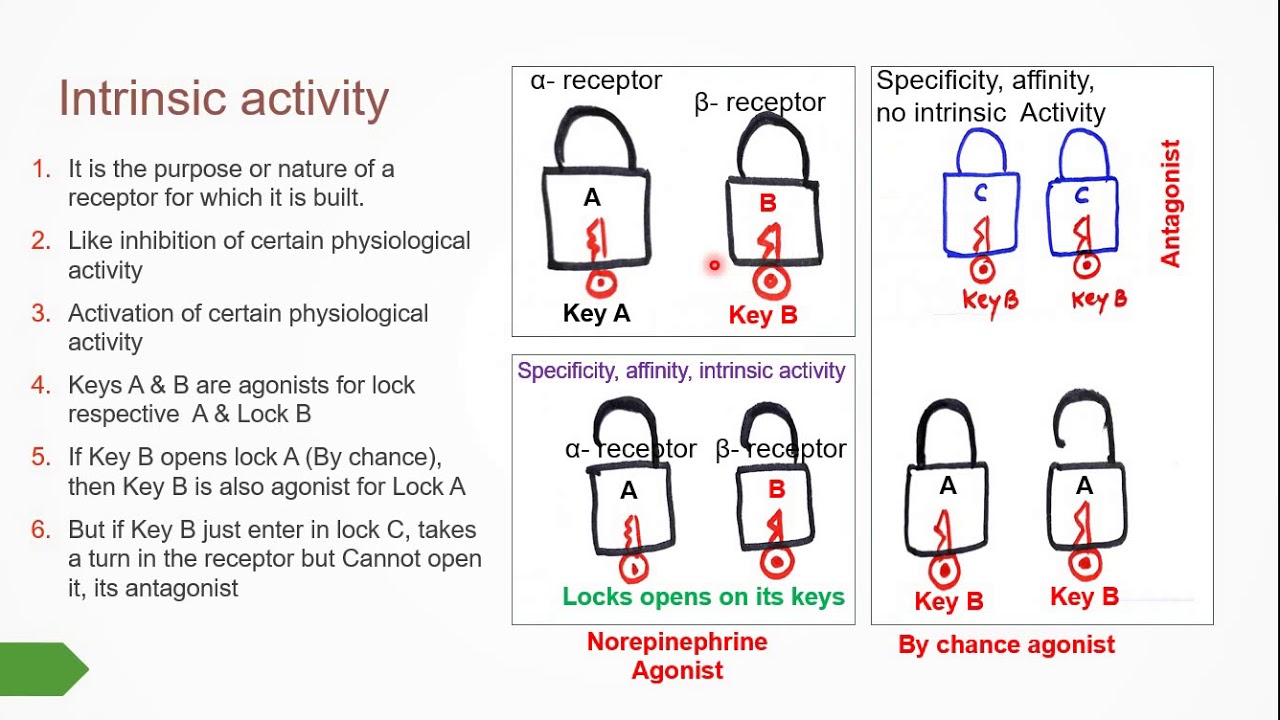
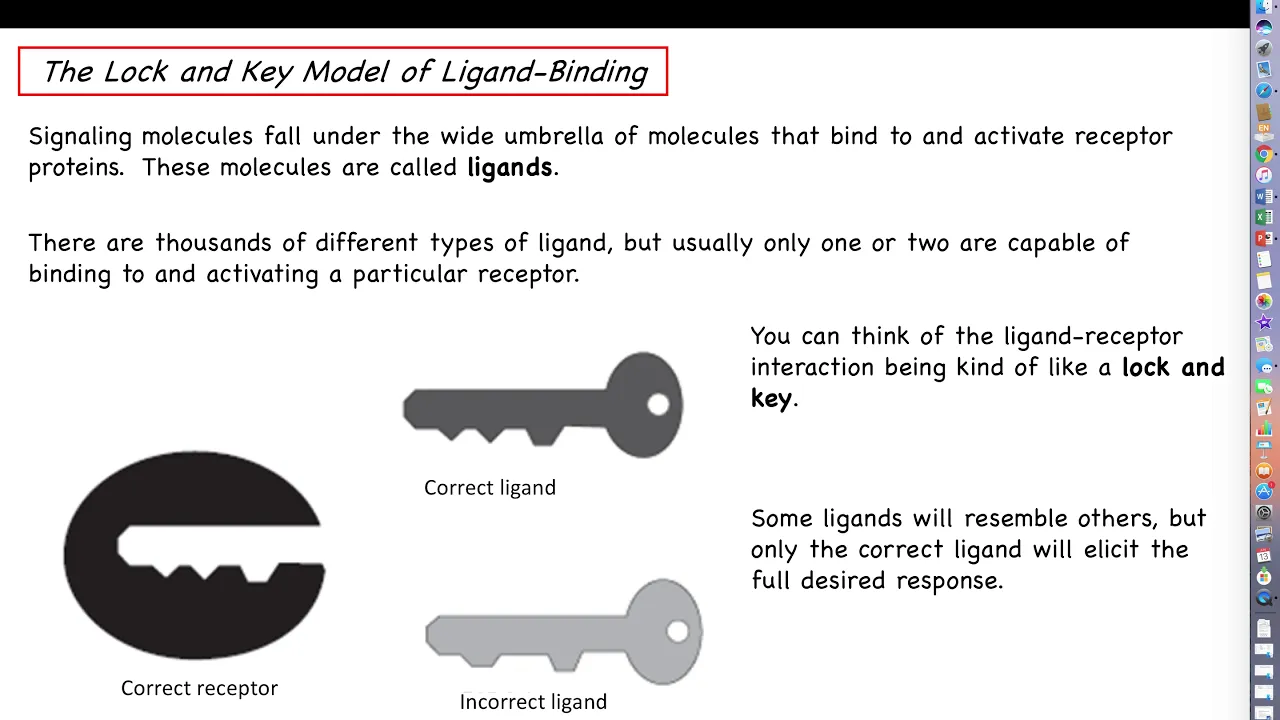
Receptor-Ligand Interactions and Cell Signaling: Familiarity with how molecules bind to specific cellular targets, such as ion channels or G-protein coupled receptors, to alter biological functions.
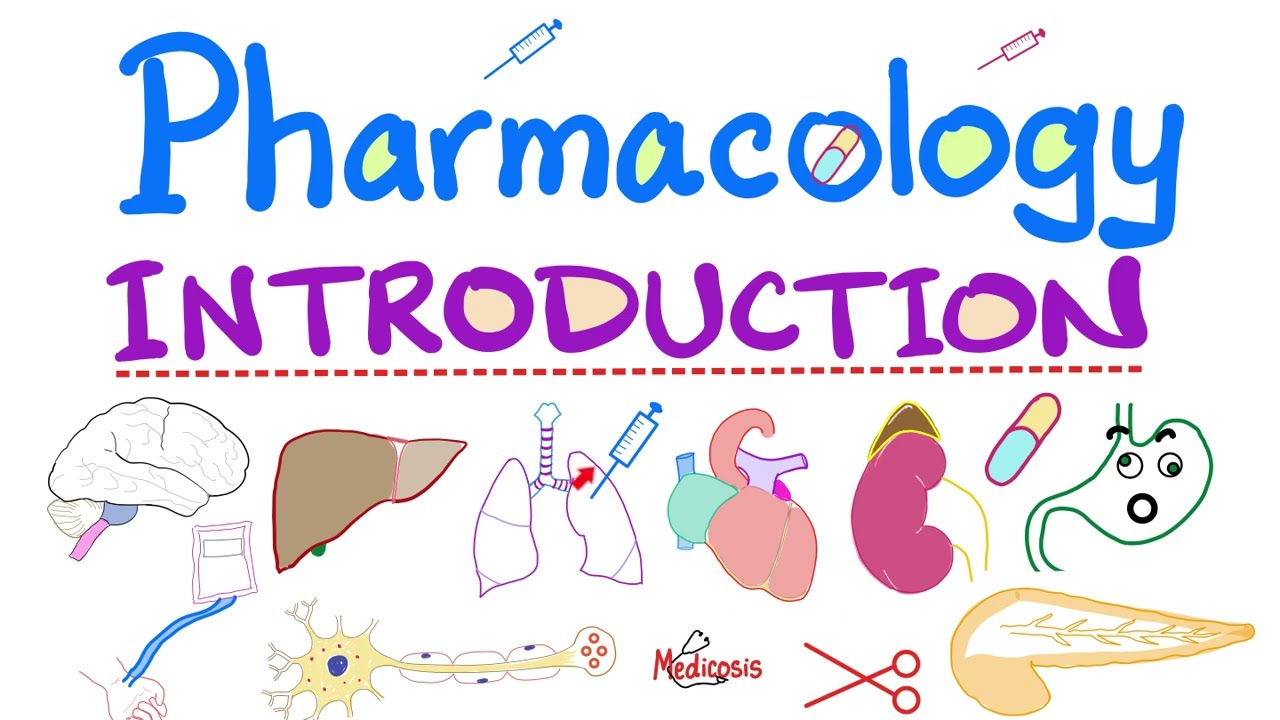
Introduction to Pharmacology: A basic comprehension of pharmacodynamics, specifically how substances act as agonists or antagonists in the human body.
Human Physiology Basics: A foundational understanding of the cardiovascular and nervous systems, which are the primary physiological targets of most venoms.
Structure-Based Drug Design and Peptidomimetics: Studying how natural toxic peptides are synthetically modified to improve stability, target specificity, and patient safety.
Translational Medicine and FDA Approval Processes: Exploring the clinical trial phases required to transform a hazardous biological toxin into an approved pharmaceutical drug.
Bioprospecting and Conservation Biology: Investigating the ethical and ecological methods used to discover new venomous species and protect their habitats for future medicinal research.
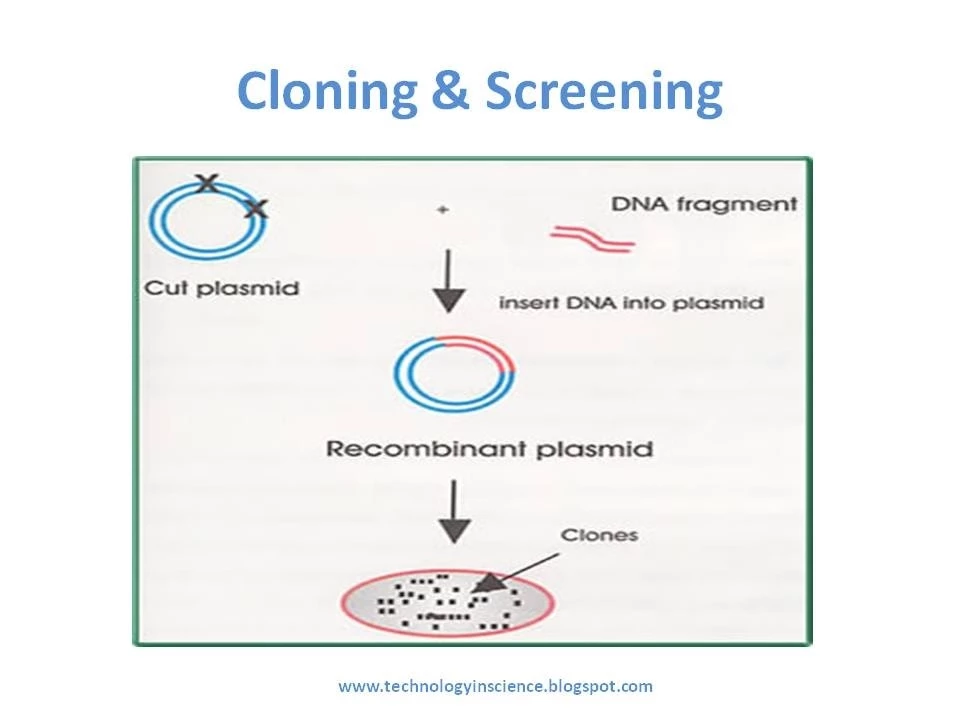
Recombinant Protein Expression: Learning how genetic engineering and bioreactors are utilized to produce venom-derived therapeutics at a commercial scale without harvesting animals.
1.3K views86likes41:46Original Release: 2024-08-31
all of them have like I said dozens usually sometimes hundreds of different toxins different compounds that can be tested and and modified and edited as as needed to to to try to do something for us so hello I'm welcome to the Shiki science show where in this video I spoke with Christy Wilcox an award-winning science writer and the current newsletter editor at Science magazine she is also known for her book venomus which explores the biochemistry of some of the world's deadliest creatures blending her expertise in molecular biology with captivating storytelling it's this latter topic that will mainly talk about today and how phenoms shouldn't just be scary but also have potential health benefits so um Al this year I read your book fomous and absolutely loved it and so as we'll be talking a lot about this book today I think probably the most important question to ask first is what actually is a Phenom and what what type of biomolecule actually is it yeah well so what's interesting about Venom is that it's not a particular class or type of molecules it really more refers to how those molecules are delivered and what they do so when you talk about toxins more broadly you're talking about anything that in a smallish dose causes you know physiological harm right so they say like anything can be toxic which is true you know you drink enough water and it'll hurt you but water isn't a toxin because it takes too much to be toxic basically so a toxin is something that's toxic in a low amount and then within toxins you split between poisons and Venoms and so poisons are things that you inhale or you ingest or have to get on your skin like absorbed so it's a very um like in that sense passive on your end like you know like whereas or active on your end whereas a Venom is something that causes harm by being actively put into you through some kind of wound so you know the classic Venom here is an injection right a snake bite you know when the B snake's fangs sink into your flesh it literally shoots that venom out of its fangs into your flesh through that wound but you also have other Venoms where the the wound is a little bit smaller like a jelly for example when they have their little teeny teeny teeny stinging cells but technically each one of those is pen ating into your skin so it's causing a really tiny wound I see and so is it true then to say that most Venoms are proteins or peptide based or there really are different types of molecules there really are a wide variety I mean a lot of them are protein based but you also have I mean you have things like um the Venom of the blue ring to octopus the trro toxin that's not a protein it's a you know just a small biomolecule so okay so cuz I um well I always thought I was quite a good biochemist but I think as I've learned from reading your book probably the best biochemists are already out there so would you be able to maybe discuss some of the different mechanisms and how these like Phenom molecules are actually acting in the body yeah what's what's amazing about Venoms is when you're talking about something that gets introduced into your body very aggressively I mean it can do all sorts of different things I mean you have Venoms that Target any essential system that you can think of so you have your nervous system right you have Venoms that are paralytics you have Venoms that induce pain you have Venoms that you know mess with your head technically so you have them them acting on the nervous system you have them acting on the blood and the circulatory system because again anything that is essential if you're trying to to use a toxin to to harm very aggressively in that sense then any essential system is is fair game I see and so what got you interested in Venoms in the first place you know it's an interesting story so I I came to Venoms through the animals because I've always been an animal lover I've always been one of those people that just wanted to to work with animals in my life if if I could find a way to do it and and so I ended up becoming really interested in venomous fish and um but I'd already found a love and appreciation of things like jellies like snakes you know I was never one of those kids that that was scared of of spiders or you know afraid of any of those creepy crawlies with Venom that that other people would be and so what was your earlier research studying on I think it was the lion fishes if I'm correct yes yes so I I lived in Florida I was going to underground in Florida when the lion fish Invasion sort of kicked off and when they started seeing these venomous fish in this new o section of the ocean right like they had not been in the Atlantic and the Caribbean before and so that's where my interest in lion fish was sort of started is that I was I Saw The Invasion start and like start to happen in real time and then when I was trying to think about what to do for my graduate work I really wanted to to understand these fish and to study them and to figure out you know like how are they being so successful you know and so I wanted to look at you know population genetics and and some of the like toxin understanding the toxin Evolution and things like that and so I I study lion fish genetics in a broad sense looking at a bunch of different factors because well one of my next questions was how does one actually get about trying to study phenoms because to some extent they're quite hard to actually access in a fastp it also sounds very dangerous so what are the different approaches that researchers actually taking to try and study phenoms yeah I mean it is it is certainly a uh specialized group of researchers um there are it's it's funny because some like a lot of researchers come to it from from the animals like did you know you have your people who just love snakes herpers right who then end up going into science and deciding to study Venoms because they wanted to understand the snakes that they love so much and then you have people that really nerd out on the biochemistry so you have people um like my post adviser angeliana giara she studies box jelly Venom but she studies box jelly Venom because she was stung by box jellies and just couldn't wrap her mind as a biochemist around how something so fragile and delicate could cause so much harm and so she wanted to understand what this molecule was you know what what was actually being injected into her that that made this happen to her and so and like I think Glenn King too was one of those people who was you know he was a NMR I want to say but a biochemist one way or the other and then he found his way into Venoms through that um but most of them do end up hand handling and and dealing with the animals themselves I mean I when I worked with Angel we would go out at 3 in the morning and collect box jellies as they're coming in to weiki beach you know or you know these These Guys in Australia are out there wrangling these deadly snakes and deadly spiders and they have you know whole wings of the lab that are dedicated to raising raising these animals or keeping them and and you know extracting Venom from them very carefully I'm glad to hear us carefully um because you mentioned yourself that you're were more interested in the evolution of these um Phenom peptides or Phenom Phenom I guess proteins perhaps um in the line fishes and so was that purely looking more at the genetics of the lien fishes or how about how did you get about it uh yeah so I did a little bit of protein work most of my work was on the genetics um was trying to trying to understand the genetics at all nobody had sequenced really um more than one you know they had a sequence for the gene or whatever but they didn't have whether or not it differed for example between the two oceans like or do we see population level differences in toxins um and so that's a little bit of what I was working on uh I did do a little bit of protein work and and it involved you know carefully scraping these cells that have this toxin in them from from the spines and then you know looking at that on like a protein gel for example I see and so we've discussed already about how diverse these different phenoms are and I guess that obviously to some extent is going to be reflected in genetic differences so is there much convergence Evolution or how much variation is there in the different phenoms that are found I mean Venoms are found in so many different animals that there are a lot of differences but it is intg to me that there are so many similarities and you have you see converion Evolution you see the same types of proteins being co-opted you know um and you see even some of like at the sequence level where you see these these you know protein themes or or um protein family like level convergence um in terms of what what is being used and there are some great figures put out by um Brian fry and colleagues which just show you how you have all these toxins that do the same thing or are from the same families in in things like a scorpion and then a a snake you know which are when we consider the Tree of Life pretty distantly related creatures or even you have you know box jelly toxins that look like you know toxins from a vertebrate you know and so you have this like amazing convergence in terms of which which toxins are being used or even some of the the motifs and things within those toxins oh interesting and so when do you think the first uh phenoms actually sort of arose in evolution do we have any any idea it's a hard thing to figure out but we do know that I mean the Nigerians you know your jellies and your corals you have an entirely venomous philm so you know that is a an early evolving group of animals they all have venom so you would think that Venom must have Arisen pretty early on in their existence you know pretty pretty basil to that Cay um but exactly when is hard because how do you how do you test I mean even if you could see the cellular structures for something like that which is hard enough in a fossil like how do you know that it had Venom versus having like I mean some of these jellies also have cells that produce like a sticky substance right and so like how do you know that it was producing Venom versus like something sticky I see um and so like with these phenoms they sound firstly quite expensive for the animal to be producing and um also how do they protect themselves NE um from their own phenomes yeah so they are as far as we can tell they are very energetically expensive and and what you see in fact is when you have a group that is venomous switch to not needing its venom right so you have for example sea snakes that start going after eggs instead of going after you know live fish or something like that then they tend to very quickly lose their venom in terms of production or in terms of um like the toxicity and so you you see that happen over and over again whenever you have a venomous group go somewhere and do something where it doesn't really need to kill that quickly or it doesn't need to defend itself that strongly um as for how they keep themselves safe that is an open question for a lot of them but there are a variety of different strategies so one is simply to keep it walled off so you have these like venomous glands for example and sometimes it all it is is basically the tissue that surrounds that gland is specialized to make sure that that Venom doesn't get in because if for example there are certain venomous snakes where if a venomous snake bites itself it can kill itself like if that Venom gets out of its fangs and into its body it can hurt itself like it it's it's not immune to it um some of them are immune to their own Venoms and some of them have tweaked the the venomous targets so the different uh parts of the body that the Venoms actually work on right so if you have a paralytic Venom let's say it's blocking a particular you know um ION channel in a in a neuron right so they may have tweaked the sequence of their version of that ION channel so that the toxin no longer works on it right something like that there are so there are there are ones that are just like really deeply innately immune to their own fenom but there also there is this like third strategy which is where it's really interesting which is um that they can have things in their body that help fight the Venom but are not stopping it from fully working so something like um aosom for example have blood proteins that bind up Venom toxins they're not venomous themselves but they're very immune to a lot of different Venoms um and because of this they have these proteins in their blood and and what makes that interesting is that that might be transferable and so the question is can you can you as a as someone who needs to help people who have been you know bitten by snakes or bitten by spiders or scorpions like is there a way to take advantage of some of these strategies for keeping oneself safe from Venoms and and the answer is maybe in in some cases which is really interesting and a very intriguing line of research no definitely and since you brought it up with these anti phenoms you mentioned the immune aspect to um responses to phenoms is so we're talking about antibodies or what kind of is the response to um what is this immune response at the followups so they have there are antibod like yes antibodies are one of the options but there're also um just proteins that kind of act like antibodies but are a little bit broader they kind of act like little molecular sponges and they just you know bind up things that are in in the blood or or um that get injected into the tissues and so there's there's a few different options but there's also antibodies antibodies are certainly a a major class of of um proteins that can be protective against Venom I see and I think I read somewhere about like a unifersal anti Phenom do you think that's actually possible given the diversity that we find it is I would certainly be tricky to develop a truly Universal antivenom I mean even something like a universal snake antivenom is going to be really hard but what you might be able to do is have something that universally prevents death from a snake or universally prevents certain aspects of of snake Venoms and so that comes from the fact again that you see tend to see the same types of proteins being co-opted into Venoms right the same types of molecules being co-opted and used and wielded in this way and so if you can have a broader Spectrum you know inhibitor or uh antibody that binds to say you know three-finger toxins or some one of these classes of of toxins that is in a lot of different Venoms then you can have a chance to to potentially develop something that is if not Universal than than Universal enough right like if you had there's groups that are working on um trying to make a single antivenom that works for the big four snakes in India right because you have these four animals that are responsible for the vast majority of of death and disability from snake bite and so you don't need something that works for every venomous snake in the country you just need something that works on those four and then you would be saving a lot of people's lives and so there are people working on that kind of level of of universality so like Regional universality or um or snake type like if you can tell that it's you know a cobra versus a Viper versus you know something else than if you could have one that would work for any Cobra right that that would help that kind of thing and so um with these anti phenoms where exactly do they come from I think you mentioned in the book that often it's been humanizing horses or something and then collecting the antibodies but that doesn't sound very efficient is there any other more recent methods uh to do this yeah so I mean right now any antivenom that you're going to buy to use today is still produced by injecting an animal with that Venom and then extracting the antibodies that that animal produces that is how antivenoms are made it's how they've been made for more than a century there are a lot of people working on trying to change that though um and so one of the ways that they're trying to change that is to figure out which antibodies work find the sequences for them and then potentially put those genes into um a a bio prod production system so something like you know you have yeast or something that makes it like like we get our insulin from right we don't get insulin by sucking it out of animals anymore we have you know microbes make it for us and so if we can get microbes to make these for us then that we would take out you know that step but it means you have to find the right sequences and figure out which ones are the best ones to use and that's you know a whole extra set of steps that isn't in the antibody or anti-venom production pipeline right now um and so there's there's a lot of work being done to trying to find what is the best antibodies to use like what combination of antibodies do you need which toxins should you be targeting because these cocktails and these Venoms are aren't just one thing usually they're usually a dozen two dozen 100 200 different toxins right and so you have to figure out which ones you actually need to Target and figure figure out if you can create an antibody that targets them and and and get in you know that kind of specificity you know it's it's all very complicated but there are a lot of different groups that are working on it because that is where I think everyone sees the future of antivenoms going is is going to be something that is intentionally designed instead of passively taken from you know an immune system's reaction yeah I hope so um and I agree I think it sounds it does not sound trivial at all sounds very challenging um so going back a bit to this the evolution of the phenoms then what what does the evolution of Venoms perhaps tell us about human evolution yeah so there are some very intriguing hypotheses related to um human evolution and and Venoms and so one of my favorites is called the snake detection I hypthesis and this is that the emergence of Highly venomous snakes particularly the group that's known as the elapids which is you know your cobras your your really really deadly snakes particularly in Africa where you know humans had our Origins as well uh the idea is that these snakes were became such a problem they were such a primary predator that being able to see and recognize that there's a snake there um helped shape the evolution of our our eyes and our brains and so the idea is that some of our vision and why it is the way it is and why primate vision is the way it is is because it was evolved as in response essentially to this selection pressure from snakes and venomous snakes in particular I mean that to me is just really cool I mean it's obviously one of those things that is very hard to test and very certainly impossible probably to prove but even even just to try to generate hypoth testable hypotheses from that is is tricky but they have seen things like when you have primates that evolved independent of snakes for longer independent in this group of snakes for longer they have different vision and certain certain aspects of their brains are different right and so it's one of that's one of my favorites um for sure I see I guess especially with the snakes because um another interesting question is out of the different phenoms around which are the most toxic to human cells or the human body and I guess to some extent it's not just about how toxic they are but the do and the likelihood of interacting with that species and so um our snakes the most uh venomous to humans or is that incorrect so it's what is the most venomous animal or the deadliest animal is one of those things that is so tricky to answer and it really like you said it depends on context right do I want to be locked in a room with a king cobra probably not you know like that's an animal or a black mamba right like we're talking an animal that is aggressive enough and has a dead deadly enough Venom that I'm not sure I want to be locked in a room with one of them but if you want to talk drop for drop something like a blue ring octopus probably deadlier you know like you've got trota toxin in there that is one of the deadliest substances on the planet you know that we know of and so you're talking about something that is wielding like an unbelievably potent Venom but of course a Blu ring octopus in a room probably has no interest in me and isn't going to go anywhere near me and I'm be totally fine I could stay there for days you know like that's the tradeoff there right and then you have real world like who which animals are killing the most people right um and then you you do have snakes as one of the the deadliest venomous animals in that case because yeah you have you know more than 100,000 people around the world who are dying from snake bite every year still you know in 2020 before um but and this is my my favorite little caveat is well that's not the deadliest venomous animal in that if you're measuring it by number of deaths because mosquitoes Vector diseases that kill far more people than that every year and they use their Venoms to do it they use their Venoms to sneak these you know parasites and and viruses into your body so the deadliest I argue the deadliest venomous animal is the mosquito but you could argue you know any any any other depending on how you want to look at it no I think no I completely agree and I think to some extent I probably wouldn't want to be trapped in a room of any of them to be fair um but but speaking about how deadly they are for us I guess on the flip side perhaps we can now exploit their toxicity and actually use them to create Therapeutics which I know you discuss um in your book so we you be able to talk about some of the examples where we've actually been able to use our knowledge of Venoms and make it useful for human Therapeutics yeah so the one thing about Venoms that is universally true is that you have these compounds these molecules that cause massive physiological changes and small amounts and fundamentally that's what you want for a medicine I mean you don't want to have to drink a gallon a Tylenol right like you need something that does something to your body in a small amount and and so while they are toxic in in a sense they are also helpful potentially you know you have a the um boops vipers in South America cause you know near instant drops in blood pressure right that for their prey just means they become catatonic but have high blood pressure a lot of people have high blood pressure what if you could pull that molecule and in fact one of the first Blockbuster drugs was a blood pressure medication that came from a Viper Venom and so you're looking at at captopril that's what the name of it is I mean you're looking at these these molecules if you look at them a different way they can actually be very helpful depending on the situation I mean if you have something that's a paralytic it's also a numbing agent right like you're if you're you're paralyzed your neurons aren't working you're not feeling anything and so can you find one of these that you know specifically targets a a something on a pain neuron instead of just any neuron right or can you modify it slightly to make it more efficient at blocking pain instead of blocking you know all sort of neuronal activity things like that and so we're finding that these Venoms are actually these incredible troves of biochemistry because they they just have so many tweaks and variations that have been honed for whatever reason and purpose that this animal is using it and some of that is accidental um so you have my favorite current example is everyone's talking about glp1 uh Agonist and and these glp1 drugs the very first glp1 drug came from the momentum of the heila monster it's a lizard found in you know the southwestern us and and this this animal had a a a compound in its you know that in its venom that kind of acted like insulin but did a little bit different and and so like people started studying it and the Very you know exenatide the very first of these was a Venom derived compound and so you and now now for example they know that there's a type of cone snail which is a a venomous snail and it produces a form of insulin that lasts longer and works better than our form of insulin so it might be able to help people with diabetes and then it also produces a secondary compound that helps keep blood sugar from from Rising once this influence this insulin like compound has worked and it uses this to basically put fish into a a uh low blood sugar coma but for us like there are times when we want to be able to control blood sugar and we want to be able to control when it's rising and when it's not and so it's possible that this other compound too not just the insulin might both of these might be able to be adapted or you know formulated into some kind of drug to help people with diabetes or other metabolic conditions I mean it it's amazing to me the diversity of potential medicines that is just sitting there in all of these venomous animals around the world because all of them have like I said dozens usually sometimes hundreds of different toxins different compounds that can be tested and and modified and edited as as needed to to to try to do something for us no absolutely and I think I mean that was one of the reasons why I got so excited reading a book Because as a biochemist it's the specificity that you get from these Phenom peptides that make them so useful as potential Therapeutics um and so I guess yeah you're right there's so much we've got left to explore but I mean how does what is the best way to go exploring these unknown Phenom compounds I mean and that the thing is it all starts with you have to have the animals right like the animals have to exist you're not going to you're not going to discover some amazing new peptide you know drug in a cone snail that's gone extinct and so for me the the very first thing is is that we need to protect and conserve biodiversity on this planet and we need to appreciate that even the ones that can hurt us even the ones that we might be a little bit scared of like they have a very important place ecologically and in this you know as troves of of potential biom medicine and so that's the first step and then then you got to start actually studying all these different Venoms and for some it is harder than others I mean you're talking when you're talking about a cone snail you're talking about teeny teeny teeny amounts of Venom right and and very hard to extract and there are some Labs that are very good at it and they have you know honed their methods over years and years but you know how do you get that that venom out I mean one of uh angelan Gara when one of her first steps was trying to figure out how to get pure bro jelly Venom because if you just have you know you take a whole animal and put it in a blender you're getting all sorts of random stuff like who knows what's actually in the Venom versus what's in its other tissues and so like extraction methods is like one of the first steps to to truly understanding what's in a Venom exactly um and maybe I Mis remembering from your book but um because my background was also looking at cancer research and is it true that some of these um compounds can also Target cancer cells or I guess there's well there's a lot we don't know but yeah yeah I mean and one of the one of my favorite ex things that is currently being developed is that there is this scorpion compound that for reasons that are currently kind of unknown really likes to stick onto brain cancers and so what they've done with it is they've attached a fluorescent molecule to this Toxin and when you inject it into a person now you can go in and do surgery to try to remove a brain tumor and the tumor is glowing it's painted for you they call it tumor paint you know and so like yeah so you can see exactly where and and that is one of the hardest things about removing brain tumors right you don't want to take anything more than you have to when you're trying to take a brain tumor out you know people will take off entire you know chunks of their body when they're trying to get rid of other cancers because you know like it's worth it to make sure you get the whole cancer right but with the brain you can't do that you can't you can't accidentally take more you have to you know like the margins they call it you know have to be incredibly like small and that means that you're you also risking leaving cancer behind and so something like this tumor paint could be a GameChanger and they're particularly looking at it for Pediatric brain cancers because you know you're cutting into a kid's brain like that's where you really need to be accurate and you need to get every last drop of that tumor without getting anything else absolutely yeah just the versatility of these uh Phenom compounds is amazing um and obviously the your book itself I think came out 2018 or at least I I must SL read it myself but I think it's been a few years since the book was published and I guess since then what have been some of the major changes in the space or areas that people are more interested in yeah I mean I think we're starting to see more and more progress in a lot of these areas that people have been working on for a long time um one of the most exciting ones to me is that we're starting to see not just antibody based um treatments for Venoms but molecule based small molecule based and so they're finding these these drugs now that are already approved drugs usually for other ailments that might be able to create like an EpiPen for snake bite I mean you think of something that would just stop the toxins long enough to get someone to a hospital to get them to the more targeted and specific care that is needed for something like a snake bite I mean that could be a complete Game Cher for for something like snake bite which again you know you're talking more than 100,00 people dying and hundreds more hundreds of thousands more than that getting losing arms losing hands losing legs you know disabilities that are in some ways you know almost as devastating to a you know a family especially in in a poor part of the world where you know you're really relying on these people for for a whole family's you know livelihoods no no absolutely um and I think it's easy to forget because obiously for us in Western Worlds the main diseases are still things like cardiovascular disease that we forget how actually important um or how deadly these foms are to many um other people um so it's good to know that people are still researching it um and I guess I know that you wrote this book and this was what your previous research was about but on the side you've also done a lot of science communication and so I guess I'm as a communicator somewhat myself as well interested to know about your experience um in the science communication space yeah yeah so I um I sometimes call myself a reformed scientist but I uh when I ultimately decided to leave science behind it was a very hard decision for me because I loved doing science I loved experiments I loved asking questions and trying to answer them um but for me what I found that I love the most was talking to people about it and so I ended up deciding to move into being a full-time science journalist and science writer and that's what I do now um so I I'm no longer a scientist sadly but I I get to spend my time telling everyone else in the world about the amazing things that scientists are doing so besides uh then what are some areas that you're excited about in terms of scientific research oh man I I love all of it I am such a nerd I I I don't know how I really I I am a huge nerd I I I would say I mean some of Life Sciences in general are still some of my favorite topics to talk about because I I I still love animals I still love talking about weird cool things that animals do um but I'm also you know in my position now so I'm the newsletter editor for science um in my position now I'm writing about you know stars that are traveling at a million miles per hour through the Galaxy you know and might might Escape you know or I'm I'm writing about all of these different breakthroughs that in science in every field of science any field of science it's all a fair game and so for me that is that is one of my favorite parts of my job now is that I I don't have to pick and choose which to talk about I get to talk about everything and anything I want and I don't have to be narrow in my my enjoyment and and uh communication of science nice I mean just I'm talking to you as evidence um how passionate you are about science um and this was also I wanted to speak of you and actually before I forget in your in your book fous there is a picture on the back of you with some sort of species on your face I I'm very curious to know the back story to this photo oh my goodness that is um you can blame Aaron pomerance for that he is a biologist and science Communicator um he was with me he was one of the people that was helping me in the Amazon when I was in the Peruvian Amazon looking for some venomous Critters to talk about for the book and uh the very first hike he took me out on at night to look at some of these animals that you can find really easily at night uh apparently this is entomologist thing um that that Critter is called an amop pidet it's not venomous but it kind of it's related um to like scorpions and whip like scorpions and things like that so it's it's it's a relative of venomous Critters but it's not venomous itself it's just kind of big and some people say scary looking uh I think he's kind of cute um but yeah they're they're just these these gentle Giants and so as entomologists do they were like oh you got to get a picture of the one of these on your face that's like you know the The Hazing ritual or whatever for entomologists and so he he was like he was like you should do this and I was like sure okay and he said he put it on my face and and what I love about that picture is like it this thing was just sort of like chill it was sort of sitting there and then it put its foot in between my teeth and you can see that in the picture it's like and I was like okay that's a little much dude he's got his yeah that he's got his foot there in between my teeth that was that was a little much I will give him that no it's great it's definitely adds to the book um and yeah speaking of books um I like to to read myself and so to my my viewers I mean are there any sort of books that you've read that you would maybe recommend um if people are interested in similar topics oh my gosh um there are so many good books out there how do I pick a good book um uh Ferris jabber actually came out with a very really good book it's I mean it's not specifically related to enms but or to Venoms but it's um basically how our planet came to life uh and it is a very very it's this is this just came out this year and and that would be my like top recommendation right this second but there's also I mean there are so many science books out there no absolutely um I also probably would struggle to pick um and just as a final wrap-up question then um what sort of advice would you give to some of my viewers who are perhaps trying to work out maybe their career direction or any sort of general advice that you'd want to leave with my viewers oh man I I would say what one of the most important things is to trust yourself I mean and so for me when I was going through my PhD I mean I loved the science but I loved the opportunity to to write about it even more and so the opportunity to start on this book actually came while I was working on my PhD and if I hadn't trusted myself I would have said no to that and that book would never would have happened and so I I think really listening to your gut listen to your intuition listen to what your your body is telling you that you should or shouldn't be doing and and try to try to try to use that and listen to yourself well I think that's a great way to end um it's been great speaking with you today chrisy about your book and your interests and just your passion it's so evident yeah just I'm speaking with you and I hope my viewers if they haven't read it do read your book and that more people get excited about Phenom um molecules it's super interesting field and I think has a lot of potential for Therapeutics so very important I agree I hope I well I hope everyone reads the book but I also hope everyone just gains a little bit of appreciation for these incredible animals even if they are a little scary sometimes
Up Next

14:01
Inside Snake Island's Deadly Viper Venom Research | 60 Minutes Australia
@60MinutesAU
13.6M views•2019-03-25

13:15
Cottonmouth Venom Effects on Human Blood: A Scientific Analysis
@MyWildBackyard
757.7K views•2025-04-12
6:33
How the Circadian Clock Works: TTFL Explained
@TheSheekeyScienceShow
10.3K views•2019-07-22
7:08
Bacteriophages: Earth's Deadliest Killers and Future Antibiotics
@kurzgesagt
34.6M views•2018-05-13
Related Study Plans & Knowledge Roadmaps
Structured learning paths in Biology
biology
Analyzing Animal Venoms: Genetics & Pharma
01Molecular Biology & Physiology Foundations
02Venom Evolution & Toxin Gene Recruitment
03Neurotoxins & Ion Channel Pharmacology
+ 2 more learning modules
18h5 modules
Explore Roadmap
biology
RNAi: Biogenesis, RISC & Gene Silencing
01Molecular Biology Foundations: DNA to Protein
02Introduction to RNA Interference (RNAi)
03Molecular Biogenesis of miRNA and siRNA
+ 2 more learning modules
10h5 modules
Explore Roadmap
biology
Mycorrhizae: Signaling, Biophysics & Ecology
01Foundations of Mycorrhizal Symbiosis
02Molecular Signaling and Root Colonization
03Biophysics and Bioenergetics of Nutrient Exchange
+ 1 more learning modules
11h4 modules
Explore Roadmap
biology
Circadian Clocks: TTFL, SCN & Periphery
01Foundations of Molecular Biology & Gene Expression
02Introduction to Chronobiology and Actograms
03The Core TTFL: Molecular Architecture of the Clock
+ 3 more learning modules
14h6 modules
Explore Roadmap