












The circadian clock operates through a transcription-translation feedback loop (TTFL) involving four key proteins: CLOCK and BMAL1 (transcription factors that activate cryptochrome and period genes), and CRY and PER (proteins that repress CLOCK-BMAL1 activity, creating negative feedback); this molecular mechanism, discovered by researchers Geoffrey Howe, Michael Young, and others who won the 2017 Nobel Prize in Physiology or Medicine, maintains the ~24-hour rhythm through coordinated gene expression and protein degradation processes.
How the Circadian Clock Works: TTFL Explained
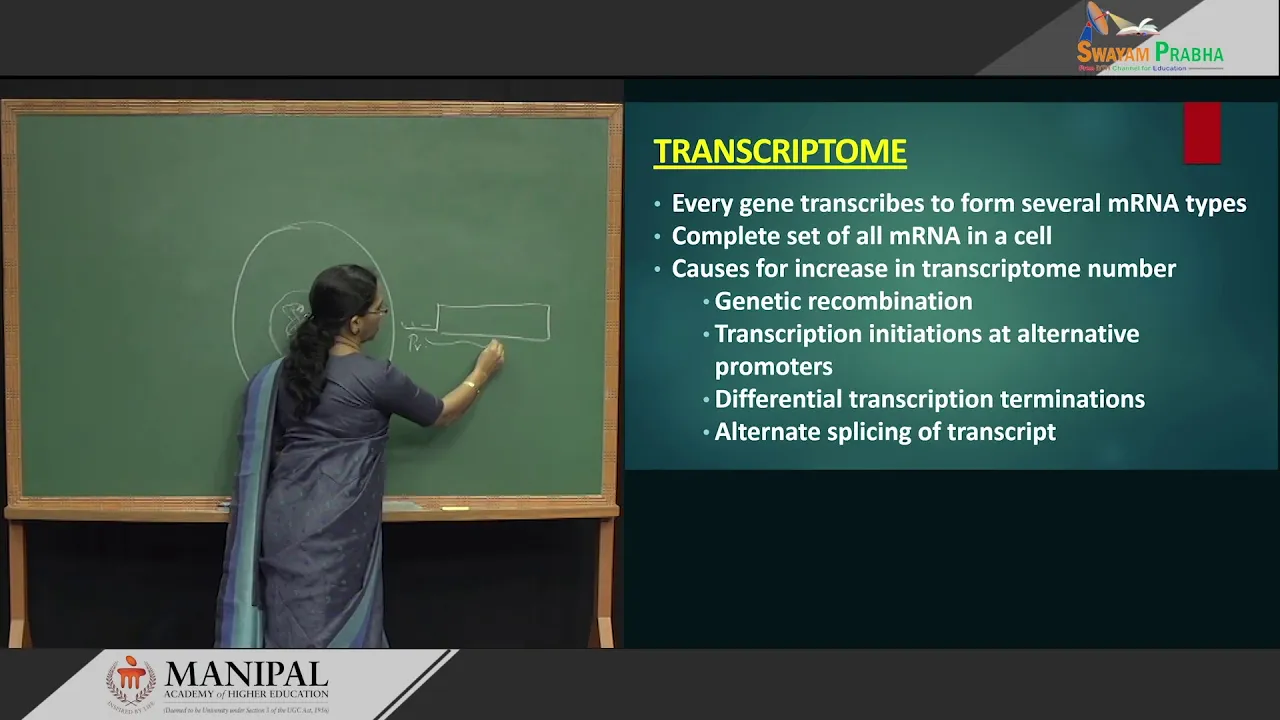
Added:The Central Dogma of Molecular Biology: A solid understanding of gene transcription (DNA to RNA) and translation (RNA to protein) is essential to follow the 'TTFL' (Transcription-Translation Feedback Loop) cycle.
Transcription Factors and Gene Regulation: Familiarity with how specific proteins act as transcription factors to activate or repress the expression of target genes.
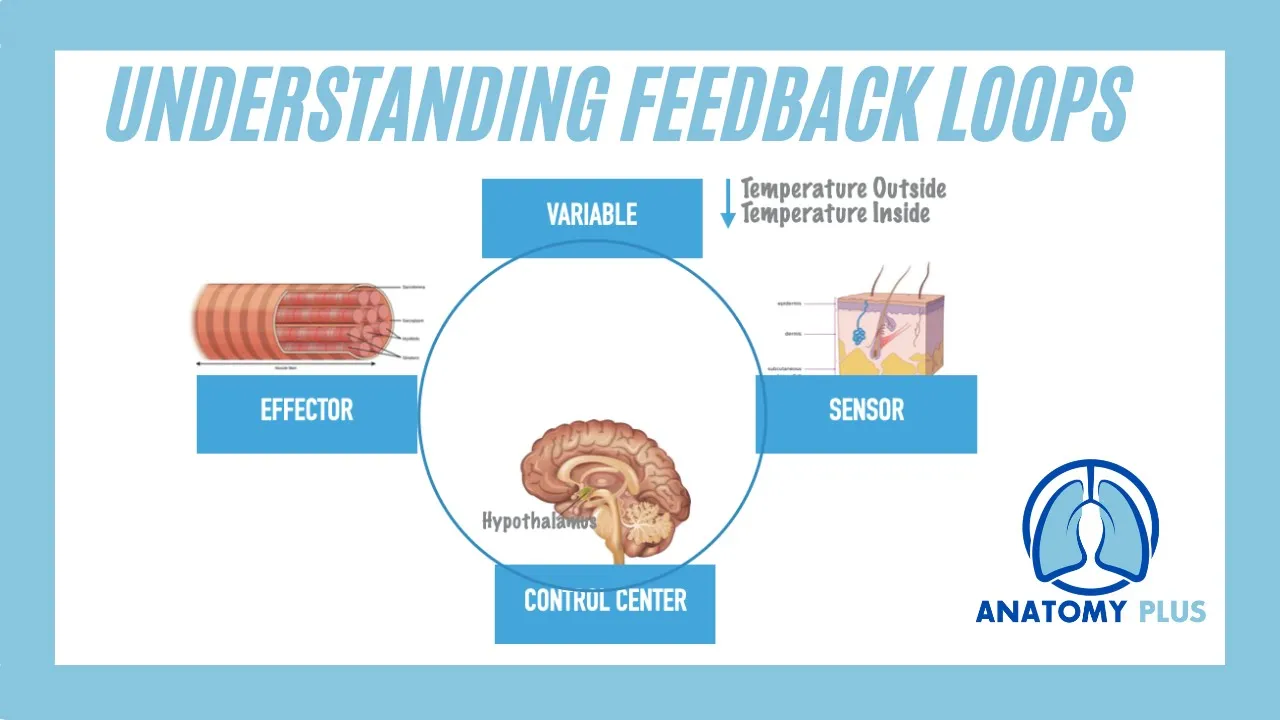
Feedback Loops in Biological Systems: Conceptual understanding of negative and positive feedback loops, where the output of a pathway regulates its own rate of production.
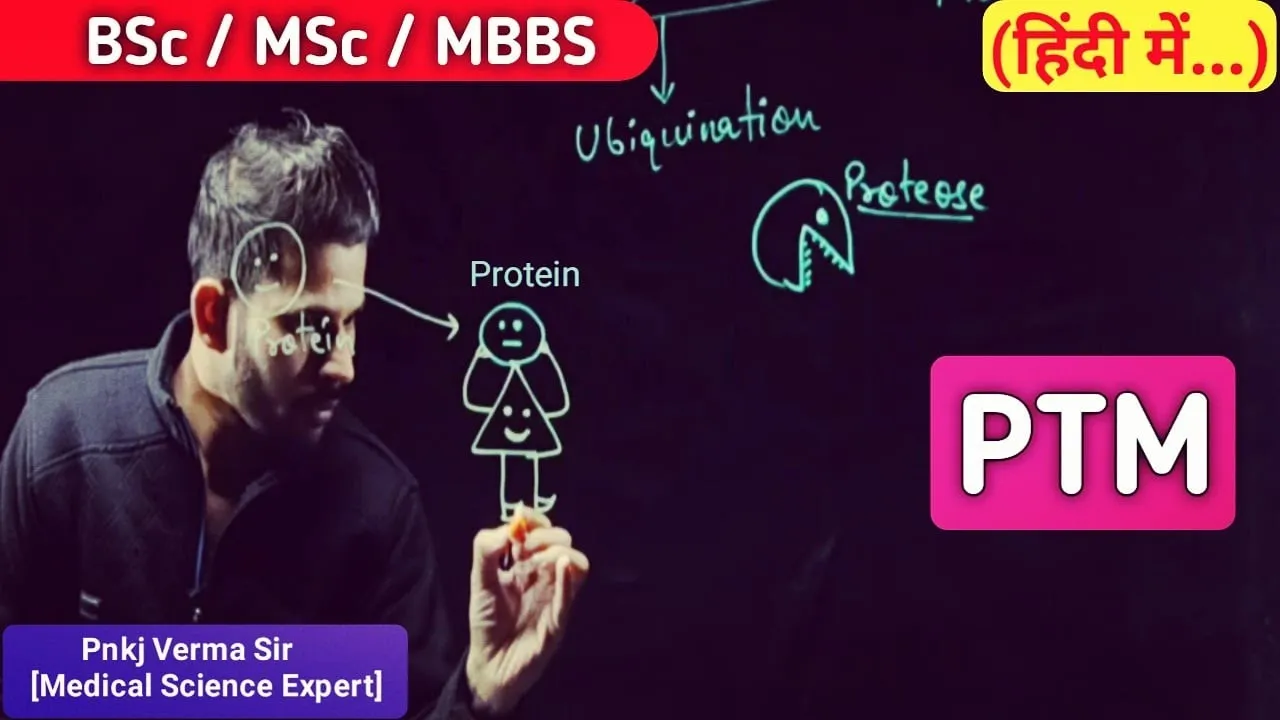
Protein Degradation and Post-Translational Modifications: Basic knowledge of how proteins are modified (e.g., phosphorylated) and degraded to control their lifespan and cellular localization.
The Suprachiasmatic Nucleus (SCN) and Entrainment: Exploring how the master clock in the mammalian brain synchronizes individual cellular clocks with environmental cues, primarily light.
Peripheral Clocks and Systemic Chronobiology: Investigating how peripheral organs (such as the liver, heart, and kidneys) maintain their own tissue-specific circadian rhythms and communicate with the SCN.
Chronopharmacology and Chronotherapy: Studying how the timing of drug administration can be optimized to align with circadian biological peaks to maximize efficacy and minimize side effects.
Pathophysiology of Circadian Disruption: Examining the clinical consequences of chronic clock misalignment, such as sleep disorders, metabolic syndrome, cardiovascular disease, and immune dysfunction.
10.3K views245likes6:33Original Release: 2019-07-22
hello and welcome back to the shakey Simon show so today we'll be looking at the question what makes the circadian clock tick TTFN L so in the last video I introduced you to the concept of the circadian clock and the circadian rhythm and what that's about and how it is important for coordinating different responses in the body so check out that video the links in the description but this video will address how the circadian clock operates molecularly and the keep rating factors and genes that are involved in regulating this process now work on the discovery of some of these key factors by these three guys here Geoffrey Howe micros patch and Mark young led to them bring awarded the 2017 napal Prize in Physiology or medicine so in the last video I gave you knows about but brief introduction to the key components involved in coordinating this 24-hour cycle so in this video I hope to give you more insight into the what these different factors are doing and how this process is operating so because we're mammals I will focus on the mammalian key components in this video so the four key components to get to grips with is clock female born cry or cryptochrome and paths or periods and just add a bit to the complexity you have cry one and you have cry 2 and there are three different copies of the periods protein and so parts of the proteins functions requires that clock and beam r1 interact with each other and likewise cry and purr interact with each other as well to carry out some of their functions so what is that function so the call circadian clock factors acts to coordinate the T t fo and so T TF o is the transcription translation feedback loop and so this is the belief that regulates the 24-hour cycle in the circadian rhythm it is what makes sure that the rhythm is around 24 hours and feedbacks on itself and this is the negative feedback with delay that we spoke about in the last video so how do these korkin see the Sun so let's start with clock and beam r1 so as I mentioned previously clock and Beamer one former diamond together and they are both transcription factors so this means that they regulate the expression of different genes so to perform their role they need to be in the nucleus of the cell and so interestingly two of the genes that clock and Bhima one regulate the expression of our cryptochrome and periods and they promote the expression of these two genes so in addition to those two they regulates a whole plethora of other genes as well but of interest to the negative feedback we're talking about here crimped cream and power of the most interest so quiet and paths go into the cytosol to get translated into protein and it's their protein products that then go back into the nucleus and they act to repress the activity of clock and beam r1 so by repressing the activity of clock and Bhima one they effectively repressed the promotion of their own gene expression see if that made any sense what's happening is that cry and purr are acting to prevents their own expression and this therefore reduces the level of protein inside so and so it is thought that their synthesis and their repression of synthesis is what coordinates the 24-hour timescale of the circadian clock but this is just one leap of three main interconnected loops that help to coordinate and keep the robustness of this 24-hour cycle so let's just briefly recap what we've covered so far so that is clock and Bhima one drive the expression of cryptogram and periods in addition to cryptochrome in periods they also drive the expression of rev AB and BA and so these two laser proteins that are interconnected with the other loop because they act to regulate the expression of B male 1 so rev up acts to repress the expression of female 1 whereas brought activate suits and so the third leap considered to be most important for the regulation of the circadian clock is the BP which is the d-box binding protein and so DPP is interconnected because one of his binding proteins is regulated by the competition between rev up and roll so rev up and roll control the expression of a protein that interacts with DBP which is the third loop office interconnected loop system that keeps a robust 24 hour roughly rhythm that is important for the circadian clock but even with these complicating interconnected loops of the regulation of gene expression this doesn't fully complete the understanding of how we get every bus 24-hour rhythm in addition to synthesis there's also protein degradation which is also critical to the regulation and robustness of the circadian rhythm so in particular it seems that the degradation of the protein periods and the protein crypt cream is important for completing the 24-hour cycle so cryptochrome gets degraded when it is phosphorylated by ampk which is a kinase protein and so this additional phosphates enables it to be recognized by fbx l3 which then triggers cry for degradation similarly periods also gets phosphorylated but this time by the protein C k1 Delta or epsilon and the additional phosphates that enables it to be recognized by the beta t RCP protein which then causes period to be degraded as well so this protein degradation acts in addition to the repression of gene expression that was law earlier to make sure that they've period encrypt chrome levels decrease before they then increase during the next cycle of the circadian rhythm so I've put a link to this paper here in the description for more information and more detailed information about the mammalian components involved in regulating the circadian clock but hopefully this video has given you an overview into the different factors and how they cooperates and are interconnected and this creates a robust feedback mechanism to keep a 24-hour cycle
Up Next
24:22
Genetics of Circadian Rhythms: PER2 Phosphorylation
@scicommlab
2.7K views•2017-11-20
50:12
Bacterial Communication: Quorum Sensing and Biofilm Formation Explained
@JHUAAP
12.6K views•2011-06-28

5:35
Enteric Nervous System Explained: The Gut's Brain | Neurobiology Lecture
@alumniu6029
438 views•2018-09-12
7:08
Bacteriophages: Earth's Deadliest Killers and Future Antibiotics
@kurzgesagt
34.6M views•2018-05-13
Related Study Plans & Knowledge Roadmaps
Structured learning paths in Biology
biology
RNAi: Biogenesis, RISC & Gene Silencing
01Molecular Biology Foundations: DNA to Protein
02Introduction to RNA Interference (RNAi)
03Molecular Biogenesis of miRNA and siRNA
+ 2 more learning modules
10h5 modules
Explore Roadmap
biology
Mycorrhizae: Signaling, Biophysics & Ecology
01Foundations of Mycorrhizal Symbiosis
02Molecular Signaling and Root Colonization
03Biophysics and Bioenergetics of Nutrient Exchange
+ 1 more learning modules
11h4 modules
Explore Roadmap
biology
Circadian Clocks: TTFL, SCN & Periphery
01Foundations of Molecular Biology & Gene Expression
02Introduction to Chronobiology and Actograms
03The Core TTFL: Molecular Architecture of the Clock
+ 3 more learning modules
14h6 modules
Explore Roadmap
biology
Population Genetics: Math, Drift & Selection
01Genetic & Probability Foundations
02The Hardy-Weinberg Principle and Baseline Models
03Mathematical Modeling of Natural Selection
+ 3 more learning modules
18h6 modules
Explore Roadmap