Animal Migration: Sensory Systems & Navigation
Learning Goal: Examine the physiological and behavioral mechanisms of animal migration, focusing on the sensory systems used for magnetoreception, celestial navigation, and olfactory homing.
- Prerequisites: Basic understanding of evolutionary biology, general animal physiology, and introductory sensory neuroscience.
- Estimated Total Study Time: 12 hours
Module 1: Foundations of Animal Migration
This module establishes the evolutionary and physiological foundations of animal migration. You will explore the environmental pressures that drive species to undertake long-distance journeys, alongside the systemic physiological preparations—such as hyperphagia, fat deposition, structural changes, and zugunruhe (migratory restlessness)—that animals undergo before departing.
Recommended Videos

Why this video is valuable: This video provides a deep dive into the physiological preparations required before migration begins. It explains how hormonal signals trigger voracious appetite (hyperphagia) and rapid weight gain. This preparation is highly demanding; some migratory birds lose up to half of their body weight during the trek. It details how internal organs transform and muscle efficiency scales up structurally to accommodate the extreme energy expenditure.
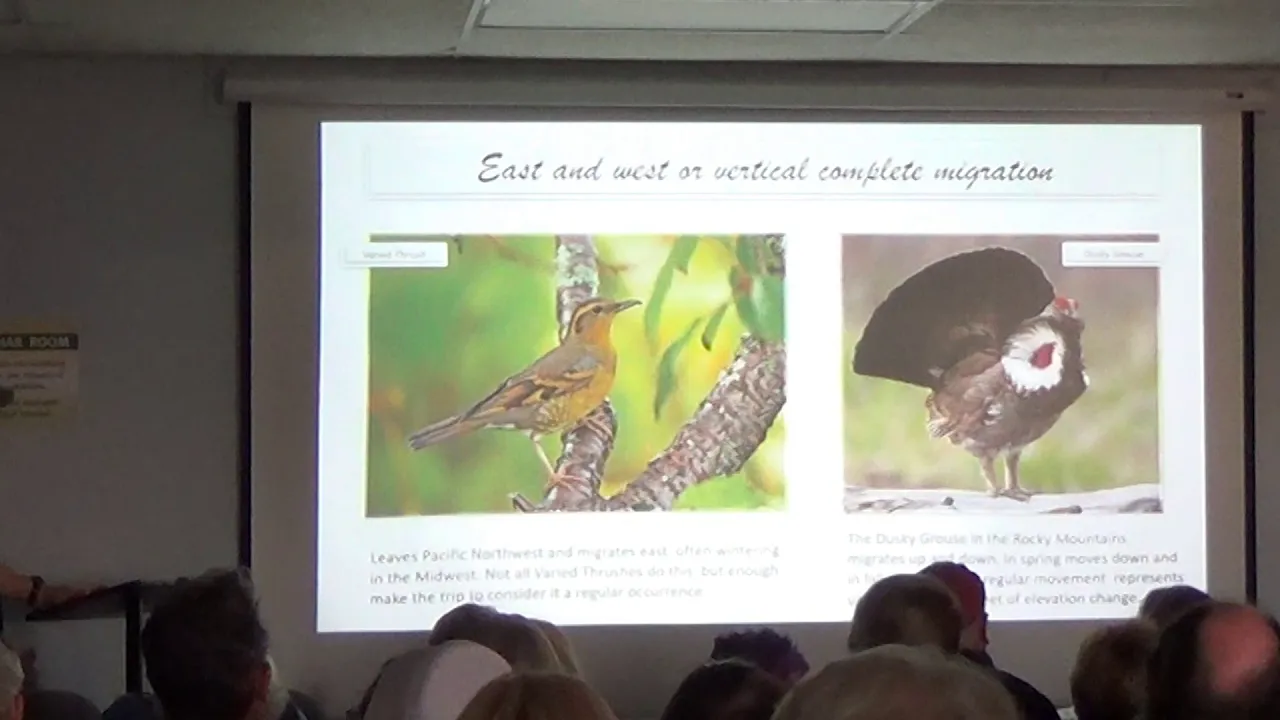
Why this video is valuable: Using wild birds as primary examples, this video focuses on physical and anatomical changes prior to seasonal migration. It highlights how birds adjust their insulation (such as white-breasted nuthatches dramatically increasing their feather count for thermoregulation) and build highly calculated fat reserves to act as direct fuel.
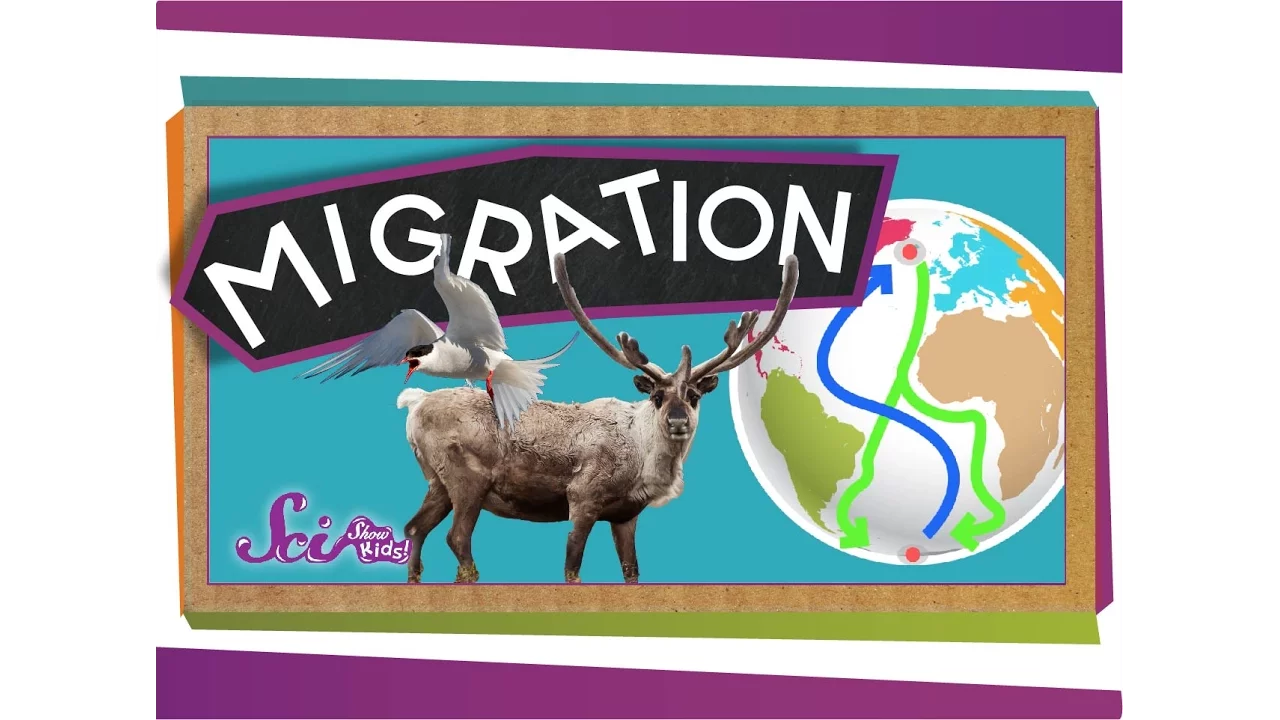
Why this video is valuable: This serves as a foundational conceptual overview of the environmental triggers that initiate migration. It introduces the ecological balance of changing temperatures, seasonal food availability, and reproductive cycles that compel distinct species to abandon secure home ranges for demanding visual landscapes.
Note on Zugunruhe (Migratory Restlessness): While general video coverage of the behavioral phenomenon of zugunruhe is light in standard media pools, it represents a crucial neuroendocrine phase. It is characterized by nighttime fluttering and elevated activity levels in caged migratory birds, triggered by changing photoperiods and corticosterone/prolactin fluctuations. Independent research into papers on avian endocrinology is highly recommended to supplement this area.
Knowledge Checkpoint
- Define zugunruhe and identify its behavioral and hormonal hallmarks.
- Detail the physiological changes (e.g., hyperphagia, organ atrophy, muscle remodeling) that occur prior to departure.
- Explain the evolutionary trade-offs of migrating versus remaining in a resource-scarce environment.
Module 2: Magnetoreception: The Quantum and Chemical Compass
This module investigates the biophysical mechanisms underlying an animal's ability to sense Earth's magnetic field. We will analyze the competing (and often complementary) models of magnetoreception: the light-dependent quantum radical-pair mechanism mediated by cryptochrome proteins in the eye, and the mechanical, iron-mediated systems utilizing biogenic magnetite.
Recommended Videos
![Quantum Biology [Part 3] - How Birds (Might) Navigate With Quantum Mechanics](https://i.ytimg.com/vi/NW7VUFgwqg8/sddefault.jpg)
Why this video is valuable: An exceptional primer on the intersection of quantum mechanics and avian biology. It breaks down the Klaus Schulten hypothesis: how light strikes cryptochrome proteins in a bird’s retina to generate a radical pair. The spins of these entangled electrons oscillate between singlet and triplet states, rendering the chemical yield highly sensitive to the orientation of Earth’s weak magnetic field.
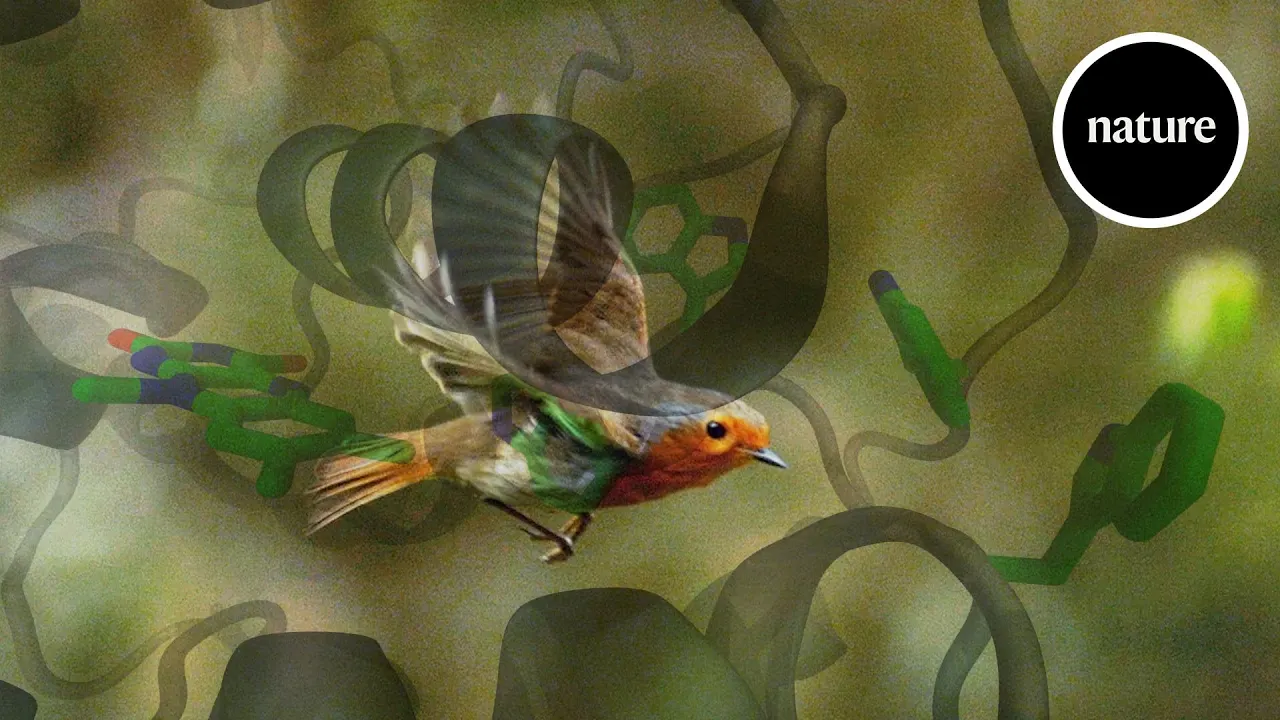
Why this video is valuable: This video focuses on the biochemical kinetics of cryptochromes (specifically Cry4) found in the eyes of migratory songbirds. It demonstrates how blue-light activation initiates electron transfer along a chain of tryptophan residues to a flavin adenine dinucleotide (FAD) cofactor, creating the transient radical pairs that act as a quantum compass.
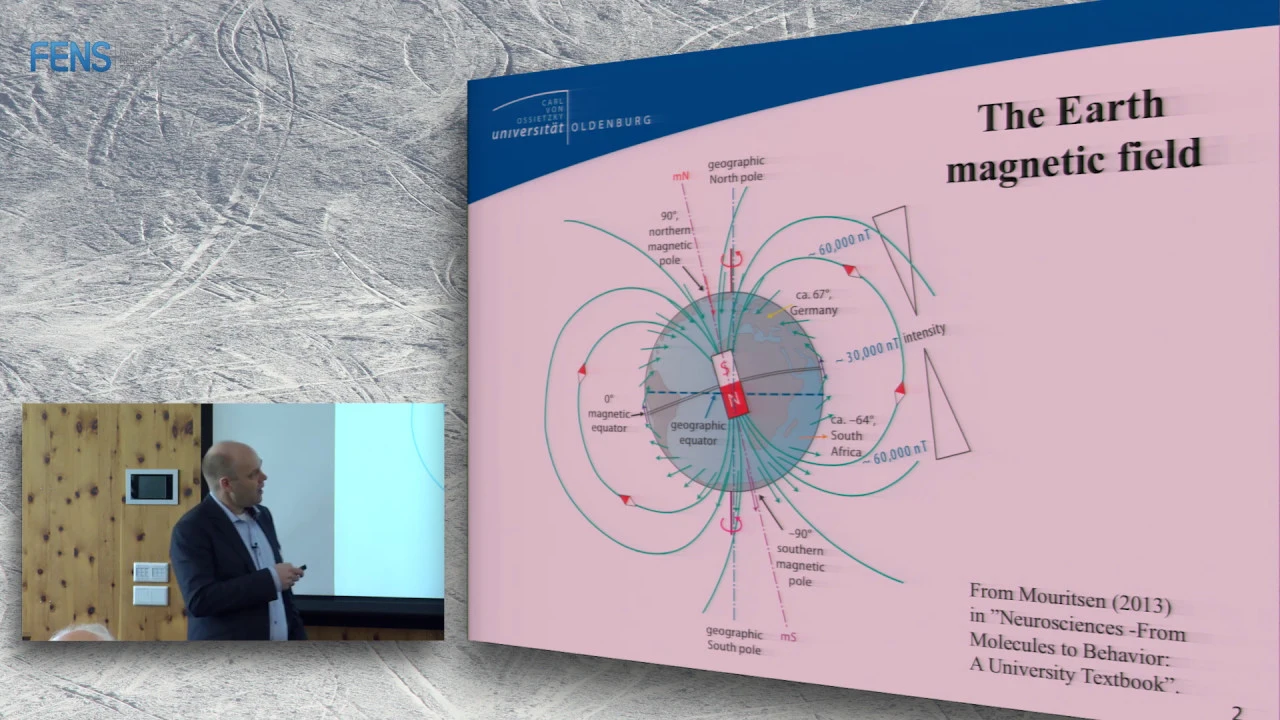
Why this video is valuable: Presented by lead researcher Henrik Mouritsen, this lecture differentiates between the two primary components of magnetoreception: the inclination compass (which detects the angle at which magnetic field lines intersect the Earth's surface) and the intensity map (which measures local field strength variations).
Why this video is valuable: This video bridges the gap between quantum radical pairs and magnetite-based receptors. It details how microscopic crystals of magnetite (), found in the ophthalmic branch of the trigeminal nerve in certain birds, fish, and insects, physically rotate or deform cell membranes in response to magnetic gradients, acting as a magnetic map.
Knowledge Checkpoint
- Detail the biochemical steps of the radical-pair mechanism in Cry4 proteins.
- Contrast the physiological roles of an inclination compass (cryptochromes) and an intensity-based magnetic map (magnetite).
- Identify where magnetite receptors are primarily located and how they transmit mechanical signals to the central nervous system.
Module 3: Celestial Navigation: Sun, Stars, and Polarization
This module explores how migrating species read the sky. You will study how organisms use the sun as a compass, adjusting for its motion using circadian clocks. Additionally, you will examine the classic experiments of Stephen Emlen demonstrating star-map navigation, and dissect how polarization vision allows animals to navigate on overcast days or during twilight.
Recommended Videos

Why this video is valuable: This segment explains Stephen Emlen's landmark experiments at Cornell University using "Emlen funnels." It details how young Indigo Buntings, when exposed to artificial planetarium skies, learn to identify the celestial center of rotation (the stars close to Polaris in the Northern Hemisphere) rather than relying on hardcoded individual star patterns.
Why this video is valuable: Expanding on star-based learning, this video details experimental manipulation of Indigo Buntings. Hand-reared buntings raised under a modified rotating planetarium projection (altered to rotate around an incorrect star, Betelgeuse) oriented themselves relative to the false rotation center, confirming that stellar navigation is a learned spatial pattern, not an innate star map.
Why this video is valuable: A masterful exploration of the Time-Compensated Sun Compass (TCSC) in Monarch butterflies. It explains how monarchs pair their visual pathway (detecting the sun’s azimuth) with an integrated biological clock located within their antennae. It details how their tiny brains process these dual inputs to calculate a constant southward course over thousands of miles.

Why this video is valuable: This presentation introduces the concept of polarized light compasses. Marie Dacke shows how nocturnal organisms analyze the polarization patterns of moonlight (formed as photons collide with atmospheric particles) to establish a straight course, revealing that polarized skylight acts as a key celestial compass.
Knowledge Checkpoint
- Describe the design and scientific significance of an Emlen funnel experiment.
- Explain how a Time-Compensated Sun Compass functions, detailing the roles of the antennae and the central complex of the brain.
- What is polarized light, and how does the polarization pattern of the sky change relative to the position of the sun or moon?
Module 4: Olfactory Homing: Tracking Chemical Signatures
This module examines the physiological mechanisms of olfactory-guided navigation. We focus on two extraordinary instances: salmon "imprinting" on the chemical composition of their natal rivers, and pelagic seabirds navigating vast oceanic expanses by mapping concentrations of biogenic gases like dimethyl sulfide (DMS).
Recommended Videos

Why this video is valuable: Though presented in a narrative format, this clip provides an exceptionally clear explanation of chemical imprinting in salmon. It shows how juvenile salmon, during the smoltification stage, store a highly specific chemical "snapshot" of their natal stream's mineral and organic profile. This olfactory memory remains stable for years while they mature at sea.
Why this video is valuable: This short, focused segment details the precise mechanics of olfactory imprinting. It highlights how the chemical profile of a natal stream is recorded during early developmental windows, allowing returning adults to follow this odor trail upriver against the current.

Why this video is valuable: Science journalist Ed Yong explains how pelagic seabirds (such as albatrosses, petrels, and shearwaters) construct "olfactory landscapes" over the trackless ocean. They use highly sensitive olfactory systems to detect dimethyl sulfide (DMS)—a compound released by marine phytoplankton when grazed upon by zooplankton—which flags reliable feeding zones and geographical features.
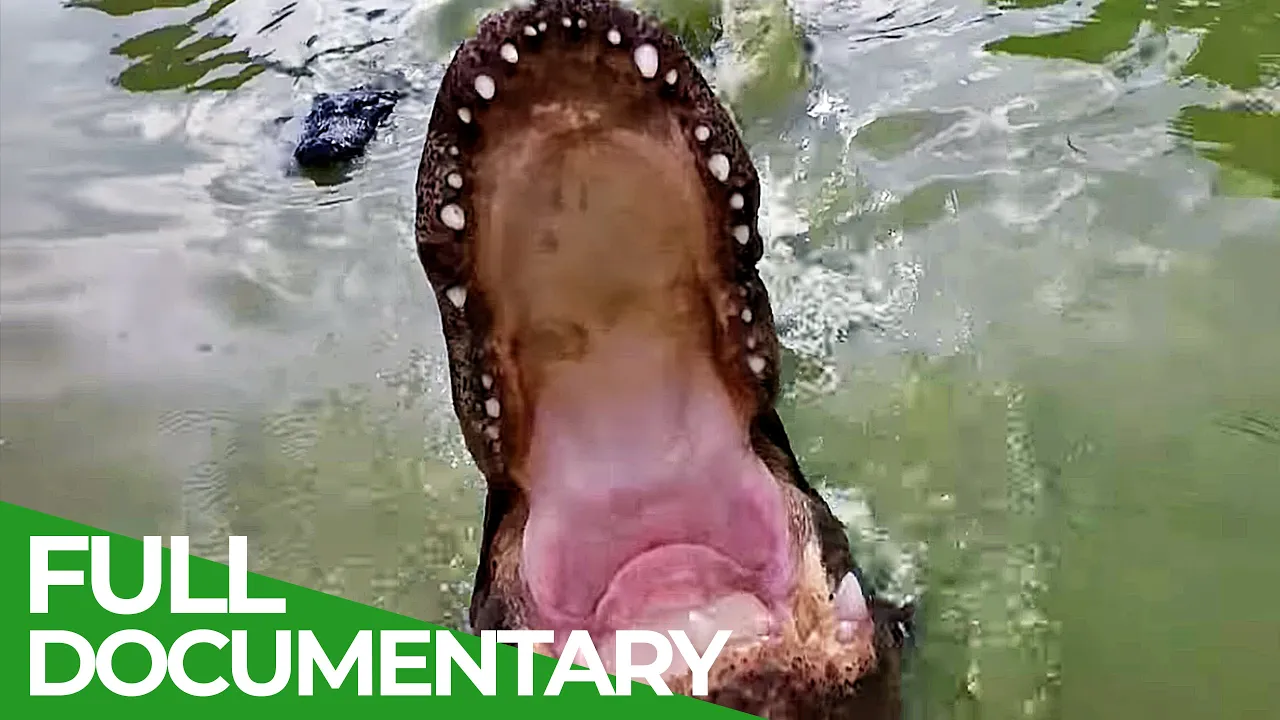
Why this video is valuable: This video highlights the structures salmon use to process chemical environments. It details the olfactory rosette—a highly folded sensory epithelium in the nasal cavity that contains specialized olfactory receptor neurons. This rosette operates alongside micro-magnetite structures to provide a dual-sensory guidance system.
Knowledge Checkpoint
- Define chemical imprinting and identify the developmental window (smoltification) during which it occurs in salmon.
- What is the role of Dimethyl Sulfide (DMS) in pelagic seabird navigation?
- Describe the anatomical structure of the olfactory rosette and how it converts chemical concentrations into neural signals.
Module 5: Sensory Integration: How the Brain Maps the Journey
How does an animal process competing, complex directional cues simultaneously? This module explores the neural architecture of sensory integration. You will examine how the brain integrates visual, magnetic, and olfactory maps, weighting each cue depending on its reliability, distance traveled, and environmental conditions.
Recommended Videos
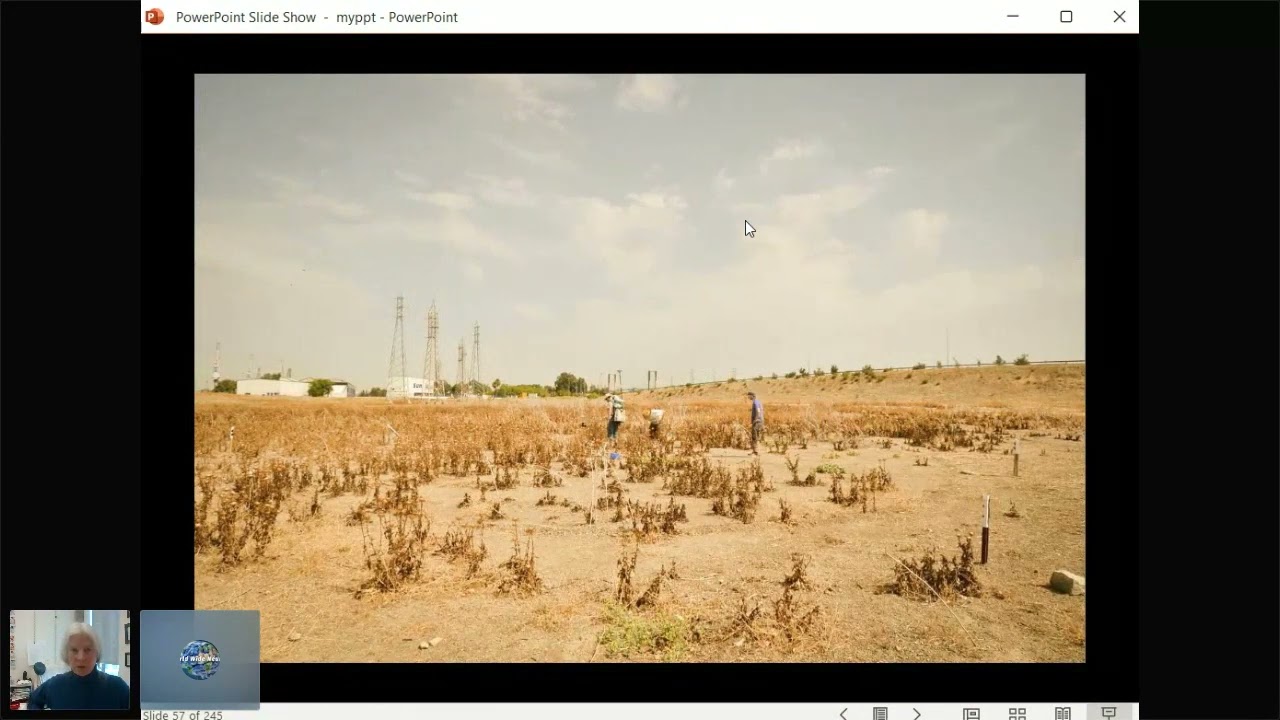
Why this video is valuable: An excellent academic look at how insect brains integrate distinct sensory streams. Professor Barbara Webb discusses how insects combine path integration (dead reckoning via internal motor feedback) and visual memory. The brain dynamically weights these cues based on uncertainty: as path integration errors accumulate over distance, the animal shifts reliance toward visual or chemical markers.

Why this video is valuable: This segment illustrates multi-modal navigation in homing pigeons. Pigeons continuously cross-reference sensory datasets, using visual landmarks and the sun compass for local tracking, while relying on olfactory landmarks and magnetic fields to construct their global position map.
![[123] Sensation, Perception and Action An Evolutionary Perspective By Johannes Zanker](https://i.ytimg.com/vi/-S8p_QDCR6Q/maxresdefault.jpg)
Why this video is valuable: This lecture outlines the general cognitive principles of sensory integration. Using phenomena like the McGurk Effect, it shows how brains resolve sensory conflicts by overriding less reliable inputs with highly structured cues, illustrating how animal brains construct a single, unified map from disparate physical inputs.
Knowledge Checkpoint
- Explain the concept of "optimal cue combination" and "cue weighting" in animal navigation.
- How does a homing pigeon reconcile a conflict between its magnetic compass and its olfactory/visual map?
- What role does the central complex (CX) of the insect brain play in synthesizing spatial information?
Course Map
Key People Index
- Stephen Emlen
Context: Developed the Emlen funnel apparatus at Cornell University. His experiments proved that indigo buntings navigate using star patterns, learning the center of celestial rotation during development. - Klaus Schulten
Context: Renowned biophysicist who first proposed in 1978 that quantum radical-pair reactions in cryptochrome proteins could allow animals to perceive magnetic fields. - Henrik Mouritsen
Context: Leading researcher in animal cognitive biology. His work confirmed that cryptochrome 4 (Cry4) in the retinas of night-migratory songbirds is highly optimized for magnetic sensitivity. - Marie Dacke
Context: Biologist who demonstrated that nocturnal dung beetles utilize the polarized light patterns of moonlight to navigate, establishing the biological mechanisms of polarization-based compasses. - Barbara Webb
Context: Roboticist and neuroethologist studying how insects represent space. Her research on path integration and visual memory models how neural circuits calculate vectors and weigh multi-sensory inputs.
Final Self-Assessment
Perform a comprehensive review of your understanding. You should be able to confidently check off each of these items:
- Explain how zugunruhe is quantified in laboratory settings and describe its neuroendocrine triggers.
- Diagram the radical-pair mechanism, detailing the singlet-triplet spin oscillation and how an external magnetic field alters the biochemical yield of Cry4.
- Contrast the physical mechanics of magnetite-based reception with the quantum-mechanical properties of cryptochromes.
- Explain the step-by-step methodology of Stephen Emlen's planetarium experiments with Indigo Buntings.
- Define the role of the time-compensated sun compass, including how the circadian clock of the antennae adjusts the angle of the sun's azimuth.
- Describe how atmospheric polarization patterns occur and how animals detect them using specialized ocular structures (such as the dorsal rim area of insects).
- Detail the process of olfactory imprinting during smoltification in salmon, including how chemical compositions of water are encoded in long-term memory.
- Explain how pelagic seabirds translate dimethyl sulfide (DMS) gradients into ocean-spanning olfactory maps.
- Describe the neural computational models (e.g., vector calculus in the central complex) that animal brains use to integrate path integration with visual landmarks.
- Discuss how animals resolve conflicting sensory cues (e.g., when a magnetic cue points in one direction but celestial cues point in another).