






















![Migraciones Animales: Viajes de Vida o Muerte en la Naturaleza [Documental]](https://i.ytimg.com/vi/PNSNVjd7J1M/maxresdefault.jpg)

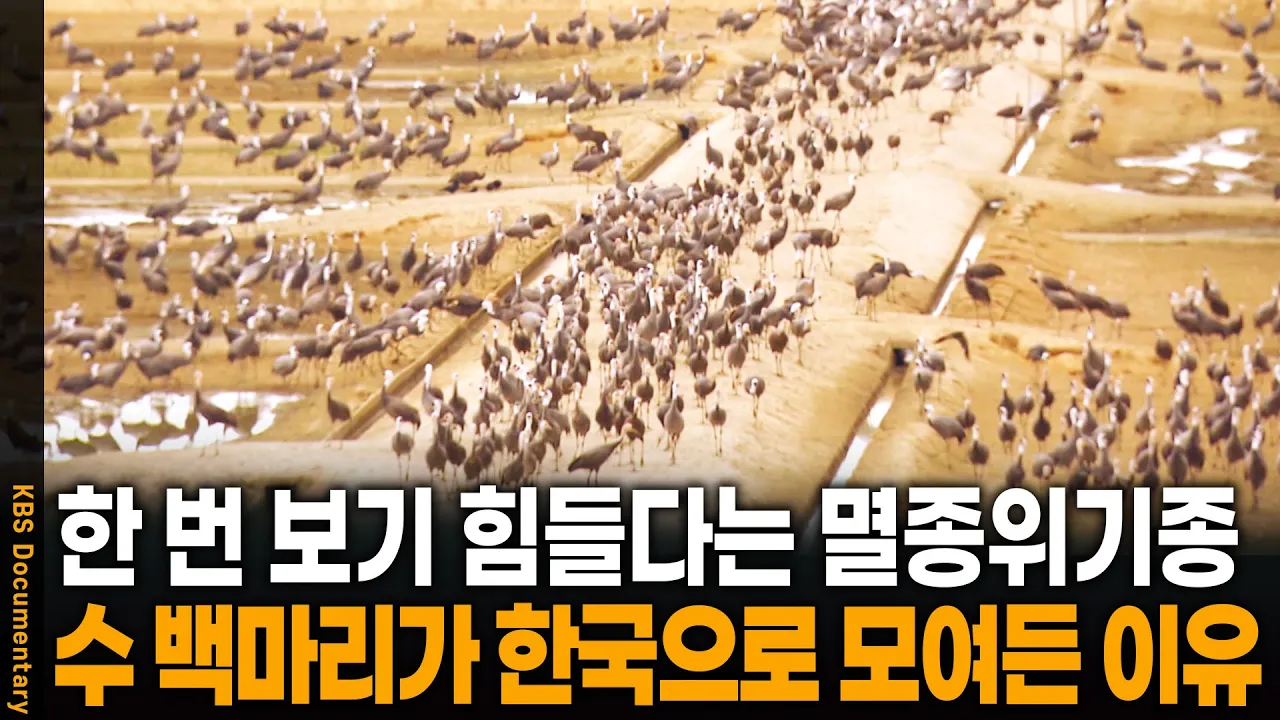



Animal migration is the long-distance movement of animals between different habitats at specific times of the year, driven by factors such as temperature changes, food availability, and reproductive needs; examples include caribou traveling 5,000 km annually between northern Canada/Alaska and coastal areas, humpback whales swimming over 15,000 km between polar feeding grounds and tropical breeding waters, and Arctic terns flying over 35,000 km from the North Pole to the southern tip of South America, with animals navigating using natural cues like stars, landscapes, and environmental features.
Animal Migration Explained: Why Animals Move | Science for Kids
Added:Understanding the basic needs of animals, such as food, water, shelter, and a safe environment for raising offspring.
The concept of seasonal weather changes and how winter and summer affect local environments and resources.
A basic familiarity with different animal habitats, such as the Arctic tundra, oceans, and forests.
The distinction between different animal groups, specifically mammals (like caribou and whales) and birds (like Arctic terns).
How migrating animals navigate across global distances, including the use of landmarks, the sun, stars, and the Earth's magnetic field.
Comparing migration with other winter survival strategies, such as hibernation, brumation, and physical adaptation.
The impact of human infrastructure and climate change on animal migration corridors and flyways.
Methods scientists use to track migratory species, such as satellite tagging, bird banding, and GPS technology.
859.9K views3.2Klikes4:31Original Release: 2016-11-16
Have you ever gone on a trip away from home?
Maybe you traveled in a car to see some family, or took a plane to go somewhere fun on vacation!
Well, did you know that a lot of animals take trips, too?
Many different kinds of animals move from one place to another.
And when they do, we say they migrate.
But not all kinds of trips that animals make are considered migration.
When Squeaks moves from the lab to the kitchen, we don’t call /that/ a migration.
Sorry, Squeaks...but we /can/ call it snack time!
Most of the time, migration means moving over a /long/ distance.
So, animals can migrate to different parts of a country...or even different parts of the world!
Now, migrations also happen at a certain /time/.
For example, you might have seen birds flying south for the winter.
That's a kind of migration!
But they’re not just going on a trip for fun.
Animals migrate for good reasons.
Many birds migrate in the winter because the weather is too cold for them, so they need to go someplace warmer.
Other animals, migrate long distances to look for food.
And sometimes, creatures migrate so that they can have babies in a place they know is safe.
It doesn’t matter if the animals move over land...through water...or in the air.
If an animal moves a certain distance, and does it at a certain time...it’s a pretty good bet they’re migrating.
So, what are we waiting for?
Let’s take a look at some cool animal migrations!
Let’s meet the champion of migration on land...the caribou.
Caribou live way up north, in places like Northern Canada and the state of Alaska.
And one group of caribou -- called a herd -- moves around this area in a big loop...and they do it every year.
For most of the winter, this herd of caribou lives here, right on the border between Canada and Alaska.
Then, in early spring, around April, the caribou go on the move.
They travel about 600 kilometers north, to an area near the ocean.
And this place near the coast has lots of food for the caribou to eat.
So this is where the mother caribou have their babies!
But it’s not such a great place for long!
/That’s/ because by the middle of summer, the coast becomes home to big swarms of mosquitos and other biting insects!
So the herd goes on the move again...this time they move /away/ from the ocean.
Then, in the fall, when things start to get really cold, they move back south where there’s more food, and the weather is less harsh.
Finally, when spring arrives...they start all over again!
At the end of the year, some of these caribou have walked almost 5,000 kilometers!
Whew!
When it comes to migrations in the sea, whales go farther than any other kind of animal.
Lots of kinds of whales migrate, but the whale that migrates the farthest is this one—the humpback whale.
Most kinds of humpbacks spend the summer in cool waters up north, near places like Alaska.
All summer they eat things like shrimp and small fish, building up the energy they’ll need for the trip they’re about to take.
When the water starts to get too cool, the humpbacks swim south to warmer waters near Hawai’i and other tropical islands.
There, the whales rest and have their babies.
And they stay there until the babies are strong enough to swim back north.
It can be a long swim, too!
The longest recorded swim for a humpback whale is over 15,000 kilometers!
But one animal that’s in the running for making the longest migration /ever/ is the Arctic Tern.
This bird isn’t very big...it’s only about the size of the ruler you use at school … and some of the time, it lives near the North Pole.
When winter comes, though, it doesn’t just go a /little bit/ south.
The Arctic tern flies over 35,000 kilometers to the very tip of South America.
That’s about as far south as you can go!
It’s not only one of the longest migrations by air...it’s one of the longest migrations made by /any/ animal!
How do all of these animals find their way?
After all, they don’t have maps, or phones, or computers like people do.
Well, different animals have their own ways to keep them from getting lost.
Some animals look to the sky and use the stars, moon, and sun to help them find their way.
Others stay on the right path by watching the landscape and following features like mountains and rivers.
Caribou, humpback whales, and Arctic terns are just /some/ of the animals that make these amazing journeys.
But fish, insects, and even jellyfish migrate, too.
That’s something to think about the next time /you’re/ on a trip!
Thanks for joining me on SciShow Kids!
Do you have a question you’d like us to answer?
Ask a grownup to help you to leave a comment on this video, or ask them to send an email to [email protected]!
Up Next
68:32
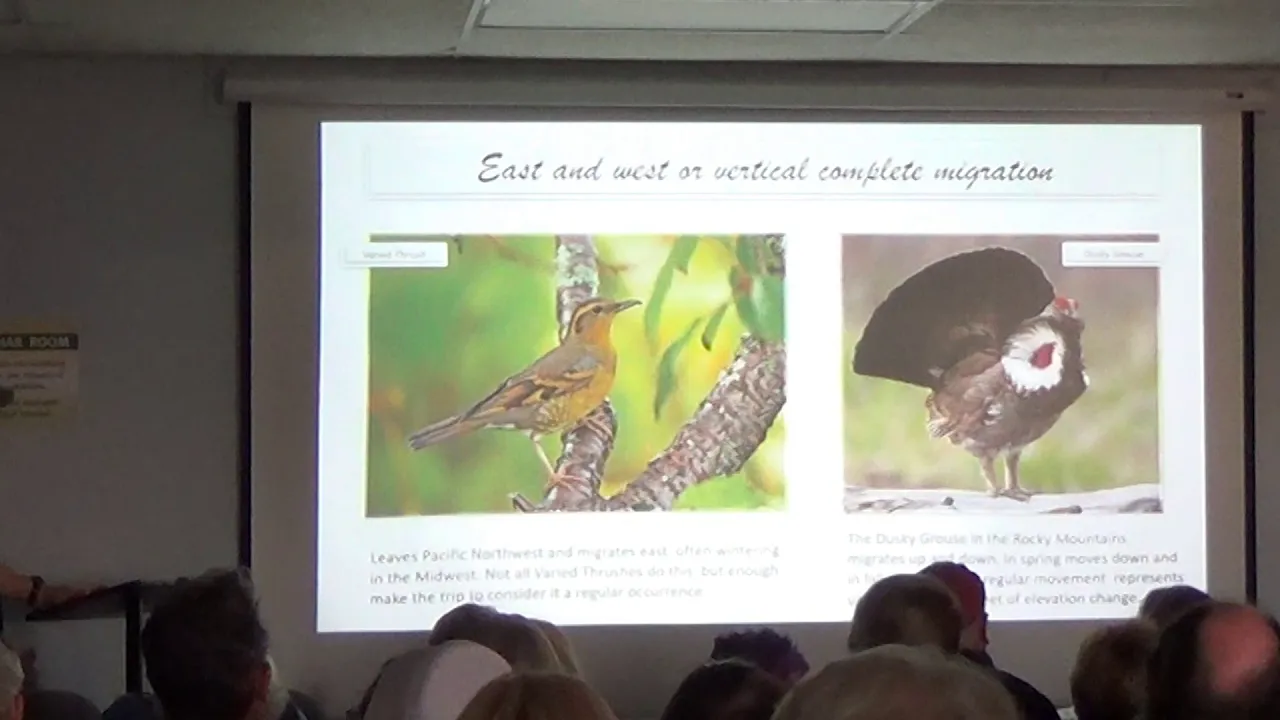
Bird Migration Explained: Incredible Journeys of North American Birds
@goldcrestdistributing1243
141 views•2019-10-29

50:12
Bacterial Communication: Quorum Sensing and Biofilm Formation Explained
@JHUAAP
12.6K views•2011-06-28

5:35
Enteric Nervous System Explained: The Gut's Brain | Neurobiology Lecture
@alumniu6029
438 views•2018-09-12
7:08
Bacteriophages: Earth's Deadliest Killers and Future Antibiotics
@kurzgesagt
34.6M views•2018-05-13
Related Study Plans & Knowledge Roadmaps
Structured learning paths in Biology
biology
RNAi: Biogenesis, RISC & Gene Silencing
01Molecular Biology Foundations: DNA to Protein
02Introduction to RNA Interference (RNAi)
03Molecular Biogenesis of miRNA and siRNA
+ 2 more learning modules
10h5 modules
Explore Roadmap
biology
Mycorrhizae: Signaling, Biophysics & Ecology
01Foundations of Mycorrhizal Symbiosis
02Molecular Signaling and Root Colonization
03Biophysics and Bioenergetics of Nutrient Exchange
+ 1 more learning modules
11h4 modules
Explore Roadmap
biology
Circadian Clocks: TTFL, SCN & Periphery
01Foundations of Molecular Biology & Gene Expression
02Introduction to Chronobiology and Actograms
03The Core TTFL: Molecular Architecture of the Clock
+ 3 more learning modules
14h6 modules
Explore Roadmap
biology
Population Genetics: Math, Drift & Selection
01Genetic & Probability Foundations
02The Hardy-Weinberg Principle and Baseline Models
03Mathematical Modeling of Natural Selection
+ 3 more learning modules
18h6 modules
Explore Roadmap