




![Ökologie - Klausuraufgaben [Teil 1] - [Biologie, Ökologie, Oberstufe]](https://i.ytimg.com/vi_webp/NKcwXBFNQMM/maxresdefault.webp)









Bird migration is a complex, multi-faceted phenomenon driven primarily by photoperiod (day length) rather than food scarcity, involving diverse strategies including complete migration, partial migration, eruptive movements, and nomadic behavior, with birds employing sophisticated navigation systems combining celestial cues, magnetic sensing, and learned flyways to undertake remarkable journeys spanning thousands of miles.
Bird Migration Explained: Incredible Journeys of North American Birds
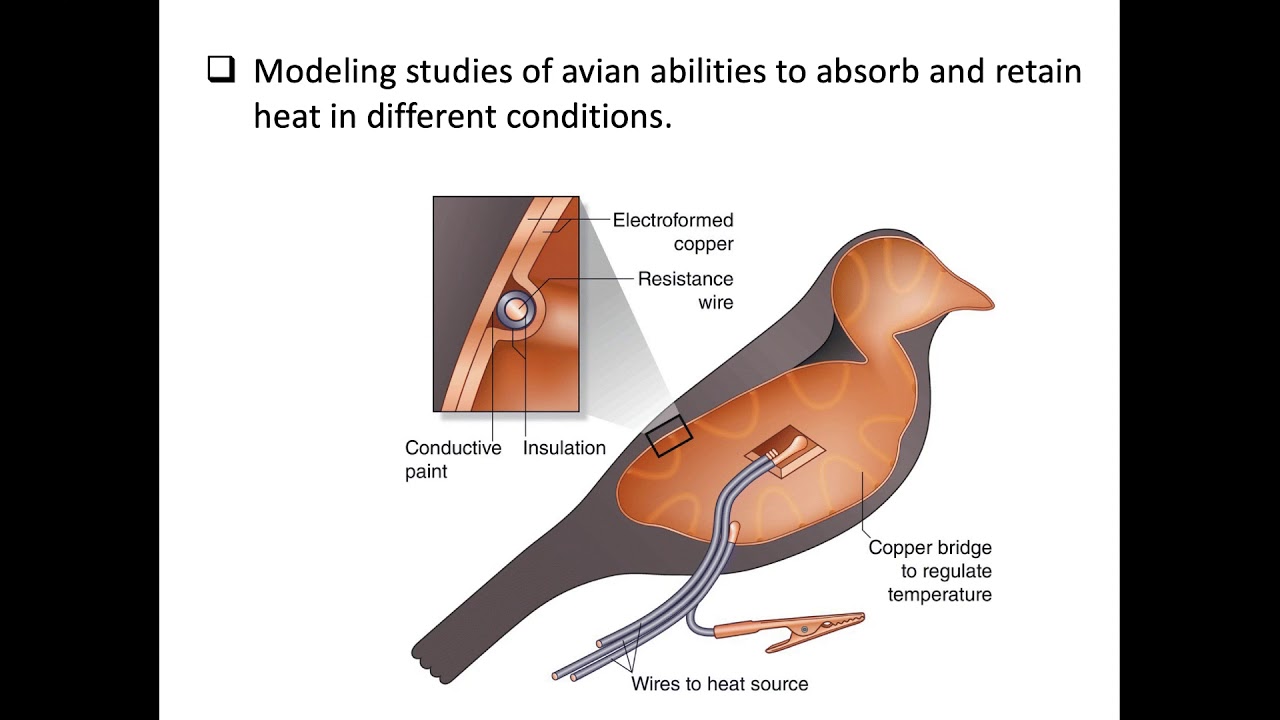
Added:Basic avian anatomy and physiology, including how metabolic rates and energy storage (fat reserves) support physical endurance.
The concept of seasonality and how Earth's axial tilt causes changes in climate, daylight, and resource availability.
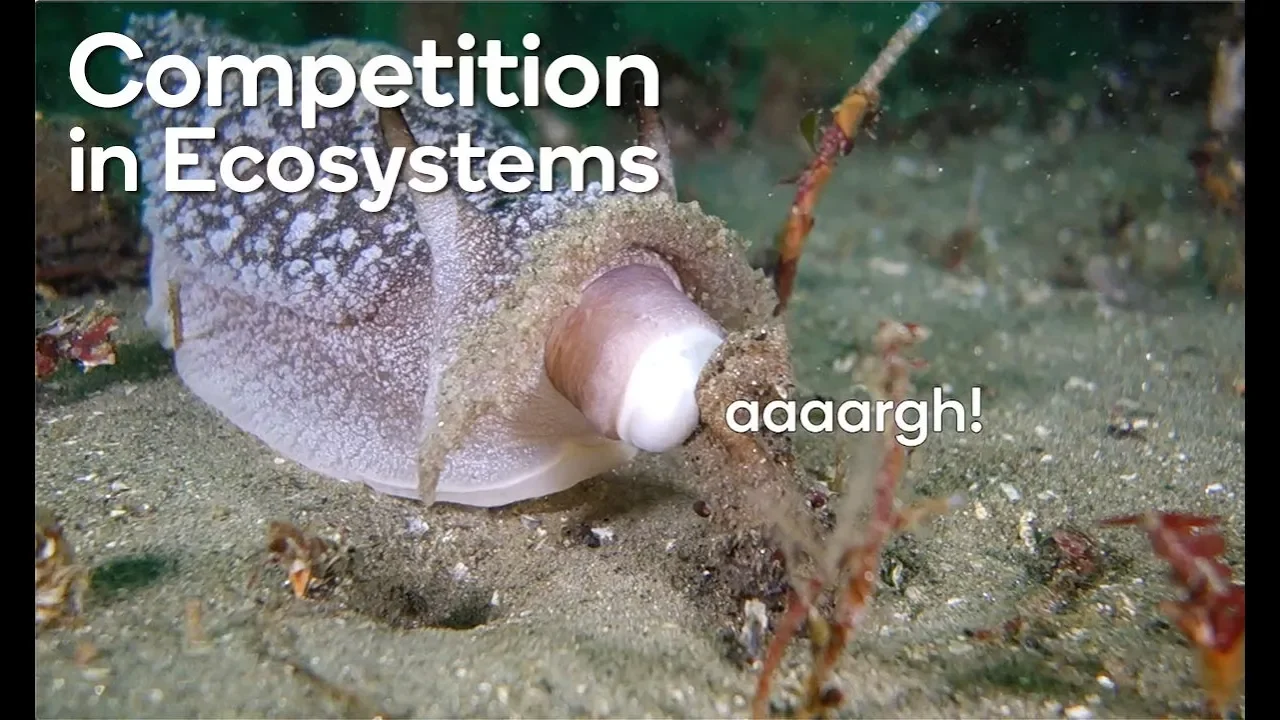
Fundamental ecological principles of habitats, ecosystems, and the necessity of resource competition.
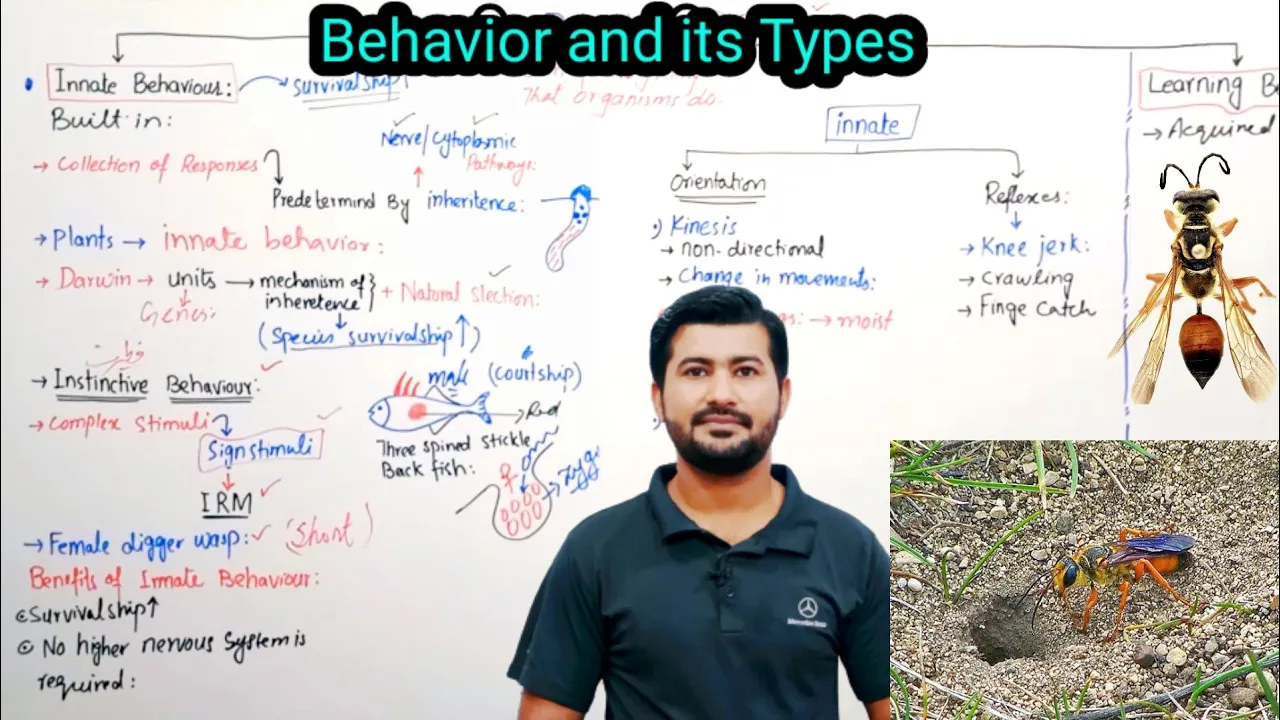
An introductory understanding of animal behavior, specifically innate (genetic) versus learned behaviors.
The impact of climate change, habitat fragmentation, and light pollution on migratory flyways and bird conservation strategies.
Advanced tracking technologies in ornithology, such as satellite telemetry, geolocators, and the use of radar aeroecology.
The evolutionary biology of migration, including how migratory routes evolved and the genetic basis of migratory restlessness (zugunruhe).
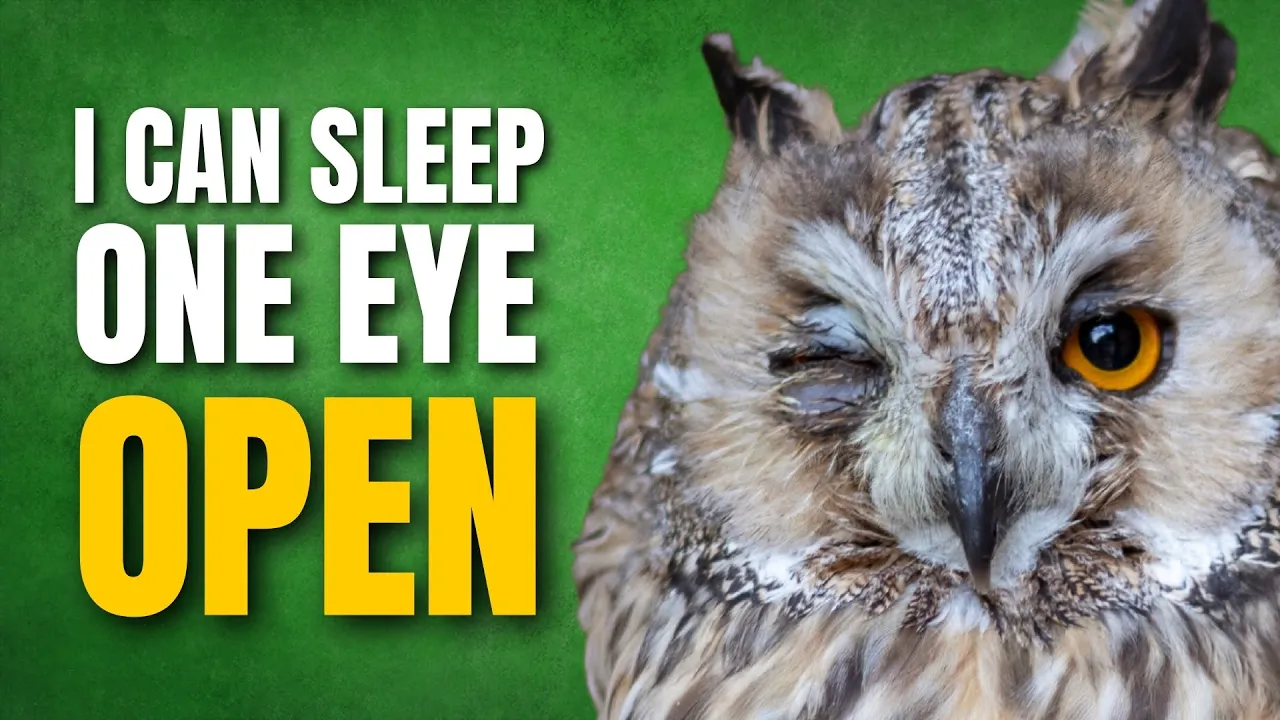
Deep physiological adaptations of migratory birds, such as metabolic changes, organ shrinkage, and unihemispheric slow-wave sleep during flight.
141 views1likes1:08:32Original Release: 2019-10-29
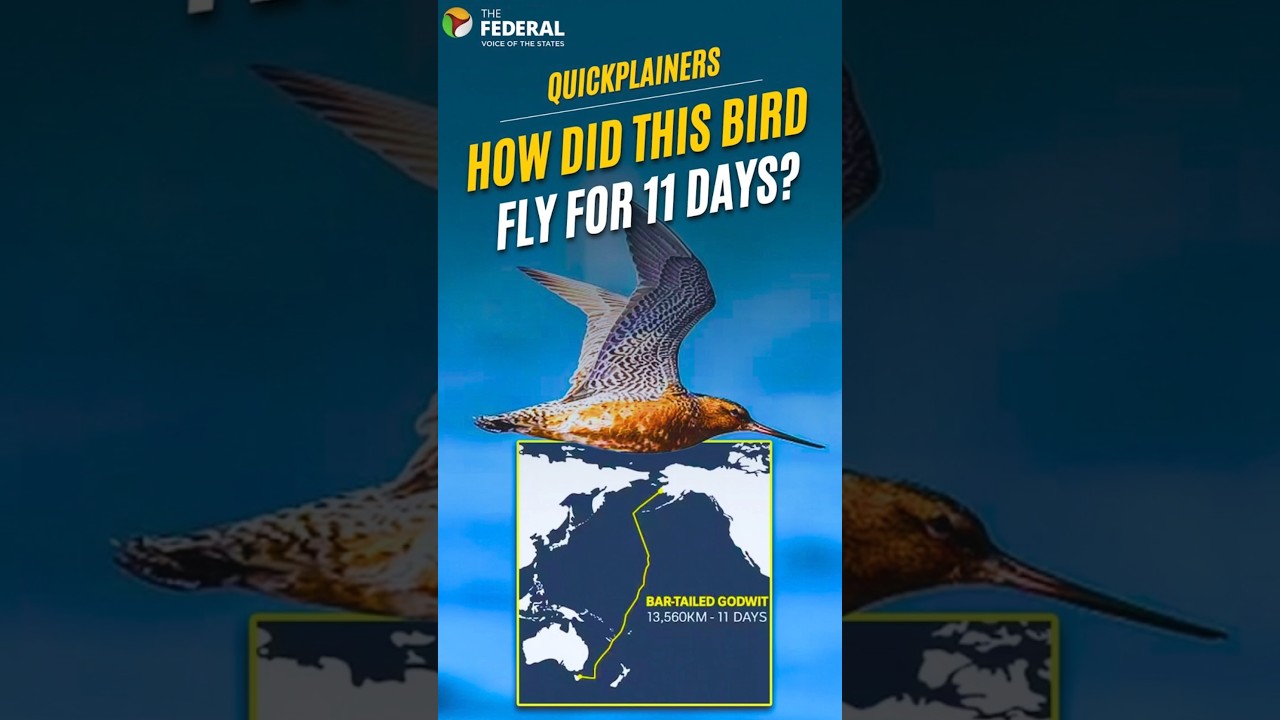
so it's good morning again who needs an introduction just humor me let me tell you a little bit about myself anyhow so I'm a naturalist and a wildlife photographer and there was thirty 31 years ago that I got hooked up with adventure publications out of Cambridge Minnesota and I got to realize my lifelong dream of writing a nature walk and I finished that first book and nobody said it stopped and so here we are 30 years later and a hundred ninety five titles I have a syndicated radio show that I do across a bunch of different stations as indicated here the column that I write you can find a lot of that on my website and I'm enjoying some of the photos and today we're going to talk about a new book bird migration and it's a it's a it's a topic that I find immensely interesting but it's so complex and so convoluted and there are no steadfast rules in it that you if you cut away from this talk with a general sense kind of a feeling of migration it'll be a success because it is really an interesting topic that is quite all right questions before we get started no questions from you sir all right there's a lot of mystery still in my remember so nature is full of course a lot of wonderment migration is one of those things that it's so obvious to us we see it all the time but we don't give a second thought and we don't you know we don't look into it with enough depth to go holy mackerel how does that actually happen and so hopefully we'll do that so it seems simple it seemed just by Drake you know we just say that well they migrate whatever if it was only so simple it if they'd do the whole out of there we pull out easier for everybody okay most everything in nature is tied to the feed and the meat the breeze and that's what I always say this is why I like being a naturalist because it's all about two things Nature's Way for a bird to take advantage of many new opportunities for both finding food and finding a new partner and that helps to mix up our genetics to us mallards here too so some theories to help explain migration phenomenon here so AV migration evolve over millions of years now when you think about migration it's easy to think about it in terms of today but we can think about it as far back as our last glaciation which was ten thousand years ago the birds had to adapt to that because the northern tier States were covered in in all my lick of ice and are clearly not my rating they're worthy so the birds really had to adapt to those changes in fun and all the climate changes that we've had over the thousands of years so the birds are really adapting their quit date to attachment migration allows first to expand a range in the areas that they normally worked and to apply him and find abundant food source everybody always asks the same question all the time you know how to migration start just how old you think I am how'd it start to go is it just went on and it's its nature you can sum it up very easily by saying its nature exploring new options all the time and those options that lead to dead ends don't work with the options that lead to other things such as migration very well so games suitable breaking habitats with less competition is another good theory as to why they migration all started and the offspring of these pioneers of migration most likely to continue this habit of migrating I'm going to talk about this a little bit later but if the cost of migrating outweighed the benefits it would not last people clearly the benefits outweigh the cost so it's a cost of migration of more than the benefits migration would not have a problem so at least 4,000 species of birds migrate today that's 40% of all our current species so that again that's a number that shows you that this must be a very beneficial type of thing because how many species are actually doing in North America about 350 species migrate so when you live in places like I live Minnesota you just takes one winter for you so wintering grounds and not greater problem than the spring-summer grounds all are very very different to off of migration started as one kind of moment from darkness out south to north factor for a simple you know moving up in the springtime turning around and the ball is moving back down this is what as migration that's it and the classic what we're thinking of migration is called a complete migration so I Oriole you know shows up about you know whatever time April May or depending what part of the country you're in spends that summer turns around and goes back this is your classic complete migrator a might better that is you can count on them and oh they're very and and we see that all the time but there's also partial my craters so for example like bluebirds and Robin's I find absolutely hysterical because Robin the genus and species name for Robin of turdus migratorius is like the stereotypical classic migrating bird but in fact they really don't migrate so very far a couple hundred miles just far enough to get out of the cold in the snow in order to survive and then come back up and in fact in places like where I met I take ten percent of population doesn't even migrate so but ten percent of the auricles don't hang around so really thoroughly understanding of migration especially when they were naming these birds was lacking to say the least so eruptive migration migration is completely different from our complete and our partial migration and only happens every five to ten years we're talking all about that a little bit and then of course there's birds that don't migrate at all and then some birds like ie Gulf inches you really can't even Experian use the word migration in their movement their nomadic they move around they're just like sometimes that are up north in the winter time and sometimes they're down south in the summer and they're just all over the place and they're following local food sources so we've got all these different types of migration so already you should be going oh boy this migration is a bit more complicated than that opportune you know because it really does show some differences so perhaps the most well-known type of migration people are Warblers and cancers Neos are neotropical migrants these are birds that go all the way down to the tropics in wintertime then come back up by the way if you ever go out of the tropics they call them der birds and then when they're here you know that we call our Birds which is interesting too and a lot of people don't understand this migration things when you talk about these neotropical migrants like you're more alert your managers they come up to the northern states and then breathe and then when they turn around they go back down south in the winter time they're not breeding I think that's a common misconception amongst a lot of people are linking them oh well they aren't they bring to come back now they're great but no they come up they breathe they go back down they rest for the wintertime then they go back up again and try again next year listen we really kind of cue off a signal in your head that says man depending on where you're at and I know you from all over the country here to pee where you're at your backyards are critical habitat for a lot of these types of birds because that's where they go to braids if you don't have good habitat they're not gonna be produced down south they're depending on your area for things like broccoli in the wintertime there's something wrong so you this is what what do you think this is complete migration yeah absolutely without a doubt yeah it doesn't mean they're not going to the tropics or anything but it's certainly still a complete migration to rolls of large lakes play a role in a lot of migration confluence out again where I'm from in Minnesota we have lots of loops it's interesting ability Minnesota and then go easy to the Great Lakes and then spend all the time the great whites before the head itself so it's not a again when we think about a migration we think of north to south and again that's overly simplistic and it's not true because a lot of times it's not and two weeks ago I was leading a birding trip up to Hockridge in Duluth and where we were capturing hawks banding them and releasing them for a long term you know population studies and my good friend Frank Taylor always takes out his clothes and he likes to show this on low he'll hold up the he'll show where's Alaska so you get a burden in Alaska when it goes to leave and go see you know over the wintertime which direction does it go first of all to go south if you look at the globe south is the ocean it doesn't work they gotta go east and they cut across Canada and then down into the United States so north-south is just a generalization that actually doesn't actually depict exactly what these birds are doing them so there's a lot to it and things like this with the loons and they do great studies with these wounds I will come out of Minnesota go to Lake Michigan and then they'll spend a month or more swimming down Lake Michigan down to the bottom and they're just fishing as they go along and when they just imagine when I'm Lake Michigan where they just you know Gary Indiana a lot of the things that we know so we're jamming up a lot of these rivers our have in Kentucky and Tennessee area those big reservoirs are now home to wintering loons which is relatively new so they're not even going all the way down it shows you the rocks in which these birds go and some of the ones you know we have a few loons in Michigan and things they're gonna go straight east loons by the way they're up in New Hampshire and Vermont - things like that go straight east and hit the ocean and then they'll spend their whole time in the ocean wintertime so result right we have things like you're like the very structure of the Pacific Northwest and migrates east word and go over winters in the in the Upper Midwest crazy bird why don't you do that you know huh you're gonna leave Oregon Washington you know end up you know end up in Iowa you know and then we get other types of migrations like the dusky grouse which this one here which doesn't really migrate in the classic sense but it goes up and down in elevation to the change of seasons so we're seeing birds that go up in the springtime come down in the fall so there's lots of different types of migrations you have to be careful when you're talking to your customers about migration to yet to find what kind of migration and then we have short distance vibrators like the Bluebird here they are the eastern bluebirds up in the upper uh eastern states and they'll go down to the southern half so they're not really going all that far if you're a bird was already in southern Illinois you're not gonna go very far to just get out of the wintertime in the winter so profits are another good example to a partial vibrators way and they oftentimes will wait until they get pushed out by weather I can't tell you how many times I get new people say be that you've probably heard of any time in your stores to where it's like oh my gosh I have Robin we had we had Raptors who migrated always harvest a team just like Robins and not all the Red Tails smooth do a lot of the Red Tails hanging around even in tough areas where I think it is this what I think of as Mother Nature exploring new possibilities by hanging out of the winter time and then you have to think about these other things too when you're talking about things like red-tailed Hawks in the wintertime they're oftentimes are holding out what are they making a living on roadkill so a lot of depends on the population and how much traffic there is also so that we have all sorts of crazy other migration things like the house which I'm sure you've let me know the story about the house pitch here originally inverted the American Southwest and aerial and interesting what happened is this bird was trapped brought to the East Coast and sold as a caged bird the males are red red they sing a pretty song and so they were brought to the East Coast they were sold into the general population and then when laws were passed to outlaw that these birds were released of course they didn't just drop over dead when they released what happened they found each other starting to breathe and what does they do they started the migrant and they started moving westward again too which is interesting within a span of just over a century the movement of the house finches show up quickly migration let's see white one nope I don't so what happened is that they started out in New York City and they made their way eastward and again I live in Minnesota and by 1918 they made it to Minnesota and they just back filled all across the entire country so this is an interesting burger this is a bird who didn't originally migrated right people intervene kind of disrupted nature if you will moved it to a new location then let it go and what happened they adapt it and they might get it and they started moving back and how they built in everywhere that's really kind of interesting story so if you live anywhere out of the southwest you can and generally get this I get this all the time people realize oh come on no not not native birds not native birds well guess what if you live here in Missouri they're tending with people the whole non-native things you know when in fact you know tough sparrows have been here longer than your families I've been here so unpredictable my crackers we're nothing like these corruptive my traders like the bohemian Waxwing the red-breasted nuthatch drapery novels so no steadfast rules with these guys do 30 every 5 10 12 whatever years comes around you'll see a eruption and that's with an eye eruption of these of these birds moving out of their traditional grading area and into other areas where they normally aren't fun so we've always thought and snowy owls are other goodies and we always thought bubble because it's what's the classic reason why these are up due to minor tablet loads and the no food the lack of food right and and we've always thought that was a case specially with snowmeow well it turns out in fact it's just the opposite on years where there are high lemon pop you lations dystonia olives reproduce like crazy and there's an abundance of young snowy owls and those are the years in which we will see the snowy owls moving on the north country and coming down and they've gone as far south as floor there the snow is are very unusual and dispersed all over the place so it in fact it really isn't tied to a food shortage what effect this type of abundance how you know so we have to kind of lis set our minds up or my here so George abundance yes so she wants to know about snowy to do come South typically speaking on average nine out ten are young males and and they have a lot of fifty percent success rate the when they're moving in areas where they're not familiar with traffic or airplanes or whatever it may be buildings cellphone towers wind turbines just a myriad of obstacles for these birds a lot of them don't survive but a lot of them do get a chance look up project snow storm and you can watch when they they put transmitters on these birds and you can track them yourself online this way young males are streaked a lot and as they mature age three four and five they become pure white so you don't really see a lot of adult males very for ourselves we see them up in Minnesota because it's kind of a regular range for them to come down to but you don't see that typically you're seeing these young males which are really heavily barred so mainly northern birds snowy owls great gray owl looking to Waxman's pine siskins works and resident notches are all classic eruptions migrators too and they dispersed and nearly all Gretchen that's the other thing we always think about too we always think well they always go south well check the project stone corner website okay some of them go for some of them go eat some of the West they're going all over the world so it's just not going south when they're erupting when they're moving out we were going in all different types of directions so Red Cross meals are a good example of any of their directive species here they are here's the range they're not and then they move down into these areas every five to ten years that's a very unusual thing they just kind of show up nobody seems really know why I get this a lot of times it may be even the cross built it may be a shortage of pipe seats so it wasn't a good year for Lou conifers and they're not producing a lot of seeds in their cones well then therefore we see some food shortage pressure on these things and they moved so again it's not one who set answer as to why some of the divided some of the shortages so 800 snow we almost collected by museums reveal that was immature valence that migrated the furthest out from the wintertime so and that's a good example of a mature male writer very heavily barred normally they would be an adult male would be pure white all right herbs at stake but non migrators your white-breasted nuthatch is your chickadees and things like that they adapt to the seasonal changes they grow more feathers so on average so let's just say your white-breasted nuthatch here has done average 1200 feathers in the summertime when they do their fall molt molting is the process of dropping their old feathers and growing new feathers they will add on extra feathers so they can go from 1200 feathers up to close to 2,000 feathers by the winter time now you look at him a beautiful oh my gosh they're all those extra feathers people to see it others that are underneath the contour feathers and gives the shape to the bird so it's like adding extra insulation so that helps a lot so grow any more feathers an extra layer of fat Minnesota to conserve heat and charity and then there's to understand how these birds survive winter it's a whole different process so you and I as mammals we eat food and through the digestion of our food the motility we create body heat okay some of us a lot more than others right please you know me and birds are very different they don't produce heat in the same way Birds brewski think in a way that they they produce a fact a specialized fact that specialized fat is used to provide energy for the bird to shiver so the bird is trembling all the time and that's the muscle action of its all those muscles going together is how it produces its heat so very different and that's one thing that kind of I love how people will oftentimes will try to relate their own human experience their own human values or their own human notions and try to project it on to the birds and you're not even talk about the same kind of animal you know mammals versus you know those birds it's so totally different and so you're oftentimes frankly wrong when you and so lots of things going on there and adverts have the ability to go into tor / or / is this kind of a temporary time at night in which the bird lowers its body temperature it's kinda like a mini hibernation lowers its body temperature lowers its heart rate lowers its respiration lowers its very early theories again effective hibernation and it then saves energy overnight of course the consequences of that is that they lose consciousness and they're very vulnerable at that point so birds who go into Carver typically do that when they are in a cavity or some kind of protective area there are some birds who sit out and open branches that go into torpor and those are both birds are called oh it is a brown affect yeah and that's a whole different talk we can go because birds have two different types of fat the white that brown fat and they're used for different things so and we could probably get into it fart because they use special back for migration to for their flights so there's a lot going on here and then there's the truth no matter words like our goal pitches here they wanted her around the country with no pattern of seasonal movement and they just kind of show up to where it sounds a lot like me so fueling for trips here at this time of year the birds are moving to a hyper fascia stage 25 to 30 percent increase so the birds are really eating a lot more than swear not some extra back now this is no this is something this is a delicate balance okay because if you're a bird and you over eat what happens there's work to you you gotta hit that sweet spot in so many water rushes sparrows switch from the inside back to a few times before they migrate and this helps him to put on some extra back here we go there two types of that brown fat eight for ten times more energy than white fat usually supplied during migration not using this country migration so the problem has one that really gets them going for our migratory bird so now my great here's three to ten percent fat in their total body mass long-distance fighters have upwards of fifty percent of that and that's about the threshold in which after that they have trouble on so short distance sub fighters only pronoun about 25 people like that so these things are going on right now a lot feeding putting on the extra fat we have these feathers going through all these different processes in order to get the hummingbirds here they carry enough fat to make the old the Gulf of Mexico which is a distance of about 500 600 miles so our Eastern uh you know a ruby-throated hummingbird will kind of head down south up I've either already gone and they end up at the Gulf of Mexico where they kind of pull up they stay for a couple of weeks you know Alabama Texas and they kind of sit and wait for right weather conditions and when the weather conditions are correct they've got enough body fat on them they will take off and they'll apply 500 and across and which is pretty amazing we really get about a bird that weighs less than one u.s. penny you know they're just ridiculously tiny little birds and it was often thought that it was impossible for them to do this and that's how then whole you know notion of you know hummingbirds riding in the backseat takes about 24 to 26 hours to do this and if you don't think that this is totally amazing engine I challenge you get a new car drive for 24 hours wait six hours straight you know then get back to because it is really hackle and you think about it they just can't stop and rest but they stop it the water if you're in trouble so why do birds migrate there's lots of different cues a lot of people I think mistakenly think well is a shortage of food so that they might rate well actually probably not the the main thing that cues were to migrate is the photo period the photo period is the time from sunrise to sunset all right if you thought about it if they were queuing often whether the weather's different every year so it'd be a very unpredictable queue for you to leave so you gotta find something that is very predictable that doesn't change and what doesn't change is the amount of daylight and that's called a photo period the photo period will then monitor that gives another thing okay look I want to get off track for a buck as mammals we perceive daylight through our eyeballs that seems pretty other than no brainer it's pretty easy right we see we perceive daylight through our eyes Birds perceived amount of daylight directly through their skull into the hippocampus of the brain and that's how they perceive the daylight so once again just in the mechanisms of how they perceive daylight is completely different for mammals so a very very different type of systems going on here and so with that it takes off the endocrine system to secrete hormones in the bird's body and they get what's called of migratory restlessness they start by moving the direction that they need to go and they start preparing they start eating more and so so it's not like they get a choice so the next time I hear somebody say that they have to take down their hummingbird feeders - you know you may force their hummingbirds to like man I want to strangle you know if that's all it took was for you to leave up your hunger feeder and it stopped them to migrate I mean these birds wouldn't live very long and they will migrate whether you want them to or not alright and the birds by the way and the brain says don't migrate there's something wrong with them they have a flaw in their internal mechanisms that caused them to go and yet what we do as people you know we get our heat lamps are we feed oh we go we get you know special teams who out there to track these birds and then we put on airplane many people thought about it you're just taking back jeans and putting it back into the that the market this is a bad idea you don't mind do that a bird that doesn't migrate should in fact perish good I was just going to quickly asset or a relationship with a migration in the stars we're back yeah way to get to that so yeah thank you this is that as far as forcing birds to migrate its yester analogy I always say is that it's like your child you didn't force your child to get up and walk your child got up and walked because that's what it does in the same thing that these birds are you're not migrating whether you want to or not you know that's just probably is so and other factors that kind of help contribute to it because I'm sorry folks it's not black and white yes and no things it's a variety of things that cause these things to happen one is the daylight truth the village food and creates the changing of the weather not so much is the changing of the weather but whether that like gays in pushing them along so you don't see in the fall a lot of migration going on when berries are hovering out of the south but you do see a lot of migration when the winter hi the north because it helps push them along and they take advantage so we have these internal clues here genetic aspects of it for example peregrine falcons that nest in the north are my critters with those the air in itself don't migrate we learned this the hard way so apparently Falcons were nearly wiped up and we had to reintroduce them so what did they do they went and they collected up eggs from different parts of the country to get the genetic diversity right bred those birds together raised them up bred those birds together to have birds to release to the wife to repopulate pelicans what ended up happening though is that the birds that were collected from up north migrated the birds are reflected from down south didn't when you breath them together some of the offspring migrated some me off Osprey didn't it was like oh this is not a clear-cut thing there's so many different things that go along with it there's lots of other things to think about too when we get into the depths of complete hikers that leave from apartment before the weather changes this is a good example of the orchard Oriole over Baltimore Realty do you think weather has anything to do with it I know about you but they leave my house in the end of August when it's still hot you know and they're and they're leaving weather had nothing to do with those birds at all or the change of food sources they just migrated they really do snow geese are another good example of that too so so here we want to talk a little bit about the photo period the amount of daylight from sunrise and sunset and so and it's very different and we see it here the longer summer days the Sun goes not tired and the shorter days in the winter time we talked about any consistent molar so some of our birds that migrate net during the daytime some of them migrate at night oh here we go again it's not just one way to do it things very differently and the bird and and I a lot of people are always amazed at the fact that these birds migrate at night which should be because when you think about it put by the best time you might dream our daytime hikers I've seen those trains take advantage of our thermals are warming columns of warm air to help push them along they need to be able to you know go long distances other birds are smaller birds to include the late night and the reasons why are they at night is they need to feed during the day they cannot carry enough fat to get them through several days so there might be at night next day think be so they'll use up their almost their entire fat supply all night long on the fly you know if you can fly 250 miles and then that time you can use up all your bags applied refuel if you whether they rest during the day there's more favorable atmospheric conditions at night the winds are more laminar flatter it's easier for them to fly and then there's cooler temperatures at night think about it if you're doing this all night long I mean how long before you start overheat you know it's a lot of work or these things and so cooler temperatures helps them to not only heat it also helps them to not mute all their water and become there's less predators hunting at night too and navigation of the stars perhaps easier than using the landmark chatter [Music] alright so let's see if we get something we can summarize here we're already running along so research in the migration was started in the 50s and 60s as lots of different things have happened here I'd like to talk maybe about this white-crowned sparrow stay trapped in South Carolina some fall of 1,800 miles to Boca Raton in Louisiana others 2,400 miles away from Maryland and released the next year 30 of these bankers were trying to get on the same area in California this is showing that the adult birds are migrating different from the juvenile Burton question we had a female hummingbird this year at our hummingbird festival and it was banded banding at the event it was its fourth visit to us yep until they do find habits too so there's a lot of different things I'm not going go into all this there's a classic example of it when the whooping cranes you guys don't like the whooping cranes critically endangered species they were down to like 15 20 Birds kind of brought the population back up and they were reintroducing to south-central Wisconsin but they needed to show these birds how to migrate where to migrate to so what they did was they put costumes people who were dressed up like cranes done this day the program so for about 12 years they did this with the cost of people's worth a little Frank Craine and under and they fed the birds they raised up these birds and then they would fly in ultralight and the bird feeder baby will be crazy it will follow behind them they would go out of south-central Wisconsin and they feed on the Florida and they would show them the route and it would crack me up because they would always leave about this time of year and do it end up taking them one hundred twenty-eight hundred and forty days before the ultralights supply from south central Wisconsin found in northern Florida where they would spend their winters you know 140 days and that was kind of maybe the lynchpin with this area you know as kind of why it didn't work and I love this because then they would have the birds banded and they knew who they transmitters on and everything and then in the springtime the birds did not need to be shown how to get back they would come back on their own does anyone want to take a guess how long it took for me [Music] but in opal you know for sure they didn't stop an expert interesting things not we're talking about there's a Western population of whooping great Caesar the wild birds there's about 275 of them they're up in Wood Buffalo Canada and they come down and they might break down to Texas where they spend the winters don't Texas Central Texas so there's some interesting things going on here here in Minnesota we can learn look we can learn the hard way we reintroduce trumpeter swans because by 1900 pump responds were wiped out there was all along and so which--well Aska out a bunch Brent them in captivity took those birds and and young from them and released folks into the wild didn't do this to them and so therefore normally they would have migrated out of Minnesota down to places like Missouri for the wintertime and then when it came back up well they didn't show them how to migrate now we have about 2,500 trumpeter swans in the wild in Minnesota who all gather in one place in the wintertime is it's the one open spot on the Mississippi River where a big nuclear power plant took South warm water and experiments done with these birds proven that these birds can feel the magnetic pull of the earth the poles of the earth these different apparatuses and they can change the magnetic orientation and it gives these birds me to reorient themselves and release proving the fact that these birds can feel the poles of the earth I love to have that I would love to have that kind of built in I can feel its waist north which was thought that would be pretty dominated so lots of different things going on there birds like a pigeon the rock pigeon here have microfibers in the tip of its bill or took this for brain that are magnetically charged and allow the Birdman feel which way north [Music] magnetic compass another excuse visual cues so we've heard about the MIDI migratory flyways the birds get to know these five ways they're usually down major river weights such as the Missouri River the Mississippi River and those highways help guide them along on their journeys and then a lot of birds learn their migration kind of getting back to that and we didn't go through that starlings study for this college studies show that adults can go back to any way they wanted to take different routes back to where they're supposed to be where the juveniles kind of have to learn in that one study that showed that the starlings will the young birds the hatchling birds wonder where hatching the springtime will do like a predetermined distance on their migration in a predetermined than way but at age one that changed as they're able to navigate and do their own thing so that kind of shows that these birds sometimes have a kind of a built-in temporary genetic code that tells them to go over this way but then as h1 or h2 therein learn and then do their own thing and figure out so there's a lots of stuff going on in here again this migration is not something really simple it's a really really complex topic so and all this might be the tip of the man hit a guy spurt so to speak because there's so much you really don't know so the pigeons are good example of us too and by the way a compass touch you absolutely no good if you don't know the time of year and the time of day that's two so look it's believed that the all these birds have some kind of internal clock that helps they can't always depend on the position or some Sun doesn't shine every day there's so many other things going on it did I study with ethical buttons it could have been a little kind of a cone-shaped device with everybody's old enough here to remember what carbon paper is if I talk to kids they all look at you like carbon paper in there and allow them to see which way the bird was for anything they put it inside of a kind of planetarium and they shine the stars in the way that it normally would and then in the fall when the bird is experiencing its migratory restlessness it lines itself up with the Stars and tries to go that way it hops on the edge of that cone slides down and keeps going so they get a real clear view of which the way that first blowing the next night they take the planetarium they projected it in a different way what does the bird do turns and the proving without a doubt they're lining up with the Stars somehow someway a quick question how many of you can do that yeah okay if a bird looking up all right this is way I need to go holy mackerel right so we've spring to fall millions of birds use these flags and here they are with Pacific the central the Mississippi Atlantic Flyway these were really well defined areas and this is where he did that whole thing when we're starting to put up wind turbines everywhere when they are put up in the middle of these very big migratory pathways sure it's fine for some parts sometimes in the air but during migration too little problem for us too so we have wind we have to think about this now we have to think about the wind we have to think about the drift any pilots in here you know what I'm talking about tail winds side winds so you got a red tail hawk that's flying along it needs to go this way but in order to orient it something texture coordinates up with the wind discretion on the angle like this and so the burner has to fly on an angle in order to go that way see what I mean so there's a lot going on in there so sometimes birds flying fox because their safety in numbers and then sometimes by themselves so there's no one specific way in which everybody migrates they're all slightly different right so typically smaller birds flying lower elevations large birds at higher elevations that she makes a little bit of sense and some groups even cross call mock ranges I don't think about that they're flying upwards of 18 to 20 22,000 feet so so most of our small comforts might be at night to flow a little bit and fly below 2,000 feet elevation that is very low and you can see these things on Doppler radar so there's all sorts of websites that have the Doppler radars for different areas you can see it's tough and our high flying birds are used to be daytime so so spring migration is like a race they got to get back to the breeding grounds remember it's all about reproducing gotta get back to that best territory so the springtime hydration is like a sprint quickvac the fall of migration is like air yeah yeah get there you know it's tough summer my way you know fall migration is much more marks are basically push we've got different light speech from these birds house ready smaller birds are 10 12 miles per hour imagine having several thousand miles at 10 miles per hour you know I have a hard time keeping it under my throat sparrows are you know a smaller bird the slower you go bald eagles upwards now when we talk about formations - this is very interesting things to look at but we're talking about the main formation we all know about that V formation right never see those bees like you ever see it when one time shorter one side longer you know why that is there are no bees we think of them as in a straight line in fact it really are there in fact they're stacked up in a kind of the below birds out front and they move up from there before that this is because we all know that it helps numb right helps them real motek the line but we all know what it helps them in their efficiency when they're flying how does it help and in fact it's the vortex of the turbulence coming out the wings so the front bird flaps off that flap comes a vortex you're riding it right behind oh are you in that vortex no you're not writing out that vortex so when it flaps you get on top of it and then that kite flaps you mean on top of that one and where it's that soon okay so it's not a flat line it's like when you're driving on the highway you get right behind the truck you know the wind is kind of relatively smooth there you move out to the side tank to get that vibration of that vortex that wind is swirling and that's what you're getting on to help fly now sometimes they you back drafting like pelicans are they given a single straight line and they'll track behind each other and this is where we first actually saw through that this helps them they put heart monitors on American white pelicans and monitor their heart rates while flying and the lead bird had a heart rate was anywhere to 10 to 20 percent higher than the other birds behind them showing them that they are getting big benefit by drafting right behind the other world so the straight line birds tend to be right behind each other the bees tend to be stacked up all right lots of things here so we see that a lot less and no pain so that's exactly how it works in this direction here stogies anything like that no that for text with all right you know what let's look at some migration [Music] no sound but this is a Platte River in the springtime I would say until train and when for migration there's migration and that's and that's just the ones you've never done the Platte River trip it's over there I leave the trip every year thereafter for 30 years in every years old videos my vision is oh you know when you're out you're watching migration something like this I don't want you but it really stirs something inside of me it really kind of touches you know have a prime moral feeling and excited that this is really something it really is to see this is going on tens of thousands of birds hundreds of thousands all doing the same thing all in the name of Chinese hooters you've just specie stole so destination start to finish we got some interesting things going on male versus female juncos here they are in the summertime and then when we see them go south and winter time the male's stay further north females go further south which just proves the guys are not that smart so tiny transmitters tracked birds for 950 miles from artists on Illinois 30 was six nights on the average of seven hours per night about 66 miles in one night 234 another day it really depends on the wind speed that helps them move along those really interesting things going on and here too we talked about a daytime birds like a church in Hawks and our rocketbox they migrate during the daytime on kettles of warm rising air average speed 20 miles per hour some days they travel about 60 miles and other days they go upwards of 150 to 200 hummingbirds then we talk about some birds who like the planetary Warbler who comes out of the eastern United States all heads down towards Florida and then makes these makes this jump across and then in the wintertime they may in the springtime they kind of stage over here in the northern part of the software and they shoot up across through the West Indies and up into the United States givers crossing a lot of open water which again not that long ago was even possible look at this black hole Warbler here flies about 2400 miles with no place to rest it's going from central Brazil all the way up or it starts out up here Nova Scotia area and comes on down all across the ocean your interpret on the ocean you know which ways which you can't see any landforms anywhere it's just it's just crazy mother to a date-time fun nice linen twine and they just keep flying just really amazing stuff and then what's different about it is that they come back up a different route so we see them different blowing different ways of doing different things common night Hawks for example they follow landforms so they come down to the tip floor and they're getting blocked into Cuba and then worth the across trying to cross as little open water as possible or they'll come down through Central and South America same thing with the lively birds like pardon swallow doesn't cross open water they won't do it that they can't do it and then you got other birds like you know the red not which is just crazy what they do so we're gonna start up here in the Arctic and they're gonna end up down with Indiana this is just ridiculous 90,000 miles one way why would you do this but that's a human thing we would ask why would you do this nature doesn't ask it works therefore populations are not doing well right now of course that might have something to do with her in the horseshoe population going down so and then we got crazy migrations like the tundra swans hunt response of a nest up here in Alaska and all across in the Arctic and then they come in the fall they make a migration from up here all the way diagonally look like a three to four day nonstop flight starting here Alaska go all the way down here to the upper part of the Mississippi River near WAP shop Minnesota and it's just crazy and my house had been watching my nice days when the winds blowing right I see hundreds and hundreds and hundreds of swans flying over day and night you hear them at night as they're going over then they will sit on the Mississippi River for 3-4 weeks feeding and feeding and feeding and then they'll take another two to three days and do a nonstop flight all the way over to the Chesapeake Bay in Maryland and that's a heck of a migration in the springtime they don't go the same way they go up to eastern seaboard take a left-hand turn they cut across crazy what they do and then you see thousands and thousands of when they do it this is Mystic River this what it looks like there so and then we've got you know even more crazy birds here are tell Todd with nonstop flight from Alaska down to New Zealand from New Zealand they on the way back north they don't really stopped it just keep going out here brief layover the longer these people make it away food in Pacific Rim and back up into Alaska one big circle takes my whole year to crazy stuff and the aren't turned some of the longest migrators we have here are turns flies an astounding forty eight thousand seven air miles in a roundtrip so it's calculated over a thirty year lifespan the bird will fly free trips to the moment back Wow you know all you can do is you look at the holy right it's all birds up base couple of obstacles danger of natural and man-made and so of course the number one thing that one killer Wahlburgers those buildings until they run with a lot of problems here great migrations sporting the purple martins these guys down there big private fighters now go down to Brazil and we don't even know we're in Brazil so I mean it's 2019 folks I'm Katie and for your returning birds are going to and she's crazy and they make these complex migration I have purple martins at my house and I just watch these birds in law and then all of a sudden they're they're also you know they get their spring there all summer long one day gone that's it and everything's quiet and it's just not the same when it's all gone himself rewriting for weather so this is an interesting phenomenon that converts it is believed that they can sense that both pressure systems and move out of the way of the storm let's go through and then move back all right there such thing as reverse migration so some birds they come up north guess what they run smack dab in the winter and what do they do they turn on and they go back a smart bird right happens a lot we see that with our [Music] Rufous hummingbird this guy is breaking all the rules you know I just love Rufus it's the furthest north nice taking comfort and is now almost showing up in all sorts of different places and this is the bird that's predicted to move into the eastern Africa net Statesman that's what is in the future and we could see this bird coming to people's feeders in there and they're spending there winters along the Gulf Coast and staying the whole entire winter you're gonna go down the tropics these are these are really good birds and the things that are kind of interesting to Lu baby migrate by themselves so the way this works is by the end of summer you have the two adult loons course the adult male he leaves first typical guy he's not gonna go in you know and then the female about two weeks later she'll be the baby can't even fly yet so baby has to teach themselves how to fly and then once they teach themselves how to fly they have to migrate I got a wonderful how do they know where to go and how do they know when they got there they're in the right place you know these are all questions we still don't know do the testimony that up to 1 billion birds died angels with hitting windows a billion birds every year 7 million perish after striking cellphone radio towers wind turbines and millions more if you like cats so there's a lot going on your perch pace habitat loss connecting stops couple of areas peeing various nesting uterus fragmentation information all of this is a big deal so migration is not just a more self bird trait birds around the planet take part in it it's just not a North American thing and really kind of one of those things and it's one of those subjects you can hit the Lights and I'd be happy to answer [Music] because all of the individuals all all rocketbox migrant okay and so it doesn't talk about the relation at all now let's be like American Robins where some of them go blind great say 10% of migrate you will see a higher mortality rate amongst them but you will also see that the reproductive success rate of those at in migrate is higher food so they're able to pass on their genes that's what it's all about reproduce we have not seen as men yes absolutely two chickens every question to the hurricane plate absolutely without a doubt weather plays havoc with all birds just a personal experience I have six to eight hummingbirds all the time at my house and one may we had a you know typical of springtime the thunderstorm came through with hail is big you know spreaded my hostas to ribbons and after that's formed one hummingbird and I've yet to recover from that you imagine that your birth disfigure you got stones besides my housemates you can add to that that's oppose it raucous didn't you you're not gonna survive that so weather plays a huge part in these birds survivability what what causes a woodpecker to get into guttering and early summer spring and so I need beat in the house that was wouldn't let that yeah I guess that just made a male bird proclaiming his territory classic you know exactly and there's a male announcing a territory trying to attract a female by finding something that resonates something that has echoes if you will hollow log it could be a mailbox it could be your gutter wherever it is and it makes a lot of noise like Afghan and that's where they're not causing any damage they're doing that simply just to say hey so dude if you didn't hear the question she wants to know they had a little Egret that showed up double where and this happens all the time where we're seeing birds who are way out of the range showing off it's very very common and we don't know exactly why but storms has a really good theory of it think about what's happening these birds get caught up this arm and they can just take it it could be a it could be a lot of times this is how it is their navigational system is defective and they go to the ferries and then what happens is the birds usually don't survive which again is the way it should be because you don't want those defective genes in the in the pool and you want them out as well those birds use the parachute that's probably a good thing but yet what we do is we jump right and we have to say no they're different species yeah do the migration of parallel the migration of Hoarders sold migration passes as is very different of course just a reminder bats are a mammal these records we're talking about so there's a lot of big differences and typically speaking like a Mexican Freetail back all these nectar-feeding bats follow the season as the nectar becomes available they come up into the United States typically Arizona New Mexico Texas area they come up and they circle around go back down to in addition to that like you ever been to Texas for Congress bridge or a concave or and things like that yeah those are mall females they come up give birth to their young and then go back down south again two very very different type of guilty the males migraines he wouldn't female big differences between experience several times either Robbins or Orioles pain in the windows possibly four weeks right right senior reflection than they they're trying to drive off the perceived well males and females group they just they try to drive off the what they see as competition and it's actually just their own reflection that's a very common thing how do you guys have what do you advise usually tell your customers is a cardboard henna lady who said I got this male Cardinal even though I said look chemically those I said they'll go away in a couple weeks I said they'll stop you know as the hormone stop raging typical guys five months later she's still calling like put a motion-activated tree there's lots of different things that can help stop the person to come over there just couldn't be starting to study the effects of the negative and positive ions YES on migration of habitat they have already done it with pigeons just have found that the negative and positive ions and according to one of the professors in Carver in the University of Alberta has found significant significant problems in the atmosphere well so wasn't that long ago they proved that pigeons again because it's a easier to work with engines can actually see visually see negative positive ions in the atmosphere of cracker and there should be one more reason for you to go and we don't know what the hell they're talking about bouncing and stuff and we cannot as people we have okay we fall into this express every single time we think whatever it is that we see whatever it is that we hear whatever it is that we taste whatever it is worse yet whatever it is we feel is what the birds doing and it is completely wrong if a pigeon can feel the pull the earth you can see negative and positive ions and cancion you've of UV light we don't know what's going on they don't have a clue you cannot project what you think is going on which is simply not true the birds article we're finding this even with mammals now knew how they discover that mammals but some crews can use so we get into this where we again try to put our human notions our ideas onto them and the proposed always long be careful so yes I think we're just getting into this whole negative and positive ion it's gonna really take a lot of our theories which change all the time remember how we used to think that snowy owls only migrated because the food shortage now we learn no that's actually the food abundance we have to adapt to change that's a scientific method by accepting new practices and new ideas and moving on with those and building on those experiences and to make that North exchanging - yes I don't my stronger zat the nature tracing with that telescope that you just raised yes yes the migration book is available if in your green thing you should have a tab or a free book stuff is migration I'll be back to booth you're at the adventure booth is that questions there I'll be there about ten minutes
Up Next

46:22
Animal Migration Science: Strategies, Dangers & Epic Journeys
@EDUARCTIC
104 views•2018-06-25
50:12
Bacterial Communication: Quorum Sensing and Biofilm Formation Explained
@JHUAAP
12.6K views•2011-06-28

5:35
Enteric Nervous System Explained: The Gut's Brain | Neurobiology Lecture
@alumniu6029
438 views•2018-09-12

7:08
Bacteriophages: Earth's Deadliest Killers and Future Antibiotics
@kurzgesagt
34.6M views•2018-05-13
Related Study Plans & Knowledge Roadmaps
Structured learning paths in Biology
biology
RNAi: Biogenesis, RISC & Gene Silencing
01Molecular Biology Foundations: DNA to Protein
02Introduction to RNA Interference (RNAi)
03Molecular Biogenesis of miRNA and siRNA
+ 2 more learning modules
10h5 modules
Explore Roadmap
biology
Mycorrhizae: Signaling, Biophysics & Ecology
01Foundations of Mycorrhizal Symbiosis
02Molecular Signaling and Root Colonization
03Biophysics and Bioenergetics of Nutrient Exchange
+ 1 more learning modules
11h4 modules
Explore Roadmap
biology
Circadian Clocks: TTFL, SCN & Periphery
01Foundations of Molecular Biology & Gene Expression
02Introduction to Chronobiology and Actograms
03The Core TTFL: Molecular Architecture of the Clock
+ 3 more learning modules
14h6 modules
Explore Roadmap
biology
Population Genetics: Math, Drift & Selection
01Genetic & Probability Foundations
02The Hardy-Weinberg Principle and Baseline Models
03Mathematical Modeling of Natural Selection
+ 3 more learning modules
18h6 modules
Explore Roadmap