













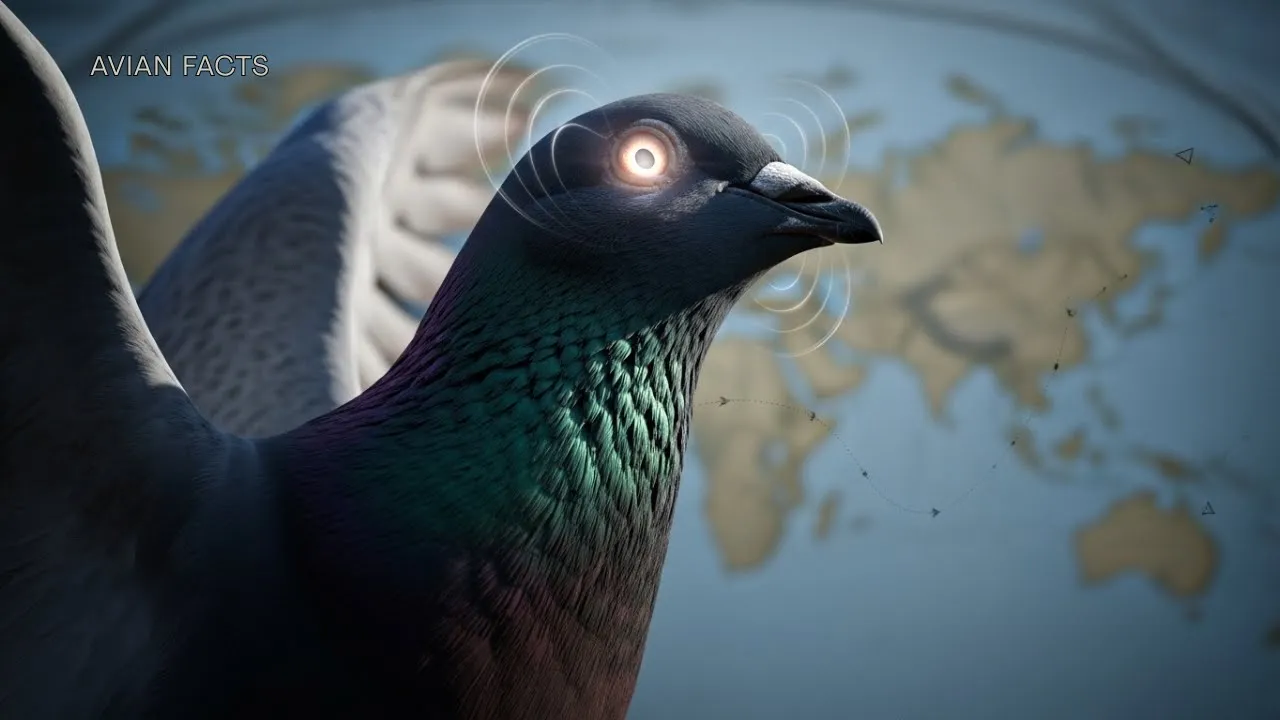







Pigeons possess extraordinary natural abilities that make them exceptional flyers and navigators, including specialized wing designs for vertical takeoff and hovering, hollow bones for lightweight strength, massive flight muscles (30% of body weight), and an advanced respiratory system that absorbs more oxygen than humans; they also have remarkable navigational skills using the sun, landmarks, scent, and magnetic fields to find their way home from unfamiliar locations, combined with strong family bonds where both parents care for their young through a unique crop milk feeding system.
Pigeon Homing Abilities : Science of Avian Navigation
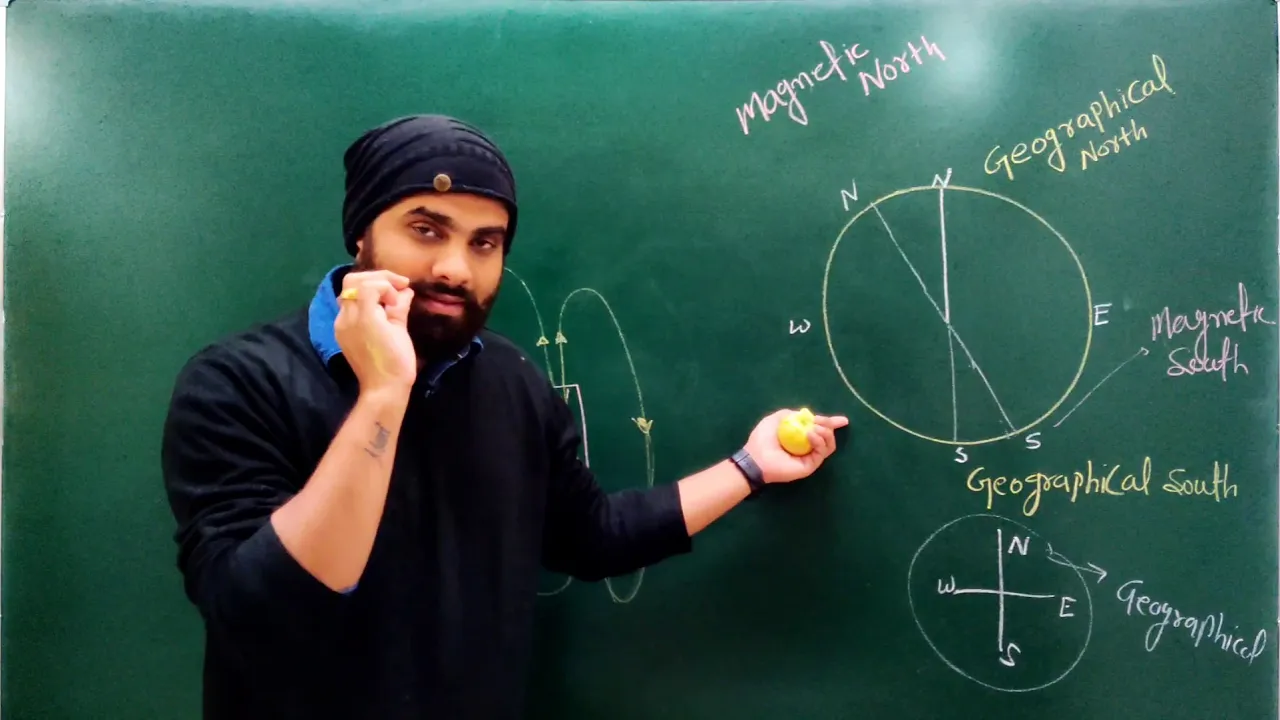
Added:Basic principles of Earth's magnetic field (geomagnetism) and how it varies geographically.
The electromagnetic spectrum, specifically the characteristics of ultraviolet (UV) light compared to visible light.
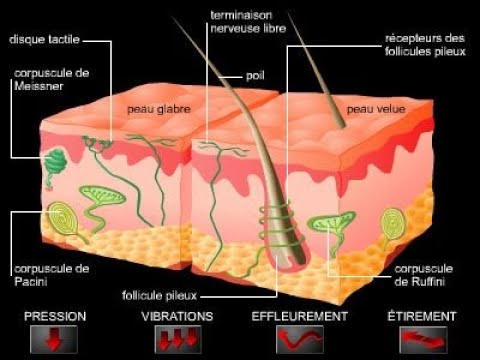
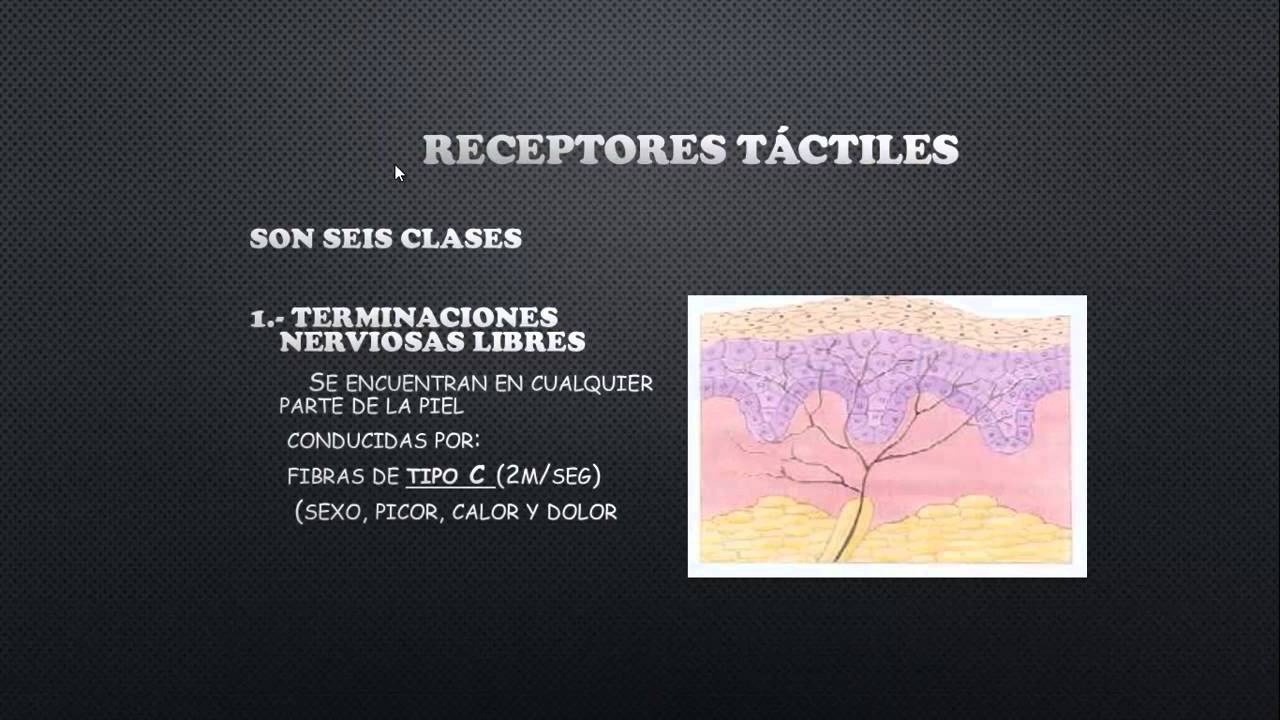
Fundamentals of sensory biology, explaining how organisms perceive environmental stimuli through specialized receptors.
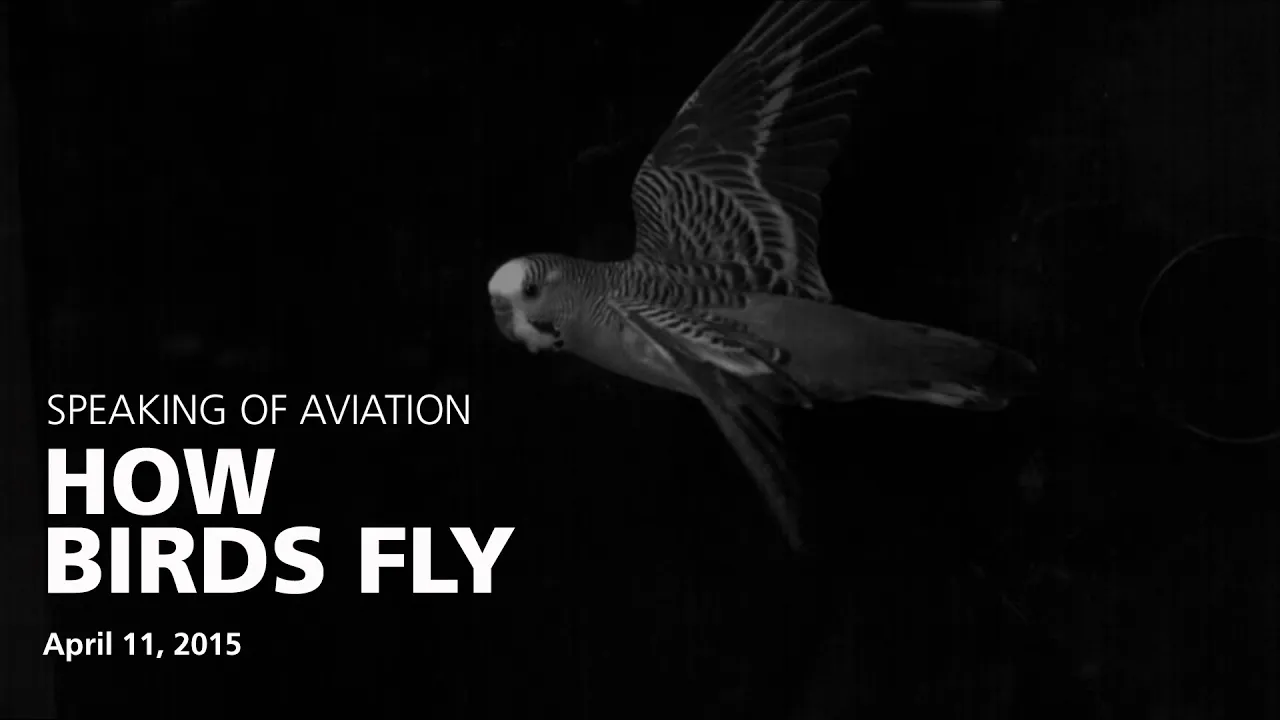
An introduction to avian physiology, including the metabolic demands of sustained, high-velocity flight.
The biophysical mechanisms of magnetoreception, including cryptochrome proteins in the retina and iron-based receptors in the beak.
Olfactory navigation theories (the 'olfactory map' hypothesis) and how smell complements visual and magnetic cues.
Comparative navigation systems of other migratory species, such as green sea turtles, monarch butterflies, and salmon.
Biomimetic engineering applications, specifically designing autonomous navigation systems and drones that function without GPS.
1.6M views6.3Klikes25:00Original Release: 2017-04-27
[Music] [Music] faster than a cheetah more muscle bound than a gorilla more agile than a great white shark swooping overhead feasting on our streets what is it the pigeon an ordinary bird with surprising superpowers their secret identity now revealed as pure pigeon genius a pigeon's first secret superpowered flight their wings push them up and forward in one Smooth Move pigeons can take off vertically and can even hover in midair all thanks to their wing design underneath their feathers is a strong but flexible frame a lot like our arms with an upper arm forearm flexible wrist and finger like [Music] bones when they take off they get their wings up as high as possible then flap down really hard pigeons spend 30% more power getting off the ground than when they fly in midair the wings become a stiff paddle and push down huge amounts of air when the wings twist forward the feathers lock together thrusting even more air downward at the top and bottom of the cycle the wings actually touch on the upstroke the feathers spread apart into many wings pushing down more air lifting up the pigeon but pigeons need more than just feathers to fly they need bones hollow bones pigeons have over a dozen of them strong but light tough enough to withstand the pressures of flight even at 50 m an [Music] hour come on coming into land racer 515 a thoroughbred racing pigeon wow pigeon races have been around for centuries the prize money can be up to $1 million John Celia owns and trains 515 and his fellow Racers good job today 515 flies 20 M it's a workout for an important race some water take a drink on every training day JN releases The Racers from greater and greater distances 20 miles 40 Mi and 50 Mi and every time the pigeons race home at break next speed 5 minutes ahead of the rest of the flock I think he's going to be a good time 515 Ace today's trip in 20 minutes averaging 50 m an hour but the real race is 10 times as long 200 M 515 must be in tiptop shape flying at 50 mph is hard work he'll beat his wings up to 36,000 times his heart beating 700 times a minute that's about 600 times more than a person and they'll keep up these speeds for hours for their size pigeons are one of the most musclebound animals on the planet with huge huge chests their flight muscles make up 30% of their body weight compared to only 20% for most other [Music] birds a pigeon's massive muscles require massive amounts of fuel that means lots of oxygen so every pigeon racing pigeon or Park pigeon comes equipped with a very special set of lungs mammals get Oxygen by pushing air in and out of the lungs but the fresh oxygen gets diluted by Leftover carbon dioxide pigeons like all birds have a different system oxygen goes straight into Special Air sacks it never mixes without outgoing carbon dioxide so pigeons absorb more oxygen than people do it's a truly superhuman efficiency high octane fuel revving powerful muscles come on let's go come on John Celia calls his Racers home like all pigeons these Racers usually mate for life 515 in his mate lived with 24 other pairs in this luxury pigeon apartment complex called a LOF the couples know which colorful door means home sweet home roosting here for their entire lives and on rooftops worldwide it's the same story just like their Dove ancestors have always done pigeons are actually doves a family of over 300 species worldwide taking many forms and living in many places especially in [Music] cities pigeons quickly adapt to new environments changing in just a few Generations [Music] Pigeon breeders use this ability to make some crazy looking [Music] birds giant feathers flashy colors unusual Birds Pigeon breeders have created many different kinds of pigeons they all look different but they all have one thing in common they're competing to be pigeon champions [Music] this is my Australian satle tumbler he won national champion me he the best pigeon of his breed in Australia this is the 07 national champion and the ran run by the largest pigeon breed there is in the world they always say once bitten by the pigeon bug it's there till you're in the Box in Melbourne Australia they gather for the biggest show of the year it's the Westminster dog show for pigeons and just like dogs pigeons are bred for many different [Music] reasons Dr Colin Walker studies pigeon genetics all of these wonderful breeds evolve from just a simple ancestor Colombia Olia the Wild Rock dog of breeders matched up birds to create colors one of crests beaks and feathered feet pigeons that blow up like a balloon and pigeons that don't look like pigeons look at these birds aren't they amazing they've been bred to have this enormous Crest over the top of their head so developed now that the bird can't even see clearly and and there's his head peeking in there like that this is the Jacobin pigeon just one of many types here bakara trumpeters are from turkistan normal feral pigeons of course have no feathers on the legs at all look at the muffs on this bird here so big it's almost like walking on a big sort of pizza a big dinner plate scandaroon are a 2,000-year old breed from Iraq really the only breed which has been selected for this huge downward pointing beak it's quite striking but genetic manipulation is more than skin deep medas are known as really pugnacious almost angry little birds let's see how this guy goes look they're like a little Aven rot Wheeler They virtually guard the house if you're not at home look at him isn't that unreal fillbacks are a centuries old German breed in these the feather follicles all over the wing are actually been selected to grow a feather in an unusual way and so instead of the wind covers being flat and lustrous and water resistant they're actually really super curly and these birds occur in blue and red Oriental Frills are an ancient breed from the Middle East the beak is so short now through genetic selection and an incredible change from the feral pigeon that we perhaps see picking around Street some fanciers breed pigeons for their behavior not their [Music] looks these are Birmingham rollers they look like ordinary pigeons until they start flying they fly as a group some assault backwards in the sky they've been timed up to 13 revolutions per second and they drop anywhere between 6 ft up to 50 to 60 ft it's an aerial acrobatic [Music] show stopping midair backs arched Wings tucked Birmingham rollers tumble like Olympian gymnasts this extreme behavior isn't natural and most breeds of fancy pigeons could not survive in the wild the Oriental Frills beak is so small it can't feed its own young the frill back's feathers won't repel water to stay warm and [Music] dry and the odd flying rollers are an easy target for Hawks and Tall Trees so pigeons are bred in all kinds of shapes and sizes but appearances are only skin deep if you made different breeds of fancy pigeons together after a few Generations they end up looking like a regular pigeon other pigeon powers include their super senses their eyes and ears guide them around and keep them out of trouble pigeons see the way we do they use both eyes to spot the shape and distance of objects but pigeons see far more each eye also sees almost behind their heads giving a 340 degree feel the [Music] view so pigeons can spot food whenever they touch down and at the same time spot Predators like Hawks having eyes in the back of their head keep the pigeons out in front out of Harm's Way but these specialized eyes can do even more pigeons can detect ultraviolet light from the sun and use it to help them navigate pigeons also have super hearing they hear sounds much lower than humans can 200 times lower they may be able to hear approaching rainstorms or even distant earthquakes so great eyes Ultra sensitive hearing super strong bones and huge muscles make pigeons the surprising champions of the sky but all these powers are really used for one thing making baby pigeons pigeons are not not only superpowered they're super [Music] parents they both take care of the kids always watch out for them and mate for life and it starts with a kiss really the female places her beak inside the male's beak pigeon talk for I do then the male gathers the materials and the female builds the nest just large enough for Mom and a couple of eggs and 10 days later every time twins arrive with two chicks at least one is likely to survive the first egg hatches in 16 to 18 days followed within hours by egg number two the babies are called squabs they are sightless helpless and hungry but that's okay pigeons have a special nursing ability both the mother and the father can feed their chicks they make a high-powered milk that's so nutritious the babies can double their size after 2 days this super baby formula is made in a sack in the pigeon's throat called a crop it's a food factory for baby [Music] water and nutrients combine into milky clumps supercharged food with more protein and fat than cow or human milk laced with immunities against disease and making the babies grow big really big squabs eat almost their own weight and pigeon milk every day in Just 2 weeks they're half the eyes of their parents after 25 days they're nearly full grown and can feed themselves and after 35 days they leave home but Mom and Dad barely have time to say goodbye they already have another pair of eggs most birds mate only once or twice a year but pigeons evolved a different strategy [Music] thanks to living around people pigeons can find food all year round this means pigeons can have babies all year round pigeon parents might have six to nine pairs of eggs each year do the math a single pair of pigeons and their offspring can produce over 50 cing pecking birds in just 12 months these pigeon Family Values aren't lost on trainer John Celia pigeons made for life and are very loyal to each other one week before the Big Race Jon removes 515s mate so 515 is left all alone in his nest he won't look for another mate and even defends his territory against other interested ladies finally The Day Before the Race John reunites the pair need to motivate your little mate so we get him home quick maybe we'll win a race all right on in here but only for a little while all right guys now he takes racer 515 separated once again missing his mate racer 515 should be motivated to fly home as fast as he can take one last look off to go it's time to race first stop the clubhouse over 100 pigeons will race okay time to end F birds and everyone gets an official identifying band we fit him with a a rubber counter Mark that has a serial number on it and this number is also registered on the entry sheet when the bird comes home this band is removed and it goes into our clock and stamps what time the bird comes home it's good ready to go they're loaded into the truck bed and watered for the overnight Journey to the starting line everything's tied up tight good to go the racers get a good night's sleep then it's time to race Bridgeport West Virginia 320 km away in just a few minutes these pigeons will use another one of their superpowers they'll find their way home from a place they've never been to before it's an internal drive scientists call homeade drop a pigeon almost anywhere even thousands of miles away and they'll successfully find their way home many animals use their own internal na a sea turtles cross the ocean to find mating Partners salmon swim up River to return to where they were born but pigeons are in a class of their own they roam the planet over great distances and always return home in West Virginia the race is on pigeon 515 and 100 others Circle the release Point get their bearings and Sprint away over unknown territory pigeons have a homing ability that's hard to beat one reason they don't rely on just one way to get home they have many navigational tools pigeons use the sun like a compass they memorize landmarks like highways and buildings they memorize scent landmarks too the smell of the ocean a forest or city they can navigate long distances just by the strength of these smells in scientists believe that like many migratory species pigeons can sense magnetic fields on each side of the pigeon's upper beak are hundreds of magnetic sensing crystals they create a three-dimensional picture of the Earth's magnetic field to help pinpoint the pigeon's location in other words pigeons have a built-in state of the-art GPS system over Maryland racer 515 combines all of these navigational senses sorting information from sights smells sounds and magnetism pushing his musclebound frame to the max driven by a single-minded purpose to return home to his waiting mate his wings pump six times a second his heart races at 700 beats a minute and his lungs turbocharge blood with oxygen John Celia is counting on 51 five's pigeon superpowers and his hardwired motivation to bring home the gold come on boy come on come on out of the blue a bird Rockets onto the landing board all right look at that it's number 515 he's home winner come on come on come on come on come come on come up boy now every second counts the timer doesn't stop until the racing ban goes into the clock locking in the exact time 3 hours and 46 minutes that would be a good time I think he's going to be uh top 10 good boy in fact 515 places second on his way to qualify as a national champion but 515 didn't race for a trophy it was the simple desire to get home to reunite with his mate swooping from buildings soaring around rooftops and leaving their mark everywhere pigeons are all around us but don't hate them for it they're just doing what they they do best [Music] flying making babies and navigating the planet so the next time you're surrounded by them remember pigeons are extraordinary animals to live alongside people requires a special kind of animal an animal with a amazing superpowers [Music] h
Up Next

3:49
Coral Reef Ecosystem Energy Flow & Food Chains Explained
@Acorvettes
195K views•2007-08-06

50:12
Bacterial Communication: Quorum Sensing and Biofilm Formation Explained
@JHUAAP
12.6K views•2011-06-28

5:35
Enteric Nervous System Explained: The Gut's Brain | Neurobiology Lecture
@alumniu6029
438 views•2018-09-12
7:08
Bacteriophages: Earth's Deadliest Killers and Future Antibiotics
@kurzgesagt
34.6M views•2018-05-13
Related Study Plans & Knowledge Roadmaps
Structured learning paths in Biology
biology
RNAi: Biogenesis, RISC & Gene Silencing
01Molecular Biology Foundations: DNA to Protein
02Introduction to RNA Interference (RNAi)
03Molecular Biogenesis of miRNA and siRNA
+ 2 more learning modules
10h5 modules
Explore Roadmap
biology
Mycorrhizae: Signaling, Biophysics & Ecology
01Foundations of Mycorrhizal Symbiosis
02Molecular Signaling and Root Colonization
03Biophysics and Bioenergetics of Nutrient Exchange
+ 1 more learning modules
11h4 modules
Explore Roadmap
biology
Circadian Clocks: TTFL, SCN & Periphery
01Foundations of Molecular Biology & Gene Expression
02Introduction to Chronobiology and Actograms
03The Core TTFL: Molecular Architecture of the Clock
+ 3 more learning modules
14h6 modules
Explore Roadmap
biology
Population Genetics: Math, Drift & Selection
01Genetic & Probability Foundations
02The Hardy-Weinberg Principle and Baseline Models
03Mathematical Modeling of Natural Selection
+ 3 more learning modules
18h6 modules
Explore Roadmap