


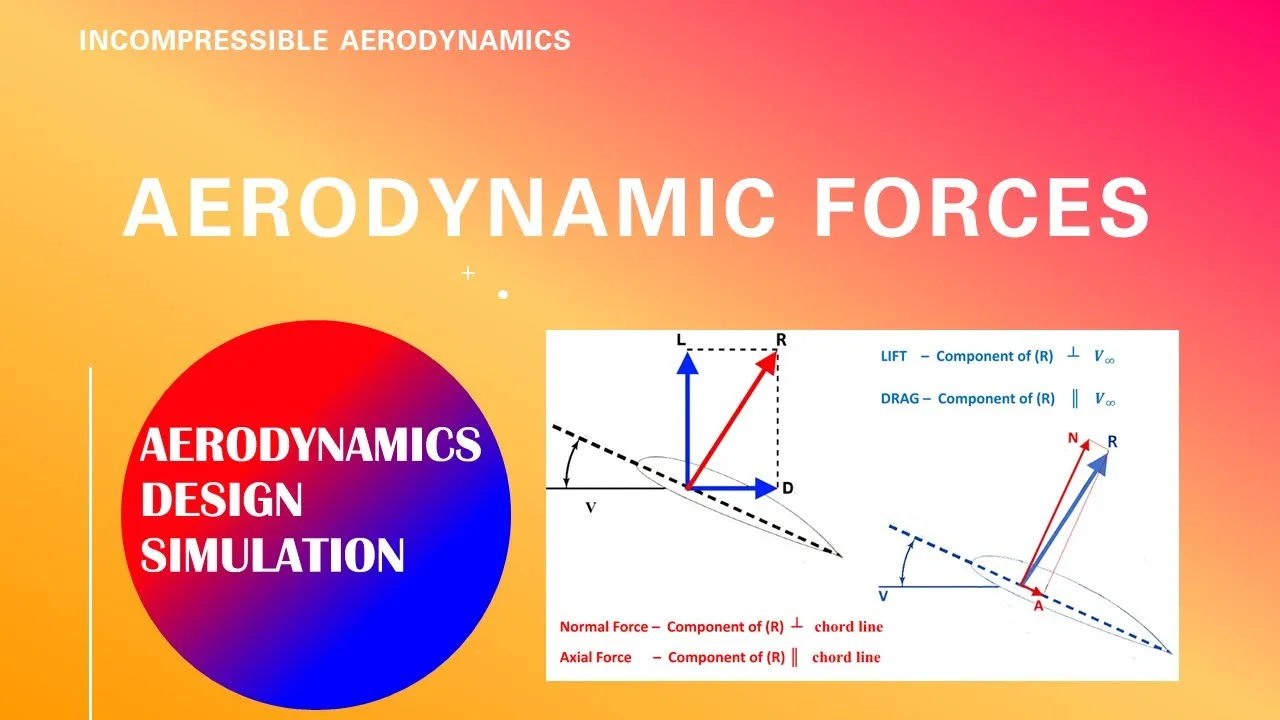

















Birds achieve flight through specialized anatomical adaptations including a keel bone for flight muscle attachment, primary feathers for thrust generation, and secondary feathers for lift, with flight mechanics involving four fundamental forces (gravity, lift, drag, thrust) and following aerodynamic principles such as the direct square relationship between airspeed and lift; these natural flight mechanisms have directly influenced human aviation pioneers like Leonardo da Vinci, the Wright brothers, and modern aircraft designers who developed technologies including wing warping systems and winglets based on observations of bird flight patterns.
How Birds Fly: Biomechanics & Aviation Inspiration
Added:Basic Aerodynamic Forces: Understanding the four fundamental forces of flight—lift, drag, thrust, and weight (gravity).
Avian Anatomy Fundamentals: Familiarity with bird skeletal structures, such as the keel, hollow bones, and pectoral muscle groups.
Principles of Fluid Dynamics: Basic knowledge of Bernoulli's principle and how pressure differences generate lift across an airfoil.
Evolutionary Adaptation: The concept of natural selection and how physiological traits evolve to meet specific environmental pressures (e.g., flight).
Biomimetic Engineering and Morphing Wings: How modern aviation design utilizes flexible, bird-inspired wings to improve fuel efficiency and maneuverability.
Micro-Air Vehicles (MAVs): Designing insect- and bird-sized drones that utilize flapping-wing kinematics rather than traditional propellers.
Comparative Flight Biomechanics: Examining the evolutionary and biomechanical differences between avian, insect, mammalian (bat), and pterosaur flight.
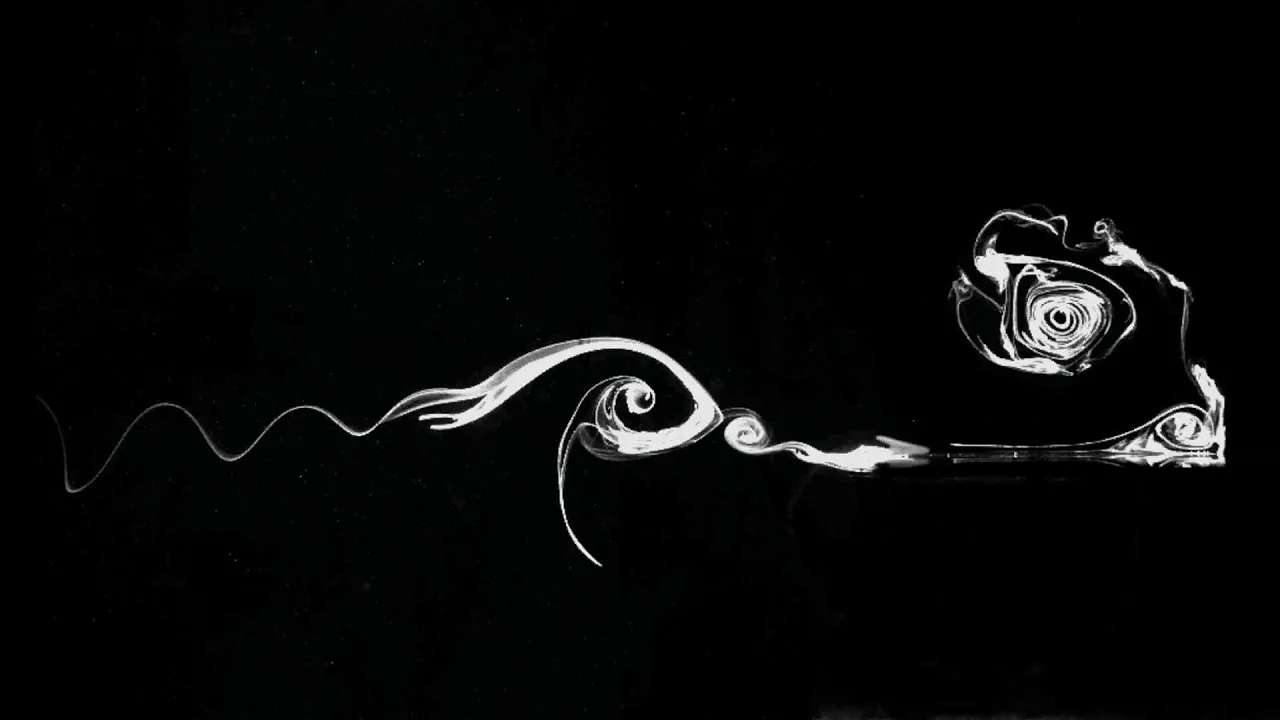
Unsteady Aerodynamics: Investigating the complex air currents and vortex generation produced by flapping wings that defy steady-state aerodynamic models.
37.2K views664likes54:10Original Release: 2015-06-09
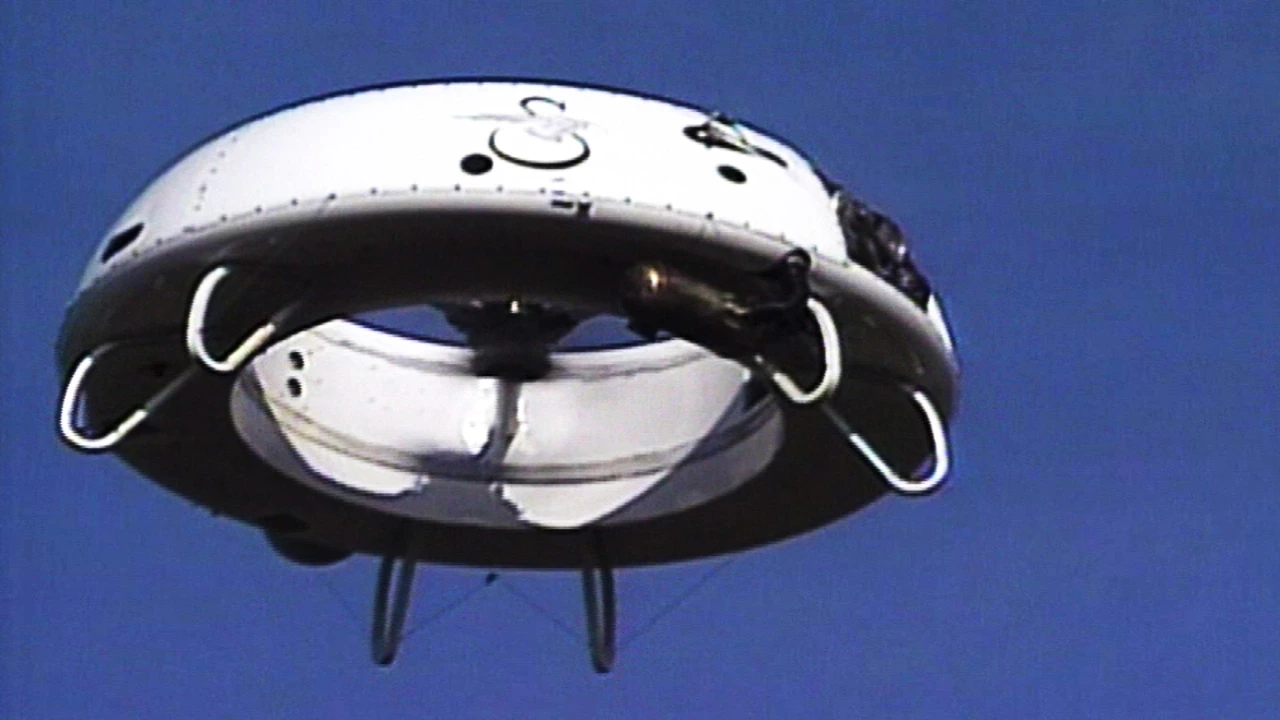
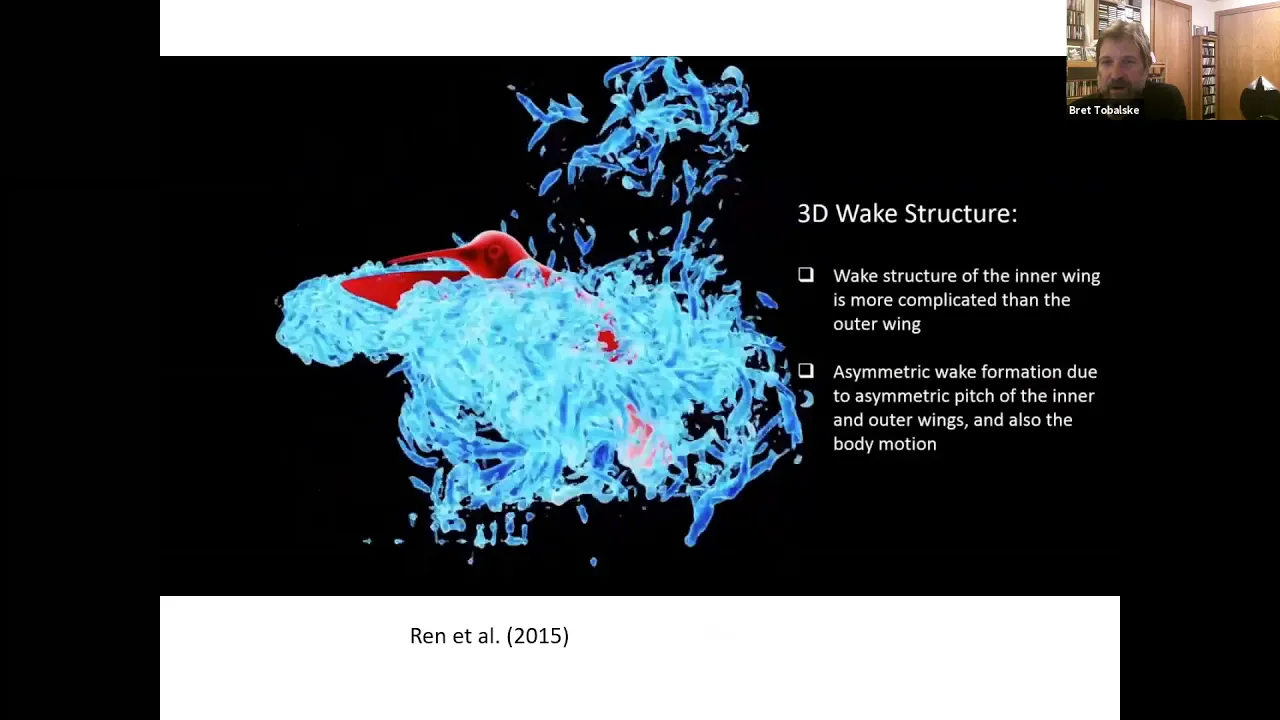
our speaker today Peter Kavanaugh is the guest curator of our new exhibit how birds fly his interest in bird flight originates from his love of nature his professional training in biome mechanics his background as an instrument rated private pilot and his passion for photography this exhibit brings all of these elements together in an effort to explain the mysteries of bird flight to our Museum patrons Peter has traveled widely in pursuit of interesting bir Birds uh including trips to Alaska Australia batswana Brazil Canada Japan the galpagos islands the Netherlands Patagonia and Iceland several of the photographs in the exhibit were taken on Lopez Island uh here in Washington in the Salish SE sanan archipelago and where Peter and his wife artist an Vander spend much of their time his work has won awards in the US and Canada and has been featured by the oton society the American ornithological Union and can be seen in the permanent collection on board the new Washington State Ferry the samish his book how Bird's fly will be published in 2016 where're excited to have him here today please help me welcome to the stage Peter Kavanaugh thank you K kale thank you well it's a real pleasure to see so many people giving part of their Saturday afternoon to see the fruits of the labor of many people over the last 18 months and I I want to start there by thanking a number of people first I have to start with with Chris Meander Chris is the director of exhibits here at the Museum and I approached Chris I was just a walk on off the street about 18 months ago and I said Chris I really think you should in your Museum have something about birds and Chris has been an advocate and supporter ever since and he B his very considerable influence and staff to bear on this project and here are uh some people spreading their wings who uh did all of the creative execution of the exhibit uh Jillian rendo is a graphic illustrator Patrick cam Cody otat and Peter Nelson all had roles in putting together the exhibit that you will see later today Sarah Knights the Outreach education coordinator looked at all of the questions that I'd written we have kids will be pleased to know that on every exhibit there are questions primarily targeted to kids and uh your parents will give you an extremely nice prize if you get all the questions answers right um so um Sarah told me when my questions were uh dumb and unanswerable or unintelligible and so hopefully uh they are now somewhat better you will have seen on the announcement that this is a collaborative exhibit with the University of Washington's Burke Museum great museum on the northwest corner of the W campus here in Seattle and we've had tremendous help from particularly Rob foret who is the collections manager of ornithology and two people on his staff Eugene and Kevin his Rob doing what he does best look with the dead bird and um uh they have Eugene in particular mounted the Magnificent skeleton of the great owl that you'll see in the exhibit and uh we'll be talking about the harons when I uh asked Rob if we could have some herens for the exhibit he said oh I've got a freezer full of dead herens must be the only guy in the country who's got a Frieza full of dead herand but uh he came through for us I also want to acknowledge Sarah Drummond who's not here today but she will be coming in a week or two I met Sarah on a cruise to Alaska where she was the naturalist she is also an illustrator and Sarah is responsible for all of the illustrations that you will see in the exhibit today now I want today to give you a quick preview of the exhibit I then will introduce you to a special guest that we have and you'll we'll have a little live flying excitement here in the auditorium and uh hopefully not too exciting and um we will then talk about some of the panels in detail it won't be too boring I hope for the kids we'll talk a little bit about just how it is that birds fly I'll tell you a few flight stories we'll talk about the debt that powered flight to the study of bird flight and I'll finish with a little discussion of bird photography because I know many of you are photographers and are interested in photography and I'll tell you I've set up over here uh the the setup for one particular photograph that we will see as we go through so let's start here so this is one of the graphics where uh as you go into the exhibit this is what you'll see first and it shows shows the tremendous diversity in the Aven Kingdom this represents just about the whole range in the bottom right and the smallest bird here you see is a small purple throated white star hummingbird that weighs about as much as a sugar cube and has a 4 in wingspan and On The Other Extreme you see the 7 fo6 wingspan of the whooping crane which I have had the the joy of photo graphing down at the Oris National Wildlife Refuge in Texas and the purpose of this exhibit it didn't need any explaining when we open the exhibit yesterday afternoon within 30 seconds this young man was trying out his wingspan it works perfectly it's magnetic uh he turned out to be just a little bigger than an American crow now as you go through the exhibit and this is where the dead herand come in uh look up and you will see a a representation of this bird which is a bird taking off on fisherman Bay in Lopez Island we have reproduced six different Wing postures from this takeoff sequence beautiful takeoff sequence of this bird uh very noisy takeoff and a magnificent example of how this bird is getting lift and raising off from the water I've mentioned that one of the exhibits is the skeleton of a great horned owl of course I want you to look at the wings and a very interesting proportion of the different parts of the wing in this bird particularly the hand and we'll talk about the hand and how the hand is specialized in Birds but it you have to look and they will be looking at you at the eyes absolutely amazing eyes the eyes of the great horned owl are actually cylinders rather than eyeballs and they don't rotate the way our eye eyeballs do it has that wonderful neck that allows it to look anywhere but per body size the Great Horn out's eyes are larger than any terrestrial vertebrae so it's a it's a magnificent skeleton and take a look at it in some detail and there's another bone here I want you to look at that we'll briefly talk about and it's this Keel or sternum this is an absolutely critical bone in the evolution of bird flight because it's the bone to which the flight muscles are attached it sticks right out where we have a sternum the the Keel or Kina sticks right out to give leverage to these flight muscles and we'll meet a bird that doesn't have a uh a keel like that and actually doesn't fly we've got a number of high-speed videos and I'm going to show some of them here now uh given by my colleagues Andy beer and uh Brent toal ski Andy at Harvard and Brett at Montana an absolutely vertical takeoff of paragan Falcon now this is a mixture of both hydrodynamics and aerodynamics look at this bird flapping the water and then some aerodynamics to follow the [Music] hydrodynamics this is from Andy uh be lab in biomechanics we often put markers on things look at the markers on this pigeon every wing has got a Target on [Music] it this is an interesting example of a different gate this bird is using a flap Glide cycle so he'll flap a little then he'll Glide a a little and of course he'll go down then he'll flap a little more and glide a little and it's interesting for to point out that birds don't fly the same way all the time they fly in many different [Music] ways as everyone who flies the plane knows Landing is potentially the most terrifying experience in Flight the plane will take off itself but landing is much more complex and birds find the same thing look at this tentative multiple adjustments as the pigeon comes into land here ending perfectly uh with its uh its feet on the perch so those are in a video stand that we have in the uh in the exhibit that was very popular item yesterday another of the videos tells the story that you may have heard of operation migration where a group of people at the CR TR Center in Wisconsin have trained the almost extinct whooping crane to follow a uh an alrite in its migration to Florida and the idea here was to split the two populations to minimize the risk and so once these birds have learned the roote by following the ultr light that's where they'll migrate for the rest of their lives and it's a lovely little video about that operation and that story you will also see a Zer Trope and a Zer Trope is a very simple rotating slot device that was invented in the mid 19th century before there were movie cameras and one of the interesting things about this is that this video is composed of Simply 12 individual tracings and isn't it remarkable that the brain will merge these 12 tracings together into what looks like a continuous pattern I'll come back to this because uh we're going to talk about flapping flight a little bit and there's some really interesting points as to flapping flight in that particular video another feature that we have in the education center is the Burke Museum has given us both wings and Feathers so kids make sure you go and look at these because you can actually hold a whole Birdwing it's remarkable when you do that because it doesn't weigh anything and it gives you the the notion of just how remarkable the bird flight is on these fragile Wings we have a number of Nest cams I don't think I'm on the web here but uh this one is at the uh Chesapeake Bay in Maryland there's a uh an osprey on a nest that they've just returned to from migration Ospreys are long-distance migrators we'll talk a little more about migration and there's also a Rufus hummingbird a really remarkable Nest cam on the hummingbird and you can actually measure its heart rate because it's sitting there going uh so take a look at that now another feature that we have one of the things I'm going to talk to you about is how birds have influenced flight and in influenced the design of aircraft but we have in the exhibit an ornithopter and an ornithopter is a a bird wing it's an aircraft that flies by flapping its wings and I want to now introduce to you a guest who is here today uh Ben pipen BG Ben is a master's candidate in Aeronautical Engineering at Penn State University and he's currently working at aerovironment just outside Los Angeles where there's a lot of interest in ornithopter and other flying vehicles so Ben uh come and uh tell tell us a little bit about Oni thopas and uh let's have some fun thank you um can you all hear me a little bit okay so as Peter said um I am a master's candidate and I'm also working right now as an aerospace engineer um and my work revolves around robotic um birds or ornithopter and so I wanted to give you a demonstration uh of one of these vles and I'll talk a little bit about how it works uh when I get it up in the air and so these are all electric powered and if they come to hear you don't worry it weighs half an ounce and it really won't be able to hurt you um half an ounce is about the same as three pennies um get an idea so this vehicle um has two sets of flapping wings and the one in the picture behind me that's in the exhibit only has one set it flies very similar to a bird this one is a little bit slower than that and this U robotic bird horopter um plus just like a big airplane it doesn't look like it has an air coiled Wing but actually when the wings are under tension and they're flapping they create LIF the same an airplane they also create thrust by the angle that strike in the air could you try this little one for us Ben yes absolutely he's got a very tiny one that I wanted to show you and tell us why these might be useful then to uh in the real world right so um as airplanes get smaller and smaller um they become useful for a number of different reasons um a few of the applications right now that people are looking at are for military surveillance that's perhaps the least interesting um but there's a number of applications in things like uh firefighting if you wanted to go inside of a building and it's not safe for hum you send in a small vehicle like this and so there's a lot of research being done right now uh on how perhaps we can fill these vehicles and make them really useful for Humanity um and so that's what my research is as an engineer how much does this one weigh this one weighs less than one p so so he's asking if you would calculate the vertical tail volume or the horizontal volume assing the same way that you would on a normal airplane uh the answer is yes if I had calculated it um which I did not I just honestly built several of them and when it uh worked well I is that how go 787 and actually the wing area is a very similar kind of condition um and I built them oversized from what I thought would work and I took a pair of scissors and I started cutting and when it uh all seemed to be working pretty well that was my design well Ben thanks so much indeed for coming so make sure you take a look at Ben swallow as he calls it that's in a plexiglass box in the display now let me talk to you a little bit about navigating the panels in the exhibit so that we have what we call Standard panels that have got a similar format and let me show you one of them which is a panel about how birds land it's interesting that birds have perfected something that's usually very bad news when you're flying and that's stalling Birds almost always stall before they land and they exploit stalling and this exhibit talks to you about that we first of all have a text which links to the picture the picture in this case is a Glossy Ibis that was photographed in Botswana and it points you to look at a feature on the picture that illustrates the flight concept that we're talking of in this case we're talking about stall and the way you can tell this bird is stalling is that the wings on the on the back of the the feathers on the wing instead of being smooth they're ruffled and so there is a separation of the flow as it goes across the wing and you've got the bird is in a stall mode there is a secondary discussion about Landing in this case it's about birds landing on water in the second panel now the captions to each of the pictures tell you what the bird is its name its Latin name they tell you where it was taken and some photographic details which I'll talk about just at the end there is a fact about the bird nothing necessar to do with flight but for those of you who are interested in Birds more than you are in Flight it's a fact about the bird and in this case it's about where you can find this bird you can find some of these birds actually in the United States they came here on the trade winds we then and here's the quiz kids this is to test your bird IQ this is a question not necessarily a quiz on the material it could be something brand new this one for example says why do airplanes need long long runways to land so Aiden think about that okay there is a QR code on each exhibit and if you scan the QR code with your smartphone it will take you to my website and it actually will not take you to the front page it will take you right into the exhibit page for example here is the evolution page that we're going to we're going to talk about and it'll give you a little extra information or if you want to just read what you've read about or read more about it you can find it there and uh I've got some cards here that I'm going to just leave out on the stage and you can find all my social media coordinates on the card on some of the specimens we will have an actual Birdwing and this is what uh Rob and his colleagues at the Burke have helped us this is the fixed wing of a white American American white p I an remarkable bird now when you look at these Wings they are fixed and remember that the huge difference between birds and airplanes is that airplanes most airplanes can do very little to change the configuration of their wings yes they have ailerons and there have been planes that uh warp the wings but birds are infinitely variable they can change their shape they can change their Center of mass they can change their Center of lift they can change their wingspan and so these fixed wings are great for you to get the notion of all of the the the anatomy and the beauty of the wing but in Flight of course they are flexible things that birds uh exploit to the maximum so that's the layout of the uh exhibit what you can find in the exhibit how you should you can look at the panels and what you can find on the panels so let's go in now and look at I've chosen a few of the the panels to talk to you about and this is where it all begins this is the the the first bird the archaeopteris the first wing and it this happens to be the theopolis archaeopteris there have been about less than 20 of these birds found throughout the world the first was found in 1860 and caused a great deal of controversy because that was just at the time of Darwin's theory of evolution coming it's the size of a crow approximately it has teeth not like present day Birds who do not have teeth but and it's generally thought to have evolved from a therapod dinosaur and so this is now no longer controversial that dinosaurs had feathers and that dinosaurs uh were the origin of birds and that bird flight begun in one way or another that is open to debate the weather Birds took to the air by climbing trees and launching off whether they actually took to the air by running fast so they could get lift or whether they first ran up trees as some birds do today that's all open to debate but this is generally uh acknowledged to be the first bird and this is the very best specimen and you can actually see this specimen at the theopolis Dinosaur Museum in in Wyoming where it now resides flying has actually appeared four separate times in the evolution of the earth it appeared appeared first in insects then in theasaurus then in bats and finally in birds and each one of those were totally unrelated they were responses to the need to do things that we'll talk about later and so the each time it's evolved it's evolved in a different way and every time the hand has been involved in a different an important way look at the terrasaur the terrasaurs wing is completely suspended from the pinky that whole massive Wing the largest terrasaur has a wingspan of 35 ft found in Texas and that is all suspended from one elongated pinky in the bat on the other hand the wing the membrane is suspended from an elongation of every single finger except the thumb in the bird happened is that all the most of the bones of the hand have coalesced into a single fused bone of the middle finger and the thumb is as an exhibit will tell you has a couple of wings attached to it special wings called the alula which do some really interesting aerodynamic things but the hand has fused into just one or a couple of bones but the wrist is still the very most important joint in the bird for reasons which we'll mention when we talk about flapping the flight muscles of the bird as I previously mentioned are attached to this big Keel that comes out from the sternum and there's some very interesting things about the flight muscles you know all about flight muscles because when you eat turkey breast that's what you're eating those are turkey flight muscles although it doesn't fly very well the wing depressors are the muscles that bring the wings down in the power stroke the wing elevators bring them back now notice the first thing you see is that the elevators are just a half or a quarter of the size of the depressors and that's because birds can depend on drag to get the wings back up if they just put their wings in the right direction they don't need a muscle to recover the the wings Air drag will do it for them the other very interesting thing and I know there's a couple of anatomists in the audience is that both these muscles which we would anatomically call antagonists are on the same side of the joint it would be like having your biceps and triceps right in front of your arm and that's because you want the bird's wings to be low a bit like a high-wing aircraft you want the weight to be low underneath the wings and so what happens is that the the wing excuse me the wing uh elevator muscles go over a little pulley over the shoulder so you have them in the same place to begin with but a little pulley changes their Direction so really interesting anatomy of the bird wings now a very simplified description of the feathers the outer 10 feathers on the wing which is sometimes called the hand Wing are the primary feathers the inner wing and we've got about 10 here but that's very variable between species a Wandering Albatross that has a huge Wing has about 25 secondary feathers in general terms the primaries on the hand wi as we shall discuss are responsible for thrust and the secondaries the inboard ones are responsible for Lift okay kids it's time for some Physics so here is a bird one of my favorite birds actually and I just saw this bird for the first time in February it's a stellis sea eagle gliding along I want want to know what forces are acting on this bird anybody kid tell me one force that's acting gravity perfect that's the one I wanted first because I think that's it so we've got gravity and the force of weight is trying to bring this bird out of the sky what is stopping that happening yes the wings that's right because the wings are doing that the wings are producing in lift now what other forces are happening to this bird what's what's trying to slow this bird down how about you wow get that man on Ice Cream Drag so there is the force of drag trying to slow this bird down and why isn't it slowing down the answer is thrust so the bird itself is producing thrust to stop being slowed down so here we have the situation where two outside forces are acting on the bird Dragon weight and the bird is producing thrust and lift so that it can go where it wants to go so let's quickly look at those two things here is a an American white Pelican and you can see in the diagram that what happens is as the air flow separates over the front of the wing slow air goes along the bottom fast air goes across the top and that causes a lifting action that lifts this bird up now a couple of things about lift Birds absolutely do not need to Flap to create lift I have seen birds for example at the dungeoness spit strong wind coming in they simply put their wings out and up they go because the flow low of the air over their wings is absolutely sufficient to produce lift more than their weight and when that happens up they go the very interesting thing about lift is that it increases drastically with the speed of the air flow for those nerds amongst you it's a direct square relationship so if you increase the speed of the air by two you increase the lift by four increase the speed by three the lift by nine so you get lots of lift with more speed and that's why birds like to sit on the top of trees because when they take off they just use gravity to get their speed open their wings and they've got lift they don't need to Flap and another very interesting thing about lift is that it's always accompanied by drag now this is the downside so you can't have lift without drag you can't have one without the other and lift good drag bad because you got to overcome it with thrust so let's talk about drag a lot of different kinds of drag this is a a yellow-legged seagull on a ferry in Holland who is waiting for people to throw little bits of food to it and it's got lots of drag it's got profile drag because it's got a big area it's facing to the wind look at this bird this is a northern ganet taken at uh bass Rock in Scotland what an absolutely perfect aerodynamic structure that bird is many adaptations to this this bird make it this is a diving bird when it feeds it plunges from a height and it makes itself into a guided missile and you can see that it's got both a wonderful profile and the other kind of drag we're introducing here is dragged you to friction as the air rides over the surface of the wing now there's a third kind of drag called induced drag and this is you can't have lift without drag this is the one that's got that relationship because as the normally the fast air and the slow air move across the the wing at the end of the wing tip the air from underneath the wing that's um moving uh rapidly is trying to come up over the edge of the wing and what that does is it creates a Vortex you'll see that in a moment and that's the induced drag that is dependent on the size of the wing and birds as you might guess depending upon their lifestyle have got different ways of managing how much lift they get and how much drag is imposed and back to the albatross albatrosses sometimes go on food foraging trips of, 1500 miles can you imagine going 1500 miles for breakfast but they do it and they bring food back after a 15 mile trip so efficiency for them is absolutely critical to their survival so they have long Wings what are called high aspect ratio wings that have very little drag for the area of the wing so birds have figured it out how to make the most of lift and drag now let's talk about flapping this is a Sand Hill crane photographed at the Bosque deap pae Wildlife Refuge in New Mexico now the outer Wing the hand Wing we talked about is the primary generator of thrust it also generates lift but it's the primary generator of thrust when you ask kids typically how do birds fly they will say like this well that's actually not what happens if I turn sideways why flapping occurs is like this it's downwards and forwards and it's that downwards and forwards that allows thrust to be created because you know there's lift from the wing this way so if I turn my wing a part of the lift is going to be in that direction and you can see that here that the the lift lifts me up but if I turn my wings then the thrust is going to drive me forward now this would all be for nothing if the bird B the wing back in the same way because it would get thrust forward on the way down thrust backwards on the way back and it would never go anywhere because the thrust would cancel out and so this is very analogous to the situation in another kind of aircraft but I'm showing you this again so you can see how that Wing is actually driven downwards and forwards right and it's the primaries that are giving you giving the bird its drive forward so you can think of lift as being just the same as an airplane and we show you some different kinds of of air foils and lift in the exhibit it turns out that early airplanes copied Birds but then as soon as people realize that aerodynamics actually had uh differences depending upon the scale of the uh of of the object they changed but thrust is much more like a helicopter and what happens if you've ever thought about how a helicopter can go forwards is that there is a control called a cyclic on a helicopter that actually tilts the helicopter blade forward when it's on the forward stroke and on the back it turns it the other way and so for Birds lift is like a like a plane thrust is like a helicopter all right let's talk about a couple of really Advanced Flyers this is a picture I wish I'd taken um I have Envy about this picture this was taken by Marcus unold who was a photographer on a an experiment by Steven Portugal who is a bird research at the University of London these were very rare birds these birds were in danger of extinction and this is another of those cases where ornithologists used ultral lights to guide these birds to a new migration topic but Target but the the issue that Portugal was exploring here is this fascinating thing of formation when you're up in scet county in the winter and you look up and you see these skaines of of geese in this wonderful formation we always say yes they're they're benefiting some way from following but until only last year was it really understood how they're benefiting and what Portugal found out and here on this diagram you see the lead bird in the leftand corner and you see in the dotted lines the sweet spot where the vortex that shed from that Wing has got an updraft to it remember I showed you how the induced drag causes a Vortex and so part of that Vortex is falling and part of it is rising so what birds have learned to do in migration is they've learned to find where is that portion of the vortex that's rising and where's the portion that's falling and the Red Cloud there is the number of wing beats that hit the sweet spot and you can see that in a 7-minute flight period period which this was that bird had the majority of its wing Flaps in the sweet Zone where it was going to benefit from the rising Vortex of the lead bird now of course the question of who's leading is an interesting one and these birds actually rotate they uh they switch off just like riders in a Pursuit race on a bicycle and that's uh to be studied a little more but um this paper was in nature last year now this another picture I wish I'd taken this is by Owen humphres who is a a British news photographer and this is not a UFO this is a group of Stallings flying flocking and this looks like a brain doesn't it there's another one he's got where it looks like the Concord taking off and these birds Aggregate and fly in this manner it's thought they do it for protection because a a paragr falcon coming at that lot wouldn't know quite what to do that's what they think I guess um but how do they do it that's the question until the why we're not quite sure but the how you can guess that uh people who do mathematical models have really loved this problem and so they've taken this as a challenge to see how few rules they could find that would create a flock like this and the most famous model rather humorously is called boids like these are New York Birds and the boy's model has only three rules and if you stick to these three rules you can make a flock and they've made a flock the the movie Batman Returns had a an animated flock of birds and it used the boy's rules so boy's rule number one is give your neighbor space so fly a trajectory so that you are equally spaced from all your neighbors that makes sense you don't want to bump in into anybody second rule is steer in the same average direction as your surrounding neighbors so once you've got the space look at them all figure out which way they're going and you fly in that average Direction number three as long as rule number two is being satisfied is fly towards the average position of your neighbors now this is kind of more complicated and less intuitive you in rule one you keep away from them in rule three you fly towards them but in these three rules you put those into a model and you get an amazing looking bird flock just like the real thing now we don't know that birds use these rules we just know that these rules uh result in flocking but it's a good chance that they do because these are all rules that can be validated through Visual perception let's talk about another Advanced flying technique this is an Arctic turn I met this bird in the lowlands of Holland in the in the spring and it was in the middle of migrating this bird is the world champion migrator of any species that exists the map you see here shows you in yellow what a the outward spring migration of the Arctic turn is and in white you see the fall migration so this bird for some reason which I'll mention briefly spends its whole life flying from the Arctic to the Antarctic to the Arctic to the Antarctic that's all it does in a 30-year lifetime this bird flies the equivalent of three times to the moon and back amazing uh amazing uh achievement for this bird now a couple of interesting things you notice notice the yellow is split into two and notice that the yellow sticks to the coasts why is that well in the spring they're flying with young birds and these birds are not such great Flyers as the established birds so they're going to fly closer to the coast take some naps take some rests and uh make sure there's lots of food also on the way back they migrate back twice as fast as they migrate down and that's again because the young birds have grown up and they're strong Flyers now and they can keep up with with the adults so they have round trips of 50,000 miles they take half the time to return and three times to the moon and back certainly the hummingbird is an expert flyer this little beauty is a purple throated white star I mentioned him to you already taken in tandayapa in the the foothills of the Andes in Ecuador now hummingbird flight is characterized by an an enabled by a number of things this bird has a uniquely specialized shoulder it has a shoulder that has much more Mobility than any other bird and it's where as I mentioned the wrist was the important joint in almost every other bird in the hummingbird the action is in the shoulder it's also a very wasteful bird a very wasteful way to fly per kilogram or I should say gram body weight this bird uses more energy than any other organism on the planet it's an extremely inefficient flyer it has to feed all the time to to make up for this and it's one of the few birds that generates lift let keep it up on both the forward stroke and the backstroke more on the forward stroke than the backstroke but what it does with this mobile shoulder is it does a figure of eight it goes forward and backwards forwards and backwards and it has an extremely complex a Dynamics to its uh to its uh its flight pattern and I mentioned to uh Steve this is the one for you I don't know where you are but Steve's an aerodynamicist there who's been helpful to me in some discussions and I only came across this this is not in the exhibit I only came across this last week this is a remarkable computational Dynamics U film from some researchers at Vanderbilt University so here you see a highspeed movie you see that figure of eight that I was mentioning and look at this look at the complexity of the airf flow over this bird's Wing you can see where the flow is attached sometimes during the forward stroke this is what they call simplified if this is simple wow and now here is the complex of it so this simple beauty that we see is actually underpinned by this remarkable complexity of moving air vortices and shedding vortices and interaction of the forward stroke and the backstroke and it's not really understood this is the threshold of understanding of bird flight and there's really still a long way to go now what about this character I met this character on a a remarkable Island the most pristine of the galapagus: certainly seen by Darwin the Galapagos Islands have only been above the water for 3 to 5 million years and Darwin definitely saw this bird this is a flightless corant its body looks exactly like the two other corant species from which the genetics now shows it came from and that is the neotropical corant and the double crested corant but it doesn't fly now it's such a perfect example of natural selection that it's it's stunning to me that Darwin didn't talk about this but he didn't so let us talk about it why does a bird need to fly there are three main reasons the first is to get food well this bird just has to throw itself off this lava here and the sea is Rich with food so has no need to fly for food migration well migration allows you to live somewhere in the summer that wouldn't be good to live in the winter but the climate's perfect here all year round so that one's out the window the last one is to escape well this bird has no Predators so you can see that the three main reasons why a bird flies don't apply to this bird at all so over the very brief period of 3 to 5 million years this bird has lost the ability to fly and there are many other flightless species many of them of course have been decimated by the introduction of predators and humans and human hunting this bird has no human Predators it's lucky enough to live in a national park so uh it's a very interesting story of flight that's been lost now coming towards the end let us finally talk about some of the people who have been influenced by bird flight and Leonardo D Vinci is a good place to start D Vinci wrote a complete codex on the flight of birds and some of you may have been fortunate enough to see the exhibit at the Smithsonian institution in 2013 where for the first time this CeX left Italy it's about 12 to 15 double space Pages typical Leonardo with occasionally an anatomical drawing of something else and some sketches and it's all in this wonderful mirror writing and it was written between 1505 and 1506 and we have a page not the page but we have a fimily page from that codex in in the exhibit here Leonardo was actually not only interested in uh the in in humans flying he wanted to take bird flight and make human flight but as any other person who has got great ambition he was interested in the glory that would come if he was the person that figured out how to let humans fly he he talked about how there would be Everlasting Glory from The Nest from which this great bird came uh he strove like all the rest of us for some recognition and here's the page uh look with some some birds there are about 70 illustrations of birds they are likely to be black kites because uh that's the the hawk that was in the region that D Vinci was writing another great influencer of uh of human powered flight and we were just talking about this one before this is a turkey vulture remarkably ugly bird look it's one of those birds that's got no hair on its head so that all the blood and guts from its breakfast doesn't get caught on the feathers it it's entirely a bird that uh feasts on Carion uh it has a remarkable sense of smell which most birds do not have but the influence of this bird is on this individual Wilbur Wright and in uh Wilbur Wright was a very prolific correspondent and in 1900 before First Flight he wrote to octav shanut another aviation pioneer that he'd been watching buzzards and he they've been having trouble with their gliders at at Kittyhawk every time the gliders hit a gust of side wind they would crash they had no way of controlling them in Gusty winds and he figured out by watching a a a turkey vulture that this bird seems to warp its wings and we talked a little bit about that earlier bird wings are not static and so lo and behold the right Brothers patented a wing warping system here's a sketch where you can see it more and if you look at the the right flyer outside you will see that there are ropes that go diagonally across the wing and as the pilot was flying they would tug on a rope and the wing would warp and for a few years that became the way aircraft were controlled under those circumstances didn't last we have Alor now to do that kind and stuff but uh that was the way the Wright brothers figured it out now the last Pioneer I want to talk to you grew up looking at birds like this this is a maguari stalk I photographed this in the pantanal in Brazil but a very close relative of this bird migrates to Germany and a aviation pioneer called Otto Lilian here grew up watching these stalks and he and his brother tried to fly build in Wings when they were only 9 and 10 years old it's a great story he wrote a book called um let's see uh what is it actually called it's called in Translation it's called something like um bird flight and Aviation and from a very early age he was interested in bird flight he grew up to be a card carrying engineer and he was convinced that birds flew by pushing down on the air aerodynamics at that time was not fully understood and he was confirmed in that idea by this gadget here is a multi-wing device that as he peddled it those wings went up and down and you can see that this was 80 kg him and the contraption and when he put a 40 kgam weight on there he was able to to get off the ground but he was wrong in this and he was also wrong in thinking that he could build flapping wings here's one of his wing flaps Wing flapping devices that he could flap it with his arms and get off the ground now most of us can make mistakes and get away with it but unfortunately for Lilian uh he did not get away with it and he stalled while he was flying amazingly the instruction on his grave says sacrifices must be made well I suppose he sacrificed for the rest of us to understand Aviation the final upto-date example of birds influencing airflight and present day flight is shown here you can't fail to have noticed that in the last 15 to 20 years aircraft no longer have straight Wings they have they have devices on the end that uh are sticking up at various angles some of them are multiple uh some go up some go down and here you see a Caspian turn uh on Lopez Island who has just caught this sculpin flying off with it and you see that on the downstroke his wings have got winglets on them now we have a Caspian turn wi in the exhibit and it's flat but that again tells you that Wings adapt when the bird flies now what's going on here well it's it's being shown that what happens here is that this tends to attenuate this trailing Vortex and reduces the energy that the bird is putting into the air and wasting it and so in fact winglets have been credited on aircraft for reducing the fuel requirements by somewhere around 3% 3 to 4% and it's the same in Birds the Caspian turn is a migrator does a long-distance flight and if it can reduce the energy that it wastes it's very good for its survival all right so um I'm going to finish up here and I'm just going to say a few words about uh bird photography for those of you who are interested in bird photography so bird photography is nice because it lets you go to interesting places that's one of the really good things um this is uh taken in the Galapagos Islands and it actually at that moment I actually took this photograph of a uh blue-footed booby plunging into the water but I wanted to show you the setup that was used to take the picture of the Violet uh of the uh the purple throated white star here you see a bird that came visiting me in my backyard on Lopez this is a a Rufus hummingbird now look at the speed here it was taken at 15,000th of a second but the the wing is blurry so you don't often have enough light to go faster than 5,000th a second but some of the hummingbird pictures I've shown you you the wings are clear and here is this little guy now look at the Paradox here this was taken at a 250th of a second with a tiny tiny aperture not letting hardly any light in but the key is it was taken with four strobes and that's the setup that I have over here if you'd like to come and look at it later and you can tell that here I've blown up the bird's eye for you and look one 2 3 4 you can see the reflections of my strobes in the bird's eye and so uh sometimes it's a matter of just a camera and a lens but other times that's the rig that I carried with me to Ecuador on that particular exp Expedition so you can see that sometimes you need a little more Tech to get the photograph that you want I I hope you enjoy the exhibit um I'm going to leave some cards here you can uh come and pick one up and you can uh look at my website and you can write me about anything any questions you have about the exhibit and uh I thank you for listening and I'd be happy to answer any questions that you might have thank you thank you Peter
Up Next

11:17
Three Domains of Life: Archaea, Bacteria, Eukarya Explained (Biology Lecture)
@shomusbiologyofficial
146.4K views•2016-05-25

50:12
Bacterial Communication: Quorum Sensing and Biofilm Formation Explained
@JHUAAP
12.6K views•2011-06-28

5:35
Enteric Nervous System Explained: The Gut's Brain | Neurobiology Lecture
@alumniu6029
438 views•2018-09-12

7:08
Bacteriophages: Earth's Deadliest Killers and Future Antibiotics
@kurzgesagt
34.6M views•2018-05-13
Related Study Plans & Knowledge Roadmaps
Structured learning paths in Biology
biology
RNAi: Biogenesis, RISC & Gene Silencing
01Molecular Biology Foundations: DNA to Protein
02Introduction to RNA Interference (RNAi)
03Molecular Biogenesis of miRNA and siRNA
+ 2 more learning modules
10h5 modules
Explore Roadmap
biology
Mycorrhizae: Signaling, Biophysics & Ecology
01Foundations of Mycorrhizal Symbiosis
02Molecular Signaling and Root Colonization
03Biophysics and Bioenergetics of Nutrient Exchange
+ 1 more learning modules
11h4 modules
Explore Roadmap
biology
Circadian Clocks: TTFL, SCN & Periphery
01Foundations of Molecular Biology & Gene Expression
02Introduction to Chronobiology and Actograms
03The Core TTFL: Molecular Architecture of the Clock
+ 3 more learning modules
14h6 modules
Explore Roadmap
biology
Population Genetics: Math, Drift & Selection
01Genetic & Probability Foundations
02The Hardy-Weinberg Principle and Baseline Models
03Mathematical Modeling of Natural Selection
+ 3 more learning modules
18h6 modules
Explore Roadmap