


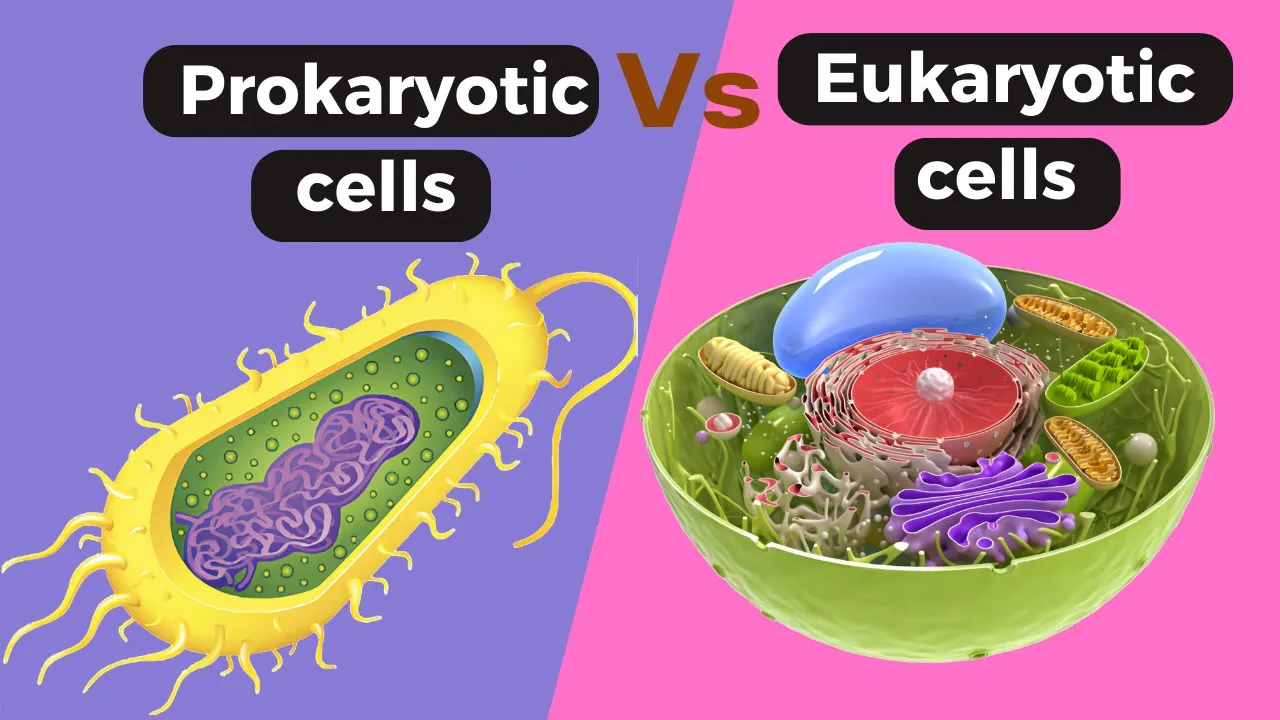







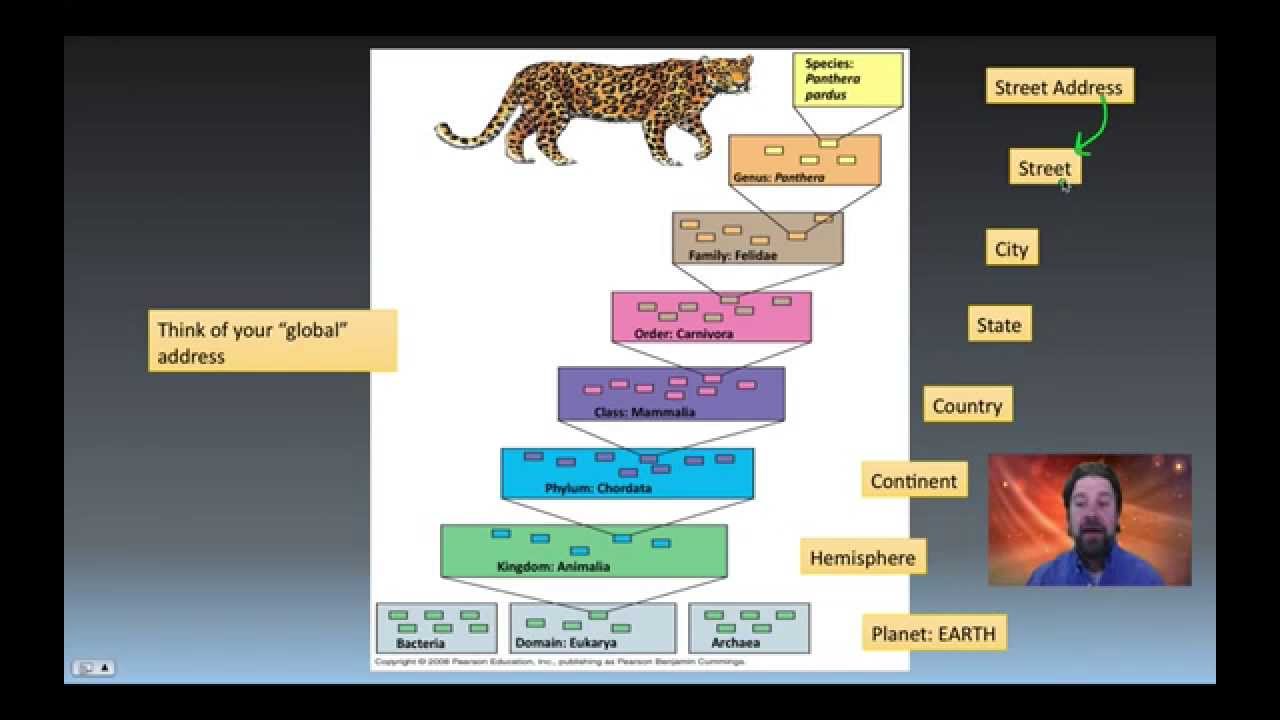








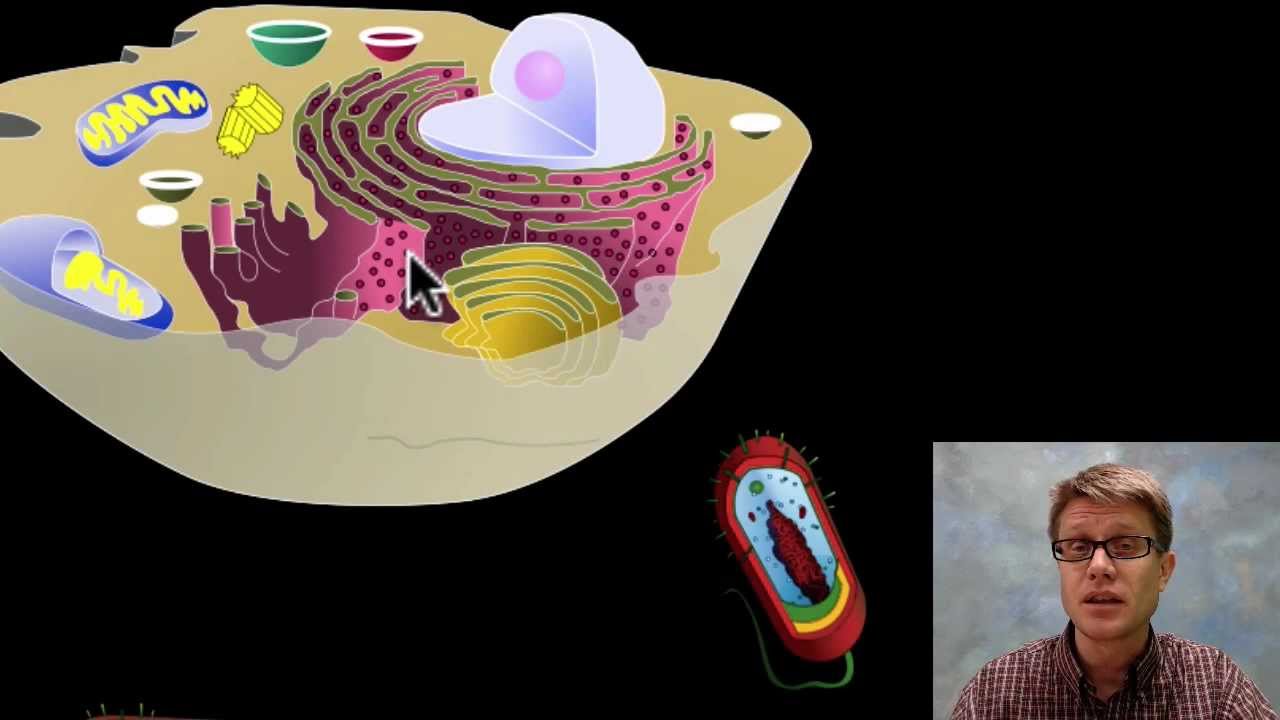
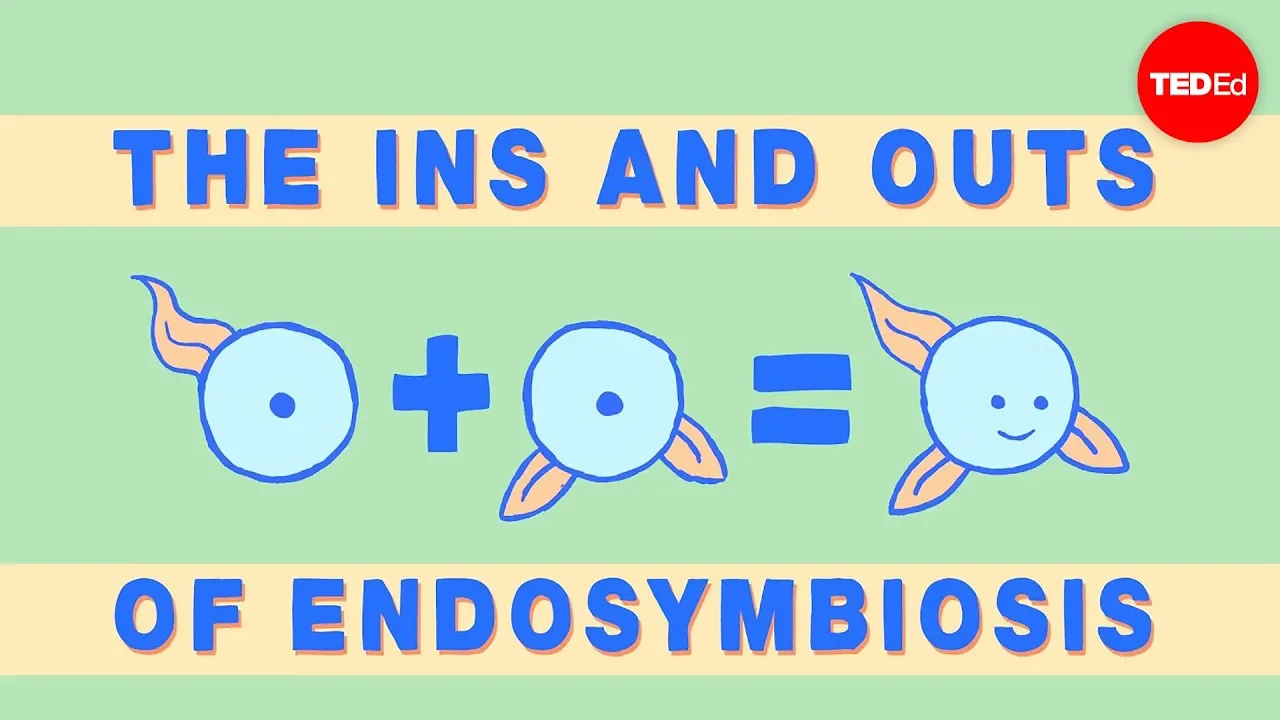




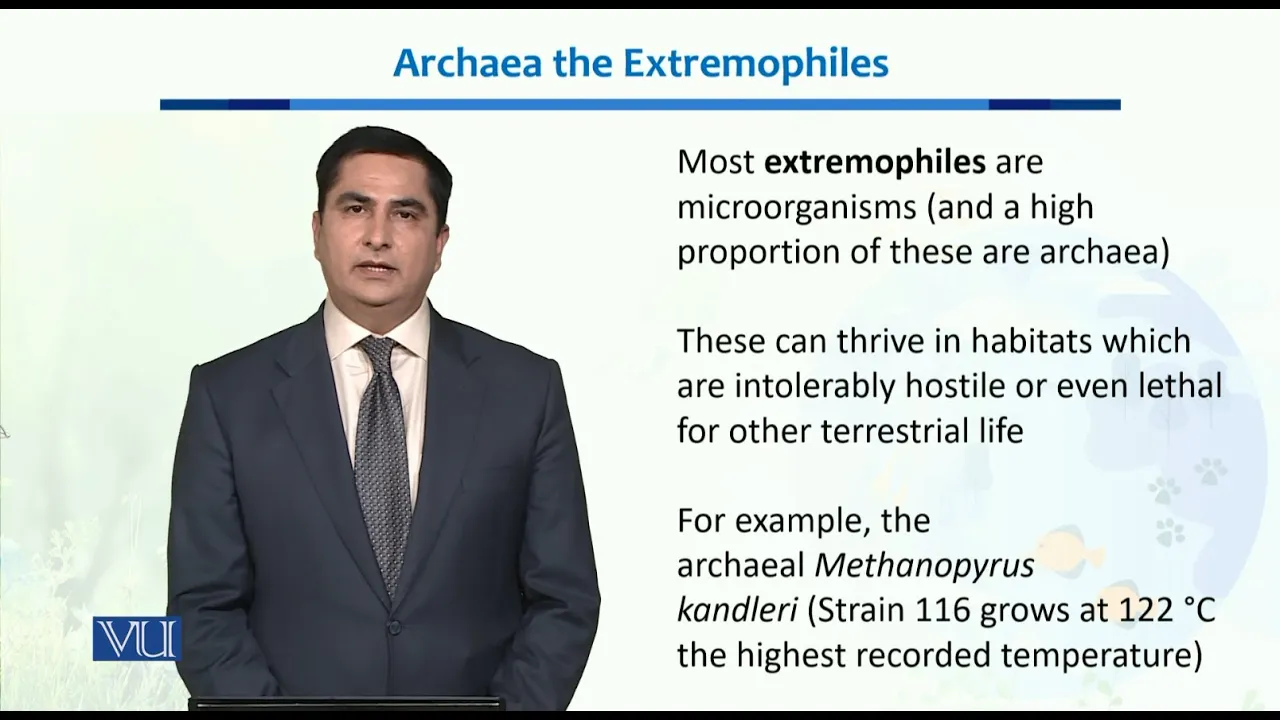







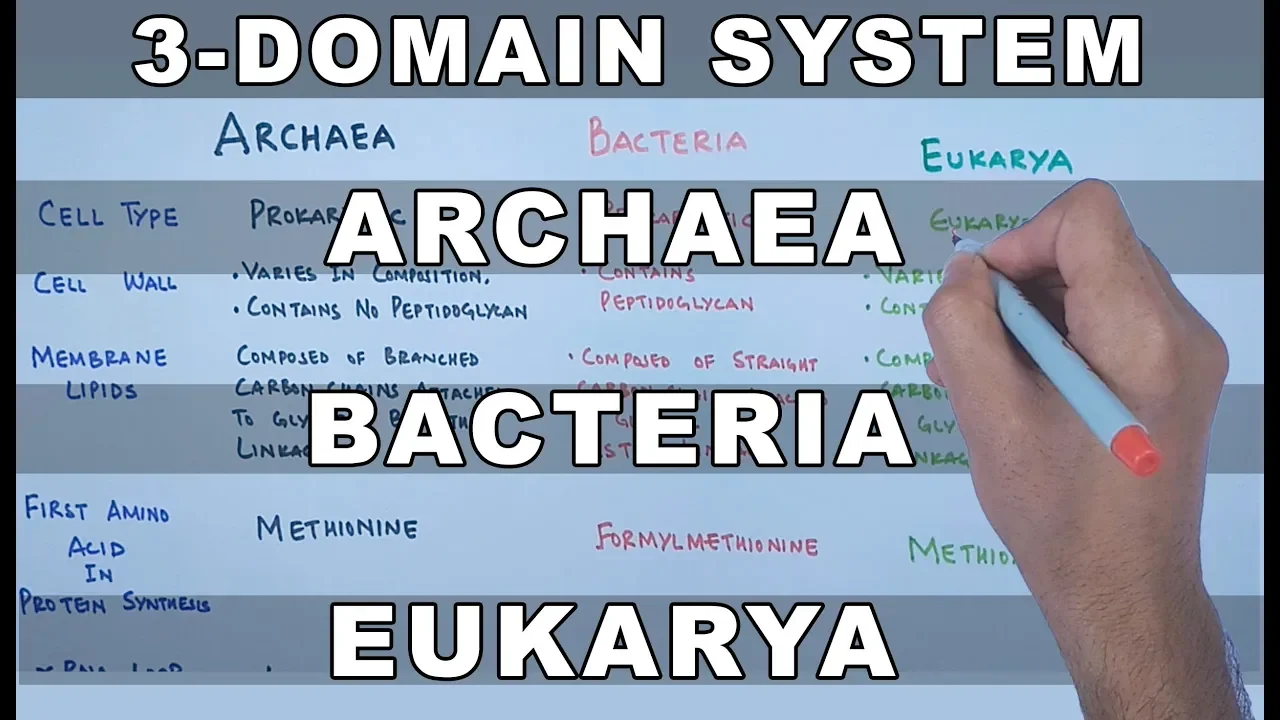

The three domains of life—Bacteria, Archaea, and Eukarya—differ fundamentally in cellular structure and evolutionary relationships. Bacteria are prokaryotic, single-celled organisms with peptidoglycan cell walls, lacking membrane-bound organelles and a nucleus, and are sensitive to antibiotics. Archaea are also prokaryotic but share features with Eukarya, including antibiotic resistance and ether-linked membrane lipids, and uniquely survive in extreme environments like hot springs and hydrothermal vents. Eukarya are eukaryotic organisms with membrane-bound organelles, a true nucleus, and can be multicellular or single-celled. Phylogenetically, Archaea and Eukarya share a more recent common ancestor than either does with Bacteria, indicating that Archaea are more closely related to Eukarya despite both being prokaryotic in some structural aspects.
Three Domains of Life: Archaea, Bacteria, Eukarya Explained (Biology Lecture)
Added:hello and welcome friends welcome to another video tutorial from shos biology and in this video lecture we'll be talking about the difference between Three Kingdoms the modern Three Kingdoms that we know in the classification of organism one is bacteria second one ARA third one ukaria what are the difference between these three different kingdoms so let's talk about that all the modern organisms that we know of all the organisms now are categorized into this Three Kingdoms and in this three kingdom they have a broad range of difference between themselves even if you go inside each of the Kingdom for example if you dig inside the ukar only you'll find so many diversification okay so the diversification present between ukaria and bacteria or ukaria an ARA is huge so let's look at them now in this case first let's talk about the difference then I'll talk about how exactly they are originated and what are their philogenetic tree like first thing about bacteria bacteria are procaryotic organisms okay procaryotic organism and they come much earlier at the time of evolution okay and they are very smaller tiny organisms we cannot see them with our naked eye okay and they don't if you look at the cell of bacteria they most of them I mean all of them are single cellular organisms okay so let me write those things the features of procaryotes all included in bacteria so they are procaryotes single cell or organism they don't have any cell organal no cell organal okay and they don't have any nucleus and they have peptidoglycan layer let me change the color here in their cell wall okay this in a sense I can tell about the basics and they are sensitive to what is known as antibiotics okay this in a sense the characteristic of bacteria now if you look at the difference between bacteria ARA you'll find so many differences ARA on the other hand are eukariotic cells okay so you know the difference of eukariotic and procaryotic here they're eukariotic organisms and in eukaryotic organism means UK carots so they are multicellular organisms but there are some single cell ukar also there known as the parasites single cellular ukar are also found but multi or single so let me write them here okay they have organal membrane bound organal like example mitochondria chloroplast for example this ukaria have cell membrane and cell wall so they can have membrane and wall all this prara have cell wall in it but not all the ukar all the bacteria have cell wall in it but all not all ukaria have the cell wall they have the cell membranes some of them have the cell walls for example plants or cell cell wall eukaryotic animals don't have cell wall they have cell membrane even if they have cell wall there is no peptidoglycan found no peptidoglycan found they obviously have a nucleus where uh the chromosomes are there DNA is condensed and wrapped around his stones to make a format of chromosome and stored there so these are the major difference between bacteria and ukaria and they are resistant to antibiotics antibiotic resistant okay and they have the cell membrane cell membrane is is made like phospholipid Bayer and those phosphates which are placed with the phospholipid Bayer they are linked with estar linkage in the ukari as well as in procar both this case they have membrane lipid membrane which is EST link now the third one archia Aria is a very interesting Kingdom why it is interesting because ARA carries features of ukaria and some features of bacteria it's kind of a middle thing now earlier it was thought as Aria much look like bacteria they are more like their structures like bacteria so they might be very much closely related with bacteria but now it's found out that Aria is even more close to ukaria then it's close to bacteria so the relation of AR and ukaria is much close so let's look why if you look at Aria from from the side I mean from overview AR are also procaryotes they also have a single cell they don't have that much of complicated cell and Machinery so these are let me write it with the red color here single cell procaryotes these are the characteristics that are matched with the bacteria mixed with bacteria type okay so they don't have any such of cell organal membrane B no chloroplast no mitochondria anarchia they don't have any nucleus now the difference they have with bacteria is that Aria have similarities now with ukaria what are the similarity there is no peptidoglycan found as a layer of ARA so no peptidoglycan layer this is no peptidoglycan in the cell wall okay and ARA is also antibiotic resistance antibiotic which are going to kill bacteria if you get the same antibiotic to Aria it will survive it will not be killed but there are some antibiotic which are eukariotic antibiotics that means the anti iotics that can kill eukariotic cells if we give those antibiotic it is going to kill ouria you know this is the similarity between ukaria and Aria another difference of ARA which is completely different than bacteria and ukaria is that Aria Aria have ether link between the phosphate that the membrane the membrane they have the membrane is slightly different in structure their lipid composition is also different now the membrane you know the phospholipid membrane which is also found in ARA there those phospholipid linkage normally in bacteria and ukaria I told you are the Ester link the phosphate and the lipid link is the fatty acid link but if the phosphate with the fatty acid Link in ARA is ether link okay that is the difference which is not found in both ukaria and and and uh bacteria now in ARA the complete another unique feature of ARA and why we take AR in complete different Kingdom Aria can survive one of the harshest and dangerous climates in the world it could be hot air I mean uh Hot Springs it could be hydrothermal vent it could be volcanic eruption and after the volcanic from the lava even if you check there will be some Aria living there they can tolerate very extreme climates and extreme conditions that no one dare to go like bacteria or ukaria but Aria can somehow survive that is their major feature that's why that's what keeping them completely safe completely different compared to the bacteria new carer of this unique ability of surviving in the harsh conditions and in this case now if we look how they are originated over the time it is going to give us the idea about who is linked with who the idea here is if you begin uh I don't think let me draw it here it's starts with a single point which is known as Luca here this is Luca Luca means last unknown common ancestor that is the part where we have a branching the branching we have here it produces bacteria then another Branch straights go just the division process one single terminal two branches one make bacteria another one straight goes and have another branching after some years later and not some me thousands and thousands of years later and then have another Branch the second Branch we have this is the ARA sorry and the this one is the ukaria so now you see why ukaria is much closely associated with Aria because they are originated from a common ancestor but bacteria is not associated with ar with any common ancestor they're separated in thousands and thousands of years separated by that's why ukar an archia is much closely placed and you know this drawing is very important keep this thing in your mind because this is very very important to understand about how the evolution take place in the large scale there okay so Aria the the idea of all this bacteria is kind of clear to us ukar is clear to us but for Aria some properties of Aria some unique why and how they survive in those climates and those condition i s they are in the extensively studied methods and but but they have some some things like uh they can survive in those situations they their their nuclic acid contents are studied but not that much difference but how exactly what is the mechanism by which they're surviving yet need to be discovered and we are doing a lot of research on Ara to talk about that but they are interesting to talk about because kind of a mixing of ukar and bacteria thing there okay that's why they survive in this uh time over there so that in sense the difference between Uka ukara and bacteria and I hope you like this video If you like this video please hit the like button definitely subscribe to my channel and sure share this video with your friends in all the social networking sites that you are in thank you
Up Next

Metabolic Diversity of Prokaryotes: Autotrophs, Heterotrophs & More
@hollybgolly07
699 views•2022-04-21

Bacterial Communication: Quorum Sensing and Biofilm Formation Explained
@JHUAAP
12.6K views•2011-06-28

RNA Interference Mechanism: siRNA and shRNA Pathways Explained
@shomusbiologyofficial
379.7K views•2015-02-21
Bacteriophages: Earth's Deadliest Killers and Future Antibiotics
@kurzgesagt
34.6M views•2018-05-13
Related Study Plans & Knowledge Roadmaps
Structured learning paths in Biology