



















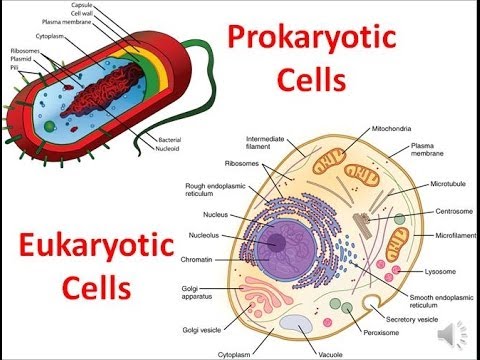

Prokaryotes exhibit remarkable metabolic diversity, classified by how they obtain energy (chemotrophs from chemicals, phototrophs from light) and carbon (autotrophs from inorganic sources like CO2, heterotrophs from organic matter), with additional variations in oxygen tolerance (aerobic vs. anaerobic) and unique capabilities like nitrogen fixation, enabling them to inhabit diverse environments from deep-sea vents to human teeth.
Metabolic Diversity of Prokaryotes: Autotrophs, Heterotrophs & More
Added:Basic understanding of prokaryotic cell structure, including the core differences between bacteria, archaea, and eukaryotes.
Fundamental concepts of metabolism, specifically the definitions of catabolism, anabolism, and the role of ATP as energy currency.
An introduction to the essential chemical elements of life, particularly the biological importance of carbon, hydrogen, oxygen, and nitrogen.
A basic grasp of standard eukaryotic metabolic processes, such as aerobic respiration and photosynthesis, to serve as a comparative baseline.
The role of prokaryotic metabolism in driving global biogeochemical cycles, including the nitrogen, carbon, and sulfur cycles.
The study of extremophiles, looking at how specialized Archaea use unique metabolic pathways to survive in extreme environments.
Practical applications of prokaryotic metabolism in biotechnology, such as bioremediation, sewage treatment, and biofuel production.
The evolutionary implications of prokaryotic metabolic diversity, specifically how it relates to the endosymbiotic theory and the rise of eukaryotic organelles.
699 views14likes12:42Original Release: 2022-04-21
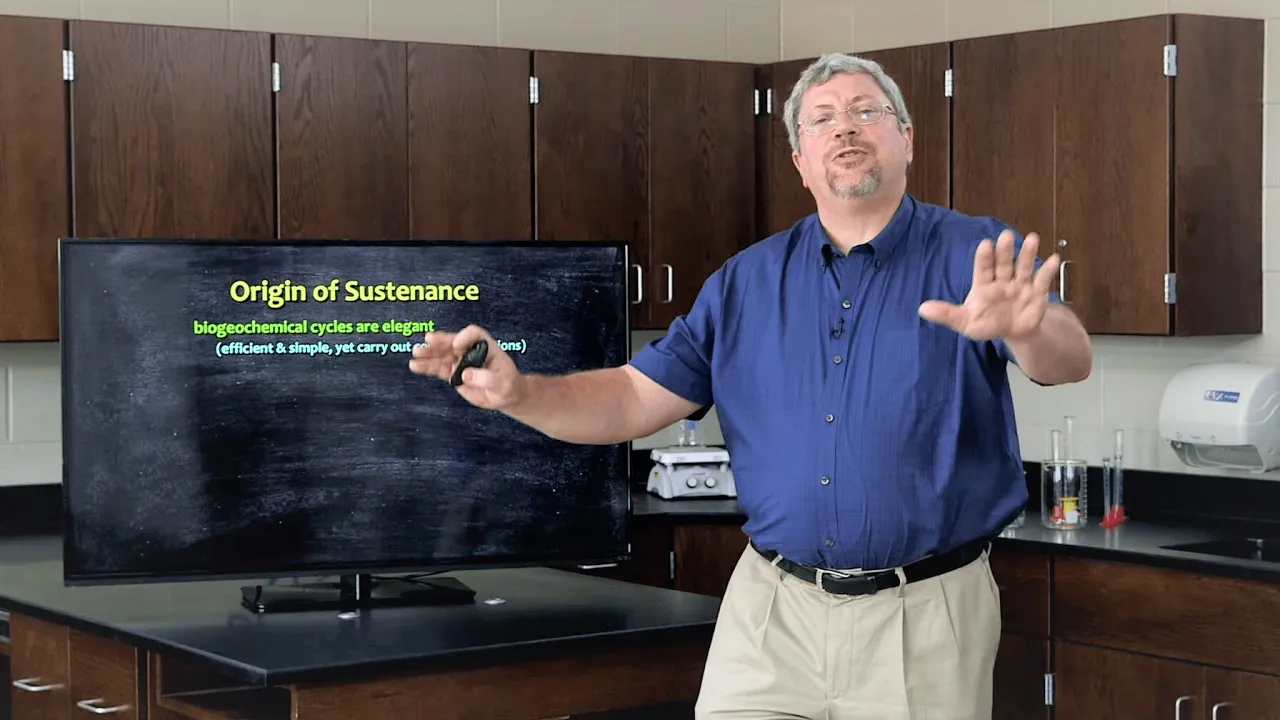
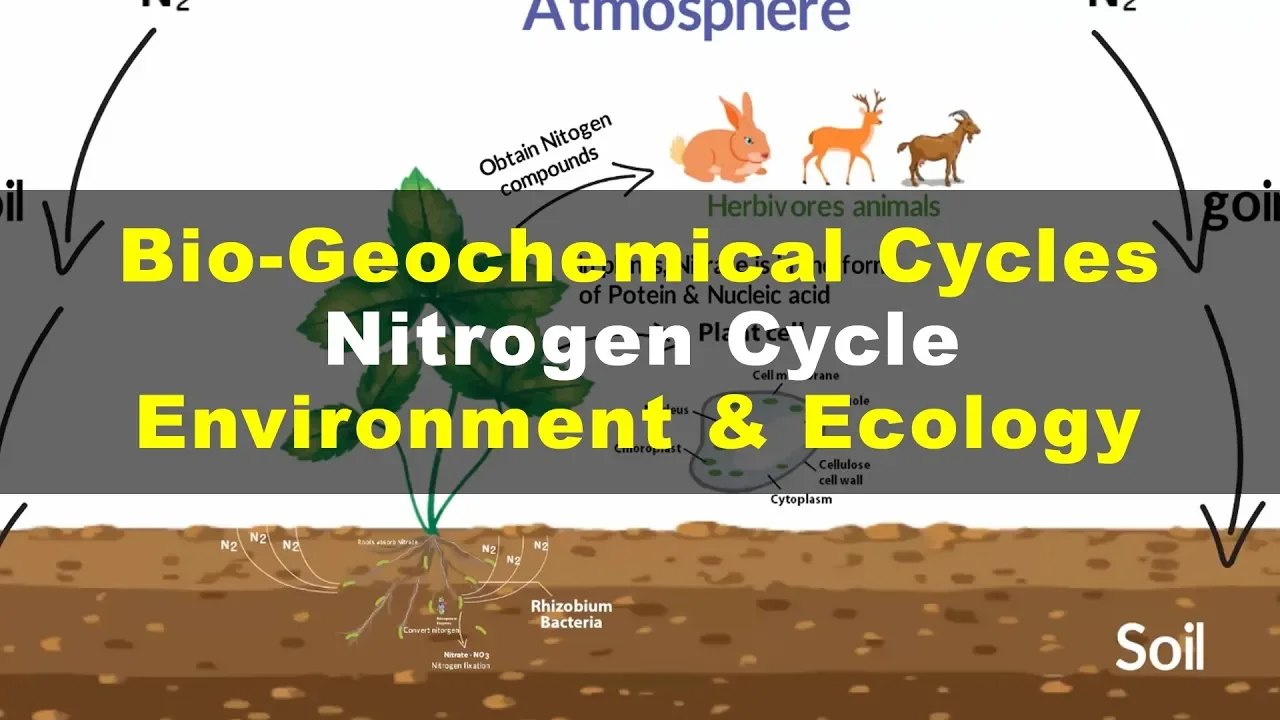
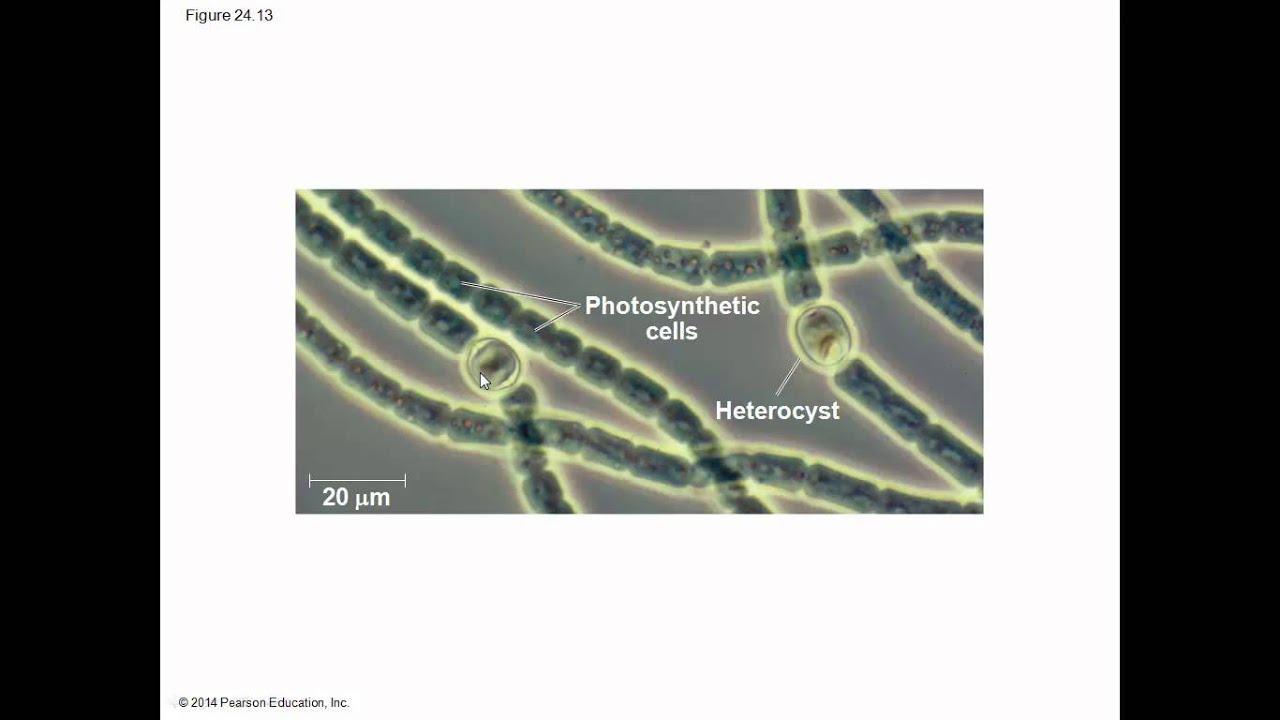
one of the really cool things about prokaryotes is their wide variety of ways to get energy from their environment so oftentimes we will categorize prokaryotes based on how they get energy energy from their environments that's what we're going to talk about here have the massive diversity of metabolic processes that prokaryotes can use so we're going to talk about a lot of terminology here and we are going to use some prefixes and suffixes for words that will be useful here that will be useful in other classes that you continue on to take and they'll be useful in 212 and 213. so i want you to focus less on memorizing the definitions of each of these words and more on trying to understand the different components of the word and what they mean all if in a planet can obtain matter organic matter from two sources either autotrophy or heterotrophy we need molecules we need organic matter to continue to sustain ourselves to replace dead organelles to copy our dna right to replace our damaged membranes so we need an input of matter and where we get that matter where we get that organic matter differs based on our evolutionary history right but we use this term troph you'll see this term this suffix troph and that just means nourishment so that really just means where are we getting our matter organisms can be autotrophs meaning that they self-feed okay or they can be heterotrophs hetero meaning that they get their organic matter from a different source okay so again auto means self so self feeding so these are organisms that can take often build their own organic compounds from inorganic substances heterotrophs eat other organisms eat other organic compounds to nourish their own organic organic matter needs hetero like us we have to eat other organisms to get our organic matter auto autotrophs feed themselves they produce their own organic compounds organisms can also differ in where do they get their energy where does that energy come from we can some organisms can use light solar energy to build their organic compounds and carry out life processes other organisms use chemicals to get their their energy into fuel life's processes okay so we're going to add some additional prefixes here to see where does an organism get its energy right so we talked about where it gets matter but where do organisms get its energy from what source if that organism gets its energy by breaking down other molecules we call it a chemotroph so chemoheterotroph produces its own energy by breaking down molecules from other organisms or food that it eats chemoautotroph builds its own food but then breaks it down or organisms can use light right photo is light photo is the the root word for light so that gives us photoheterotrophs that get their energy from the sunlight but yet they get their organic molecules organic matter from eating something else or photoautotrophs organisms that use the solar energy use the sunlight to build their own organic molecules all right let's focus for a second just on the heterotrophs the different types of heterotrophs that we have we have chemoheterotrophs and we have photoheterotrophs so both of these groups are getting their carbon from external sources right they're using they're eating other organisms they're getting their carbon compounds from their food so chemoheterotrophs are like us we eat our food it contains organic compounds and then we use those organic compounds to break them down also to get energy right so all animals are chemoheterotrophs most prokaryotes are also going to be chemoheterotrophs as well this kind of weird group of photo heterotrophs they still get their carbon energy from their food that they eat from their environment but they use they get their energy from sunlight so only a very small portion of prokaryotes would be photoheterotrophs they're not this is kind of a rare group there's not a whole lot that fall into this group so they're still eating they're still getting their carbon from their environment but their energy that they get comes from sunlight okay so some halophiles so organisms that live in very salty environments so halo means salt in file means to love would be photoheterotrophs and again we only see these in prokaryotes only a very small portion of prokaryotes so their energy comes from the sun but their their carbon their organic matter comes from the food that they eat all right now again types of autotrophs so these are organisms that build their own organic molecules usually from inorganic sources so we are most familiar with photo autotrophs photos are things like plants anything that can photosynthesize to be a photo autotroph where their their energy comes from from sunlight and the carbon carbon comes from an inorganic source so they can build their own organic molecules and the energy that they that they use to power their systems comes from sunlight okay so photo autotrophs are the most common so plants some produce and cyanobacteria would be part of the this group of photoautotrophs these chemoautotrophs though this is kind of a weird group um they still get their carbon from carbon dioxide but their energy that they get to kind of power their cells processes as well as convert that co2 into inorganic molecule comes from breaking down inorganic molecules so these could be things like breaking down hydrogen sulfide or ammonia in their environment so that process of breaking down those molecules is what gives them energy to form their organic molecules so photo use the sunlight chemoautotrophs use chemical energy from the environment hydrogen sulfide ammonia the most common but they're getting their carbon from an inorganic source from carbon dioxide not by eating other organisms so these are only prokaryotes um we typically find these types of organisms in deep-sea hydrothermal vents where things like ammonia and hydrogen sulfide are very common and so it's a readily it's a readily available energy source that they can use to build organic compounds so oxygen wasn't always super common on in our atmosphere okay there was for lots of earth's history especially in early earth's history where life was around when life started there wasn't a lot of oxygen around and so we see some prokaryotes that differ in their oxygen requirements or in the levels of oxygen that they can tolerate so air aer stands basically just for oxygen and so we have some prokaryotes are anaerobic meaning that they prefer low oxygen environments and some prokaryotes are aerobic they can function in oxygen-rich environments and the reason why oxygen is important is because oxygen is what basically helps us finish off the process of cellular respiration the process that we use to build atp and so with oxygen around we can build a lot of atp through the process of aerobic respiration right but not all prokaryotes can do this not all prokaryotes need the oxygen and in fact oxygen can be damaging to some organisms if they aren't used to functioning in that environment so oxygen is helpful if organisms can go through full cellular respiration to make lots of atp but it can be harmful if that organism doesn't have the cellular processes in place because oxygen is really greedy with electrons that'll sometimes strip other molecules of electrons so we have some organs organisms that are aerobic prokaryotes and they can go through cellular respiration in the presence of oxygen um but most prokaryotes are going to be anaerobic prokaryotes um they get their energy their atp molecule from going through a process of fermentation which is a process of anaerobic respiration gathering energy and building atp without the presence of oxygen without going through the full process of cellular respiration aerobic cellular respiration right we're probably familiar with anaerobic respiration or fermentation if you've made bread before right yeast goes through anaerobic fermentation this is how we get things like beer and wine alcohol things like that through anaerobic fermentation so most prokaryotes are going to fall into here this anaerobic preference for their lifestyle don't worry about the chemical equations for how fermentation happens and how much atp is produced that's something we'll tackle in 212 we'll tackle that later but know that most prokaryotes are anaerobic one of the most amazing things i think about prokaryotes is that they are some of the only organisms that can fix nitrogen gas so when we that term fix basically means to turn something from inorganic to organic so nitrogen gas is all around us in our atmosphere okay it's a really it's a like 78 of our atmosphere is nitrogen gas like this two nitrogens combined together with a triple bond between them most organisms we need nitrogen it's a huge component of our dna and our rna and it's just we need a lot of nitrogen but not many organisms can break up that triple bond that's a really strong bond yeah but some prokaryotes like we see these little root nodules right here on the roots of this plant these are prokaryotes that can turn this gaseous nitrogen with that triple bond into ammonia and ammonia is a usable form of nitrogen living organisms can use this and then recombine this ammonia to build nucleic acids to build proteins in amino acids things like that nitrogen gas not accessible living organisms ammonia some organisms can't do this but really only prokaryotes are the most common organism that can break up that nitrogen gas into into ammonia and fix that nitrogen lastly it's even though prokaryotes have a wide diversity of metabolic processes it's important to know that they often work together and create communities that we call biofilms so biofilms are groups of microbes that kind of work together they sometimes create a sugary substance to kind of stick them together to create these these films um so biofilms can be helpful or harmful to humans so like plaque the reason why we have to brush and floss our teeth is a biofilm a bacteria that can secrete acid that decays our teeth right we can also use biofilms for things like this scoby when making kombucha so what happens basically is this biofilm and prokaryotes or bacteria kind of cuts off creates a film on the top of the the t so this is basically brewed tea creates a film on the top of the brew tea that cuts off exchange with the with the atmosphere so it creates an anaerobic environment which causes some of the components of its biofilm yeast which is not a prokaryote but you used to switch over from aerobic respiration to anaerobic respiration to start breaking down some of the sugars that are in here and the carbohydrates that are in here to start producing kombucha right so biofilms are very common prokaryotes will often live together in community like this while metabolic diversity is one of the key components of being a prokaryote many different types of prokaryotes carrying out and getting energy and getting carbon from many different sources it's not the whole story right so their huge diversity of prokaryotes that evolved over time through this process of rapid reproduction frequent mutations and a huge diversity of environmental niches right different types of environments for them to live in different food sources different energy and carbon sources led to the diversity of prokaryotes that we have today which also laid the groundwork for eukaryotes to come about which is what we'll talk about next
Up Next
11:23
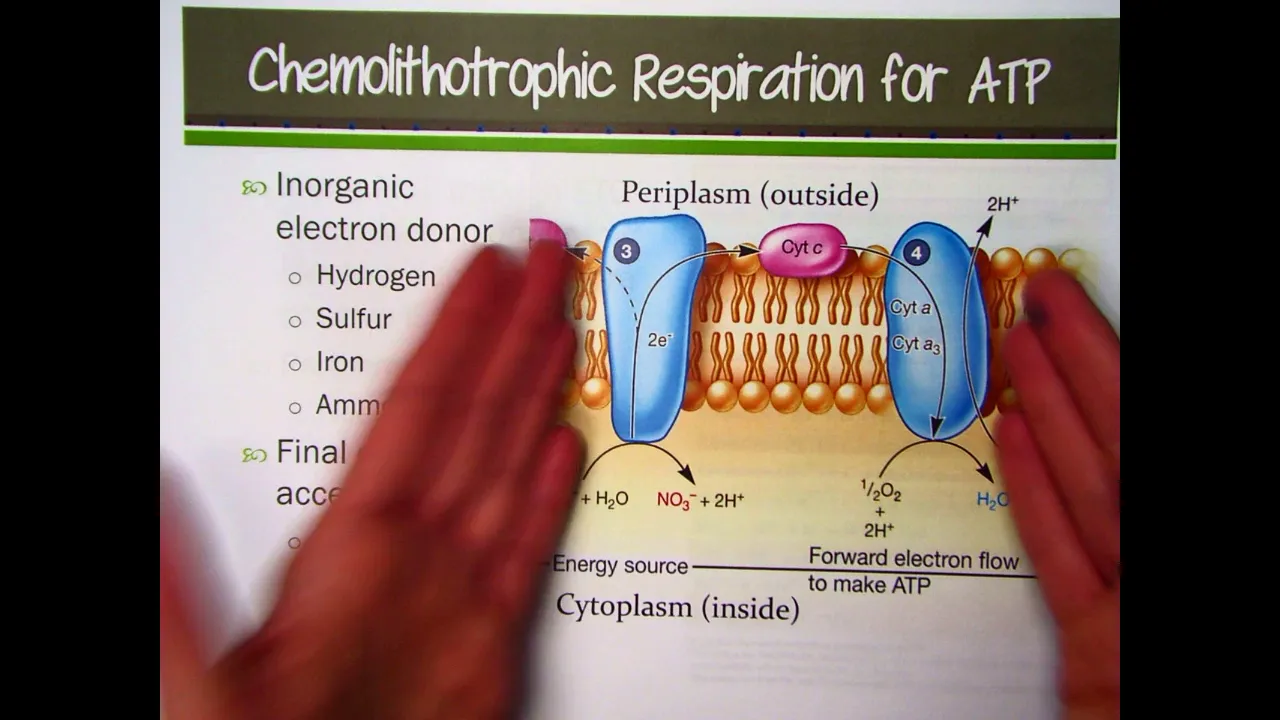
Chemolithotrophy: Inorganic Electron Donors in Microbial Metabolism
@rcp148
810 views•2023-12-30
50:12
Bacterial Communication: Quorum Sensing and Biofilm Formation Explained
@JHUAAP
12.6K views•2011-06-28

5:35
Enteric Nervous System Explained: The Gut's Brain | Neurobiology Lecture
@alumniu6029
438 views•2018-09-12
7:08
Bacteriophages: Earth's Deadliest Killers and Future Antibiotics
@kurzgesagt
34.6M views•2018-05-13
Related Study Plans & Knowledge Roadmaps
Structured learning paths in Biology
biology
RNAi: Biogenesis, RISC & Gene Silencing
01Molecular Biology Foundations: DNA to Protein
02Introduction to RNA Interference (RNAi)
03Molecular Biogenesis of miRNA and siRNA
+ 2 more learning modules
10h5 modules
Explore Roadmap
biology
Mycorrhizae: Signaling, Biophysics & Ecology
01Foundations of Mycorrhizal Symbiosis
02Molecular Signaling and Root Colonization
03Biophysics and Bioenergetics of Nutrient Exchange
+ 1 more learning modules
11h4 modules
Explore Roadmap
biology
Circadian Clocks: TTFL, SCN & Periphery
01Foundations of Molecular Biology & Gene Expression
02Introduction to Chronobiology and Actograms
03The Core TTFL: Molecular Architecture of the Clock
+ 3 more learning modules
14h6 modules
Explore Roadmap
biology
Population Genetics: Math, Drift & Selection
01Genetic & Probability Foundations
02The Hardy-Weinberg Principle and Baseline Models
03Mathematical Modeling of Natural Selection
+ 3 more learning modules
18h6 modules
Explore Roadmap