









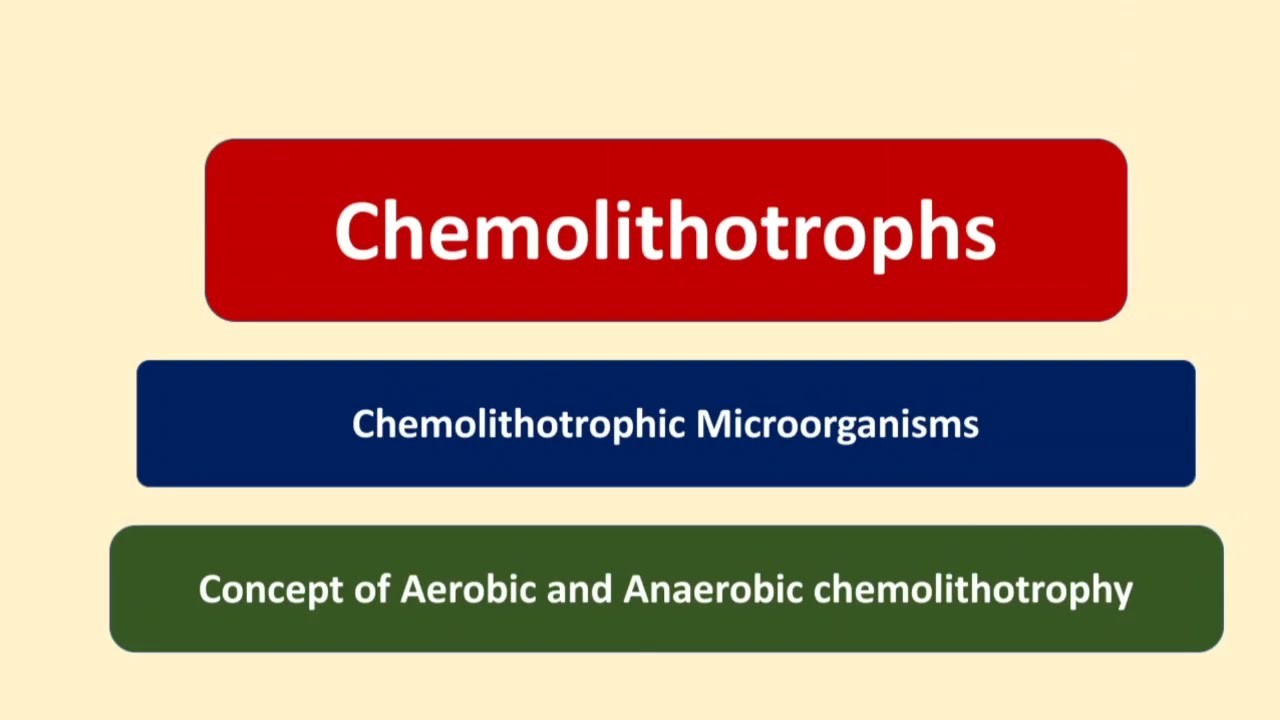





Chemolithotrophs are organisms that derive both energy and electrons from inorganic compounds (such as sulfur, sulfate, nitrate, or iron), bypassing the initial catabolic steps of glycolysis and the Krebs cycle; instead, they directly utilize electron transport chains to generate a proton motive force (PMF) for ATP production through oxidative phosphorylation, but face the challenge of producing NADPH for anabolic reactions, which they solve through reverse electron flow—a process that uses the PMF to move electrons against their natural reduction potential gradient from inorganic donors back up to reduce NADP+ to NADPH.
Chemolithotrophy: Inorganic Electron Donors in Microbial Metabolism
Added:Fundamental principles of oxidation-reduction (redox) reactions, including electron donors, electron acceptors, and the concept of reduction potential (the redox tower).
The basic structure and function of the Electron Transport Chain (ETC), oxidative phosphorylation, and the generation of a proton motive force (PMF).
Thermodynamic concepts in biology, specifically how Gibbs free energy change determines whether a biochemical reaction is exergonic or endergonic.
The distinction between different microbial trophic groups, specifically autotrophs vs. heterotrophs, and phototrophs vs. chemotrophs.
Specific metabolic pathways of diverse chemolithotrophs, such as nitrification (ammonia oxidation), sulfur oxidation, iron oxidation, and methanogenesis.
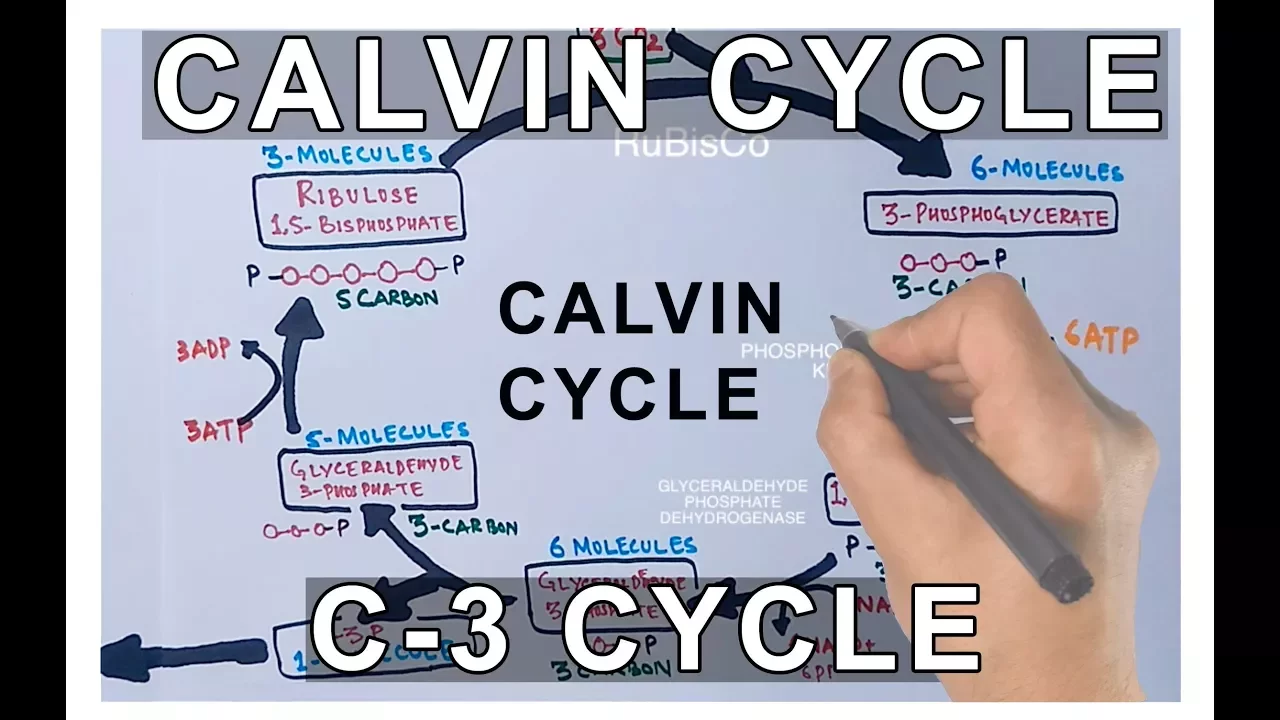
The biochemical mechanisms of carbon dioxide fixation pathways (e.g., Calvin-Benson-Bassham cycle, reductive TCA cycle) powered by chemolithotrophic energy.
The role of chemolithotrophs in global biogeochemical cycles (nitrogen, sulfur, and iron cycles) and their impact on environmental ecosystems.
Practical applications of chemolithotrophy in biotechnology, such as biomining (bioleaching of ores), bioremediation of acid mine drainage, and microbial fuel cells.
810 views13likes11:23Original Release: 2023-12-30
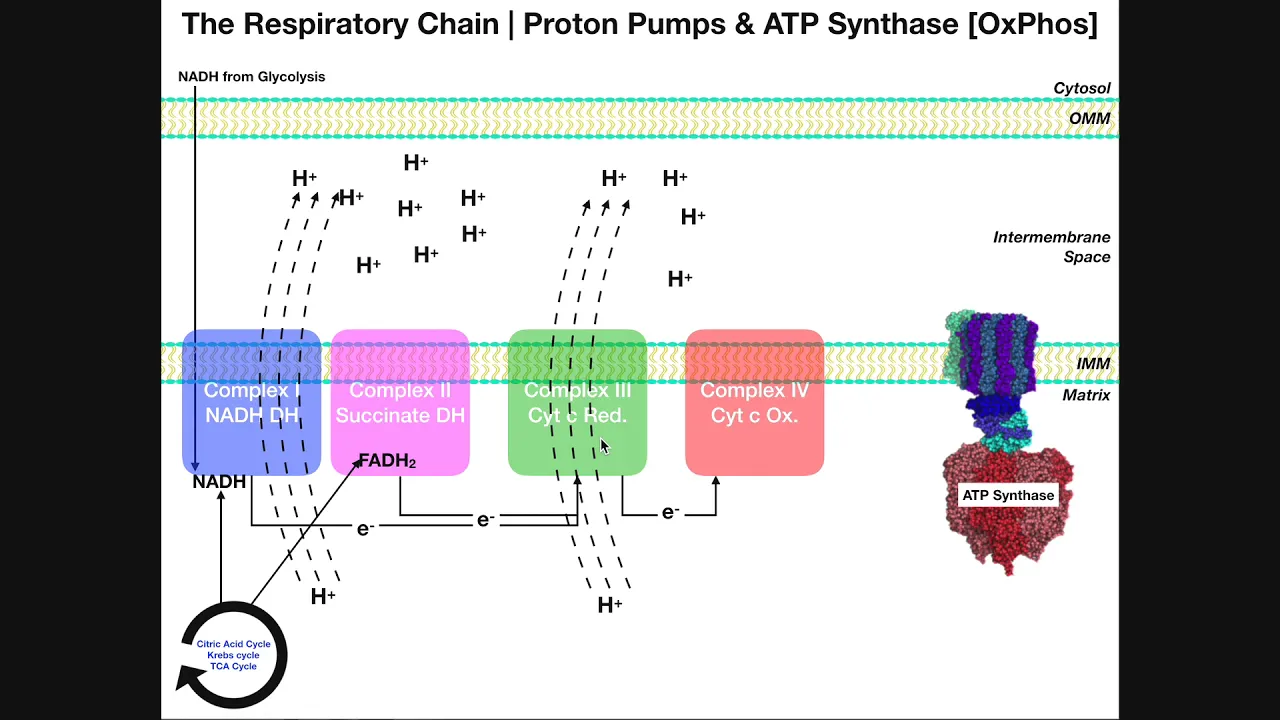
all right this video we are gonna cover chemo Litha trophy so just as a refresher what we have been doing so far is learning about chemo Organa truths so chemo Organa tropes are organisms that get their energy and their electrons from organic chemicals this is things like us and e-coli and so as you guys will remember the first three catabolic steps of glycolysis pyruvate oxidation and the krebs cycle Krebs cycle are what are responsible for the complete oxidation of the organic carbon compound and so it is in these three steps that every single one of the carbon-carbon double knot double bonds of the carbon-carbon bonds are broken and then the electrons that are released are picked up by the electron carriers primarily nad going to nad plus going to nadh and fadh2 and then in electron transport we're going to use those electrons as they go down the electron transport chain to generate a PMF and the news that PMF to produce lots of ATP through oxidative phosphorylation so that's chemo Organa troves all of that whole process is powered by the oxidation of an organic carbon compound okay so in this video we are going to learn more about chemo lift the truth so chemo Litha troves also get their energy from chemicals Big E for energy but they get their electrons from in organic compounds so litho means rocks and so chemo lithotripsy get their energy and electrons from inorganic compounds and so these first three steps do not happen in chemo lithotripsy we are going to go straight to electron transport and oxidative phosphorylation so I'm this is a diagram from your text which basically summarizes what I just said and so in chemo illicit ropes we only have electron transport and so the electrons are going directly from an inorganic carbon compound like sulfur or sulfate or nitrate or nitrite or iron or something to a final electron acceptor by means of an electron transport chain and so it is going to be still true that electrons will move from things with a negative u naught prime or negative reduction potential to things with a positive reduction potential because negative means more likely to donate and positive reduction potential is more likely to accept right so reduction is gaining electrons and so if it is more positive it is more likely to gain electrons if it is more negative it is less likely to gain electrons and this thus more likely to donate electrons because that is the only other option so in chemo Litha troves the electrons are donated from inorganic compounds to a final electron acceptor that final electron acceptor will also be an inorganic compound it may be oxygen as here or it may not be oxygen but it's never going to be something organic both the electron donor and the electron acceptor will be inorganic compounds since we are still powering ATP production and from oxidation of an initial compound we are still going to be making ATP by ox foss which is going to be powered by steam F done with the enzyme ATP synthase and happening in the cell membrane because all electron transport chains happen and membranes and in bacteria the only membrane that they have to work with is the plasma or so membrane okay and so this is just a list of possible electron donors and electron acceptors in general all that you're going to need to know is that both the donor and acceptor are inorganic carbon compounds I may want you to interpret a chart or even kind of make a guestimation given values so I might not give you the chart one time I might give you just the electron is moving from sulfate to nitrate from minus 1 to plus 4 plus point four like how will that compare if the electron moves from sulfate to oxygen or something so you need to be comfortable using this chart you also need to be comfortable knowing that things with a negative reduction potential are electron donors and things with a positive reduction potential are electron acceptors the more positive the reduction potential the better an electron acceptor or something will be so this just shows you a little short electron transport chain and so the electron is being donated from nitrate producing nitrate and then it gets going to go through this weensy electron transport chain to oxygen reducing oxygen forming water and then in the process some protons will be pumped out to help generate a PMF this is a cytochrome and so you may remember that cytochromes contain iron and can help in the electron transport chain okay hopefully this is good so far the thing that is a little bit weird with chemo with the trophy is that they are starting with inorganic carbon not inorganic carbon that makes no sense they are starting with inorganic compounds the electron donor and if you look at this chart which is different than the one we've seen before but still so this is in organic inorganic reading on the list and then these are inorganic here so you can see on this chart there is only one inorganic thing that will be able to donate electrons to NADPH right so things that are more negative or donors and so in order to donate you have to be higher up on the chart and so you may remember that bacteria will use NADH for catabolic electrons but NADPH for anabolic electrons and so these cells are in a pickle because they are gonna need to make stuff and they cannot produce they cannot easily produce this NADPH for anabolic to be an anabolic electron donor if they are starting with some inorganic compound that already has a more positive reduction potential than the NADPH so that is the biggest problem for chemoautotrophs is how to generate NADPH okay one second I need to fold this over before you see it okay so what they do is they actually have a two pronged electron transport system and so just ignore this I don't here we go and so this is the little electron transport we looked at before like one slide ago that has the nitrate going to the nitrite the electron going to the oxygen some pmf generated this is electron transport going from more positive reduction potential Oh crisis I've got that backwards more negative reduction potential to more positive reduction potential okay so the electrons prefer to move from negative reduction potential to positive so this is what we have been calling regular electron transport but which now we will call forward electron transport because it goes in an in an energetically favorable direction and thus does not require input of energy in fact this energetically favorable electron transport from better donators to better acceptors creates a PMF so it makes energy releases energy okay but remember the chemo Litha troughs need to still be able to make some NADPH which is here on this chart and so it has a more negative reduction potential than a lot of the things that might be electron donors and so to make the NADPH the cell actually does what is called reverse electron flow which is so this is your reduction potential chart down here so this is negative P naught prime positive V naught prime so these are donors and these are acceptors right so positive or not positive forward so our electron transport is like this and so this releases energy often as PMF to do reverse electron transport the electron has to move back up which uses energy to get happen and so chemo Litha troves actually will run some forward electron transport to create a PMF and then in addition to using that PMF potentially for making ATP or for swimming they may now alternatively use the PMF to power reverse electron flow in order to make NADPH so to send the electrons from like nitrate or sulfate or something back up to nadph requires energy that energy is provided by PMF and this since it goes in an energetically unfavorable direction is called reverse electron flow or reverse electron transport this is pretty much the same thing that I just said so there you have it so that's chemo lithotripsy inorganic electron donors and acceptors they have a forward electron transport which makes PMF but they also need to do a reverse electron transport which uses PMF and makes NADPH
Up Next
2:05
Bacteria vs Archaea: Key Differences in Cell Structure
@MooMooMath
207.9K views•2021-02-22
50:12
Bacterial Communication: Quorum Sensing and Biofilm Formation Explained
@JHUAAP
12.6K views•2011-06-28

5:35
Enteric Nervous System Explained: The Gut's Brain | Neurobiology Lecture
@alumniu6029
438 views•2018-09-12
7:08
Bacteriophages: Earth's Deadliest Killers and Future Antibiotics
@kurzgesagt
34.6M views•2018-05-13
Related Study Plans & Knowledge Roadmaps
Structured learning paths in Biology
biology
RNAi: Biogenesis, RISC & Gene Silencing
01Molecular Biology Foundations: DNA to Protein
02Introduction to RNA Interference (RNAi)
03Molecular Biogenesis of miRNA and siRNA
+ 2 more learning modules
10h5 modules
Explore Roadmap
biology
Mycorrhizae: Signaling, Biophysics & Ecology
01Foundations of Mycorrhizal Symbiosis
02Molecular Signaling and Root Colonization
03Biophysics and Bioenergetics of Nutrient Exchange
+ 1 more learning modules
11h4 modules
Explore Roadmap
biology
Circadian Clocks: TTFL, SCN & Periphery
01Foundations of Molecular Biology & Gene Expression
02Introduction to Chronobiology and Actograms
03The Core TTFL: Molecular Architecture of the Clock
+ 3 more learning modules
14h6 modules
Explore Roadmap
biology
Population Genetics: Math, Drift & Selection
01Genetic & Probability Foundations
02The Hardy-Weinberg Principle and Baseline Models
03Mathematical Modeling of Natural Selection
+ 3 more learning modules
18h6 modules
Explore Roadmap