Bacteria and Archaea are two distinct domains of prokaryotic organisms that differ fundamentally in their cell wall composition (bacteria contain peptidoglycan while archaea do not), membrane lipid structure (archaea use isoprene chains instead of fatty acid chains), and genetic code reading enzymes; despite sharing similarities as single-celled organisms without nuclei or membrane-bound organelles, these molecular differences led to the recognition of Archaea as a separate domain alongside Bacteria and Eukarya in modern biological classification.
Bacteria vs Archaea: Key Differences in Cell Structure
Added:Deep Dive
The fundamental differences between prokaryotic and eukaryotic cellular organization.

Introduction Of Bacterial Cell Structure | B.Sc. Botany 1st Semester | Swati Ma'am |
38.9K
Prokaryotic cells lack a well-developed nucleus and membrane-bound organelles. Their genetic material is not enclosed within a membrane-bound structure. Unlike eukaryotic cells, prokaryotes do not possess endoplasmic reticulum, Golgi apparatus, or lysosomes. Prokaryotic ribosomes are 70S in size, while eukaryotic ribosomes are 80S. This fundamental difference in cellular organization distinguishes prokaryotic from eukaryotic cells and affects all cellular processes.
Click to watch →

Cell | Biology समझे Theory से | Railway Science Class-11 | Theory Batch Daily 5 PM 🔴 #biology
145
Prokaryotic cells have primitive/false nuclei (prokaryon) while eukaryotic cells have true nuclei (eukaryon). Prokaryotic cells lack membrane-bound organelles like mitochondria, Golgi bodies, and endoplasmic reticulum. Eukaryotic cells possess fully developed membrane-bound organelles. Prokaryotic cells perform cellular respiration in the cytoplasm (anaerobic), while eukaryotic cells perform it in mitochondria. These fundamental differences define the basic cellular organization of living organisms.
Click to watch →
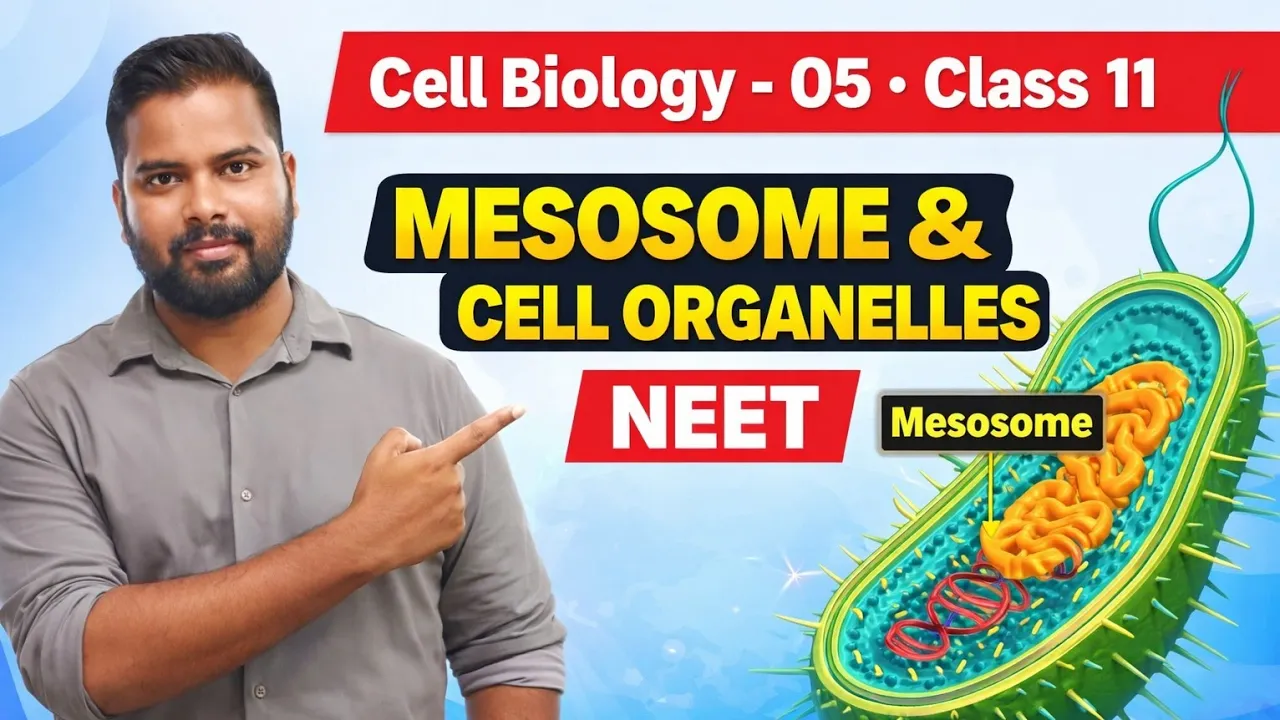
Cell biology -05 // Class 11 biology || Mesosome || Cell organelles || NEET || Revolution Education
132
Prokaryotic cells lack membrane-bound organelles entirely, possessing only non-membrane-bound structures like ribosomes. In contrast, eukaryotic cells contain all three types of organelles. This fundamental difference in cellular organization reflects the greater complexity of eukaryotic cells, which evolved from prokaryotic ancestors through endosymbiosis and other evolutionary mechanisms. The presence of membrane-bound organelles allows eukaryotic cells to compartmentalize functions more efficiently.
Click to watch →
Prokaryotic vs Eukaryotic: The Differences | Cells | Biology | FuseSchool
359.2K
Prokaryotic cells lack a membrane-bound nucleus and other organelles, with DNA located freely in the cytoplasm within a region called the nucleoid; they are always unicellular and have a large surface area to volume ratio enabling rapid growth and reproduction. Eukaryotic cells contain a membrane-bound nucleus and numerous specialized organelles like mitochondria, allowing for compartmentalized cellular functions; they can be either unicellular or multicellular. Bacteria and archaea are prokaryotes, while plants, animals, fungi, and most other organisms are eukaryotes.
Click to watch →

Difference between prokaryotes and eukaryotes in hindi
125
Prokaryotic cells are unicellular with diffuse nuclei lacking defined structure, while eukaryotic cells are multicellular with well-defined nuclei containing nucleolus and nuclear membrane. Prokaryotes reproduce through binary fission with single circular chromosomes and plasmids, while eukaryotes use mitosis and meiosis with multiple linear chromosomes. Prokaryotic cell membranes lack sterols except in mycoplasma, while eukaryotic membranes contain rich sterol content. These fundamental differences define the basic cellular organization of all living organisms.
Click to watch →
Deep Dive
The three-domain system of biological classification introduced by Carl Woese.

LOS TRES DOMINIOS BIOLOGIA
149.1K
The three-domain system, proposed by Carl Woese in 1990, classifies all living organisms into three distinct domains—Archaea (archaeobacteria), Bacteria (eubacteria), and Eukarya—based on molecular evidence showing that archaea are evolutionarily closer to eukaryotes than to bacteria, replacing the classical two-domain classification of prokaryotes and eukaryotes.
Click to watch →

Biología 13 Evolución y Taxonomía - Pedro Pedrozo
92.3K
Carl Woese proposed the three-domain system in 1990, based on ribosomal RNA analysis. The three domains are: (1) Archaea (ancient bacteria with unique characteristics), (2) Bacteria (true bacteria), and (3) Eukarya (organisms with membrane-bound nuclei). Archaea and Bacteria are prokaryotic (no nucleus), while Eukarya are eukaryotic (with nucleus). This system reflects the fundamental evolutionary relationships between all organisms.
Click to watch →

Chapter 1: Introduction to Microbiology
662.6K
The current three-domain system of classification was proposed by Carl Woese in 1978 based on ribosomal RNA sequence comparisons. This system groups all life into three domains: Bacteria, Archaea, and Eukarya. By comparing ribosomal RNA sequences, scientists can determine evolutionary relationships—the more similar the sequences, the more closely related the organisms. This molecular approach replaced earlier classification based solely on observable morphology.
Click to watch →
NEET 2021 | Biological Classification-1 | Class 11 | Dr Sachin Kapur
356.2K
Carl Woese proposed the Three Domain Classification system in 1990, dividing organisms into Bacteria (true bacteria), Archaea (primitive bacteria in extreme conditions), and Eukarya (eukaryotic organisms). This system was based on genetic and molecular differences, particularly in ribosomal RNA sequences. It represents the most modern classification system, providing a more accurate representation of evolutionary relationships at the highest level of biological organization.
Click to watch →

Biological Classification | Rapid NCERT Revision | Biology | NEET 2024 | Dr. Anand Mani
107.5K
Carl Woese proposed the three-domain classification system in 1977, which is considered the most modern and accurate classification system. He divided all living organisms into three domains: Bacteria (true bacteria), Archaea (archaebacteria), and Eukarya (eukaryotic organisms). This classification was based on molecular differences, particularly in ribosomal RNA sequences, which revealed fundamental evolutionary relationships that were not apparent from morphological characteristics alone.
Click to watch →
Deep Dive
Basic biochemistry of macromolecules, specifically lipids, proteins, and nucleic acids.

Guia de biología UNAM (biología UNAM) resuelto
128.9K
Lipids are hydrophobic biomolecules serving as long-term energy storage, thermal insulation, and structural components. They are classified as saponifiable (containing fatty acids: triglycerides, phospholipids) and non-saponifiable (steroids like cholesterol). Triglycerides store energy in adipose tissue. Phospholipids form cell membranes due to their amphipathic nature. Steroids include cholesterol (membrane stability) and sex hormones (testosterone, estrogen). Proteins are the most abundant organic molecules, composed of 20 amino acids linked by peptide bonds. They have four structural levels: primary (amino acid sequence), secondary (alpha-helices and beta-sheets), tertiary (3D folding), and quaternary (multiple subunits). Proteins perform diverse functions: structural (collagen, keratin), enzymatic (biological catalysts), hormonal (insulin, glucagon), defensive (antibodies), and transport (hemoglobin). Nucleic acids (DNA and RNA) are composed of nucleotides containing a pentose sugar, nitrogenous base, and phosphate group. DNA contains deoxyribose and bases adenine, guanine, cytosine, and thymine, existing as a double helix. RNA contains ribose and bases adenine, guanine, cytosine, and uracil, typically as a single strand.
Click to watch →

Grade 10 SCIENCE | Quarter 4 Modules 3-4 | Biomolecules
318.4K
Proteins are body-building molecules with amino acid monomers (R-CH-NH₂-COOH, containing C, H, O, N) serving growth, repair, enzyme catalysis, and structural support. Detection uses Biuret test (blue to purple for peptide bonds). Nucleic acids (C, H, O, N, P) carry genetic information with nucleotide monomers. Lipids are energy-storing biomolecules with fatty acid monomers (CH₃(CH₂)ₙCOOH, n=2-28 even), providing organ protection and waterproof coverings. Examples include steroids, cholesterol, fats, oils, nuts, and waxes. Detection uses ethanol emulsion test (milky white emulsion indicates lipid presence). Lipids are hydrophobic (water-fearing).
Click to watch →

Macromolecules: Lipids, Carbohydrates, Nucleic Acid, Excerpt 1 | MIT 7.01SC Fundamentals of Biology
153.3K
This lecture introduces macromolecules, explaining that they are large biological molecules often formed as polymers through condensation reactions (bond formation with water release) and broken down through hydrolysis reactions (bond breaking with water addition). The course covers lipids, which comprise about 5% of cellular dry mass and include triglycerides (energy storage molecules formed from glycerol and fatty acids) and phospholipids (amphipathic molecules that spontaneously form lipid bilayers for cell membranes); carbohydrates, which make up about 25% of cellular dry mass and include monosaccharides (simple sugars like glucose), disaccharides (two-sugar units like sucrose), and polysaccharides (long chains like glycogen and cellulose), with blood types being encoded by specific carbohydrate antigens on red blood cells.
Click to watch →

مراجعة نهائية أولى ثانوي 2024 📢 كربوهيدرات -ليبيدات -بروتينات -أحماض نووية -إنزيمات
322.6K
This comprehensive section covers all four major biological macromolecules in detail: (1) Carbohydrates: classification into simple (monosaccharides like glucose, fructose, galactose; disaccharides like sucrose, maltose, lactose) and complex (polysaccharides like glycogen, starch, cellulose), functions as primary energy source and structural components, and detection methods (Benedict's solution for monosaccharides, iodine for starch), (2) Lipids: classification into simple (fats/triglycerides, waxes) and complex (phospholipids, glycolipids), saturated vs unsaturated fatty acids, and functions including energy storage, thermal insulation, and waterproofing, (3) Proteins: classification into simple (only amino acids) and conjugated (with other components like hemoglobin with iron, thyroxine with iodine), and functions including structural components, transport, hormonal regulation, and enzymatic catalysis, (4) Nucleic acids: DNA (deoxyribose, adenine, guanine, cytosine, thymine, double-stranded, nucleus) and RNA (ribose, adenine, guanine, cytosine, uracil, single-stranded, cytoplasm), and the process of protein synthesis involving transcription and translation.
Click to watch →
The Four Biomolecule Families: Carbs, Lipids, Proteins, Nucleic Acids (Introductory Biochemistry)
96.5K
Lipids, including fats, oils, and waxes, are nonpolar molecules with high energy content (9 calories per gram). Their building blocks are fatty acids with long hydrocarbon chains storing chemical energy. Phospholipids, with their polar head and nonpolar tail, spontaneously form bilayers that constitute cell membranes. Steroids like testosterone and estrogen consist of four fused carbon rings and function as important hormones. Proteins, made from 20 amino acid monomers, serve multiple roles: structural support (skin, hair, fingernails, eye lenses), movement (muscle tissue contraction), enzymatic catalysis (controlling chemical reactions), and immune defense (antibodies fighting infections). Meat contains muscle protein, and egg whites are protein-rich. Nucleic acids (DNA and RNA) store and transmit genetic information, with nucleotides as their monomers. ATP, a nucleotide, serves as life's key energy molecule for cellular work.
Click to watch →
Deep Dive
The core processes of molecular biology, including DNA replication, transcription, and translation.

রেপ্লিকেশন, ট্রান্সক্রিপশন, ট্রান্সলেশন, ডিএনএর কাজ খুব সহজে। বাচ্চারা এখন এটাই সবার আগে উত্তর করবে
22.7K
DNA replication is the semi-conservative process where DNA polymerase synthesizes new DNA strands using the original strands as templates, involving enzymes like helicase, topoisomerase, primase, and ligase; transcription is the process where RNA polymerase synthesizes mRNA from DNA template following base-pairing rules (A-U, G-C), occurring in the nucleus; and translation is the process where ribosomes synthesize proteins from mRNA using tRNA to deliver amino acids, occurring in the cytoplasm. These three processes form the central dogma of molecular biology, with DNA replication being the foundation for genetic inheritance, transcription enabling gene expression, and translation producing functional proteins.
Click to watch →
Replicación, transcripción y traducción. Genética molecular. 4° ESO.
69.8K
The central dogma of molecular biology describes how genetic information flows from DNA to RNA to protein through three key processes: DNA replication creates two identical DNA copies from one original strand by separating the double helix and adding complementary nucleotides (adenine-thymine, guanine-cytosine); transcription transfers DNA information to messenger RNA (mRNA) using RNA polymerase, where uracil replaces thymine; and translation occurs in ribosomes where mRNA codons (three nitrogenous bases) are read by transfer RNA molecules carrying specific amino acids, which join together to form proteins.
Click to watch →
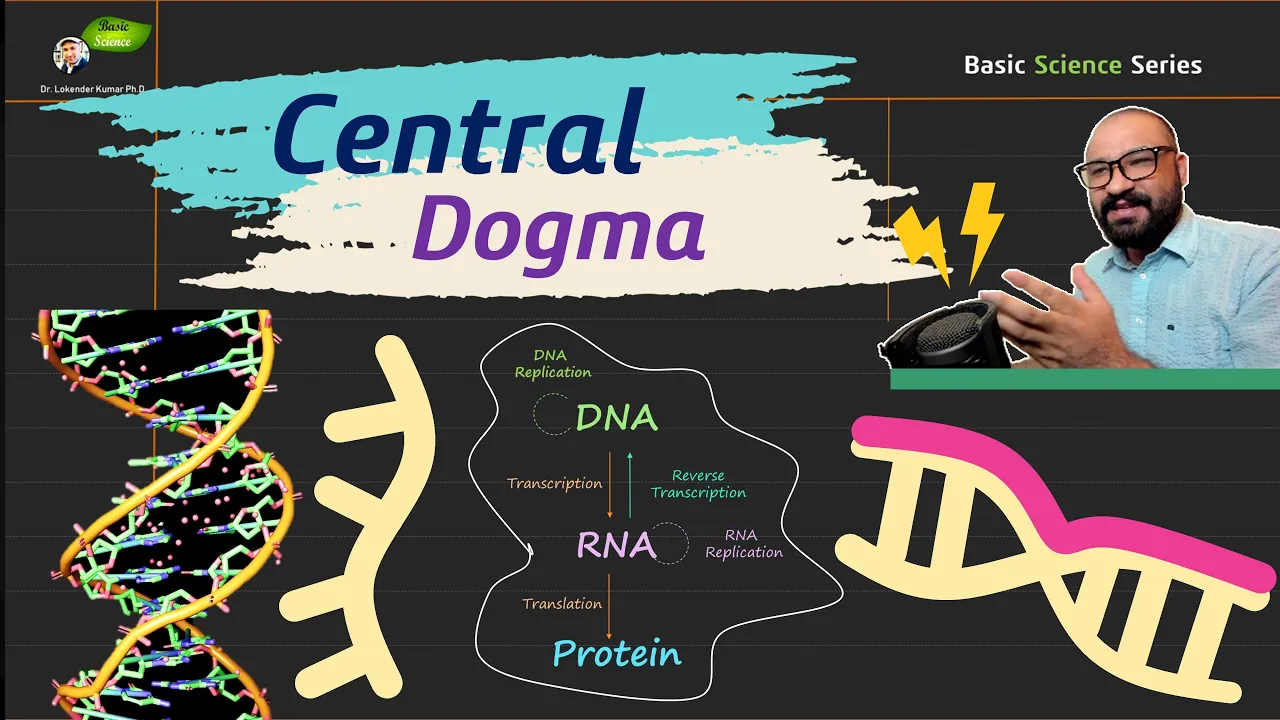
Central dogma of molecular biology | Biochemistry | Molecular Biology | Basic Science Series
1.3K
The central dogma involves three fundamental processes: DNA replication (DNA to DNA), transcription (DNA to RNA), and translation (RNA to protein). DNA replication ensures genetic information is copied accurately for cell division. Transcription creates RNA molecules from DNA templates as intermediaries. Translation synthesizes functional proteins from RNA sequences. Additionally, RNA replication and reverse transcription (RNA to DNA) represent important exceptions and extensions of the central dogma, enabling diverse genetic information flows in biological systems.
Click to watch →
DNA Replication | Transcription | Translation | Facebook LIVE | Fahad Sir | 16 August
25.9K
The central dogma of molecular biology describes the flow of genetic information in cells: DNA replication is the process where DNA makes copies of itself before cell division; transcription is the process where DNA is copied into messenger RNA (mRNA); and translation is the process where mRNA is used by ribosomes to synthesize proteins. These three processes form the fundamental framework for understanding how genetic information is stored, copied, and expressed in living organisms.
Click to watch →

Basic Molecular Biology
67K
Three fundamental processes govern molecular biology: transcription (writing out RNA from DNA template), translation (converting nucleic acid language to protein language), and replication (exact copying of DNA). Transcription and replication occur in the nucleus, while translation happens in the cytoplasm. Understanding these terms is essential for grasping molecular mechanisms.
Click to watch →
Prerequisite Knowledge
- Concept 01The fundamental differences between prokaryotic and eukaryotic cellular organization.
- Concept 02The three-domain system of biological classification introduced by Carl Woese.
- Concept 03Basic biochemistry of macromolecules, specifically lipids, proteins, and nucleic acids.
- Concept 04The core processes of molecular biology, including DNA replication, transcription, and translation.
Subsequent Learning
- Step 01The survival mechanisms of extremophiles and the specific lipid adaptations of archaeal membranes to harsh environments.
- Step 02The Endosymbiotic Theory and the evolutionary relationship between Archaea, Bacteria, and the origin of Eukaryotes.
- Step 03Biotechnological and industrial applications of archaeal enzymes (extremozymes) in processes like PCR (polymerase chain reaction).
- Step 04The metabolic diversity of prokaryotes, including methanogenesis, nitrogen fixation, and sulfur reduction.
Carl Woese
Habitat Range
Shared Traits
Key Differences
Genetic & Disease
Three Domains
Carl Woese
0:00Playing Section
- 1
Carl Woese initiated a major shift in biological classification.
- 2
He proved archaea are a distinct domain separate from bacteria.
The Web of Life and Horizontal Gene Transfer
While classic biology emphasizes a strict evolutionary division between Bacteria and Archaea based on distinct cell structures and genetics, the 'Web of Life' model challenges this rigid dichotomy. This perspective argues that extensive Horizontal Gene Transfer (HGT) has occurred between the two domains throughout evolutionary history. Rather than evolving as entirely isolated, parallel lineages, Bacteria and Archaea have continuously swapped genetic material, including genes governing metabolic pathways and even cell membrane components. Consequently, critics of the strict domain division argue that these organisms share a highly fluid genetic relationship, making the boundaries between them far more blurred and interconnected than a simple list of differences suggests.
Deep Dive
The survival mechanisms of extremophiles and the specific lipid adaptations of archaeal membranes to harsh environments.
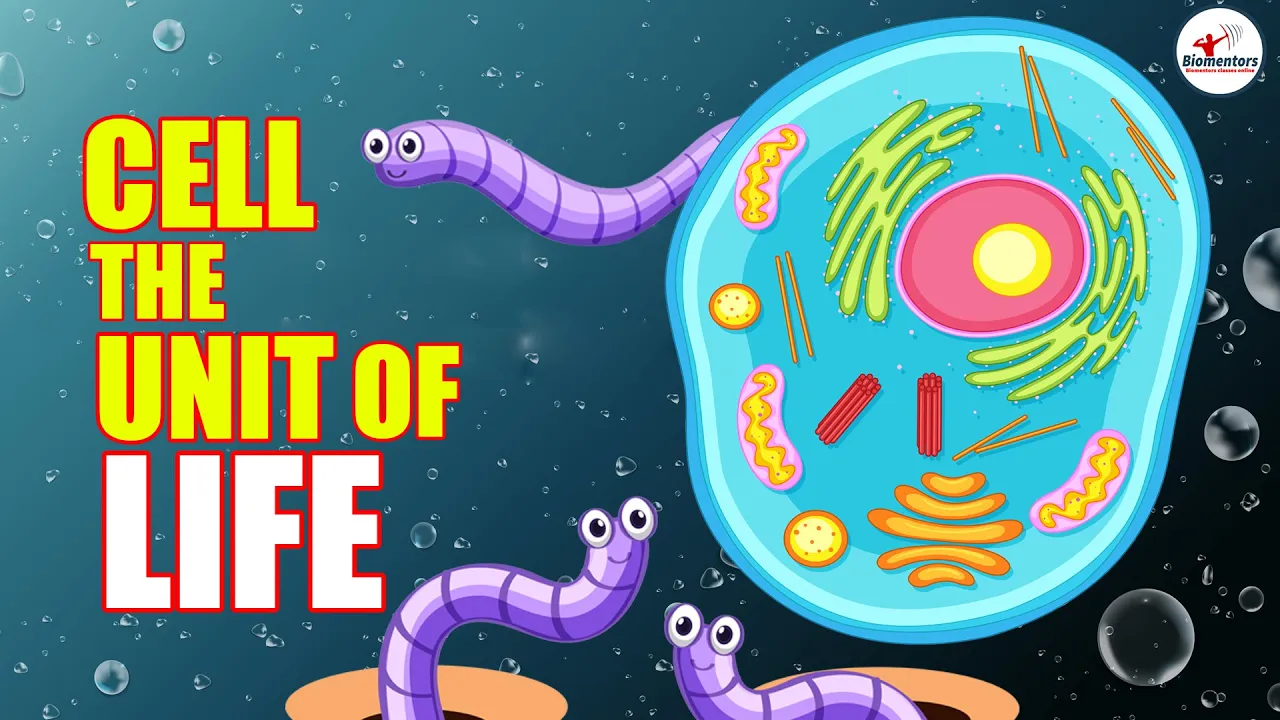
Cell the Unit of Life l Lecture 18 l Biology l NEET
87.6K
Archaeal bacteria have branched-chain lipids in their cell membranes. These branched-chain lipids provide resistance to extreme environmental conditions. This adaptation allows archaea to survive in harsh environments where other organisms cannot.
Click to watch →
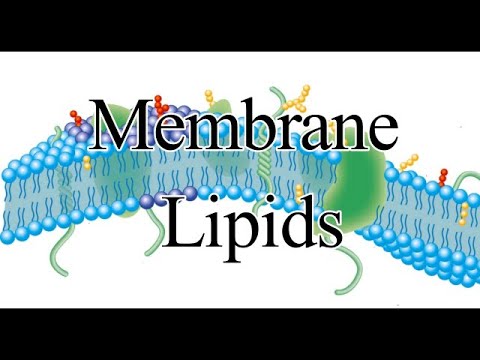
Membrane Lipids I Glycerophospholipids I Sphingolipids I Sterols I Tetraether Lipids of Archaea I
3.3K
Archaeal ether lipids (glycerol dialkyl glycerol tetraethers) enable survival in extreme environments including high temperature (thermophiles), low pH (acidophiles), high ionic strength (halophiles), and methane-rich environments (methanogens). These lipids feature strong ether linkages (unlike ester linkages in other organisms), very long branched fatty acids, and a second ether-linked glycerol head group. The archaeal glycerol central carbon is in R configuration (S in other kingdoms). Sphingolipids, discovered by John Tudichum, contain about 60 variants in human membranes and serve as cell recognition sites determining blood groups. Unlike other lipids, they lack glycerol and use sphingosine (long-chain amino alcohol) with only one fatty acid. They derive from ceramide and attach polar heads via glycosidic or phosphodiester linkages. Three classes exist: sphingomyelins (abundant in myelin sheaths, classified as phospholipids with neutral head groups), glycosphingolipids (neutral, carry no charge, include cerebrosides with single sugars and globosides with multiple sugars), and gangliosides (contain complex oligosaccharides and sialic acid residues).
Click to watch →

Build-a-Cell seminar Ahanjit Bhattacharya: A Chemical Synthetic Biology Approach to Membranes
310
This section covers two distinct research directions. First, studying viral fusion mechanisms using pseudo-infection assays where viruses fuse with artificial vesicles, mimicking cellular infection and enabling study of viral content transfer. Second, investigating archaeal lipids—found in extremophiles like Yellowstone's boiling lakes—which have highly branched hydrocarbon chains, ether linkages (instead of ester), and typically lack unsaturation. These structural features provide exceptional chemical stability, allowing archaea to survive extreme conditions. Research addressed whether these lipids adopt U-shaped conformations enabling membrane fusion, providing insights into how membrane structure relates to function in extreme environments.
Click to watch →
Membrana citoplasmática bacteriana | Clase completa de Microbiología
364
Archaeal membranes differ fundamentally from bacterial membranes: (1) Ether linkages instead of ester bonds between glycerol and hydrocarbon chains, providing greater rigidity; (2) Isoprenoid chains (phytanyl, 20 carbons from 4 isoprene units) instead of fatty acids; (3) Some archaea have monocap membranes formed by bifiphytanyl (40 carbons) or cyclic lipids like crenarchaeol. These adaptations allow archaea to survive in extreme environments like high temperatures.
Click to watch →
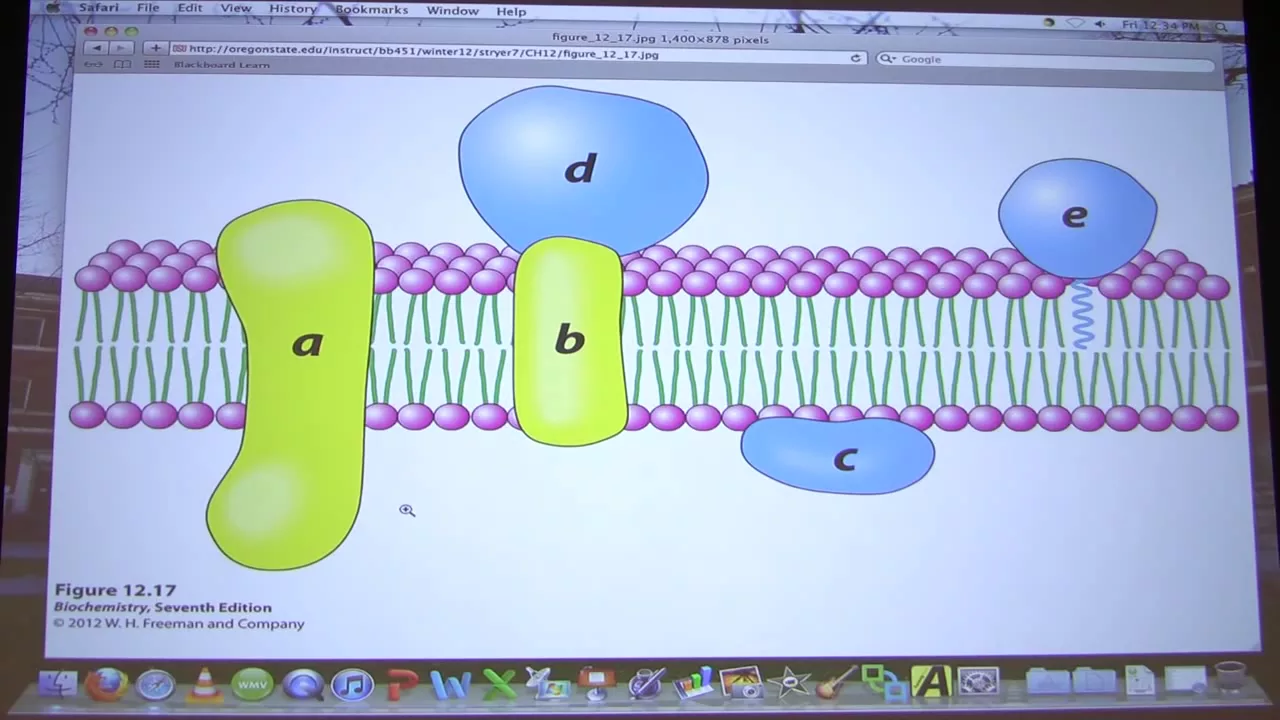
#30 Biochemistry Lipids and Membranes Lecture for Kevin Ahern's BB 451/551
39.5K
Sphingolipids, based on sphingosine rather than glycerol, are more abundant in nerve and brain tissue. Cerebrosides contain single sugars, while gangliosides have complex oligosaccharide chains. Sphingomyelin is a major component of myelin sheaths. Cholesterol, with its single hydroxyl group, modulates membrane fluidity and is extraordinarily abundant in brain tissue (14% dry mass). Archaea survive extreme environments by using ether linkages instead of ester linkages in their membrane lipids, providing greater chemical stability. Amphiphilic molecules self-assemble into micelles (single-tailed) or lipid bilayers (double-tailed), demonstrating how molecular structure determines supramolecular organization.
Click to watch →
Deep Dive
The Endosymbiotic Theory and the evolutionary relationship between Archaea, Bacteria, and the origin of Eukaryotes.

Biólogo PhD reage: o ancestral em comum mais recente (LUCA)
23.5K
Archaea are a domain of single-celled organisms that are genetically closer to eukaryotes than to bacteria. Many archaea are extremophiles, living in extreme environments like high salinity, high temperatures, or toxic conditions. Eukaryotes (organisms with complex cells containing membrane-bound organelles) evolved from a lineage of archaea that developed larger cells and more complex internal structures. The endosymbiotic theory proposes that mitochondria and chloroplasts originated from free-living bacteria that were engulfed by ancestral eukaryotic cells and established a symbiotic relationship. This theory is supported by the fact that mitochondria and chloroplasts have their own DNA and resemble bacteria.
Click to watch →

O ancestral em comum mais recente (#Pirula 388.1)
118K
Life is organized into three domains: Bacteria, Archaea, and Eukarya. Bacteria and Archaea are prokaryotes (cells without membrane-bound organelles), while Eukarya are eukaryotes (cells with membrane-bound organelles and a nucleus). Archaea are particularly known for living in extreme environments (extremophiles). Eukaryotic cells evolved through endosymbiosis, where ancestral cells engulfed other organisms that became organelles. Mitochondria originated from engulfed bacteria and are responsible for cellular respiration. Chloroplasts originated from engulfed photosynthetic bacteria and enable photosynthesis in plants and algae. This endosymbiotic theory explains how complex eukaryotic cells evolved from simpler prokaryotic ancestors.
Click to watch →

Biologia Geral - Aula 11 - Evolução dos eucariontes amebozoa e rizharia
19.8K
The origin of eukaryotes is based on endosymbiotic processes. The ancestral eukaryote was likely an archaeon, with genetic material deriving from archaeal sources. Membrane invaginations formed the nucleus and other organelles. A decisive event was endosymbiosis with aerobic bacteria that became mitochondria. Later, cyanobacteria were incorporated to form chloroplasts. This process resulted in eukaryotic genomes being chimeras containing archaeal genetic material plus bacterial genetic material from two groups: cyanobacteria and aerobic bacteria.
Click to watch →

Археи: открытие, которое переписало дерево жизни – Семихатов, Кочеткова
18.9K
Three fundamental mysteries in biology remain unsolved: the origin of the first microorganisms, the origin of eukaryotic cells, and the 'lipid rift' event when eukaryotic cells acquired their unique membrane structure. The endosymbiotic theory proposes that eukaryotic cells originated when an archaeal host cell engulfed a bacterial cell that became the mitochondrion, creating the first eukaryotic cell approximately 3.5 billion years ago. In 2015, scientists discovered Lokiarchaeota, an archaeal lineage with genes previously thought to be unique to eukaryotes, encoding proteins involved in membrane formation, phagocytosis, movement, and cell division. Asgard Archaea represent a major taxonomic group containing multiple lineages including Lokiarchaeota, Thorarchaeota, Odinarchaeota, and others. Scientists estimate that approximately 95-98% of archaeal diversity remains undiscovered, representing 'microbial dark matter.'
Click to watch →
Are We All Actually Archaea?
838.4K
Although Archaea resemble bacteria, they are more closely related to eukaryotes (organisms with nuclei) than to bacteria, sharing similar enzymes for genetic processing. This relationship intensified with the 2015 discovery of Lokiarchaeota near Loki's Castle hydrothermal vents, leading to identification of Odinarchaeota, Thorarchaeota, and Heimdallarchaeota—collectively named Asgard Archaea. These organisms possess eukaryote-like proteins previously thought exclusive to complex cells, suggesting eukaryotes may have evolved within the Asgard group through endosymbiosis, where an archaeon engulfed a bacterium to form mitochondria.
Click to watch →
Deep Dive
Biotechnological and industrial applications of archaeal enzymes (extremozymes) in processes like PCR (polymerase chain reaction).
BIOLOGY GRADE 12 UNIT 2 LESSON 5 ARCHAEA
272
Archaea have become invaluable resources for biotechnology due to their extremophilic nature producing thermostable enzymes. These enzymes function effectively at high temperatures encountered in industrial processes. Archaeal enzymes are widely used in detergent formulations to enhance stain removal effectiveness during washing cycles. Perhaps most significantly, thermophilic archaea provide Taq polymerase, the enzyme essential for polymerase chain reaction (PCR) technology. PCR enables rapid DNA amplification and has revolutionized genetic research, forensics, and medical diagnostics. The discovery and application of archaeal enzymes demonstrate how understanding extremophile biology leads to transformative technological innovations.
Click to watch →

M-27. Extremozymes and their applications I
881
Extremophiles are microorganisms living in extreme environments (such as extreme heat, cold, or salinity) that naturally produce stable enzymes called extremozymes, which exhibit optimum activity under harsh conditions; psychrophilic enzymes from cold-adapted organisms have structural adaptations like decreased hydrophobicity in the protein core and increased conformational flexibility, making them suitable for low-temperature industrial applications like detergent formulation and food processing, while thermophilic enzymes from heat-resistant organisms possess structural features such as higher hydrophobic amino acid content and dense protein packing that enable their use in high-temperature processes including starch hydrolysis, brewing, and molecular biology applications like PCR.
Click to watch →

Dominio Arquea
173
Archaeal enzymes (extremozymes) function under extreme conditions (high temperature, pressure, pH, salt, organic solvents) that would denature conventional enzymes. These enzymes are valuable for industrial processes requiring harsh conditions. Archaeal enzymes are used in food processing (high-pressure, high-salt environments), detergents, and other industrial applications. Acidophilic archaea are used in bioleaching for extracting gold, silver, and copper from ores. Archaea constitute approximately 20% of Earth's biomass but receive limited textbook attention.
Click to watch →

Introducción a la Microbiología_Clase 04
102
Archaea have significant biotechnological and environmental applications. Their extremozymes (enzymes from extreme environments) remain stable at high temperatures (up to 100°C+) and in organic solvents, making them valuable for industrial applications like PCR and food processing. Methanogenic Archaea are essential in anaerobic wastewater treatment, working with bacteria to break down organic matter and produce methane as renewable energy. Some Archaea can extract metals like gold and copper through bioleaching, offering environmentally friendly alternatives to traditional mining. Archaeal enzymes are also used in food processing, such as lactase for lactose-free dairy products. These applications demonstrate the practical importance of studying Archaeal biology.
Click to watch →

極限環境微生物をひとつひとつわかりやすく。:東洋大学生命科学部生命科学科模擬講義
2.1K
Extremophile enzymes have revolutionized industrial processes. Alkaline cellulase from high-alkaliphilic microorganisms enables effective stain removal in detergents by breaking down cellulose-based stains in alkaline conditions. Alkaline amylase produces cyclodextrin, a cyclic oligosaccharide with a toroidal structure that encapsulates hydrophobic molecules like fragrances, enabling long-term scent retention. Before enzymatic production, cyclodextrin cost 50,000-100,000 yen per kilogram; enzymatic production reduced costs by 10-100 times, enabling widespread use in foods, cosmetics, and odor-masking products. Taq polymerase from thermophilic bacteria enables PCR DNA amplification, essential for medical diagnostics. Horikoshi Koichi, who rediscovered high-alkaliphilic microorganisms in 1968 at RIKEN, pioneered these applications, generating over 200 million yen in patent income and establishing Toyo University as Japan's leading extremophile research institution.
Click to watch →
Deep Dive
The metabolic diversity of prokaryotes, including methanogenesis, nitrogen fixation, and sulfur reduction.

Bacteria and Archaea Overview | Chapter 27 – Campbell Biology (12th) (Revised)
134
Prokaryotes exhibit unparalleled metabolic flexibility, utilizing all four categories of energy and carbon acquisition: phototrophs (light + CO2), chemolithotrophs (inorganic chemicals), photoheterotrophs (light + organic carbon), and chemoheterotrophs (organic compounds). Oxygen relationships vary: obligate aerobes require oxygen, obligate anaerobes are poisoned by it, and facultative anaerobes can switch between metabolic modes. Nitrogen fixation by specialized prokaryotes converts atmospheric N2 to usable ammonia, essential for all life. Major bacterial groups include Proteobacteria (mitochondrial ancestors), Cyanobacteria (oxygenic photosynthesis pioneers), and gram-positive bacteria (antibiotic producers/pathogens). Archaea include extremophiles (halophiles, thermophiles) and methanogens (methane producers in anaerobic environments).
Click to watch →

BIOL260 03 02 Prokaryotic Diversity Biochem
288
Prokaryotic diversity can be systematically classified by three biochemical criteria: energy source (light or organic/inorganic compounds), electron source (organic or inorganic compounds), and carbon source (organic compounds or CO2), combined with oxygen requirements (aerobic or anaerobic). This classification system reveals the vast metabolic diversity of prokaryotes, including anaerobic chemolithotrophs like methanogens, anaerobic chemoorganotrophs like sulfur-reducing bacteria and fermenters (Clostridia, lactic acid bacteria), anoxygenic phototrophs like purple sulfur bacteria, oxygenic phototrophs like cyanobacteria (which transformed Earth's atmosphere and fix nitrogen), and aerobic chemoorganotrophs including pathogens like Mycobacterium tuberculosis and bioluminescent Vibrio species.
Click to watch →
Biological Classifications FULL CHAPTER | Class 11th Botany | Arjuna NEET
812.9K
Prokaryotes exhibit extensive metabolic diversity: photoautotrophs (using light energy and CO2), chemoautotrophs (using chemical energy from inorganic compounds), and heterotrophs (using organic compounds). Bacteria exhibit four shapes (cocci, bacilli, vibrios, spirilla) and reproduce through binary fission and endospore formation. Symbiotic nitrogen fixation converts atmospheric nitrogen to ammonia through Rhizobium (legumes) and Frankia (non-legumes). Archaebacteria are primitive prokaryotes surviving in extreme environments: methanogens (marshy areas, produce methane), halophiles (saline conditions), thermophiles (high temperatures), and acidophiles (acidic environments). Mycoplasma are the smallest known living cells (prokaryotic) with no cell wall (resistant to penicillin), pleomorphic shape, and anaerobic habitat. Some species are pathogenic (Mycoplasma pneumoniae).
Click to watch →

Metabolic Diversity of Prokaryotes: Autotrophs, Heterotrophs & More
699
Prokaryotes exhibit remarkable metabolic diversity, classified by how they obtain energy (chemotrophs from chemicals, phototrophs from light) and carbon (autotrophs from inorganic sources like CO2, heterotrophs from organic matter), with additional variations in oxygen tolerance (aerobic vs. anaerobic) and unique capabilities like nitrogen fixation, enabling them to inhabit diverse environments from deep-sea vents to human teeth.
Click to watch →

Биология. 10 класс. Тиморошина С.Н. Деление бактериальн.клетки. Способы передачи генетическ.матер.
2.3K
Four metabolic processes are unique to prokaryotes: nitrogen fixation (converting atmospheric N2 to ammonia), chemosynthesis (generating energy from inorganic compounds), anoxygenic photosynthesis (photosynthesis without oxygen production), and methanogenesis (producing methane). Bacteria also perform nitrification (oxidizing ammonia to nitrate) and sulfur reduction. The Gram staining procedure differentiates bacteria based on cell wall structure: gram-positive bacteria have thick peptidoglycan that retains crystal violet-iodine complex, while gram-negative bacteria have thin peptidoglycan and outer membrane that allows the complex to be washed out.
Click to watch →
Carl Woese
Habitat Range
Shared Traits
Key Differences
Genetic & Disease
Three Domains
Carl Woese
0:00- 1
Carl Woese initiated a major shift in biological classification.
- 2
He proved archaea are a distinct domain separate from bacteria.
The Web of Life and Horizontal Gene Transfer
While classic biology emphasizes a strict evolutionary division between Bacteria and Archaea based on distinct cell structures and genetics, the 'Web of Life' model challenges this rigid dichotomy. This perspective argues that extensive Horizontal Gene Transfer (HGT) has occurred between the two domains throughout evolutionary history. Rather than evolving as entirely isolated, parallel lineages, Bacteria and Archaea have continuously swapped genetic material, including genes governing metabolic pathways and even cell membrane components. Consequently, critics of the strict domain division argue that these organisms share a highly fluid genetic relationship, making the boundaries between them far more blurred and interconnected than a simple list of differences suggests.
The fundamental differences between prokaryotic and eukaryotic cellular organization.
The three-domain system of biological classification introduced by Carl Woese.
Basic biochemistry of macromolecules, specifically lipids, proteins, and nucleic acids.
The core processes of molecular biology, including DNA replication, transcription, and translation.
The survival mechanisms of extremophiles and the specific lipid adaptations of archaeal membranes to harsh environments.
The Endosymbiotic Theory and the evolutionary relationship between Archaea, Bacteria, and the origin of Eukaryotes.
Biotechnological and industrial applications of archaeal enzymes (extremozymes) in processes like PCR (polymerase chain reaction).
The metabolic diversity of prokaryotes, including methanogenesis, nitrogen fixation, and sulfur reduction.
207.9K views2.6Klikes2:05@MooMooMathOriginal Release: 2021-02-22
If you mention the name Carl Woes to most biology students, you may draw a blank stare.
In reality, modern classification had a paradigm shift and added a third domain thanks to his work he was the first to show how Archaea organisms are not bacteria nor a eukaryote but a completely different domain of organisms. Let’s take a look at how bacteria and Achaea are different. One of the first things you will learn about archaea is that many live in extreme environments like deep hydrothermal vents, or in hot springs.
This is true but they can also be found living next to bacteria in your gut.
Archaea do share many similarities with bacteria which may cause you to think they are the same organism. They are single-celled organisms They do not contain a nucleus or membrane-bound organelles They reproduce asexually However, there are some important differences.
First, the cell walls of bacteria and archaea are different.
Bacteria have cell walls that contain peptidoglycan archaea cells do not contain peptidoglycan in their cell wall Cells have membranes that surround them and allow materials in and out and separate them from their environment. The plasma membrane of archaea use isoprene chains instead of a fatty acid chain which are found in bacteria The enzymes that read the genetic code in archaea are different than the enzymes that read the genetic code in bacteria.
I find this interesting, to date, no archaea are found to cause disease in humans some diseases we may get are caused by a bacterial infection.
As a result of these differences and several others, modern classification changed and a third domain was added and now we have three domains Bacteria, archaea, and Eukarya Thanks for watching please subscribe and share
Up Next
13:25
Cellular Respiration & ATP: Crash Course Biology
@crashcourse
11.4M views•2012-03-12
50:12
Bacterial Communication: Quorum Sensing and Biofilm Formation Explained
@JHUAAP
12.6K views•2011-06-28

5:35
Enteric Nervous System Explained: The Gut's Brain | Neurobiology Lecture
@alumniu6029
438 views•2018-09-12
7:08
Bacteriophages: Earth's Deadliest Killers and Future Antibiotics
@kurzgesagt
34.6M views•2018-05-13
Related Study Plans & Knowledge Roadmaps
Structured learning paths in Biology
biology
RNAi: Biogenesis, RISC & Gene Silencing
01Molecular Biology Foundations: DNA to Protein
02Introduction to RNA Interference (RNAi)
03Molecular Biogenesis of miRNA and siRNA
+ 2 more learning modules
10h5 modules
Explore Roadmap
biology
Mycorrhizae: Signaling, Biophysics & Ecology
01Foundations of Mycorrhizal Symbiosis
02Molecular Signaling and Root Colonization
03Biophysics and Bioenergetics of Nutrient Exchange
+ 1 more learning modules
11h4 modules
Explore Roadmap
biology
Circadian Clocks: TTFL, SCN & Periphery
01Foundations of Molecular Biology & Gene Expression
02Introduction to Chronobiology and Actograms
03The Core TTFL: Molecular Architecture of the Clock
+ 3 more learning modules
14h6 modules
Explore Roadmap
biology
Population Genetics: Math, Drift & Selection
01Genetic & Probability Foundations
02The Hardy-Weinberg Principle and Baseline Models
03Mathematical Modeling of Natural Selection
+ 3 more learning modules
18h6 modules
Explore Roadmap