









![[#2] MEMBRANA PLASMÁTICA: PROTEÍNAS DE MEMBRANA | MK Fisiologia](https://i.ytimg.com/vi/bxlpBaxQVpc/maxresdefault.jpg)

![B2.2 Organelles and Compartmentalisation [IB Biology SL/HL]](https://i.ytimg.com/vi_webp/xnEplUF0xO0/maxresdefault.webp)












![Neurodegenerative Disorders - Sphingolipidoses Mucopolysaccharidoses [EXPLAINED]](https://i.ytimg.com/vi/jcHOaIlmDkw/hqdefault.jpg)


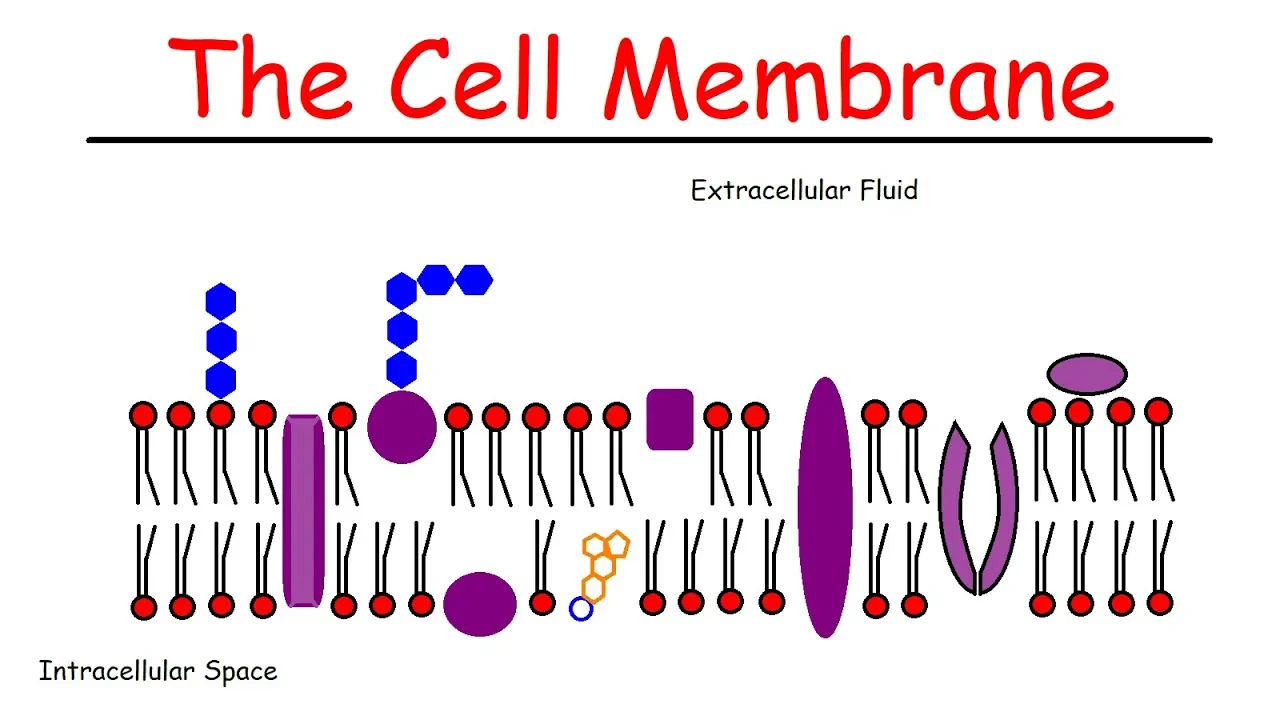
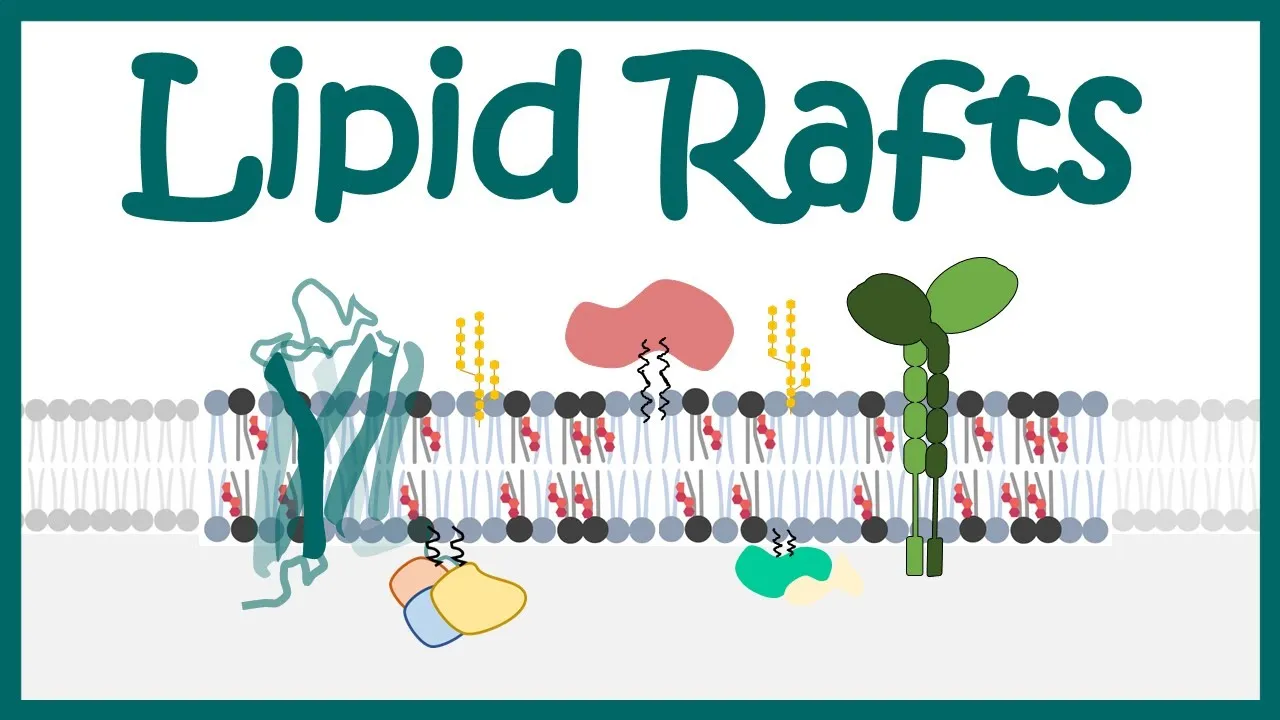
Biological membranes consist of five major types of lipids: glycerophospholipids (with two fatty acids esterified to glycerol and a phosphate head group), galactolipids and sulfolipids (similar to glycerophospholipids but lacking phosphate), tetraether lipids of archaea (with very long alkyl chains etherified to glycerol), sphingolipids (with a single fatty acid linked to sphingosine), and sterols (with a rigid four-ring hydrocarbon system). These lipids are amphipathic molecules with hydrophobic tails and hydrophilic head groups that self-assemble into lipid bilayers. The percentage of unsaturated fatty acids determines membrane fluidity, as unsaturated fatty acids create kinks that prevent tight packing. Membrane lipids are asymmetrically distributed between the two leaflets of the bilayer, which is essential for proper cell function.
Membrane Lipids: Glycerophospholipids, Sphingolipids, Sterols & More
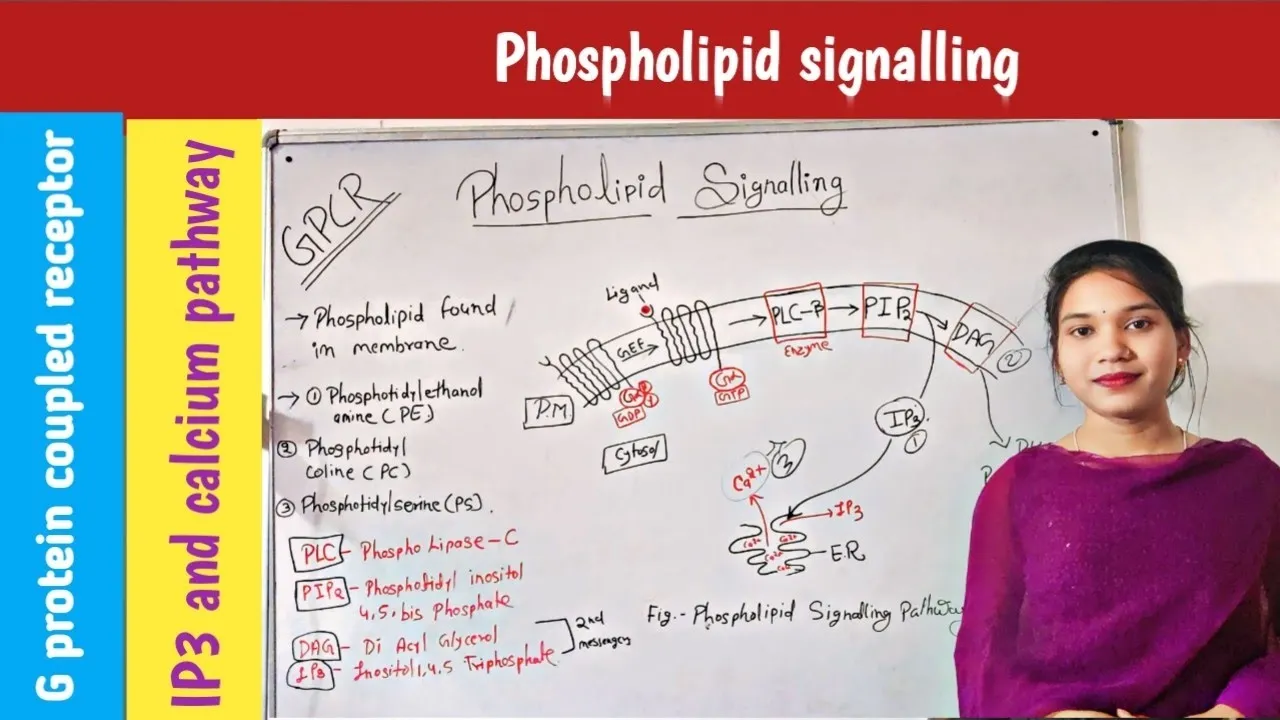
Added:hello friends today we are going to discuss the membrane lipids the biological membranes consist of lipid bilayer with associated proteins the lipid bilayer acts as the selectively permeable barrier for small molecules and ions while membrane proteins perform variety of functions like receptor transport and signaling etc the relative proportions of proteins and lipids vary from cell to cell for example the myelin sheath of medullated neurons is rich in lipids while the plasma membranes of bacteria mitochondria and the chloroplast contains more proteins the membrane lipids are amphipathic molecules that is they consist of hydrophobic tails and the hydrophilic head groups the hydrophobic interaction between the membrane components with each other and the interaction between hydrophilic head and the aqueous environment results in formation of lipid bilayer the biological membranes consist of five types of lipids that is glycerophospholipids galacto lipids and sulfolipids tetraethyl lipids of archaeans sphingolipids and the sterols the glycerophospholipids as the name indicates are composed of two fatty acids esterified with two carbon atoms of glycerol while third carbon of glycerol is bound to the phosphate group the phospholipids like glycerophospholipids and some sphingolipids consist of phosphate aid joined through phosphodiester linkage with the hydrophobic tail galacto lipids and sulfur lipids also have two fatty acids esterified to the glycerol but they lack phosphate attached to the third carbon of glycerol glycolipids on the other hand consist of simple sugars or more complex oligosaccharides as the polar head the tetraethyl lipids of archaeans consist of very long alkyl chains etherified with glycerol on both ends the spingo lipids consist of a single fatty acid linked to fatty amine sphingosine the sterols consist of a rigid system of four fused hydrocarbon rings that means the glycerophospholipids galactolipids and sulphur lipids and archaean tetra ether lipids are glycerol containing membrane lipids while the sphingolipids use sphingosine and amino analog of glycerol first glycerophospholipids or phosphoglycerides consist of two fatty acids is terrified with c1 and c2 of glycerol while third carbon of glycerol form phosphodiester bond with highly polar or charged group all glycerophospholipids are derived from phosphatidic acid in which phosphate group is attached to the third carbon of glycerol the phosphate group is negatively charged at neutral ph phospholipids generally have 6 16 to see 18 carbon chain long saturated fatty acids at c1 while c2 has easter linkage with c18 to c20 carbon chain long unsaturated fatty acids the percentage of saturation determines the fluidity of plasma membrane that is for example the polar bears living in low temperatures have high percentage of unsaturated fatty acids that make membrane more fluid the double bond present in the unsaturated fatty acids produces skin or bend as a result unsaturated fatty acids are not compactly packed resulting in increase in the fluidity of membrane which is essential to maintain unhindered flow of essential molecules to the cell these glycerophospholipids are named according to the polar alcohol attached to the third carbon of glycerol the phosphatidylcholine consists of choline and are positively charged the phosphatidyl ethanol amine on the other hand consists of ethanol amine as a polar head which is also positively charged the phosphoteryl serine consists of serine as a polar head it is neutral at neutral ph while the phosphatidyl inositol is negatively charged at neutral ph the ether lipids in some animal tissues like heart which is rich in plasmalogin halophilic bacteria ciliated protists and certain invertebrates they contain lipids in which fatty acids are ether linked with glycerol instead of easter linkage which is present in glycerophospholipids the platelet activating factor released from basophils stimulate platelet aggregation and serotonin release the second class of membrane lipids includes the lipids and sulfolipids the galacto lipids are the most abundant membrane lipids in the biosphere that makes about 70 to 80 percent of the thylakoid membranes of the chloroplast of vascular plants why the plants have evolved galactolipids instead of phospholipids the answer lies in in that the phosphate is a limiting nutrient in most soils for which needs to be conserved for critical functions the sulphur lipids present in plant membranes have negatively charged sulfonated glucose head attached to c3 of 1 2 diacy glycerol third class includes archaean ether lipids or these are also called as glycerol dye alkyl glycerol tetra ethers the rk bacteria live in extreme ecological niches like high temperature which are called as thermophiles low ph called as acetophiles high ionic strength called as hellophiles and methane rich environments called as the methanogens in order to cope with harsh environments the membrane lipids of archaeans consist of glycerol ether linked with two very long chain branched chain fatty acids the archaeal lipids differ from membrane lipids of other organisms in that they have strong ether linkage while others like glycerophospholipids galacto lipids sulfur lipids etc have easter linkage between the glycerol and the fatty acids the second point that distinguishes archaean lipids is that the archaean fatty acids are very long chain and branched while other organisms have shorter unbranched fatty acids the head group consists of second ether linked glycerol with either phosphate or sugar residues while other lipids have only a single glycerol molecule attached to two fatty acids the glycerol present in archaebacterial membranes also differs from the glycerol of other kingdoms in that the central carbon of archaea glycerol is in r configuration while it is in s configuration in all other kingdoms next class of membrane lipids is the sphingolipids the sphingolipids were discovered by john tudichum the human cell membranes contains about 60 different sphingolipids the spingo lipids are associated with different functions like they act as a recognition sites on the cell membranes the human blood groups are determined by the carbohydrate moiety which is attached to the sphingolipids the sphingolipids differ from other lipids in that they lack glycerol instead they have sphingosine or poor spinga9 which is a structural analog of glycerol and it is a long chain amino alcohol the spingo lipids also contains only a single molecule of fatty acids while other lipids like glycerolipids phospholipids galacto lipids or archaeal lipids have two fatty acids linked to glycerol the polar head group is attached to the sphingosine through either glycosidic or the phosphodiester linkage all sphingolipids are derived from a parent molecule called ceramide which is a structural analog of dioxide glycerol the spingo lipids are divided into three classes on the basis of their polar head groups as sphingomyelin neutral or uncharged glycolipids and the gangliosides the spingo myelins as the name indicates are especially abundant in the myelin sheath of medullated nerve fibers since they consist of phosphatidylcholine or phosphatidyl ethanol amine as their head group sphingomyelins are classified as phospholipids along with glycerol phospholipids like phosphatidylcholine spingo myelins lack net charge on their head group the second class of the spingolipids includes glycosphingolipids these are also called as neutral glycolipids since they carry no net charge at neutral ph they lack phosphate but have one or more sugar units linked to c1 of ceramide the glycosphingolipids are further classified as the cerebrosides and the globocytes the cerebrocytes have a single sugar unit in the form of glucose or galactose the galactose containing cerebrosides are abundant in the neural tissue while the glucose containing cerebrosides are abundant in the plasma membrane of non-neural tissues the globocytes on the other hand have two or more sugars either in the form of glucose galactose or n acetyl galactosamine as the polar head group the gangliosides are the sphingolipids that contain complex oligosaccharides as their polar head groups and one or more residues of n acetyl neuramic acid or the cialic acid the cialic acid gives negative charge to gangliosides at the neutral ph the gangliosides are divided into monogangliosites digangliocides trigangliocytes etc on the basis of number of cialic acid residues present in the gangliosides and the last class of the membrane lipids are the sterols the sterols consist of a sterol nucleus which enter is made up of four fused rings three rings have six carbon atoms while the fourth ring is made up of five carbon atoms the steroid nucleus is almost planar and rigid preventing the free rotation about the carbon-carbon bond all eukaryotic sterols are derived from simple five carbon isoprene subunits the sterols cannot be synthesized by bacteria but can be exogenously incorporated into the plasma membrane the eukaryotes however have specific sterols the cholesterol is present in the animals stigma sterol is present in the plants and the ergosterol is specific to the fungi in addition to their role as membrane constituents sterols perform other rules as steroid nucleus is also present in the steroid hormones that are involved in regulation of gene expression the bile acids consist of the steroid nucleus and are involved in emulsification of dietary lipids since glycerophospholipids spingo lipids and sterols are virtually insoluble in water when these lipids were added in water they form microscopic lipid aggregates these lipid aggregates reduces hydrophobic interactions and increases the entropy like membrane proteins membrane lipids are also asymmetrically distributed between the two monolayers of a bilayer for example phosphotidylchonic choline and sphingomyelin are present in the outer leaflet while phosphoridine ethanol amine phosphatidylserine and phosphotidal inositol are abundant in the inner leaflet of the plasma membrane this asymmetric distribution of membrane lipids though not absolute is essential for cell functioning for example when phosphoryl serine is present on the outer leaflet instead of inner leaflet it signals the formation of blood clot by platelets and destruction of cell by programmed cell death thank you
Up Next

Astrobiology of Venus: Can Life Survive Extreme Heat?
@MolecularAnimationsoftheCell
11.7K views•2022-01-18

Bacterial Communication: Quorum Sensing and Biofilm Formation Explained
@JHUAAP
12.6K views•2011-06-28

Enteric Nervous System Explained: The Gut's Brain | Neurobiology Lecture
@alumniu6029
438 views•2018-09-12
Bacteriophages: Earth's Deadliest Killers and Future Antibiotics
@kurzgesagt
34.6M views•2018-05-13
Related Study Plans & Knowledge Roadmaps
Structured learning paths in Biology