





















Error prone PCR is a molecular biology technique that intentionally introduces random mutations into DNA sequences by using DNA polymerases lacking proofreading activity; unlike standard PCR which uses proofreading polymerases that correct errors, error prone PCR generates genetic diversity through random misincorporation of nucleotides, making it valuable for applications such as site-directed mutagenesis to study gene function and creating randomized gene libraries for protein engineering and evolutionary studies.
Error Prone PCR: Principle, Mechanism, and Applications
Added:Standard Polymerase Chain Reaction (PCR) principles, including its cycles (denaturation, annealing, extension) and key components like primers, dNTPs, and template DNA.
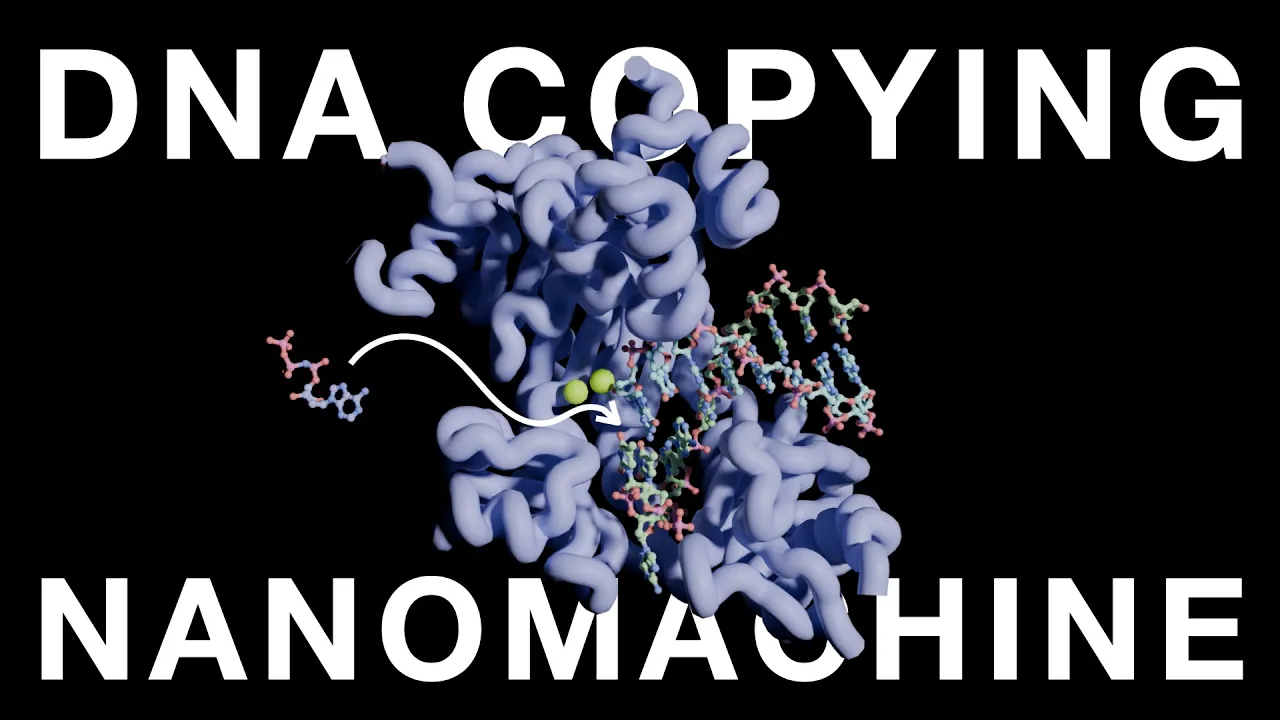
DNA polymerase fidelity and proofreading mechanisms, specifically how 3' to 5' exonuclease activity minimizes replication errors.
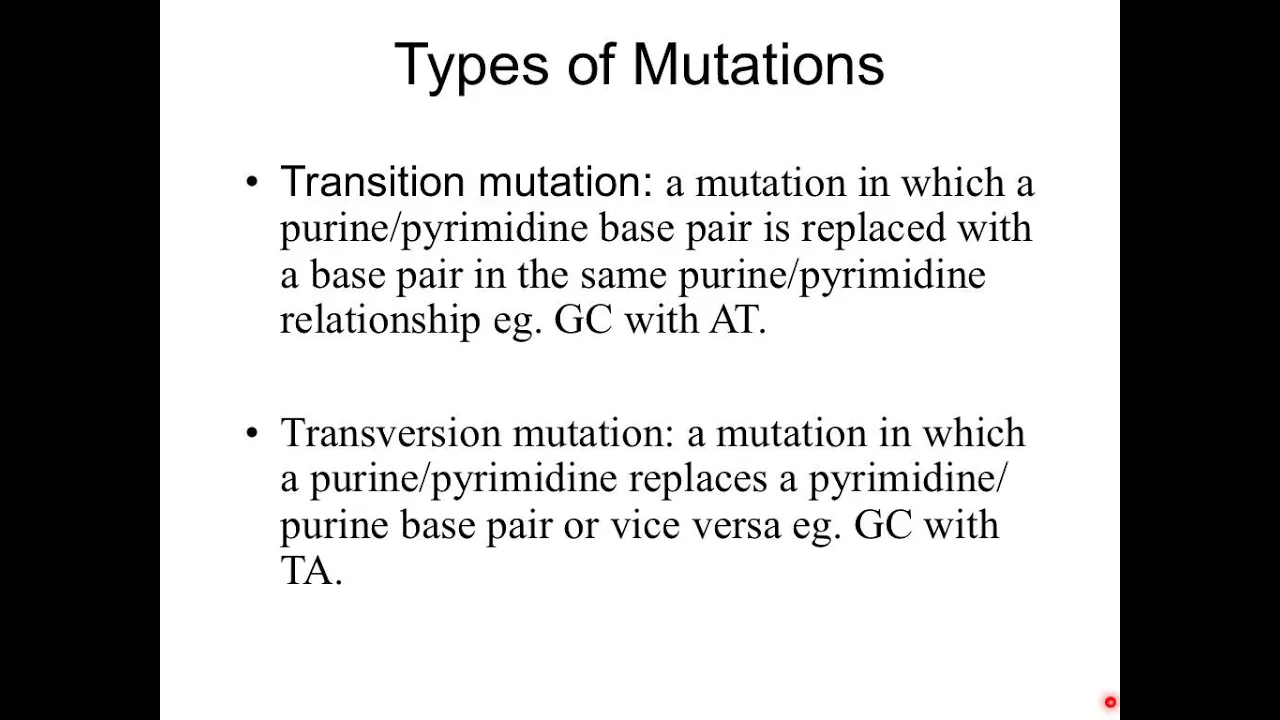
Types of DNA mutations, such as point mutations (transitions and transversions) and their potential effects on amino acid sequences.
Fundamentals of gene cloning, plasmid vectors, and transformation in recombinant DNA technology.
Directed evolution strategies, utilizing mutant libraries to select for proteins or enzymes with enhanced stability, activity, or novel functions.
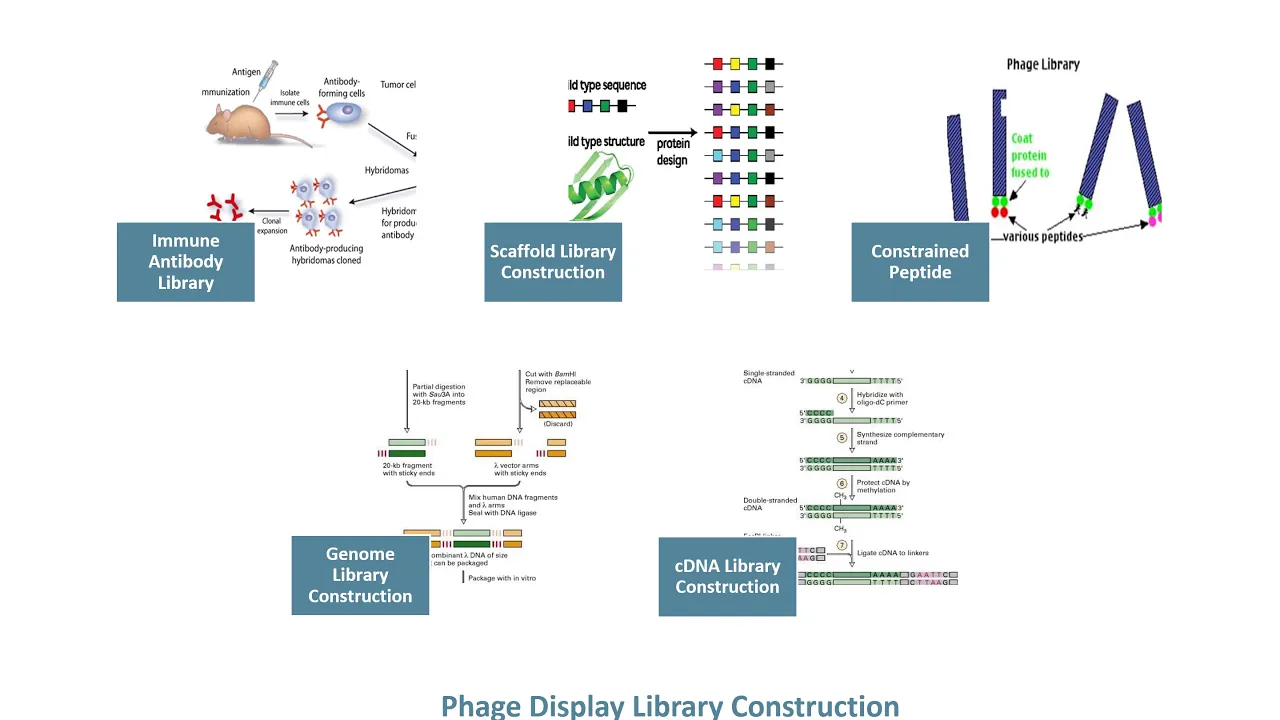
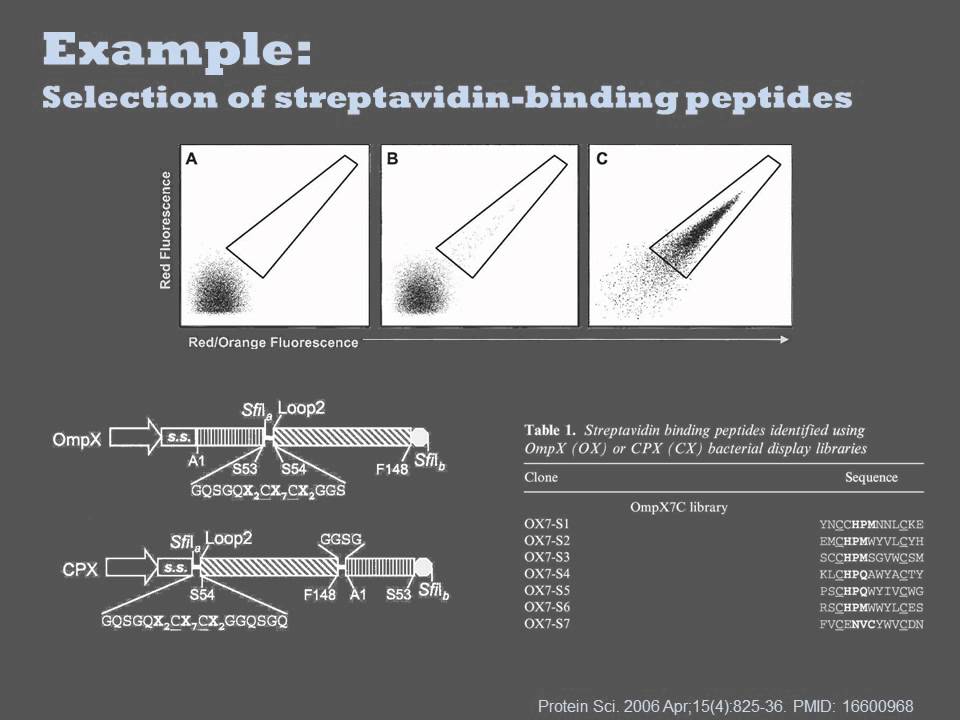
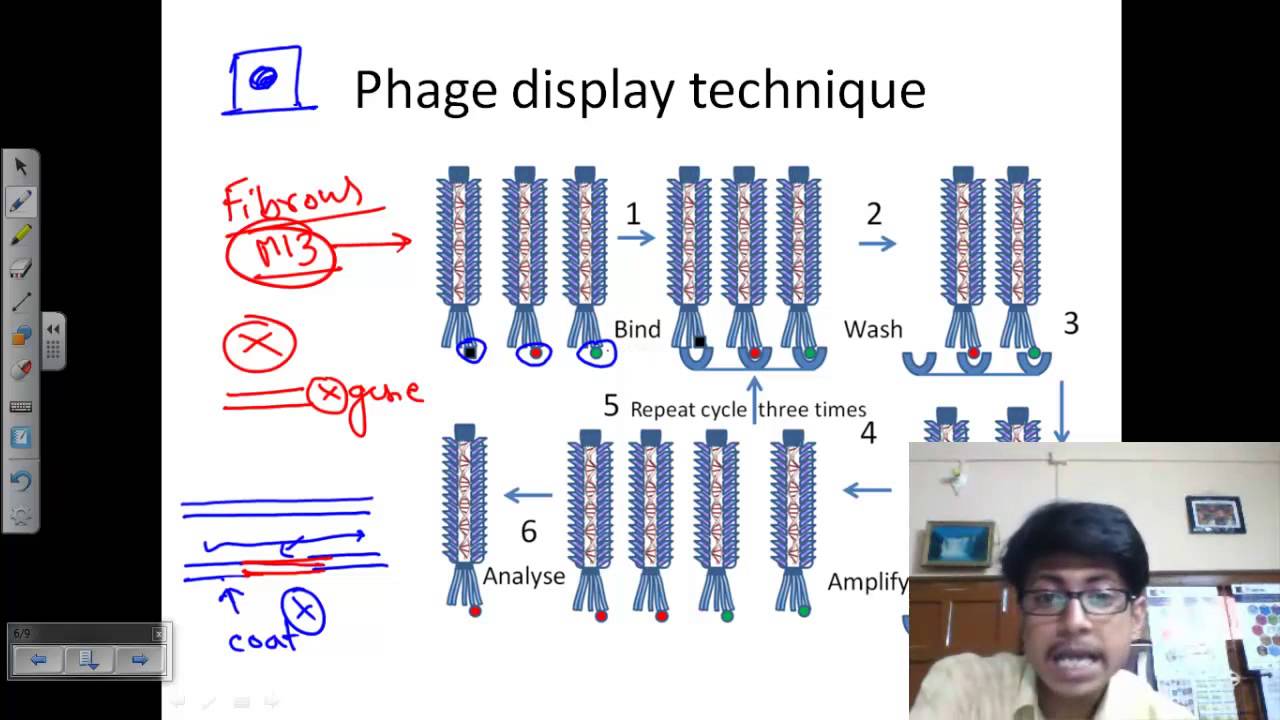
High-throughput screening and selection methods, such as phage display and cell sorting, used to isolate desired mutants from a randomized library.
Alternative mutagenesis techniques, including site-directed mutagenesis, DNA shuffling, and saturation mutagenesis for targeted gene engineering.
Bioinformatic analysis and Next-Generation Sequencing (NGS) to evaluate the diversity, bias, and mutation frequency of constructed gene libraries.
25.5K views530likes7:05Original Release: 2013-12-08
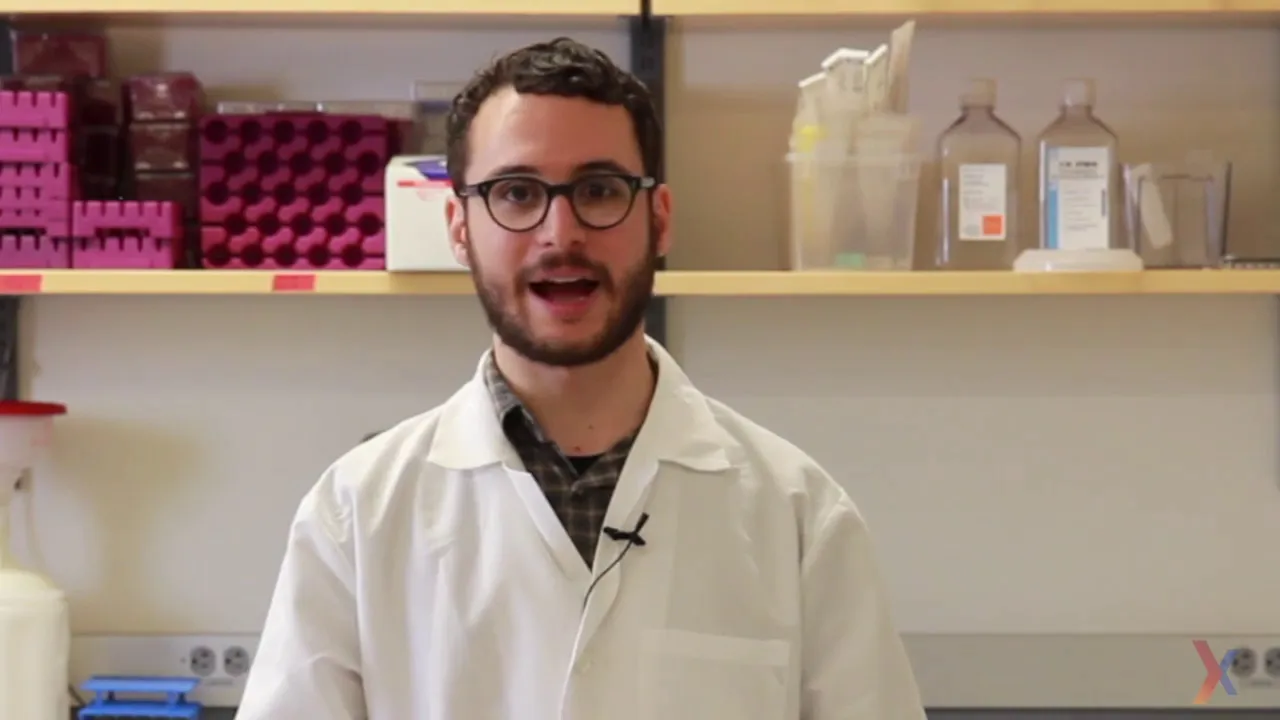
foreign [Music] PCR and the importance of error-prone PCR now I assume that you know the basics of polymerase Chain Reaction which I am drawing again so it's simply a DNA strand is placed and the Strand is melted so here it is the melted DNA strand after the melting what we do we simply add primers forward and reverse primer so here comes the forward and reverse primer after addition of forward and reverse primer the final step is the polymerization events so here it says this is the primers and synthesis of rest of the DNA is conducted so that's how we generate two different templates from one so this is the polymerase Chain Reaction but in this video we are going to focus on the error prone polymerase Chain Reaction now during this process of polymerase Chain Reaction there are some enzymes required for this polymerization right because it means foreign chain reaction right now this polymerase is the most important enzyme for this reaction because it is catalyzing the polymerization of nucleotide sequences now in this case the enzyme that we use for this polymerization in this case suppose let us draw here it is the polymerase enzyme now this enzyme is called usually Tac polymerase we can use many type of polymerase enzymes but usually tack polymerase are used now this polymerase means the polymerase enzyme is isolated from thermos aquaticus which is a thermo tolerant bacteria or high temperature tolerant bacteria because during this process of polymerization the temperature usually set up to 72 degrees Celsius temperature it needs to function in this stem in this higher temperature that's we need to isolate uh thumb thermostat and this stack polymer is is a thermo stable polymerase there are also many different types of polymers which are also thermostable even much more thermostable than Tech polymerase but they are having less specificity less productivity of the reaction that's when you need to choose stack polymers which are having higher productivity as well as heat tolerance okay so in this case so in this kind of polymerase the stack polymer is usually they are having the mechanism of two activities which are the common feature of polymerase enzymes one is the polymerization and another one is the Rectify rectification of the polymerization which is called the proof reading right proof reading activity these are the two activities that are present in the basic polymerase enzymes that is also found in tact polymers proofreading and polymerization now there are some enzymes there are some polymerase enzymes which are having this first one polymerization which is required which is the basic thing but they lack in this proofreading activity now what we mean by this proofreading activity during the course of this addition so let me draw it again in detail so if this is the DNA strand this is another DNA strand so I am focusing on one DNS and only primer is provided primer is providing the hydroxyl so that rest of the template can be made now here during the nucleotide addition suppose it as say a g g c suppose it's add here T good C it's also good another C is good but for the scene in this case it adds and a so this is a mistake right this is a mistake now we need to rectify the mistake now during this polymerization event when polymerase put a mistake or misnucleotide incorporation in this place it has a tendency to check for this misactivity or bad activity and to cleave this misincorporated nucleotide out of this place is called the proofreading activity of polymerase so it will kick this out so after that it will kick this part out so that it can put new nucleotide bases there and then it can carry out this polymerase change reaction right so but in this case there are some polymerase there are some polymerase which are taken for uh polymerist Chain Reaction which lack this proofreading activity right now proofreading activity lack can be seen in those cases there are some polymerase so these are called error prone polymerase these are called error prone polymers which are having the lacking the proofreading activity now as they are lacking this proofreading activity even if they incorporate bad basis or misincorporation of the basis is done they cannot Rectify this mistake so as a result of that this Miss incorporation remains now the remaining of This Means incorporation can lead to the problem of generation of variation which is called the mutation right generation of mutation can be caused but this mutation that we see as there is no sequential event of addition of bad nucleotors and means incorporation of nucleotides this mutation is random right so it cause a random mutation in this case due to this misincorporation right so sometimes we use this we intentionally use this uh lack of proofreading polymerases why because sometimes you need to generate just random variations in the DNA sequences and sometimes you need to incorporate mutations in the DNA sequence to understand the function of some spatial genes in those case we can carry out PCR using this error-prone polymerases so that it lead to the random mutation event generation after that we can study our system right and also in some cases we need to produce randomized Gene libraries we need to produce randomized Jin libraries now for the production of this land randomized Gene libraries we can also use this error from polymerase so the major function of using error polymer is is first to create a random mutation to put the mutation or to have a mutagenesis experiment and also for the randomized gene libraries so that we can clone it and we can make the versatility of the gene libraries we can increase the versatility of Gene liabilities okay so that's the process of error prone PCR and that's the importance of error from PCR and I hope that's helpful thank you thank you
Up Next

24:02
BL21 Expression Strains & Rare Codon Plasmids Explained
@thebumblingbiochemist
2.1K views•2022-05-17

39:12
Taste Matters: Why We Like the Food We Do | Professor John Prescott
@smagforlivet-video
409 views•2015-12-07

14:34
RNA Interference Mechanism: siRNA and shRNA Pathways Explained
@shomusbiologyofficial
379.7K views•2015-02-21
7:08
Bacteriophages: Earth's Deadliest Killers and Future Antibiotics
@kurzgesagt
34.6M views•2018-05-13
Related Study Plans & Knowledge Roadmaps
Structured learning paths in Biology
biology
Analyzing Animal Venoms: Genetics & Pharma
01Molecular Biology & Physiology Foundations
02Venom Evolution & Toxin Gene Recruitment
03Neurotoxins & Ion Channel Pharmacology
+ 2 more learning modules
18h5 modules
Explore Roadmap
biology
RNAi: Biogenesis, RISC & Gene Silencing
01Molecular Biology Foundations: DNA to Protein
02Introduction to RNA Interference (RNAi)
03Molecular Biogenesis of miRNA and siRNA
+ 2 more learning modules
10h5 modules
Explore Roadmap
biology
Mycorrhizae: Signaling, Biophysics & Ecology
01Foundations of Mycorrhizal Symbiosis
02Molecular Signaling and Root Colonization
03Biophysics and Bioenergetics of Nutrient Exchange
+ 1 more learning modules
11h4 modules
Explore Roadmap
biology
Circadian Clocks: TTFL, SCN & Periphery
01Foundations of Molecular Biology & Gene Expression
02Introduction to Chronobiology and Actograms
03The Core TTFL: Molecular Architecture of the Clock
+ 3 more learning modules
14h6 modules
Explore Roadmap