


![[ BIOLOGÍA FREE ] - SINTESIS DE PROTEINAS | DOGMA DE LA BIOLOGIA 👉😍🌿](https://i.ytimg.com/vi/2KVJFVEKVF0/hqdefault.jpg)












![Protein Expression Vectors - Expression Host and Recombinant Proteins [Part 1]](https://i.ytimg.com/vi_webp/3_WnvVgIkYo/maxresdefault.webp)


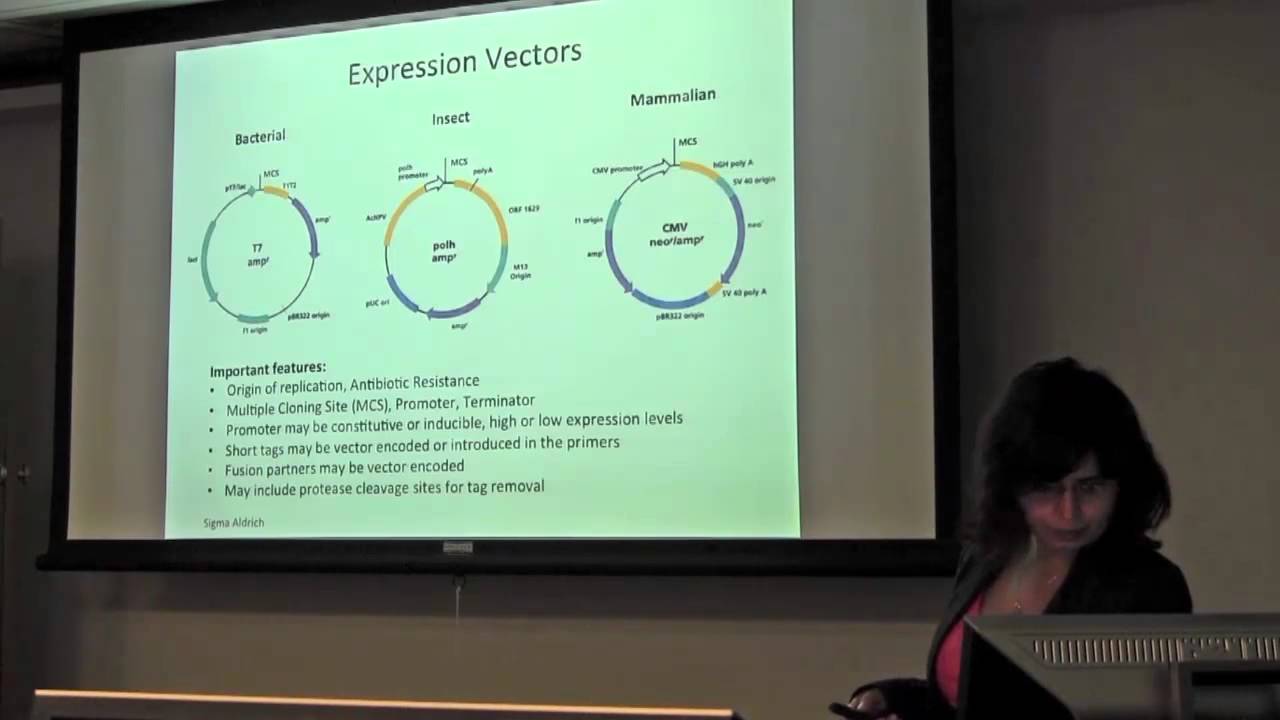
BL21-derived E. coli expression strains containing plasmids encoding additional tRNAs for rare codons enable efficient recombinant protein production by preventing ribosomal stalling; these specialized strains (such as RIL, RP, Rosetta, and Rosetta2) provide extra copies of tRNAs recognizing uncommon codons used in foreign proteins, offering an alternative to codon optimization for improving protein expression yields.
BL21 Expression Strains & Rare Codon Plasmids Explained
Added:The standard genetic code, specifically codon-anticodon pairing and the mechanism of translation by ribosomes.
The concept of codon degeneracy (redundancy) and how different organisms exhibit distinct codon usage biases.
Basic recombinant protein expression workflows using Escherichia coli (E. coli) as a molecular host.
The structure and function of plasmids, particularly how they act as vectors to introduce foreign genetic material into bacteria.
In silico codon optimization techniques to chemically synthesize genes using host-preferred codons, bypassing the need for specialized tRNA strains.
Strategies to overcome other protein expression bottlenecks in E. coli, such as protein misfolding, inclusion body formation, and cellular toxicity.
Alternative recombinant expression systems (e.g., yeast, insect, or mammalian cells) used when proteins require complex post-translational modifications.
Downstream purification methods, such as affinity chromatography, to isolate and analyze the highly expressed target proteins.
2.1K views53likes24:02Original Release: 2022-05-17
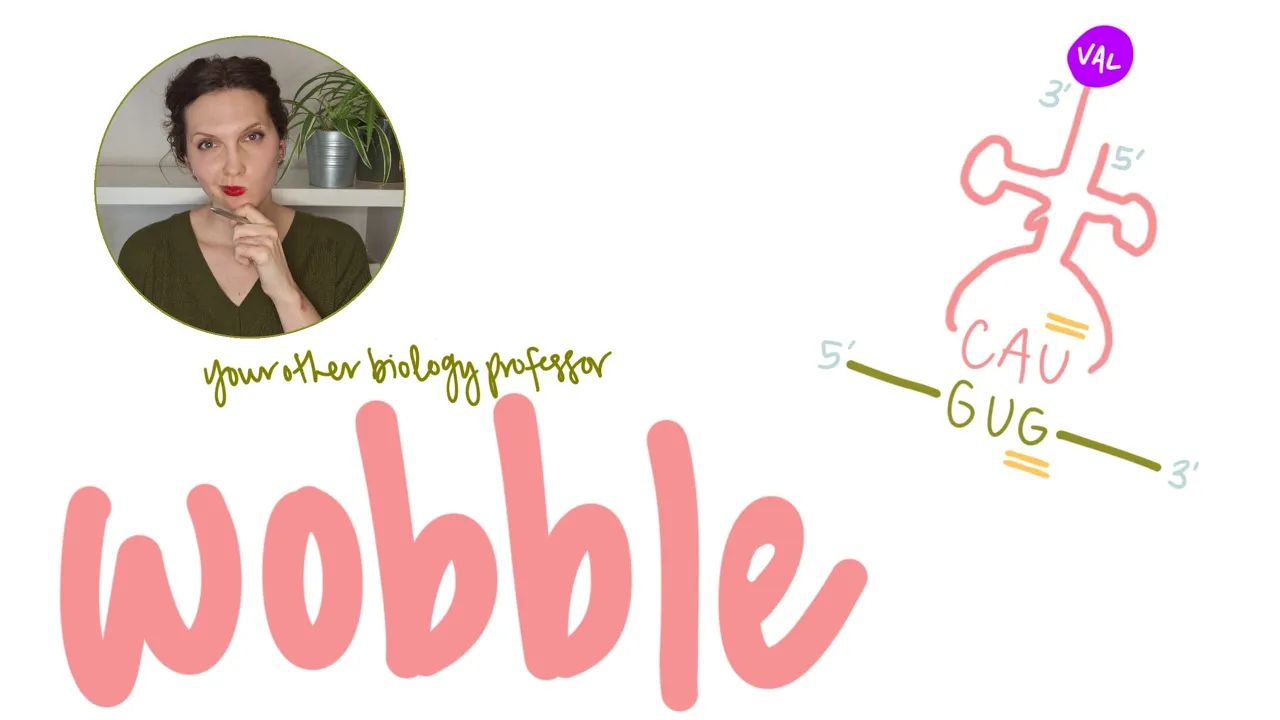
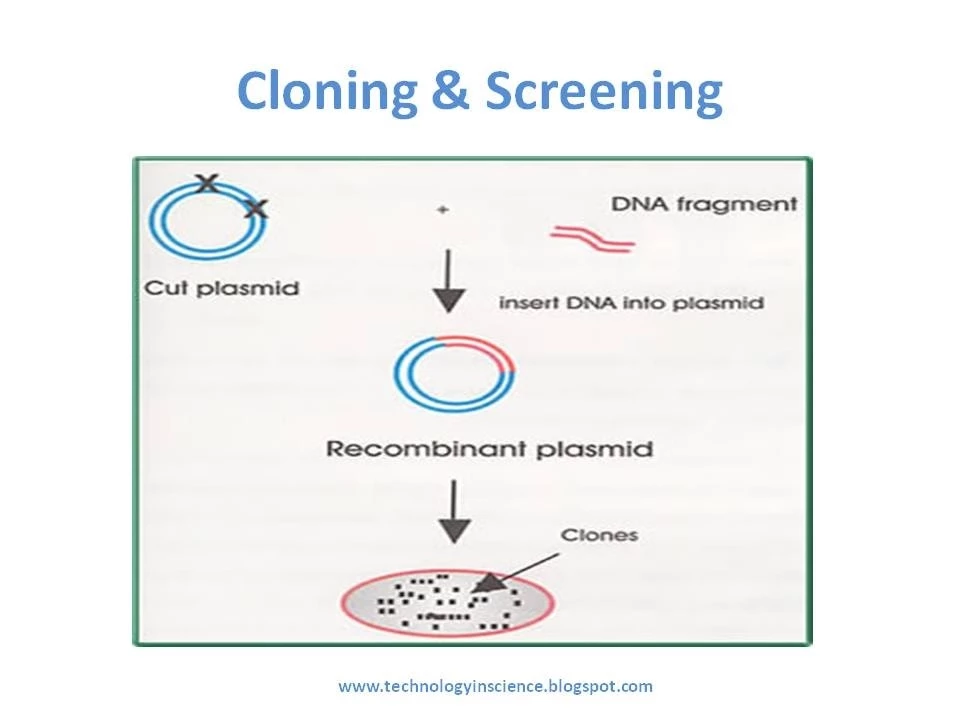
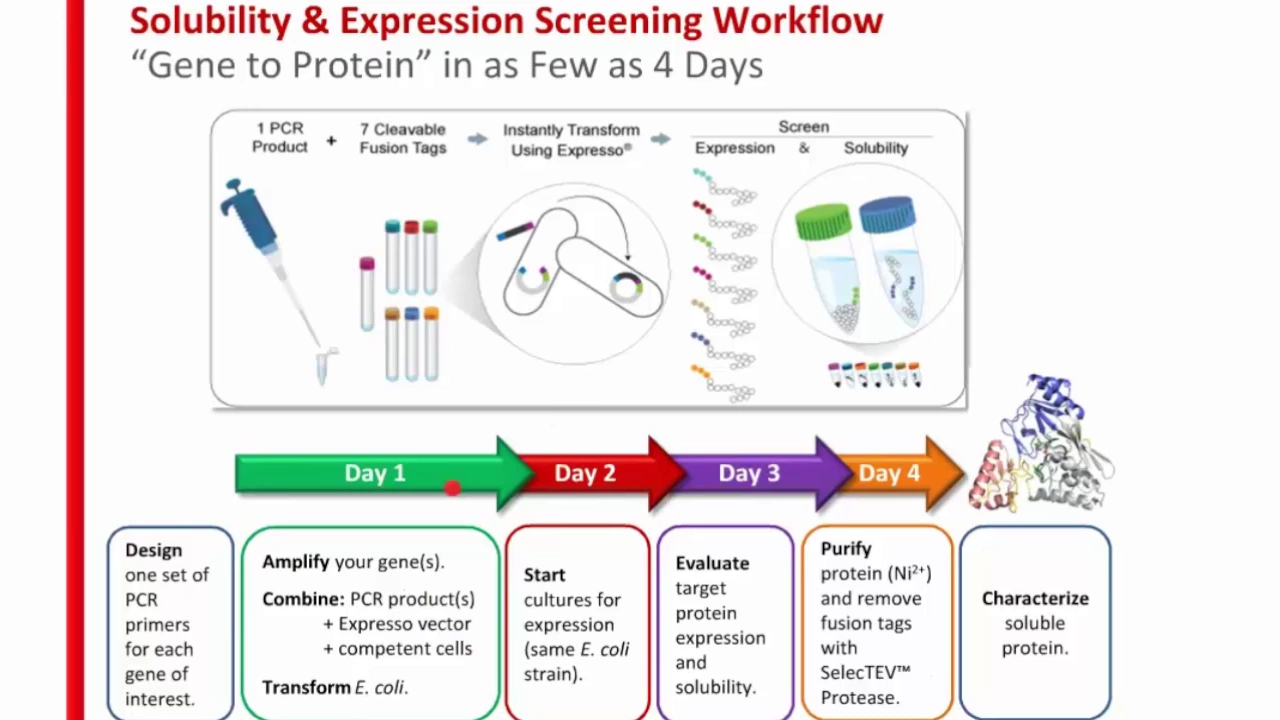
it can be a rare treat if you stick a gene into bacteria and the bacteria actually make the protein for you if your protein has rare codons that is unless you're using a strain that has a plasmid encoding the extra trnas that recognize those codons so these are strains like de3 rapl or de3 ril or de3 rp or rosetta rosetta 2 these are all different expression bacterial expression cells that we can use to get bacteria to make proteins that use slightly different like spellings than they're used to so in our the messenger rna instructions for making a protein they kind of like spell which protein letters to be added so these amino acids in the form of these three letter words called codons so you have codon codon code called then the ribosome is going to go along and the trna that has the transfer rna is going to have the amino acid that matches the codon it has an anticodon that matches the codon and so as the ribosome is traveling along and making this protein the trna is going to bring in the corresponding amino acid so it's anticodon is going to match the codon the ribosome is like okay i'll cool and then helps join the um the new amino acid to the growing chain if that's making its way out of the ribosome so all this is happening but there are multiple codons that can spell the same amino acid so there are multiple spellings in the rna sense for the same protein letter and this means that you can we have like redundancy in our genetic code and different trnas will specialize because of their anticodon matching a codon they'll have different trnas that recognize different codons but that all carry that same amino acid so although bacteria can have all of the ability to read all of the codons they don't use them all equally and the ones that they use more they're going to stock up more on those trnas because remember the ribosome is going to have to wait for the trna to bring the corresponding amino acid and so if you don't have very many of them then there's not going to be them around to use it now this doesn't come into play when the bacteria are making their own proteins that much because the bacteria stock up on what they need for what they for how they encode their proteins but if we stick instructions for a foreign protein into those bacteria like a protein that is with the like the genes from um like a human protein so we might use one codon for arginine more than another codon for arginine more than another proton for arginine because there's like multiple a lot of them so we would stock up differently but now so that we can make the protein more efficiently but when we stick it into bacteria and the bacteria is used in the different um doesn't use that one as much now our codon is like a rare codon and so if we want the protein the bacteria to make a lot of our protein it's going to have trouble because you're going to get stalls because the ribosome is going to have to wait in for those trnas that there aren't that many of so one way that we can increase expression of a protein sometimes is by adding in extra copies of those trnas that'll recognize those rare codons and this will allow us to keep the bacteria from stalling when they're making our proteins and so there are different expression cells that you can use to express a protein and bacteria and the ones that there are ones that have extra plasmids so they have a little bit a piece of extra information outside of their their own genome so they have their own genome with their own dna and then they have a separate genome that has the separate plasmids of the circular piece of dna and this is going to have instructions for making the trnas that are recognizing rare codons so if you have a like an ripl strain that's going to have codons for arginine isoleucine proline and leucine um if you have like ral arginine isoline leucine rig arginine isoleucine uh um glycine um sorry and then rosetta it has like even more um this is like a brand name but it has this like p rare plasma that is p rare two plasmid um and so these have different trnas for recognizing different rare codons for these amino acids so that you don't have problems so we've talked before about codon optimization and this is a cheaper strategy that you can use if you're doing this in bacterial cells and they're both strategies to try to get at this issue that our genetic code is degenerate um and so we have each of the amino acids has at least one trna but they might have more than just one and then different organisms are going to prefer one more than the other so for example this is from novogen's competent cells guidebook and so these are showing the rare codons in e coli so the amino acid the codon that codes for it's the fraction in all genes and then the fraction is class two and this class two is like their highly expressed genes um and so you can see that they have a lot some of these they barely have any and some of these they use a lot and so the idea with codon optimization would be to try to change your sequence of your protein to use the ones that the e coli used more or if you're doing it in a different type of cell like so i would use before i use codon optimization when i was expressing an insect cells a human protein and insect cells and i would change the sequence of the human protein so that i was introducing synonymous mutations so basically making changes that would wouldn't change the um the protein spelling but did change the mrna spelling um but so you can order things like that but if you are um doing it in bacteria another strategy is instead of changing your stuff you change those cells and so this is what we're doing with these strategies in which we add in extra copies of the trnas that recognize the rare rare codons and i should note that tyrannis can get kind of confusing because there are like ones that recognize multiple things and then there are or multiple codons because of like the wobble position the third base um there are also some trnas like where there are multiple things of the like multiple copies of trnas that recognize the same anticodon are um the same codon and there's various complication things like that and so i'm not going to get into it too much but the basic idea is that if you add more copies of the genes for the trnas that are going to recognize those rare codons you'll have a better chance of the um the e coli successfully making the protein um i should know however that it's there are um there are problems potentially um it's not always like if you you you can have solubility issues and stuff if you try to get the cells to make too much of proteins um there's also i read an article linked to about some potential problems with some of the plasmids um but this basic strategy has been used a lot and it's been used a lot so much that there are lots of different uh versions of it that you can purchase um with lots of different with different variations on which extra trnas are included so first off though let's start with what what what's our baseline and so often our baseline is going to be a bl21 cells so bl21 is like the strain of e coli that's often used for recombinant protein expression and so there's like the original basic version and then there's you'll see a bunch of things in like parentheses after the bl21 and sometimes what's in parentheses is going to be things like ripl or ral or rp or p rare these are going to be the things that give you the encoding the plasma they have plasmids encoding the trnas for those rare codons and we'll get more into those in a minute but first of all there's um a lot there's things that make these cells really good for for this purpose for expressing recombinant proteins um one of these is that they have mutations in these genes for proteases and so there's like this on p and then this in this lawn and so um this amp t so this means they have a mutation that prevents this cells from making this like outer membrane protease seven um and so this is a protease that these cells make and they use it to degrade extracellular proteins so things that are outside of their cells when you go and you lyse open the cells so you break them open to purify out your protein you don't want them to have this um this me this protease there to chew things up so this mutation is going to prevent that um this lawn so basically this is another one of those proteases but this is the syrian protease called long protease and so normally it's tasked with degrading foreign affected proteins and so if you have a foreign protein you want them to make you don't want them to chew it up and so these are going to prevent it from chewing up your protein there's also mutations to prevent it from chewing up your plasmid so there's mutations in various um methyl transferases and restriction enzymes that the bacteria use to mark their own dna as like self and then cut off cut up foreign dna um those methylation marks can sometimes also interfere with restriction enzyme cutting um and so but when they have the dcm out then you don't have to worry about it for some of them um and yeah so this is going to help them prevent prevent them from recognizing your plasmid as foreign and cutting it up which is what the job of that system normally is um these strains also have a couple of other mutations that really don't um have that much impact and i know on in terms of expression in this case and so they don't have this plasmid fertility factor or sex factor um and they don't have of um this galactose they can't use galactose um one of the most common probably variations of bl21 that you're going to see is going to be this de3 and the ce3 is going to indicate that the cells are going to make ta7 rna polymerase when induced so that has the gene for um for the t7 rna polymerase that's under the control of this lac promoter this lac promoter is normally bound by this lac repressor but when you add um iptg or when you deplete it of their glucose and add lactose then you can get that repressor it'll bind to the repressor repressor falls off then you get the t7 polymerase made what's cool about this is that if your plasmid you have a gene on a different plasmid so that was this is integrated into the host um the host genome so this is like a this lambda de3 this is from like this is integrated into the into the e coli genome from this like phase is bacteriophage um and so but when it's in there um so then you have your plasma which has what you want to express and you put that in the cells and if you put what you want expressed with the t7 promoter in front of it now the g7 promoter you're only going to get expression when you express t7 rna polymerase because this promoter tells rna this t7 rna polymerase to bind there and it's not recognized by the e coli's own rna polymerase and so then when you express the t7 polymerase polymerase combined and then you can get your protein made um and so you'll see like sometimes you can get kind of leaky expression and this can be a problem especially if your protein is toxic to the cells and so if you some of these strains that you'll see have this thing called pelice this is going to express a low level of lyse design that's going to inhibit the low level of t7 that's getting made when you don't want it um so the leakiness so some there's leakiness here and so you can get some t7 made then if there's t7 made then this can get your protein getting it made and so this p lyce is going to make this spice design that's going to inhibit the t7 um so you don't get that but it can also reduce the expression of your of your protein um so you don't want to use like a p lice strain unless you really um you have a toxic protein or you're having problems with leakiness but normally you don't really need that sort of thing um also sometimes they have like extra extra copies of the slack repressor gene um and a couple other common alterations and then we'll get more in depth into the coding um the codon stuff um rec a minus cells these are deficient in a homologous repair sect or a combination um system in the e coli um so the e coli uses like if they have a mistake and they're trying to fix their own dna they find parts that look the same and then like use them to last like templates for the other and putting things together and things and so it can end up shuffling things around um which you don't want um so some of these cells have this racquet mutation some cells have an nda mutation this is going to make it deficient in another endonuclease so another one of those nucleic acid chewers this one is a nonspecific one though and equal i normally keep it in their periplasmic space so like in between their membranes and this mutation can keep your plasmid from getting degraded by that um okay so those were some of the other modifications and so now let's talk about the act these rare trna plasmids um so these are some of the common ones that you'll see um so we'll look i'll show you the product guide in a minute for some of these um you can see so rosetta so novagensells is like rosetta and rosetta two these are going to we'll get into those in a minute and then there are also other strains that are just um you might sometimes i think in vitrogen or something has like codon plus but if they have this like ripl ral or rp these are going to be telling you that they have rare trnas for things and these are going to be provided on a plasmid or plasmids and the importance of this is that you might have to add another antibiotic to select for the presence of the plasmid and so we're using antibiotic selection here so you'll have to add like two antibiotics so you'll have the antibiotics to select for the presence of your plasmid of interest but then you also need to worry about keeping the plasma that was already in the cells um and allowing that that to that to grow although for some of them like um there's weird things where for this guy you don't need to add the antibiotic when you're inducing and um to be totally honest i actually when i was expressing proteins before i hadn't been adding this antibiotic when i was doing the protein expression um just when i was doing the like the cloning and all of that stuff the second antibiotic to keep the plasma there um but i wasn't really worried about having rare trnas or that sort of thing um but in order to keep that plasma you do need to add the antibiotic um except in this case and that's like you can see it in the they have another way to make sure that it gets passed on without you having to worry about the antibiotic but that's just for that second plasmid i mean because this one has two plasmids because it has a lot of extra things so there's like ripl it so the letters basically they mean something um so they are telling you this has the rare trnas for arginine so there are isolutine i proline p and leucine l um and so this is good for organisms with gc or ap rich genomes and these are spread out on two plasmids this one has the catamycin resistance uh or sorry this one has the chlorophenical resistance and so you're going to add chloramphenicol to keep this plasmid and then this one has streptomycin or spectinomycin but they say that you don't need to actually add this um at least in the induction part um and so but this so this is going to have two extra plasmids and then you're going to have your plasma that you put in there but the plasmas are going to be present in these other plasmids they're going to be present in the competent cells that you buy so the competent cells of the cells that could take in the dna um the plasmid that you're putting in there um so ril cells these have um the arginine isoleucine and leucine but not the proline um and so this is good for proteins from organisms with ap rich genomes um so you can see it's recognizing things with a lot of like a's and you so you would see that t would be the equivalent of the u in the dna form um then rp cells these are good for gc rich genomes um so these have rare trnas for arginine and prolene and again these ones all have like cannabis and resistance oh so why not keep saying ketomycin chloramphenical resistance um and so you add chloramphenicol to keep them growing um and then the other one uh like these another common one are going to be these rosetta cells um and so rosetta cells they have extra trnas for rare codons of arginine isoleucine protein glycine and leucine so here we're adding glycine that we didn't have before um and these are encoded in these like p rare plasmid in the case of the rosetta original and then p rare two plasmid in the case of the rosetta two which also has another trna um for another arginine um that recognizes cgg um and these are chromophenic oil resistant as well i'm not exactly sure what's going on in these plasmas because it looks like they also have trnas or other um for additional um they also have genes for additional trnas it looks like in their plasmid so i'm not exactly sure and i'm not i've tried to find out but i haven't found out yet um and you can see that these two these are like they're showing that in the p lice rare ones they have that keep that lice um that that lice that we talked about um too that they um that makes the lysozyme that's going to inhibit the low levels of the t7 and then um the p lac eye rare these are also going to these are going to have this black eye so they're going to have a copy of the lac repressor so that you're really um tamping down on the expression and so then they sell a bunch of different versions um so you can see like this is just novagins guys this is like an older one actually uh but you can see that they sell a bunch of different strains and a bunch of different versions um with like p lice with black um black eye um and various things like that and so like when you look in these males you can see the different genotypes of these strains um different versions that you can buy um so this x so these cells are good for this is a version that is good for um if you want to add methionine in like labeled methionine so this x basically it has the a mutation that makes it um it makes it oxotropic for methionine and so oxytropic means that you need to provide it it can't make it itself um and so this is going to allow you to add in like a radio-labeled methionine or a selenium methionine and get that them to use that instead um this can be good selenium methionine could be good if you're doing like crystallography and you want to do some like isomorphic replacement and that sort of thing you should try to figure out um your phase and your pistol diagram so it's i'm not going to go into that here um and then radioactive if you want to track protein production or that sort of thing um okay so those were these types of strains um and then if you can buy like the rosetta strains and various things like that i do not work for any of these companies um and i will say that there's like um someone was telling me today that apparently some of them um that it not too much of a good thing might be a bad thing um and that you can actually have um expression of because you're not like selectively increasing the expression of your protein you could be expressing the increasing the production of other proteins that then might inhibit your protein um and there could be problem potential problems with this pillis rare two plasmid i haven't read this in depth um but it's just something i'll link to that someone pointed out to me so i don't want to be like um just well you know that that's out there um as well as potentially problems if you're having it with props glimpse of solubility if you're having it make it too fast and that sort of thing because sometimes it's good to pause a little um so your protein be full but it uh makes more of an issue when you're trying to overexpress a protein and then the trna is missing so in cells actually they kind of sometimes where our cells use like rare codons because it allows kind of the ribosome to pause a little allow things to fold um and give things time to do that sort of thing um so it can be regulatory um but when we're do and the codon the trna availability isn't typically an issue um even for the rare codons but when you're trying to over express a protein and you do a lot of it then that rare codon can become limiting a couple last notes um so another common strain that's used is k-12 um this includes like noble blue strains um as well as origami strains um these origami strains they have mutations in thyroidoxin reductase and glutathione reductase um so this is good if your protein has important disulfide bonds so glutathione reductase um anti-reduction reductase um they can reduce these these they they're playing important roles in like reducing disulfide bonds and so if you have disulfide bonds in a protein that are important for the protein to fold or act normally serve as a dimer and that sort of thing you can knock out these um reductases in order to keep those crosslinks formed um these crosstalks are often present in proteins that are like secreted and that sort of thing whereas our cells have a more reducing environment inside of them um okay so i think that's mostly it um also be careful about the origins of replication make sure that they're compatible um with one another um make sure you're using the antibiotics um all of those various things so your plasmid should all have different antibiotics if so you can select for something that has all of them um okay so i think that's basically it and hope that helped
Up Next
13:31
SDS-PAGE: Principle, Procedure, and Applications
@saranslearnmicrobiology
997 views•2024-09-08

39:12
Taste Matters: Why We Like the Food We Do | Professor John Prescott
@smagforlivet-video
409 views•2015-12-07

38:38
Michaelis-Menten Kinetics & Enzyme Activity Units Explained | Biochemistry
@thebumblingbiochemist
2K views•2024-09-08
7:08
Bacteriophages: Earth's Deadliest Killers and Future Antibiotics
@kurzgesagt
34.6M views•2018-05-13
Related Study Plans & Knowledge Roadmaps
Structured learning paths in Biology
biology
Analyzing Animal Venoms: Genetics & Pharma
01Molecular Biology & Physiology Foundations
02Venom Evolution & Toxin Gene Recruitment
03Neurotoxins & Ion Channel Pharmacology
+ 2 more learning modules
18h5 modules
Explore Roadmap
biology
RNAi: Biogenesis, RISC & Gene Silencing
01Molecular Biology Foundations: DNA to Protein
02Introduction to RNA Interference (RNAi)
03Molecular Biogenesis of miRNA and siRNA
+ 2 more learning modules
10h5 modules
Explore Roadmap
biology
Mycorrhizae: Signaling, Biophysics & Ecology
01Foundations of Mycorrhizal Symbiosis
02Molecular Signaling and Root Colonization
03Biophysics and Bioenergetics of Nutrient Exchange
+ 1 more learning modules
11h4 modules
Explore Roadmap
biology
Circadian Clocks: TTFL, SCN & Periphery
01Foundations of Molecular Biology & Gene Expression
02Introduction to Chronobiology and Actograms
03The Core TTFL: Molecular Architecture of the Clock
+ 3 more learning modules
14h6 modules
Explore Roadmap