


















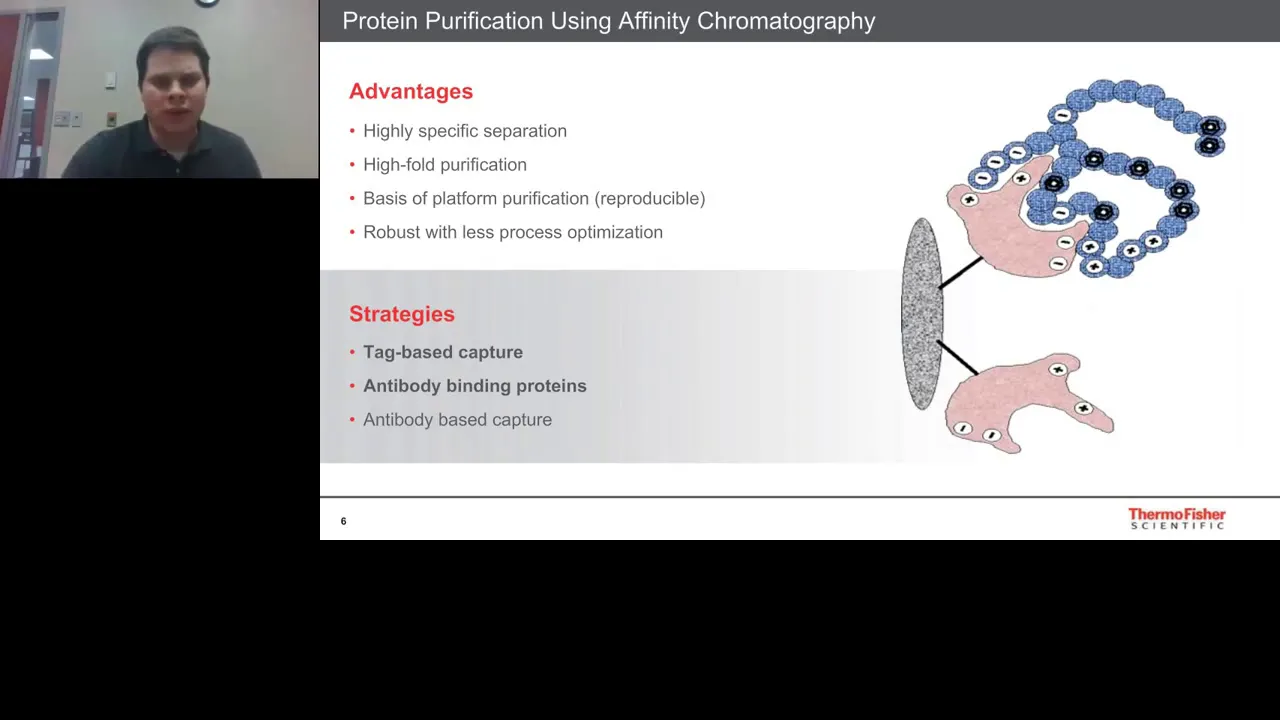


Affinity chromatography is a protein purification technique that uses affinity tags (such as hexahistidine or GST tags) attached to the protein of interest; the tagged protein selectively binds to a complementary ligand immobilized on a chromatography matrix, allowing purification through washing away non-specific proteins and eluting the target protein using competitive agents like imidazole.
Affinity Chromatography Explained: His & GST Tag Purification
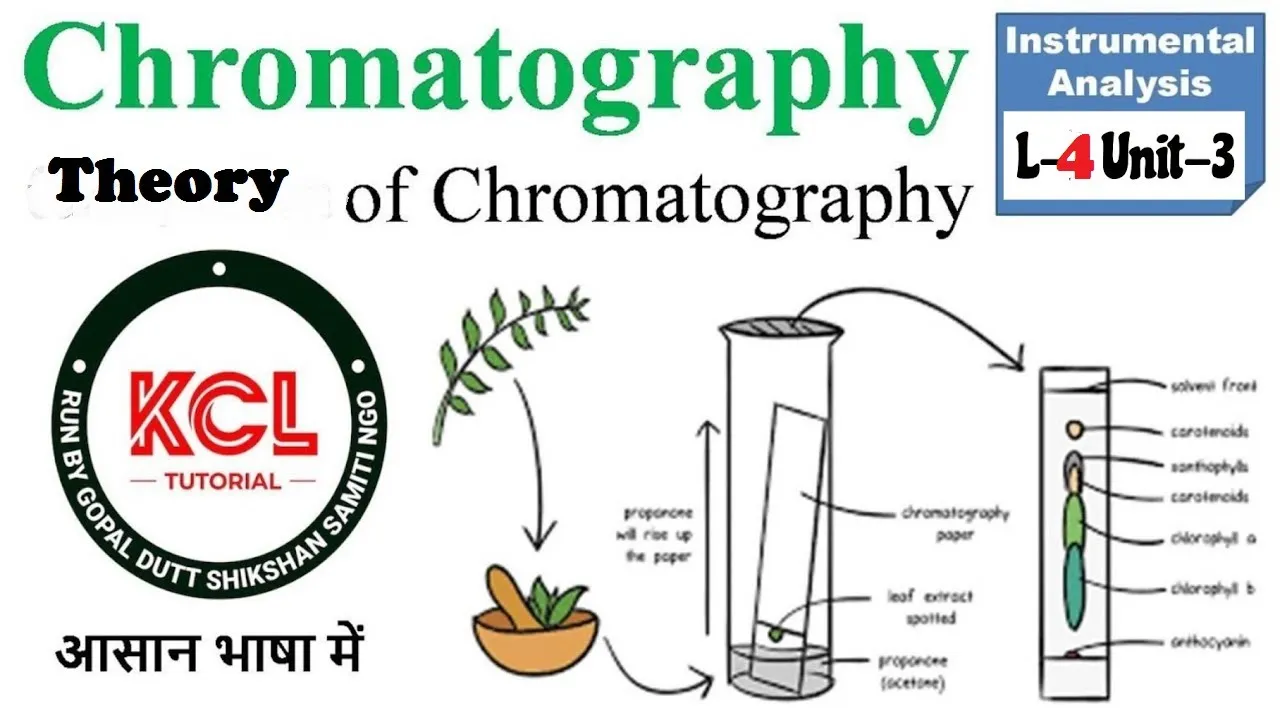
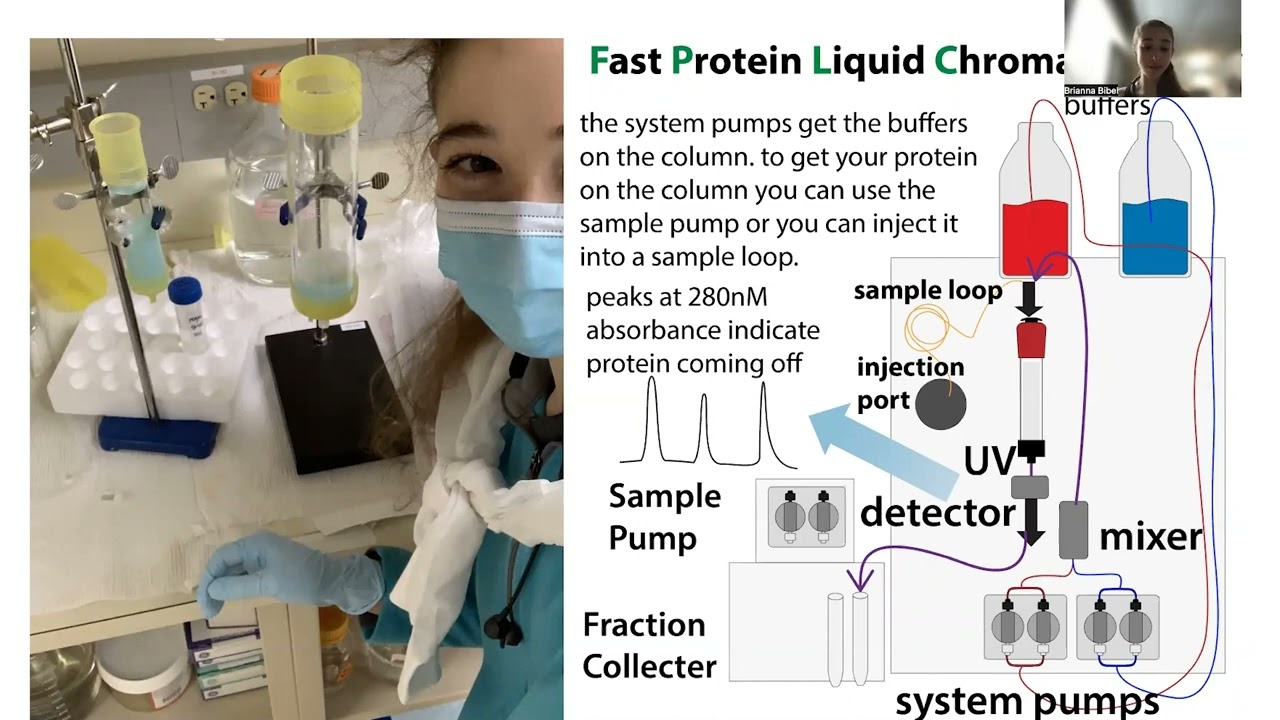
Added:Basic principles of chromatography, including the concepts of stationary phases, mobile phases, and partition coefficients.
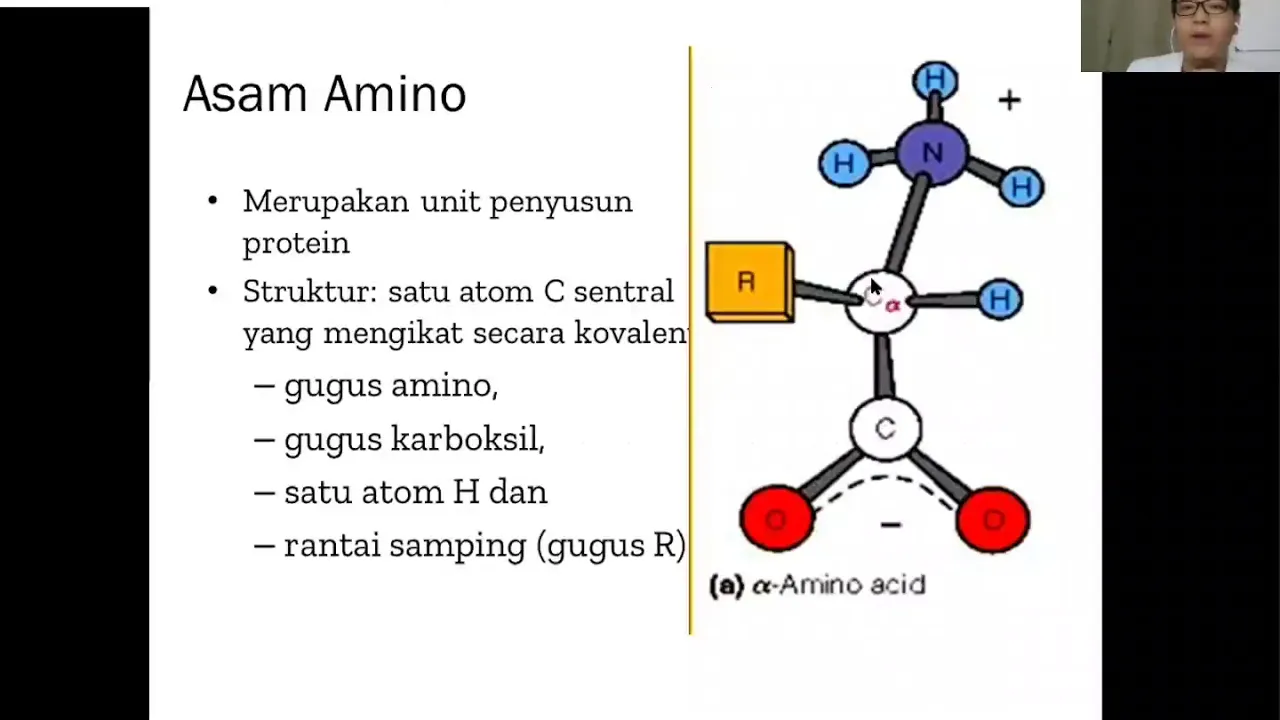
Fundamentals of protein structure and biochemistry, particularly the chemical properties of amino acid side chains (e.g., histidine).
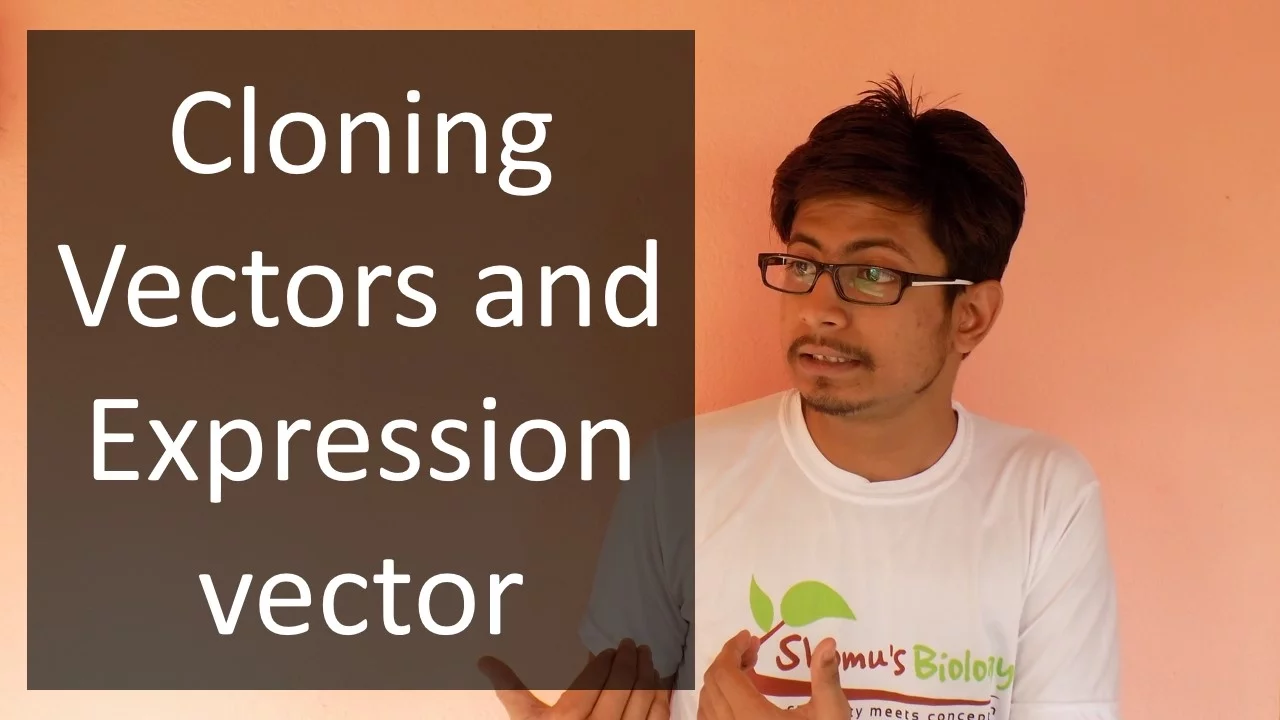
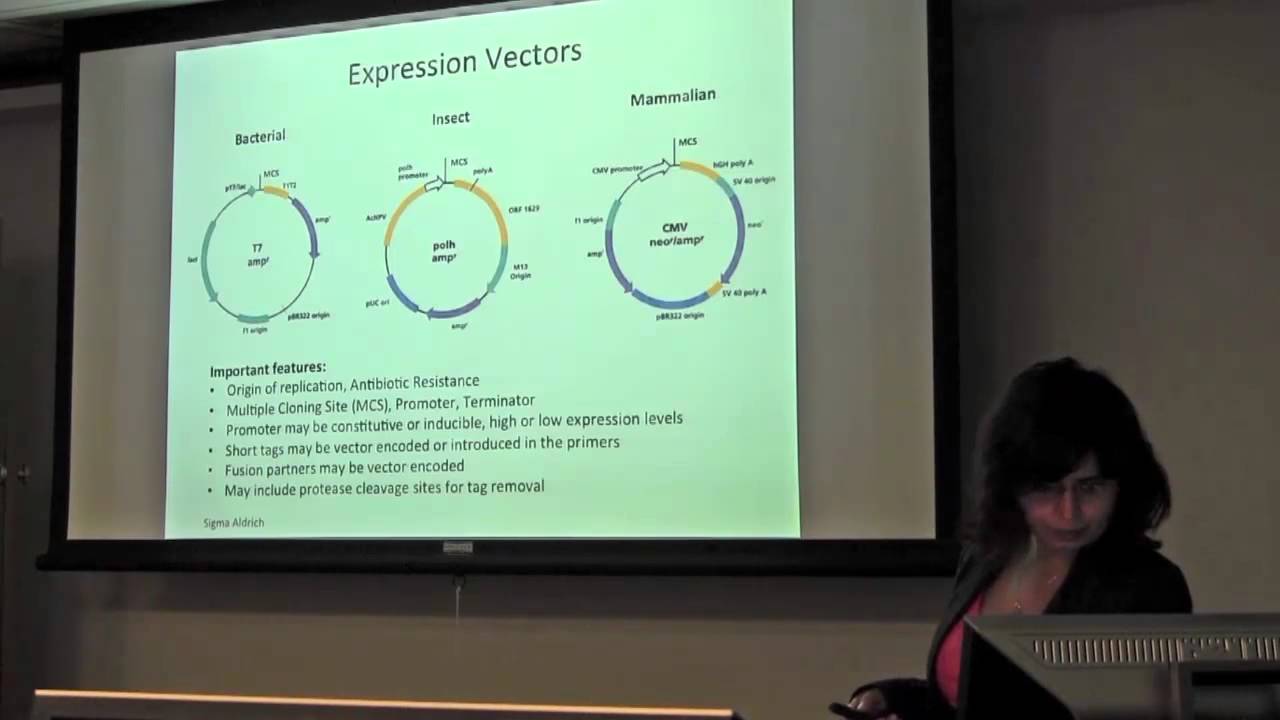
Recombinant DNA technology and cloning, specifically how fusion tags (like His-tag or GST-tag) are genetically engineered into expression vectors.
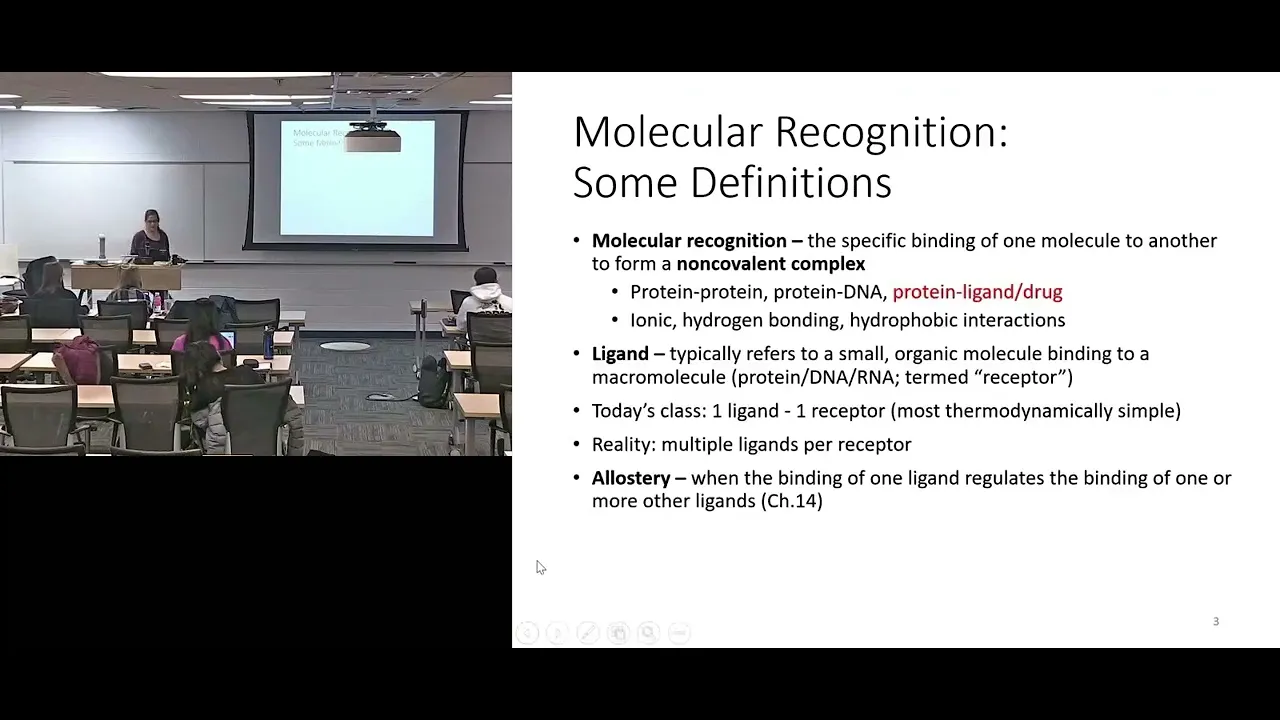
The concept of molecular recognition and non-covalent interactions, such as hydrogen bonding, electrostatic interactions, and metal coordination.
Tag removal strategies, including the use of site-specific proteases (e.g., TEV protease or thrombin) to cleave tags from the purified protein.
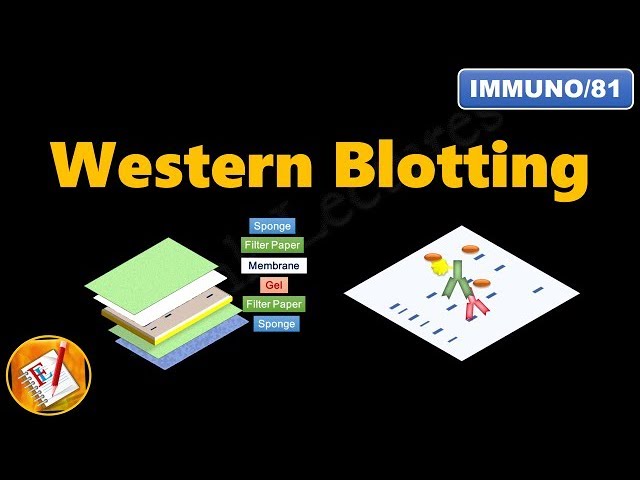
Downstream analytical techniques to assess protein purity and concentration, such as SDS-PAGE, Western blotting, and Bradford assays.
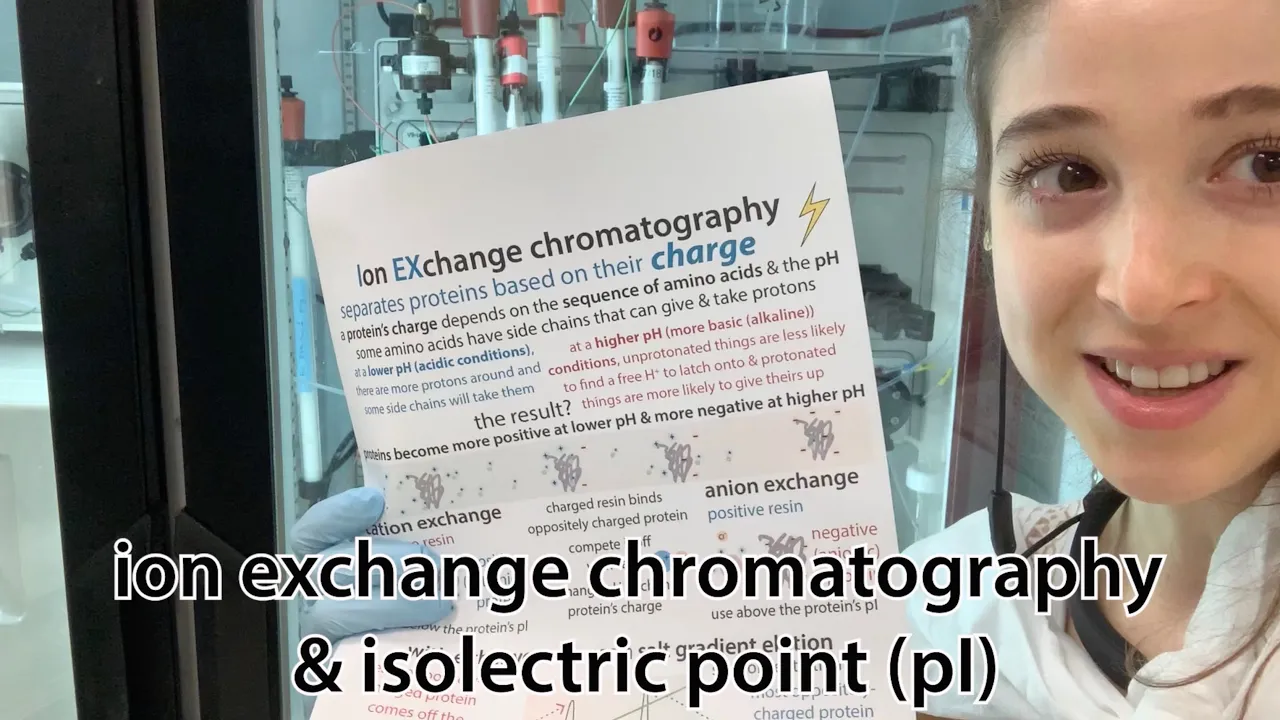
Multi-step purification workflows, incorporating size-exclusion chromatography (SEC) or ion-exchange chromatography (IEX) as polishing steps.
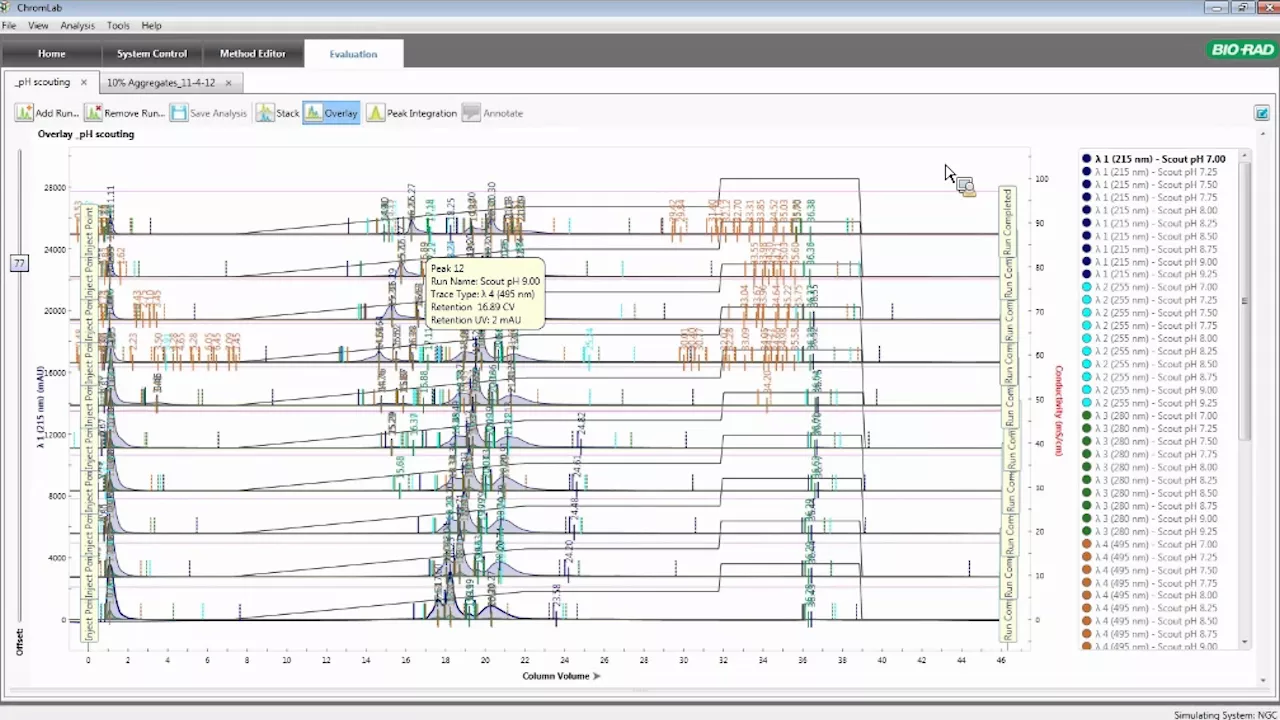
Industrial-scale protein purification applications and the optimization of chromatography parameters (e.g., flow rate, gradient elution) to maximize yield.
45.2K views496likes7:54Original Release: 2016-04-13
hi in this video I'm going to talk about Affinity chromatography Affinity chromatography is a good method for protein purification so Affinity purification uh utilizes Affinity tag it could be a histadine Affinity tag or it could be a GST Affinity tag so let's see why do we need actually Affinity chromatography say for instance we want to work with a particular protein of our interest so our particular protein of interest is say protein a so now we have a gene corresponding to this protein a which will encode for protein a now what we would do we would actually put this Gene inside this expression Vector for example say it's a bacterial expression Vector so that we can we can uh ask the bacteria to express our protein so this is our Gene of Interest inside the bacterial expression vector and now what we would do we would transform the bacteria with our expression Vector so now our bacteria is transformed with the expression vector and the bacteria would multiply over time producing many many BAC bacteria here you can see it is producing many many bacteria and each time uh the expression Vector would Express inside the bacteria and it would produce a lot of proteins uh protein of our interest obviously so the bacteria would produce a lot of protein of our interest now what we would do we have to actually purify our protein so now how we could purify the protein and in this case Affinity chromatography is a solution because when we lice the bacteria there are a lot of proteins uh the necessary protein for the bacteria in the pull of proteins our protein would be lost and we can't find it that is why we need a Affinity tag a tag that would help us to recognize that it is our protein so in this way we can easily purify our protein from a pool of let's say 100 proteins we can easily purify our own protein so let's say a bit uh more about the cloning procedure so what we would do during the time of cloning we can we can use a c Terminal C terminal his stag or what we can do we can use a in terminal we can use a n terminal his tag so his tag is basically a hexa hisin tag so this his tag is generally comes with the vector the expression Vector it has a hogen tag here it's uh denoted in purple so now we would clone our Gene of interest in one of these vectors maybe it uh C terminal tag be inter terminal tag that doesn't matter so here is the sequence corresponding to that c terminal tag and Inter terminal tag and after cloning these thing what we would do we would transform our bacteria with these uh expiration vectors which contain our Gene of Interest now the bacteria would produce the protein and we have to purify the protein and we would see how these whole Affinity chromatography works so here uh Affinity chromatography is just a column chromatography so it has a column packed with beads packed with Matrix I I would say so this Matrix is called n n Matrix n Matrix and in a moment we would see how this Matrix works so the principle in a nutshell is like we put our bacterial lyset Which con our protein along with many other proteins and now what would happen due to our protein has a selective tag so our protein would bind to The Matrix and rest of the pro protein would be washed out next we would use a particular type of Illusion buffer by which we can elute our protein and thus we would get our purified protein now let's zoom into these uh what we say we would say this is a bead Affinity bead actually so in this Affinity bead if we say it's n Matrix so this n Matrix looks like somewhat this it has a nickel it has a lot of other organic Moes with it but what is notable is that we have a hexadin tag in the N terminal or the C terminal of our desired protein so these hexadin tag two of the histadine would actually coordinate coordinate with this nickel and form a coordinate Bond thus it can get attached with the Matrix uh here you can see the representation it is getting attached with the matric Matrix so first when we put all the bacterial liet along with our protein and all non-essential proteins of the bacteria so it would come down this path and only our protein of Interest which have this hexadin tag would be bound in The Matrix or other proteins such as these blue proteins or these black ones they are washed out when when we are using a washing buffer so this St is wash tap so this is a wash tap we are using a washing buffer to wash out all the non-specific bindings and all the unnecessary proteins that we don't need and then when we use a illusion buffer that's a illusion step so illusion buffer would elute our protein of Interest now in a bit detail let's see how the illusion buffer actually elute our protein of Interest so as per illusion buffer we would use imidazol amidol is basically this ring type of structure so histadine also have a amidol ring so when we put imidazol in the last step so imidazol would competitively inhibit the htin hexadin tag to get bind with the Matrix in this way the uh protein containing hexa hexa hisen tag which is bound to The Matrix would be released easily and that is how we would get our protein into the fraction collector and thus we would get our protein of Interest so this is a very important method to get a uh purified protein so not only we would use histadine tags there are other tags available like GST tag GST means glutathion s transferase it's an enzyme which selectively binds to G gsh so our uh bids would be labeled with gsh and our protein should have a GST tag and The Binding mechanism is same and here we always have a illusion step and definitely we have a wash step and this is how we can actually purify our protein by Affinity chromatography hope you enjoyed the video please like And subscribe thank you
Up Next

15:50
Magnetic Nanoparticles in Injections: A Scientific Review of Their Function and Risks
@woodwardtv9411
99K views•2021-06-01
14:12
Quantitative Real-Time PCR (qPCR): Principle, Method & Data Analysis
@animatedbiologywitharpan
129.2K views•2023-09-06
23:33
Microbial Degradation of Plastics: Biodegradation Pathways & Sustainability
@majeedhammad
2.9K views•2021-04-11
16:04
CRISPR and Genetic Engineering: How Gene Editing Works and Why It Matters
@kurzgesagt
30.5M views•2016-08-10
Related Study Plans & Knowledge Roadmaps
Structured learning paths in Biotechnology
biotechnology
AAV Production: Transfection, Prep & qPCR
01Introduction to Gene Therapy and AAV Biology
02Mammalian Cell Culture: Suspension HEK293 Cells
03Upstream Bioprocessing: Triple-Transfection Optimization
+ 2 more learning modules
18h5 modules
Explore Roadmap
biotechnology
Building Gut-on-a-Chip: PDMS, Cells & TEER
01Foundations of Microfluidics and Gut Anatomy
02Cleanroom Fabrication & PDMS Soft Lithography
03Epithelial Cell Culture and On-Chip Seeding
+ 2 more learning modules
26h5 modules
Explore Roadmap
biotechnology
Optimizing CFPS: E. coli Extract & Yield
01Fundamentals of Molecular Biology and Translation
02Introduction to Cell-Free Protein Synthesis (CFPS)
03Preparing E. coli Crude Lysate (The Extract)
+ 2 more learning modules
19h5 modules
Explore Roadmap
biotechnology
Haematococcus PBR: Design, Stress & Astaxanthin
01Biology and Life Cycle of Haematococcus pluvialis
02Bench-Scale Photobioreactor (PBR) Design and Engineering
03Culture Media Formulation and Inoculation
+ 2 more learning modules
15h5 modules
Explore Roadmap