

![Struture of DNA & RNA [Nucleic acids] # Biochemistry Part -29 # csir net , gate , Iit jam](https://i.ytimg.com/vi_webp/ufvZ8bYtyO8/maxresdefault.webp)











![[강연] 2020 노벨상 해설강연 | 고등과학원 x 카오스재단](https://i.ytimg.com/vi/UQPvtpLGdbI/maxresdefault.jpg)




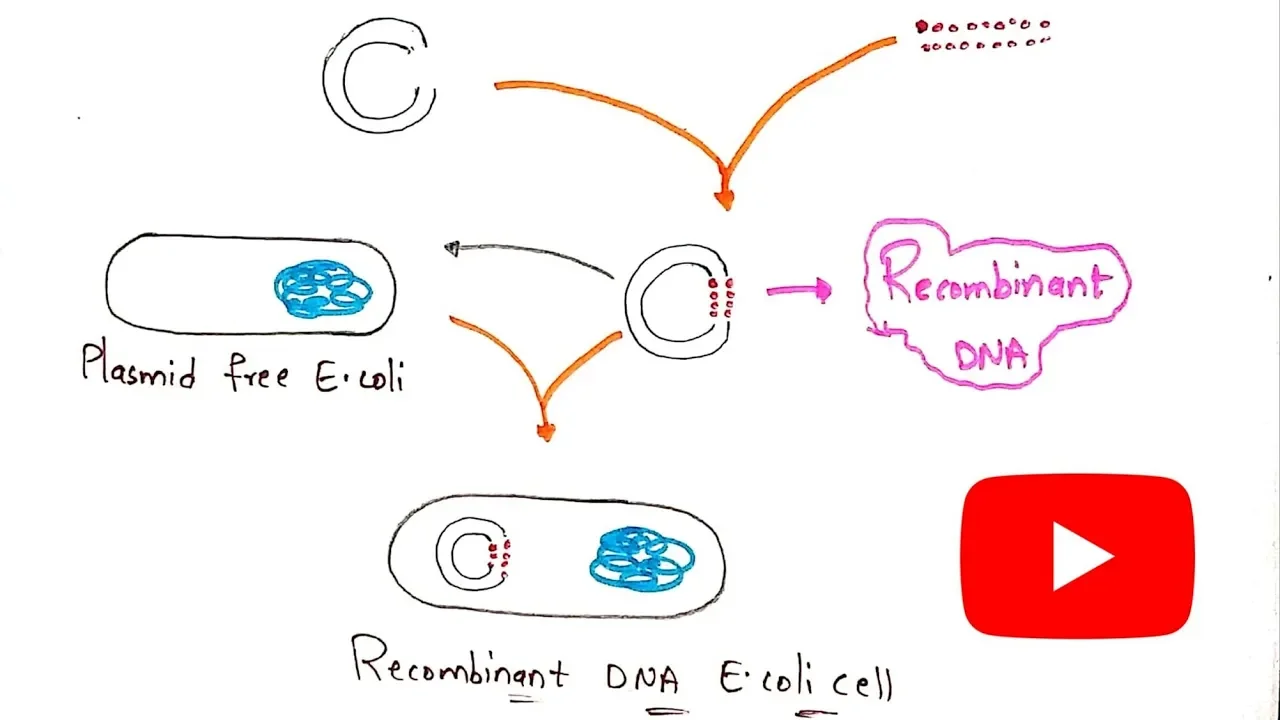




Genetic engineers use standardized symbols to represent DNA components visually: Promoters are shown as bent arrows, Ribosome Binding Sites as hemispheres or half-circles, Protein Coding Sequences as boxed arrows, and Terminators as simple T shapes. These visual shorthand representations help convey complex genetic constructs without writing out every nucleotide letter.
Learn DNA Engineering: Writing Genetic Code Step-by-Step
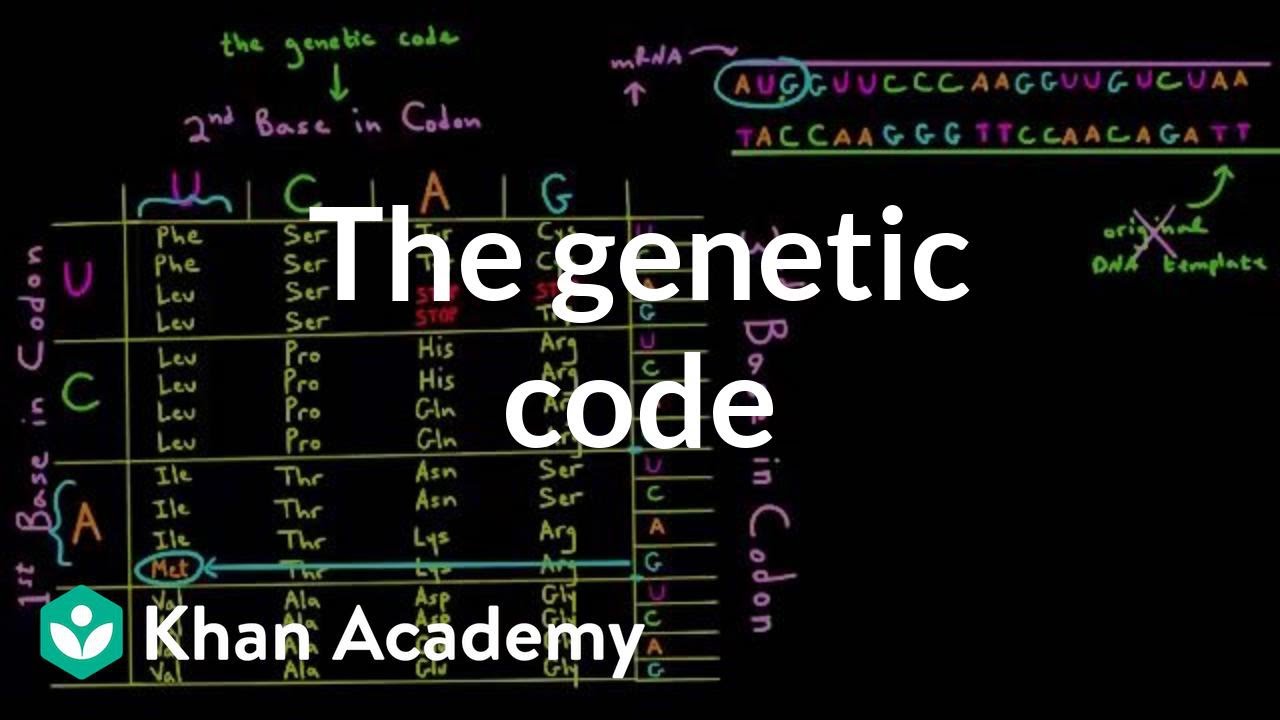
Added:Understanding of the Central Dogma of Molecular Biology (the flow of genetic information from DNA to RNA to protein).
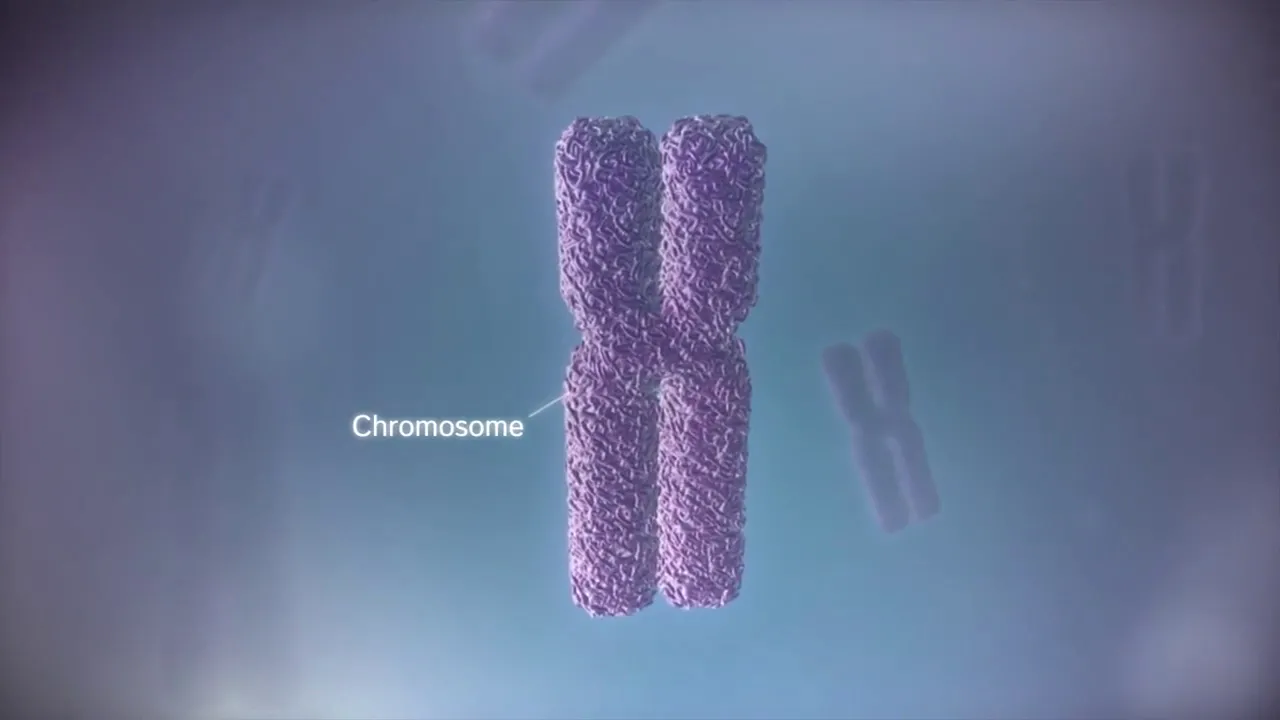
Basic chemical structure of DNA and RNA, including nucleotides, complementary base-pairing, and double-helix geometry.
The concept of genetic translation, specifically how the ribosome reads codons to assemble amino acid chains.
Fundamental cellular biology, particularly the structural differences between prokaryotic and eukaryotic cells, as these affect plasmid usage.
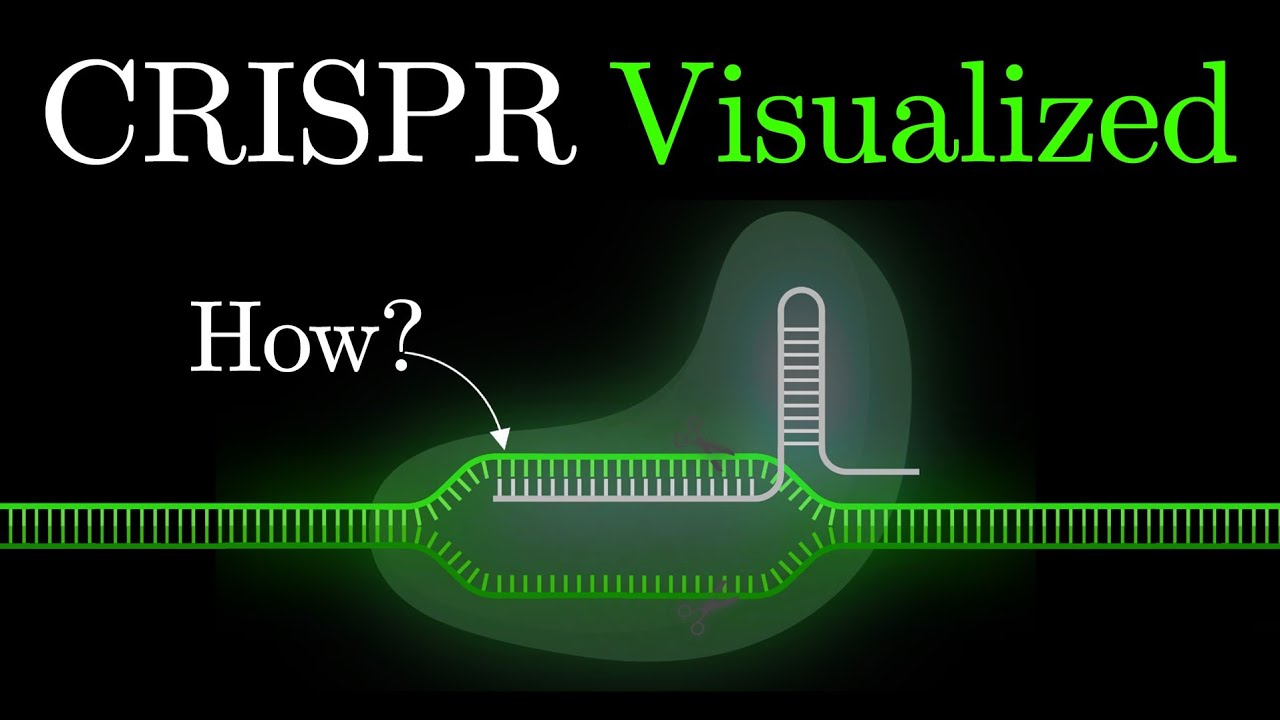
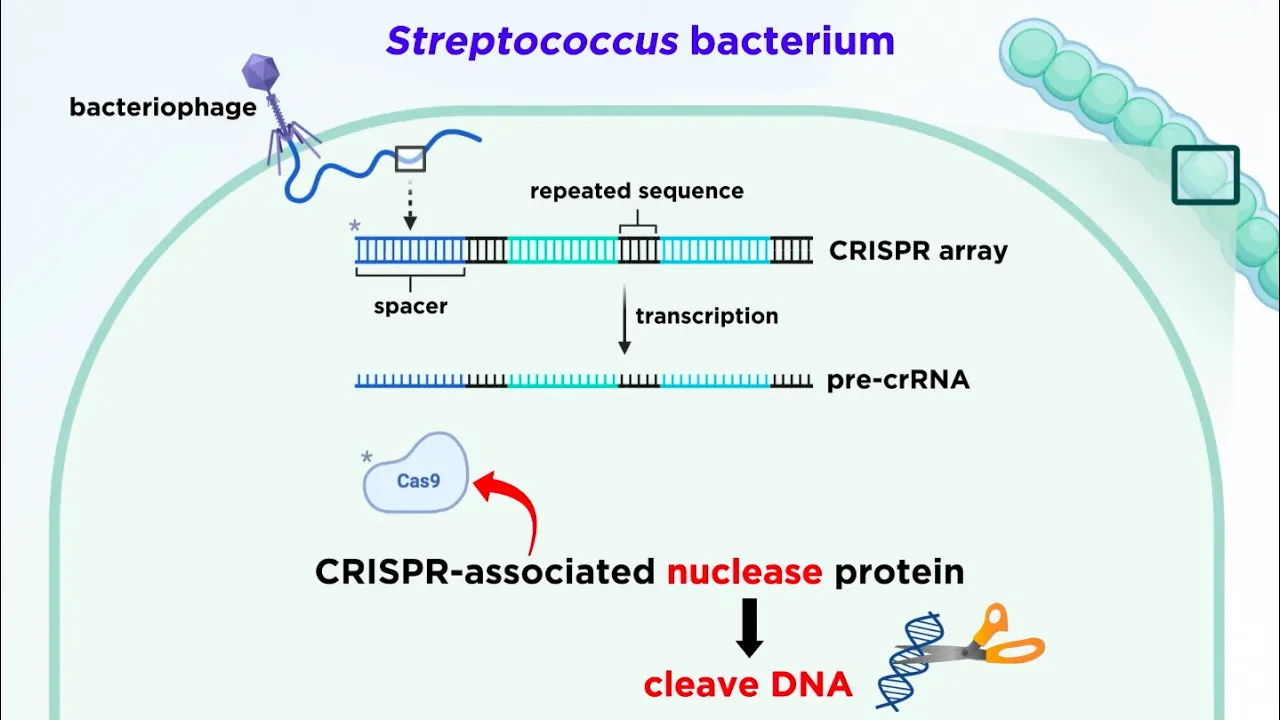
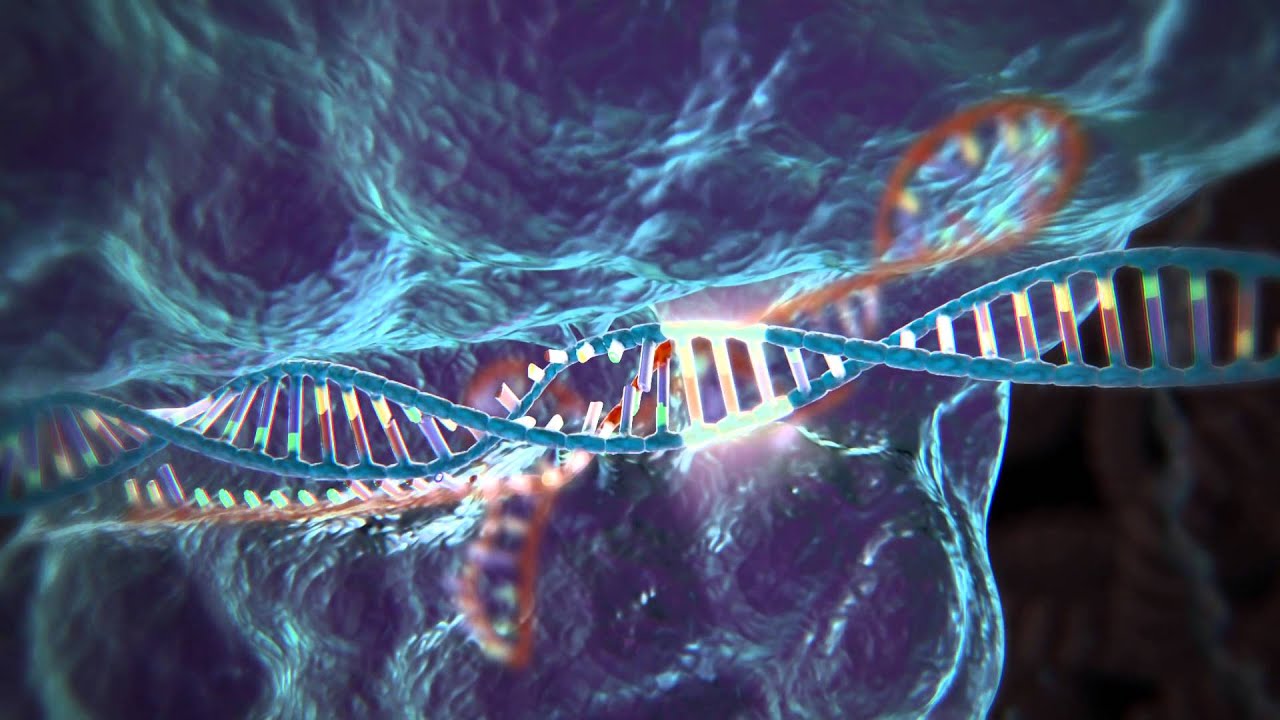
Advanced genome editing technologies, such as CRISPR-Cas9, base editing, and prime editing.
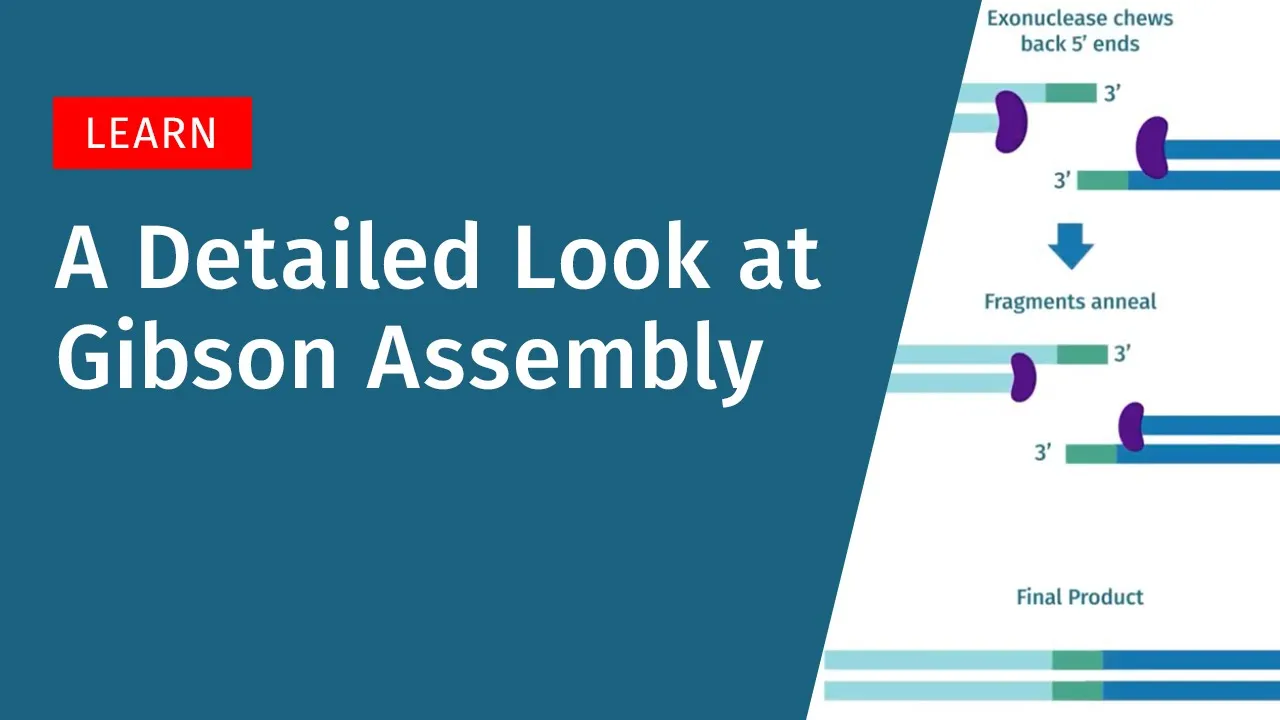
Principles of synthetic biology, including DNA assembly methods (e.g., Gibson Assembly) and designing synthetic metabolic pathways.
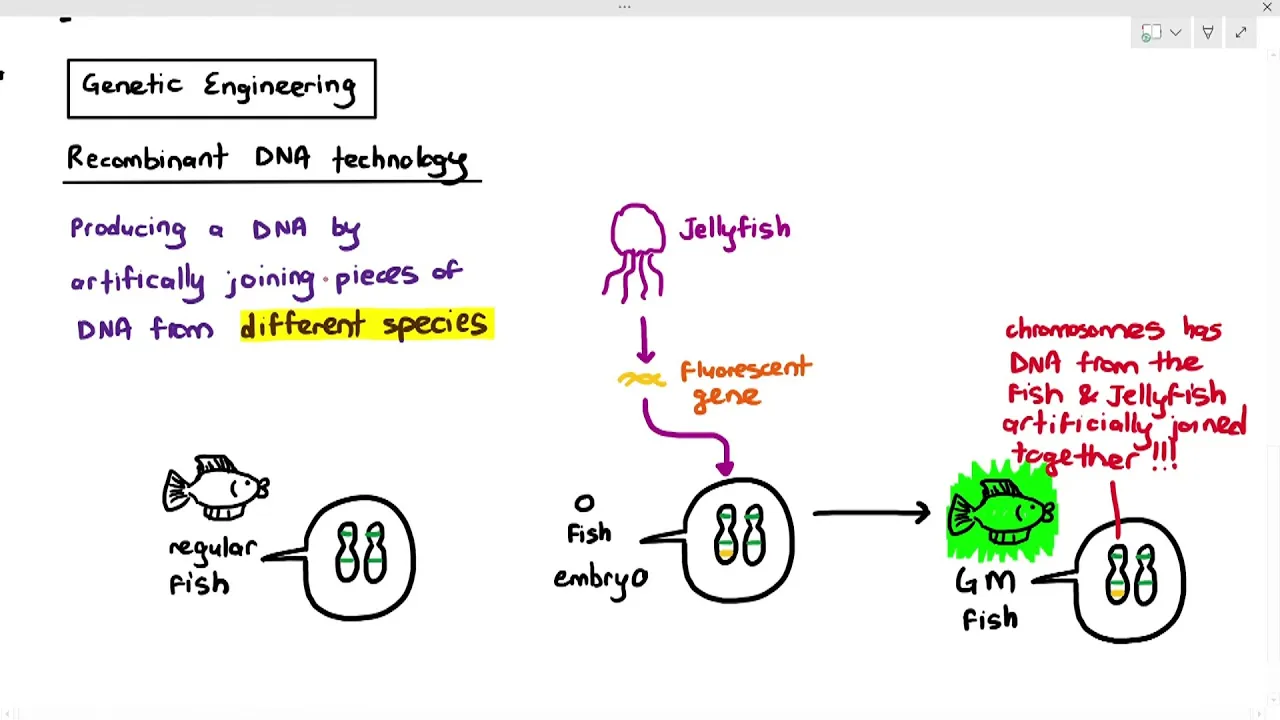
Industrial scale recombinant DNA applications, such as the biomanufacturing of insulin, monoclonal antibodies, and biofuels.
The ethical, legal, and biosafety implications of genetic engineering and synthetic life forms.
244.7K views4.1Klikes2:03Original Release: 2023-02-05
well hello there everybody Welcome to a new stream we got a good one for you today I'm excited can everybody hear me okay how's everybody doing everybody everybody doing good I'm gonna do some some genetic engineering and I think I think it's gonna be a lot of fun I know we haven't uh haven't done done a stream in a little bit so I'm excited for this one how's everybody doing everybody hear me okay just before we get started just you know if I gotta mess with the audio audio Now's the Time all right y well I I think I think we're I think we're good to go so uh before before we get started just a little bit of housekeeping as you can see we're back you know um if you if you haven't been uh watching the channel lately uh there's been a whole bunch of new shorts there's a whole bunch of new content coming it's a new year I'm real excited so yeah I think without further Ado we're probably going to get Jose we're going to get right into it um as we did last time with this uh stream uh the way we're going to do this is I'm going to just talk for a bit like we're gonna I'm gonna do the presentation I'm gonna just talk uh we've got our moderator uh who is going to be recording questions and I've also I'm going to be maintaining a list of questions as well uh so that way I'll answer just a ton of stuff at the end of the stream so be sure to stick around for that because there's a lot to go through uh but I also I don't want to get too distracted with answering the questions as we go so this way there's just sort of a better flow for people who are just sort of you know watching the whole thing straight through alrighty so uh let's let's get into it I think this is intro to genetic engineering part two and as was heavily requested this time we're going to be talking about designing basic DNA if you haven't seen the first stream I would highly recommend watching that um it is sort of it's a really good overview of sort of the basics of genetic engineering some so lots of good resources for how to learn a lot of the background stuff that's going to be really important for uh well this stream but we're going to go over a lot of the basics again so don't don't be too worried but again I would recommend checking out that stream after this one if you haven't seen it already um today we're going to be talking about designing DNA so let's go through it so this is what we're going to cover today um what is a gene what are its pieces what is a plasmid what are its basic requirements High copy versus low copy plasmids codons back translation genetic part notation um you can see this you can see the slide I'm not going to read the whole thing but basically it's going to go through as as much of this stuff as we can and we're going to do a little bit of a presentation I'm going to kind of go through the basics and then we're going to actually hop over to a genetic engineering program like a DNA coding program and we're gonna we're gonna do some code so we're gonna go through all this stuff first um so like I say if you have any questions uh be sure to just you know post them in the chat or our moderator will keep track of them and we should be good to go and you'll be able to uh well I'll be able to answer everything near the end okay so let's get right into it today we're going to be covering what I call the hello world equivalent you know when you're first learning how to code you know literally the first thing you do is you know print hello world this is sort of the same thing because you got to start somewhere and learning how to write DNA is kind of weird like it's it's a it's a weird experience and there's also no compiler so you don't actually get to unless you have the DNA made you can't actually test it right like there's not like a quick uh compiler where you can just do the thing so the the very first experiment that for all intents and purposes literally everybody does is this so this is gfp it's green fluorescent protein and the thing you're looking at here specifically is um a petri dish with E coli that have been modified to express green fluorescent protein now this is not just any gfp it's a very special one but we'll talk more about that later um and like I say it's it's the simplest it was also one of the very first things that was ever genetic and like genetically engineered um the protein was discovered I think back in the 70s but it was first modified and put into a new organism in about 92. so this is this is fairly recent like this is not that long ago I mean it's you know 30 years ago at this point but still it's it's not that long ago in the the history of humanity that we've been able to to do this and the fact that we can now do this casually is is kind of amazing but this protein not this specific one but but green fluorescent protein in general came from a species of jellyfish that code was then isolated and copied out and then moved into bacteria and that to me excuse me um that that to me marks the beginning of genetic engineering like this was really the point where human's ability to start messing with DNA really started because before that it was through breeding and breeding is is genetic engineering and anyone who tries to tell you otherwise is selling something but this is the point where we could go in and very carefully modify genetics as opposed to breeding where you're just kind of you know randomizing code and hoping for the best and selecting based simply on on phenotypes so let's start with the basics because we're going to have to build up to it one of the things with genetic engineering is it's really a game of knowledge the more you know the more you're able to do and unlike computer code like with your if you're coding python right python is a very abstract language you don't really need to know what the transistors are doing to be able to write python code yeah DNA is not it is not python you really need to know what everything is doing in order to be able to do it well there's a little bit of abstraction you can get away with but to really be good at it you really need to know what all of the biochemistry is doing because DNA is not code it is a molecule it is a thing that is manipulated physically so this comes with a lot of uh quirks and challenges that we have to address all right so this is the what we call the central dogma of uh biology right this is this is the most basic thing that you need to know in order to understand biology which is that it it flows in a specific Direction so at this at the start at the top we have DNA and DNA is the code of life right like it is the basic instructions for all living things but to go from DNA to an organism there's a few steps that have to happen so what this particular image is is showing is actually a more complicated case we're going to look at a more simple case than this um but the the thing that happens from DNA is a copy of that DNA needs to be made out of RNA so DNA RNA DNA is double-stranded RNA is single stranded they're very similar molecules but they're slightly different DNA is deoxyribonucleic acid whereas RNA is ribonucleic acid you know that that extra um oxygen does make a little bit of a difference but for all intents and purposes it's it's two different flavors of code one flows into the next so you go DNA and then RNA and then the RNA is red and turned into protein like the RNA contains the structure the instructions for making protein and then there's a protein complex which we'll talk about which reads it and turns that into the correct proteins foreign so this is the basic structure of a gene and this is something you're really going to want to know because it's very very important there are and this is a massive simplification there is a lot of other things that can be going on but at its core this is the most basic structure so it always starts with a promoter so the promoter is a piece of code where proteins will bind to that bit of DNA and start reading the DNA from that location like it really is where the whole process gets going if there's no promoter nothing will happen and there's also there will be other things that can happen so the promoter can contain sequences where other things other than like the basic uh transcription mechanisms combined but that kind of gets into a more complex uh case um but starting starting the basics a promoter is where DNA transcription will start the next thing that is really important to notice is the Kozak ribosome binding site the reason there's two different names here is because this changes depending on what type of organism you're talking about so you've got to remember that I'm going to be making a lot of generalizations here but DNA and the way that it's handled is actually subtly different if we're talking about say a bacteria versus an animal cell like yes they both use DNA but the way that that DNA is structured is subtly different and most of what I'm going to be talking about today is the bacterial case because it's simpler mammalian DNA has its benefits but it can also get really complicated really quickly and a lot of the hard and fast rules that are taught like if you take a biology class and they're teaching you this same information they almost always are referring to the bacterial case because the bacterial case is just easier the mammalian case is more complicated so in a mammalian system it's a Kozak which is basically just a sequence of letters immediately before the start of the coding sequence whereas a ribosome binding site is a little further upstream and and I will talk about up or Downstream later but it basically is where the ribosome will actually bind to the RNA so we'll we'll get into that in a second but that's the subtle difference the the and so you always have the Kozak or ribosome binding site after the promoter but before the start codon so the start codon is and we'll talk about codons in a second it's basically the point where the protein sequence starts right so at the at the end of the day this DNA is coding for a protein and you've got to have a point where that starts and it's always it's well it's almost always the same codon in this case it's almost always a T and G and I'll show you that in a second but atg that's the start codon then from the start codon you'll have a long sequence of codons and and code that codes for protein and then after to Mark The End like you've got to have something to Mark the start in the beginning or the start in the end right so the start carbon marks the start and the stop codon marks the stop or the end um after the stop codon which is on the far end here you have a Terminator so if a promoter is what allows proteins to bind to the DNA to get this whole process started the Terminator is what makes them pop off and let go so it stopped the process and those are sort of the basic pieces like I say there's a lot of fine details and you'll see a lot of this when we get into the coding program where you'll see the subtleties but again this will change if you're doing mammalian versus plant versus bacteria or algae or or something weird you know I say that generally a start codon is atg the the thing with Biology is for every rule there's 100 exceptions so while it is generally atg there are some weird exceptions that it's not but for all intents and purposes it's always atg um so um moving moving right along so here's some here's some useful notation well I say useful notation here's some notation here's the notation that I actually you know find is useful um where if you're reading papers or you're reading uh any kind of documentation of somebody's uh research a lot of the time they'll draw out a sort of graphical version of the DNA right like it doesn't make sense to write the code because code like all DNA code can be broken up into little sections be it the promoter or a coding sequence or multiple coding sequences or whatever A lot of the time you'll draw sort of a cartoon to sort of make this easier to understand and um these are some of the the symbols that tend to be used so for example a coding sequence like a protein coding sequence is this uh is either a big fat Arrow uh or it's this sort of Arrow box looking thing I don't know if my mouse is being captured um but if it's not uh in the in the top row it's the fourth glyph here uh the fourth and fifth glyphs so these are generally what you use for a coding sequence versus a promoter is usually this arrow with a right angle it's the third row down here Terminators are a t Etc so here's an example of this so like I say promoter is the Bent Arrow a ribosome binding site is the sort of hemisphere or the half circle a protein coding sequence is the boxed uh arrow and a Terminator is a t so in a basic case right like you'll show the promoter you'll show a ribosome binding site because it's also important that like there's hundreds of different promoters there's hundreds of different ribosome binding sites there's millions of different protein coding sequences so when you're trying to convey this information or or you're trying to understand information that's in a paper um you know it's it's very helpful um to be able to describe it to somebody in a simpler sense instead of having to show every letter of the code because the at the end of the day that the individual letters of the code are important to the thing functioning but not important to a human understanding what it is you're trying to do um so you know you'd draw it like this where you've got you know your arrow and then your your half circle and then your protein coding sequence and then a pair of Terminators um but you would usually put a part number um or or some sort of descriptor of the thing so if it's a ribosome binding site you'd say you know ribosome binding site and then if there's any kind of like if this is a known part you just you write the name of the part underneath it now the other uh the other side or the other thing in this uh graph or this uh graphic I should say um is a specific case where one protein interacts with the promoter of another Gene and now this is kind of a more advanced concept and we're gonna I'm gonna do a whole video just on these because you can do some really interesting things where you're building genetic circuits but I just wanted to show this notation really quickly because this is the notation of genetic circuits in the same way that we could have um circuits in electronics where you have you know a not gate or a an and gate or whatever you you can do the same thing with genetics and this is the way that it tends to be written so if you've got one protein like so if you've got a case where if you express one protein when that protein is expressed it grabs onto the promoter of another Gene and turns it on that would be an activator so that it's drawn with a little arrow whereas if when that protein is expressed it grabs onto a promoter and prevents that Gene being red that was that would be an inverter so that's something that turns a gene off when another Gene is turned on again this is probably more complicated than we're going to be able to get into today but I wanted to show it because we are actually going to see a simple example of this when we get to the code but yeah so this is um you know this is sort of the basic notation and it's it's pretty helpful to just have this so that when you're when you're reading papers because this like getting information about genetic engineering you know we'll we'll talk about some of the resources where you can find code and and this sort of thing but at the end of the day it's a lot of reading papers it's a lot of reading papers to figure out what it is that a scientist has done how does their DNA work and then being able to go from the the cartoon that they draw to the code and figure out what each piece of that code is actually doing and and cartoons like this are are very helpful for conveying that information so again this is the basic Gene just as a quick reminder uh and so I talked about the start codon and stop codon well these are codons so all DNA uh is broken up into three letter sections called codons and specifically that this only applies to uh protein coding section so like a promoter the the the letters can be anything they're not broken up into the three letter codons this is only referring to the bit of code that actually codes for a protein so these are broken up into three letter segments where each set of three letters codes for a specific amino acid naturally there are 21 amino acids and you can see they're all color coded here so for example if you have TTT it's phenylalanine whereas if you have um GCT it's alanine gtt is valine um now remember I I talked about a start codon and a stop codon so the start codon is atg and it always codes for an amino acid called methionine so generally and again again I'm putting a big asterisk here because there are exceptions but generally the first amino acid in every single protein is methionine because of the start codon again there are some organisms that don't use methionine there are some exceptions to this but in the general case of E coli or human cells methionine is always the start so when the different proteins are reading the DNA when it sees atg it knows that that is where the protein is starting from so so generally you've got the ribosome binding site and then there'll be a little spacer and then you'll have atg and that's where the actual protein starts for stop codons there's actually three of them and you'll see this when we get to the coding part but it's generally helpful to include more than one of them so when I whenever I'm doing code I'll include three sometimes I'll include six if I'm really paranoid but generally two is sufficient you know three is overkill and 6 is absurd but you'll you'll include two or three of these so for example when you really want something to to stop you you might write t-a-a-t-a-g or maybe t-a-a-t-a-a right so you see the the three different stop codons here you just you just pick two every organism has a preference and you should generally be picking the one that your organism prefers but they all work just you know some work better than others this is why I tend to do too because it really makes sure that the ribosome lets go and stops making protein otherwise you'll end up with a bunch of extra junk stuck to your protein that you don't want which nobody nobody wants that yeah these are codons if you just look up codon table um you'll you'll find this also I just realized I didn't I didn't mention um for for those who want to follow along uh there's a GitHub Link in the description and if you follow that there's a PDF of both this presentation and the presentation from the last stream so like I say if you want to follow along um all that information is there those are also links in the description to other videos that we've done and if there's any important stuff I'll be putting links down there after the stream also in that GitHub I'm going to be putting a folder with all of the DNA code that we end up working on today it's not there yet because I wanted to actually you know do the thing first but it'll be there uh for later basically um so yeah this is this is codons um if you're ever if you ever need this information you can just look up DNA codon table and you know 100 different versions of this will come up uh they all mean the same thing uh one one thing that's not shown here though is that every organism prefers certain codons and this is not like a preference in the way that like you know you prefer vanilla ice cream and your friend prefers chocolate this is like a chemical preference so um when we talk about the ribosome in a second part of the way that DNA is read and turned into protein is something called TRNA so basically it's this little chunk of twisted up RNA with an amino acid stuck to the end of it and three letters of that TRNA are the opposite of whatever the codon is each organism will have different levels of each TRNA so they generally have all of them but they'll have for so for example they may have lots and lots of TRNA that matches the CCT codon for Proline but maybe they don't have a lot that will match CCC so if you're working in an organism that has a significant preference for one codon over the other it is very important that when you're writing your code you're mainly using the codons that they like because if you're using rare codons what can happen is as the protein is being transcribed or or translated right like as the protein is being made the population of the TRNA available in the cell can literally run out and if that happens protein synthesis just stops the ribosome ejects the protein unfinished and you have a bunch of Unfinished garbage in your cell which will not be doing the thing that you want it to be doing so it's very important that when you're coding you're picking codons that your organism likes and you can find reference tables for most of the standard lab organisms for which codons you're supposed to be using and also a lot of the coding programs um will have um a feature that will basically do this for you and and I'll show you that later but yeah so this is codons very important um but this is sort of the basic building blocks like this is the closest to you know binary uh or a binary equivalent of of DNA okay this is the ribosome this is the TRNA I was talking about so the ribosome has two main subunits there's the the large subunit and the small unit remember biologists terrible at naming things so you you know you call it what you call it but this is what I'm talking about where you've got a a string of RNA and you've got these TRNA with an amino acid on the end coming into the ribosome matching to the RNA that's being read and then through a a biochemical process the amino acid that's stuck to the TRNA is fused to the growing protein chain and then the TRNA is cleaved off and then the whole thing shifts over like clockwork allowing a new TRNA to come in read the next codon and repeat the process until the whole thing's done when you hit a stop codon the TRNA that hits basically sort of gums up the works a little bit and causes an ejection so that's that's how that actually happens but something to keep in mind while this is a very useful picture you'll find that with Biology and in papers and in textbooks and all this kind of stuff you'll find a lot of cartoons like this where it's very very very simplified cartoons are not reality this is what uh the large subunit of a ribosome actually looks like it's this mishmash of proteins and DNA and RNA and just this clump of biochemical function and you know there's a reason that we draw two circles because try to draw this thing would be a nightmare but just remember that whenever you see a cartoon in um a paper or a textbook or something it's it always means something like this which has way more structure to it than is being implied biochemistry is hard it's really complicated there's a lot of moving pieces you got to simplify things for the sake of like a human understanding it but it's important to remember that when we're talking about these things they are physical structures a protein is a physical structure you know and that structure defines its function and we'll talk more about that in a second um okay so these are the amino acids we we talked about them briefly when we were talking about the codons but this is what they actually look like so you'll see that they all have this carboxylic acid group uh which is the uh o double bonded and then the hydroxyl group on the end and they also have an amine group which is the nh2 so when you make a protein your your um you're forming a chain by sticking the a means to the hydroxyl group um and each one will get stuck to the next and every amino acid has what's called a side chain so for example if you see let's look at Arginine for example Arginine you have your carboxylic acid you have your amine group and then you've got this long tail where you have uh three nitrogen groups that's a side chain each amino acid has a unique side chain and that's what gives them their properties some of them are charged some of them are not charged some of them are polar some of them are hydrophobic there's also some special cases so for example cysteine has a thiol group on it it's got a sulfur on the end that sulfur group allows proteins to form disulfide Bridges so if you have two cysteines in two different parts of a protein the the two sulfurs will actually stick together and this is one way that proteins can build a complex structure consistently um so you know also a thing to note because this is something that really bothers me when this is taught teachers and professors will have you memorize this chart which is stupid there's absolutely no reason you need to memorize this we have a phone in your pocket you can Google it you can just pull like I do a lot of genetic engineering I don't have this memorized I did for a time when I you know had to pass my biochemistry class but nobody nobody needs to memorize this unless you're working on on something that requires it it's very rare that you actually need to know this generally you can look it up that said there are some important things to know depending on what you're doing so for example like a histidine tag right like a or a histidine here um some there's something called a histag or a histidine tag and and we'll see that when we get to to code um the reason a histidine tag works is because of the uh ring structure on the end of it it's called an amidazole group that amidazole allows histidine to stick to certain metal ions and this is really important if you want your protein to stick to something and or be able to say extract your protein out of a complex mixture you need to be able to selectively stick just your protein to something else so a hiss tag is a really common way of doing this and so you'll have six histidines in a row and that combination of histidines is able to stick to nickel or Cobalt or copper and if you have a resin that has nickel ions on it it allows the histidines to stick so that way you can selectively isolate just the protein that has this hiss tag it's a really common procedure it's something that you do all the time in the lab but that's really the only time when you kind of need to know these proteins off the top of your head um or these aminos off the top of your head I should say but generally all of this information you can just look up when you need it and there's there's really no point in memorizing it um my my biochemistry Professor was a bit of a dick and had us not only memorize all of these structures but also the pka values the pi values and a whole bunch of other information about this which is asinine because again you have your phone in your pocket you can just look it up if you need it you could look it up so that's just an important thing to remember okay when you start sticking amino acids together you start making what are called polypeptides um and these polypeptides are um basically just a string of amino acids when you have a string of amino acids they start forming shapes so the some of the most basic shapes that they can form is an alpha Helix which is which is like a coil or a pleated sheet where you'll have sort of a wavy pattern and then a wavy pattern and the two will will line up like this and then you'll have another one another one another one and you can end up with like a big crystalline chunk of amino acids excuse me um when you as more and more amino acids gets added as the protein gets bigger these basic structures start self-assembling into a larger structure so the primary structure is the sequence of amino acids the secondary structure is these basic building blocks of helixes and sheets the tertiary structure is what happens when all of that comes together and makes a globule of protein and then you could have what are called a quaternary structure so a lot of proteins or a lot of complexes I should say are not made of one protein like there's a lot of proteins in nature that don't exist on their own the vast majority of them exist as some complex of two or more proteins now this could be two identical proteins or four identical proteins or three identical proteins or it could be 18 different proteins that all fit together like a jigsaw puzzle and only when all the pieces come together does it actually function the way that it's supposed to so for example uh ATP synthase which I unfortunately don't have a picture of is one of the protein complexes that's responsible for generating ATP which is the main energy currency in every cell of your body it's huge it's something like 18 or 20 different proteins all stuck together many of the like multiple copies of the same protein some copies of different proteins it's a huge huge huge structure but it only functions if all of the pieces are there if you go into the DNA and break one of those pieces the whole thing won't work also the cell won't live so you know that's not a good plan but this is what I mean like quaternary structure becomes very very important to the overall biochemical function of one of these assemblies so this this was all kind of the basics I really did have to gloss over an overwhelming amount of it but that's kind of because it's just the basics and I kind of want to get to the actual coding stuff but it's all the stuff that you sort of need to know if you're new to biology these are some resources that I think are very very helpful um the crash course is amazing I mean this is that's a [ __ ] understatement of the Year crash course is utterly fantastic if you're just learning biology there are visualizations and the way that they teach it is really really great highly recommend watching through their course on biology biochemistry organic chemistry all the stuff that you got to know to be able to do genetic engineering well if you're more of a book person essential cell biology is sort of the best textbook that I've found that covers a lot of this when you get into the genetic engineering stuff I like this book it's called synthetic biology a primer this deals with a lot of the stuff that I do which is going from rather than let's just Express um like one protein this is let's Express many proteins like Pathways whole whole complex assemblages of proteins and get them to do something really interesting right like just making gfp is neat but it's not um what I would call uh particularly complex or useful there are cases don't get me wrong where expressing a single protein can do something very interesting but a lot of the more interesting stuff is when you're you're talking about uh you know a few different proteins I'll have an interact and and this kind of thing another one this is much more advanced but ibiology is another really great Channel um I I highly recommend them like I say it's more advanced they're not really talking about the basics they're talking about like the nuts and bolts of uh some really really complex biology but if you want to see what you can do when you deeply understand this stuff and you you also have large amounts of capital on hand um ibiology is is the place to go because it really lets you do crazy crazy stuff all right plasmids oh plasmids okay so if if DNA is the most basic thing in biology plasmids are the most basic tool for genetic engineering right everything we do revolves around plasmids even things where you're gonna try and put DNA into the Genome of an organism you're using a plasmid to do it the way that I like to describe plasmids is it's sort of like a CD which I realize this is becoming a very dated reference um because who uses CDs anymore um but yeah so plasmids are like a blank CD right they're they're a structure that you can load code onto that allow it to be easily handled and then applied this is a plasmid it's a ring of DNA and it always has at least three pieces a lot of the time there'll be more to it but it always has at least three so thing number one you've got a uh a Target Gene right you've got the thing that you actually want it to do you'll have a promoter to drive that Target Gene you'll have a Terminator but one one target Gene is always in there the other thing that that is always in there is an antibiotic resistance gene or some sort of selectable marker when you put the DNA into the thing that you want to put it into you got to be able to select for which cells this actually worked because biology is the game of Statistics right so if you're modifying a batch of E coli there are billions of cells or at the very least Millions upon millions of cells in your little tube you'll be putting in millions and millions of copies of your DNA but you might only get thousands where the DNA goes into the cell properly so you need to be able to remove all of the cells that didn't take in the new Gene properly or the new DNA properly so that you only have the modified ones in your final population generally this is done with antibiotic resistance but this can also be done with something called an oxotrophic marker so antibiotic resistance is very straightforward you let's say you're doing E coli you put an antibiotic into your your media in your petri dish you give the the modified cells resistance to that antibiotic so the only cells that end up growing on the plate are the ones resistant to the antibiotic nice and simple an oxotrophic marker is a little different it's kind of nice because then you're not using antibiotics which is always good because you know the less antibody resistance that exist uh the better um but basically the way this works is you kind of it's one of those like chicken and egg things like where you you have to have a modified starting organism in order for this to work but in the case of yeast for example you can go in and break their ability to synthesize some crucial chemical let sometimes it's an amino acid sometimes it's a other like a nucleotide like it's something inherent that they need to survive and if they don't have it they don't live so the way that you if so basically you break the gene in the the let's say yeast genome so it can't produce adenine for example then in your plasmid you include a functional copy of the adenine synthase Gene so this way if the new DNA ends up in the yeast now they're able to actually produce the missing chemical so they'll able they're able to survive so then you can grow them on media that is devoid of that chemical so that the yeast can't get that chemical from the media and so without it they'll just die but only the ones that have taken in the new DNA are able to produce it and therefore survive the the last thing that's really important is uh An Origin of replication now this gets a little weird in say mammalian cells or even yeast cells because they handle those differently but in bacteria specifically and especially E coli every plasmid has what's called an origin of replication basically this is the spot on the DNA where the DNA copying mechanism of the cell grabs on and starts the copying process now I don't have a Graphic of this because you know it's it's details but um basically the the copying mechanism will grab onto that spot and then start copying in both directions uh and and you'll you'll end up with two sets of DNA and then they kind of like bleb apart once they're finished but without an origin of replication your DNA will be gone almost immediately like it like within a generation the DNA is just gone um and E coli have a doubling time of 20 minutes so this means that even if your DNA is in there they will not La it will not last long enough that you'll ever see your modified Gene in the final population and it will just be lost so origin of replication super super important but the origin of replication also controls how many copies of that DNA exist in the cell um so this is where we get into high copy versus low copy and and I think on the next yeah okay so these are the the main characteristics of a plasmid so basically this is something like when you're designing DNA these are all the sorts of things that you need to be taking into account because they're going to ultimately set the properties of the thing right so step number one is does it is it integrative or non-integrative basically what this means is does your plasmid cut itself and the host's DNA and then shove all of the code permanently into the Genome of the organism or does it just exist as a an episomal thing like does it just exist on its own in the cell so in bacteria right if it has an origin of replication it can very happily exist on its own and it will just be copied no problem as the cell divides whereas in animal cells we don't we don't do origins of replication like mammalian cells don't have or eyes um you'll always have one in in a plasmid that you designed because you're the the Ori is not there for the mammalian cells they're there for growing it in E coli so you can make more copies of the DNA for like just lab handling but mammalian cells don't actually have an Ori so you have if you want the DNA to stick around for any amount of time you actually need it to integrate into the genome um so this can be very important but in bacteria you can get away with it not being integrative just fine unless you're trying to do something industrial where you really don't want the DNA to change right like you don't want the DNA to suddenly go missing as you're trying to grow a ferment that's 30 000 liters like the DNA really needs to stick around so in that case you would use something integrative where you might use crispr or any any similar tool to cut the DNA of the host's uh genome and also of the plasmid that you've inserted and have them like schmoo together and fuse so this is you know that that's that's the big difference there high copy versus low copy basically is literally it's exactly what it sounds like it's it's how many copies of the DNA are present now your choice of high copy versus low copy really depends what you're trying to do so sometimes you'll build a plasmid not to actually Express the protein that you're interested in but literally just for handling right like when you're when you're moving DNA around in a tube you know you'll only have a finite amount and to make more of it the easiest way to do this is to just put it into some E coli have the E coli do the copying and then extract that DNA back out of the E coli if you just want a lot of DNA High copy is better but if you want um I think you murder um but if you want actual protein expression High copy like having hundreds of copies of the DNA does not actually make your your uh protein synthesis better it tends to overwhelm the system and so you'll end up with lower protein expression than if there were less copies of the DNA so if you want protein expression uh at least personally I tend to go with low copy plasmids whereas if you're doing DNA handling you want High copy so that there's physically a lot of DNA per cell so that when you extract it you're getting a maximum yield of DNA uh the next thing that you want uh to know is is your target protein when when you code this all up does it just run like is it cons which is called constituative or is it inducible inducible means and it's off it like it has an on State and an off State and unless you give it a specific chemical to turn it on it just doesn't Express so the most common uh like the the most common way to do this in bacteria is the Lac operon so this is a this means it's triggered by lactose so when there is lactose in the media it turns the the DNA on like the lactose ends up in the cell there's a chemical mechanism that detects the lactose and allows that bit of DNA to actually be read it's um earlier in the in the the stream we talked about an inverter this is a case of an inverter where if there is no lactose the gene is off whereas if there is lactose the gene is on so that's the difference between inducible versus constitutive and and your choice of one or the other sort of depends what you're trying to do generally if you just want to make a protein like if you just want to make gfp for example don't do inducible for some reason most people when they write DNA choose inducible plasmids and for the life of me I do not understand why because it adds extra work and it adds extra Hassle and it gains you basically nothing the cases where you would want something to be inducible is in the context of something where if it just runs on its own it might break something or you want to be able to very carefully control the level of that protein so let's say you're the protein that you're trying to make is an enzyme and that enzyme makes a chemical if that chemical that it makes is toxic you might not want to have the the enzyme be produced in humongous quantity because that means it'll also make the chemical and humongous quantity and that could kill the cell or maybe it's making one chemical and then you have a second Gene that's making it that uses that chemical to make the next step maybe you want to control the levels of each to try and find a sweet spot or maybe you only want to turn the protein on at a certain time in the life cycle of the E coli so for example there's there's some promoters that will only turn on at a certain growth stage of the of an e coli's life right so there's one promoter called osmy that only turns on when E coli are basically done growing so when the E coli detect that there's no more food or very little food left in the media they hit so they they grow very very quickly and then they hit they detect no more food and then they plateau so osmy is a gene that normally only turns on in the plateau phase so it's it's part of how the E coli handle um their sort of life cycle to make sure that they don't basically eat themselves to death and and they they slow themselves down and so you'll have different proteins turn on at different parts of parts of their life cycle so you could hijack this system and have a gene turn on only at the end of its life cycle I don't know why you would want to do that but you could um and I've seen some constructs that do it this way again I I don't if you're just trying to make a protein I don't know why you would want to do this but for some synthetic biology stuff and for some learning applications people do this just to like prove that it can be done um but again there's a lot of stuff that academics do that just baffled me as to why because I I'm convinced that they're just making their lives harder on themselves okay um the last thing to know about a plasmid is literally how many genes is this thing going to be making uh for two reasons one the more genes it has to make the more complex it is and also the the physically larger the plasmid is going to be and if a plasmid gets too large you have to include extra bits in it otherwise you'll lose it um and it becomes very difficult to handle so like bacteria tend to like plasmids that are no bigger than say 15 or 20 000 letters long and I mean that's really on the high end anything bigger than that and they have a habit of just shedding the DNA like they'll they'll either break it into pieces and get rid of it uh or they they have a habit of losing it very quickly so you have to add extra features to your plasmids in order for something that big to stick around there's what's called a back or bacterial artificial chromosome if you want to stick an absolutely gigantic piece of DNA into a E coli you need to use a back but in order but a back contains extra functions that makes the E coli think that it's a chromosome and it handles the DNA differently so this is one of the reasons why you got to keep and keep this in mind if you're going for something gigantic it you you have to handle it differently but also the more genes you put in there the more metabolic burden you're putting on the E coli and like you'll you'll slow its growth or just straight up kill it and then it just won't grow so you've got to be balancing this so this is you know another thing to take in into account and also if you're designing DNA with multiple genes there's a lot of like quality of life stuff that you you really want to include to make physically working with the DNA easier because if you ever need to make a change there's nothing more annoying than having you know spending hundreds and hundreds hundreds of dollars to have DNA printed like a huge piece of DNA printed and then realizing you have no easy way of fixing it because there's an error so there's like I say there's a lot of quality of life stuff that you got to do so yeah generally if you're working with uh plasmids um in the range of like five thousand eight thousand base pairs is like really comfy um any more than that you're getting into like the weirdness um lower than that is fine but um and you know I've worked with some really really tiny plasmids but at the same time you know it varies just a thing to be aware of okay um so just just quickly here's some very important words that you're going to hear me say a bazillion times uh as we get into the the code and also they're just important words to know if you're reading papers or you're trying to understand this stuff so a backbone is generally an empty plasmid it's it's a plasmid you're going to put a gene into or a piece of DNA into um it's it's the blank CD right Vector same as backbone these words are used uh interchangeably I tend to prefer backbone Vector always feels weird um because with the backbone it the it implies that you're keeping most of the the thing there this is totally personal personal preference this makes no difference I just prefer backbone um insert is generally the thing you're going to be well inserting right it's the bit of code you're going to put into the backbone again very helpful MCS stands for multiple cloning site and I'll show you what one of these looks like in a second but basically this is a a bit in the plasmid where the person who made that plasmid has specifically put a bunch of restriction sites so that it's very very very easy to stick DNA in that location so they they put a bunch of different restriction sites so you have lots of different choices based on which enzymes you happen to own or which ones are compatible with your specific piece of DNA and it's just it's one of those quality of life things right like it's it's there to help um uh basically work with the DNA a restriction site is a specific uh piece of code where in in nature we've found hundreds of different enzymes that will cut DNA at a very specific location so generally they'll Target in the range of six to eight letters like six to eight letters long and if that sequence of six or eight letters is present and you add the the enzyme to a tube of that DNA it will always cut the DNA at exactly that location in exactly the same way every single time and this is one of the ways that we actually handle DNA so you can make two cuts at two different locations in a backbone and now you've got basically an empty hole where you can stick an insert and and you'll see what this looks like in a second but this is this is what a restriction site is in a restriction enzyme they're sort of the bread and butter of your your basic DNA handling there are different ways to handle DNA but knowing how restriction sites and restriction enzymes work is super important because also just for DNA analysis you can use restriction enzymes so when we get to looking at the code in just a moment you'll see that all of these all the code is full of restriction sites right some are some are just naturally there like just because you know DNA is just an assemblage of letters you never really know sometimes you'll just end up with a convenient restriction site somewhere when you're designing DNA and you're testing DNA in the lab one of the ways you can test to see if you put all the pieces together correctly is you can do what's called a restriction digest so you can pick a few specific restriction enzymes mix them in with your DNA and have it cut the DNA into small fragments of expected sizes and I'll show you what this looks like in a second and then you take that DNA mixture and you run it on a gel and it'll separate the DNA into a series of bands and if the bands are the right size like they show up on the gel in the right order and in the right and they're the right sizes then you can already have an idea that you've put your DNA together correctly so you know this is very it's a very helpful thing to know the last thing is back translation so some sites and and some resources don't provide the sequence of a protein as DNA they see they send you the sequence of a protein as well the sequence of the protein just literally a bunch of amino letters um and you can then take those Amino letters and convert it back into DNA hence back translation for whatever organism you plan on putting it into so if you're going to put an let's say you're taking a protein out of a plant and you want to put it into an E coli generally the way that the plant writes the DNA and the way that E coli expects the DNA to be written is different so what's what you generally do rather than copying the DNA directly and just sticking it over you'll copy the amino sequence and I'll show you how this works you copy the amino sequence and then you back translate it back into DNA specific for E coli or or whatever it is you're doing so this is a very very very yes it's like it's like decompiling and recompiling your code essentially um you know you'll you convert into one format and then back into another that is corrected for the organism you're working with so here's some other really good resources um if you're starting your design ad Gene is fantastic um they're very picky about who they actually sell DNA to and for that I dislike them immensely however they are a fantastic repository of code so if you're if you even if they won't let you buy code from them anybody can just go on aging and download DNA code of you know so if if a scientist writes a paper and they've designed some DNA sometimes they'll submit it to ad Gene so that other researchers can just very quickly get a copy of that DNA and use it in their own research part of this is you submit the like a data file of the like every letter of your code that's hopefully annotated so that way you can see what all their code does and you can actually go in and work with it so if you're if you're starting a design a lot of the time you'll find stuff on ad Gene which you can copy out and then use in your own work and if you're a non-profit or you have or are in like an educational institution they'll just they'll actually send you the physical DNA although I I find this sort of ridiculous that they're like this but I mean whatever the next one is igem specifically uh bio bricks igem hosts igem is a genetic engineering competition that happens every year and as a standard every team that competes has to submit all the DNA that they used and all the parts and they they've they're really good about standardizing the genetic parts that they make so for example they'll have a whole catalog of just promoters so you can look through their catalog of promoters find one that does the thing that you want and then the code is available you can just copy it and use it in your thing or it could be proteins or Terminators or whatever igem is fantastic for that and then the last one of course is amazing amazing it gives you access to every paper ever written for free as it should be so uh you know if you're ever if you're ever looking for you know a paper you sign up you know [ __ ] out Sylvia [Music] um so yeah basically a lot of like for example when I'm when I'm trying to design something or I wanna I wanna do something genetically I'll always start by finding papers reading through them seeing what other researchers have done then maybe if I'm lucky I'll be able to find their code on ad gene or maybe they're just you know posted in their supplementary of the paper and then from there you can start going in and messing with the DNA but these are all great resources to start with already enough talk it's time to cook um so yeah we're uh this is this is kind of the basics like I say this this presentation is available in the GitHub Link in the description uh but yeah let's uh let's let's get into it and uh actually start doing some some DNA design so um just quickly before we get into this uh I'm gonna take a little time to just uh answer some questions and uh uh you know um see so you know how's everybody uh how's everybody feeling about this how's uh is has all this made sense so far foreign and uh uh yeah and Jonah if you can send me the list of questions that would be good um but yeah so uh how are we doing how's everybody doing yeah you liking the stream so far Jesse we need to cook alrighty you got my list of questions I'm gonna just uh uh um okay a couple uh just we're gonna do a couple of questions and then we're gonna get into the code um among all of your projects what are the top three causes of failure of plasmid incorporation into the host DNA the biggest reasons are you did something wrong either you physically mishandled it in the lab you didn't include something in the DNA that you're supposed to or you grabbed the wrong antibiotic and um well I mean that's always sad there's there's nothing worse than you you do a transformation you uh you know you go through all the trouble of mixing the DNA with your bacteria doing the whole thing to get the DNA in there and then you plate it on the wrong plate so this has happened a lot of times because the the DNA that I use in my lab fairly regularly we have some combination of plasmids some of them use canomyosin as their antibiotic some of them use ampicillin and every now and again you're not paying attention and you grab the wrong one and you know you you come in the next day expecting to see a plate full of colonies and it's just it's just empty and you're you know you're going with what I did wrong you know did I did I mess something up and then you then you look at the plate and go this is a can of myosin plate this DNA works on ampicillin [ __ ] um and you know then you got to just redo it which is really annoying but yeah a lot of the time it's it's user error is is the big one um could you in theory make a compiler no there's there's you know I get this question a lot there are too many pieces in biology that you could ever hope to simulate it it's just the reality this is one of like biology is the most if it disagrees with experiment it's wrong field of science right like you you cannot make a compiler in in a in an E coli alone there are literally billions of pieces um that all need to be simulated in order to make a compiler it it'll never happen like like super computers have to be unbelievably gigantic to even simulate some small fraction of it like even just simulating a single protein can take you know half hour 45 minutes just to generate the structure of one protein not counting all of the interactions with every water molecule and atom and electron in the entire E coli it's just not going to happen so the only way that really the only way to do anything in biology is to just do as much research as you can in advance and really think it through and make sure you've you've checked everything you can you know every eye is dotted every T is crossed before you order anything and then test it and that's the only way you're really going to know if it works because you you just can't make a compiler um our universe cellular organisms simpler than multicellular animals find simple right you know like simple how I so I'm a bit of a [ __ ] right this is this is should not be a surprise to to most of you but when I was in university I took great pleasure in messing with my professors which is why they didn't like me very much um but you know there was a there was a specific lecture that I was in where it was it was like an intro to biolecture this was not like some high level thing and you know the professor is is talking about how you know all organisms age and you know then I you know sheepishly sheepishly raised my hand I go well what about lobsters lobsters are functionally immortal and he goes well you know lobsters are simpler organisms I'm like their DNA is four times larger than ours and they go he goes oh right like so there can be single cellular uh creatures that have DNA that dwarfs the human genome right like they're off the top of my head I can think of a couple of unicellular uh protists and other weird amoebas and stuff that can have thousands of times more genes than humans do because if you think about it while a multicellular organism needs to have a lot of genes to like keep all everything functioning we get away with the fact that we can like get up and move and walk away and where whereas like if you compare like an animal to a plant plants almost universally have more complex DNA than an animal does because an animal if it has a problem it can get up and go deal with it whereas a plant is a plant can't go anywhere so it has to have all of the instructions for every Niche case of weirdness that can happen to it um like coded and hard-coded in in case something weird happens okay I'm gonna do one more and then I'm gonna answer the rest of these um after we do the the Kodi the coding stuff um uh okay actually this is we just got a question and I'm gonna answer really quickly do you know how strictly bioengineering is regulated in Europe is it possible to get into it when you're not in the U.S uh fairly um like it's absurd like in in Europe it is like the most smooth brain idea of what genetic engineering should be like you need a license to even make a nikoli Express gfp and they will absolutely throw the book at you if you do not have that license but this this actually brings up a really important point and it's something that I'm not going to dwell on too much but you know biology is not really a hobbyist game it's very expensive there's a there can be a lot of legislation around who can do it and you know what is required of their lab and their facilities in order to be allowed to do it um you know most companies won't sell you any of the reagents if you are not like if you don't have a registered business and a registered business address so if you're going to be doing this you all you have to take it fairly seriously like you can't really do this in your bedroom it's it's not a thing you know there's a lot of people who will try and sell you the idea that you can just do this in your kitchen table and like yeah it's technically possible but I I've basically come to the the metaphor of if somebody asked me should I go in should I try and do biology or genetic engineering at home my answer is always no for the same reason that if you ask a war correspondent is it a good idea to be a war correspondent and should I do this their answer will also always be no because if me saying that is enough to dissuade you from the fact that biology is unbelievably difficult you'll spend most of your time crying it's ungodly expensive um if that's enough to dissuade you from doing it you're probably not going to make a very good biologist like it's brutal to do this stuff like you'll you'll spend thousands and thousands of dollars on DNA and reagents and stuff you'll spend months working on something and it won't work and there's no compiler and there's no way for you to know why it's not working but then it does sometimes um and that moment of it suddenly works is amazing and I know I know this puts this puts a lot of cold water on on the idea of this but part of the reason I'm doing this these streams and I I do hope to write all this into a book at some point is because even though biology is very expensive and even though it is ungodly difficult it's so much fun like being able to to recode life casually to do whatever you want is amazing and the price of these things is coming down but keep in mind the first time somebody did this was 30 years ago this is not like an old subject like we've only been doing this for for practically the blink of an eye so you know it it's not the sort of thing where it's particularly feasible now but I I like teaching this stuff a because it hopefully it'll help people who are in um university and who have access to the resources to do this properly um because you know having I now have years of this under my belt so I can hopefully give some tips and tricks and stuff on um uh how to do this better than what academics will teach you because they teach you how to do this in just some of the dumbest ways possible but also I I hope that future generations and and as time goes on the price of doing this will come down it will be more open and available to the masses and so that's sort of why I'm doing this right like it's I I hope it's to help get people excited enough that they go to university and they they do this or maybe you're in University and you want to do this as do some of this as one your thesis or something like that that's really why I'm doing this the idea that you can do this in your kitchen to be fair is possible I did a lot of genetic engineering in my kitchen um I am also insane um and have like I'm a level of stubborn that is really hard to put into words um to put it bluntly like and you have to be for for to be a good biologist everything will fail a million times so like you have to be able to just take failure to the face as if you know like you got to be a little bit of a masochist right like you're like everything will just fail and fail and fail and fail and fail and you got to just be okay with that because it's gonna happen and you've got to be ready for it but then things do work eventually if you just keep at it so you know it's it's an important thing to keep in mind but uh anyway um zero we're in stream projects and genetic engineering okay let's actually get into some code um if we are just insane can we do it in our kitchen yeah um but uh again You Gotta Be You got to be kind of nuts and also it's it's really important that you have a stream of income that can afford it because biology is ridiculously expensive and like I I one of the things that really kills me is um places like the Odin and the [ __ ] who run it try and sell you this idea that if you just buy enough of their kits you can just do genetic engineering it's not true it's it's just not right like doing genetic engineering is so expensive everything you do is expensive the the equipment is expensive the reagents are expensive printing DNA is expensive your time is expensive like it's it's all expensive so like you know um I really yeah the best biologists are masochists you heard it first yeah it's true they are um because you have to be but anyway so all that kind of negativity aside it is I still think it's worth it like if if you're the right kind of crazy I think that it's legitimately worth it and it's some of the most fun that I've ever had and it like the things that we do kind of casually and the things that you're going to see on this channel over the next year are frankly Bonkers but you got to remember that the reason I'm able to do them is because of the years and years and years of failure and suffering it took to get good at it um and you know so that's just sort of the way it is okay let's get into some Let's uh let's let's uh get into some coding um this uh program that you're looking at here this website is called benchlink um I particularly like this one because it's free um and the amount of functionality that's built in is pretty significant so I I highly recommend it I'm not this is not sponsored although if they'd like to sponsor me hit me up that sounds great um um and uh yeah so it's a fantastic tool and this is really where I do all of my coding uh of uh DNA and and this kind of thing so um oh now you see the mouse outstanding that's that's fun that's just super fun um anyway so yeah this is where we're gonna be doing all of our DNA coding so to start off we need a backbone we need something to put our DNA into now when it comes to picking a backbone again where you're you're got to take into account all of those different things that I talked about earlier which is you know what antibiotic are you going to be using is it constitutive is it uh inducible is it high copy is it low copy whatever the case may be so if you're having trouble picking a backbone um uh genescript here um is oh come on go away um is a really great resource for this um genescript or gen script is the the company that I I use for all of my DNA printing again not sponsored I just really like their service because they're very very good at what they do and something that's very helpful is this list which is uh I'll I'll post a link to it um in the in the GitHub or something um but uh basically these are all of the backbones that they just have in stock if you happen to have a different backbone that you want to use you can send them a sample and they'll input it and they'll save it for you for up to five years or if you keep using it that you know that timer gets reset um and you can also just tell them like I still need this don't throw it out but if so if you've got your own you can send it to them but these are all the ones that they just have available for you to use so if we're talking bacteria right this is sort of the the long the long list here of different bacterial backbones that you can use the one that I particularly like is uh pet28a you know each of these have their quirks but we're going to use pet28a so if you click on it it'll bring you to this page which gives you a sort of map um of what pet28 has in it right so if you look at it remember how I said that you know the in the the DNA glyphs like what these things look like you know this is generally the notation that you'll see in plasmids for different chunks right so if you see can r as a rule anything that ends in a big capital R means it's the resistance Gene so if it says can that's Canon myosin so we know that this is a canomyosin-resistant will provide the E coli cannabis and resistance um you'll see there's an MCS here multiple cloning site and then it lists all these different restriction enzymes that's what these are by the way these uh these little weird uh codes are different restriction enzymes so if you go on to like Thermo Fisher or any of the other major suppliers and you type in Eco RI you can just buy a tube of this stuff um the other thing you'll see is it's got the pbmr 32 or 32 to Ori this is a low copy Ori um it's it there looks like there's a void here but there's actually other code here it's just not annotated um there's there's other the other code that's in here interacts with this particular Ori to maintain this plasmid as low copy the other thing that's in here uh and that's really important is this thing that says lack one or lack I depending on how you want to pronounce it um so this plasmid is built to be inducible we're going to break the inducible part later when we get into the as we get into the coding because I don't want this to be inducible but I wanted to show you what inducible code looks like so this protein is constitutive right so this is on a promoter that is constitutive so this protein is always being produced this protein can actually detect lactose so if lactose is so it binds to do you see how this says Lac o and here I'm going to go back to the code so you can just see this this is lacko this is a Lac operator right so that protein this this Lac this lac-eye protein physically binds to the Lac operator here and basically prevents the DNA from being read um oh thank you Henrik um so the the Lac operator physically prevents the DNA from being read but when lactose is present the protein will actually pop off the DNA and the regular DNA reading mechanism can keep can actually like read and do its thing the other thing you'll see here is the t7 promoter you can see how tiny this is t7 is a viral promoter so it comes out of the t7 bacteriophage it's very very small and it's very strong so if I were to get rid of the Lac operator right like if I were to delete this bit this bit of code all of a sudden um uh this this Gene becomes constitutive because without this lack operator and without this lack one protein there's nothing to stop the the DNA from running and this t7 promoter will run like crazy it is very very very very very strong um which is the reason why a lot of people use it but uh you know it also has its drawbacks um because it's a viral promoter it requires a viral protein to be read um so when you're buying E coli there's all kinds of different strains that you can buy one of them is called bl21 and there's a whole set of derivative ones of BL like the bl21 derivatives the thing that makes bl21 special is that it has been engineered to express the special protein that interacts with the t7 promoter so if you want to make an absolute ridiculous amount of protein a really easy way to do it is you choose bl21 as your strain and you use the T the t7 promoter because it's very strong and with that Machinery it'll actually let you do the thing the other thing to to see in p21 oh and also another thing to mention to actually get this code right like I have it LO I've already I've taken the the liberty of loading all of this code into uh the the program in advance but if you actually need to get a copy of pet28a you can just Google it um and this is this is a site called snapgene.com they have a repository of different bits of DNA so this is again this is pet28 um you just download it so you just click download plasmid and then in benchling you can just go to you hit the plus and then you go DNA RNA and you go import and if you do that it lets you you know pick a file and and import the the thing oh Michael thank you very much greatly appreciate it man um so yeah um so if you need this code that's that's a great place to get it so we now have our backbone right we're gonna we're gonna use this backbone pt28a what are we gonna put in here we're gonna put this stuff in there so these are different fluorescent proteins um the one we're going to be using is called Fu gfp or fugfp which is hilarious because that stands for fair use but the the story of Fuji FP is kind of hilarious um so this other protein right here sfgop gfp not GOP oh my God the GOP protein it makes you have really bad politics now um no uh SF uh gfp or super folder gfp is a very bright uh gfp that matures very very quickly um so when the protein is expressed it goes from being a noodle of unfolded protein to mature fluorescent protein very quickly um the thing is super folder gfp is patented and the people who own the patent are dicks so what the people who uh created uh fugfp did was they took the code for super folder gfp and they mutated it randomly to do two things one they they randomly mutated it and selected colonies until they eventually had a bit of DNA that was only and A protein that was less than 80 percent similar to Super folder gfp because in patent law generally they only let you claim ownership of a protein within about 80 so if you change 20 of the letters you don't get to say that it's yours anymore so what the fujif people did um which I think it might be the ND lab I'm I'm not entirely sure but um what what they did was they basically purposely mutated super folder gfp until they had a protein that was just as bright or if not brighter outside of the 80 range and folded just as quickly if not faster than super folder gfp and then released it as public domain for anybody to use um so the the fu is fair use but it's also um a bit of a you know Thumb in their nose at uh at the original authors so I I kind of love that it's kind of amazing um so you know it's kind of fair use but it's also [ __ ] you um but anyway so we're going to be using Fuji FP um so if you want to find fujifp we're going to use ad Gene because they posted it to add Gene so that anybody theoretically can get the code um so this is the the fu gfp plasmid so on ad Gene right you can just search like Fu gfp in the search bar and then you'll find this and when you come to this this page you just click on the the plasmid map and it gives you a picture of the map and you just click Gene bank or snap Gene doesn't matter which both work um and they're then that'll download and then you go into benchling and you load it into your project folder right so I I've done that it's right here now something I did in advance of the stream because when I first imported it uh the unfortunately the if we look at ad Gene right so you'll see that there's these big arrows that Mark you know known features uh when they submitted this they did what I call the cardinal sin of genetic engineering which is they didn't [ __ ] annotate their code which is there's nothing more annoying than this always annotate your freaking code like if I if it's not annotated I can't use it and there that therefore it's useless um but anyway um so uh it wasn't annotated however because I know that every protein always starts with atg and one thing that was annotated was the promoter I know that somewhere after this promoter there's going to be an atg and you'll you'll notice that if you if you were to look through this right there is no atg until right here so I I had a suspicion that this is where the the proteins started so what I did was I just I clicked there and then I I sort of scrolled until I found um something that looked vaguely like a Terminator unfortunately Terminator also not annotated these people man I mean they may they make good proteins but they don't annotate their code and that's really annoying so basically what I did was I just sort of like scrolled until I saw any other annotation and then I just held shift and clicked and then right click and go create translation and then forward um and then a little pop-up will pop up over here my head's in the way but underneath my head there's a save button uh when you click save it'll it'll make a translation so uh you'll see that all of the code is consistent right like there's there's it's nice letters all the way down um so you can kind of scroll and scroll and scroll and then you'll see these Stars the stars are stop codons so from there I knew that the Fuji FP protein sequence starts at the atg up here and it goes until these stop codons so I knew that that's the actual sequence that I care about um unfortunately the rest of it isn't annotated but that's okay because we're not going to be using their code um the one of the other ways that I was able to check this is I actually have fujif in the lab that that image in the at the start of the presentation is my image like I grew that also if you guys have been watching the shorts one of the newest shorts uh I actually show putting some Fuji FP DNA into some E coli and showing that process really quickly um but the the other reason I know I can double check this is because this is the the plasma that I actually have I got this from a buddy of mine named Sebastian and I think his stuff is linked in the description and and if it isn't then I'll be sure to do that I'll also post this plasmid in the in the GitHub so you can see it I got this plasmid from him it's the uh P IDM v5k so in the same way that this is pet28a um the one that he designed is pidm v5k um so like I said I have this piece of DNA it has Fuji FP in it and the Fuji FP is annotated because Sebastian is amazing and he annotates his code um so I was able to basically cross check it which is always super super important um so uh basically I did exactly the same thing so I click on The annotation I made a translation and then I can look at the letters and then go back over here and you know so this says MV SSG blah blah blah blah blah so then I can go here I scroll up I go MV SSG blah blah blah blah blah so we know that it's the correct thing um for those who want to donate which is also super appreciated you can either donate a super chat but it's also it's much better if you donate there's a link in the description um and then you can donate through there it's greatly appreciated helps the show out um so yeah uh anyway moving right along um so now now we know we have the code right now we're going to pretend for a second that this code was not written for E coli it was but we're going to pretend that it isn't so instead of just hitting copy and copying the DNA directly uh what I'm going to do is I'm going to oh I'm gonna screw this up immediately okay so I'm going to re I can re-highlight that by just clicking on The annotation I made right clicking and instead of hitting copy I'm going to hit copy special and we go down to translation so what this is going to do is instead of copying the DNA letters it's going to copy all the amino sequence right um so I go copy special translation and then this little window pops up you just click it and now it's copied now we're going to open a new and we're gonna go to Amino sequence and we're gonna go new amino acid sequence and we're going to call it Fu gfp right and click create so this gives us a blank a blank page just you know click in the in this window and just Ctrl V this little window pops up click enter and now we have the sequence of food gfp so you'll see this is all the the different Amino letters I can make this a little bigger so it's a little easier to see um but yeah these are all the different Amino letters now if we highlight the whole thing uh what we're going to want to do is we're going to do that back translation I'm going to talk I was talking about so like I say we're pretending that we didn't know what the original DNA this came from was written for maybe it was written for a plant maybe it was written for an animal um but um you know we don't know it also doesn't matter because we have the amino sequence and that's really the only thing we care about so if I right click and hit back translate this window pops up so remember how I talked about earlier that each organism has codons that it prefers this is where this comes in so you can pick the organism from the drop down list here and it's got a really really long long list you know depending on what you're doing maybe you're doing uh orzia sativa maybe you're doing uh lactococcus maybe you're doing uh E coli I'm gonna I'm gonna hit E coli K12 because that's a it's very reasonable you can also pick E coli uh uh 0157 this is this is actually an infectious strain K-12 is closer to the lab strain so I'm gonna click K-12 now uh the GC content um just leave it at medium medium is fine um generally so GC content if we just go back to um this for a second um you'll see that you know the the four DNA letters agct will come up in in different ratios so if I click on on Fuji FP uh right near the bottom okay it's kind of it's almost cropped out but um it's right right down here right under the underneath the donation bar um you'll see GC 51 so that's a very middle of the road GC content generally that's what you want you don't want anything that's either way too low or way too high like in the range of of like 30 to 60 percent is fine anything more than that and you can start running into issues where the DNA is physically more difficult to work with and it just causes a headache so you generally want like a middle of the road uh GC content so like I said you click medium for avoiding hairpins basically what this is talking about is if you have a stretch of DNA if you've got anything that's a little bit palindromic you can actually have the DNA as it's Unwound and being read stick back on itself or the RNA especially especially the RNA because it's single stranded can actually stick to itself and and literally make a knot and and basically the reason this is a problem is if you have a knot of RNA it will literally clog up the machinery and you can just have no protein be made or very low amounts of protein being made so getting rid of hairpins is generally good so what this is looking for is looking for any hairpins that are like within a range of sizes again I don't usually mess with these settings the the default is fine um the last thing that we need to do is avoiding cut sites so you remember we talked about restriction enzymes so if we go to pt28 and also just so you know this is this is the pet28 like straight when you download it but you'll notice that everything's pointing in the wrong direction right so the the promoter is pointing to the left and then you've got the protein stuff up here this is really annoying because I I hate reading it up like this it's just it's deeply deeply deeply annoying so basically all I did to fix this was I went control a and instead of hitting copy I hit copy special reverse complement so the the Top Line right the top so DNA is double stranded right so it shows the top the the top Strand and the bottom strand um the the bottom strand is the reverse complement so uh if you select the whole thing it'll it'll save all the annotations when you do this so you don't need to worry about that but if you select the whole thing and then kit reverse complement and then just make a new like a new DNA sequence like go do this and hit new DNA sequence and just paste it in you'll now have it clockwise instead of counterclockwise so now when you go back to this it's all pointing in in a convenient Direction so for example the DNA I showed you before from Sebastian um oh Nom Nom thank you very much greatly appreciate it um so uh this code is clockwise like a sane person because you know clockwise is just easier to read so generally if you can set your DNA to be clockwise if it's if it's counterclockwise it's just so awkward um and we're going to talk about how to have this printed by the way so just to answer uh as question uh yes all of this can be printed and I'm going to show you how to do that as we're as we're done coding this but anyway so if we look at PT 28 that I've made clockwise um you'll see that there's all these restriction sites here right so ncoi is here this is labeled atg so this is your start codon this is this is going to be the start of our protein and you see that it's got an ncoi ncoi is a really really convenient uh restriction enzyme because it has atg built into it so it's really good to stick at the start of things if I look at Sebastian's plasmid you can see there's an ncoi here for the same reason it's just it's really convenient so anyway I highly recommend leaving that alone but then there's all these other restriction sites most of which I don't want um especially this like having a hiss tag on the end can be a pain in the ass sometimes but so basically what you want to do is you you want to pick your front so this is going to be the the front side where we're going to stick the protein in and then you got to pick up a rear restriction site because the way that we're going to tell the printing company to make this is you're going to give them two restriction sites and they're going to physically cut the DNA at those two sites and your printed piece is going to fit into that hole so let's just for simplicity's sake here we're going to pick hin three right in three right here so we're going to say that this is the back so we've we need the the ones we need to remember are hint 3 and ncoi the rest of this we can mostly ignore um the other one we we're going to want to remember is ndei because some of this and here I'm going to highlight this just so you can just so you can see it um I'm going to create translation forward okay so you can see that uh there's there's a thing here and it looks pretty weird um so this this string of H's is called a hiss tag it's c6f6x hiss so this is what I was talking about earlier this is a very common tag that you'll add to a protein to make it very easy to extract uh from E coli so you can grow the E coli um and his tags are fantastic so um you can grow that you can grow the E coli pop them open and then use the hiss tag to selectively extract out this protein and leave all the rest behind the other thing that's important is this thrombin site I don't typically like thrombin as a as a choice for this because it's difficult to remove and it comes with baggage and you also you can't make thrombin the only way that you can get thrombin is to extract it from blood which I mean you can this is not a thing you actually do in the lab you buy purified thrombin but that's where it comes from but it means you can't grow thrombin yourself so you have to buy it um what thrombin is is it's a cleavage site so if you add so in the same way that if you add a restriction enzyme to a sample of DNA it cuts DNA at a known location thrombin is a protein cleavage site so if you add thrombin to the finished protein it will cut at a specific location generally between the the G and the S here um so it'll cut right there so everything to the right would stay is your your protein of interest every the left could be removed um but like I say I don't like thrombin we're gonna leave it alone because I don't feel like changing this right now um but because we're leaving the thrombin site here it means we also need the restriction site that's right next to it so that way if we want we could be inserting a new protein between these two restriction sites right so when we tell the printing company where to put our piece of DNA that they just printed we're going to tell them ndi and hint 3.
so anyway that's that's that so we go if we go back to fu gfp uh we can go add cut site to avoid and you're going to cut type in ncoi and then click it from and then select it from the list and then you're going to type in Hind and then hint 3 comes up so you're going to select it from the list and you're going to select ndei because those are the those are the ones that we want so these are all the ones we want to make sure that it's going to make sure not to accidentally stick into our code and then we hit preview optimization which is unfortunately under my head so you didn't you didn't actually see me do that but it's it's it it it's it's literally like well well right it's right here um on the screen you just can't see it um so it's optimizing it's doing the thing okay now it's done so it tells you okay we've had to use a rare codon five times but that's okay that's that's a very reasonable number the GC content is 49 that's great and there are 13 haircuts that's also this is all reasonable this is this is all a reasonable uh thing so again the button is directly below where my mouse is and directly to the right of where my mouse is so it's it's basically where my face is and you just click save as new sequence and then you're gonna say uh you know you pick your your thing so I'm going to save it in the same folder it by default it will save into the same folder that you're working from and now we have this new sequence here that says Fuji FP codon optimized now the first thing you're going to want to do because remember annotate your code is go control a and then create annotation and you're going to give it a name nice descriptive name fugfp and because it's green fluorescent protein I'm going to color it green just because I can so now we have our Fu gfp code now this has been now optimized for K-12 E coli so this is perfect and ready to go into our backbone so you can just click on The annotation this is the other reason to annotate it it makes copying stuff very easy and you just go Ctrl copy and now we go back over to pet28 clockwise and we go ndi here and we're going to want to stick her in so if we if we look at the ndi I'm gonna have to hi so I'm gonna I'm gonna click on the H because this is the last complete codon and then I'm going to go three letter three letters over and you'll see that that completely so when I Mouse over ndi it shows the letters that the enzyme recognizes right so it's the cat atg that like that's the the sequence that it recognizes um so you can't mess with that and so we're going to want to paste our code in after the G we can't mess with this code um although because it's atg we actually kind of can because remember if we look at Fu gfp the the first letter is methionine and if we look at our code it's atg so this is actually really helpful so we go to pet E28 we can highlight the atg and then we're going to go to hint 3 and we're going to go to just to the right of it or to the left of it rather so hint 3 is highlighted but none of its code is about to get deleted when I paste this in so at this point we're ready we're ready to paste the code in so right click uh is it gonna oh never mind it's great um just command V um and now the little dialogue thing pops up you click enter and then you wait for a second for it to like sort itself out and now we have Fuji FP inserted into pt28 in such a way where it leaves this stuff this like leader sequence here alone but now we have fujifi so what this has just done is not only is this DNA now going to make Fu gfp if you were to put it into E coli it's doing it in such a way where it's hysterect so not only does it make the Fuji FP it's an extractable form of Fu gfp and once the extraction procedure is finished you can cut off this hiss tag if you don't want it so you can just add a little bit of thrombin and it'll cut right here and the only extra that will have on the Fuji FP is an S and an H which is is fine it doesn't affect anything s is inert and H in this in in this location generally doesn't do anything um so yeah uh this we've now we've now done that now we want to make sure that our translation is good so we click on the m and then we go to the end of the fu gfp and we go and we just highlight a little extra and we go make translation so right click create translation forward um again I mean the color doesn't matter so I'm just click save and now we have a translation now something you're going to notice is there's no stop codon which is bad because we we need to have a we need to have a stop codon so this s is the end and we can we can cross check this right so we know that Ks are the last two aminos of the sequence so we want a stop codon after that word so go KS so we need stop code on here so while the the cursor is right here without clicking anything we just immediate we just start typing and I'm going to go t a a t a g t a a it's three stop codons it guarantees that the thing stops and the reason you want this is because if this if there's read through like if the stop codon doesn't work this extra hiss tag is going to remain stuck to your food gfp and that's not good so you don't want that um so yeah now we've now we've got fujifp it's it's stopped properly you'll see there's a Terminator here because this code is actually annotated properly so we we have a Terminator so this is now a theoretically it's a perfectly functional bit of code like you could you could have this ordered and this would work um I know that because I basically I have this in my fridge and it does work um so the the last thing to do uh before you do anything else is you've got to give this a good name other because when you get coding a lot of DNA if you don't label your stuff it gets lost and then you have no idea what anything is anymore um so I'm going to make this a little bigger just so you can so also there's a zoom function here so if you want to like zoom in on stuff you can do that again my face is over most of it so I'm going to zoom back out so you can see the whole ring um but yeah so you got to give this a name so you just right click on the on the file you click rename and so now I'm going to call this pt28 Fu gfp so now I know this file is Fu gfp stuck into pet28 which is which is always great so um that and this and this is basically as as much as you got to do however there is there is a couple more changes that I want to do so remember how I said uh pt28 is uh inducible it's specifically it's lack inducible because we've got the Lac operon here and the Lac uh um inducer or like the Lac eye protein here let's say for example that we don't want this so so right now if we were to stick this into E coli and we don't add lactose to the media nothing's going to happen like you'll you'll have like beige colonies on your plate but there'll be no glow because if there's no lactose this Gene doesn't turn on let's say that we want this to be constitutive instead of inducible what we can do is we can just delete this just just straight up we can just delete it the the way that we can do that is so you see there's a restriction site up here called bigly bigly 2 or bgli or bgl-i-i I just I call it bigly because it's you know it's fun um as long as we have a restriction site it means that we can get rid of code because if there's no restriction site there's no there's like the way that you insert code is just a freaking nightmare um because then you got to do PCR and and Gibson and all kinds of stuff so we're gonna we're but we have a restriction side here so we can actually make this change so let's say we don't even want to use t7 we want this we want this piece of DNA to work in any strain of E coli you know not bl21 nothing fancy this will work in anything so what we can do is I'm going to go over to here because I have a promoter that I want to use um and like I say I'm gonna I'm gonna include this piece of DNA in the GitHub this comes from Sebastian full credit to him this is his design um but uh so his his plasmid uses a different promoter uh it's the the j231 100 like j23 100 promoter uh it's a reasonably strong promoter it's constitutive nothing messes with it um and it's very easy to print so I'm actually going to highlight this whole thing like all the way up to uh the the ncoi right so we've got ncoi here so I'm gonna just click right next to it so we're not copying it uh there's a ribosome binding site this is a very good ribosome binding site and it's annotated so we're gonna we're gonna copy that as well and we're going to copy this promoter right right up to there we also removed the Eco RI site um in pt28 so if we look at PE T28 the multiple cloning site here had ecori but when we stuck Fuji FP in into pt28 we we deleted it so on the on the right hand side here which I realized is cropped out of frame sorry about that um there's a there's a menu which if you click it it looks like a pair of scissors this is the digest menu and this is for working with the Restriction sites if I type in Eco r i um you'll see that Eco RI has a zero next to it which means that there are no instances of Eco RI in this plasmid so this means that we we're free to use it we can we can stick it in there and we're not going to be worried about it accidentally cutting somewhere we're not expecting so if I go back to um Sebastian's plasmid I'm going to copy this whole front bit all the way from Eco RI to ncoi not highlighting the ncoi bit so again I'm going to click I'm going to click copy just the whole thing and then we're going to go over to the pet28 fu gfp we're going to go past bigly right past the bglii start right about here I like to leave a little bit of breathing room because you know why not um our ncoi is here we're going to hold shift and I'm going to click just to the left of it making sure that none of the ncoi is highlighted and I am going to go command V and paste that code in there and then it's gonna you know have a fit for a second and then it'll figure itself out um what we've now done is I mean you know it kind of defeats the purpose of using pet28 because we don't need this lack inducible thing anymore but I wanted to show what it what it looks like and pt28 is it's a good backbone generally um but anyway so we've we've now taken an inducible plasmid and turned it into a constitutive one so this DNA will now just run constantly and the reason that I made sure to copy this Eco RI is if we ever wanted to change this promoter if we wanted to say go to either a different inducible one or maybe a stronger or a weaker promoter for whatever reason you could cut with ecori and ncoi and remove this whole fragment print a new piece and stick it in this hole and now you've got um a new thing that does something different but for right now this is fine so basically if we wanted to have this made right we need to tell we basically need to have from here because from bigly all the way to hint 3 printed because everything else everything that's not highlighted right now is built in like it's it comes in the DNA already you don't need to have this printed so the only bit that we need to print is this little piece which is a length of 808 or 881 base pairs so 881 letters long now we're going to copy this um now I I refresh I'm going to just set this to just camera for a second just because I need to log into my account otherwise it's going to throw a fit um oh good it's already done the thing okay so I don't actually need to do that okay great go back okay back and see um so this is the company that I use for DNA printing again this is not sponsored this is uh um I just like their services they just do a really good job I I wish they would sponsor me if anybody from the company is watching and you want to sponsor me send me an email um but uh yeah so so Gene script we're gonna we're gonna go through the example of using this company to have DNA printed we're not going to go through the whole process we're just going to go through some of it um so if you go to genescript or genscript.com um and you go to reagent services and then down to molecular biology and then Gene synthesis it'll bring you to this page you can see that they have different Services depending on what you're doing um I like to use the fast service it's more expensive but I find that it's worth it because then it shows up in like a week which is lovely um then you click quote or order and it brings you up to this page right so if we go back to um our DNA that we just wrote we've we've copied this already but um we've got to make sure that when when we copy this we have to make sure that the restriction site the whole the whole restriction site is highlighted like the the um because if you're missing even a letter this won't work so you you Mouse over hint three make sure that the whole thing is highlighted you go to the top you go to bigly you make sure all bigly is highlighted you copy it and then you go over to the genescript order under Gene sequence under Gene sequence you print it or you just click paste and and paste it in here um and then you got to give it a name so generally right when I'm when I'm doing DNA because I make so many different pieces of DNA I'm just giving it a name like pt28 fu gfp is not actually sufficient so generally what I'll do is I'll give it a pair of letters and then a a number so let's say it's uh uh t e For Thought Emporium um I'm on right now off the top of my head I know that I'm on number 15 so so 0 1 5 right so I know that this is thought Emporium piece number 15 because again I have hundreds of pieces of DNA in my freezer so I've got I've got to have a numbering system to keep all this stuff straight and then I'll have the name so that I know what it is but this this number is the most important part so on on genescript a lot of the times rather than putting the the name of the thing I'll put you know teo15 but in this case I'll also write fugfp just so it's it's really nice and clear then we click continue and then it'll bring us to this um this page here where basically this is asking okay now what do you want us to do with this where do you want us to put this right so um first things first let's deal with our restriction side the restriction enzymes that's what these two boxes here are re is restriction enzyme so in DNA right um the the front right like the the start of the sequence is the five Prime side um the the end is the three prime so DNA is always read five Prime to three prime so what it's asking for on this page is what's the enzyme at the front so in this case we know it's bigly uh so bgl II and that should come up but it's not I don't know why is it not coming up b g what do they not have bigly oh bgli oh that's unfortunate uh okay um hmm that's really annoying uh sgr AI let's see if they've got that one no they don't why is it why do they know bigly wow that's really frustrating okay well they don't know bigly so that that puts a Creator into that plan um and they don't seem to have sgrai either yep no they don't they don't have it okay that's annoying so we're gonna have to make an adjustment see this is this is the thing you do this and then sometimes you find out and that you're wrong so um okay there's a so they didn't have bigly they don't have sgrai maybe they have sphi so let's try sphi um s p h i they have sphi so now we actually have to go back and and tweak our Gene sequence a little bit so instead of uh highlighting from bigly to hin 3 we need to highlight from sphi so I go sphi make sure the whole thing is highlighted go to hin 3 make sure the whole thing is highlighted copy it again go back to here Gene sequence I'm just go Ctrl a and then paste it paste it again replace so now now it's that whole it's the whole thing right so we've got sphi and hidden three um it's really annoying I think they detect do they do they detect it yeah they they do detect uh bglii um just for some reason they wouldn't let us use that as our restriction site not entirely sure why um this should update in a second I don't know why it hasn't um close okay there we go um so this has now been updated so now if we go uh so sphi is highlighted this one is going to be if I go Hind and they've got hint three so they've got it so now we've got our five Prime enzyme and our three prime enzyme and we need to tell them which Vector like which backbone this thing is going into so if we click this uh we can go p e t and then if we scroll through the list we'll find 28a it's right here and as soon as you do that this should all that's weird it says it's not the vector that's odd because it absolutely is [Music] um very weird very very weird I'm not sure why it's doing this it's being a little uh it's been a little frustrating um but anyway so I think I think you get the point really um you kind of have to just fuss with it until you have um basically what you want um if we go if okay let's back this up a little bit because I just want to show what it looks like when it works but actually you know what it doesn't matter this doesn't matter um the the point is this is what this looks like and then you go through and you add to cart and and then it'll give you a price but that's really that's really all it is to ordering DNA um you know so you're gonna have to fuss with the tool a little bit um you know make sure that it detects the right enzymes make sure you're pasting it incorrectly the last thing I want to talk about and then we're then we're basically done for the day and we're gonna I'm gonna do questions and then call it um is this website so we used Fuji FP because it's one that I know but let's say for example you you just you want a fluorescent protein but you don't know which this website is a fantastic resource for that and it's it's not every fluorescent protein that exists but it is a lot of them unfortunately food gfp is not in this database but you know that's a bummer um but one of the things that this lets you do is you go Spectra viewer okay close all this um or you go um FB collections come on where's the tools microscope blast calculator oh no it's explore explore is what I was looking for um so if you click lineage this is and it again this is not inclusive this is not every fluorescent protein that exists but it is a lot of them so you can see this one AV gfp is the very first green fluorescent protein that was isolated in 1992.
um all of these other proteins are all proteins that are derivatives of that original gfp out of that original jellyfish and if you click on any of these so let's say Cerulean because I quite like Cerulean it's a really it's a really pretty color um it gives you all of this information so it shows you the lineage it gives you the derivatives it gives you a spectrum so the the absorption curve and the emission curve so this is the light that you've got a shine on it to make it Glow and this is the glow color that comes out it also has you know some more information here it gives you the organism that it came from it gives you how many copies of the protein [Music] um are um like like stick together because fluorescent proteins often come as uh a multimer so sometimes it's a dimer so it's two proteins stuck together sometimes it's a tetramer so it's four but in this case it's a monomer so it's a single protein um it gives you all the color and then at the bottom here it gives you Amino letters and as long as you've got Amino letters you can back translate into code so let's just do this really quick just for the sake of the the exercise so I just copied that I just press Ctrl copy you know then you can go back here you can go new amino acid sequence new amino acid M sir Julian I'm bad at spelling but let's pretend that that's what it is um and then you can just paste that in and then you can do exactly what we did before which is you know highlight it oops gotta click directly on it back translate E coli um ncoi uh ndi and three preview optimization and it's going to do its thing it's got to think about it for a minute then it's done it save as new sequence save in the same spot you know this is now here so you can highlight it annotate it seru Leon probably spelled wrong but that's okay I'm gonna make it blue because it's blue save copy it and then we could go here and I could just the nice thing is now that we've got this all set up I can just click on Fu gfp right because it does it leaves our stop codons alone it's just the protein that we want to get rid of and I can go paste and now it's Cerulean it's it's literally that easy it's it's literally literally that easy um and then you can just you know put it in order for this and have it made um the other um printer system like the other like printing company that I want to mention quickly is Twist bioscience they're better for printing like their their printing is very cheap but they're kind of weird about submitting custom DNA um and they're uh they're like they're they're also very picky about what DNA that they're actually able to print genscript is fantastic because they will print functionally anything like I've I've handed I've asked them to print some extremely difficult DNA and they were able to do it it took them a while but they were able to do it whereas uh twist is like if there's even a single repeat they sort of have a fit and then just can't uh like just can't deal with it um but if you want to have like a fragment printed so that you can actually do some of the Assembly of the so like what I just basically taught you how to do is save you a whole bunch of time because you can it is cheaper uh so for example right I could go on twist and you know you order like a little bit of extra code because you always want to have a little bit of extra hanging off the ends there so you could order like this piece for example right and then you could and just this little piece will show up in a tube and then you could process it with a Di and hin 3 and then go through the process of manually inserting this into your plasmid but that's generally a humongous pain and can be very slow and it's it's just it's a lot of work um so you could do that and you're saving money on the printing but you're losing money on the actual doing right because you're going to end up burning days doing this and if you're be and let's say your base salary is like 15 an hour or twenty dollars an hour or twenty five dollars an hour like three or four days of you messing around with this is it's now would have been cheaper if you just ordered it from genescript to just have them print it and and put it together for you it'll take them longer but you're saving your own time and so you end up being able to do more because you're wasting less time in the lab um so yeah always if you can and if you can afford it I would always recommend just having complete plasmids printed rather than fragments because it just saves so much time and headache and effort and suffering so yeah highly recommend that but yeah this is this is sort of the basics you you if you put this order in and then you follow the instructions that uh I showed in uh some previous videos and in the newest short and all this kind of stuff you could then take this and put it into E coli and it'll work right like this this code I can I would guarantee that this code works there's absolutely nothing wrong with it it works it works perfectly um so this is the most basic form of writing DNA um that there is basically because everything else is just variance on this so if you understand this and if you can understand these basic fundamentals then you can watch the whose Gene Is It Anyway streams which I'm hoping to do more of um and understand what it is that I'm doing like it's just this but more of it um you know maybe there's more complicated things maybe I'm having to you know fuss with with you know more complex promoters or interactions or whatever but at the end of the day it's all just this and then you order the DNA and then you test it so yeah that's that's pretty much that's that's pretty much the basics um so now we're going to go into to question time I hope you guys have uh enjoyed this uh this you know little tutorial this little uh this little walk through on on how to print DNA and uh yeah so I'm gonna I'm gonna answer some questions and um then then we're gonna then we're gonna call it for the day um let's see okay question time all righty okay so where did I leave off before um okay is there an easy accessible way for me to get my DNA sequenced so I have a file on my computer that contains my DNA I don't mind spending some thousands of dollars uh actually I don't mind spending some thousands of dollars um so there's a few companies that do this um I I haven't I don't really have much experience with any of them so I I can't really recommend any specific one so unfortunately I I can't really be of much help there um there's a few uh but you kind of just have to look around but but there are services for this just Google it and you'll find it um what else we got um is the RBS behind the promoter yes so so I can so I can actually I'm gonna go back to the scene for a second so the ribosome binding site is right here so you've got promoter and then a spacer and then ribosome binding site so yeah the ribosome binding site is always between the promoter and the start of the protein uh okay what else um uh how similar to Binary zeros and ones is DNA coding uh I mean fairly in the sense that you know you're you're working at like the nearly the transistor level type or the equivalent right like you you really do have to mess with every individual letter as if you're changing every individual zero and one um but I mean it's it's not binary because there's four letters and then the three the four letters are broken into sets of three and there's 21 sets of things so you know there's a similar ish but it's not a perfect comparison um is there a tool that translates DNA code into what it does no that's that's a compiler that's and and no such thing will exist or or does exist or will exist for at least a century if I had to bet um if not longer because it's an unbelievably difficult Pro uh problem um okay what else we got um can algae be bioengineered to survive on mars or in any part of Mars uh I mean probably uh it'd be tricky you'd have to modify Mars a little bit first um the biggest problem is there's just not a lot of gas like there's just physically not a lot of atmosphere on Mars so most organisms are going to desiccate very very very quickly um so I mean yeah again yeah probably but it would be very difficult um do you know how strictly by oh no I've answered this one already as how strictly is by is bioengineering regulated in Europe and the answer is very um uh do you personally have any concerns about people with bad intentions using this technology once it becomes more available to the masses okay here's the thing all right the people this is this technology is the most available to already is academics and academics are terrifying uh because academics have access to enormous quantities of money and and materials and reagents that allow them to do essentially whatever they want so for example am I worried about some schmuck in their garage making a virus that is dangerous no because they're almost exclusively more likely to infect and kill themselves than they are just about anyone else but an academic on the other hand not only can they do this they have done this so there was a study a few years ago where just to prove the point that it could be done a group of academics had thousands of very very tiny pieces of DNA printed and then manually put all of those pieces together and what they'd ended up printing out was horse pox like they did this on purpose just to again like to show that that was what that they it could be done but they managed to make functional horse pox using only like oligos that any company is willing to print and because the DNA pieces were so tiny it didn't set off any alarms uh or or restrictions or anything that these companies are supposed to have because again there's no laws against printing primers right like if you're testing for horse pox you're using the same bits of DNA as if you had it but if you had enough of them you could build the whole bit of DNA so yeah no I'm not worried about the masses having access to this it's it's nation states and academics that are way scarier um so you know uh anyway um are there any software aside from benchling that you would recommend I mean it sort of depends I don't really use much else um you know genome compiler was great but it's been relegated to Oblivion so it's not functional anymore um I hate snap Gene Don't Use SNAP Gene it's expensive garbage just don't use it it's not worth it um so you know not not helpful um but yeah I don't really use a lot of other software um the the only other one that I've used is um Alpha fold uh we have an instance of it running on our on our server at the lab and that's really helpful um you know it's something that I'll show in a stream at some point but uh Alpha fold is the closest thing to a compiler that there is it basically would let me like if I had Alpha fold running I could just you know copy this right from there to there somebody just donated thank you dirt MC engineer face greatly appreciated um uh you know so I could copy this this uh sequence um and paste this Amino sequence into uh Alpha fold and it will spit out a 3D model of what this protein looks like and it's amazing uh so I I highly recommend that if you can find an instance of it but other than that not really um okay what else uh how is that related to lipid nanoparticles we've learned about these in my macromolecule class but I've again never gone into depth into drug Delivery Systems uh lipid nanoparticles are simply a method for delivering DNA or RNA that's that's really all there is to it um if you're if you're transfecting um like mammalian cells you'll often use a lipid based carrier because it's just a really convenient way of doing that um okay what else we got um can can you modify benchling to add a proper button to export to genscript no um it's not my tool like it's it's a free tool but it's not a tool where you can like install plugins as far as I'm aware so unfortunately that's not possible I think the the like uh industry version eventually because this is the free version there's like a an industry version that is like ten thousand dollars it's very expensive um that might be able to do stuff like that but I I don't I don't know um can you use the gene that makes animals change color in their environment is that a thing um technically yes so like you could like there's there's there was this idea for a while of you know how do you deal with radioactive material or or uh like nuclear waste disposal sites far into the future and there was this proposal for what if you made cats that change color when they're exposed to radiation now the trick is finding a bit of DNA that responds to radiation and that's really hard um also like like getting an animal to do this would be very difficult because you'd have to have like it'd be it have you'd have to have the DNA be sensitive to like something the animal eats or something whereas if you wanted to make a plant that changes color when certain things happen like that's totally possible so it's actually very easy to make plants that will change color so let's say you took out a white flower right and you you built a circuit that would detect a heavy metal so let's say cadmium so you could build a genetic circuit that when it detects so in the same way that like this DNA turns on when lactose is present you could do the same thing with cadmium so you could have like a cadmium sensitive promoter that will turn on like M Cerulean or or gfp or something um or like RFP so it's actually like colorful uh when cadmium is present in the soil so you could plant like so you could get these plants and then spread them over an area and look for the red ones and the red ones is where the cadmium is so yes that is actually totally possible um all right well that's that's everything off my list I'm gonna just uh look through uh the the comments briefly and then uh we're gonna we're gonna call it a day I hope you guys have enjoyed this has been a lot of fun um we're gonna do some more whose Gene Is It Anyway stream soon because we've kind of covered the basics of this um there's I've got a few more parts that I want to do of this series um I really want there's a basically I want to do a deep dive into uh genetic circuits and genetic circuitry where you have uh multiple uh bits of DNA that are all interacting so there's one really quick that I'm gonna just look up just so I can give you a taste of this impress it later um I spelled that wrong but this is the repressor later so this is this is one of my favorite bits of genetic circuitry that I learned about very recently um and it's called the repressolator so basically it's three genes that each repress the next one so what you'll end up is uh basically this is what happens so you'll have one gene will will Spike but because it's spiking so like let's say that repressor one is being made so that turns off repressor 2 which means repressor 3 starts being made but when repressor Street 3 starts being made that turns off for presser one and so on and so it just goes around and around so you end up with these spikes of different proteins being made and then if you have this cycle going you can basically hitch a second plasmid um that turns on a different Gene depending on which one of these is is running so now you've got like a cycle going where you can you know have things turn on in sequence um and so it'll actually look like this where if you've got a different fluorescent protein tagged to each of the different repressors you'll have a colony that'll look like this so you'll have rings so you'll have red blue red blue red blue green you know like so it it does that and it looks absolutely crazy I desperately want this DNA it's just really expensive um but uh you know it's kind of neat as and what's what's interesting about it as long as you have three or an odd number of repressors uh you'll you'll have this cycling whereas if you have an even number it'll it'll just like two will turn on and then it'll just balance out um but yeah anyway so this is all I want to do a deep dive into this I'm going to do a whole stream about this in the future um but yeah if you guys uh so just like I say as I'm as I'm looking for um as I'm looking for more questions um if you guys want to support the show the the donations are always greatly appreciated um if you uh want to join patreon or as a YouTube member that's also greatly appreciated um as I said at the beginning the the new year brings with it a deluge of new content I know there hasn't been main Channel videos on the uh on the channel in a while but that is absolutely changing um we have the next eight months of content where we're getting at least one main Channel video at a month hopefully um already planned and in the works so there's a lot of new stuff coming out I'm very very excited some of it is just the most crazy Bonker stuff that we've done and I'm really really excited but yeah so if you want to support the show and and uh you know help help keep the stream streams coming you know donations or patreon or any that kind of stuff is is really greatly appreciated um the like I say the the who's Jean stream I'll probably do one next month instead of uh the part three of this um just so we can have a little fun um and then I'll do part three of this series um uh probably in April probably in April um and yeah if there's a if there's anything specific that you want to learn or see about um you know leave them in the comments and uh yeah um I also uh some of you ask is uh Food Channel videos planned yes there there are taste emporium videos that are planned there's thought important videos that are planned also we've made a we've made a new tick tock so for those of you who who do the tick tocks um you know uh look at the thought important on Tick Tock there's there's lots of new stuff there too um there's so we've got shorts we've got streams we've got long videos we've got tick tocks we've got Instagram reels there's a huge amount of stuff coming out uh if you don't follow me on Instagram yet be sure to do that there should be a link in the description there's all kinds of stuff that goes out on there um basically yeah no there's a there's a whole bit bunch of new stuff coming out and I'm very excited to show it all off we've built some absolutely crazy machines over the last 10 months and I'm we're they're getting ready to be shown on video so I'm very excited about that we've got some absolutely massive bioreactors we've got a wet spinning machine we got lasers we've got incubators we've got all kinds of stuff so it's it's going to be a lot a lot of fun uh so yeah I hope you guys uh stick around and are you know gonna enjoy all the stuff that's coming out so yeah um yeah and also yeah don't forget to like the stream it's always appreciated okay let's let's take one or two more questions and then we're gonna wrap it up for the day because my voice is just like my throat is on fire been talking non-stop for two and a half hours um uh the spider silk I can't really talk about um it's like I say that that project has gone dark uh we're actively working on it that's most of what we've been doing for the last 10 months uh but beyond that I can't really talk about it um when when there's an announcement there'll be an announcement but there won't be an announcement for a while um all right what else we got um uh anything fun any any good questions uh are there any requirements to joining the website to use I assume you're talking about benchling which is which is this one uh and no there is not um this is it's it's totally free to use uh which is why I use it [Music] um uh for a person that's starting to starting University next year what is your recommendation on what to do to try to get involved in genetic engineering um okay like like I said earlier um you'll have more success in University than you will uh on your own but if you want if you want to try some genetic engineering there's a company called Amino dot bio that sells some actually really great kits I'd highly recommend them they're high quality they they work really well they're very well documented so if you want a taste of of doing this um that's that's a really great way to do it because it comes with everything that you need so yeah that's that's that's a good one um just seeing if I missed any questions from people who donated uh no I think I got animal um uh the neuron project okay so I'll talk quickly about the neuron project and then I'm gonna uh uh call it for the day um okay so the neuron project is actively being worked on it is in fact the the neck the first video the first main Channel video that's coming out is step one in the neuron project so for those of you who caught the neuron stream my God it was almost a year ago now um the first step was building a mammalian incubator for actually physically growing the neurons that is now complete the the neuron incubator has been built so we're just testing it out with some skin cells first and if those grow properly then the next step is growing neurons I'm also working on a there's a basically a system for turning skin cells directly into neurons and uh you know what I'll see if I can just find it really quick um uh they're on uh just no um okay I can't find it whatever um I'll this will be in a in a stream or actually it's gonna be a whole video but basically um in terms of the neuron project thing number one we're gonna we're gonna practice growing some neurons so very very very soon we're going to be growing uh neuron projects or we're going to be sorry we're going to be growing neurons and also modifying them so we're going to be doing Rainbow to them uh so we're gonna be doing this and um so so this is going to be the first part of the neuron project that you're going to see which is we're going to be growing the neurons and we're going to be modifying them so they do this um this this genetic construct is called brainbow I love it it's it's one of my favorite because it's just so pretty um but basically it labels every cell a different color and if you do it right you you end up with this like rainbow of of colors so this is going to be the first step of the neuron project we're going to grow neurons and we're going to modify them so that they do this um then there'll be a second video where uh we'll try and modify them with a different protein that um basically flashes every time a neuron fires so that it basically it expresses A protein that becomes fluorescent right after a neuron fires and then goes back to a dark State afterwards so we can actually see the neurons thinking and then the last video is going to be the actual neuron arrays so it's building the neuron arrays growing neurons on them and we'll also have a separate video where we directly or we're going to try this I mean who knows if it works but there's a way to basically directly reprogram um skin cells or or any tissue sample into neurons and so we're going to be doing that as well um so yeah neurons are are going to be a big part of this year I'm very excited for that um you know the I think that's I think that's going to be one of the better ones um I just I just want to see if I can find a picture of it because it's so cool um no that's it's not cooperating oh maybe maybe maybe um but yeah basically there's a there's a way to go from uh fibroblasts right so skin cells um uh into a neural stem cell and then into neurons um so it's it's there's it's basically just a process for this um it's you add a whole bunch of different chemicals to it and some DNA and it it kind of does the thing so we're going to do this as a video at some point it's just it's really expensive so I'm I'm holding off for a little bit um just because the like you see how it it lists all these different chemicals here yeah you gotta buy all of these So when you buy all of them it's like two grand worth of different chemicals that you need just to be able to do this I already have the DNA which is nice but so you know that cuts down the cost a little bit but it's still it's a very expensive project so um you know that's that's the thing um somebody asked where's the GitHub there's a link in the description um so if you're looking for the GitHub just look down there uh but yeah I think that's where we're going to wrap it up I I hope you guys have enjoyed this has been a lot of fun um you know I I I I had a lot of fun I I hope you enjoyed um we're gonna be back with another stream next month we're gonna be have a main Channel video out hopefully in a couple of weeks um keep an eye out for all the shorts and tick tocks and all that kind of stuff be sure to subscribe like all that stuff thank you everybody who donated it's very very much appreciated um you know be sure to join the patreon and then you can hang out on our on the thought Emporium Discord and you know there's always some good chats there and you can see what we're working on but yeah other than that I'm going to end it there I hope you guys enjoyed and I will see you next time
Up Next
4:52
mRNA Therapeutics: How Messenger RNA Vaccines Work
@SketchyLearning
4.8K views•2023-04-07
14:12
Quantitative Real-Time PCR (qPCR): Principle, Method & Data Analysis
@animatedbiologywitharpan
129.2K views•2023-09-06

142:04
Engineering Yeast for Biofuel Production | Synthetic Biology Tutorial
@thethoughtemporium
34.8K views•2020-06-05
16:04
CRISPR and Genetic Engineering: How Gene Editing Works and Why It Matters
@kurzgesagt
30.5M views•2016-08-10
Related Study Plans & Knowledge Roadmaps
Structured learning paths in Biotechnology
biotechnology
AAV Production: Transfection, Prep & qPCR
01Introduction to Gene Therapy and AAV Biology
02Mammalian Cell Culture: Suspension HEK293 Cells
03Upstream Bioprocessing: Triple-Transfection Optimization
+ 2 more learning modules
18h5 modules
Explore Roadmap
biotechnology
Building Gut-on-a-Chip: PDMS, Cells & TEER
01Foundations of Microfluidics and Gut Anatomy
02Cleanroom Fabrication & PDMS Soft Lithography
03Epithelial Cell Culture and On-Chip Seeding
+ 2 more learning modules
26h5 modules
Explore Roadmap
biotechnology
Optimizing CFPS: E. coli Extract & Yield
01Fundamentals of Molecular Biology and Translation
02Introduction to Cell-Free Protein Synthesis (CFPS)
03Preparing E. coli Crude Lysate (The Extract)
+ 2 more learning modules
19h5 modules
Explore Roadmap
biotechnology
Haematococcus PBR: Design, Stress & Astaxanthin
01Biology and Life Cycle of Haematococcus pluvialis
02Bench-Scale Photobioreactor (PBR) Design and Engineering
03Culture Media Formulation and Inoculation
+ 2 more learning modules
15h5 modules
Explore Roadmap