









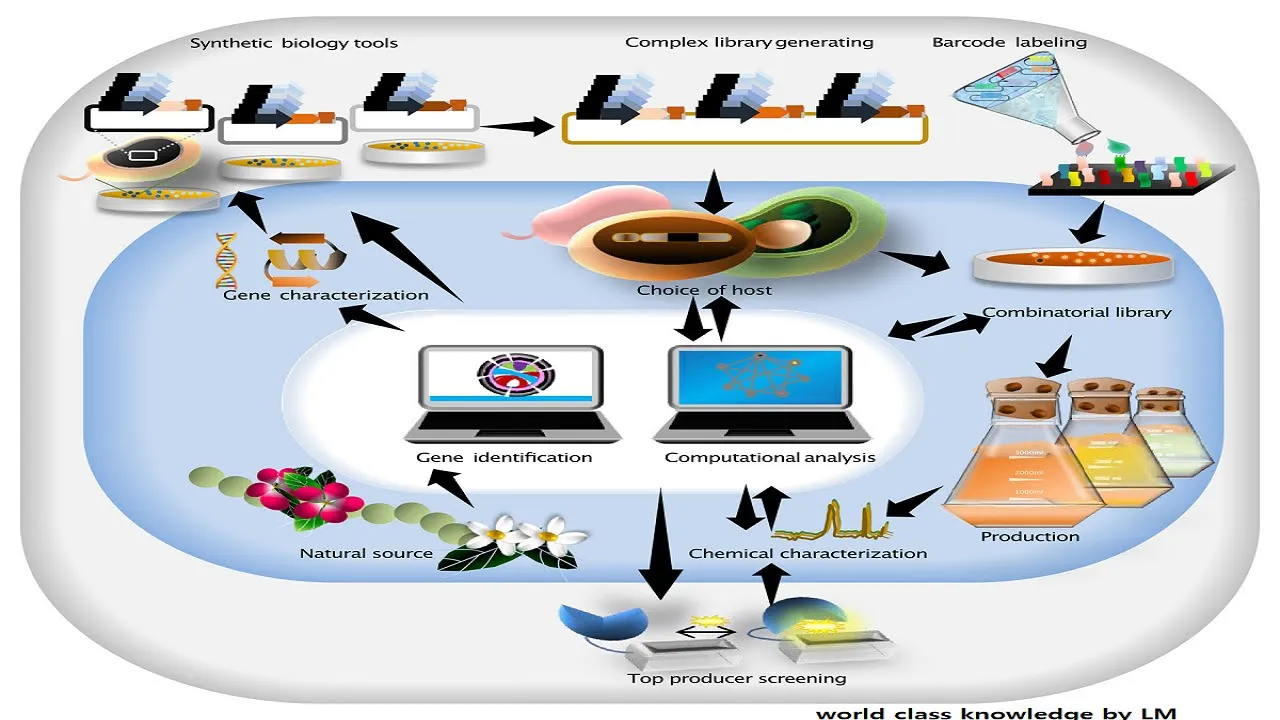
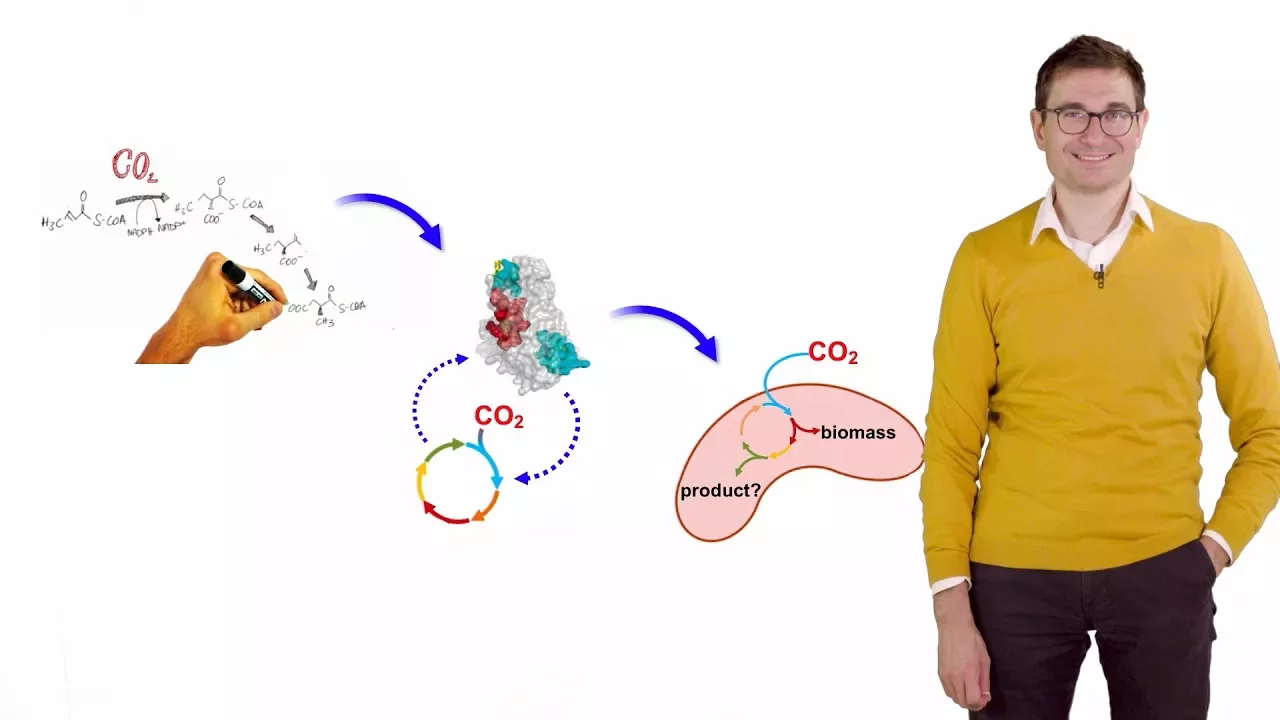
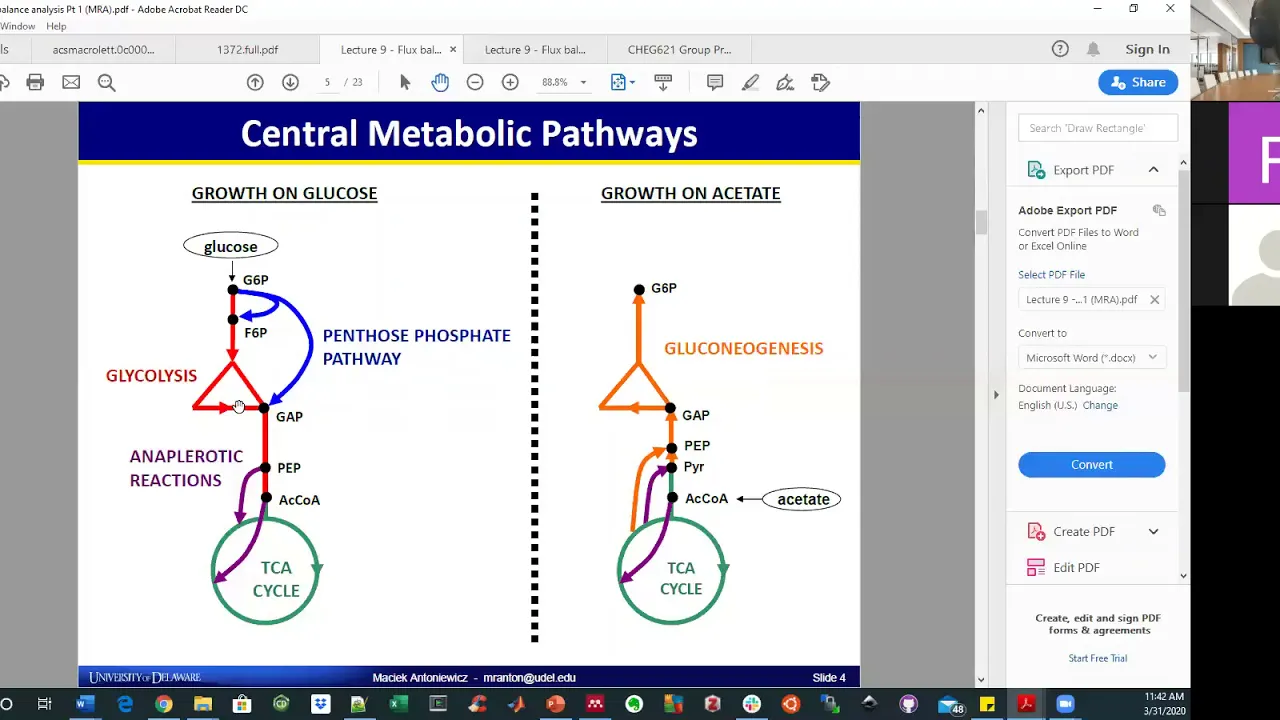









This video demonstrates how to design a synthetic biology plasmid that enables yeast to produce diesel-like biofuel (octanol) by engineering a metabolic pathway consisting of four key enzymes: TesA (acyl-CoA thioesterase), carboxylic acid reductase, phosphopantetheinyl transferase, and aldehyde reductase, which work together to convert simple sugars into long-chain fatty alcohols suitable for fuel applications.
Engineering Yeast for Biofuel Production | Synthetic Biology Tutorial
Added:Fundamentals of plasmid design and recombinant DNA technology, including promoters, terminators, and selection markers.
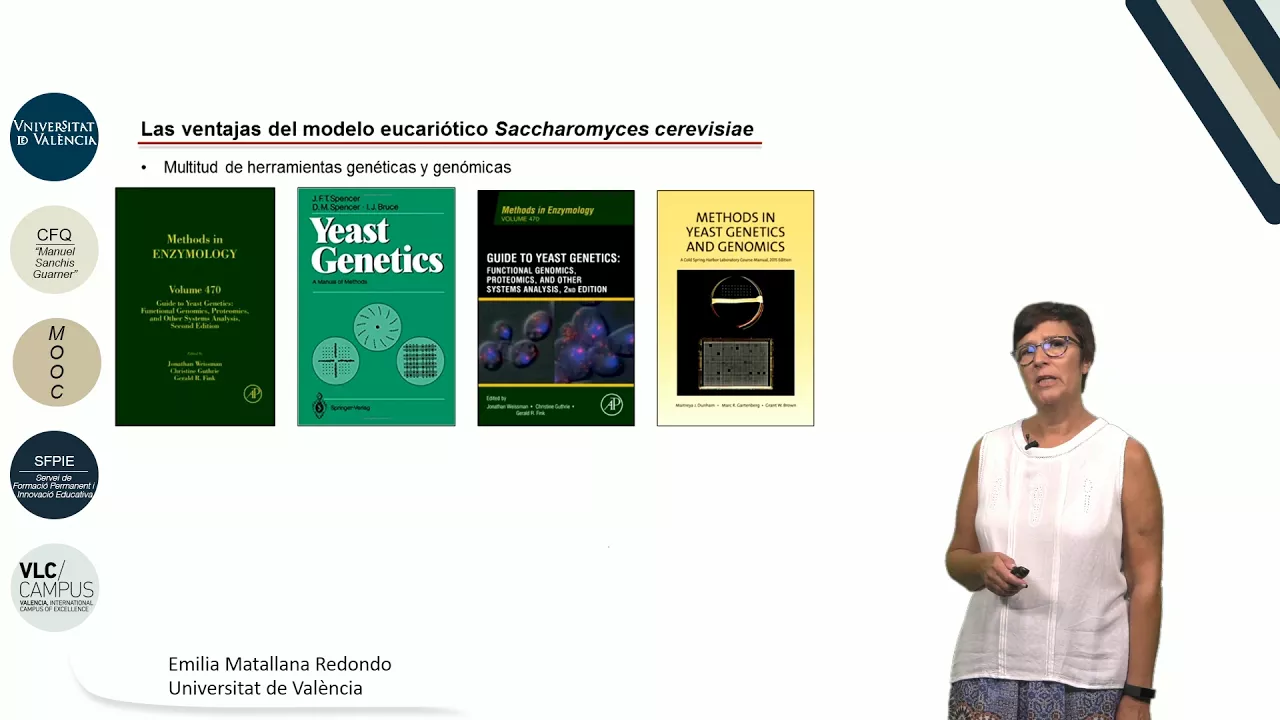
Basic yeast biology and genetics, specifically utilizing Saccharomyces cerevisiae as a host organism for genetic manipulation.
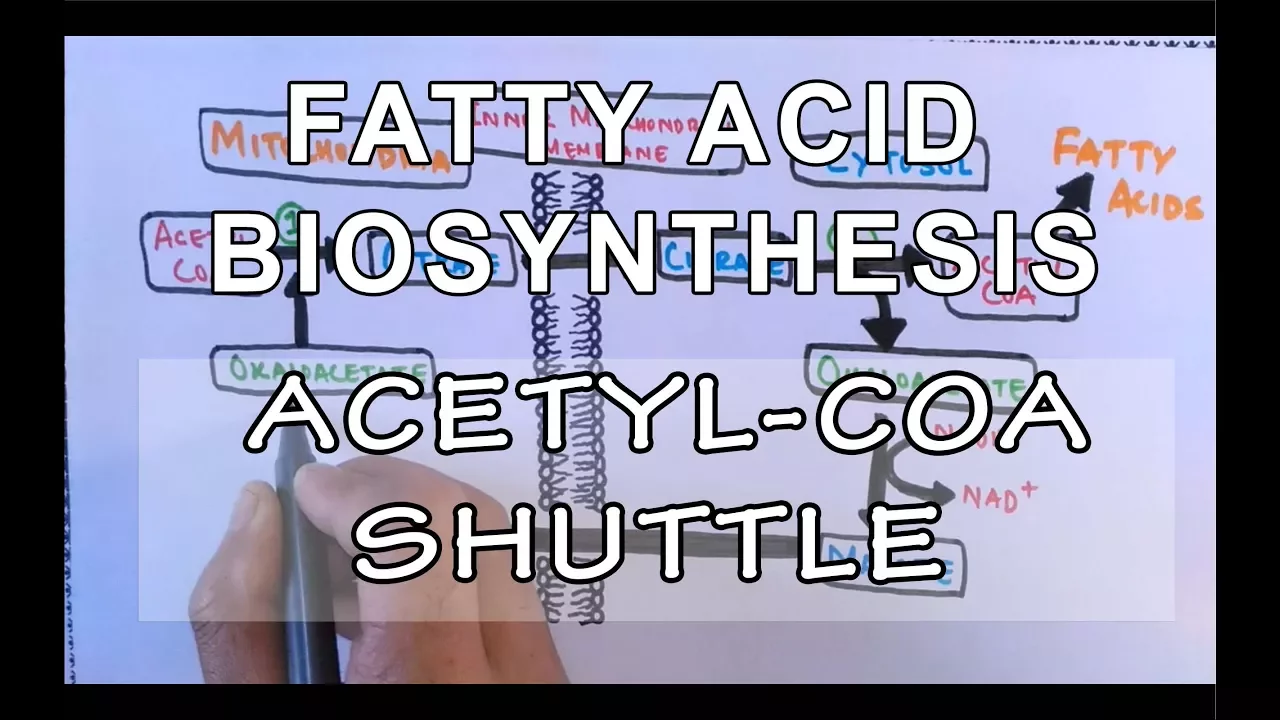
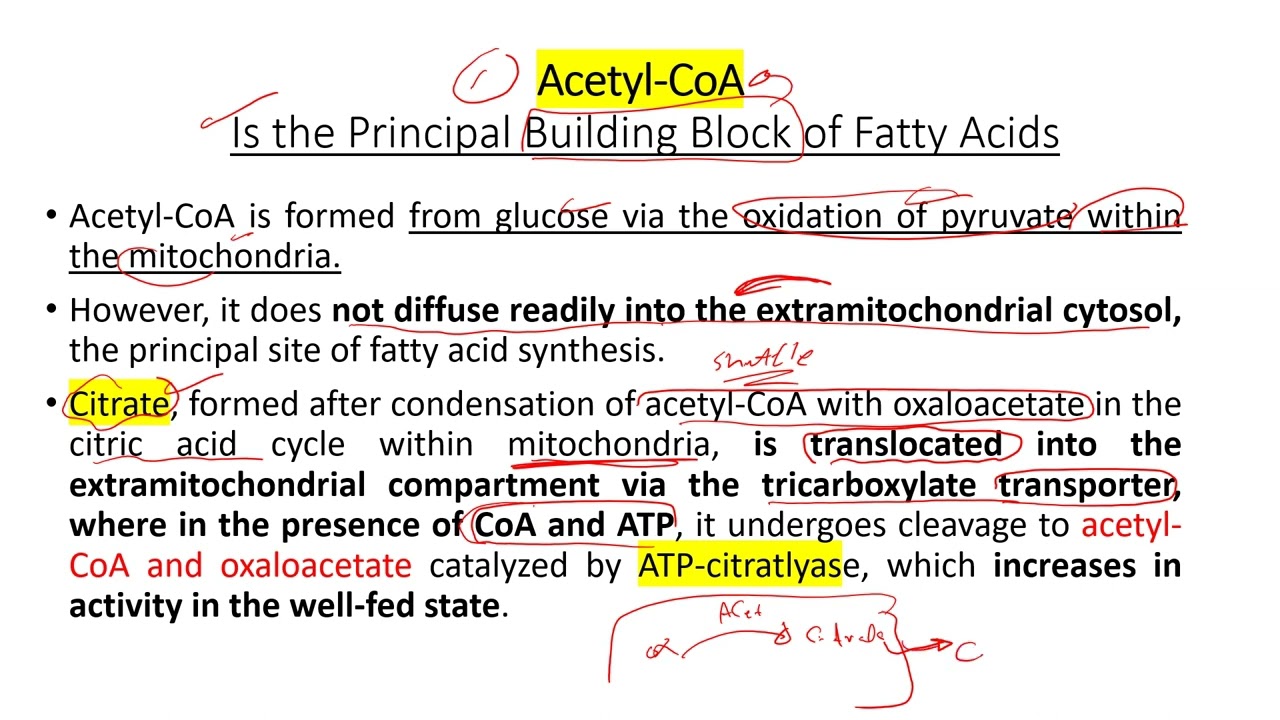
Key metabolic pathways, particularly glycolysis and fatty acid biosynthesis, which serve as the precursors for biofuel production.
Core concepts of synthetic biology, such as heterologous gene expression and metabolic engineering principles.
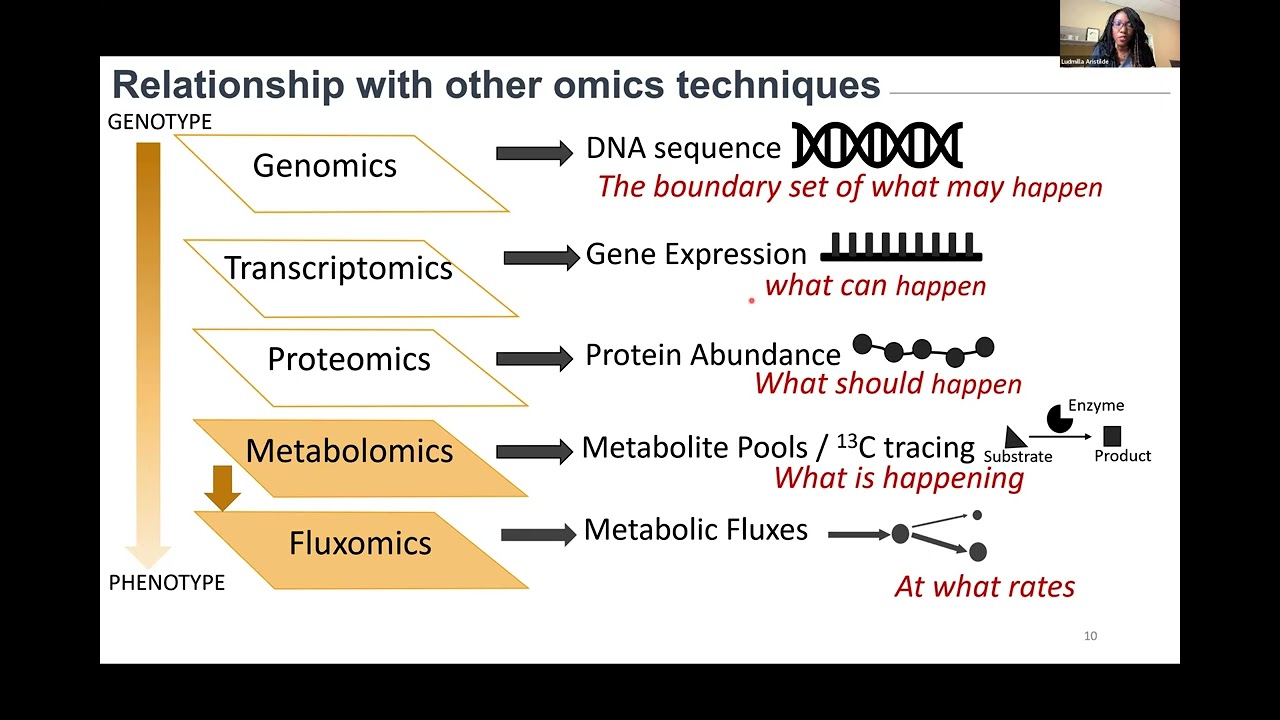
Metabolic Flux Analysis (MFA) to identify and resolve bottlenecks in the engineered octanol pathway.
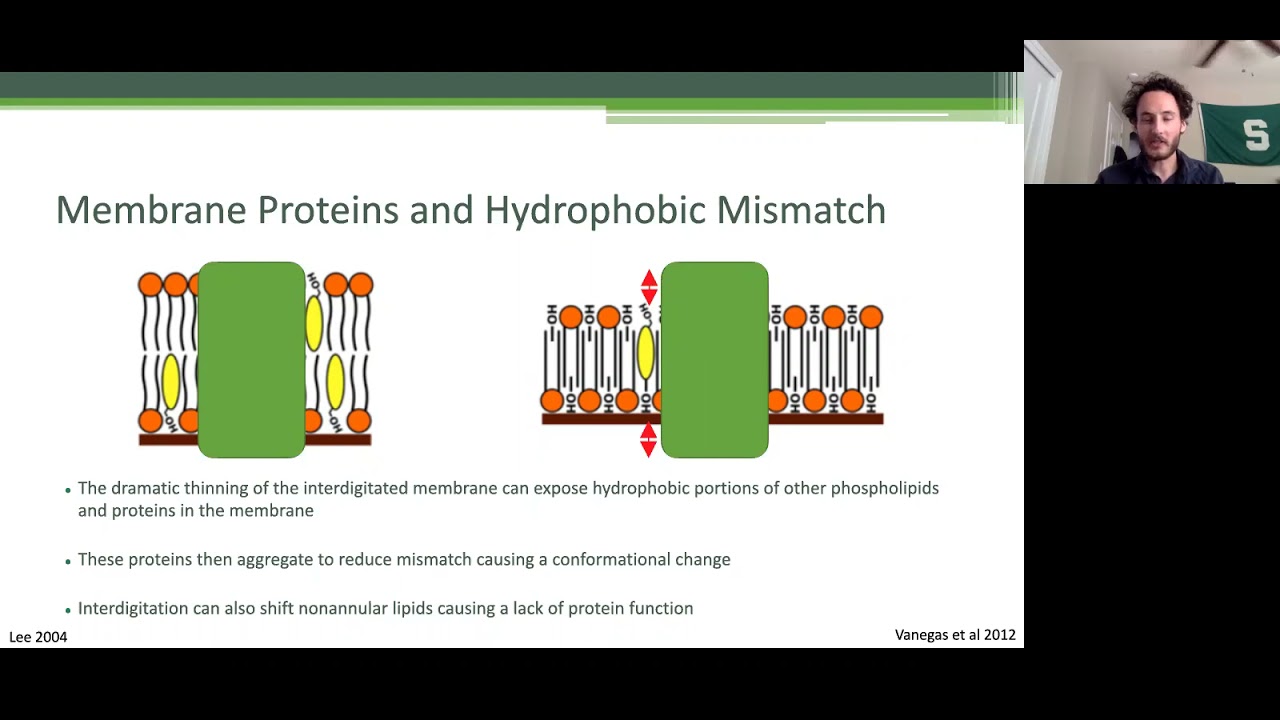
Strategies for engineering yeast tolerance to toxic biofuel products, such as membrane engineering and efflux pumps.
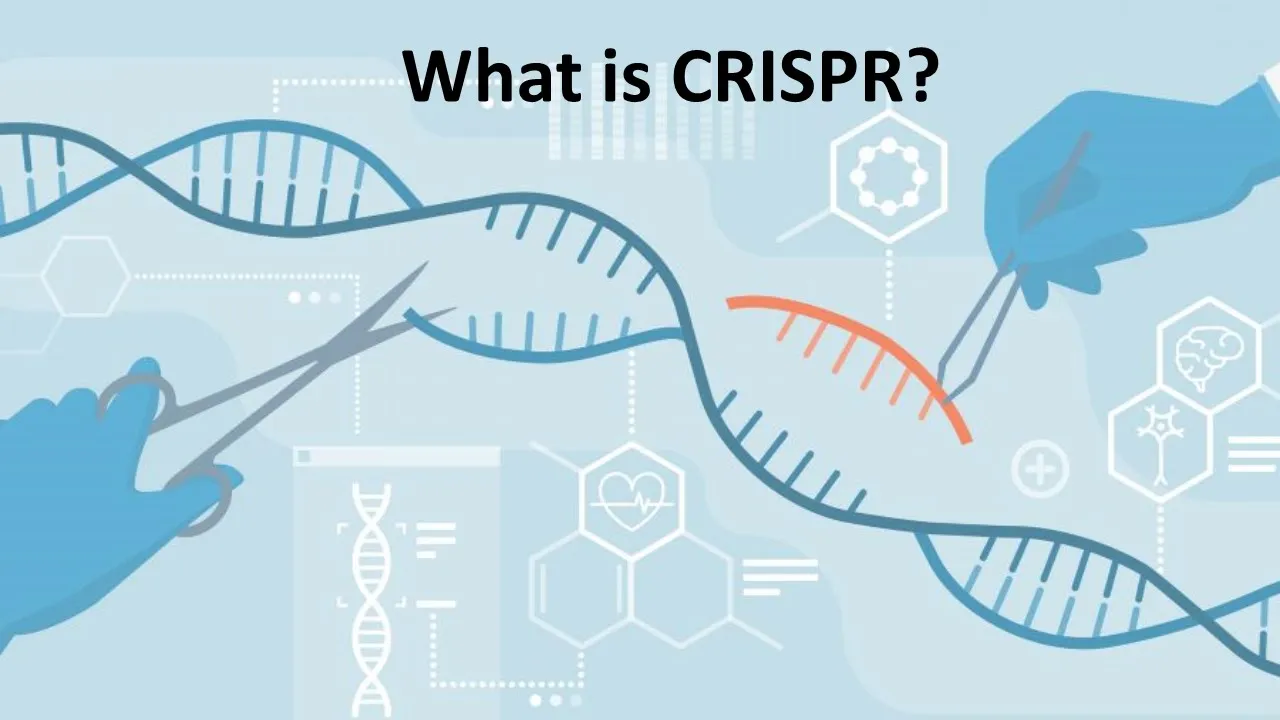
CRISPR/Cas-mediated genome editing for stable, multi-gene integration of biosynthetic pathways into the yeast genome.
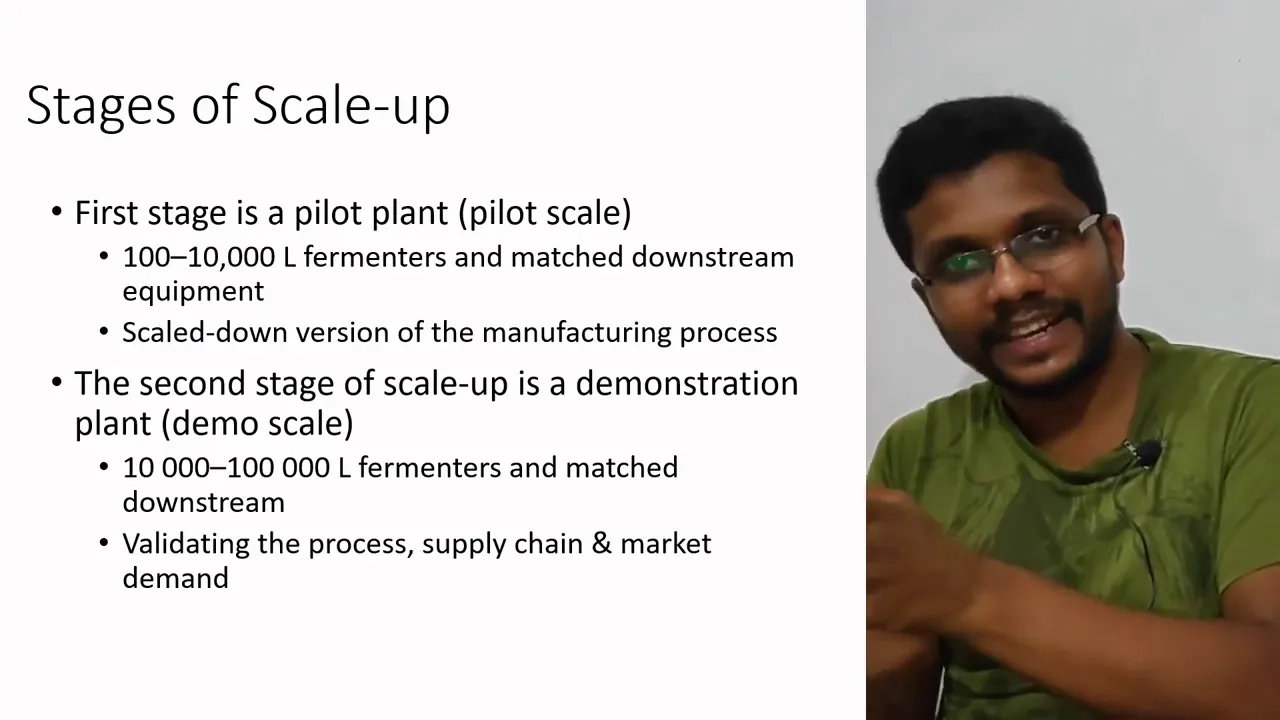
Bioprocess scale-up and fermentation engineering to transition from laboratory-scale designs to industrial biofuel production.
34.8K views640likes2:22:04Original Release: 2020-06-05
welcome welcome welcome to another episode of whose gene is it anyway I am your host as always Justin welcome to the show I think it would be good it'll be fun so anyway welcome I got a couple couple little things to touch on before we get into it will draw a topic in just a moment today will be another random idea I actually just went through the the Hat full of ideas and kind of called it a little bit there was there was some ones that were a little bit repetitive or were super overlap II with stuff that we'd already done so I didn't think would really be interesting so I've kind of pruned it down to the most interesting ones so hopefully whatever we draw today will be a lot of fun a couple in there are a little bit short so we might do a double episode might do a single not entirely sure yet okay that's yep and my phone locks that's fun yeah I've just got my my phone in front of me just because I've got a couple little announcements I want to go through really quickly first things first and this one I think is really important there's a new video on my second channel and I would HIGHLY highly highly recommend that you go check it out the the channel is the taste Emporium there should be a link in the description and if there isn't I will add one either way it is maybe the prettiest video I've ever made the the item that we made is like aggressively delicious so if you like food and you like cooking highly recommend checking it out yeah so that's that's the first big one that channel is doing really well for having only created it recently we're coming up on it actually being monetized which is cool and so yeah that's highly recommend okay so that's thing number one thing number did so I just want to talk quickly about why I cancelled the stream on Monday as many of you who have noticed the world is kind of on fire there's a lot of people who are hurting right now so it didn't feel responsible to do like a goofy fun stream when that was going on and I mean it's still going on but you know I need to I do need to get on with it so yeah that was that was Monday I just kind of couldn't deal and trying to avoid social media lately because frankly it is just every time I open room like oh good a new horrible [ __ ] thing great so yeah yeah there's a lot of people who who need support these days and so I decided I'd take the day to do that instead of instead of this so yeah that was thing numero dois I'm gonna have a actually a really exciting guest next week on then on the streams so for the brazillian of you that have asked about THC producing yeast a friend of mine actually runs a company in here in Canada that has managed it they've produced a strain of yeast actually they've produced many strains that actually synthesize THC and so that it could grow THC in a vat is the plan and so they've they've managed it successfully and now they're the scaling point and so they will be what we'll be doing that stream next Saturday and at I think 2 p.m. but I'll post more details on Twitter and all the other places but yeah that's gonna be a lot of fun I've been wanting to have them on the show for a while so that's going to be fun yeah I highly recommend checking that that out when it comes out also Monday will be the next biohack chat with gabe so be sure to tune in for that as well speaking of which if you have topics that you would like me and Gabe to cover you can leave them for me on Twitter or you know all the various places that you can message me feel free to do that always looking for things that you want to hear us chat about okay I think that is oh um and then the last one is what this new donation bar thing is about so I've been making videos for many many years and I've been doing that and I've been doing so on a laptop which is probably fine but it's it's quite dated so a huge problem when it comes to editing videos is that it's just very slow so the actual render it like it probably doubles or triples the amount of time that I have to spend editing so I've kind of hit a point where I'm like you know what it's it's the right time I need to I need to upgrade this because it you know it's getting to the point where I'm like wanting to rip my hair out as I'm trying to edit so I think it'll meet lead to better videos and less stress and just easier ability to do things so over the next little while we're gonna be doing some different fundraisers to buy the various components I've already picked out all of the stuff for the computer and of course you know like you know if we're not under funding goals like I'm gonna just cover this from ad revenue or whatever else but I'd you know any amount that I can you know help that along the way is is greatly appreciate it so for anyone who feels like donating that's what that's going towards the the CPU that this one is it's a risin nine I don't remember the exact thing I've got I've got a whole list of bits but it's it's a beast I'm basically I'm making a point of like if I'm gonna do this I'm gonna make sure that I get a computer it's gonna last me the next five ten years like something that could mean I could render 4k and all that kind of stuff so that's what that's about okay those are all the announcements let's get in oh and also just quickly to address this you don't render by GPU almost all editing software with the exception of one which I don't use primarily uses CPU power to do the actual like thinking so it's like CPU and RAM so the the build primarily uses those those two things so it's just a shitload of RAM and just a monster of a CPU I think it's got 12 cores or something details but this way it'll last it won't get you know burnt out and I can just do the thing get my stuff done a quick question from Kevin hey can we get a sample of the milk plasmid if we donate so the milk plasmid and the egg klausman once I know that they're functional will be made available for those who want it so not sure the specifics of that yet and the people who donated to that fundraiser initially will definitely get a sample I don't know how I'm gonna handle further donations but I will figure that out we'll cross that bridge when we get there and speaking of which the synthesis company has officially started working on printing printing the DNA so both the egg plasmid and the milk plasmid are actually being made so that'll be ready in the next couple of months it takes them some time it's not a quick process but they'll they'll get it done and I will continue to update as I get updates basically so yes I'd love 12 12 courses cute not a monster wellcan compared to the like 2 or 4 cores that I'm used to 12 cores is a lot and for just one little rendering computer like it's not a supercomputer I realize but it'll it'll do the job anyway time to time to pull an idea and then I got to update the the stream name so let's let's pick something good hopefully good please don't be boring ok I could do that says make oil with microbes in my absolute [ __ ] tastic handwriting also we had a wait on another donation from mr. Roberts thank you very much greatly appreciate it ok so what do you think let's let's do some let's make some oil I mean the nice thing is so this one will probably be pretty quick because we've technically done this already so I might do a second one or we might just look at a different oil I'm not I'm not entirely sure yet also there's there's some other stuff that can he was for this so I think it will they could be interesting so yeah let's let's get into it so I'm gonna I'm gonna pop over to just gonna make sure that everything's open correctly yep cool okay let's let's get into it um so I've got the I've got the chat open I'm just gonna push it into a spot where I can see it better okay also before we before we get into it I'm just gonna change the stream title because I always inevitably forget this so let's just get to it now okay so the title has been changed and so we're ready to get into it yeah you need to lube up your microbes yeah gotta gotta have Lube well lubed microbes okey dokey Sara right okay so I want to let's start off with actually something that we did in previous video so let's start with cheese berry McTeer face which is my favorite name for a plasmid because you know why why name things professionally when you can have fun okay so this was this is a plasmid that we made in an earlier video and so just just a reminder for people if this is your like first time tuning in a plasmid is a circle of DNA and these little arrows are basically labels to tell you what this little stretch of DNA looks like as if you so these these two screens are the same so if I click on this you can see that this is representative of a long string of DNA letters so if you were to just look at DNA letters like they don't mean anything to a human like there's no way that you could just like parse this and know like yes this makes you know silk or whatever like it's it sort of like a randoms like it's it's a random string of stuff even if you like tell it to translate into amino acids like it's you can't look at an amino acid string go yes this is insulin like that's not how it works so labels are very important this is why we put them on so there's a few different things that we put in here the the ones that we're gonna be concerned with today are these four over here so just to give you a little breakdown of what this plasmid was meant to do it's called cheese berry McTeer face because it's meant to run in species of bacteria called lactobacillus k-ci which is a bacteria that's traditionally found in things like yogurt or cheese and in this case it was if you were to make this plasmid put it into the bacteria it would make the bacteria produce all of these new genes and eat each gene does a different thing so this one for example this this purple one you can see that it highlights when I mouse over it so it's Lin Ahlul synthase I'm gonna click on it again so you see it soul in Ahlul synthase so this makes a compound called Lin Ahlul so it's approach like it's an enzyme and when this enzyme forms it grabs certain things that are already present in the cell and sort of shifts it around and turns it into a compound called mineral dual little lool is described as the scent of fruit loops or it's sweet it's present in a lot of fruits and flavor and like fruits some vegetables some flowers it's it's one of the cocktail of compounds that is traditionally found in in things like strawberries or raspberries or whatever else but yeah so that's that's like what one gene does so it makes this one compound these other ones though are a little more interesting so this one over here is acetyl transferase also known as a TF one so this sticks an acetyl group onto an alcohol and so I'm gonna actually show that to you one so there's a particular image that I'm looking for and hopefully it shows up but it's not I've shown this image many times is so tiny though be big so yeah bio bits Explorer this is this is a really cool thing highly highly suggest checking this out if you get a chance did I miss a super job oh no I just didn't took a second show okay J Lawrence six eight or nine says if you're still accepting ideas for whose gene add an antifreeze protein from something like carrot into tomato plant or better yet a tropical plant okay sure I'll add that to the I need I'm gonna want to take a note of that seems easy enough at the very least I'll check this out after the stream and make sure that it's viable because I always any ideas that you submit for these streams I check to make sure that they're viable before they get added to the Hat so antifreeze protein in other plants cool I'll check that okay so so back to the ATF 180th one does this this is the the graphic that I wanted to to find so what it does is it sticks on a seagull group this isn't it this is an acetyl group here and it makes what's called an ester so see how this this oxygen is between the acetyl group and this other hunk that's called an ester bond so it takes it a seagull group it sticks it on to an alcohol this is an alcohol in this case it'll just do at any alcohol or not any other but it'll do to most alcohols it's not overly picky so in this case you can see that the same enzyme works on all these different alcohols and depending on which alcohol goes in you get a different scent compound on the way out so I so amyl alcohol becomes banana scent and this is actually this is like a well-known thing you can buy kits that that do this on a gene which we'll talk about in a minute which is sort of like a github repo but for like chunks of DNA you can actually buy a plasmid that does this it's called banana latte because biologists are largely children and loved naming things and fun ways and so yeah if you mix isoamyl alcohol with the bacteria that produced this enzyme it reeks of bananas but if you use a different alcohol like say hexanol you get pears so if we go back to the plasmid all of these things here are the different enzymes in the hexanol synthesis pathway from glucose so if you so if you feed this bacterial glucose it'll take that glucose and using these different enzymes will turn it into hexanol so like I said the reason this one might be a little short is because hexanol is an oil I mean if we look at it it's a long-chain alcohol so yes technically it's an alcohol alcohol but hexanol is fairly similar to like diesel octanol though would be a better choice so what we're probably gonna end up doing is a very similar thing we're gonna go for octanol instead just because that's a little more oily you got to figure that every time you add another carbon on here so this is hexanol it's got six carbons this is octanol to have eight carbons so every carbon is more energy in the compound so that when you light it on fire more more energy comes out so we're probably gonna do octonaut will then stick the acetyl group on it and then you get like this pair compound mix it with with the little loool you get like this weird mix in theory of like pair and fruity and this sort of thing and atf because it's not really picky there's all sorts of other alcohols that end up as metabolites in bacteria so it's just gonna be a satellite in things so you're gonna get this really weird bouquet of different fruity smells so hence cheese berry macbeth face that's where that came from so now that we know the basic idea we're gonna do the same thing we're gonna have to find this pathway and I already know that there's a paper that exists for this because I've looked at it before and then we can do octanol synthesis and if you've got and so this is actually gonna think so the reason why I know this is the thing is because I had looked this up in advance at one point and they'd made octanol not to make orange scent which is what I wanted but because they wanted to burn it so if you had a microbe that you could just feed sugar to and it essentially just poops out diesel like that could be pretty cool especially if you're using like waste streams from other processing plants so like if we're gonna take like the waste from let's say pasta production like when you're making pasta you get this like lake of starches essentially like this is a really common thing like the outfeed of just the process of making it you end up with this like water that's full of starches that's leftover from various processing steps and so if you were to use that as fuel and like feed it to bacteria that doesn't really care that it's starches like it'll just eat it you can turn all of that waste product into diesel which would be kind of cool I mean I say it's kind of cool I think it's horrifying because I don't I'm not a big fan of burning things just to you know run your explosion engines I'm a big proponent of if I can hear your vehicle it's broken but yeah so that's the thing so we're gonna we're gonna do octenol synthesis I think just because I think that's nice and easy and we can do this I'm gonna find I don't know what organism I want to do this in I'm kind of I'm kind of leaning towards yeast just because I already have a nice yeast plasmid that we use for this this is the this is the yeast plasma that we use for this so we could do that not quite sure yet yeah yeah so that's the thing I'm gonna just take two seconds to just read some comments because I've been seeing some questions and I wanted to answer some of them I saw someone I don't know if this popped back up again I'm asking how many of these streams I'm gonna do and if I'm gonna do them one even once quarantine is lifted quarantine has lifted like my city is open again but here we are still streaming I've come to really enjoy doing these streams that I'm gonna keep doing them I mean y'all seem to be enjoying them obviously they don't get the same kind of crazy view egde and like ad review this is a traditional video but I mean it's it's a nice excuse to kind of hang out with everybody chat talk about how to design DNA like this it's a you know it's a really fun excuse to practice my my genetic design skills and it's become very very helpful because I'm finding that I'm I when I'm actually working on like legitimate projects and not just like fun stupid [ __ ] like this I'm catching stuff that I wouldn't have previously just because you know you spend 10,000 hours doing something you get good at it you know so I'm finding that I'm catching my mistakes better and I'm finding errors and stuff better and I'm designing better DNA which is frankly important to me so I think I'm gonna just keep doing it I think it's fun y'all seem to enjoy it yeah it's a great interaction you thing and it's not like I'm gonna stop making the regular videos it's like I'm at this weird point where the regular videos are still going on in the background I've just I pick really hard projects so I just haven't been able to like crank out videos because the things that I've chosen are very hard and they're taking time and there's also the world is on fire so getting supplies has become very difficult so I've had I've got a couple big bio projects that I've been working on for like months now and until my new order of reagents show up there's nothing I can do so doing streams is a way to just kind of keep keep on keeping on and doing things and and also like when we did the the egg and milk thing like that's become actual DNA like we did the fundraiser people chipped in we got the made they are being made so we're actually gonna make some of these things eventually like the really interesting ones so yeah I'm definitely gonna keep streaming for a little while [Music] okay something else what is your day job this is my day job YouTube this is all I do okay somebody asked can we create co2 consuming organisms that make oh - they're called plants they exist [Music] okay one other question I just wanna see if I can find it really quickly because it was interesting and if I can get on with it I'm really gonna make a like an FAQ video because there's there's a lot of questions that show up in the chat over and over and over and over and over and over and over again there's a lot of overs for emphasis which I've answered a bazillion [ __ ] times and I'm really getting sick of it so yeah I think I'm gonna probably make an FAQ soon Thank You Niles greatly appreciated where can i buy these plants well there's many stores in every city that you can buy plants my entire apartment is full of plants like I don't I'm gonna just click over the camera view for a second just so you can see it's hard to see there's there's a lot of plants here like this is this is all plants like herbs down here as microgreens and it's gonna be more herbs this is greens up here behind me there's a there's a hanging passion fruit vine and then on the other side of the camera there is just a shitload more plants like I'm going for like a tiny jungle thing so yeah it's that's been fun so yeah plants are wonderful and it keeps it so nice and fresh in here and I've been adding more and more flowers because I've got basically all the herbs and veg and stuff that I really want so now I'm just kind of filling the rest of the spot with just pretty flowers that are I try and pick flowers that are edible just because I don't want to necessarily like fill the room with non edible things but certain ones aren't just because they're just pretty enough that it you know balances out so yeah that's it yeah somebody asked Nausicaa inspired I mean a little that's kind of the my whole life man like that the vibe I always go for and so actually that reminds me so one of the next well I don't know when it'll come out but one of the videos that I'm working on is a guard we know project woods garden Arduino so I've already started why I started wiring up yesterday if you follow me on Instagram then you'll see the pictures and so I'm basically gonna be robota fiying all of my plants I'm in the sense that like they're gonna be watered automatically so it to be it's gonna it's gonna measure the soil moisture and once the soil gets too dry it's just going to automatically water it which is gonna be really great I'm going to be mixing Bacillus thuringiensis BT this type of bacteria that kills insects because I have a bit of a fungus gnat problem so I'm gonna need to rectify that but yeah so that's gonna get mixed into the watering solution so like as it waters it also kills off all the insects so I don't have any of that problem it's gonna be wonderful cuz holy crap am i sick of freaking fungus gnats but yeah so be sure to check out my Instagram you'll see all those updates very cool okay back to the back to the thing and the stuffs okay so we need octanol synthase octanol synthesis so let's see I think this is the one I was thinking of but we'll see somebody's asking about how hot does it get in here um went before I had the air conditioner installed it was quite warm like I had to like vent my apartment in the evenings just to deal with all the heat buildup but now that I've got the air conditioner on it makes no difference like it's it's actually it's too cold I we should turn that off the floor started how are your pepper plants doing ah dead I had to throw them out they were definitely infected I thought they'd gotten better but they had not so yeah those get an F in chat from my pepper plants okay I think this is the thing I was thinking of and also see this is what I love about metabolic stuff and by love I mean hate but also love it's fascinating how freakin weird this is so you got to figure that like all of like every time you see one of these compounds in this diagram every single one of them there's at least one enzyme that does that step so like from acetyl co a to acetoacetate like that's there's an there's two enzymes here so you gotta figure that each one of those is a gene which means that each one of those is expressed by the organism and has to be running and made and it's gonna be made in the right proportions and it's a whole balance and dance that's [ __ ] so by the looks of it these are yeah okay so this is interesting so these are making different kinds of alcohols which I mean we're going for octanol thank you for the chat so you know these these each one of these enzymes as his host genotype are talking about like different enzymes this is not the paper that I was thinking of though so this is butanol isobutyl hexanol hexanol so our hexanol we did okay yet so these are the the now that I'm parsing this each one of these is a gene and you can see that not all genes are named nicely some of them are just strings of letters but so it looks a bit so hexanol we did it in four this one looks like it's in one two three four or five six seven eight nine ten this is 11 genes which is obnoxious so fatty alcohols is what happens when you get into like the really chunky alcohols so like like linoleic oh I guess it wouldn't be an acid but you know when you're when you're at like 10 11 12 carbons long then you're into like the fatty alcohols because they're they're so large that they're like lipids at that point their oils okay so this is not the paper that I want but it's close high production of fatty alcohols in e-coli that's what I like to see maybe this is the one that does it in four genes or five genes okay let's see background background don't care okay 1 2 3 4 5 6 somebody asked how far is the spider silk project when you expect it could come out I it is I'm stuck waiting on reagents I'm probably gonna look I planned on doing an update video this month but my box materials is currently sitting in Indiana so until that gets so it was shipped and then FedEx lost it for a bit and then it got shipped back to the person who shipped it to me and so now I got to wait on FedEx who's like I got to wait for the shipment to get reshaped and then get over the border and then I can work on this part or something yeah so it's coming slowly but you know yeah I think I'm gonna probably do an update video this month regardless I I just I don't want to do update videos on stuff that there's not like a like a fun update you know what I mean like the yeah okay so this is still not the right thing I think I there was literally there was a paper that did it yeah okay yeah one octanol has fuel characteristics similar to that of diesel a synthetic one auction all pathway was engineered using octa Noack acid generating fatty acid acp Theo esterase wow that is a mouthful okay deletion of a CRA reduce the synthesis of okay that's fine OOP OOP OOP ooh okay let's do it yeah there anything that just shows a frickin pathway okay there we go much better so this is one two three four five six no that's five second count this looks like five enzymes I think yeah I mean shows five so this starts from glucose there's this first enzyme that makes octane oil ACP this one makes awk - no wait then car a goes Achtung al which is you can see that it's it's hard to see I don't really miss it but there's you can see there's a if you if you can there's there's a double bond here so the very last step is it just kind of eats the double bond and you get a the alcohol thing on the end so this this looks very very doable so let's just have a little look so yeah so this says this work so this is this is the the results this this is telling you all the different ways that people have done this so in this case they used one two three four five six seven just a shitload of jeans an absolute shitload of jeans and they only got a very tiny amount of octenol so this is milligrams per litre so you know not a huge amount but like if you were growing this on a huge scale you could distill out a fair amount of alcohol and you got to consider this is turning from sugar so the amount of sugar in vs. the amount of octanol out is not super high but your also got to feed the organism it's got to use the sugars for other things as well okay so compared to all of this garbage that requires just an enormous number of genes to get this to work this work does it in like four which is which is pretty wild and they get a very reasonable amount of octenol out so in this case it says yield of octanol per unit of glucose so in this case they get 12 milligrams per gram of glucose whereas you know this much more complicated pathway get to 25 so it's about half the yield but the amount of genes are way lower so it's much easier to make also because it's less genes less pieces need to be working and it's it's always easier when you're Engineering something to use less genes if you're it the more genes you have the slower everything goes because the organism has to make more enzymes to get the product that you want and that vastly makes the system slower so in this case they're getting four milligrams per hour per liter whereas this much more complicated system is getting to point one milligram so that so basically what this translates to to just summarize you can get more octanol using this system because even though you're getting less octanol per gram of glucose you're getting it much faster so in 14 hours you get this yield versus in 48 hours you get this yield so it's like you could just grow more of it like you can just grow in a larger batch and you'll get much more stuff so in this case they're growing this on m9 m9 is what's called a minimal media so it's not like lysogeny broth where you just basically burst a bunch of yeast and just feed the bacteria on like yeast goop m9 is basically like salt with some sugar in it like it's it's minimal it's got at the absolute bare minimum for growing bacteria so that's that's that so we're we got to get TS SFP car and har to do the thing I think I'm probably gonna do the the two a peptide separator thing because I really like that system and it's yeah it's good and also you know then it's it saves us on much we call promoters and you know finding more promoters is always a pain in the ass so it's easier to just use one if you can and so if we're gonna do this in the East which I think we will that could be really interesting because yeast produce much higher levels of protein compared to [Music] something like e.coli because they are physically larger so they have more machinery that lets them make more protein and they can their their metabolic needs are different but they can grow very large amounts of protein and they're already like you already grow yeast on basically sugar so they already have a lot of the mechanisms for doing this so it shouldn't be too much of a big deal to just shifty shift and also you got to figure that like part of yeasts metabolism is they make alcohols and so this is an alcohol it's a larger alcohol than ethanol but it is an alcohol nonetheless yeah okay okay so let's see if we can I need the actual names of these enzymes ideally if I could find it okay so [Music] starts with a ecoli acyl acp Theo esterase so it's called tes a which is poorly named then it's carboxy okay so these the names the anthems we've got AC the acyl acp theorist arrays carboxylic acid reductase phospho [ __ ] i can't even pronounce that transferase and then a HR it just doesn't say what it is so these are all so these actually come from different organisms so the first one's from E coli the second one is from M marinara or meronym what is this memorandum Oh Michel bacteria okay Mycobacterium is a free living bacteria opportunistic infections interesting mostly causes disease in fish okay this is what I love about bio where you can like take these enzymes which will never exist in one organism and then just like shmoo them together and they all do the thing because they don't care about what organism they're in they like they're indifferent they just do the chemistry that they do B subtilis is another really common bacteria that people will engineer so this is three so yeah this is from for three different bacteria that they take all these enzymes and shmoo them all together and it just it works so that's that's really cool so we need the cola version of acyl a CP the rest raise so we're going to copy that we're gonna paste that and we're gonna look up you need prot so what did they call it call it test a let's try that tes a yes a the arrestor is pretty is thing acyl co a co ester is one that sounds more like what we want from its from e.coli acyl koay teow ester is a soul acp Theo ester ester is I don't know what the differences the complete sequence where did this come from I click this what happens oh nothing nothing else okay let's go back yeah okay [Music] I just skip this okay it's right here so I think the reason that it goes glucose to octenol a CP is because it basically just like opens the glucose up and glucose is actually a fairly long molecule like the ring so if you open it up you end up with a fairly long molecule in fact glucose it is so yeah here we go so you can see there's actually it's a fairly long carbon chain when you open up this ring right so you're already at a fairly long thing in your ear pretty close so this is this is why they went with this rope I'm also glucose is sort of like the universal fuel so this is close I don't know if this is the right thing though that's a gene I still say acyl Co a I need an acyl ACP I don't know what the difference is [Music] as this ACP let's look this up and to see pull middle is little carrier protein PCP asterisk okay homemade oil is a little carrier protein to your ester is chloroplast oh okay this is too that's very weird it's very very weird actually you know we're on here let's just look up tests a and then just narrow it down let's see what that does oh nothing helpful that's a e.coli tests a 12 looks I mean this looks right but I'm not sure I mean it says it's a Theo s Torres so it should work okay it's okay [Music] it's always the hardest part plugged my mic by accident my bad I really I really wish that in campouts ooh here we go okay so there's so I'm gonna hmm let's see this I really just want to find out what this is because I don't want to grab the wrong throat I mean not that I actually intend on making any of this but I would definitely not want to grab the wrong protein because then this just won't work so I'm trying to you know teach good habits if you're gonna do a thing do a thing and most organisms approximate okay fatty acids this is like a fatty acid processing thing so they're kind of like stealing a little bit of fatty acid processing which is weird dozens of sohc PT es have been functionally characterized fat a that be okay that's slant Kaster kind of just been a typo yeah what are the other references to this in this study we engineered a pathway that utilizes precursors from the natural process of fatty acid synthesis okay autonomic acid precursor was generated by incorporating a fatty acid AC acyl ACP Theo ester is which was previously shown to have preference for 68 carbons this is previously shown so there should be a reference to this somewhere there's only four references to this this is really frustrating I wonder if there's a supplemental so this is this is kind of where like stuff gets difficult so just try I'm not seeing supplemental I'm only seeing this one figure which is really annoying so they call it tes a so let's try looking that up since the chain length a fatty alcohol was determined by the substrate specificity of tes a this enzyme was therefore replaced with one that had been previously shown to generate an 8 carbon fatty acid oh here we go this is the paper do we didn't we just open this I feel like we just opened this yeah it is that's weird what are you kidding me okay so just to catch everybody up because this is very frustrating we've found this paper that says you need this enzyme from apparently e.coli to do this except I can't seem to find any freaking reference to this thing anywhere and it's like well this was determined in this paper okay so we go to this paper and where the [ __ ] is the thing results okay that's that's a thing so this is just the phylogeny of all of the things that do this process okay in vivo substrate specificity zuv acyl a CPT's were determined in e.coli based on their specificities these enzymes were clustered into three classes act primarily in 1460 carbons rods as substrate specificity is towards 8 and 14 carbon so okay so basically there's a whole family of these enzymes that all work that will all basically spit out different lengths carbon chains so each you know these ones some do 14 and 16 long some do 8 some do less some do more okay okay 27k 27 kg so that's not helpful expressing a given a Selassie being okay fine yeah it's fellow chit Oh cubic oh hello somebody might have found something Nene prot POA da one brought POA da one I think Oh p0a di1 yes see this is the one I was looking at before um Tessa is multifunctional esterase that can act as a Theo sy is less of foster arrays in 30 days okay pull middle Kawai hmm what's this from oh this is from e-coli it's the deccan oh okay interesting pretty small okay and we're gonna go with this one because I'm sick of looking for this and this is close enough but I mean it seems like this is an enzyme which is fairly reactive and will make all kinds of interesting weirdo see all AC AC P so this does work on the right substrate I think I'm seeing at least a couple AC PS so it should do the thing I think exit Deccan oil [Music] okay cool all right we're going with this one because I'm sick of searching and we need to we need to start somewhere and move the show along because I got other things to do so we're gonna just copy that room so we did say that we were gonna do yeast this time tasty paste so we're gonna do sacrum ice you suppress a because that's what this works in okay so what I just did there oh [ __ ] or what I am doing here is this string of letters here which I got from uniprot which was here uniprot is sort of like a database of proteins and enzymes so I think this is the one that I ended up using yet p0a da one this is the the first enzyme in the pathway that makes octanol in theory I could have the wrong one but unfortunately see this is this is why I like anytime somebody's like and and like scientists write papers and therefore the professionals yeah but then they write papers like this where they're referencing a thing that doesn't exist and they're just there's no supplemental where they list the sequences being having written the paper does not make you a good scientist necessarily makes you good at getting published I suppose but like having papers that are poorly written like this where you know they reference a random name for a thing and they don't give the exact like enzyme number like a lot of the time these enzymes come with identification numbers is this this EC number a lot of the time so if you're not listing this or giving a reference or the sequence or whatever to the enzymes that you're using you're just an [ __ ] like what is the point of writing your paper if it's not replicatable the whole point of science is you're supposed to be able to replicate the [ __ ] thing that you publish if you're just doing it for cred to end to like put it on your resume what is the [ __ ] point oh wow hello Mason thank you very much man girl lady I don't know what you are thank you very much random Internet person greatly greatly greatly appreciated okay back to my clover so yeah if you're just to end my rant really quickly here if you write a paper include as much information as you physically can like if it would have taken the people who wrote this a fraction of a second to include an identifier number next to each of these and it would have made my life a bazillion times easier so yeah [ __ ] be professionals don't just be [ __ ] to write papers anyway rant over so anyway we found we found this enzyme which we think is probably the right one this is the amino acid sequence of the enzyme so we copied this went over this site pasted it in and now we're telling this this site what we want it to do so we want it to translate this into DNA and we want it to do so the exact DNA usage is a little bit different between organisms so if we were to choose like human so homeless a peon it would give us a different DNA sequence than if we choose sacrum icy surface a which is baker's yeast even if we chose pasilla it would give us a different thing and the reason is the DNA is broken into three letter code ons and you can actually see them here so M see like the first the first letters an M and this is a methionine so there's different things that code for actually there's only one thing that codes from a thiamine it's ATG but for some of the other ones for example let's see if I can find one that's got a nice double in it yeah okay so you can see this here so I is I believe isoleucine the codon so the three-letter DNA code that codes for isoleucine can either be a TT a TA or a TC and you'll see that there's a percentage number here the the percentage is basically what percent of the time or what ratio of the time that organism uses this specific combination of three letters to mean that it wants this amino acid so if you only use ATC for example you're gonna get lower yield because the the organism doesn't use this code as much so the you gotta consider that all organisms are physical systems so when we say doesn't use this code there's actually a another chemical that does the transfer of the amino acids to the growing protein as it's being synthesized and so there is literally lower levels of the TR and it's called they're called tRNA our transfer RNA there's literally less of them that code for ATC than there is for ATT so if your so this program is basically going through this chart and picking the so like for example this is L I believe this leucine so it mostly uses a T and then a T and it very rarely used a seat so if you use TTC it will technically make a leucine but the yield will be god-awful because there just isn't a lot of tRNA that can like do that flip and mostly is the other one so when you're choosing organisms that's what it's choosing anyway so when I'm so now it's gonna translate this for me from amino acids into DNA which we can work with so let's click reverse translate wonderful I'm gonna just grab the DNA sequence copy copy now we're gonna go over to here so this is the plasmid that we made in the very very first stream and if you look at it you can see that there's a couple interesting things in here the thing that I've got highlighted is ovalbumin which is another word for egg white excuse me so egg white is primarily ovalbumin it's like 50% ovalbumin the rest is mostly water so this plasmid is built to make egg whites in yeast so this is a plasma that works in yeast it's not properly labeled because [ __ ] nothing ever seems to be but in here this there's a chunk in here and there's a chunk over here that matches a sequence on the actual Baker yeast genome so like these overlap the bit that's between the mid was going to be different but if you take this piece of DNA and you cut it with a specific enzyme and I want to say it's nto I but don't quote me on that because I don't actually know it should cut right here-ish and right here-ish and so you end up with like a linear fragment of DNA like basically something like that and then when you put this into yeast the d like the organism recognizes that there's a damaged piece of DNA and so it just like tries to find a match and so what it'll do is it'll recognize that this chunk over here matches a spot on the East genome and so it'll basically shove this whole chunk into the yeast genome and then this becomes a permanent part of its genome so that this whole gene system last much much longer so yeah that's that's this so what we're gonna do is we're gonna get rid of the the egg white and we're also going to get rid of this piece this is alpha factor secretion signal so alpha that alphas made is the the other name for this is alpha mating factor and basically this is what's called a secretion signal so as long as so this is actually protein like it it makes it makes protein this chunk of protein here comes from a protein which is always excreted by the yeast so as long as this tag is here the yeast recognize anything that's stuck to it as this needs to leave the cell so you can use this as a way to take things that you make and have it just being excreted which in this case we don't want so we're gonna get rid of that and we're gonna absolutely so we're gonna get rid of the secretion signal and we're gonna get rid of the ovalbumin and so we can just go delete bye-bye and then we are immediately without touching anything wait [ __ ] that's not right that's not right at all I forgot we can't do that there's supposed to be another frickin restriction site in here I put it in here where did it go or is it up here it's up here so we can do this I stand corrected mhm I'm damaged I okay I mean just I need to just do a couple of little checks so when I designed this plasmid I designed it such that it had these various restriction sites in here the restriction sites are spots on the DNA which if you mix this DNA with this specific enzyme enzyme it's literally called damage I in this case the enzyme will cut the DNA at exactly this spot and it'll cut it in in this way so you see how the line kind of goes like that's that's literally like so you'll end up with a dangle on the on the cut DNA it's called a sticky end whereas this one small one you'll see it cuts straight down so it's called a blunt end so you've always got to cut with things that you know are going to cut in the exact spot that you want so in this case we're gonna do damage I because no damage I has to cut sites so we're gonna do my we should have to cut sites one should be here and then the other one should be here yeah okay that's so yeah I added before when I had this made I had small one or some SM AI sites added to this plasmid to make sure that if I cut with small one which is an enzyme I have it'll leave blunt ends so what I'm gonna do is I'm gonna go from here to here no - come on [ __ ] so that's that's that should be highlighted at the cut site no okay so I click on the enzyme that I want to cut with so that's gonna highlight at exact like it's gonna put the marker at exactly the cut site oh thank you it's your name bollocks Thank You bollocks you made interesting username choices anyway so if I if I cut with from small one and I hold shift and I click on here it'll highlight from cut site to cut site so now if I click delete it should it it where did it go I always do that okay so you'll see that there's still a small one here because you know the front half of the back half mashed so like this is now exactly where we can put our DNA so let's do exactly that so I'm gonna click paste this is the bit of DNA that we just reversed translated immediately before I click off on anything I'm gonna name it so it was test a from coli we're gonna click Save annotation I also just want to change the color briefly not for any particular reason but just because it's it's easier visually to see what's going on so now we've got our first protein in here wonderful I'm just gonna nip over to cheese berry make bear face because there's a piece of DNA that I want specifically it's called a to a peptide to a peptides are what are called self cleavable linkers so it we've used them time and time and time and time and time again on the on the strains I use them all the time they're fantastic so basically what they do is as the the this DNA are like okay so so basically what happens is let's let's say here so this bit of DNA starts being read and turned into RNA it's gonna actually make RNA all the way from there to here so you end up with this really long stretch of an RNA copy of this DNA this is called transcription when that RNA is then read by a cluster of enzymes called a ribosome it will start turning that RNA you - protein which is what we want as it's reading the RNA and and you know sticking each one of these amino acids on eventually it hits the - a peptide which is here so somewhere in this peptide it basically makes the enzyme skip sort of like a like literally think of like a record skipping which I realize is a bit of a dated reference but I mean it's the most accurate thing I can think of so it literally makes the thing skip and let go of the protein that it was making and then it just immediately keeps going so you end up with like two pro two or in this case one two three like six or seven proteins all off of a single piece of RNA so this is very efficient it doesn't do the skip every single time so you do end up with weird fusions part of the time but that should be fine so we're gonna just copy the two a peptide there's a whole family of these peptides they come from a virus I don't remember which but they are viral in origin so we're gonna just copy the two a peptide and then we're gonna go back over to [ __ ] I just realized what I did balls I needed to do something else this I got I gotta undo this really quick this will just take a second I need to basically undo all the way back to the the base state because I needed I started working directly in in this plasmid and I can't damage this file so come on keep going please there we go okay so this is now unbroken so I need to go to the actual folder that this is in oh yeah I skipped a step I just started working I needed that was done so now I've got a new folder we're just gonna go back this is this is just some like organizational stuff and also you'd never mess with your files once you've made them or you're gonna be very very sad so I was just using this directly that was really dumb so I'm gonna copy this to that new folder really quickly octanol and then we're gonna just redo that again so it's the exact steps that we just did it's just non-destructive edits are very very very important because otherwise you end up with sadness and nobody wants that for you so I'm gonna close the original one so I don't actually [ __ ] it up again so let's just do that same thing else we grabbed from small one to the other small one which should be at the bottom right here click delete and now before we move anything I'm just gonna recopy this which was over here copy okay I'm literally just doing the same steps that we did a second ago I'm just trying to not wreck them where did it go where's the cursor - [ __ ] oh that's the Terminator who panicked for a second there okay paste that in cool and now again we're gonna create our annotation test a coli I'm also gonna sew this p0 a da your idea one yeah pull and I'm gonna give the color green last time so we're gonna be consistent now we're gonna go back to cheese berry Macbeth face again grab the two a peptide yeah now we're gonna go to the end of this and just go paste so now we've got our two a peptide and wonderful we got one enzyme down we got three to go that took a little bit of doing but we got there eventually [Music] okay back to our think okay now we're looking for carboxylic reduc days from a mariner very different kind of marinara ducks it yeah this sort t-shirt might go back down like a bacterium there now this looks like the right thing Syrena grab this i think this is the right wall my god that is a big protein okay it's a chunky bar so yeah you can see that not all enzymes are tiny some are gigantic it's sort of just the way things play out but i don't actually intend on getting this at the sized so i don't really care so we're gonna do the same thing that we did before which is we found the enzyme we're gonna reverse translate it we're gonna copy it just zero to this just to make sure that it's all in one line copy cool now we're gonna go back over here and that could go there before I do anything I'm just gonna rename this No [Music] interesting okay okay I'm gonna paste that in I don't know why that thinks that doctor to a peptide when it's definitely not because carboxylic acid reductase I need to adjust this this is not right what's the position here base number ten nine seven seven so you just go here oh [ __ ] what - one four zero okay there we go fix that so now we've got two done I'm gonna just copy our two a peptide here I'm gonna wow that is a humungous protein holy crap we're gonna just stick this here right on the end - it peptide again which it's wonderful it's interesting there's small one side here [Music] just I'm just having a quick look at the comments just to see what people are talking about because I've been looking a little bit all right bits and bobs okay cool so we're two down we got two to go and then we should have octanol which would be neat and what could what's fun is you can then take this and add the ATF one gene that we looked at at the very beginning of this and it should smell like oranges which is cool okay moving on so we got these two we need B subtilis phospho phospho panteth in old transference okay from B subtilis here we go how's easy I like I like it when these ones are easy and they're not just like [ __ ] and then you need to find a thing from a paper and then do a thing so sequence status complete that's definitely what we want FASTA written the same thing as before we're just working our way through it so we've got the sequence we're gonna do the reverse translate tasty pastry first translate copy I'm just working quick because we're just burning our way through this we're gonna paste that in we're gonna then immediately name it I don't remember name was we're gonna copy that go over here paste this in some two lists make that note I'm gonna change the color because I like making sure that things are colorful it's easier to see what's going on we're gonna grab the two a peptide again now it's actually really bad practice to do this the way that I'm doing this where I'm using the same two a peptide there's P 2 a there C 2 a there's a whole bunch of different ones it's best to use different ones rather than the same one over and over again but because I don't really care about this plasmid we're just kind of burning our way through it I don't [Music] Rex asks basically the longer shorter this question is how applicable is been chilling to doing work with a company it depends on the company I know lots of people who use bench leg it really depends what you're doing well the question require ask something and the response was very snippy apples I says how did you ever find the octanol specific fat 1b gene I didn't I have is that next I don't know I hadn't gotten that far yeah this doesn't use that one beat uses FAS and theory which is not listed here very strange from fast fatty acid okay that's not only two references to it here but I think that one is in I think this is already in the like this is already in the organism not sure okay we're on the we're on the last one it says ecoli aah are not even gonna bother to give us the name of the [ __ ] enzyme because these people who laziest [ __ ] yeah you can see my regard for scientist doing their job poorly is not high I have no idea if this is the right thing because it's not [ __ ] labeled so I have no idea what it's supposed to be there's 7,000 thing no no no okay let's this is what I mean this is like they're professional scientists who can't be [ __ ] bothered to like label their [ __ ] properly and it drives me absolutely up the wall like please beat these people over the head with a pipette until they learn how to not suck at their job and yeah I will say that but professionals because what kind of professional doesn't [ __ ] label their thing properly a HR reduced okay that's not helpful it's just as aldehyde reductase okay which one and HR and aldehyde reducta is previously known as okc why wouldn't you just put that in the [ __ ] okay here we go HR e-coli I mean this is what I mean like you could have just saved me at the time if you just can write your papers properly Christ all right that's not okay I wanted the fastest sequence from this okay faster and I do believe that after this one we're done it's the best tation I had reducta is from e.coli but I'm gonna make sure that I label this properly p27 because this one that one was actually annoying and we're gonna make it read no particular reason okay cool so that should be all of them I just need to make sure there's not a stop codon here because I have this sneaking suspicion that there might be a stop codon here there is not wonderful okay I always I always get worried about that because if you end up with a stop codon somewhere you don't want it that can be a huge pain in the ass when our Eclipse asked why is this in my recommended because maybe you like science come hang out we're doing science I don't know there's a bunch of other people in here who seem to enjoy themselves so yeah welcome see what's going on cool so that should actually be the last of them so we've got our teeth one one two three four okay I think that's all of them I think we're I think we're done I think we are actually done that's wild so let's just throw a stop codon on here and then call it a day for translation okay should do it yeah wonderful I like doing two or three forward cool so what I just did there was I just added stop codons so this is basically the final end of the protein basically so with that done let's just do a review of what we've done is there a reason it's called octanol synthesis instead of Aachen all because I'm [ __ ] at spelling let's deal there and look I fixed it yeah okay just quickly riley asks if i wanted to complete any of your projects from your github what are the necessary steps to produce these in real life as someone with not much lab equipment okay so basically what you'd want to do is you would start with getting the backup like the same backbone that i used so whenever I start doing the editing I'll always say that like you know and we cut with this enzyme so in this case it was small one which that site has been destroyed but if we open up where the [ __ ] was it so I'm gonna go over to the milk plasmid just so I can show you this so in this case this milk or this egg plasmid will eventually be made available so you could buy it so what you would do is you would literally buy this piece of DNA from probably add gene because that's where I intend on posting it and then you would have to get this and so actually you wouldn't have to get [ __ ] you would just tell the the company to do this so what you would do is if you wanted to make this octanol synthesis plasmid what you would do is you get this piece of DNA from probably add gene and then you send it to a gene synthesis company and there's there are many and the specifics of that vary depending on the company some have like an online thing where you can do all your submissions sometimes you have to send them an email whatever the case may be you get a you get a quote so you'd send them the basically you send them this and you tell them win detailed instructions what you want them to do so you say I need you to print this this so you'd literally like in a word so the company that I use likes emails and word documents so this is what I do so I would copy all of this code and literally like literally like the letters and I stick in the word document and in that document I would say print this sequence and so they would they would literally like print out this bit of DNA and then you would say take this plasmid cut it with this enzyme and then put the two together and from there you can then say make sure that you make a version of like like isolate a clump and like so then okay I'm skipping a step so you'd say basically cut with this enzyme put in this piece of DNA to make this plasmid and then I also include the entire sequence so I'll literally go like control a select the whole thing and then stick that whole sequence into the word document with it and also highlight the sequence that they should have inserted just to make sure this is clear as physically possible and then we'll say take this piece of DNA put it into some e.coli and then isolate a clone which has exactly this sequence in this direction so I would I would you know say like this sequence needs to be come immediately after this part in this order because if they flip it upside down and the whole thing won't work so you say isolate a clone that that does this and then send me a mini prep so that would be you grow that that once you find an e.coli that has successfully taken in this completed bit of DNA in this order in exactly the way that you've ordered I'm you say take that clone make a bazillion more of them like literally grow like 100 milliliters worth of media with this ecoli in it and tell them what the selection agent is in this case this would be a yeast and you'd be like you know make sure that it's it's amp resistant or whatever or actually no this would be e.coli and then amperes anyway it doesn't matter point is you'd say find me a clone that is the perfect finished sequence that's exactly what I ordered grow up a lot of it extract DNA from that batch of e.coli and then send me however many tubes you want of that DNA and send me a what's called a stab of that ecoli so that I can also do the isolation if I want and then you send them that order they'll give you a quote and they'll tell you how much that'll cost in this case this chunk is huge so I would say holy [ __ ] yeah this would cost in on the order of I would say actually let me check how large is this because this was quite large as well from here to here so yeah okay so for context this piece is four thousand two hundred ninety four base pairs long and this cost about $1200 to have made so octanol synthesis which is a little longer actually I can shorten that down a little bit which is about six thousand base pairs long I would estimate would be in the range of 15 to 18 hundred dollars so they would say my face freeze what what the hell that's weird why did my camera freeze the [ __ ] give me a second yo all sort us very weird source you ready camera what the hell [Music] I have no idea why that just happened that's new and horrifying all right well we're just gonna ignore that for a second I'm gonna just finish this up and we're gonna call it for the day yeah I can't unplug it it's built into my laptop [Music] okay well that's really weird I don't know what the deal is just for for those wondering I've already ordered some upgrades I'm literally waiting on one cable so in future I'm not gonna be using my laptop camera I'm going to be using a proper camera I just needed a power cable for it to make sure that it doesn't die midstream so yeah that's really frustrating but as long as you guys can hear me my stupid face doesn't really matter so yeah let's just let's just wrap this up - the point is you would tell them all of these things and then they would give you a quote and then you give them money and you send them the piece of DNA that you want to stick the the backbone into or the sorry the the insert into and then they would do that since you you know you'd say you know cut with small one insert this put these two together all that kind of stuff so yeah that's that's that oh yes let's just review what this does so this plasmid has one two three four different genes in it each one slowly builds up towards octenol which is a medium length semi fatty alcohol in this case I can show it to you because there's a picture of it this is not a good picture okay whatever this is the this is the pathway that we just set up basically so we've got tes a we've got car we got s FP and we've got a HR those are the the different things that we've got in here so these these all come together to produce a compound called octanol which is very similar to diesel so basically the way this would work is you would put this whole plasmid into yeast this is built to work in regular normal baker's yeast and then once it's in the east the yeast will take in sugar and then turn that sugar into octenol most likely this will get trapped in the yeast so what you'd have to do is grow very large quantities of yeast and then basically treat it kind of like Vegemite or Marmite production where you save the actual like cake of yeast oh hey the camera in for us for no obvious reason okay whatever [ __ ] it we're going with so anyway um the yeah you treated basically like Vegemite where you get like a cake of yeast and then you would pop them all open and essentially distill out the octanol and you would end up with biofuel so that's really cool so that's that's the thing that's the whole pathway so like all the other plasmids this will get uploaded to github I think I'm still missing one or two because I'm a turnip and I forget these things but every plasmid that we've made on the streams will eventually at the very least be added to the github get this is the github for those who are interested so yeah these are all the all the different plasmids that we've made in previous videos you're free to download them do with them what you please I'd recommend checking it out it seems like there's a fair number of people watching it now which is really cool because I can't code for [ __ ] but I can do DNA code but yeah so that's the that's the plan this is the thing this will be uploaded this was fun we'll be doing we won't do another who's gene next week next week is going to be you having to just set those two camera cos about it's this working no it is not why isn't this working what the hell I'm just fixing this give me a second any of these work hey this one works okay cool I'm just fixing this give me just a moment okay we're good we're back okay fixed cool so I'm gonna just kind of do the do the wrap-up and then we're gonna I'm going to take a little bit time to answer some questions and then we're gonna call it for the day because it is almost been two hours so thing number one the plasmids as I said are gonna be on the github definitely check that out if you haven't already then be sure to check out the new video that I just posted on my second channel on the taste Emporium and in fact I'm gonna pull that up just for those who are interested just pulling this up okay so I'm gonna just switch this back to you scene for a second cool so this is this is my second channel for those of you who have not seen this already it's called the taste Emporium isn't it lovely this is the new video that I just put out I'd highly recommend checking it out it is legitimately one of the prettiest things I've ever made both food wise and video wise I actually so I'm in contact with a couple professional chefs and I'm working on some interesting collaboration stuff with them and that's gonna be super [ __ ] exciting I'm thrilled about this they're like michelin-starred quality chefs and it's just it's so cool to be able to interact with them and you know exchange ideas and stuff with them but yeah you know I got some I got some really great feedback about this and you know they were thrilled so highly recommend yeah I am subscribed to my own channel it was yeah but yeah so anyways be sure to check this channel I highly highly highly highly highly recommend it was really good video I think I'm quite satisfied with the way it turned out I spent a lot of time on it it was like I was up at like 6:00 in the morning making Beck was on the day that it went out just because I was like rushing to get it done but it is the way it is okay but yeah so those are those are the updates I'd highly recommend checking those things out there were some other updates at the beginning but we'll talk about that as they come essentially so yeah I'm gonna take a little bit of time to answer some questions and then we're gonna call it for the day and then we'll be back on Tuesday Friday we'll be back on Monday with a biohack chat with my friend Gabe if you have suggestions for topics that you want us to talk about then send them to me on Twitter it would be very nice to be on Twitter and see something pleasant other than the absolute [ __ ] fire that is the rest of the plan at the moment so video ideas okay let's let's answer some questions and then we'll for the day vivec asks which software to use for editing videos I use Adobe Premiere it's kind of the one I've gotten used to it has its issues but this is part of the reason we're building a new editing computer do you use Ankita memorize bio stuff I don't want I don't know what Anki is yeah so now [Music] have you considered doing a basics video for those who are new to the subject yes I'm starting to work on it I'm just kind of collecting my thoughts and what things I want to include and that sort of thing but I am starting to work on that so that'll be out eventually have you considered asking some PC channels for help with PC no because I can put it PC together just fine I have done it many times do you follow other genetic engineering YouTube channels as far as I know those today it's not that they don't exist there's just not that many and I have some interpersonal issues with some of them like Josiah technically has a YouTube channel that it'll be a very cold day in hell before I ever support anything he ever does [ __ ] him somebody else are you building the computer yourself yes that is the plan and technically you save money if you build it yourself technically but it kind of let me put more points into the components way to put this [Music] and yeah so I'm actually gonna be doing a caseless computer so I'm gonna make like a wall panel essentially with just everything mounted on it and might do some lights just because why not got to get that aesthetic but yeah that's gonna be that's gonna be a fun build I don't know if I'm gonna do a video about building the computer I might I just don't think it's gonna be particularly interesting because there's approximately a billion other videos on how to do this so yeah that's the thing is it actually legal to design such East and let it be made as an average EU citizen design yes make know you're allowed to design whatever you want like there's no laws against using bench laying and designing DNA you're just not allowed to make anything in the EU without like crazy amounts of Licensing and bureaucratic [ __ ] so I have some EU friends who are very good genetic places like the u.s. actually do the genetic engineering because it's legal there so it's this like really interesting international collaboration which i think is really cool and I like doing it we do all kinds of fun stuff together how much do you pay for the grow lights and are the blue purple lights really better cheaper and more effective or overrated um I think technically you save a little bit on energy costs with their blue and red lights but honestly I don't think it's worth it like all the lights I've got behind me are the equivalent of one 120 watt light bulb and that's growing that's 3 shelves worth of grow lights and they're just like cheap [ __ ] for 4000k like intensity like 20 watt per strip LED fluorescent style lights and they work really well the plants are super happy so I'm fine with it and again it's the equivalent of 120 watt light bulb between all of them so that's great the other grill light I have is a 3 ya 3,500 K like light temperature grow light it's a thousand watt I don't actually know if it's a thousand watt or if it's a thousand watt equivalent it's very damn bright though so that's the thing I don't like the balloon red LED grow lights because they hurt my eyes they're just it's an obnoxious color and I hate everything being pink I only buy full spectrum grow lights because I want it to be nice and feel like the Sun in here not like I'm in some [ __ ] like like it already feels enough like it's a spaceship in here I don't I don't need it to actually like be also blue and red it's just it's hard on my eyes I don't like it okay [Music] inquire ask what about getting it from the outside already engineered again you're gonna have huge problems with that like owning genetically modified organisms in the EU is like a whole headache if you're in the EU you've sort of [ __ ] out of luck fortunately the best I can say their laws are archaic and stupid and written by people who don't know their ass from a hole in the ground so that's sort of the way it is I mean you can do some stuff but like it's okay Ibrahim asks how do you do this radiation eating bacteria that could make nuclear waste safer so eating the radiation wouldn't make the nuclear waste safer it would just be a way to use the waste as a fuel source like the radiation like if you have nuclear waste and you stick it in a hole and then you fill it with 200 feet of concrete like the radiation isn't getting out it's it's more of just like it you can use that radiation rather than it doing anything the only way that you're gonna get rid of that radiation is to burn the nuclear material and I don't mean in fire I mean burn it in a fast reactor and that's a whole conversation for another day that isn't really on topic would you recommend the molecular biology of the cell by albert's well I haven't read it so no probably is fine but I I'm not familiar with it [Music] favorite most useful enzyme these are two different things by my favorite enzyme is any of the loose if raises just because they're magical to me I love glowing stuff I always have not particularly useful though it's pretty but if in terms of useful enzymes that's hard to say there's a lot of useful ones I'm more of a structural protein kind of guy and I have a tendency toward the silk but me what else we got won't it leak into the ground that is not how radiation works and it's also not how nuclear waste works they don't just like dig an actual hole and just like put it in it's all in like sealed containers in like multiple layers of containers and it's embedded in concrete and you only do nuclear disposal in areas that have no aquifers are geologically stable and like they've they've found really great places to store nuclear waste where you can store it forever and no one will ever touch it except people always [ __ ] when you go to do this cuz like they're it's like they can't they don't want you in like they don't really want you to have nuclear waste or dispose of it they also it's always like sacred sites or whatever them like it's a [ __ ] mountain just nuclear power is to me more valuable than somebody saying that this mountain is sacred [ __ ] not my thing yeah like a world powered by nuclear means we don't go extinct to me that has more value than somebody's belief system about a [ __ ] mountain but I understand that I'm biased and you know these things are important to some people [Music] [ __ ] yeah anyways distracted by a fungus gnat there [Music] okay who said nuclear waste can't be sacred I mean it is to me it's the magical rock it grants death to anyone who sees the blue glow yeah fast-neutron reactors are endless power yeah basically like you get okay so in just because I struck on this chord and I feel like ranting about it you know traditional nuclear reactor you get about 1% of the energy out of the fuel before it's spent 1% it's already the most efficient technology on earth and is the only truly carbon negative potentially system because it is it like it is the greenest technology by a [ __ ] mile because of the sheer energy density it is the safest technology on earth and yet that's only getting 1 percent of the energy out of the fuel and a fast reactor you can get at the bare minimum 30 percent of the energy out of the fuel if not up to 90 to 100 percent like it's an it's a huge huge difference in energy recovery all of our nuclear waste is not waste it's still fuel it's just we don't have the right reactors to use it as fuel if we used it in a fast reactor you could burn it down and instead of it being radioactive functionally forever you can burn it down to basically caesium where it'll be radioactive for like a couple hundred years and get instead of a couple hundred thousand so it gets rid of all plutonium it gets rid of all the transionic elements it is you know there's definitely some concerns because you do end up with a much more enriched amount of certain elements but it is fan-fucking-tastic it's great tech I think in the right hands it could be fantastic even if it was only like certain countries had the fast reactors and everyone else just had slow reactors being able to use the spent fuel and recover energy from it and then use that energy to power carbon capture or any of the other things that we need because energy is a requirement for everything we do if we actually had this then we would be in way better situation than we currently are nuclear is fantastic big thing yeah one person died from Fukushima did that what were they standing next to it make more people die from cult-like more people die from radiation from coal every year than have ever died from every nuclear accident combined what are your thoughts on ITER I think it's a very expensive doughnut I don't know it's neat I'd like to see it work but I also think it's [Music] [ __ ] okay Hiroshima and Nagasaki are not nuclear-powered [ __ ] there's a difference between nuclear bombs and nuclear power making nuclear bomb is very hard thing to rolling and think number two they decay very quickly so you constantly have to be like up keeping them and also a nuclear reactor can't blow up like that that's not how it works this is one of the many reasons why I find that new Chernobyl show on HBO to be absolute ass garbage like they [ __ ] up the science so badly like it's like more fear-mongering [ __ ] in a time when we need nuclear power it's so [ __ ] irritating anyway I digress yeah in theory ITER will be it so the thing with ITER is it's very expensive but they're built it's not just about building the reactor it's building the facilities that make the reactor parts so once you've gotten one ITER it's very expensive to make one but once you've got one it's much cheaper to make many more do you have the means to make a nuclear bomb no I [ __ ] do you do I look like a nation-state [ __ ] off like anyway [Music] do we need tired we need an entire garden filled with biohack plants I think would be really great I agree I would I really wish that used like the use of genetically modified plants was way more acceptable and I wish I could have a glowing garden full of plants that do all kinds of interesting things that would be great as a nuclear supporter I still wouldn't say it's a hundred cent needed connected grids of renew okay no no [ __ ] no solar and wind are useless the it takes more carbon to produce a solar panel or a [ __ ] wind turbine than they will ever produce the like the equivalent amount of energy in their entire lifespan like solar panels wear out very quickly unsurprisingly a thing that's exposed to radiation all the time wears out very quickly it takes more carbon to make one solar panel than that solar panel will ever generate like the energy equivalent that it will generate in its entire [ __ ] lifetime doesn't make sense nuclear is the only system that actually produces more energy than you get then you put into process the or by like a mile and again that's on one percent efficiency not a forty percent or 50 percent that we could have with different reactor designs and red yeah although this isn't like most most renewables aren't like I like the idea of renewable I don't think it's actually gonna solve [ __ ] unless it's nuclear nuclear is the only truly like green tech all the rest are just like PR essentially doesn't make any sense why don't we find new nuclear reactor designs because people are easily scared and you have scaremongering like say the Nutri Nobel show that scares people away from nuclear even though even if you add up all of the nuclear accidents that have ever happened more people have died by installing solar panels and yeah also if you've ever seen a wind turbine like destructively failed it's quite a spectacle they really go kaboom like they get going too fast and they just like spew bits of fan it's never interaction like more people have died windmills than have died from nuclear and that like you gotta consider that's nuclear that's like the worst nuclear accident which was Chernobyl doesn't hold a candle to most of the things that have happened also if you go to like trip yet and and like the area near the like Chernobyl exclusion zone it's like full of life all the animals have come back and stuff it's wonderful like wait a second so they go off and it keeps the humans out of nature for a little bit I'm sorry this seems like a win to me and also yet Chernobyl was only as bad as it was because they were trying to cover it up more than they were trying to actually deal with it like if they'd actually distributed the potassium pills like potassium iodide pills immediately and actually not tried to you know be hella Soviet about it like it would have been fine but they did so [Music] okay yeah it's also terrible reactor design like the there were flaws with it they're huge flaws with it it was and like there were known flaws with it before it blew up whereas modern like a modern new style reactor you could literally fly a plane into it and it wouldn't explode they're designed that way for [ __ ] reasons although all the reactors that have gone kaboom were very poorly designed and every time a reactor fails we learn from it and we make every new reactor more safe even we've retrofit all these reactors that are currently working there are reactors that are the same style as Chernobyl but are way safer because they fixed the issues with it that's thing yeah hydro is kind of green kind of except that the amount of energy that goes into building all the concrete and upkeep of the dam itself is still carbon positive is the problem yeah Fukushima was also like they say it was just peak stupid like that the backup generators in a basement in a tsunami zone on an earthquake like Oh everything kind of went wrong and it's still only kind of like both okay the main point against nuclear is not the risk with a nuclear wait okay let me let me explain something to 40 years of nuclear waste fits in something like 10 55-gallon barrels like it's the size of like a couple large trucks it's 40 years of waste off of one reactor and it's always stored near the reactor in like a little fenced off like highly secure warehouse type thing usually also again nuclear waste actually wastes it's just fuel we haven't decided to use yet like there's there's this misconception that nuclear produces all those horrible fuel ok the thing that most people are worried about is the waste that comes out of the core the waste that comes out of the core is highly radioactive it is quite dangerous if you don't know what you're doing except everyone who handles it knows what they're doing also tiny amounts of it most of the nuclear waste that's produced globally is not from reactors it's actually medical waste and used in radiation therapy and wait then that sort of thing it's mostly like plastic bags and stuff that have been contaminated with radioisotopes that are used in medical imaging those isotopes decay down to nothing in like five or ten years so you keep them in a hole in warehouse you don't touch them for five years and then they're safe you can put them in a normal dumpster it's fine so that's the thing like most nuclear like all of the world's global like global nuclear nuclear waste from every reactor on earth can fit in like one small building like one one proper nuclear waste disposal site like a deep like a deep mind think like a deep old salt mine kind of thing like one mine like that could hold all the world's nuclear waste for something like a thousand like a thousand years worth of nuclear waste safely before you'd fill it and you need a new one this is the thing there is no argument against nuclear power doesn't exist there are no good arguments against nuclear power nuclear power is fantastic anyway but what about all the leaks from nuclear what wastes transportation it's not massively stupid has to happen before that happens the people who handle nuclear materials are all are like which well they're the regulated global like it's a huge international collaboration and they take this [ __ ] very seriously because nuclear waste if you [ __ ] it up you dot the more dangerous something is the more careful people tend to be when handling nuclear waste is no exception so they don't just kind of like handle it willy-nilly yeah the only argument is it's scary that's not an argument anyway thoughts on fusion I love fusion fusion sounds great it's gonna be 30 to the N years before we finally get it but big fan okay what else we got yeah I mean fusion like they keep making progress on it the new celebrators look really cool I mean even Hyder when it's finally built could be could actually produce proper amounts of energy tokamaks are interesting because they are a very easy way of getting the energy back out looking a lot of fusion systems like you can produce enough radiator if somebody just kicked something thank you okay so fusion is is interesting especially tokamak so Canada almost had a functioning tokamak I'm in the sense that not functioning and like it turns on functioning and like it made power the only reason that we don't is literally because of bureaucracy like hydro-quebec had a working tokamak that was like built for power generation it is now sitting in the [ __ ] Ottawa science and tech museum I've seen it and it kills me that it's sitting there because we were like this close like Canada is one of the only countries that is not involved in ITER because our fusion tech is actually like fascinating and we're really damn good at it what the [ __ ] is the name it's called global fusion there's there's a company in BC that's doing easily the coolest fusion reactor that I have ever seen it's got these big Pistons on it and so it's basically its big sphere with all these huge Pistons on the outside oh thank you lawrence greatly appreciate it so yeah it's got these big Pistons on the outside on the inside it's a sphere of spinning liquid metal with a void in the middle so they're basically like pumping the liquid metal through this void or through this chamber to like so and they're spinning it fast enough I'm just through pumping like they're they pull the liquid out at the top at the bottom and they inject it into the sides and so it is this liquid shell of liquid liquid metal that's that's spinning around and then they inject extremely hot plasma into a void in the middle and if the timing is just perfect they use the pistons to then push on the liquid and squeeze the plasma physically not with magnets with big [ __ ] pistons and they just like squeeze the whole thing down such that it's like it's it's like a it's a fusion engine like think about like the the compression cycle on a regular engine yeah it's like a tokamak but done with Pistons so but yeah I think about the compression cycle in a regular combustion engine you squeeze the fuel down it goes kaboom and it pushes everything else so the heat is directly transferred and all the radiation is directly absorbed by the spinning liquid metal the heat is then piped to what like liquid metals piped away and the heat is transferred directly to a heat exchanger to run a turbine like they literally are making a fusion engine it is so [ __ ] cool and I give it about in 15-20 years till they get it done but like they've been working on this a while and they're getting close and it is dope as hell and the the Canadian government is investing heavily into this this is one of the reasons why Canada is one of the only countries not invested in ITER because we think our [ __ ] works better so yeah very cool it'll never be in a car it's a huge machine but it can run a city so that's pretty cool [Music] okay let's see what else we got what are the risks of DNA synthesis machines becoming as affordable so it's the machines themselves are cheap [ __ ] the reagents for DNA synthesis are where it's expensive and highly regulated so actually getting the reagents is hard because they don't want every random schmuck just being able to print whatever DNA they want oh thank you clear it Clarissa I'm getting a rise in 9 I think I need to I need I'll get you the the in fact I'll I'll pull that up really quick I have a whole list of so yeah I'm gonna pull up the I've got my list of computer parts so I'm just pulling that up really quick really quickly give me like two seconds okay yeah it's the AMD risin 930 900 X is the the CPU that I'm going for super excited okay we could see microwave blue cheese can we see lower end of infrared but are valid so we actually can see into the near infrared technically so a friend of mine Gabe you've met Gabe he's on the bio hack chats did an experiment it was actually recreation of an earlier experiment but him and this guy named Jeff did this experiment where they basically ate a special version of Soylent which was completely deficient in vitamin A so there's actually two types of vitamin A vitamin A one and vitamin A two and your body is fine to use either but it vastly prefers vitamin A one if there's any vitamin A one in your body it will use vitamin A one if you're completely deficient in it though you'll use vitamin A to vitamin A regardless of the type is used in your eyeballs its retinol it's it's used in your vision system so if you completely deprive your body of vitamin A and then give it vitamin A two which is ridiculously expensive which is why that they did the deficiency rather than just trying to supplement it really hard then your eyeballs will actually incorporate vitamin A two and it shifts your vision over a little bit so instead of like you know blue to read it like shifts it over a bit so your blues look kind of yellow which is weird but you can also see into the near-infrared and it works really quite well wouldn't suggest anyone try this because depriving your body of vitamin A for the expended extended periods of time it's not good for you unsurprisingly yeah that's that's nothing [Music] you can there's also other ways to do it there's Nana there's what are called upconversion nanoparticles or down-conversion nana part upconversion nanoparticles where you can take two infrared photons and like shmoo them together into one photon that's like green for example and so it would look to you like green light but you're actually seeing infrared light and they've done this in rats where they made these upconversion nanoparticles and then they inject it into their eyes with a protein coating that makes it stick to the cone cells rod cells I don't remember much and yeah it works really well and then the rats were able to see infrared were just [ __ ] cool so yes technically doable very hard I wouldn't test that on myself because I don't check things into my eyeballs because I'm not a [ __ ] idiot can you see the body heat no that is very deep infrared like that's not near-infrared at all near-infrared is kind of weird it's what your phone could or what certain phones can see but it's not like heat hydrogen boron fusion is theoretically great but actually getting it to work is very hard like the laser that you use to run that thing is [ __ ] massive and like the amount of energy it like it's and it's like okay great you can do hydrogen boron fusion you use a big [ __ ] laser to do it but how do you get the energy back out like technically on paper there's more energy coming out than you're putting in but how do you capture it that's the problem with most of these fusion systems it's technically possible to get that like energy output but how the hell do you capture it in a useful manner is what's hard with I mean this is why the general fusion concept and tokamaks are so popular because the energy capture is so easy so yeah they're technically difficult to build but if you can do them the energy like harvesting is easy which graphic card am i planning on buying I'm planning on getting a Asus GeForce GTX 16 60 at some point I'm thinking I'll probably upgrade it to something better but I figured I'm getting kind of like the bare minimum to do like VR stuff basically but eventually I'll upgrade it to maybe like a 20 80 TI or something but I mean those are freaking expensive so I'm like ah I don't really need it for those right now and besides a sixteen sixty is already much better than the graphics card in my in the laptop I currently use for editing so I think it's a big step up regardless okay I thought mr. Magoo mom was gonna go this time [Music] lucas asks how do you know all of this stuff what are you studying great videos well thank you Gratton glad you like the videos how do I know all this stuff I read a lot I also got my start not in biology but in nuclear physics I was building myself a nuclear fusion reactor when I was 14 everyone needs a hobby which I was doing so that I could use the neutron radiation that comes out of it to a radiate copper because copper when irradiated forms copper 64 I believe which decays via B plus decay which is antimatter so I was building a fusion reactor so that I could say that I made a little bit of antimatter in my basement everybody needs a hobby I studied biology though but I dropped out before I finished the degree but that's the only actual like official stuff that I took like I only did a couple of year I did three years of a bio degree without finishing it and that's my only official schooling everything else is self-taught are there any new physics project you're working on holograms I have been meaning to do Holograms for a very long time my helium neon laser just arrived I'm waiting on in theory it was supposed to be delivered today my piece of optical breadboard which I will be using to set the hologram stuff up on I'm waiting on my hologram plates which should arrive in a week or two and then so I'm gonna be basically using Ben from Applied Sciences method to copy Holograms like physically because I was actually working on that before he put his video out but he managed to figure it out before I did so I'm gonna give his method to try just to show that it works I'm also gonna show how hologram like making Holograms works how copying Holograms works the different types of Holograms how holography works I've got all kinds of really cool stuff planned and I think it's gonna be a lot of fun so it's gonna be a big it's gonna be a big video so I'm just waiting on supplies at this point is an ATP engine possible kind of probably I don't know maybe can't give you a better answer than that I thank you gran see I love your neo Nick resistance bees convo oh thank you I'm glad you and glad you like that what is the future of energy storage tech super caps ideally I'm a big fan of the stuff that Robert Marie Smith is doing but I think it'll be a little bit until his batteries ever actually see the light of production just because it's a huge amount of investment to actually make a product but I mean if he can get it working his his graphene-based batteries or dope this helped how far are you with glowing plants um most it so I think we needed four genes synthesized for the glowing plants and two of them have been successfully synthesized two of them failed in synthesis so they're now being sent out to a different company to try and make them and if that fails again then we're gonna have used a different company but its progress its bio it's slow what do you think of any land must I think he's a rich [ __ ] who like people pray at the altar of musk for absolutely no reason like dudes like trying to force his workers to go back to work when there's a [ __ ] pandemic because reasons and then he's throwing a hissy fit to get the city to kowtow to him not a big fan I like SpaceX SpaceX is fantastic but he didn't make SpaceX the engineers made SpaceX and the and the engineers are awesome I big respect for the people who work at those companies I have very little respect for the people who head those companies most of the time there are exceptions Torre Bruno the guy who runs ula is fantastic big fan whereas Musk bit of a cult following not into it [Music] you find that people who finished a degree look down on you some of them do but then I you know science circles around them and then kindly go [ __ ] themselves so I don't really care I'm also it's it's rare these days like when I was first getting started like people that I have had experiences where people who have degrees you definitely like didn't even want to give me the time of day because I didn't have like there was this one person that I knew who went the first time I talked with them I was you know they did a bunch in it they were like a nanotech researcher was like hey you know I've worked on this stuff and I'm interested in this and not you know trying to ask them questions they didn't even care they didn't give a [ __ ] what I had to say their only question was what is your degree where did you do your school I'm like that shouldn't matter I'm asking you a technical question correctly just answer my [ __ ] question let's just have a normal conversation why do you need to end because when I said that I'm like you know I went to this school but I didn't finish my degree literally just went like dead and just literally like turned away and just stopped talking to him like are you you kidding me so yeah but that hasn't happened in a really long time these days most people give me like I mean like there's a I have a whole portfolio of all the things that I've done I don't think anyone really thinks that I'm just some schmuck anymore [Music] can I please know why you grow my most of Budokan the most important is known as the sensitive plant and so when you touch it the whole plant contracts and you can actually get electrical signals off of it when you do this and I'm gonna try and pick them up and then like pick those signals up with an Arduino using another amplifier and then use that to like trigger electronics cause I want to like Boop a plant and then have it like turn my lights off that's it that's all reason okay well so we have yeah the the when I was in Brazil they're like everywhere you go like mimosa pudica just grew everywhere so like you'd be walking through a field and the whole field was like wilting out of your way it was very weird and kind of magical I love that plant which is kind of why I wanted to grow it I just it's a special place in my heart I love it it's such a neat plant but also I've got a plan for it so it'll be fun my freaking mic again I'll stop doing that kicking that alright well it is almost 4:15 so I'm gonna do like one more question and then I'm gonna wrap it up for the day you know I unplugged the power to the mic so that can like mess with audio levels and stuff [Music] okay let's do one more question and then Derek I'm not even [ __ ] justifying that with an answer it's [ __ ] off [Music] is there any kind of exchange for propagated by Oh hacked plants I mean you can ask the people who made them most people are pretty good well thank you it's wet it's wedding I can't pronounce her name but thank you very much greatly appreciate is there any exchange 4x4 appropriated biohack plants you've got to ask the people who made them honestly there's no official exchange that I'm aware of okay this this one I want to do and then I'll probably sweat okay well thank you sweat greatly appreciated [Music] oh yeah so what will the next food video be so the next food video is going to be a recipe from shokugeki no soma which is one of my favorite anime because I'm a gigantic weed that is a Midway with mushrooms and ants so I get to cook with some insects which will be fun so yeah that's that's gonna be a lot of a lot of fun I've been practicing my milfoil if you go on my if you go on Instagram and you look up taste emporium there's a picture of the first Midway that I ever made it was a vanilla custard with strawberries and I made every every single part myself and so the new one that I'm going to be making for the video is I'm in foil with mushrooms so it's a duck cell of mushrooms on the inside and then a shiitake confit on top and then there it also uses ants in the duck cell to add like a tang but then there's also like some sauces that go with it which I've been thinking about because it they show it in the in the show but they don't actually talk about what the sauces are so I was thinking of doing a I wasn't quite like a I forgot the name of it but I was thinking of doing like maybe a fond of the type sauce on the side but there are three different colors of sauce so they could be different I don't know I'm gonna figure it out I'll be fun answer ant larvae ants like wait ants yeah culinary grade black ants so yeah that's gonna be fun yeah they're so the reason that these are used is because they contain formic acid which like citric acid adds like a like a siddik tang but it's it it's not citrusy in the way that citric acid is or that we're used to it's apparently different I haven't tried these yet you can see the the wrapping still on it but yeah so it's a duck cell of mushrooms and shallots and cream and ants the puff pastry shiitake confit and then slices of truffles on top so I bought like a super cheap tiny tiny little jar of truffle slices just like it like put them on top but yeah that little thing was twenty five dollars I think which compared to buying a whole truffle it's nothing it's enough for the video also not the kind of nut sack to actually buy a whole trophic those things are [ __ ] expensive [Music] isn't it toxic formic acid yes in large quantities but in the quantities and ants it's so tiny it's like it's teeny teeny tiny amounts of formic acid it's not enough to cause a problem like eating ants is well-known like it's it's it's a thing their culinary great these are meant for food so as long as you not eat like if you ate that whole jar you'd probably be pretty sick but I'm literally I'm gonna be making like an infusion of ants probably in some brandy so I'm gonna just get the formic acid out and then just add small amounts yeah so in small amounts formic acid is fine in large amounts formic acid is not fine so just enough to give it a tang not enough to be a problem and also like tongue is quite sensitive to acidity so you're you're able to taste it without it being at toxic levels yeah I mean I'd like like poison is a dose thing like water apples are poisonous if you eat enough of them like you if you ate like a handful of apple seeds you would die just from cyanide poisoning so like it's fine I've ever made black garlic no I've never made blacker like I've cooked with black garlic before but making black garlic you got to basically keep a thing at sixty degrees for a month which is a little bit obnoxious that slower are I don't know what slower are is but thank you bollocks for your notification or your donation and also interesting choice of username [Music] how how do you spell the food so I can find what it looks like you know I'll just pull up a picture really quick give me like two seconds and then I can just show you [Music] this is the this is the thing so this is this is the Midway so you can see it's got the shiitake confit on top a duck cell in the middle and so you see these different sauces I these are not referenced in either the manga or the anime so I'm gonna have to make these up I'm thinking of like a mushroom reduction sauce think like a brown sauce I'm blanking on what that's called but that's that's what I'm thinking but yeah so you can see the truffle slices I'm not [ __ ] buying a whole truffle that's ridiculous but shiitake confit is quite easy to do the duck cell is quite easy to do puff pastry is a little tricky but it's gonna be excused to do it there's also other there's other recipes from shokugeki that I want to do but this is that this will be the next one so yeah it's gonna be this one and then after that I'm gonna be doing double gluten bread not gluten free double gluten from yak eat at a Japan because I've been experimenting with with adding extra gluten to bread and it is [ __ ] magical so yeah it's gonna be fun [Music] also I found one of the people who don't like mushrooms have just not had good mushrooms there's a lot of mushrooms many of them are vastly more delicious than the kinds that you usually get in the grocery store and also mushrooms need to be cooked properly yeah so most people who don't like mushrooms are just have not had good mud it's the same way like I most the people who are picky with the foods that they eat I'm like you just haven't had good food like I have a friend who can't really like she doesn't like eating meat not because meat is bad but just she had some like bad experiences with it when she was younger and like every time I've made something for she's like you know this is delicious like no [ __ ] you just gotta cook it right yeah so that's [Music] yeah more than Canadian flour no I mean I have a bag of it's called vital in gluten it's like it's gluten powder so I added like a tablespoon to the last batch of buns that I made and they were [ __ ] magical it was awesome highly recommended she described herself as a happy guy have no idea what that means I mean I'm happy I'm a geek I suppose though anyways I'm gonna I'm gonna have to wrap it up for for the the day at that point at this point thank you everybody who has donated really truly greatly appreciated there'll be more more videos coming up there's the THC East video next week on Saturday I will get you the exact it's either at 2:00 or 4:00 I don't remember which but it's around that time and if you've enjoyed you know all the things to do like subscribe all that yet but yeah they're also they're just quickly there's some other videos that I've got like slowly burning in the background that like once they're ready are gonna be just absolutely fantastic I'm just I'm waiting on some supplies more videos will be coming out this month so yeah stay tuned be sure to tune back in they'll be a biohack chat on Monday if you've got ideas for things you want me and Gabe to talk about send them to me on Twitter and yeah that's what I'll leave it for today I hope you guys have a good day stay safe if you're gonna be going out wear a mask be careful world's very scary right now just be smart yeah and have a good day be awesome bite you you
Up Next
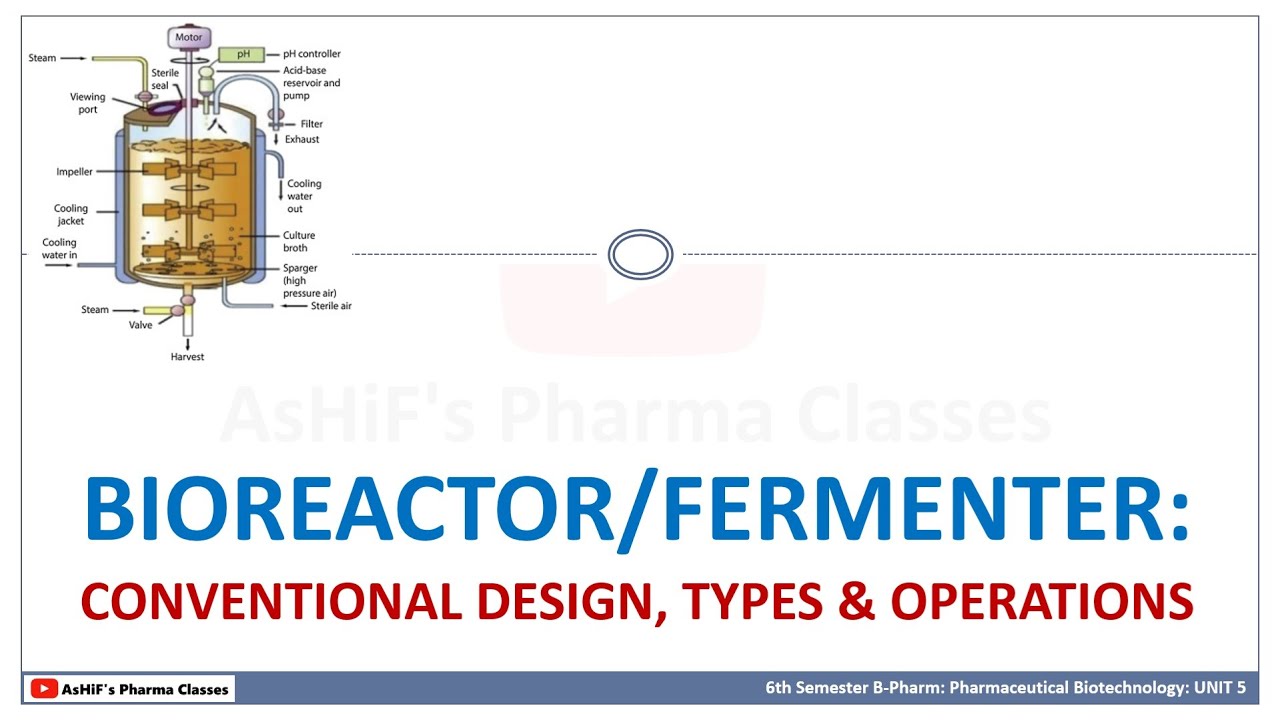
54:58
Bioreactor/Fermenter Design: Conventional Types & Operations | Pharmaceutical Biotechnology
@AsHiFsPharmaClasses
280 views•2025-10-02
14:12
Quantitative Real-Time PCR (qPCR): Principle, Method & Data Analysis
@animatedbiologywitharpan
129.2K views•2023-09-06

2:03
Learn DNA Engineering: Writing Genetic Code Step-by-Step
@thethoughtemporium
244.7K views•2023-02-05
16:04
CRISPR and Genetic Engineering: How Gene Editing Works and Why It Matters
@kurzgesagt
30.5M views•2016-08-10
Related Study Plans & Knowledge Roadmaps
Structured learning paths in Biotechnology
biotechnology
AAV Production: Transfection, Prep & qPCR
01Introduction to Gene Therapy and AAV Biology
02Mammalian Cell Culture: Suspension HEK293 Cells
03Upstream Bioprocessing: Triple-Transfection Optimization
+ 2 more learning modules
18h5 modules
Explore Roadmap
biotechnology
Building Gut-on-a-Chip: PDMS, Cells & TEER
01Foundations of Microfluidics and Gut Anatomy
02Cleanroom Fabrication & PDMS Soft Lithography
03Epithelial Cell Culture and On-Chip Seeding
+ 2 more learning modules
26h5 modules
Explore Roadmap
biotechnology
Optimizing CFPS: E. coli Extract & Yield
01Fundamentals of Molecular Biology and Translation
02Introduction to Cell-Free Protein Synthesis (CFPS)
03Preparing E. coli Crude Lysate (The Extract)
+ 2 more learning modules
19h5 modules
Explore Roadmap
biotechnology
Haematococcus PBR: Design, Stress & Astaxanthin
01Biology and Life Cycle of Haematococcus pluvialis
02Bench-Scale Photobioreactor (PBR) Design and Engineering
03Culture Media Formulation and Inoculation
+ 2 more learning modules
15h5 modules
Explore Roadmap