![CENTRAL DOGMA OF MOLECULAR BIOLOGY [ BY– Vishakha Ma'am ]](https://i.ytimg.com/vi_webp/3e5elTxbfJA/maxresdefault.webp)



![Struture of DNA & RNA [Nucleic acids] # Biochemistry Part -29 # csir net , gate , Iit jam](https://i.ytimg.com/vi_webp/ufvZ8bYtyO8/maxresdefault.webp)





![[함께배우기] 289일차, 헬스케어 Part 17 siRNA 치료제(올릭스, 에스티팜)](https://i.ytimg.com/vi/ofhKPl81_2s/maxresdefault.jpg)




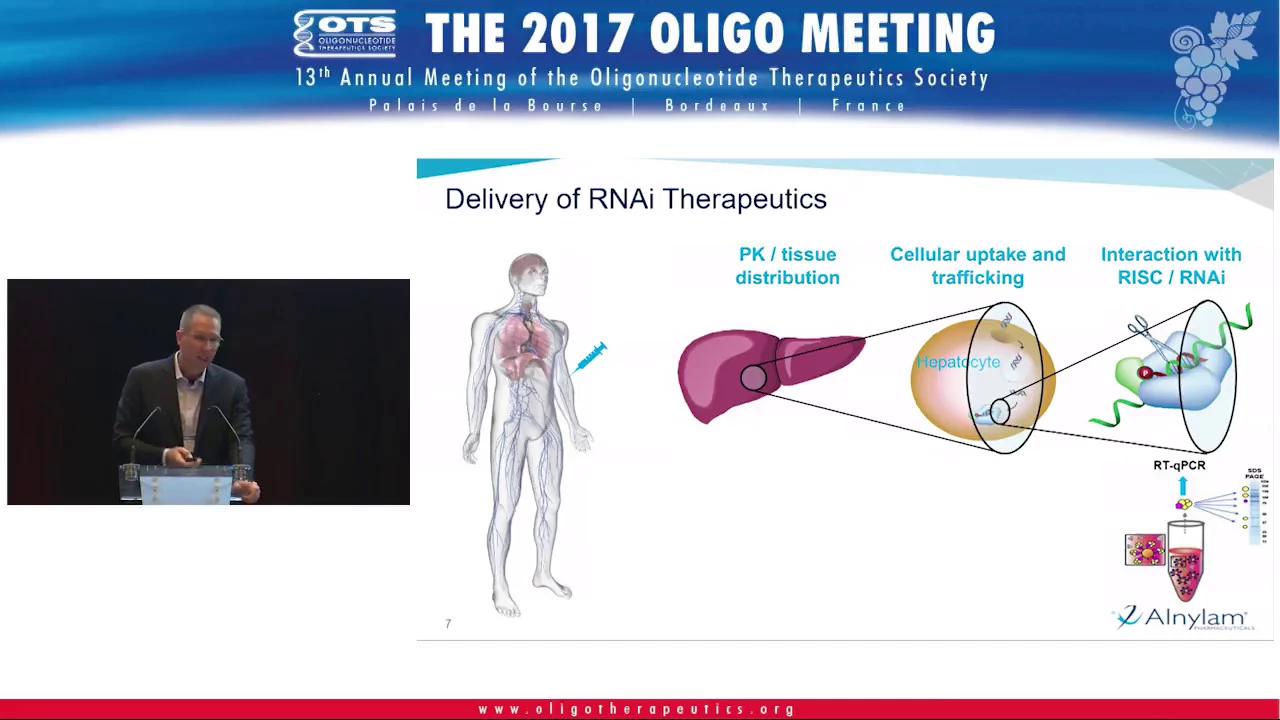
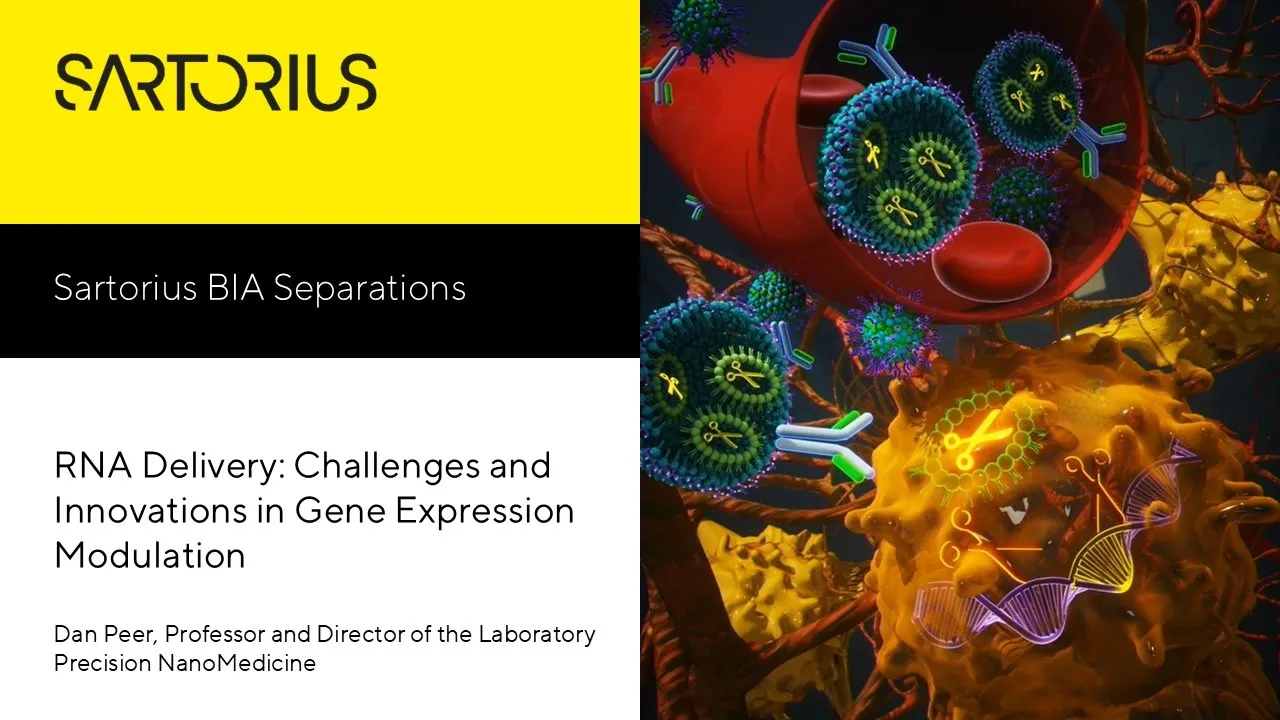


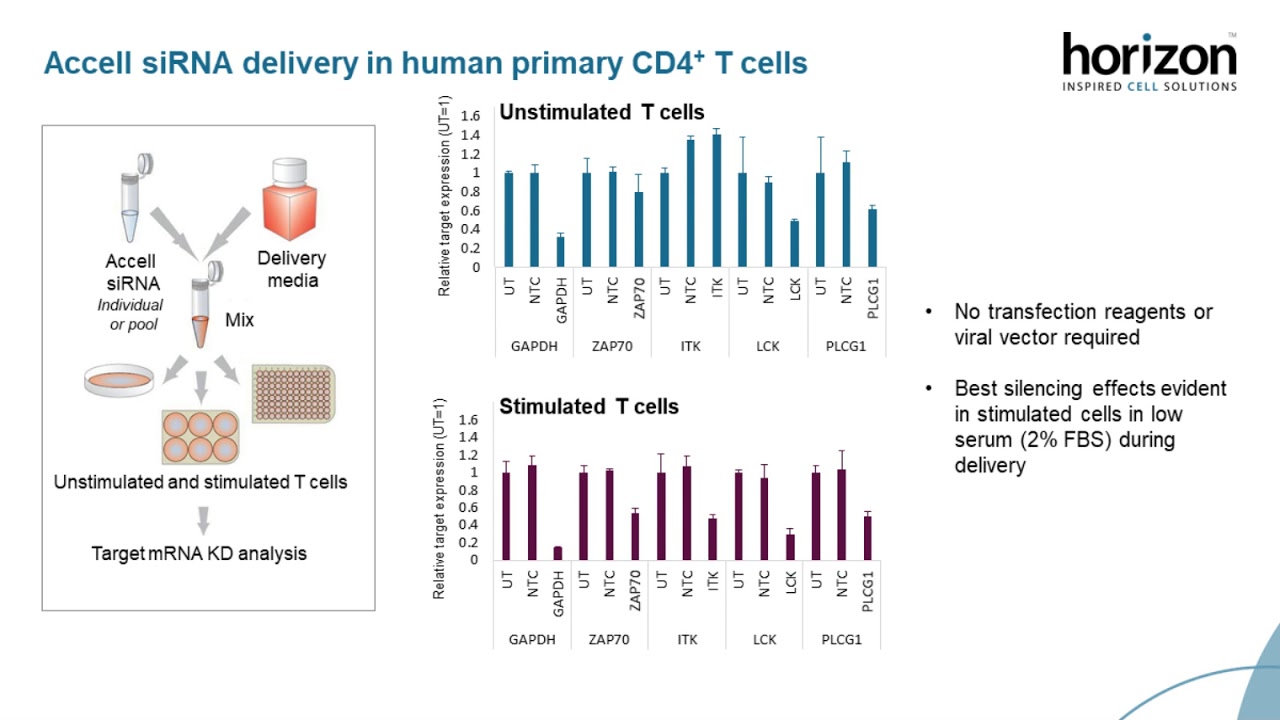


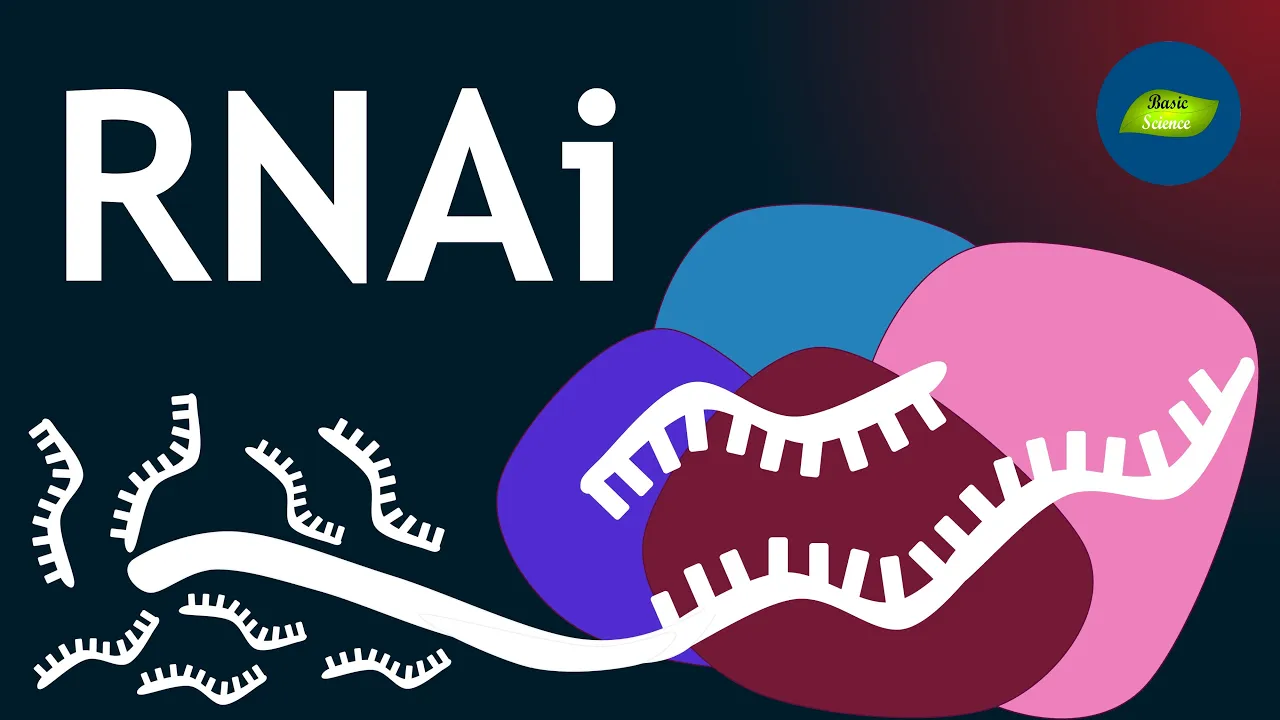
RNA interference (RNAi) is a cellular defense mechanism where double-stranded RNA triggers the production of small interfering RNAs (siRNAs), short hairpin RNAs (shRNAs), or microRNAs (miRNAs), which then form the RNA-induced silencing complex (RISC) with proteins like Dicer and Argonaut to specifically target and degrade complementary mRNA sequences, thereby silencing gene expression without altering the DNA blueprint; this process has significant therapeutic applications for treating diseases by blocking the synthesis of malfunctioning proteins.
RNA Interference Mechanism: siRNA and shRNA Pathways Explained
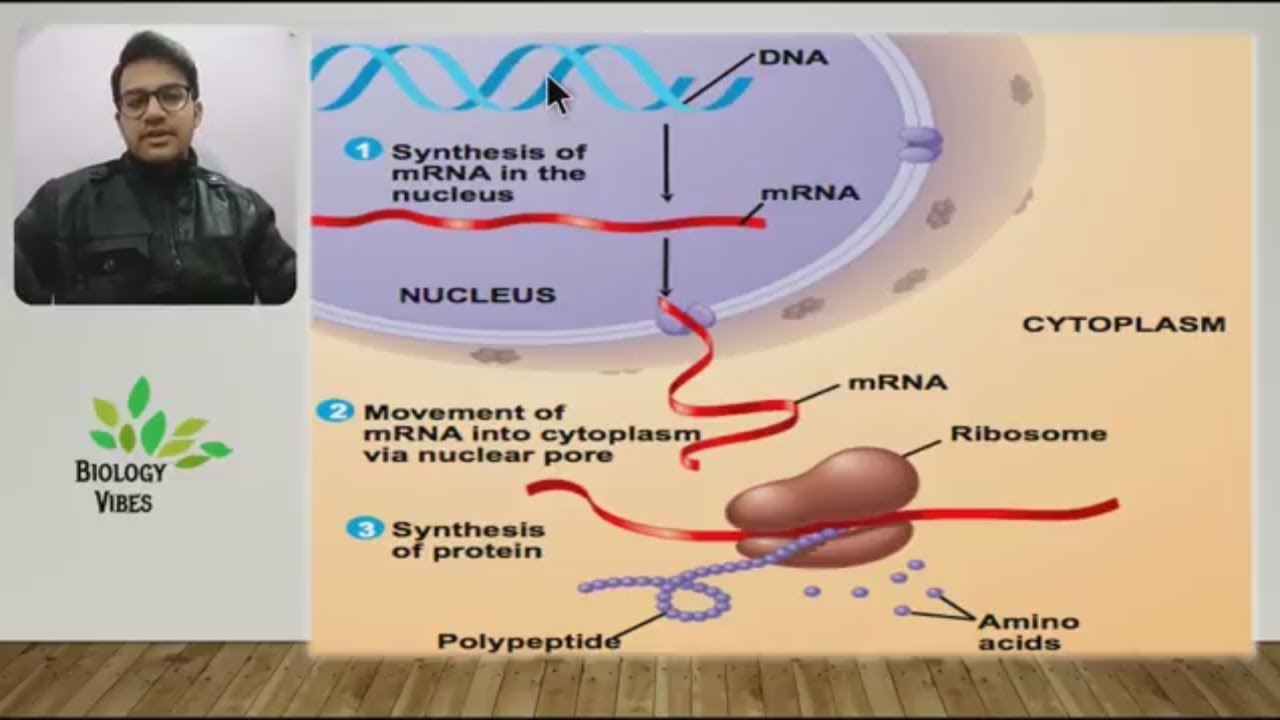
Added:The Central Dogma of Molecular Biology, specifically the processes of transcription (DNA to RNA) and translation (RNA to protein).
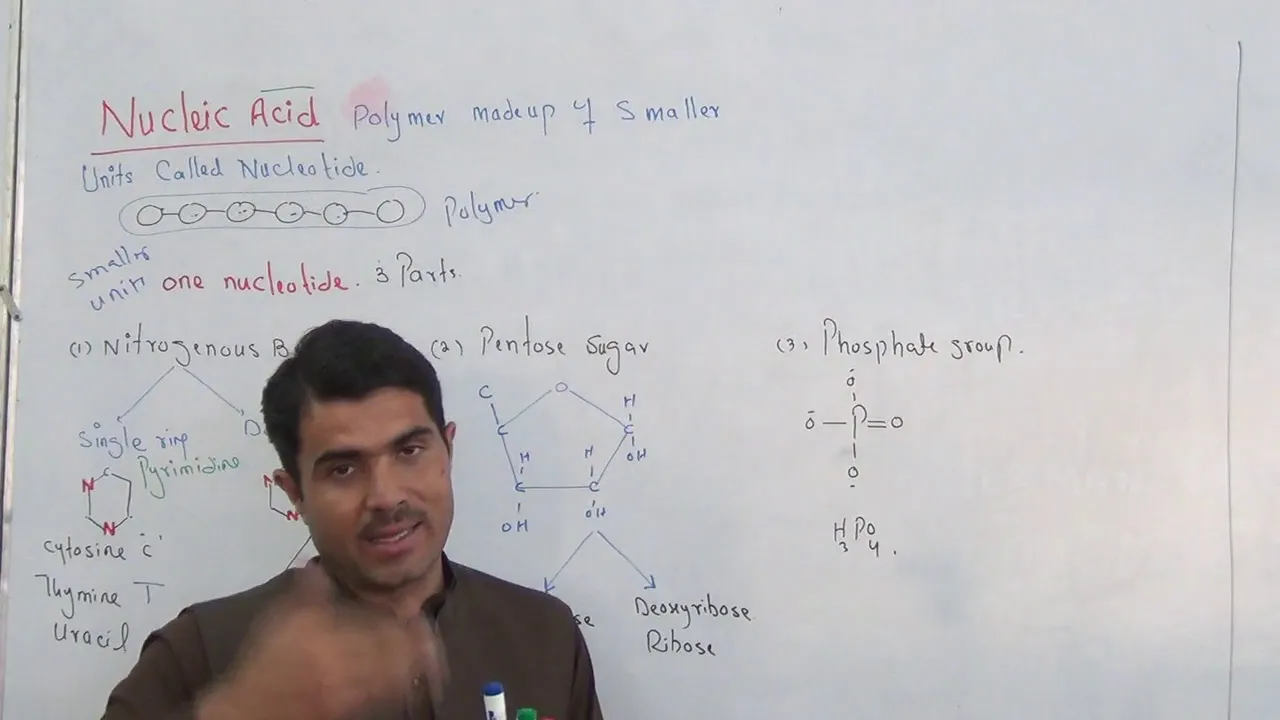
The structural differences between DNA and RNA, including single-stranded vs. double-stranded RNA structures.
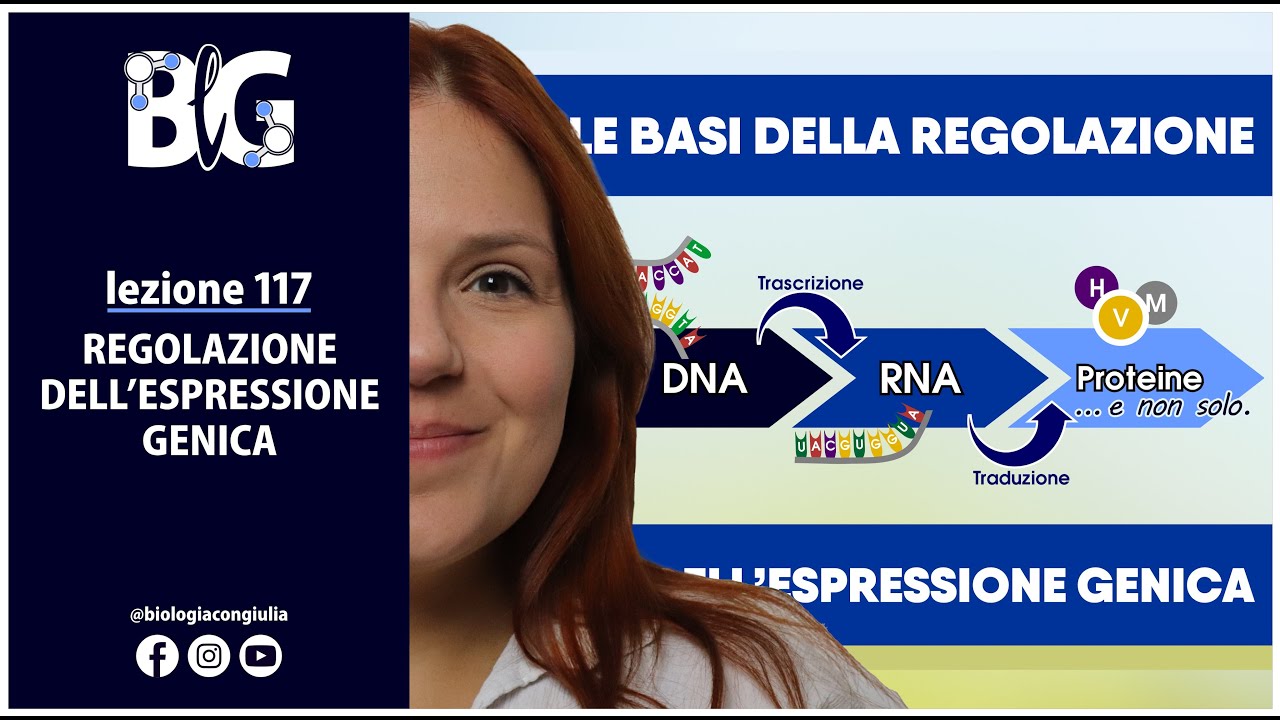
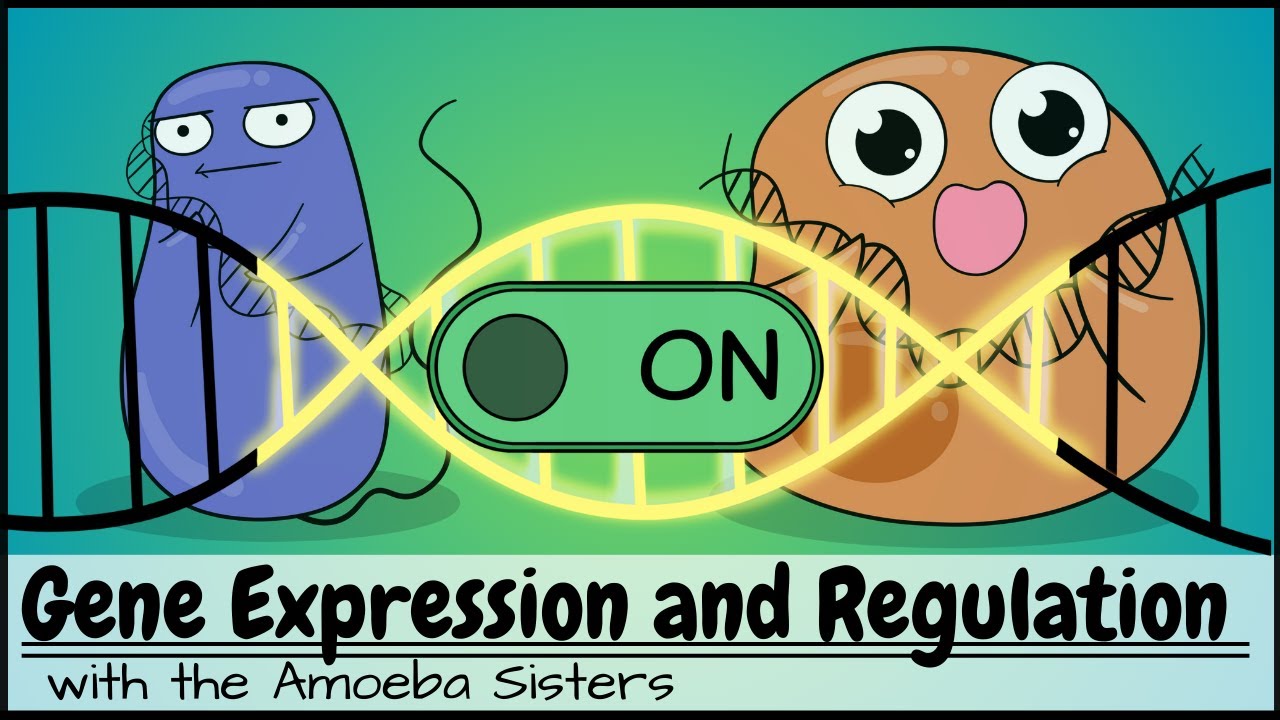
The concept of gene expression and the fundamental mechanisms cells use to regulate protein synthesis.
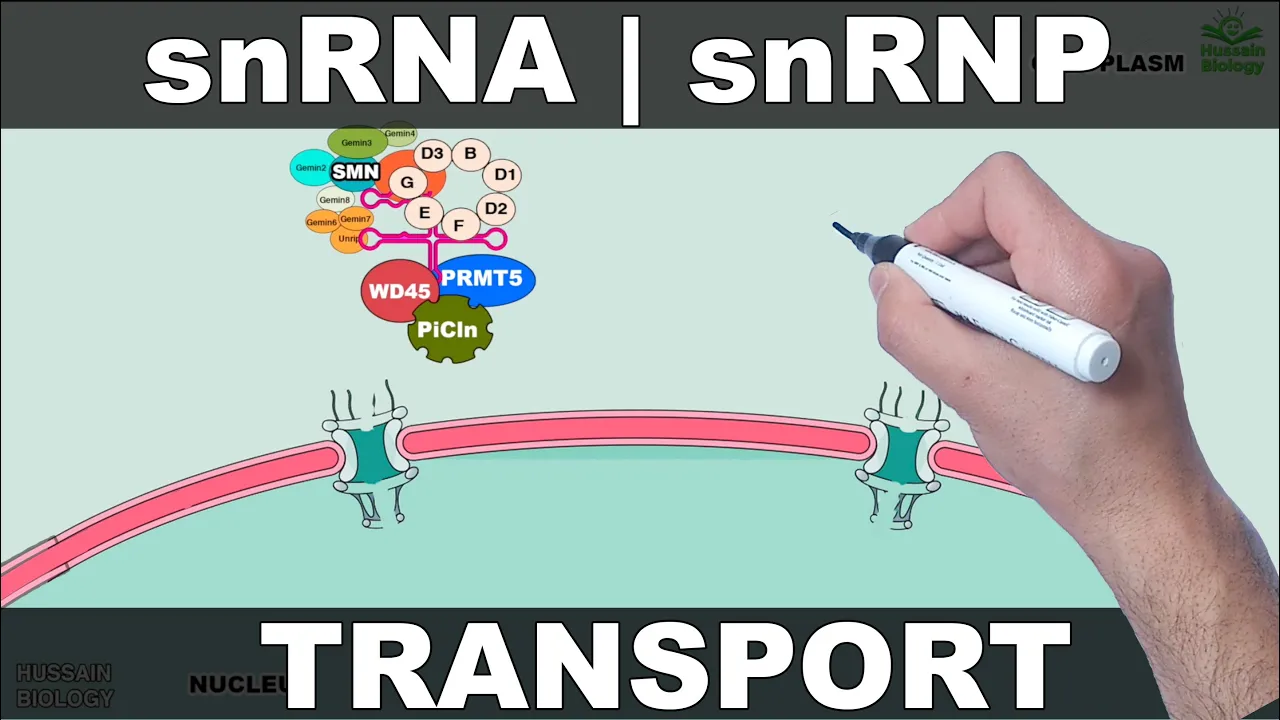
Basic eukaryotic cell biology, particularly the roles of the nucleus and cytoplasm in RNA processing and transport.
Clinical applications of RNA interference, including the development of siRNA-based therapeutics for genetic disorders and viral infections.
The biological role and pathway of endogenous microRNAs (miRNAs) compared to exogenous siRNA/shRNA pathways.
The challenges and methodologies of RNAi delivery systems, such as lipid nanoparticles (LNPs) and viral vectors.
A comparative analysis of gene silencing techniques, specifically comparing RNA interference (gene knockdown) to CRISPR-Cas9 (gene knockout).
379.7K views9.8Klikes14:34Original Release: 2015-02-21
[music] Welcome back friends. After a long time I'm making videos and in this video we'll be talking about RNA interference or RNAI.
Now uh I've getting I'm getting many requests from different viewers to make videos on RNAI SAH RNA MINA. Now this type of things the total RNA interference thing it is very very important and it's a very hot topic of study nowadays. So what is RNA interference? Now there are a lot of complications. If you search for images you'll find many fascinating images, complicated images because you know it's very true fact. We all understand DNA biology very well. But very few of us actually care about RNA. But this is the time for caring about RNA because RNA biology is equally being important uh in different diseases in cancer and also you know in different aspects of our life. So the first thing that we are going to talk about today is about the RNA I or RNA interference. It's also called as the RNA interfering or interfering RNA. So let me write it here.
RNA interference.
We need to understand what is RNA interference. Now RNA interference is a phenomena inside a cell which targetedly select mRNA strand and chop them up.
Right? It's a whole process inside ukarotic cells or proaryotic cell because we found the evidence of RNAI in bacteria. We have found it in fungi, algae as well as plants and animals. It is very much useful in plant biology.
Why? We'll be studying later. Now RNA interference that I've told you that they targetedly they select a target and that is sequential selection of a particular target and they break down that target.
they break down that target. Now the target here by RNA interference are common protein coding RNAs which is also known as mRNA. So RNA interference actually target mRNA and break it down so that there is no protein produced from the mRNA.
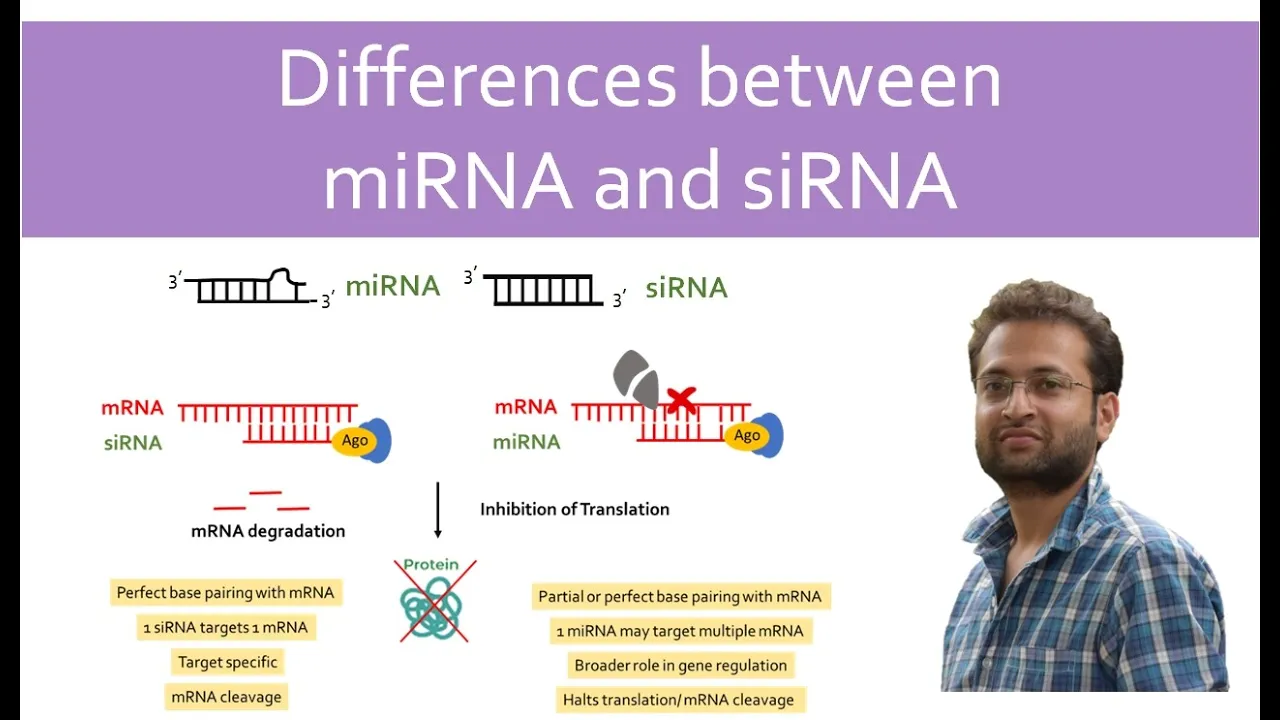
Right? So that is the actual goal. Now the basic idea is the same. Generally RNA is a single stranded molecule. We all know that right? It should have a single strand and the base pairs everything normal bases not pair everything is fine. So whatever is there inside a cell if there is by any chance they produce a double stranded RNA that doublestranded RNA can be very very dangerous because that doublestranded RNA could be a very specific target site to produce this RNA interference and to ultimately break down the actual protein coding RNA or mRNA. Right? because the fundamental law of producing RN interference or RNA things like SHRNA or MINA or SNA are the double stranded RNA inside the cell. So if there is any production of double stranded RNA inside the cell these things can lead to the production of SNA it can produce SH RNA it can also produce MINA right so what are the full forms of all this sirna means small interfering RNA RNA short hairpin RNA. MIRNA is simply micro RNA.
Right? So let me write RNAs here. So these are the short forms of these three RNAs.
Right? So all of this type of RNA SNA, SHRNA, MINA, they are produced from doublestranded RNA. So if by any means inside the cell a double stranded RNA is generated in that case they can have the potential to produce all these kind of RNA inside and if they produce this type of RNA inside the cell these things can actually lead to the silencing silencing of the mRNA the actual protein coding RNA and that is called RNA media created gene silencing and they bring out this gene silencing process by combining many other proteins together and that protein complex is called as rais interference silencing complex or rais.
So if they produce any of this they will form RAC RNA interfering silencing complex. Now this risk factor with this SN or SHRNA will ultimately silence the mRNA that is the actual protein coding RNA.
It will break down this RNA. How they can silence? It will actually degrade that RNA. Break that RNA down smaller fragments. So as a result protein synthesis will not be possible and they can't produce any required protein inside the cell that is the target process of RNA interference.
Right now once we know this risk is required so to produce the risk they require certain enzymes and other molecules to be associated actually they they have association of certain enzymes called slicer.
It's a protein right usually it is required and it was found inside C elegance synorepitis elegance and in in their body we have seen several effects of RNA interference and we have seen slicer to be a part of risk in C elegance. Similarly we can also see another very important protein that is called as argonaut.
Argonaut is another protein which is also commonly found in plants as well as animals in the RNA interference system to be a part of risk.
Okay. Now what are these molecules slicer but all above there is another protein which is the mother to produce this sirna and mirna from double stranded RNA. That protein is termed as dicer.
Very very important protein with respect to the RNA interfering system because this dicer should be active to produce any one of this sirna or mirna from the micro double stranded RNA inside the cell. Right? This daer is nothing but RNA's three type of enzyme. Now what do we mean by RNAs? RNAs 3. What do we mean by RNAs 3 is this type of enzymes? RNA3 type of enzymes.
They are doublestranded RNA specific endonucleus. That means they will specifically bind to doublestranded RNA and it will break down the RNA from the middle enducleus not from the terminal.
If it breaks down the RNA from the terminal it should be called exonucleus.
But it is breaking down from the middle.
So endonucleus right. So dicer is always active there. And the slicer here what we talked about and argonaut. Argonaut is also RNAs 3 type of uh enzyme there.
Slicer in the other hand is RNA's age type of enzyme over there. Right? So they all can actually function accordingly. But the major task is for the dicer because the dicer ultimately at the first produce this sirna, mi or shrna from the double stranded RNA and once the production is complete then this type of small interfering RNA particles will go and it will form risk complex with other proteins called slicer or argonaut or any other proteins are there. We'll be talking about them later in the future videos. Now once they produce that risk complex they will go and they target they select their target right because you know this is very very specific that is another important property this whole process is specific that means it is specified that which part of the mRNA should be degraded and which mRNA should be degraded right because you know it's all about pairing with bases we have RNA which is a single stranded That RNA can form bond with itself and that can form hair pin. Can you imagine?
Similarly that RNA once it is degraded with slicer and are not in the risk complex will ultimately bind with certain sequences in the mRNA only. So that RNA it depends on which sequence they can bind right. So suppose it's a 200 base pair long mRNA sequence right 200 basis long mRNA. Now that dicer is that that whole SHRNA or let's say the whole SI RNA can actually bind with the sequence number 50 to 65 and in that case they will select that sequence and then cut it from let's say 67 number base pair position and the RNA is now broken down into two. Can you imagine the situation? That's how the whole process work. It is very specific specifically select the mRNA attached with it break it down. Right? So that is called as the RNAI or RNA interference.
This is the simplest explanation I could have given you about RNA interference.
It's a huge complicated topic but believe me what you need to understand in the basic way so that you can explain it to someone who is a layman in biology. This is the RNA interference.
This is its task. Now what are the advantages of studying RNA interference?
Because you know RNA interference is a hugely important system because we can silence a gene inside. We are not targeting the DNA. The DNA is not hampered. The code, the complete blueprint is not hampered. But what we can achieve from here, we can block the synthesis of the protein. We can block the translation. We can break down that RNA.
So by using this process, we can actually achieve miracles. So what this this SI this complete set of RNA interference is actually everywhere.
It's been discovered later lately but actually it is there from the earlier times. It is acting all the time.
Right? I've told you people don't have a very good urge to understand biology and RNA biology very well. They always start to talk about DNA protein synthesis but very few about RNA. And this is very very important guys because you know suppose in a disease let's say this is a cell this is a nucleus and what happens in a particular disease that nucleus they produce a gene they produce an mRNA from that mRNA they're producing certain proteins that protein is causing the cell to die or causing a particular disease. Now if we identify that mRNA and we can specifically design an SNA which will targetedly cleave that mRNA which produces the malfunctioning protein inside. So let's say we we we build that SNA we inject the sirna inside that cell so that that sirna will act and bind with this this uh mRNA and degrade the mRNAs which produces the malfunctioning protein. So ultimately what happens all the proteins will be completely taken care of. So there will be no malfunctioning protein inside the cell anymore and the cell will start functioning normally.
So you can see the possibility is huge.
But there is a question that as we are preventing this in the translation level right for that reason we need to administer this quite often because you know suppose we add this sirna and we block it we break down the mRNA cell is fine. Now after certain time in the next time the gene will express it will express the mRNA again in that case we need to consider and take this sa again from outside. So that is the problem. We need to continuously administer that sir or whatever medication we are in to control those type of diseases. But there is a solution for that too. And the solution here is to not only take this sir from there directly. What we do we instead inject that cell with a vector and that vector itself produces a type of doublestranded RNA.
So if that vector will continue continuously express with the chromosomes of that cell. So it will produce double stranded RNA continuously and from the double stranded RNA inside the cell they easily produce SNA or MIA which will ultimately break down the targeted mRNA there. So you can see the possibilities are limitless if you understand RNA biology very well. Right?
So that's all about the overview of RNAI.
From the next videos we I'll be making actually four videos in this whole topic. This is the first video. In the last three videos we'll be talking about you know sirna, sRNA and mirna sequentially. So let's talk about it in the future videos. Stay tuned, watch it.
Don't forget to subscribe and go to my website see videos and see other links there. Thank you.
Up Next
30:16
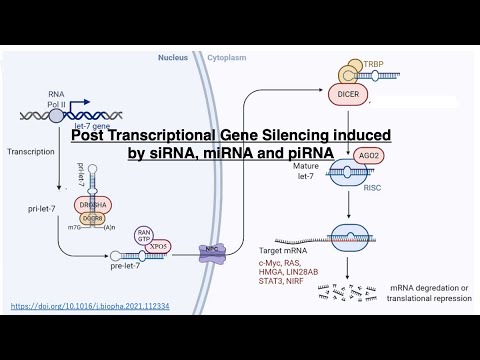
RNA Interference Mechanisms: siRNA, miRNA, piRNA Explained
@EntranceForLifeScience
298 views•2024-11-30
50:12
Bacterial Communication: Quorum Sensing and Biofilm Formation Explained
@JHUAAP
12.6K views•2011-06-28

10:12
miRNA vs siRNA vs shRNA: Key Differences Explained
@shomusbiologyofficial
75.7K views•2016-05-15
7:08
Bacteriophages: Earth's Deadliest Killers and Future Antibiotics
@kurzgesagt
34.6M views•2018-05-13
Related Study Plans & Knowledge Roadmaps
Structured learning paths in Biology
biology
RNAi: Biogenesis, RISC & Gene Silencing
01Molecular Biology Foundations: DNA to Protein
02Introduction to RNA Interference (RNAi)
03Molecular Biogenesis of miRNA and siRNA
+ 2 more learning modules
10h5 modules
Explore Roadmap
biology
Mycorrhizae: Signaling, Biophysics & Ecology
01Foundations of Mycorrhizal Symbiosis
02Molecular Signaling and Root Colonization
03Biophysics and Bioenergetics of Nutrient Exchange
+ 1 more learning modules
11h4 modules
Explore Roadmap
biology
Circadian Clocks: TTFL, SCN & Periphery
01Foundations of Molecular Biology & Gene Expression
02Introduction to Chronobiology and Actograms
03The Core TTFL: Molecular Architecture of the Clock
+ 3 more learning modules
14h6 modules
Explore Roadmap
biology
Population Genetics: Math, Drift & Selection
01Genetic & Probability Foundations
02The Hardy-Weinberg Principle and Baseline Models
03Mathematical Modeling of Natural Selection
+ 3 more learning modules
18h6 modules
Explore Roadmap