![CENTRAL DOGMA OF MOLECULAR BIOLOGY [ BY– Vishakha Ma'am ]](https://i.ytimg.com/vi_webp/3e5elTxbfJA/maxresdefault.webp)







![Genregulation bei Eukaryoten (Transkriptions- und Translationsebene) [Genetik, Oberstufe]](https://i.ytimg.com/vi_webp/C4jJSoESriw/maxresdefault.webp)





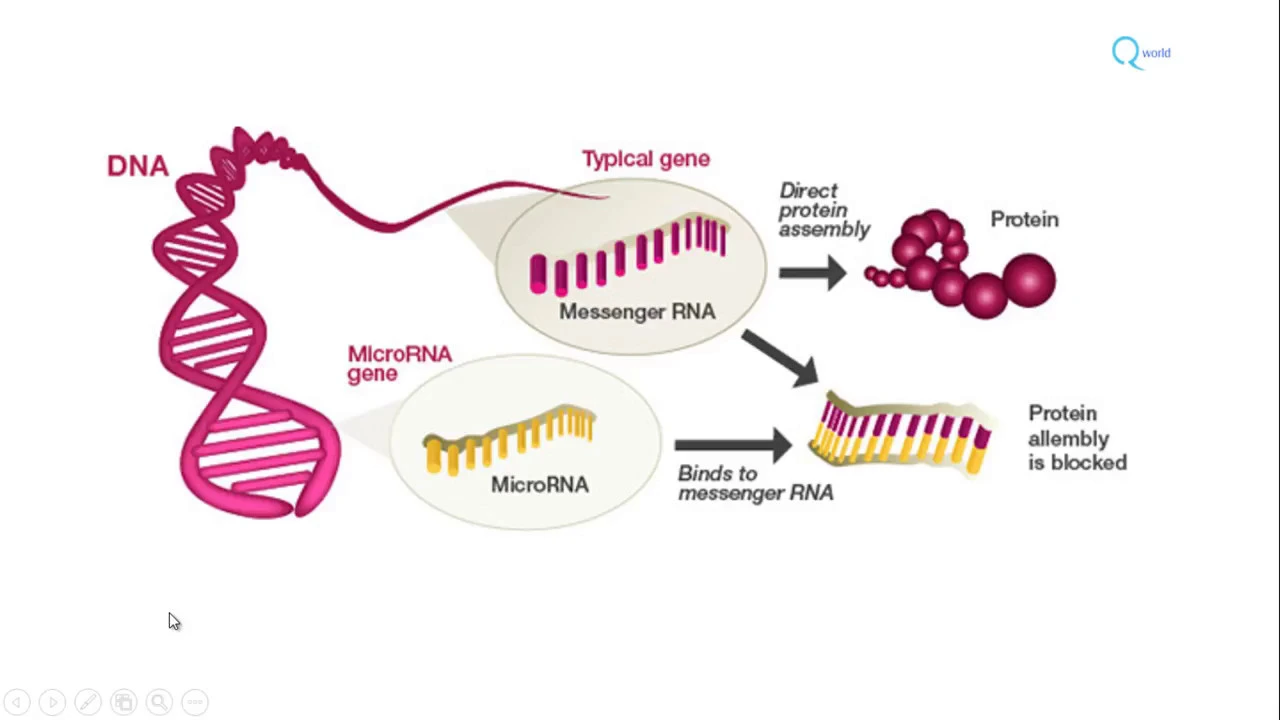

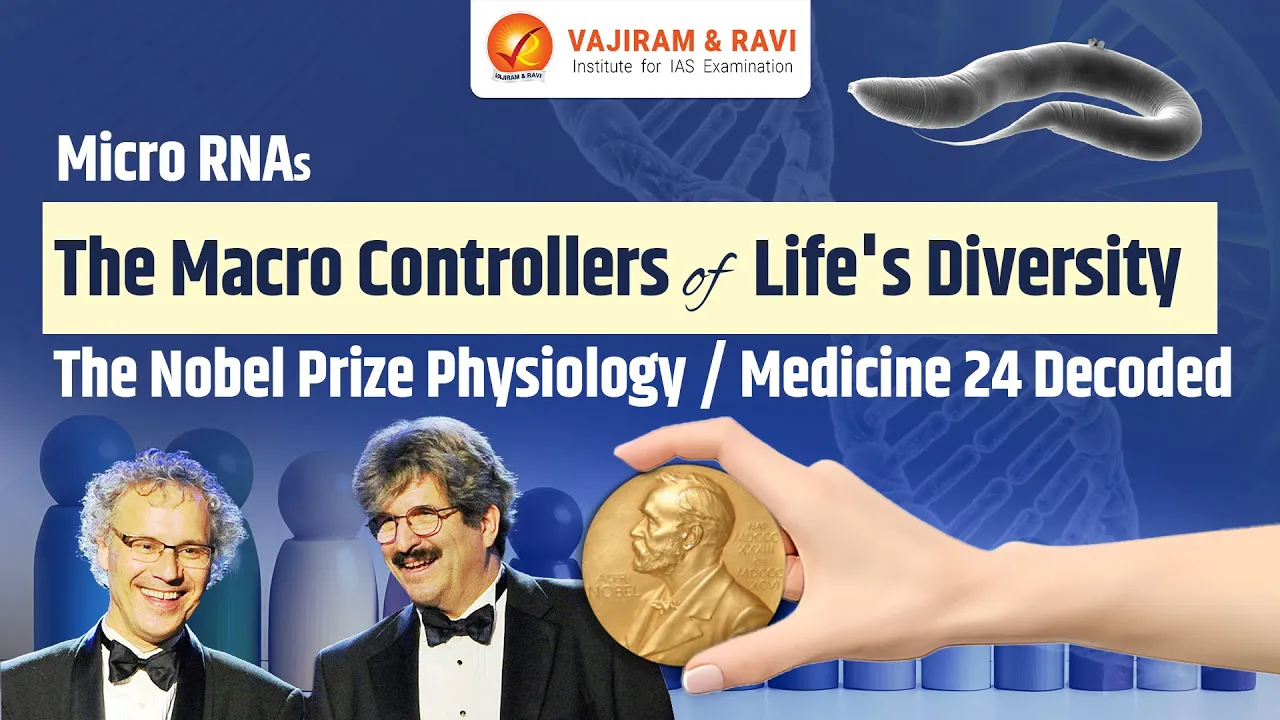





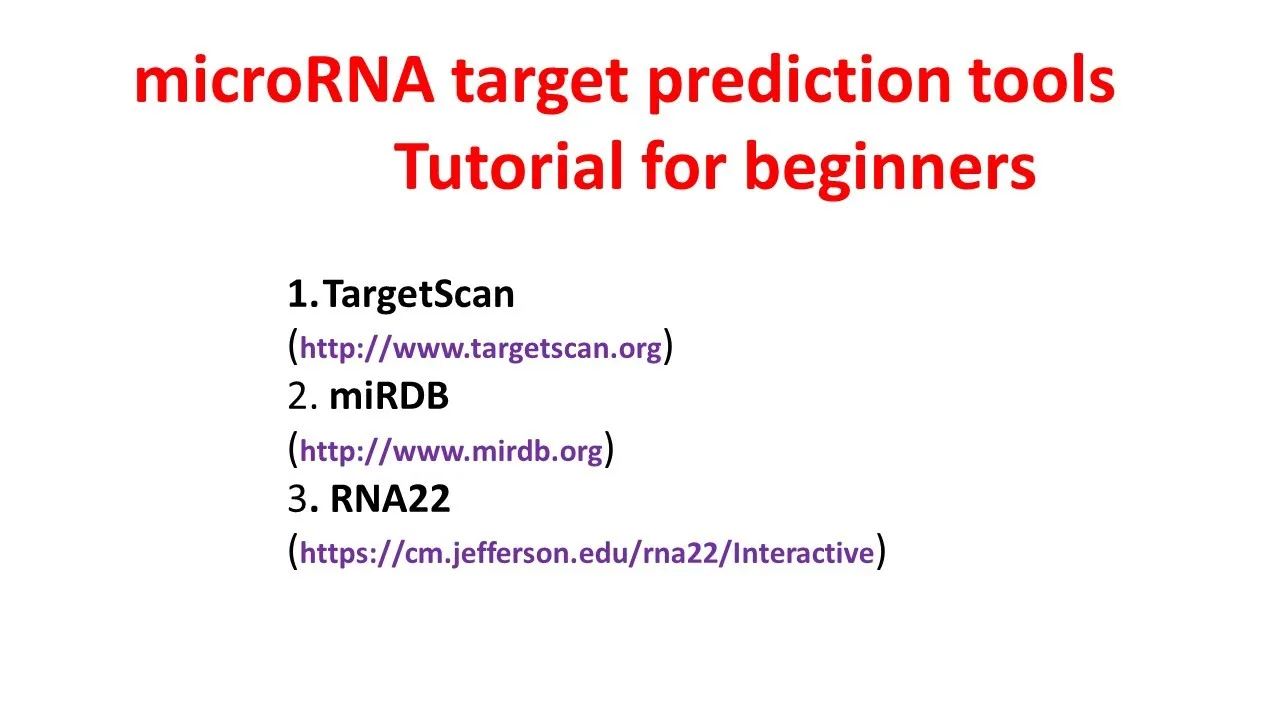

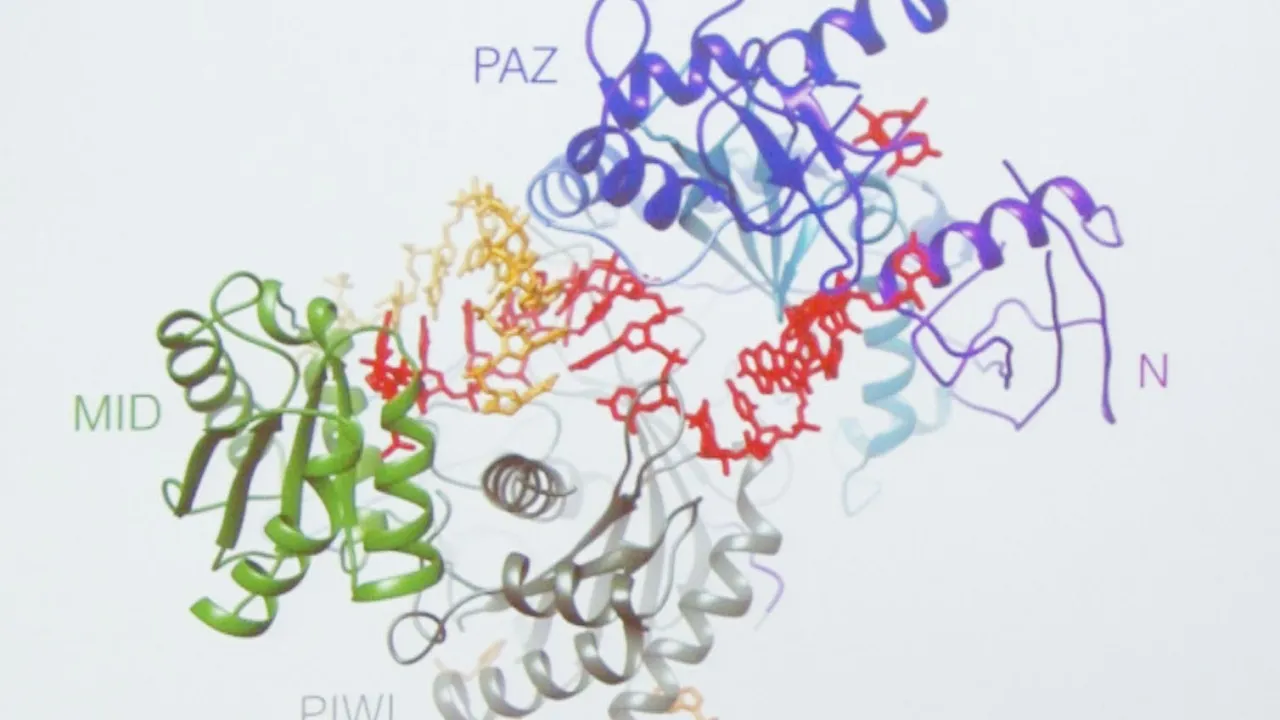

MicroRNAs (miRNAs) are ~22 nucleotide RNAs processed from hairpin precursors that regulate gene expression by binding to target mRNAs through complementary base pairing, primarily via the seed region (nucleotides 2-8), leading to mRNA degradation and translational repression; this regulatory mechanism is essential for normal development and plays critical roles in diseases such as cancer, where dysregulation of miRNAs can either promote tumor formation (oncogenic miRNAs) or suppress it (tumor-suppressive miRNAs).
MicroRNAs: Gene Regulation Explained by David Bartel | iBiology
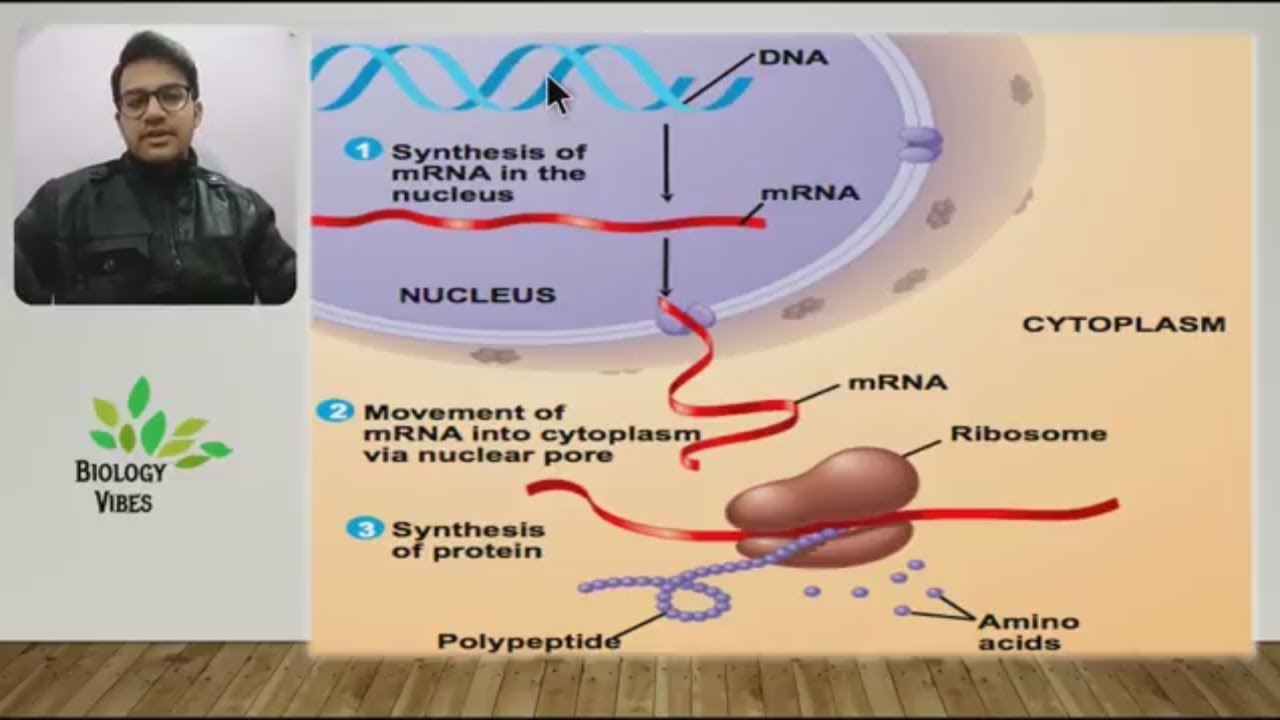
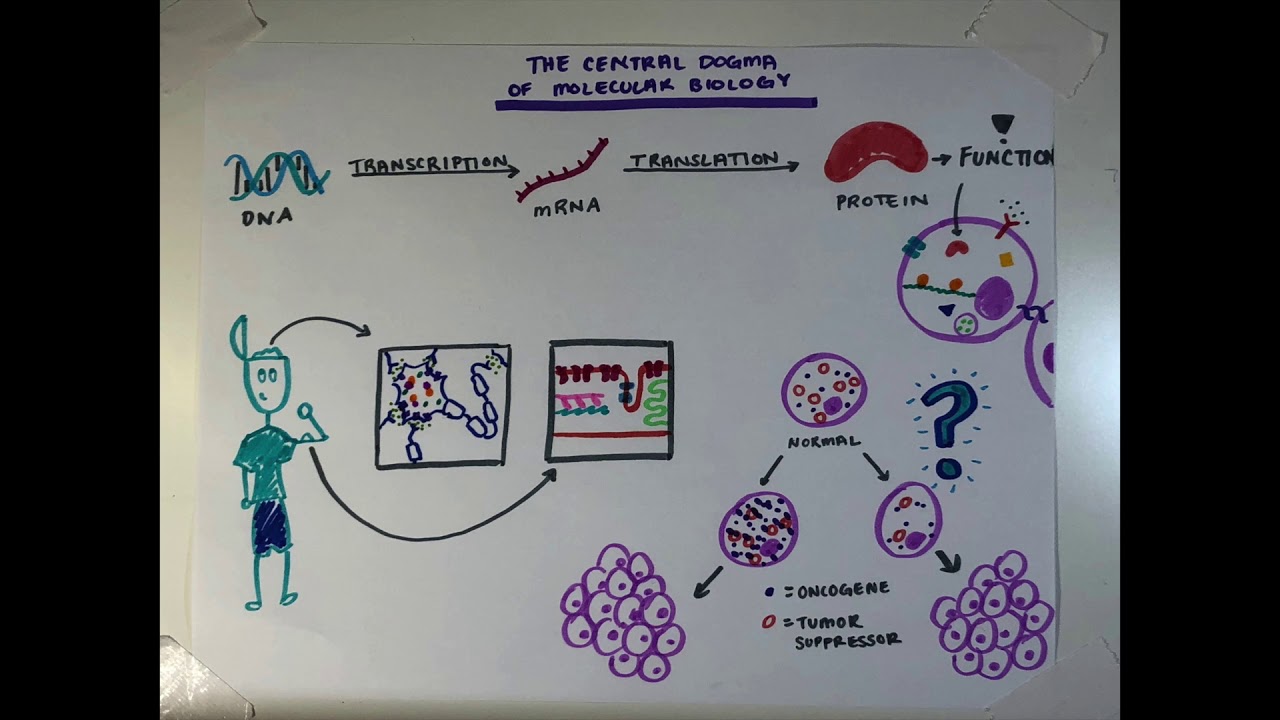
Added:The Central Dogma of Molecular Biology, specifically the processes of transcription (DNA to RNA) and translation (RNA to protein).
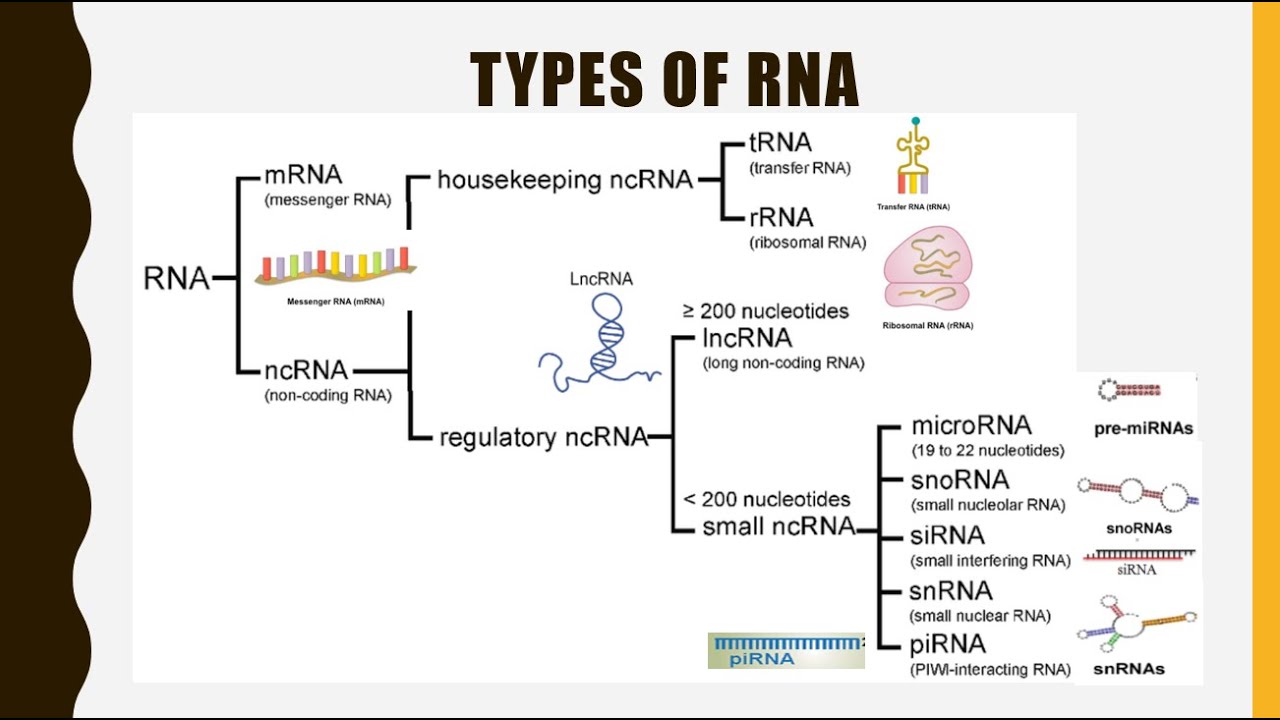
The distinction between coding RNA (mRNA) and non-coding RNA, including the concept of complementary nucleic acid base pairing.
The basics of eukaryotic gene expression and the standard mechanisms of translational regulation.
Fundamental cellular anatomy, including the roles of the nucleus and cytoplasm in gene expression.
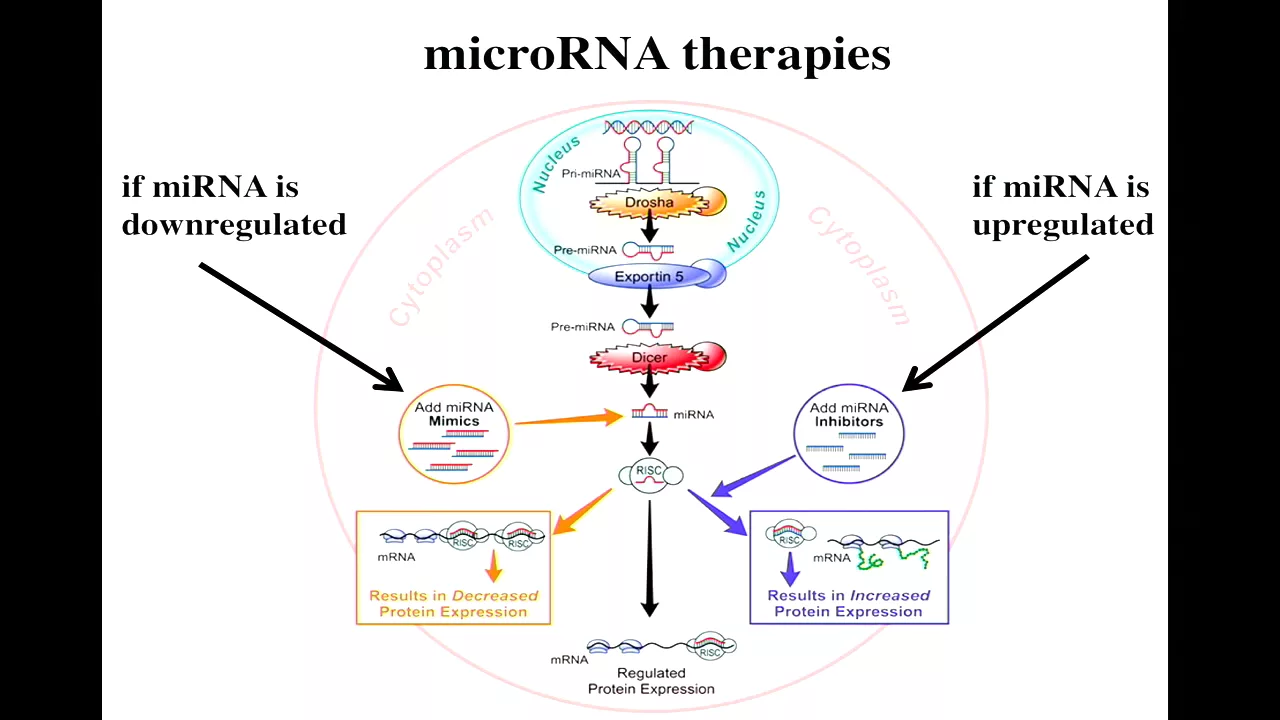
The biochemical pathway of miRNA biogenesis, focusing on the processing steps involving Drosha, Dicer, and the RISC (RNA-induced silencing complex).
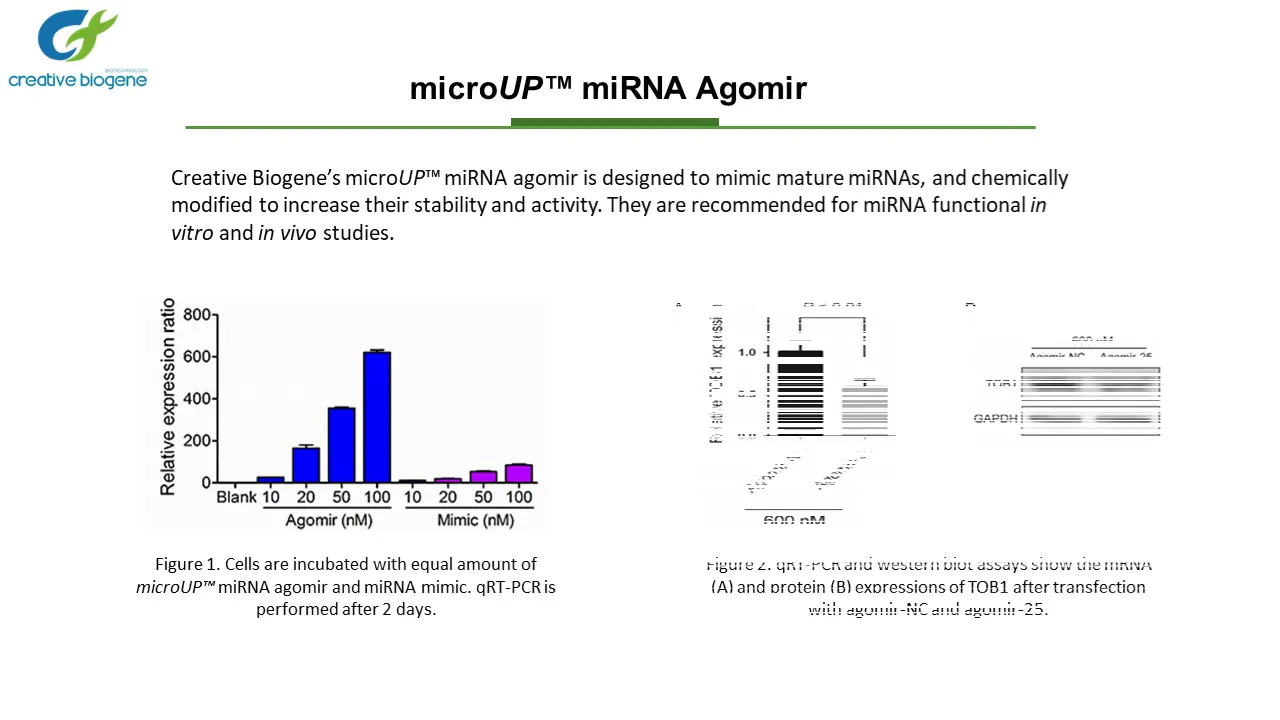
Therapeutic applications of RNA interference (RNAi), including the development of miRNA mimics and antagomirs for clinical use.
The role of miRNA dysregulation in human pathologies, such as cancer (oncomirs) and cardiovascular diseases, and their potential as diagnostic biomarkers.
Bioinformatics and computational tools (like TargetScan) used to predict miRNA targets based on seed sequence complementarity.
233.1K views2.9Klikes42:45Original Release: 2014-03-24
hello I'm Dave Bartell I'm a member of the Whitehead Institute a professor of biology at MIT and an investigator of the Howard Hughes Medical Institute and today I want to tell you about these micro Ras okay micro Ras are these small rnas that are processed from these longer uh transcripts that can fold back on themselves to make these hair pin structures and these hair pins are formed by wats cric pairing A's and U's G's and C's sometimes G's and U's uh between the two arms of the hair pin and uh once processed from this longer molecule these small rnas are much too short to code for proteins but they have other very important roles in the cell and that is to regulate genes now we know that Gene regulation is is very important in part because this is what makes cells different from each other okay our bodies have many different cell types and but all these cells have the same genes they all came from the same zygote so what makes a nerve cell different from a muscle cell different from a fat cell well it's not the genes they have the same genes but it's how these genes are used okay where uh some genes are turned off in one cell but not in another some are on and you have different amounts of gene expression in these different cells and that's in large part what makes them different from each other and so we now know that micro are regulating most of the human genes okay and of course this regulation is important for um not only what makes a normal cell but but also a disease cell and a cancer cell and so like many discoveries that um have important implications for human biology and disease the very first micr was not actually discovered in humans but instead it was discovered in a model organism in this case it was the model organism uh for nematodes uh the sea elegant which is often used to study animal development and back in 1993 Victor Ambrose lab this reported the small RNA called the linfor RNA and that RNA um they concluded with help from Gary rkin lab that the lin4 RNA regulates the lin4 message RNA and that causes less protein to be made from the lin4 message RNA and they concluded that this happens through an interaction between the lin4 RNA and the Lin 14 messeng R seven years later Gary rkin lab found a second small RNA also involved in the timing and development here going for lin 4 Lin 14 going from larel stage 1 to two and here going from the cell divisions of larel stage 4 to the adult so then um uh rkin lab found that this let 7 RNA uh which is important going from larel stage 4 to the adult is also found in flies and in humans and other animals okay and it's also expressed kind of at at later stages and so the idea was that it may be also regulating the timing development here there might be other small rnas regulating the timing of De of development and so then a year later Tom tusa's lab my lab and Victor ambush's lab found that these small rnas were actually part of a much larger set of rnas uh and and that these Ares that that that were found were sometimes um temporally expressed in development but most of the time not and so presumably they were just in specific tissues or or um uh cell types and and so probably playing roles apart from uh the timing of development so at this point because we'd found these things molecularly we really didn't know which genes they were regulating didn't know what processes they might be involved in but what we did know is that they were small okay and so we decided to call them micro so this is when people got very excited about this class of of small arnes because it was clear that there are going to be hundreds of different micras in humans over 100 in worms and in flies and these micro weren't just regulated gen important of timing development but they could be involved in regulating any Gene really any Gene that a biologist might be interested in could actually be the target of a microa and so many Labs started working on these small Ares and there's actually now been over 25,000 papers that that have been published on micras and here I just have a word cloud of words taken from the abstracts of of these papers many many important discoveries and so in the rest of this talk I just want to give you a brief outline of how these micr are made how they recognize their targets and in what they're doing so how are they made well in animals uh the key three proteins are the argonut protein which is uh the ultimately where the micorna is going to end up which we we abbreviate this ago and uh there are also these two endonucleases draa and D and so the first thing that happens is that the micro uh is transcribed as part of a much larger primary transcript and it's transcribed by the P polymerase the same polymerase that makes um messeng Ares and then while still in the nucleas it's recognized by draa and its partner uh Pasha and together draa and Pasha uh recognize the very uh uh this this part of the hair pin and they cleave the jha Cleaves right about one helical turn from the base of the hair pin okay and then that releases The pricr Hairpin which then exits the nucleus with the help of uh the exportan 5 complex and then uh there in the cytoplasm it encounters daiser uh which lops off the loop and now you have the premar duplex and then one of the strands of this duplex is loaded into to The Argonaut protein rev AO here to make the silencing complex now exactly which strand goes into the silen complex and how that happens is is um a mystery but one important clue is that the Strand that's most likely to go into the duplex is the one that's least paired here at the five Prime end that has the least stable pairing at at its five Prime end um now in some cases um they'll have an equal propensity to go into the into the sing complex and both of them can Target genes but most of the time there's a very strong propensity for one of these strands to make it into the sing complex and from there the micro RNA directs this Argonaut to Target messenger rnas and and other rnas now these primary transcripts actually come in three different flavors okay there's some cases where you just have one uh hair pin made from the gene in other cases you have three and we consider these actually three different Micron genes even though they come from the same transcript so it's sort of like a polycistronic uh transcript and then other cases the primary transcript the micro RNA is also a premessenger RNA where it is spliced to give you the mature uh cdna and which is I'm sorry the mature mRNA which is then translated into protein U but then the intron contains the hair pin which is recognized by draa and goes into the micr um pathway okay so you can have these multifunctional uh transcripts now there are some cases where the uh processing here actually skips either the draa or the dacer step there's an important Micron involved in red blood cell development that doesn't use dicer for its processing actually the the the hair pin goes immediately into Argonaut and that argonut can help process it into the mature RNA there's other classes that avoid draa processing that manages to manage to bypass the draa processing and uh one type of these uh are are cases where you actually have the primary transcript the primary transcript uh again the micr is is within an intron but in this case the splicing Machinery actually defines the ends of the Prem Micron hair pin so that after this intron is spliced out and you have this Lariat when that Lariat is debranched it can immediately fold into a Prem Micron hair pin without any further U processing and then these then are recognized by daer and go into the pathway so regardless of how these Prem Micron hair pins the important part is that the Micron pathway goes through these short hair pins so uh and that's different than than um other RNA silencing Pathways for instance we have the ri pathway where you also have daiser and there's also argonut okay but in this case the the the substrate that daiser uses is very different instead of being this short hair pin it's this long duplex okay and that duplex can be made from two strands coming together and pairing very extensively for a long distance or or it can be made from a long transcript folding back on itself to make a hair pit either way you get many of these small duplexes which are called small interfering RNA duplexes uh from a single uh uh precursor transcript okay and then because of the way these long R double stranded rnas are made these guide rnas the the snas in the RNA pathway often go back in Silence the same types of Loi not always but often go back to silence the same types of loai from which they from which they came so there's a very effective way that cells have to uh uh silence viruses trans genes transposons Etc but it's different than the Micron pathway and the important difference is not so much what these rnas do once they're in the signs and complex but where they come from in this case long double stranded RNA and in this case this uh shorter pricr ha pit well many of these micras then are conserved in in different species so an example of that is Mir one okay Mir one is found in human muscle so it's found in your muscle in your heart in brown fat and it's also found in the muscle of flies and worms okay and the uh although the hair pins here differ quite a bit uh what's the same in each of these cases is the is the base pairing as well as the mature mic RNA that's being made you can see that this is uh these Ras coming from human flying worms are actually very similar throughout their sequence actually only differing a little bit here at the three prime end okay so presumably this this micro Mir one was in the last common ancestor of humans flies and wor and presumably it's been playing important roles in the muscle ever since then you can also find related micras within a species okay so again taking the Miran as an example humans have three different members of the mere one family two of them make the identical microrna okay and then there's a third member which is very similar here at the very five Prime end and differs here in the middle and three prime end okay and we group these micrones into families really based on identity of nucleotides 2 through 8 this is what really is crucial and you'll you'll understand why when I talk about the targeting so we have three members of the mere one family flies have one worms have two and these families and these micas again are very often conserved in uh different species so as humans we have at least 277 genes that are making micras that are conserved in other mammals and these like the miror one fall into families okay and so these 277 genes fall into 153 conserved families now we also have many hundreds of non-conserved Micron genes okay these some of them might be playing important species specific functions in in in in humans especially those that are expressed at higher levels but most of the non-conserved micrones are actually expressed at very low levels and that's why I can't say exactly how many there are because some of them hav't been found they're they're they're just expressed at too low of levels to have been to have been detected but and so it's it's kind of unclear those that are expressed at very low levels and uh whose sequence doesn't seem to be important in evolution what they're doing you know one idea is that they're very recently emergent micras and haven't yet found a Target that would somehow uh impart some sort of fitness advantage if it was regulated okay and it's possible that that and probable actually that many of them will actually disappear before they find a u biologically relevant Target so some of these probably occurring very transiently in evolution without functions but again a few of them probably playing important species specific functions particularly at those at higher expression levels well of the 53 conserved families that we have uh in in the mammals 87 of them are also found in zebra fish flies the the um model fly dropo malaster has 119 conserved mic M genes and these fall into 94 conserved families worms have 108 conserved Micron genes falling into 59 families and of those that are conserved here to zebra fish from Human to zebra fish 33 of them are actually found also in the fly or the worm or both okay and that again that's like mere one that means that these have probably been playing important roles really since uh the beginning of ban animals and there's even one that's found in a radial symmetric animal the C anemy okay and that one of the 40 Micron genes that we found in in in the C an enemy one of them is conserved to uh humans and and flies and worms sponge also has micras we found eight in sponge but these are none of these really are related to to those in in these other animals so it's unclear whether mices emerged independently in the sponge or if they were there in the last common ancestor we actually think they were there in the last common ancestor because sponge also has the the unique proteins involved in microna processing the draa and the posha uh enzyme and so probably in the last common ancestor but probably not too far before then because uh more deeply branching lineages don't seem to have micras well what about imp plants very similar story okay the model plant often used uh to study uh diots is a rapid opsis and uh it has 90 conserved micrones and these fall into 20 conserved families conserved both from monocots uh rice to dicots or Abid dosis and of these 20 conserved families 12 of them are found even in these deeply branching land plants such as such as the moss green algae also has micras at least 20 genes have been found there uh this would be in clotus and but these cotus U micras are not related to the land plant micr so again it's unclear whether micrones emerged independently in this green alga and the land plants or or whether the last common ancestor had the micrones but because there's so many differences between the processing of micr in plants compared to the processing of and how micrones are made in animals it's thought actually that and and I think very clear that micar emerg independently in the plants and in the animals and there even mic like molecules in certain fungi like neurospa so again probably emerging independently there and in each of these cases emerging from the RNA pathway the r pathway this pathway that's very important for uh in many different lineages spread throughout most of eukaryotic uh Evolution this rni pathway um involved in transposon silencing virus silencing Etc has has probably been around since the last common ancestor of the UK carots and in multiple cases in plants animals and in other cases giving rise to this microrna family where you have these small rnas made from these small hairpin uh precursors so what then are all these little Ares doing and we know that they're conserved Evolution must be preserving them for some reason but what what might they be doing and and so in order to to try to sort this out our approach has been to try to find Reliable methods to predict the targets of the micras what are the genes that they're regulating and this um went was pretty straightforward in Plants because for the plants we found that micras often the conserved micro have very extensive and conserve pairing to a few plant messenger AR and this type of conserved pairing based on what was known already from silencing Pathways in other instances is predicted to uh give slicing of the messeng RNA it's predicted that The Argonaut protein is going to slice the messenger RNA in half okay and this killing of the messenger of course is a very effective way of reducing the amount of protein from this messenger AR and my favorite example of this um is a case of the fabulos a gene so this is a gene that was known to be important in plant development because mutations in this Gene caused the leaves to have this radial symmetry rather than having a top and the bottom that the plant was very stunted with these uh radial symmetric leaves so uh fabulosa and its relatives had these mutations and it turns out that these mutations like this G to a mutation um which originally thought to be important because they changed the protein function they actually happened to fall within this region that was pairing to M 166 and so when we saw this pairing to m66 overlapping with these mutations we thought well maybe the reason for this phenotype isn't because the protein has changed because this a as you can see here changes this ggu glycine codon to a g auu sparate codon but maybe that's not the reason that these plants are not developing prop properly maybe the reason is because this mutation disrupts the pairing to the micro and so to test that what we did was to change instead of changing this G to an a we changed the next U to an a because that still codes for Glycine and when we did that we saw that now even though the protein is is the same the plant still has this development phenotype where and presumably that's now because the micr cannot pair as well to its Target okay so this showed that the regulation of this fabulosa mRNA by this micro M 166 is very important in plant development and these types of experiments had been done actually previously with a different family member uh of of of this of this family and and with other uh uh targets of the plant micras and and now um many many instances of micras playing important roles in plant development have have have been shown and part of that is because so many of the targets of the plant micrones have known or suspected roles in development when we look at the 20 conserved micr families in Plants they have conserved pairing to 90 unique Target uh genes in in arabidopsis and 72 of those have known or suspected roles in development including 65 transcription factors with suspected roles or known roles in in in development like this uh fabulosa uh Gene and so a a strong enrichment here for uh targeting mras with roles in development and micras playing important roles in that process but then there other types of targets that that are also found uh to be conserved in Plants well that's sort of the picture that we have in Plants what about animals well in animals what we see is that there are a couple dozen cases where you have very extensive pairing between the micr and the MRNA and that leads to slicing of the MRNA just like what's seen in plants and in fact that's the reason that these s duplexes that uh experimentalist will sometimes synthesize and deliver to human cells and other animal cells work it's it's because they're recognized as these pricon duplexes and enter this pathway and give you s silencing of very extensively paired mras our cells actually don't have most of our cells don't have endogenous uh snas but we do have these Micron duplexes and so the Machinery is there to be able to use these duplexes to uh slice the MRNA but in most cases in animals it's not through this this pathway instead it's going in this this other direction where you have the there's much less extensive pairing between the micr and the MRNA and what's really key for this other mode of Target recognition is pairing to uh what's called the seed of the Micron to nucleotides 2 through seven okay and that seed pairing is often supplemented by a pair here to nucleotide 8 or an A here across from nucleotide one and either of those will make a seven nucleotide side and both of them uh produce an eight nucleotide site and those are the types of sites that are most frequently conserved in in the utrs it's actually surprising there's very little uh pairing uh or very little role for pairing to the three Prime in the middle region of the micr okay sometimes you have some pairing there that that supplements the uh seed pairing but actually not so often less than 5% of the conserved targets of of these animal micras have that three prime supplementary pairing in other times you'll have enough the pairing here to the 3 Prime n that it can actually compensate for a mismatch or wobble in the seed region but that's even more rare where less than 1% of the conserved targets have that sort of three prime compensatory pairing so what I've told you so far about this type of pairing actually we found in not not from experiments but actually looking uh in using computational methods to look at the types of all the different types of pairing to to the conserved micras what are the types of pairing that are preferentially conserved in in the utrs and the reason that that worked is that so many messenger rnas were under selective pressure in mammals to preserve their pairing to the conserved micras okay so the take-home here is that the conserved Mamon micras have many conserved targets okay if you in our most recent analysis if we're just focusing on the 87 conserved families that are shared between human and fish some even further but at least those 87 that are conser conserved from Human to fish on average for each of those conserved families there are more than 400 human messenger rnas that have been under selective pressure to maintain their pairing to the micr RAS okay that's after we take out what you'd expect by chance now often when a microrna has a conserved site to an mRNA that mRNA has conserved sites to other micras okay on average about four to five conserved sites per conserved Target okay and so often this these aren't necessarily to micr a that are always expressed at the same time but you still get the idea that the micras are are working together to downregulate U many of these targets okay and and even with hitting multiple conserved sites to different micar in in the same targets this conserved targeting here adds up to more than half of the human mrnas more than half the human messenger rnas are conserved targets of micras over 60% okay so so this was actually the the the second big shift in our thinking about micro the first was that the the well that there are many Micron okay and and uh the second was that they have such widespread targeting in in animals humans and and and other animals okay and really this is the conserve targeting and there even when you look experimentally because these seven nucleotide sites are very frequently not always but frequently sufficient for mediating repression there's actually more non-conserved targeting than conserved targeting so if a biologist is interested in the regulation of a human gene or a gene in another animals chances are at some point in development that Gene is going to be regulated by micronas and it's going to be very hard to find a disease or developmental process that isn't somehow influenced by micro so so how are we thinking about this now well the messenger rnas are regulated of course by chromatin and transcription and you can have some messeng rnas in in some cells that are not expressed at all okay those promoters are turned off okay others will be expressed at very high levels and others uh in other cells it'll be in intermediate levels okay so the same gene different expression levels in different cells and then over the course of evolution the MRNA from that Gene acquires sites to these micras and the more sites you have the co-expressed micras the less protein output that you have in in that cell type okay and uh of course some of these sites will be more effective than others other sites will be for micras that are in some cells and not in other cells and in this way you can get very complex patterns of G expression just starting with rather simple promoters for the mrnas and simple promoters for the micras okay so this might be although it seems wasteful you know to at first glance that that you're making this mRNA just to later have it degraded um might actually be one of the more accessible ways to get these complex gene expression patterns that are needed uh for Animals okay so you can think about this another way is as as transcription here as creating this this column of gene expression and that micr rnas are the sculptor okay the artist that's chipping away at that gene expression actually at the MRNA level we know now that most of the effects are happening to decrease the amount of mRNA so the MRNA is being destabilized being chipped Away by the set of micras that pairs to each of those Mr and in this way for some targets some for some key targets that can actually promote a developmental transition as is seen originally for the Lin 14 Lin 4 interaction in other cases it can make that developmental transition much sharper and and um as is seen in early development in in the zebra fish but more generally What's Happening Here is that this chipping away at the gene expression produces a much more complex topology of gene expression and a more optimal amount of protein in each of these different cell types so how does that chipping away at the gene expression actually take place well here is the current understanding of the mechanism for micr a repression in in animals through these uh seed match sites so the seed of the mic uh brings the silencing complex to the three prime utr of the message RNA okay and sometimes you can also have effective sites in the open reading frame but most of the time it seems to be in the three prime utr the silin complex then recruits uh this adapter protein called gw182 that's the name in flies and that gw182 protein interacts directly with this polya binding protein which interacts with the polya tail of the MRNA and at the same time it recruits this complex of proteins called the a deenal a complex and the most important deenal complex here is the ccr4 KN complex which has uh a couple doodas proteins proteins enzymes that shorten the polyat tail and then once that polya tail gets short enough then the MRNA is decapped and degraded from the F Prime okay so in this way the microrna is destabilizing the MRNA kind of through the same processes that are normally happening to mic to to mras but just accelerating them by recruiting this deenal complex and this deenal deenal complex is also thought to have a second role um our experiments show that it that it hasn't doesn't have as much of an effect as the MRNA destabilization but still an important role in lowering the amount of protein that's made from these messages by inhibiting translation initiation so so this is the mechanism of current idea of the mechanism for for the micras why is this repression important well this has been looked at in thousands of of different cases I'll just present uh a few of them here um one approach that experimentalists do is they'll just just to look broadly at the importance of the micras they'll elim one of the enzymes that's needed to make the micronas like dier or Ora okay and so uh here's an example in zebra fish where Alex shears lab has made fish that don't have any Micron or not very many of them because there's no draa I'm sorry there's no dicer in in these fish okay so so uh here you have fish that really have uh almost no micras and you can see that the fish has very severe problem with the brain and other parts of its development it actually gets pretty far though it can get the the different cell types can be made the different tissues and organs are made but there there many many problems without the micrones and mice actually if you do this experiment get rid of daiser and um this is what Greg hanon's lab had done they they got rid of daiser and and the mous embryo doesn't make it very far at all it dies very very early in development so you can't really do this type of experiment in mice what people do in mice is they make conditional um uh mutations of of dice are just eliminated from certain cell types or or organs but in fish um you can get all the way to to this stage where you can see these brain defects and then what's interesting here is that they were able to rescue a large part of this brain defect just by adding back one micr um already processed uh U microrna duplex for for mirr 430 so this is a micro that's very highly expressed in embryonic development and this experiment shows that part of the reason that it's expressed uh so so high in the embryo is that it's needed for proper brain development and a control obviously does not give that same effect well doing this dicer experiment in humans obviously is not something you'd want to do uh uh but but we can get important clues about Micron function just looking uh at cells that come from patients that have had The Misfortune of having their micrones disregulated and that has helped lead to certain types of cancers so an example of this is uh with the mirror 1792 cluster okay this comes from a region of chromosome 13 that is very often Amplified in certain types of lung cancer and lymphomas okay so that that's a clue that that it is somehow driving the formation of those tumors and in fact Greg hannon's lab and their collaborators have shown that for mice that already have a propensity to to have these lymphomas that when you increase the expression of this cluster of micro GES that uh these mice get these lymphomas uh much more rapidly okay so here you have a set of micronas that really have all the important features of an enene but instead of it being producing a a protein the enene here is is this set of of micrones in other cases too little of a micro can cause a problem there's another case right here again on on 13 chromosome 13 where you have this pair of micras um that is very often deleted in certain leukemias okay and other cancers so this set of micrones has the features of a tumor suppressor Gene and there are other cases like this another thing that can happen is that the regulation by the micr a can be disrupted in cancers so these tumors will sometimes have what are called translocations okay where part of one chromosome is switched with part of another chromosome okay so in this case this is just the painting that was done in a case where you had a translocation between chromosomes 3 and 12 okay and you can see that here you have a case where there's mostly chromosome 3 but attached to that is a little bit of chromosome 12 and then you have the reciprocal event here where 12 is attached to chromosome 3 so this is the type of translocations that can happen in cancer and there's an enrichment for these types of translocations at the hmga2 locus for this uh leukemia and for other types of of of tumors now hmga2 is is an enene okay too much of this will will drive tumor formation and uh and so what's happening here is that when there's translocation the normal copy of HM2 hmga2 is made but there's also another copy that does not have the long three prime utr that's normally seen in hmga2 and that long three prime utr has seven highly conserved sites to the micro RNA let seven that was the micro originally found by Gary revkin which turns out to be a tumor suppressor Gene in part because it is downregulating hmga2 and so what happens in these tumors with the translocation they've swapped out uh the three prime utr they have a slight change here in the open reading frame that doesn't turn out to be what's important what's important is that they no longer have the utr that can be regulated by Le 7 and for that reason uh you have uh this translocation uh can help promote these tumors okay so this is another example where micr regulation is is is is very important in humans so and there are many many other ex examples that that have been reported and many more that still remain to be discovered so this is a very exciting area of research um I hope you've enjoyed this this introduction about mices and and I hope that um you'll stick around and take a look at the next two parts of the series where I'll talk about some of the experiments that we've been doing to measure the effects of micras and to answer the question of what is a micro and what isn't so thanks again for listening and have a great day
Up Next

10:12
miRNA vs siRNA vs shRNA: Key Differences Explained
@shomusbiologyofficial
75.7K views•2016-05-15
50:12
Bacterial Communication: Quorum Sensing and Biofilm Formation Explained
@JHUAAP
12.6K views•2011-06-28

62:57
Nitrogen-Fixing Symbiosis: Plant Genetics & Cell Response (Part 3) | Sharon Long, Stanford
@scicommlab
12K views•2011-04-23
7:08
Bacteriophages: Earth's Deadliest Killers and Future Antibiotics
@kurzgesagt
34.6M views•2018-05-13
Related Study Plans & Knowledge Roadmaps
Structured learning paths in Biology
biology
RNAi: Biogenesis, RISC & Gene Silencing
01Molecular Biology Foundations: DNA to Protein
02Introduction to RNA Interference (RNAi)
03Molecular Biogenesis of miRNA and siRNA
+ 2 more learning modules
10h5 modules
Explore Roadmap
biology
Mycorrhizae: Signaling, Biophysics & Ecology
01Foundations of Mycorrhizal Symbiosis
02Molecular Signaling and Root Colonization
03Biophysics and Bioenergetics of Nutrient Exchange
+ 1 more learning modules
11h4 modules
Explore Roadmap
biology
Circadian Clocks: TTFL, SCN & Periphery
01Foundations of Molecular Biology & Gene Expression
02Introduction to Chronobiology and Actograms
03The Core TTFL: Molecular Architecture of the Clock
+ 3 more learning modules
14h6 modules
Explore Roadmap
biology
Population Genetics: Math, Drift & Selection
01Genetic & Probability Foundations
02The Hardy-Weinberg Principle and Baseline Models
03Mathematical Modeling of Natural Selection
+ 3 more learning modules
18h6 modules
Explore Roadmap