











![IB Biology A1.2 - Nucleic Acids [SL/HL] - Interactive Lecture 2025-2033](https://i.ytimg.com/vi_webp/PZY2No5gWHU/maxresdefault.webp)

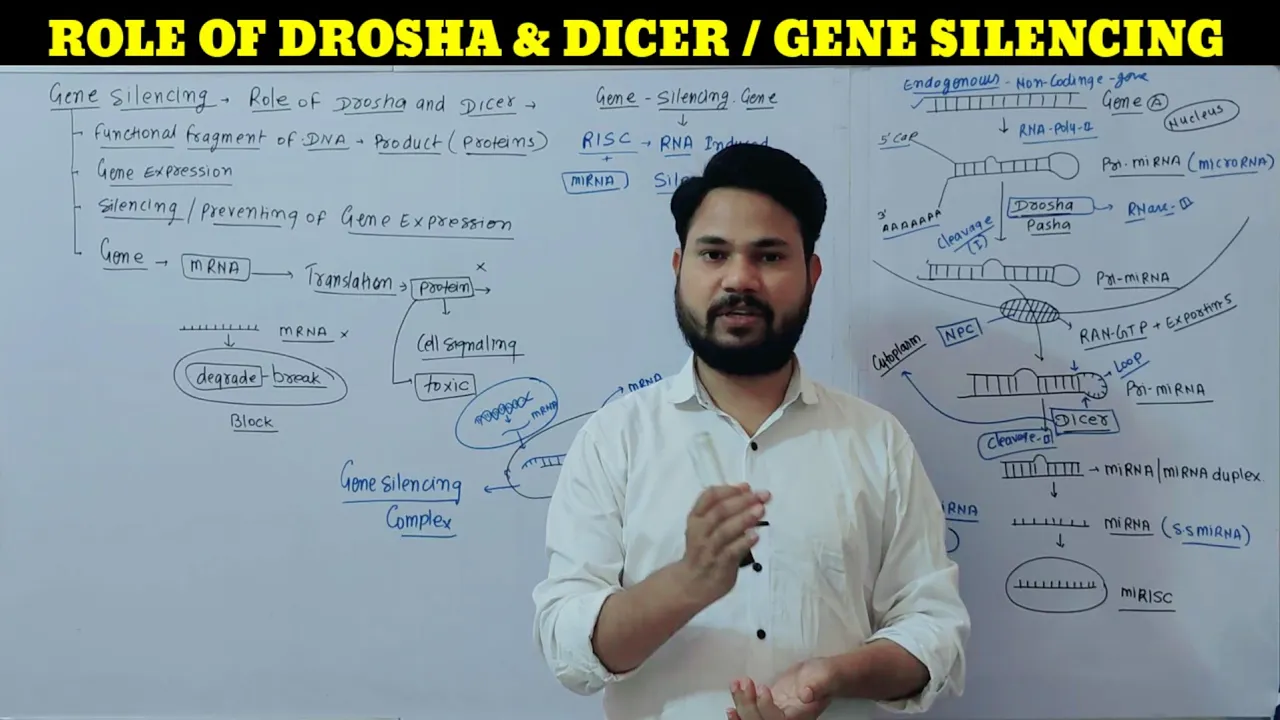










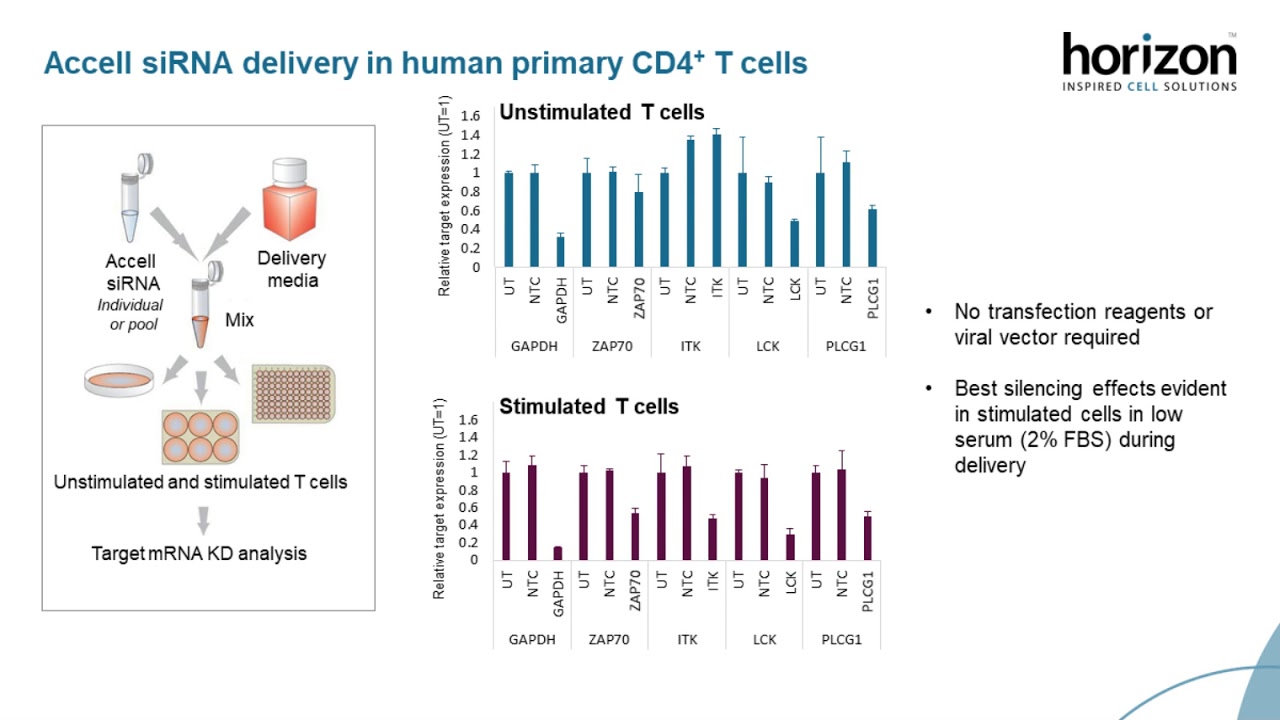


Post-transcriptional gene silencing in eukaryotes is mediated by three types of small non-coding RNAs—siRNA, miRNA, and piRNA—that guide the RNA-induced silencing complex (RISC) to target mRNAs for cleavage or translational repression; siRNAs originate from long double-stranded RNAs and cleave viral RNAs through a Dicer-dependent pathway, miRNAs derive from hairpin precursors processed by Drosha and Dicer to regulate endogenous mRNAs involved in cell cycle and differentiation, while piRNAs, found only in germ cells, originate from single-stranded precursors in unidirectional or dual-strand clusters and suppress transposon activity through the ping-pong amplification pathway.
RNA Interference Mechanisms: siRNA, miRNA, piRNA Explained
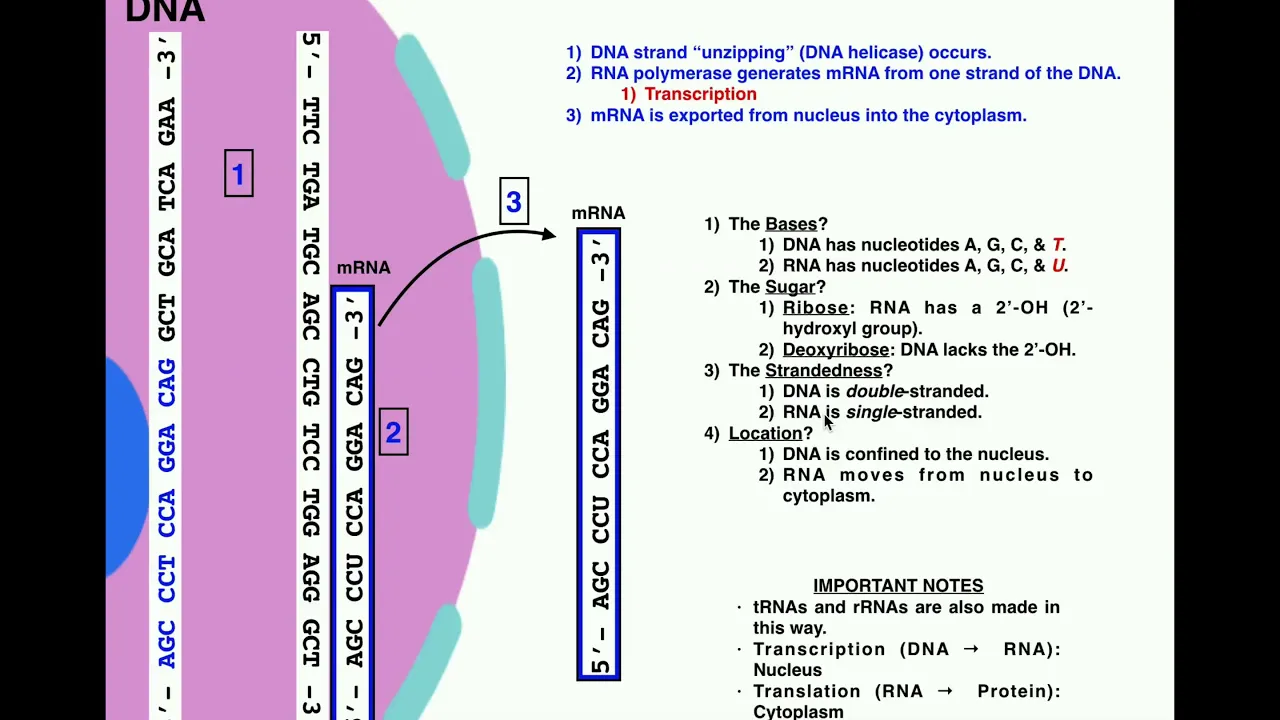
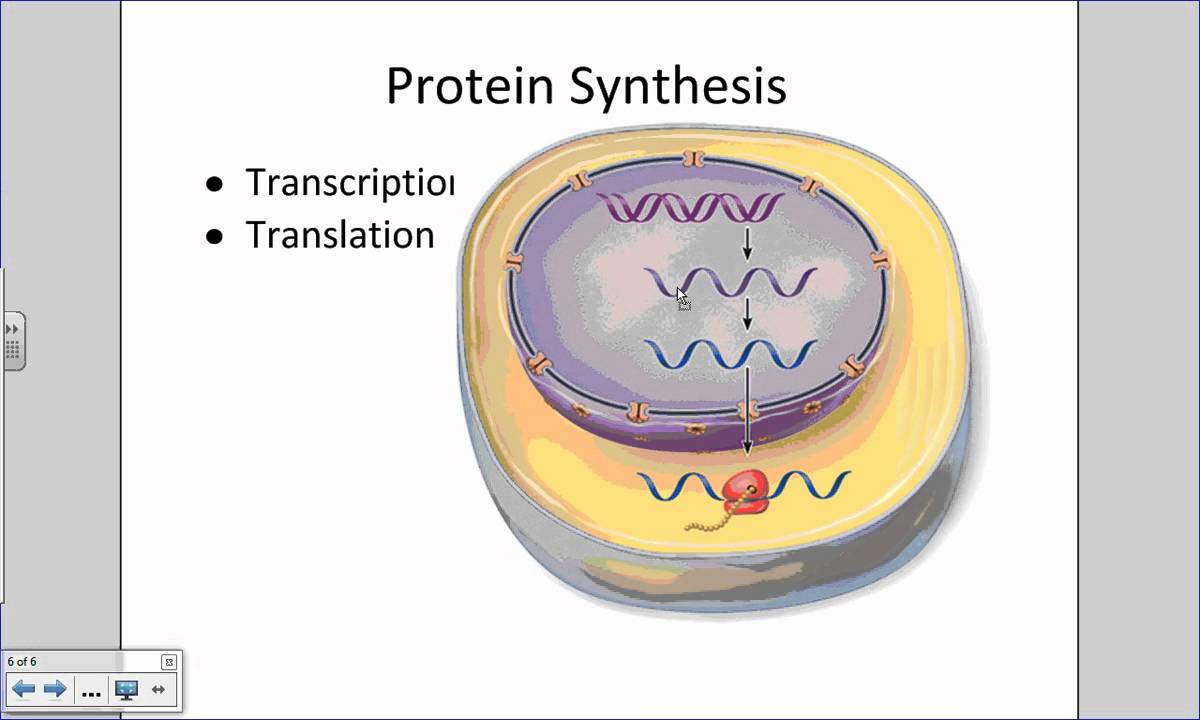
Added:The Central Dogma of Molecular Biology, specifically the transcription of DNA into mRNA and the translation of mRNA into proteins.
Basic RNA structure and biochemistry, including the differences between single-stranded (ssRNA) and double-stranded RNA (dsRNA).
The concept of gene expression and regulation, particularly how cells control protein production at different stages.
The principles of complementary base pairing (Adenine-Uracil, Cytosine-Guanine) in nucleic acids.
The biochemical details of the RNAi machinery, focusing on the specific functions of Drosha, Dicer, and the RNA-induced silencing complex (RISC).
Clinical and therapeutic applications of RNAi, such as FDA-approved siRNA drugs and targeted gene therapies for genetic diseases and cancer.
The evolutionary role of piRNA in germline development and genome defense against transposable elements ('jumping genes').
A comparative analysis of gene silencing methodologies, contrasting RNAi knockdown techniques with CRISPR-Cas9 genome editing knockout systems.
298 views14likes30:16Original Release: 2024-11-30
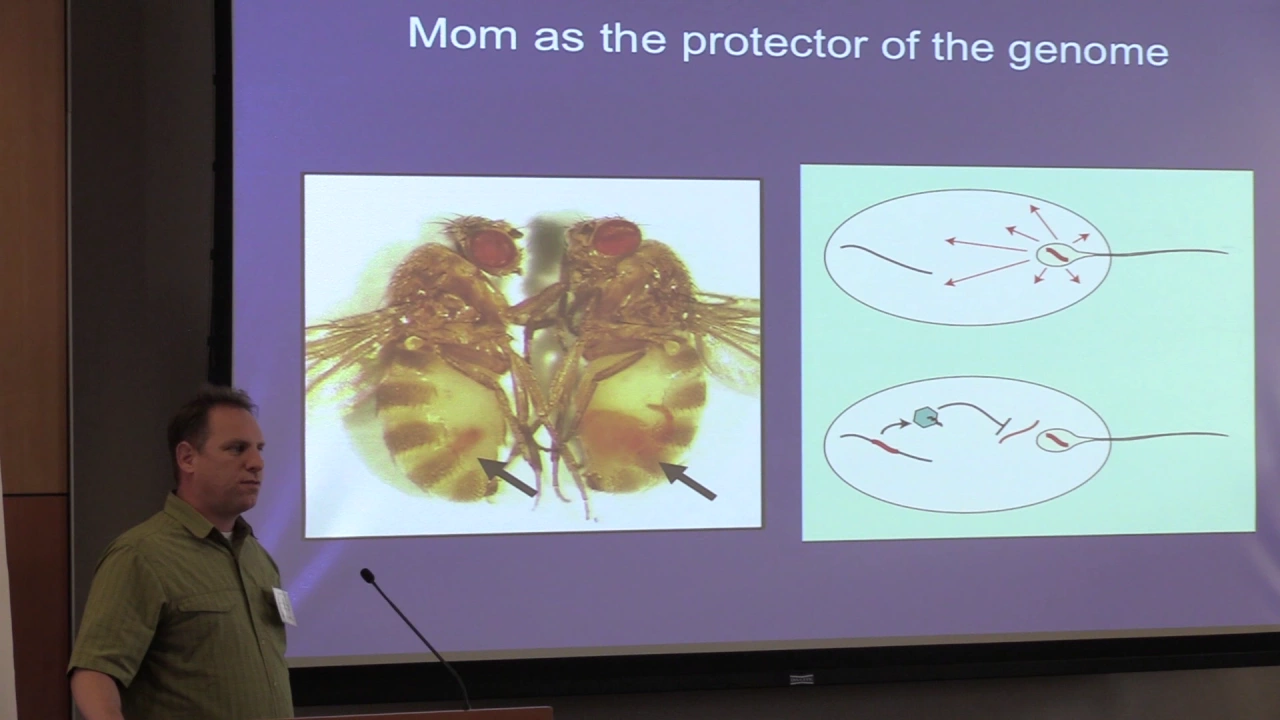
[Music] in this lecture I explain the mechanisms of posttranscriptional gene silencing by sna Mna and P RNA two Pathways of RNA silencing non-coding small rnas such as SNA a Mna and PNA are known to not only interfere with protein synthesis from mRNA through posttranscriptional gene silencing but also to induce transcriptional repression through the formation of heterochromatin regions via methylation of promoter sequences and histone modifications small non-coding RNA and deed gene silencing has these two Pathways this video only deals with posttranscriptional gene silencing but does not include the transcriptional repression of messenger RNA RNA silencing exists only in ukar while it does not exist in UB bacteria or ARA since eukaryotic cells are hybrid cells that arose from the symbiosis of ARA and UB bacteria many mechanisms that are said to exist only in ukar are often actually mechanisms that existed in bacteria and have evolved and developed in eukaryotic cells from this perspective we can consider that the gene expression regulation by small rnas and procot evolved into RNA silencing against viruses and transposons in early ukar Nots furthermore in multicellular ukar this mechanism further developed to be used for long long-term suppression of self genes in fact argonut proteins and ribonuclease 3 enzymes which play crucial roles in RNA interference are also present in procreates bacteria possess a DNA level defense mechanism called crisper cast system against viruses and endogenous DNA transposons on the other hand in UK carots where RNA silencing has evolved this mechanism has been lost RNA silencing is observed in all multicellular eukaryotes including both plants and animals it is also present in nearly all species of eukaryotic unicellular organisms such as fungi and protozoans some of these unicellular ukar Nots are thought to have secondarily lost this mechanism for example the budding yeast saccharomyces cerisier lacks the RNA silencing response I begin the explanation of posttranscriptional gene silencing by short interference RNA the precursor of sirna is a long double stranded RNA with complimentary sequences this is cleaved to produce sirna long perfectly complimentary doubl stranded rnas derived from RNA viruses are targets for RNA interference there are two types of RNA virus those that replicate by converting to DNA molecules via reverse transcriptus and those that replicate using RNA dependent RNA polymerase long perfectly complimentary RNA molecules produced by RNA dependent RNA polymerase do not exist among transcripts of eukaryotic genes therefore destroying such RNA molecules appears to be a beneficial mechanism for the host to eliminate replicating viral molecules I will explain the overview of the RNA interference reaction daiser an enzyme with ribonuclease 3 activity that specifically Cleaves double stranded RNA Cuts perfectly complimentary double stranded RNA molecules into small double stranded RNA fragments of 21 to 23 nucleotides in length in a dice likee pattern these small double stranded RNA fragments are called short interference RNA sna they have a monophosphate at the 5 end and a two nucleotide overhang at the 30 end one of the strands of this double stranded RNA is then transferred to the RNA induced silencing complex which contains argonot as its key protein the activated risk which retains only one strand of the double stranded snas searches for mRNA within the cell that has a complementary sequence to the internal sna when such mRNA is found a duplex is formed between the sna and mRNA within the risk and the MRNA sequence is cleaved in the middle of this duplex this cleavage activity possessed by argonut is called slicer activity after the cleavage is complete the risk detaches from the cleaved mRNA AAA and once again searches the cytoplasm for mRNA with a sequence complementary to the sna let's take a closer look at the cleavage of long compliment RNA by daiser and the generation of duplex SI rnas daiser is an enzyme with ribonuclease 3 activity that it cuts double stranded RNA into 21 to 23 base pair fragments from the ends daiser forms a hetero complex with double stranded RNA binding proteins in humans tar RNA binding protein indrosophila are 2D2 to cleave double stranded RNA the short RNA strands produced by this cleavage are called double stranded snas I will explain the characteristics of double stranded sna the length of double stranded sirna varies slightly depending on the species but it is typically around 21 to 23 nucleotides long it has a two nucleotide overhang at the 3 end Additionally the nucleotides at the 3n May undergo modifications such as 2 methylation this modification is thought to improve the stability of SNA a and its specificity for Target mRNA of the two strands the one that remains an argonut is called the guide strand while the one that is discarded is called the passenger strand the double stranded RNA and daiser is transferred to argonot this process requires chaperone proteins such as hsp70 and hsp90 of the two strands one is cleave and released from argonut while the uncleaved Strand remains this remaining sna strand is called the guide strand which strand is cleaved is determined by the positioning of the double stranded sna when it is transferred into argonut the guide strand remains with an argonut and with the attachment of several additional proteins the active RNA induced silencing complex risk is completed this is a three-dimensional model of the complex formed by the Association of daiser Zab binding protein and argonot this figure illustrates the process in drosophila where a double stranded sna is about to be transferred from the daiser and double stranded RNA binding protein complex to argonot this section explains how the guide St strand which ultimately remains within argonut is determined from the double stranded sna the thermal stability TM near the two ends of the double stranded sna is compared it has been found that the Strand with its five end on the side with lower thermal stability tends to be selected as the guide strand argonut proteins consist of several domains with a peee domain near the sea Terminus containing the slicer activity that Cleaves mRNA or passenger strand there are four argonut genes in humans two in drosophila and 10 in arabidopsis in some species only certain argonut proteins possess slicer activity and they share roles with ones that are lacking slicer activity shown here is a three-dimensional structural model of the argonut protein generation of long double stranded RNA that can be cleaved by dacer to produce SI RNA in addition to those derived from RNA viruses other sources of RNA strands with long complimentary sequences include one transcripts of genes with inverted repeat structures two transcripts of genes are transposed on mRNA that are double Stranded by RNA dependent RNA polymerase three transcripts of genes in which both scents and the anti-sense are transcribed cleavage of Target mRNA by activated risk now I willly explain the reaction in which the risk activated by incorporation of single stranded sna searches for and cleaves the target mRNA I will explain how activated risk explore the target mRNA the second to eth nucleotides at the five end of sna are referred to as the seed sequence risk checks whether there is complimentarity with this seed sequence against the MRNA as a result if there is no complimentarity the scan is terminated at that point and risk moves on to search for the next mRNA complimentarity checks will continue only when seed sequences and complimentarity are recognized if entire complimentarity between the sna and the target mRNA is confirmed Argonaut within the risk cleaves the target scanning search of Target mRNA by sna seed sequence risk will check the complementarity using the seed sequence near the five end of the sna at this stage if there is no complimentarity risk will dissociate from the MRNA if there is complimentarity risk will verify the complimentarity for the remaining sequences when there is complete complimentarity between sna and mRNA cleavage occurs while there is incomplete complimentarity the MRNA is not cleaved but translation is hindered additionally in the case that Argonaut does not possess slicer activity translation suppression occurs regardless of the degree of complimentarity in such a case degradation of the polia or removal of the cap structure is induced promoting mRNA degradation sirna produced by cleavage of viral double stranded RNA AAA is referred to as primary SI RNA in addition to this sna can also be produced secondarily let me explain this process in this case even when the activated risk binds to the Target mRNA the MRNA is not cleaved instead RNA dependent RNA polymerase is recruited leading to the formation of double stranded RNA from the target mRNA then generated double stranded RNA is cleaved by daiser to produce sna which is called secondary sna an alternative pathway for the production of secondary sna involves the attachment of RNA dependent RNA polymerase to the MRNA cleaved by risk resulting in the formation of double stranded RNA that is then processed by daiser in the same way as described earlier the production pathway of such secondary sirna exists in Plants fungi and invertebrates but is absent in mammals this may be because mammals primarily rely on immune responses rather than RNA interference as a defense mechanism against viruses next I will explain the mechanism of posttranscriptional gene silencing AAA by micro RNA in this case the micro RNA incorporated into argonot is not produced from a long double stranded RNA but rather from a hair pin shaped RNA that is transcribed by RNA polymerase 2 the hair pin shaped RNA in the nucleus is called pricr RNA the stem portion of pricr RNA contains some mismatches within the nucleus dgcr8 recognizes the hair pin structure of Prem microrna attracting draa to form the microprocessor complex DHA trims the five and three ends of the pricr RNA this processed hairpin RNA is referred to as pricr RNA pricr RNA is then transported from the nucleus to the cytoplasm in the cytoplasm d and trbp attached to pricr RNA removing Parts such as the hair pin structure resulting in a duplex micro RNA of 19 to 25 nucleotides this double stranded micro RNA is handed over to argonut protein where only the guide strand remains when proteins such as gw182 bind to argonut containing the guide strand argonut becomes activated this figure shows one of the micrornas in drosophila miror one the left side of the figure depicts the pricr RNA immediately after transcription in the nucleus while the right side shows the mature double stranded miror one similar to SNA the 3n protrudes by two nucleotides in this figure the blue lettered sequence represents the guide strand which remains within Argonaut the mechanism for selecting the guide strand from the double stranded micro RNA is the same as in the case of sna it based on differences in thermal stability at the ends of the sequences let's examine the posttranscriptional compression by let 7 micr RNA which is known to be involved in the development of human hematological cancers the let 7 Gene is transcribed by RNA polymerase 2 the transcribed pre-let 7 microrna is processed by the draa and dgcr8 complex which Cleaves parts of the five and three ends to form pricr RNA the pre micr RNA is then Bound by the export and 5 and R GTP complex and transported through the nuclear pore to the cytoplasm in the cytoplasm the double stranded RNA binding protein trbp and daiser are added to the Prem microrna which is then processed into a 22 nucleotide double stranded micro RNA this RNA is handed over to argonut where only the guide strand remains inside the activated risk is formed by the single stranded guide Strand and the addition of other proteins risk searches for mrnas with high complimentarity to the guide strand in the cytoplasm the base complimentarity between the guide Strand and the target mRNA does not need to be one 100% matching and two to three base mismatches are tolerated The Binding of risk inhibits the translation of the target mRNA while also promoting its degradation it is now known that the targets of let 7 micro RNA are not singular but include multiple mrnas in coding C mic Raz hmga and so on this table summarizes the differences between sna and Mna first let's consider the differences in the precursor rnas from which SI rnas and M rnas are derived one SI rnas are excised from long double stranded rnas with perfect complementarity whereas mnas are cut out from hair pin rnas that contain Ain mismatches in the stem region two the target mrnas of snas are typically derived from harmful factors such as viruses and transposons and these Target rnas are cleaved on the other hand Mirna targets are usually endogenous mrnas involved in cell cycle and differentiation control Mna is induced translational inhibition and degradation from the ends of the target mrnas through risk attachment while sna targets a single molecule Mna can have multiple Target mrnas Additionally the gene expression suppression effect of sna is relatively strong but the effect of Mna is not as potent if artificial sna or MNA a can be introduced into the cytoplasm of cells it may be possible to simultaneously suppress the expression of specific genes or groups of genes however the degree of effectiveness of sna and Mna seems to be very greatly different depending on species this figure illustrates the pathways for gene silencing by sna and Mna in these two Pathways it can be observed that the dcer trbp complex argonut and risk are not specialized for either pathway but rather the same proteins are utilized in both Pathways longdistance movement of sirna in plants in land plants when a virus infects some leaves and sna is produced it is known that the virus defense system spreads throughout the entire plant body as sirna moves through the FL on the other hand in the case of Mirna its movement is limited to spreading only to surrounding cells action points of RNA silencing suppressors in plant viruses RNA interference is a defense mechanism that hosts have against viruses but viruses also counteract this by expressing proteins that interfere with the host's RNA interference in this figure the viral proteins that interfere with the RNA interference reaction are shown in red as Illustrated viruses possess various proteins that interfere with different steps of RNA interference thus countering the hosts inhibition of viral replication through RNA na interference examples of RNA silencing suppressors inhibition of double stranded Cal loading onto a go by p19 protein in Tomas virus in plant viruses of the genus tomus virus the p19 protein dier attaches to SI RNA duplexes inhibiting their loading on argonut this inter interferes with the plant's RNA interference mechanism propagation of Mna via exosomes in animals while sna does not move to distant cells Mna can be transferred to cells far away longdistance intercellular communication is achieved through secretory lipid bilayer vesicles called exosomes which approximately 100 nanometers in diameter these exosomes are secreted from cells and transported throughout the body via blood and lymph fluid exosomes contain various proteins and nucleic acids including mirnas for example exosome secreted by breast cancer cells contain a type of Micro RNA called mere 181 C which has been found to promote the metastasis of breast cancer to the brain next I will explain the mechanism of post-transcriptional gene silencing by peee interacting RNA PNA this RNA interference by pi RNA occurs only in animal and insect germ cells and contributes to the suppression of transposon movement in germ cells genomic mutations in germ cells affect the entire organism and can also be a driving force for evolution pnas have not been found in plants it is known that when RNA interference by pi RNA does not function normally infertility can be caused or frequent genomic DNA cleavage occurs in germ cells comparison of PNA and Mna let's compare the lengths of Pi RNA and M RNA pnas tend to be longer with 24 to 31 nucleotides compared to mnas which are 21 to 23 nucleotides long additionally while the partner protein for mnas is the argonut protein for pnas it's the peee protein mnas are expressed in all cells but pnas are highly expressed only in germ cells the precursor of mnas is hairpin RNA whereas the precursor of pnas is a long single stranded RNA mnas Target various mrnas but pnas are limited to targeting transposon derived rnas mnas bind to their target mrnas and induce degradation while P rnas cleave transposon derived rnas in the drosophila genome there are regions known as unist strand PNA clusters where fragments of various transposons are gathered in the same orientation with respect to the Sans and antient strands one of these called flamco spans up to 180 kilobits flamco is transcribed by RNA polymerase 2 the resulting RNA transcript contains fragments of various transposons in the anti-sense orientation Pi rnas are produced from this type of RNA this long singl stranded RNA accumulates in the flam body and then moves to the EB body where it undergoes rough cleavage this pree RNA binds to peee a protein in the the same family as argonut forming the pree Bisk the endoribonuclease zuk for short located on the mitochondrial membrane cleaves the ends of the prepi RNA within peee resulting in the formation of mature Pi rna's 24 to 31 nucleotides in length inside peee this process gives rise to the mature peei risk the remaining long flamco RNA is captured by another peee protein similar to the previous process its three end is cleaved by zuk in a dcer independent reaction and that repeats as a result a large number of mature Pi rnas are produced from a single stranded Pi RNA precursor leading to the production of active peei risk the activated peei risk searches for transposon derived rnas with complementarity to the PNA and the cytoplasm when it finds such rnas it either Cleaves them or induces translational repression in drosophila the transposon fragments encoded in the flamco region have directionality and their transcripts become anti-sense sequences of transposons making them suitable as pirna precursors on the other hand in the heterochromatin Regions near the centers and telome of drosophila there are areas where transposon fragments are encoded in both sense and anti-sense orientations these regions are called dual strand clusters because transcription occurs from both strands of the genome the transcripts from both strands of these regions are used in a way where pirna is produced from one strand are used to generate PI rnas from the transcript of the other strand therefore this P RNA production pathway is called the pingpong pathway the process by which Pi rnas become incorporated into peee proteins to form active peee peris is the same as when pnas are produced from unist strand PNA clusters unlike sna and Mna production which involves daiser PNA production does not involve dicer ah well then this concludes the lecture if you have not found it yet keep looking [Music]
Up Next

1:15
Enzyme Function Explained: Substrate Binding & Catalysis
@aaronchastain5802
85.2K views•2014-11-14

50:12
Bacterial Communication: Quorum Sensing and Biofilm Formation Explained
@JHUAAP
12.6K views•2011-06-28

5:35
Enteric Nervous System Explained: The Gut's Brain | Neurobiology Lecture
@alumniu6029
438 views•2018-09-12
7:08
Bacteriophages: Earth's Deadliest Killers and Future Antibiotics
@kurzgesagt
34.6M views•2018-05-13
Related Study Plans & Knowledge Roadmaps
Structured learning paths in Biology
biology
RNAi: Biogenesis, RISC & Gene Silencing
01Molecular Biology Foundations: DNA to Protein
02Introduction to RNA Interference (RNAi)
03Molecular Biogenesis of miRNA and siRNA
+ 2 more learning modules
10h5 modules
Explore Roadmap
biology
Mycorrhizae: Signaling, Biophysics & Ecology
01Foundations of Mycorrhizal Symbiosis
02Molecular Signaling and Root Colonization
03Biophysics and Bioenergetics of Nutrient Exchange
+ 1 more learning modules
11h4 modules
Explore Roadmap
biology
Circadian Clocks: TTFL, SCN & Periphery
01Foundations of Molecular Biology & Gene Expression
02Introduction to Chronobiology and Actograms
03The Core TTFL: Molecular Architecture of the Clock
+ 3 more learning modules
14h6 modules
Explore Roadmap
biology
Population Genetics: Math, Drift & Selection
01Genetic & Probability Foundations
02The Hardy-Weinberg Principle and Baseline Models
03Mathematical Modeling of Natural Selection
+ 3 more learning modules
18h6 modules
Explore Roadmap