




















![Les réactions immunitaires adaptatives, par Sébastien Storck [Mercredis des Sciences]](https://i.ytimg.com/vi/RWK-psEC3bs/maxresdefault.jpg)




RNA interference (RNAi) is a Nobel Prize-winning gene silencing technology that selectively prevents the production of disease-causing proteins by targeting messenger RNA molecules, representing a fundamental shift from traditional drugs that treat symptoms to therapies that address the root cause of genetic diseases; this technology has led to five FDA-approved therapeutics (Onpattro, Givlaari, Oxlumo, Leqvio, and Amvuttra) for conditions like amyloidosis and porphyria, with applications extending to common diseases and agricultural pest control, though delivery challenges remain the primary barrier to broader therapeutic applications.
RNAi Therapies for Gene Silencing: Mechanisms and FDA-Approved Drugs
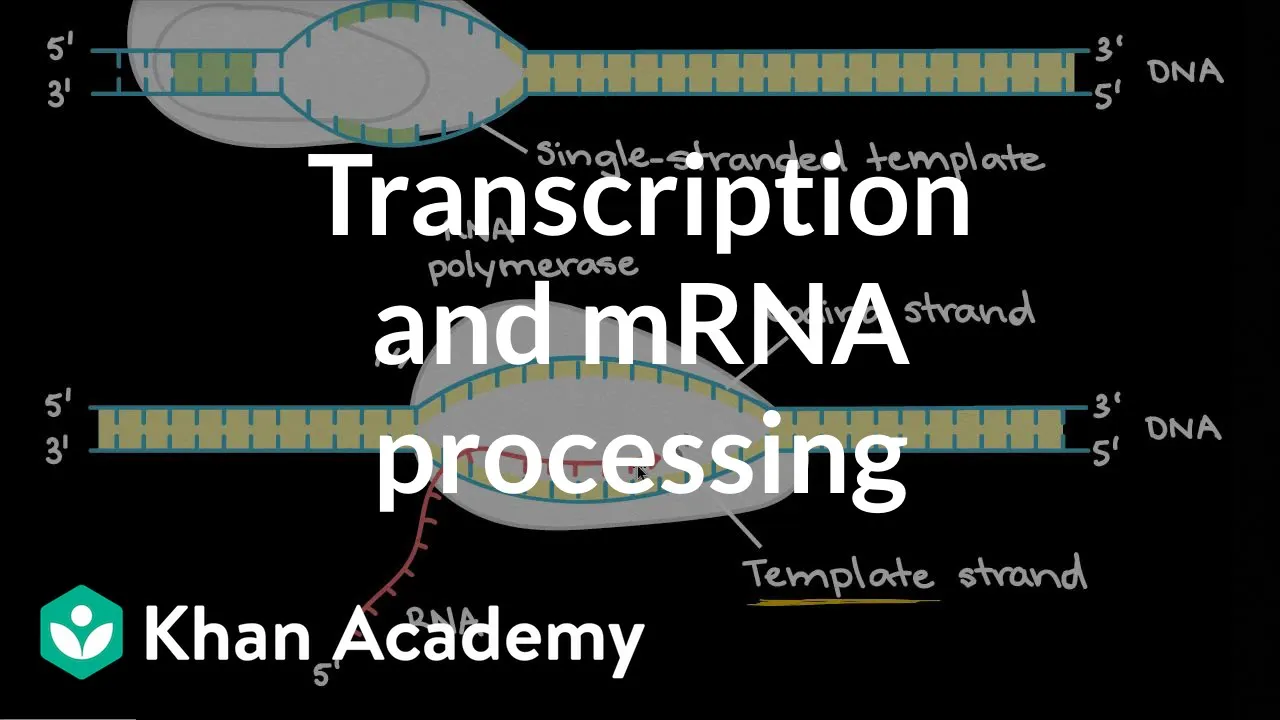
Added:The Central Dogma of Molecular Biology, specifically how DNA is transcribed into mRNA and translated into functional proteins.
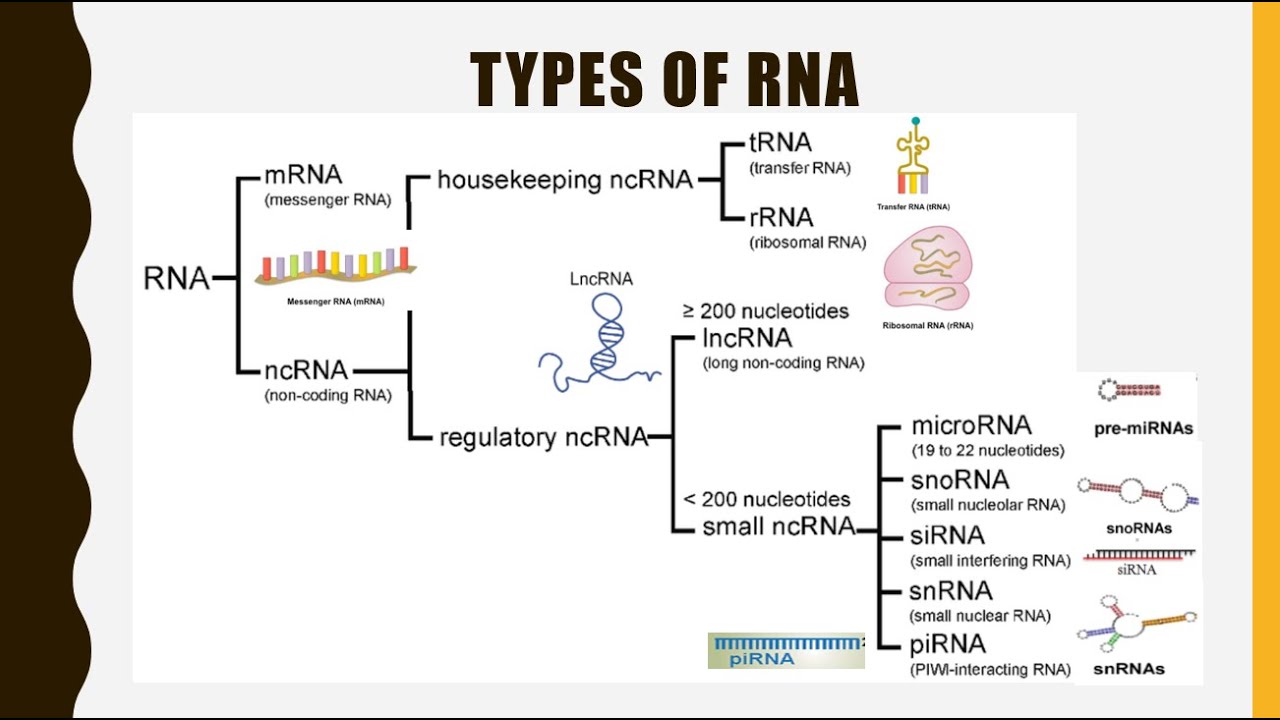
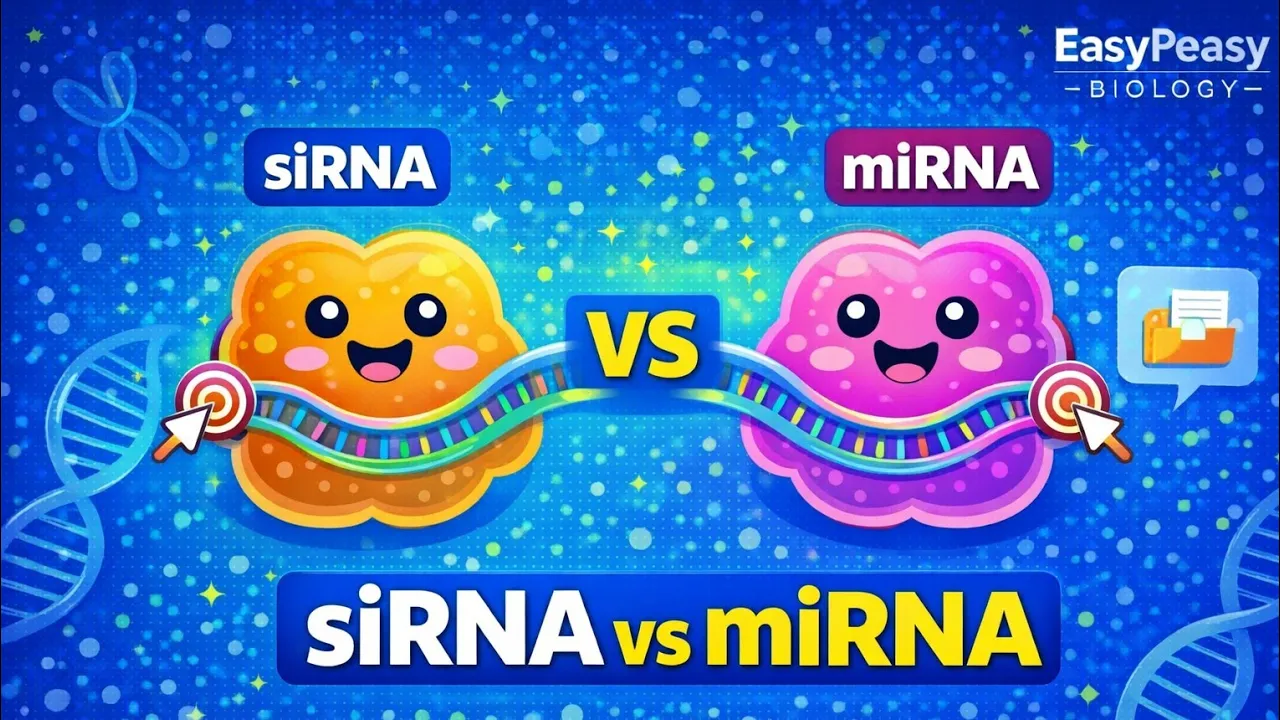
The structural and functional differences between various RNA molecules, including mRNA, siRNA, and miRNA.
Basic concepts of gene regulation and the biological significance of controlling gene expression levels.
Fundamental cellular delivery challenges, such as how foreign genetic material crosses the plasma membrane and evades degradation.
Advanced chemical modification and delivery technologies for nucleic acids, such as lipid nanoparticles (LNPs) and GalNAc conjugation.
A comparative analysis of RNAi therapies versus other gene-targeting modalities, including Antisense Oligonucleotides (ASOs) and CRISPR-Cas9 gene editing.
Strategies to address off-target effects, cellular toxicity, and innate immune recognition triggered by synthetic double-stranded RNA.
The translational pipeline, clinical trial design, and FDA approval pathways specifically tailored for macromolecular biotherapeutics.
241 views4likes38:17Original Release: 2025-05-15
What if I told you there's a technology that can selectively silence any gene in your body with surgical precision, like a molecular mute button? A technology that's already transforming medicine by treating diseases once thought untreatable. And one that might someday eliminate the need for many conventional drugs altogether. You see, most drugs work by targeting proteins after they've already been made, like using a mop to clean up water from a leaky pipe. But RNAi, it turns off the faucet completely, stopping the production of disease-causing proteins at their source. This isn't just incremental progress. It's a fundamental shift in our medical arsenal. In fact, it's the first entirely new class of medicine the FDA has approved in over a decade with five RNAI therapeutics now on the market and dozens more in clinical trials. The discovery of RNAI was so groundbreaking it earned the scientists Andrew Fire and Craig Millow the Nobel Prize in just eight years, practically light speeded in Nobel terms. And that's no surprise considering the implications. We're talking about a technology that can potentially target the 80% of the human genome previously considered undruggable by conventional pharmaceuticals. Picture this. In 2018, a patient with a rare fatal condition called hereditary transadin mediated amoidosis which causes nerves and organs to slowly shut down received the first ever FDA approved RNAI therapeutic on patro.
Before this treatment, their prognosis was grim. After many patients saw their disease not just halt, but actually reverse. Some who have been confined to wheelchairs started walking again.
That's not just treating a disease that's transforming lives. But the journey from scientific discovery to approved therapy was anything but smooth. Many major pharmaceutical companies invested billions into RNAI research only to abandon it when the challenges of delivering these delicate RNA molecules into cells seemed insurmountable. It took visionary companies and persistent scientists to overcome these hurdles and bring these game-changing therapies to patients. And here's what's really exciting. We're just at the beginning. The applications extend far beyond rare diseases with RNAI therapeutics in development for common conditions like high cholesterol, diabetes, and Alzheimer's disease. And it's not just medicine. Agricultural applications are using the same technology to protect crops from pest and disease without traditional genetic modifications. Welcome to apprentice.io's industry insights. I'm Frank Majori and today we're diving deep into the fascinating world of RNA interference or RNAI. The revolutionary gene silencing technology that's radically changing how we approach disease treatment. We'll break down how RNAI actually works at the molecular level. explore the FDA approved therapeutics already on the market and examine the critical manufacturing challenges these complex biologics present. We'll also look at the companies leading this revolution from pioneers like Aldnolam to emerging biotechs pushing the boundaries even further. Whether you're in the biioharmaceutical industry, healthcare, or simply fascinated by cutting edge science, I promise that by the end of this episode, you'll understand why RNAi represents one of the most significant therapeutic advances of the 21st century and why its impact will likely be felt for generations to come. So, let's dive in and explore the silent revolution happening at the genetic level that's poised to transform medicine as we know it.
Let's get into the fascinating science behind RNAi. And I promise to keep this digestible, even if you dozed off during high school biology. At its core, RNAI is a natural cellular defense mechanism that evolved billions of years ago.
Think of it as your cell's built-in security system originally designed to protect against viral invasions and control the expression of their own genes. The process starts with your genes, which are sections of DNA containing instructions for making proteins, the workh horses of your body.
When your cell needs to make a protein, it creates a messenger RNA or mRNA, which carries these instructions from your DNA to your cell's protein making machinery. This is where RNAI comes into play. It essentially intercepts these messenger RNAs before they can deliver their instructions, preventing the production of specific proteins. It's like stopping a message from being delivered by tackling the courier. But how exactly does this molecular interception work? The main players here are small interfering RNAs or sirnas and microRNAs or mirnas. These are tiny doublestranded RNA molecules about 20 to 25 nucleotides long. Practically microscopic even by cellular standards.
When these small RNAs enter a cell, they're met by a fascinating protein complex called risk. the RNA induced silencing complex. Think of risk as a molecular SWAT team that's activated when it binds to sirna or mirna. One of my favorite analogies is thinking about risk like a paper shredder. The small RNA acts as a guide, helping the risk find mrnas with complimentary sequences.
When risk finds its target, it cuts the mRNA into pieces, effectively shredding the genetic message before it can be translated into a protein. No message, no protein. Silence achieved. Now, there's an important distinction between sirnas and mirnas. Snas typically result in the complete destruction of the target mRNA. They're precise assassins.
Mirnas, on the other hand, often just suppress translation without destroying the mRNA. They're more like patrol officers trying to keep things under control. In nature, cells use this system constantly. Plants use RNAI to fight off viral infections. Animals use it to regulate gene expression during development and to maintain cellular health. It's a fundamental process happening in your body right now as we speak. What makes RNAI so revolutionary as a therapeutic approach is that we can harness this natural system by designing synthetic sirnas that target virtually any gene that we want to. Unlike traditional drugs that might have dozens of offtarget effects, RNAi therapeutics can be incredibly specific. Think about conditions caused by toxic proteins like certain forms of amoidosis where misfolded proteins build up and damage organs. If we can use RNAI to turn off production of those problematic proteins, we can potentially stop disease progression or even reverse it.
Or consider viruses that hijack our cellular machinery to replicate. RNAI can be designed to silence essential viral genes, cutting off infection at its source. The same applies to cancer where we can potentially silence ankco genes, genes that drive tumor growth.
The elegance of this approach is that rather than trying to deal with the downstream effects of problematic proteins, we're preventing the problem at its source. What's particularly exciting is the programmable nature of RNAi. Once scientists have perfected the delivery system, which has been the biggest hurdle, they can theoretically swap in different RNA sequences to target almost any gene without changing the overall drug design. It's like having a universal remote that can be reprogrammed to control any TV. This versatility is why we're seeing RNAI being developed for everything from rare genetic disorders to chronic conditions affecting millions. In many ways, it's not just a new drug. It's an entirely new strategy for intervention at the genetic level. Let's talk about where the rubber meets the road. RNAI therapeutics that are actually treating patients today. After nearly two decades of intense research and development, we now have five FDA approved RNAI therapeutics, revolutionizing treatments for several previously devastating conditions. The breakthrough moment came in August 2018 when the FDA approved a patro or petiseran developed by alnolan pharmaceuticals. This was historic not just the first RNAI therapeutic but the first in an entirely new class of medicine. Ampatro treats polyuropathy caused by hereditary transsterin mediated amaloidosis or Hatter. A rare but devastating condition where misfolded proteins build up in nerves, the heart, and other organs leading to progressive disability and often death.
What makes remarkable is that it doesn't just slow the disease. In clinical trials, many patients showed actual improvement in nerve function. Some patients who have been confined to wheelchairs regain the ability to walk.
That's not just treatment. That's transformational. The next approved RNAI therapeutic came in 2019 with Giblari or Gasureron also from al-Nam. This drug targets acute hippatic perferia, a rare genetic disorder that causes severe potentially life-threatening attacks of abdominal pain, vomiting, and nervous system abnormalities. Before Giblari, many patients lived in constant fear of these unpredictable attacks. Clinical trials showed a 74% reduction in attack rate, an absolute gamecher for patients.
2020 bought us oxumo or lumaceran targeting primary hyperoxyaloria type one a devastating rare disease where the overp production of oxalate leads to severe kidney damage and kidney stones often requiring dialysis and eventual transplantation by silencing a specific gene in the liver. Oxumo significantly reduces oxalate production potentially saving children from a lifetime of kidney problems. Then in 2021, we saw the approval of Levio or enlisteron which marked RNAI's entry into treating common conditions developed by Alnolam and commercialized by Novartis. Levio treats hyper cholesterolimeia high cholesterol by silencing genes involved in regulating LDL cholesterol. The most remarkable thing about Levio patients only need injections twice a year versus taking daily statins. Most recently in 2022, Amvutra or Vutriceran was approved as a second generation treatment for Hatter improving on a patro with more convenient subcutaneous dosing and less frequent administration making it a significant quality of life improvement for patients. But getting these drug to actually work in patients has been no small feat. The biggest hurdle delivery.
RNA molecules are notoriously fragile, easily degraded in the bloodstream and have difficulty entering cells. Not to mention that our immune system evolves specifically to detect and destroy foreign RNA, which is exactly what these therapeutics are. Researchers have developed several creative solutions to these challenges. On Patro, for instance, encloses its SA payload in lipid nano particles, essentially tiny fat bubbles that protect the RNA and help it to get absorbed by cells, particularly in the liver. It's like putting your delicate cargo into an armored delivery truck. The other FDA approved RNAI drugs, Giblara, Oxumo, Levio, and Amvutra, use a different approach. They're conjugated with an acetal galactosamine or galac, a sugar molecule that specifically binds to receptors abundantly expressed on liver cells. This targeting system delivers the therapeutic directly to hpatocytes like a molecular postal service with a very specific address. And that brings up a current limitation. Most approved RNAI therapeutics primarily target liver expressed genes. Why? The liver is an ideal target because it naturally filters blood, making it relatively easy to deliver drugs there. Researchers are now working intensively on delivery systems for other organs and tissues, including the central nervous system, lungs, and muscles. The real impact of these treatments is best understood through published clinical outcomes. In the pivotal Apollo phase three trial for umpatro, 56% of patients experience improvement in neuropathy symptoms compared to only 4% in the placebo group with many patients showing significant quality of life improvements. The transformative potential of RNAI therapeutics is further evidenced in the published case studies and patient testimonials that ALNAM has documented through their patient advocacy programs.
Many patients with hatter amoidosis who have been experiencing progressive loss of mobility and independence reported meaningful improvements in daily functioning after the treatment initiation for acute hpatic puporia patients receiving glori. The clinical data showed not just the 74% reduction in attack rates I mentioned earlier but also significant decreases in pain scores and improvements in daily functioning that translated to meaningful quality of life benefits.
What makes these outcomes particularly remarkable is that we're talking about conditions where prior to these treatments, patients face relentless disease progression with few if any effective therapeutic options. The clinical documentation demonstrates that for many patients, these aren't just incremental improvements, but lifealtering interventions that have changed their disease trajectory. These documented outcomes highlight why these treatments, despite their high cost, have been deemed cost-effective by many health technology assessment bodies. The durability of response is supported by long-term extension studies with some patients from early onro trials now approaching a decade of treatment with continued disease control. The durability of response is another exciting aspect of these therapies because they target the root cause of the disease rather than just the symptom. Many patients maintain benefits for long periods with ongoing treatment.
Some patients in the early ampatro trials are now approaching a decade of treatment with continued disease control. As impressive as these first approved therapies are, they're really just the beginning. The clinical pipeline is bursting with RNAI candidates targeting everything from rare genetic disorders to more common conditions like hypertension, diabetes, and even various forms of cancer. With each approval, the platform becomes more validated and the path for future therapies becomes clearer.
When we're talking about manufacturing RNAI therapeutics, we're entering a realm where precision isn't just important. It's absolutely everything.
We're dealing with complex biological molecules that require manufacturing processes orders of magnitude more sophisticated than traditional small molecule drugs. Unlike conventional pharmaceuticals that are synthesized through relatively straightforward chemical processes, RNAI therapeutics involve complex oligan nucleotide synthesis, purification steps that would make most chemists sweat, and incredibly precise formulation technologies. Take on Patro's lipid nano particles. Each one is roughly 80 to 100 nanometers in size. For perspective, that's about a thousand times smaller than the width of a human hair. And every nanop particle needs to be consistently sized and formulated to ensure proper drug delivery. This is where manufacturing execution systems or mees become absolutely critical. In my years of working in pharmaceutical manufacturing, I've never seen a class of therapeutics that requires more precise tracking and process control than RNAi drugs.
Cloud-based manufacturing execution system platforms provide the comprehensive monitoring needed at every stage of the manufacturing process.
We're talking about systems that track thousands of parameters in real time.
Temperature, pH, RNA integrity, particle size distribution, encapsulation efficiency, the list goes on. When you're making a drug where a single batch can cost millions of dollars, you need absolute assurance that every step is executed perfectly. What makes cloud-based systems particularly valuable is their ability to maintain electronic batch records. This is essentially a digital fingerprint of the entire manufacturing process, documenting every single step, parameter, and decision with perfect accuracy. If a regulatory agency wants to know what happened at 217 a.m. during a critical formulation step 3 months ago, that information is instantly accessible. For products like Gari and Levio that use Galac conjugation, the manufacturing process includes complex biochemical conjugation reactions that must be monitored with incredible precision. Even small variations in process parameters can dramatically affect the drug's potency and safety profile. MEES platforms can detect process drift in real time, allowing for immediate correction before a batches compromised. From a regulatory perspective, RNAI therapeutics have charted new territory. When patro was being evaluated, there wasn't an established regulatory framework for this entirely new class of medicines.
The FDA had to develop new guidelines and expectations, essentially writing the rule book while reviewing the first applications. What's fascinating is that each subsequent RNAI therapeutic has benefited from this pioneering work. The regulatory path has become more defined with each approval, though it remains rigorous as it should be for any novel therapeutic modality. The approval timeline for RNAI therapeutics highlights this evolution. on Patro development and approval process took over 15 years from initial research to FDA approval. By contrast, Ambutra moved through this regulatory process much faster, benefiting from the established precedent and ALNAM's extensive experience with the platform. A critical regulatory consideration for RNAI therapeutics is their safety profile, particularly regarding potential offtarget effects. These drugs are designed to silence specific genes, but the FDA requires exhaustive evidence that they won't inadvertently silence similar but different genes which could cause unpredictable side effects. This requires sophisticated biioinformatic analyses and extensive safety testing that simply doesn't exist for traditional pharmaceuticals. Now, let's talk about the elephant in the room, cost. The price tags on these groundbreaking therapies are substantial. On Patro comes in at around $450,000 per year, while GLAR costs approximately $575,000 annually. These figures reflect the immense R&D investment, complex manufacturing requirements, and relatively small patient populations for some of these rare disease treatments.
The high costs create significant challenges for patient access and health care systems. Insurance companies often require extensive documentation and prior authorizations, creating barriers for patients who need these transformative medicines. There are promising signs on the horizon though.
As manufacturing processes mature and economies of scale come into play, production cost should decrease. Lvio targeting the much larger hyperc cholesterolmia market comes with a lower annual cost of around $6,500 per year illustrating how broader applications can help make these technologies more affordable. Companies are also implementing innovative pricing models including outcomesbased agreements where insured pay based on how well the therapy works for individual patients.
This shifts some of the financial risk from payers to manufacturers potentially increasing access while ensuring value for money. Manufacturing improvements are another key area to addressing cost challenges. Next generation production systems with higher yield. Automated quality controls and streamline purification methods are all under development. These innovations could significantly reduce production cost, making therapies more affordable and accessible to patients worldwide.
While medical applications get most of the spotlight, the agricultural applications of RNAI technology might ultimately affect even more lives through enhanced food security and sustainable farming practices.
Agriculture faces enormous challenges.
Feeding a growing population, battling increasingly resistant pets, and doing so while reducing environmental impact.
RNAi technology offers some fascinating solutions that are already making their way to farms around the world. Let's start with crop protection. Traditional pesticides typically work by targeting broad biological processes, often affecting beneficial insects alongside pest. RNAI offers something dramatically different, the ability to target specific genes in specific pest species with surgical precision. Take the Colorado potato beetle, an agricultural nightmare that has developed resistance to virtually every insecticide thrown at it. Scientists have developed RNAI sprays that target genes unique to this beetle, causing it to die within days of exposure while leaving beneficial insects like bees completely unharmed.
This level of specificity was simply impossible with traditional chemical pesticides. What's particularly elegant about this approach is that RNAI designed for pest control breaks down naturally in the environment within a week or so. There's no persistent chemical residue, no bioaccumulation up the food chain, just a temporary genetic intervention that disappears once it's done its job. Companies like Greenlight Bioscience are at the forefront of this revolution, developing RNAI based pesticides that could dramatically reduce the need for conventional chemical treatments. In fact, Greenlight's RNAI treatment for the Colorado potato beetle has shown effectiveness comparable to the best conventional pesticides in field trials, but with a superior environmental profile. The economics are starting to make sense, too. When RNAI technology was first being explored for agricultural applications, the cost of producing RNA was prohibitively expensive, around $600 per gram. Given that farmers typically pay between 15 to $25 per acre for conventional pesticide applications, this made RNAI economically unfeasible. However, manufacturing innovations have slashed those costs dramatically, making RNAI crop protection increasingly competitive with conventional approaches. RNAI technology is also being explored for livestock applications. Researchers are developing RNAI therapeutics that could protect cattle and pigs from viral infections like foot and mouth disease by temporarily silencing the genes the virus needs to replicate. This could potentially replace antibiotics in some context, addressing growing concerns about antibiotic resistance. Another fascinating application is in honeybee health. Colony collapse disorder and veroa might infestations have devastated bee populations worldwide. RNAI treatments targeting genes specific to the veroa might have shown promising results in protecting bee colonies without harming the bees themselves.
From a market perspective, the global RNAI technology market and agriculture was valued at approximately $69 million in 2022 with projections suggesting it could reach over $3 billion in 2032, growing at an annual rate of around 15%.
That substantial growth reflects the increasing recognition of RNAI's potential to address critical agricultural challenges. The regulatory landscape for agricultural RNAI applications is still evolving. In the United States, the EPA, FDA, and USDA all play roles in regulating these technologies depending on their specific applications. The regulatory process for RNAI based crop protection products is typically faster and less expensive than for conventional pesticides around four years versus 12 years and 3 to7 million versus $280 million for development.
Environmental considerations are naturally at the forefront of regulatory discussions. Studies have shown that RNAI molecules generally have low environmental persistence in soil, water, and sediment, addressing some key concerns. Additionally, the high specificity of RNAI reduces risk to non-target organisms compared to broadspectctrum pesticides. An interesting development in this space is the distinction between transgenic RNAI applications where crops are genetically modified to produce their own protective RNAI and exogenous applications like spray induced gene silencing. The latter approach avoids many regulatory and public perception challenges associated with GMOs potentially accelerating adoption. One particularly exciting case study comes from Texas A&M where researchers used RNAI technology to silence the gene responsible for producing gossip and cotton seeds.
Gossipole is a toxic compound that makes cotton seeds unusable as food despite their high protein content. By silencing this gene specifically in the seeds while preserving it in the rest of the plant where it provides natural pest protection, they've created cotton varieties that could potentially provide a valuable protein source in food insecure regions. As with medical applications, we're really just at the beginning of understanding RNAi's full potential in agriculture. The technology offers a precise, environmentally friendly approach to pest management that could help address some of our most pressing agricultural challenges while reducing our reliance on conventional chemicals. When we look at the corporate landscape of RNAI therapeutics, one company towers above the rest, both in terms of scientific achievement and commercial success. Al-Nam Pharmaceuticals founded in 2002.
Al-Nolam has pioneered this field from concept to commercial reality, capturing all five FDA approvals for RNAI therapeutics to date. Alatro, Giblari, Oxumo, Levio, and Ambvutra, all of which sound like Harry Potter spells. ANOM's dominance is reflected in their financial performance with revenues exceeding $1 billion in 2022 across their portfolio. That's remarkable growth for a relatively young biotech company tackling an entirely new therapeutic modality. Their stock has been on a steady upward trajectory as each new approval validates their platform technology. But al-Nam is far from alone in this space. Arrowhead Pharmaceuticals has emerged as a formidable competitor with a robust pipeline targeting liver diseases, cardiovascular conditions, and even cancer. Their proprietary targeted RNAI molecule platform or TRIRM allows for delivery of RNAI therapeutics to tissues beyond the liver which could potentially open up entirely new treatment domains.
What's particularly interesting about Arrowhead is their strategy of forming strategic partnerships with pharmaceutical giants like TEADA, Amgen and GSK. These collaborations provide crucial funding for Arrowheads research while giving traditional pharma companies a foothold in this revolutionary technology. Silence Therapeutics is another key player focusing on cardiovascular compliment mediated and rare diseases. Their proprietary Galnac conjugate technology similar to what's used in several of the approved RNAI drugs allows for targeted delivery to the liver. The competitive landscape was reshaped in 2021 when Novo Nordisk acquired Daerna Pharmaceuticals for $3.3 billion. This acquisition gave the Danish pharmaceutical giant control of Daerna's Galaxy C RNAI platform and a pipeline of promising candidates, particularly in metabolic diseases, a perfect strategic fit with Novo's established diabetes franchise. Looking at the broader market, the global RNAI therapeutics market is estimated at approximately $1.3 billion in 2024 and is projected to grow at a compound annual growth rate of about 15 to 16% potentially reaching 5.1 billion by 2034. That's substantial growth reflecting both the expanding pipeline of potential therapies and increasing adoption of currently approved treatments. Investment in this space has been robust with major pharmaceutical companies that once abandoned RNAI research now returning through strategic partnerships and acquisitions. Novartis' commercialization with al-Nam for Levio and Roshia's expanded collaboration with Alnolam on Zelbesseron for hypertension are prime examples of this renewed interest from big pharma. While the established players continue to expand their portfolios, we're also seeing exciting developments from new entrance.
Companies like City Therapeutics and Judo Bio are pushing the boundaries by developing RNAI therapeutics that can target tissues beyond the liver. City is focusing on creating more potent synthetic RNAs while developing targeting molecules for diverse tissue types. Judo's innovation lies in their ability to specifically target kidney cells, a major unmet medical need.
Switch Therapeutics represents another innovative approach, creating RNAI molecules with built-in sensors that only activate in specific cell types.
This cell specific activation could dramatically reduce off-target effects and extend RNAI applications to central nervous system disorders. The competitive dynamics in this field are fascinating. Companies initially compete on delivery technology. How effectively they can get their RNAI payloads into target cells. Then once the delivery platform is validated, competition shifts to target selection, identifying the most medically and commercially promising genes to silence. This creates a race to lock up intellectual property around key disease targets. What's clear is that we're still in the early innings of RNAI therapeutics with each approved drug validating the approach and making it easier for subsequent candidates to navigate development and regulatory pathways. The companies that can solve the delivery challenge for tissues beyond the liver will likely define the next wave of growth in this revolutionary field. The future of RNAI therapeutics is filled with both tremendous promise and substantial challenges. Let's start with what might be the most significant limitation today. Delivery. While current RNAI therapeutics have mastered liver delivery, expanded beyond hpatocytes remain the field's holy grail. The liver is relatively easy to target because of its filtering function and the abundance of receptors like the ocolo glyoprotein receptor that galac conjugates can latch on to. But what about the brain, heart, lungs, and muscles? These tissues present formidable barriers to RNAi delivery. Several innovative approaches are showing promise. Lipid nanoparticles, LNPS, are being modified with tissue specific targeting lians, essentially molecular zip codes that can direct them to specific cell types.
Another approach uses antibbody RNAI conjugates to hitchhike on natural transport mechanisms across challenging barriers like the bloodb brain barrier.
Aldnolam recently published encouraging data suggesting they might have found a way to deliver RNAI therapeutics to the central nervous system which could open up treatment possibilities for neurodeenerative diseases like Alzheimer's, Parkinson's and ALS.
Similarly, Arrowhead is exploring lung delivery which could revolutionize treatment for respiratory conditions from asthma to cystic fibrosis. Another emerging frontier involves the duration of gene silencing. Current RNAi therapeutics require regular dosing anywhere from quarterly to monthly injections. But what if we could extend this to once a year or even achieve permanent gene silencing with a single dose? The line between RNAI and gene editing technologies like crisper starts to blur at this point. Speaking of crisper, one fascinating direction is the combination of RNAI with other therapeutic modalities. Some researchers are exploring using short-term RNAI to silence genes while simultaneously delivering gene editing machinery to make permanent corrections. Essentially using RNAI as a therapeutic bridge while crisper makes lasting changes. Others are combining RNAI with monoconal antibodies or small molecule drugs to attack diseases from multiple angles simultaneously. For cancer, this might mean silencing genes that drive tumor growth while unleashing the immune system with checkpoint inhibitors. This multimodal approach could be particularly powerful for complex multifaceted diseases. Manufacturing technology is another area ripe for innovation. Current processes for oligan nucleotide synthesis and nanoparticle formulation are complex, expensive, and sometimes inconsistent. Companies are developing continuous manufacturing systems, automated quality control, and standardized platforms that could dramatically reduce cost and increase accessibility. One particularly exciting development is mRNA mediated delivery of RNAI rather than directly administering SRA molecules. This approach delivers messenger RNA that instructs cells to produce their own sirnas. The success of mRNA vaccines has validated this delivery platform, potentially opening a new avenue for RNAI therapeutics. As with any powerful technology, RNAI raises important ethical considerations.
The ability to selectively silence genes in living organisms is an extraordinary power that requires careful oversight.
While medical applications have clear benefits, agricultural applications like gene drives, which could potentially spread RNAI machinery through wild populations, raises questions about ecosystem impacts and unintended consequences. There's also the theoretical potential for misuse. The same technology that can silence disease-causing genes could potentially be weaponized to target genes essential for human health. International regulatory frameworks and research guidelines are evolving to address these concerns, but they remain areas that require vigilance. Accessibility is another critical challenge. The current generation of RNAI therapeutics come with price tags that put them out of the reach for many patients, particularly in developing countries. Innovations in manufacturing, simpler delivery systems, and broader indications could all help address this issue by bringing down cost through economies of scale. I think what excites me the most about the future of RNAI is the potential to address the undruggable genome, the estimated 80% of human proteins that traditional pharmaceuticals cannot effectively target. If RNAI can unlock even a fraction of these targets, it would represent one of the most significant expansions of our therapeutic arsenal in medical history. As we look to the future, I expect we'll see RNAI therapeutics moving from rare diseases to common conditions, from specialized treatments to frontline therapies and from exotic high-cost interventions to mainstream medical practice. The scientific challenges are substantial, but given how far this field has come in just a decade, I wouldn't bet against its continued rapid evolution.
As we wrap up our exploration of RNAI therapeutics, I can't help but marvel about how far this technology has come in such a relatively short time period.
From a scientific curiosity discovered in worms in 1998 to FDA approved therapies transforming patient lives today, RNAI represents one of the most remarkable journeys in modern medicine.
What makes RNAI so revolutionary isn't just its novelty. It's the fundamental shift in how we approach disease treatment. Rather than managing symptoms or compensating for dysfunctional proteins, we're tackling the root cause by preventing the production of disease-causing proteins in the first place. It's the difference between constantly patching a leaky roof versus finally fixing the hole. For patients suffering from previously untreatable conditions like amloidosis or acute hpatic puporia, these therapies aren't just incremental improvements. They're lifelines. We're seeing people who were preparing for the end of their lives now planning for their futures. That's not just medical progress. That's transformation. Healthc care providers are witnessing a paradigm shift as well.
The precision of RNAI means fewer side effects and more targeted interventions.
The extended duration between doses from twice yearly for LEVO to quarterly for other approved therapies dramatically improves compliance and quality of life compared to daily medications. For investors and industry professionals, RNAI represents both tremendous opportunity and significant challenge.
The companies that solve the delivery puzzle for tissues beyond the liver will unlock billions of potential market value. But making these complex biologics affordable and accessible remains a critical hurdle that the entire industry must address. If you're interested in learning more about this fascinating field, there are several excellent resources available. The journal Nature Reviews Drug Discovery regularly publishes updates on RNAI therapeutics. Al-Nolam's website contains detailed explanations of RNAI mechanisms and clinical data from their approved therapies. For a deeper scientific dive, I'd recommend the RNAI database maintained by the National Center for Biotechnology Information. As we look to the future, it's worth reflecting on how often revolutionary technologies face skepticism before achieving breakthrough success. In the early 2010s, many major pharmaceutical companies abandoned RNAI research, considering the delivery challenges insurmountable. Yet, the scientists who persisted ultimately prevailed, creating an entirely new class of medicine. It reminds me of a quote from Robert Kennedy. Only those who dare to fail greatly can ever achieve greatly. The pioneers of RNAI therapeutics dared to tackle problems others deemed impossible and in doing so have opened up unprecedented possibilities for treating human disease. 20 years from now, I believe we'll look back at this period as the dawn of a new era in medicine.
One where we treat disease not by managing its effects, but by precisely controlling the genes responsible. RNAi therapeutics are just the beginning of this journey into genetic medicine with gene editing, mRNA therapeutics, and other modalities following in its wake.
The possibilities are both exciting and humbling. We're not just creating new drugs. We're fundamentally rethinking what medicine can be. And for the millions of patients suffering from conditions once considered untreatable, that rethinking can't come soon enough. In an industry where precision and compliance are paramount, apprentices tempo platform offers a cutting edge manufacturing execution system solution. It's cloud-based, mobile first, operator centric with the most intuitive UI in the industry, making it perfect for today's dynamic pharmaceutical manufacturing environments and for the production of the world's most complex drug products.
Whether you're working on groundbreaking cell and gene therapies, biologics, or small molecules, Tempo provides a fully validated MEES system that's both powerful and easy to use. It streamlines your processes, ensures compliance, and adapts to your specific manufacturing needs. So get off of paper batch records and discover how Apprentices Tempo Manufacturing Cloud can transform your operations by visiting us at apprentice.io. Attention industry professionals. Revolutionize your manufacturing process with the apprentice tempo manufacturing cloud. A manufacturing execution system built to streamline your operations, boost efficiency, and ensure compliance, all in one powerful platform. Experience the future of manufacturing with our free 30-day trial. Scan the QR code on your screen now to unlock a world of innovation. Don't just keep pace, set the tempo as an industry leader with Apprentice. That's all for Apprentice.io's industry insights. I'm Frank Major. Thanks for listening. Be sure to like and subscribe. Hit the bell icon for notifications when new episodes drop. Please comment on if you have any additional topics you would like for me to cover in this space. And we'll see you next week for more industry insights.
Up Next
16:46
Directed Enzyme Evolution: Biocatalysis Explained
@imooxat
322 views•2024-05-29
14:12
Quantitative Real-Time PCR (qPCR): Principle, Method & Data Analysis
@animatedbiologywitharpan
129.2K views•2023-09-06

23:33
Microbial Degradation of Plastics: Biodegradation Pathways & Sustainability
@majeedhammad
2.9K views•2021-04-11

16:04
CRISPR and Genetic Engineering: How Gene Editing Works and Why It Matters
@kurzgesagt
30.5M views•2016-08-10
Related Study Plans & Knowledge Roadmaps
Structured learning paths in Biotechnology
biotechnology
AAV Production: Transfection, Prep & qPCR
01Introduction to Gene Therapy and AAV Biology
02Mammalian Cell Culture: Suspension HEK293 Cells
03Upstream Bioprocessing: Triple-Transfection Optimization
+ 2 more learning modules
18h5 modules
Explore Roadmap
biotechnology
Building Gut-on-a-Chip: PDMS, Cells & TEER
01Foundations of Microfluidics and Gut Anatomy
02Cleanroom Fabrication & PDMS Soft Lithography
03Epithelial Cell Culture and On-Chip Seeding
+ 2 more learning modules
26h5 modules
Explore Roadmap
biotechnology
Optimizing CFPS: E. coli Extract & Yield
01Fundamentals of Molecular Biology and Translation
02Introduction to Cell-Free Protein Synthesis (CFPS)
03Preparing E. coli Crude Lysate (The Extract)
+ 2 more learning modules
19h5 modules
Explore Roadmap
biotechnology
Haematococcus PBR: Design, Stress & Astaxanthin
01Biology and Life Cycle of Haematococcus pluvialis
02Bench-Scale Photobioreactor (PBR) Design and Engineering
03Culture Media Formulation and Inoculation
+ 2 more learning modules
15h5 modules
Explore Roadmap