













![[LIVE] 잼퀴즈온더골목 성북구 편 w. 이기영 배우, 김남근 국회의원](https://i.ytimg.com/vi/GVI63zkhoWs/sddefault.jpg?v=682c0cd4)


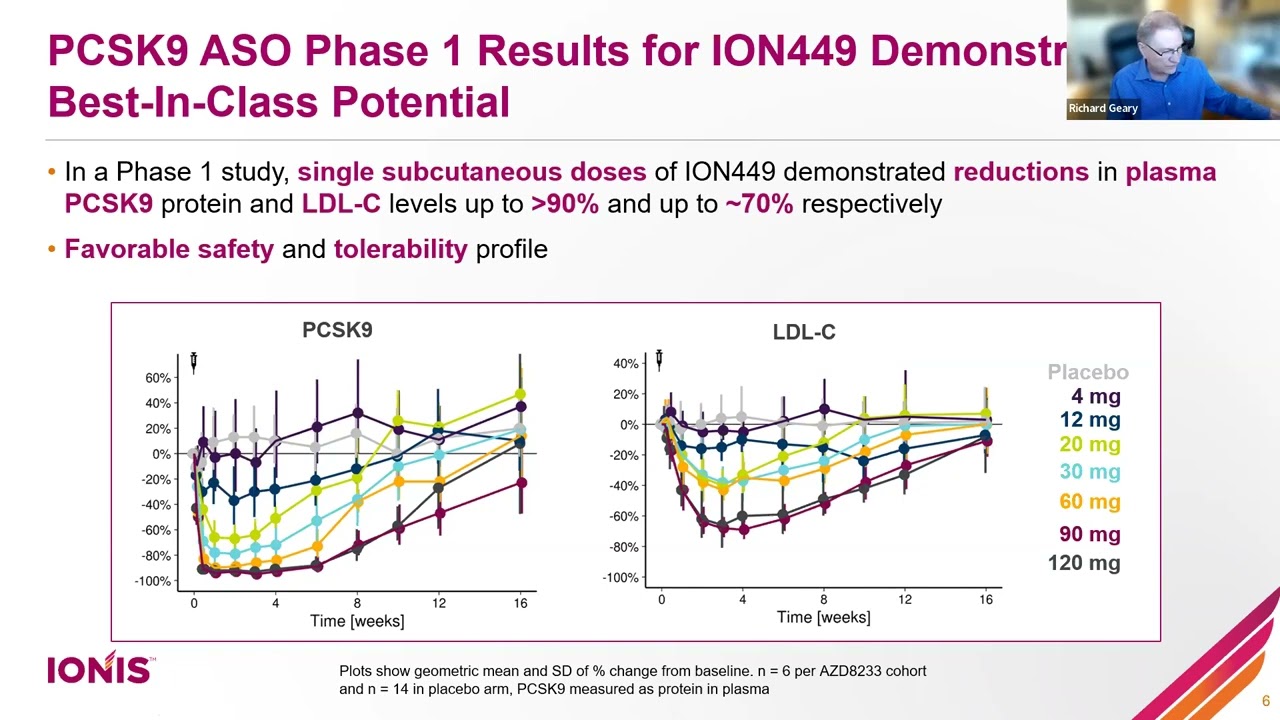
Oligonucleotide therapeutics represent a revolutionary class of drugs that target nucleic acids directly, offering new approaches to treat diseases by modulating gene expression through mechanisms such as antisense oligonucleotides (which recruit RNase H to degrade mRNA), siRNAs (which use the RNAi pathway for gene silencing), and splice-switching oligonucleotides (which correct genetic mutations by modulating pre-mRNA splicing). Key chemical modifications including phosphorothioate linkages (which provide metabolic stability and broad tissue distribution), 2'-O-methyl and methoxyethyl modifications (which enhance binding affinity and cellular uptake), and gapmer designs (which combine modified wings with unmodified central regions to activate RNase H) have been essential for overcoming the intrinsic challenges of oligonucleotides, including their high molecular weight, negative charges, hydrophilicity, and susceptibility to nucleases. Successful delivery to target tissues, particularly the liver, has been achieved through platforms like lipid nanoparticles and GalNAc conjugates, enabling six approved oligonucleotide therapeutics over the past 20 years.
Oligonucleotide Therapeutics 101: Chemistry & Drug Delivery
Added:[Music] Yod Amur a Java Roncalli that means we are all from the same family we are all here for one purpose and we are all going to treat each other as brothers and sisters having said that I was here and I looked at this closeby building which is called the Gates Foundation and I was struck by some of the images I saw great ideas come from everywhere which goes with the theme which I mentioned and the we are here to invent new ways to solve old problems what else can be a world problem than curing a disease because mankind has been fighting this from the day one and this has been going on and we are now approaching that the world problem with the new modality namely oligonucleotides therapeutics and that's what we are going to talk about and we know DNA makes RNA messenger RNA and messenger RNA makes proteins and the traditional approaches is to stop the function of these proteins by small molecules or biologics like antibodies but in terms of the nucleic acid as medicine it could be the same target in the protein target where we can use optimist or the emerging therapeutics like mRNA therapeutics where we are creating the protein needed for the function or RNA activation or immune modulation alternatively we can go deep down into the DNA target itself and we could do gene editing CRISPR casts type mechanisms and our field in the past 30 years of focused mainly on targeting mRNA and mRNA target can be addressed by antisense oligonucleotides are yes ironies on some of the our nai cousins namely are they a pathway modulators like micro RNA mimics or anti microarray knees or and telomeres and more importantly in the RNA pathways controlling the pre messenger RNA by splice switching all egos so these are all the various mechanisms and it is very difficult to bring all the mechanisms and all the chemistry's into the next 16 minutes but I will try and in the first case this oligonucleotide modalities can be either single-stranded like in the case of Addison's or double stranded like in Si RNAs here you can see this molecular weight is 7000 here it will be 14 thousand we are dealing with the 19 formal negative charges considering here 20 more oligonucleotide here it this will be like a 40 negative charges this molecule is flexible with one nanometer width and this molecule is being their formed the helix it is rigid with the two nanometers diameters there is one physical property difference because the aromatic bases are exposed in the single-stranded molecules because of the non compactness whereas in the double strand molecules there ematic bases are bared and buried inside the duplex and this contributes to their protein binding and physical properties of these molecules and we all know making drugs out of oligonucleotides is not easy because of the molecular weight because of the size and larger size and negative charges more importantly they are hydrophilic and tend to for this urinary excretion they are hydrated heavily because of that poor protein binding properties not distribution properties on the top of it bio stability controlled by the endonucleases and exonucleases and they tend to be substrates for immune activators like TLRs and so on and these are all the challenges intrinsic and then on the top of it we are dealing with the delivery challenges delivery to the right tissue delivery to the right type and delivery to the site of action in the case of SAR arrays for example in this cytoplasm ress ORS in the nucleus and a sense in the nucleus having said all those challenges we are so happy and proud to point out that we are have 6 approved oligonucleotide therapeutics in the past 20 years and these are bit Raeleen antisense oligonucleotide MIT Palmerston anti-sense oligonucleotide Mac Eugen optimal spin rasa spin splicing Holly and a tab Larssen spin splicing oligonucleotide and petit Sirah and october so in the SI RNA family so these are the success over the past 20 years so in the first compound bit ravine which is the formal version this is the totally DNA phosphorylate aligote 21 more this is the sequence is shown here and these are the linkages referring to us the phosphorous higher weight linkages and this were early days when people didn't fully understand the immune stimulation mechanisms you can immediately see here it's CPG sitting at the verify prime end and our trade will be talking about that in terms of contribution of these mechanisms but this single-stranded molecules enter the nucleus and finds the messenger RNA target through the watson-crick base pairing and then the duplex having the RNA DNA nature and that chimeric construct recruits RNase H and RNase H cuts this at the multiple sites and it is degradation now this molecule is looking for the next copy of the messenger then looks for recruiting they are an SH and the cycle goes on and this was the compound which was for controlling CMV retinitis and this was administered intra bit really on both case of anti sense as well as in si RNAs as we know we are killing the messenger on is killing the messenger goes through a similar mechanism it provides the the three prime hydroxyl at the five prime end and five prime phosphate at the three prime end of the message and this similar mechanism but as I mentioned it's multiples cuts in the anti sense and single cut in the ESI RNA and this is the by looking back into the history this is after ninety eight approval the time magazine's picture of this little vein which explains this controlling the CM the immediate early gene to for the treatment of CM being induced retinitis and this is the chemistry behind it namely deoxy phosphorus fire rates although the very first compound was administered intravenously in two eyes the pious chemistry is crucial for broad distribution of multiple generation of anta's and solid nucleotides because it distributes the molecules to kidney liver spleen bone marrow adipose tissues muscle and others and this is again looking back into the history the people who contributed to the first profit oligonucleotides Fritz X time back in 1966 and in 84 stick and zon developed the oligonucleotide synthesis at NIH and this is the memo which I got from stack in 98 after hearing the approval of Mitra beam and delighted by the joy and this postural thyroid oligonucleotides when we replaced this phosphodiester it can be either left-handed or the right-handed as shown here this is the RP isomer this phosphate linkage is sticking outside the SP isomer the the first profile at linkage is going inside displacing the metal ions and these are the properties which control the metabolic stability treatment the other enzymes and the properties of this and also treatment with the dealing with iron SH and may incorporate these pious linkages it results in to power yen diastereomers so be a making a mixture of diastereomers and this handedness is referred to as the are P and S P isomers and as you know now there is that tendency to make this Kyra Lee pure oligonucleotides in addition to the deoxy phosphorus horowitz which activate RNA CH there is one other compound namely 2 prime floor o arab you know can also activate RNA SH and I point to point out these are configurational isomers of two prime floor oh not conformational isomers and we are dealing with a floor up in the configurational status and this has to be fully understood when we are dealing with the floral compound in moving from the first generation anti sense to the second generation compounds these are gap MERS which are having a 5 10 5 motifs and this is this deoxy motif in the middle with the 10 nucleotides approximately number its activates are an SH and this methoxy Atal modification at the ends are the wings they provide the binding infinity and so on and all these phosphorus fireworks according to Isis i honest modifications and this have this base modification of the see is having a 5 methyl group and this is the approved compound Mempa merci Norton Amara showing the methoxy ethyl at the wings and the gap mer deoxy fast growth I have 18 and then the 5 metal C which are either as the D axis or methoxy ethics and as I mentioned the drug distribution is very important and this is a lesson which I learned 20 or 25 years ago in arts group Emily when the kid gets the injection in the rear and he is wondering how that's going to fuel his sore throat so the drug has to distribute to the site where it is needed and that is provided by the first row time events whenever we make these modifications in the two preneur methyl or fluoro or methoxy ethyl or Ln ABN arc-8 in all these cases what we are doing is two things we are making them into preferentially see three prime end o which is needed for binding to the RNA target the second thing the phosphoryl toy weight provides broad distribution for anti sense Allah goes or splice switching Ali goes in the case of sa RNAs the phosphoryl toy weights are not needed that much compared for the reasons which I will mention briefly so summarizing the two prime modifications it provides the binding affinity to RNA provides metabolic stability in addition to that chemical stability compared to DNA during the synthesis because it avoids the deep urination but same reason in enhances the metabolic stability in acidic compartments and it modulates the hydration and protein binding in the case of methoxy ethyl through this double gauche effect hydration occurs and also contributes to the hydrophobicity to promote methyl to prime fluoro LNA see it they all increase the hydrophobicity which may cause into the cellular uptake or endosome oolitic release properties now let me move on to RNA therapeutics in the RNA therapeutics we are introducing a double-stranded molecule and this is loaded into the risk and been loaded into the risk and it is the same strand is removed the anti sense strand with the phosphate is loaded and it is recognized as the messenger RNA target binds and then Argonaut cuts the specificity comes from the tenth nucleotide from the five prime end so specific cut now the drug molecules the functional molecule is loaded into the Argonaut and it is can go catalytic function and repeat several times and that also contributes to the longer duration associated with the RNA i mechanism and al-alam has demonstrated this functional sa RNA delivery to liver using 3 platforms one is through the chemical modifications the second one is through the lipid nanoparticles which are capsulated this sa RNA strands the third one is taking the si RNAs and conjugating through Galla knock at the three prime end on the slippery nanoparticle things which you have to remember is this administered intravenously this is a formulation and as demonstrated by an Petro this is clinically validated and Gallic is in not only for SA RNA is useful for several oligonucleotide and this is a single chemical entity administered subcutaneously and this is also clinically validated because there is a various advanced clinical trials are going on and starting with the lipid nanoparticles mechanism for the an petrol or peti serum this is the five component mixture the sa RNAs are shown here which has the deoxy overhangs and two parallel metal in the sites where to provide the endonucleolytic degradation sites and this red balls are the RNAs and they are packed into the lipid nanoparticles and the key lipid is this M c3 which is an ionizable lipid which has a pKa of 6.4 after the lip in our particle is bomb which has the D Stabila the stabilizing lipids like cholesterol and d SP c and this PK is controlled by this peg mm with the C 14 anchoring and we studied this over a period of several years and understood the mechanism how this Trojan horse works and this mechanism is going through by association after administration by recognizing the a PO yi and once the a PO a protein is recruited it is recognized by the LDL receptor expressed in the liver hepatocytes in this space of busy in the during defenestration and that helps the recognition very effectively and that leads the endocytosis and in the end is ohms because of the pH drop that leads into the the lipid destabilization followed by endosome elliptic release a bilayer structure changing into hexagon or face structure very efficient release the two things which are very important to the some remember because of this API binding that leads into the efficient liver delivery and because of the ionizable PKA head group it leads into a very efficient and the soma lytic release and also kind of a proton sponge working on this and this leads to the freedom realized and this is the best and a soma lytic release mechanism which is being now utilized in the case of mRNA therapeutics and also for some form of CRISPR cast therapeutics let me move on to the third platform of Alnilam which is the Galman conjugate platform which we worked for the past 15 years which is going constantly improvement and some of our publications are shown here and this travel and Galan act as you know recognized by the ACL or blaka protein receptor expressed in hepatocytes in abundant number half a million to 1 million copies per cell and it's the high turnover because it's the kind of garbage cleaning mechanism of the system the recycling time is 15 minutes and it's conserved across species and we are doing this as a sub cuteness administration and and you're going to hear a lot of chemistry's behind sa rnas and how we are using some of these high affinity as well as low affinity modifications to control the half target effects and so on so let me move on from the RNA i platform into one slide showing the an telomers and micro RNA memetics and this micro RNA duplex is coming during the process of the Dicer activation from the pre messenger RNA here shown here pre micro rnas and this micro RNA duplex by binding to the protein can control various biological processes if you like that process during the controlling the disease we can add that micro RNA duplex in the form of short micro RNA memetics are when the after the loading this micro RNA into the Argonaut and if it behaves like the SI RNA but it is causing problems then we can control this the loaded micro RNA by bringing an antigen or antagonizing this and that two processes are shown here one is the micro RNA memetics another one is there an telomere and here the SI RNAs understanding would be helpful here the anti sense understanding would be helpful and this is achieved by high affinity modifications as well as with the conjugates another very important mechanism is the splice altering mechanisms as part of the single strand anti sense mechanisms apart from RNA SH degradation and another possible mechanism which has not realized this the translation errors but the one thing which is realized and useful is the modulation through the splicing processes which is shown here they are controlling the introns and exons processes and I will give you two examples from the approved decks the first one is at a person here and this is useful for controlling the DMD and displacing oligonucleotide is shown here when there is the splicing process leads to the the stopping of the dystrophin protein synthesis because of this mutations happening in this region and one can introduce an an anti sense molecule against the 51 and that leads into the fully formed the develop disturbin except for the truncated region where we are controlling through this splice modulator so this is a leads to a truncated but still functional disturbance which is very useful and the chemistry used here is this a 30 mer morpholino backbone shown here and this has been shown to be having a good uptake for the muscle where it is needed an alternate compound for the spinal muscular atrophy is the methoxy ethyl uniform oligonucleotide with the first profile wet backbone in 18 mer which is very successful in the form of this new scenario or spin rasa and this is controlling spinal muscular atrophy as I mentioned on in the disease stage in the disease stage it causes into the defective protein missing the exon 7 once we place the splice altering a legal close in that region if the functional protein is reestablished and that leads into that leads into the establishment of the tree cure and this is by the intrathecal administration I don't know what's happening here and then the last example is the Optima and Optimus are where they are controlling the function of the proteins by making synthetic oligonucleotides we will be hearing about this from soma logic and these after MERS are useful for diagnostics and therapeutic applications and they are developed to aim to rival antibodies and they can also be used for targeting ligands and as we know the one example from the approved drug is the maca jiin which controls binding to the wedge of 165 for age-related macular degeneration the chemistry is involved our RNA chemistry in these two places this to AIDS and then to panel metals for all the purines and all the pre medians are two prime floros and the pharmacokinetics is controlled by a Phi prime peg a 40,000 peg through the nominal linker and three prime exonuclease through their D T inverse linkage 3 prime to 3 prime phosphodiester linkage and this is again an introvert riyal administration to control the macular degeneration so this is the kind of a quick overview of all the six compounds which are approved and what are the chemistry's behind and I tend to go rather fast and I am over time by one minute but I want to end with two comments have we solved all the problems now no that's not the reason why we are here it is just the end of the beginning the second thing I always look back to the delivery problem one of the lessons Jean Colbert taught me was we are still addressing the delivery only by a certain percentage small percentage so he tells his fellow chemist chemist back to the bench thank you very much [Applause]
Up Next

RNAi Therapies for Gene Silencing: Mechanisms and FDA-Approved Drugs
@apprentice-io
241 views•2025-05-15
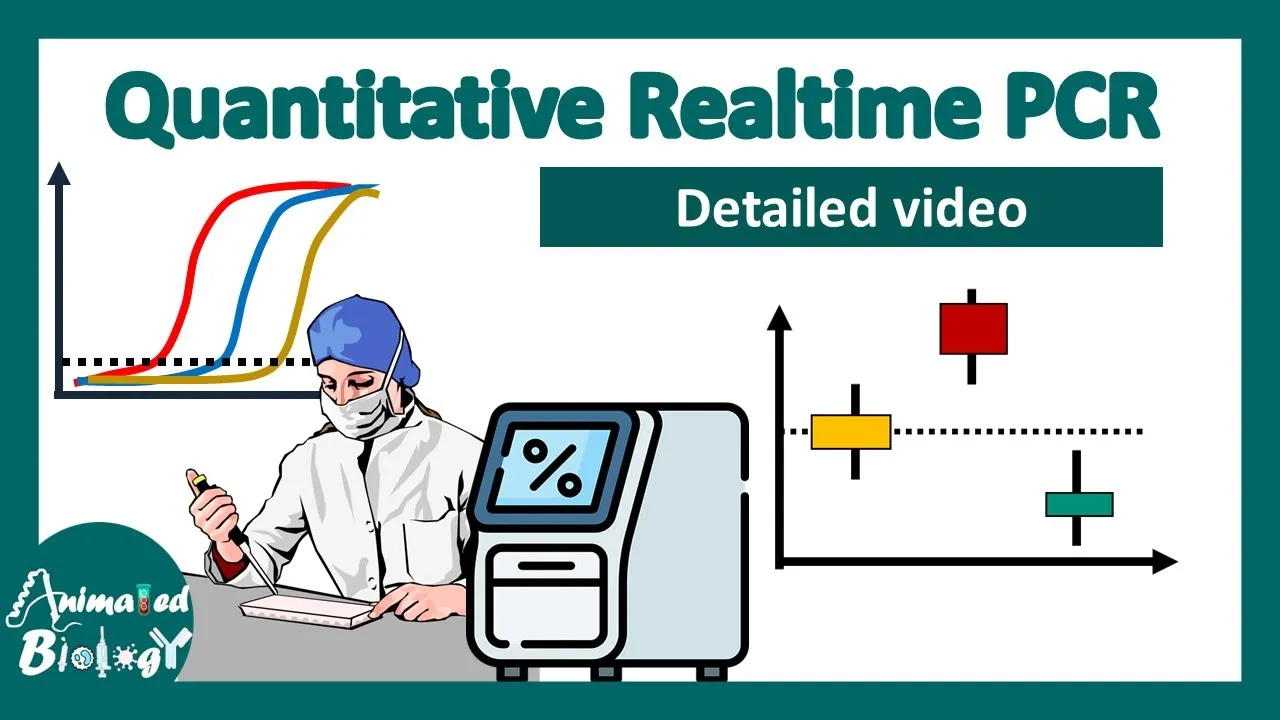
Quantitative Real-Time PCR (qPCR): Principle, Method & Data Analysis
@animatedbiologywitharpan
129.2K views•2023-09-06
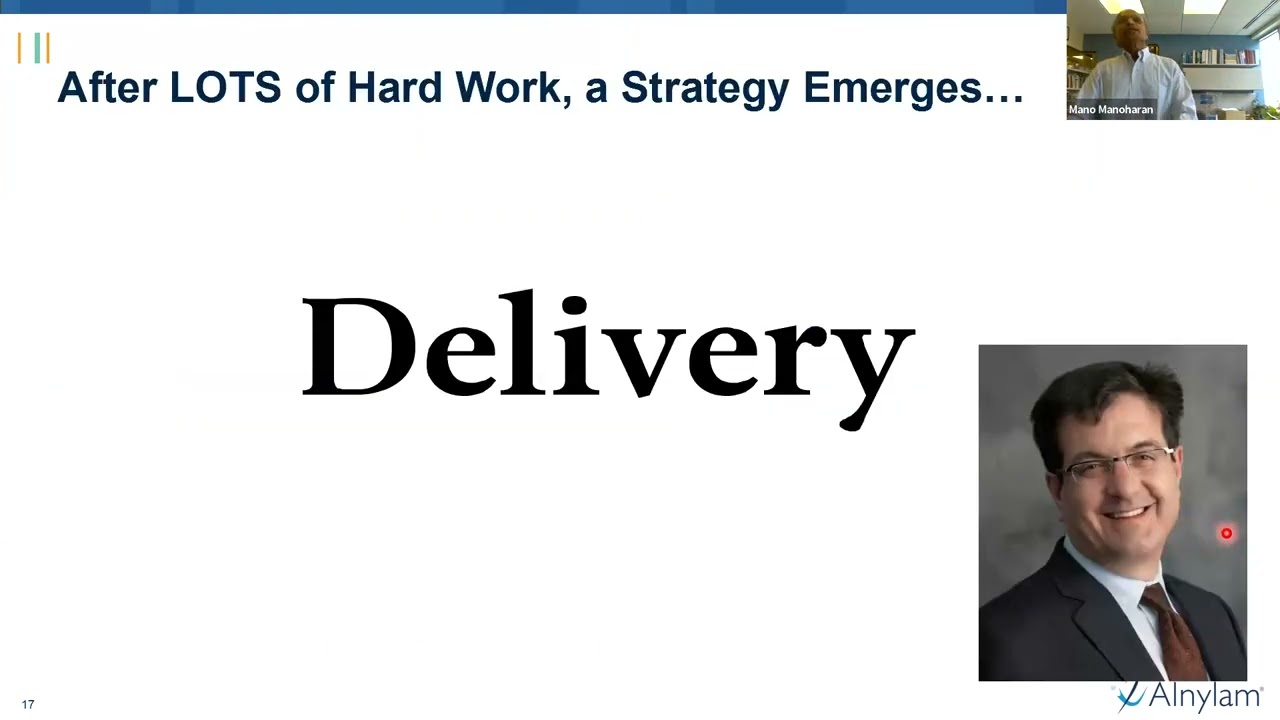
GalNAc Conjugates in Nucleic Acid Therapeutics | RNAi Delivery
@oligotherapeutics
2.1K views•2023-04-27
CRISPR and Genetic Engineering: How Gene Editing Works and Why It Matters
@kurzgesagt
30.5M views•2016-08-10
Related Study Plans & Knowledge Roadmaps
Structured learning paths in Biotechnology