Animals navigate using Earth's magnetic field through two primary mechanisms: specialized cells containing magnetite (the strongest naturally magnetic material) that spin in response to magnetic fields, and cryptochrome proteins in the eyes that use radical pairs with unpaired electrons to detect magnetic orientation; humans also possess cryptochrome in their retinas, suggesting we may have some innate magnetic sensing capability.
How Animals Navigate Using Magnetic Fields: Magnetoreception
Added:Deep Dive
The physics of Earth's magnetic field (geomagnetism), including magnetic poles, intensity, and inclination angles.

EARTH MAGNETISM 💯পদার্থের চুম্বক ধর্ম 02
108
Earth's magnetic field runs from geographic South to geographic North. The angle between the vertical and geographic meridian is called the angle of inclination. There are two types of magnets: permanent magnets (which retain magnetism) and electromagnets (which require electric current). Geographic poles are defined by Earth's rotation axis, while magnetic poles are defined by Earth's magnetic field. The geographic North Pole is actually near the magnetic South Pole of Earth's internal magnet. The angle between geographic and magnetic poles is approximately 11.4 degrees. The angle of dip is the angle a freely suspended magnet makes with the horizontal plane. At the equator, the dip angle is 0 degrees (magnet is horizontal). At the magnetic poles, the dip angle is 90 degrees (magnet is vertical). Earth's total magnetic field intensity (I) can be resolved into two perpendicular components: the horizontal component (H) and the vertical component (V). These components are related by the angle of dip (θ): H = I cos(θ) and V = I sin(θ). The horizontal component is responsible for compass needle behavior, while the vertical component causes the needle to dip.
Click to watch →
Geomagnetism | study of Earth's magnetic field By Neetu Singh | DIRECTION IAS
628
Magnetic Declination is the horizontal component of geomagnetism, defined as the angular inclination between geographic and magnetic axis. Magnetic Inclination (or Dip) is the vertical component, defined as the angle a freely suspended magnetic needle makes with Earth's horizontal plane. At magnetic poles, dip is 90 degrees (perpendicular), while at the magnetic equator, dip is 0 degrees (horizontal). The Magnetic Equator is the imaginary line joining places with 0 degrees of magnetic dip, approximately halfway between magnetic north and south poles. Earth's magnetic polarity is dynamic and keeps on changing due to the molten iron-rich core undergoing convection currents. The geomagnetic field is generated because of iron-rich interiors of Earth that are molten, enabling the geomagnetic dynamo process. This dynamism means Earth's magnetic field is not static but undergoes continuous changes.
Click to watch →

Fundamentals of Geomagnetism | Geomorphology | By Subhodeep Sir
10.5K
Geomagnetism studies Earth's magnetic field, which is generated by the movement of molten iron-nickel in the outer core through the dynamo effect, creating a protective magnetosphere that shields Earth from harmful solar radiation; this field has three key components: geographic poles (based on Earth's rotational axis), magnetic poles (where magnetic field lines converge), and geomagnetic poles (hypothetical points from a dipole model), with important parameters including magnetic declination (angle between geographic and magnetic north) and inclination (angle of field lines with horizontal).
Click to watch →

Magnetic Effect of Current Full Concept Part-10| RSSB LDC 2026 Physics | By Bk Pathak Sir
8.2K
Earth behaves like a giant bar magnet with magnetic poles opposite to geographic poles. The magnetic north pole is in Canada, and the magnetic south pole is in Antarctica. The angle between Earth's magnetic axis and rotational axis is 11.3 degrees. Earth's magnetism has three components: angle of declination (between geographic and magnetic meridians), angle of dip (between magnetic field and horizontal), and horizontal component (BH = B cos θ).
Click to watch →

Magnetism & Matter, Important Questions for Board Exams, NCERT Class 12 Physics Chapter 5
62K
Earth's magnetic field has three important components: (1) Magnetic declination is the angle between geographic meridian and magnetic meridian, measured at any location. (2) Magnetic dip (inclination) is the angle a freely suspended magnetic needle makes with the horizontal plane. At the magnetic equator, dip is zero; at magnetic poles, dip is 90 degrees. (3) Magnetic intensity (B) is the strength of Earth's magnetic field, measured in Tesla. The relationship between horizontal and vertical components is tanδ = Bᵥ/Bₕ, where δ is the angle of dip.
Click to watch →
Deep Dive
Basic principles of electromagnetism and how magnetic forces interact with materials.

El Aterrador Potencial de LODESTAR | Electromagnetismo y Experimento Filadelfia en BEN 10
401
Magnetism originates from electron spin and orbital motion at the atomic level, generating microscopic magnetic fields that combine to produce macroscopic magnetism. Electromagnetism is one of four fundamental forces, responsible for chemistry, biology, and light, with photons as carrier particles. Materials are classified as ferromagnetic (iron, nickel, cobalt), paramagnetic (aluminum, platinum), or diamagnetic (copper, water, human body). Physical contact is actually electromagnetic repulsion between electron clouds. Faraday's Law and Maxwell's Equations demonstrate that electricity and magnetism are unified phenomena. The electromagnetic force is 10^36 times stronger than gravity, yet gravity dominates at cosmic scales because it cannot be shielded while electromagnetic effects cancel out in ordinary matter.
Click to watch →

05 Electromagnetic Field Theory Module 4 Lecture 5
439
This comprehensive section establishes the foundational principles of electromagnetism covering three interconnected domains. First, it explains magnetic forces on current-carrying conductors using F = I × (L × B) and on moving charges using F = q(v × B), with direction determined by the right-hand rule. Second, it explores the interaction between parallel current-carrying conductors, where opposite currents repel and same-direction currents attract, governed by F/L = μ₀I₁I₂/(2πd). Third, it introduces material properties including relative permeability (μ_r), magnetic susceptibility (χ), magnetization (M), and magnetic intensity (H), explaining how materials enhance or reduce magnetic fields. The section emphasizes that paramagnetic materials (χ > 0) are attracted to magnets while diamagnetic materials (χ < 0) are repelled, with μ_r = 1 + χ connecting these properties.
Click to watch →
![Applied Physics-2 : Bteup | Chapter-5 [ Electromagnetism ] Lec-1 |Up Polytechnic 2nd Semester #bteup](https://i.ytimg.com/vi/_BX7want2_g/maxresdefault.jpg)
Applied Physics-2 : Bteup | Chapter-5 [ Electromagnetism ] Lec-1 |Up Polytechnic 2nd Semester #bteup
5.9K
Electromagnetism combines 'Electro' (electricity) and 'Magnetism' (magnet). A magnet is any object that attracts other objects and can also repel them, without external force. The term 'magnet' originates from the Greek word 'Magnes,' referring to a shepherd who discovered magnetic properties when his iron-tipped staff stuck to rocks. Magnets are classified into Natural Magnets (found in nature, e.g., lodestone Fe3O4, magnetite, hematite) and Artificial Magnets (man-made, e.g., electromagnets, bar magnets, horseshoe magnets). Natural magnets are weak with irregular shapes, while artificial magnets are powerful with regular shapes and can have their properties modified. Magnetic materials are classified into three types: Diamagnetic (weak repulsion, negative magnetization, e.g., gold, mercury, water), Paramagnetic (weak attraction, positive magnetization, e.g., liquid oxygen, platinum, sodium), and Ferromagnetic (strong attraction, large positive magnetization, e.g., iron, cobalt, nickel, neodymium). In non-uniform magnetic fields, diamagnetic materials move from strong to weak regions, while paramagnetic and ferromagnetic materials move from weak to strong regions. Magnetic field lines are repelled in diamagnetic materials, sparse in paramagnetic materials, and highly concentrated in ferromagnetic materials. In diamagnetic and paramagnetic materials, magnetism is lost when the external field is removed, while ferromagnetic materials retain magnetism (retentivity). Diamagnetic materials have paired electrons, paramagnetic materials have unpaired electrons, and ferromagnetic materials have many unpaired electrons.
Click to watch →

Eletromagnetismo
30.5K
This comprehensive section covers the foundational principles of magnetism: (1) Magnetic materials are classified as ferromagnetic (strongly attracted), paramagnetic (weakly attracted), or diamagnetic (weakly repelled). (2) Moving charges generate magnetic fields, with three classic configurations: long straight wire (B = μ₀I/2πr), circular loop (B = μ₀I/2R), and solenoid (B = μ₀nI). (3) Magnetic field lines are continuous loops with no beginning or end, unlike electric field lines. (4) Magnetic force on charged particles follows F = qvBsin(θ), with three motion types: parallel motion (no force), perpendicular motion (circular), and oblique motion (helical). (5) The modified right-hand rule determines force direction: thumb = velocity, index = field, middle = force. These principles form the foundation for understanding electromagnetic interactions.
Click to watch →

Magnetism ( चुंबकत्व ) | BSPHCL Topic Test-3 | Electrician by Er. Pindel Sir | BSPHCL Vacancy 2024
19.3K
This comprehensive section covers the foundational principles of magnetism and magnetic materials. Natural magnets (lodestone) from Magnesia attract iron and align north-south when suspended. Magnetic force between two magnets depends on magnet strength, distance (inversely proportional to square), and medium, but not on magnet shape. Inside magnets, field lines travel from south to north pole. A freely suspended magnet always aligns north-south, which is the principle behind compasses. Magnetic materials are classified into three types: ferromagnetic (iron, nickel, cobalt) with high susceptibility >1, paramagnetic (aluminum, platinum, sodium) with small positive susceptibility 0<χ<1, and diamagnetic (water, paper) with negative susceptibility χ<0. Curie temperature (770°C for iron) is when ferromagnetic materials lose magnetism and become paramagnetic. Relative permeability of paramagnetic materials is slightly greater than 1, while vacuum has μr=1. Force between parallel current-carrying wires: attraction when currents flow in same direction, repulsion when opposite. Permanent magnets require materials with high retentivity and high coercivity, while temporary magnets use soft iron. The B-H curve shows saturation point where magnetization becomes constant. For air, the B-H curve is a straight line through origin since μr=1. The area enclosed by hysteresis loop represents energy loss per cycle. Magnetic circuit units: magnetic field strength (H) is ampere-turn per meter, magnetic flux density (B) is Tesla (1T = 10⁴ Gauss), permeability (μ) is Henry per meter, reluctance (R) is ampere-turn per Weber. Magnetic circuits follow the same principles as electrical circuits: MMF corresponds to EMF, flux corresponds to current, reluctance corresponds to resistance.
Click to watch →
Deep Dive
The fundamentals of sensory transduction, specifically how nervous systems convert external physical stimuli into biological signals.

12.2 sensory transduction
477
Sensory transduction is the process by which external stimuli (touch, pressure, temperature, pain, visual stimuli, sound waves) or internal signals (blood pH, body position, blood glucose) are converted into neural signals. This conversion requires a change in membrane potential (receptor potential) in sensory neurons. The process involves receptors converting external signals into internal signals. Sensation refers to raw data from receptors in eyes, ears, skin, muscles, and tendons, while perception is conscious awareness occurring in primary cortical areas like the somatosensory and visual cortex. It is possible to have sensation without perception.
Click to watch →
Lec -18-Sensory receptors, sensory transduction and coding of sensory information-Done by:Omar Debas
314
Sensory transduction is the process of converting physical or chemical stimuli into electrical signals that the nervous system can process. When a stimulus (such as perfume molecules, heat, or pressure) binds to a receptor, it causes a conformational change that opens ion channels. Sodium ions then enter the cell, creating a graded potential. Multiple channels must open simultaneously to reach the threshold voltage required for an action potential. This conversion allows the brain to interpret various forms of external and internal stimuli as meaningful sensory experiences.
Click to watch →

07 Sensory Transduction
254
Sensory transduction is the conversion of external stimuli (temperature, acidic conditions, pressure, pain) into nerve impulses. Free nerve endings, which are non-myelinated sensory neuron endings without specialized structures, detect these stimuli through membrane receptors. When stimulated, these receptors change permeability, allowing sodium ions to flood into the axon. This depolarizes the membrane to -55 mV threshold, opening sodium voltage-gated channels and generating an action potential. The action potential then travels along the axon toward the central nervous system via synaptic connections.
Click to watch →

Sensory Transduction | Animal Physiology and Behavior (Theory) | ZOO502T_Topic047
285
Sensory transduction is the process by which sensory receptor cells convert physical or chemical energy of stimuli into electrical nerve impulses. This process occurs in four sequential steps: (1) Detection of stimulus - sensory cells respond only to stimuli reaching a threshold level (minimum energy detectable 50% of the time); (2) Amplification of stimulus - weaker signals are strengthened through chemical cascades within receptor cells, increasing signal strength by 10^4 to 10^6 times; (3) Encoding of signal - physical and chemical energy is converted to electrical energy, producing ionic currents that encode stimulus characteristics; (4) Transmission of signal - encoded information is sent to the nervous system via action potentials or electrotonic conduction. A single receptor can encode only one quality of a stimulus (e.g., intensity but not color), so sensory organs contain multiple receptor types to convey comprehensive stimulus information.
Click to watch →
Fundamentos Biológicos de la Conducta: Sistemas Sensoriales (9/13)
142
Sensory transduction is the process by which external energy such as light, sound, and pressure is converted into neural signals that the brain can understand. This conversion happens at specialized receptors—some are neurons themselves, while others are specialized cells in organs like the eye or ear that relay information to neurons. This process serves as the gateway for generating nerve impulses and transforming physical stimuli into electrical signals the nervous system can process.
Click to watch →
Deep Dive
General concepts of animal migration, including traditional navigational cues like celestial orientation, landmarks, and olfaction.

Animal Navigation and Migration | Animal Physiology and Behavior (Theory) | ZOO502T_Topic244
285
Animal migration is a regular long-distance change in location driven by environmental stimuli like seasonal droughts and extreme weather, and animals navigate using multiple sensory cues including the sun compass (which tracks the sun's position through a circadian clock), celestial navigation via the North Star for nocturnal migrants, magnetic field sensing, visual cues, auditory signals, and olfactory cues.
Click to watch →
23. Behaviour Ecology | Animal Migration-I |Navigation & Orientation|Origin & Evolution of Migration
3.2K
Migration represents specialized behavior distinct from ordinary locomotion, subject to natural selection. Homing—the ability to return to birthplace—is demonstrated by species like Manx Shearwaters traveling 5,000 km across the Atlantic in 12.5 days. Animals use multiple orientation systems: familiar landmarks (mountains, coastlines, vegetation zones), celestial bearings (sun position), and magnetic field detection. While landmarks work locally, celestial and magnetic cues enable navigation over hundreds of thousands of kilometers, representing sophisticated sensory-motor integration evolved through natural selection.
Click to watch →

MIGRATION, ORIENTATION AND NAVIGATION | BIO661 | AS2016-A3
455
Migration is a seasonal, round-trip movement pattern where animals travel between habitats for food, better conditions, or reproduction, involving physiological changes like fat deposition triggered by environmental signals such as photoperiod. Orientation refers to how organisms direct their movement in response to stimuli, classified into kinesis (non-directional random movement) and taxis (directed movement toward or away from stimuli). Navigation enables animals to determine their position relative to destinations using various cues including landmarks (piloting), compass directions (sun, moon, stars), olfactory signals, and geomagnetic fields, with some species like sea turtles and migratory birds demonstrating sophisticated navigation capabilities.
Click to watch →

orientation, migration and navigation - ethology lesson
183
Migration is the mass pendulum movement of animals between two habitats to ensure optimum environmental conditions throughout the year, driven by environmental periodicities and internal physiological rhythms. It is characterized by magnitude, regularity, rhythmicity, and correlation with seasonal periodicities. The migratory behavior involves four major factors: exploration, orientation, navigation, and homing. Orientation includes positional orientation (body positioning in response to stimuli like gravity, light, temperature) and course orientation (directional movements with or without external cues like landmarks, sun compass, magnetic compass). Navigation is goal-oriented long-distance movement using cues such as sun, moon, star positions, and Earth's magnetic field, with three aspects: piloting, compass orientation, and true navigation. Homing is the return to home from greater distances using visual landmarks, polarization of sunlight, star patterns, and magnetic fields.
Click to watch →

The REAL Reason Why Geese Fly in a V-Shape | Hike and Seek: Fall
25.9K
Animals use multiple methods to navigate during migration: (1) Celestial navigation - using the position of the Sun by day and moon/stars at night like a map, (2) Landmark navigation - following coastlines or rivers, (3) Scent-based navigation - using smell to return to familiar areas, (4) Learning from parents - young animals learning routes from experienced adults, and (5) Magnetic navigation - sensing Earth's magnetic field using magnetite minerals in their brains as an internal compass.
Click to watch →
Prerequisite Knowledge
- Concept 01The physics of Earth's magnetic field (geomagnetism), including magnetic poles, intensity, and inclination angles.
- Concept 02Basic principles of electromagnetism and how magnetic forces interact with materials.
- Concept 03The fundamentals of sensory transduction, specifically how nervous systems convert external physical stimuli into biological signals.
- Concept 04General concepts of animal migration, including traditional navigational cues like celestial orientation, landmarks, and olfaction.
Subsequent Learning
- Step 01The biochemical mechanism of cryptochromes and quantum biology, specifically how radical pair reactions facilitate light-dependent magnetoreception.
- Step 02The cellular biology of biogenic magnetite (iron oxide crystals) and its role in mechanical magnetoreception in species like trout and bees.
- Step 03The ecological impact of anthropogenic electromagnetic noise and human-made structures on migratory animal pathways.
- Step 04Bio-inspired engineering and the development of alternative navigation technologies (such as magnetic anomaly mapping) for autonomous vehicles and robotics.
Magnetic Sense
Visual Compass
Magnetic Sense
0:00Playing Section
- 1
Animals navigate using magnetic fields, a mystery studied since the 1950s.
- 2
Recent research found magnetite cells in trout noses that detect magnetic direction.
Methodological Skepticism and the Macrophage Controversy
While the concept of magnetoreception is popular, it faces significant scientific skepticism regarding its exact anatomical mechanisms. For years, a leading theory proposed that magnetite-bearing sensory neurons in the upper beaks of homing pigeons served as the primary magnetic map. However, a landmark study debunked this, revealing that these iron-rich cells were actually macrophages (immune cells) rather than neurons. This discovery highlighted a major replication crisis in the field, exposing how easily iron contamination can be mistaken for sensory receptors. Furthermore, some researchers argue that the influence of magnetic fields on animal navigation is often overstated. They contend that many species rely primarily on more established, non-magnetic sensory cues—such as olfaction, celestial maps, wind patterns, and visual landmarks—and that magnetic sensing may only serve as a redundant, secondary system rather than a primary navigation tool.
Deep Dive
The biochemical mechanism of cryptochromes and quantum biology, specifically how radical pair reactions facilitate light-dependent magnetoreception.
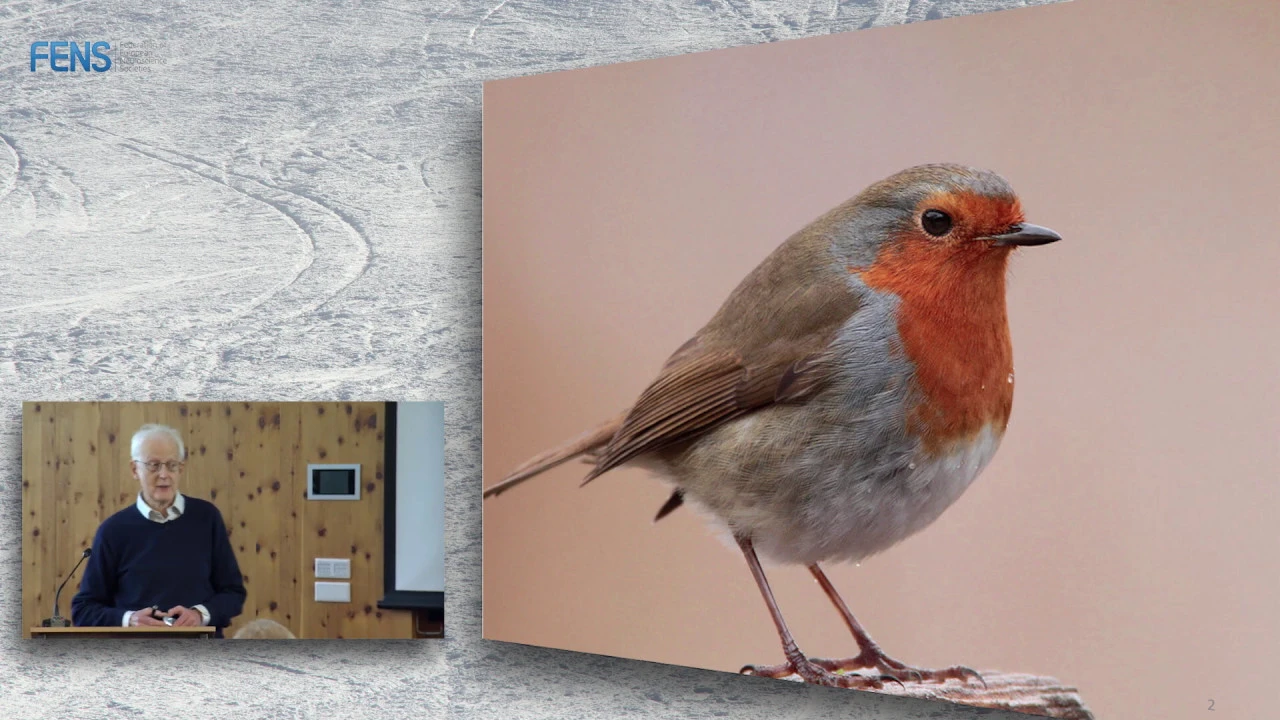
Peter Hore on Radical pair mechanism of magnetoreception
10.8K
In radical pair reactions, singlet radical pairs can undergo back-electron transfer (reverting to reactants), while triplet radical pairs can undergo forward reactions to form products. Since these pathways compete simultaneously, the final product yield depends on the probability of being in singlet versus triplet states at any moment. Experimental measurements show biphasic dependence on applied magnetic field strength: initially increasing yield with field strength, then decreasing, and finally leveling off. The midpoint occurs around 1 mT (typical hyperfine interaction strength). At Earth's field strength (~50 μT), the system lies in the rising portion of this curve, where the low-field effect becomes significant. Researchers tested whether radical pairs respond to Earth-strength magnetic fields using a fullerene-porphyrin-carotenoid molecule. Sequential electron transfers create a radical pair within one nanosecond of light absorption. Experiments demonstrated that magnetic fields weaker than 50 μT can change the lifetime of this radical pair, and the effect depends on field direction. This was the first demonstration of a radical pair reaction responding to an Earth-strength magnetic field. Cryptochromes are flavoproteins containing flavin adenine dinucleotide (FAD) chromophores that absorb blue light. They contain three tryptophan amino acids forming a molecular wire for electron transfer. Upon blue light absorption, cryptochromes undergo three sequential electron transfers along the tryptophan chain, forming a flavin-cation radical and terminal tryptophan-anion radical pair separated by ~2 nm. Laboratory experiments on various cryptochromes show magnetic field effects on stabilized radical states. A proposed behavioral test applies radio frequency fields at specific frequencies to migrating birds. If RF fields match natural oscillation frequencies (~1.4 MHz Larmor frequency), they could disrupt compass function. Different radical pair compositions predict different frequency responses, allowing researchers to distinguish between competing hypotheses about which radical pairs mediate magnetoreception in birds.
Click to watch →
Light Receptors, Spin Chemistry, & Cryptochrome - Ch.5 of Physical Principles of Quantum Biology
128
Biological photo receptors are critical proteins enabling vision and circadian rhythms. Rodopsin enables vision through sophisticated photon detection, achieving near single-photon sensitivity through retinal photoisomerization. Melanopsin expands the opsin family for non-visual functions including circadian rhythm regulation, sleep-wake cycles, and homeostatic processes throughout the body. Cryptochromes are blue light photo receptors found in plants, animals, and microbes that regulate growth, morphogenesis, phototaxis, and circadian timing. The discovery began with vitamin A-deficient mice experiments that prompted the hypothesis of another pigment class for circadian entrainment. Blue light responses were mapped to the HY4 gene in Arabidopsis thaliana, and the protein was isolated in 1993. Cryptochrome shares structural homology with photolyase, revealing an ancient flavin-based protein architecture with FAD as its blue light receptor molecule. Birds use a quantum chemical compass system for navigation, light-initiated and involving blue-green photo receptors sensitive to Earth-strength magnetic fields. The radical pair mechanism involves electron pairs separated so they can undergo spin dynamics. When light hits cryptochrome, the radical pair is prepared in a singlet state. In the presence of a weak magnetic field, an otherwise forbidden transition from singlet to triplet quantum state becomes allowed. This quantum mechanical selection rule enables magnetic effects despite thermal noise being seven orders of magnitude larger than the Earth's magnetic interaction with a single electron.
Click to watch →

Самец смог родить. Квантовая механика у птиц. Отмена седины. Фабрика иск-мяса. Новости QWERTY №176
61.7K
Migratory birds use magnetoreception for navigation, possibly through magnetite in their beaks or light-sensitive proteins called cryptochromes in their eyes. Scientists isolated the gene for cryptochrome 4, produced the protein using bacteria, and studied its behavior under magnetic fields. The mechanism involves electrons moving within the molecule when exposed to blue light, and among 527 amino acids, three tryptophan residues are essential for magnetic sensitivity. Electrons jumping between tryptophans create quantum-entangled radical pairs that are sensitive to magnetic fields. If tryptophan is replaced with another amino acid, electron movement stops and magnetic sensitivity is lost.
Click to watch →

Вселенная нереальна? 9 - Экспериментов в квантовой физики.
119.6K
European robins use special optical cells called cryptochromes for navigation. These cells contain molecules that, when exposed to light, can become entangled quantum states. When the bird's head tilts, these molecules detect changes in Earth's magnetic field and transfer this information to partner electrons. Depending on the information received, different chemical reactions occur, ultimately signaling to the bird which direction is north. Chemical processes in the eye convert these differences into nerve impulses, creating an image of the magnetic field in the bird's brain.
Click to watch →

How birds and turtles navigate across the planet - CrowdScience, BBC World Service Podcast
87.8K
Scientists have proposed three competing hypotheses for how animals detect magnetic fields: biogenic magnetite particles in the brain, chemical magnetoreception involving field-sensitive reactions, and electromagnetic induction in conductive structures. The radical pair mechanism involving cryptochrome molecules represents the most promising explanation for avian magnetoreception. Cryptochrome 4a, containing the flavin cofactor that absorbs light, generates magnetic-field-dependent radical pairs in the retina. These signals travel via the optic nerve to Cluster N in the forebrain, which is essential for magnetic compass orientation. While compelling evidence supports this mechanism, definitive proof requires further research, including potential gene knockout studies to confirm cryptochrome 4a's role in navigation.
Click to watch →
Deep Dive
The cellular biology of biogenic magnetite (iron oxide crystals) and its role in mechanical magnetoreception in species like trout and bees.

ELMAG 004 UNESP BÚSSOLA INTERIOR
2.1K
Rainbow trout possess magnetite crystals in their nasal sensory cells that function as a biological compass, detecting Earth's magnetic field direction and enabling the fish to navigate by sending neural signals to their brain; to restore the original magnetic field orientation shown in figure 1, a supplementary magnetic field vector must be added to the inclined field in figure 2, with the resultant vector pointing vertically upward.
Click to watch →
Peter Hore on Radical pair mechanism of magnetoreception
10.8K
Magnetite (Fe3O4) is a magnetic iron oxide used in compass needles. Its magnetic properties depend critically on crystal size and shape. Particles smaller than ~30-40 nm are superparamagnetic, lacking permanent magnetic moments due to thermal fluctuations. Larger single-domain crystals develop permanent magnetic moments aligned by internal magnetic interactions. Multi-domain crystals have reduced net magnetism due to cancellation between domains. Magnetotactic bacteria use chains of single-domain magnetite crystals for passive magnetic alignment. However, birds cannot passively align in Earth's field because sufficient magnetite would cause their bodies to align passively, preventing active navigation. This makes magnetite-based mechanisms unlikely for active magnetic sensing in vertebrates. The radical pair mechanism remains the most plausible explanation for active magnetic sensing in migratory birds.
Click to watch →

El campo magnético de la Tierra y cómo afecta a tu salud - Fernando Pérez
218
Magnetosomes are nanometer-sized magnetite particles acting as biological compasses, forming chains that orient organisms to Earth's magnetic field. Bees use magnetosomes to measure distances from hives. Fish use them for ocean navigation. Birds have magnetosomes in nerve fibers for conscious detection. Studies show wild animals (deer, mouflons) orient spines parallel to magnetic field lines. Dogs orient cardinally before defecating and can detect hidden magnets. In 1992, Kirschvink discovered humans contain up to 5 million magnetosomes per gram in the prefrontal cortex. The University of Beijing discovered cryptochrome proteins in eyes that act as magnetic sensors, found in fruit flies, pigeons, whales, and human cells. Red birds have magnetoreceptors specifically in their right eye, functioning like a compass. Sea turtles use magnetic fields for ocean navigation, responding consciously to field disturbances.
Click to watch →

O Sistema Nervoso e a Magnetorecepção
611
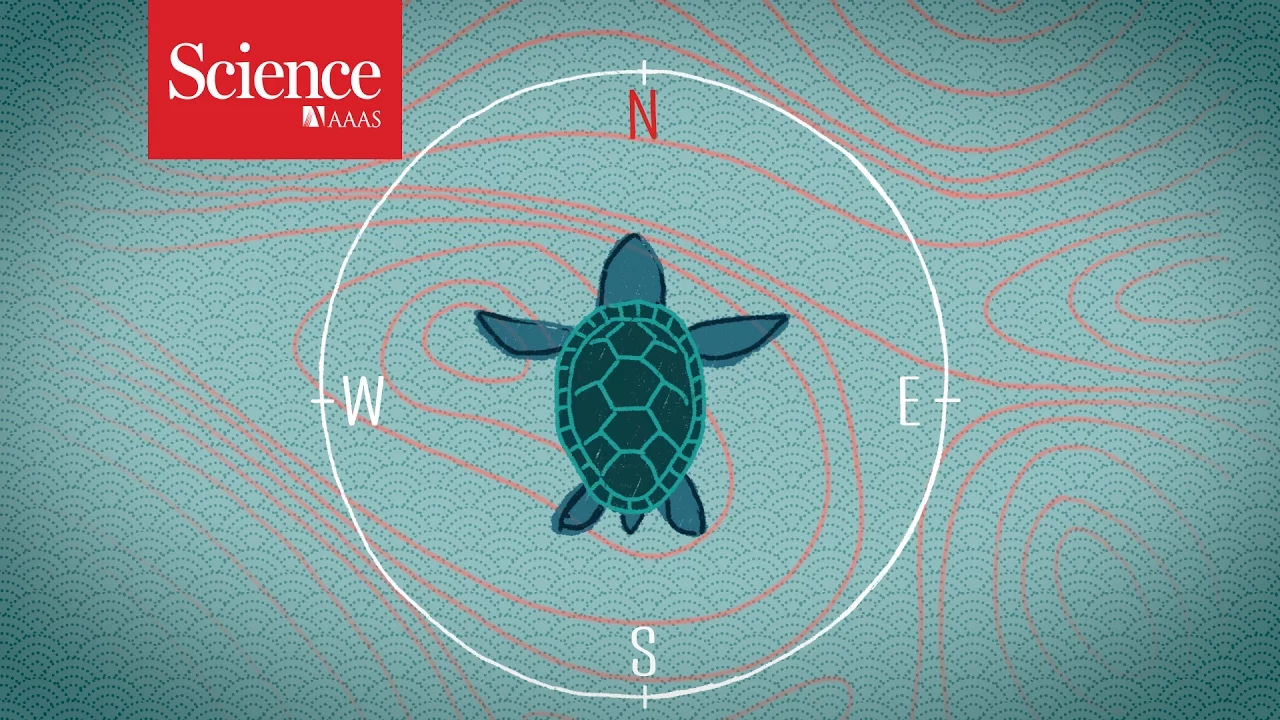
Magnetoreception is the ability to sense Earth's magnetic field, present in sea turtles, pigeons, lobsters, salamanders, some fish, and fruit flies. While behavioral evidence confirms its existence, the specific receptors remain unidentified. Two proposed mechanisms exist: a mechanical sensor based on magnetite (Fe3O4) found in animal tissues, which could be pulled by magnetic fields to mechanically control neural circuits by opening ion channels; and a biochemical sensor based on cryptochrome proteins in the retina, where light creates radical pairs whose spin states are influenced by magnetic fields. Different animals may use different mechanisms, and some may use two systems—one for direction detection and another for geographic position determination. Sea turtles use magnetic fields to navigate thousands of kilometers and return to their natal beaches for egg-laying, demonstrating the practical importance of this sensory modality.
Click to watch →
We Don't Know: Magnetoreception
143.9K
One theory proposes that animals possess tiny magnetite particles within their bodies that serve as magnetic receptors. Magnetite is identified as the most magnetic natural metal on Earth. These particles are believed to be sensitive enough to detect extremely subtle variations in magnetic field strength, enabling animals not only to determine cardinal directions but also to pinpoint specific locations such as particular beaches with remarkable precision.
Click to watch →
Deep Dive
The ecological impact of anthropogenic electromagnetic noise and human-made structures on migratory animal pathways.

Lost in migration
41.6K
Human-made electromagnetic noise interferes with migrating birds' ability to sense Earth's magnetic field; German researchers discovered that screening experimental huts with aluminum plates blocks this interference, allowing European robins to navigate correctly, while artificial introduction of radio frequency noise (50 kHz to 5 MHz) disrupts their orientation, suggesting a quantum mechanical mechanism for magnetic sensing.
Click to watch →

Les Animaux que la Nature a Traités Injustement
242.1K
Animals can be misled by human infrastructure. Dogs in Scotland frequently fall off bridges because they are attracted by the smell of muskrat urine living under the bridge. Dogs cannot understand that the parapet is solid stone and cannot see the ravine below. Similarly, bees depend on electromagnetic fields for navigation, and artificial electromagnetic fields from power lines disrupt their ability to navigate, causing problems with reproduction and pollination.
Click to watch →

10 Pinaka Malayong Napuntahan ng mga Hayop | Pinaka Malayong Migration
752
This section explores how animal migrations create ecosystem-wide effects and how human infrastructure influences migration patterns. Salmon migration triggers cascading effects throughout ecosystems, with bears consuming over two tons of salmon annually and leaving carcasses that support eagles, quail, and other species while enriching soil. Human-made structures significantly impact migration routes, with pronghorns traveling 240 km annually in the US. Studies show habitat type and human-built structures affect migratory behavior, including stopover site selection and travel speed. Sagebrush strongly influences pronghorn route selection, while wind turbines cause faster travel and reduced stopover time.
Click to watch →

Sylvia Earle, Ph.D. - Marine Biologist. Ocean Explorer. President and Chairman Mission Blue. | EP32
37.9K
Humans have been great disruptors, cutting through migratory pathways on land, in the ocean, and in the skies. We have changed and altered the migratory pathways of birds. Many animals in the sea have migratory pathways that have been learned and have now been disrupted by noise, traffic, and loss of chemical signals that have been developed over their long history.
Click to watch →
![Migraciones Animales: Viajes de Vida o Muerte en la Naturaleza [Documental]](https://i.ytimg.com/vi/PNSNVjd7J1M/maxresdefault.jpg)
Migraciones Animales: Viajes de Vida o Muerte en la Naturaleza [Documental]
45.1K
Human infrastructure has transformed migration from predictable journeys into labyrinths. Where there were open plains, there are now roads; where rivers flowed freely, there are dams. Each artificial obstacle is an invisible threat that animals do not understand. The group fragments, and in this disorganization, predators exploit the situation. The youngest and weakest are left behind. In the oceans, marine currents that guided life for centuries are changing behavior. Waters warm, nutrients no longer arrive as before, and fish schools move increasingly far from the coast. Birds must fly longer, expend more energy, and assume more risks. Some colonies unable to adapt disappear silently. Desert journeys lengthen as rains arrive late or not at all.
Click to watch →
Deep Dive
Bio-inspired engineering and the development of alternative navigation technologies (such as magnetic anomaly mapping) for autonomous vehicles and robotics.

iM3F Keynote Lecture - Autonomous Navigation Technology for Smart Cities
287
This section explores alternative sensing approaches beyond traditional visual and LiDAR systems. Magnetic field-based SLAM exploits Earth's magnetic anomalies for indoor localization, generating magnetic sequence fingerprints for loop closing and creating reusable magnetic field maps. Underground localization employs dual IMU magnetic matching, comparing front and rear sensor readings to estimate position despite GPS denial. The section then presents bio-inspired robotics, specifically the Ballbot robot mimicking mole digging behavior with scapula-inspired crushing mechanisms and extendable drill bits. Finally, visual-inertial navigation combines visual and inertial sensors, with the LBO algorithm integrating point and line features achieving 16% error reduction over state-of-the-art methods. Applied to UAV bridge inspection, these techniques enable GPS-denied operation with crack detection capability, demonstrating how diverse sensing modalities and bio-inspired design principles expand robotic operational capabilities across challenging environments.
Click to watch →
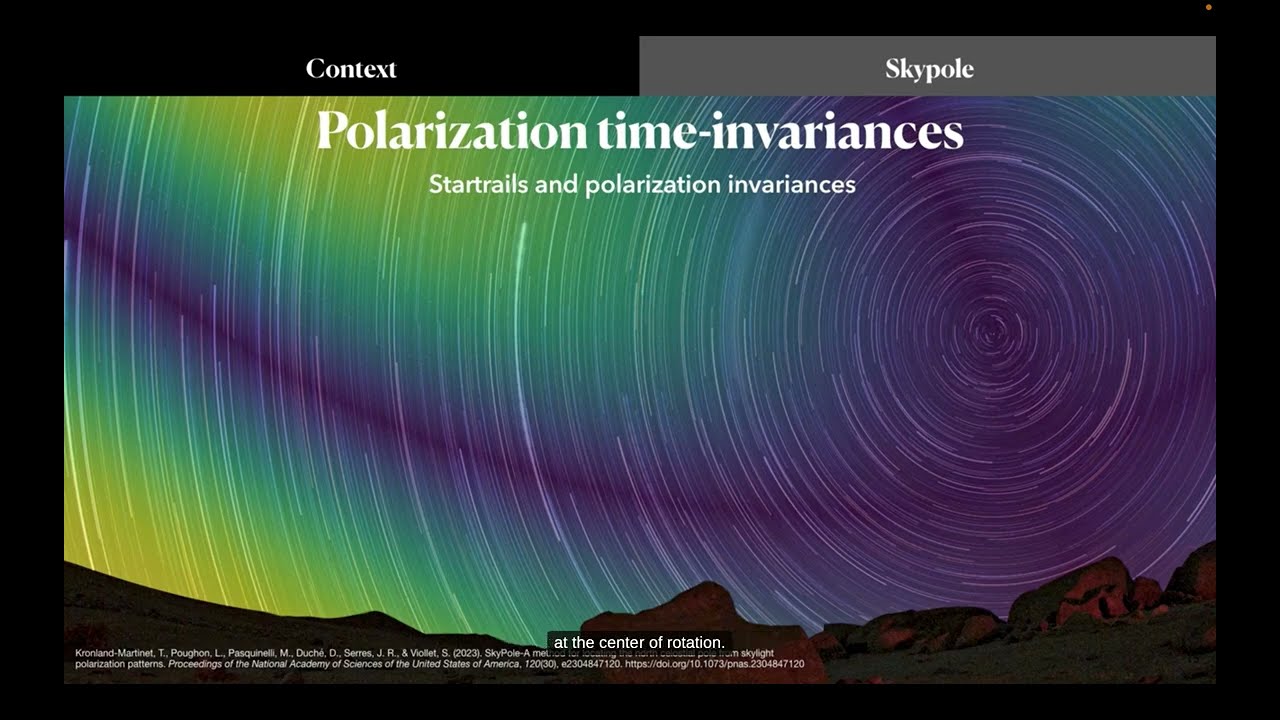
SkyPole: a geolocation algorithm based on polarized vision without using astronomical ephemerides
251
This section establishes the research motivation: GNSS systems face reliability issues from spoofing, jamming, and signal obstruction, creating critical vulnerabilities for autonomous vehicles and military applications. Traditional alternatives like visual odometry require environmental knowledge, while inertial sensors accumulate drift errors. The research draws inspiration from migratory birds, which navigate across hemispheres using dual compass systems—a magnetic compass for directional sensing and a star compass for calibration. The star compass exploits celestial rotation around the celestial pole, which simultaneously reveals true north direction and observer latitude through its altitude above the horizon. This biological model demonstrates how nature solves the fundamental challenge of self-contained, drift-free navigation without external infrastructure.
Click to watch →

Lab Life - Episode 47: Alternative Navigation & Nanoparticles
164
Modern navigation systems face critical vulnerabilities as GPS dependence creates risks from jamming, cyber attacks, and signal degradation. Alternative navigation techniques address these weaknesses through synthetic aperture radar and celestial-aided positioning using comprehensive databases of space objects including satellites and orbital debris. Unlike traditional star-based navigation, modern systems analyze sky imagery to triangulate position, enabling autonomous navigation during GPS failures and supporting unmanned aerial vehicles requiring compact sensors. Parallel research explores bio-inspired engineering by studying animal navigation mechanisms—bees use magnetic nanoparticles in their bodies for orientation, while birds employ cryptochrome proteins and abdominal magnetic nanoparticles for migratory navigation. These natural systems inform artificial navigation device development, demonstrating how nature often provides optimized solutions that human engineering seeks to replicate.
Click to watch →

Autonomous fish robots and bio-inspired engineering | Kristi Morgansen | TEDxRainier
20.3K
This section establishes the foundational framework for bio-inspired engineering. It explains why animals outperform engineered systems in dynamic environments and introduces the research objective of applying biological principles to improve engineering design. The framework covers planetary-scale environmental monitoring challenges, defining key requirements for autonomous underwater vehicles including long-duration operation, energy efficiency, and navigation without GPS or tethers. The methodology involves identifying engineering characteristics, finding analogous biological capabilities, formulating hypotheses, collecting quantitative data, and developing mathematical models that inform engineering design while simultaneously advancing biological understanding.
Click to watch →
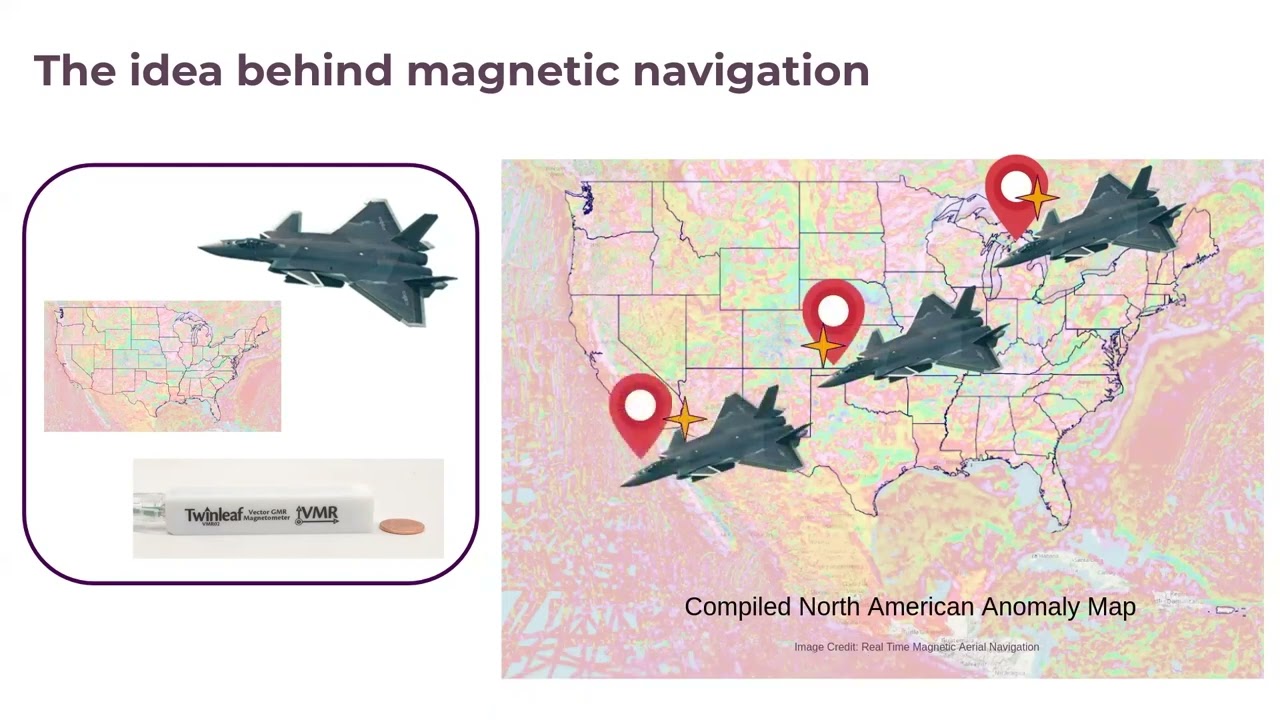
Information-Aware Guidance for Magnetic Anomaly based Navigation
334
This paper proposes two guidance methods for autonomous navigation using Earth's magnetic field anomalies: one based on maximizing the determinant of the system observability gradient and another based on minimizing expected entropy. Both methods aim to reduce localization uncertainty by intentionally planning paths through regions with rich magnetic anomaly information, achieving up to 300% reduction in navigation uncertainty compared to naive straight-line approaches.
Click to watch →
Magnetic Sense
Visual Compass
Magnetic Sense
0:00- 1
Animals navigate using magnetic fields, a mystery studied since the 1950s.
- 2
Recent research found magnetite cells in trout noses that detect magnetic direction.
Methodological Skepticism and the Macrophage Controversy
While the concept of magnetoreception is popular, it faces significant scientific skepticism regarding its exact anatomical mechanisms. For years, a leading theory proposed that magnetite-bearing sensory neurons in the upper beaks of homing pigeons served as the primary magnetic map. However, a landmark study debunked this, revealing that these iron-rich cells were actually macrophages (immune cells) rather than neurons. This discovery highlighted a major replication crisis in the field, exposing how easily iron contamination can be mistaken for sensory receptors. Furthermore, some researchers argue that the influence of magnetic fields on animal navigation is often overstated. They contend that many species rely primarily on more established, non-magnetic sensory cues—such as olfaction, celestial maps, wind patterns, and visual landmarks—and that magnetic sensing may only serve as a redundant, secondary system rather than a primary navigation tool.
The physics of Earth's magnetic field (geomagnetism), including magnetic poles, intensity, and inclination angles.
Basic principles of electromagnetism and how magnetic forces interact with materials.
The fundamentals of sensory transduction, specifically how nervous systems convert external physical stimuli into biological signals.
General concepts of animal migration, including traditional navigational cues like celestial orientation, landmarks, and olfaction.
The biochemical mechanism of cryptochromes and quantum biology, specifically how radical pair reactions facilitate light-dependent magnetoreception.
The cellular biology of biogenic magnetite (iron oxide crystals) and its role in mechanical magnetoreception in species like trout and bees.
The ecological impact of anthropogenic electromagnetic noise and human-made structures on migratory animal pathways.
Bio-inspired engineering and the development of alternative navigation technologies (such as magnetic anomaly mapping) for autonomous vehicles and robotics.
225.2K views5.3Klikes3:21@SciShowOriginal Release: 2012-09-21
[Music] here's something I wish I had Magneto reception the ability to detect and navigate by magnetic fields people have been pondering how animals navigate since time immemorial and until the 1950 scientists assumed that birds at least navigated the same way as ancient Mariners by the sun and the moon and the stars and you know sexs and astrolabes but then everything changed when researchers in Germany were studying Robins in shuttered lab and they realized that come migration time the birds all started trying to get out of the same side of the cage specifically the side of the cage that Spain was on which is where they all wanted to go since then experiments have suggested over and over again that a variety of organisms trout bees bacteria Turtles Birds maybe even cows can detect magnetic fields and navigate by them we just can't figure out how the freak they're doing it but research continues this very Year in 2012 a team of researchers at Germany's Ludwig maximilan University came up with a theory it could be that some navigating animals have specialized cells that contain magnetite the strongest naturally magnetic material on Earth it's already been shown that Trout's facial nerves respond to electric signals when exposed to magnetic fields so the German team scraped some cells out of a rainbow Trout's nose and put them in a microscope surrounded by magnetic coils and a rotating magnetic field what they found is that some cells maybe one in 10,000 actually spun in unison with the rotating magnetic field these cellular magnets are tiny but they responded to the magnetic field with about 100 times more Force than the researchers predicted the researchers theorize that these Compass cells contain microscopic crystals of magnetite or maybe some other iron-rich mineral and that nearby nerve cells pick up their spinning and transmit that information to the fish's brain to give it directions very clever but another mechanism for detecting magnetic fields could be in the eyes birds and a host of other animals have retinas that are chalk full of a protein called cryptochrome and cryp Chrome can produce molecules called radicals which have unpaired electrons now I'll spare you the details here but pairs of these radicals can interact in such a way that they're affected by magnetic fields and since these reactions are taking place in the eye it's possible that cryptochrome can actually allow animals to see magnetic fields and wait those animals could include us yes we have cryptic and our retinas too scientists are investigating a particular kind called Cry 2 that's known to function in other animals as a light sensitive magnetic sensor now it's still not clear why birds can fly thousands of miles without a map well I can't find my way out of the RB's parking lot but Cry 2 might explain why some people just have a sense of which direction to go even in a new environment as with all things time and science will tell you might say that Magneto reception is a field of research that we're still feeling our way through thanks for watching this sow dose if you want to keep getting smarter with us here at side show you can go to youtube.com/ show And subscribe and if you have any other ideas for future episodes or questions you'd like to ask us we're on Facebook we're on Twitter and we're in the comments below [Music]
Up Next
80:18
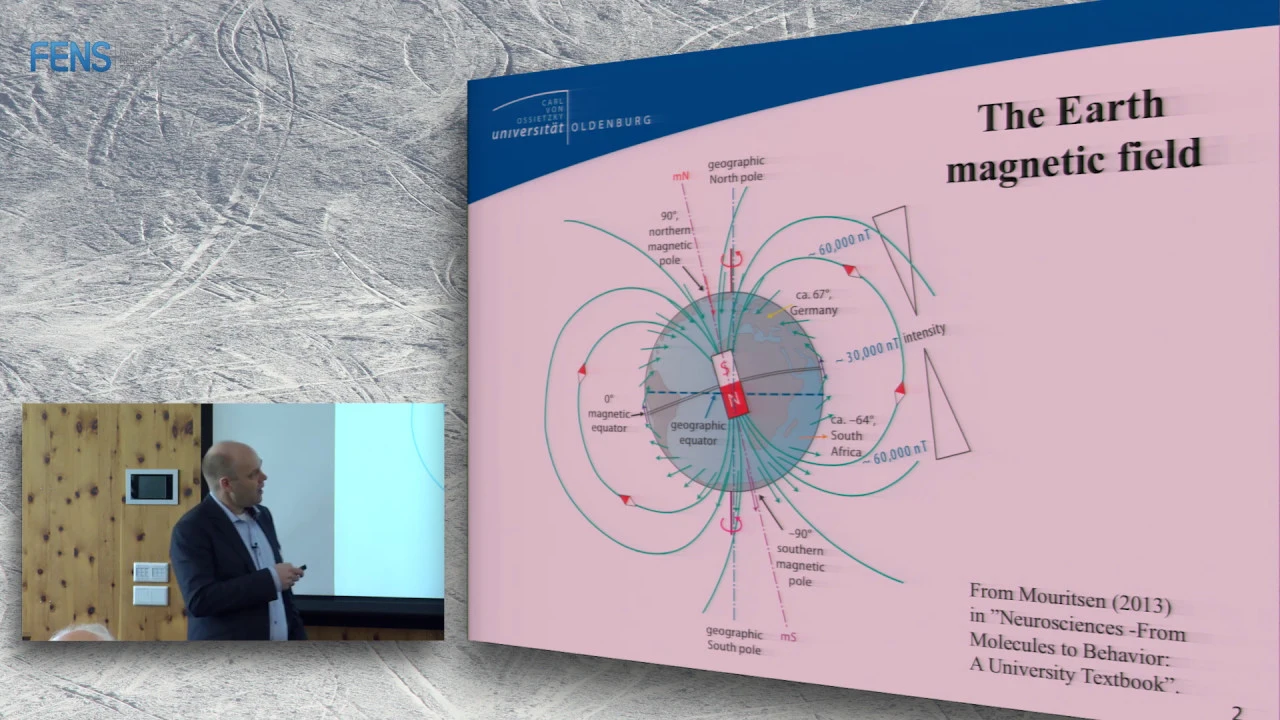
Magnetoreception in Night-Migratory Songbirds | Henrik Mouritsen
@FENSForum
4.7K views•2019-05-24

50:12
Bacterial Communication: Quorum Sensing and Biofilm Formation Explained
@JHUAAP
12.6K views•2011-06-28

6:06
Blue Whales Rely on Wind to Locate Food in Coastal Upwellings
@SciShow
90.8K views•2022-12-19
7:08
Bacteriophages: Earth's Deadliest Killers and Future Antibiotics
@kurzgesagt
34.6M views•2018-05-13
Related Study Plans & Knowledge Roadmaps
Structured learning paths in Biology
biology
RNAi: Biogenesis, RISC & Gene Silencing
01Molecular Biology Foundations: DNA to Protein
02Introduction to RNA Interference (RNAi)
03Molecular Biogenesis of miRNA and siRNA
+ 2 more learning modules
10h5 modules
Explore Roadmap
biology
Mycorrhizae: Signaling, Biophysics & Ecology
01Foundations of Mycorrhizal Symbiosis
02Molecular Signaling and Root Colonization
03Biophysics and Bioenergetics of Nutrient Exchange
+ 1 more learning modules
11h4 modules
Explore Roadmap
biology
Circadian Clocks: TTFL, SCN & Periphery
01Foundations of Molecular Biology & Gene Expression
02Introduction to Chronobiology and Actograms
03The Core TTFL: Molecular Architecture of the Clock
+ 3 more learning modules
14h6 modules
Explore Roadmap
biology
Population Genetics: Math, Drift & Selection
01Genetic & Probability Foundations
02The Hardy-Weinberg Principle and Baseline Models
03Mathematical Modeling of Natural Selection
+ 3 more learning modules
18h6 modules
Explore Roadmap