
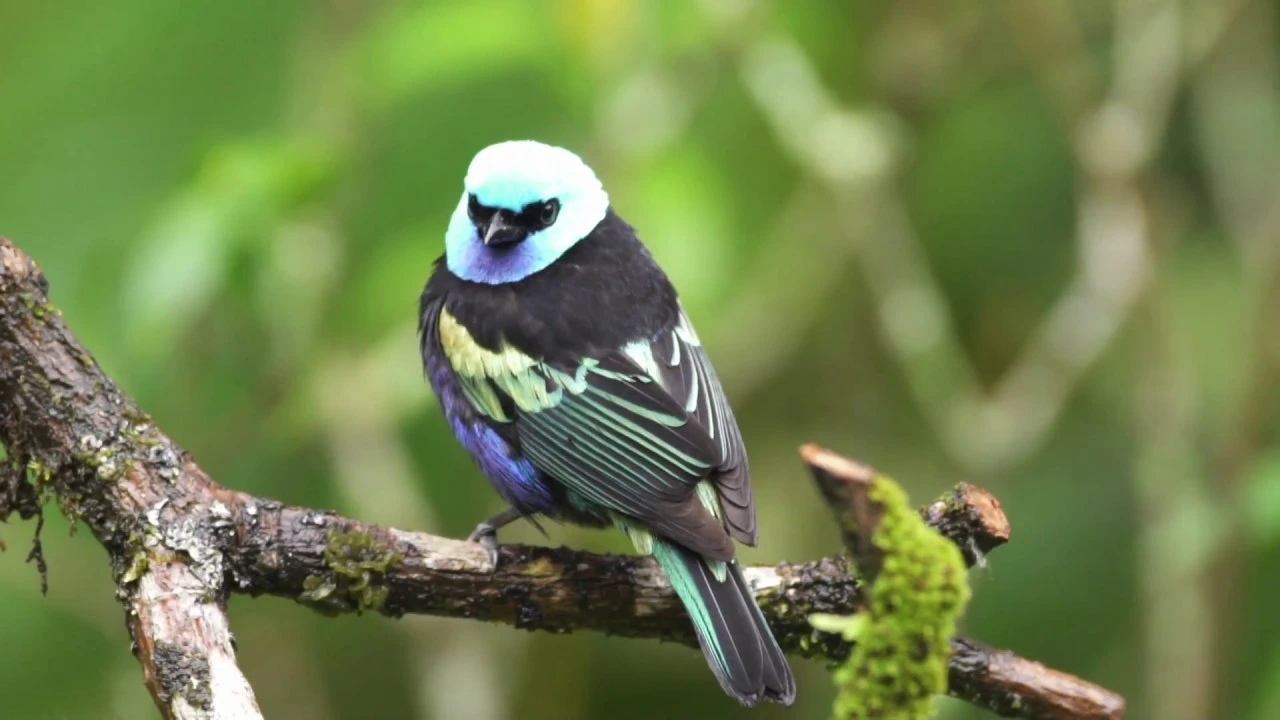


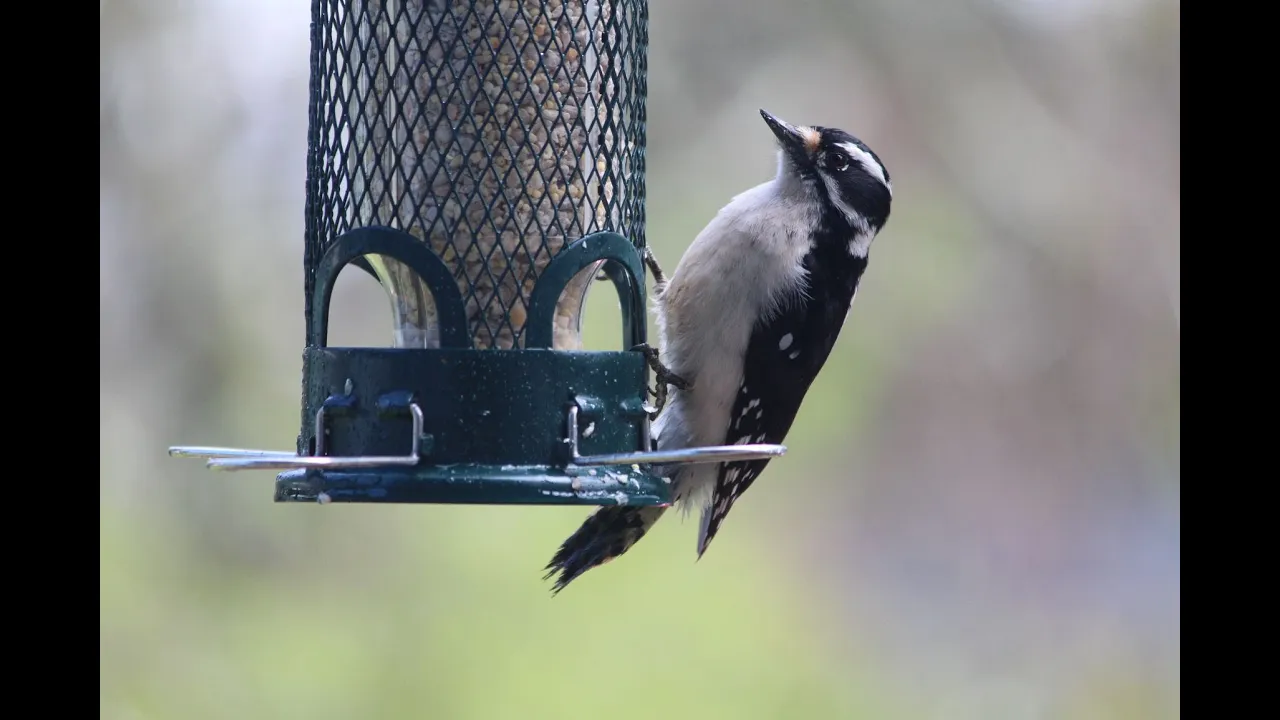






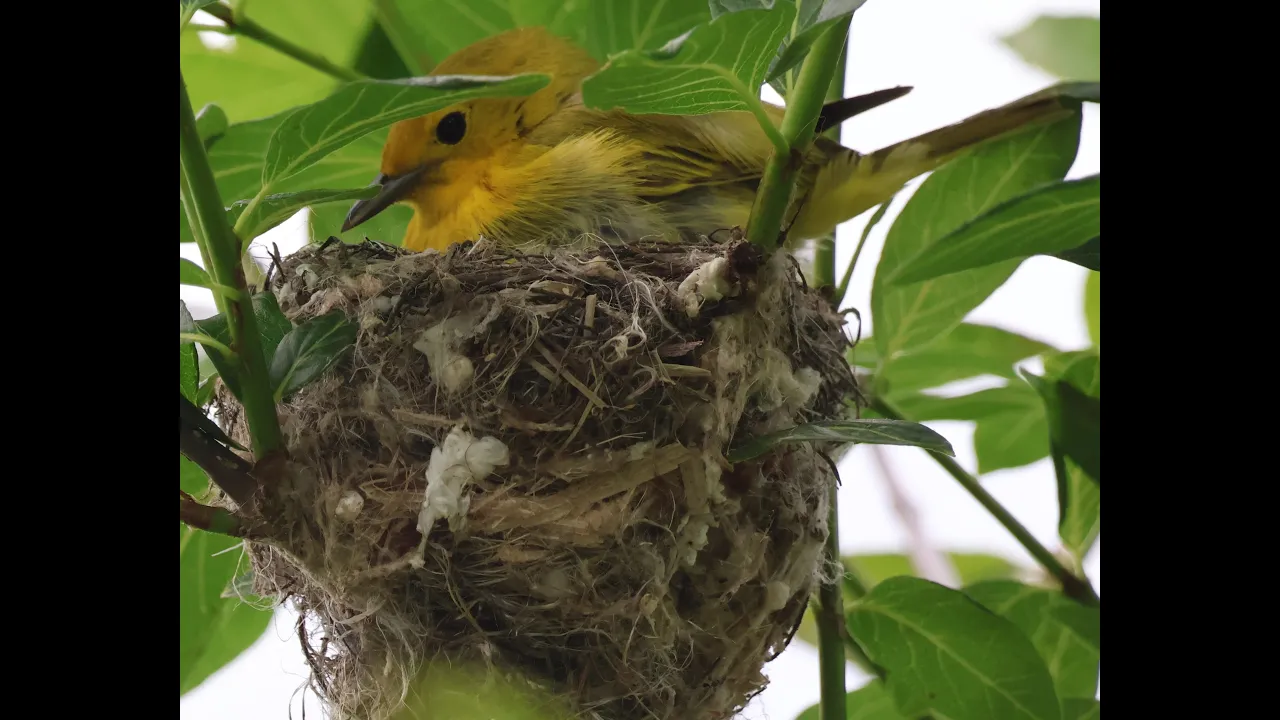











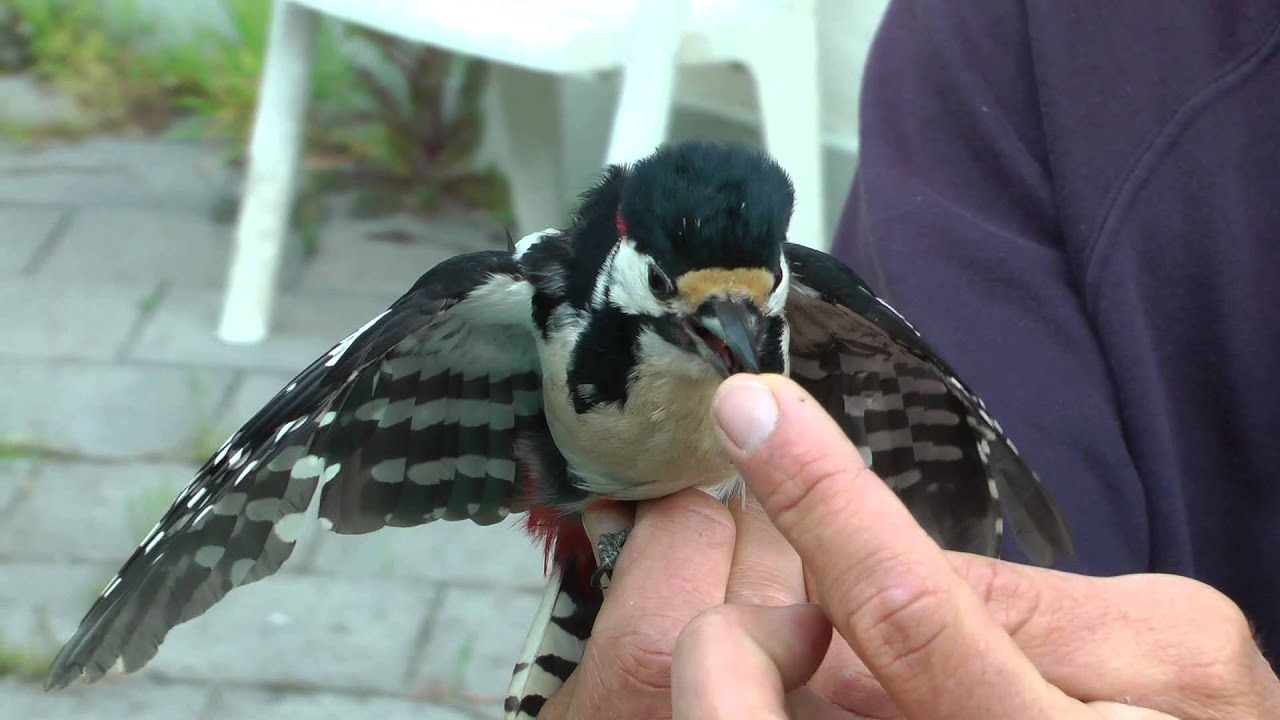

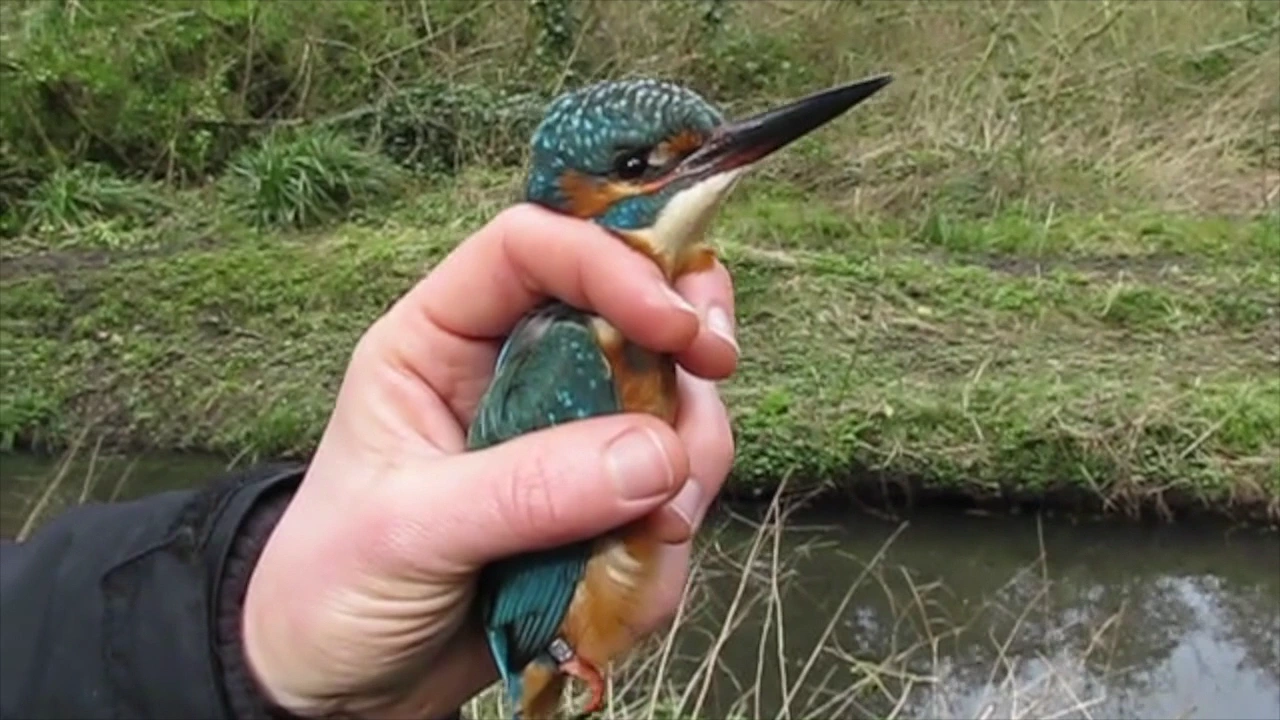
Garden birds are species that have adapted to human-modified environments, typically originating from woodland habitats and finding gardens suitable for living and breeding. In the UK, garden birds are thriving because gardens collectively cover more area than all national nature reserves combined, making them crucial for bird conservation. Feeding garden birds year-round is beneficial for both bird survival and human enjoyment, as it transforms casual observers into passionate birdwatchers. However, feeding practices should be adapted to regional contexts—for example, in the US, feeding may attract larger animals like black bears, requiring different approaches.
Birdwatching Insights with Dominic Couzens | Nature Conversations
Added:Basic avian anatomy and taxonomy, including how bird species are classified into families and genera.
Core concepts of animal behavior (ethology), such as territoriality, courtship displays, and migration patterns.
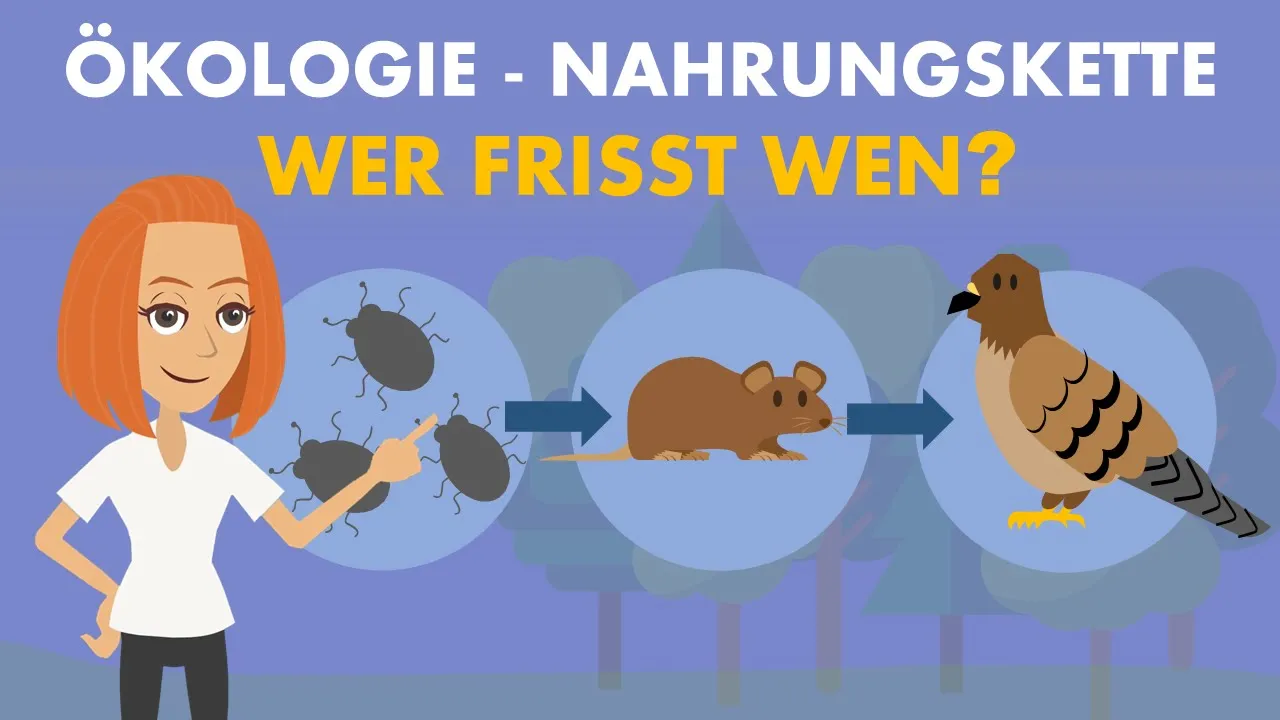
Fundamental principles of ecology, specifically how birds interact within their local ecosystems and food webs.
An introduction to conservation biology terminology, including habitat fragmentation, biodiversity, and extinction risk categories.
Advanced field identification methods, focusing on bioacoustics (bird song analysis) and subtle differences in juvenile versus adult plumage.
Active participation in citizen science initiatives, such as global bird counts, population monitoring, and utilizing platforms like eBird.
Practical applications of avian conservation management, including habitat restoration techniques and designing bird-friendly urban landscapes.
Scientific methodologies in ornithological research, such as bird banding (ringing), satellite tracking technology, and compiling behavioral ethograms.
179 views3likes1:03:52Original Release: 2020-07-31
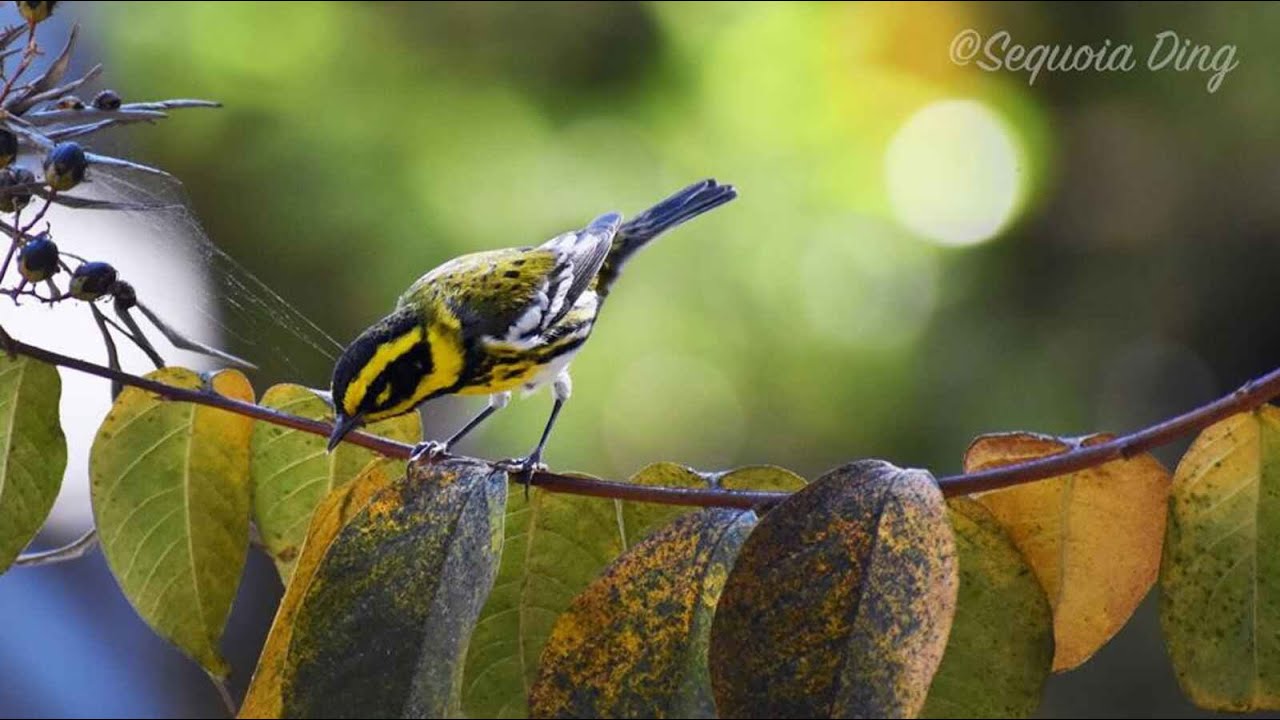
that we started tonight's proceedings so good evening good morning and good afternoon to everyone um this is um this is in fact the penultimate uh in conservation with in the evening um in this current series and what better way to celebrate the penultimate night than to have dominic cousins with us now for those who doesn't who doesn't who don't know even who dominic is i will attempt to kind of fully win um there's not much to say really because he is one of his best known and most prolific writers i mean i've had a few on uh as you've probably know in terms of in the past we've had a few people um on those writers but he's written about a million books i'm sure he's yet to come out this week um but he's of also popular tour guide published numerous books and articles and natural history including um writing for magazines like the bbc wildlife magazine and bird watching magazines plus the rsp beats nature's home so and even the wifi wetlands trust me you write for them as well so he's in all the the top the most important magazines um his books included books titles such as extreme work and the secret life of garden birds and britain's mammals and top 100 points of the world birding sides of the world and you've also got a new book coming out but before we talk about that and even say hello to you i must say very briefly thank you to our sponsors micah and birding as well as kings play music foundation sponsoring this as part of their nature unwrap yeah that's really good so i'm nick good evening and welcome how are you good evening david it's really good just pretty hot here as well in dorset in the uk oh of course you're in dorset of course um sorry it's a beautiful evening here good um we've known each other um for some time by the way you say it's a beautiful evening chris in northumberland said he's remaining and his 60s right i'm sorry about that we're very sorry about that um and susie buttress is saying there's lots of flying ants around um it's funny how people think that flying outside come out on one day of the year i read somewhere but like is it like 98 percent of these summer there's some point during you know day in the summer that the when the weather's actually appropriate that ants will be flying quite interesting sometimes it's two or three days only one day exactly um but we've we've i can't remember when i actually first met you but we've known each other for some time but david you were young then we were young then did you say well you were young yeah i'm still young okay we're having a slight problem with your audio by the way i'm not sure if anyone's else can hear but a couple of view words are missing now and again but we get the gag try and do better so yeah so learn each other do you remember when we actually first met i think it was um at the bird in rutland about probably 20 years ago wow that's some time ago it's a long time isn't it funny how life moves on so how was uh how was the this whole panda been for you in england in dorset it's it's a bit embarrassing to admit um but actually it's been quite pleasant for me because i've not had the disease and nobody i know has had the disease and so um lockdown is very pleasant here it was very quiet you could hear the birds singing i had plenty of work i feel guilty saying it but actually it has been fined for me but i do know that it scores a lot of misery around the world of course but on the lighter notes um a lot of people have been talking about that but they've been hearing so many during lockdown uh i'm sure you've been approached many times by various people what was the reason for us hearing all many allegedly more birds than i'm sure no one really heard um i don't think there was any more singing birds themselves it's probably just that people could hear them and they actually there wasn't so much traffic or other background noise although of course we do know that birds have adapted their songs to sing louder when they live in cities so maybe they didn't realize that us humans were all in lockdown and so they sang as loudly as they normally do it's just felt being in lockdown actually yes i think that's probably mainly the reason but i mean what a fantastic opportunity in some ways for people to hear the very close around them so whilst what down i presume what's around your neighborhood what sort of things well the problem is that i've got a very nice neighborhood so i've got um things i've got a river at the bottom of my garden where we sometimes see otters things like that and uh and so it was rather nice to be able just to walk around the garden to be honest there's lots of birds around here it's a farmland area so we had birds like corn buntings and yellow hammers and all sorts of nice things i certainly added to my girl list i know you did as well absolutely yeah well let's take it back to the very beginning to the young dominic in in the last century thank you when you when was the first time you actually realized you were bitten by the bug what was as our american colleagues may ask what was your what was your spark but it was my spark but my spark bird was probably a house sparrow i went for a walk from my home because i'd come from london like you do david and i walked up the road one day probably in july and i found an injured sparrow whatever what eight were you oh i was probably six and i picked up this injured sparrow i thought wow that's amazing what an extraordinary bird it was i was already interested in things like dinosaurs and reptiles and things like that um and then this which of course birds are dinosaurs we didn't know that then and i picked up this sparrow i thought wow this is a really cool thing and i guess i was on birds ever since so ever since i was six years old and uh do you have any what's your background in terms of you know developing into the manual today what happened from that moment when you pick up the sparrow how did your career progress from then well um the moment of the sparrow coincided with i think a lot of people have this it coincided with a very sad time in my life because my father died around that time i was six when he died and i think i was just um i went and withdrew very much into myself and when life is is quite so ghastly outside you do look for some kind of escape and i think the sparrow went onwards and it turned into a complete obsession for me as i know you um it was an escape from the realities of the world and i certainly never expected in the years to come that it would become a career that was unheard of this is talk about the 70s 80s no one had a career in birth or bird writing or anything like that and so back then it was just my escape if anything was going badly i could always make it to the nature and birds and if necessary just reading about i mean by the time i was 12 or 13 a friend of mine and and i we decided to there was no published list of birds of the world back then so we thought we'd done uh do one ourselves and so we used to spend weeks just uh going to all the books we could find writing down all the species of birds in the world again it was that was a way of sort of getting away from a slightly dreary dreary life that we found ourselves in it's funny because i did the exact same thing on my own and in a way i'm still doing it to this day adding names onto a list but it's there it's different because we have things like boobo or the handbook of the world online dates birds of the world online where you can actually all pre-prepared but yeah i could see that so when did you first pick up a pen what made you pick up one more pencil to write well this came about by accident i didn't really intend to be a tour leader so in my early 20s i was doing a very boring job um just in an office and i went away when i was young with my mum on a world tour we just had a holiday for a couple of months i said no i know um it wasn't that it wasn't bad i made just a few countries um when we came back i thought i don't want to ever again i don't i don't want to i don't want to do this i want to go and try a different career and so i decided to um try to do some adult education programs to be the tutor of people who want to do some bird watching that way anyway so i became a tour leader over the years and i only took up writing sort of almost by mistake really um i just thought oh i think i might try this and it kind of did work rather well for me because i've i've been doing it ever since what was the first thing you wrote about the first published thing i wrote was actually about goals for bird watching magazine and it was sort of a humorous article about how sort of difficult it is to identify girls this is probably 19 i know 86 or something like no no 1990 this would be and um yeah i just wrote it right for the first time only time in my life whole arsenal in about half an hour and they published that and then they asked me to do a column uh this was bird watching magazine the british version of bird watching magazine and i've been writing for them pretty much ever since which is about 25 years quite a long time it's a very long time and i'm wondering if anyone's getting fed up with so how many people i mean is that bookshelf all filled with all your books oh no the bookshelf behind me here um i knew there would be a few group of what so i picked out all my best books and i put them behind me so that i would look for them more intellectual than i normally do of course i've got one of yours back there in case you know just just to curry favor with you um but this is a little bit embarrassing but if you uh count books a room with other people it's up to 38. books wow so we're going to talk about god's words i mean that's the whole thing that's the whole kind of the evening um is surrounded yeah but you've written 38 books yes briefly what is your approach how do you how do you write a book how do you write a book well there's there's two ways of writing book you can either you'll know this stuff either come up with the idea go to a publisher or if you're really really lucky the publisher comes up with the idea and comes to you which is very nice when they do that because it saves a lot of trouble and heartache so assuming you have a commission one way or the other you have a certain number of words to write and what i do my sort of professional modus operandi if i have 50 000 words to do in three months i kind of wait for two and a half months and then i write 50 000 words in the last two weeks that's that's how it normally works i know it shouldn't work like that but um it i'm terrible for deadlines i unless i have a deadline i just can't get stuff done at all i'd like to know how you write your books well you know i've not met anyone yet to the deadlines i've not anyone in my life who actually can sit down and say right i've been commissioned today i want to do x amount of words per day until i get to the final day and i've done it i've never met anyone that does that so i i have to say i'm like you i mean my first book which was seventy thousand words um nine months to write it and i wrote all of in the last month wow the other way you know stephen well steven moss i know he's been on your podcast and what he does is that he says right i'm going to write 3000 words he sits down writes 3 000 words and then he gets along with the next thing to do so he sticks to his gun he's not he's human i think so like that some of us here some of the zoomers are not familiar with themix writing not only in book form but in you know in magazines like bird watching magazine and what has always decided me is your in-depth knowledge of birds generally i mean when you talk about stuff that i've never known about birds species that information you've got the sort of brain that kind of just soak up as much as possible no my brain's not like that's at all actually um what tends to happen is that if i a bird to write about i'd literally just go on to roads the western pali arctic or birds of the world online or i go to google scholar and look up all the papers about the bird and i do it that way i do it the laborious way and if you look at enough articles about a bird you can always find out something that you yourself weren't aware of so for example recently i wrote an article on the european storm petrol and as i was researching it i didn't realize i know this is meant to be about garden birds by the way sorry about that but anyway i wrote an article on storm petrols what i didn't realize is that they very frequently at night during the summer feed over beaches estuarine beaches i always thought they were oceanic thing and so i thought oh and if so i thought oh that's interesting and if i have this oh that's interesting then i follow that and hope that everyone else doesn't know that as well every single bird though i think is what i was saying to you last time we spoke on the phone is that every bird has a story to tell and there isn't a single bird in the world that you couldn't actually talk for an hour about everything because birds are so well studied these days most of them have extraordinary things found out about them and that's i'm going to put you in a spot okay i want you to speak for the next minute about different go about what three rippers dippers you mean the difference you don't see the birds there before now i'm only joking okay the dipper is the world's only aquatic songbird it lives in russia and streams because it needs deeply oxygenated water because that type of water is helpful for the sort of things that it eats which is uh mainly insect larvae it when they're they're the only birds songbirds in the world that dive down underwater to catch their food although they're not the only birds that will get their small birds to get their feet wet to eat food because things like rock pipettes do as well and what they do is they basically face into the current put their head down and walk into the river holding on with their very strong claws onto these stones or other things on the water at the bottom of the water and that's how they go in they also curtsy up and down like that you know they'll dip down and nobody actually knows why they do that it's probably so that other tippers can see them have i done a minute yet david you've done two minutes and i think you're great so you don't have to do any more it's interesting because you know i've always been fascinated by kind of facts about birds and you know i've often stuff in the past and just hear that turned out over and over again so it's really interesting reading your articles when you actually kind of learn about a completely new aspect um i i learned the other day for example that there's black wheat here which you know maybe some of the zoom you know black wheat here remember the chat only and lives in the mediterranean that's like area and into north africa it has a distinction of the strongest on the planet for its size because apparently even though it's the size of a starling darling i suppose it can lift pebbles and stones its nest which are three cause of its own which is it fantastic and also what i love about facts and figures i love bird facts i mean i love doing bird quizzes in fact in 2017 i was bird brain of of britain at third fair only on the facts because my children's subject was dan grouse of the world and i was the world's expert on that at that moment um when i was doing the quiz and but the other guys knew more about their own subjects but then when it came to general knowledge i thought yeah because a lot of those guys didn't know their general knowledge and that's don't it was watching you thinking this guy is brilliant and something about black wheaties you know you know of course that um the female black wheatiet actually judged the quality of the males by the number of rocks they bring outside their nest so it depends they look at the power lifting aspects they must be looking at seeing oh that guy's ripped that male black wheat rift and the thing is that it's not even part of the nest it's just a like a bower for a bowerberg and the females can just look at the nest and think i don't want to involve with him and one black wheat has been known to bring i think it's 400 stones to its nest incredible this is our garden bird we're talking about isn't it david well it's a garden bird for some people i mean in spain here there's a for example a town too it's a pretty special back yeah and uh just ask the question do other reaches do that no they don't just the black one okay so that's a question from cleveland um so basically um before we go and talk about garden birds i'm sure everyone's gonna learn about garden birds can you just what's the most weird fact that we ever come across you know what's the most interesting fact we've come across that you can think of one that's not a bed you know whatever one of my favorite natural history though yeah oh yeah yeah yeah yeah no it i read the book um it was sort of full of it was called extreme and it's about a i think it's a bacterium or something like that it's called trichosomiasis or something like that anyway this this it may not be a bacterium i think it's a single celled animal anyway and it passes it affects quite a lot of different animals but it's most of them and reproduces most happily in the stomach of a cat a feline so this i think it's a single-celled animal anyway when this i think it's called trick or step or something like that when it's ingested by a rat or a mouse it sends out a chemical into the brain of the rodent and the rodent suddenly becomes unafraid of cats and so when it's infected it's unafraid of the cats and it fat rosin run away from it runs towards it and then the cat eats it and the microbe finds its uh way back into the stomach of a cat amazing which is pretty good and will blow up as well if a termite mound is threatened by a predator they they send a certain type of termite that basically has a lot of fluid inside and it blows up and tries to destroy the predator by blowing up over it so it sounds like a like a what sorry like a bomb like a bomb like it's indeed yeah goes up in front of the predator that's a pretty good fact definitely um okay garden birds now what one question i like to ask about garden birds is what a garden bird because in north america um in europe you can say birds but if you go to australia um and you say garden bird people say what they seem to behave differently there the birds generally they're more medic so what's your definition of a garden that's actually a really good question um i think in america they call them backyards don't they and it's essentially birds which are adapted to the uh human environment really it's as simple as that there are quite a few garden birds in australia if you think about it fairy wrens and um at least in in the eastern suburbs of around australia there's a lot of um quite a lot of garden birds there i think that it's just the bird you see from the garden really and it's it's where birds that are usually um they usually originate in woodland open woodland and they find the garden environment which we understand a patch of land next to buildings may be surrounded by buildings they find that habitat suitable for living and breeding of course in in recent years this has extended enormously to birds which we can feed or we can look after some way and so the birds of our backyard of our garden become our birds and then a lot of people look upon first a very personal way as sort of our garden robin or something like that but i don't think there's a real definition of garden birds they're just familiar birds really i mean i've got kingfishers in my garden there's a particular family a bird that's more prone to being attracted [Music] david it depends on the parts of the world you're in obviously if you talk about europe many of them are r d's thrashers and tits and finches finches often come to gardens throughout the world because they like seeds these are great for seeds natural seeds as well as other seeds which are put out if you go to america you get hummingbirds of course and then south america in the gardens you feed your hummingbird and in australia you've got your whole eaters which come to sometimes to plants that you actually grow and so of course ever there are different birds in other gardens but certain families do seem better disposed things like warblers are not really um in i'm talking about european wars apart from black caps with no longer warblers of course um they're not really um particularly prone to living in garden despite the fact that there's a bird called a garden warbler when you say black caps are no longer will you explain that oh they've been well all these lovely technomic changes you might they're now they're called soviet babblers now they're still called sylvia d if the listeners have heard of sylvia b but yeah they split them away from warblers now and they're they're closer to babblers apparently it's interesting because certainly in britain and europe because obviously in north america the warblers there are thin builds buntings i presume aren't they thin builds evolution american waters breaking inches of inches yeah those differentiality okay getting a bit opaque here sorry i just was apologizing for people if it's getting a bit sort of um taxonomically sort of a little bit hard to understand that this why they are it's the dna studies have been done on all these birds while they've discovered that pinches like goldfinch is closer relative to uh a bird like a black bernie and warbler or a black and white wall but they're very actually very close but it's all about deer yeah well just going back to the old warblers yes the you know growing up as a birder you kind of think warblers are warblers okay you got christopheles you've got the locostellas and all that and then you've got the silvia one that claps and you've got the scopus whatever which are the uh see one big family and then when you start looking at it again you've got chatty's wall which is kind of an anomaly because it's got what 12 14 or whatever and they've got all the aberrant ones and then you realize that warblers are like waiters in fact they come in all different shapes and sizes closely related to rather than others yeah i mean i think the chetty's warbler's got more than any other small bird in the world i might be wrong about that if anyone sort of wants to write in and say that's rubbish but actually they've all they split all the warblers into different families now anyway so teddy's warblers in a different family bush warbler family and even uh philosophers small blizzard in a different family now the taxonomists love doing things the thing is i mean as much as this interest some of the taxonomy visions i cannot that i will not accept falcons are related to parrots and not raptors i thought like hawks and stuff i'm sorry also i will not accept i'm categorically in this uh on record i cannot accept pick a guidebook and it starts with with divers and greaves the thing is the problem i have is that because of all these taxonomic changes it means that we pick up a new field guide it's a new order which means people learning about birds confused because every time you pick a [ __ ] you can't find where the birds are i think there should be a rule whereby you stick to one order but everyone there's a universal order if there's a field guide and everyone knows and it makes it a bit more easy to get into then change it every five years that's me with myself my soapbox i'll drink to that one david now susie butchers have a question here actually you know what susie do you want to come on hi there um i was just wondering what the best source for taxonomic information might be for the lay person because it is quite tricky to to work out all these different families and um i've tried looking at like wikipedia and things like that um and some of the more professional ones seem to be behind payables it gets a little bit tricky to work that out for sort of the lay person but it's absolutely fascinating what you're saying and and absolutely david i've been caught out myself by looking at older guidebooks and then finding out that the families have all changed um or rather the birds within the families have changed frustrating yes a really good source is the ioc website the international ornithological congress website at least it will tell you what all the new families are there is a book coming out by links i think in spain which is all about the pepperdines which is going to explain the major changes they've done in the passerine order that's approaching birds as people probably know but i agree with you both i feel that field guides are field guides they're not taxonomic guides and i do think they should have perhaps kept the order um a little bit more consistent and at least until it's all worked out it is very very confusing for people of course as you both know anyone listening knows there are more and more people coming into birding at the moment and we need a way an easy entry for them so that they can quickly find the birds they want in a gun it is a bit of a problem at least it's not as bad as the botanists whose name's changing for everything there thank you thanks thanks susie um dennis ridden i'd like to bring you in now um because i would like you to talk to us about the warblers in america that you get and do you today come into your garden i know you said they don't as a rule but did i ever you ever get any species coming in migration we might get uh warblers in the garden but they're generally not large enough for the uh birds to nest uh most of the north american warblers in this area at least are either passage migrants going much farther north or they're they're going to be nesting in uh forests okay one more question what's the bird in your background jackdaw is it yes yes yeah it looks like some weird tropical bird but i guess this is a weird tropical bird living in polynesia it looks like you can swallow actually yeah just be poor you sometimes get yellow rump warblers in the winter not really in the gardens okay um they're more uh they're going to be more in uh in in troubling areas where they can find berries oh okay yeah that makes sense so so dennis what's the classic um you're in east you're in eastern u.s aren't you yeah new england okay new england what's what's your classic modern birds you get there well my highlight this year was more oriole it's coming coming to get some [Music] uh cat fur i had combed off my cat and put out for the uh tufted tit mice and uh baltimore orioles found it and used it for their nest uh but we get cat birds northern mockingbirds cardinals house sparrows and american goldfinches other fences chickadees black cap chickadee uh american ruby american robin yes the morning doves and then occasionally uh really a backyard bird as such but one that takes advantage of backyards is sharp shenderhawk which is like coming to feast on garden birds what else white throat sparrow in the winter uh junko's in the water okay so you have quite a a range of uh interesting emergencies great i want to come back to you actually uh dennis but um let me go to the west coast we've got joe seal on the west coast tell us about your garden birds just just to get there okay um well i'm in san diego and san diego county county actually has the most number of species of any county in the u.s because we have the county is huge it's we've got the ocean we've got desert we've got um forest we've got mountains and so there's like 500 species around here but not all at the same time but typically like outside right now um jungles long sparrows we don't have house sparrows here but up the hill we have house sparrows which is strange they they don't like our house but they're in the rest of the neighborhood um seasonally we get yellow from warblers um as far as like the day-to-day stuff it's morning doves uh lesser goldfinches um here let me look at my ebird um and well when during migration we'll get like the um uh what are those warfares the ones that have like the yellow and black stripes the towns um the town sends warblers sometimes and the hermit warblers um get a lot black headed gray warbler or gray-headed black warbler uh i mean there's just a lot that migrate through and then if you go down to the riverbelt it's madness it's madness down there during migration you get out you get hundreds and hundreds of birds and then they're all mixed together and then it's just very anxiety and trying to try to identify the shorebirds during migration but we'll get um we'll get like black-headed gross weeks western temperature that's what's coming ahead um oh what are they called the common yellow throats do you have a light a little yeah you have a lot of stuff going on actually um yeah i would love to be right over in the states now actually i know it's a difficult time for fates but i just love birding over there and i know you do as well david but one of my favorite north american bird stories i don't know if you're the two americans we've spoken to know if this is true or not but i read somewhere that the american goldfinch builds a nest out of thistle down and the nest is so beautifully made that actually if you pour a glass of water into the nest it holds the water have you heard that do you think that's true i don't know we only have well the lesser goldfinches here um occasionally american and occasionally the lawrence laurence goldfish but i haven't seen the nests right i believe it they like thistle now i haven't seen an american goldfinch nest but uh one of my friends reported finding one in a nest box so i i don't know maybe they made it there but uh i think they would have said something if uh it had been unusual yeah interesting switching back to the old world jim wright has asked a really interesting question um about black red starts but in britain they're one of the rarest if not yeah one of the rarest breeding birds in britain it's only a handful of pears yeah you cross over the channel into a place known as europe and sometimes around all the towns and cities now i have a i have a i've heard of uh an interesting theory behind i don't agree with this dominic i'll proffer it now and see what you say but in well in britain should i say robin is obviously a very dominant bird and as you mentioned earlier it came out of the woodlands and this now brave sort of familiar birds in probably the gardens of britain that's right my mum about 10 years ago came up to me and said you know west indiana accident which i won't repeat david i've just seen a bird in my garden once gardening i said oh what was that thinking it was something really interesting she said well it was brown when you had a red breast don't ever say that again all right anyway robin's are very sort of dynamic stuff but they're very aggressive and i've actually watched attacking red stars attack anything in the red car so i've seen them attacking and black red stars and um so it seems like the robin is dominant over red star to europe and because robins are still predominantly tied to their habitat of woodland red stars are alone in towns and cities so do you think that could be why we have so many black red stars in the uk it's interesting david i've not ever heard that before but it actually makes complete sense to me i certainly don't have a better theory at all um it is odd though that i mean the black red starts never being common in britain has it it only became fairly common after the war the second world war in fact you're gonna love the fact the first ever breeding record of black red start in the uk was in my hometown of wembley in 1953 when they were building wembley stadium that's why i had that interesting because i had an historic moment in my time in london that's david i've got a great fact for you actually can we can i digress slightly so when do you when do you think rose rings parakeets nested in wild in britain for the first time you're asking the wrong question because i actually i think i know the answer so maybe we should ask a question when was the first ever recorded what what kind of year what year roughly was the first ever recorded reading of the rose rings or ringlets parakeets someone's got it come back with 1897.
do you know where i was going to say 1896 but yeah i think that 1853 actually um 1850 where was it oh it was somewhere really weird norfolk was somewhere like that it was like i heard it's bright yellow great yarmouth yes yeah you love your odd facts as well in fact you're not the only one because on here loved them as well don't they no i think you should have had a fat night tonight should have been bird facts we don't actually need to know um yeah your theory about black red stars is really really interesting i mean it is very interesting that robin's european robins are very uh dominant and one of the reasons i've been told is that european robins are very very tame in britain because we always loved them there was um it was the venerable bead apparently about 400 years ago who um first recorded robin's being tame was a monk who and the robins came and sat on his shoulder and so they actually there was um something was written long ago about robin's being tame here and at the same time that was written in britain in france romans and other parts of europe robin were only ever mentioned in cookbook and so it may be that over the course of time the robins have become sort of part of the fabric of british life we always seem to have loved them here and they they've never kind of been attracted out of the woodlands presumably in france and germany and elsewhere and that maybe has given the opportunity for robin to expand its niche here in the uk where i'm speaking from maybe at the expense black red star it's quite an interesting thought robin is an interesting bird i mean you know i did my vote for britain's national bird campaign as you all know about four years ago and when i went public with it in terms of you know public vote i was lying from the very [Music] the first day of voting so when it became britain's national book as voted by the public in 2015 to be honest with you very disappointed but then i suddenly realized actually robin is a very good candidate because just like britain it's a total fit i agree it's it's it's a great birdie it's very popular with gardeners and no one should ever feel bad about loving roberts should they and as far as i'm concerned as long as people love something wild i don't mind what they love they love wasps for all as long as people care about the world generally i don't mind what it is let's let's talk briefly about feeding the garden birds um that bird should be fed all year round or do you think that will be fed during the winter i'm of the school the birds should be around not only for the reasons that are always mooted i think the thing with rob with garden birds is that they are the root that people take from a mild or almost non-present interest in wildlife to a passion for wildlife so a little bit like me with the sparrow you could have someone who's got an idle moment in their garden they're looking out of their kitchen window perhaps and they suddenly see something interesting and that attracts them to the study of birds and that can produce an interest in nature in general and so anything that can promote interest interesting birth is to me a good thing and so i would advocate feed feed feed as much for your own enjoyment as it is to help the birds themselves because the connection we have feeding birds is fantastic it's a unique one in some ways between us and the next world we know we can help birds that way and we know that they appreciate it their survival rates are often better in gardens and so keep beating them and don't stop um you might have heard some people say that um there is a they there could be a threat to the youngsters if you feed garden birds um there's all these stories people used to tell about young birds choking on the wrong sort of food this is not relevant because those young birds choked on the wrong food would have been fed the wrong food because it wasn't enough of the right sort of thing and so people should never be for that reason the only reason not to be birds in the summer is because it's quite expensive [Music] i started watching birds in my garden that's how i pure and simple my first was my back garden and it was my patch for about 15 20 years practically your back gardens are really great if you have them the situation is i think you know when i i look around i mean i've been speaking about this to other people and another in conservation with in britain you look around and there's a lot of gardens that are atrocious that have astro turf down that have three quarters of their garden patios that have sterile wooden venting i remember being in someone's garden once uh barbecue and i remember him saying oh there's no birds around here they're all eaten by magpies and sterling my without thinking said well if people don't have gardens with you know explain the patio and the plastic garage grass and once i didn't realize that i was describing him and that was the last time i was invited to his house but there's a lot of situations like that oh garden birds in general well in the uk gosh are they doing well in the uk yeah doing very well because they're in gardens um as the side issue the biggest problem in british conservation is probably farmland um really this is a completely different subject i appreciate birds and gardens are doing generally very well if you think about a bird like a long tail tick how often did you when you were younger david how often did you see long-tail tips probably quite early but now they're everywhere and everyone's got think about goldfinches i mean they're doing tremendously well um and the fact that people often quote i think it's very important apologies to the us people here but in the context of britain the gardens of britain um cover a greater area than the whole of our national nature reserves combined and so gardens are a key player in the fortunes of birds in general and therefore every person who is lucky enough or has access a space that they have some control over can majorly contribute to the fortunes of of birds and also things like hedgehogs of course and so i think they're doing very well it's one of the few like certainly in this country where birds are actually doing well they're expanding their distributions and generally doing reasonably well it's all the rest of the country that's uh as a problem yeah i was just reading the the actual problem about feeding birds is a very different one to ours putting that i mean we have a problem that you have to be careful putting that food at a certain time next grand feeding birds put it on the tray and bring in every evening otherwise you're attracting guests whereas in the us you may attract guests might be bigger and perhaps a little bit more dangerous black bears might become habituated so that's a very good point made there dennis now is there anyone in the zoom any zoomers out there who have any who has any questions for dominic at all so i've been chatting away with you so anyone else has got a question at all that's burning a hole in their chest okay susie buttresses ask i have a behavioral question well let's go let's hear it susie um so i've been having brooks visiting my garden for the last two years and one of the rooks has befriended me and it will come every now and then for a special handful of pellets because i think it's learned that if it sits close by and gets the pellets it gets the pellets whereas the other birds are left sort of not getting anything um but it's totally on the brooks terms i don't do anything more than just give it an extra handful but one thing i've noticed the rook do is every now and then it will suddenly bend down and look at its feet as though it's checking its vehicle there um and i can't work out whether it's just a mannerism from that particular rook or if it's some sort of signal that they send to other rooks it's just i've never really had close contact with rooks before so i've not seen these sorts of behaviors and it might be too specific question but it's one of those little burning questions that i've had and just wondered if you might have any ideas it's a very good question i was before this podcast began i was thinking is anyone going to ask me a question that i have not got um sorry i don't know that's fine i find not knowing it's what's wrong with that somebody mentioned on the zoom it could be coughing up a pellet obviously if um if the pellet comes up that does answer it it sounds to me like it's actually what you said secondly it sounds like a display of some kind um i would check rook displays uh in one of my uh authoritative homes here to check but it does sound to me like some kind of uh perhaps a veil threat despair could even be an um it could be a sort of not exactly a thank you display but uh a sort of um display that isn't aggressive a little bit more submissive could be that but no the answer well i keep trying to get a video of it so if i do i'll i'll send it to you do that now i'll check i can check my phones as well my my research books and seven find out thank you okay thank you very much susie the casual murder podcast um let me ask you this question now as we've come to the point in the evening where the curtains are twitching closed the evening um can you uh grace us with the knowledge our favorite bird is this me you're talking to my favorite bird it's such a difficult question to answer um they're all my favorites really i suppose if i had to choose one as a bird watcher it would probably be fun for the american uh listeners that's a bird similar to your golden crowned kinglet so the fire crest is the smallest bird in europe along with the gold crest it's a birdish bird because it's sort of thing you might come across anywhere it's a bird that you may not think is exciting and then when you look at it it's just stunning and so you can't get it anywhere and it's always incredibly beautiful and so um there's nothing better in life than very beautiful surprises so probably that would be the winner but in um in the usa i i i've got a lot of favorites over there but i do rather like indigo buttons they're pretty gorgeous absolutely and they have the indigo bands have a wonderful day they showed um that birds follow learn how to follow the stars on the study in indigo buntings because what they did they had a group of them indigo bounty research station in the us and they brought them up from scratch they hatched them and then they brought them up they hand-reared indigo buntings and they had access to a planetarium and indigo buntings as all the americans know are migration and what they found was that some indigo buntings they they reared them and every day every night they would show them a planetarium with a projection of the normal stars and the rotation of the staff and then that's one group they had and they had a con that was their control group have another group of indigo bun things young indigo things that they they reared and every night they would put them in the planetarium but they prefer stars so beetlejuice the north instead of the north star and when the indigo buntings were released the control birds flew south as they were supposed to do but the other ones who had the um unitarium projection reversed flew north and so they flew the wrong way which crew young birds learn how to navigate by the stars in the in the in the net i hope they didn't perish in that experiment i hope they didn't i don't know what happened to that just put them in registration cages which would have been a round cage which shows which direction they wanted to fly in okay okay that's what happened i'm not quite sure no birds were harmed in that experiment um if uh notwithstanding the pandemic um on this planet write this very second if i if i wanted to be anywhere did you say anywhere you want i want to be i can back this out i bet every bird watcher has we've had plenty of time haven't we in the pandemic to think oh if i said over 19 nothing return normal where would i like to go can i have two places you can have three if you want oh that's brilliant first of all i was very very lucky to be in honduras in central america just before lockdown happened and i'd just love to go back there because it's such a fantastic country and a very under-visited country and it needs people to visit to see the wonderful birds and quetzals and things like that but the place i'd love to be which i've never been to before you've been i think david and that's southeast brazil the atlantic forest of brazil i'd love to go there so um that that would be my favorite place i think cool okay zoomers just to let you know but um tomorrow night is the final night time for uk people anyway in conservation with again rumfield who is an american from cleveland you know she's she's a real kind of top notch further and very very crazy when it comes to keeping lists and running after rarities but juxtapositioned against that local people particularly american afro-american community to get them converting so we're going to be talking tomorrow night about her her life really and the final uh in conservation with amazing this idea came to me during lockdown um in in spain was really draconian and april and i just thought next week i'll try and it's kind of wrong and it's been amazing so i'm really happy to end it i'll end this season anyway with polly morgan who's an artist based in london and she creates art using taxidermy now she's not an official taxi done i've actually been with her when she prepared problem she gets all that stuff all uh her animals and roadkill or people send her dead animals and she keeps her dead animals and her aunt sells three sorry six so you know that'd be an interesting one unfortunately for our american cousins it's at 10 30 a.m british standard time which we have to be up late to to watch this you can see it way back so with no further ado i just want to say thank you very much for you dominic for coming along today and that's obsessively about garden birds but generally having a chat about birds which has been thank you so much it's been a real pleasure great video and um jen brownfield will i know jen she will be fantastic so i hope everyone will uh log in tomorrow night as well she's she's tremendous fun much no problem at all she's a great laugh no problem zoomers as ever thank you very much for being here i i wish you well and i hope that everyone's looking up and taking care of themselves
Up Next

3:20
Controlling Invasive Lionfish: Florida's Reef Conservation
@NatGeo
3.8M views•2015-07-24

12:54
Triumph of Orthodoxy Icon: Byzantine Art & History Explained
@BenCallan
2.1K views•2024-08-06

9:49
FastAPI vs Flask vs Django: Choosing the Right Python Web Framework
@TechWithTim
302.5K views•2024-05-26

1:42
Game of Thrones Opening Credits: A Cinematic Analysis
@gameofthrones
46.3M views•2011-04-18
Related Study Plans & Knowledge Roadmaps
Structured learning paths in General & Interdisciplinary Studies
general-studies
Elevator Engineering: History, Physics & Cities
01From Hoists to Safety Brakes: The Dawn of Vertical Lift
02Hydraulic vs. Traction: The Engineering Physics of Elevators
03Modern Speed, Safety, and Algorithms
+ 2 more learning modules
12h5 modules
Explore Roadmap
general-studies
Rubber: Material Science, History & Geopolitics
01Origins of Natural Rubber & Mesoamerican History
02The Chemistry of Natural Rubber & Vulcanization
03The Geopolitics of the Rubber Boom & Colonization
+ 2 more learning modules
12h5 modules
Explore Roadmap
general-studies
Containerization: Evolution, Logistics & Trade
01Ancient Trade & Bulk Cargo: Amphorae to Barrels
02The Industrial Revolution & Cardboard Packaging
03The Containerization Revolution: Malcom McLean
+ 2 more learning modules
12h5 modules
Explore Roadmap
general-studies
Textile Tech: Evolution, Labor & Global Impact
01Pre-Industrial Textiles: Handloom & Cottage Industry
02Mechanization: The Spinning Jenny to the Power Loom
03The Factory System & Global Labor Transformation
+ 2 more learning modules
10h5 modules
Explore Roadmap