The lionfish invasion began in the mid-1980s near Miami and represents a classic case of an invasive species due to its rapid reproduction, early maturity, venomous spines that deter predators, and ability to disperse via ocean currents; researchers in northeastern Florida study lionfish biology to understand their life history traits, while mitigation efforts focus on encouraging human consumption through recreational spear fishing and commercial fisheries to reduce their population impact on native reef ecosystems.
Controlling Invasive Lionfish: Florida's Reef Conservation
Added:Deep Dive
Understanding the ecological definition of invasive species and how they differ from non-native or introduced species.

Wings of Kentucky: Invasive Bird Species
330
An invasive species is defined as a non-native organism that outcompetes or harms resident species, causing ecosystem damage. The critical distinction lies in the 'damage or harm' component - not all non-native organisms are invasive, and some native species can also behave invasively when unbalanced. Exotic species are synonyms for non-native or alien organisms, but not all exotics become invasive. The 10% rule in ecology explains that approximately 10% of introduced species survive and establish populations, while only about 1% of the original number become invasive. Survivors that don't cause widespread damage are termed 'naturalized.' This framework helps distinguish between harmless introductions and truly problematic invasive species.
Click to watch →
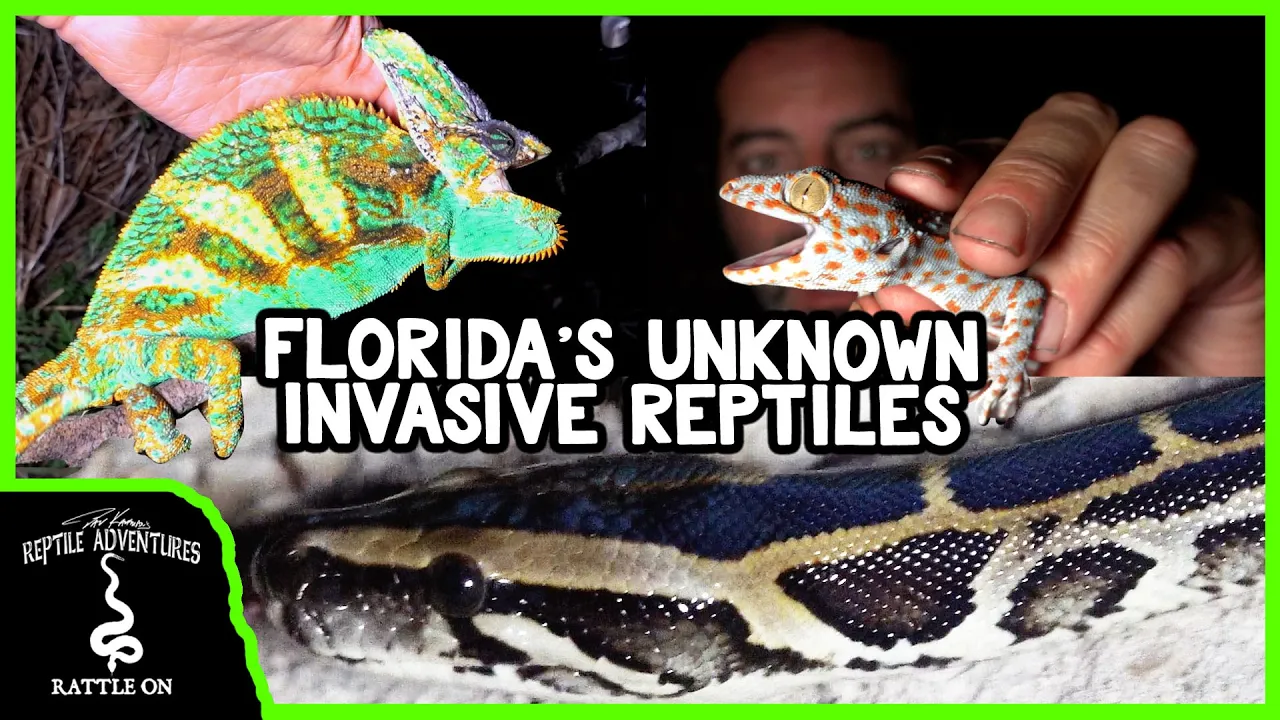
5 INVASIVE REPTILES OF FLORIDA (you probably didn't know were invasive)
71.1K
Invasive species differ from non-native species in that they cause harm to ecosystems, while non-native species simply exist without causing significant damage; Florida hosts numerous invasive reptiles and amphibians including blind snakes (which paradoxically control fire ants), tokay geckos, Cuban tree frogs (the most destructive invasive amphibian), veiled chameleons, and Burmese pythons (which caused 99.3% decline in raccoon populations), demonstrating how introduced species can dramatically alter native ecosystems.
Click to watch →
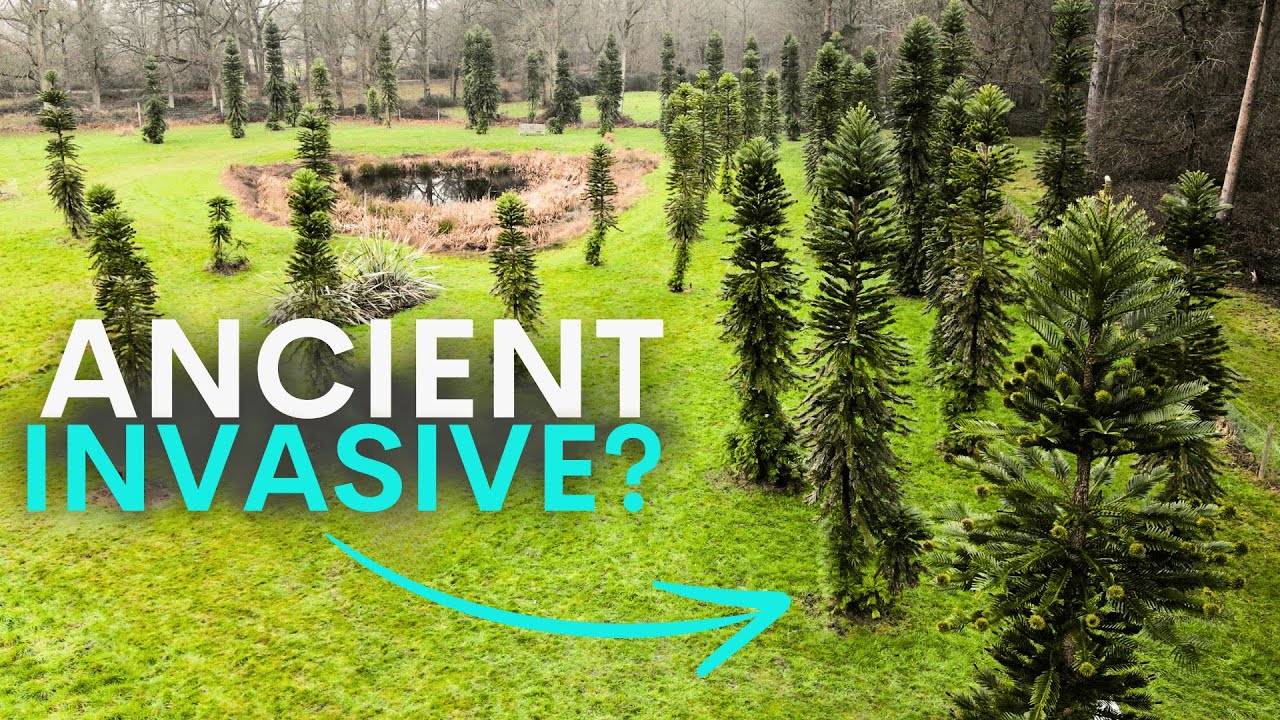
Will Australia's Dinosaur Tree Take Over Britain?
302.9K
This section explores the critical distinction between non-native and invasive species. While all invasive species are non-native, not all non-natives become invasive. The video examines multiple examples: horse chestnuts (naturalized non-native providing ecological benefits), giant redwoods (non-native thriving without becoming invasive due to planting requirements), rhododendron ponticum (invasive suffocating woodlands with millions of seeds annually), and American gray squirrels (invasive outcompeting natives and transmitting disease). Key factors enabling invasiveness include high reproductive rates, colonization ability, predator absence, and native defenselessness. The overarching conclusion is that humans are the primary cause of species invasions through our movement of organisms and landscape modifications.
Click to watch →

5 Introduced And Invasive Species In The USA
172.2K
Introduced species are organisms brought to new environments, while invasive species are those that cause significant negative impacts on ecosystems; the USA hosts various introduced species like the blue bull (nilgai), ring-tailed lemur, Nile monitor, vervet monkey, and northern red bishop, which range from problematic pests to well-managed conservation populations depending on their ecological effects and population sizes.
Click to watch →

Are Humans an invasive species?
465
An invasive species is a non-native organism whose introduction causes economic, environmental, or human health harm. A non-native species is any organism introduced through deliberate or accidental human activities. The critical distinction is that all invasive species are non-native, but not all non-native species are invasive—the key difference is the harm aspect. Humans cannot be classified as invasive species because they spread through natural range expansion rather than human introduction. This distinction matters because both definitions involve human activities, but the harm criterion determines whether a non-native species becomes invasive.
Click to watch →
Deep Dive
Basic knowledge of marine food webs, trophic levels, and the concept of a trophic cascade in coral reef ecosystems.

الدرس الاول علوم الصف الخامس الابتدائي مفهوم التغيرات في الشبكات الغذائية مستر محمد ابراهيم 2026
48.6K
Changes in one trophic level affect all other levels in the food chain. When a primary producer population decreases, organisms that depend on it also decrease. Conversely, when a predator population disappears, prey populations increase because nothing is consuming them. The video demonstrates this through marine food chains, showing how changes in algae, fish, or sharks cascade through the entire ecosystem, affecting all organisms at different trophic levels.
Click to watch →
المحاضرة 11 والأخيرة فى الباب الأول - علوم متكاملة - التوازن البيئى المائي 🚿
236.8K
Energy flows through ecosystems in trophic levels from producers to consumers. Human removal of top predators disrupts trophic cascades, causing prey overpopulation and ecosystem collapse. Coral reefs demonstrate complex species interactions where predators control herbivore populations, protecting reef structures. When predatory fish are removed, sea urchin populations explode, destroying coral. This shows that every species plays a role in maintaining ecosystem balance.
Click to watch →

4 Hours Mega Marathon: Complete Ecology and Environment | UPSC CSE 2020/2021 | Madhukar Kotawe
446.4K
A food web (खाद्य जाल) is a network of interconnected food chains where one organism may depend on multiple food sources. Trophic levels (पोषक स्तर) represent the position of organisms in the food chain: First trophic level = producers, Second trophic level = primary consumers, Third trophic level = secondary consumers, Fourth trophic level = tertiary consumers. Food webs are more realistic representations of ecosystem energy flow than simple food chains.
Click to watch →

احياء الرابع علمي 2025 / الفصل الثالث / محاضرة 1 / السلسلة الغذائية
158.9K
A food chain is a cycle of nutritional connection between trophic levels, beginning with plants (primary producers) that create food and store energy, and ending with decomposers that break down dead organisms. Ecosystems have four main trophic levels: (1) Producers (plants) that convert solar energy into stored chemical energy through photosynthesis, (2) Primary consumers (herbivores) that eat plants, (3) Secondary consumers (carnivores) that eat herbivores, and (4) Decomposers (bacteria and fungi) that break down dead organisms and recycle nutrients. Energy decreases as it transfers between trophic levels because organisms use energy for movement, growth, reproduction, and other life processes. Longer food chains result in less energy reaching higher trophic levels. Food chains exist in both terrestrial and aquatic environments, with similar trophic level structures.
Click to watch →
ME CONVIERTO EN EL TIBURON MAS GIGANTE Y ME COMI EL MUNDO 🦈🌎 TASTY BLUE JUEGO COMPLETO | JONDRES GC
3M
The video shows a fish consuming various marine organisms including shrimp, small fish, and eventually larger creatures like seals. This demonstrates the concept of food chains and trophic levels, where organisms are organized by what they eat and what eats them. The fish moves up the food chain as it grows larger, consuming organisms from lower trophic levels.
Click to watch →
Deep Dive
Familiarity with the geography and biodiversity of Florida's reef tract and the threats it faces from anthropogenic factors.
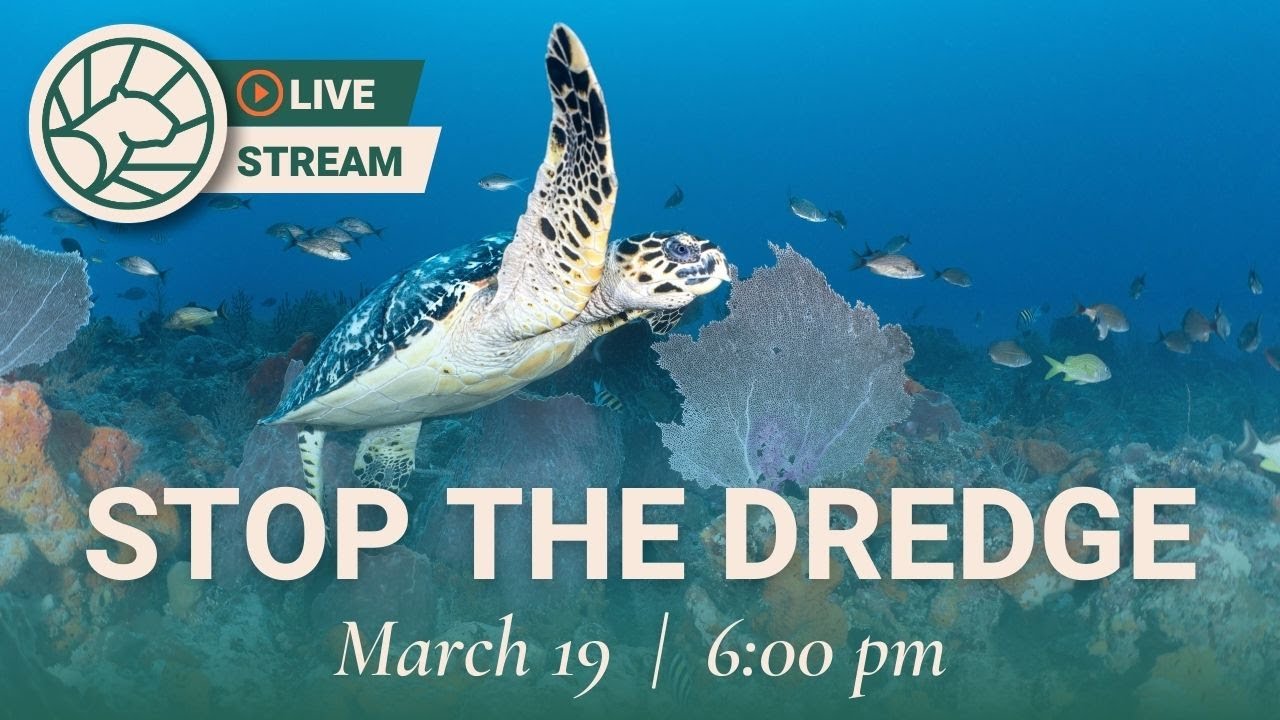
Stop the Dredge
117
Florida's reef tract is the third largest barrier reef system in the world, stretching from Miami to Key West. It contains approximately 40 species of corals and 500 species of fish, providing critical habitat for marine biodiversity. The ecosystem faces multiple threats including warming oceans, ocean acidification, sewage outfalls, and coastal construction projects. The Port Everglades dredging project represents one of the largest permitted coral destruction projects in U.S. history, threatening both staghorn coral populations and queen conch breeding grounds.
Click to watch →

Ocean to the Everglades: Part 1
2.1K
The Florida Coral Reef Tract is the largest reef system in North America, stretching 360 miles from the Florida Keys to the Dry Tortugas. It is also the third largest reef system in the world. These coral reefs face multiple interconnected threats including disease epidemics, warming waters from climate change, ocean trash accumulation, and ocean acidification. The decline of Florida's coral reefs and marine habitats primarily originates from land-based activities such as interrupted freshwater flows and abundant nutrient pollution.
Click to watch →

Around the World Begins | Scenic GA Flight Leg 1
525
The Florida Reef is the only living coral barrier reef in the continental United States and the third largest coral barrier reef system in the world. It lies a few miles seaward of the Florida Keys, is about 4 miles wide, and extends 270 km from Foy Rocks just east of Soldier Key to just south of the Mosquito Keys. The barrier reef tract forms a great arc concentric with the Florida Keys, with the northern end in Biscayne National Park oriented north-south and the western end south of the Mosquito Keys oriented east-west. The rest of the reef outside Biscayne National Park lies within John Pennamp Coral Reef State Park and the Florida Keys National Marine Sanctuary. Isolated coral patch reefs occur northward from Biscayne National Park as far north as Stuart in Martin County. Coral reefs are also found in Dry Tortugas National Park west of the Mosquito Keys. There are more than 6,000 individual reefs in the system. The reefs are 5,000 to 7,000 years old, having developed since sea levels rose following the Wisconsin glaciation. The densest and most spectacular reefs along with the highest water clarity are found at the seaward of Key Largo and Elliot Key, where the two long keys help protect the reefs from the effects of water exchange with Florida Bay, Biscayne Bay, Card Sound, and Barnette. The bays and sounds tend to have lower salinity, higher turbidity, and wider temperature variations than the water in the open ocean. Channels between the keys allow brackish water from the bays to flow onto the reefs, limiting their growth. The corals on Florida coasts are under threat from human activity, with these essential ecosystems being ravaged by pollution, human activity, and elevated water temperatures. In response, there are several coral restoration nonprofits operating between Miami and the Florida Keys that plant corals on the reefs in hopes to restore coral populations in the area.
Click to watch →
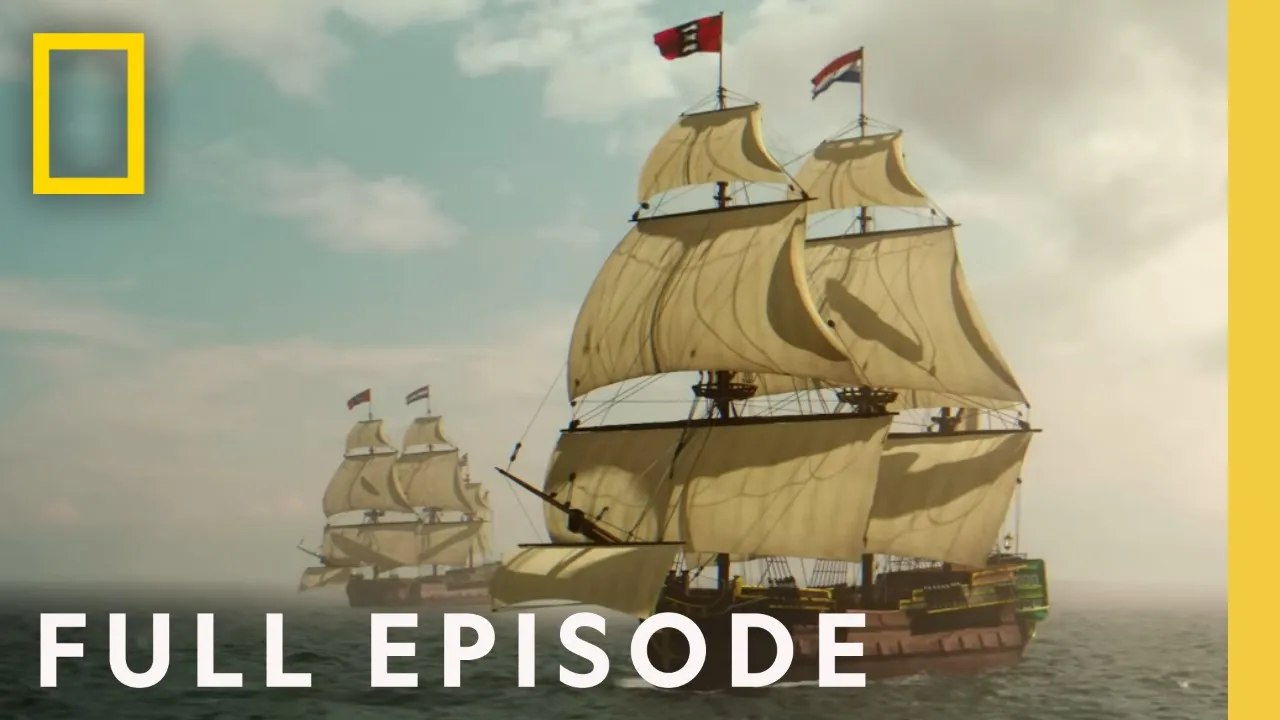
Sunken Treasures (Full Episode) | Drain the Oceans
4.3M
The Florida Keys area is notorious for shipwrecks due to the presence of the Florida reef tract, which is North America's only coral reef. This reef lies just under the surface of the sea and poses a deadly threat to ships drawing 12 feet or more. For Spanish traders on the Atocha, there were no warning lights or buoys to indicate this hazard. A ship hitting such a shallow reef would have its bottom torn out and sink rapidly. The combination of the Gulf Stream's powerful currents and these hidden reefs created one of the most dangerous maritime passages in the Atlantic, resulting in approximately 1,000 shipwrecks along the Florida Keys over centuries.
Click to watch →

Waves of Change Episode 2: The Present
320
The Florida Reef Tract runs from Martin County all the way down to Monroe County and the Dry Tortugas. This spectacular reef has lost over 80 percent of its coral since the 1970s, declining from a combination of climate change, coastal construction, water quality issues, and disease. Tens of millions of corals have died in recent years, representing one of the most significant coral reef declines in the continental United States.
Click to watch →
Deep Dive
The concept of natural selection and why native prey species may lack evolutionary defenses against novel predators.
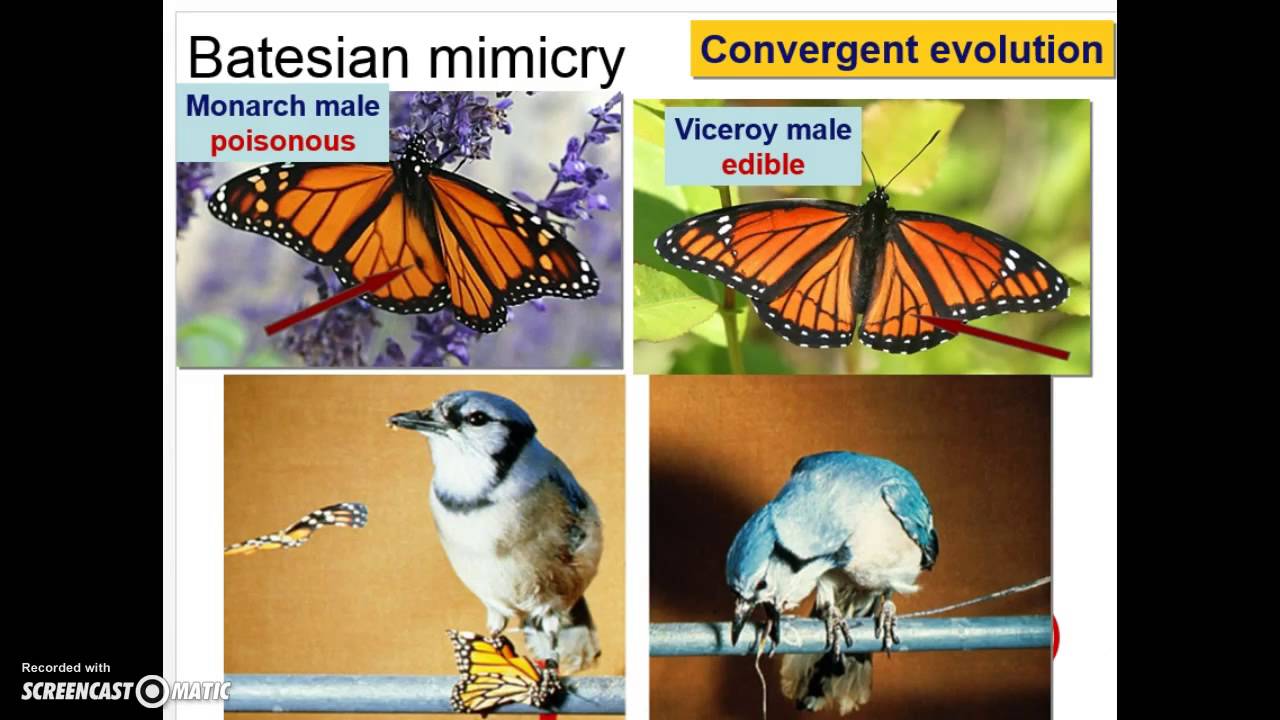
Chapter 54, Part 2
160
Predation creates strong natural selection pressure on both predators and prey. Predator adaptations include speed, agility, ambush behavior, and camouflage. Prey develop various defenses: behavioral (fleeing, hiding, herds, alarm calls), mechanical (spines), and chemical (spray). Plants also evolve defenses against herbivory. This relationship drives the evolution of diverse anti-predator strategies across species.
Click to watch →

The Savage Kingdom: When the Predator Becomes Prey | African Wildlife Documentary
122
Nature operates as an ongoing evolutionary arms race where prey species develop sophisticated defenses to survive predator encounters. The video presents multiple examples: Komodo dragons vomiting after consuming toxic moeels with toxin-filled mucus; egg-eating snakes of Gans swallowing eggs proportionally larger than their own bodies; and turtles using shells to escape alligator jaws. These cases demonstrate that prey evolve chemical defenses, physical adaptations, and strategic decision-making to overcome even the most powerful predators. The moeel's toxins forced a king-of-predators to reject its meal, while the egg-eating snake holds the record for extreme prey-to-body-size ratio. These examples reveal how defense mechanisms can overcome brute strength and how evolution creates silent weapons that force apex predators to reconsider their hunts.
Click to watch →
Will Australia's Dinosaur Tree Take Over Britain?
302.9K
Native species often lack defenses against invasive non-natives because these invaders haven't evolved in the same ecosystem. Native species don't recognize invasive organisms as threats and haven't developed evolutionary adaptations to defend against them. This is exemplified by American mink decimating water vole populations, as voles evolved to escape predators by diving into water, but mink are perfectly adapted to raid their burrows.
Click to watch →
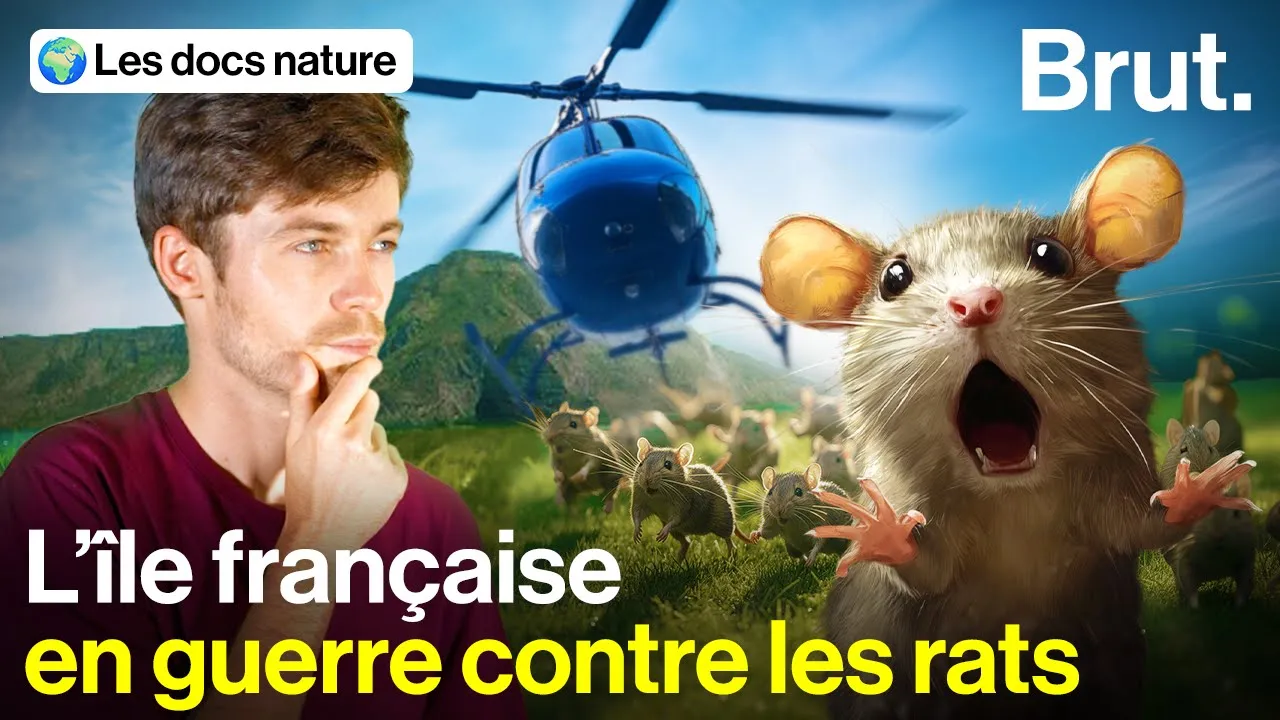
Au bout du monde, la France chasse les rats en hélicoptère
456.8K
Many native species on isolated islands like Amsterdam evolved without natural predators, resulting in poor defensive behaviors against introduced predators. When humans brought rats, cats, and other animals to these islands, the native wildlife had no evolutionary adaptations to cope with these new threats, making them highly vulnerable to population decline and extinction.
Click to watch →
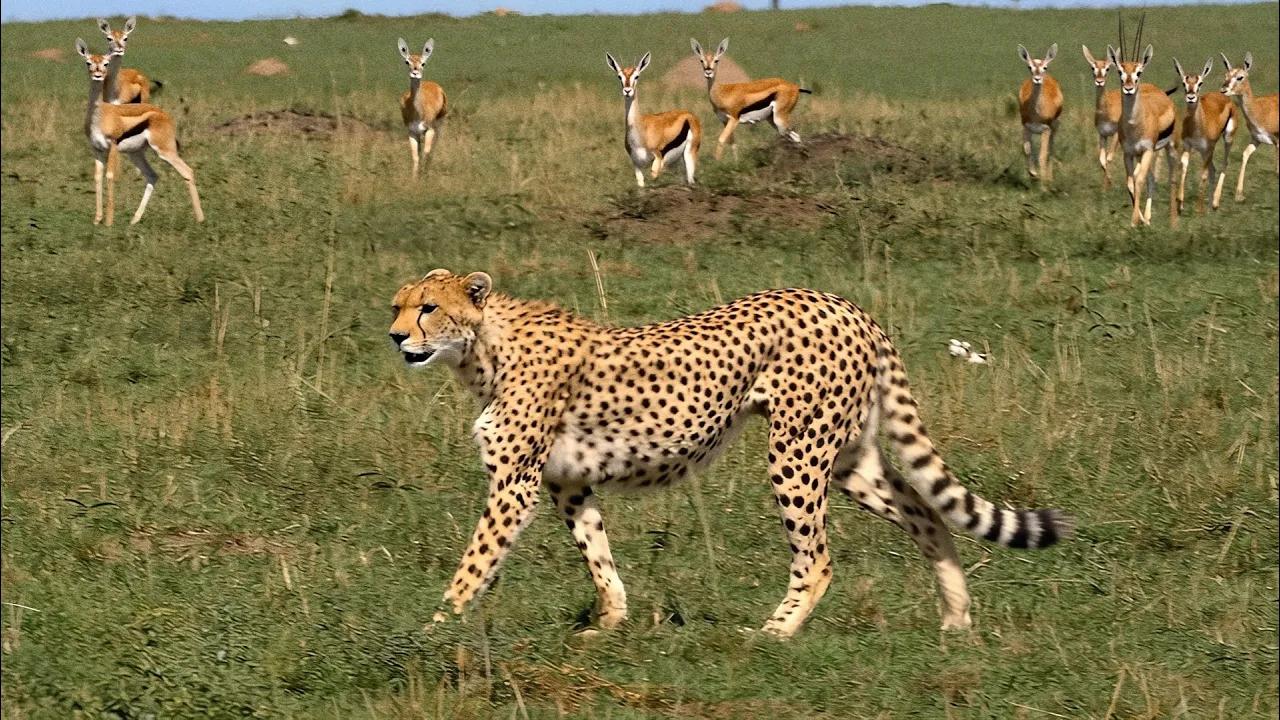
The Savannah Challenge: Herbivores and Carnivores
7M
Over millions of years, predators have eliminated the most vulnerable species, allowing only survivors to transmit their genes. Simultaneously, as prey became harder to catch, only the best hunters could reproduce. This reciprocal process of adaptation through natural selection drives the evolution of both predator and prey species.
Click to watch →
Prerequisite Knowledge
- Concept 01Understanding the ecological definition of invasive species and how they differ from non-native or introduced species.
- Concept 02Basic knowledge of marine food webs, trophic levels, and the concept of a trophic cascade in coral reef ecosystems.
- Concept 03Familiarity with the geography and biodiversity of Florida's reef tract and the threats it faces from anthropogenic factors.
- Concept 04The concept of natural selection and why native prey species may lack evolutionary defenses against novel predators.
Subsequent Learning
- Step 01Evaluating the economic and market-based solutions for invasive species control, such as promoting lionfish commercial fishing and culinary consumption.
- Step 02Studying advanced marine engineering solutions, including the development of deep-water traps and autonomous robotic lionfish harvesters.
- Step 03Analyzing the policy and regulatory frameworks governing marine conservation, invasive species management, and citizen-science initiatives.
- Step 04Investigating genetic biocontrol methods and other biotechnology applications proposed for managing marine invasive populations.
Invasion
Control
Invasion
0:04Playing Section
- 1
Lionfish invaded since mid-1980s near Miami, reproducing rapidly.
- 2
Venomous spines reduce predators, aiding population growth.
- 3
They consume native species, impacting reef ecosystem balance.
Limits of Localized Diver Culling and the Deep-Water Refuge Hypothesis
While diver-led culling programs raise public awareness and temporarily reduce lionfish numbers on shallow reefs, many marine scientists argue these efforts are ecologically insufficient for long-term control. A major limitation is the 'deep-water refuge hypothesis,' which notes that a significant portion of the invasive lionfish population resides in mesophotic zones (depths of 30 to 150 meters)—well beyond the safe limits of recreational divers. Because lionfish reproduce rapidly, these deep-water populations constantly replenish shallow-water reefs. Consequently, localized culling acts as a temporary measure rather than a sustainable solution. Critics advocate for shifting resources toward developing deep-water trapping technologies and restoring native apex predators (like large groupers) to foster natural biotic resistance, rather than relying on perpetual human intervention. This perspective suggests that focusing solely on diver-led suppression creates a false sense of success while ignoring the systemic, deep-ocean dynamics of the invasion.
Deep Dive
Evaluating the economic and market-based solutions for invasive species control, such as promoting lionfish commercial fishing and culinary consumption.
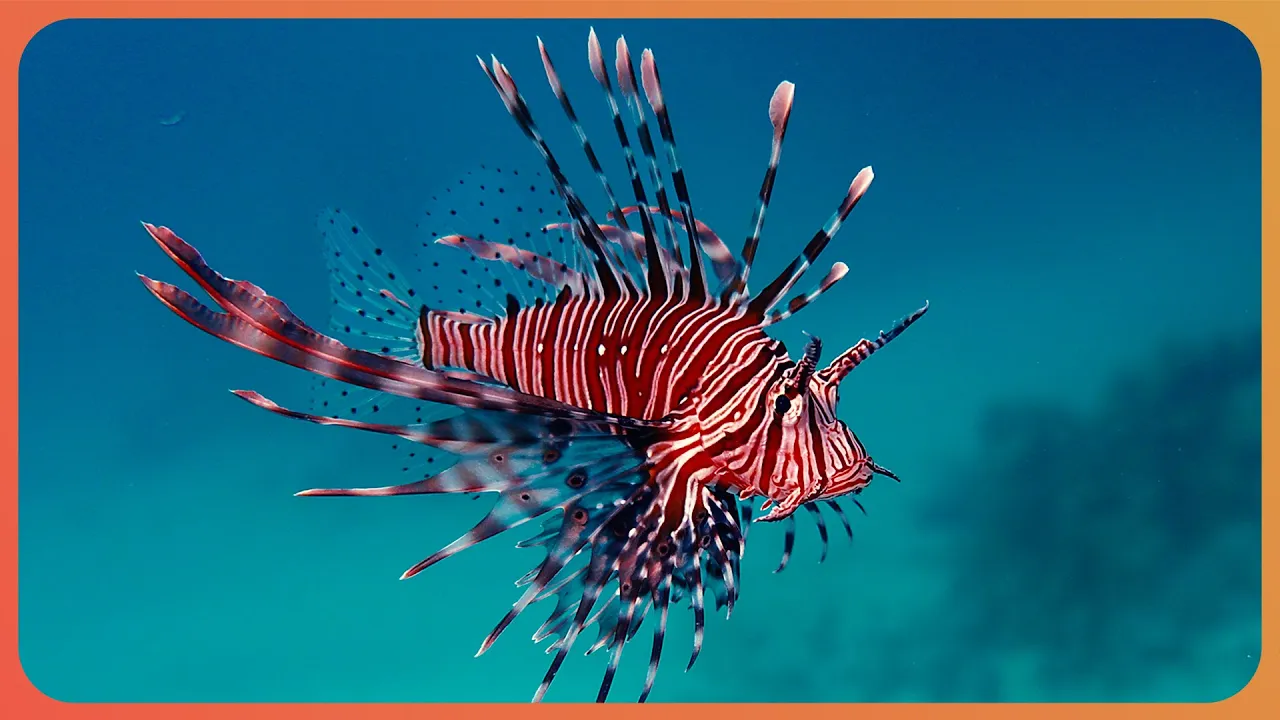
The Toxic Creatures Of The Deep Ocean (Wildlife Documentary) | The Blue Realm | Real Wild
186.9K
Lionfish derbies have demonstrated significant effectiveness in suppressing populations, with one derby removing over 1,000 fish in a single day. Calculations showed those fish would have consumed between 2 million and 8.8 million prey fish over the next year. Commercial fisheries are being developed, with lobster fishermen discovering lionfish enter their traps. One fisherman sold approximately 6,000 pounds of lionfish at $6 per pound. Lionfish meat is mild, white, and flaky, similar to hog fish, and is completely safe to eat despite the venomous spines. This culinary appeal creates economic incentives for removal, benefiting both the ecosystem and the economy.
Click to watch →
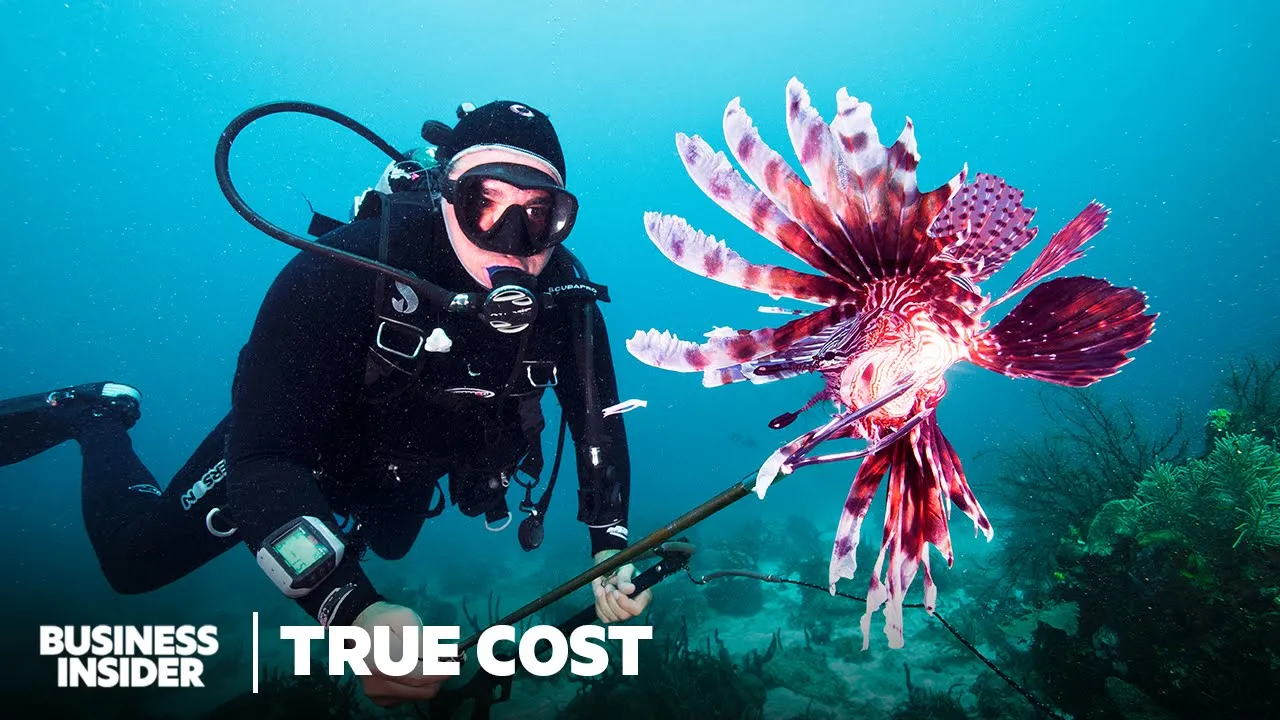
How Lionfish Invaded The Caribbean. Can We Spear And Eat Enough Of Them? | True Cost
975.9K
Invasive lionfish cost the US over $2 billion annually through ecosystem damage and lost fisheries. Local fishermen face economic hardship as lionfish compete with native species for resources. Communities are responding through multiple strategies: spear fishing tournaments, ecotourism programs where guides lead hunting trips, and restaurant initiatives serving lionfish dishes. Chefs prepare ceviche with Asian and Arabic influences, selling lionfish at $7/kg comparable to premium fish. These approaches demonstrate how affected communities are transforming invasive species from ecological threats into economic opportunities through coordinated management and market development.
Click to watch →

Cómo El Pez León Invadió El Caribe. ¿Se Pueden Pescar Y Comer Los Suficientes? | El Costo Real
264.6K
Restaurants in Colombia have pioneered lionfish consumption as a dual-purpose solution addressing both ecological damage and economic hardship. Despite initial consumer fears about toxicity, lionfish meat offers a mild flavor comparable to shrimp or sea bass. Chef Claribel Guillu now purchases 15 kg weekly, while former park ranger Jairo Varela prepares ceviche for tourists. This culinary approach transforms invasive species management into economic opportunity, with lionfish selling for 30,000 Colombian pesos per kilogram. However, commercial viability requires catching 20-30 kg daily to achieve profitability. The strategy succeeds because consumers gain access to novel cuisine while supporting local fishermen and reef conservation. This model demonstrates how market-based approaches can complement traditional control methods, creating incentives for continued lionfish removal while generating revenue for affected communities.
Click to watch →
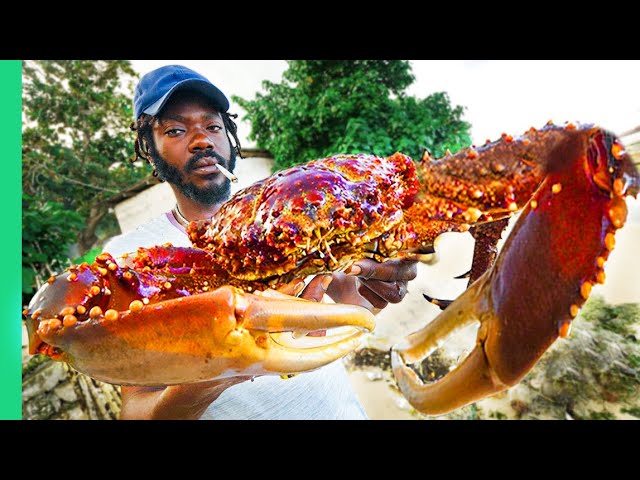
RARE Jamaican Seafood and Eating POISON Fish!! Montego Bay Food Tour!!
3.8M
Lionfish, originally from Pacific and Indian Ocean waters, invaded Caribbean reefs after aquarium releases, becoming aggressive predators that destroy reef ecosystems. Despite their venomous spikes (causing 20-minute nerve pain), they have become highly rated seafood. Jamaica promotes lionfish consumption to control invasive populations. Economic incentives drive this effort—increased demand raises prices, motivating fishermen to catch more lionfish instead of threatened species like parrotfish, creating a sustainable solution that benefits both reefs and local economies.
Click to watch →

An Old Fashioned Strategy to Keep Asian Carp at Bay
941.8K
Scientists and fishermen are collaborating to control Asian carp populations in the Great Lakes by developing profitable markets for the invasive species, using innovative processing methods like grinding the fish into meat products and converting waste into organic fertilizer, thereby transforming an ecological threat into an economic opportunity that incentivizes continued population management.
Click to watch →
Deep Dive
Studying advanced marine engineering solutions, including the development of deep-water traps and autonomous robotic lionfish harvesters.
Lionfish Universe
240
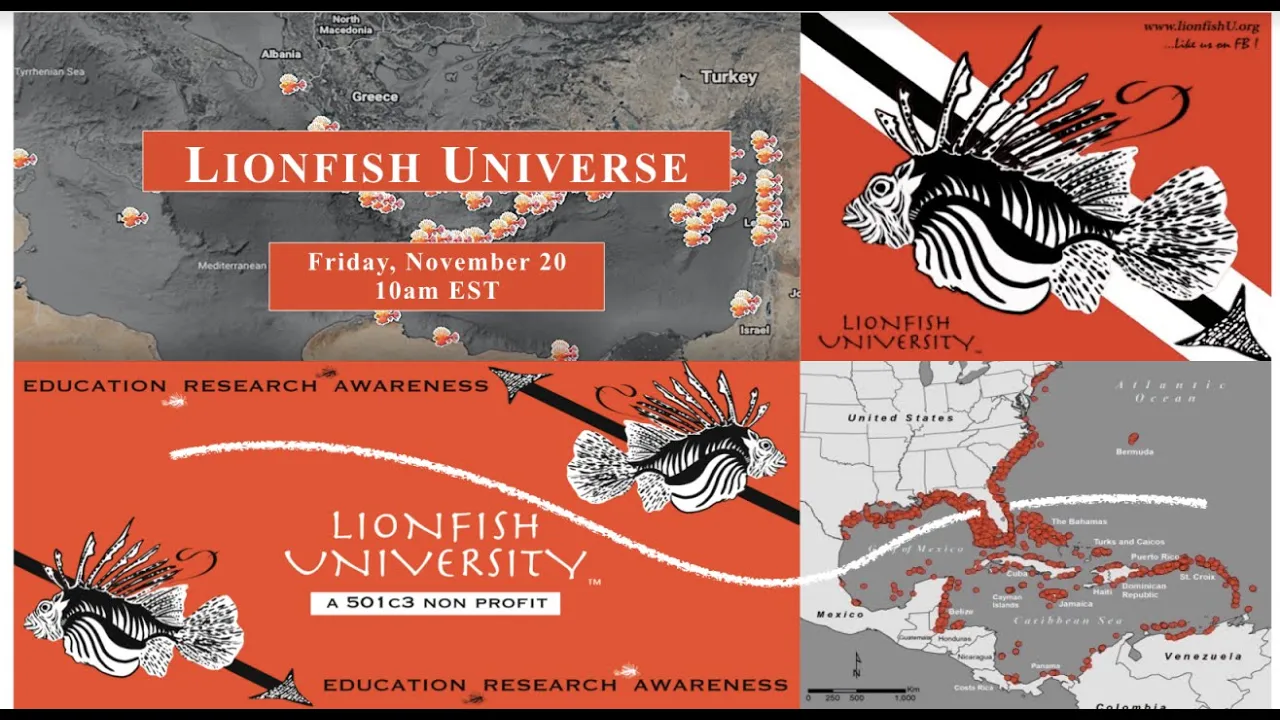
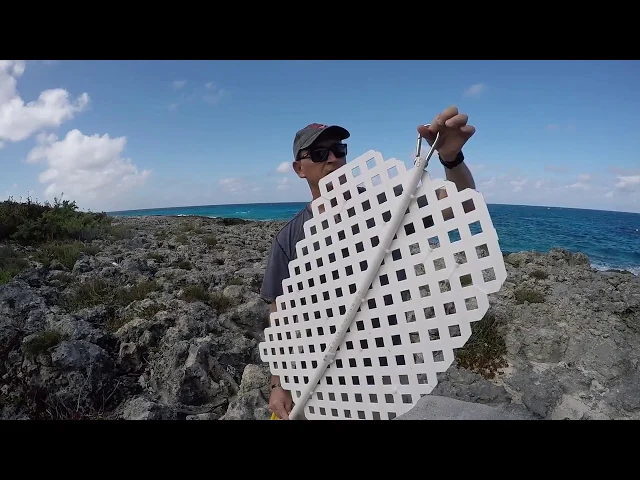
Non-containment traps represent an innovative approach to lionfish harvesting designed to address the limitations of recreational spearfishing, which is effective only down to approximately 100 feet depth. These traps utilize central lattice structures made of plastic that attract lionfish while repelling most other species, resulting in low bycatch. The latest design is called a 'purse trap,' which folds in half for easy stacking on fishing boats and can be shaped to fit different bottom topographies. When deployed, these traps lay flat on the seafloor and attract lionfish to their central structure. Professional testing is needed to refine designs for commercial deployment, as scientific testing has confirmed functionality but practical implementation requires input from experienced fishermen.
Click to watch →

80% dos Peixes Leão Desapareceram em Meses — A Causa Deixou os Cientistas Sem Resposta
1.2K
Understanding the danger of a new generation of super lionfish and their deep-sea fortresses, humans were forced to elevate ecological warfare to a new level through technology. Traditional fishing guns are now just surface forces. Marine engineers are deploying FADS (Fish Aggregating Devices) trap systems placed at ocean depths, designed without bait using only geometric structures to exploit the lionfish's instinct for shelter. More revolutionary, remotely operated vehicles controlled by artificial intelligence are being tested. These underwater ecological control machines are equipped with computer vision recognition systems and patrol reefs at depths of hundreds of meters. When AI identifies the target from the characteristic zebra-like stripe pattern, the robot approaches and uses a micro-discharge electrical mechanism to paralyze the target, then sucks the lionfish into a containment cage using a vacuum pressure system, without blood spillage, without provoking other predators, and completely eliminating the risk of shark attacks from irresponsible animal releases.
Click to watch →
Weird Ways We've Fought Invasive Species
425K
To address the lionfish invasion in the Atlantic Ocean, engineers have developed human-controlled, pressure-resistant underwater robots capable of operating at depths too dangerous for human divers. These tube-shaped robots track down lionfish, stun them with electrical pulses, and then suck them up using vacuum systems. The technology is particularly effective because lionfish, being naive to predators in their new environment, do not flee from approaching objects. The collected lionfish can be processed for consumption, as they are considered a delicacy comparable to snapper. This represents a creative application of robotics technology for ecological management.
Click to watch →
Building Lionfish Purse Trap V6
3.2K
A lionfish purse trap is a baitless fishing device that uses structural attraction to capture lionfish; the trap features a frame with deflectors that force the jaws open when the trap contacts the bottom, while a harness system with floats keeps the trap off the bottom and allows it to be closed by pulling the line from the surface, trapping the lionfish inside.
Click to watch →

Así Es Como El Pez León Y La Pitón Birmana Están Siendo Erradicados De Muchas Zonas De EE. UU.
4.3K
Engineers developed the 'Lionfish Terminator,' a remotely operated underwater vehicle designed to combat lionfish at depths beyond human diving capabilities. Using computer vision, the robot scans the deep ocean floor and recognizes lionfish silhouettes. It can either stun them with electrical discharges or use high-powered vacuum tubes to aspirate them into containment chambers. These machines operate continuously at hundreds of meters depth, cleaning deep reefs before lionfish populations expand to shallower waters.
Click to watch →
Deep Dive
Analyzing the policy and regulatory frameworks governing marine conservation, invasive species management, and citizen-science initiatives.

第2回 里海再生に向けた地域社会の主体的活動とガバナンス関する国際シンポジウム
535
This section presents the policy frameworks supporting ocean conservation and synthesizes citizen science design principles. Key policy elements include: (1) SDG 14 (Life Below Water) as the international goal, (2) the Decade of Ocean Science with seven social goals (clean, resilient, productive, predictable, safe, accessible, inspiring oceans), (3) the Council for Science and Technology Policy as a mechanism for integrating scientific knowledge into policy, (4) the Ocean Basic Plan as a 5-year implementation framework, and (5) the 30x30 target (protecting 30% of land and sea by 2030) as a biodiversity conservation goal. The section synthesizes citizen science design principles from multiple perspectives, including: designing based on citizen interests rather than purely scientific objectives, maintaining openness and flexibility, engaging local partners and key persons who understand both local contexts and scientific methods, building local coordination capacity over time, creating feedback loops that communicate results back to participants, recognizing multi-faceted ecosystem value beyond single objectives like carbon sequestration, building urban-ocean connections through citizen engagement, creating opportunities for children to experience and learn from restoration activities, leveraging local knowledge and expertise, and building long-term trust with local communities.
Click to watch →

The potential of DNA methodology in new monitoring programs of alien species
133
The management of invasive alien species operates within multiple policy frameworks including UN Sustainable Development Goals, the EU Biodiversity Strategy, the European Green Deal, regional conventions like HELCOM and OSPAR for marine environments, and specific EU regulations such as the Regulation on Invasive Alien Species which covers both aquatic and terrestrial species. The Marine Strategy Framework Directive and Habitats Directive also play important roles in monitoring and assessing environmental status.
Click to watch →
Ciencia ciudadana explicada: claves para aplicarla en ecosistemas marinos
315
Marine citizen science has been applied to several important areas: describing biogeographic patterns of species distribution, monitoring ecosystems, collecting samples for genetic profiling, analyzing ecosystem degradation (such as coral bleaching), and supporting post-restoration efforts. Perhaps most significantly, data generated through citizen science projects has been used for political advocacy—changing policies on plastic use and establishing protection for ecosystems of interest. This demonstrates how citizen science serves as an applied science approach that can directly influence policy and conservation outcomes.
Click to watch →
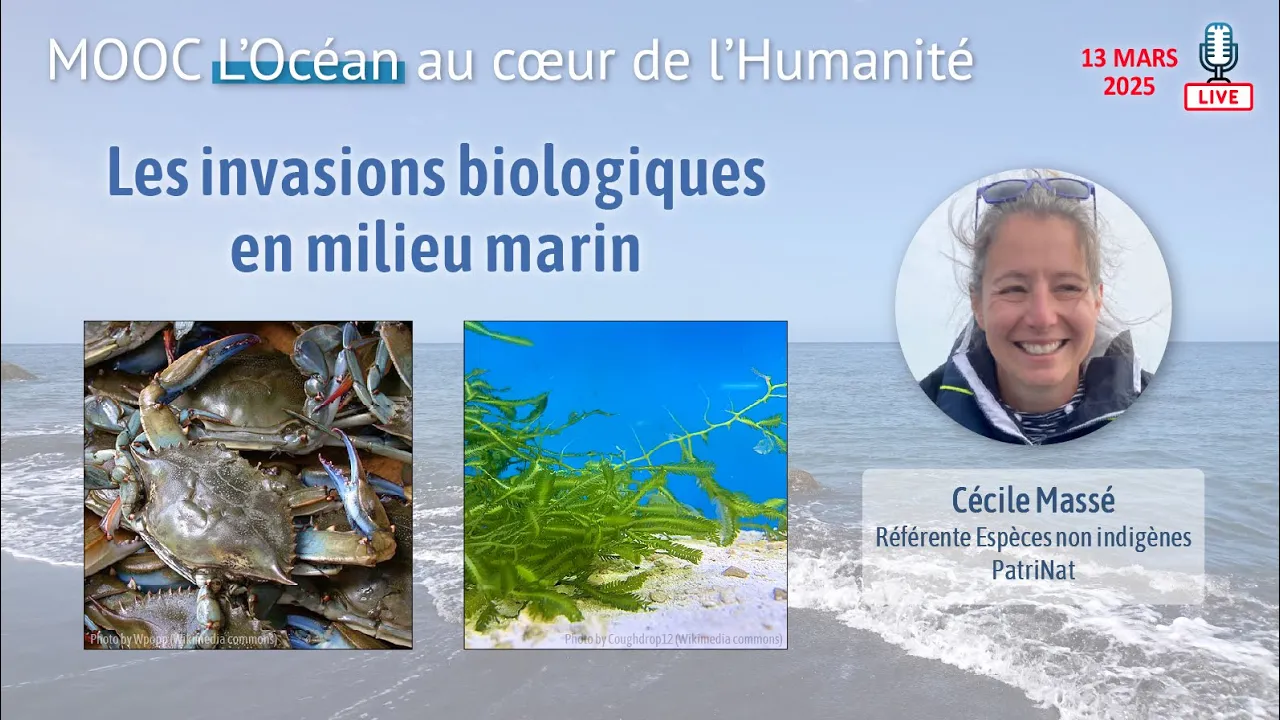
Les invasions biologiques en milieu marin / Cécile Massé
272
International regulations include the IMO Ballast Water Management Convention (effective September 2024) requiring ships to treat ballast water with UV or electrolysis systems. European regulations include the Marine Strategy Framework Directive and EU Regulation on Invasive Alien Species. French regulations classify species into Level 1 (prohibition of introduction) and Level 2 (prohibition of transport and handling). Surveillance focuses on coastal areas, introduction hotspots (ports, aquaculture sites), and protected areas. Monitoring occurs during spring, summer, and autumn when species are most visible. All taxonomic groups are monitored, with emphasis on multicellular species.
Click to watch →

EMB #ThirdThursdayScience Webinar - Marine Citizen Science: Trends and Frontier Issues
185
Marine citizen science involves non-professionals participating in scientific processes to answer questions, inform conservation, and shape policy. The European Citizen Science Association provides guiding principles distinguishing it from mere engagement. Key drivers include climate change impacts (90% of excess heat stored in oceans), ocean acidification, habitat loss, overfishing, pollution, and deoxygenation. Two pathways exist: data collation for policy and mindset changes for behavioral shifts. Jennifer Shirk's five models categorize participation depth—from contributory (CEASES for Society using photo contests) to co-created (Sea Change behavioral change) to problem-solving (Message in a Bottle campaign engaging 10,600 citizens). The field is evolving toward systems thinking that understands interactions between variables and stakeholders, creating win-win situations for all actors. Marine citizen science excels at large-scale data collection including invasive species records, phenological shifts, jellyfish blooms, and marine litter monitoring. Smartphone technology enables high-resolution photography, environmental alerts, and portable microscopy for taxonomic work. The University of Maine's HydroColor uses smartphone cameras to measure water reflectance comparable to satellite data. Drones extend monitoring to offshore areas for eelgrass mapping and wildlife observation. Smartphone-based data can be directly comparable to scientific instruments, with the EU ZIPLOCKS project receiving 10,000 entries demonstrating practical integration with established datasets.
Click to watch →
Deep Dive
Investigating genetic biocontrol methods and other biotechnology applications proposed for managing marine invasive populations.

Web Room 1: Genetic Biocontrol of Invasive Species - Understanding Attitudes and Risk Perceptions
119
Public acceptance of genetic biocontrol for managing invasive species is influenced by multiple interconnected factors including perceived benefits and risks, emotional responses, trust in institutions, political ideology, religiosity, gender, and education level, with research showing that while most people support genetic biocontrol, their level of support varies significantly depending on the specific invasive species targeted (such as zebra mussels versus common carp) and that higher perceived benefits do not always translate to higher support due to complex psychological and social dynamics.
Click to watch →
Genetic method for control of invasive fish species: Phase II
414
Genetic biocontrol is an emerging method for controlling invasive species that uses genetic engineering to modify organisms so they become self-limiting when released into the environment; this approach offers advantages over traditional methods like physical removal, chemical treatments, and biological control because it leverages the natural mating behavior of the target species to achieve species-specific population reduction, with different techniques ranging from sterile insect release to gene drives, each with varying levels of persistence and risk.
Click to watch →
Genetic Biocontrol Solutions for Aquatic Invasive Species
347
Genetic biocontrol represents a promising precision-based approach to managing aquatic invasive species by using genetic engineering to convert pest organisms into self-sustaining control agents; this technology encompasses two main strategies—DNA-based gene drives that require captive breeding and RNA interference that uses genetically modified microbes to deliver control mechanisms without directly modifying the target species—though successful implementation requires careful public engagement and adherence to a phased development process from laboratory proof-of-concept through controlled trials to eventual field deployment.
Click to watch →

Genetic Biocontrol: An Overview
717
Genetic biocontrol is a form of biological control using genetic variants or genetically modified pest organisms as controlling agents. It distinguishes between two primary outcomes: population suppression (reducing/eliminating target populations through fitness-lowering genes or incompatible interactions) and population modification (altering specific phenotypes without necessarily reducing population size). Technologies are classified by persistence (self-limiting vs self-sustaining) and spread potential (localizing vs non-localizing). The concept emerged mid-20th century for insect control, with modern applications targeting malaria, dengue, invasive species, and protecting food security and biodiversity.
Click to watch →
2021 Grand Finale - Falling Walls Lab New South Wales!
733
Invasive alien species cause $13.6 billion in annual economic losses in Australia and threaten native biodiversity. Traditional eradication methods fail and harm non-target species. The Trojan chromosome strategy offers a genetic solution: releasing hormonally sex-reversed females that breed with normal males, creating male-biased populations that collapse over 5-8 years. Laboratory trials show successful sex ratio skewing. Pond trials lasting 6-12 months will monitor population effects. This approach specifically targets invasive species without harming natives, complementing other genetic strategies as technology advances. It represents a paradigm shift from reactive control to proactive population management using biological principles.
Click to watch →
Invasion
Control
Invasion
0:04- 1
Lionfish invaded since mid-1980s near Miami, reproducing rapidly.
- 2
Venomous spines reduce predators, aiding population growth.
- 3
They consume native species, impacting reef ecosystem balance.
Limits of Localized Diver Culling and the Deep-Water Refuge Hypothesis
While diver-led culling programs raise public awareness and temporarily reduce lionfish numbers on shallow reefs, many marine scientists argue these efforts are ecologically insufficient for long-term control. A major limitation is the 'deep-water refuge hypothesis,' which notes that a significant portion of the invasive lionfish population resides in mesophotic zones (depths of 30 to 150 meters)—well beyond the safe limits of recreational divers. Because lionfish reproduce rapidly, these deep-water populations constantly replenish shallow-water reefs. Consequently, localized culling acts as a temporary measure rather than a sustainable solution. Critics advocate for shifting resources toward developing deep-water trapping technologies and restoring native apex predators (like large groupers) to foster natural biotic resistance, rather than relying on perpetual human intervention. This perspective suggests that focusing solely on diver-led suppression creates a false sense of success while ignoring the systemic, deep-ocean dynamics of the invasion.
Understanding the ecological definition of invasive species and how they differ from non-native or introduced species.
Basic knowledge of marine food webs, trophic levels, and the concept of a trophic cascade in coral reef ecosystems.
Familiarity with the geography and biodiversity of Florida's reef tract and the threats it faces from anthropogenic factors.
The concept of natural selection and why native prey species may lack evolutionary defenses against novel predators.
Evaluating the economic and market-based solutions for invasive species control, such as promoting lionfish commercial fishing and culinary consumption.
Studying advanced marine engineering solutions, including the development of deep-water traps and autonomous robotic lionfish harvesters.
Analyzing the policy and regulatory frameworks governing marine conservation, invasive species management, and citizen-science initiatives.
Investigating genetic biocontrol methods and other biotechnology applications proposed for managing marine invasive populations.
3.8M views24.8Klikes3:20@NatGeoOriginal Release: 2015-07-24
it's likely that The Invasion started sometime in the mid1 1980s that's when the first reported sighting was of linefish just north of Miami you have an animal that once it invades um can really increase in population numbers very rapidly well lme fish really are sort of The Perfect Storm I think in many ways as invasive species goes they have a lot of characteristics which make them very successful in in the invaded range they reproduce very early in life so they reach maturity they grow very rapidly they're capable of dispersing uh large distances during their egg and Marvel phase which ride ocean currents a species that has venomous spines they don't seem to have many Native Predators or predators in their invaded range here so it's possible that because they're so armored with the venomous vins that that they don't have a lot of natural Predators which would lead them to basically not worry about being eaten in general one of the major impacts that we're going to find from this is is essentially the fact that they're eating a whole variety of of our native species for one they're removing prey that would have been available for many of our native fish docks like snab and grouper that are feeding on similar uh small-bodied Reef fishes they're also certainly having a direct predatory impact on many of those small Reef fishes and while we don't fish for those species those species perform important ecological services on on the [Music] reef very little is known about lme fish biology and ecology our research program on lion fish here in northeastern Florida is trying to characterize a lot of the life history traits of Li fish so we're looking at things like how fast do they grow uh how many times do they reproduce how many eggs do they produce most of the fish that we get for our work is actually through collaborations with local fishermen many of those folks are very interested obviously in what's going on with their ecosystem supports their livelihood and so they're very eager to help for our part we get to get samples from a huge geographic area that would cost us thousands of dollars to run our own research [Music] program I think the best chance we have um to to mitigate some of the impacts of lme fish is to encourage uh fishery removals whether that's through recreational spear fishermen or whether that's through the development of a commercial lion fish fishery whether that be through traps or spear fishing or any of these other gear types but uh just get a larger fraction of these fish out of the water I think right now the best strategy we have for controlling the fish is human consumption if we can increase the amount harvested uh through a variety of ways increase demand for this species in both seafood markets increase demand in terms of restaurants to get restaurants to carry it at this point no one's talking about eradication of course but again if you can have enough effort and mitigate sh have been shown at relatively small scales that uh can Dent the population and you can see rebounds and so other the native fish species [Music]
Up Next
6:41
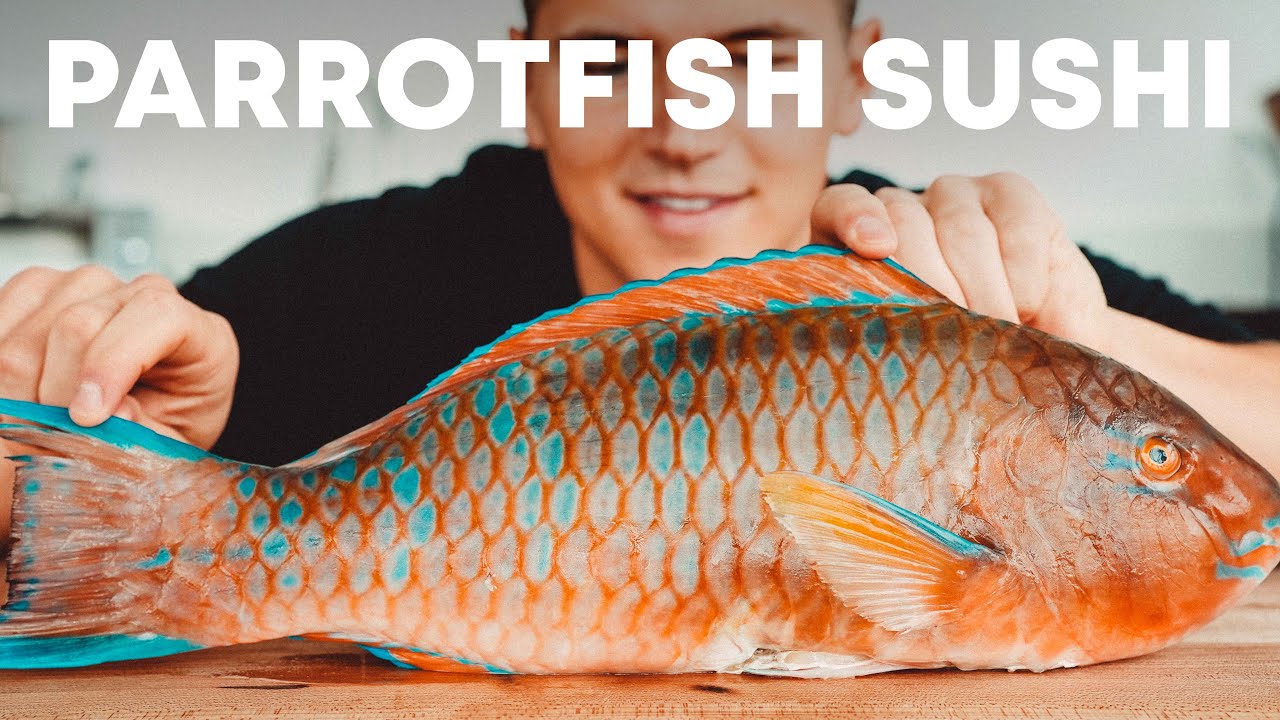
Parrotfish Sushi: Ecology, Filleting, and Torched Roll Preparation
@chef
1.5M views•2021-02-11

12:54
Triumph of Orthodoxy Icon: Byzantine Art & History Explained
@BenCallan
2.1K views•2024-08-06

9:49
FastAPI vs Flask vs Django: Choosing the Right Python Web Framework
@TechWithTim
302.5K views•2024-05-26

1:42
Game of Thrones Opening Credits: A Cinematic Analysis
@gameofthrones
46.3M views•2011-04-18
Related Study Plans & Knowledge Roadmaps
Structured learning paths in General & Interdisciplinary Studies
general-studies
Elevator Engineering: History, Physics & Cities
01From Hoists to Safety Brakes: The Dawn of Vertical Lift
02Hydraulic vs. Traction: The Engineering Physics of Elevators
03Modern Speed, Safety, and Algorithms
+ 2 more learning modules
12h5 modules
Explore Roadmap
general-studies
Rubber: Material Science, History & Geopolitics
01Origins of Natural Rubber & Mesoamerican History
02The Chemistry of Natural Rubber & Vulcanization
03The Geopolitics of the Rubber Boom & Colonization
+ 2 more learning modules
12h5 modules
Explore Roadmap
general-studies
Containerization: Evolution, Logistics & Trade
01Ancient Trade & Bulk Cargo: Amphorae to Barrels
02The Industrial Revolution & Cardboard Packaging
03The Containerization Revolution: Malcom McLean
+ 2 more learning modules
12h5 modules
Explore Roadmap
general-studies
Textile Tech: Evolution, Labor & Global Impact
01Pre-Industrial Textiles: Handloom & Cottage Industry
02Mechanization: The Spinning Jenny to the Power Loom
03The Factory System & Global Labor Transformation
+ 2 more learning modules
10h5 modules
Explore Roadmap