









![suasana tak Terlupakan,! Subscriber ini merasa Senang ketika diajak berkemah Dipulau ini. [part 2]](https://i.ytimg.com/vi/odoDm_LlgsM/maxresdefault.jpg)
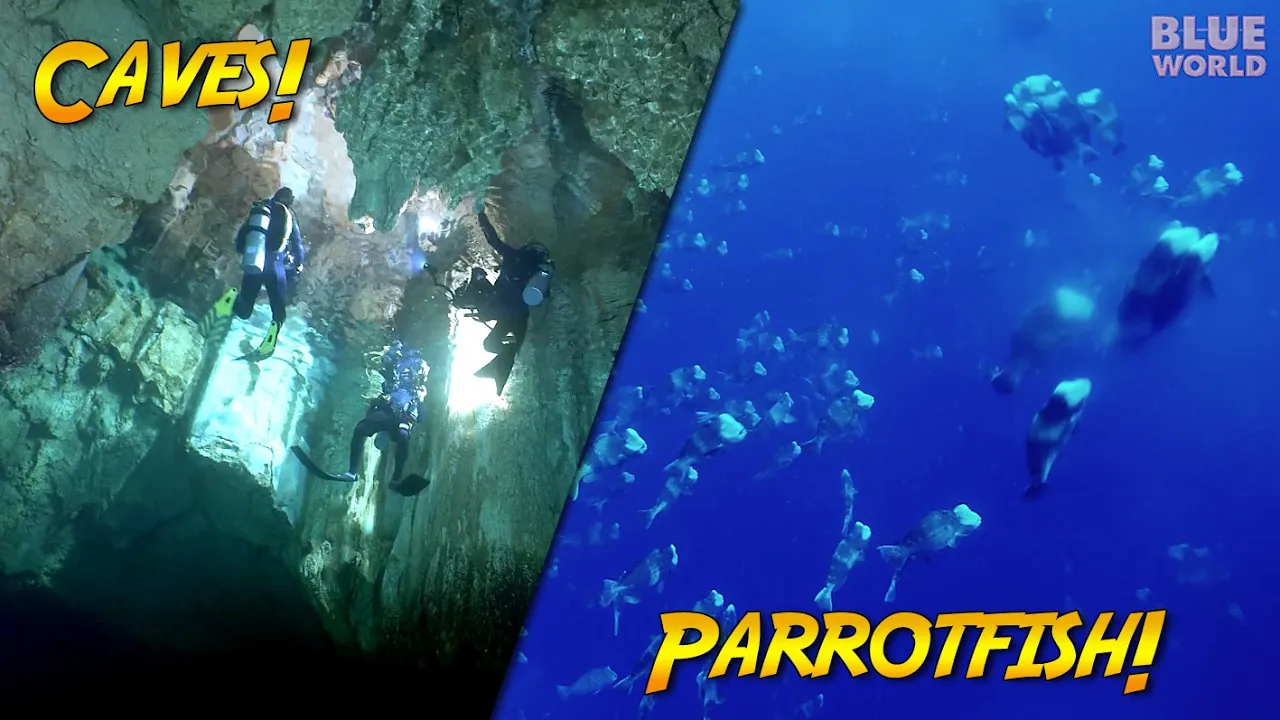

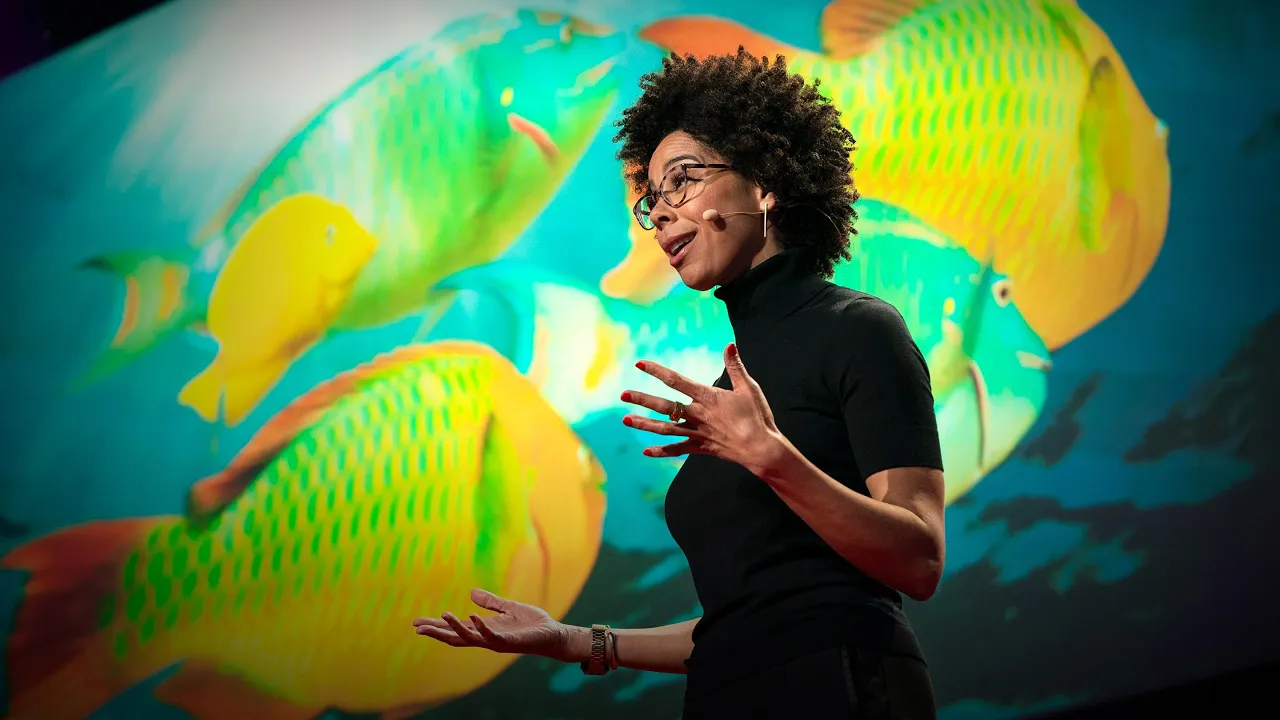


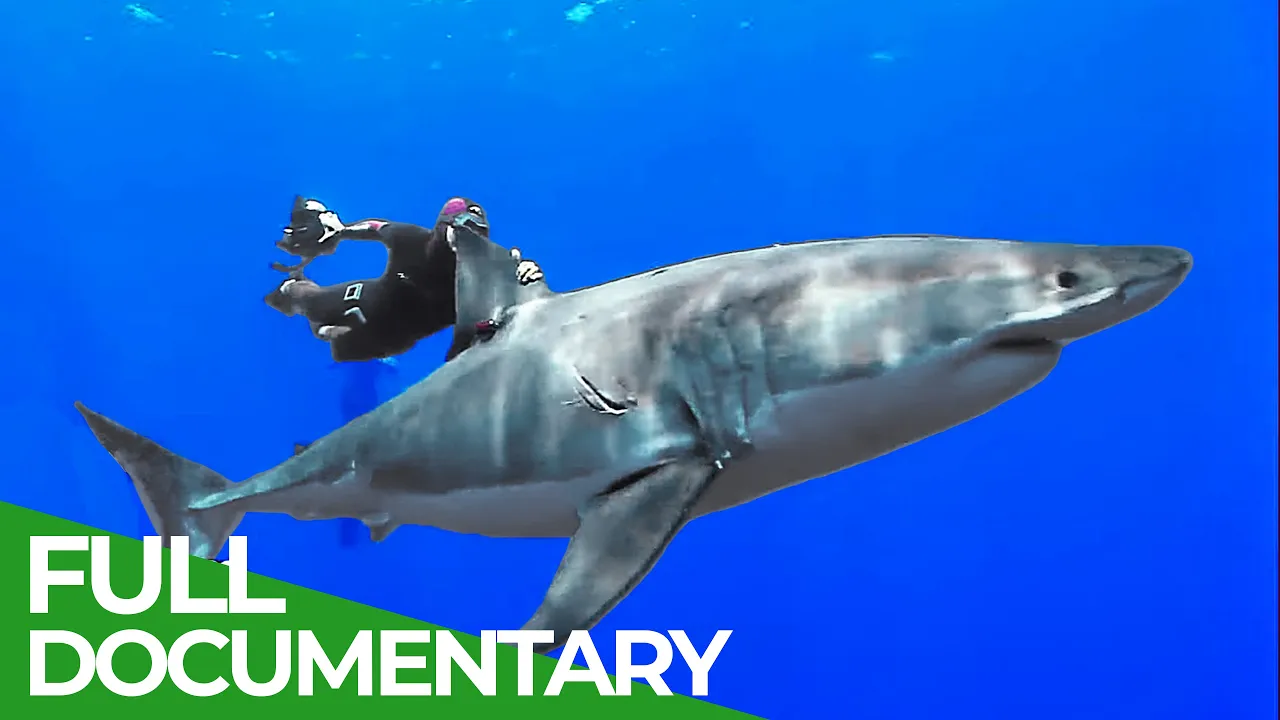



Parrotfish are essential to coral reef ecosystems, spending 90% of their time grazing on algae and producing up to 200 pounds of sand annually through their waste, which helps maintain reef health; they can be filleted by making careful cuts along the spine and separating the meat from the skin, then prepared as sushi with thin strips seasoned with salt, truffle oil, and torched for charred flavor, assembled with nori, sushi rice, avocado, Japanese mayonnaise, and crispy onions for a unique texture and taste.
Parrotfish Sushi: Ecology, Filleting, and Torched Roll Preparation
Added:Basic marine ecology and the structure of coral reef ecosystems, including the role of herbivorous grazers in controlling algae growth.
Fundamental fish anatomy and basic knife safety and handling skills required for round-fish filleting.
Basic food safety principles regarding the handling, storage, and preparation of raw seafood for consumption.
An introduction to sushi preparation terminology, such as the preparation of seasoned sushi rice (shari).
Advanced sushi-making techniques, such as 'Aburi' (torching) styles, flavor profiling, and traditional Japanese curing methods (e.g., Kombujime).
Marine conservation policies and the ethical debate surrounding the harvesting of ecologically critical species like parrotfish.
The geological and ecological impacts of parrotfish bioerosion, specifically their role in sand production and reef maintenance.
Sustainable seafood sourcing alternatives and certifications (e.g., MSC) for culinary applications.
1.5M views56.7Klikes6:41Original Release: 2021-02-11
you can make sushi out of just about any fish i mean these days you can kind of make anything out of anything when it comes to food i see all sorts of weird wild creations online that are pretty cool sometimes but other times i definitely pass that being said i have a very interesting food for you today now it's a little bit unique because i wouldn't normally get this kind of fish for one specific reason they're super important to the ecosystems around coral reefs but with that said i actually thought this would be a really good opportunity to show you this fish talk about what it does and why it's important and make some sushi through this process i know it's a bit hypocritical to have one of these fish here when i talk about it but i think it's really helpful to have what i'm actually talking about and john nagle the company that provides me with all this crazy seafood is very serious about where they source their seafood from so without further ado let me show you two types of parrotfish so here's our first one and as you can see fish don't get much prettier than this both these parrotfish are stunning in their very own ways if you look closely towards the front of the fish you'll see a beak that's right parrotfish don't actually have regular teeth they have beaks and that's because they spend their days swimming through coral reefs and eating all the algae off of it they literally spend 90 percent of their day every single day doing this and it keeps the coral reefs and ecosystems extremely healthy but heading on over to the back side of the fish when they go to the bathroom there's actually sand that comes out and someone like this little guy can [ __ ] out 200 pounds of sand every single year now obviously it's a simple fact that a lot of species like this are fished a lot and in this scenario where these particular parrotfish are from it's not over fish fishing in many scenarios is a great way to keep a lot of ecosystems in check now these are traditionally used for sushi but you already know today i'm going to try it out so let's learn how to fillet a parrotfish to start we're going to come in with the knife on either side of the spine these things have massive scales so i have to be really careful when cutting through then i'll just gently slice all the way down carefully separating the meat from the rest of the body now i'll do the same thing on the other side coming all the way up and matching the cut i made on the other side look at how big these scales are my knife is going to be totally wrecked after this now i'll flip the fish around find a good place to start on the bottom section and then come all the way back towards the tail again i'll do the same thing on the other side look how pretty those fins are too it really is a beautiful fish once i've done that i'll cut downward for a second on the tail giving a nice place for my knife to enter and then i'll begin to cut off the first fillet using the spine as my guide notice how close i'm cutting to the spine we want to get as much meat as possible off this fish to finish the fillet we just need to cut right around the head and again with this fish it's gonna be about finding a place for my knife to fit in once we've gotten that filet off we'll do the exact same thing on the other side you can see not much meat left right here and then we've gotten a very clean fillet from this fish that is exactly what you're looking for now we're almost done get a nice firm grip of the tail then angle slightly downwards with your knife roll back and forth in order to separate the meat from the skin notice the very clean cut that i'm getting here i'll keep going back and forth until i get all the way to the end and then just let your knife glide right through that should be the perfect separated fillet of parrotfish check out how cool this skin is you can get a really good visual of how these scales work i can compress this fish all the way to this and then spread it all the way out and those scales do all the work you can imagine how this comes into play when the fish is swimming really really hard now that we have our fillet let's cut it into really thin strips and now we're well on our way to making some damn good sushi i have something pretty tricky up my sleeve today on a small baking tray i'm going to lay out all my parrot fish i'll sprinkle it with just a little bit of pink himalayan salt and then i'll add just a little bit of truffle oil this is certainly a non-traditional way of making sushi but i want to try it out and see how it goes and yeah unfortunately i got a little booboo today but i'm all right then i'll take my culinary torch and get moving i just want to sway slowly back and forth totally toast up the fish making sure that i impart that flavor from the torch keep in mind i don't want to overcook it in here i've mixed just a bit of soy sauce and meyer lemon i'll paint that over the top of my fish which will just allow it to get a little bit more flavor while it sits here and i prepare the rest of my ingredients to assemble my sushi roll i'll start by laying down my bamboo roller i'll follow this with a piece of nori and then i'll add a nice little serving of my sushi rice as you can probably tell today i'm going to keep the seaweed on the outside i'll place my parrotfish down on my sushi roll making sure to perfectly cover it all the way across then i'll peel back my avocado which i've already sliced and lay a few pieces across the center because for some reason i think avocado will taste really good here especially with what i'm about to pair it with pair it with was not supposed to be a joke you got it parrotfish that joke now i'll go across with a nice line of japanese mayonnaise you guys know japanese mayonnaise is always my go-to especially when it comes to sushi and then i'll finish this with a heavy line of crispy onions these are one of my favorite ingredients to work with in the kitchen because they add so much texture and flavor to anything that you put them in whether it's a salad or a sushi roll now we're ready to roll it up i'll come over firmly on the top and give a nice little press once that's been firmly sealed i'll pull this back and finish it the rest of the way and then one more seal and voila our perfect sushi roll i'll spin this around to the side why is everything falling out what the hell is going on and then i'll slice it into really nice portions make sure you get really nice clean cuts because those crispy onions are going to make it more difficult to cut but i actually really like hearing that crunch as i cut through because that's something that's really unique and that you don't often hear in a sushi roll unless it's tempura now let's check one of these babies out that right there is a hella good looking sushi roll you can see that big bunch of crispy onion off to the left that avocado wedged right in the middle and our parrotfish off to the right the mayonnaise has sort of spread out and the sushi rice looks great especially considering you can tell each grain of sushi rice apart it hasn't gotten all mushed together which means this is nice nice sushi rice all right now we're at my favorite part in every video tasting the food right off the bat this is one of those sushi rolls that you look at and just know it's gonna taste good you know that someone put a lot of effort into making it look this sexy so let's give this a try and listen and see if you can hear the crunch from those crispy onions wow that is very unique now i'll be totally honest if you were asking me to go get sushi and you wanted to know particularly what i wanted to get i'd probably still say toro salmon or tuna especially salmon there's just something about that that can't be beat but at the same time i love trying this type of thing that crispy onion in there is so so good especially paired with that avocado and the parrot fish itself really doesn't have that much flavor but the stuff that we've painted onto it and also the fact that we torched it to get a little bit of that charred flavor really changed the game with the fish itself but i'm gonna give this sushi roll a 5 out of 10. it's pretty but it's just not the sushi roll i pick if i was going out to eat what i will say that i think is notable is that this is the best sushi rice we've made so far all of those bits of rice look like individual little pearls and sometimes with sushi i think people forget how important the rice is so we'll give ourselves points for that in the meantime please don't forget to subscribe like this video and drop a comment for what you want to see next in the seated sushi series it's lunch time for me so i'm gonna finish these up i'll see you next time
Up Next
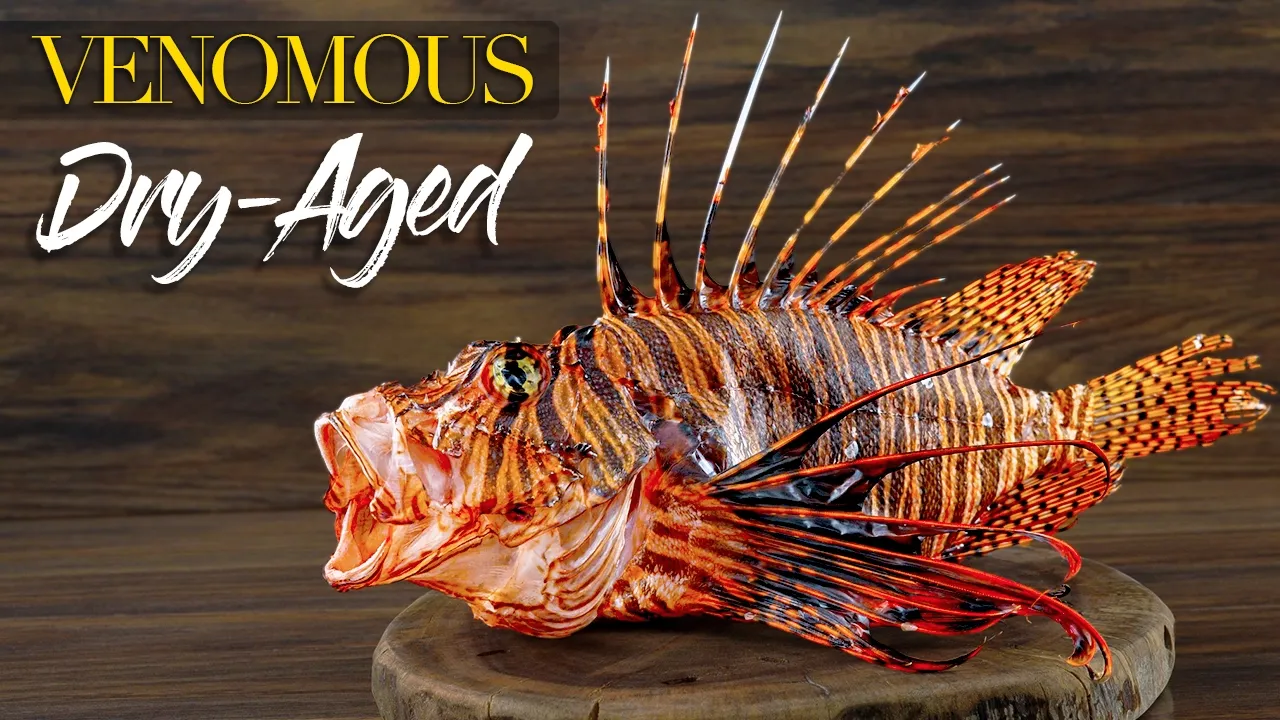
9:44
Dry-Aging Venomous Lionfish: A Culinary Experiment
@GugaFoods
1.5M views•2024-08-28

12:54
Triumph of Orthodoxy Icon: Byzantine Art & History Explained
@BenCallan
2.1K views•2024-08-06

97:30
How to Reduce Plastic in Your Diet and Protect Ocean Health
@CHEFAJ
3.1K views•2021-11-04

1:42
Game of Thrones Opening Credits: A Cinematic Analysis
@gameofthrones
46.3M views•2011-04-18
Related Study Plans & Knowledge Roadmaps
Structured learning paths in General & Interdisciplinary Studies
general-studies
Elevator Engineering: History, Physics & Cities
01From Hoists to Safety Brakes: The Dawn of Vertical Lift
02Hydraulic vs. Traction: The Engineering Physics of Elevators
03Modern Speed, Safety, and Algorithms
+ 2 more learning modules
12h5 modules
Explore Roadmap
general-studies
Rubber: Material Science, History & Geopolitics
01Origins of Natural Rubber & Mesoamerican History
02The Chemistry of Natural Rubber & Vulcanization
03The Geopolitics of the Rubber Boom & Colonization
+ 2 more learning modules
12h5 modules
Explore Roadmap
general-studies
Containerization: Evolution, Logistics & Trade
01Ancient Trade & Bulk Cargo: Amphorae to Barrels
02The Industrial Revolution & Cardboard Packaging
03The Containerization Revolution: Malcom McLean
+ 2 more learning modules
12h5 modules
Explore Roadmap
general-studies
Textile Tech: Evolution, Labor & Global Impact
01Pre-Industrial Textiles: Handloom & Cottage Industry
02Mechanization: The Spinning Jenny to the Power Loom
03The Factory System & Global Labor Transformation
+ 2 more learning modules
10h5 modules
Explore Roadmap